
Travel writing based on first-hand experience
We’ve got exactly one day in Rabat. Rabat is Morocco’s calm, coastal capital: part medina chaos, part embassy-lined elegance, and part “wait, why is this city so chill?” energy.
In 24 hours, we can hit the essentials without sprinting: start with the medina while the morning air still feels kind, climb up to the Kasbah of the Udayas for those Atlantic-and-river views, wander past the big-hitter landmarks like Hassan Tower, and finish with a golden-hour walk along the water .
Let’s do Rabat properly—fast, fun, and with zero regrets.
| ➡️Read this guide- we’re sharing where to eat in Rabat—with the details that usually decide whether a place is genuinely worth it: what landed on our table, what stood out immediately, what deserves advance booking, and the small practical notes that make dining in the city far easier. ➡️Because choosing the right base changes everything, this guide will walk you through where to stay in Rabat, which neighbourhoods suit different travel styles, and what to know before booking. ➡️Wondering what to do in Rabat Morocco? Start with historic landmarks, add seaside promenades, royal architecture, contemporary museums, and a few corners that most visitors somehow miss entirely. ➡️This easy 3-day Rabat itinerary stretches the experience properly: major sights, slower walks, excellent food, and those quieter neighborhoods that make the city feel more lived-in than performed. ➡️Looking for sleep with style? Explore the best hotels in Rabat—from polished five-star addresses to intimate riads full of character. Our selection of five carefully chosen stays helps you settle into Rabat’s elegant rhythm, close to heritage sites, gardens, and the ocean air. |
Table of Contents
Where to stay in Rabat
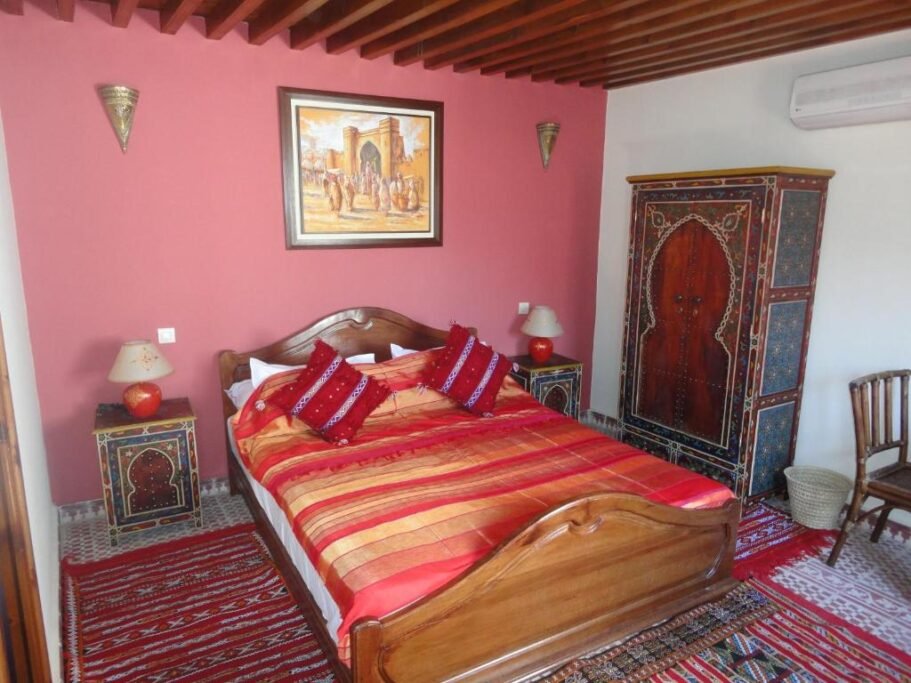
If you’re looking for budget accommodation in Rabat , we stayed in Dar Yanis, which is very well located in the medina and quite inexpensive. Breakfast was also included.
Must-see sights on one day in Rabat itinerary
Rabat is a cosmopolitan city that does a brilliant balancing act: you get the authentic Moroccan pulse of the medina, then—two streets later—the polished, European-leaning vibe of a modern capital with wide avenues, embassies, boutiques, and grand buildings. It’s lively, surprising, and way more interesting than people expect.
So, let’s make a note of everything you shouldn’t miss in Rabat:
The Medina of Rabat
Like in most Moroccan cities, the medina is where the real energy lives: narrow lanes, little workshops, voices bouncing off the walls, and that constant feeling that something delicious is being baked just around the corner.
Even with the usual medina buzz, this one felt noticeably cleaner and more organized than others—and, miracle of miracles, easier to navigate without getting lost for sport. Still, if you want context, stories, and zero wrong turns, a guided tour can be a smart move.
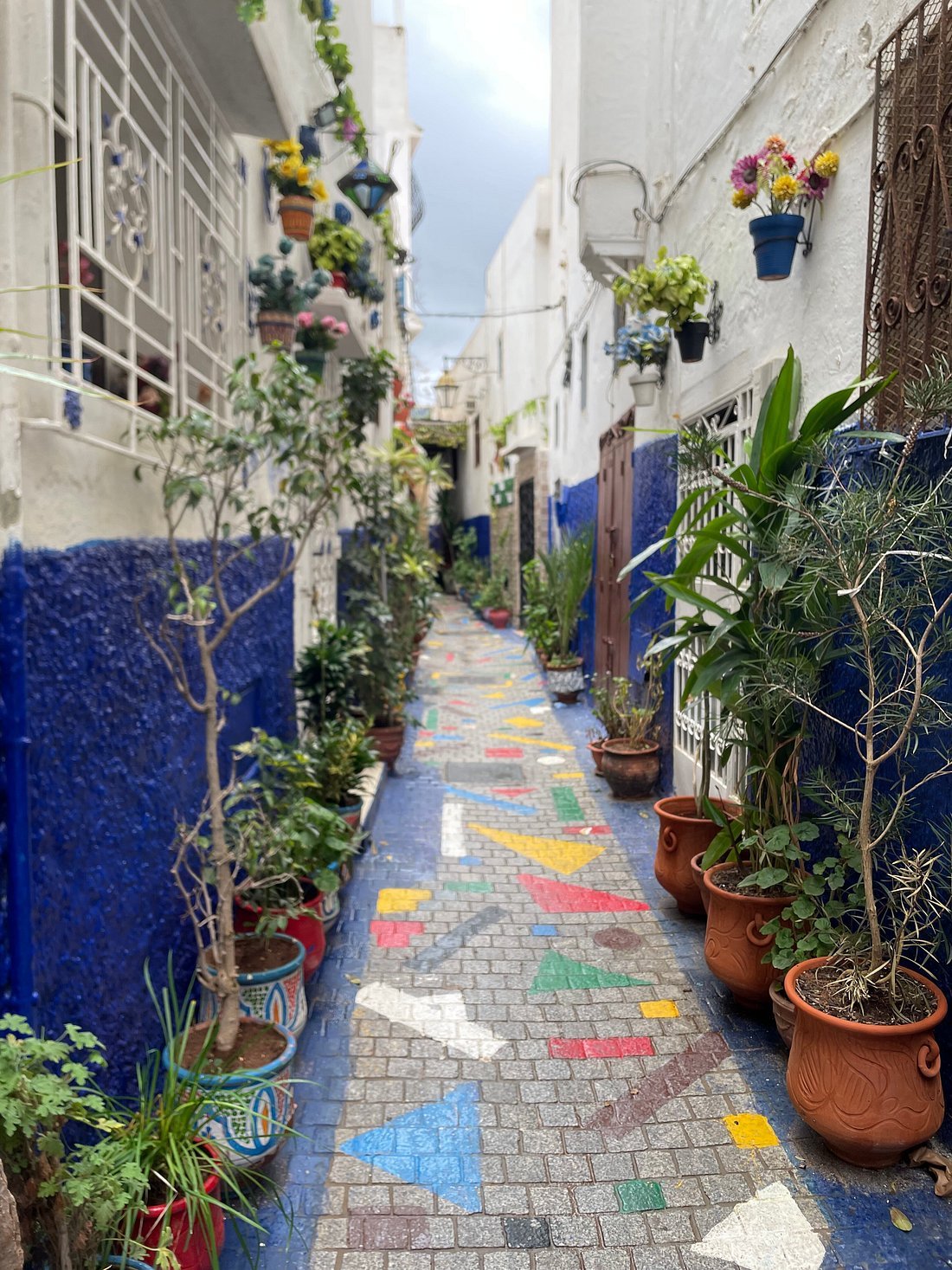
Gold Souk
The main artery is Mohammed V Avenue, while the most commercial lanes are Souika and Consuls. Around Souika you’ll find the Gold Souk and Souk es Sebat (covered with reeds), where you can also browse leather goods, carpets, kaftans, and all the “we’re just looking” temptations that magically end up in your bag.
Muslim Cemetery of the Martyrs, a sight to behold
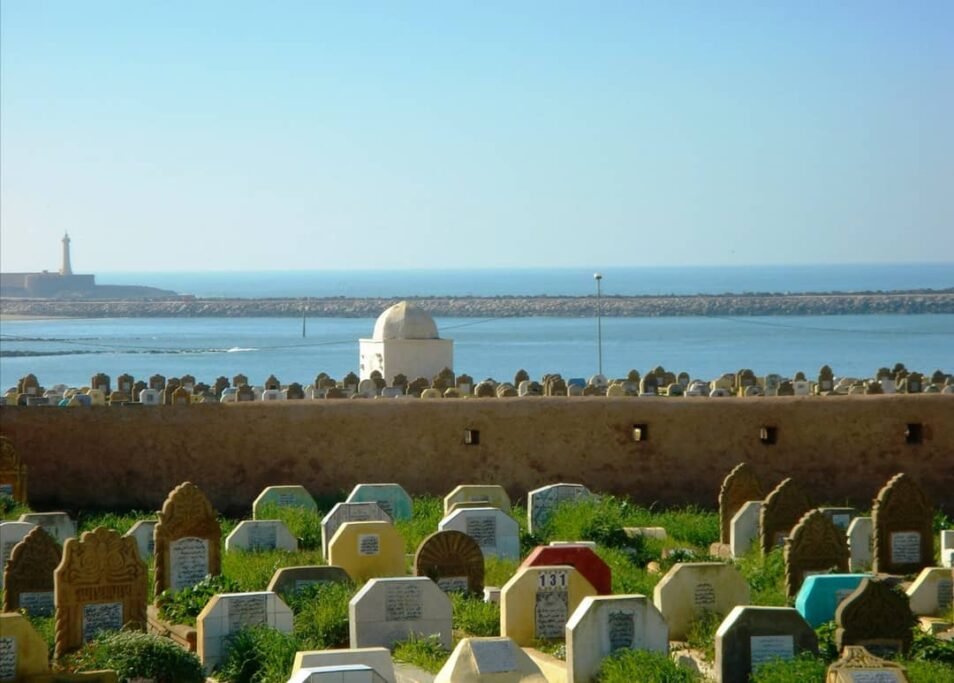
Leaving the medina and walking toward the sea, we reach the Muslim cemetery—not very touristy, but deeply memorable. It was one of the places that stayed with us the most.
Thousands of graves spread out with the ocean behind them, and a quiet so complete it feels physical. When we passed through, the silence was only broken by the chants of a funeral—one of those moments that makes you slow down automatically.
If you follow the cemetery downhill, you’ll end up at the Rabat Lighthouse and Rotemburg Fort, with Rabat Beach off to the right.
Kasbah of the Oudayas, the blue quarter
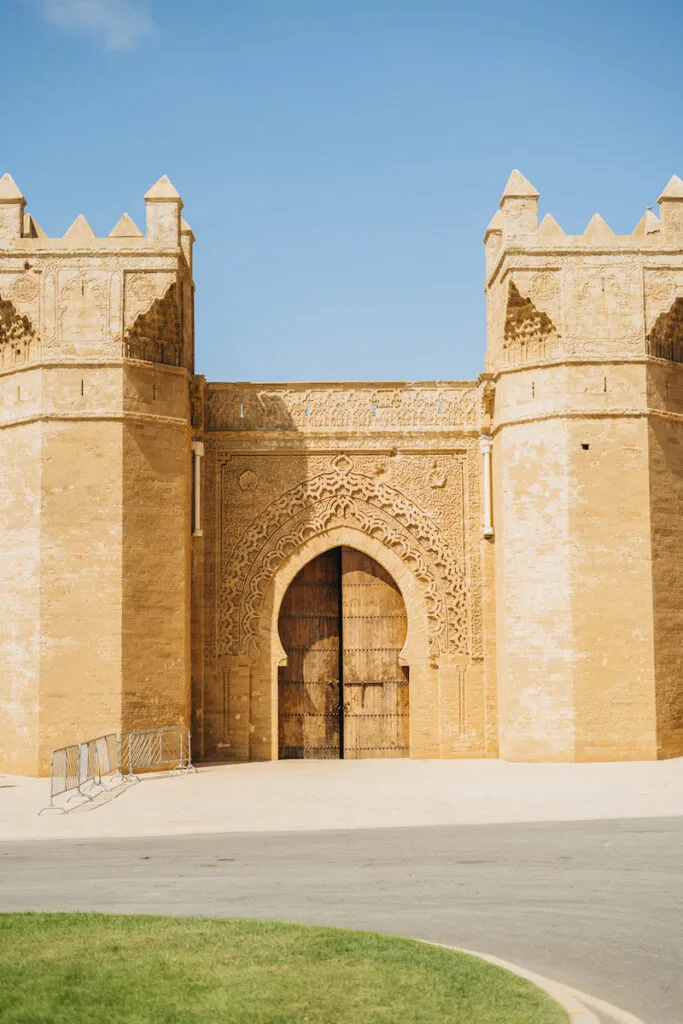
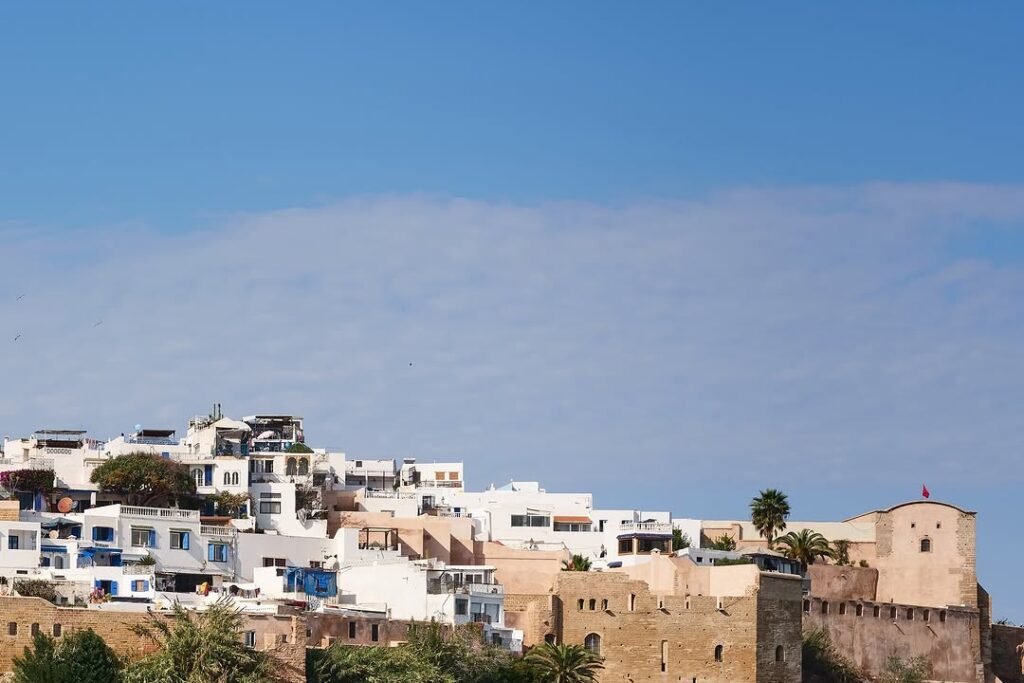
Keep walking with the sea on your left and you’ll spot a fortress in warm ochre tones. That’s your gateway to the Kasbah of the Udayas, where whitewashed walls meet indigo blue in a way that will absolutely remind you of Chefchaouen.
It’s named after the Udaya Arab tribe, who settled here in the 13th century to protect the city. And yes—Rabat’s oldest mosque is also here.
Café Maure
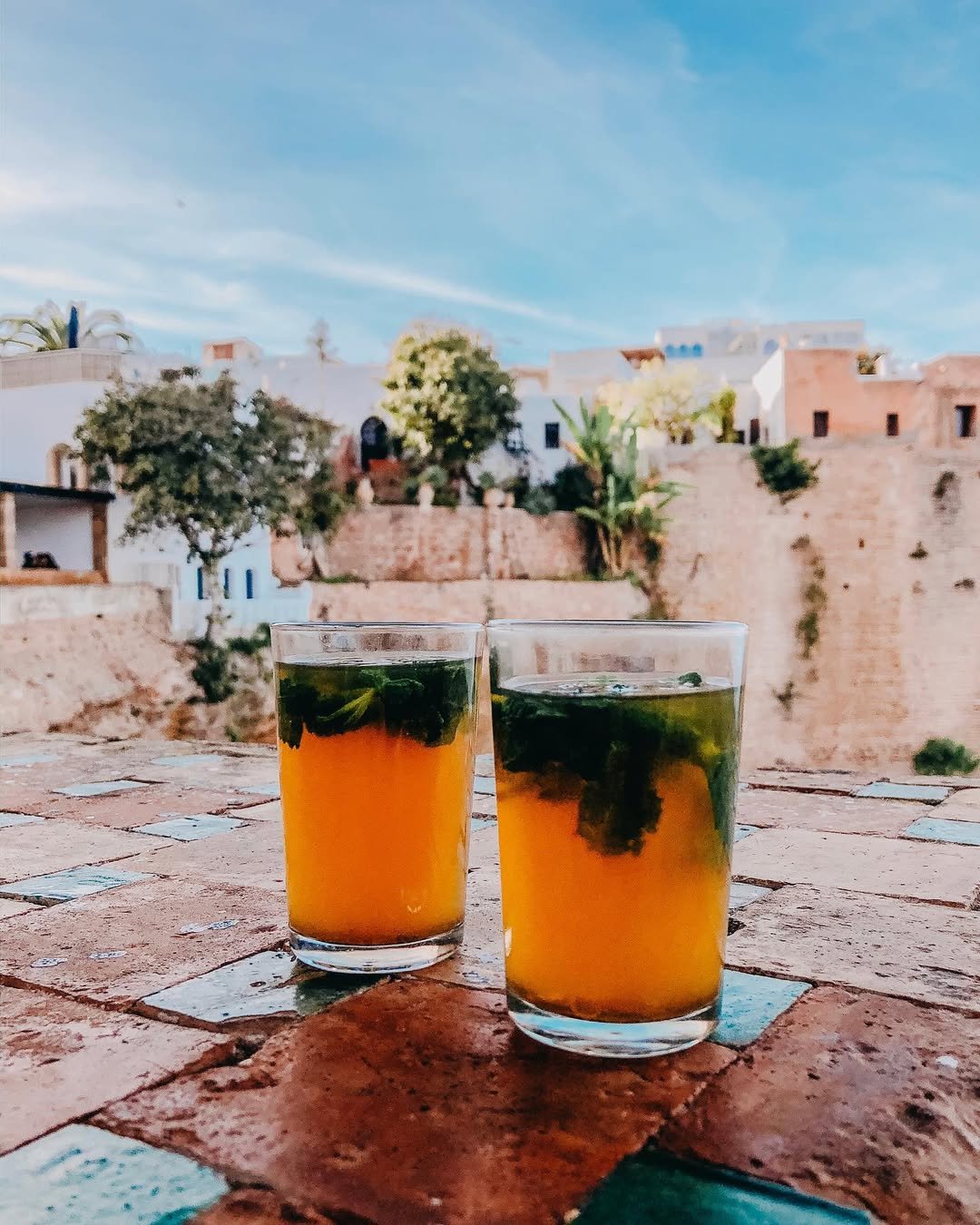
We roam the alleys without a plan (the only correct strategy here) until we stumble into Café Maure. This is where you sit down for Moroccan tea—green tea with mint and sugar—while the sea does its thing in front of you (Salé for next to nothing). The vibe reminded us, a little, of Café Hafa in Tangier.
Andalusian Garden
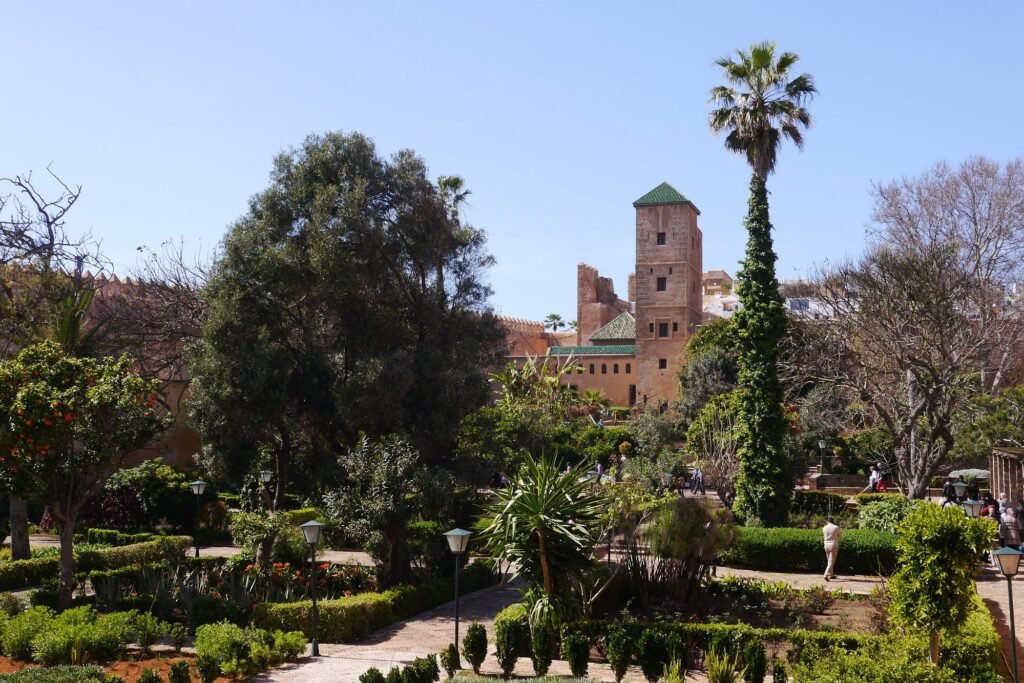
Walk through the door at the back of the café and you’ll pop straight into the Andalusian Gardens. Instant mood shift: orange-tree shade, fountains, reddish walls—very “Seville Alcázar daydream,” but with Atlantic air.
Leaving the gardens, turn left to slip back into the medina via the Consuls street. Keep going until you reach Souika, and you’ll exit the souk again through Bab Chellah.
Hassam Tower and Mohammed V Mausoleum
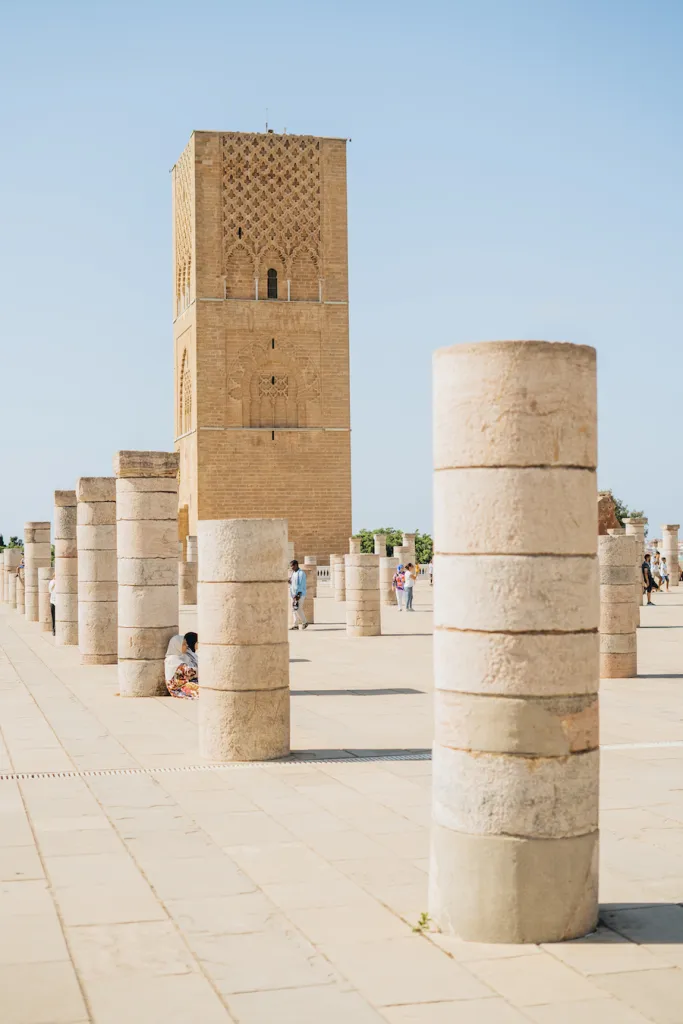
Continue along the long avenue past the Chellah gate and you’ll arrive at the Hassan Tower, the remains of a 12th-century mosque. The tower (44 meters high) was designed by the same architect behind the Giralda in Seville and the Koutoubia Mosque in Marrakech, and it stands in an open space surrounded by 200 columns in different sizes—like a stone forest.
On the same esplanade you’ll find the Mausoleum of King Mohammed V, always guarded by royal guards (sometimes even on horseback). It’s built with noble materials—like Italian marble—and feels appropriately grand.

The visit is free, and it’s absolutely one of the essential things to see in Rabat.
Chellah, one of the most surprising places
After that, our move is simple: grab a petit taxi to Chellah. Yes, you can walk in about half an hour—but taxis are so cheap that it’s not worth sweating for it, especially since the walk isn’t particularly scenic.
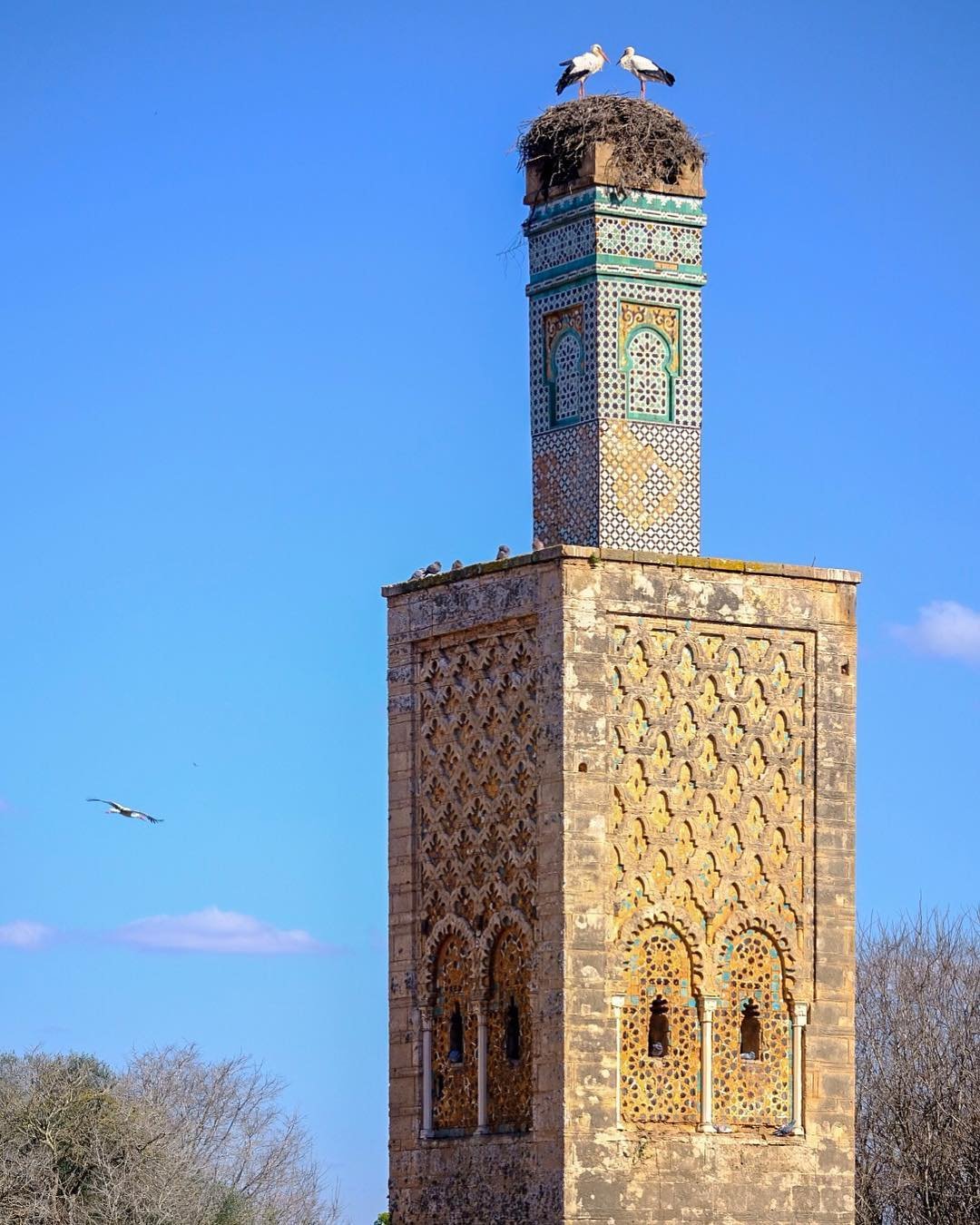
Chellah is a fortified site that holds valuable Roman ruins—a forum, a hammam… then later became a necropolis where the first Marinid sultans were buried (the later ones are in Fez). The minaret here is one of its standout features.
It’s spectacular—not just because it’s well preserved, but because you’re looking at Phoenician, Carthaginian, Roman, and Arab layers stacked together in one compact place. For us, it’s easily one of the must-see sights in Rabat.
The storks of Rabat
And then there are the storks. Chellah is home to a big colony of storks, with more than 70 nests scattered around the site. We’d never seen so many, or so close—like the ruins come with their own soundtrack of beaks and wings.
Royal Palace, to be seen… from afar
After Chellah, we can head back to the avenue and grab another petit taxi to the Royal Palace—or walk along the 12th-century Almohad wall.
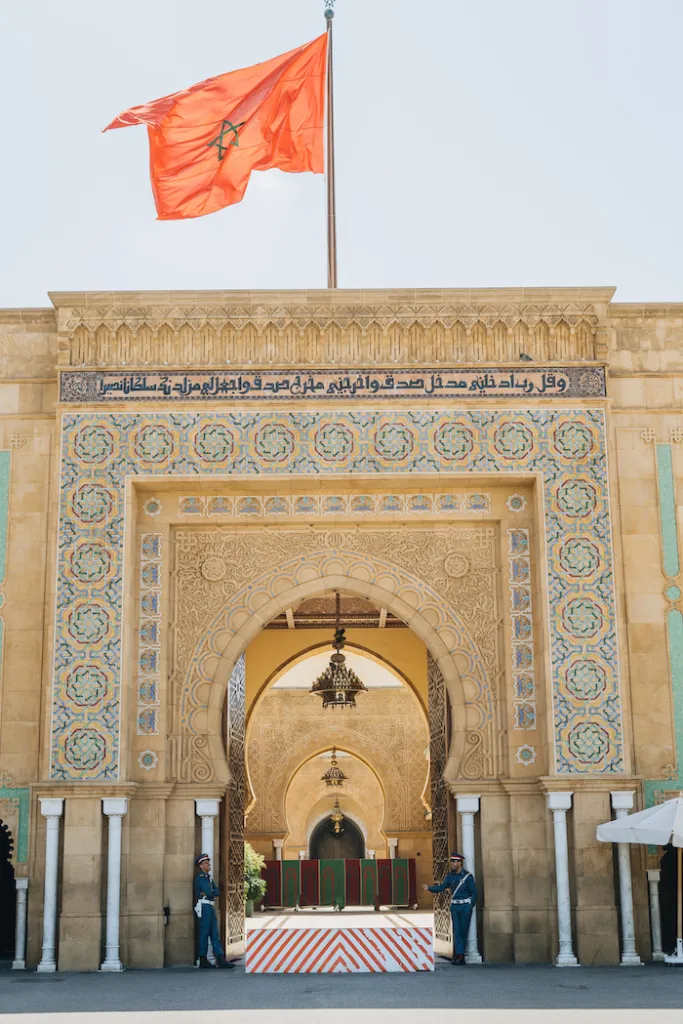
Realistically, you’ll only see the palace gate, but it’s still interesting. Just watch where the taxi drops you: ours stopped right in front, we walked closer, and a group of armed guards gave us a very firm “absolutely not” lecture. Lesson learned.
Mechouar
If you really want to “visit” the Royal Palace, you’ll need to approach from behind via an area called Mechouar. There’s a park and a mosque, plus a police station that checks passports. Once you’re registered, you get controlled access (with plenty of security) into the palace complex—close enough to approach the gate from a very prudent distance and snap a couple of photos.
Is it the visit of the year? No. Is it entertaining purely because of the ceremony and rules? Absolutely.

Mohammed V Avenue
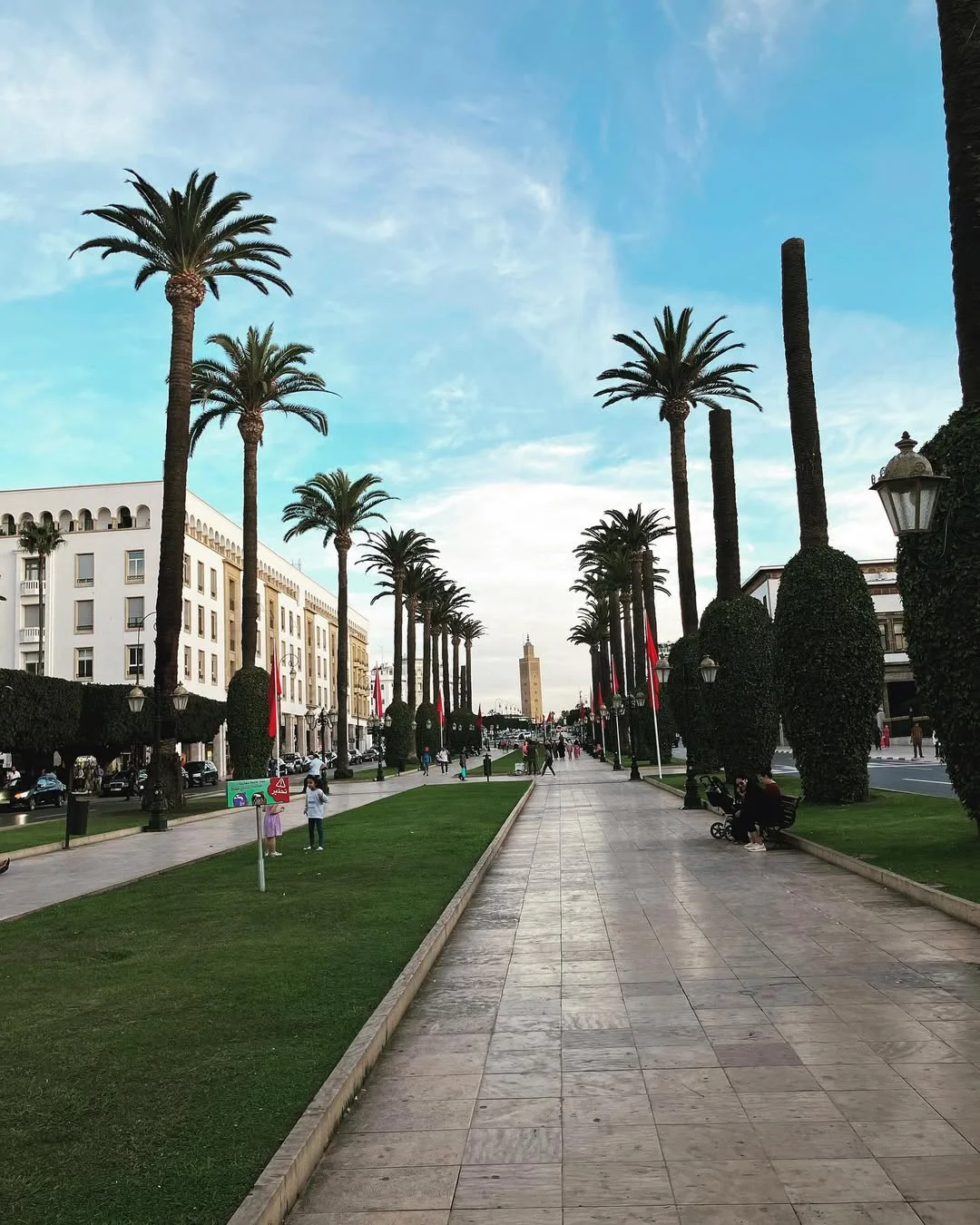
To get back toward the medina from the Royal Palace—whether on foot or by taxi—we cross Mohammed V Avenue again. This is Rabat’s official side: embassies, post offices, major institutions, and the train station (handy if you’re continuing to Fez or Meknes).
With this route, we’ve basically covered the essential things to do during one day in Rabat. Any leftover time? Easy: shop a little in the medina, or go full Morocco-mode and book a hammam so you leave feeling brand new.
Eat delicious Moroccan dishes in Rabat
Now—priorities. Raise your hand if you love Moroccan food. Same. Monuments are lovely, but we’re here to balance culture with serious eating: spices, soups, grilled things, and that magical bread that makes you forget you ever liked forks.
Here are a few restaurants in Rabat we recommend:
Libération, very economical
Liberation café is shockingly cheap for its location—inside the medina and right near Mohammed V. You’ll see a few tourists, but it’s mostly locals (and honestly, locals don’t queue for bad deals).
Is it the tastiest meal you’ll have in Morocco? Probably not. But if what you want is a cheap meal in Rabat that fills you up, this is your spot. We had harira, a salad, kebabs, and fruit salad.
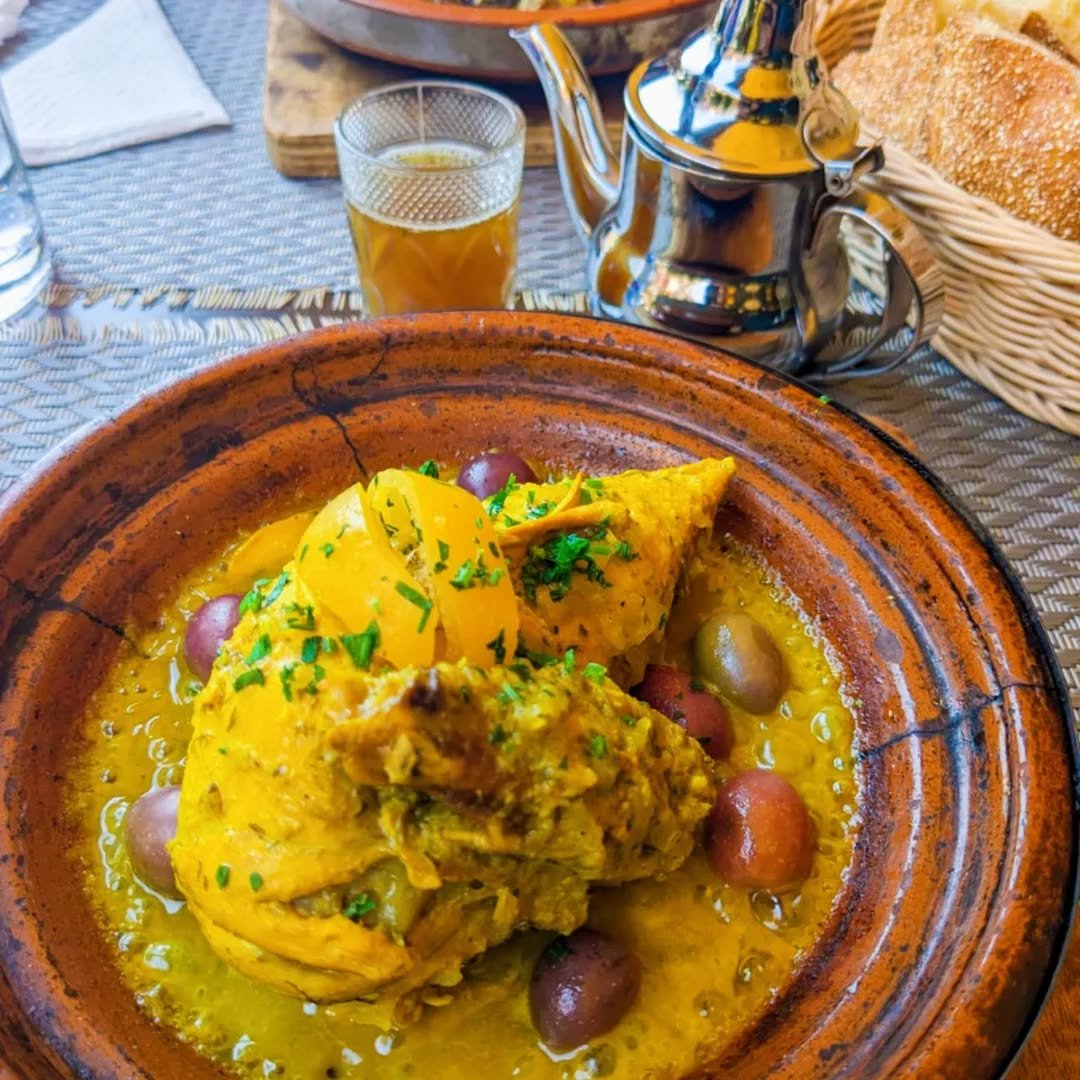
Dar El Medina, a luxurious oasis in the hustle and bustle
Dar El Medina sits on busy Souika street in the medina, but once we step into the courtyard it’s like someone turned the volume down. Calm, leafy, and surprisingly serene for being right next to the chaos.
The food is excellent, though it’s a bit pricier. We ordered harira, vegetable couscous, and seafood pastilla, plus bread and fruit—and yes, we overdid it because the pastilla was enormous. Learn from us: when in doubt, order less. (You won’t.)
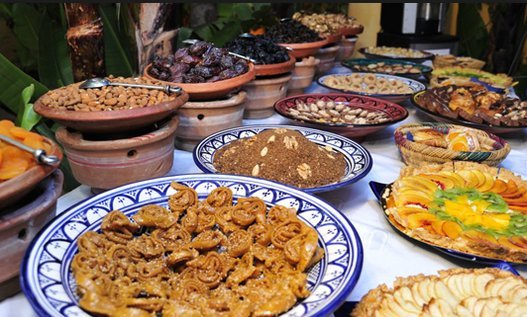
Dar Naji Centre, popular and busy
Dar Naji is just outside the medina, near the entrance by the Central Market. It’s definitely tourist-friendly, but it earns its popularity: great value—good, beautiful, and cheap.
The best part is the first-floor terrace. And the price-to-happiness ratio is wild: three of us ate there for under €20. We had chicken with a delicious flour-based pasta, mixed kebabs, and meat with prunes, plus tea, bread, and water.
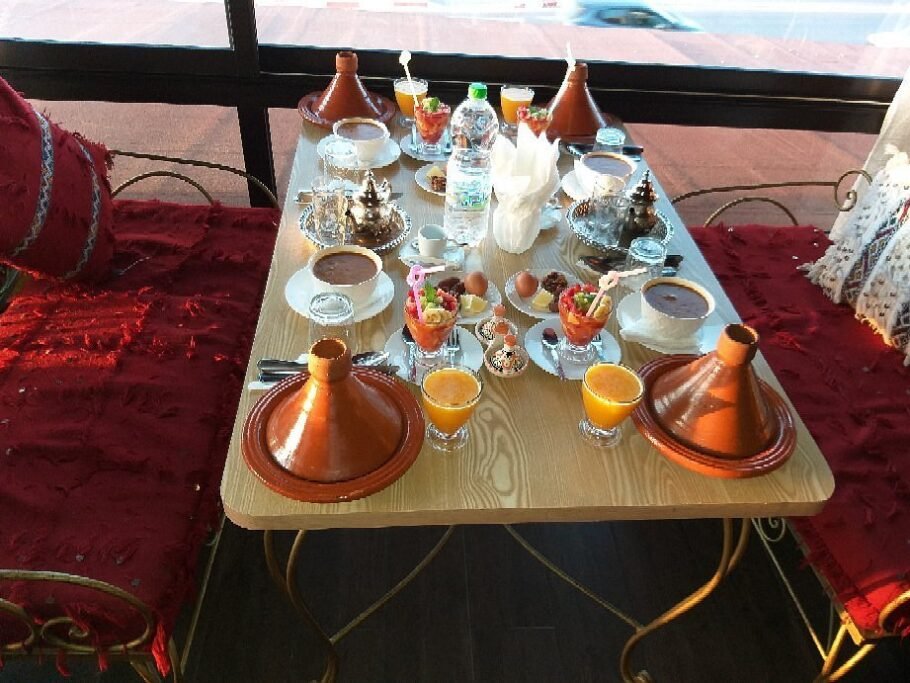
And that should give you a solid feel for the city: a one-day route that covers the most interesting places to see in Rabat, plus the important business of eating well while you’re at it.
- Where To Stay In Rabat in 2026: Best Neighborhood & Top Hotel Picks
- Where to Eat in Rabat Morocco (2026): Best Restaurants, Cafés and Local Favorites
- One Day in Rabat (2026): The Perfect Itinerary for First-Timers- Medina, Kasbah & Ocean Views
- What To Do In Rabat Morocco (2026): Ultimate Capital City Guide