

Travel writing based on first-hand experience
Shiraz, nestled in southern Iran, stands as the nation’s cultural and artistic hub and is recognized by UNESCO as a World Heritage Site. Famous as the city of celebrated poets like Saadi and Hafez from the 13th and 14th centuries, their tombs are among Shiraz’s enchanting attractions today.
Ranked as Iran’s third-largest city after Tehran and Mashhad, Shiraz is an indispensable stop for those looking to delve into Iran’s profound cultural and historical legacy. The town spans history from ancient Persia to the eras of the Zand and Qajar dynasties, offering visitors many majestic monuments, buildings, and gardens that each tell a part of the region’s long history.
Set against the scenic Zagros Mountains, Shiraz also offers a breathtaking natural backdrop that complements the city’s calm, inviting atmosphere—an allure that captivates locals and tourists alike.
Here are the 17 best things to do in Shiraz that you shouldn’t miss, curated to help you fully discover this beautiful city.
Planning more of your Iran adventure? Read these next
- 12 Best Places to Visit in Iran: Historic Cities, Deserts and Natural Wonders
- Iran Travel Tips: What to Know Before You Go
- Isfahan Iran Guide: Mosques, Persian Gardens and Historic Bridges
- Best Things to Do in Yazd: Explore Iran’s Ancient Desert City
- Top Things to Do in Tehran: Palaces, Bazaars and Mountain Views
Table of Contents
Getting Around Shiraz
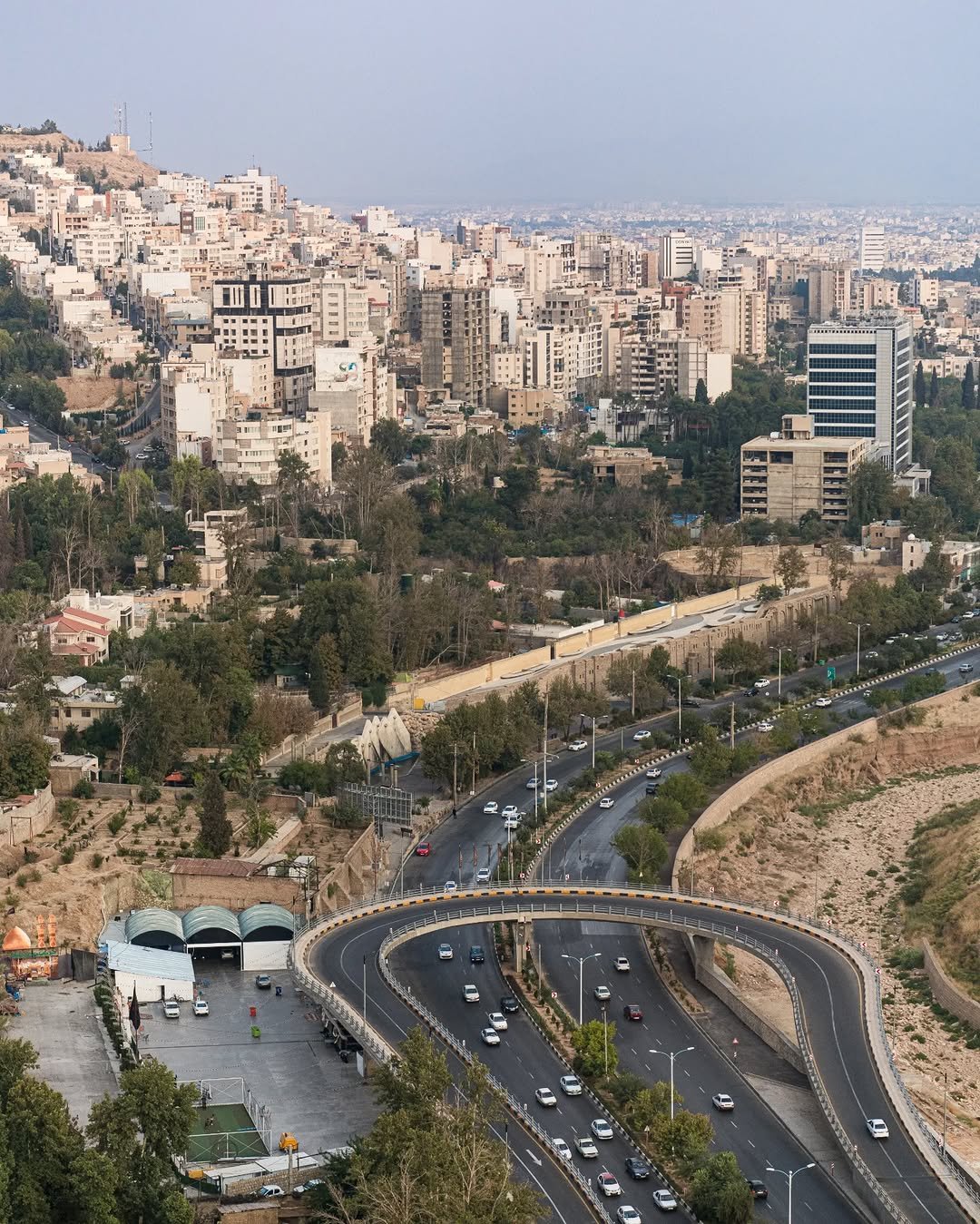
We bounce between poetry gardens, pink-tiled mosques, and ice-cream stops like it’s our job. Shiraz is compact at the core, so you can walk a lot, then tag in metro, buses, or ride-hailing when feet protest.
On Foot (historic core)
Vakil Bazaar, Vakil Mosque, Shah Cheragh, and the Karim Khan Citadel sit in a tight cluster. Mornings are coolest; late afternoons glow for photos. Side streets are uneven—closed shoes beat sandals.
Metro (Line 1 for long hops)
Line 1 runs north–south through the city and connects key central stops with the Airport area. Trains are clean and straightforward; buy/reload a metro card at station kiosks, then tap in/out. Women-only cars are marked—use them if you prefer extra space.
City Buses & BRT
Regular buses and BRT lanes cover the main avenues. They’re cheap but require a transport card (or small cash with help from the driver). Handy for straight-line rides to gardens and newer neighborhoods.
Ride-Hailing & Taxis
Apps like Snapp and Tap30 are the easiest door-to-door option. They show live pricing and pin pickups at landmarks (Karim Khan, Vakil, Zand). If you hail a street taxi, agree on the fare before you roll; keep small bills.
From/To the Airport (SYZ)
Fastest: ride-hailing/taxi straight to your hotel. Budget: take Metro Line 1 from the Airport station toward the center, then walk or transfer. Flights arrive late? Pre-arrange a car through your stay to skip negotiations.
Driving & Parking
Iran drives on the right. City traffic can feel assertive and parking tight near the bazaar. If you rent (with an International Driving Permit), park once on the edge of the historic zone and explore on foot.
Bikes & E-scooters
Fun on quiet backstreets and park paths, less fun on busy arteries. Early morning rides to gardens (Eram, Delgosha) are the sweet spot. Helmets recommended.
“`html
Best Things To Do In Shiraz
1. Visit Shah Cheragh Mausoleum
If Shiraz had a “start here” button, this would be it. We walk into Shah Cheragh and immediately forget our to-do list, because the place doesn’t just glow — it shimmers. The name means “King of Light” in Persian, and yes, it absolutely lives up to the hype.
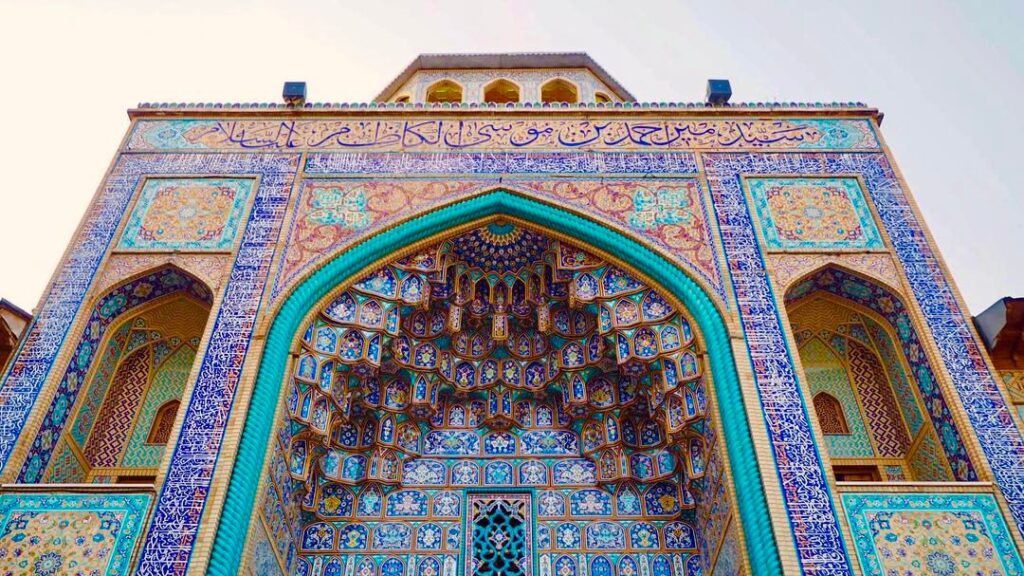
What can you do in Shiraz? The Shah Cheragh mausoleum and mosque are grand starting points. This revered site contains the tombs of brothers Amir Ahmad and Mir Muhammad, sons of the seventh Shiite Imam, Musa al-Kazim. It’s the most significant pilgrimage location in Shiraz — and you can feel that the second you arrive.
Visitors are often awestruck by the mosque’s lavish decorations. Inside, mosaics of mirror shards ripple across the walls, vaults, and ceilings, catching every scrap of light and turning it into sparkle. The doors are embellished with silver panels, and outside you’ll find a stunning fountain in the courtyard that adds a calm pause between all that glitter. Pro tip: dress modestly and move slowly — this is a place people come to pray, not just pose.
2. Visit Nasir-al-Mulk Mosque
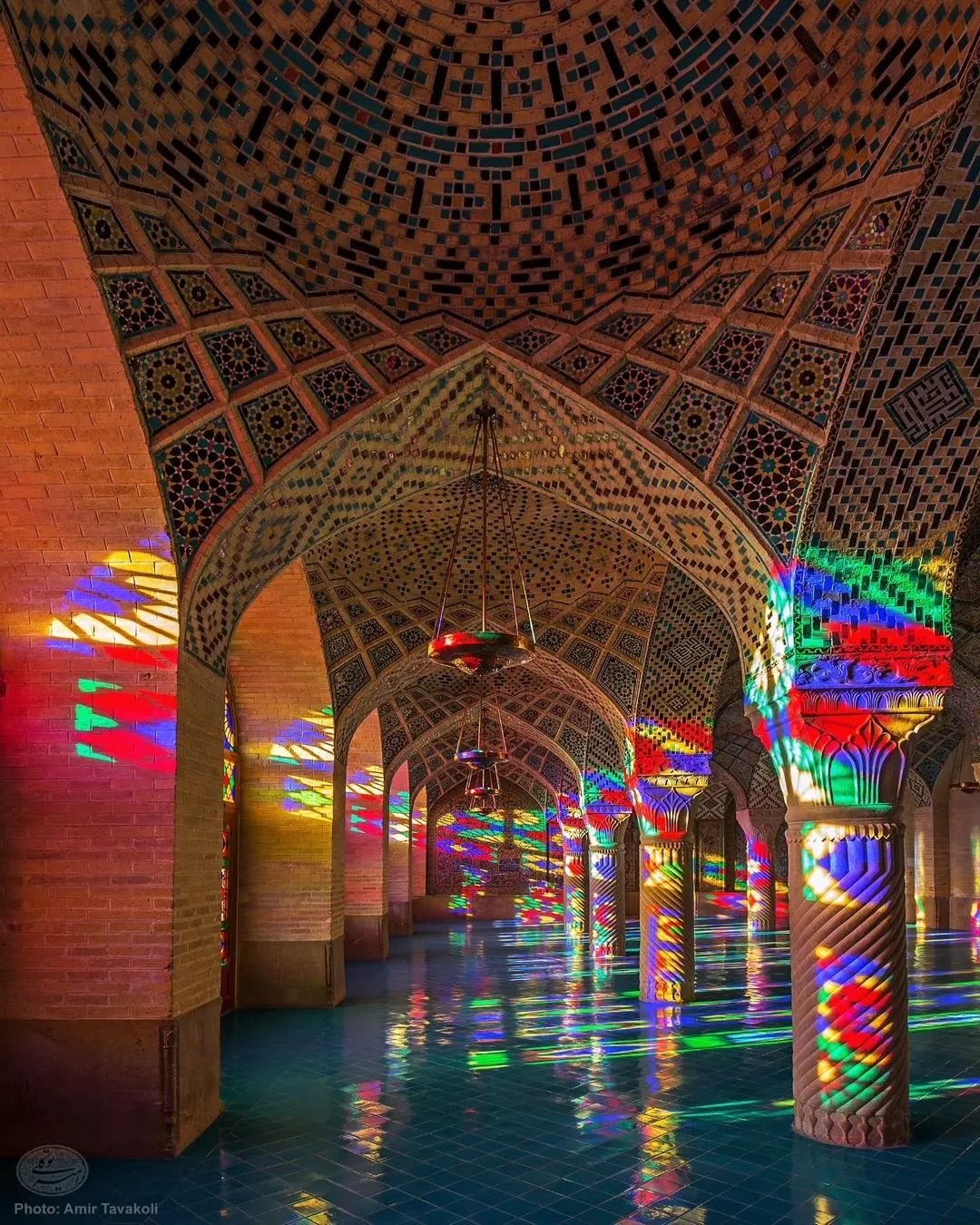
Just a short distance from the Shah Cheragh shrine, you’ll find the stunning Nasir-al-Mulk Mosque, also known as the Pink Mosque. Often considered the most beautiful structure in Shiraz, skipping it would be an actual tragedy (the gentle, tourist kind). Built between 1876 and 1888 during the Qajar dynasty, the mosque enchants all who enter. Those elegant colonnades and stained-glass windows are the main event: when sunlight pours through, it throws a kaleidoscope of color over the Persian carpets, creating a magical atmosphere. Pro tip: come in the morning for the strongest light.
3. Visit Zinat Al-Molk House
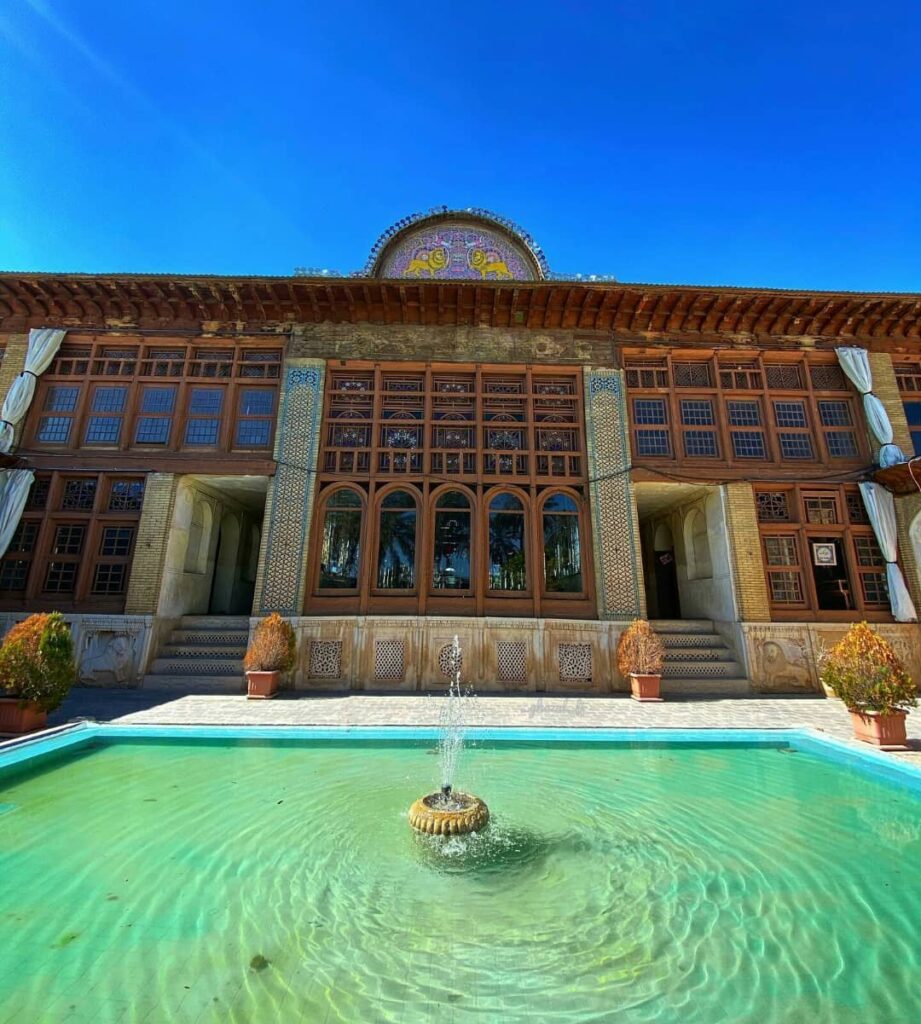
Zinat Al-Molk House, also known as Zinat Al-Molouk, is a key historical attraction on Lotfali Khan Zand Street in Shiraz. Built in 1302 SH, it was once the residence of Zinat Al-Molouk Qavami, daughter of Qavam Al-Molk IV — which means you’re basically stepping into a slice of Shiraz high society.
The house showcases exquisite design, from the entrance vestibule to a courtyard flanked by two lush gardens. A striking square turquoise pool sits at the courtyard’s center, pulling your gaze toward the mansion itself, where wooden and multicolored windows sit beneath an ornate arched façade. Pro tip: slow down and look up — the details are the whole point here.
4. Explore Vakil Bazaar
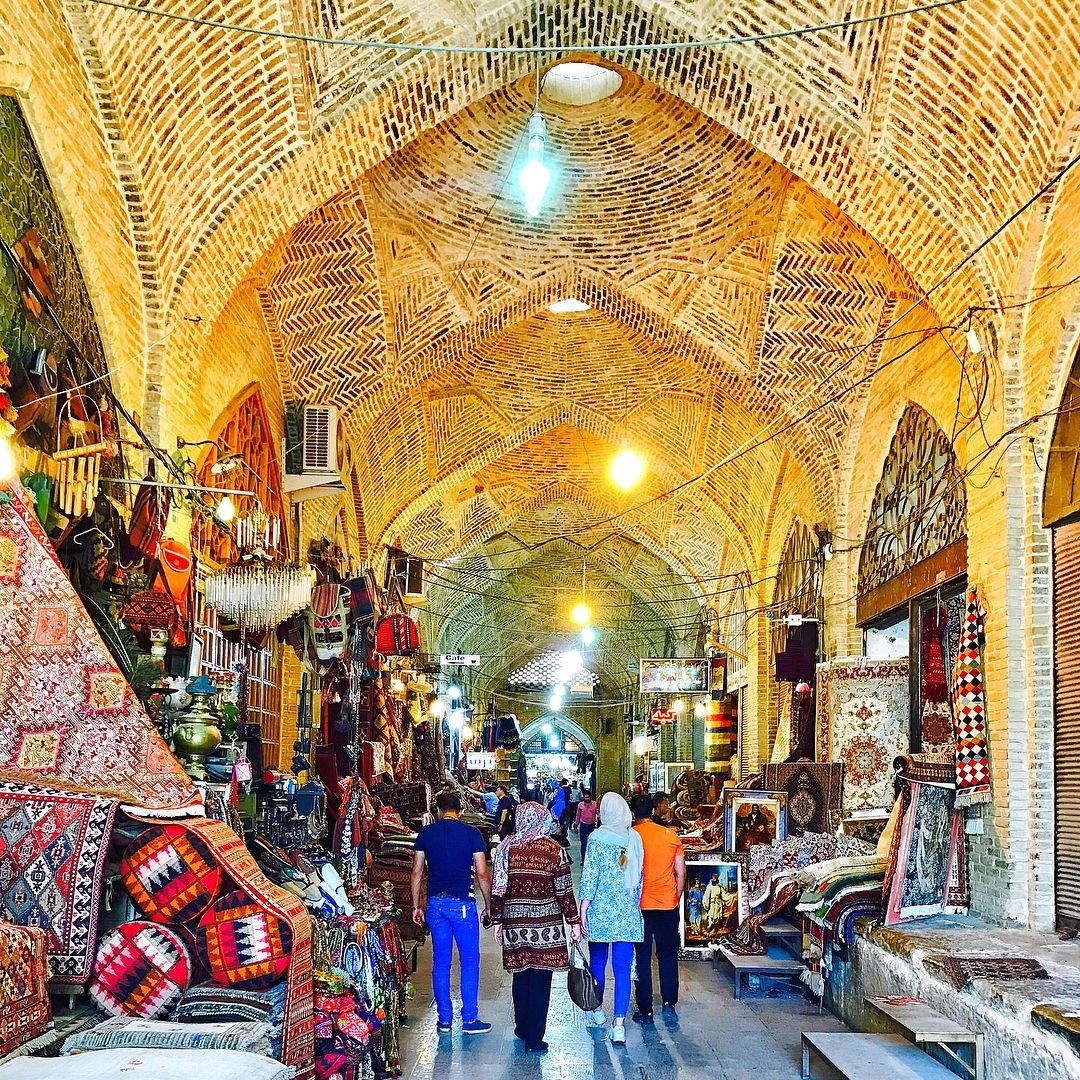
If you’re planning a trip to Shiraz, include Vakil Bazaar on your itinerary. Located in the heart of the historic city center, it’s the most important market in Shiraz — and one of the best places to feel the city’s pulse.
The bazaar is a photographer’s dream: a vast labyrinth of hundreds of atmospheric stalls. You can shop for spices, jewelry, exquisite Persian rugs, and traditional handicrafts, but honestly, half the fun is just wandering under those beautiful arches. Vakil Bazaar is also a standout example of 18th-century Zand Persian architecture, with vaulted ceilings and decorative details that make the whole place feel like an indoor city.
Pro tip: come with a “maybe list,” not a strict plan — you’ll spot things you didn’t know you needed.
5. Explore Sarayeh Moshir
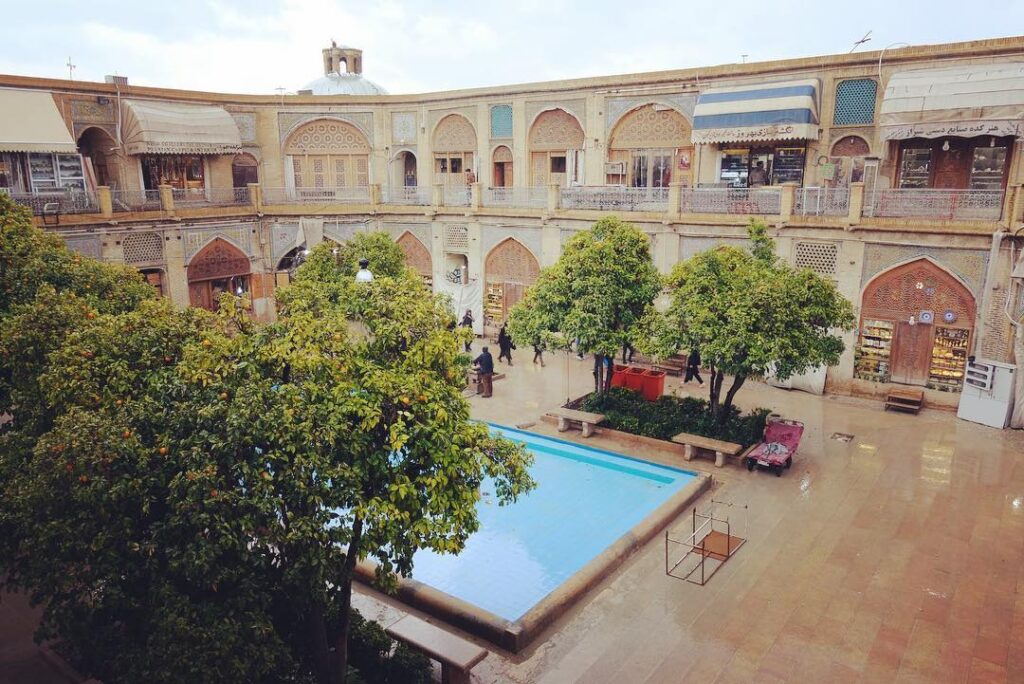
In the center of Vakil Bazaar, Sarayeh Moshir is a special market section dedicated to Persian artifacts and craft pieces. The layout feels calmer than the main bazaar corridors, with a charming pool surrounded by shops that makes you want to linger. Don’t miss the workshops upstairs for a closer look at how things are actually made. Pro tip: this is a great place for gifts that don’t feel mass-produced.
6. Discover Eram Garden
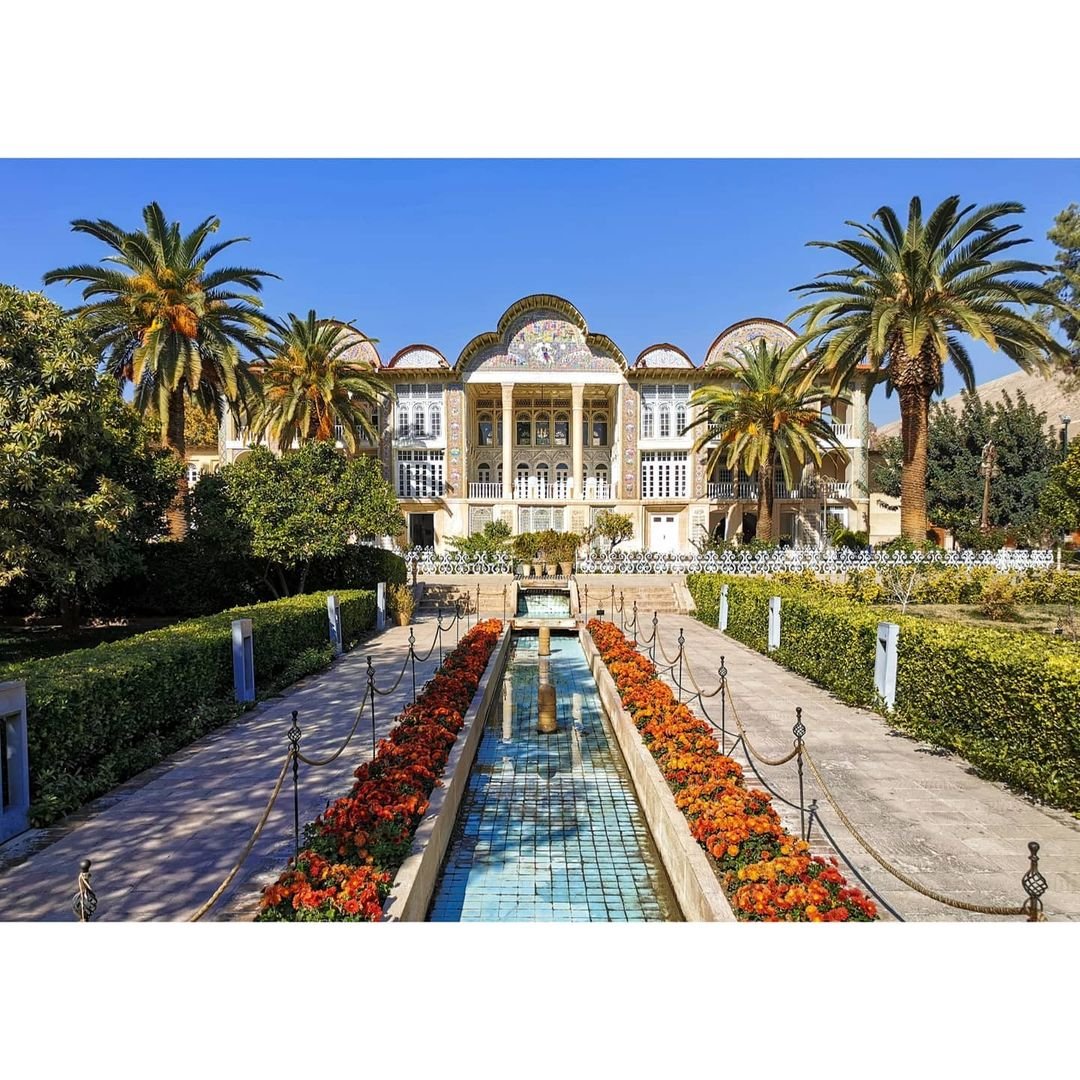
Shiraz is famous for its gardens, and Eram Garden is the headliner. Known as the “Garden of Paradise” in Persian, it sits near the city’s university and centers around an impressive Qajar-era palace. Between the palms, flowerbeds, and long walkways, it’s a perfect spot for travellers craving tranquillity and natural beauty.
Pro tip: this is your reset button after a busy bazaar day.
7. Visit The Tomb of Hafez
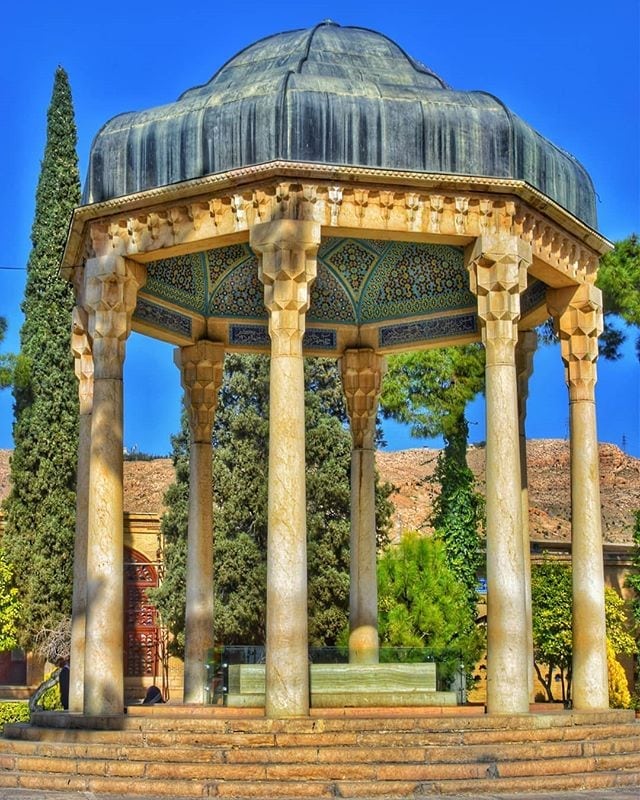
A visit to Shiraz isn’t complete without a stop at the Tomb of Hafez, one of Iran’s most beloved poets. The marble tomb sits within the Musalla Gardens by a seasonal river, and the atmosphere is exactly what you want here: unhurried, reflective, and quietly moving. Redesigned in 1935 by the French architect André Godard, it offers a peaceful setting for pausing, reading, or simply absorbing the poetry in the air.
Pro tip: visit near sunset when the gardens feel softer.
8. See The Tomb of Saadi
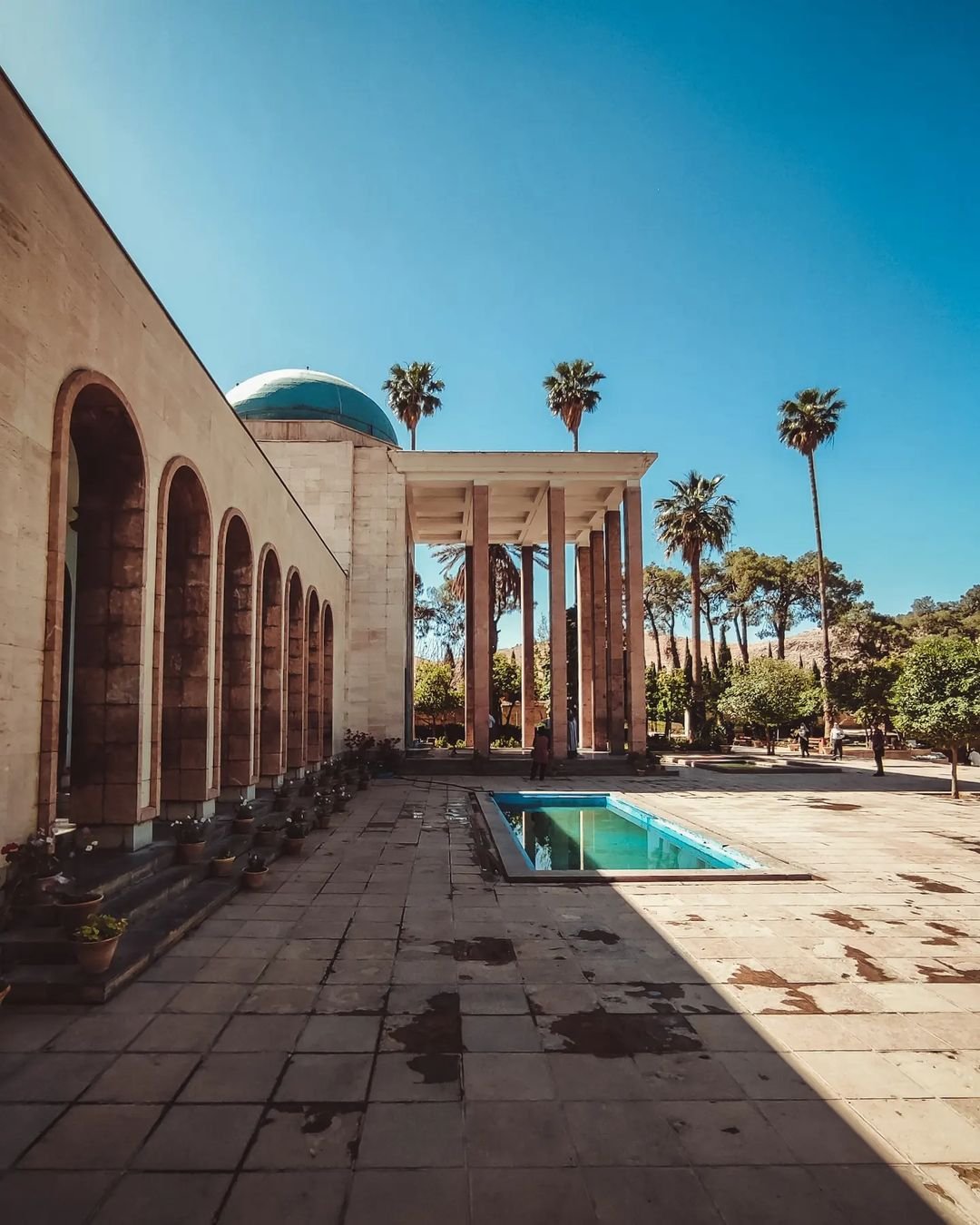
You can find the Tomb of Saadi, another esteemed Iranian poet, close to the Tomb of Hafez. Set among cypress trees, this peaceful site feels made for lingering, and there are tea houses nearby where you can sit down and let the city slow to your pace. Nearby, the Delgosha Gardens add another beautiful stop, rounding out the area with serene atmosphere and lush scenery.
Pro tip: this combo is ideal when you want culture without rushing.
9. Visit The Qavam House
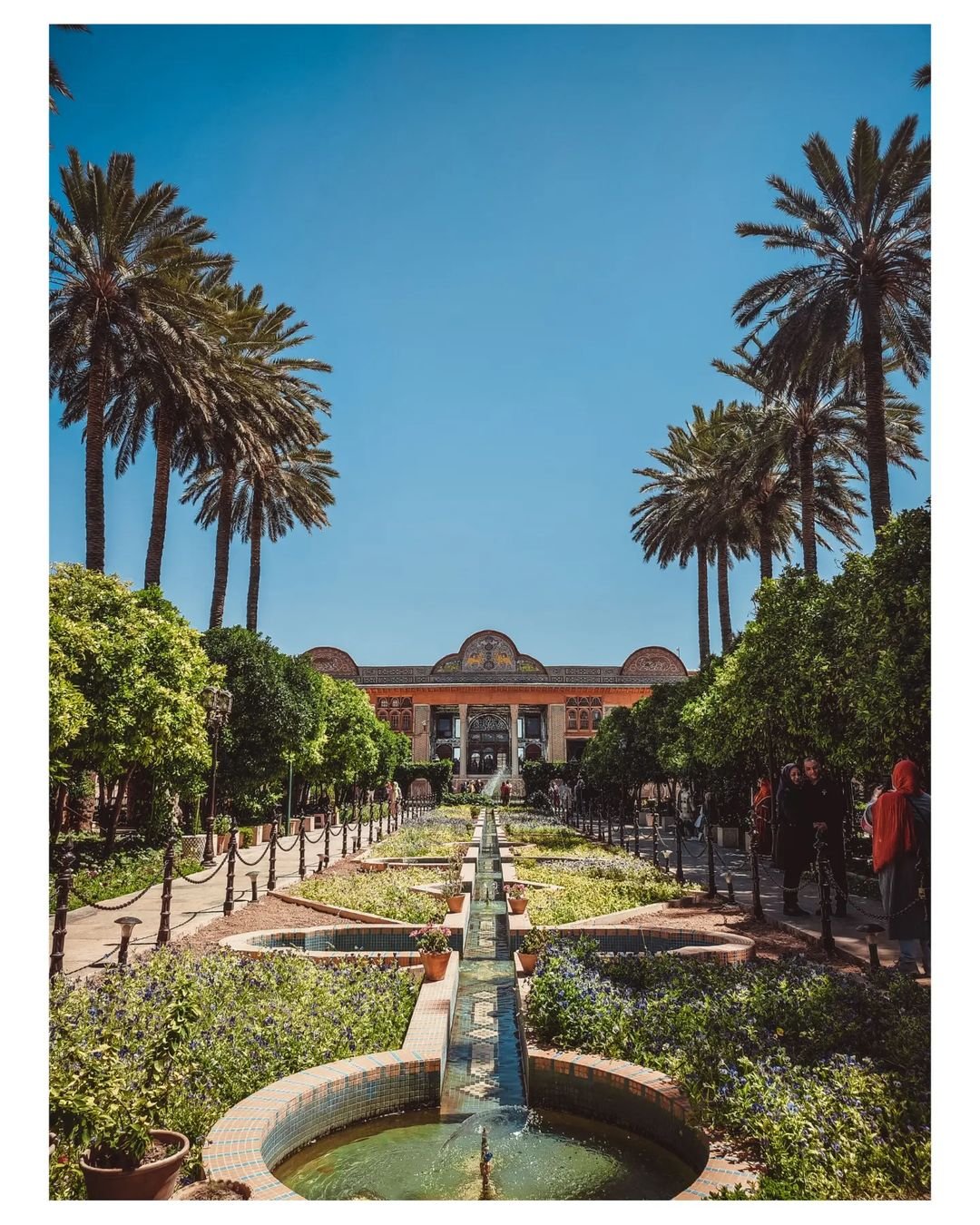
If you want one place that captures Shiraz elegance in a single shot — garden, mansion, and all the decorative finesse — this is it.
Built by Mirza Ibrahim Khan, a member of the wealthy Qavam merchant family, Qavam House is a 19th-century Persian residence that shows off the sophistication of Persian high society. Now functioning as a museum, it features a beautifully designed garden with fountains, palm trees, and flowers — a reminder of why Shiraz is famed for its green spaces.
10. See The Citadel of Karim Khan
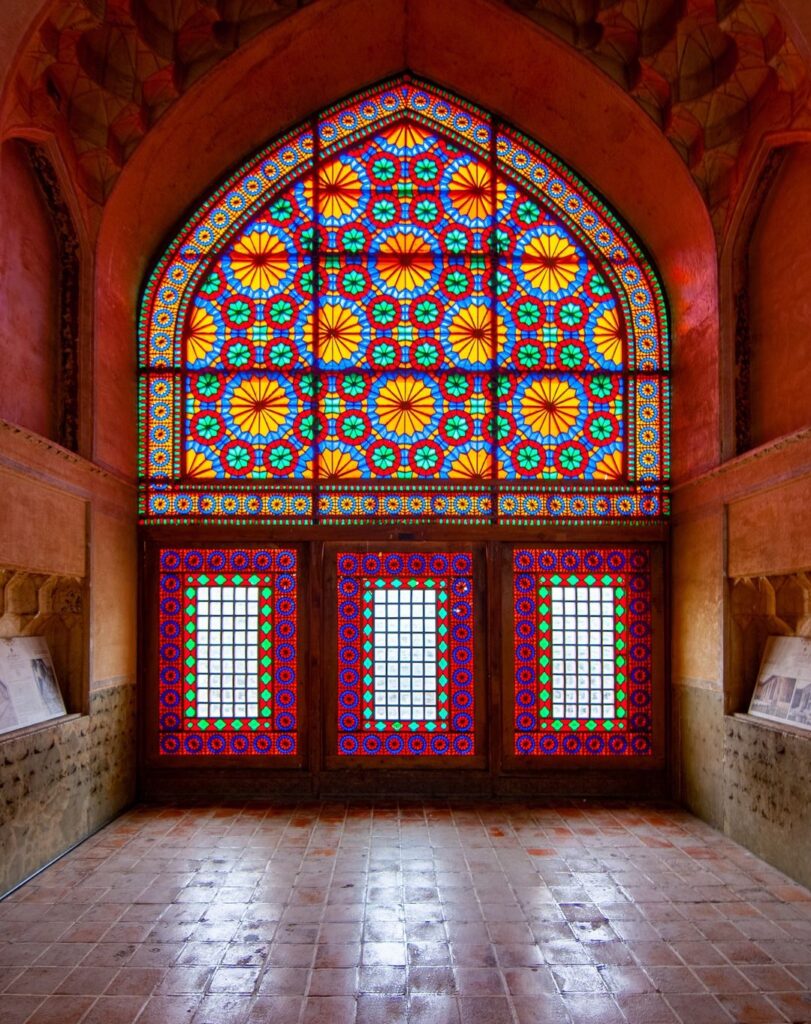
Located in the historic city center, the Arg of Karim Khan fortress was constructed around 1766 during the rule of the first Zand dynasty leader. Today, it functions as a museum where visitors can explore former palaces and residential quarters. The fortress also features a lovely interior courtyard planted with orange trees, which adds a surprisingly gentle, garden-like feel to all that brick and history.
Pro tip: this is a great midday stop when you want shade with your sightseeing.
11. Visit The Pars Museum

Formerly a palace that welcomed prestigious visitors under the Zand dynasty, the building is now the Pars Museum. Inside you’ll find masterpieces and works by famous Iranian painters, along with artifacts like handwritten Qurans. The museum also connects you to the superb Nazar Garden — one of the oldest in the city — which makes the whole visit feel calm and layered rather than “just another museum stop.”
12. Visit the Vakil Historical Bath
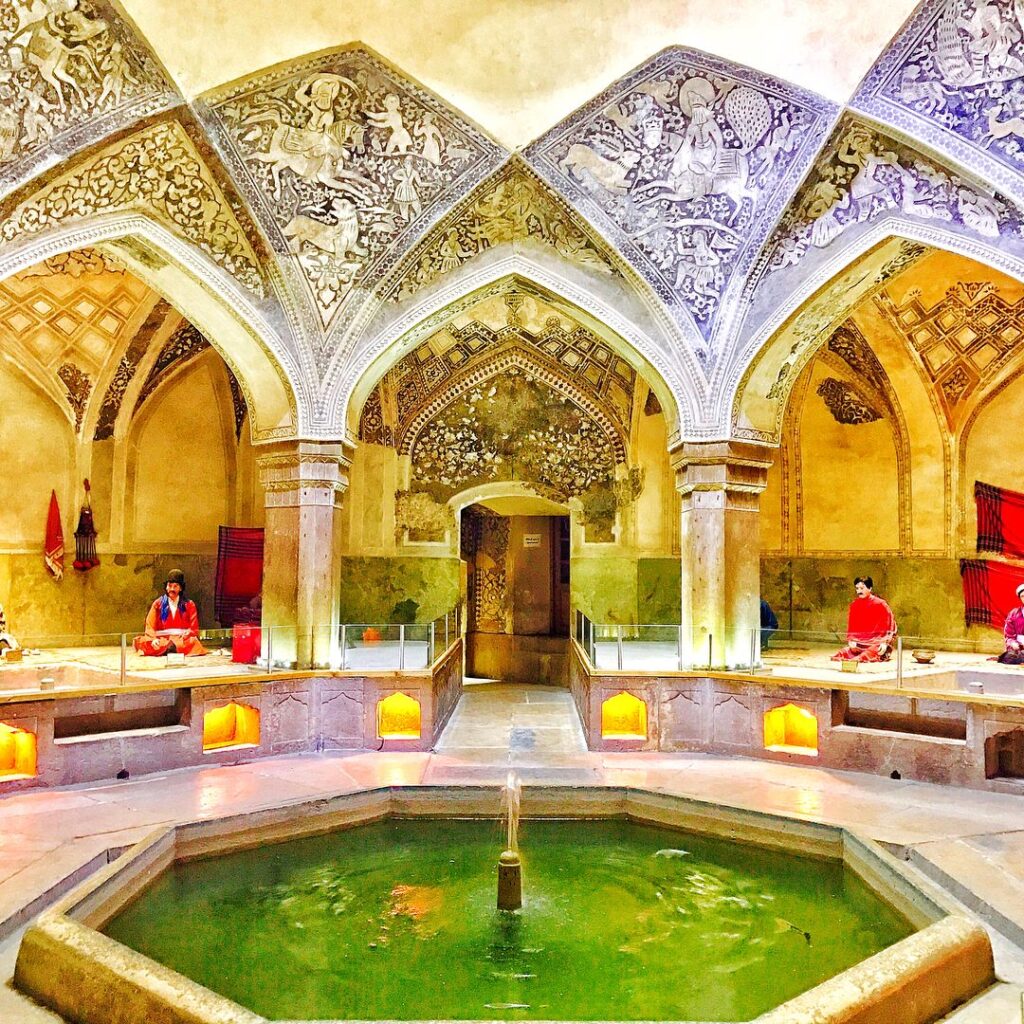
Still considering what to do in Shiraz? Before heading out to the ancient sites around this splendid Iranian city, visit the Hamman-e Vakil, an 18th-century public bath. This beautiful building features a richly decorated interior that shows off the era’s architectural flair.
Pro tip: look for the details in the ceilings — they’re easy to miss when you’re dazzled by the big rooms.
13. Admire the Quran Gate
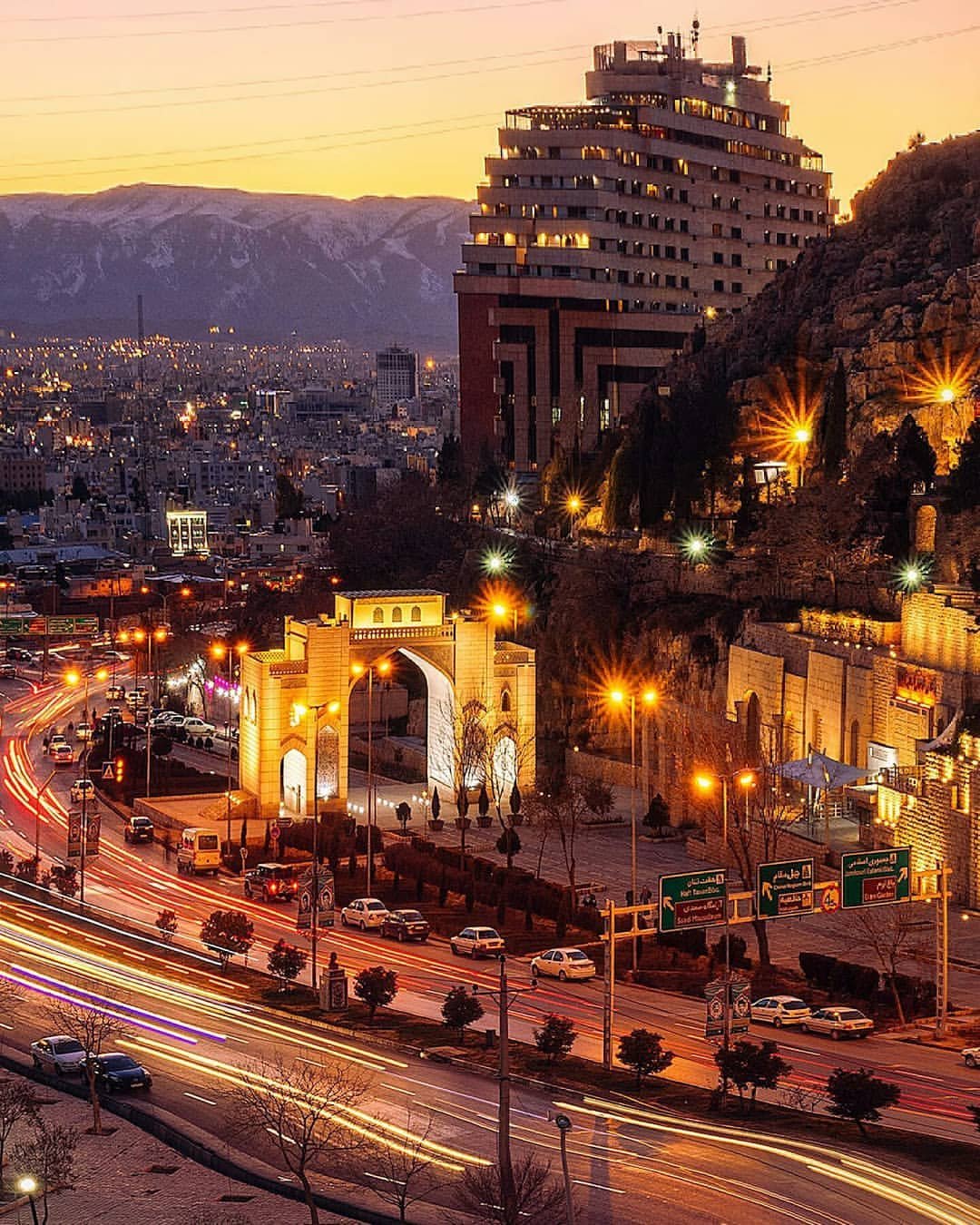
Quran Gate, also known as Shiraz Gate, is a historic entryway in the north of Shiraz — and it’s especially worth seeing if you’re arriving from that direction. The gate itself is photogenic, but the surrounding landscape (mountains included) is what makes the whole scene feel dramatic. You can hike up the nearby hills for a fantastic view of the city, then reward yourself with local snacks from the street vendors around the gate — barbecued corn and more.
Pro tip: time it for late afternoon when the light gets softer.
14. Try traditional Iranian cuisine at Haft Khan Restaurant
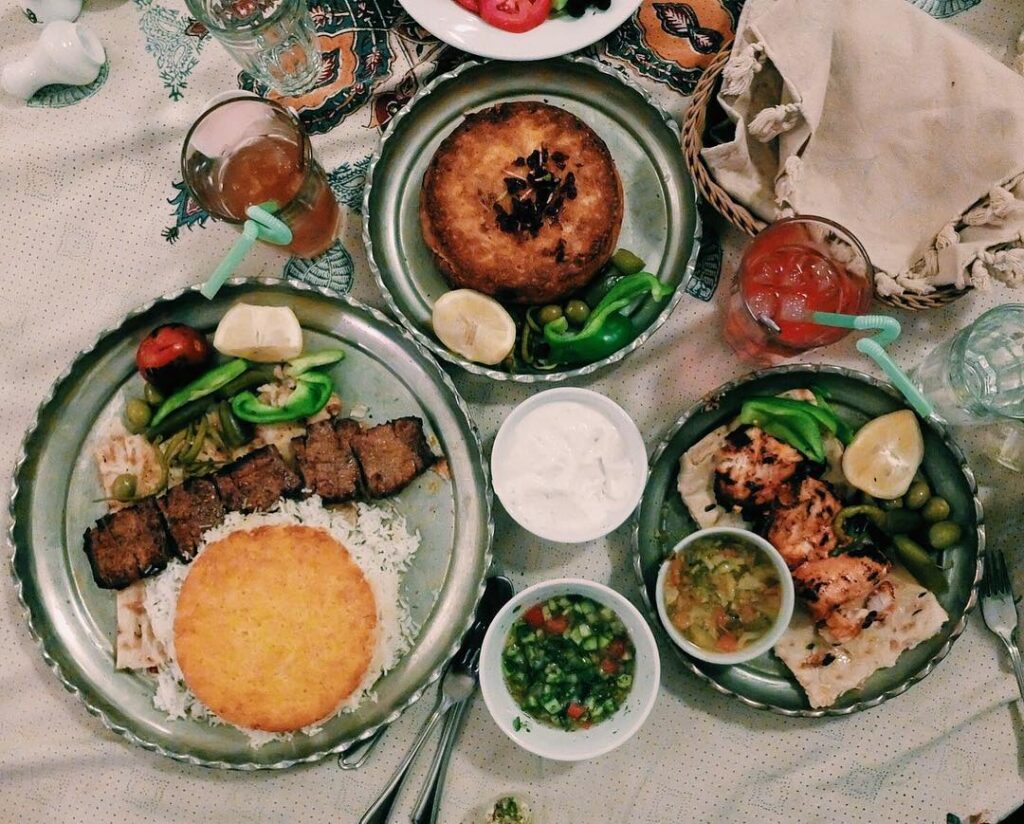
The Haft Khan complex is a favourite among young, middle-class Iranians, and it’s basically a multi-floor food mission in one address. Located near the historic Quran Gate, Haft Khan leans into a distinctive Iranian architectural style and packs multiple dining spaces into its four levels. Each floor focuses on a different type of cuisine, and the first floor is often recommended for excellent traditional Iranian dishes.
15. Discover Persepolis
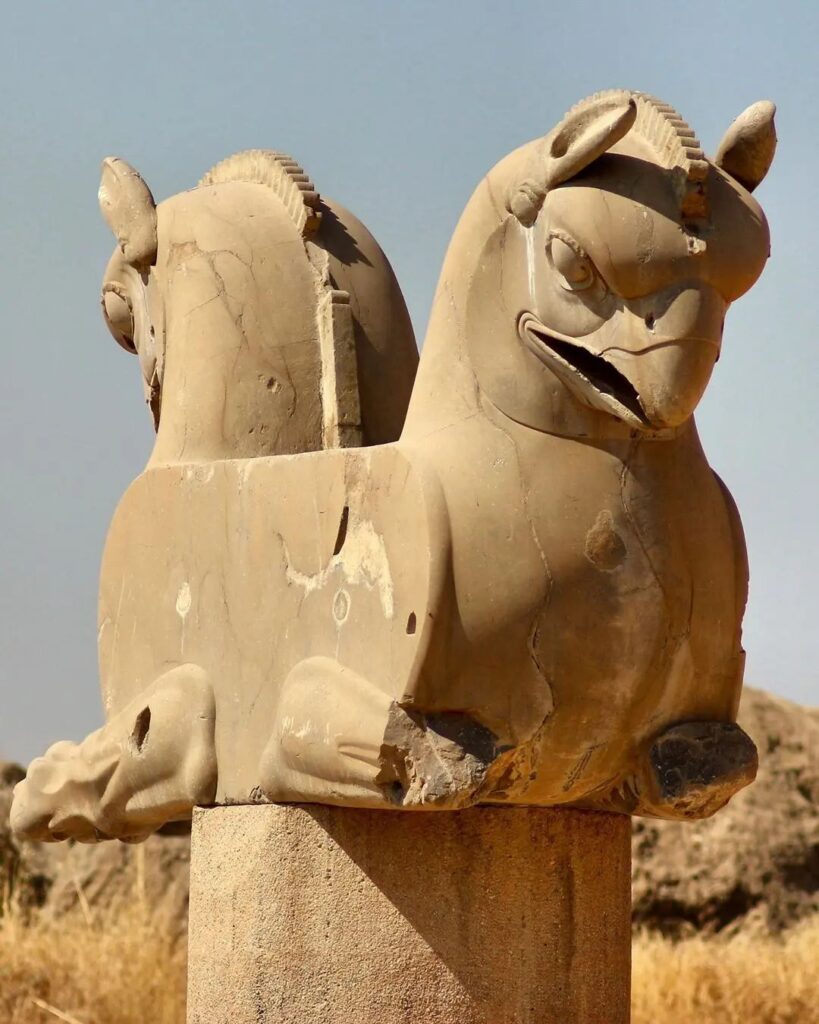
After you’ve explored Shiraz itself, it’s time for the big day trip. Head to Marvdasht to see the renowned ruins of the ancient city of Persepolis. Set at the base of Kuh-e Rahmat mountain, it’s a must-visit if you care even a little about ancient history (or monumental staircases). Declared a UNESCO World Heritage Site, Persepolis was founded by Darius I in 521 BC. Although partially destroyed by Alexander the Great, today you can still explore the vast complex — palaces, terraces, staircases, altars, tombs, and powerful stone carvings that somehow make time feel very small.
Pro tip: bring water and sun protection — this site is open and bright.
16. Explore Naqsh-e Rostam and Naqsh-e Rajab archaeological sites
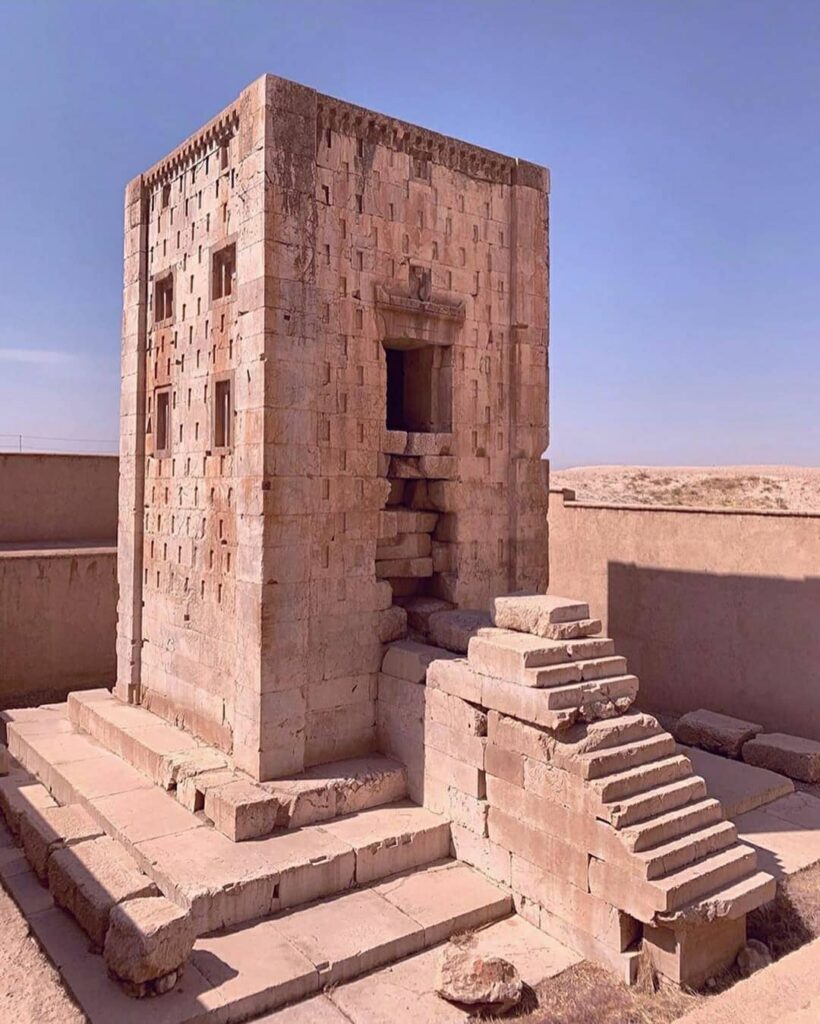
Naqsh-e Rostam is an ancient archaeological site and necropolis located about 13 kilometres northwest of Persepolis, in Fars Province, Iran. It’s famous for its dramatic mountain rock reliefs and for being the final resting place of four Achaemenid kings, including Darius the Great and his son Xerxes. The significance of Naqsh-e Rostam stretches back over a millennium, with carvings from multiple periods — Elamite, Achaemenid, and Sassanian. Just a short distance away near Naqsh-e Rajab, you’ll find four more Sassanid rock reliefs — three honour kings and one a high priest. It’s a must for anyone fascinated by Iran’s ancient civilizations (and a perfect add-on after Persepolis).
Pro tip: go early or late to avoid harsh midday light on the carvings.
17. Explore the Pasargadae World Heritage Site
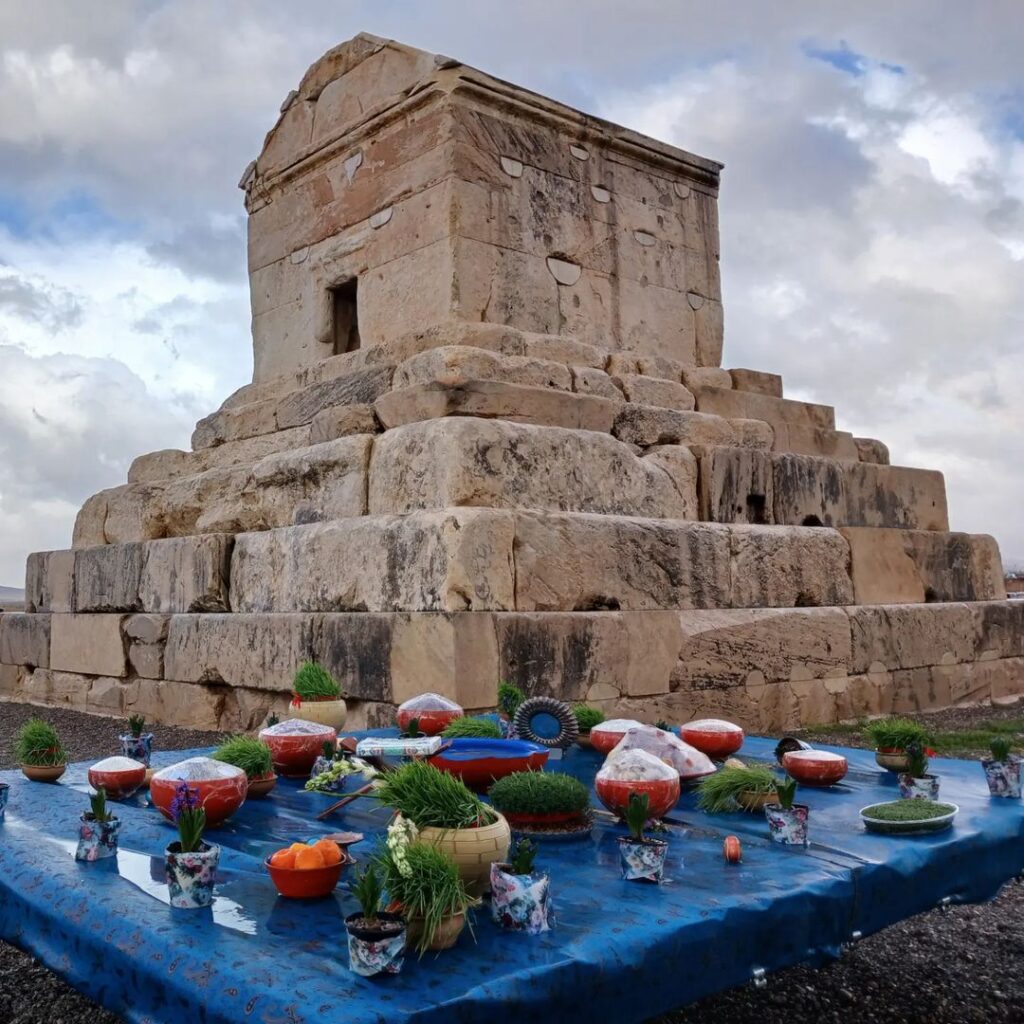
Further north from Naqsh-e Rostam, you can visit Pasargadae, an ancient site that predates many others. Although earthquakes have damaged parts of the complex, it’s still an impressive place to explore — wide, open, and quietly powerful. Pasargadae was the capital of ancient Persia and is famed as the burial site of Cyrus the Great. The plain around his tomb feels unexpectedly green and serene, which makes the visit feel more contemplative than crowded. If you want to see the additional ruins spread further out, there’s an extra fee that includes a ride on a tourist train to reach more distant sections of the site.
FAQs: Things To Do In Shiraz
What are the unmissable things to do in Shiraz on a first visit?
We’d build your “Shiraz starter pack” around: Nasir al-Mulk (the Pink Mosque) for the stained-glass light show, Shah Cheragh for pure mirror-tile wow, Vakil Bazaar + the Zand-era complex for atmosphere, Eram Garden for Persian-garden perfection, and at least one poet stop: Hafez (and/or Saadi).
When should we visit Nasir al-Mulk Mosque for the famous rainbow light?
Go early morning on a sunny day (think around 8am-ish as a practical target). That’s when the colored glass does its full “cathedral of confetti” thing on the carpets.
Can non-Muslims visit Shah Cheragh, and what should we wear?
Yes, visitors can go in, but it’s an active holy shrine, so plan for modest dress. Women are typically asked to wear a chador (usually provided at the entrance), and photography rules can vary by area—follow staff guidance and keep it respectful.
Which Shiraz garden should we choose if we only have time for one?
If you want the “classic Persian garden” headline act, pick Eram Garden, which is part of Iran’s UNESCO-listed Persian Garden series. If you want citrus + mansion details, do Narenjestan-e Qavam (Qavam House). If you’re chasing orange-blossom scent, Delgosha Garden is a strong spring pick.
What’s the best way to experience Vakil Bazaar without getting overwhelmed?
We treat it like a mini-expedition: start with one main aisle, then “orbit” into side lanes when something pulls you in (carpets, spices, copper, textiles—your call). It’s a Zand-era centerpiece, so the vaulted architecture is part of the fun, not just the shopping.
Is Persepolis an easy day trip from Shiraz, and can we pair it with anything nearby?
Totally doable: Persepolis is roughly 60 km from Shiraz (about an hour by road for many travelers), and it’s one of Iran’s heavyweight UNESCO World Heritage sites. A common combo is Persepolis + Naqsh-e Rustam (very close to Persepolis). Most people go by taxi/private driver or an organized day tour.
We’re in Shiraz for two days—how would we split the sights?
Day 1: Pink Mosque early, then Vakil Bazaar + Karim Khan Citadel (same general zone), and a relaxed evening.
Day 2: Shah Cheragh + a garden (Eram or Narenjestan), then finish with Hafez (it’s one of the loveliest “slow down and breathe” stops).
What should we do in Shiraz at night?
We go where Shiraz leans into its poetic reputation: evenings at Hafezieh (Tomb of Hafez) can feel quietly magical, and night is also great for a cooler wander after a full day of sun-and-stone sightseeing.
When is the best time of year to visit Shiraz?
If you want the city at its most “Shiraz-y,” aim for spring—pleasant weather plus the famous orange blossom scent (often peaking around April–May, depending on the year).
What’s a great “extra” stop beyond the headline attractions?
Two easy upgrades: Qavam House (Narenjestan) for intricate mirror-and-glass work in a Qajar-era setting, and Vakil Bathhouse for a peek into historic bath culture (it’s commonly described as a bath turned museum)
- 9 Best Rooftops in Dubai (2026 Edition)
- Where to Stay in Ankara (2026): The Best Areas and Hotels For Your Trip
- Nightlife in Marmaris (2026): 14 Best Bars and Clubs to Have Fun After Dark
- Best Things To Do In Tel Aviv (2026): 12+ Cool Things For First Time Travellers
- Middle East Honeymoon Guide (2026): 12 Dreamy Destinations for Romance & Adventure
