
Travel writing based on first-hand experience
Discover the beauty of Isfahan Iran—home to Naqsh-e Jahan Square, dazzling mosques, Persian gardens, and centuries of rich history in one unforgettable city.
Planning more of your Tehran and Iran trip?
Tehran is not the kind of city where we eat one kebab, nod politely, and move on. Absolutely not. This is grand bazaars, mountain views, old-school Persian restaurants, polished hotel dining rooms, tea breaks, palace gardens, and the dangerous discovery that “just one more meal” is a perfectly valid itinerary strategy. If you’re building a fuller Iran trip around Tehran, these guides will help you connect the food with the city, the neighbourhoods, and the wider route.
- Top Things to Do in Tehran — the obvious next read for pairing restaurants with bazaars, palaces, museums, mountain views, and city wandering.
- Where to Stay in Tehran — useful if you want the right base for food, sightseeing, transport, and easy neighbourhood exploring.
- Iran Travel Tips — practical advice for visas, dress, safety, budgeting, transport, and the small things that make planning much easier.
- Best Places to Visit in Iran — ideal if Tehran is just the beginning and you want to add Isfahan, Shiraz, Yazd, Kashan, deserts, villages, and ancient sites.
- Isfahan Iran Guide — perfect if your Iran route continues south into tiled mosques, Persian gardens, historic bridges, bazaars, and another excellent food scene.
- Iran Travel Guides — handy for browsing all Iran posts in one place while your trip planning becomes wonderfully ambitious.
Table of Contents
About Isfahan
Iran’s third-largest city with over 1.5 million residents, Isfahan wins over history buffs, architecture lovers, and anyone chasing wonder. Here, the past isn’t behind glass—it murmurs from tiled domes and shadowed bazaars, turning every stroll into a time-walk. No journey through Iran feels complete without this heritage jewel, fondly called the Rose of Iran.
Exploring Isfahan feels like entering a city woven from history, craft, and light. About 300 kilometers south of Tehran, it’s the crown of many Iran itineraries. Cradled by the Zayandeh Rud River, the city dazzles with solemn mosques, night-lit bridges, and majestic monuments that feel storybook-ready (yes, straight out of Aladdin—minus the carpet traffic).
Visiting Isfahan: Tips We Wish We Knew
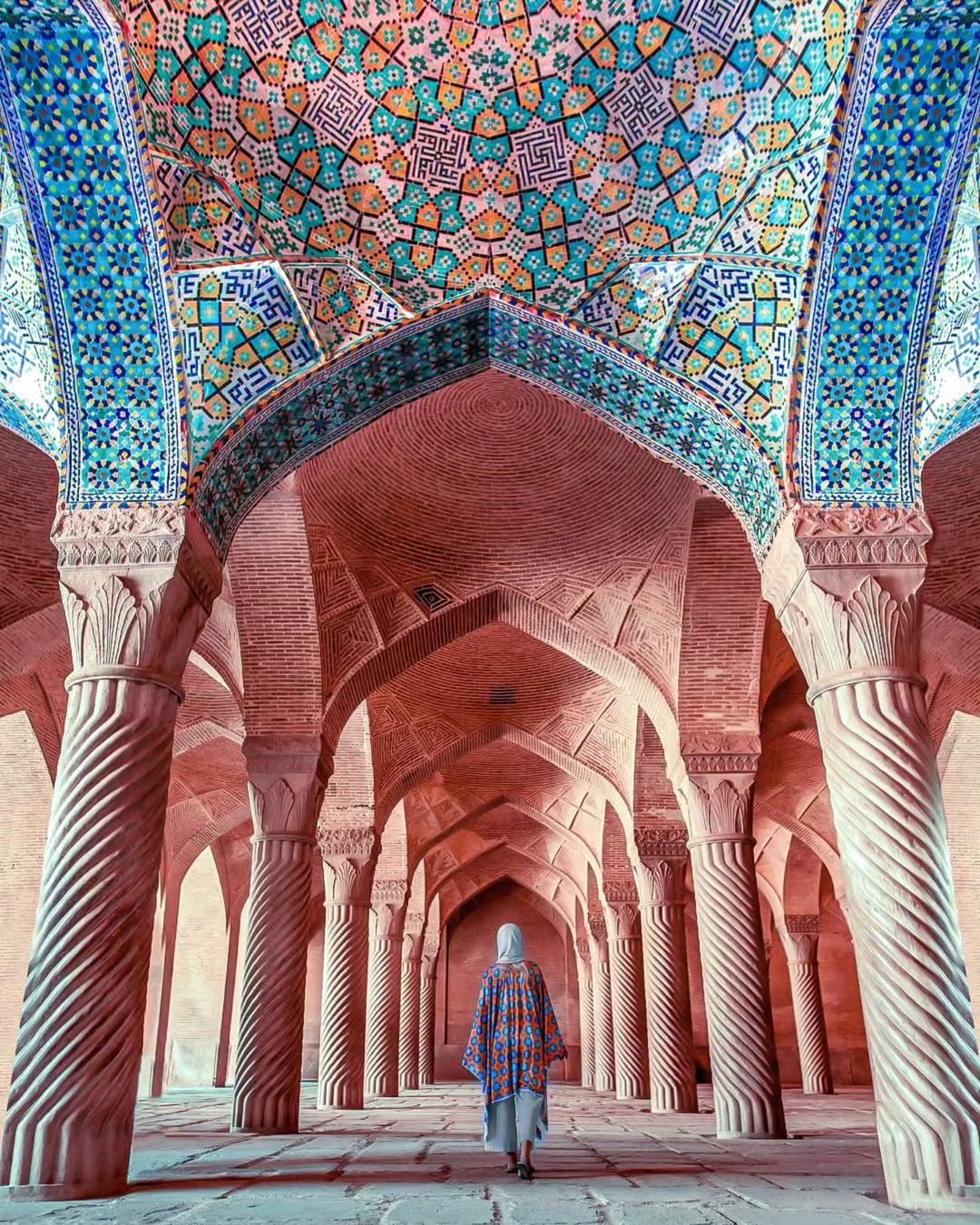
We landed in Isfahan chasing blue tiles and left quoting poets. Here’s the cheat sheet so you glide between mosques, bridges, and bazaar stalls like you were born bargaining with a cup of saffron tea in hand.
Big-Picture Essentials
- Best time: Spring (Mar–Jun) = soft light, sane temps. Summer is a furnace; pace yourself with early mornings and long lunches.
- Dress code: Women: headscarf + loose top to mid-thigh + long pants/skirts; Men: long pants (shorts turn heads for the wrong reasons). Mosques appreciate covered shoulders for everyone.
- Money: Bring cash (foreign cards usually don’t work). Exchange at licensed exchanges; keep small bills for taxis, snacks, and tips.
- Connectivity: Buy a local SIM (Irancell or Hamrah-e Aval). Maps + translation + ride-hail make life easy.
- Getting around: Walk the core; use taxis/ride-hail (Snapp) for longer hops. Traffic is a sport—budget time accordingly.
- Fridays & prayers: Friday midday slows, some sights pause for prayers. Early morning or late afternoon is golden (light + thinner crowds).
- Photos & people: Ask before photographing faces or inside small shops. A smile and “merci / mamnun” opens doors.
Bazaar Tactics (So You Don’t Overpay or Overthink)
- Browse first, buy later: Prices vary stall to stall; take notes (photos help, ask before snapping).
- Negotiate kindly: Start at ~60–70% of the first price; smile, sip tea, meet in the middle.
- What to bring home: Mini copper, block-printed textiles, gaz (nougat), saffron, tile-patterned ceramics.
Food & Tea Protocol
- Signature bite: Isfahani beryani (mutton/lamb) + warm taftoon + minty dugh.
- Tea reality: Automatically sweet. Say “kam-shekar” (less sugar) if you prefer balance.
- Street smarts: Busy places turn over fast = fresher grills and breads.
Logistics That Save a Day
- Tickets & hours: Many sights close earlier than you think. Stack your top two before lunch; leave shopping/cafés for later.
- Heat plan: Summer = dawn starts, noon siesta, sunset push. Carry water; refill at cafés.
- Shoes: Courtyards + cobbles + mosque floors = cushioned sneakers win.
- Respect zones: Some prayer halls are off-limits during services; follow signage and staff guidance.
- Safety: Low-key and friendly; standard city habits—zip bags, keep phones secure in crowds.
Isfahan: Best Places To Visit
Naghsh-e Jahan Square
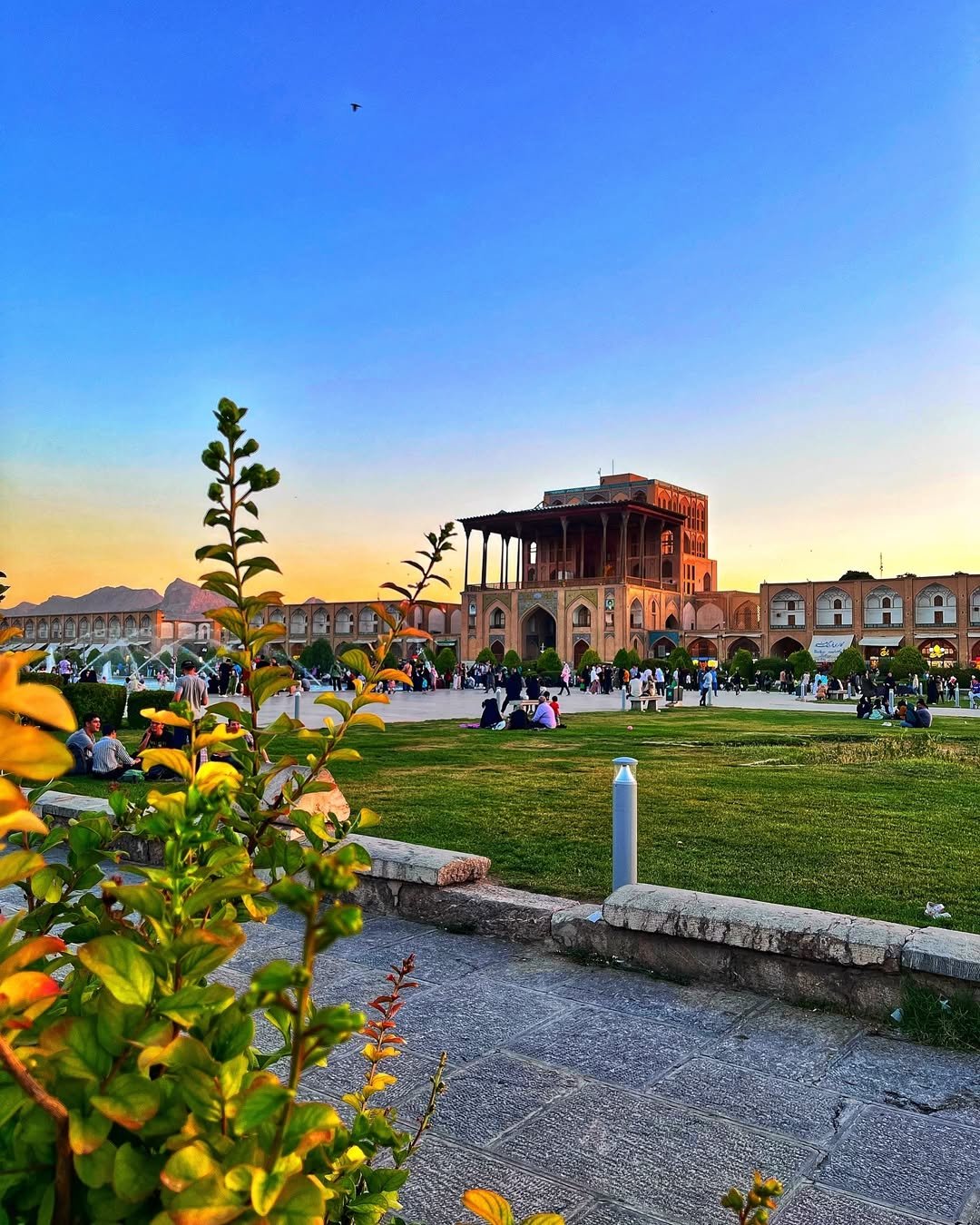
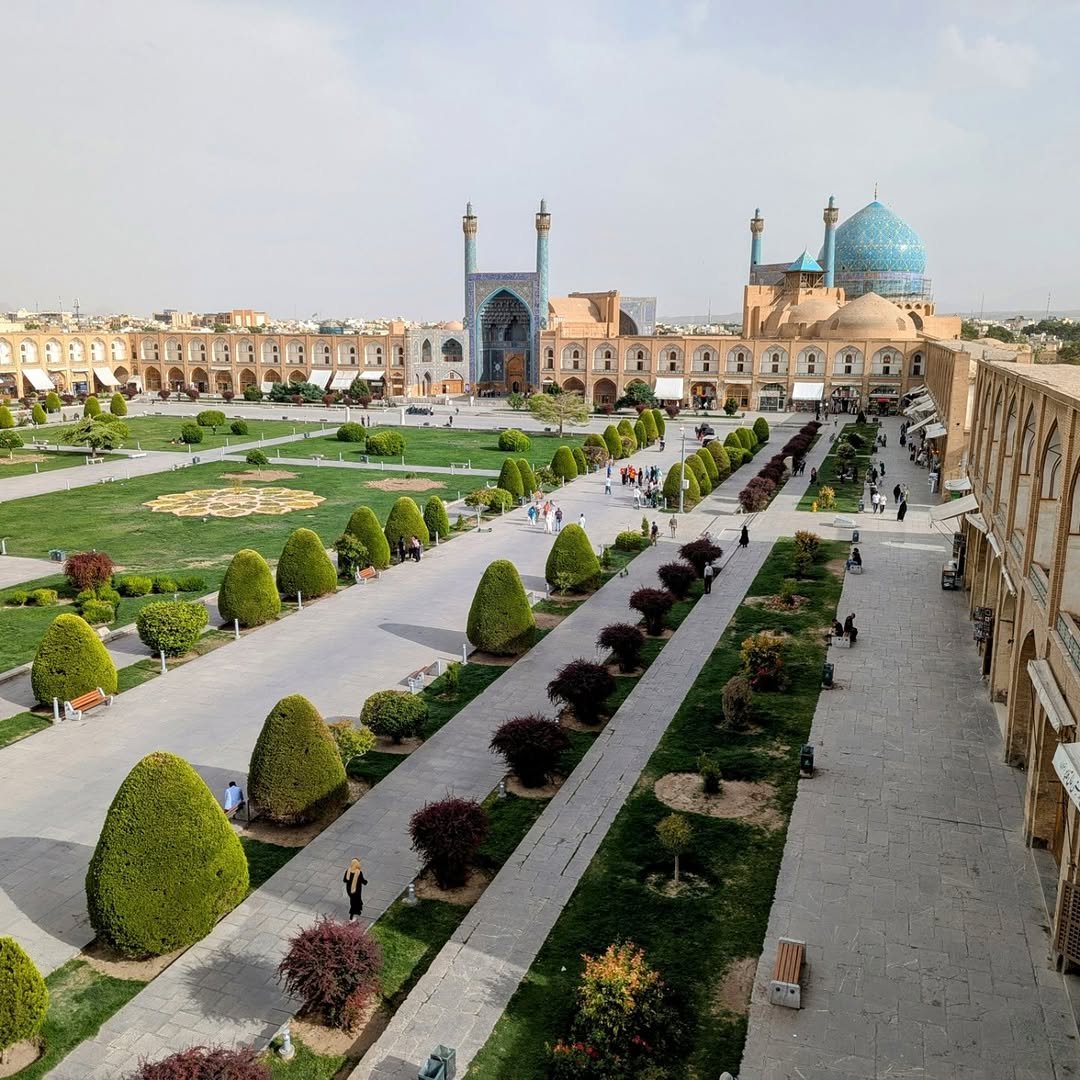
Naghsh-e Jahan (Imam) Square is one of the world’s largest squares and the serene heart of Isfahan—nine hectares of open space wrapped in Safavid-era icons: the south-facing Shah (Imam) Mosque, the west-side Ali Qapu Palace, the east-side Sheikh Lotfallah Mosque, and to the north, the gateway into the Grand Bazaar. With trickling fountains and no cars to ruffle the mood, it’s an oasis of calm in a famously bustling city.
📍Isfahan Province, Isfahan، میدان, Iran
Shah Mosque
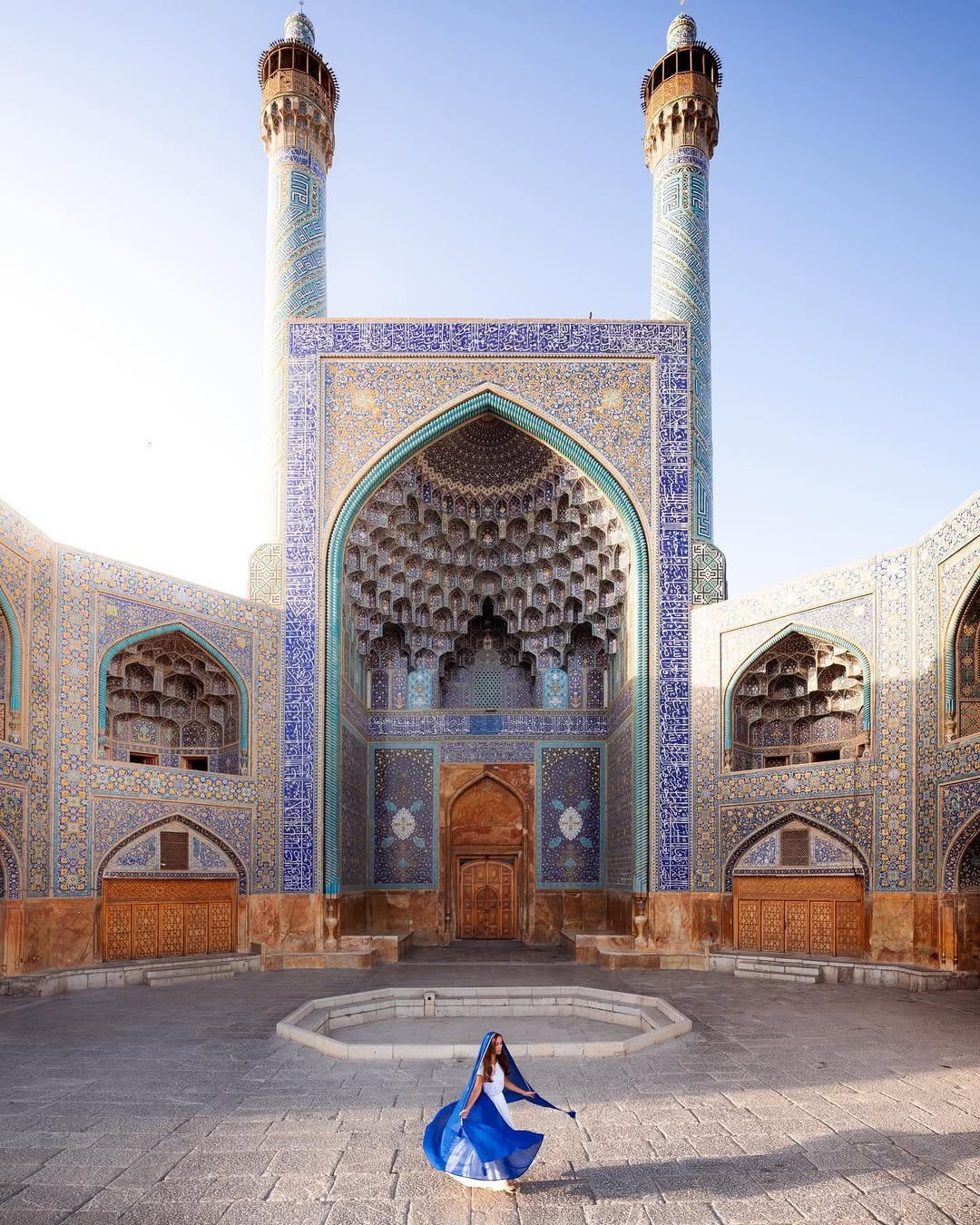
Anchoring Imam Square, the Shah (Imam) Mosque is a Safavid masterpiece. A monumental pishtak portal, twin minarets, and a grand turquoise dome create a skyline you won’t forget. Inside, a sea of deep blues, turquoise, sky tones, and flashes of gold glows in the light—pure artistry, flawlessly executed.
📍Isfahan Province, Isfahan, ضلع جنوبی میدان, Iran
Great Mosque of Isfahan (Jame’ Mosque of Isfahan)
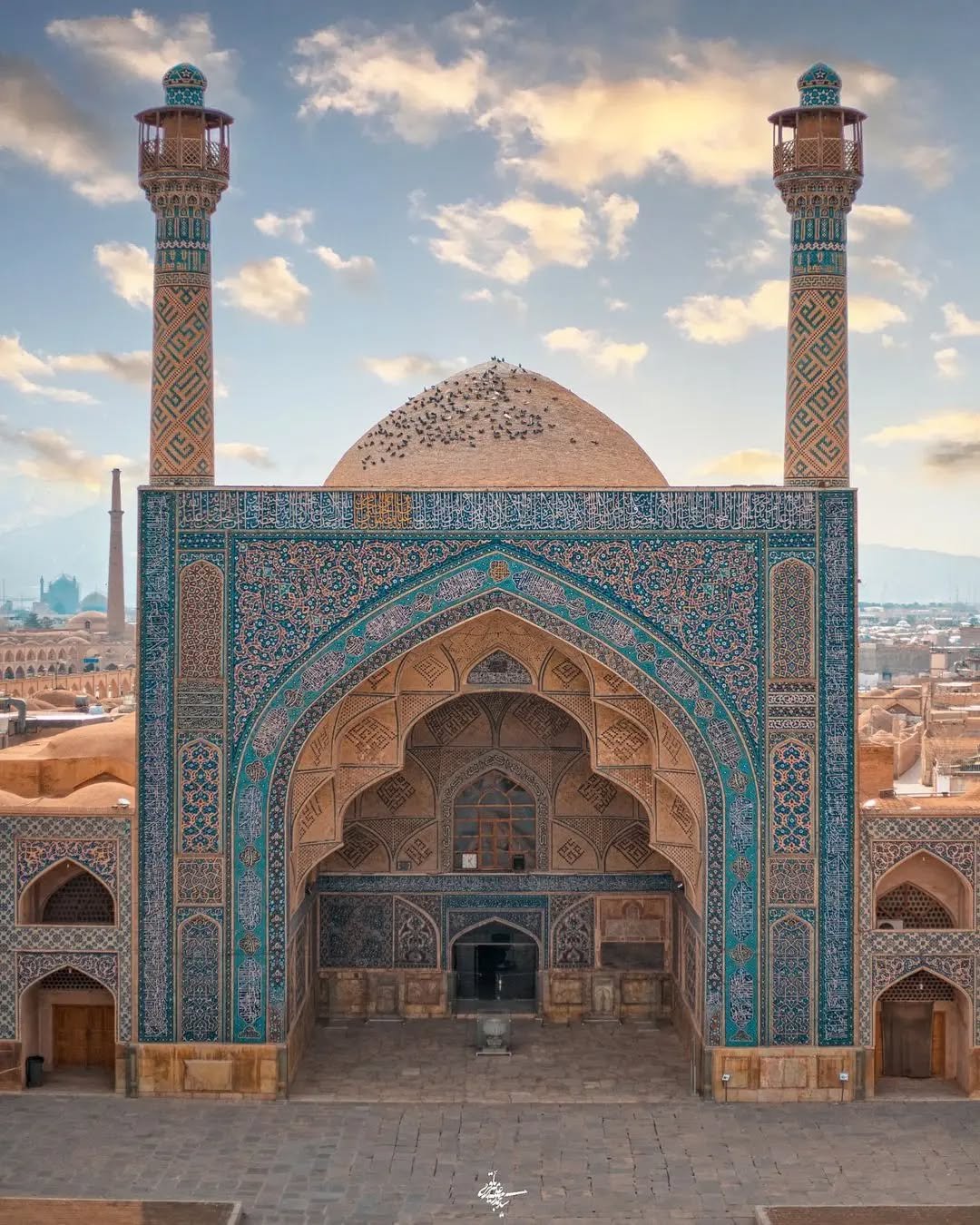
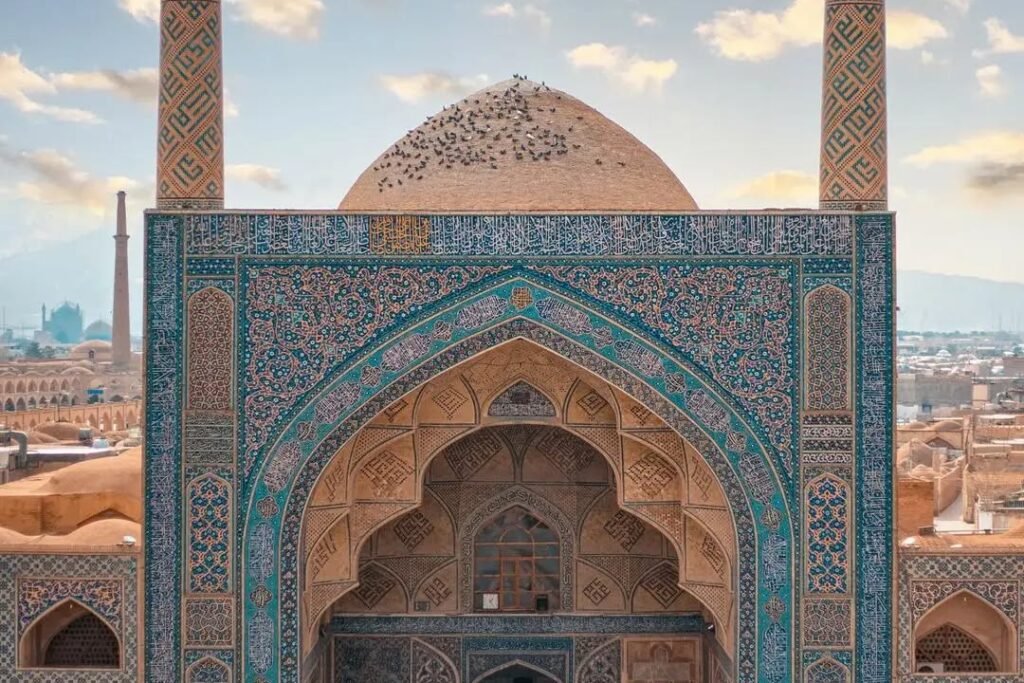
A different gem entirely, the Great (Jame’) Mosque spans over a millennium of additions and restorations (notably under the Safavids). Linked straight into the Grand Bazaar, it has been a UNESCO World Heritage Site since 2012. Inside, 474 original vaults, ochre halls, and layered domes display a living timeline of Iranian design—harmony in brick, tile, and light.
Vank Cathedral
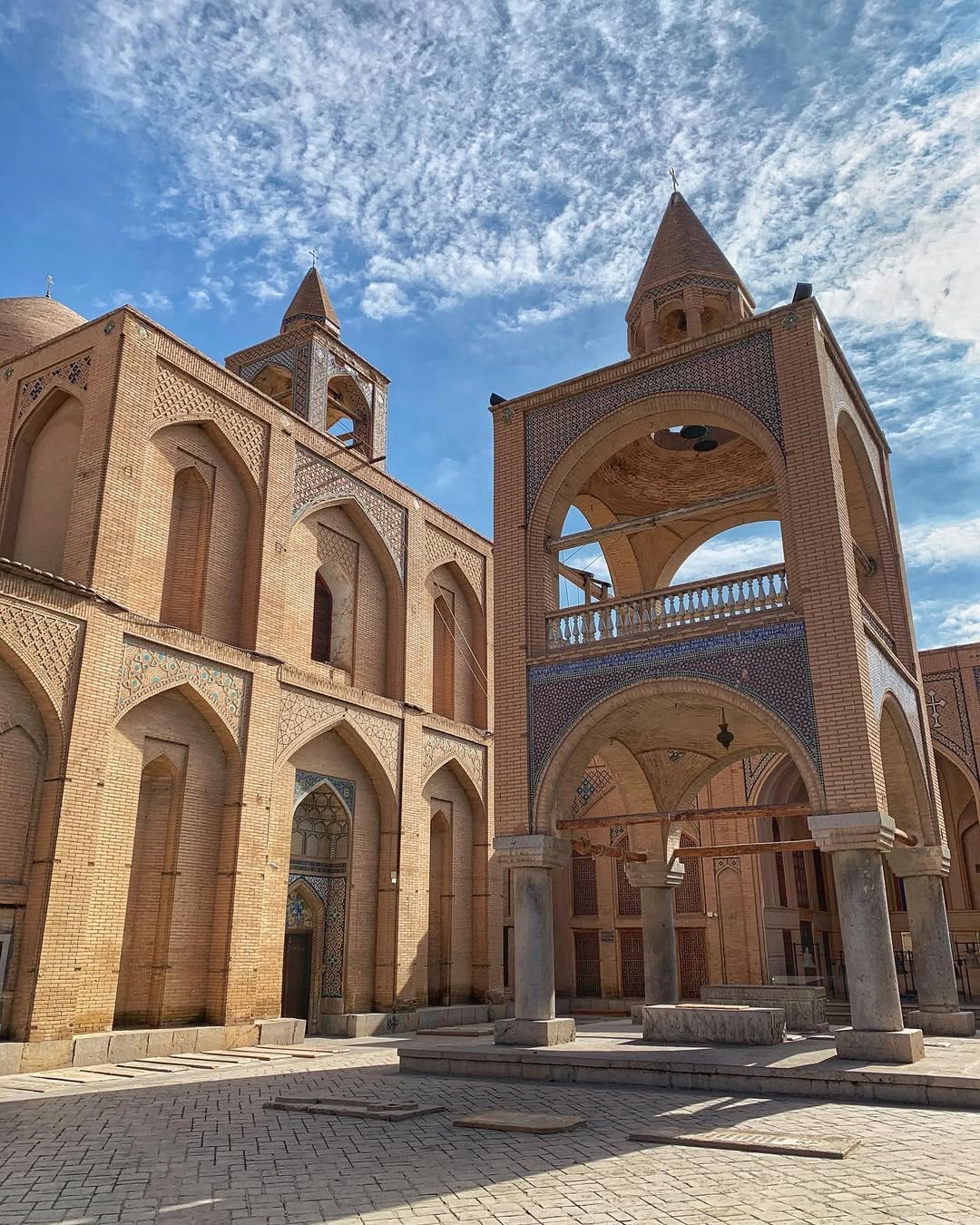
In the Armenian quarter, Vank Cathedral (Cathedral of the Savior) offers a richly painted counterpoint to the city’s blue-tiled mosques. Baroque-influenced frescoes, gilded details, and vaulted ceilings tell stories in color—set along charming Kelisâ Street for a gentle wander before or after.
Isfahan Souk (Grand Bazaar)
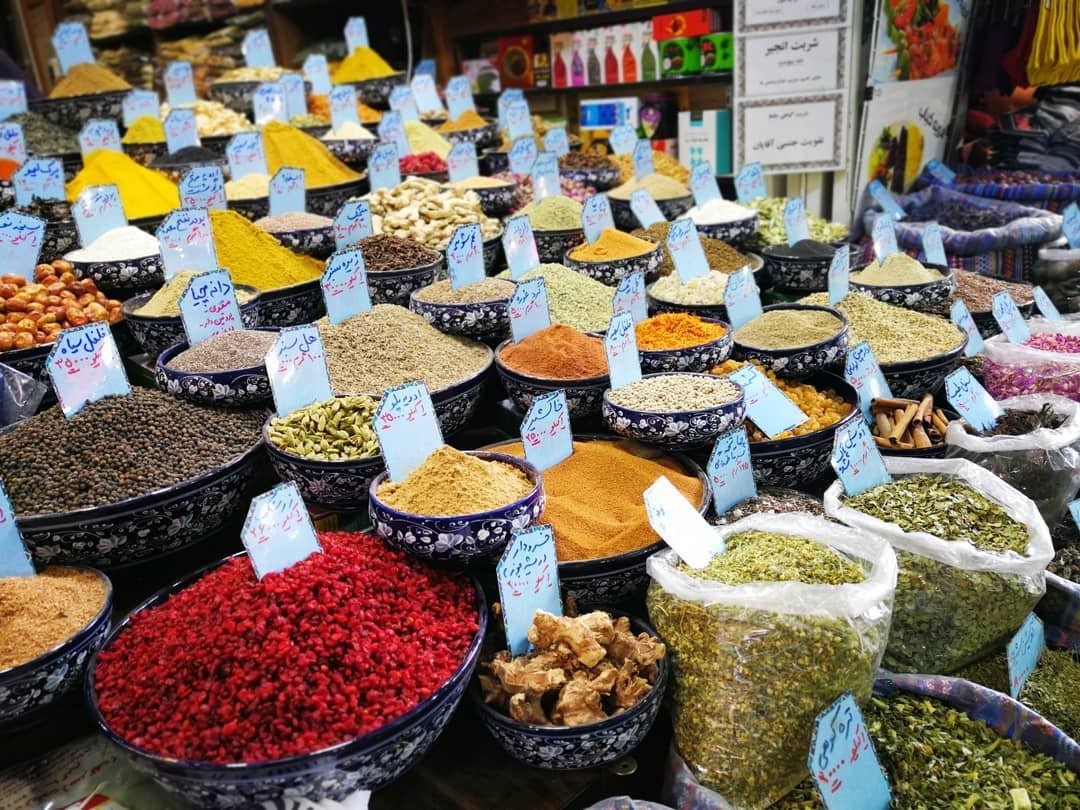
The Grand Bazaar is Isfahan in motion: vaulted lanes stacked with hand-knotted rugs, shawls, copperwork, sweets, and the scent of pistachios, saffron, figs, and apricots. Mullahs thread through the crowd; shopkeepers chat and pour tea. Come for gifts; stay for the atmosphere—and a bag (or three) of nuts.
📍Isfahan, Isfahan Province, Iran
The Bridges of Isfahan
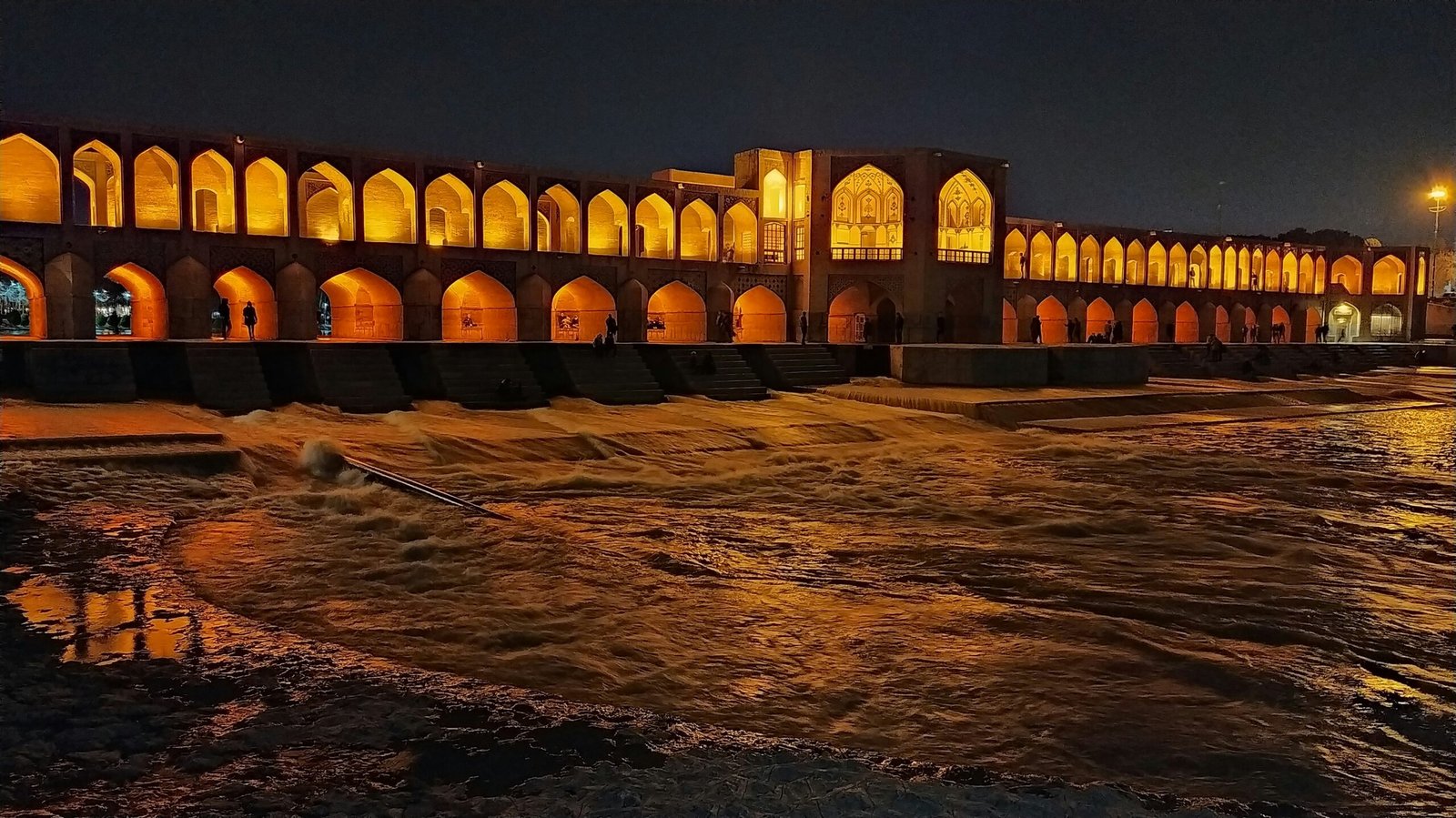
Eleven historic spans cross the Zayandeh Rud—among them Si-o-Seh Pol, Khaju, and Sharestan. By day, geometry; by night, poetry. Si-o-Seh Pol (“bridge of thirty-three arches”) is especially magical after dark when its arcades glow—reflections doubling the arches in the water below.
Where to Eat in Isfahan
Architecture feeds the eyes; Isfahan’s kitchens handle the rest. Start with ash-e reshteh or kashk-e bademjan, then seek out these favorites for a true local bite:
Azam Beryani
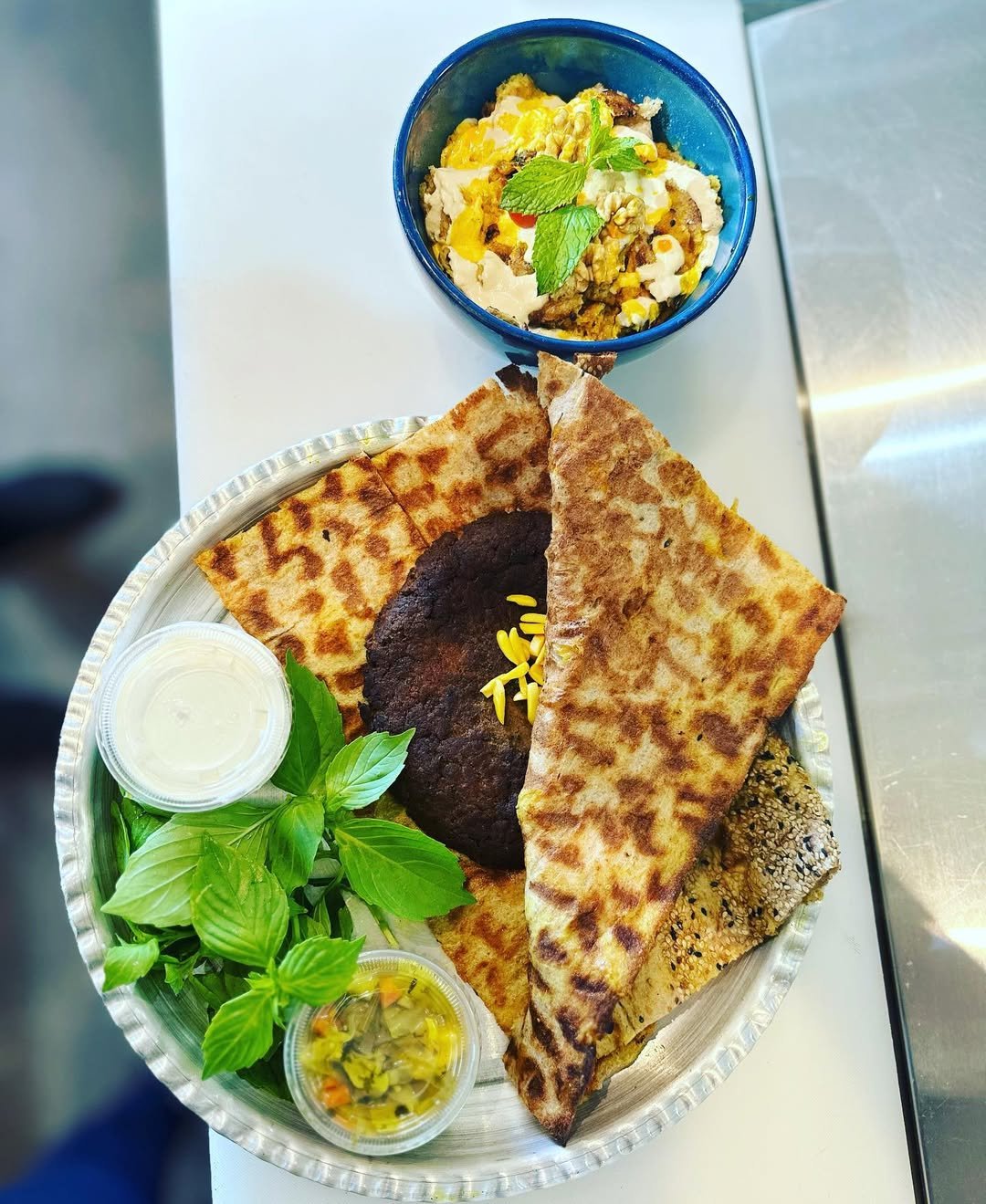
For a definitive taste of Isfahan, order the city’s signature beryani at Azam Beryani: minced mutton or lamb, wood-grilled and served with warm taftoon bread. Pair with a frothy mint-laced dugh and call it perfection. Two branches (one near the river, one further north) make it easy to slot into any route.
Cheshmandaz
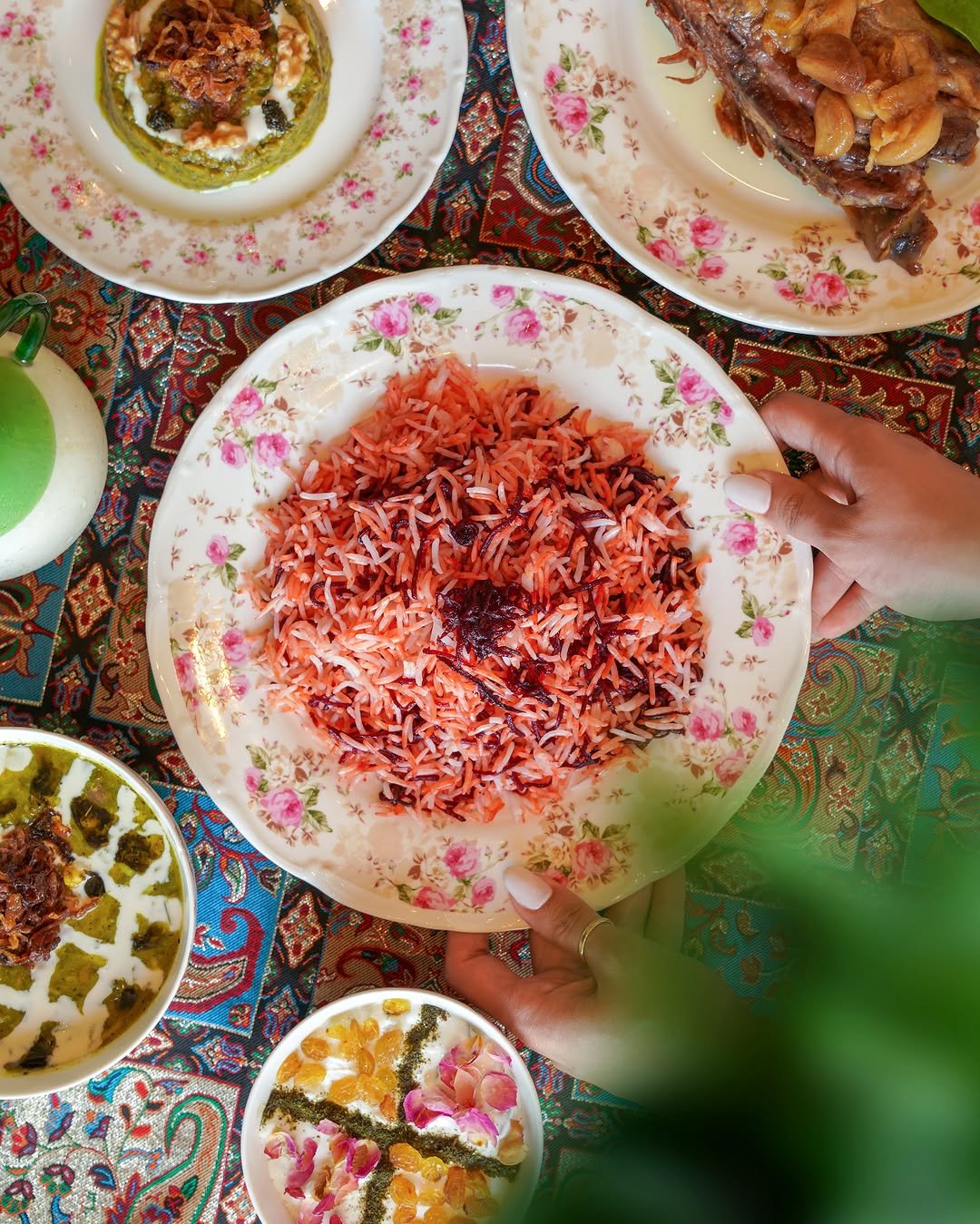
Inside the storied Abbasi Hotel—a 17th-century caravanserai—Cheshmandaz serves classic Iranian dishes alongside international plates. Come for dinner on the rooftop terrace, where views sweep toward Imam Square and the mountains. Food with a panorama: the right kind of cliché.
Isfahan: When to Go?
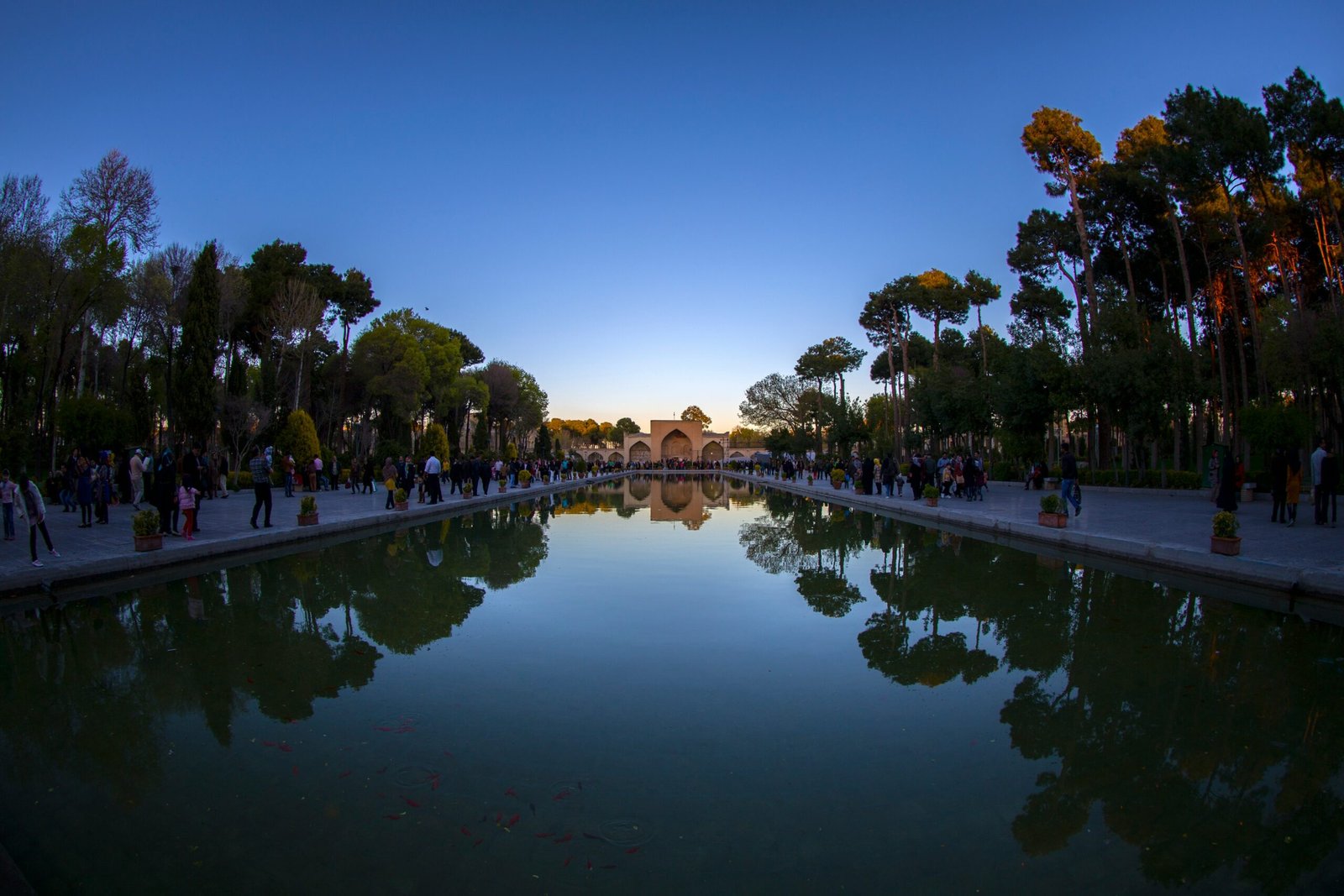
The sweet spot is spring (March–June): mild temperatures, dry skies, and long golden hours for photos and riverside walks.
Summer (July–August) can be fiercely hot—daytime exploring gets tough when mercury soars toward the extremes (shade and siestas help). Winter (November–March) turns crisp to cold, with occasional snow in parts of the region; pack layers if you’re coming then.
For comfort and color, spring is your best bet—gardens wake up, light softens, and the city feels made for wandering.
Top Hotel Picks for Every Budget in Isfahan
We slept, we snooped, we asked way too many questions at reception. Here’s our hit list—organized by budget—so you can land near the sights, not in a taxi queue.
Budget & Backpacker
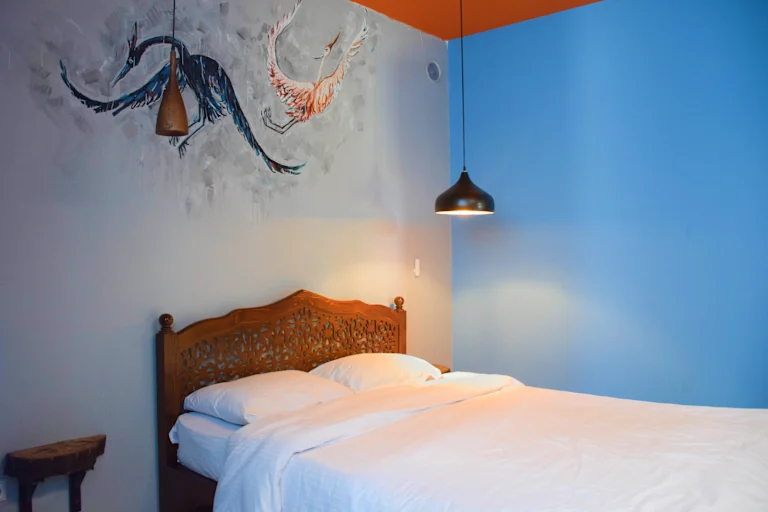
Ragrug Hostel — Social, spotless, and smartly designed, with dorms and a handful of privates plus a breezy rooftop for sunset tea. Handy for bazaar runs and old-town wanders.
Why we like it: traveler energy without chaos; 24/7 reception.
Good to know: book early in peak months.
Value/Mid-Range (close to the action)
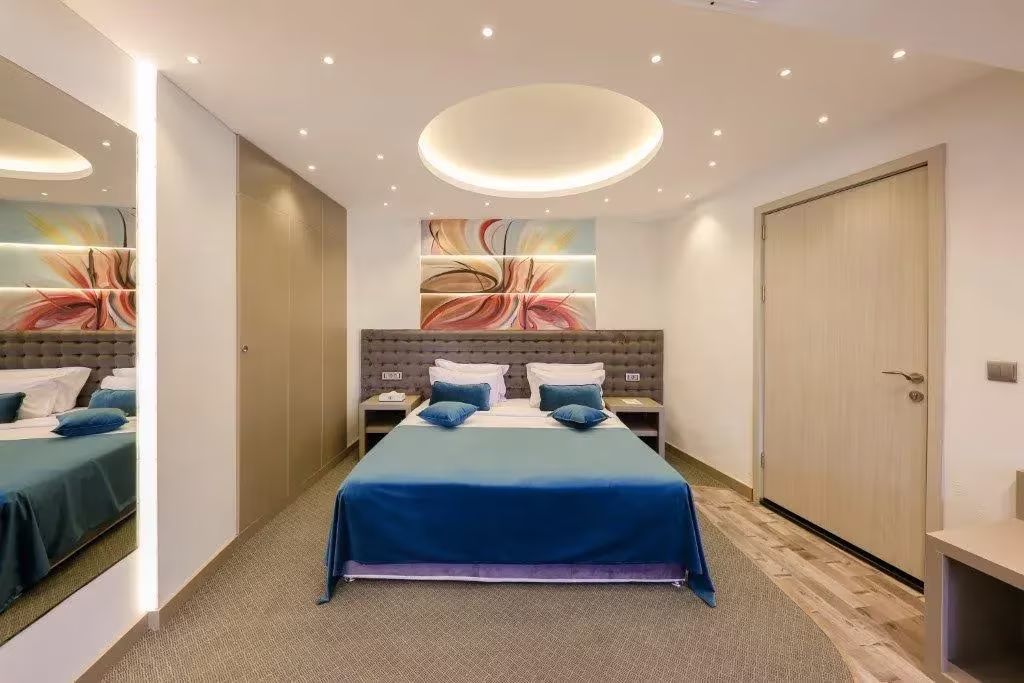
Safir Hotel — Classic mid-range pick a short walk from Naqsh-e Jahan and the pedestrian avenue; solid rooms, pool/sauna, and easy tram/taxi links.
Why we like it: location-to-price ratio is hard to beat.
Good to know: ask for upper floors to reduce street noise.
Boutique & Traditional Houses (character for days)
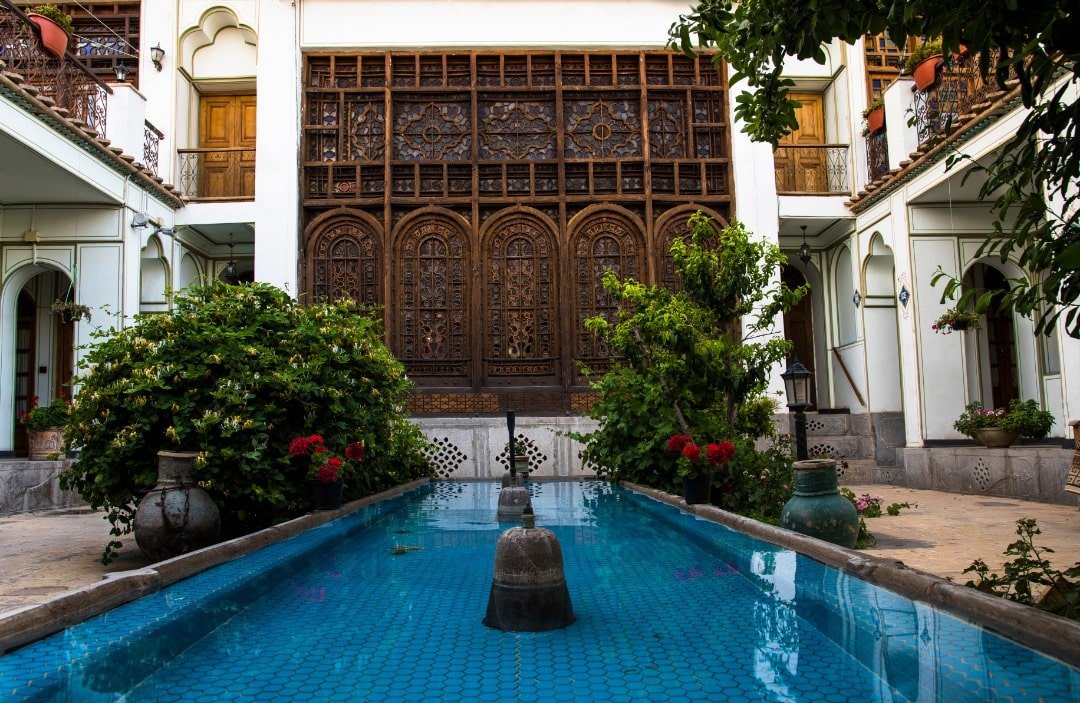
Ghasr Monshi Hotel — A restored historic mansion near the bazaar and Naqsh-e Jahan; courtyards, stained glass, and gracious service.
Why we like it: immersive Persian design without skimping on comfort.
Good to know: rooms vary—peek at layouts before you book.
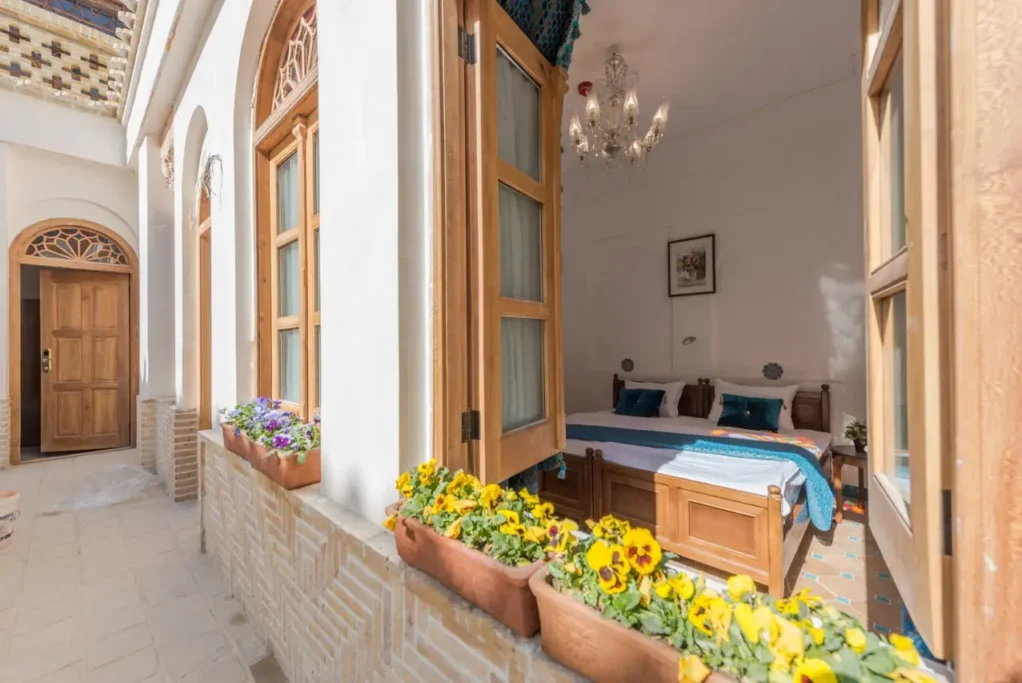
Keryas Boutique Hotel — Qajar-era mansion steps from the square; some rooms glimpse domes, all are within wander distance of the big hitters.
Why we like it: unbeatable location for sunrise/sunset photo runs.
Good to know: service can feel boutique-casual—plan a pinch more time at check-in.
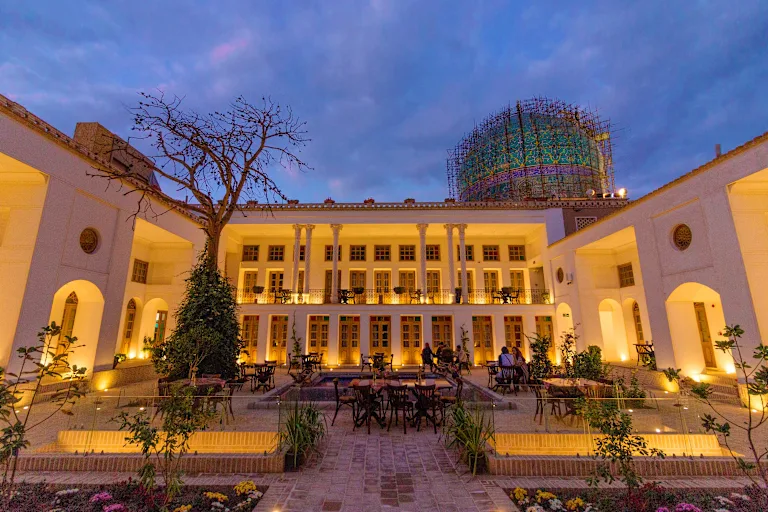
Atigh Traditional Hotel — Two serene courtyards, Qajar architecture, walkable to Jameh Mosque and the bazaar.
Why we like it: peaceful base that still feels central.
Good to know: heritage rooms can run small—pack light.
Luxury & Iconic
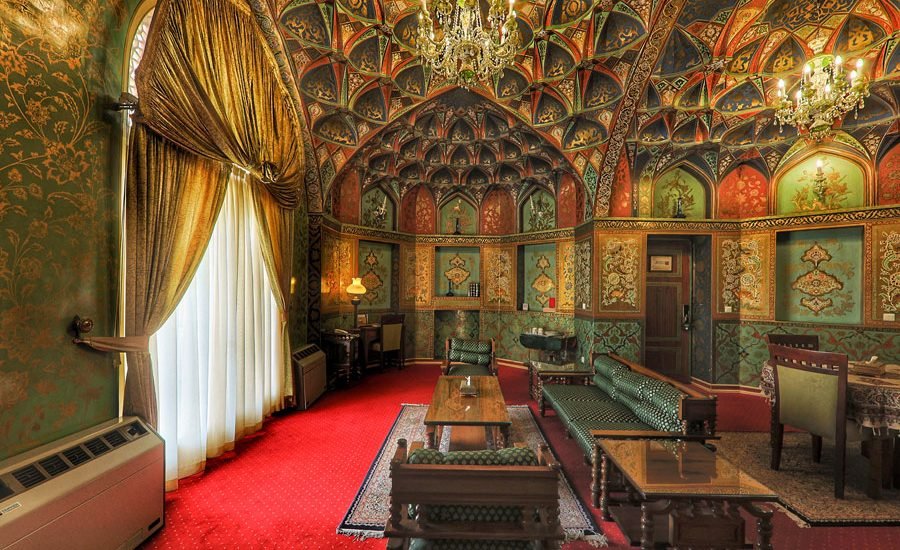
Abbasi Hotel — The grande dame: a 300-year-old caravanserai turned showstopper with a lush courtyard, galleries, and a jaw-drop lobby.
Why we like it: you’re sleeping inside a postcard.
Good to know: heritage charm > hyper-modern rooms; request renovated units.
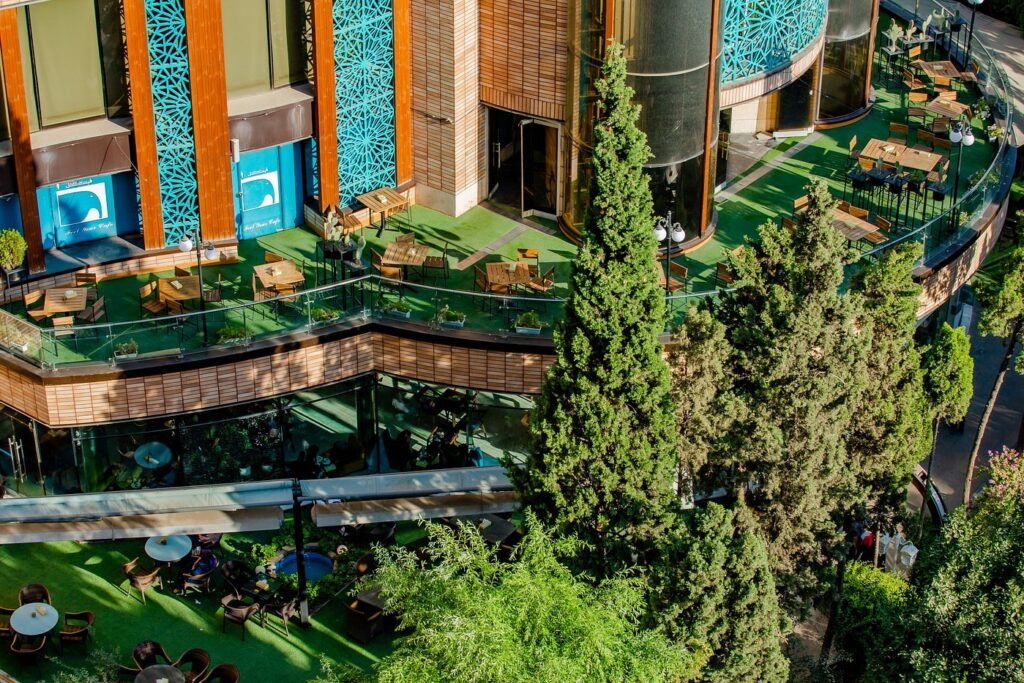
Parsian Kowsar Hotel — Riverfront address near Si-o-Seh Pol; multiple restaurants, business-class amenities, and easy access to the bridges promenade.
Why we like it: sunset strolls on your doorstep.
Good to know: ask for a room facing the river.
Family-Friendly & River Views
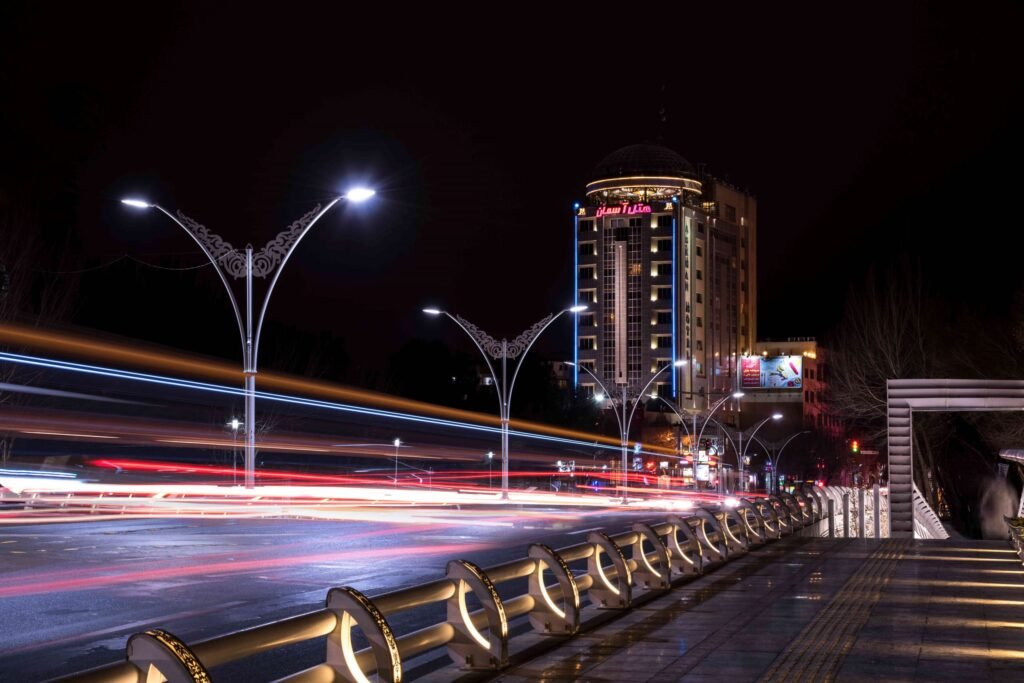
Aseman Hotel — Tall, modern tower by the Zayandeh Rud with spacious rooms and a revolving restaurant—kids love the views; parents love the Julfa/bridges access.
Why we like it: reliable 4-star with space to spread out.
Good to know: it’s a taxi or tram hop to the square.
Pro tip: Traditional houses book out far in advance for spring (March–June). If your dates are fixed, lock a cancelable rate now and fine-tune later. Another pro move: screenshot your map pin—some alleys have identical doors, and the right courtyard is everything.
Visiting Isfahan Iran — FAQs
Do we need cash, or will our foreign cards work?
Cash rules. Most foreign cards don’t process in Iran. Bring crisp EUR/USD, exchange at licensed exchangers, and carry small bills for taxis, bazaar snacks, and tips.
What should we wear to visit mosques?
Modest works best: shoulders/knees covered for everyone. Women add a headscarf and a loose hip-covering top; men wear long pants. Slip-on shoes help with frequent off/on.
Isfahan gets scorching—how do we plan around the heat?
Front-load the day: Naghsh-e Jahan at sunrise, mosques mid-morning, long lunch/siesta, bridges at golden hour. Refill water at cafés and carry electrolytes.
Will the Zayandeh Rud River be flowing when we visit?
It varies. Even when water is low, the bridge vibe (Si-o-Seh Pol, Khaju) still hums at night—families picnicking, music drifting, arches lit like lantern ribs.
Is Friday a bad day for sightseeing?
Midday slows for prayers. Do squares and photos early, pause mid-day, then head to Jolfa and the bridges late afternoon.
What’s the best way to get from Tehran to Isfahan?
Pick what’s fastest that day: domestic flight (quickest), VIP bus (comfy), or train/private transfer. In town, walk the core and use taxis/ride-hail (Snapp) for hops.
Can we take photos inside mosques and the bazaar?
Usually yes for architecture—ask before photographing people or small shop interiors. A friendly “salaam” and a smile help.
Where should we stay for easy logistics?
Near Naghsh-e Jahan for sunrise walks and mosque access; Julfa/riverfront for calmer nights and bridge strolls. Traditional houses book out in spring—reserve early with a cancelable rate.
What should we actually eat (and where)?
Beryani—Isfahan’s signature minced lamb/mutton with warm taftoon and minty dugh. In the bazaar, follow queues for fresh grills; in Jolfa, café-hop between church visits.
How much bargaining is normal in the Grand Bazaar?
Start ~60–70% of the first price, keep it friendly, sip tea, and meet in the middle. Browse first, buy later—prices vary by alley and stall.
Is Isfahan good with kids?
Yes—flat plazas, tram-free square time, evening bridge energy, and easy museum breaks. Pack snacks and a light evening layer; add ice-cream stops.
Any Ramadan specifics we should know?
Plan daytime snacks discreetly; restaurant hours shift. Evenings are magic—iftar spreads, glowing mosques, lively streets. Book dinners ahead for the first few nights.
Do we need a VPN for internet?
Local SIM (Irancell/Hamrah-e Aval) works well. Some apps/sites may be restricted; a reputable VPN helps. Download maps and translations offline before arrival.
What souvenirs won’t gather dust?
Block-printed textiles, copperware, miniature-painting pieces, tile-pattern ceramics, saffron, gaz nougat, pistachios. Bring a foldable tote—bazaar gravity is real.
Is tap water safe?
Locals often drink it; if sensitive, stick to bottled or boiled. Many hotels provide kettles; refill bottles at cafés to cut plastic.
How about tipping?
Round up taxis, tip porters/housekeeping modestly, and leave a little extra at family-run eateries if service warms your day.
- Where to Stay in Tehran (2026): Best Neighborhoods and Hotel Picks
- Iran Travel Tips (2025): What to Know Before You Go in
- Isfahan Iran (2026): A Complete Guide to the City of Stunning Islamic Architecture
- 10 Best Restaurants in Tehran: Where to Eat in Iran’s Capital (2026 Guide)
- 12 Best Places To Visit In Iran: Top Cities, Historic Sites & Natural Wonders (2025)