
Travel writing based on first-hand experience
Want to know how to visit the Wadi Rum Jordan? Some people swear it’s the best stop in Jordan—and when a place is bold enough to compete with Petra, we pay attention.
In this guide to visiting Wadi Rum, we’re sharing exactly how we did it: sleeping in a Bedouin camp, then bouncing around the most iconic sights . We’ll also walk you through everything you need to plan Wadi Rum independently: how to book a tour, which camps are actually worth your money, what to see, the best time to go, and the practical tips.
Table of Contents
A brief history of Wadi Rum
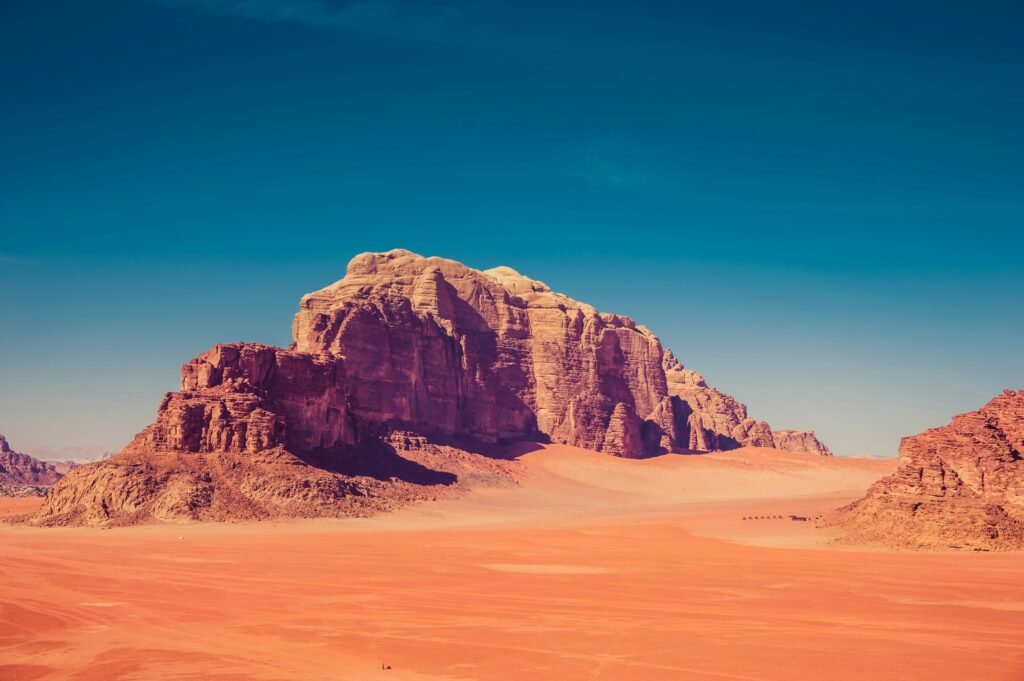
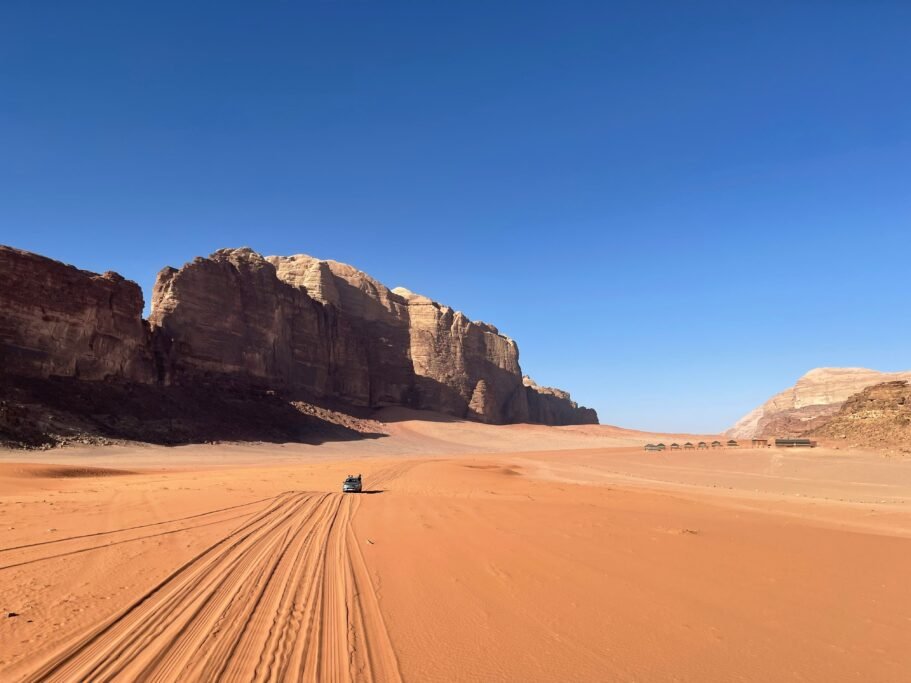
Wadi Rum—aka the Red Desert or the Valley of the Moon—is the kind of place that makes you stop mid-sentence, squint at the horizon, and go, “Wait… is this real?” The dunes roll out like velvet, the sand glows rust-red, and then—because Jordan likes to show off—towering rock formations slice through the landscape like giant sculptures someone forgot to put in a museum. If you’re road-tripping Jordan, this is not an optional detour. This is a must-see, full stop.
And it’s not just pretty. The thousands of inscriptions and paintings scattered across the desert tell us humans were here more than 12,000 years ago. That’s not “old,” that’s “your entire timeline has left the chat” old. Over time, different cultures moved through and lived here—including the Nabataeans—and today, Wadi Rum is still home to nomadic Arab tribes known as the Bedouins.
UNESCO made it official in 2011, naming Wadi Rum a World Heritage Site. But pop culture did its thing long before your travel algorithm did: Wadi Rum became famous worldwide thanks to Lawrence of Arabia. Soldier, archaeologist, writer, British army officer… the man collected job titles like souvenirs. During World War I, he played a major role in Arab-British battles against the Turks and used Wadi Rum as a base. Later, he wrote about it in Seven Pillars of Wisdom.
Wadi Rum in film
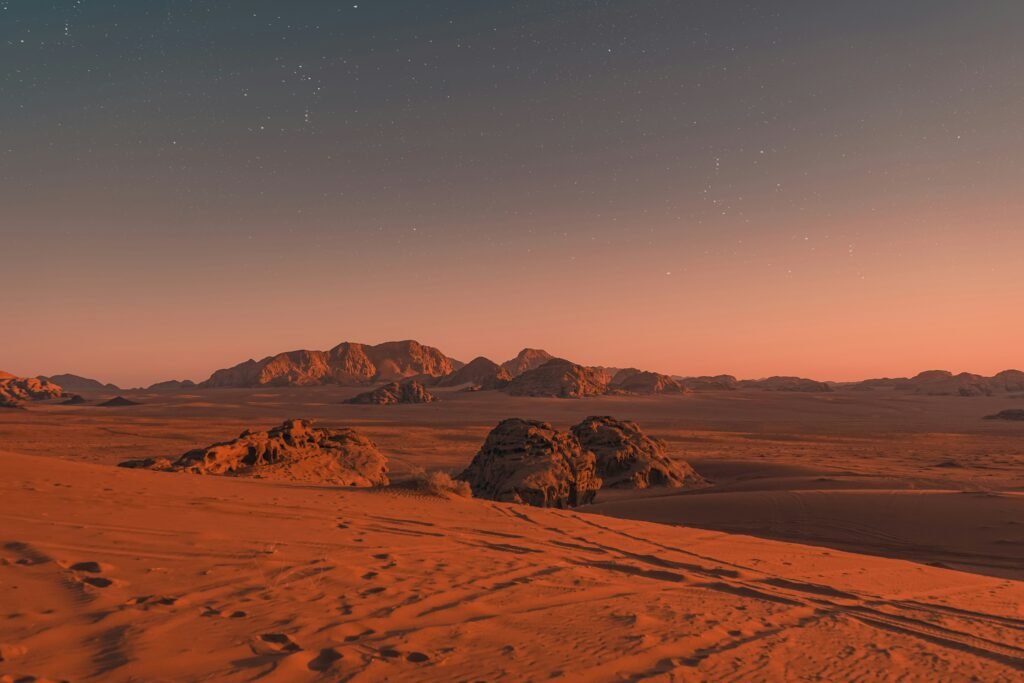
NASA has called Wadi Rum one of the most Mars-like places on Earth—apparently the colors and textures feel eerily similar to the Red Planet. (Which explains why your photos will look like you accidentally joined a space mission.)
So yes, filmmakers have been obsessed with it. Wadi Rum has appeared in movies like Mission to Mars, Red Planet, and The Martian. And then there are the big-budget “we need another planet but also snacks” productions: Dune, Aladdin, and Star Wars: Episode IX were filmed here too—along with, of course, Lawrence of Arabia.
How much does it cost to enter Wadi Rum?
Entry to Wadi Rum costs 5 JOD (roughly €7), and you pay at the Wadi Rum Visitor Center before heading into the reserve.
If you’ve got the Jordan Pass, your Wadi Rum entry (like many of Jordan’s top attractions) is free—and it also covers the visa you need to enter the country.
What to bring to Wadi Rum
You don’t need to pack anything dramatic, but these small essentials make the whole experience far more comfortable (and stop you from suffering for no reason):
- Comfortable walking shoes with good grip. Hiking boots aren’t necessary—solid sneakers are perfect.
- Sandals for camp and for walking on the sand.
- A hat or cap (or grab one of the Palestinian-style scarves sold everywhere once you’re there).
- Sunglasses (the light bounces off the sand and rocks).
- A flashlight for moving around camp at night—your phone light can work, but a proper one is nicer.
- A power bank if you’re the type who takes 700 photos and panics at 12% battery.
- Sunscreen (non-negotiable).
- Lip balm—the air is dry, the heat is intense, and chapped lips happen fast.
- Water (always have more than you think you need).
Tips for visiting the Wadi Rum desert
- Don’t be surprised when phone and internet signal disappears a few kilometers into the desert. Some of the first camps might get a little coverage, but deeper camps often get nothing. Honestly? It’s fine.
- The name is pronounced “Wadi Ram”—learn from our mistakes, because we confidently said it with a “U” for way too long.
- If you’re planning outfits: skip the dress fantasy. You’ll spend half the day climbing rocks and scrambling around. Go for a comfortable outfit and save the “cute look” for literally anywhere else.
- Dinner is usually great, but lunch can be tragically basic. We got canned beans with vegetables and canned tuna—and it seems pretty common. If you get hungry easily, eat a big breakfast and bring a snack.
- Be brave and set your alarm before dawn. Watching sunrise in Wadi Rum is one of those “we’ll remember this forever” moments—and it’s worth the effort.
Where is Wadi Rum located and how to get there
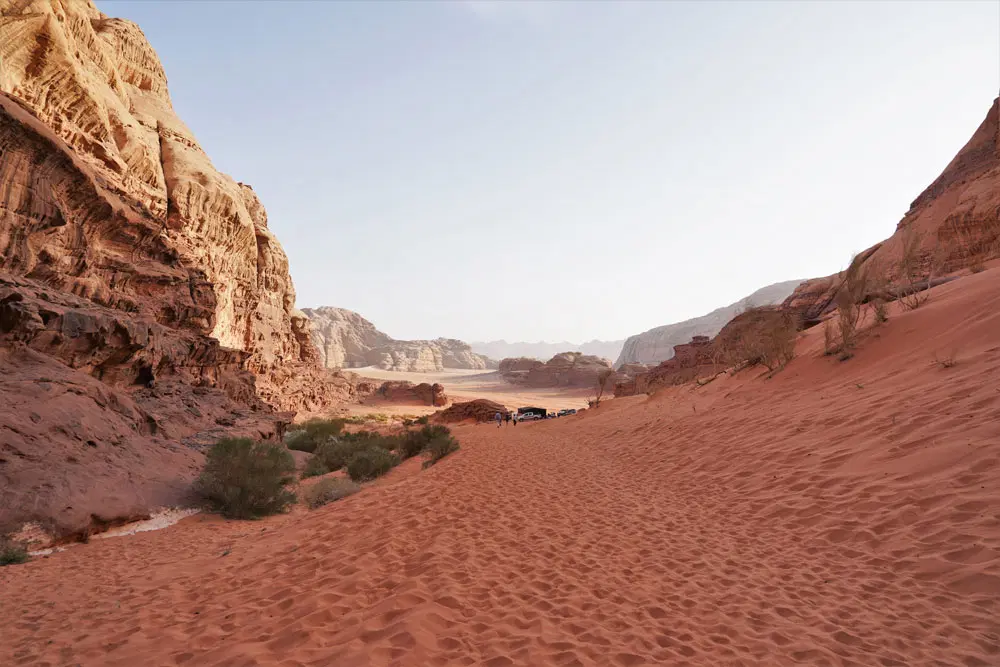
Wadi Rum sits in southern Jordan, less than two hours by car from Petra and about one hour from Aqaba. We visited as part of an 8-day Jordan itinerary with our own rental car, and honestly, having wheels makes everything easier.
In our post about preparing for a self-guided trip to Jordan, we go deeper into renting a car and building your itinerary from scratch. But if you’re not driving, here are your main options:
- Bus: You can get to the Wadi Rum Visitor Centre by bus from Aqaba and from Wadi Musa (the town by Petra).
- From Wadi Musa, you’ll usually need your hotel to reserve a seat. The bus picks you up at your accommodation around 6:00 am.
- From Aqaba, there’s a daily bus leaving around 8:00 am.
- Want to return (for example to Wadi Musa)? There’s a bus at 9:00 am that departs daily from Wadi Rum.
- Taxi: You’ll need to negotiate the fare directly with the driver. Pro move: share with other travelers to bring the price down.
- Organized tour: After driving yourself, this is the most comfortable choice. Here are popular options:
Guide to visiting the Wadi Rum Desert
If you want the full Wadi Rum experience (and not the “we drove through and ate a granola bar” version), we recommend three things:
- Sleep in the desert at a Bedouin camp
- Watch the dinner show and eat a traditional Bedouin meal
- Explore Wadi Rum properly on a 4×4 tour
Let’s break it down.
1. Stay in one of the Bedouin camps
Spending at least one night in Wadi Rum is one of those travel choices that pays you back immediately. You’ll fall asleep in silence so deep it feels expensive—and wake up thinking, “So this is what my brain sounds like when it finally stops screaming.”
You’ll generally choose between:
- 1.1 Classic Bedouin tent
- 1.2 Martian (bubble) tent
- 1.3 Transparent bubble tent
1.1 Classic Bedouin tent
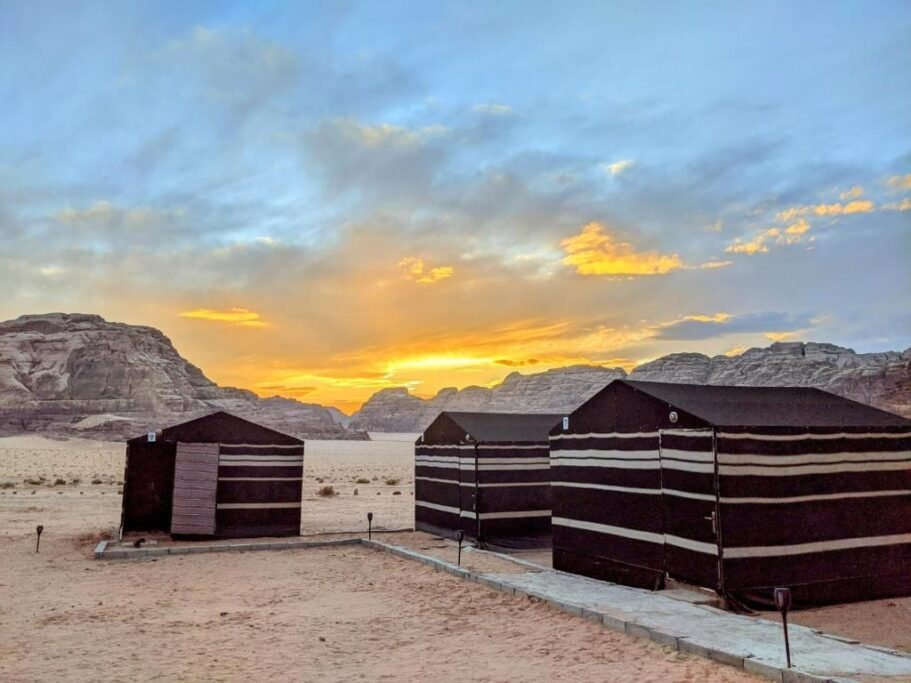
This is the traditional option: simple, atmospheric, and often wildly affordable. Most camps offer tents with beds and electricity, and depending on the price point, you’ll either get a private bathroom or a shared one.
And yes—there are tents for under €1 a night. Not a typo. Check places like Galaxy Camp or Joy of Life (both include breakfast and dinner and score over 9 on Booking.com).
1.2 Martian tent (bubble)
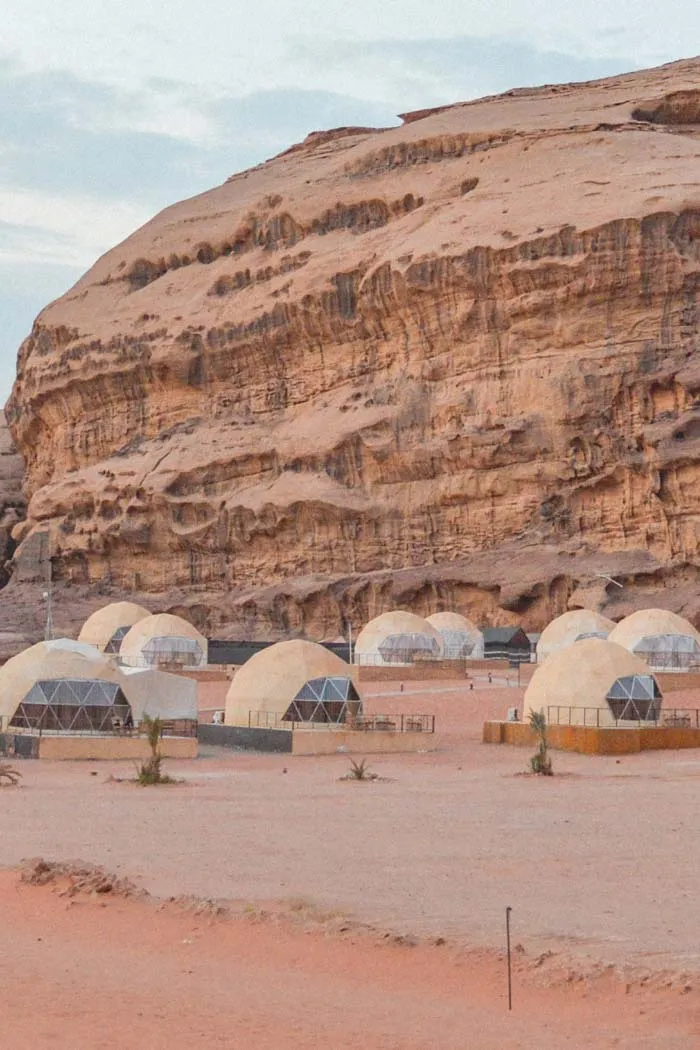
If we’re choosing purely on “how magical can one night be,” the Martian bubble tent wins for us. These bubbles usually come fully loaded: private bathrooms, showers, hot water, air conditioning, and the best part—a huge window facing the desert. At night, the sky turns into a glittering ceiling you’ll never forget.
There are lots of bubble camps out there. We picked Bubble RumCamp because it had the best balance of price + location + ratings.
Pros and cons of Bubble RumCamp:
- The BEST thing: Comfort, a great price, and Wi-Fi. Also: they’re right by the Red Dune, arguably the most beautiful part of Wadi Rum, and you can reach them by car. That matters because many camps require you to park at the Visitor Center and transfer in a Jeep.
- The BAD thing: It’s close to town, and at night you may spot distant town lights on the horizon.
Other Martian/bubble-style options we considered (based on price, location, and Booking.com reviews):
1.3 Transparent bubble
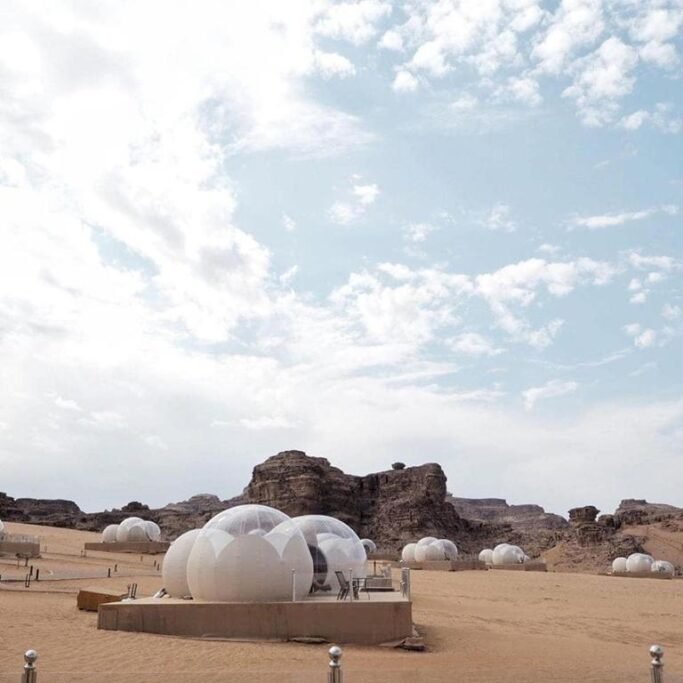
And then there’s the “okay, now we’re really committing” option: transparent bubbles. They have the same comforts as the Martian bubbles—but they’re almost completely clear, meaning you get the most immersive “sleeping under the stars” feeling possible without actually sleeping on the sand.
They’re usually pricier, but if your budget allows, this is peak Wadi Rum drama (the good kind).
Top transparent bubble picks:
2. Witness the show and enjoy a typical Bedouin dinner
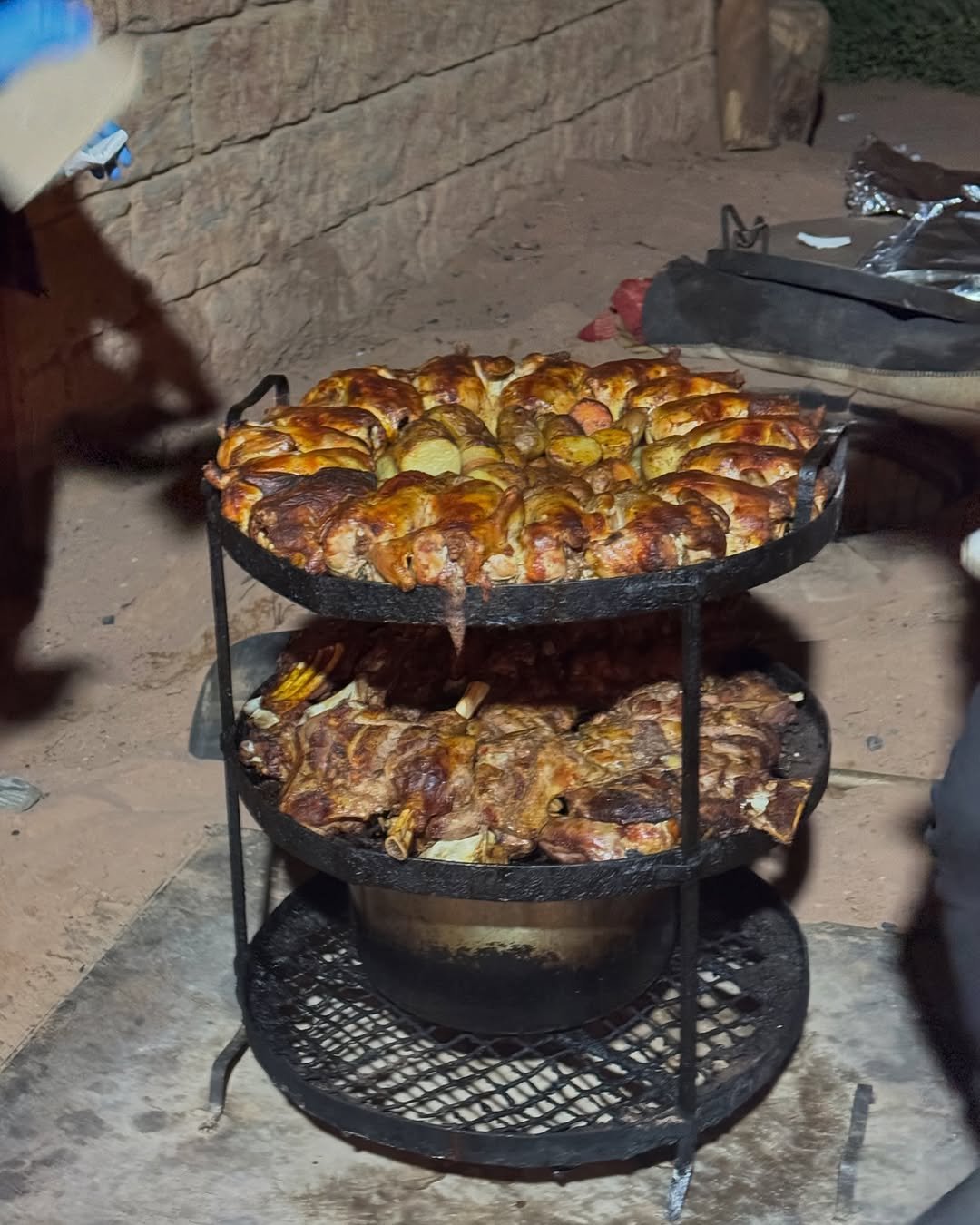
The classic Bedouin dinner is called Zarb, and it’s basically a barbecue cooked underground—because normal cooking is apparently too easy in the desert.
Here’s how it works: charcoal gets lit, the food goes into a multi-tier metal rack, and the whole thing is buried and left to cook for about four hours. It usually includes different meats (often chicken and/or lamb) plus vegetables like potatoes, carrots, and onions.
We ate Zarb at Bubble RumCamp. We watched them pull the food out of the ground (yes, it’s as satisfying as it sounds), then headed to a big dining hall for the feast. Zarb usually comes with hummus, salads, rice, and all the comforting sides you didn’t know you wanted after a day in the sand. It was genuinely delicious.
3. Discover the Wadi Rum desert in a 4×4
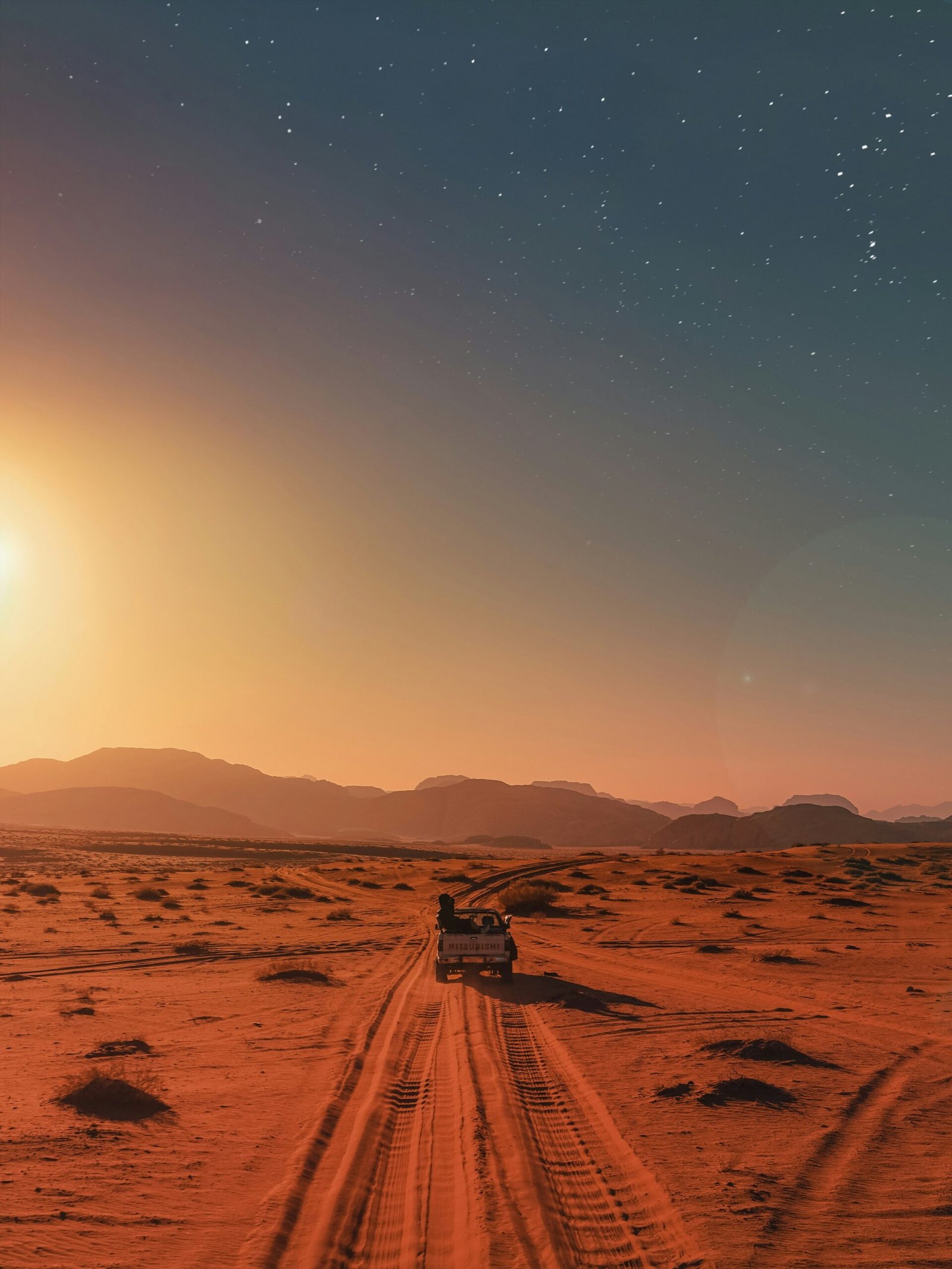
The most popular activity in Wadi Rum—and the main way to explore it—is a 4×4 Jeep tour. Nearly every Bedouin camp offers them, and your guide/driver will take you through the desert to the major viewpoints, rock bridges, canyons, and photo stops.
If you’re not staying overnight and you’re visiting for the day, you can book your Jeep tour directly at the Visitor Centre (we’ve marked it on the map at the end).
Official Wadi Rum 4×4 tour prices (booked either via camps or the Visitor Centre):
- 2 hours: 35 JOD (approx. €47) total
- 3 hours: 50 JOD (approx. €67) total
- 4 hours: 65 JOD (approx. €88) total
- 6 hours: ask at your camp or at the Visitor Centre and negotiate
We booked through Bubble RumCamp and chose the 4-hour tour, which felt like the sweet spot: long enough to see the best of the desert without turning the day into an endurance event. We also recommend doing it in the afternoon so you finish with sunset—because sunsets in Wadi Rum are not “nice,” they’re absurdly cinematic.
Next up: exactly what we saw.
What to see in the Wadi Rum desert
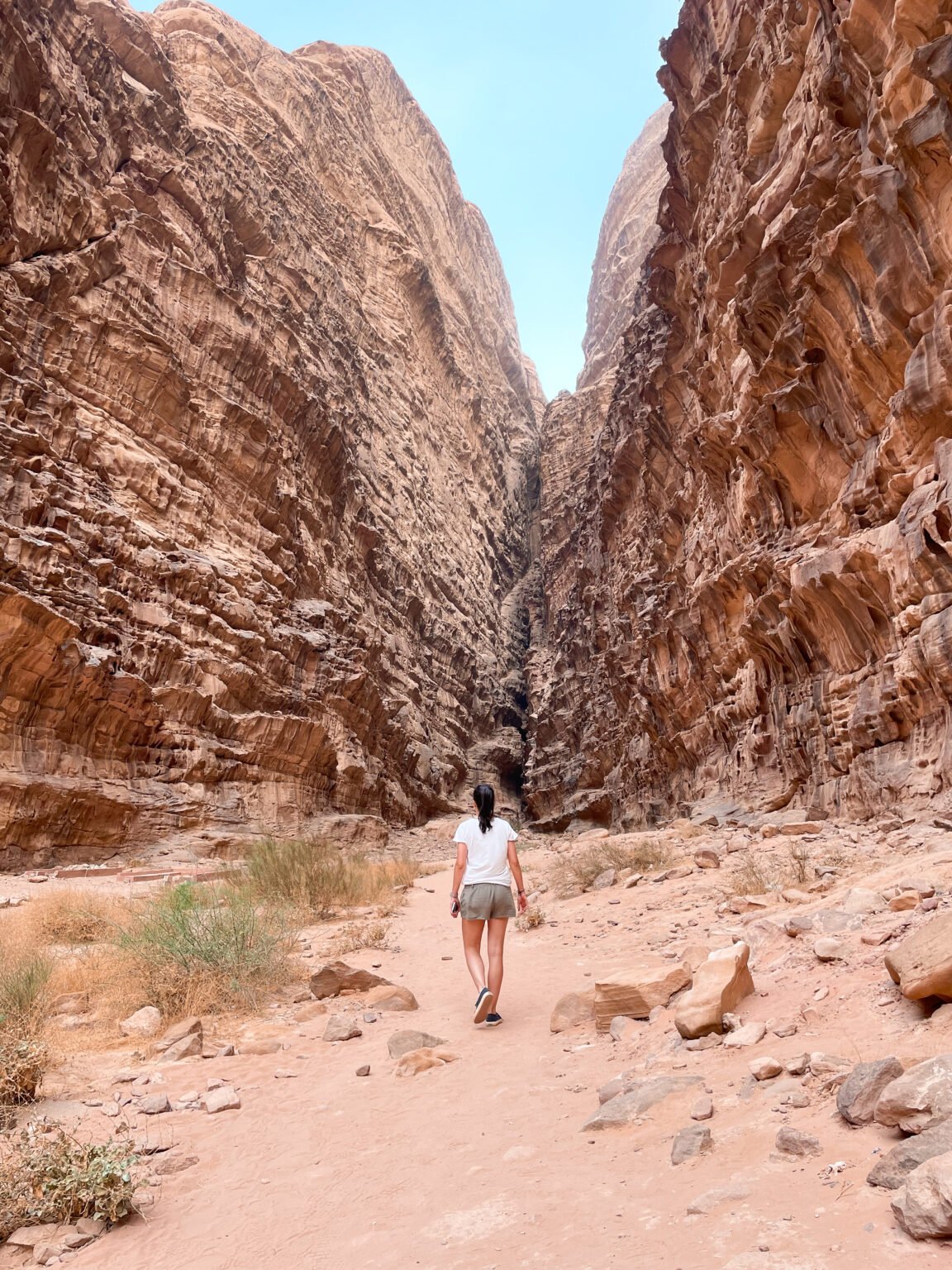
As mentioned, we did our 4×4 tour with Bubble RumCamp. Our itinerary was fixed, so we didn’t get to choose stops—but honestly, we were happy with how it played out.
Below is everything we saw, plus other spots you might visit depending on your guide, and a few you can explore independently.
Abandoned train station
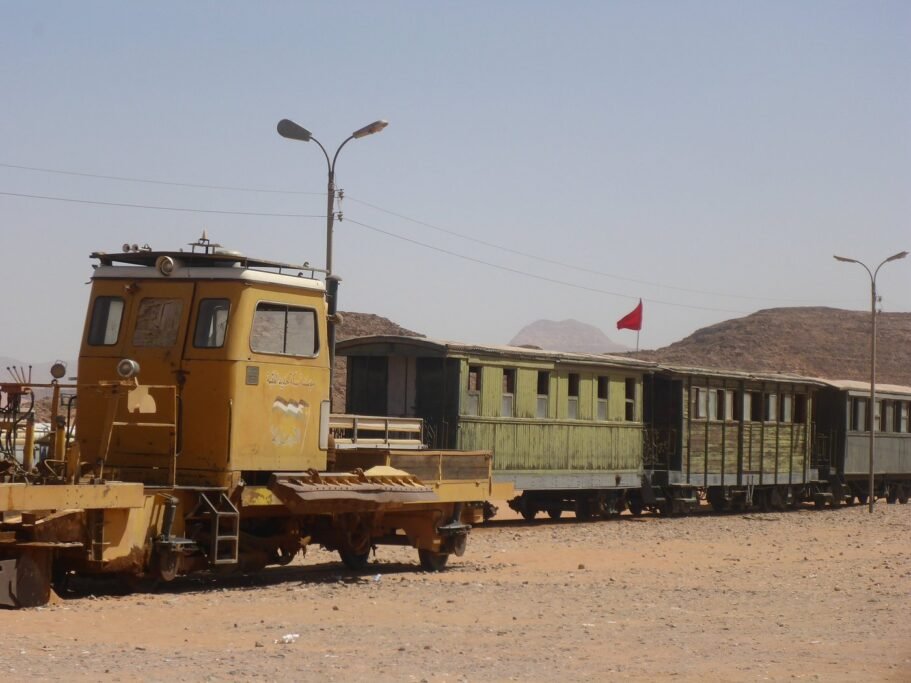
Just before you reach the Wadi Rum Visitor Center, there’s an old train station you can visit on your own. The railway line was once used by the Ottoman Empire to transport supplies and troops across the desert—and later it was destroyed by Lawrence of Arabia as part of his strategy.
Today, you’ll see several old train cars, and one is open so you can step inside.
Seven Pillars of Wisdom
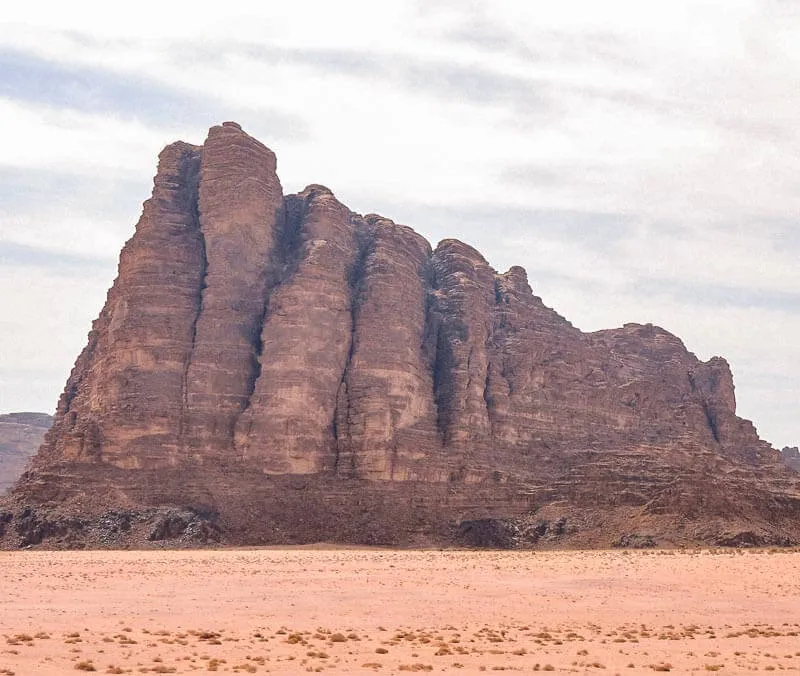
From the road near the Wadi Rum Visitor Centre, you can spot a dramatic rock massif named after Lawrence’s book, Seven Pillars of Wisdom. It’s become the most famous mountain in the Red Desert—and once you see it looming out there, you’ll understand why.
Face of Lawrence of Arabia carved in rock
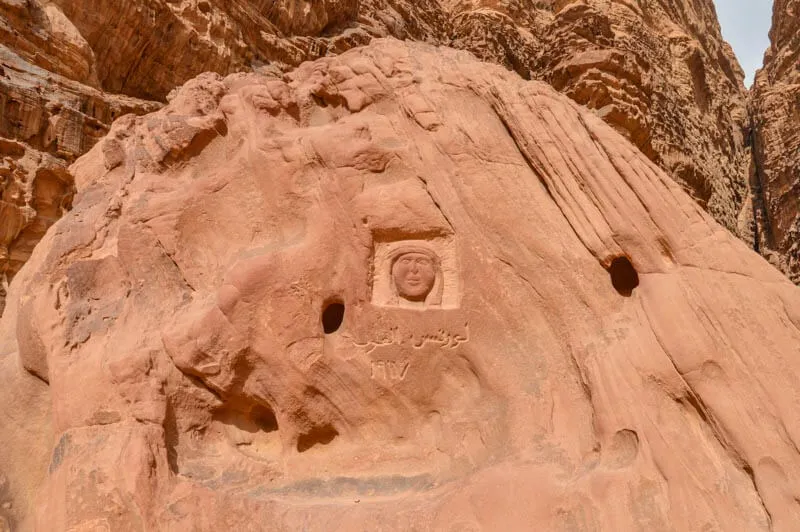
Our first stop on the Jeep tour was a small canyon where a portrait of Lawrence of Arabia is carved into the rock. Across from it, you can also see the sculpted face of King Abdullah I, Jordan’s first ruler.
This rock also marks the start of Siq Um Tawaqi, one of Wadi Rum’s many canyons. The canyon walls up close are seriously impressive—like walking between giant stone curtains.
Wadi Rum viewpoint
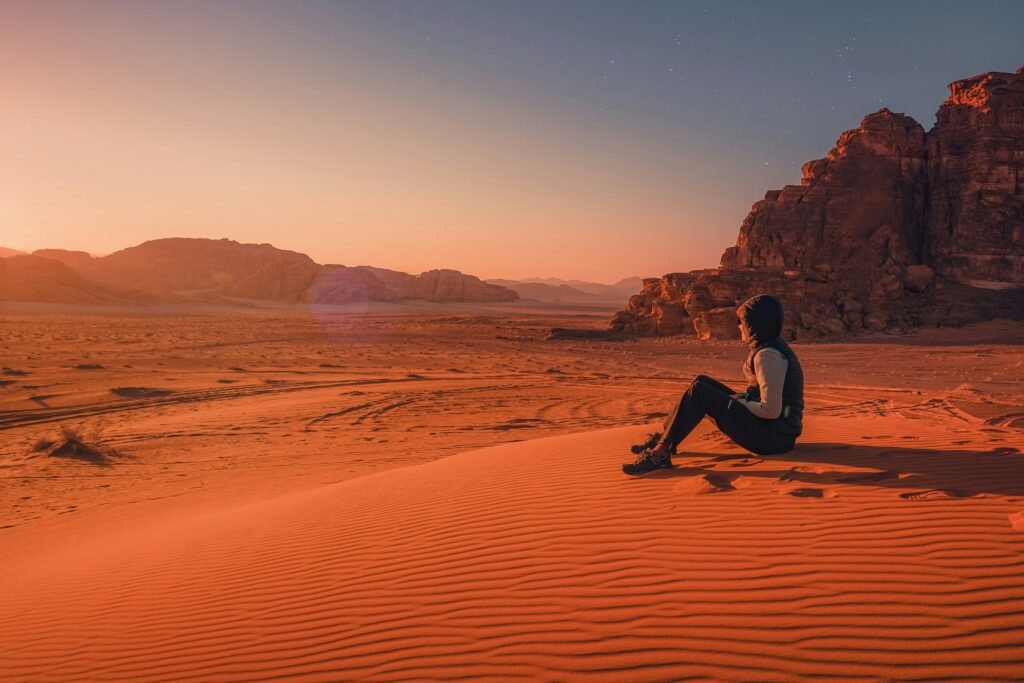
After the Lawrence carving and Um Tawaqi canyon, our guide took us to a panoramic viewpoint that basically sums up Wadi Rum in one glance: endless red sand, dramatic rock formations, and a horizon that makes you feel delightfully small.
Lawrence House
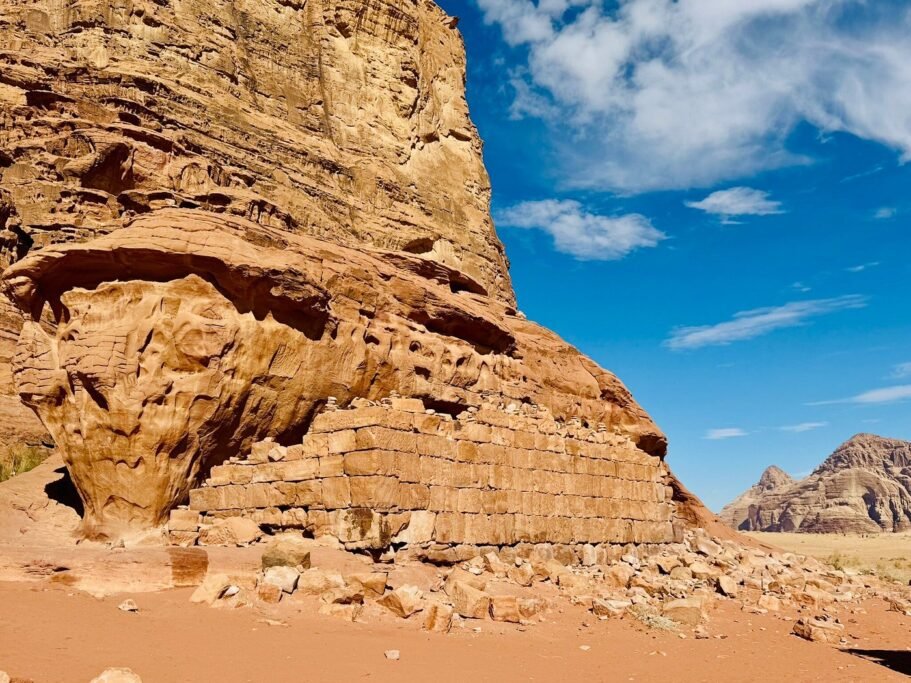
“Lawrence’s house” (or what remains of it) is another iconic stop. It sits on top of an older Nabataean structure thought to have been used for collecting tolls from caravans crossing the desert.
But honestly? The real reason you climb up here is the view. It’s one of those quiet, jaw-dropped moments you carry home with you.
Red Dune (a must-see)
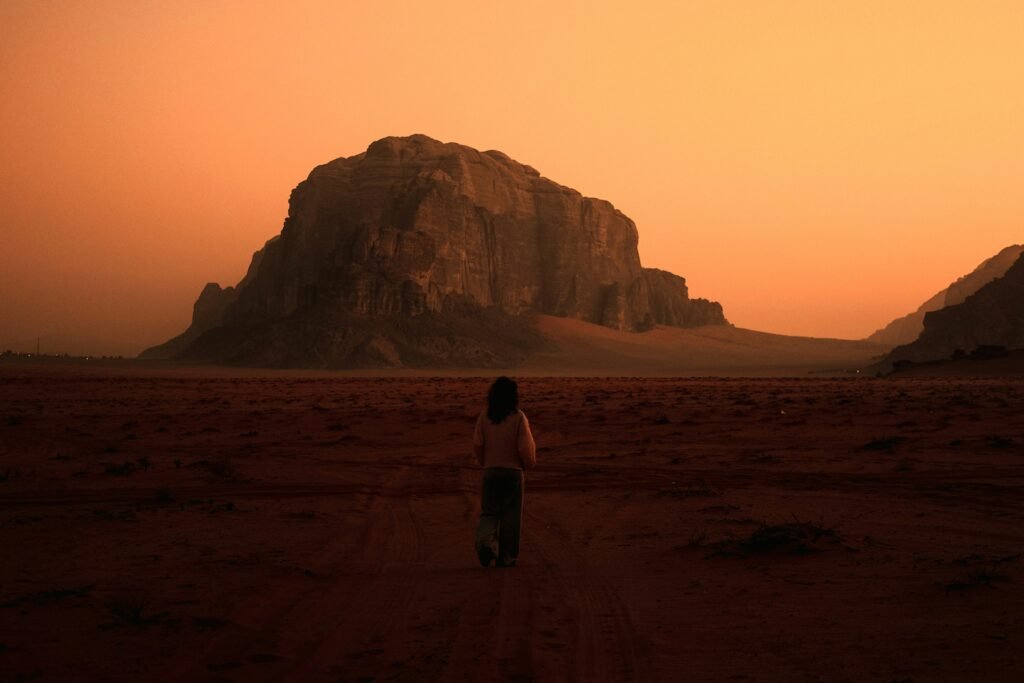
Next stop: the Red Dune. Our driver picked a prime spot and we just stood there, staring, because the sand color is unreal—deep red, glowing, almost metallic in the light.
Fun fact: there are dunes of all sizes across the desert, and the largest reaches an eye-watering 400 meters.
Lawrence Spring
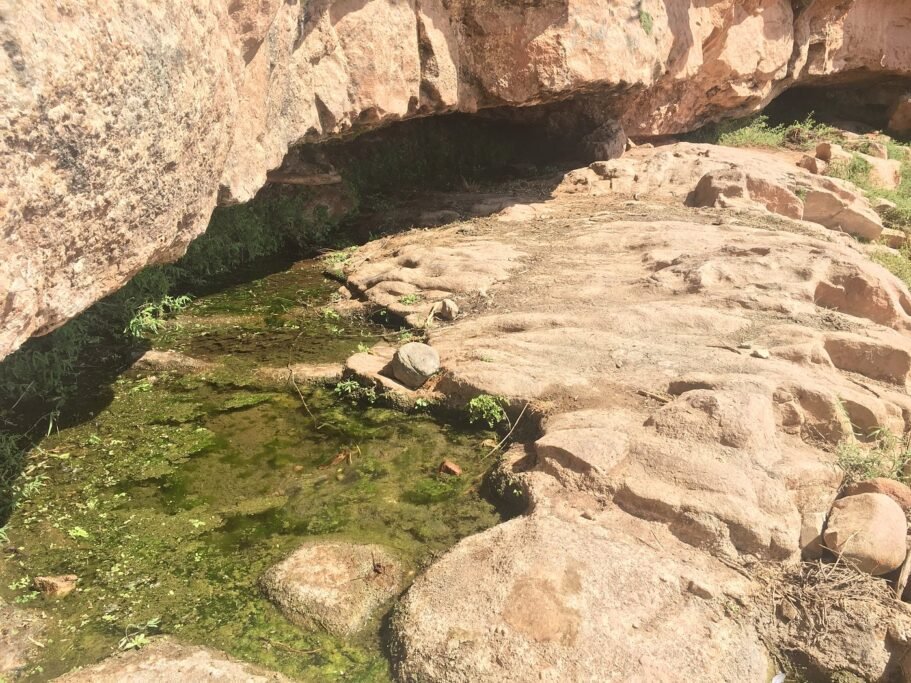
It’s a common tour stop. This spring is one of the few in the desert and is mentioned in Seven Pillars of Wisdom, as it was a place where Lawrence reportedly drank and bathed during his time in Wadi Rum.
Khazali Canyon
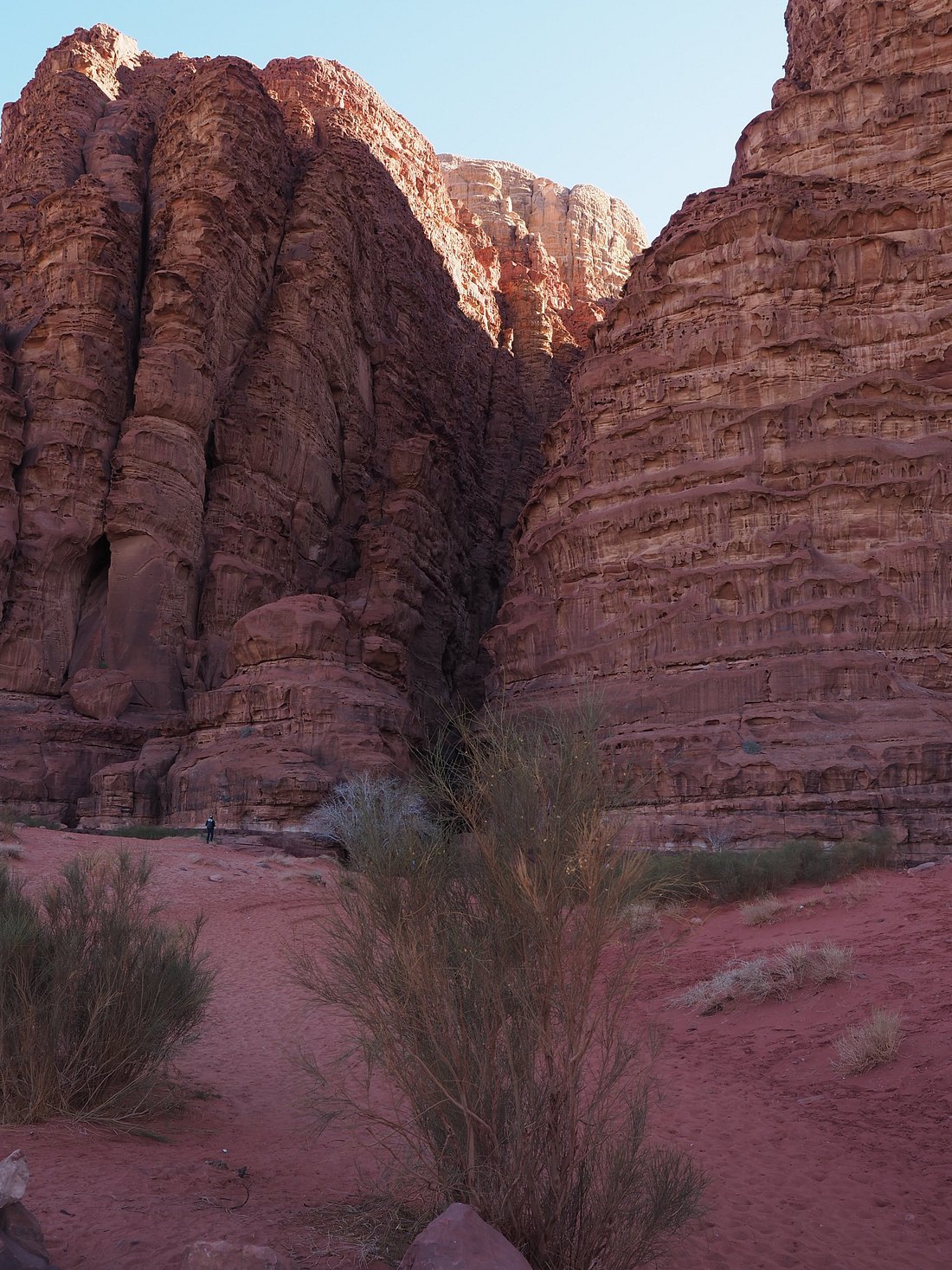
Khazali Canyon is only about 100 meters long, but it’s known for its beautiful interior and its inscriptions: Nabataean, Islamic, and Tamudic carvings cover parts of the walls.
Some inscriptions are still well preserved because they sit in sheltered spots protected from sun and wind. Others—especially some Tamudic carvings—have been damaged over time by water and are now hard to see.
Um Fruth Rock Bridge
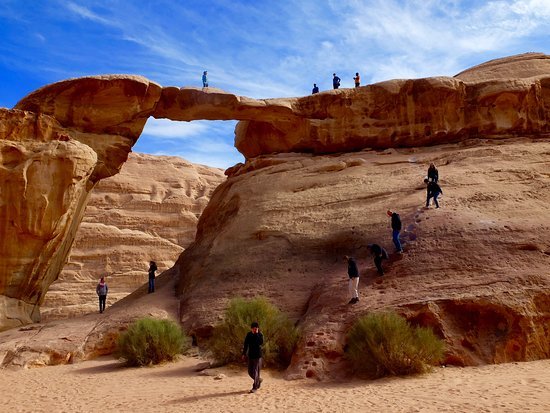
After the Red Dune, we hit Um Fruth, the most famous rock bridge in this guide. It’s about 15 meters high and is said to be the second tallest rock bridge in Wadi Rum—only beaten by the Budah Bridge (around 80 meters), which you can reach after a trek of roughly 3 hours.
To get to the top of Um Fruth, you’ll need to do a little scrambling/rock climbing, so wear proper shoes.
Little Bridge
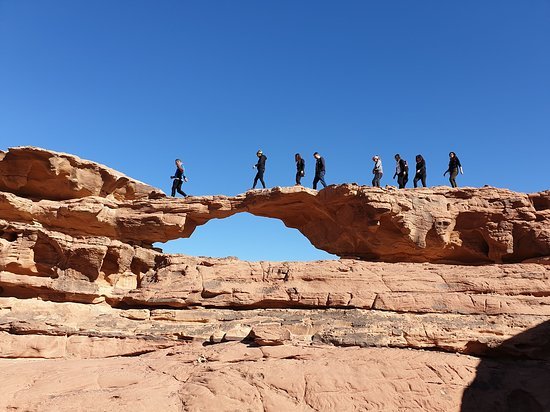
Wadi Rum has four stone bridges in total. The Little Bridge is another common stop, but it’s not as dramatic as Um Fruth. It stands about 7 meters above the valley floor, and people say the views are lovely.
If you visit it on your Jeep tour, tell us what you thought—we’re curious.
Mushroom Rock
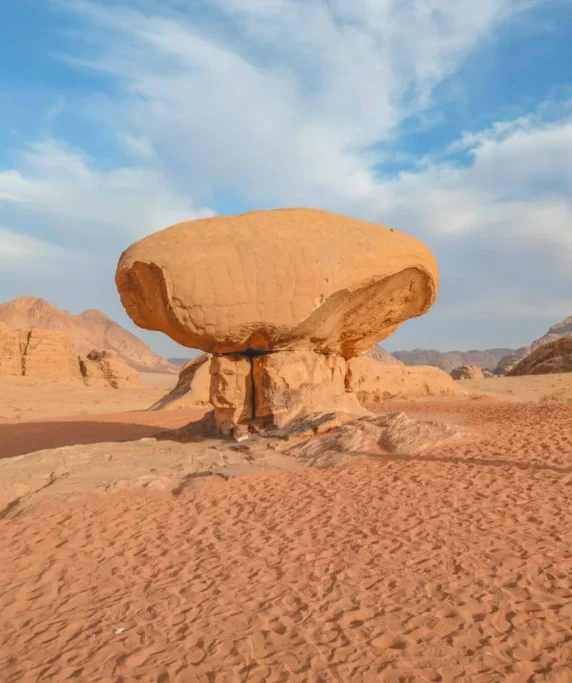
Next up: Mushroom Rock, one of the most fun, oddball formations in Wadi Rum. It genuinely looks like a mushroom—shaped naturally over centuries by wind and rain slowly eroding the stone.
Abu Khashaba Canyon
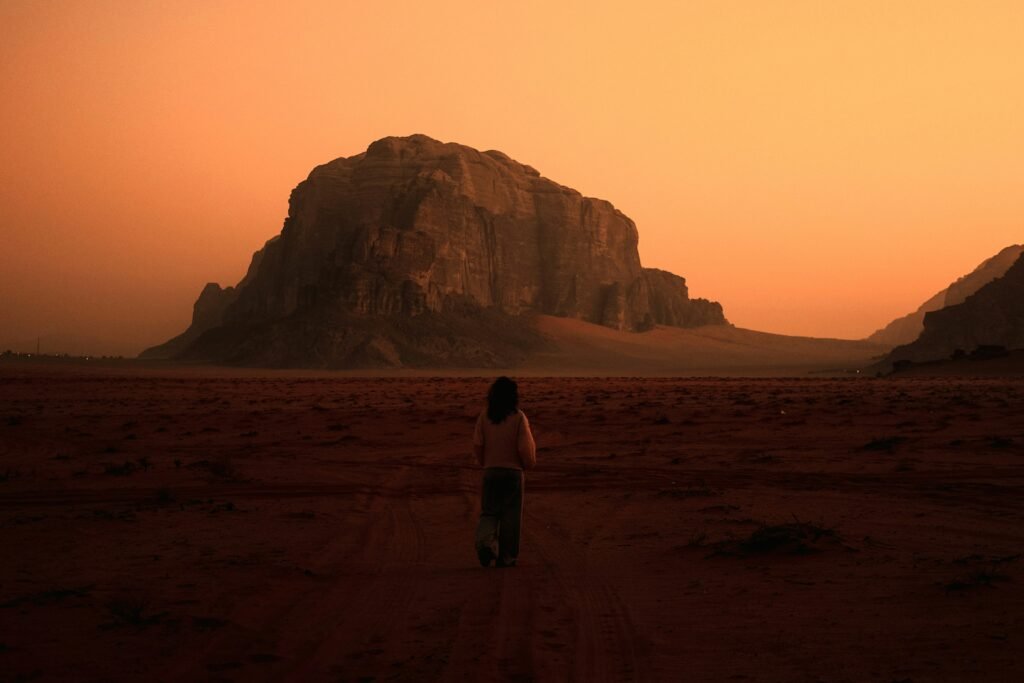
Another popular stop is Abu Khashaba canyon. It’s a narrow gorge (about 4 meters wide) and takes around 20 minutes to walk through. Your driver typically drops you at one end and picks you up at the other.
Anfaishiyya Inscriptions and Alameleh Inscriptions
Across Wadi Rum, there are said to be more than 20,000 inscriptions carved into the sandstone. These petroglyphs vary in theme and are over 1,000 years old, used as markers for routes, hunting areas, springs, and important landmarks.
Two main tourist sites for inscriptions are:
- Anfaishiyya Inscriptions
- Alameleh Inscriptions
We visited Alameleh, considered to have greater archaeological value and to be over 2,000 years old. We’ve marked both sites on the map at the end.
Sunset on the Red Dune
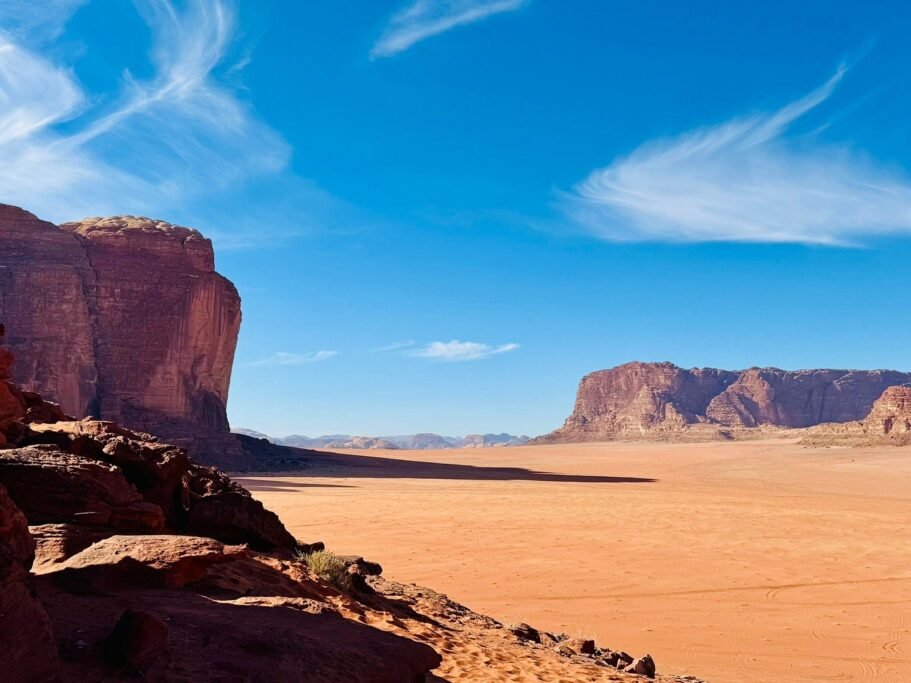
To end our 4×4 tour, we returned to the Red Dune for sunset—and wow. One of the most beautiful sunsets we’ve ever seen, and easily one of the most magical moments of our 7-day Jordan trip.
Other things to do in Wadi Rum
We spent one night at Bubble RumCamp and felt it was enough to cover the highlights. But if you’ve got extra time (or you simply want more desert serenity in your life), here are other experiences to consider:
Enjoy the sunrise in Wadi Rum
If sunset felt magical, sunrise is the sequel. Wake up early, stumble out of your tent, and find a nearby viewpoint. Ask your camp for the best spot near your accommodation—most will happily point you in the right direction.
Practice sandboarding
Many tours include sandboarding, and if yours doesn’t, ask your guide. It’s basically desert “surfing”: you slide down dunes on a wooden board, laugh a lot, and get sand everywhere (even in places you didn’t know existed).
Fly over Wadi Rum in a hot air balloon
Seeing Wadi Rum from above must be unforgettable. We didn’t do it because of time and budget, but prices hover around 130 JOD per person (about €180). You can book through your camp or at the Visitor Center. If your travel budget allows, this is one of those “you’ll talk about it forever” experiences.
Practice climbing
Rock climbing is a big deal in Wadi Rum, thanks to the desert’s unique walls and routes. Barrah Canyon is one of the better-known climbing areas. We stopped there briefly and learned some interesting facts from our guide.
Take a 4×4 tour through the white desert of Wadi Rum
The southernmost area is known as the white desert, named for its lighter sand, which contrasts beautifully with the red rocks.
This tour usually needs price negotiation at your camp or the Visitor Center. The big payoff? You’ll likely be almost alone out there, seeing a more authentic, quieter side of Wadi Rum—and you can even get views stretching toward Saudi Arabia.
- Driving in Jordan as a Tourist (2026): What to Expect, Road Rules, and Tips for a Safe Trip
- How to Dress in Jordan as a Woman (2026): What to Wear for Comfort, Respect, and Real Life
- Perfect Jordan Itinerary 10 days (2026): From Amman To Aqaba
- What to Do in Madaba in 2026: Explore Near Jordan’s Mosaic City
- What to Do in Jerash Jordan (2026): A Walk Through One of the Best-Preserved Roman Cities on Earth