
Travel writing based on first-hand experience
Welcome to Luxor—that slightly unreal stretch of the Nile Valley where you look up from your mint tea and realize you’re standing in the former capital of the New Kingdom. Big energy. Bigger columns. And tomb walls so colorful you’ll swear someone repainted them yesterday .
In this guide, we’ll take you through the essential 2 days in Luxor itinerary: the blockbuster temples on the East Bank (Karnak + Luxor Temple, linked by sphinxes like an ancient red carpet), then the West Bank for tombs, cliffs, and Hatshepsut—Egypt’s most powerful queen-pharaoh (with all due respect to Cleopatra).
Most people roll in on a Nile cruise, but Luxor also works beautifully independently. Either way, here’s everything you need to squeeze the most out of Luxor in 2 days, with real ticket prices and practical logistics.
Table of Contents
A bit of history: why Luxor is so important

Luxor’s “why” is simple: it used to be Thebes, capital of Egypt’s New Kingdom (roughly the 16th–11th centuries BC). This wasn’t just another city—it was the political, religious, and cultural command center of Ancient Egypt, and the scale of what remains is… frankly unfair to every other destination on earth.
Under Ramses II, the region hit peak grandeur. Temples multiplied, monumental projects expanded, and Luxor became the ceremonial heart of power. And then came the ultimate flex: pharaohs started choosing the cliffs across the Nile as their eternal address—the Valley of the Kings—a more discreet burial plan than “hello, here’s a pyramid, please rob me.”
After the New Kingdom declined, Luxor faded and many structures lay buried for centuries. The 19th century brought excavation and the world’s obsession with Egyptology. The discovery of Tutankhamun’s tomb in 1922 sealed Luxor’s modern legend.
Today, Luxor is basically an open-air museum with archaeological remains of incalculable value—and you get to walk through it.
How to get to Luxor
We’ll keep this practical. Your main options are:
1) By plane (Cairo or direct from abroad)
- Cairo → Luxor flights often land in the “why is this cheaper than my taxi home?” zone. Expect roughly €50–€80 when booked smart (prices move, but that range is common for domestic hops).
- Direct flights from some European cities do exist seasonally/weekly.
2) Overnight train from Cairo (classic, but not always logical)
Yes, it’s popular—sleep, travel, arrive. But given how affordable accommodation can be in Egypt and how often flights compete on price, we personally see the sleeper train as a “for the story” choice more than a “best value” choice. Expect sleeper pricing to vary widely depending on operator/cabin.
3) Nile cruise from Aswan
A very common (and honestly very smooth) way to do it: cruise north, then Luxor is the grand finale with two full days of temple-and-tomb glory.
4) Long day trip from the Red Sea (Hurghada / Marsa Alam)
Possible, but intense—think early departure, long road time, quick-hit sightseeing. Only makes sense if your trip is primarily Red Sea-based.
Where to stay in Luxor
If you’re on a Nile cruise, you may not need extra nights. If you’re staying independently, pick your side of the river like it’s a personality test.
1) East Bank / City Center (easy, central, temple-forward)
Best for: walking to restaurants, markets, and Luxor Temple, plus easy access to Karnak.
- Mid-range pick: Nefertiti Hotel (popular, practical, strong location). Rates for doubles around $40/night (per room, breakfast included).
- High-end splurge: Steigenberger Nile Palace Luxor—rates vary by dates, but commonly sit in the $160–$289 ballpark for standard rooms.
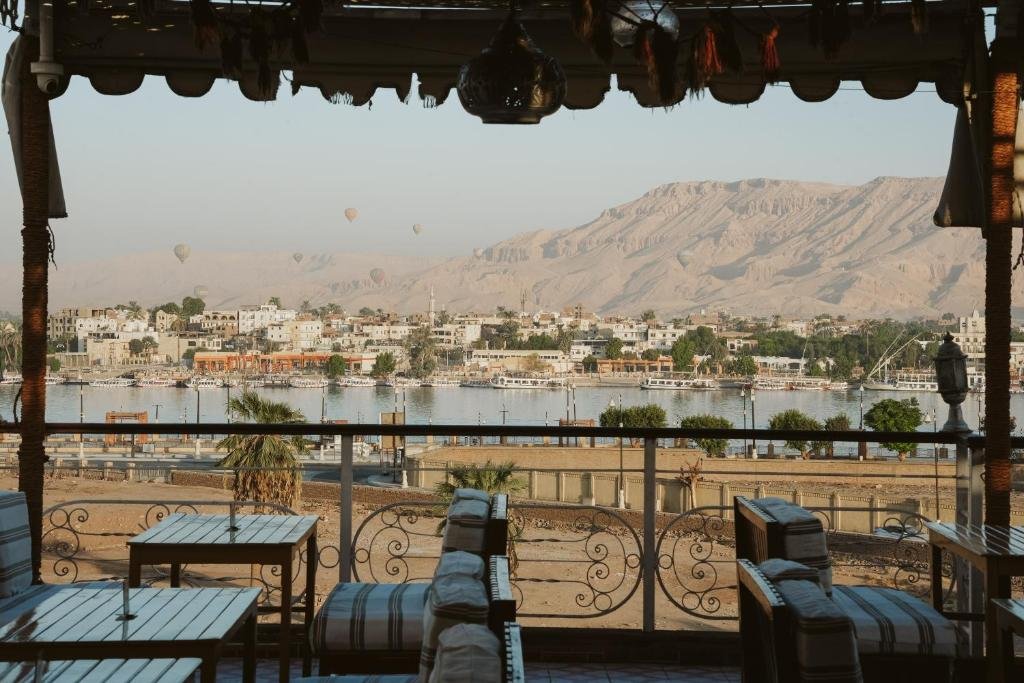
2) West Bank (quieter, more local, closer to tomb-land)
Best for: calm mornings, village vibes, quick access to Valley of the Kings zone.
- Well-reviewed West Bank option: Embrace Hotel (prices start around $50–$80+ depending on season).

How to get around in Luxor
You’ve got two realistic modes:
Option A: DIY by taxi (and/or private driver)
This gives you freedom and flexibility—markets, food stops, sunset timing, no group herding.
Typical local transport costs :
- Short central taxi hops: 20–40 EGP
- Cross-town rides: 60–120 EGP
- Longer rides/airport-style transfers: 120–200 EGP
- East Bank → West Bank: public ferry often quoted around 10–20 EGP one-way (confirm before boarding).
- Example from travelers: West Bank taxi to Valley of the Kings reported around 100 EGP one-way (negotiation-dependent).
Option B: Guided tours (our “Luxor is better with context” approach)
Luxor’s sites are mind-blowing on their own—but with a good guide, you actually understand what you’re seeing (and you stop walking past “minor” details that are, in fact, huge).
Common price ranges on major platforms:
- Full-day combo tours start around $45 (varies by inclusions/group size).
- West Bank tours often start around $69 (again, depends on inclusions).
If you want the best of both worlds: arrive by taxi and hire a guide at the entrance, or book a tour for the most complex sites (Karnak + West Bank), then wander solo later.
What to do on 2 days in Luxor itinerary
Day 1: East Bank (columns, sphinxes, and a temple in the middle of town)
Temple of Karnak
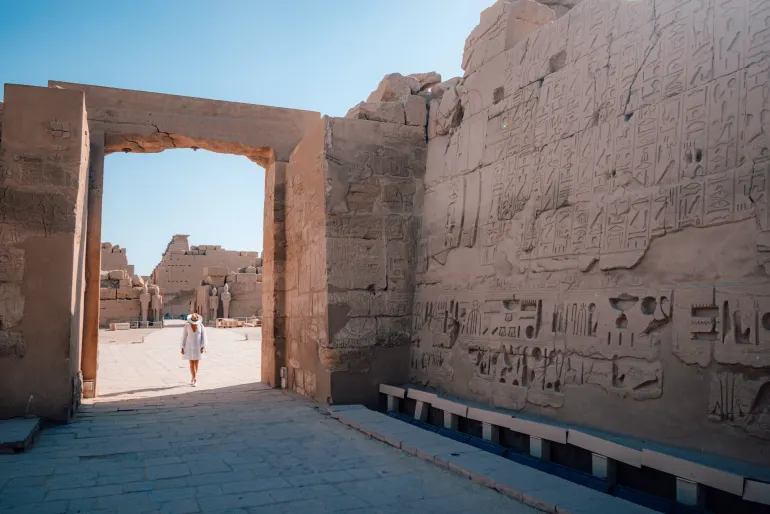
Karnak is not “a temple.” Karnak is a whole architectural universe built and expanded across centuries—one of the largest temple complexes on Earth. The Hypostyle Hall (the forest of columns) is the moment you go quiet without meaning to.
- Ticket (adult): 600 EGP
Timing tip: go early—crowds and heat both escalate fast.
Avenue of the Sphinxes
This is the ceremonial connector between Karnak Temple and Luxor Temple—a 2.7 km line of guardian figures. Estimates say there were roughly 1,350 sphinxes originally; around 650 remain today.
Also useful: You should have tickets for Karnak and Luxor Temples to access the Sphinx Avenue connection.
Luxor Temple
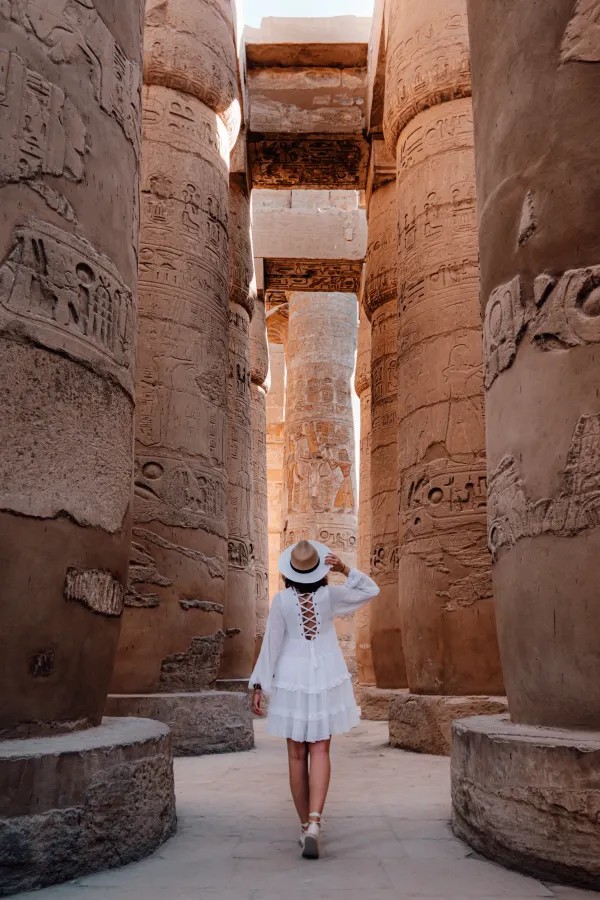
Luxor Temple is the “how is this just… here?” site—right in the city, dramatic facade, and ridiculously photogenic. Built primarily under Amenhotep III and Ramses II, dedicated to Amun, and used for festivals and ceremonies.
Here’s the twist: it was buried for ages, and a mosque was built within the complex—still active today—so you’re literally seeing layers of history stacked together.
- Ticket (adult): 500 EGP
Pro move: visit late afternoon into evening if hours allow—illumination makes it feel theatrical.
A stroll along the Corniche
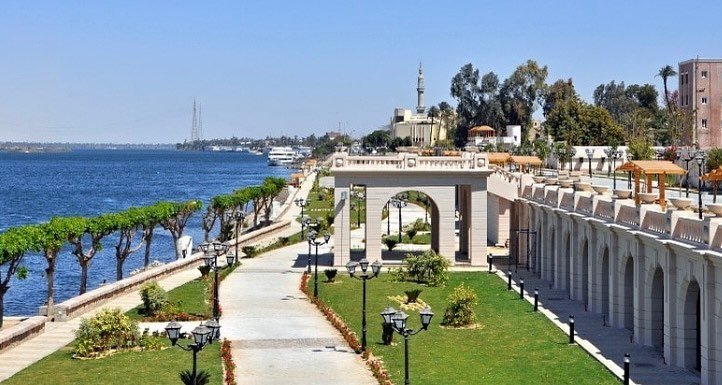
The Corniche is the Nile promenade on the East Bank: boats cruising, temple views, sunset light doing its best work. Vendors will try to sell you everything from a boat ride to your own personal empire—keep your “no thanks” ready and keep walking.
Shopping in the Souk (the craziest thing to see in Luxor)

The souk is not a calm shopping experience. It’s a full-contact sport. You’ll find souvenirs, spices, scarves, alabaster “definitely real” statues, and haggling as performance art. Agree prices clearly, check your change, and don’t be afraid to walk away.
Day 2: West Bank (sunrise drama + tombs that don’t feel real)
Hot air balloon ride

Yes, it’s touristy. Yes, it’s also genuinely unforgettable: sunrise over the desert, the Nile ribboning through green fields, temple outlines appearing as the light lifts.
- Luxor: Hot Air Balloon Ride
Tip: book it for your first morning if you can—wind/cancellations happen.
Temple of Hatshepsut
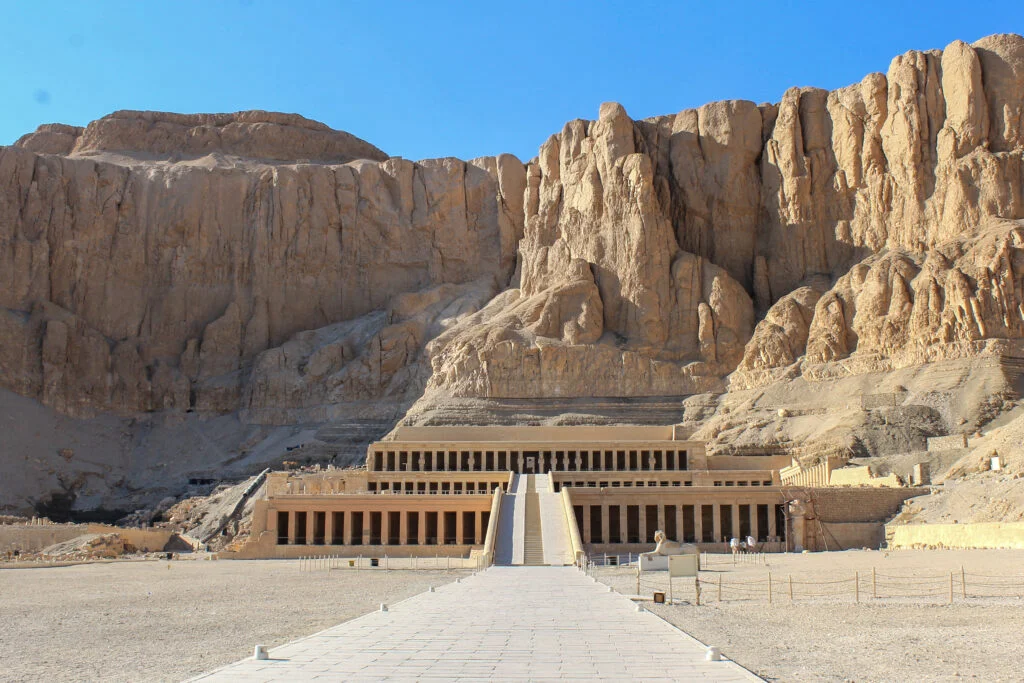
Hatshepsut is the main character. She began as regent for her stepson Thutmose III, then ruled as pharaoh—eventually even adopting male iconography in statuary and reliefs. After her death, Thutmose III tried to erase her legacy. Spoiler: it didn’t work.
Her mortuary temple is carved into the cliff at Deir el-Bahari, with clean terraces that feel almost modern in layout.
- Ticket ( adult): 440 EGP
Valley of the Kings

The Valley of the Kings is one of those places that doesn’t hit until you step inside a tomb—then it hits hard. From sun-blank desert to saturated walls of gods, stars, and hieroglyphs in minutes.
- General ticket (adult): 750 EGP and it includes entry to three tombs (standard selection varies).
- Extra-ticket tombs (adult):
- Tutankhamun: 700 EGP
- Seti I: 2000 EGP
- Ramses V & VI: 220 EGP
Our practical take: Tutankhamun is famous, but the artistry in other tombs can be more visually overwhelming. If you’re choosing where to spend extra, consider whether you want “I saw that tomb” bragging rights or maximum wall-painting wow.
Temple of Ramses III (Medinet Habu)
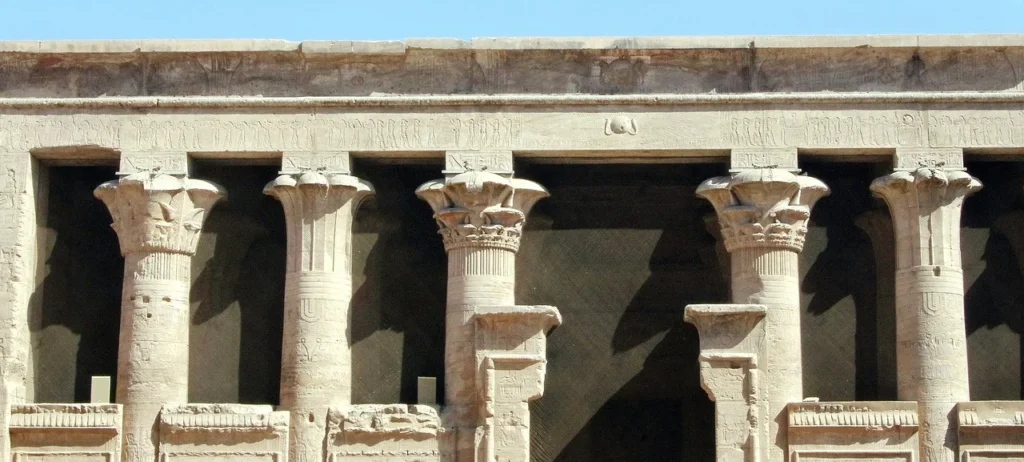
Medinet Habu is one of the most satisfying temples on the West Bank: well-preserved, less crowded, and packed with massive relief work—plus those high outer walls that make it feel fortress-like.
- Ticket (adult): 220 EGP
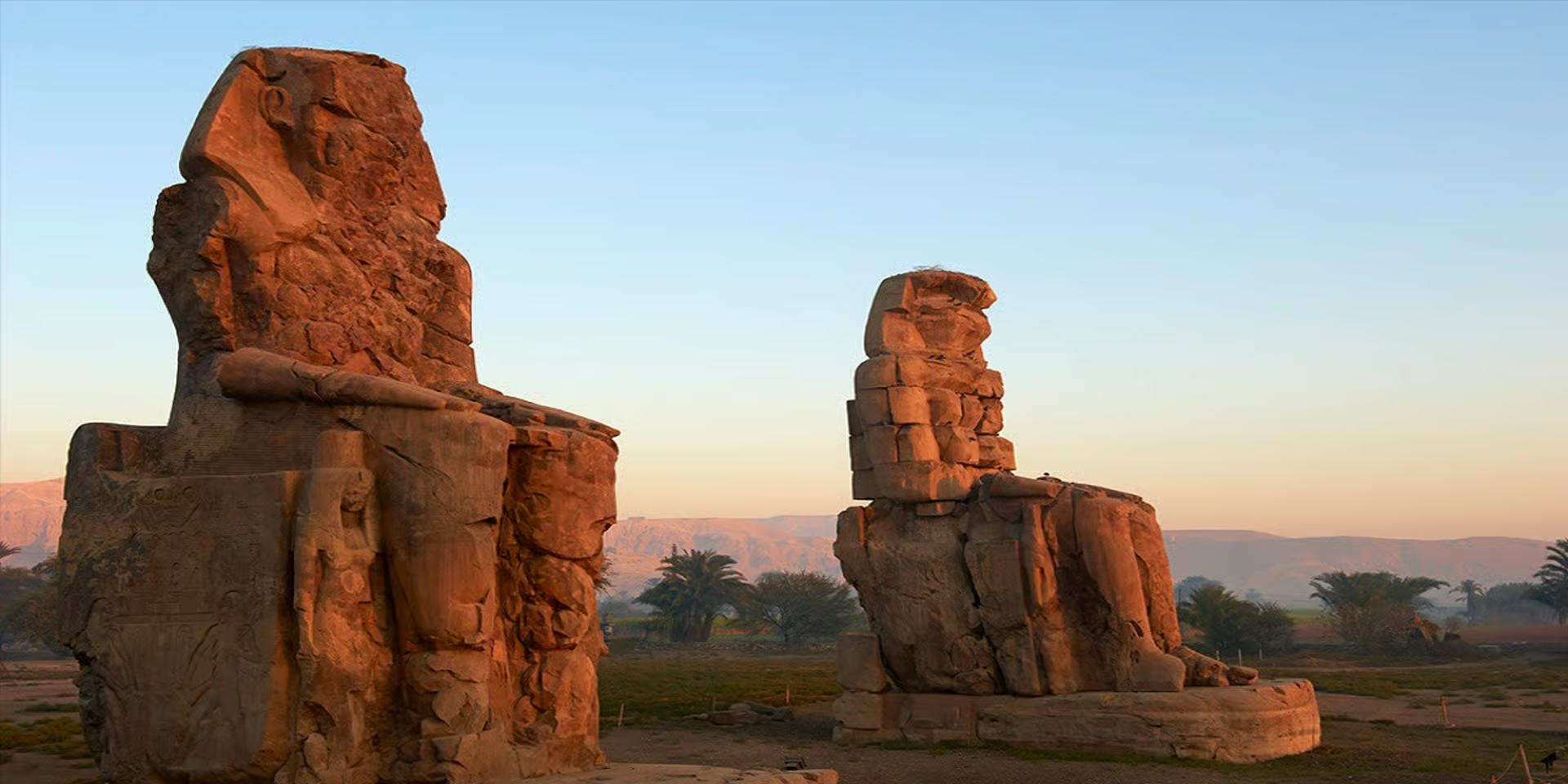
Colossi of Memnon
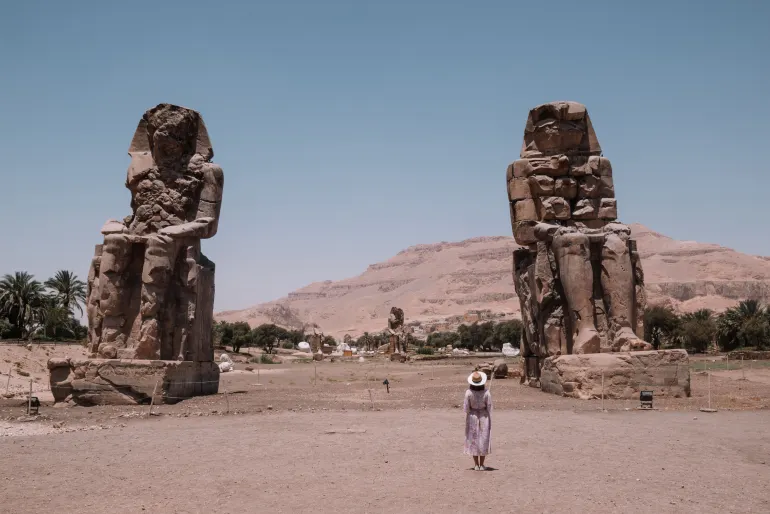
Two colossal statues of Amenhotep III, about 18 meters tall, standing like patient guardians in a landscape where the original mortuary temple is mostly gone.
- Free to visit
And yes, there’s the old legend of the “singing” statue at dawn—likely a physical effect from temperature changes and stone cavities, later silenced after earthquake damage.
What to do with an extra day in Luxor
Excursion to the temples of Dendera and Abydos
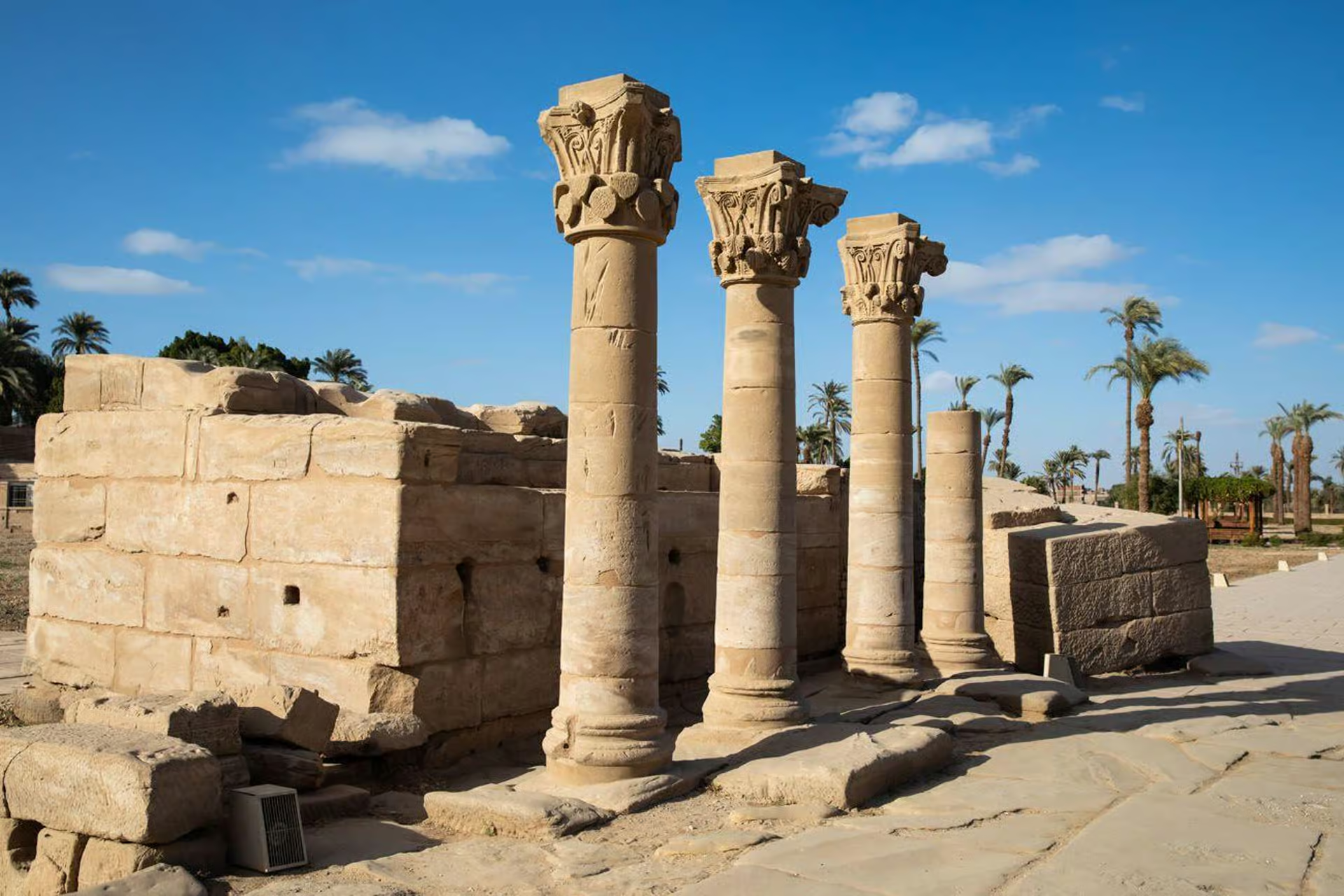
If you want more temples (you do), Dendera and Abydos are excellent—and far.
Dendera is famous for its preservation and deep, richly carved reliefs. Abydos is historically huge, with the King List that helped historians reconstruct royal chronology (with the usual political omissions—ancient PR was vicious).
Visit to the Valley of the Queens
Smaller than the Valley of the Kings, but still powerful—burial site for royal wives and children.
Final thought
Luxor is not just “a stop on an Egypt itinerary.” It’s a direct encounter with deep time—temples, tombs, and human ambition carved into stone at a scale that still feels impossible. With this 2 days in Luxor itinerary, you’ll hit the essentials without sprinting yourself into exhaustion—and you’ll leave with that strange Luxor feeling: equal parts awe, sun-dazed disbelief, and the urge to google “how did they even build this?”