

Travel writing based on first-hand experience
Are you hunting for the ideal 8 days in Egypt itinerary—the kind that actually feels like Egypt (not just “we saw the pyramids, goodbye”)? Same. For a lot of us, this is the childhood dream trip: flipping through dusty history books, staring at those ridiculous pyramids, and thinking, how is this even real? Now imagine you’re finally there, standing in front of them, squinting into the sun, trying to process 5,000 years of human ambition. Yep. That’s the energy.
In this guide, we’re walking you through exactly how our Egypt route went, day by day, plus the things we wish we’d known earlier—little upgrades and smarter choices that would’ve made the trip smoother, cheaper, and more “wow” .
Because Egypt is wild in the best way: ancient monuments older than most civilizations, desert landscapes that look like another planet, and the Red Sea serving up some of the world’s best coral reefs like it’s no big deal. Over 8 days, we’ll take you through the big hitters—Cairo, Luxor, Aswan, and Abu Simbel—with enough practical detail that you can copy-paste this into your own trip planning without losing your mind.
And if you’ve got extra time (or you’re the kind of traveler who always says “one more country won’t hurt”), we also drop options to extend this into a 10-day Egypt itinerary so you can explore beyond the core route. We’ll also share the add-on we chose: finishing with 3 days in Jordan, swapping temples for desert drama in Wadi Rum and ending on the cinematic masterpiece that is Petra.
| ➡️Before you zip the bag and head to the airport, run through a practical Egypt packing list — the items that make exploring temples comfortable, desert walks bearable, and long travel days surprisingly smooth. ➡️ Before travelling, it helps to know the small practical details that rarely make it into guidebooks, which is why our Egypt travel tips cover local rhythm, transport, money, timing, and everyday situations that first-time visitors often underestimate. ➡️ Clothing in Egypt depends heavily on season, city, and context: our what to wear in Egypt guide explains what feels comfortable, respectful, and genuinely practical from Cairo streets to coastal resorts. ➡️ Cairo becomes far more interesting once you step slightly sideways from the obvious route, and these hidden gems in Cairo reveal quieter corners, overlooked districts, and places many visitors never reach. ➡️ If you are trying to connect Cairo, the coast, ancient sites, and slower stops into one coherent route, our 14 days Egypt itinerary help shape days without turning the trip into a rush. ➡️Discover the top 12 unique things to buy in Egypt, from papyrus art and alabaster statues to Egyptian cotton and spices. Get our tips on where to shop and how to find authentic treasures. |
Table of Contents
Recommendations from our 8 days in Egypt itinerary
What is the best time to travel to Egypt?
If we could pick the “sweet spot” (aka: the months when you can actually enjoy existing outdoors), we’d aim for spring and autumn—roughly March to May and September to November. You’ll get warm days without the heat intensity.
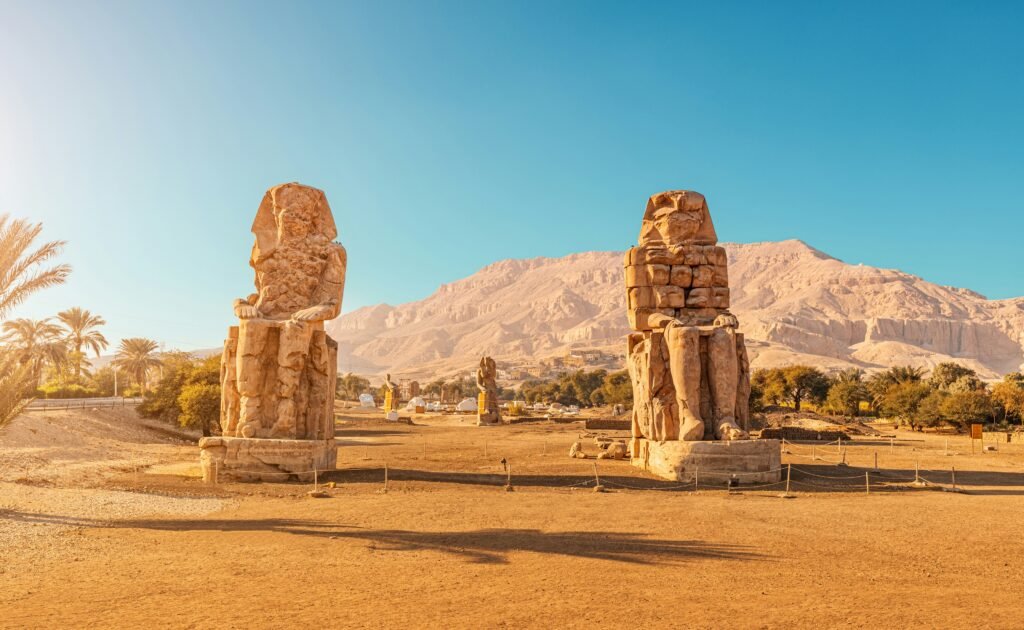
We’d avoid peak summer (June–August) unless you genuinely love sightseeing at furnace temperature. Luxor and Upper Egypt can get brutally hot—when we went in early April, Luxor hit 40°C, which is great if you’re auditioning to become a raisin.
Tiny seasonal reality-check: winter (roughly October–April) is also a popular comfort window—cooler days, cooler nights, and very busy tourist weeks around the holidays.
Is it safe to travel to Egypt?
Here’s the honest version: most classic tourist routes (Cairo–Luxor–Aswan–Abu Simbel, plus Red Sea resorts) are visited constantly and can feel very normal on the ground, but government advisories still flag specific regions—especially North Sinai, border zones, and parts of the Western Desert—as higher risk areas that tourists generally shouldn’t wander into casually.
Also, yes: Egypt borders Gaza, and regional tensions can affect tourism sentiment and the “vibe” (more security presence, occasional demonstrations, and lots of rumors flying around). Our practical take: stick to the tourist corridor, avoid protests/crowds, and keep your plans flexible.
All-inclusive or independent trip to Egypt?
We’re biased: we wouldn’t do all-inclusive because we like moving at our own pace (and we’re allergic to whistles, flags, and being herded).
But—Egypt is one of those places where organized packages can be genuinely good value, especially if you want:
- transfers handled
- tickets bundled
- a guide doing the heavy lifting on history
- fewer logistics decisions per day
A middle path (our favorite): independent backbone + guided “high-context” sites. Temples and tombs hit different when someone explains what you’re looking at instead of you squinting at a wall thinking, “Cool… birds?”
What is this route to Egypt like?
Our itinerary is built around:
- easy connections
- not-too-evil transfer days
- enough time at each stop to enjoy it
- a mix of independent travel + organized excursions
And yes—some places are so much better with an Egyptologist-style guide (especially museums and major temple complexes).
Do you have any more recommendations?
Before you dive into the day-by-day, we’d do two quick things:
- Read our solid “before you go” Egypt travel tips (visas, money, scams, SIM cards, dress code, etc.).
- Save your trip highlights somewhere (Instagram highlights, notes app—whatever). Egypt is sensory overload in the best way, and you’ll forget details shockingly fast once you’re home and no longer covered in desert dust.
Detailed trip: 8 days in Egypt itinerary
This is the route we took: a one-week Egypt sprint that still feels surprisingly manageable. You’ll do:
- chaotic, fascinating Cairo
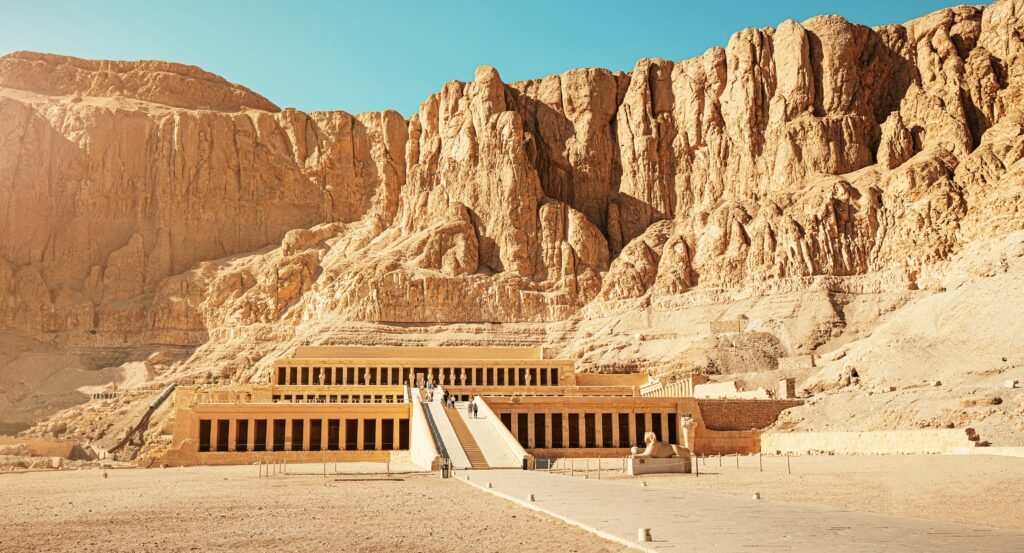
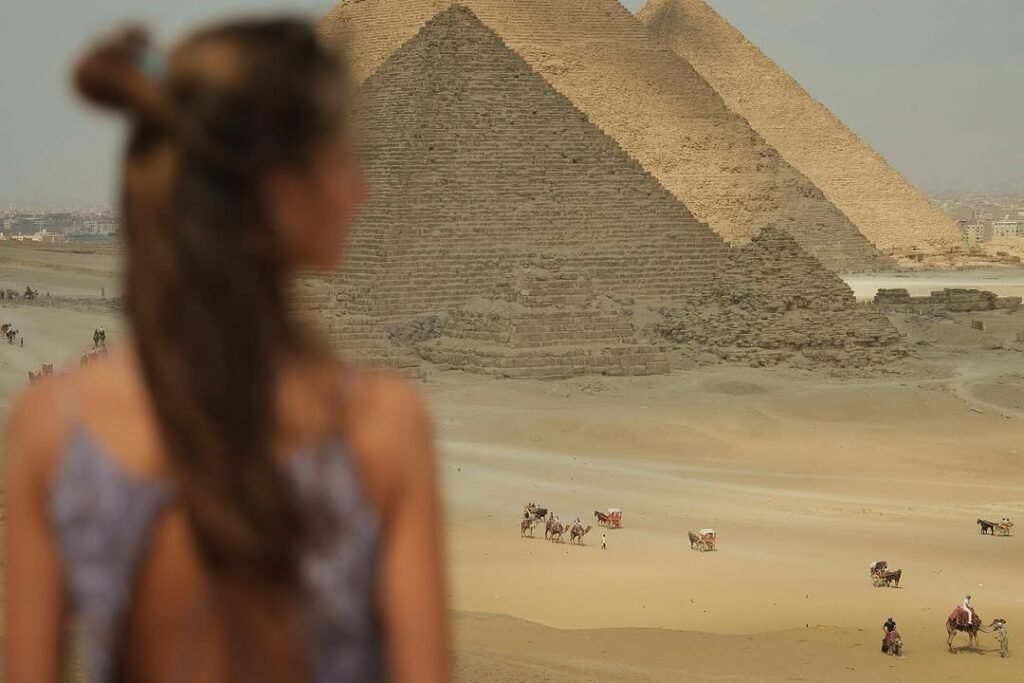
- the Giza Pyramids
- the Nile’s greatest hits (temples, tombs, and “how is this still standing?” moments)
- Abu Simbel (with an overnight so you get the place at golden hour)
It’s a comprehensive route without being stressful—Egypt runs this circuit constantly, so connections are straightforward and you won’t be inventing logistics from scratch.
Overview (our exact flow)
- DAY 0: → Cairo (night in Cairo/Giza)
- DAY 1: Cairo (Giza Pyramids + Khan el Khalili)
- DAY 2: Cairo (Egyptian Museum + NMEC + Coptic Quarter)
- DAY 3: Cairo → Aswan → Abu Simbel (sunset at Abu Simbel)
- DAY 4: Abu Simbel → Aswan (Philae Temple + start Nile cruise)
- DAY 5: Aswan (Nubian Village)
- DAY 6: Cruise to Luxor (Kom Ombo + Edfu)
- DAY 7: Luxor (Karnak + Luxor Temple + Valley of the Kings + Hatshepsut)
- DAY 8: Cairo → Jordan or Barcelona
Let’s get into the stops, tips, and the little logistical landmines you’ll want to avoid.
Day 1 of our trip through Egypt
| Location: Cairo (Giza) Hotel: Great Pyramid Inn (Giza) Points of interest: Pyramids of Giza + Khan el Khalili Market Recommended restaurants: Abou El Sid, (restaurant near) the pyramids, 9 Lounge Extra: Private half-day guided tour at Giza |
We arrived the night before on a direct flight. The hotel arranged a free transfer (included with our stay), but if your hotel doesn’t: Uber works really well in Cairo.
Recommendation: when you exit the airport, book Uber in the app. If you go with random drivers outside, some will “misunderstand” your address, take you somewhere farther, then ask for more money.
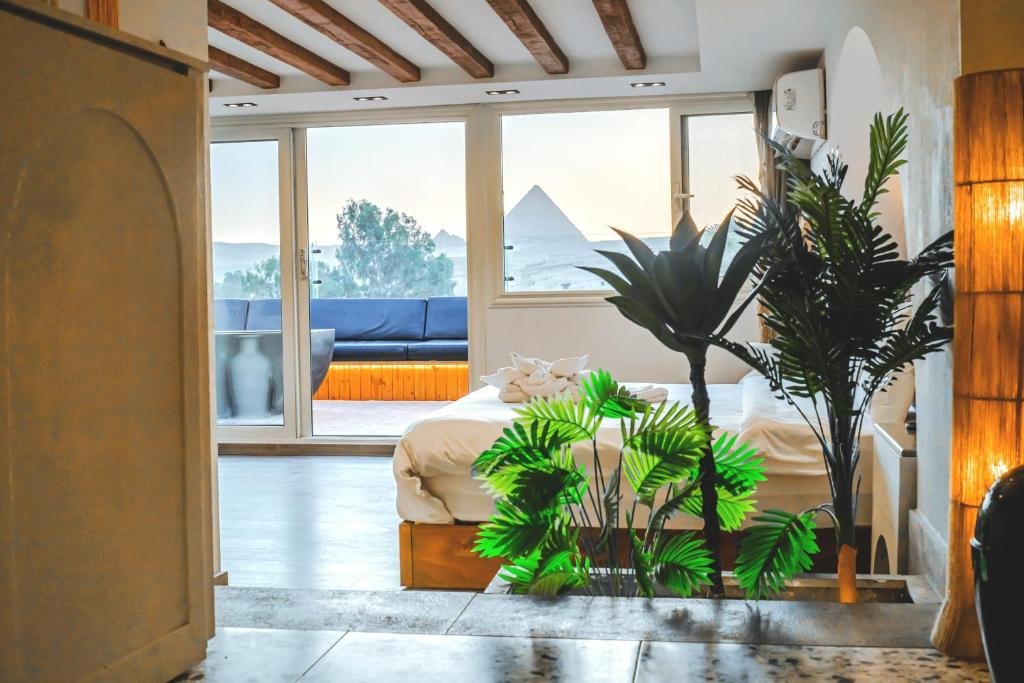
That first night, we ate dinner on the terrace with the pyramids in front of us (casual, iconic, slightly unreal), and the light-and-sound show started—goosebumps territory.
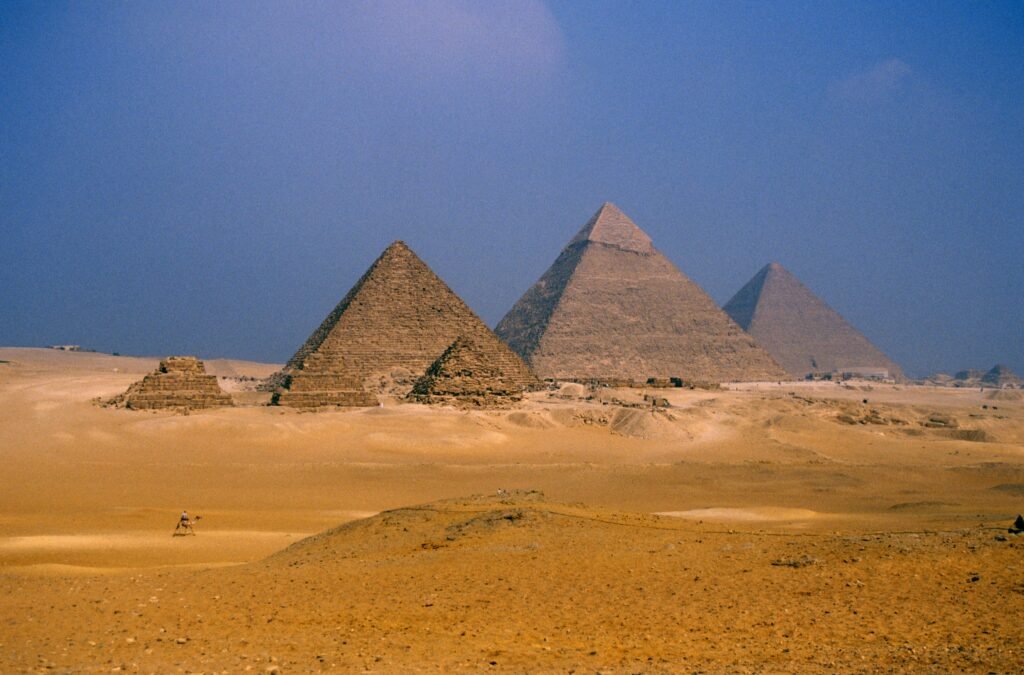
Morning: Giza Pyramids (with a guide)
Next day: up early, breakfast with pyramid views, then at 9:00 our transport + guide picked us up. Could we have walked? Yes. Did we choose the guide anyway? Also yes—because understanding the site makes it 10x better.
We stayed all morning. Viewpoints, photos, the whole “we can’t believe this is real” loop.
Tickets: entering a pyramid (worth it… once)
At the entrance you can choose to buy an extra ticket to go inside one pyramid. We chose the smaller one, because:
- It’s less claustrophobic than the Great Pyramid experience for many people.
- It’s usually less crowded.
- The walk inside is shorter.
- Inside, spoiler: you’re not seeing treasure—it’s more about the experience than the interior “wow.”
Afternoon: Khan el Khalili Market
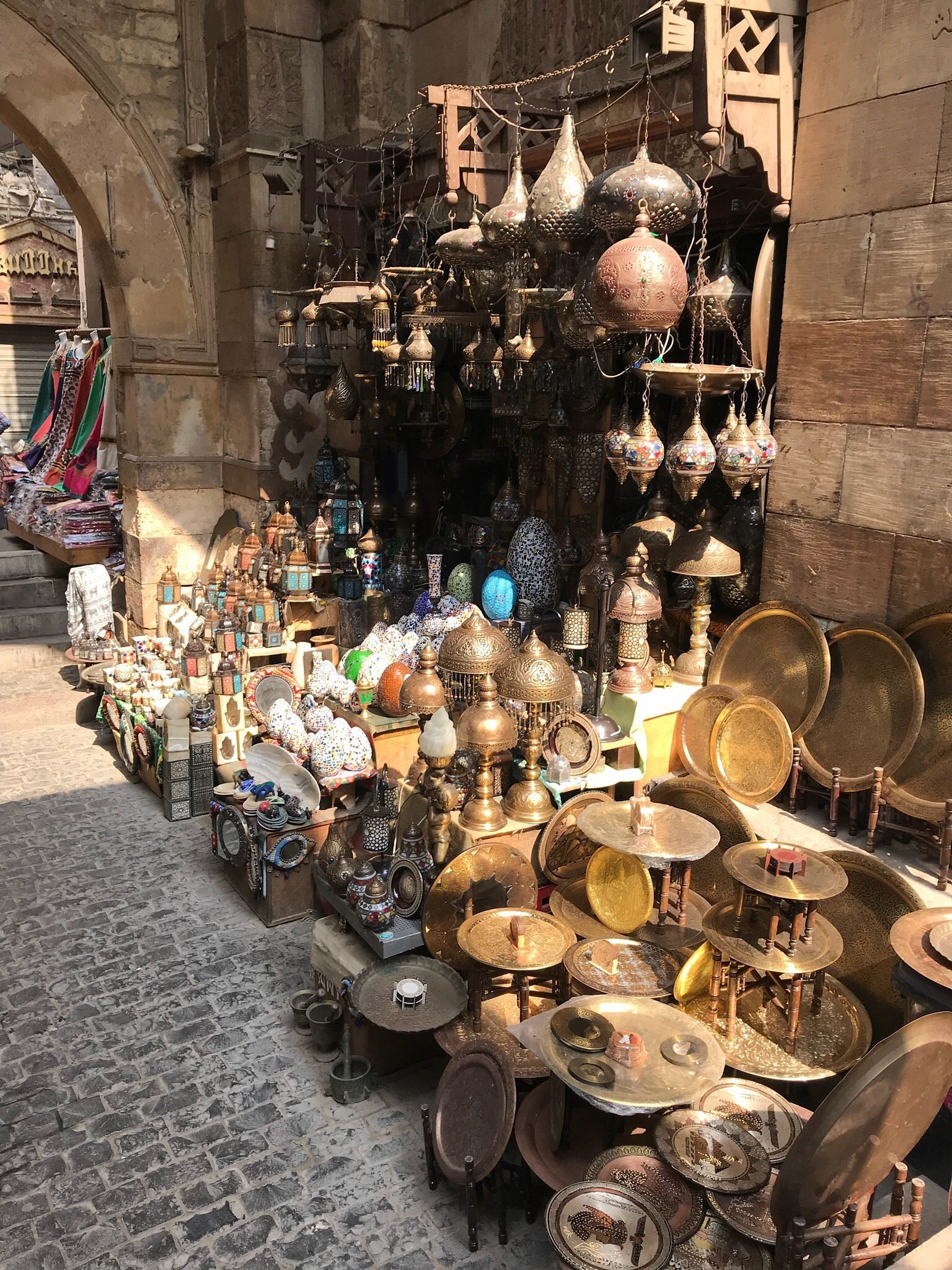
Later, we headed to Khan el Khalili for souvenirs and tea (the “we’ll just look” lie). If you have time, Al-Azhar Mosque is close—Ramadan hours can shift closing times, so plan with that in mind.
Dinner: Abou El Sid
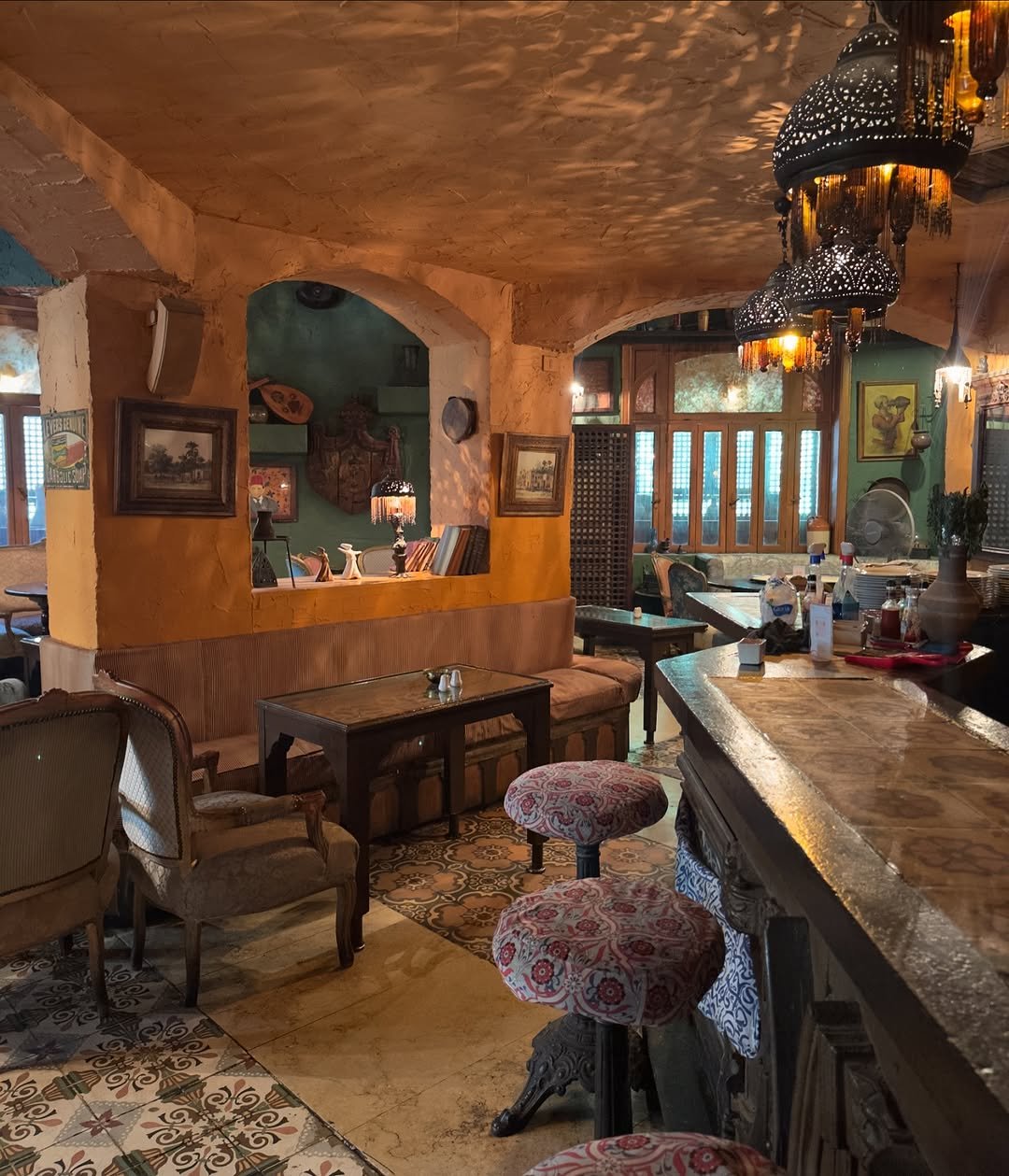
We finished with dinner at Abou El Sid, recommended by our Giza guide, and honestly—go. Classic Egyptian dishes done well, and it’s a nice break from tourist-snack survival mode.
Optional upgrade for this day: add Saqqara + Memphis tour (highly recommended) if you’ve got the time and energy.
Day 2 of our 8 days in Egypt itinerary
| Location: Cairo (Giza) Hotel: Great Pyramid Inn (Giza) Points of interest: Egyptian Museum + NMEC + Coptic Quarter Extra: Guide for MuseumS |
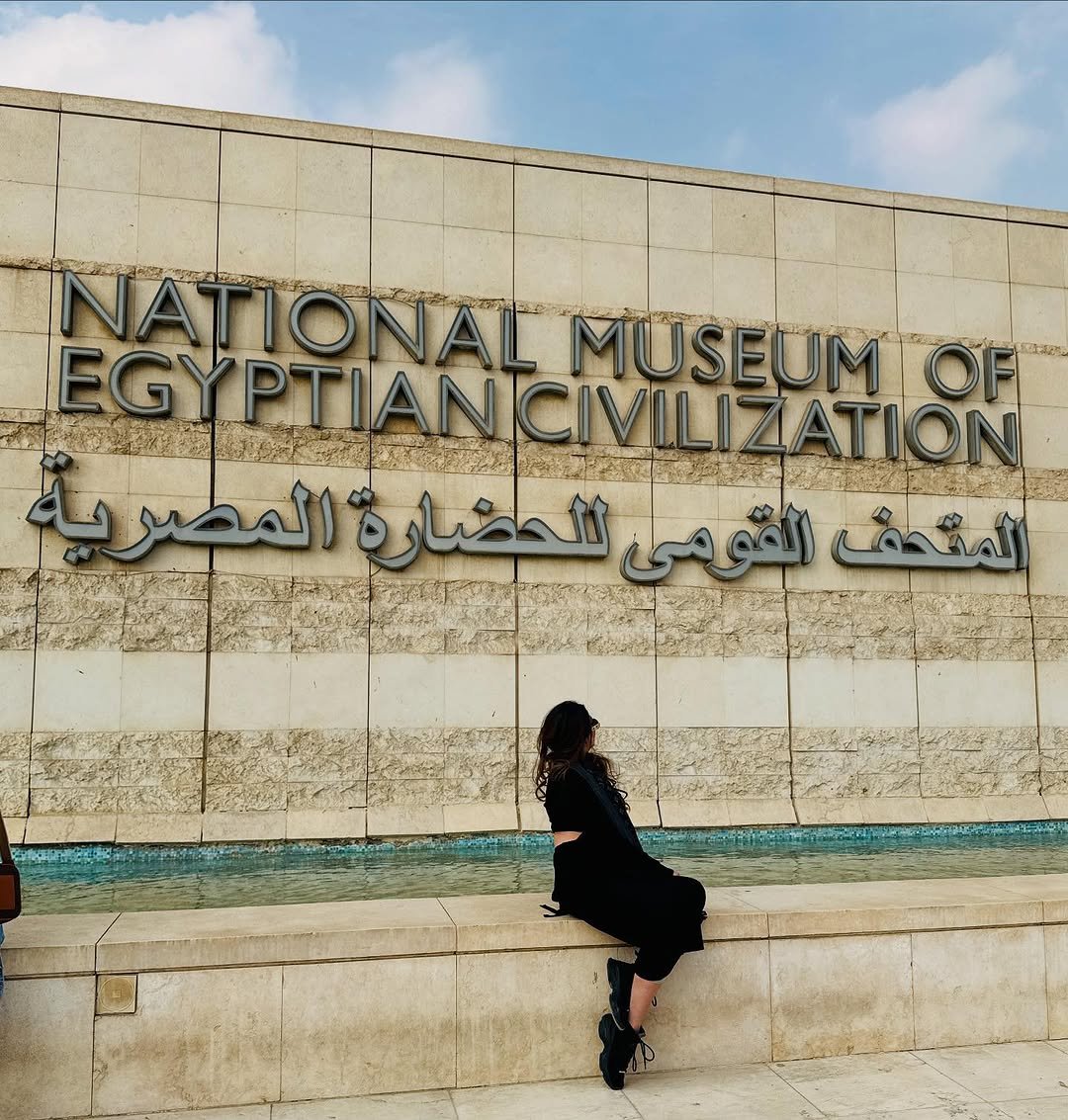
We started early again—8:30 a.m., coffee in hand, meeting our guide for a museum-heavy day (the best kind of day, honestly). We booked this Museum of Egyptian Civilization, Citadel & Old Cairo Tour through GetYourGuide for $77 per person, and kicked things off with the National Museum of Egyptian Civilization. After that, we headed to the Egyptian Museum, this time with a guide too—because wandering those halls without context is basically just speed-running 5,000 years of history with zero clues.
Strong recommendation: don’t hire random “guides” outside the museum who can’t explain anything. If you’re paying, pay for someone who actually knows the material.
Stop 1: Egyptian Museum
Classic, intense, packed with history. Read our detailed post.
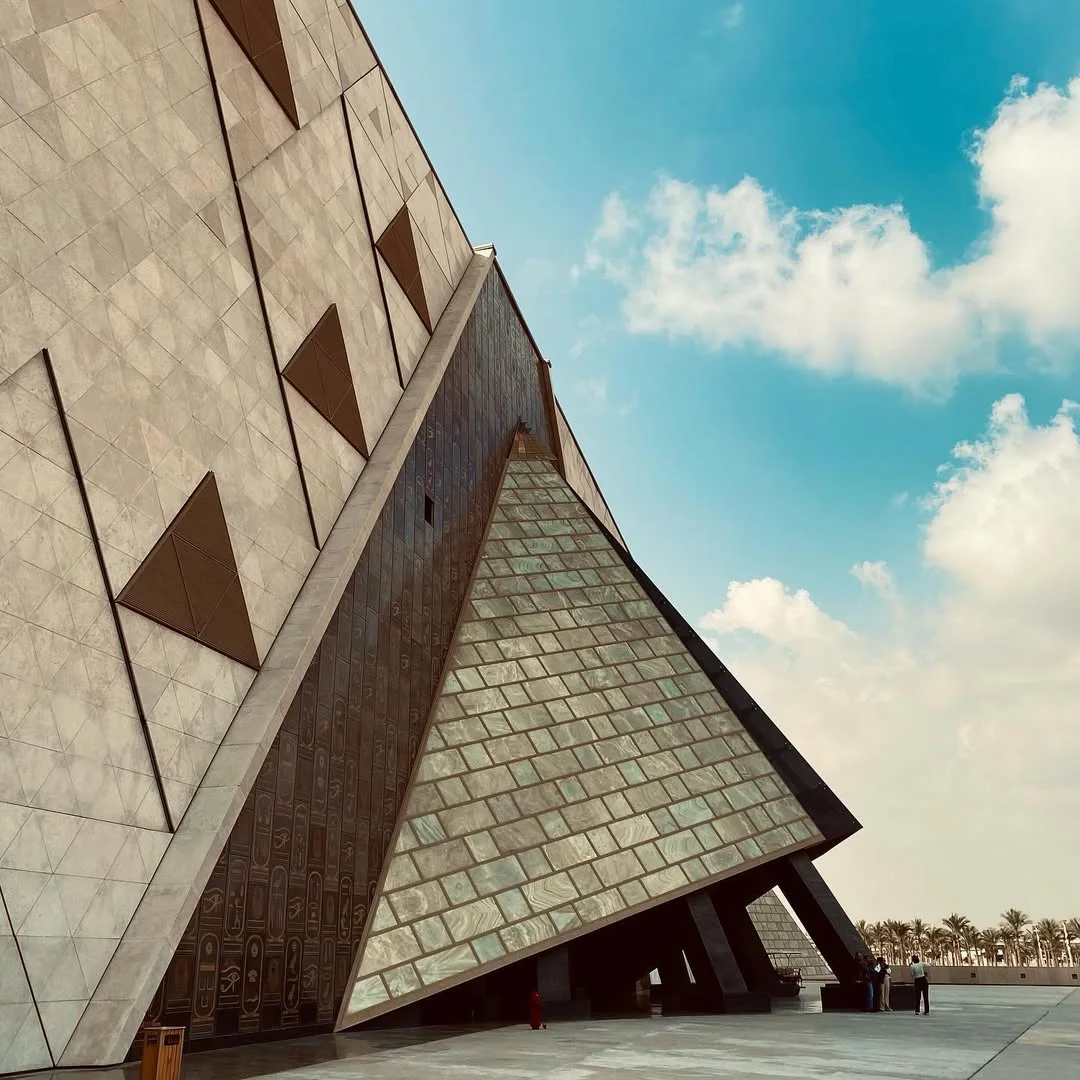
Stop 2: National Museum of Egyptian Civilization (NMEC)
Worth it—especially for the Royal Mummies Hall. Seeing those mummies is… sobering, fascinating, and weirdly moving.
Stop 3: Coptic Quarter
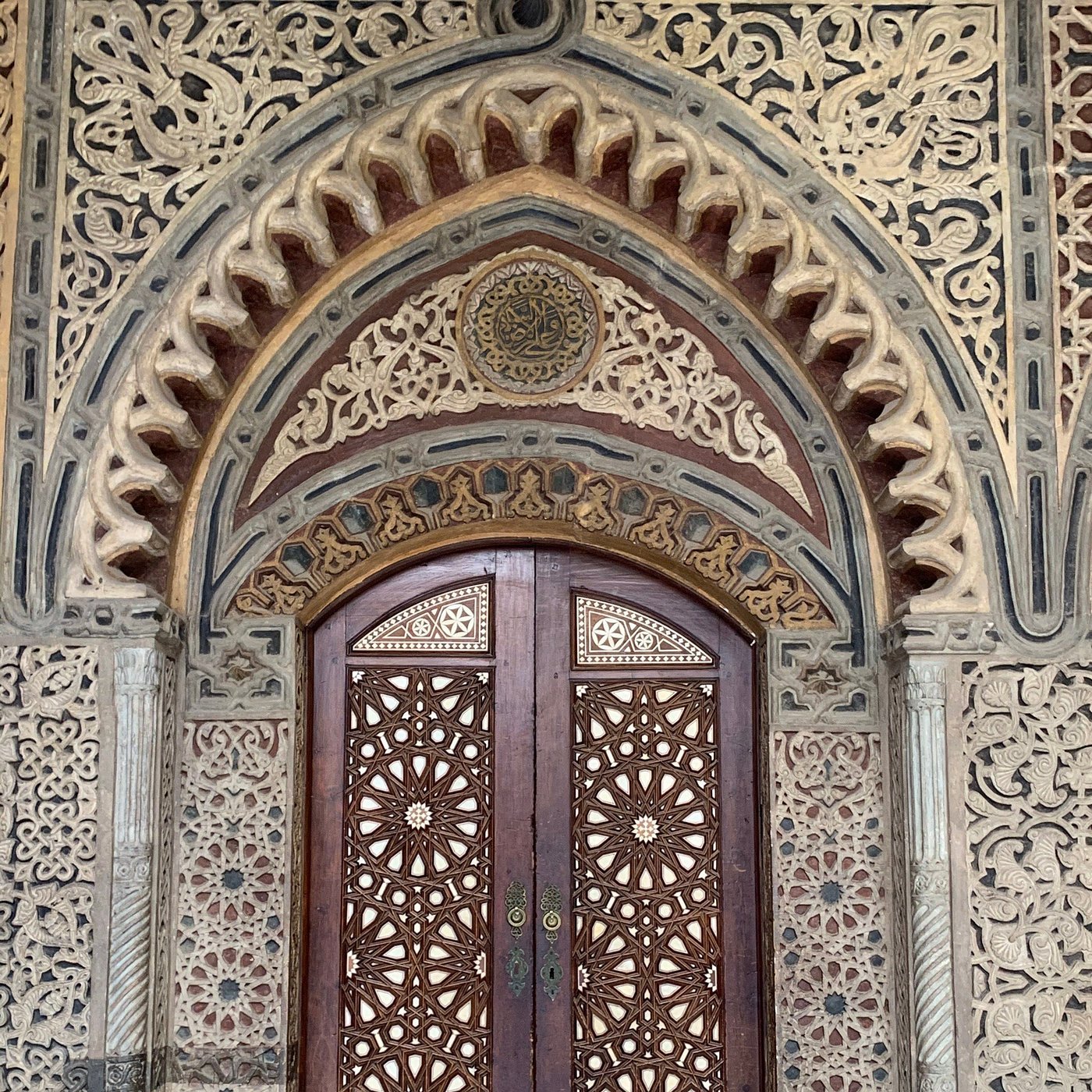
We ate at a very good typical Egyptian restaurant, then visited the Hanging Church and nearby spots—an excellent change of pace after the museum marathon.
Day 3 of our trip through Egypt
| Location: Abu Simbel Hotel: Azal Lagoons Resort Abu Simbel Points of interest: Abu Simbel Temple Extra: Private transfer Aswan Airport → Abu Simbel (booked with the hotel) |
We flew early to Aswan, and our private transport was waiting at the airport. We booked directly with the hotel:
- €60 per person one-way to Abu Simbel
- and return to Aswan the next day
We saw cheaper quotes floating around, but for comfort + flexibility, we were happy.
Sunset at Abu Simbel (our favorite move)
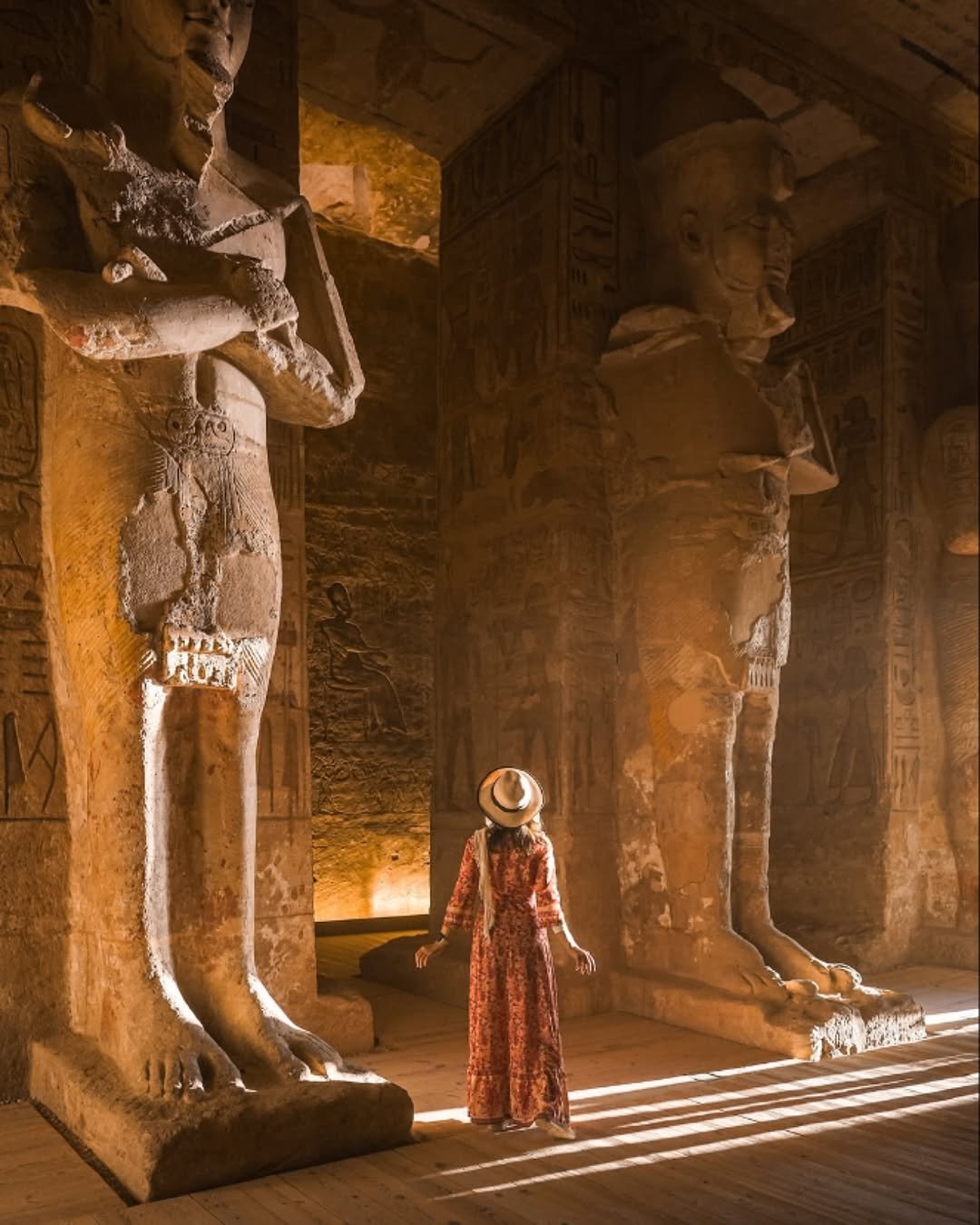
We visited Abu Simbel around 4:30 p.m. for sunset and it was a total win. The temple closes around early evening, and you can end up with long stretches where it feels almost private. Sunrise was more crowded and the light can be harsher for photography—sunset gave us better photos.
Day 4 of our 8 days in Egypt itinerary
| Location: Aswan Stay: Nile Cruise Points of interest: Philae Temple |
This day our Nile cruise began; transport dropped us right at the boat.
We expected the cruise to be… mediocre (because people love complaining online). Surprise: service was good, rooms were decent, and food was much better than we feared.

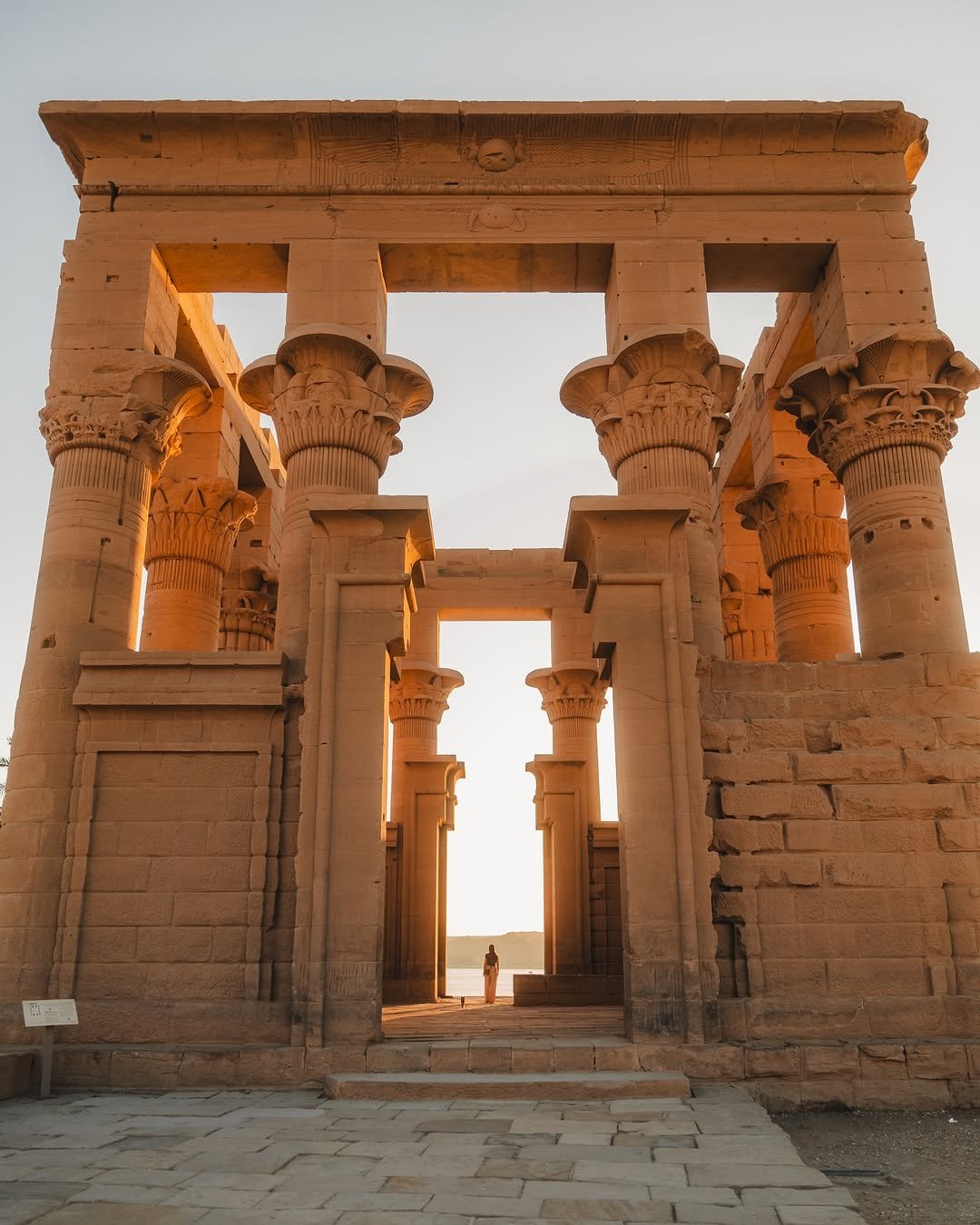
Philae Temple
We visited Philae Temple and honestly: if you can, aim for later light.
Day 5 of our Egypt tour
| Location: Aswan Stay: Nile Cruise Points of interest: Nubian Village |
We treated this as a slower day. Some cruises run Abu Simbel trips that require a 4 a.m. wake-up—we skipped because we’d already done Abu Simbel properly (and peacefully).
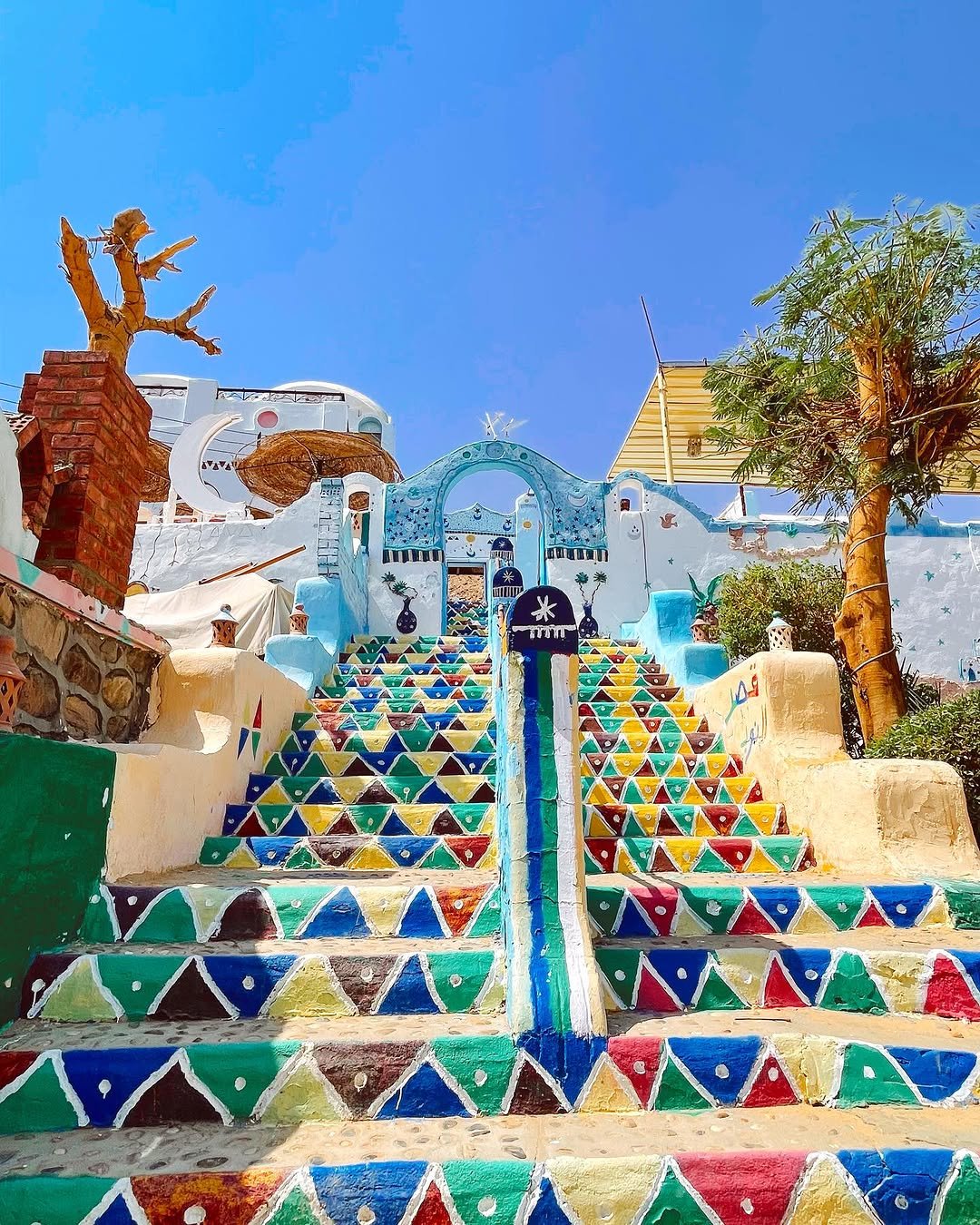
Nubian Village (DIY)
We walked along the port to the boarding point near the Mövenpick area and negotiated a boat:
- €30 total there-and-back
- we stopped as long as we wanted
Could we have haggled harder? Probably. But it felt acceptable. If you want a target: we’d try not to pay more than €15 per person for the Nubian Village boat ride.
Day 6 of our 8-day Egypt itinerary
| Location: Aswan → Luxor (cruise day) Stay: Nile Cruise Points of interest: Kom Ombo + Edfu |
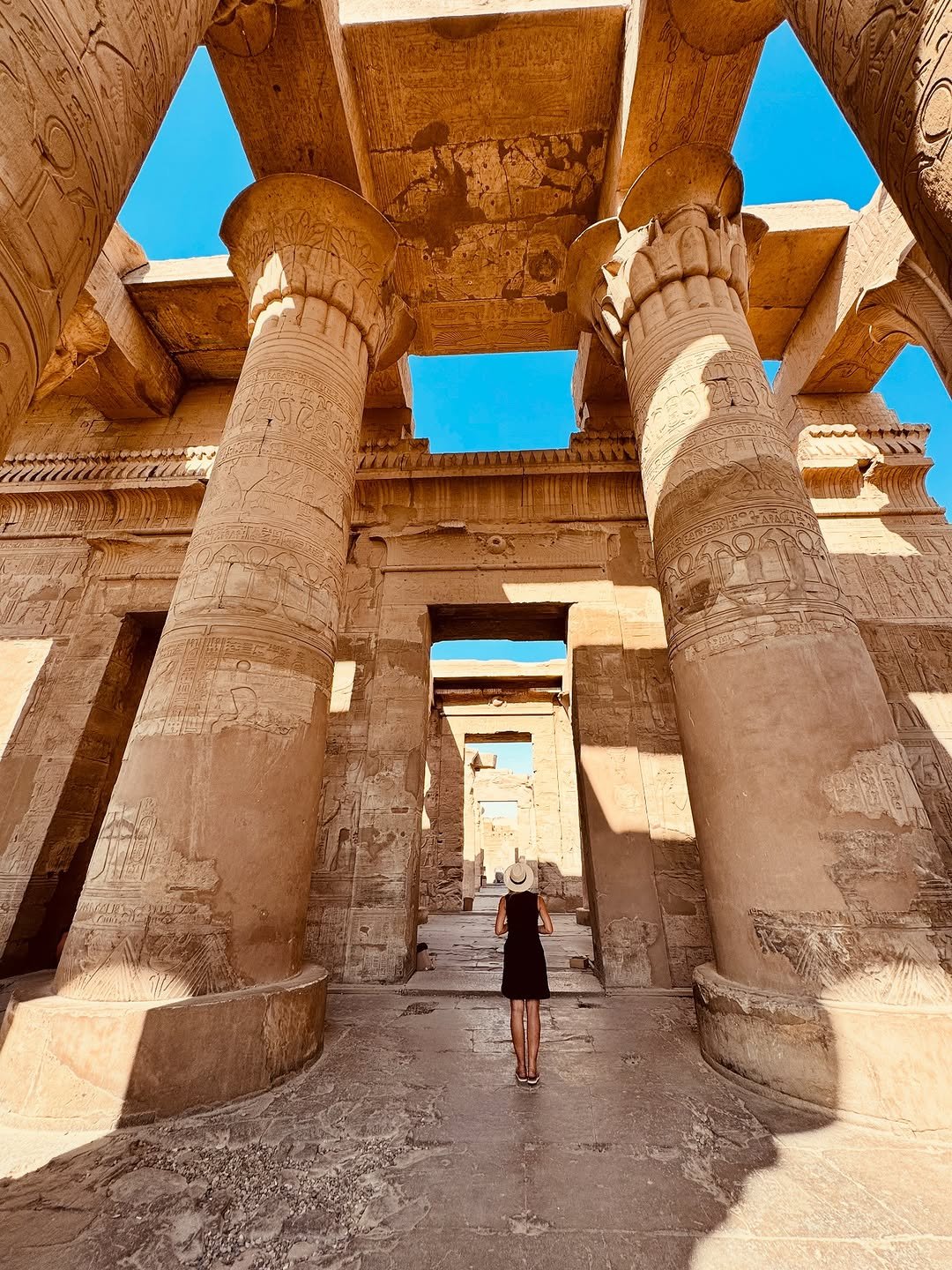
Kom Ombo Temple + crocodile museum
Kom Ombo is one of our favorites—partly because it’s dramatic, and partly because the site includes all that fascinating material about medicine and healing carved into the walls. Then you get the mummified crocodiles museum and… yep, Egypt stays weird in the best way.
Edfu Temple
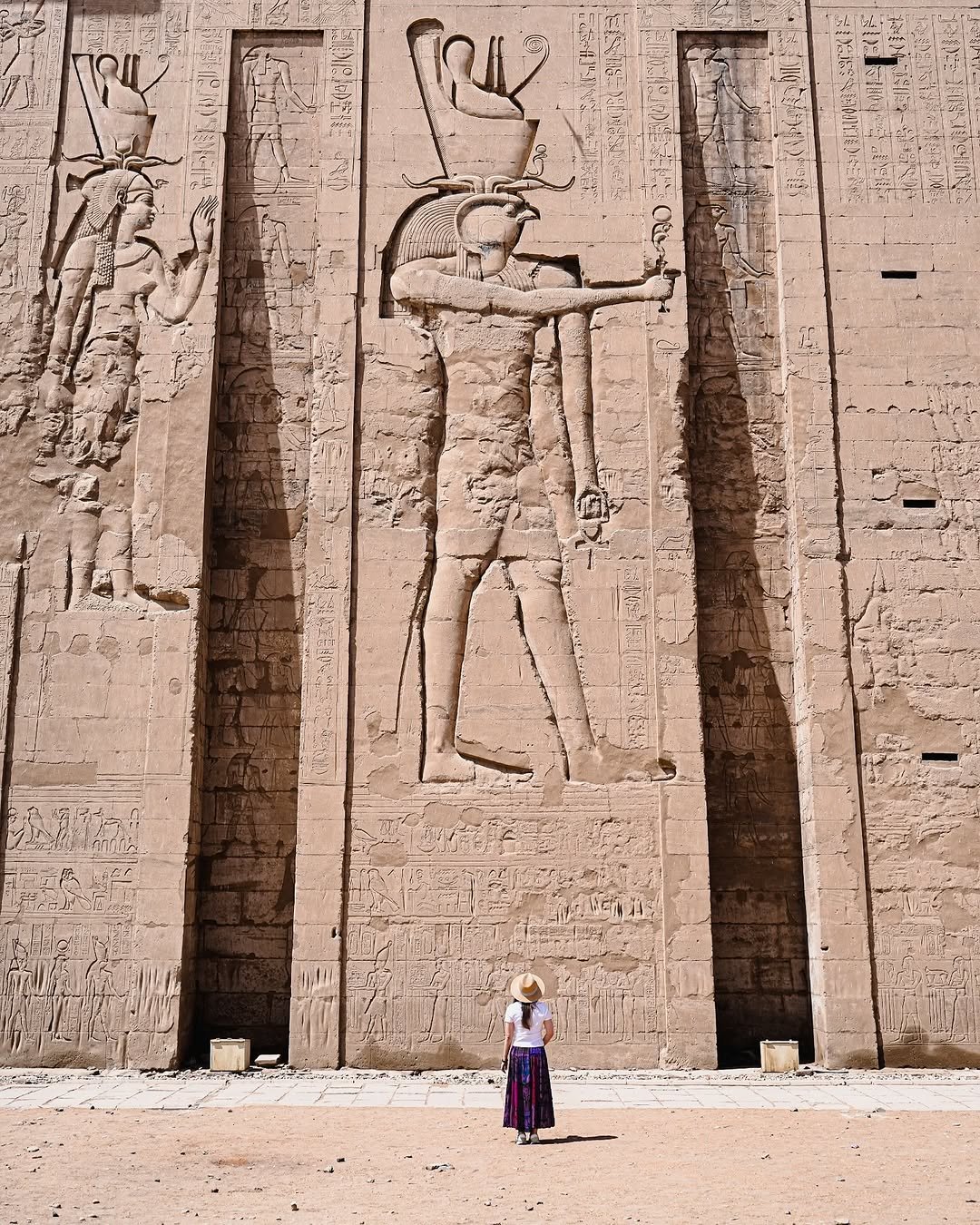
Edfu is incredibly well-preserved. History-wise, it’s a big deal.
One important note: many tours push the horse carriage ride to/from Edfu. We’d recommend avoiding it—animal welfare is a real concern, and opting out is one of the few ways tourists can vote with their feet.
Day 7 of our Egypt tour
| Location: Luxor (then fly to Cairo) Hotel: The Guard Hotel (Cairo) Points of interest: Karnak + Luxor Temple + Valley of the Kings + Hatshepsut Extra: Private transport all day in Luxor |
This was our most intense day. We wanted the big Luxor hitters without moving in a cruise herd, so we booked a private car:
- $65 per person for the whole day
- ended with a drop-off at the airport for our Cairo flight
If you’re staying overnight in Luxor, you can often negotiate a taxi day-rate easily and drop luggage at your hotel first. We didn’t have a Luxor hotel (flight change chaos), so we didn’t want to leave luggage anywhere random.
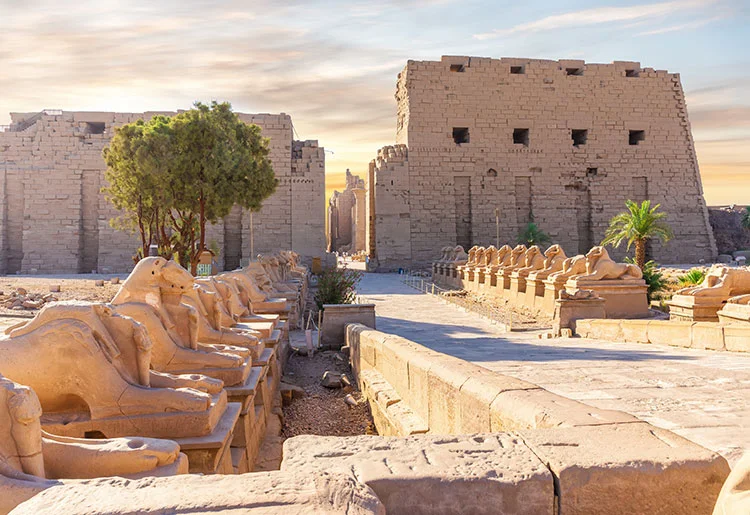
Stop 1: Karnak Temple (early)
Karnak is pure scale. If you can manage it, go early—the light is gorgeous and the heat hasn’t turned violent yet.
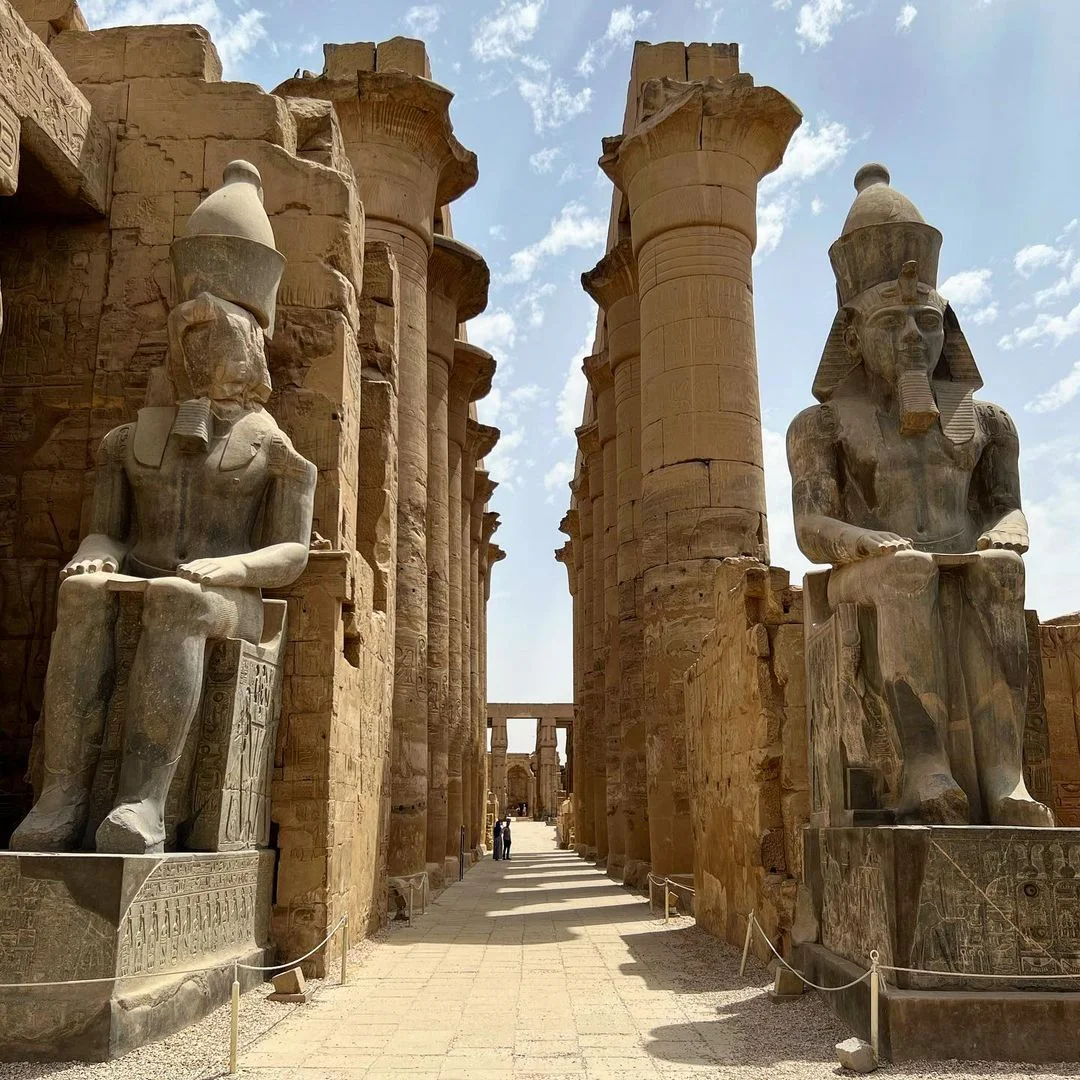
Stop 2: Luxor Temple
We got lucky with low crowds and really enjoyed it.
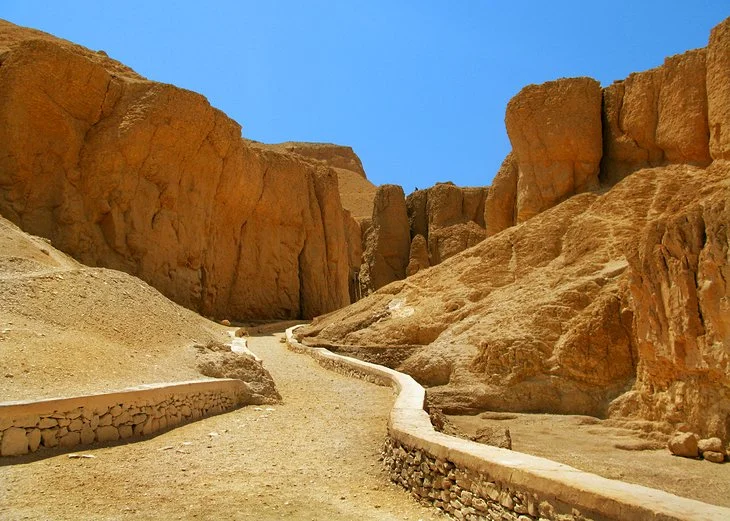
Stop 3: Valley of the Kings
This is where ticket strategy matters.
A standard Valley ticket typically includes entry to a set number of tombs, and special tombs cost extra.
Current-ish official pricing reference: The official ticket sheet lists (non-Egyptian adult):
- Valley of the Kings: EGP 750
- Tutankhamun: EGP 700 (extra)
- Ramesses V & VI: EGP 220 (extra)
- Seti I: EGP 2000 (extra)
Our picks:
- Seti I (painful price, unforgettable walls)
- Ramesses V/VI (seriously impressive)
- Tutankhamun (famous, mummy there, but not always the most spectacular artwork)
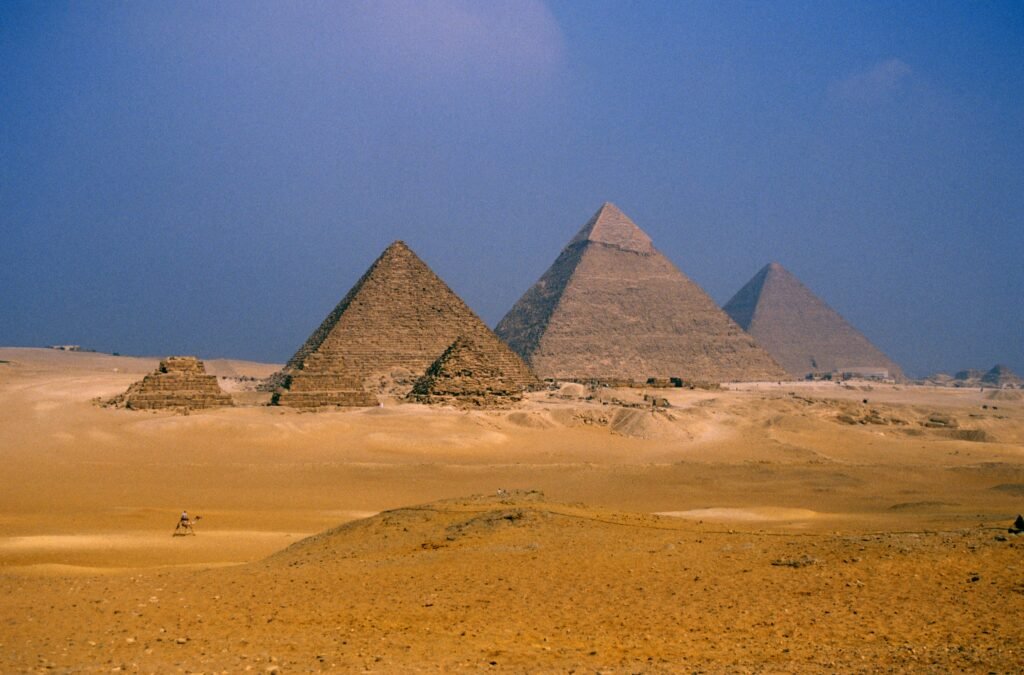
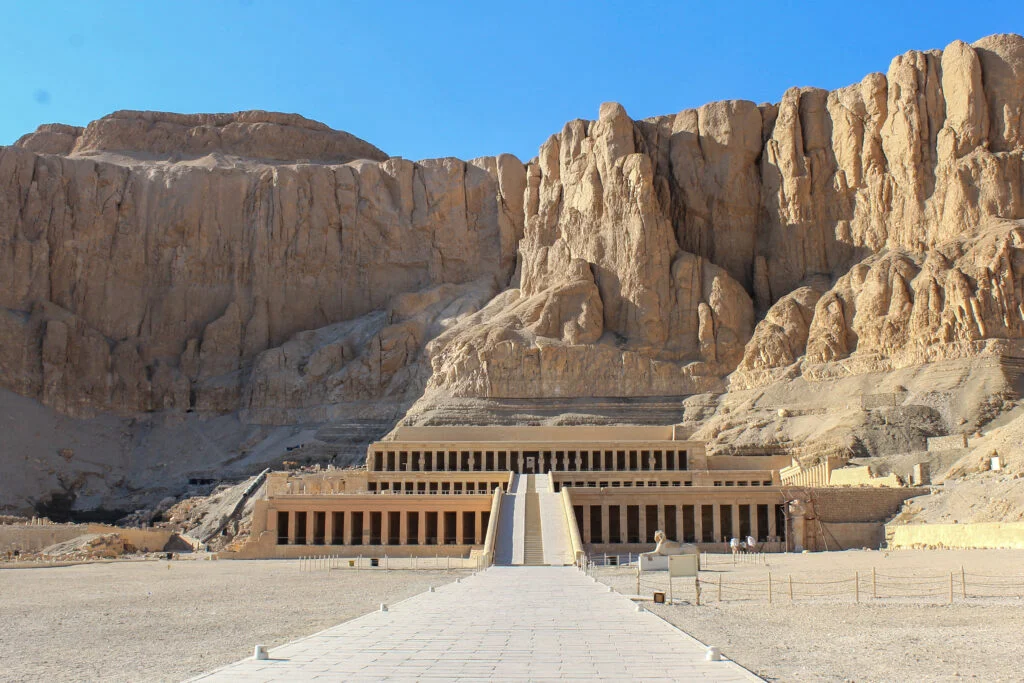
Stop 4: Temple of Hatshepsut
Beautiful, but crowded by the time we arrived.
Extra day: The best things to see in Luxor (if you can add one)
If we could tweak the itinerary now, we’d add one more day in Luxor. There’s simply too much, and the light timing matters.
With an extra day, you can:
- Visit Dendera Temple (excellent preservation, often missed)
- Do sunrise properly at more than one major site
- Take a hot air balloon at sunrise (classic Luxor splurge)
What if we don’t have the extra day?
Then we’d consider a bigger structural change: skip the cruise.
Why? Cruises create “dead time” on the boat, which could be more time on the ground in Luxor if that’s your priority.
Alternative flow:
- overnight in Aswan after Abu Simbel
- Philae at sunset + maybe a felucca ride
- next day: private car to Luxor, stopping at Kom Ombo + Edfu (about 5 hours total driving with stops)
- arrive Luxor, sleep, then give it two full days
This is especially appealing if you care about photography and timing.
10-day extensions: ideas to lengthen your trip to Egypt
Option 1: Red Sea extension (snorkeling + reefs)
If you want temples and a few days to float around in warm water, add the Red Sea:
- Day 1–7: same route
- Days 8–9: Hurghada or Sharm El Sheikh
- Day 10: fly home
Getting to Hurghada from Luxor: generally easier than reaching Sharm; you can go by taxi or local bus in around 4 hours (Sharm often involves flights and sometimes Cairo connections).
Option 2: White Desert (backpacker-approved)
Classic route + a night under the stars in the White Desert:
- Day 1–8: classic route (with Luxor time adjusted)
- Day 9: White Desert
- Day 10: White Desert + return
Important: deserts are not the place to freelance—go with licensed operators like viator.
Option 3: Siwa Oasis (more remote, more effort)
Siwa Oasis is incredible, but logistically heavier:
- overnight bus rides can be ~12 hours
- or do it via a tour for comfort
3-day extension in Jordan (what we chose)
This was our pick, and it worked beautifully with flights:
Our flow:
- Day 8: Cairo → Amman → Wadi Rum
- Day 9: Wadi Rum → Wadi Musa (Petra)
- Day 10: Petra + late flight home
It basically gave us three full Jordan days while saving a hotel night.
- Ultimate Egypt Packing List (2026): What to Bring for the Desert, Cities, and the Red Sea

- Is Egypt Safe For Solo Female Travellers in 2026
- 5 Days In Egypt Itinerary in 2026: Cairo, Luxor & Nile Cruise
- 2026 Ultimate 8 Days In Egypt Itinerary: Cairo, Luxor, Aswan & Abu Simbel (Day-by-Day Guide)
- How To Dress In Egypt | 2026 Tourist Guide