
Travel writing based on first-hand experience
Egypt is one of those places that starts living in your head before you’ve even clicked “book.” We’re talking pyramids on the horizon, felucca sails cutting across the Nile, temples that look like they were built to humble your ego (they were). And then… reality taps your shoulder: Egypt is also a country with strong cultural norms, and what we wear shapes the whole experience—comfort, respect, and yes, how much attention we attract.
So, how to dress in Egypt? We’re going to build you a wardrobe that works in Cairo traffic, in Luxor sun, in a mosque doorway, and on a resort sunbed—without you feeling like you’ve packed for three different planets.
Planning your Egypt trip? Read these next
Table of Contents
1. Why adopt a specific dress code in Egypt?

We land, step outside, and the heat hits like a wall you didn’t agree to. You’re excited, slightly sweaty, and suddenly aware that everyone around you looks… composed. Covered, yes. Miserable? Not at all. That’s your first clue: dressing “modest” here is often just dressing smart.
Cultural respect above all
Egypt is a predominantly Muslim country, and modesty is a visible value in daily life. Dressing respectfully isn’t about erasing your personality. It’s about showing you’re here for more than monuments—you’re here to meet the place on its own terms. And honestly? When you make that effort, people usually respond with more warmth and ease.
Comfort + protection from the weather
Let’s not romanticize it: the sun in Egypt is intense, especially from late morning through mid-afternoon. The right clothes protect you from UV, help prevent overheating, and make those long sightseeing days (Valley of the Kings, Karnak, desert stretches with zero shade) much more bearable.
Avoid unwanted attention
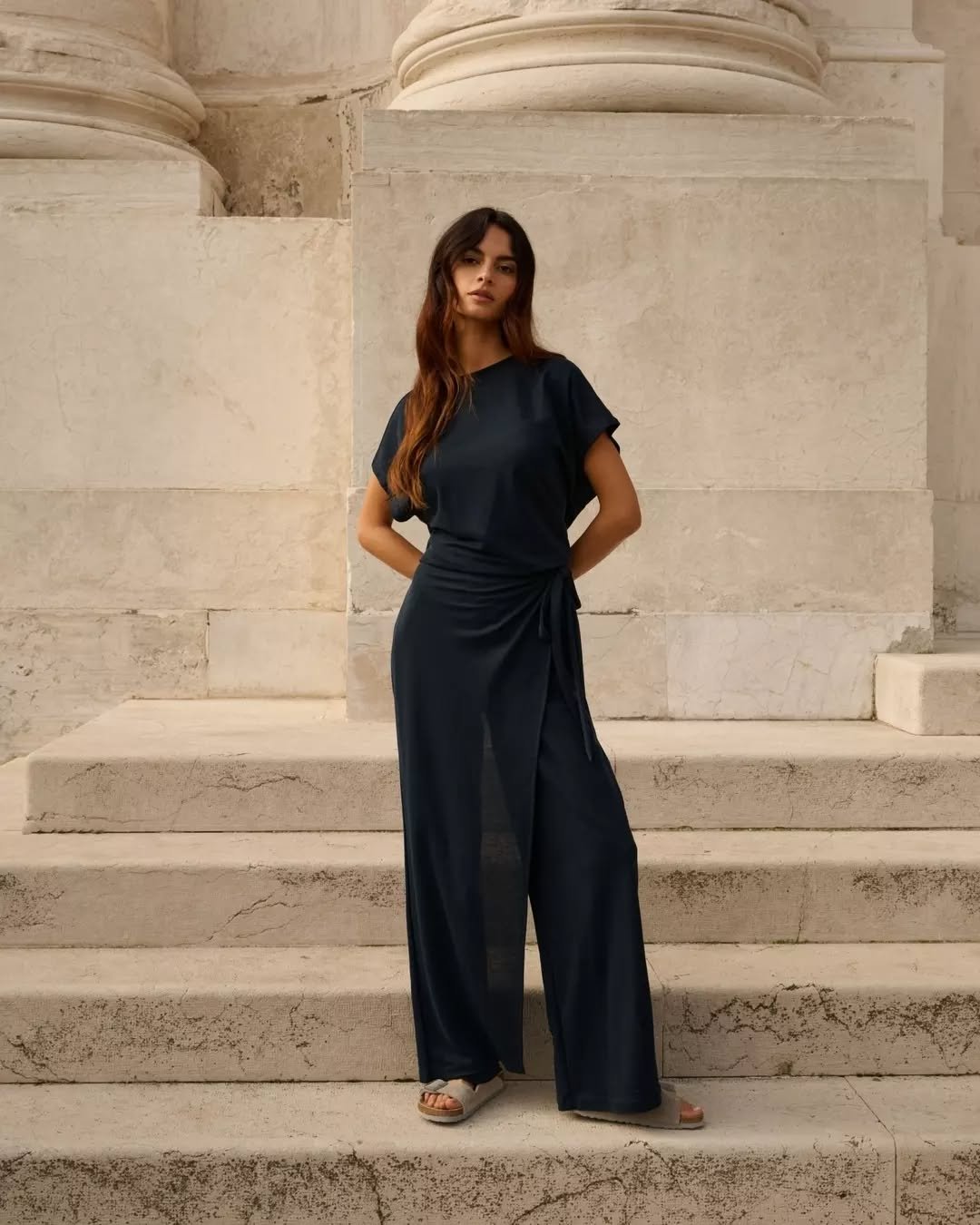
We’ll be blunt: revealing clothing can invite attention, and sometimes comments. Not always. But enough that it can chip away at your peace. Modest, breathable outfits often mean you can explore with less mental noise—more “wow look at this temple,” less “why is that guy staring.”
Access to religious sites
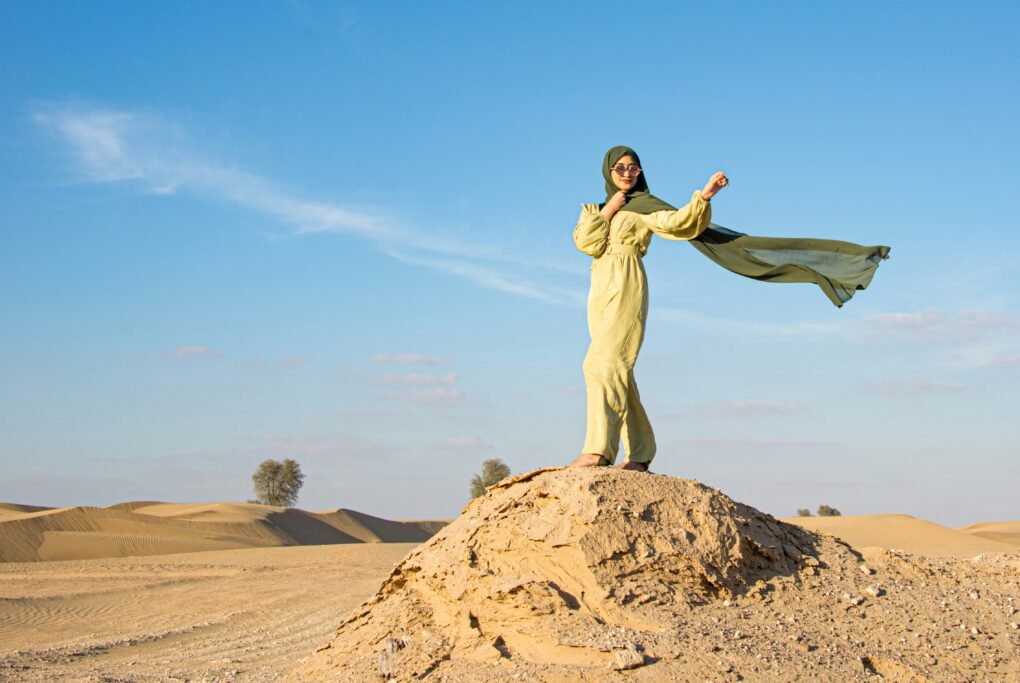
Many mosques require covered shoulders, covered legs, and covered hair for women. Some Coptic churches lean similarly. If you want to wander in without stress (or borrowing whatever cover-up is available at the entrance), you’ll want a scarf and a plan.
Pro tip: If your outfit feels “fine” in the hotel mirror but suddenly feels loud in a busy market, trust that instinct. Egypt is not the place to test your tolerance for discomfort.
2. Key principles for dressing in Egypt
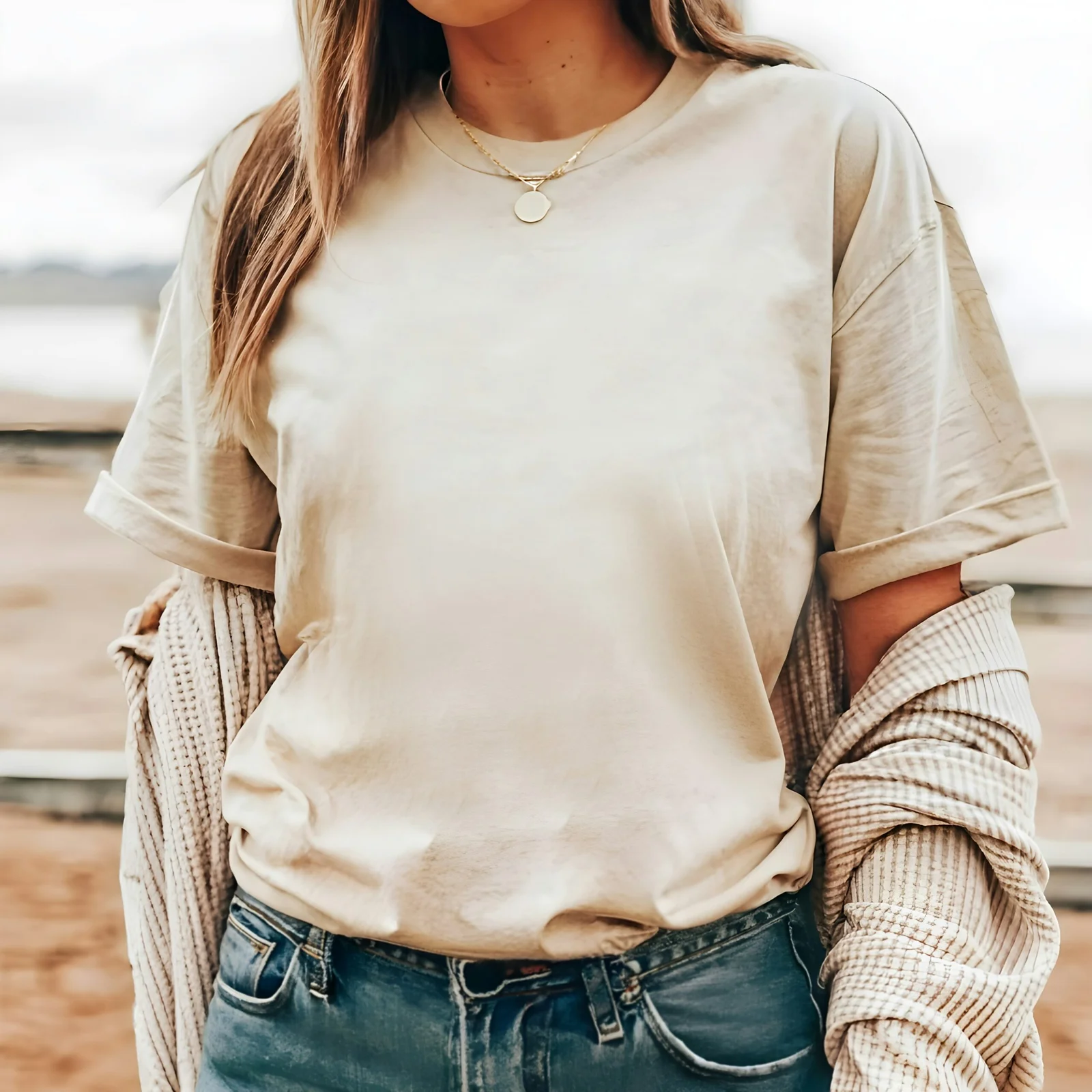
Picture us walking through a souk: spices, scooters, a thousand tiny negotiations happening at once. This is not the moment you want to be tugging at a neckline or wishing your shorts were longer. The goal is simple: move freely, stay cool, blend respectfully.
Modesty is essential
The practical baseline for most public places: cover shoulders + cover knees.
That means:
- Tops with sleeves (short sleeves are usually fine)
- Trousers, maxi skirts, or dresses that go below the knee
Skip:
- Deep necklines
- See-through fabrics
- Super tight outfits that feel more “night out” than “day in Egypt”
Loose and flowing isn’t just culturally easier—it’s physically cooler.
Materials and colors
Your best friends: cotton, linen, viscose—breathable, sweat-friendly, not clingy.
Your enemies (usually): heavy synthetics that trap heat and turn you into a walking sauna.
Color-wise: light tones help. White, beige, soft pastels reflect sunlight better than black and navy (which absorb heat like they’re trying to suffer).
The art of layering
Here’s the Egypt plot twist: buses and hotels can have aggressive air conditioning (like, “why is this set to Arctic?”). A light shirt, cardigan, or thin jacket saves you from temperature whiplash—and doubles as quick coverage for mosques.
Wear comfortable, closed-toe shoes
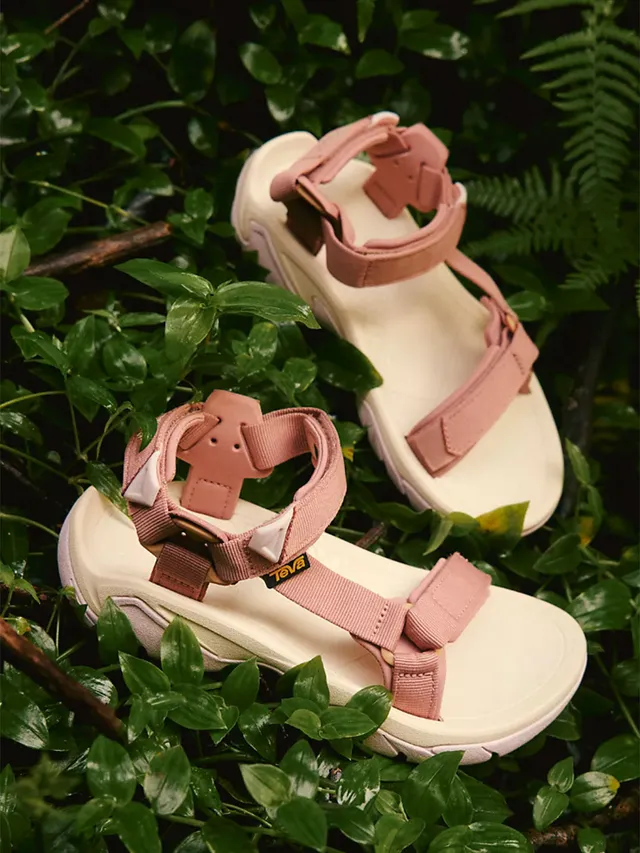
Archaeological sites are not polite pavement. Expect sand, stones, uneven ground, stairs worn smooth by centuries. Leave heels at home. Flip-flops are a gamble. Bring:
- Sturdy walking sandals or lightweight sneakers
- Socks (yes, even in Egypt—your feet will thank you)
Pro tip: If you only upgrade one item, make it your shoes. Temples are magnificent. Blisters are not.
3. The ideal wardrobe: suitcase essentials
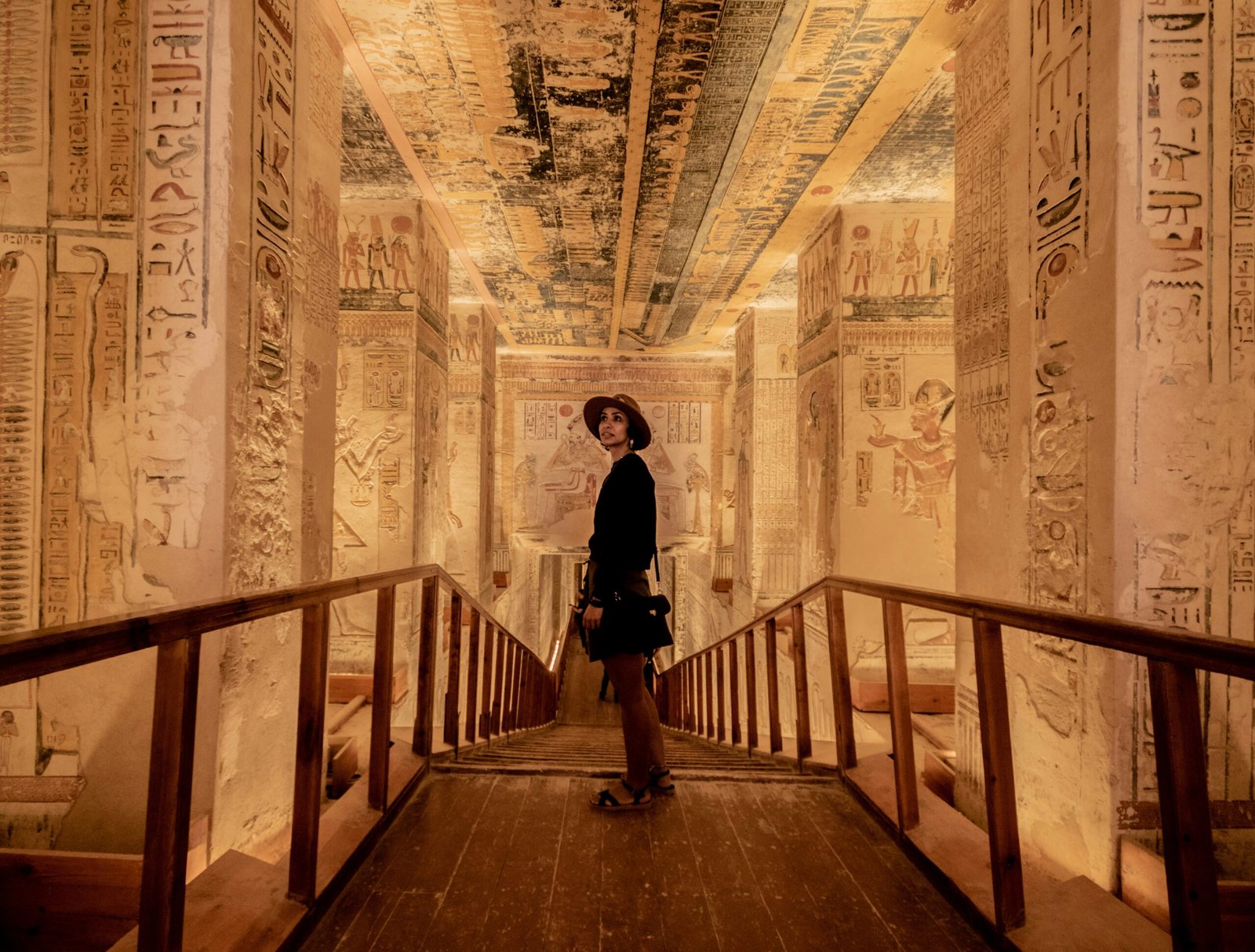
Now we get into the fun part: building a suitcase that’s modest, breathable, mix-and-match, and not boring.
Tops: what should we pack?
Go for loose, airy basics you can repeat without anyone noticing (because travel):
- Cotton/linen T-shirts with sleeves
- Tunics (short or three-quarter sleeves are perfect)
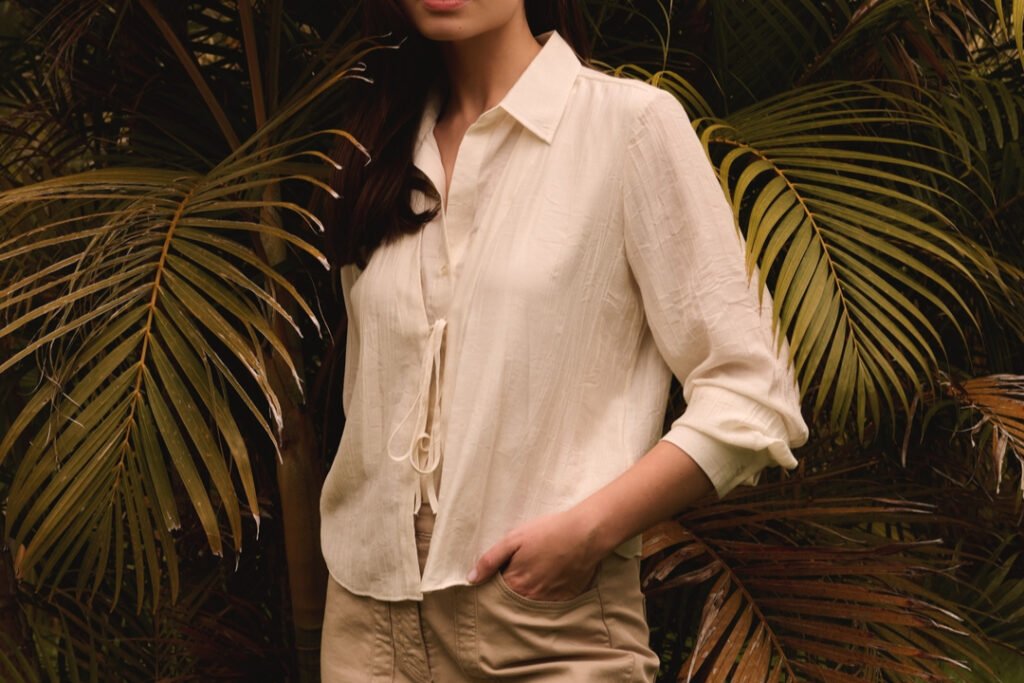
- Lightweight button-up shirts (wear open over a tank top, or buttoned up for coverage)
And yes, bring a couple of long-sleeved options. It sounds backwards until you meet the sun. Long sleeves can mean less sunburn, less sticky sunscreen everywhere, and fewer mosquito battles in the evening.
Bottoms: what about trousers and skirts?
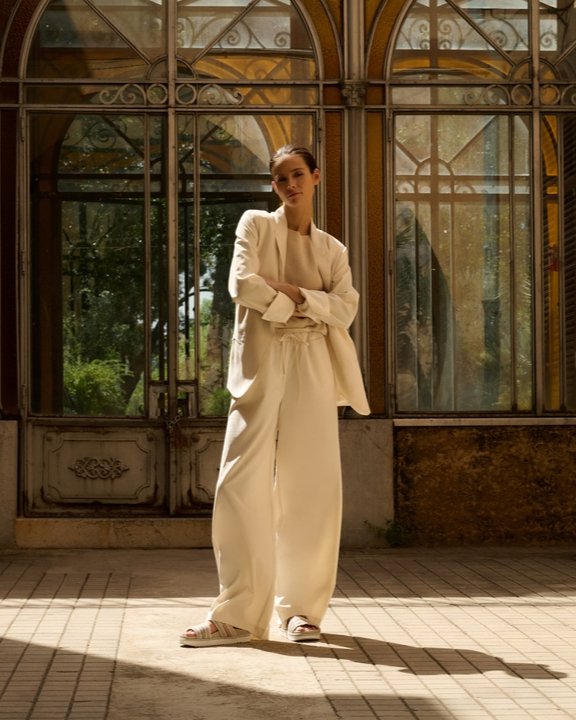
Wide-leg trousers in linen or cotton are the MVP:
- Palazzo pants
- Light straight-leg trousers
- Harem-style pants (if you like that vibe)
Also excellent:
- Maxi skirts (not sheer)
- Long dresses (easy, breezy, respectful)
Bermuda shorts or culottes can work in very touristy areas or resorts, but keep them below the knee and use them strategically.
Dresses: go flowing
A flowing maxi dress is basically Egypt’s cheat code: comfortable, airy, instantly “put together.” Just check:
- Not see-through in bright sunlight
- Shoulders covered, or you’ve got a light layer ready
Swimwear: what should we take?
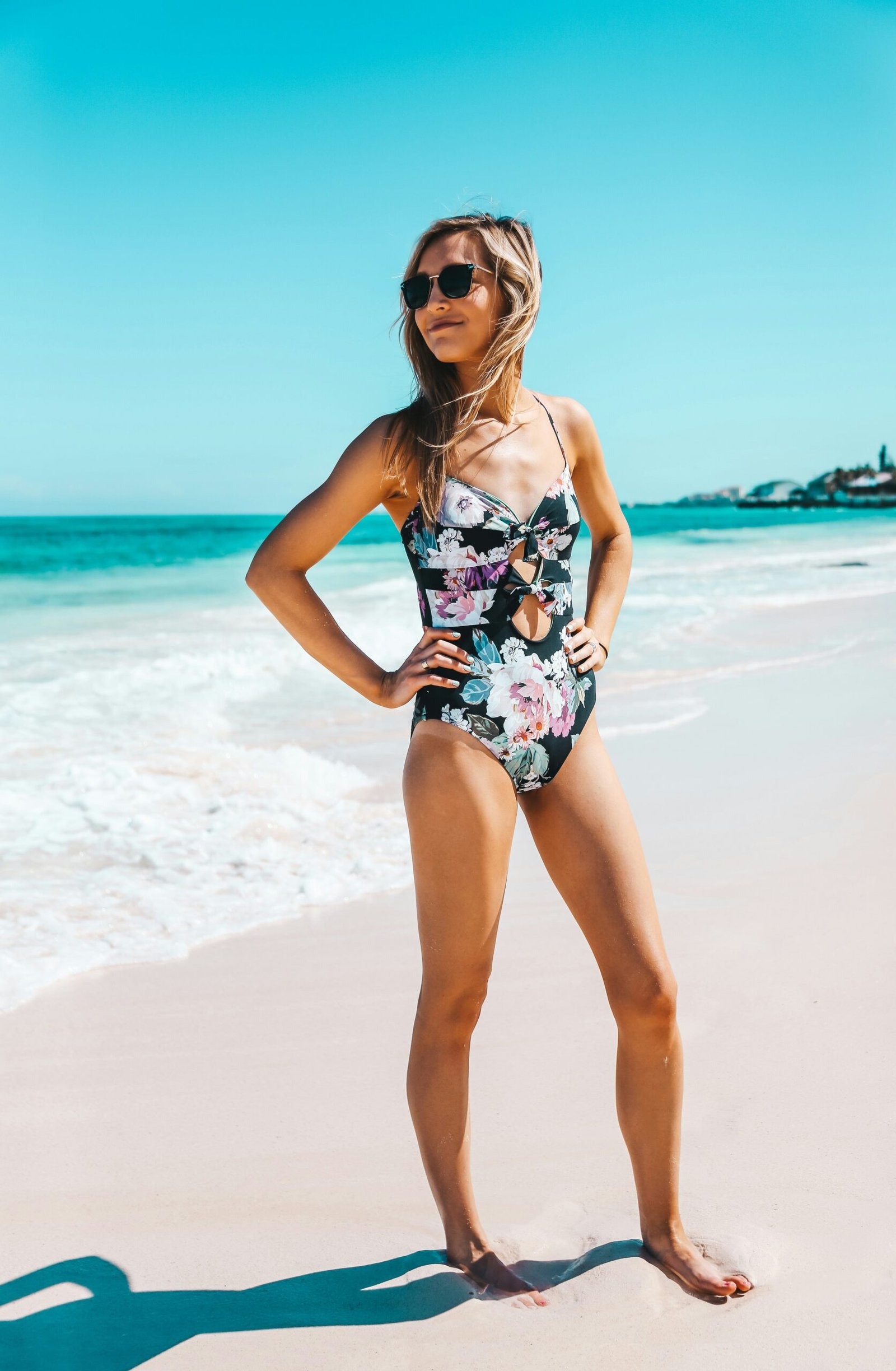
Inside resorts and hotel pools, a regular swimsuit is usually fine. On public beaches or certain cruise contexts, you might feel more comfortable in:
- A one-piece
- A more coverage-friendly bikini style
- A wrap or kaftan for walking around outside the pool area
Accessories that save your day
This is the part people underestimate—and regret.
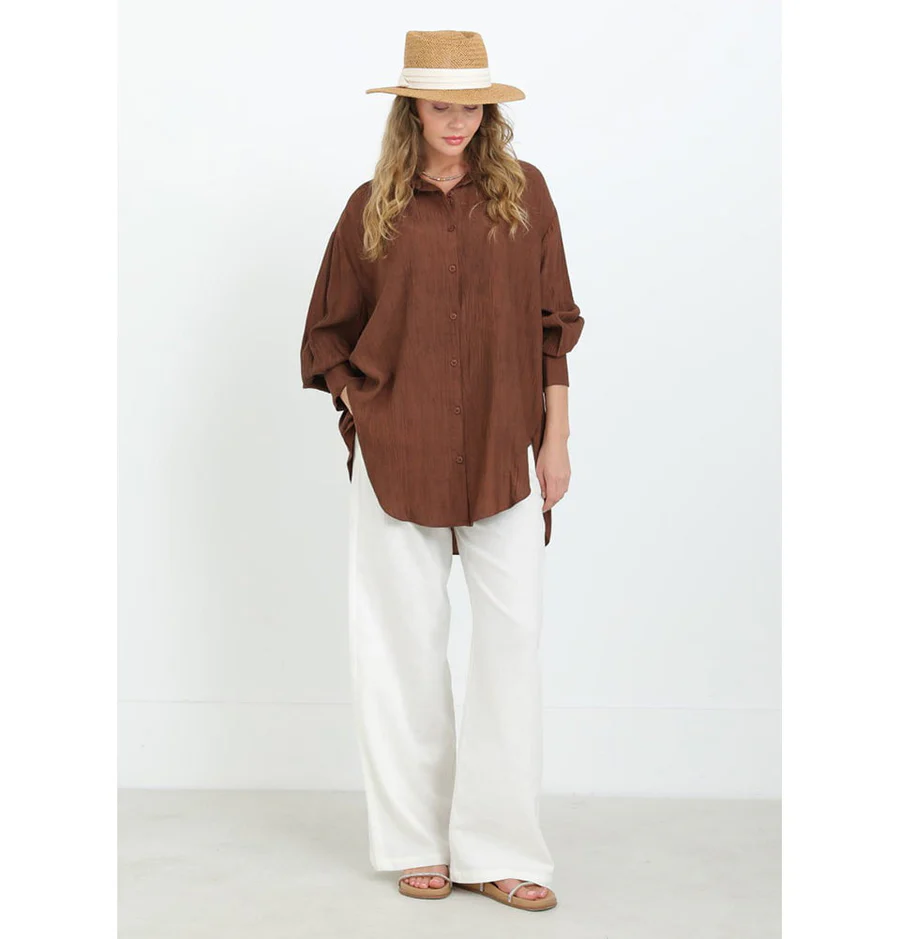
- A light scarf (bring one, two, or three): hair cover for mosques, neck cover for sun, dust shield, emergency warmth on buses
- Wide-brim hat or cap
- Sunglasses (seriously essential)
- A small backpack or crossbody that keeps your hands free and valuables close
Pro tip: Test your “white shirt” at home in bright light. If it’s even slightly sheer indoors, it’ll be transparent under Egypt sun.
4. Dressing in Egypt for different situations
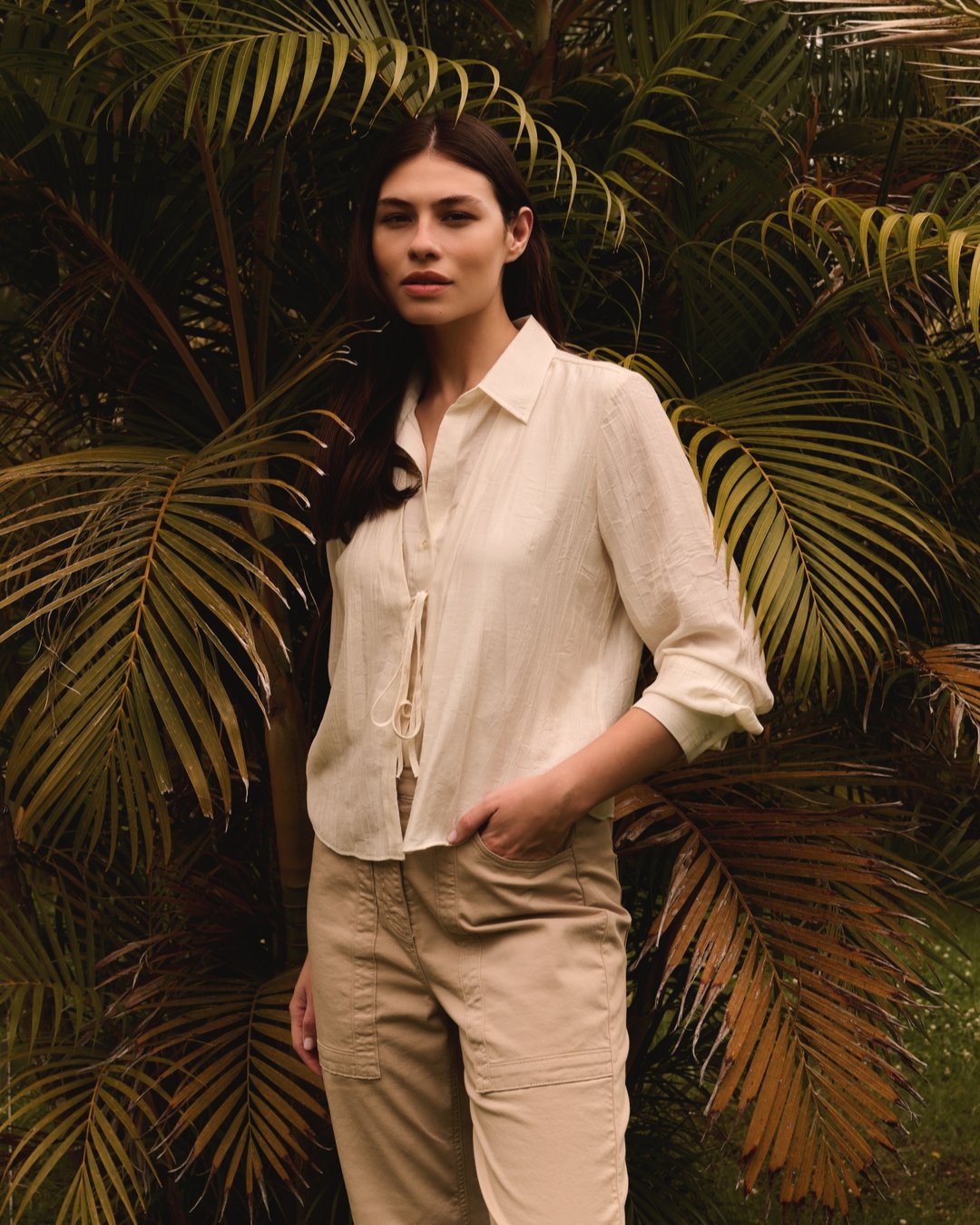
Egypt is a land of contrasts: one day you’re in a conservative neighborhood, the next you’re at a resort where everyone’s in swimwear. The trick is packing a flexible wardrobe, not overpacking.
Cities + archaeological sites (Cairo, Luxor, Aswan, temples)
This is where your baseline rules carry you:
- Shoulders + knees covered
- Loose, breathable clothing
- Scarf always in your bag
You’ll feel more comfortable, and you’ll attract less attention while moving through markets and busy streets.
Pro tip: The “midday temple photo” looks better when you’re not overheating. Dress for shade you won’t get.
Mosques + places of worship
Non-negotiable zone:
- Arms covered
- Legs covered
- Hair covered (women)
- No tight or transparent clothing
Some places lend coverings, but relying on that is stressful. Bring your own scarf and a light layer.
Pro tip: Keep a “mosque kit” in your day bag: scarf + lightweight overshirt + a hair tie. Instant readiness.
Seaside resorts (Hurghada, Sharm el-Sheikh, etc.)
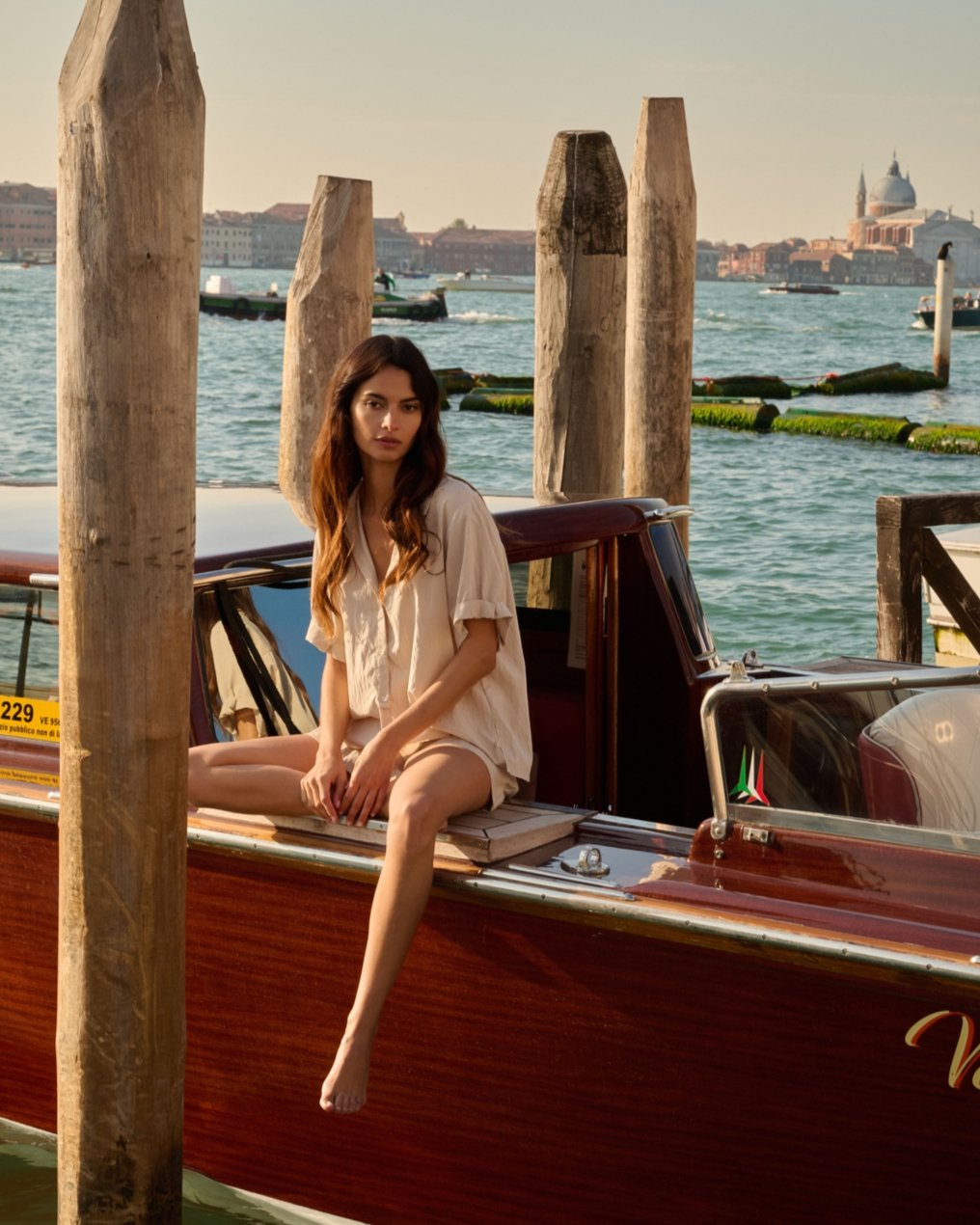
Inside resorts, the vibe is far more relaxed—shorts, tank tops, swimwear are normal. Step outside the resort gates, though, and the social expectations shift fast. Have a cover-up ready and switch back to your “city” outfits for town and souqs.
Pro tip: A long, lightweight shirt is the ultimate beach-to-town transition piece. Throw it on and you’re instantly more comfortable.
Nile River cruise
Temple excursions: same modest, practical rules as sightseeing days.
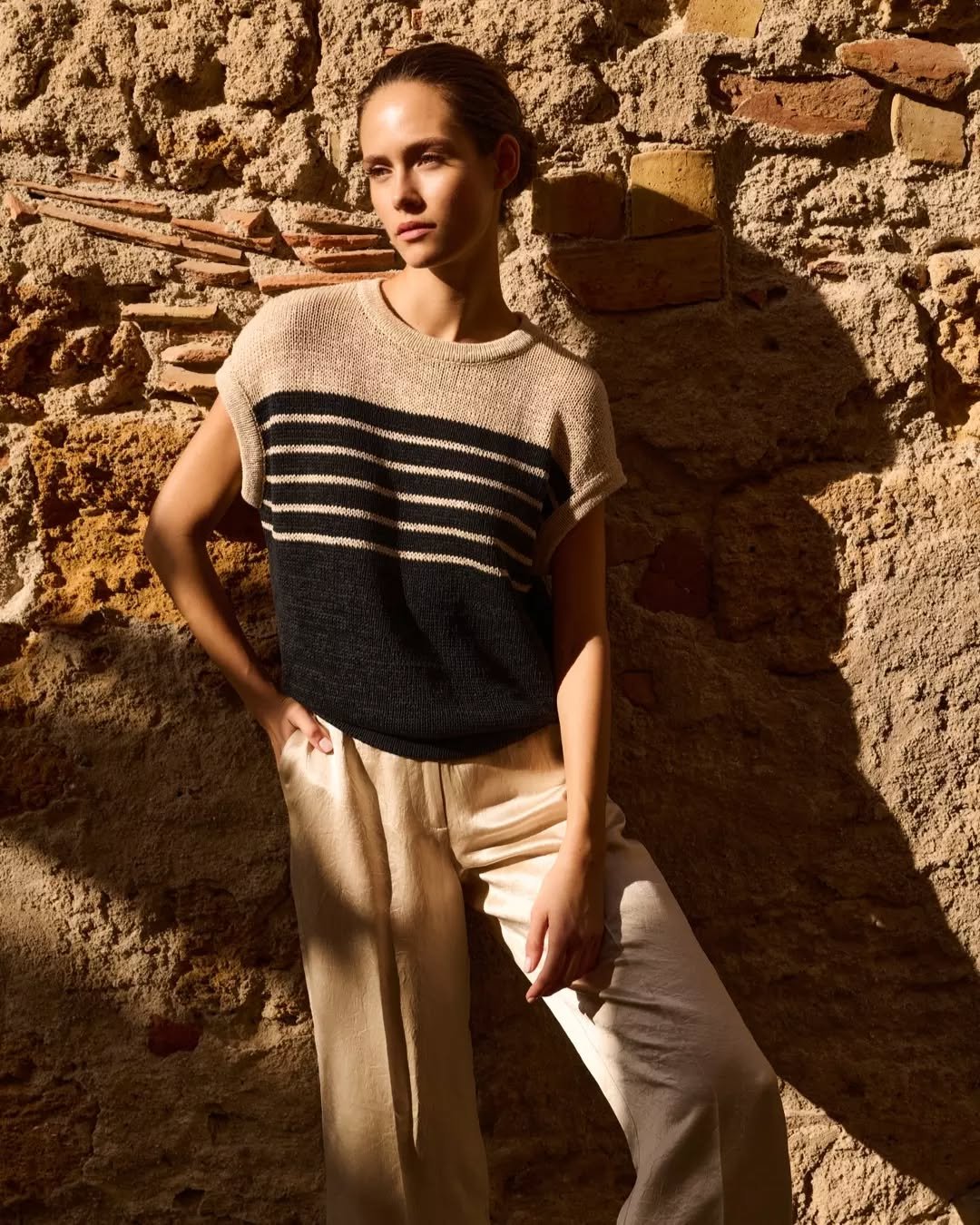
Evenings: you can go a little dressier—think elegant but still respectful:
- A long dress
- Trousers + a nicer top
- A light shawl for AC
Pro tip: Pack one “nice outfit” that folds small and doesn’t wrinkle easily. You’ll use it more than you think.
Upscale evenings + restaurants
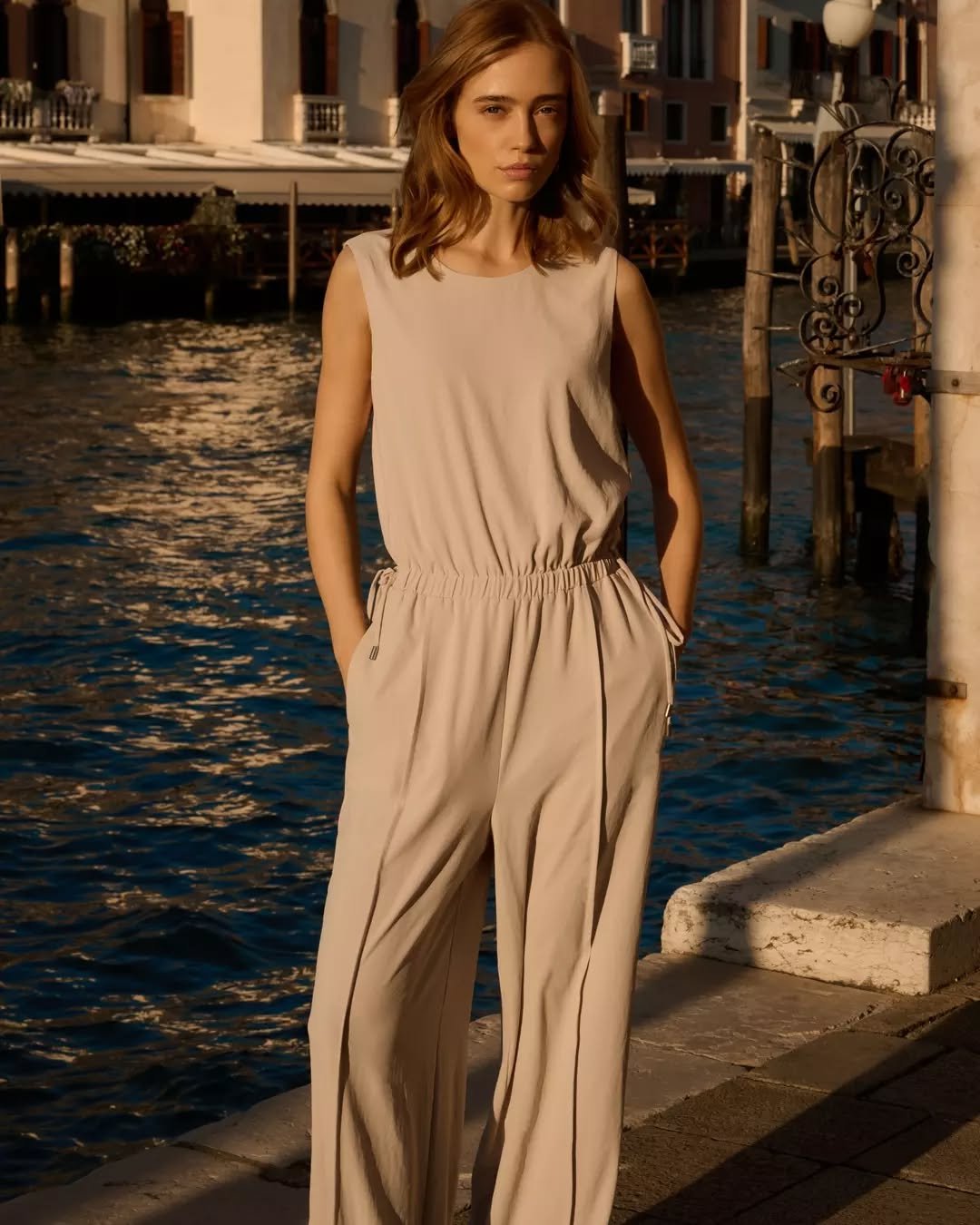
You absolutely can be stylish in Egypt without pushing boundaries:
- A flowing maxi dress
- A tailored-but-not-tight pantsuit
- Elegant trousers with a beautiful top
Stylish, comfortable, respectful—the holy trinity.
Conclusion: how to dress for a worry-free trip to Egypt
Dressing for Egypt is mostly common sense with a dash of strategy. A little preparation goes a long way: you’ll feel more comfortable in the heat, you’ll move through public spaces with less friction, and you’ll walk into religious sites without last-minute panic.
Pack breathable fabrics, cover shoulders and knees in public, keep a scarf handy, and choose shoes built for ancient stones. Then go do what Egypt does best: blow your mind.
READ ALSO:
- Ultimate Egypt Packing List (2026): What to Bring for the Desert, Cities, and the Red Sea
- Is Egypt Safe For Solo Female Travellers in 2026
- 5 Days In Egypt Itinerary in 2026: Cairo, Luxor & Nile Cruise
- 2026 Ultimate 8 Days In Egypt Itinerary: Cairo, Luxor, Aswan & Abu Simbel (Day-by-Day Guide)
- How To Dress In Egypt | 2026 Tourist Guide