
Writing lived-in travel guides from long stays and real routes
A trip to Qatar isn’t like anywhere else—and that’s kind of the point. In a blink of history, this tiny Gulf peninsula went from pearl diving and fishing to sci-fi levels of wealth, powered by liquefied natural gas and an almost surreal construction boom. The result? A country that feels ultra-modern, improbably rich, and slightly unreal, as if it rose straight out of the desert overnight.
The good news: Qatar is tiny—just 160 km long—and perfect for a short stopover. A Qatar itinerary brings you Doha’s futuristic skyline and blockbuster museums, plus desert adventures that feel genuinely epic: dune bashing, sandboarding, and the Inland Sea near the Saudi border. Add mangrove kayaking, a UNESCO-listed fort, and surreal desert art, and suddenly that stopover feels less like a pause and more like a destination.
Table of Contents
Getting Around Qatar

Getting around Qatar is surprisingly easy, borderline luxurious, and very much designed for people who don’t enjoy logistical suffering .
Let’s break it down—from futuristic trains to taxis that feel suspiciously affordable.
The Doha Metro
If you’ve ever wished public transport felt more like an Apple product launch, Doha Metro is your moment.
The metro is:
- spotless (we’re talking museum-level clean),
- air-conditioned to the point of mild shock,
- and blissfully easy to navigate, even if you haven’t slept.
Three main lines (Red, Gold, Green) cover most places you’ll realistically visit:
Msheireb, Katara, Education City, West Bay, and—importantly—the airport.
Why we love it
- Trains run frequently
- Stations are clearly signed in English
- It’s cheap (almost suspiciously so)
Practical tip:
Buy a reusable travel card at the station. If you’re hopping around a lot in one day, the day pass is a no-brainer.
Is it perfect? No. Some attractions still require a short taxi ride at the end. But for a city built around cars, the metro punches well above its weight.
Taxis & ride-hailing
Sometimes you just want door-to-door ease. Enter Karwa taxis and ride-hailing apps like Uber.
This is where Qatar quietly spoils you.
- Cars are modern and clean
- Prices are reasonable by Gulf standards
- Drivers are used to tourists (and Google Maps confusion)
Karwa taxis are the official option—easy to spot, reliable, and regulated. Uber works smoothly too, especially in central Doha.
Our rule of thumb:
Metro for longer hops and sightseeing clusters. Taxi when it’s hot, late, or we’ve simply had enough walking (no shame).
Renting a car
Yes, you can rent a car. Roads are excellent, signage is clear, and fuel is cheap. But unless you’re planning desert trips or multiple out-of-Doha excursions, you might not need one.
Where a car does make sense:
- desert safaris (unless you’re going with a tour),
- trips beyond the metro network,
- flexible schedules with kids.
Inside Doha? Traffic can be intense, parking takes patience, and taxis are often the easier choice.
Walking
Let’s be honest: Qatar is not a “wander everywhere on foot” destination. Distances are large, and summer heat is not playing games.
That said, some areas are genuinely pleasant to explore on foot:
- Msheireb Downtown
- Katara Cultural Village
- The Corniche (early morning or sunset, always)
Think short, intentional walks, not all-day strolls.
Airport connections
Arriving at Hamad International Airport feels like entering a very calm, very expensive mall that also happens to be an airport.
Getting into the city is refreshingly simple:
- Metro connects directly from the airport
- Taxis are plentiful and regulated
- Ride-hailing apps work immediately
No chaos, no bargaining, no “is this a scam?” energy. We appreciate that.
Qatar Itinerary: All the must-see attractions in Doha
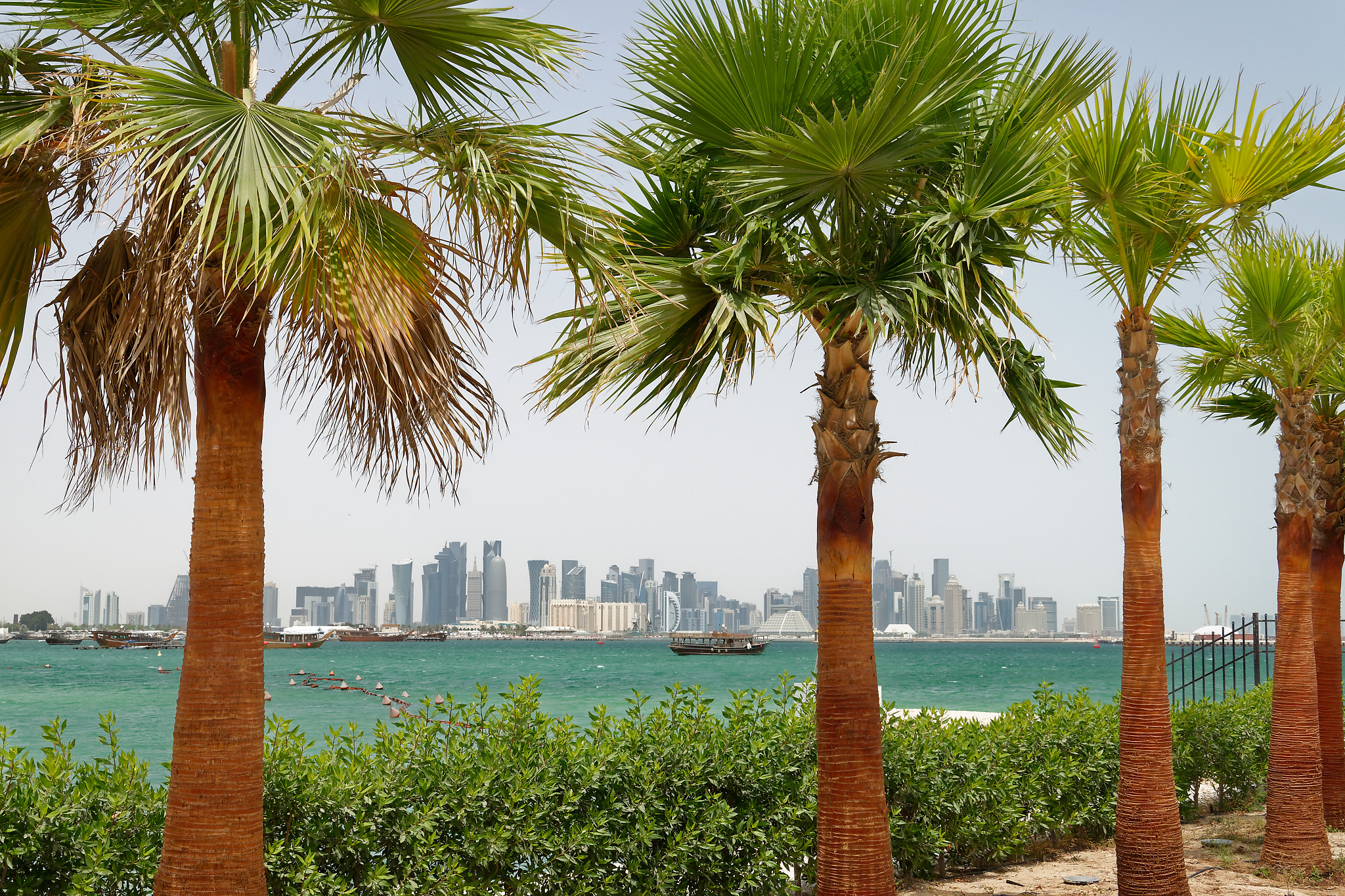
Doha hits us like a city in fast-forward: cranes swinging, glass towers popping up like they’ve got a deadline, and an “excuse us, we’re rebuilding the future” vibe everywhere you look. And here’s the part that messes with your head—this skyline feels inevitable now, but rewind about 20 years and you’d mostly have found a small desert capital with modest apartment blocks and not much of the cinematic drama you see today.
To avoid becoming “Dubai 2.0” (because that lane is already taken), Qatar leaned into a different flex: not just bigger, but better designed. Instead of chasing record-breaking heights for sport, they brought in some of the world’s most famous architects and said, “Make it iconic—but make it ours.” That’s why Doha feels like a living architecture portfolio… with air-conditioning.
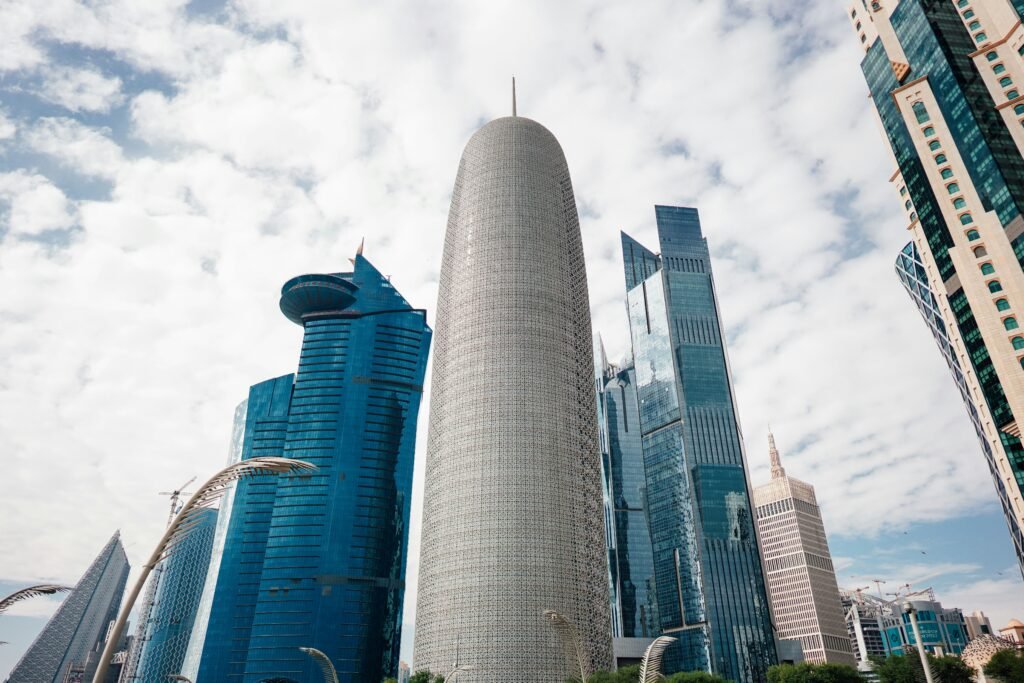
Doha’s most iconic tower is the Qatar Tower, designed by French architect Jean Nouvel (left photo). Standing 230 meters tall, it stands out in the skyline with its rounded shape. Its exterior steel structure echoes the patterns of traditional oriental mashrabiya screens—like the facade of the Arab World Institute in Paris, also designed by Nouvel.
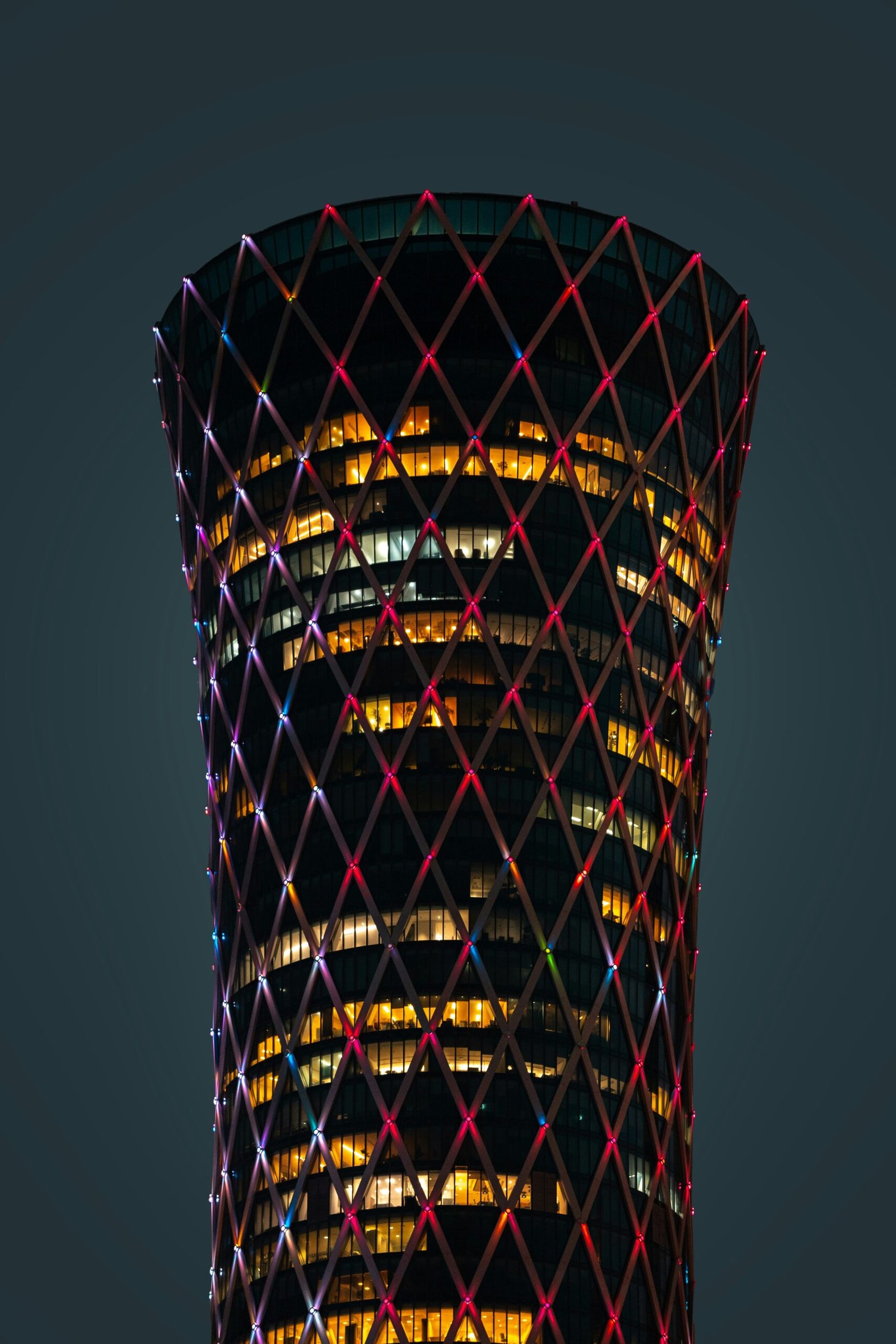
Not far away stands the Tornado Tower, instantly recognizable by its steely blue color and hyperboloid shape—built to resemble a whirlpool. At the base, you’ll spot a huge portrait of the Emir of Qatar, Tamim bin Hamad Al Thani. The stencil-style design became a symbol of Qatar’s resistance to the embargo imposed by its neighbors (Saudi Arabia, the United Arab Emirates, and Bahrain) since 2017. Once you clock it, you’ll see variations of it all over Doha (and beyond).
The Museum of Islamic Art in Doha
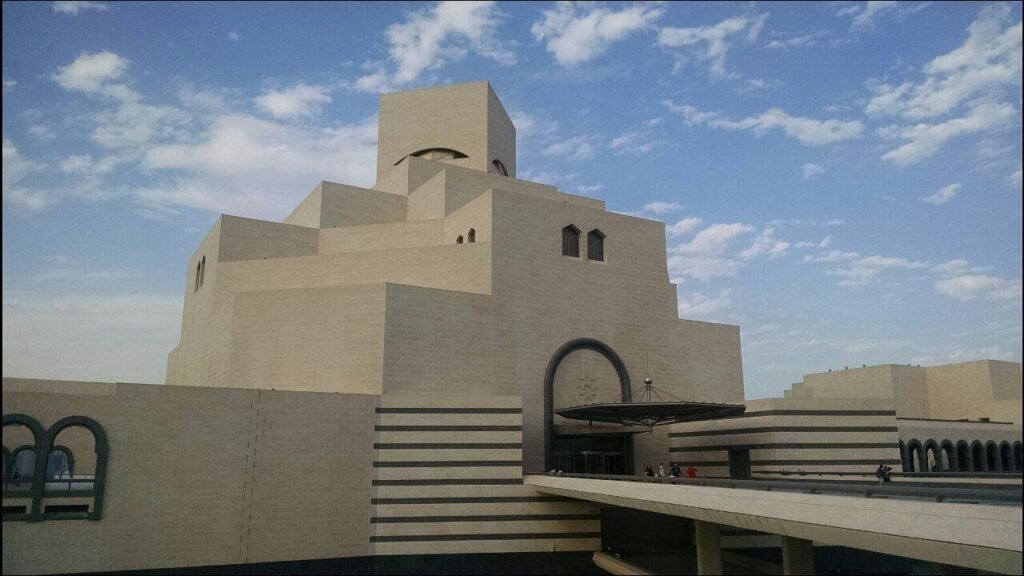
If there were only one monument we’d tell you to visit in Qatar, this would be it—full stop. Designed by architect I.M. Pei (yes, the mind behind the Louvre Pyramid), the Museum of Islamic Art is an absolute stunner: crisp geometric whites, clean lines, and that calm, confident kind of beauty that doesn’t need to shout. It’s set at the end of Doha’s Corniche, and the views of the skyline are ridiculous—especially from the terraces.
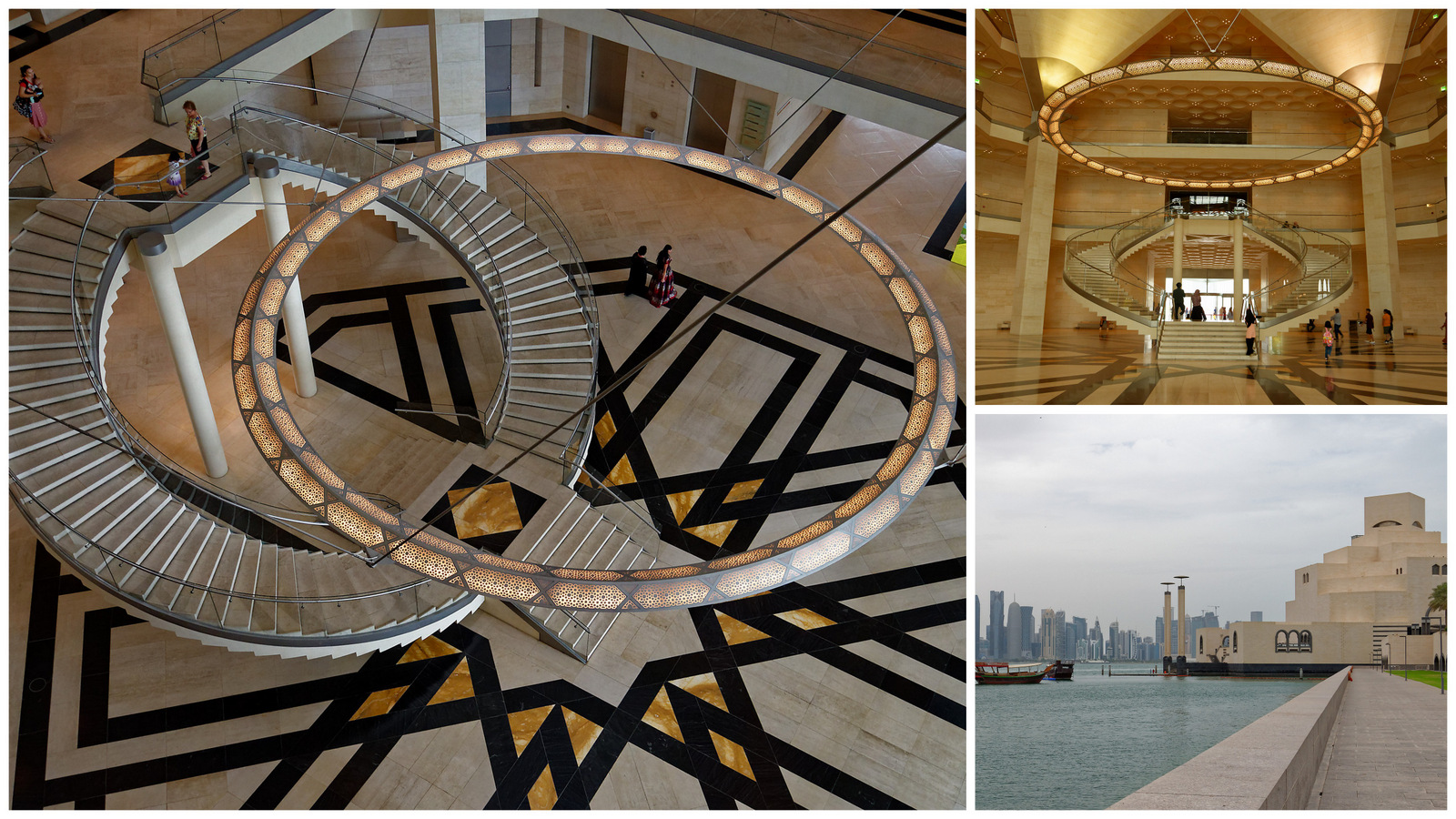
Inside, we get hit with a bright, soaring atrium and a double-helix staircase that feels like it belongs in a movie set (in the best way). The collection is one of the most impressive in the region: around 4,000 pieces total, with roughly 900 on display at any one time. Manuscripts, ceramics, precious stones, carpets, textiles… sourced from the Middle East, China, and Spain, spanning from the 7th century right up to the present day. And here’s the sweetest detail: admission is free.
The National Museum of Qatar
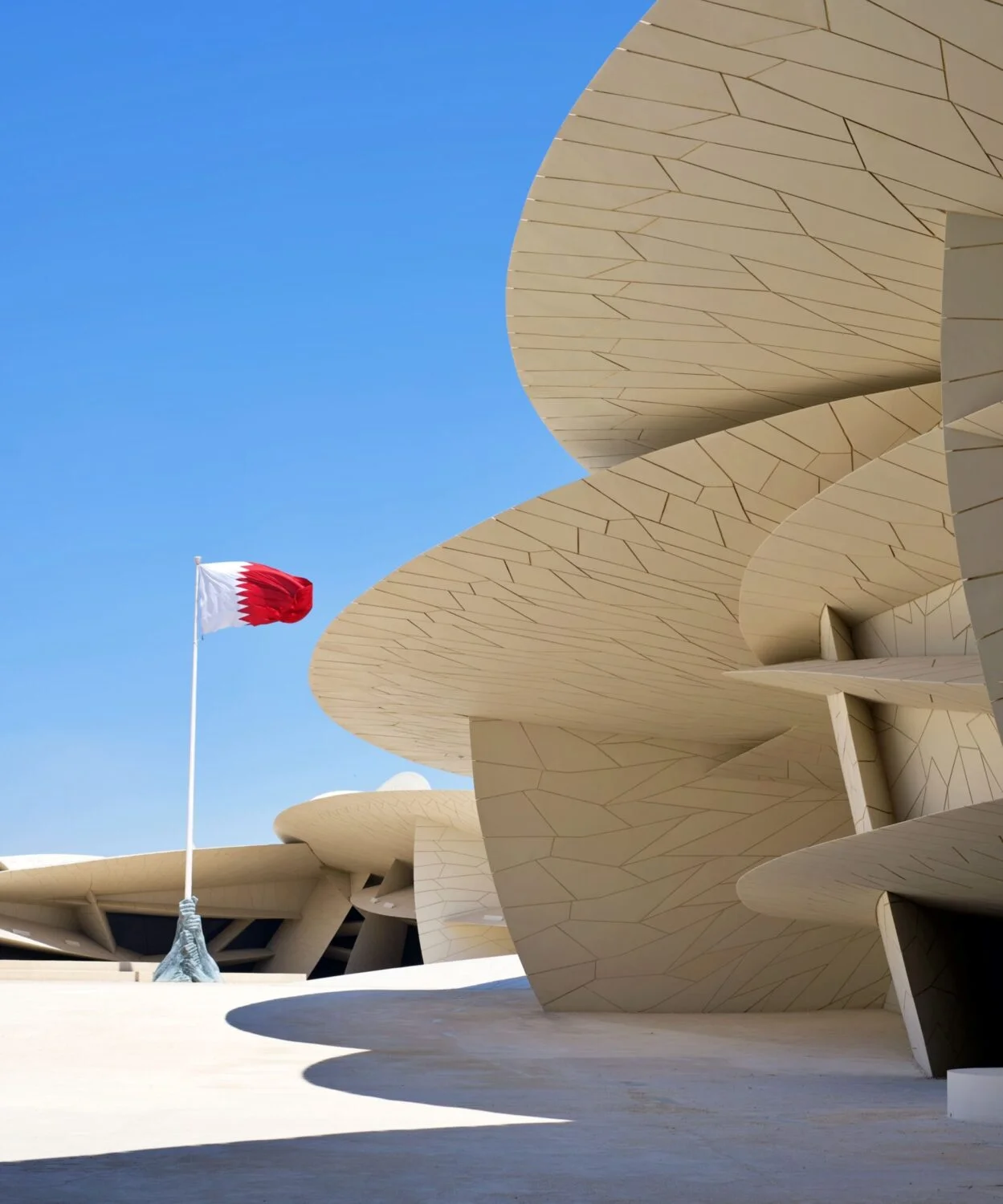
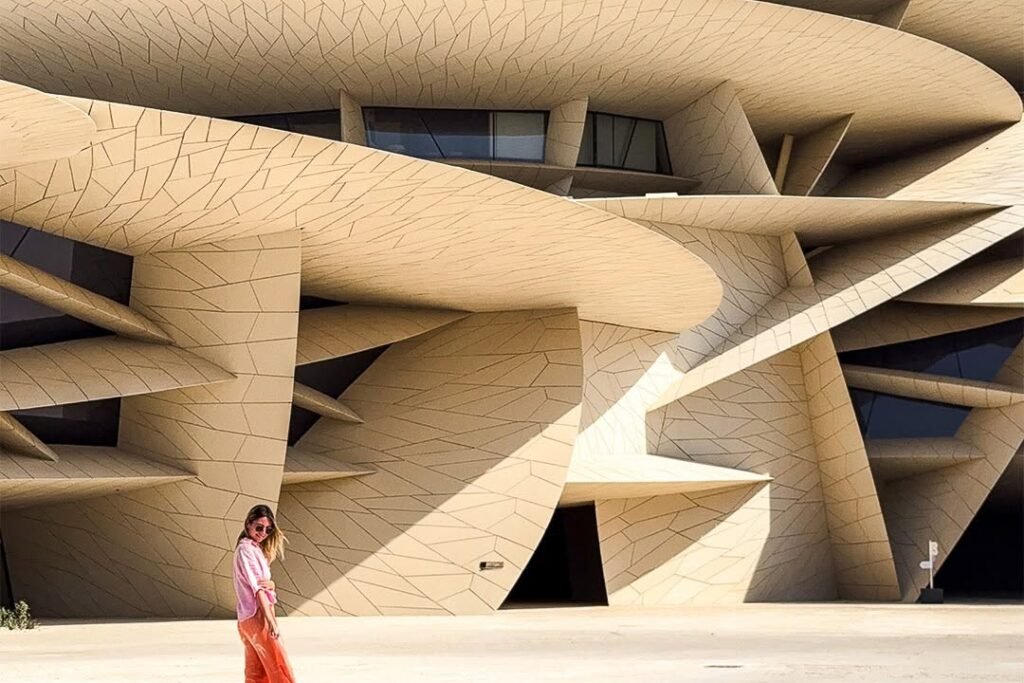
I wasn’t able to visit it during my trip to Qatar because it was still under construction; the inauguration took place in March 2019. The architecture is once again the work of the renowned French architect, Jean Nouvel. The building represents a giant desert rose, the famous desert stone sculpted by the wind and sand. The National Museum of Qatar aims to celebrate the country’s culture by reconnecting visitors and locals with its traditions.
Le Mathaf: musée d’Art moderne
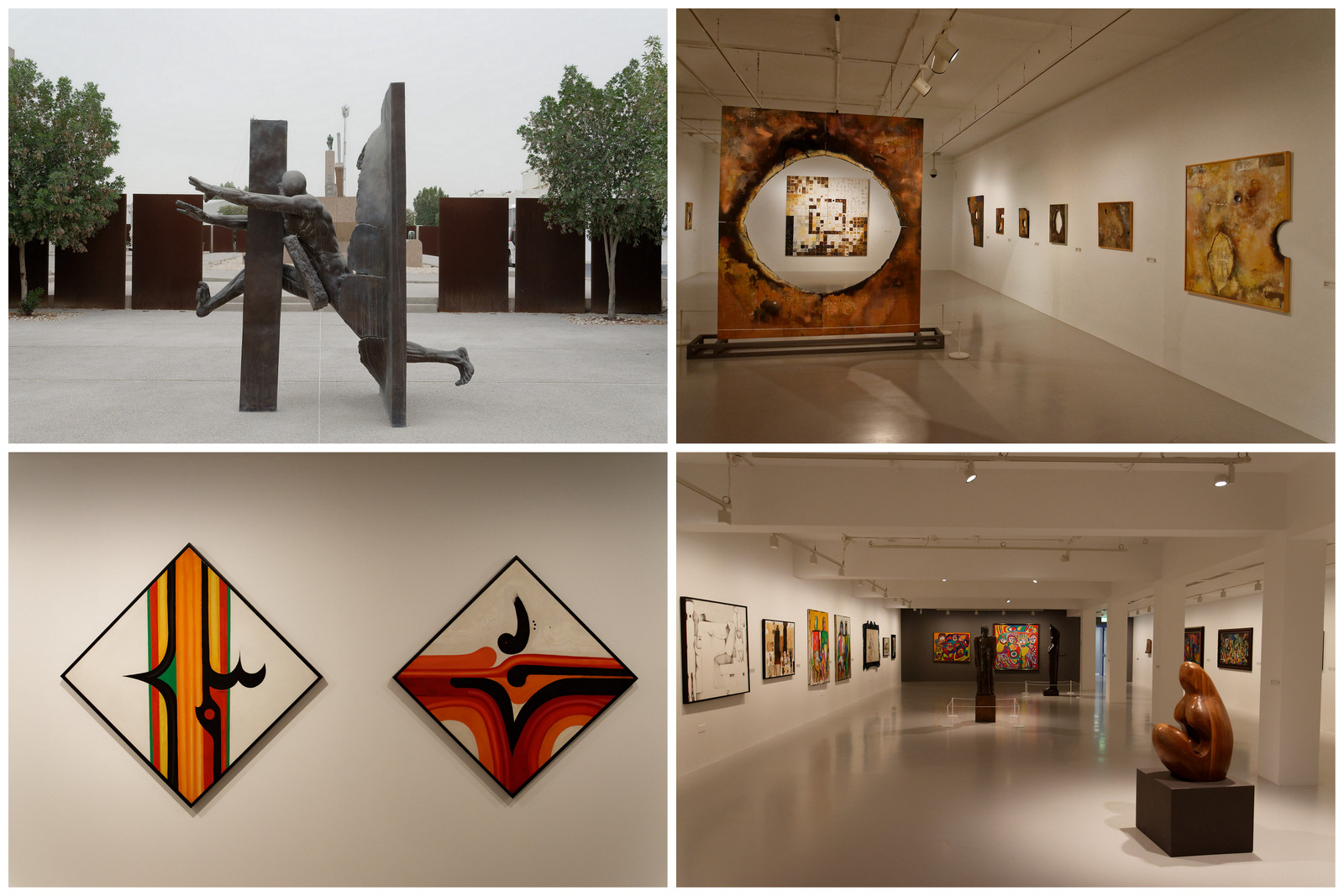
The Museum of Modern Art is a bit out of the way, but it’s absolutely worth it if you’re even mildly into art. The permanent collection showcases contemporary artists from Qatar and across the Arab world. I personally loved it! And honestly, I didn’t expect to see several works depicting women with prominent breasts and curves—bold, provocative, and surprising in a Gulf context.
One warning from the trenches: it’s a long ride by taxi, and drivers don’t always know where it is. Save yourself the drama and use the free shuttle bus service between the Museum of Islamic Art and Mathaf.
The Fire Station Gallery
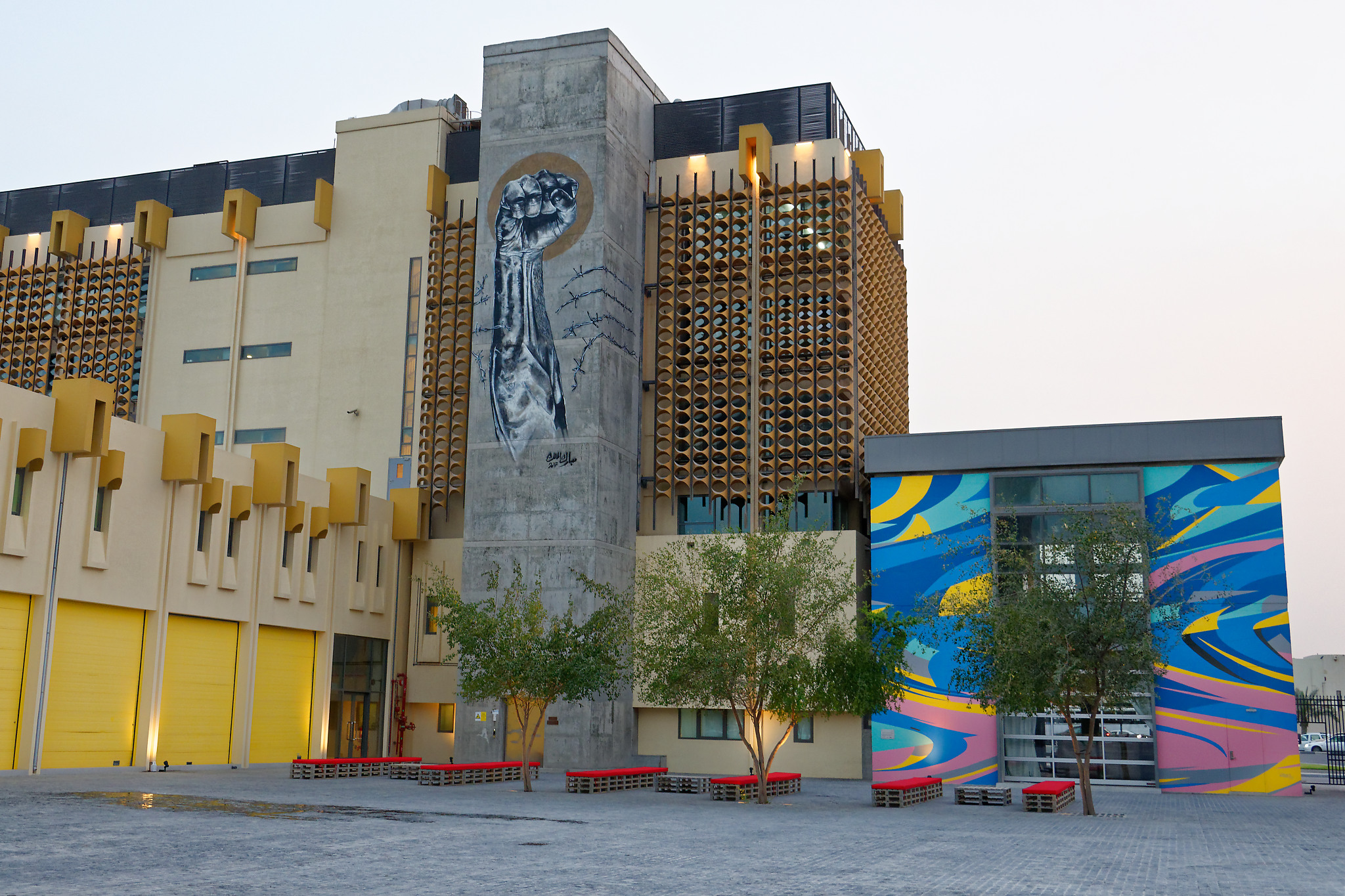
The Fire Station Gallery is an artist residency in the heart of Doha, housed in a former fire station. It hosts exhibitions and gives you the chance to meet artists at work in their studios—one of those places that feels refreshingly “real” in a city of polished megaprojects.
Souq Waqif
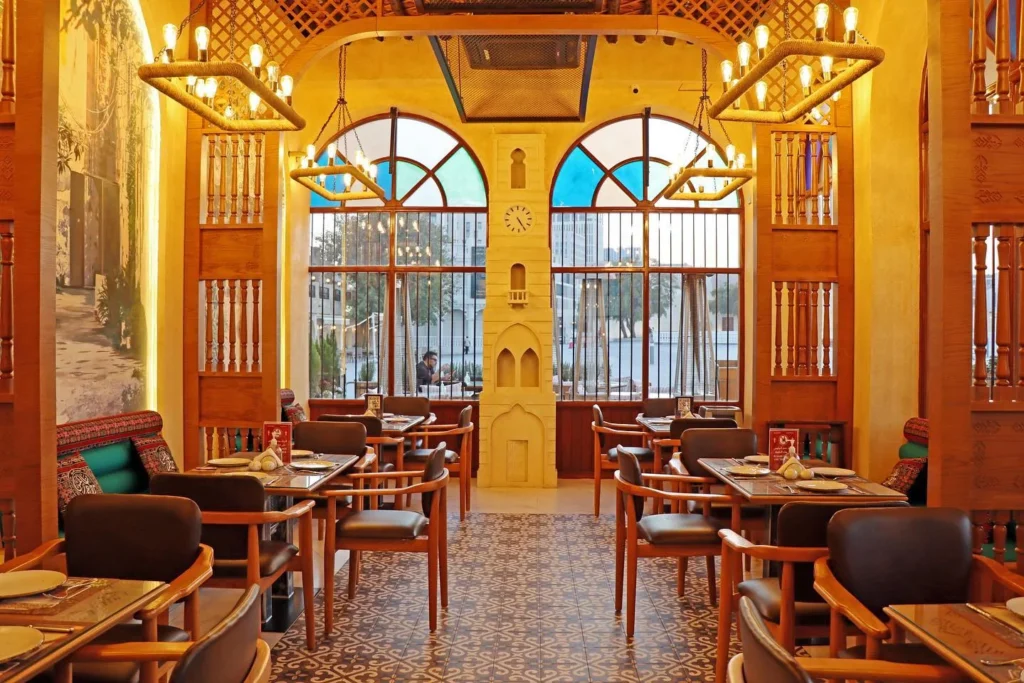
No Arab city is complete without its traditional souk… and Doha’s Souq Waqif is (how do we put this?) suspiciously spotless. It’s modern, organized, and many shops are air-conditioned—so it doesn’t have that “lost in the maze” chaos you might expect. Still, it’s genuinely pleasant and one of the few places where you’ll see Qatari families strolling around in the evening.
You’ll find plenty of restaurants with terraces, plus classic souvenir stalls, gold jewelry stores, and spice shops—alongside more unusual vendors selling hunting falcons (which are wildly popular in Qatar). It’s the kind of place where you can sip tea, people-watch, and pretend you’re not tempted by every shiny thing.
Also worth doing in Doha: the best way to enjoy the view of the Doha skyline is by taking a cruise on a dhow, a traditional wooden boat. Departures are from near the Museum of Islamic Art, and most packages include a meal on board.
READ ALSO: 11 Best Restaurants In Souq Waqif Doha
Top 5 things to see on Qatar itinerary outside of Doha
The desert and Khor Al Adaid
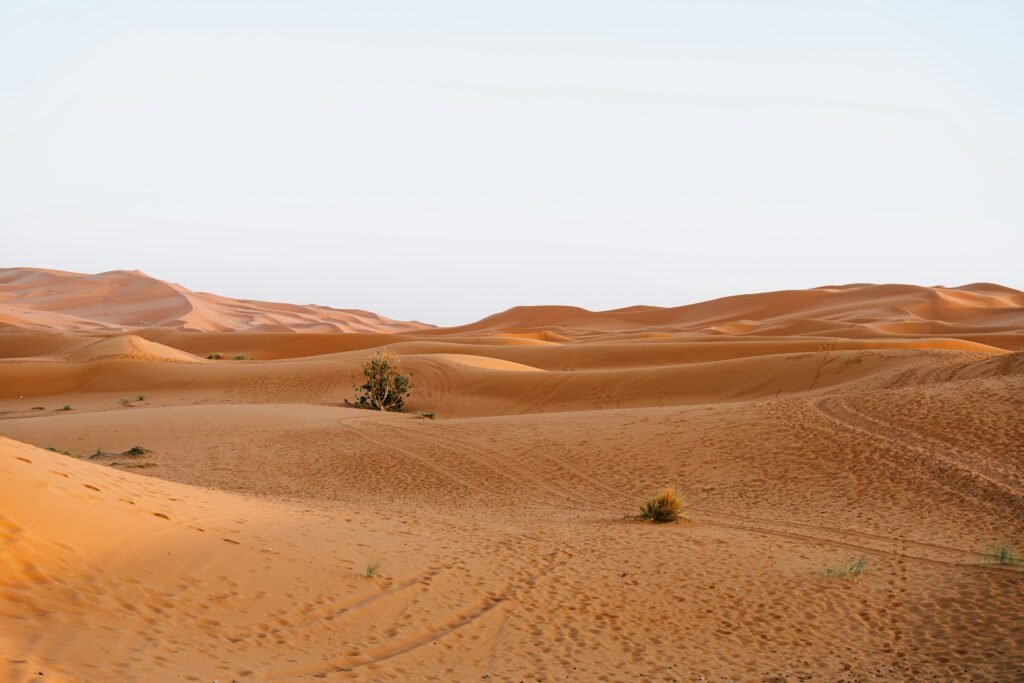
To see the desert and beautiful white sand dunes, you have to go to southern Qatar. That’s where the country hides its most spectacular natural site: Khor Al Adaid. Just before the border with Saudi Arabia, a strip of the Persian Gulf extends inland to form what’s known as the Inland Sea—and yes, it looks surreal in real life.
READ ALSO: What To Do in Al Khor: Pearl-Diving Heritage, Sea Views, and Wild Green Mangroves
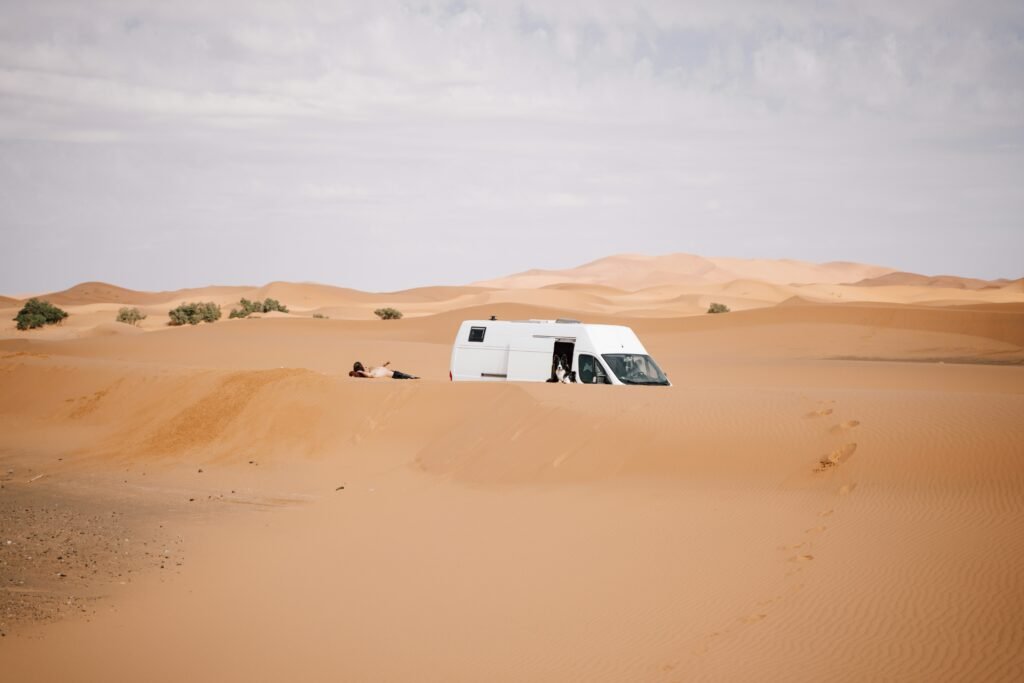
To get there, you need to take an organized tour from Doha because you have to drive across the desert. That’s where the drivers engage in dune bashing: hurtling down the sand dunes in 4x4s. It’s incredibly impressive and a lot of fun! It’s also a popular weekend activity for Qataris, and it’s not uncommon to see cars stuck in the sand. Driving in the dunes is technical—so unless you’re secretly a rally champion, go with a professional driver…
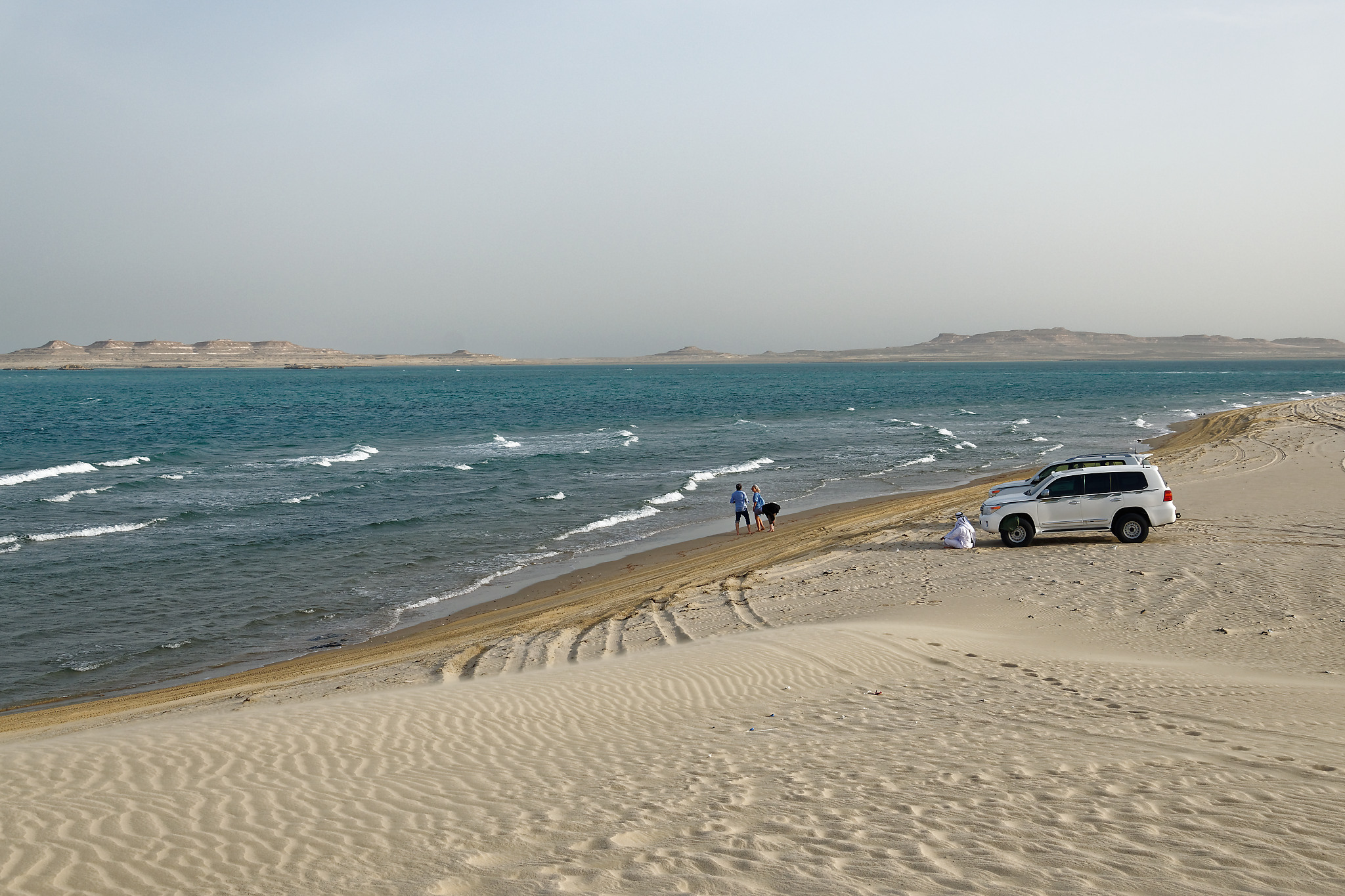
To extend your desert experience, you can also spend a night in a camp, such as the Regency Sealine Camp . The camp is located on the coast, just behind the dunes. It offers all the comforts, including large tents that are air-conditioned in the summer.
Al Zubarah Fort
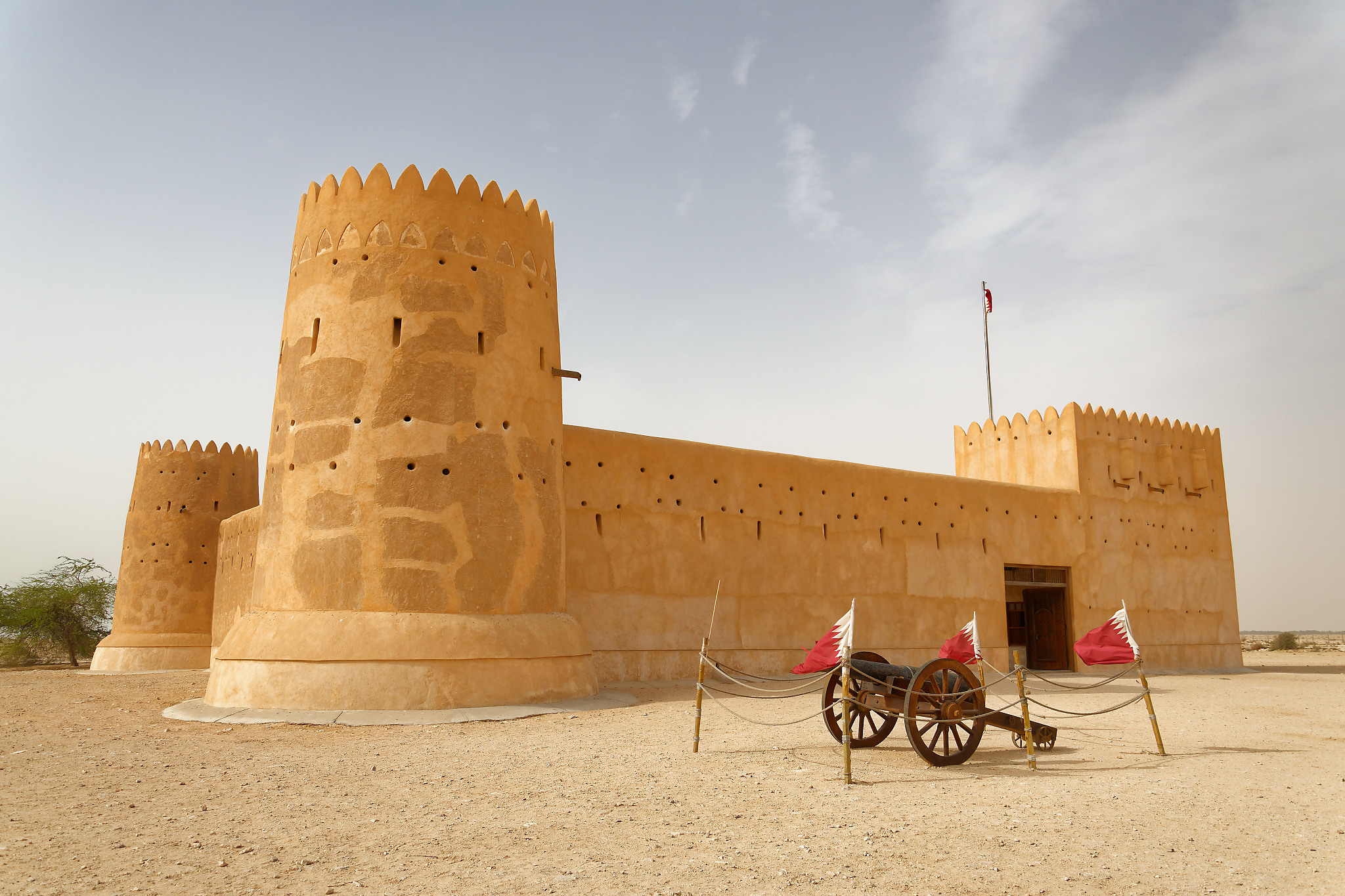
A UNESCO World Heritage Site, Al Zubarah Fort was built in 1938 by Sheikh Abdullah bin Jassim Al Thani. It is a typical fort of the Persian Gulf countries. Its purpose was to protect the nearby town of Zubarah, a fishing port that prospered thanks to the pearl trade. A visit is worthwhile as it offers a glimpse into Qatar’s history before the discovery of oil. Access: approximately a 1.5-hour drive from Doha, in northwestern Qatar.
The fishing village of Al Wakrah
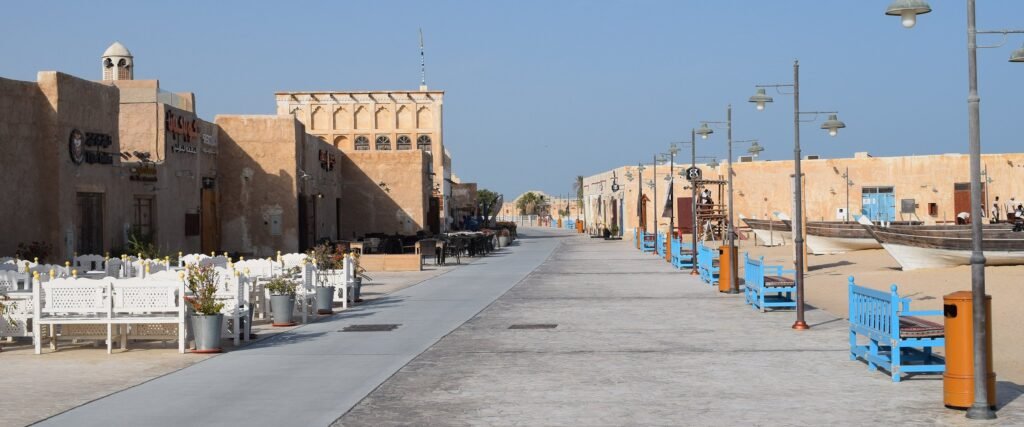
Half an hour south of Doha, the fishing village of Al Wakrah is a refreshing escape from the city. The traditional Qatari houses stand in stark contrast to the capital’s skyscrapers. If the weather isn’t too hot, stroll along the long white sandy beach. The streets are fairly quiet during the day, then come alive in the late afternoon when shops reopen, and locals head out.
The rock formations of Zekreet
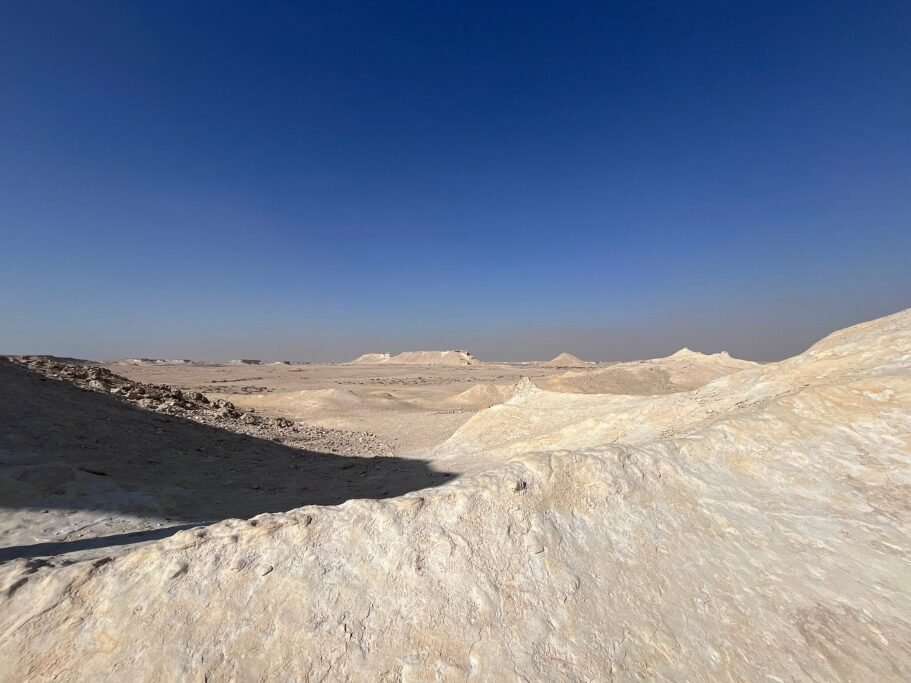
West of Doha, near the Ras Brouq peninsula, lies a desert scattered with striking rock formations. One of the most spectacular sites is the art installation by American sculptor Richard Serra. Entitled East-West/West-East, it consists of four 15-meter-high steel plates. Standing out there, with nothing but desert around you, it genuinely feels like stepping into a sci-fi film.
Mangroves Al Thakira

North of Doha, just past the city of Al Khor, lie the Al Thakira mangroves—a vast stretch of coastal greenery that feels almost impossible in a desert country. It’s home to birdlife like herons and flamingos, and kayaking here is a popular way to glide between mangrove channels and pockets of white sand beach.
Tips For Qatar Itinerary
Customs and dress code: Qatar is a Muslim country with a fairly strict interpretation of Islam. Women are not required to wear a headscarf, but they should dress appropriately: long legs and a top that covers the shoulders. No miniskirts or tank tops. Otherwise, being a woman doesn’t pose any particular problems. I walked around Doha on my own without any issues, taking several taxis and Ubers. Alcohol consumption is heavily regulated: the only places where it’s permitted are large hotels and luxury establishments catering to foreigners. However, because taxes are very high, prices are very expensive.
How to get there: As I mentioned in the introduction to this article, the most economical way to visit Qatar is to stop over with a flight booked on Qatar Airways . The Qatari airline is one of the best in the world and offers very good prices for travel to Asia and Oceania. A significant advantage for those traveling with a lot of luggage or wanting to bring back many souvenirs: the baggage allowance in economy class is 30kg (40kg in business class). In 2019, Qatar Airways was voted the best airline by Skytrax.
When to go: The best time to travel to Qatar is from November to April. From May to October, temperatures are very hot, and almost unbearable in July and August. I also recommend avoiding the period of Ramadan.
Where to stay: There aren’t many budget hotels in Doha. Most accommodations are luxury hotels. Right next to the Qatar National Museum is the Sharq Village & Spa . It’s an elegant marble complex with a beautiful infinity pool. There’s a very nice view of the Doha skyline from the hotel’s private beach.
Another option is the St. Regis Doha . A historic hotel in Doha, it’s closer to downtown, unlike the Sharq Village on the Corniche. It boasts a beautiful pool, a superb private beach, and a wide selection of restaurants.
Where to eat: Doha has plenty of options, but again, you’ll need a decent budget. For fish lovers, L’Wzaar near the Seafood Market is a must. You can choose your fresh fish and have it cooked to your liking. For meat lovers, I recommend the Astor Grill at the St. Regis. I’ve had some of the best meat of my life there!
A great place to eat near Souq Waqif is Al Parisa restaurant . It serves Middle Eastern cuisine in an oriental setting reminiscent of the Arabian Nights…
- Qatar Itinerary (2026): How to Spend 3–5 Days in Doha & Beyond
- How To Dress In Qatar | Ultimate 2026 Guide
- The Pearl Qatar [2026]: A Complete Guide to Doha’s Most Glamorous Island
- Top 11 Beaches in Qatar (2026): Discover the Best Coastal Escapes

- 12 Hidden Gems in Qatar That Most Tourists Miss (2026)
