
Travel writing based on first-hand experience
For our second trip to Fez, we were looking forward not only to the warmth and the atmosphere of the medina, but also to returning to one of the richest food scenes in Morocco. In Fez, meals are part of the experience from the moment you step into the old city, with the scent of spices, grilled dishes, fresh bread, and pastries following you through the streets.
Moroccan cuisine, known worldwide, changes with the seasons and with the rhythm of religious celebrations, so each visit offers something slightly different to discover. And if, like us, you never say no to something sweet, Fez quickly becomes a very tempting city. That is why we wanted to gather our favourite places and practical tips for anyone wondering where to eat in Fez.
| ➡️Are you into plant based food? Read our post with the list of 7 restaurants with thebest vegan food in Fez. ➡️From couscous to mint tea, uncover the most iconic traditional Moroccan food that define the country’s rich culinary heritage. Perfect for foodies and travelers alike. ➡️Read our guide with the best things to do in Fez and nearby, along with practical tips to help you move through the city more easily, choose where to stay, and find places worth sitting down for a proper meal. ➡️Discover the best places to stay in Fez, Morocco — from the historic Medina’s charming riads to Ville Nouvelle’s modern hotels. Find top neighborhoods, handpicked stays, and insider tips to make your trip unforgettable. |
Table of Contents
A little history to understand why Moroccan food tastes the way it does
Moroccan food does not come from one neat, tidy culinary tradition tied up with a ribbon. It is more like a long, glorious, spice-scented collision of peoples, empires, trade routes, migrations, faiths, and family kitchens. And honestly, that is exactly why it is so good.
The richness of Moroccan gastronomy is deeply tied to the kingdom’s layered and often turbulent history. Every dynasty, every arrival, every exile, every caravan seems to have left something behind on the table. What we eat in Morocco today is the result of centuries of blending, adapting, refining, and passing recipes from one generation to the next until they became unmistakably Moroccan.
The oldest roots of Moroccan cuisine are usually linked to the Amazigh, or Berber populations. Their food was practical, nourishing, and deeply connected to the land: semolina, wheat, barley, olive oil, pulses, herbs, and vegetables formed the backbone of everyday cooking. This is where we find the simple, rustic side of Moroccan food that still feels so essential today: breads baked daily, couscous, vegetable dishes, hearty soups, and slow-cooked stews prepared with patience rather than showmanship.
Then came the Arabs, whose arrival in Fez from the 9th century onward transformed far more than architecture, religion, and scholarship. They also reshaped the kitchen. New spices entered the culinary vocabulary, especially saffron, ginger, cinnamon, cumin, and coriander. Meat began to be cooked with greater complexity, often layered with aromatics, herbs, and fruit. Recipes using honey, almonds, pistachios, and orange blossom water likely developed further during this period too, especially in urban homes where food was becoming more refined and ceremonial.
Another major turning point came with the arrival of Andalusians and Jews expelled from Spain in the 15th century. This is where Moroccan cuisine became even more elegant, more intricate, and, at times, gloriously excessive. Sweet-and-savory combinations became more prominent. Meat dishes gained delicate sauces, dried fruits, nuts, and a sense of occasion. Some of the great classics of Moroccan cuisine owe a great deal to this influence: lamb with prunes, elaborate fish dishes, and of course the famous pigeon pastilla, that miraculous pie that somehow manages to be flaky, savory, sweet, spiced, rich, and delicate all at once.
Turkish influence appears more subtly in Morocco, often through population movements from neighboring Algeria during the 16th century, when parts of the region were under Ottoman control. This influence is often associated with kebabs, grilled meats, and certain street food habits that became part of the Moroccan urban food scene.
And because Morocco has always been connected to wider African trade networks, especially through the trans-Saharan caravans, sub-Saharan influences also played a role. Spices, preservation methods, dried fruits, and certain ingredients traveled northward along with merchants and goods. Later still, French and British influence left lighter marks, especially in bakery culture, café habits, and some urban dining customs.
So when we sit down in Morocco and find a table crowded with breads, olives, mint tea, salads, pastries, grilled meats, spiced vegetables, and slow-cooked tagines, we are not just eating lunch. We are eating history. Delicious, fragrant, gloriously messy history.
In the markets and on the street: how to eat cheaply in Morocco without eating badly
One of the great joys of eating in Morocco is realizing, very quickly, that a good meal does not have to come from a formal restaurant. In fact, some of the best food experiences happen while wandering. We turn a corner, smell grilled meat, stop for bread, get distracted by pastries, buy a juice, then somehow end up with an entire lunch assembled from a dozen little stops. This is not poor planning. This is strategy.
In Fez especially, it is possible to eat for just a few dirhams, whether you are in the city itself or out in smaller areas beyond it. During our walks through the medina, we often built meals as we went, hopping from one market to another, from one stall to the next, picking up whatever looked fresh, fragrant, or impossible to resist. The R’Cif market, shaded by reed awnings, is one of the largest and liveliest markets in the medina, and it is exactly the sort of place where this kind of piecemeal eating makes perfect sense.
Elsewhere, the covered market of Fes Jdid has a different atmosphere, but the same sense of food being woven directly into daily life rather than separated from it. At the entrance to the Mellah, carts piled with fresh herbs immediately tell you how central freshness is to Moroccan cooking. Mint, coriander, parsley, and greens appear everywhere. Before we even sit down to eat, the ingredients are already announcing themselves.
Grilled meats and kebab sandwiches
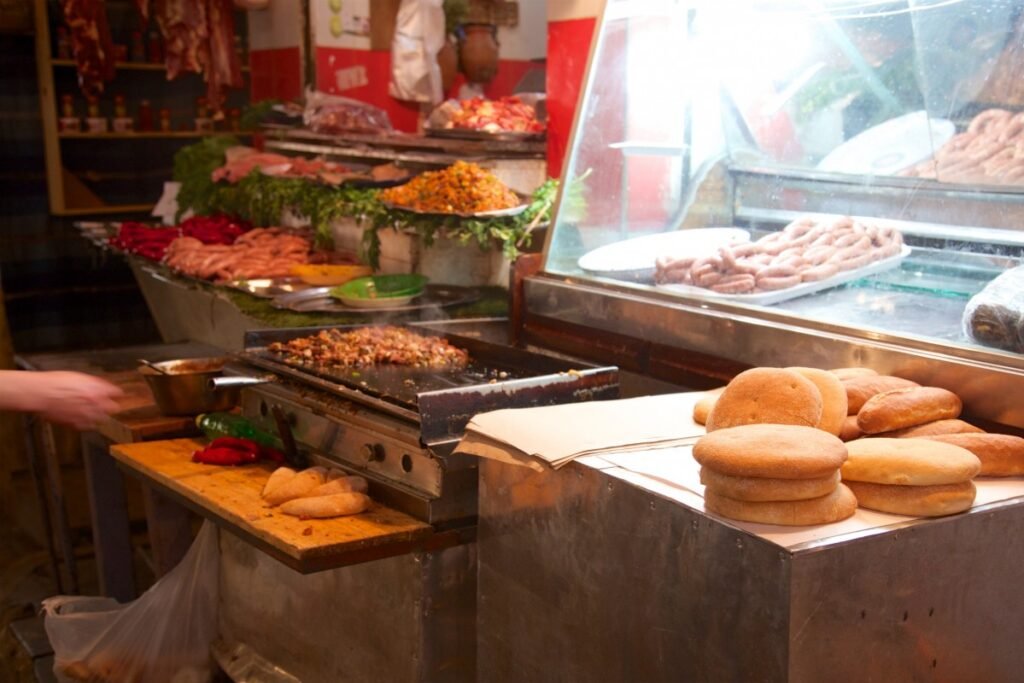
If we had to nominate one of the easiest, cheapest, most reliable street food wins in Fez, grilled meat would be high on the list. Small street vendors and basic grill stalls serve skewers tucked into bread, seasoned with herbs and spices, hot from the fire and ready to eat on the spot.
You can usually find them around Bab Boujloud, especially near the beginning of Talaa Kebira and the butcher area, as well as around R’Cif and Bab Ftout. Prices can be surprisingly low: around 5 to 10 dirhams for six skewers. But there is a catch, because of course there is. In some tourist-heavy areas, we quickly learned that the first quoted price is not always the real price.
The first time we were asked for 25 dirhams, we paid in slightly confused silence, mostly because negotiating over food felt unusual to us. But after watching more closely, checking menu prices at nearby stalls, and paying attention to what locals were being charged, we understood the system fast enough. In parts of Fez, especially around heavily visited areas, it is wise to ask the price before anything lands on your plate. Not romantic, perhaps. Very useful, absolutely.
Kebabs remain one of the true classics of Moroccan street food: quick, flavorful, inexpensive, and perfect when we want something substantial without committing to a full sit-down meal.
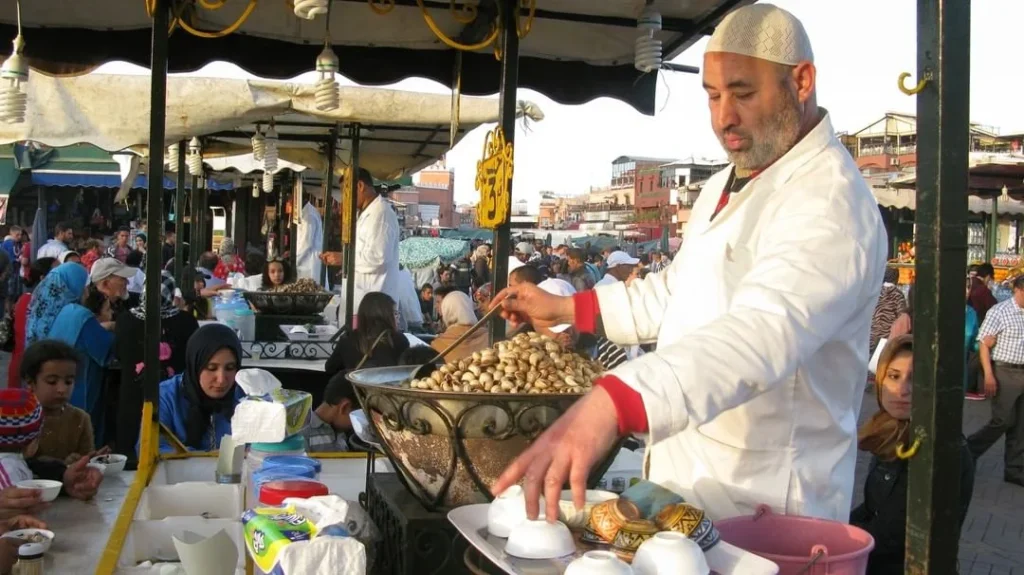
Snails in the Fassi style
Yes, snails. And no, not in the French-bistro-butter-drenched sense you may be imagining.
In Fez, we came across stalls selling snails simmered in a spicy, aromatic broth that locals are deeply fond of. It is one of those foods that can surprise first-time visitors, but in the best possible way. The broth is warming, heavily seasoned, and almost medicinal in intensity. Even if you do not become obsessed, it is worth trying at least once for the sheer experience of it.
Briouates
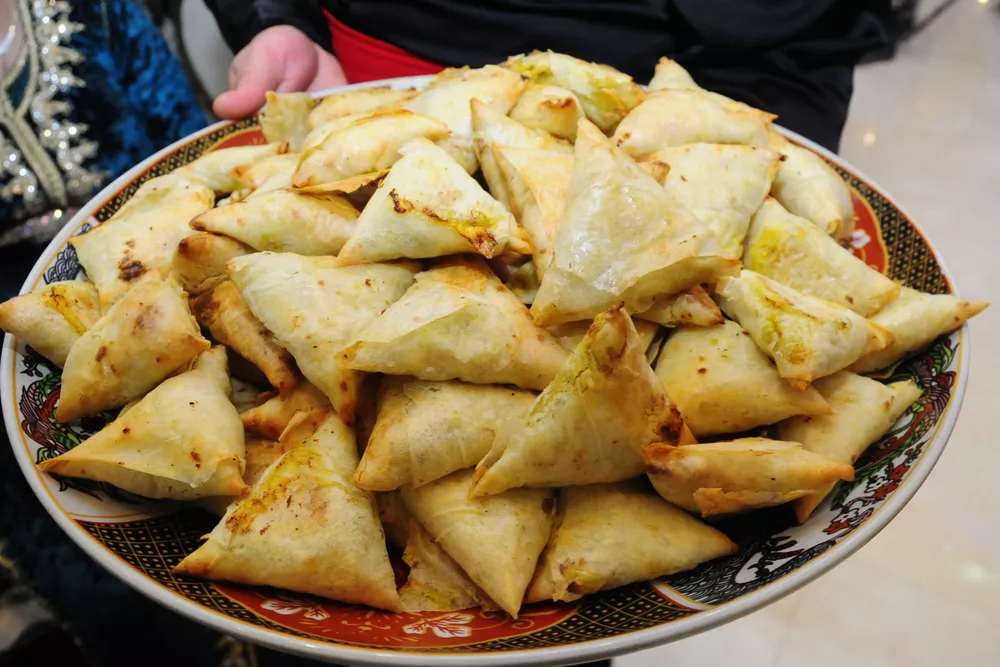
These little sweet or savory pastry triangles are one of the easiest and most satisfying things to snack on in Fez. They are everywhere once you start noticing them: stacked on trays, tucked into pastry counters, or sold from simple stalls in the medina.
Savory versions can be filled with meat or cheese. Sweet versions are usually made with almonds and honey. Either way, briouates are exactly the kind of snack that makes walking through the medina much more dangerous for anyone pretending they are “just browsing.”
Traditional dishes at tiny street restaurants
One of the things we love most about Fez is that eating can feel inseparable from the atmosphere of the medina itself. A rustic Moroccan dish at a tiny street-side eatery is not just about the food. It is about everything happening around it too: the steam rising from pots, the clang of metal lids, the smell of spices drifting in from nearby stalls, voices in Arabic bouncing off old walls, and the constant cry of “balek balek” as porters and donkey drivers push through narrow alleyways with impossible loads.
Years ago, when Fez still felt less polished for tourism, these makeshift restaurants were among our favorite places to eat at night. There was something thrilling about letting the city carry us toward dinner rather than selecting it neatly in advance.
Things have changed. Around Bab Boujloud, many of these formerly humble places are now full of tourists, menus in several languages, and signs proudly displaying review platform endorsements. You will find long rows of places such as Chez Rachid, Chez Thami, and other highly visible options where enthusiastic multilingual staff try to pull you in with discounted menu offers.
Is it still authentic? Not especially. Can you still get a cheap, filling tagine or couscous in a lively setting right in the medina? Absolutely. Sometimes that is enough.
That said, we much preferred a small eatery near Bab Allah, a short walk up Talaa Kebira opposite the Bouanania restaurant. No aggressive touts, no glossy tourist choreography, just a lovely Moroccan couple running a handful of tables with obvious care. She, often with her sister, prepared delicious dishes throughout the day until late evening. He floated between the street and the tables, chatting, inviting, serving, and generally making the whole thing feel warm rather than transactional. More elaborate dishes, such as fish tagines or pigeon pastilla, could even be ordered a day in advance.
Chickpea cakes
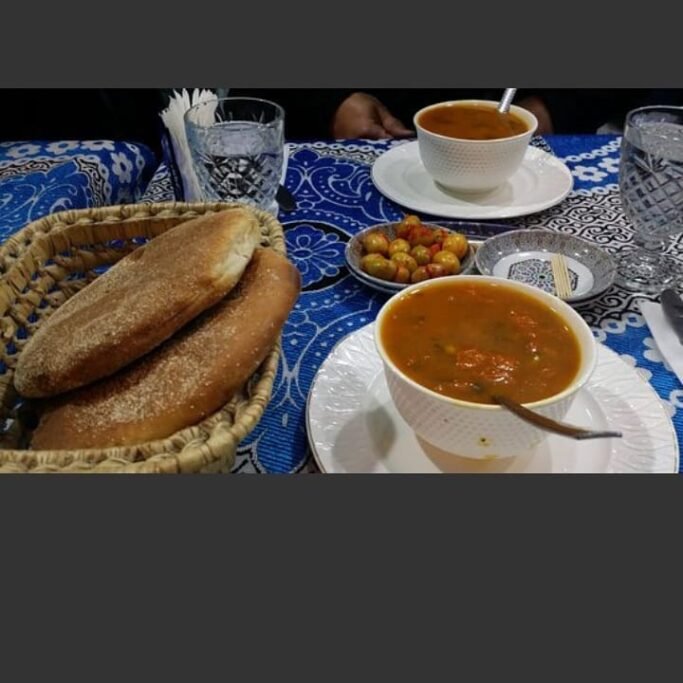
For just a few dirhams, chickpea cakes solve the small-hunger problem beautifully. These savory little cakes are sometimes slipped into a piece of baguette and eaten like a simple sandwich. They are humble, filling, and very easy to love.
Bread, because bread is practically a survival tool here
Bread is not just a side in Morocco. It is infrastructure.
Kresa, khobz, flatbreads, round loaves, pancakes, layered breads: bread accompanies almost everything and appears in every possible form. A simple Moroccan loaf can be bought in shops or from communal ovens for as little as 1 dirham, and it forms an essential part of the daily meal.
During Ramadan especially, when much of the food scene seems to disappear at certain hours, bread becomes the fallback hero. Add spreadable cheese, fresh vegetables, olives, or preserved meat such as khlia bought from the market, and suddenly we have a perfectly respectable improvised meal.
Pastries and sweets: the point where restraint collapses
Morocco is not kind to people with weak pastry discipline.
Msemen, skebbakia, honey pastries, almond sweets, nougat, sesame treats, and kaab el-ghzal all appear with such shameless confidence that resistance feels almost insulting. Gazelle horns, in particular, are one of the great must-tries: crescent-shaped pastries filled with almond paste and scented with orange blossom water.
Our favorite gazelle horns in the medina came from Abdullah The & Cafe, next to the Qaraouiyine Mosque. It is also the city’s oldest ice cream parlor, and the adjoining café offers a welcome breather from the most intense stretch of medina chaos. A few tables, including some on a mezzanine, make it a perfect place to stop, regroup, and remember that travel does not always have to involve being elbowed by a donkey cart.
Locals, however, often insist that the very best gazelle horns are found in the new town, where pastry shops are said to make them properly with real almonds rather than peanut mixtures flavored with almond essence. Once you know the difference, you will care. A lot.
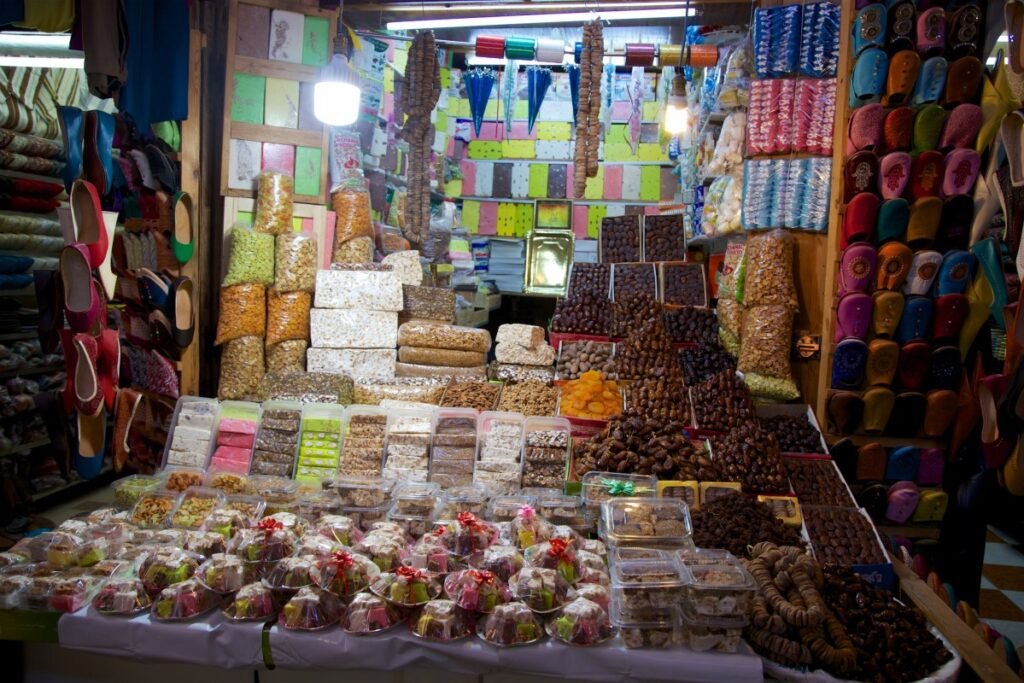
And for anyone in the mood to keep snacking, stalls selling dried fruits, dates, nougat, and nuts appear throughout the medina, especially near the Qaraouiyine Mosque and the Moulay Idriss Mausoleum. They are as photogenic as they are tempting, which is either charming or dangerous depending on your self-control.
Fresh fruit on the go
Depending on the season, fruit carts are everywhere. We found oranges, other seasonal fruit, and local prickly pears prepared in front of us so they could be eaten immediately on the street. Prickly pears in particular are one of those tiny travel pleasures that feel more memorable than they probably should: cold, fresh, slightly messy, and perfect when the medina heat starts pushing back.
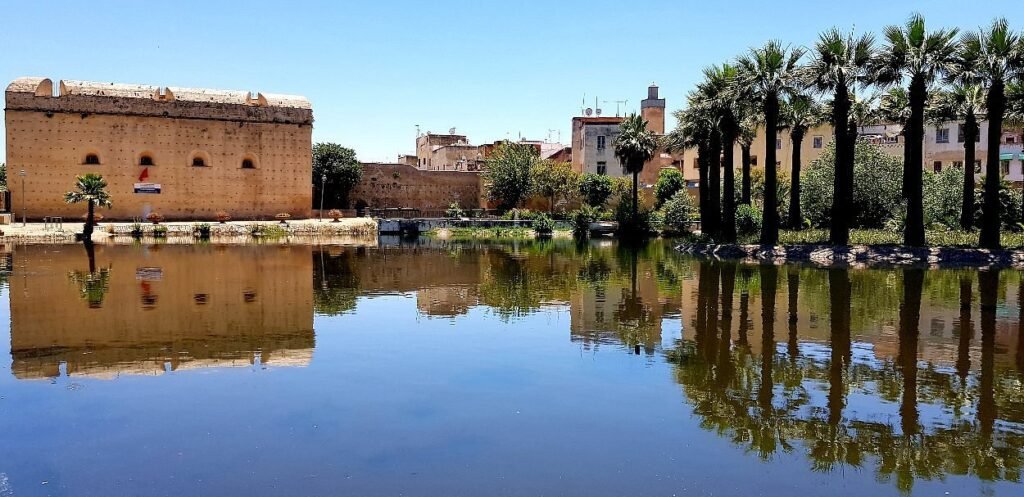
Picnic in Jnan Sbil Garden
Between Fes el-Bali and Fes el-Jdid, Jnan Sbil Garden feels like a reward for surviving the medina at full speed.
These beautifully restored historic gardens were one of the loveliest surprises of our return trip to Fez. The first time, they were closed for renovations. The second time, they turned out to be one of our favorite places in the city.
For a picnic, a quiet break, or simply a reset, they are ideal. There is shade from palms and eucalyptus trees, water features, open space, calmer air, and a rhythm completely different from the old city. For slow travelers, this kind of place is gold. Buy bread, fruit, pastries, perhaps a few extra snacks, then come here and pretend for an hour that you are not in the middle of one of the most intense medinas on earth.
Something to drink after all that
We did not feel brave enough to drink from public fountain cups, but fresh juice stalls quickly solved any thirst issue. Freshly squeezed fruit juice, usually between 4 and 7 dirhams, is one of the best-value refreshments in Fez. Souk shops also sell chilled bottled water and soft drinks for only a few dirhams.
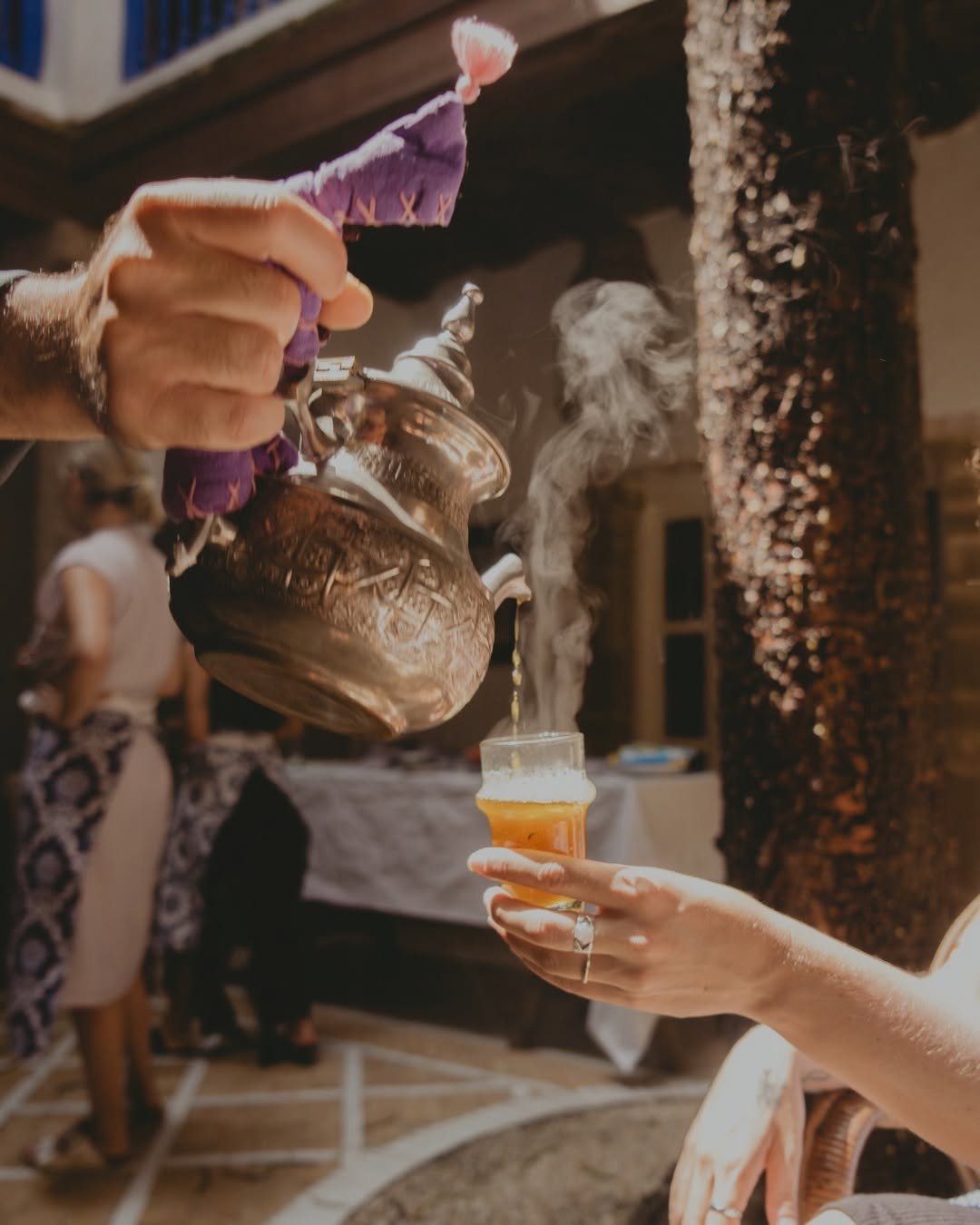
Mint tea, though, deserves a little more ceremony. It is best enjoyed in a café, often one filled almost entirely with men chatting, playing games, or smoking, or on one of the panoramic terraces found above the medina. A glass generally costs between 5 and 10 dirhams depending on the place.
And when it is good, it is very good indeed.
Where to eat in Fez: restaurants worth knowing
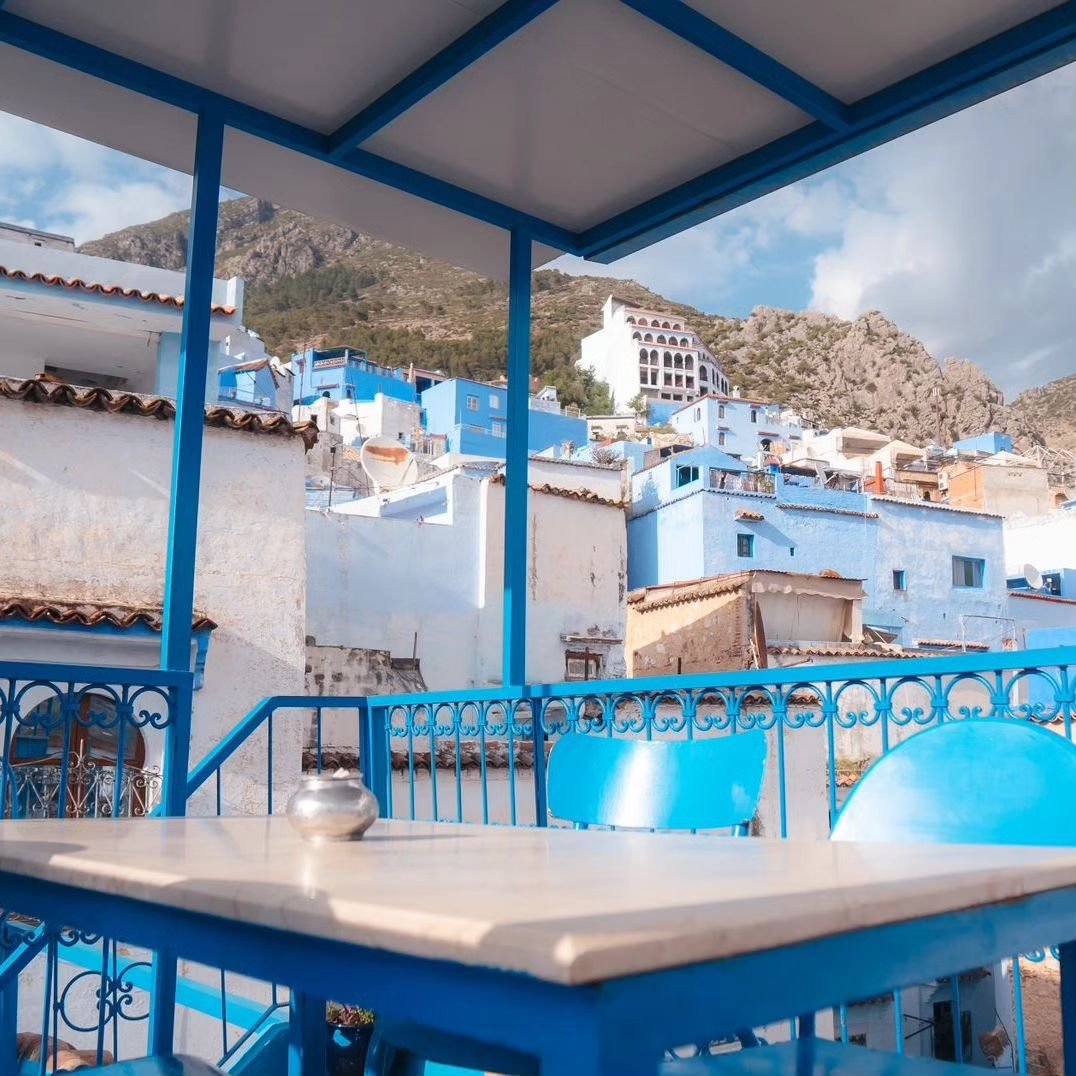
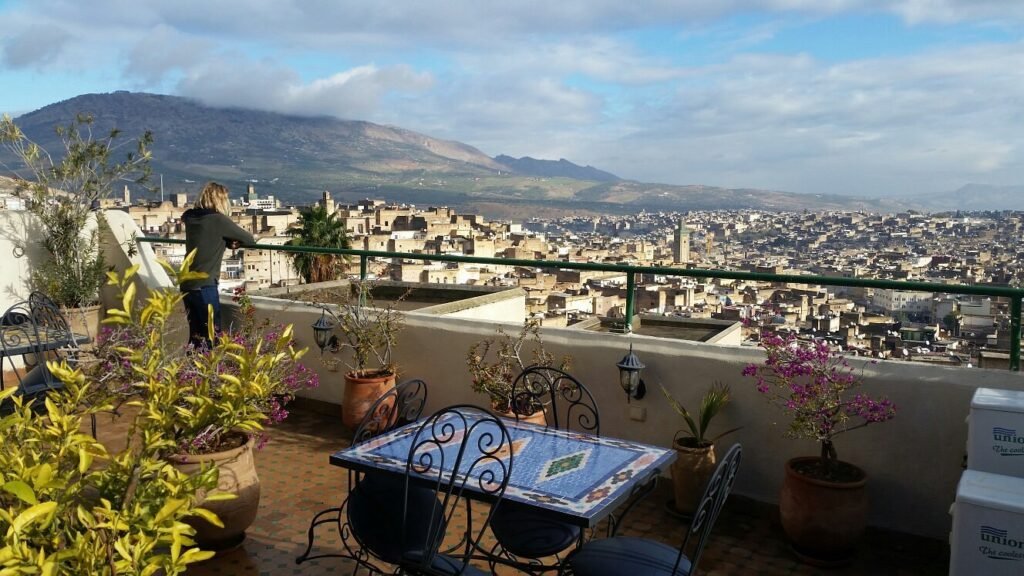
Restaurants in Fez are often housed in stunning historic buildings, which is both a blessing and a warning for your budget. They are rarely the cheapest places to eat, and some serve refined Moroccan cuisine with menus climbing to 300 or 400 dirhams or more. What they do offer, almost without exception, is atmosphere. And the rooftop views over Fez are often spectacular.
Even when we did not eat full meals in these places, we often loved stopping by for a drink or a quiet break. In a city as dense and sensory as Fez, a terrace can feel less like a luxury and more like necessary emotional recovery.
Here are a few places we especially liked:
The Kasbah, at Bab Boujloud, has two terraces. The smaller one overlooks lively Place Serrajine and the gate itself, making it a very pleasant and reasonably priced stop for a meal or tea. The food is solid, and during a two-month stay in Fez, it became one of my regular places to write, eat, and watch the city unfold below.
Café Clock, on Talaa Kebira, is pricier and noticeably trendier, but it does have real charm. Spread over several levels with attractive terraces, it functions as a cultural café as much as a restaurant. Its lamb burger, well seasoned and generously spiced, is the sort of meal that can suddenly feel like the best decision you have made all day, even if 90 dirhams with fries is not exactly street-food pricing.
The terrace of Fes Palace on Place R’Cif is another memorable stop. Known for its cuisine and also offering a few beautiful rooms in a refined but welcoming atmosphere, it is one of those places where even a simple orange juice feels elevated by the setting.
Noria Café, just after leaving Jnan Sbil on the Fes Jdid side, became another favorite. It serves excellent kefta, and the portions are generous. We ordered a set menu for two, which felt completely normal in a small Moroccan restaurant, and paid 110 dirhams including drinks. The garden setting is peaceful, and the crowd tends to be a mix of tourists and Moroccans out for a stroll, which usually makes for a more pleasant atmosphere anyway.
In Fez homes: where Moroccan cuisine becomes something else entirely
Without much doubt, some of the best food we have eaten in Morocco happened in private homes and riads rather than restaurants.
That is partly because Moroccan cooking takes time. Real time. The kind of time restaurants do not always have when they are serving passing travelers who expect food quickly. Many traditional recipes require shopping that morning, long simmering, repeated steaming, careful seasoning, and the sort of intuitive know-how that is often passed through families rather than written down neatly in recipe books.
On the day we arrived once, we ate a chickpea-and-meat dish in the street and only later realized it was made with mutton knees. It was flavorful, yes, but also very gelatinous and rather difficult to eat. Locals explained that the dish can be excellent when properly prepared, but it requires serious cleaning and long cooking, something that street cooks do not always have the time or conditions to manage fully.
This is where home cooking wins so decisively. Fresh produce is selected properly, spices are balanced with confidence, and dishes are given the hours they actually need. In Fez, eating in a local home generally requires advance notice so the family can shop, choose the menu, and prepare everything. That is not inconvenience. That is the reason the food is better.
Staying and eating in Fez with local families
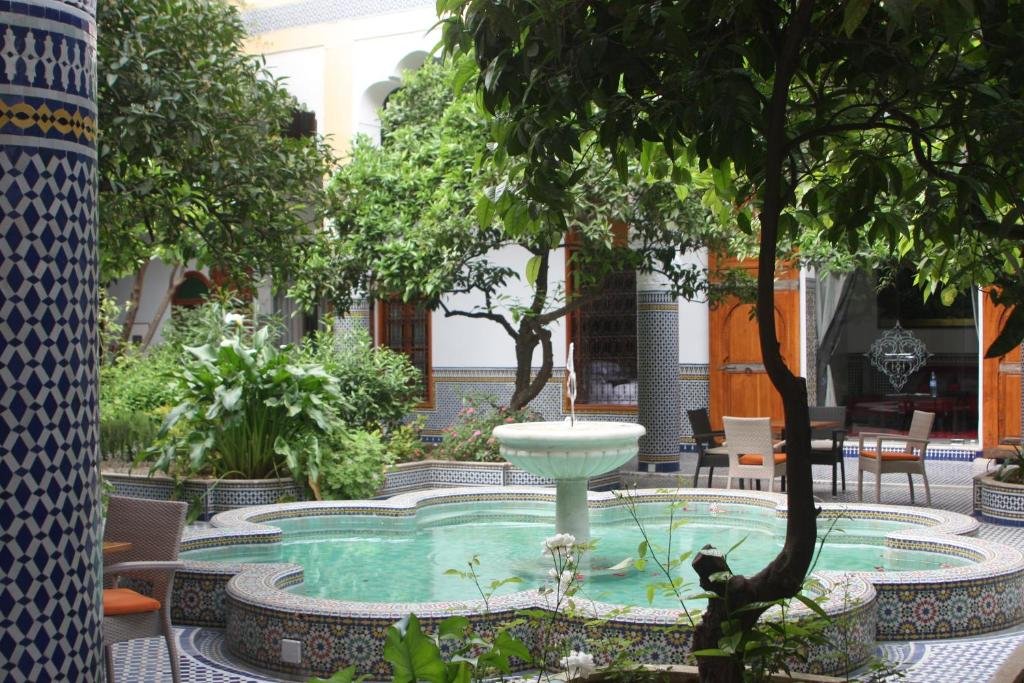
The traditional house of the medina is the dar, a form of architecture that reveals almost nothing to the outside world. From the alley, you usually see only walls, doors, and perhaps a few high windows screened from view. But once inside, the house opens inward around a patio, and in the case of a riad, around a garden-like courtyard. Fez is said to contain more than 10,000 such houses, and walking through the medina, one constantly senses how much remains hidden behind closed doors.
One of the more meaningful ways to experience this world is to stay with local families. We once stayed through Ziyaratesfès, a rather special association that connected travelers with families in Fez who opened a few rooms in their ancestral homes. Many of these families were of modest means and used tourism not as a luxury business, but as a way to maintain or restore homes that would otherwise be difficult to preserve.
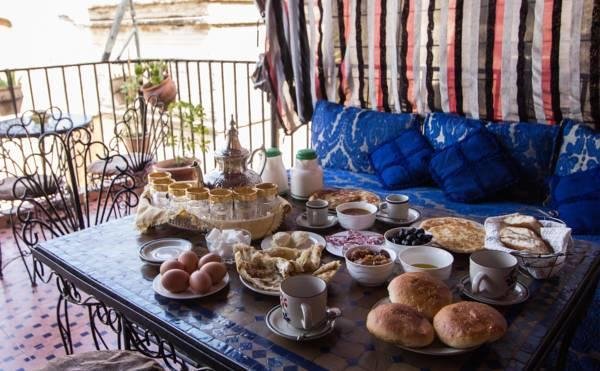
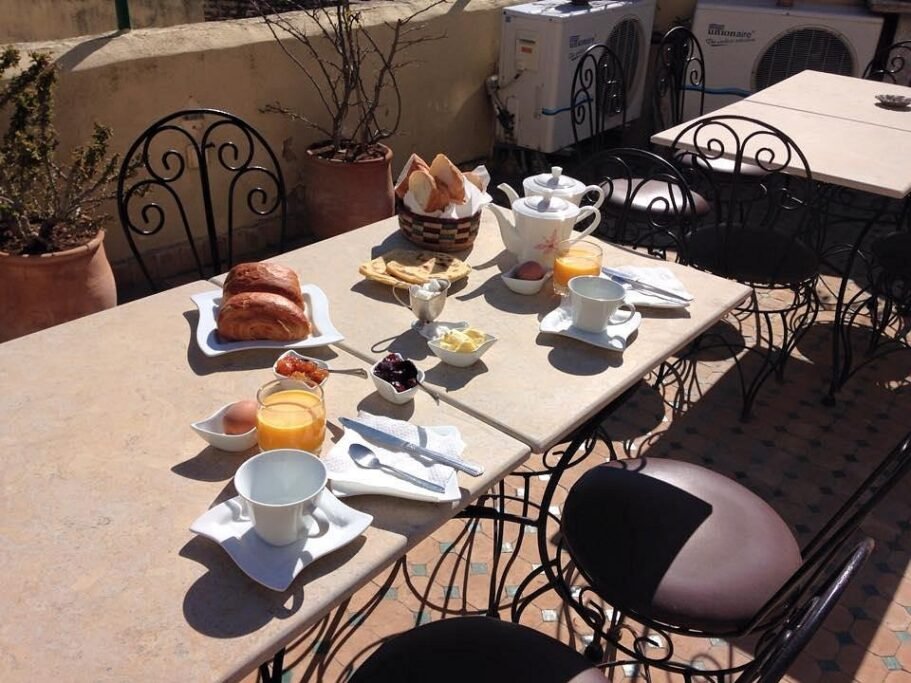
The meals were memorable, and breakfast alone was worth waking up for: pancakes in various forms, bread, tea, spreads, and the kind of generous spread that makes you feel taken care of before the day even begins. Zorha prepared an exceptional couscous for us over the course of an entire day. A full meal like that cost around 100 dirhams, which felt less like a transaction and more like being welcomed properly.
Eating and sleeping in gourmet riads
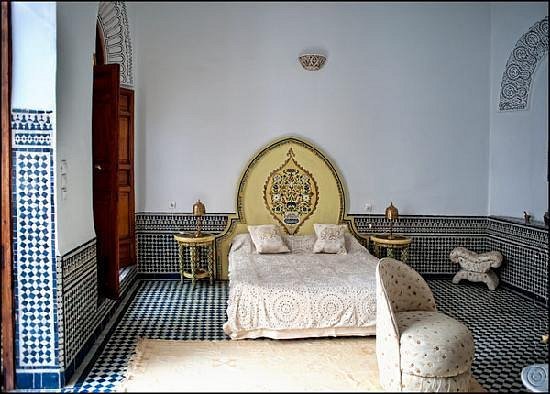
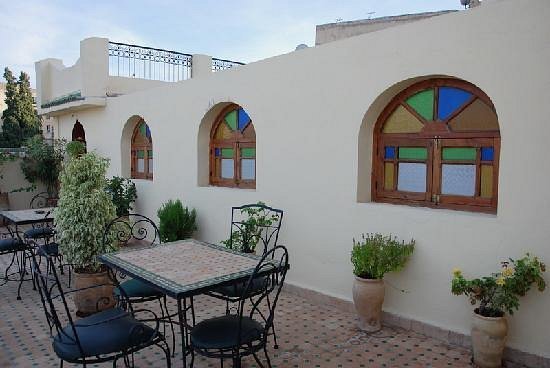
Of course, Fez also has another side: beautifully restored riads transformed into guesthouses, boutique stays, and bed-and-breakfasts. Hundreds can now be found on major booking platforms, but when choosing one, we always tried to prioritize places that felt genuinely rooted, especially official guesthouses where the owner lived on-site and, ideally, where the hospitality still felt Moroccan rather than purely decorative.
Some riads in Fez place particular emphasis on gastronomy. The riads associated with ARMH FES, for example, are known for taking food seriously and even participate in Fès Gourmet, a spring event during which several participating riads offer a complete meal for a fixed price.
Spending a little more for a stay in one of these houses can feel genuinely magical. In some of them, the architecture alone is enough to justify the experience. Add a thoughtful dinner, and suddenly the whole stay shifts into something far more memorable than a standard hotel booking.
That was exactly our experience at Riad Dar Al Safadi, where we stayed for a few nights on one of our trips to Fez. Their set menu, available by reservation for 180 dirhams, included several dishes inspired by Moroccan cooking but reworked with elegance and imagination. Chantal and Fedoua prepared medfouna, one of Fez’s specialty dishes, along with excellent starters made from fresh ingredients: fragrant sardines, beetroot with fresh goat cheese and mint, and finally a dessert that appeared simply because we looked like the sort of people who would obviously want dessert. Which was correct.
We had not chosen a menu in advance that time, and honestly, that made dinner even more enjoyable. Dish after dish arrived as a surprise, and the evening felt less like ordering in a restaurant and more like being invited into someone’s home for a feast.
Moroccan cooking classes in Fez
Cooking classes have become increasingly common in Fez, and for good reason. Moroccan cuisine is one of those cuisines that looks deceptively approachable until you try to recreate it and realize that “a few spices” actually means judgment, timing, experience, and some sort of mysterious inherited instinct.
Classes can be arranged fairly easily, often through riads, cafés, or dedicated cooking workshops. Prices vary wildly, from informal sessions included or offered cheaply at a riad to more structured experiences such as those at Clock Café, which can be much more expensive. Some focus on preparing mint tea, others on tagines, bread, or market-to-table introductions to Moroccan ingredients.
For families traveling with kids, this can also be one of the most engaging food experiences in the city: practical, sensory, and much more fun than yet another passive meal.
Our 10 favorite Moroccan specialties not to miss in Fez
1. Tagine
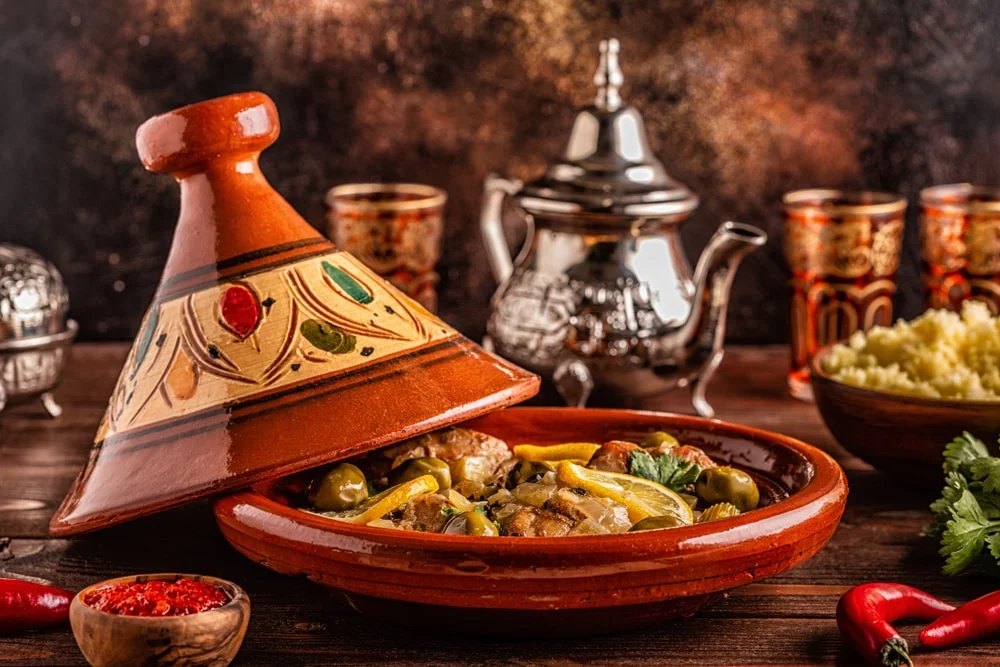
The most iconic Moroccan dish of all, traditionally cooked in a terracotta vessel with a conical lid, though often adapted to regular pots today for convenience. There are endless variations with meat, fish, vegetables, fruit, and legumes, but among the best-known are lamb with prunes and almonds and chicken with preserved lemon and olives.
2. Couscous
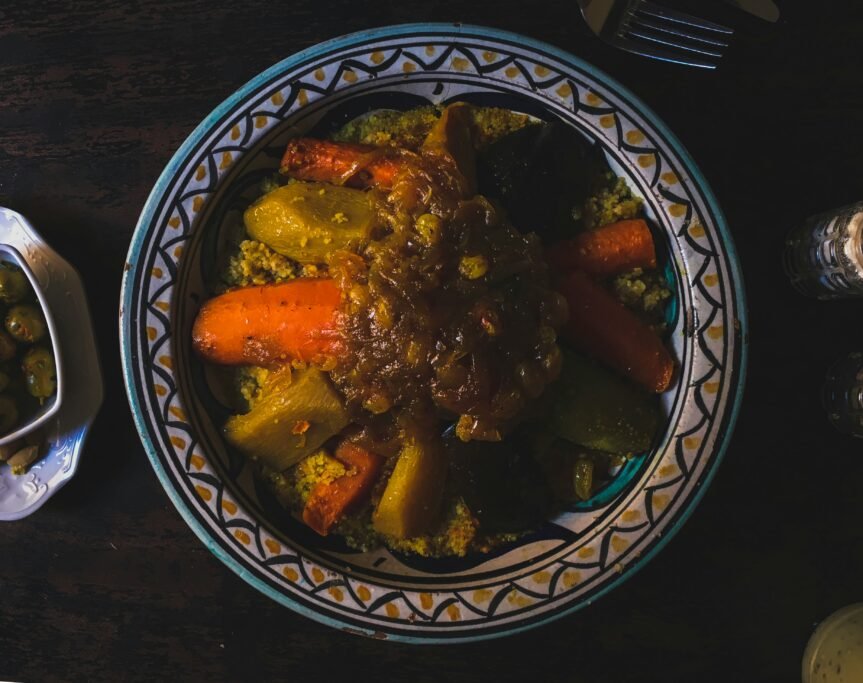
Probably the best-known Moroccan dish internationally, and still one of the most important domestically. Traditionally eaten on Friday after prayer, couscous is both food and ritual: semolina steamed carefully and served with vegetables, legumes, and meat in a spirit of sharing.
3. Pastilla
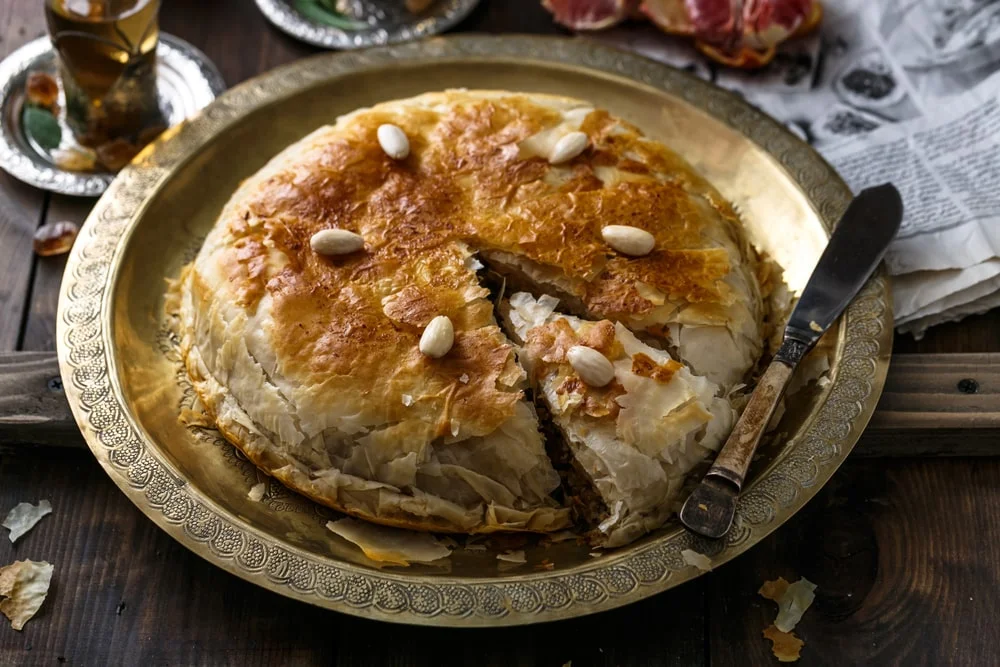
If we had to choose one dish that best captures the theatrical brilliance of Moroccan cuisine, this might be it. Originally associated with Fez, pastilla is made with delicate pastry and traditionally filled with pigeon, though chicken and fish versions are also common. The top is dusted with icing sugar and cinnamon, which sounds odd until you try it, and then you spend the next few days unfairly comparing every other meal to it.
My first pigeon pastilla, eaten with my fingers at an engagement party around low tables, remains one of my clearest and fondest food memories from Morocco. It is one of those dishes that street versions can imitate but rarely truly deliver. The homemade version is on another level entirely.
4. Seffa medfouna
This Fez specialty is far less internationally famous, which is a shame because it is excellent. Medfouna means “buried,” and in this case the chicken is hidden beneath repeatedly steamed angel-hair pasta. Rich, fragrant, and wonderfully textured, it was one of the best discoveries of our later trip to Fez.
5. Kaab el-ghzal
Gazelle horns may sound poetic, and fortunately they taste just as good. These crescent-shaped pastries are filled with almonds and orange blossom water and are one of the best snacks to carry around while exploring. They travel well, survive backpacks better than flakier sweets, and make excellent gifts if you manage not to eat them first.
6. Mint tea
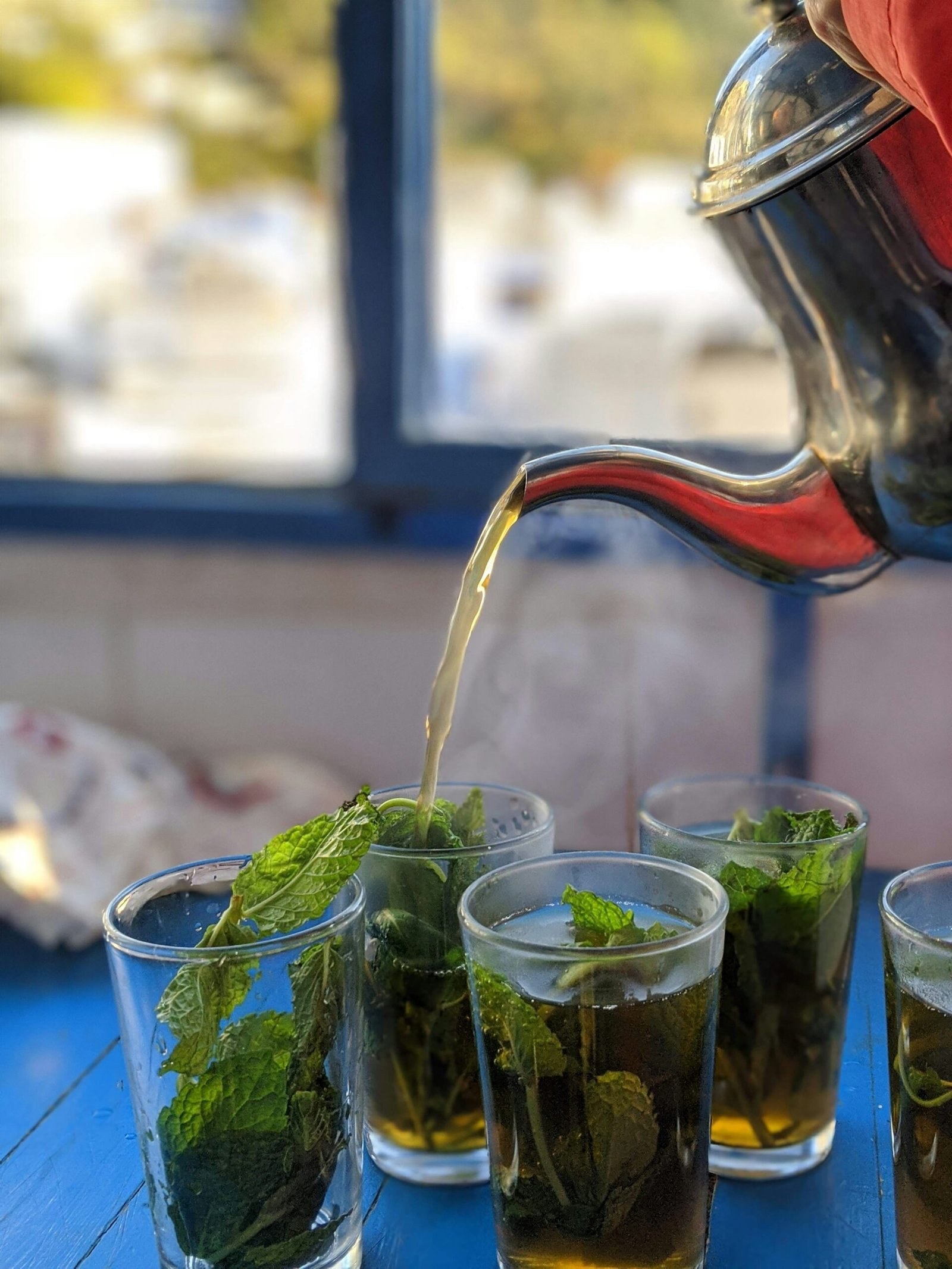
Mint tea is not just a drink in Morocco. It is hospitality, rhythm, conversation, pause, and performance. Proper preparation matters: rinsing the tea, balancing bitterness, infusing without scorching the mint, pouring from height, sweetening correctly. When done well, it is glorious. When done badly, it is a sugary tragedy. Even so, it remains one of the essential tastes of Morocco.
Though now utterly associated with Morocco, the green tea used in it originally came from China and only entered Moroccan life relatively late, around the 17th century. Like so much else here, it arrived from elsewhere and became something deeply local.
7. Harira
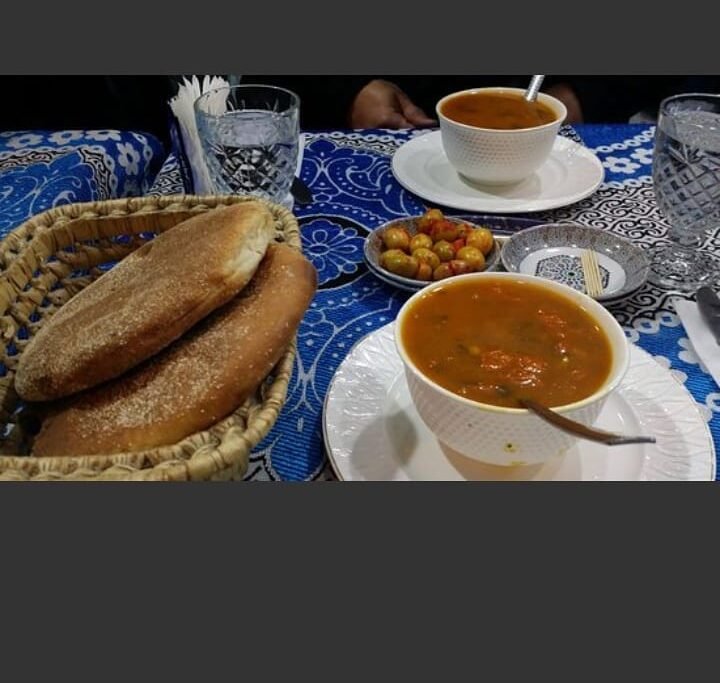
This rich soup is especially associated with Ramadan, when it is widely eaten to break the fast. Made with tomatoes, onions, herbs, lentils or chickpeas, meat, and spices, it is nourishing, warming, and very satisfying. During Ramadan, it becomes not just food but part of the whole emotional architecture of the evening.
Traveling in Fez during Ramadan is not something to avoid. It simply requires adapting to a different rhythm. We found that month a fascinating time to experience Morocco: more restrained in some ways, more intense in others, and deeply revealing when it comes to food culture.
8. Briouates
Yes, they deserve a second mention. These filled pastries exist in many forms around the world and will remind some travelers of samosas, sambusas, or chamuças. In Morocco, both savory and sweet versions are common, and the almond-and-honey versions are especially addictive. They are best eaten with your fingers while wandering, which may not be elegant, but it is correct.
9. Orange and carrot soup
This dish sounds harmlessly simple until you taste a really good version and realize it is doing far more than expected. Carrot, orange, and cumin come together in a soup that is somehow both comforting and bright, sweet and savory. We first discovered it in southern Morocco and then found it again in Fez. Naturally, we assumed we could recreate it at home afterward. Naturally, we were wrong.
10. Moroccan salads
Moroccan salads deserve much more respect than they usually get on tourist menus. The sad little grated carrot and beet sides served in some visitor-oriented places barely hint at what these dishes can be. In homes, riads, and better kitchens, Moroccan salads are vibrant, fragrant, and beautifully seasoned: tomato and cucumber with herbs and preserved lemon, zaalouk made from eggplant and olive oil, cooked pepper salads, carrot dishes with cumin, and all sorts of combinations that make the table feel abundant before the main dish even arrives.
Fresh ingredients, good olive oil, proper seasoning, and a little patience transform these simple-looking side dishes into some of the most memorable parts of the meal.
- Where to Eat in Fez in 2026: Best Restaurants, Hidden Gems and Rooftop Spots in Morocco’s Culinary Capital
- Fez Itinerary: Explore Morocco’s Cultural Heart in 3 Unforgettable Days (2026)
- Best Things To Do In Fez (2026): A Complete Guide to Morocco’s Cultural Capital

- 4 Days in Fez with Kids (2026): Family-Friendly Itinerary for Morocco’s Imperial City

- 10 Best Riads in Fez: Handpicked Stays for an Authentic Moroccan Experience (2026)