
Travel writing based on first-hand experience
This isn’t a city to rush. Muharraq rewards the curious traveler who slows down to wander its narrow lanes, sip qahwa in tucked-away courtyards, and follow the trail of its UNESCO-protected Pearling Path. Whether you’re here to trace Bahrain’s maritime past, hunt for handcrafted treasures, or just lose yourself in its lived-in charm, these are the best things to do in Muharraq — and why this little island should be high on your Bahrain itinerary.
Table of Contents
Why Visit Muharraq
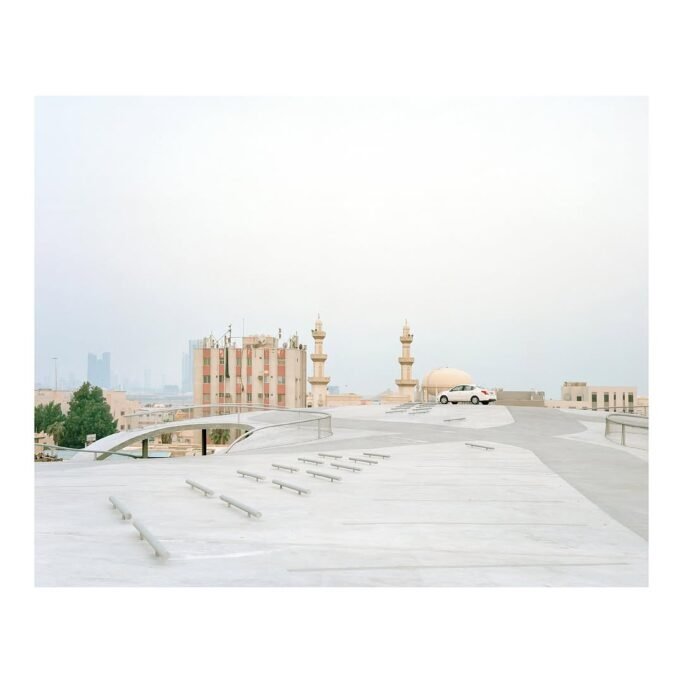
We came for the souq and stayed for the stories. One minute we’re ducking into a coral-stone courtyard where light falls like lace; the next we’re tracing pearl divers’ footsteps along an alley that smells faintly of cardamom and sea. If Manama is Bahrain’s shiny headline, Muharraq is the footnote that makes the whole piece make sense—older, saltier, and gloriously human-scale.
The Short Answer
- It’s the cultural heart: The UNESCO-listed Pearling Path threads together restored merchant houses, majlis rooms, and tiny museums that put Bahrain’s seafaring soul on display (no dusty textbook energy—actual lives lived here).
- Architecture you can feel: Coral-stone walls, wind towers, carved teak doors—Sheikh Isa bin Ali House and Siyadi House are catnip if you swoon over craftsmanship.
- Souq life, minus the chaos: Al Qaisariya Souq deals in pearls, saffron, tea, and gossip (the good kind). It’s compact, friendly, and photographable without elbow wars.
- Seaside moods: Stroll the waterfront at golden hour, listen for the call to prayer, watch dhows bob—Arad Fort (near the airport) turns sunset into a whole cinematic thing.
- Snack your way through history: From Bahraini halwa (sweet, floral, dangerously moreish) to charcoal-grilled tikka and mahyawa-splashed bread, you’ll eat like a well-traveled local.
- It’s close to everything: Airport on-island, Manama 15–25 minutes away—Muharraq works as both base and day-trip.
Who Will Love It (And Who Might Not)
- Come if you value: walkable heritage, slow travel, street-level stories, small museums, traditional cafés, soft evening light for photos.
- Skip—or keep it short—if you crave: big-ticket malls, all-day air-con, or beach clubs on tap (Manama and Amwaj scratch those itches better).
Why Now
Restorations keep unveiling new rooms and passages; cafés and galleries are quietly blooming inside old houses. Muharraq feels alive, not staged—the sweet spot before it gets “discovered” twice over.
Pro tip: Do morning heritage + evening waterfront. The heat naps midday, you should too (in an air-conned majlis with tea).
Getting Around Muharraq

We stepped off the airport curb (yes, Muharraq is the island with the airport) and laughed at how small everything felt—runways to right, sea to left, old-town alleys straight ahead. On a map, distances look snack-size; on the ground, the Gulf sun can turn a five-minute stroll into a slow roast. Here’s how to move smart.
Big Picture: What’s Close to What
- Airport ⇄ Old Town: 10–15 minutes by car outside rush hour.
- Old Town ⇄ Manama (Bab Al Bahrain): 15–25 minutes across the causeway, traffic-dependent.
- Pearling Path sights: Clustered—walkable if you chain them together in the early morning/evening.
How to Get There (and Around)
- On Foot (Old Muharraq Core): Doable and rewarding around the souqs, heritage houses, and the Pearling Path. Sidewalks can vanish without warning (classic Bahrain energy), so keep your head on a swivel.
- Taxi: Easy to flag at the airport and popular spots. Insist on the meter before the ride starts.
- Ride-hailing: Widely used across the island via mainstream apps; pickup is typically quick near the airport, souqs, and malls.
- Public Buses: Useful for hops between Manama and Muharraq on main arteries; frequencies vary outside commute hours. Air-conditioned, cheap, and… unhurried.
- Car Rental: Best if you’re stacking Manama + Muharraq + out-of-town plans in one day. Driving is straightforward; signage is bilingual. Avoid peak-hour causeway bottlenecks.
- Waterfront Wandering: The promenades around Muharraq’s edges are lovely near sunset. Not a transport mode, but a mood.
When to Move
- Beat the Heat: Walk at sunrise or after 5 pm. Midday = café hop or museum time.
- Friday Mornings: Quieter roads; some shops open late. Plan accordingly.
Tickets & Money Stuff
- Taxis/Ride-hailing: Cards often accepted, but carry cash for small trips or older taxis.
- Buses: Ultra-budget option; check onboard/stop signage for routes and payment details (policies change).
Parking & Practicalities
- Old Town: Street parking is patchy. Use municipal lots and be ready for short walks to sights.
- Airport: If you’re renting, counters are landside; keep your booking code handy and check fuel policy (some are strict).
Accessibility Notes
- Heritage houses vary in step-free access. Buses are modern but curb ramps aren’t universal. Taxis/ride-hailing remain the most reliable door-to-door option.
Pro tip: Plan a loop: start at the airport side in the cool morning, walk the Pearling Path cluster, long lunch (AC + mezze), then hop a short ride to seaside spots for golden hour.
Best Things To Do in Muharraq
1. Wander Through Al Qaisariya Souq
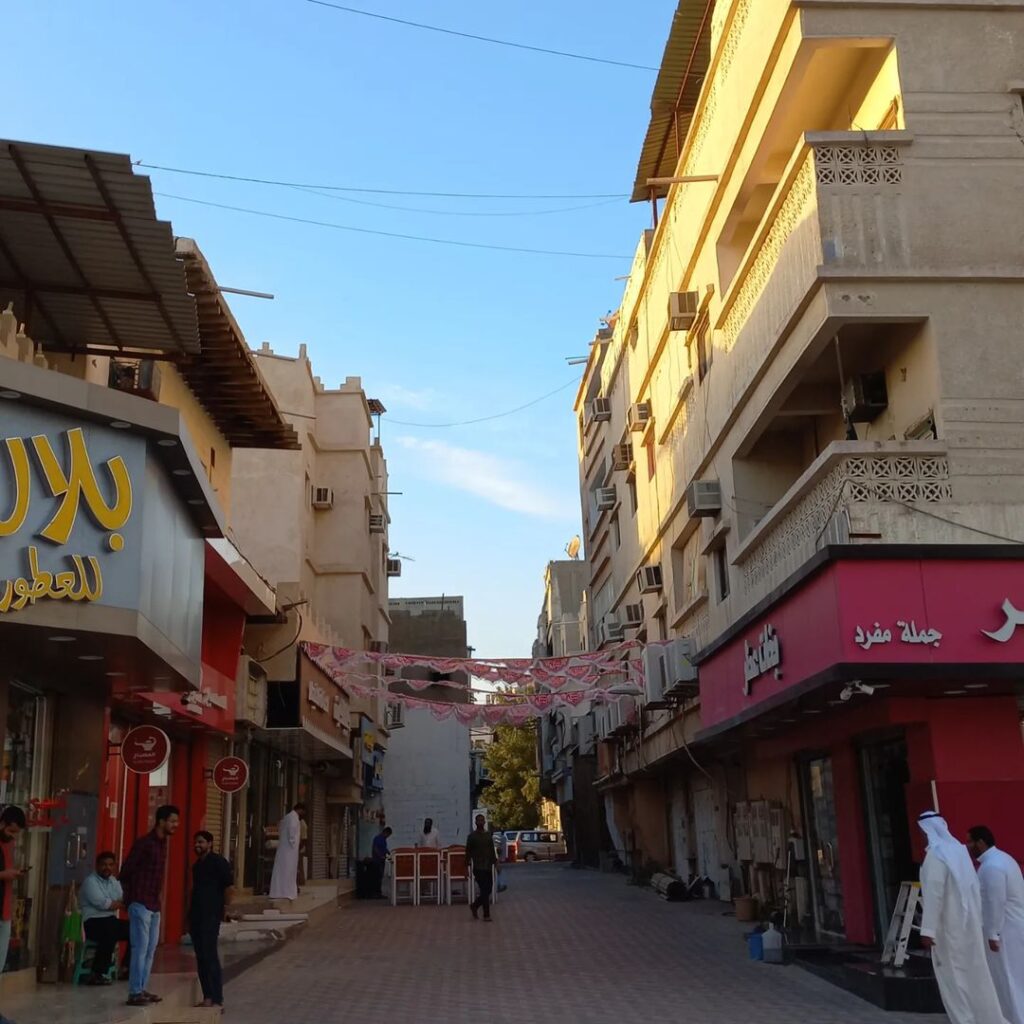
We step under the arched stone gateway and — whoosh — we’re centuries back in time. Al Qaisariya Souq, one of Bahrain’s oldest markets, is where pearls meet peppercorns and the scent of cardamom hangs heavy in the air. Founded in the early 1800s by Sheikh Abdullah bin Ahmed, this UNESCO-listed gem was once the beating heart of Muharraq’s trade scene. Today, you can still rummage through shops stacked with spices, teas, and treasures, or simply let the stories swirl around you as vendors call out their best deals.
Why go: It’s more than a market — it’s a living chapter of Bahrain’s “Pearling Path,” a UNESCO World Heritage site chronicling the island’s golden age of pearl diving.
2. Get a Sugar Rush at Showaiter Sweets

Some people come to Muharraq for pearls. We come for sugar comas. Jamal Showaiter Sweets, a 150-year-old family business, is practically sacred ground for dessert lovers. Inside, you’ll find glossy trays of gelatinous, jewel-colored treats studded with cashews and almonds — and yes, they taste as sweet as they look. Pop across the street to peek into the factory where it all happens, then sip a small cup of bitter Arabic coffee to balance the sugar rush. Pro tip: sampling before you buy is not just allowed — it’s encouraged.
READ ALSO: 8 Best Things to Buy in Bahrain: Souvenirs, Spices & Local Treasures
3. Stroll Past Traditional Houses

Long before oil wells and glass towers, Muharraq’s wealth floated on the back of a single industry: pearls. And the elegant merchant homes that line its narrow lanes are the city’s quiet storytellers. These beautifully preserved houses are part of the Pearling Path, and wandering past them on foot feels like flipping through a living architecture book. While the pearling trade collapsed in the 1930s thanks to Japanese competition, Bahrain has lovingly kept this slice of its past alive — oyster farms and all.
4. Step Back in Time at Sheikh Isa Bin Ali House
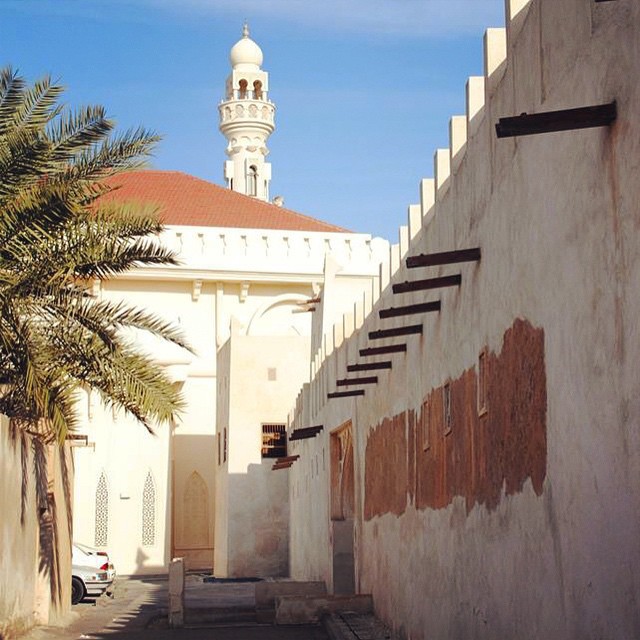
This isn’t just a house — it’s Bahrain’s oldest surviving building and a masterclass in Gulf architecture. Built in the 1800s for the ruling Al Khalifa family, the House of Sheikh Isa Bin Ali wows with carved teak doors, gypsum flourishes, and a wind tower — a pre-electricity air-conditioning system that still works like magic. Step inside and you’ll feel the temperature drop (literally) as the cool desert breeze flows in. It’s a living museum that makes history feel fresh and alive.
5. Discover Golden Threads at Kurar House
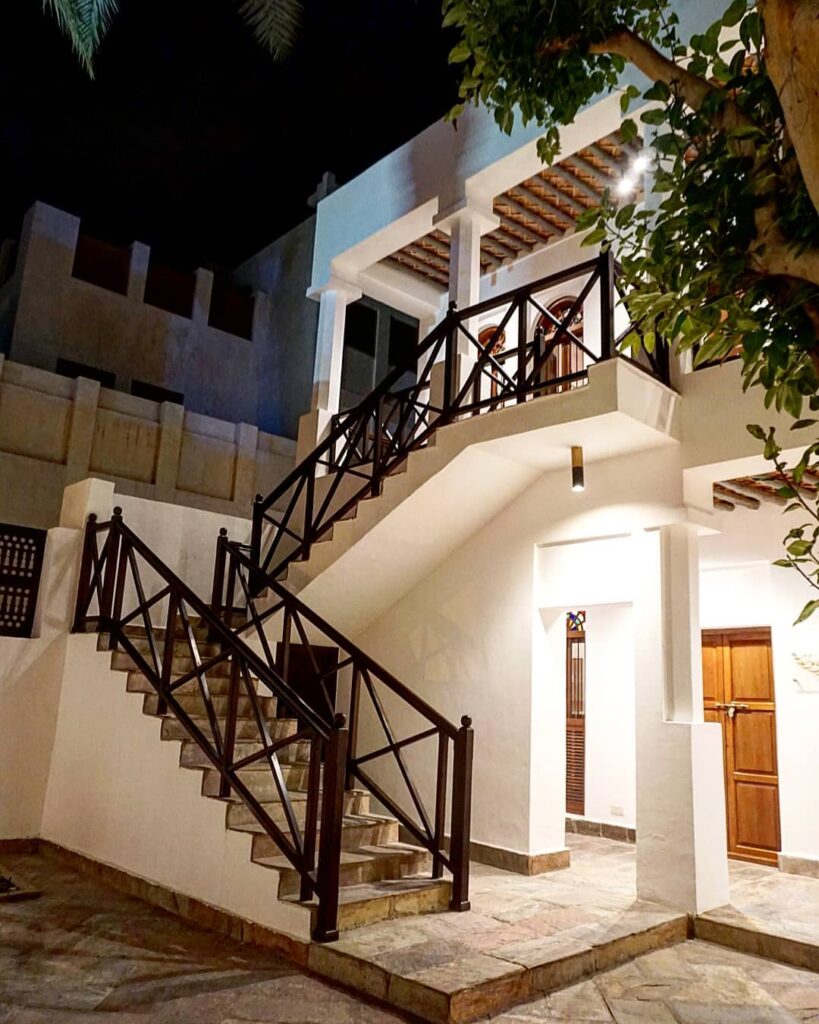
Hidden behind a modest doorway is one of Bahrain’s most beautiful traditions. Kurar House, founded in 2007, is devoted to preserving kurar embroidery — delicate golden-thread handiwork once used to decorate traditional robes. Elderly craftswomen guide younger generations in this intricate art, and if you’re lucky, you’ll see them weaving shimmering patterns in real time. Even the building itself, with its carved wooden windows and serene courtyard, is a love letter to Bahraini heritage.
6. Explore the Elegant Seyadi House
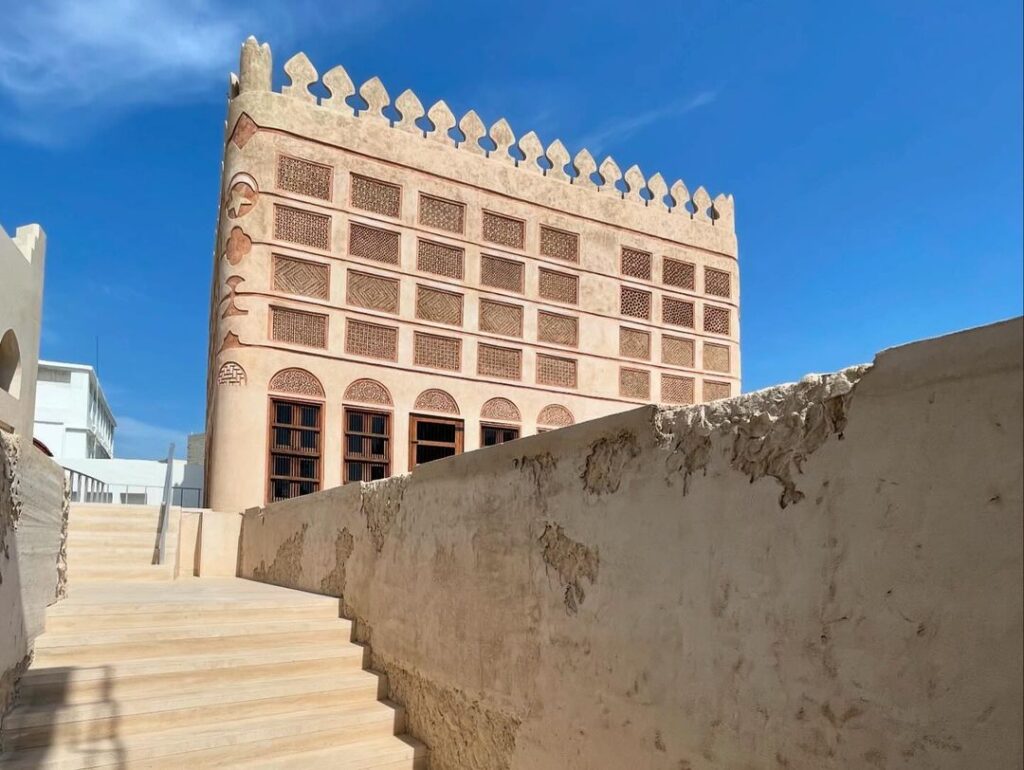
Seyadi House isn’t just a pretty façade — it’s part of a larger complex built by Abdullah bin Isa Siyadi, one of Bahrain’s most successful pearl merchants. Alongside the house itself, you’ll find a mosque and a traditional majlis (gathering room), all beautifully preserved. It’s a fascinating peek into how wealthy merchant families once lived and hosted their communities.
7. Visit Mohammed Bin Faris House
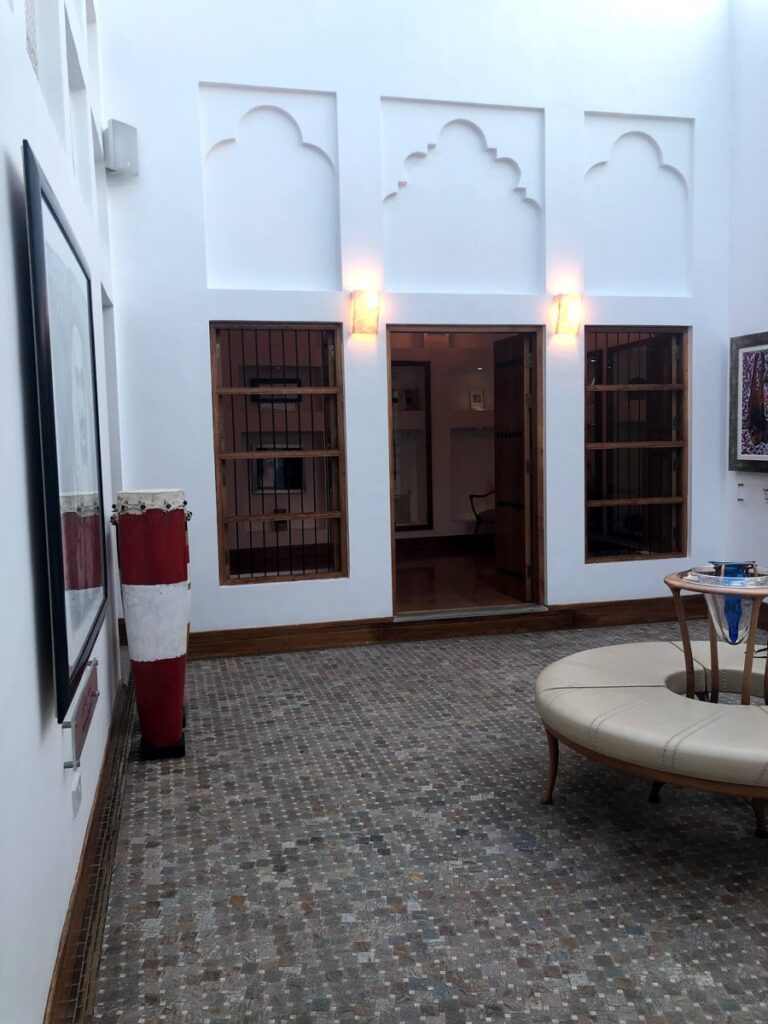
Bahrain has its own soundtrack — and it was written right here. The Mohammed bin Faris House honors the life and work of the musician who helped define Sawt, a soulful Gulf music genre. The house is now a museum and performance space, often hosting live music nights that carry on Faris’s legacy. Even if you’re not a music buff, it’s worth a visit for the energy alone.
8. See Traditional Art Exhibitions

Art lovers, rejoice. Start at the Busaad Art Gallery, once the home of painter Ibrahim Mohamed Bou Saad and now a showcase of his bold, color-drenched works. Then swing by the former residence of Rashid Al-Arifi, whose abstract art captures the spirit of Bahrain’s ancient Dilmun civilization. Both spaces offer small gift shops with books, prints, and jewelry for that perfect cultural souvenir.
9. Explore Historical Castles
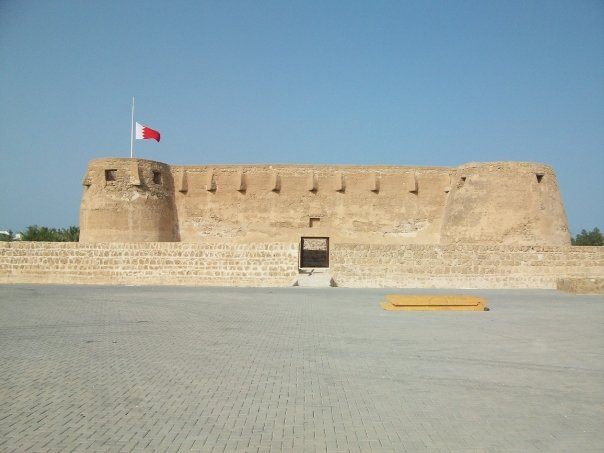
From pearl markets to fortified walls, Muharraq has layers. Bu Maher Fort, built in 1840, guards the starting point of the Pearling Path and once served as a key sea gateway — best reached by a quick boat ride from the Bahrain National Museum jetty. Not far away, Arad Fort (15th century) comes alive after dark when its Islamic architecture glows under floodlights. Time your visit with a cultural festival and you’ll see the fort as the locals do — as a stage for storytelling.
10. Feast at Al Tawah Pastries

After all that exploring, it’s time to eat. Al Tawah Pastries is a local institution where cheese pies, thyme flatbreads, and Levantine sfiha fly out of the oven at dizzying speed. The menu jumps continents — Italian pizzas, Gulf-style pastries, shawarma wraps — and everything tastes like comfort. Meat lovers shouldn’t miss the stuffed “brides,” while vegetarians can load up on spinach and cheese delights. Either way, come hungry.
✅ Pro tip: If you’re short on time, pair stops #1, #3, and #4 for a heritage-focused morning, then reward yourself with sweets at Showaiter and a pastry feast at Al Tawah in the afternoon.
Hidden Gems in Muharraq — Little Secrets We Love
. Old lanes, coral-stone courtyards, the rustle of palm fronds over wind-tower roofs — Muharraq hides its magic in side streets and quiet doorways. We went poking around so you don’t have to play alleyway roulette. Here’s our shortlist of small-but-wow spots where the tour buses don’t linger.
1) Pearl Alleys on the Pearling Trail (Side-Street Strolls)
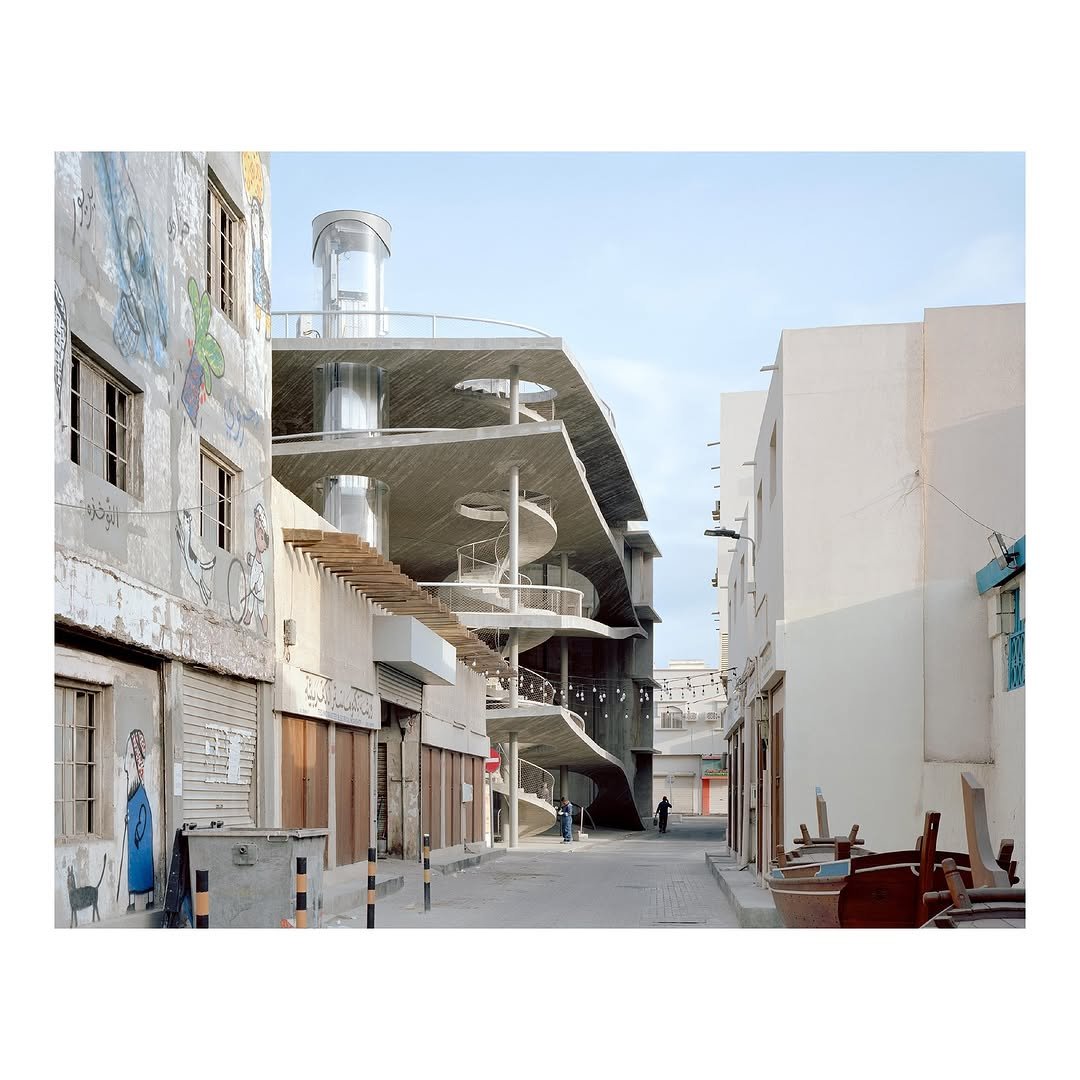
What’s special: Slip off the main souq and you’ll find narrow lanes lined with restored merchant houses, latticework windows, and shaded pocket courtyards. It’s the most atmospheric way to feel “old Bahrain” without a crowd.
- Close to: Old Muharraq Souq & heritage houses.
- When to go: Early morning or golden hour for cooler air and soft light.
- Why we love it: Texture overload: coral stone, teak doors, pearler inscriptions.
- Pro tip: Bring small cash for tea and fresh bread from micro-bakeries you’ll pass en route.
2) Mohammed bin Faris Music House (Khaleeji Rhythms)
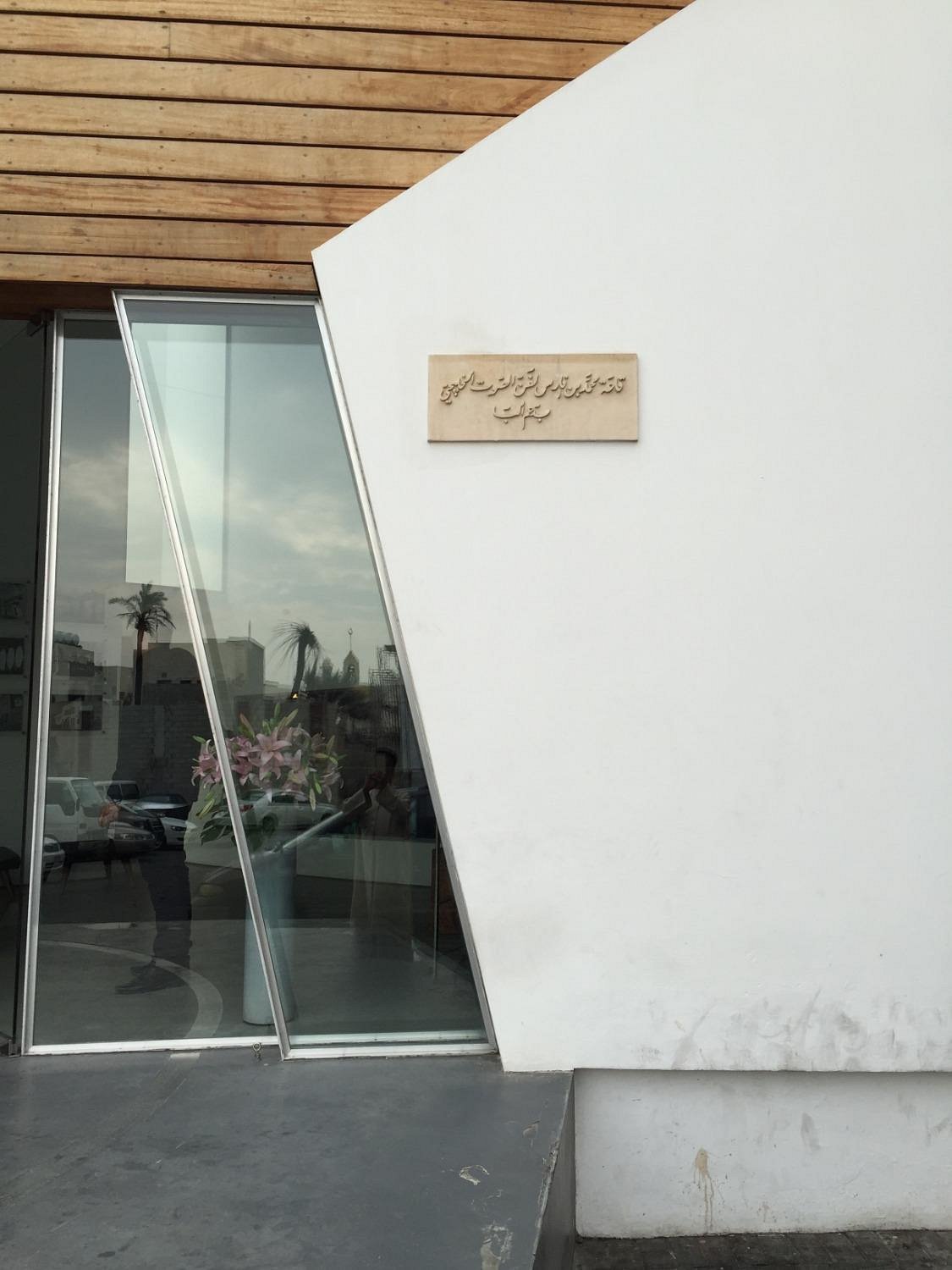
What’s special: A tiny cultural house celebrating Bahrain’s pearl-diving-era music. Some evenings host intimate live performances — oud, percussion, voices that carry.
- Close to: Souq Muharraq lanes.
- When to go: Check evening schedules; weekdays are quieter.
- Why we love it: It’s like time travel with a drum beat.
- Pro tip: Arrive a little early — seating is limited and first-come, first-served.
3) Hidd Fish Market at Sunrise (For Early Birds)
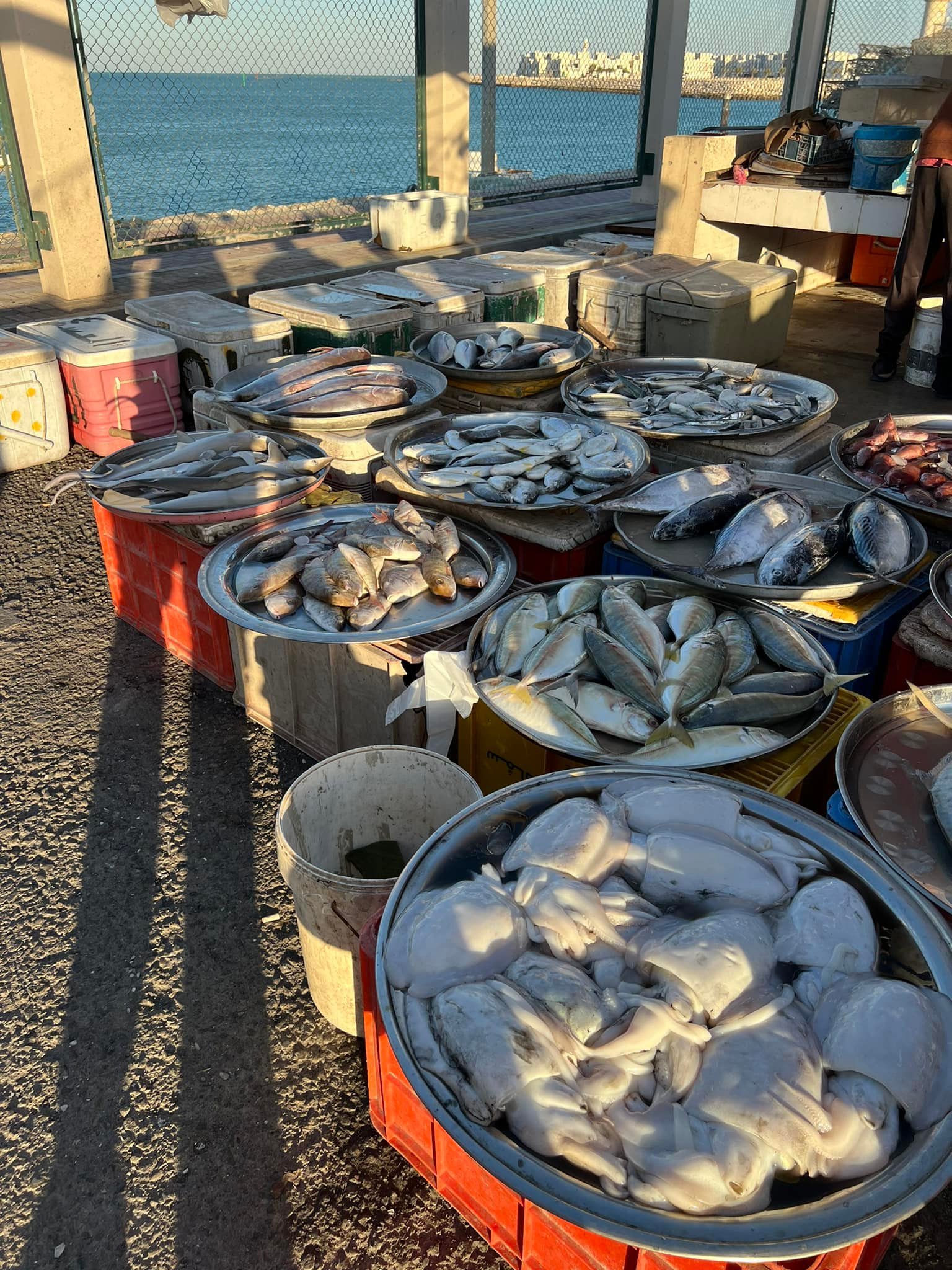
What’s special: Boats in, auction hum, knives flashing through hammour — a working market that’s all action and zero pretense. Kids stare, locals smile, breakfast plans appear.
- Close to: Hidd waterfront.
- When to go: Just after dawn; it quiets quickly by mid-morning.
- Why we love it: Freshness, energy, salt-on-the-air honesty.
- Pro tip: Wear closed shoes and bring small notes; grab karak nearby afterward.
4) Old-Style Halwa Kitchens (Sweet Science)
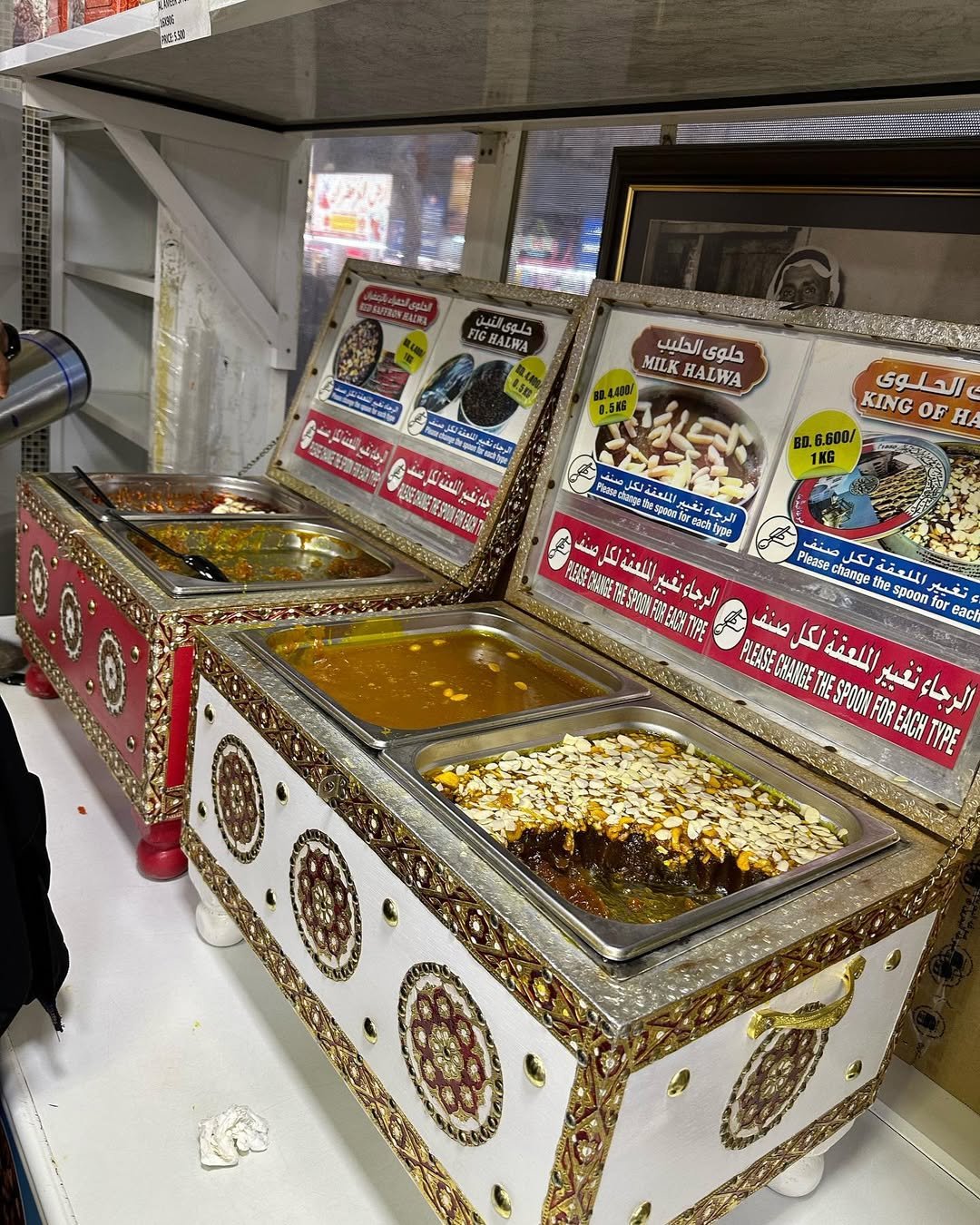
What’s special: Muharraq’s halwa heritage lives in small ateliers where rosewater and saffron perfume the air. Watch copper cauldrons stirred to a glossy, chewy finish.
- Close to: Souq corridors and family-run sweet shops.
- When to go: Late morning for best odds of live stirring.
- Why we love it: Edible souvenirs with a backstory.
- Pro tip: Ask for tiny tasting spoons before committing to a box — textures vary by maker.
5) Traditional Dhow Yard (Craft on the Water)
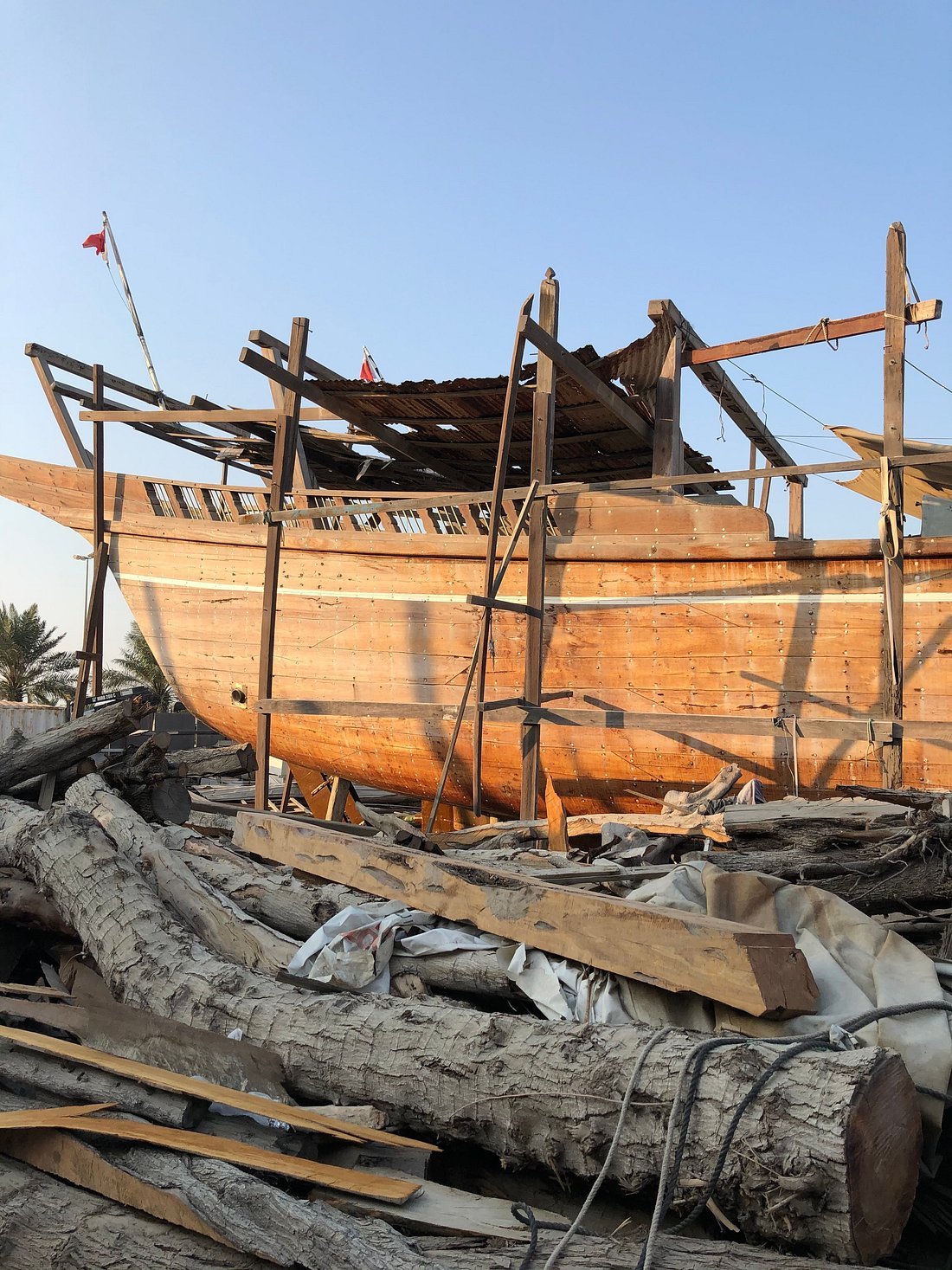
What’s special: Timber hulls, sun-browned planks, the smell of resin — small boatyards still patch and prep dhows the old way. It’s quiet, but the textures are a photographer’s dream.
- Close to: Industrial waterfront fringes of Muharraq.
- When to go: Weekday mornings when crews are active.
- Why we love it: Living heritage, not a staged museum.
- Pro tip: Be respectful, ask before shooting close-ups; workers are usually friendly if you keep out of the way.
Where to Eat in Muharraq — Top Places for Breakfasts, Cafés, Restaurants & Kids
Muharraq feeds you history with your hummus — pearl-merchant lanes, spice-perfumed souqs, and family kitchens that still cook like grandma is watching. Here’s our shortlist by vibe and meal, so you can graze the island’s old capital without guesswork.
Best Breakfasts (Traditional & Easy Starts)
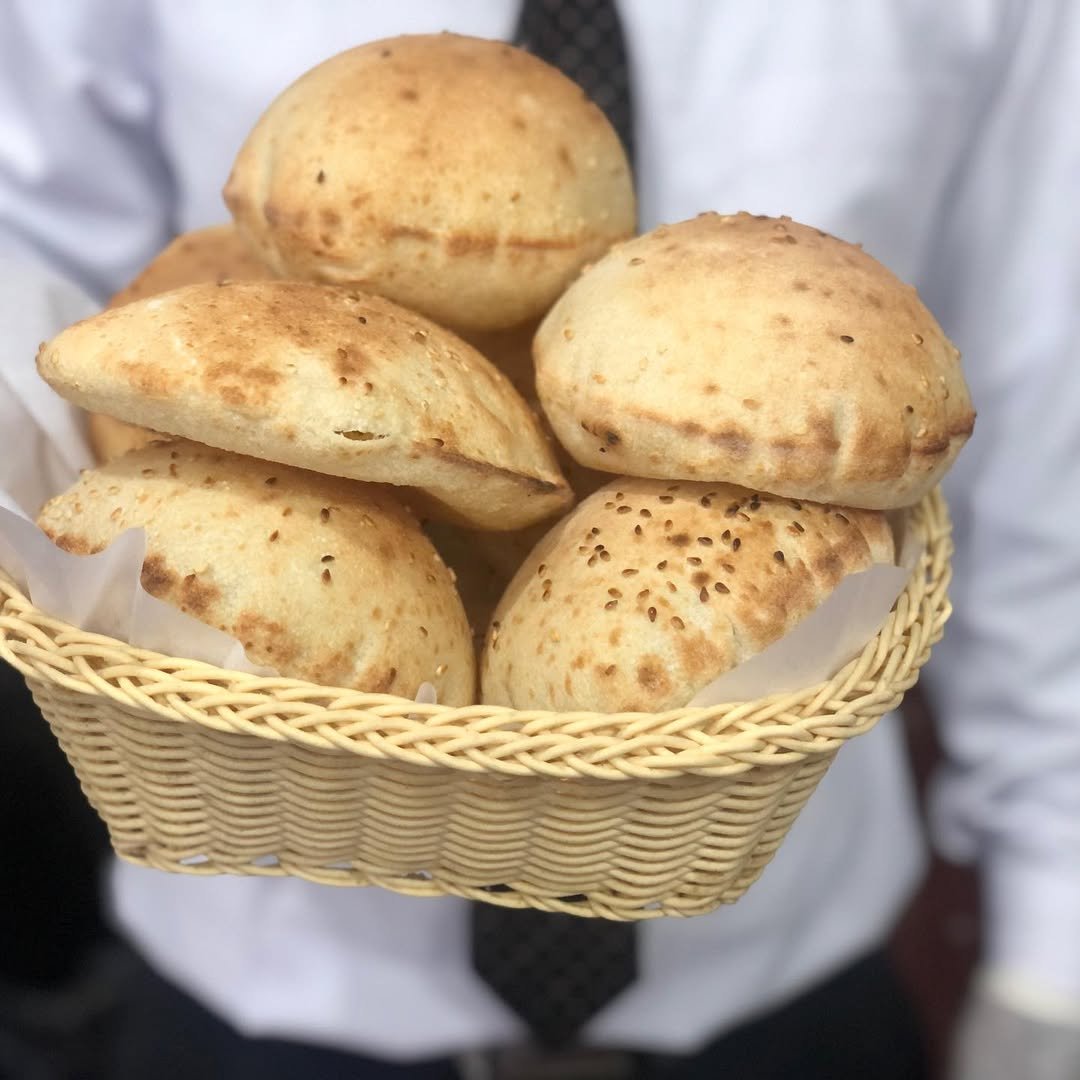
- Al Qaisariya Souq Stalls — Counter-serve flatbreads, spiced beans, and karak to-go. Perfect if you’re temple-hopping and want to keep moving. What to order: khubz with cheese & honey + karak.
- Neighborhood Bakeries (Old Muharraq lanes) — Tiny tandoor windows selling blistered bread from dawn. What to order: sesame khubz plus labneh or za’atar to dip.
Pro tip: Fridays get busy right after morning prayers; arrive early or late for the calm window.
Cafés & Tea Stops (Karak & Sweets)
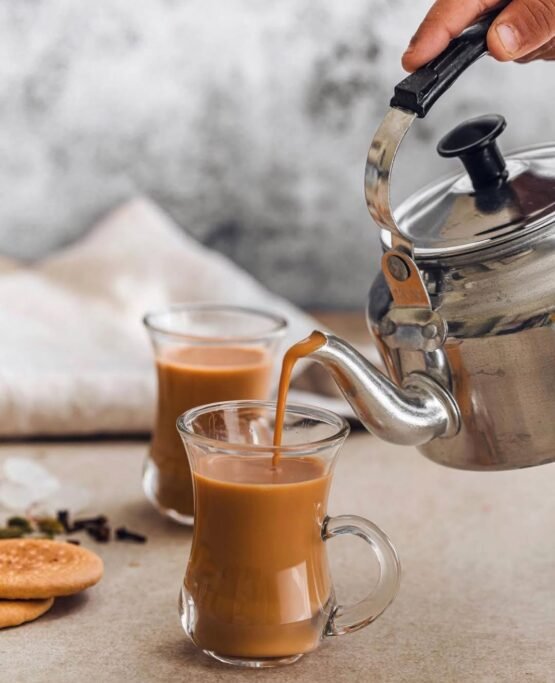
- Karak Corners (around Souq Muharraq & airport road) — Drive-up windows and pocket cafés pour Bahrain’s beloved milky-spiced tea for coins. Order: karak + samosa; take it to Bahrain Bay for sunset if you’re crossing later.
- Showaiter Halwa Houses — Muharraq’s signature rose- and saffron-scented halwa, still made the old way. Order: small boxes to sample different textures; pair with Arabic coffee.
- Modern Specialty Cafés (Shaikh Isa bin Ali House area) — Air-conditioned espresso, light bakes, Wi-Fi. Order: iced Spanish latte and a pistachio croissant between museum stops.
Pro tip: Many cafés switch to takeaway-only during prayer times; plan a short stroll through the heritage houses while you wait.
Family-Friendly & For Kids (Quick Wins & No-Stress Menus)
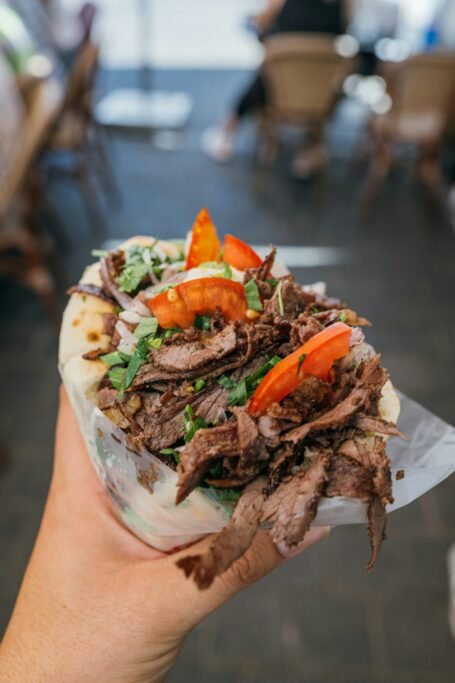
- Grill & Shawarma Houses (throughout Muharraq) — Counter seating, fast service, and reliable crowd-pleasers. Order: mixed grill platter, garlic sauce on everything, extra fries.
- Waterfront Casuals (near Arad Fort & corniche) — Easy parking, open space for a post-meal run-around. Order: grilled hammour or shrimp, lemon & butter on the side.
- Souq Snacks — Fresh juices, falafel wraps, and mini pancakes (“qataif” in season). Order: mango juice + falafel for the kids; it travels well.
Pro tip: Ask for “less chili” (shwaya har) if you’re feeding spice-sensitive kids — vendors are happy to tweak.
Sit-Down Restaurants (Local Plates & Seafood)
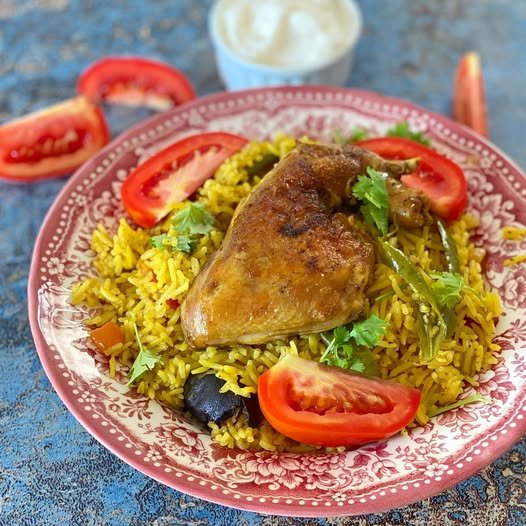
- Traditional Bahraini Kitchens (Old Muharraq) — Family-style rice dishes, slow-cooked meats, and saffron-kissed stews. Order: machboos (chicken or shrimp), margouga, and a side of pickles.
- Seafood Specialists (coastline & fish market orbit) — Daily catch, grilled or fried, with Bahraini spice blends. Order: hammour, safi, or kingfish; ask what’s freshest that day.
- Gulf-Modern Spots (Adliya is a quick hop, but Muharraq has a few too) — Mezze spreads, charcoal mains, mocktails. Order: charcoal aubergine, lamb chops, pistachio umm ali for dessert.
Pro tip: In peak summer, book indoor tables with AC and arrive just before sunset — you’ll catch golden light on the alleys, then dine cool.
Where to Stay in Muharraq — Best Hotel Picks
Muharraq is old-Bahrain charm with island convenience — heritage lanes on one side, beachy Amwaj vibes on the other, and the airport five minutes away (hello, painless arrivals). We test-drove stays across the governorate so you can skip the scroll spiral. Here’s our short list, by mood and map pin.
The ART Hotel & Resort (Amwaj Islands)
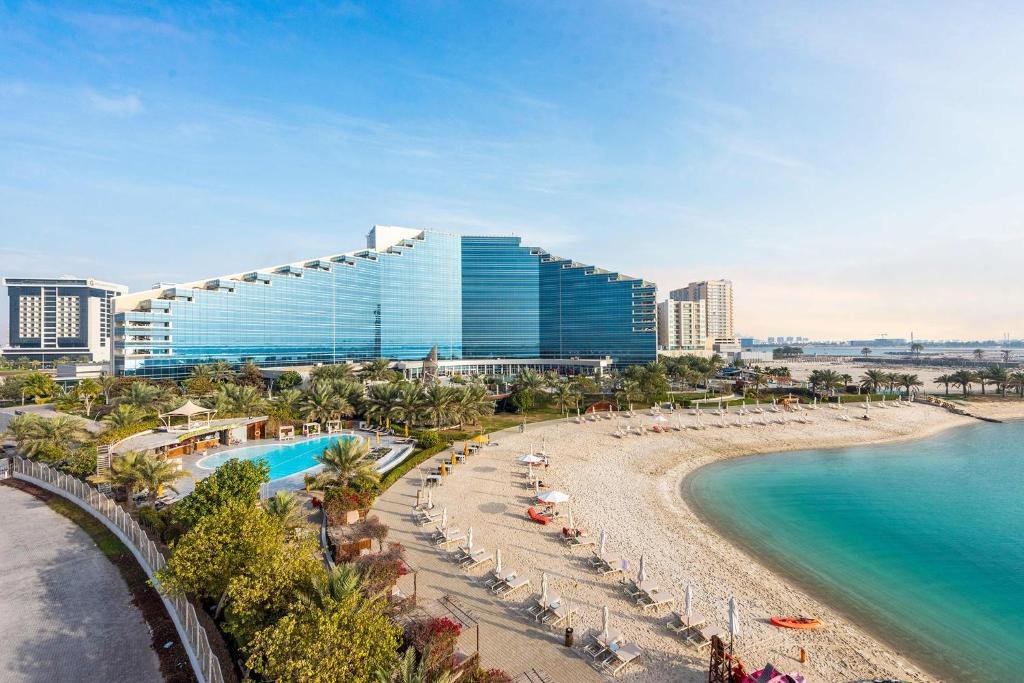
Vibe: Beachfront resort energy — private beach, pools, family facilities — but still close to the heritage core by car. Big rooms, sunrise walks, sundowners on repeat.
- Close to: Amwaj Lagoon cafés, kite-friendly beaches, quick hops to Old Muharraq & the Pearling Trail.
- How to get there: 15–20 minutes by car from BIA; taxis and ride-hailing are easy.
- Good for: Families, resort weekends, car-free travelers who want sand + pool time.
- Pro tip: Book a sea-view room and schedule a morning beach walk before the heat flips to “sauna.”
Check on booking.com
Mövenpick Hotel Bahrain (Airport Area, Muharraq)
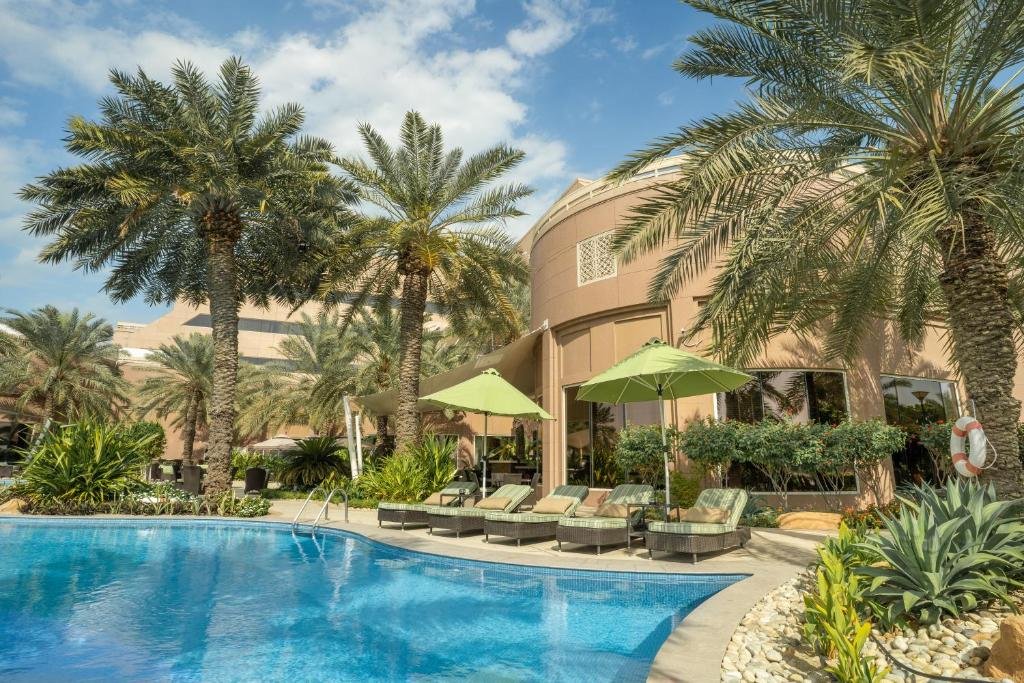
Vibe: Polished, convenient, and surprisingly resort-y for an airport address — palm-lined pool, good dining, quick city access. Great “land-and-lounge” option if you’re in and out.
- Close to: BIA, Arad Fort & coastal walkway, short drive to Old Muharraq souq.
- How to get there: 5 minutes by taxi from arrivals; easy base for exploring by cab.
- Good for: Short stays, early flights, travelers who value a calm pool scene between errands.
- Pro tip: Time a sunset stroll at Arad Fort before dinner — breezy and beautiful.
Check on booking.com
The Grove Resort Bahrain (Amway Island )
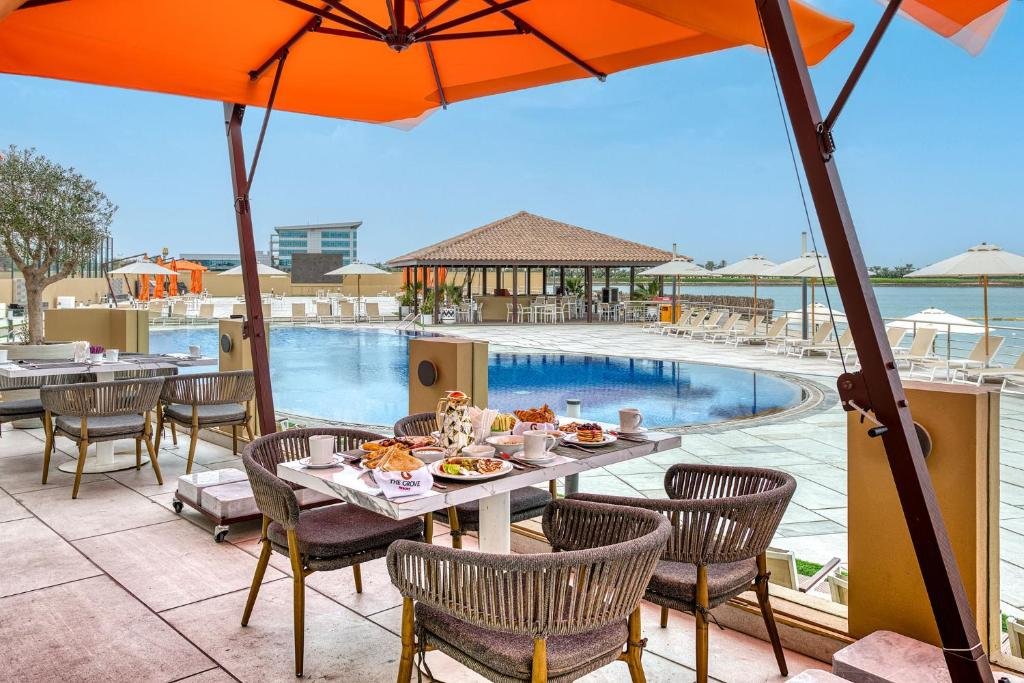
Vibe: Contemporary tower near the water with roomy suites and friendly service. Walkable to cafés and casual eats at Amwaj Lagoon; easy base for beach days + city nights.
- Close to: Amwaj Lagoon dining, supermarkets, pharmacy, public beaches.
- How to get there: 20 minutes from BIA; plentiful parking if you’re renting a car.
- Good for: Groups and families who want apartment-style space without sacrificing location.
- Pro tip: Ask for a high-floor room; the island and water views earn their keep at golden hour.
Check on booking.com
Majestic Arjaan by Rotana (Muharraq)
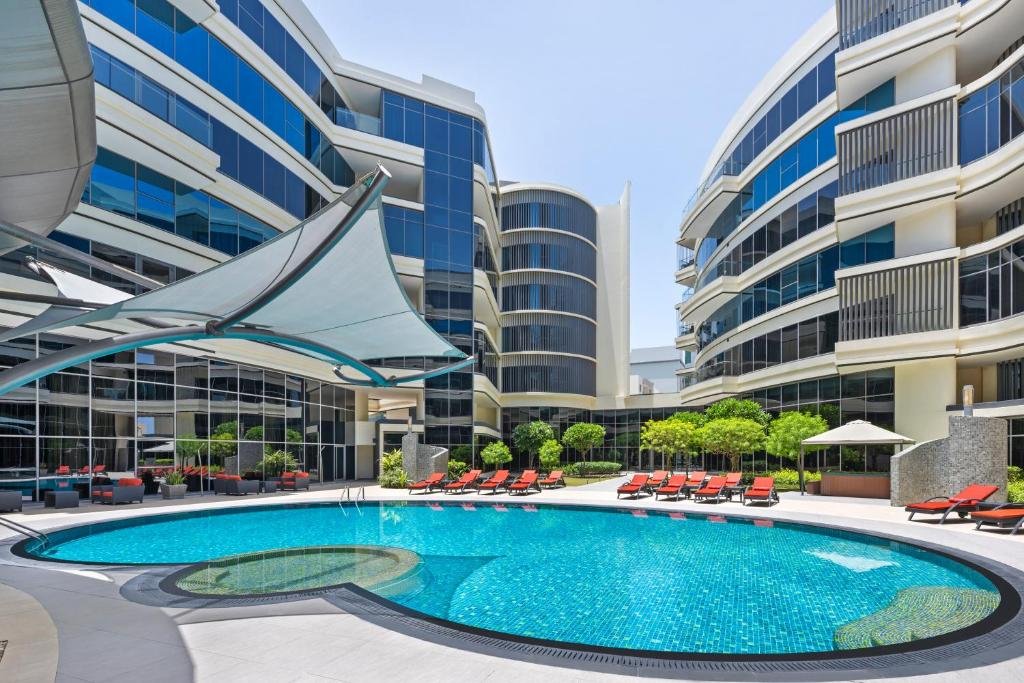
Vibe: Apartment-style suites with hotel perks — kitchenette, laundry access, pool — minutes from the heritage quarter. It’s the pragmatic pick that still feels plush.
- Close to: Old Muharraq lanes, heritage houses, quick bridge to Manama.
- How to get there: 10 minutes from BIA; easy taxi access for car-free stays.
- Good for: Longer stays, families, creators who need space to spread out gear.
- Pro tip: Stock up at a nearby market and do lazy breakfasts in — then save your appetite for souq lunches.
Check on booking.com
Vida Beach Resort, Marassi Al Bahrain (Diyar Al Muharraq)
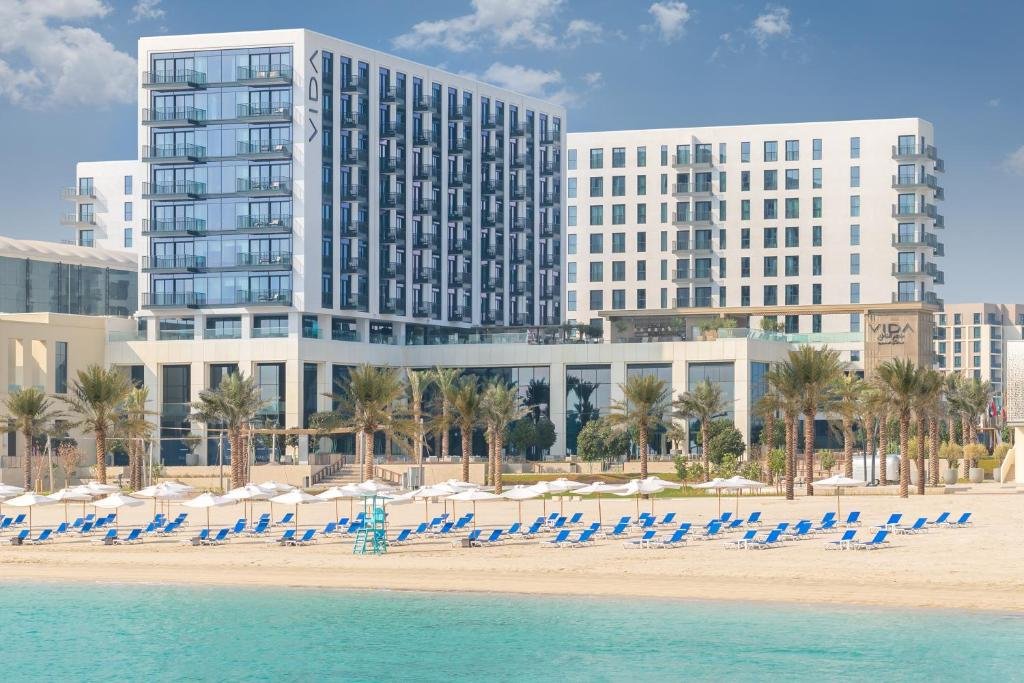
Vibe: Sleek beachfront lifestyle hotel on the new Marassi strip — boardwalk promenades, cafés, and a sands-to-sunset rhythm. Beachy, modern, and still close enough to heritage lanes by car.
- Close to: Marassi beach & promenade, mall dining, quick drives to Amwaj and Old Muharraq.
- How to get there: 20–25 minutes from BIA; rideshares are the move.
- Good for: Design-leaning couples, weekenders, anyone chasing sea + city balance.
- Pro tip: Book a balcony room and schedule a dawn shoreline walk — cooler, prettier, emptier.
Check on booking.com
FAQs: Things to Do in Muharraq
What is Muharraq best known for?
Muharraq is Bahrain’s former capital and a cultural treasure trove. It’s famous for its beautifully preserved traditional architecture, UNESCO-listed Pearling Path, atmospheric souqs, and historic houses-turned-museums. Think of it as the place to step back into Bahrain’s past while still finding cool cafés and art spaces tucked into old alleyways.
How much time do I need to explore Muharraq?
Plan for at least half a day to cover the highlights like Al Qaisariya Souq, Shaikh Isa Bin Ali House, and the Pearling Path. If you’re into history, art, or leisurely exploring side streets, give yourself a full day — especially if you want to include a meal in a traditional Bahraini restaurant.
Is Muharraq walkable for sightseeing?
Yes! Most attractions — from souqs and heritage houses to museums — are clustered within walking distance in the old town. Just wear comfy shoes, bring water, and try to visit early morning or late afternoon to avoid the midday heat.
What’s the best way to get to Muharraq from Manama?
It’s super close — only about 10–15 minutes by taxi or car. You can also take a public bus or guided city tour that includes Muharraq. Many visitors pair it with a stop at Bahrain National Museum since they’re practically neighbors.
Are there guided tours in Muharraq?
Absolutely. Guided walking tours along the Pearling Path or heritage district are a great way to understand the stories behind the architecture and local culture. They’re usually 1.5–2 hours and often include access to heritage houses that might otherwise be missed.
Can I find good food in Muharraq?
Yes — and some of Bahrain’s best! From traditional cafés serving machboos and sweet halwa to trendy spots hidden in restored buildings, Muharraq’s food scene is worth exploring. Pro tip: try lunch near Al Qaisariya Souq for the most authentic experience.
- 9 Best Rooftops in Dubai (2026 Edition)
- Where to Stay in Ankara (2026): The Best Areas and Hotels For Your Trip
- Nightlife in Marmaris (2026): 14 Best Bars and Clubs to Have Fun After Dark
- Best Things To Do In Tel Aviv (2026): 12+ Cool Things For First Time Travellers
- Middle East Honeymoon Guide (2026): 12 Dreamy Destinations for Romance & Adventure
