
Travel writing based on first-hand experience
Planning a trip to Beirut? From ancient ruins to buzzing nightlife, explore the top things to do in Beirut, including cultural sites, local cuisine, and hidden gems you won’t want to miss.
Planning a trip to Beirut? Read these next
- Beirut Itinerary: 3 Days of History, Rooftops & Food
- Beirut Travel Guide
- 2 Days in Beirut
- Hidden Gems in Beirut
- Best Places to Eat in Beirut
- Shopping in Beirut
- Getting Around Beirut
- Nightlife in Beirut
- Mar Mikhael Beirut
- Best Rooftops in Beirut
- Best Boutique Hotels in Beirut
- Best Day Trips from Beirut
- Perfect Lebanon Itinerary
Table of Contents
Get To Know Beirut
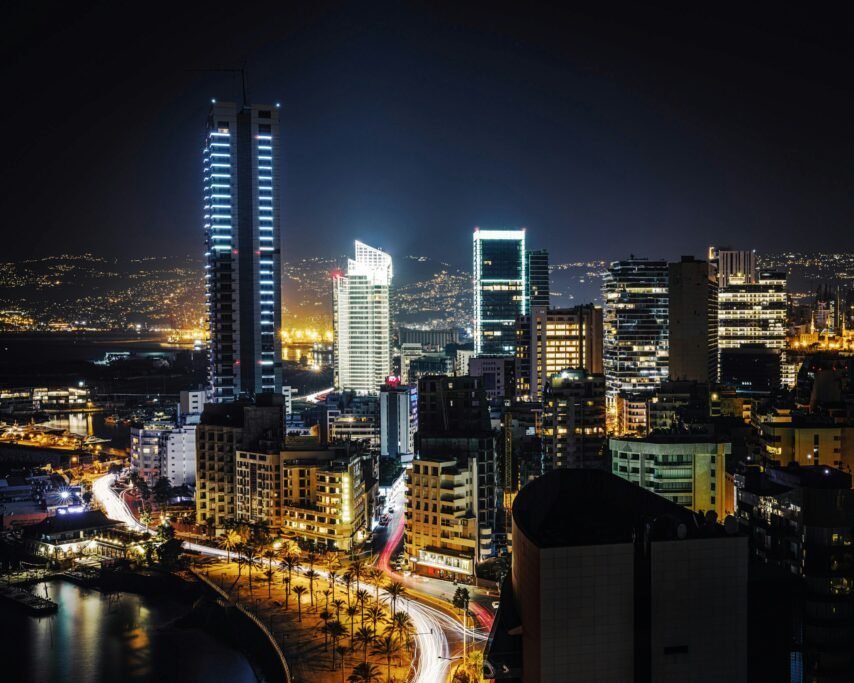
Beirut is the capital of Lebanon, and it’s a city with a lot going on. Some neighborhoods are right on the coast, like Manara Sea and Rouché. These spots are great if you love ocean views. Others, like Gemmazeh, are perfect if you’re into nightlife, with bars that make Beirut’s evenings some of the liveliest in the Middle East.
In Beirut, you’ll find religious buildings for all 18 religions in the country. There are prayer halls for the Druze, Orthodox, Catholic churches, mosques, and more. The city also has cool cultural centers hosting art shows and other exhibits.
One of the best spots to check out is Pigeon Rocks, a unique rock formation just off the coast. UNESCO recognizes them, and it is a big draw for visitors.
You can use taxis or buses to get around, but be prepared for heavy traffic—it can slow you down. Despite the traffic, Beirut has so much to see that it’s worth the wait.
Getting Around Beirut
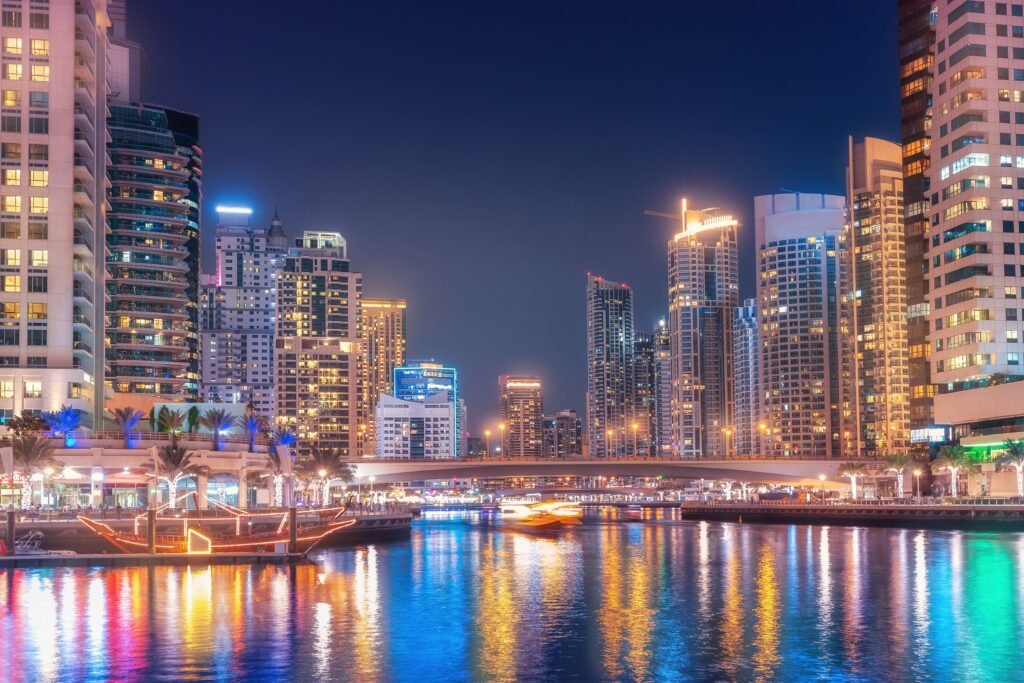
Beirut is compact, chaotic, and deeply charming — a city best explored with a mix of walking, short rides, and a bit of intuition. The good news? Most of its best neighborhoods—Gemmayzeh, Mar Mikhaël, Downtown, and Hamra—sit close together, hugging the Mediterranean coast. The bad news? Traffic is a national sport. But once you learn Beirut’s rhythm, getting around feels like being part of the show.
On Foot – The Only Way to Feel the City
If you’re staying central (and you should), walking is the best way to soak in Beirut’s energy. Streets like Gouraud, Armenia, and Bliss are alive with cafés, concept stores, and street art. Expect uneven sidewalks and sudden staircases, but also serendipity—tiny bakeries and vintage bars that don’t appear on maps.
Pro tip: Beirut is full of steep hills. Bring good shoes, and save the heeled sandals for dinner.
By Taxi or Ride App
Traditional taxis roam everywhere, but apps like Bolt, Allo Taxi, and Uber (yes, it works here) are safer bets for clear pricing. Many taxis operate on a “service” system—shared rides with fixed routes. If you hear “service?” just nod and hop in—it’s a Lebanese rite of passage.
Pro tip: Always agree on the price before you go, unless you’re using an app. Expect short rides within the city to cost around 100,000–200,000 LBP (about $1–2 USD, depending on the exchange rate).
Rental Cars – Only If You Love Adventure
Driving in Beirut is… not for the faint-hearted. Think creative lanes, symphonic honking, and parking that defies geometry. If you plan to road-trip beyond the city—to Byblos, Batroun, or the Chouf Mountains—renting a car makes sense. Otherwise, skip it.
Pro tip: Choose hotels with parking if you’re driving, and avoid rush hour (8–10 a.m. and 4–7 p.m.).
Buses and Shared Vans
Local minibuses and vans run fixed routes for a few coins, but there are no signs or schedules. They’re an adventure for the curious, not the punctual. Ask locals which number goes where—they’ll usually guide you with a smile.
From and To the Airport
Beirut-Rafic Hariri International Airport sits just 15–20 minutes from the city center (depending on traffic, of course). Taxis charge a flat fare, usually around $10–15 USD, but confirm before riding. Private transfers and hotel pickups are a smoother (and air-conditioned) option if you’re arriving late at night.
Top Things To Do in Beirut
1. See The Grand Serail (Government Palace)
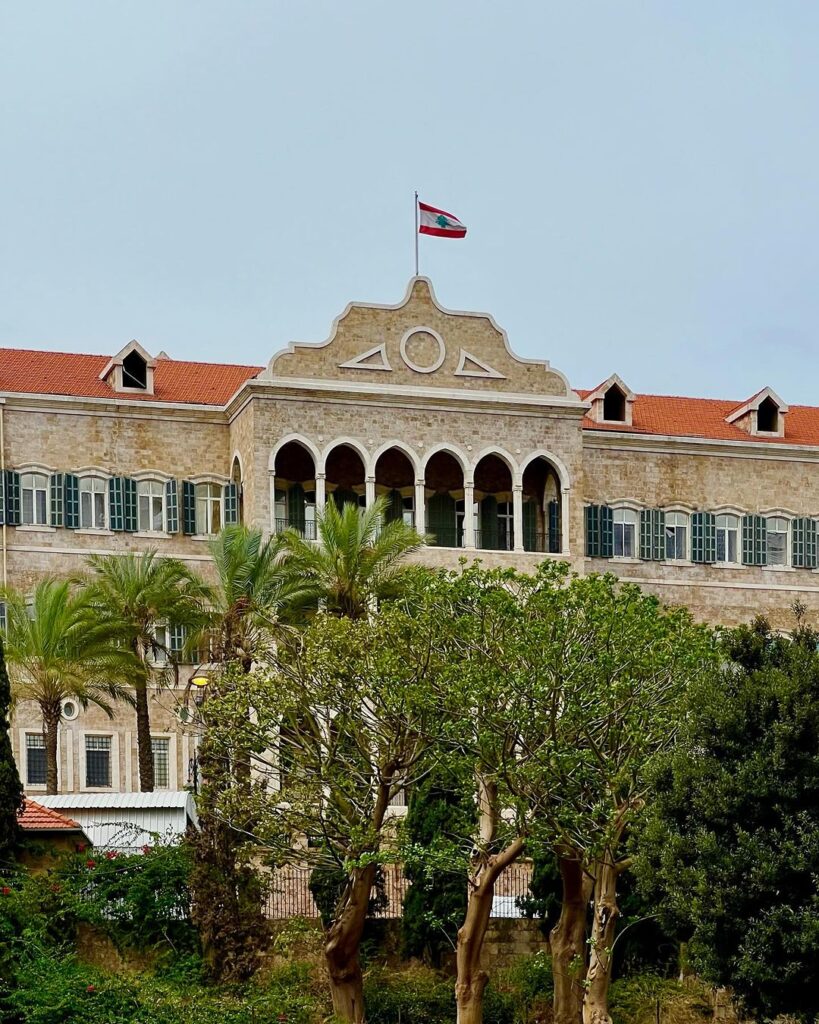
The Grand Serail is one of the most grandiose monuments in Beirut. It sits in the city center, in the downtown area, in a slightly elevated position as if to overlook the rest of Beirut. Surrounded by armed soldiers, the Grand Serail building dates from the late 19th century and is open. To get there, go to the Al Omari Mosque and turn left; a few hundred meters further, you will arrive near the building.
2. Discover Pigeon’s Rock (Al Raouche Rocks)
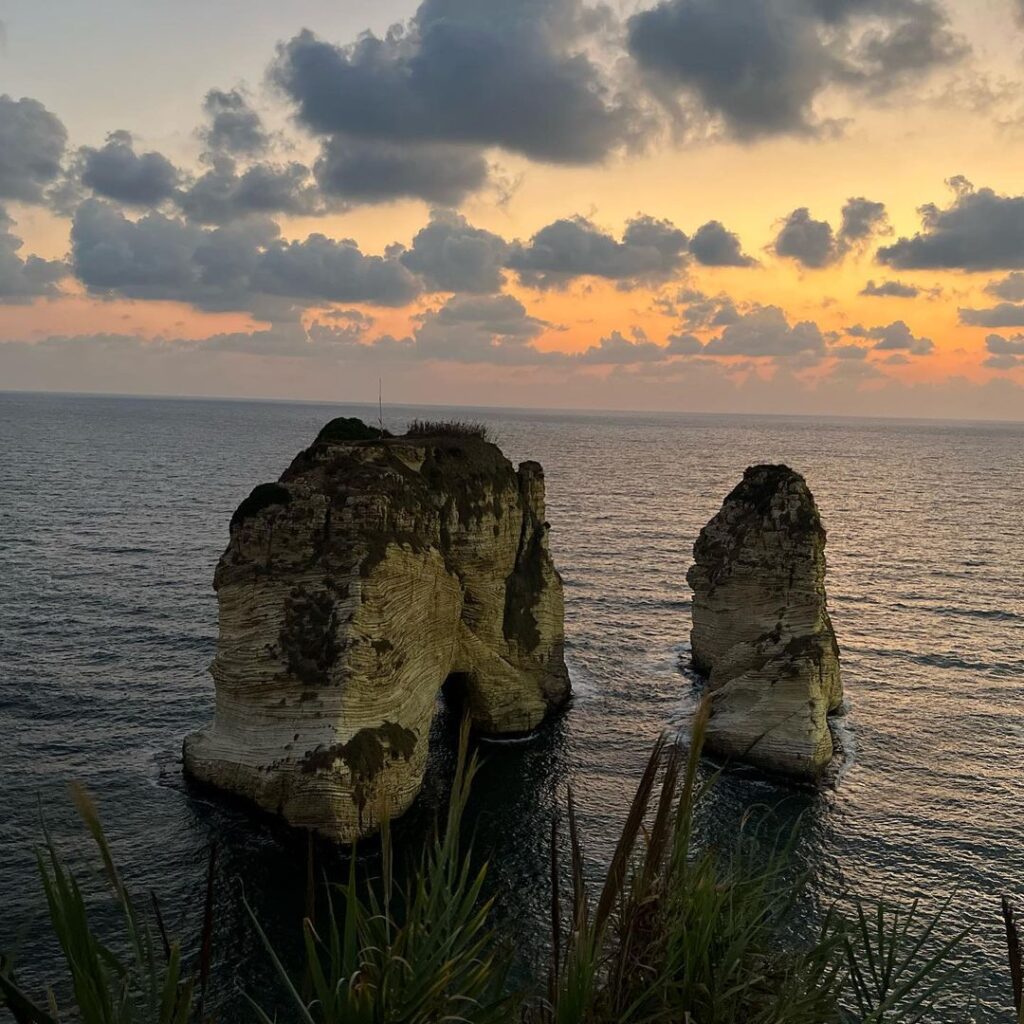
The seaside promenade, called Avenue de Paris, is also known as the Corniche. The Pigeon’s Rock can be seen from the Corniche, but you can come in via one of the lower parts of the cliffs, where there are many entrances and caves. They are stuck in the sea, about forty meters away, and seem to form natural, timeless arches. I advise you to see them during the day. You come back at sunset, and seeing how the sea swallows the sun is incredible.
3. Explore Roman ruins in the city center
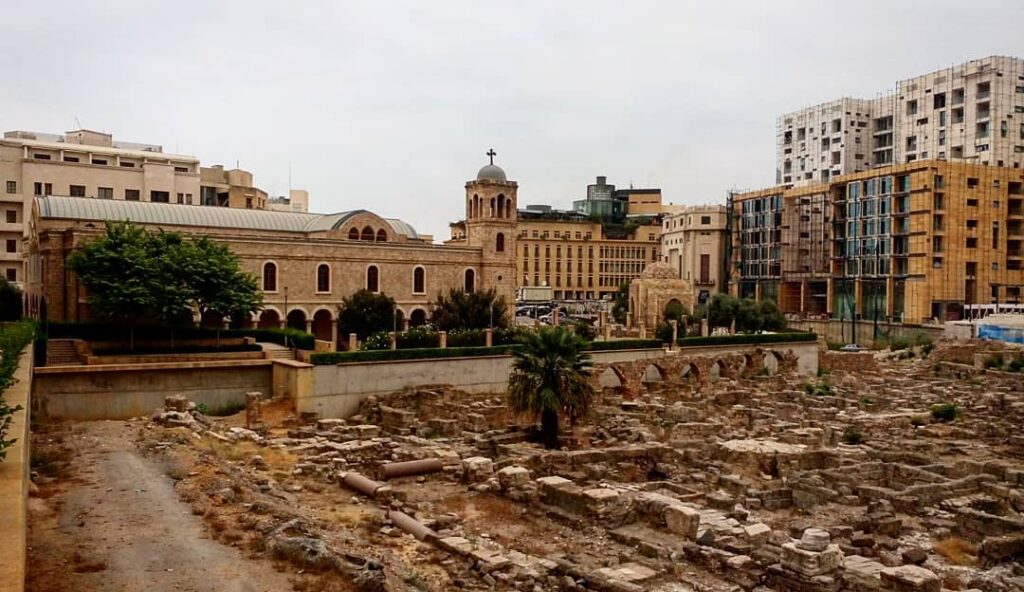
The ancient and prestigious Berytus Cardo & Decumanus Maximus is only part of the colonnade, which is visible during a walk in the city center, shortly after the Saint George Maronite Cathedral. Recently restored, these ruins are not as explicit in conveying the beauty that once characterised the Roman site. Even so, it is exciting in its current location: just behind the many religious buildings surrounding Beirut’s central district. To get another view of the ruins, enter the guarded area of the power station (if you pass the cathedral on your right) and follow the road to the right.
4. Visit the ancient synagogue of Beirut
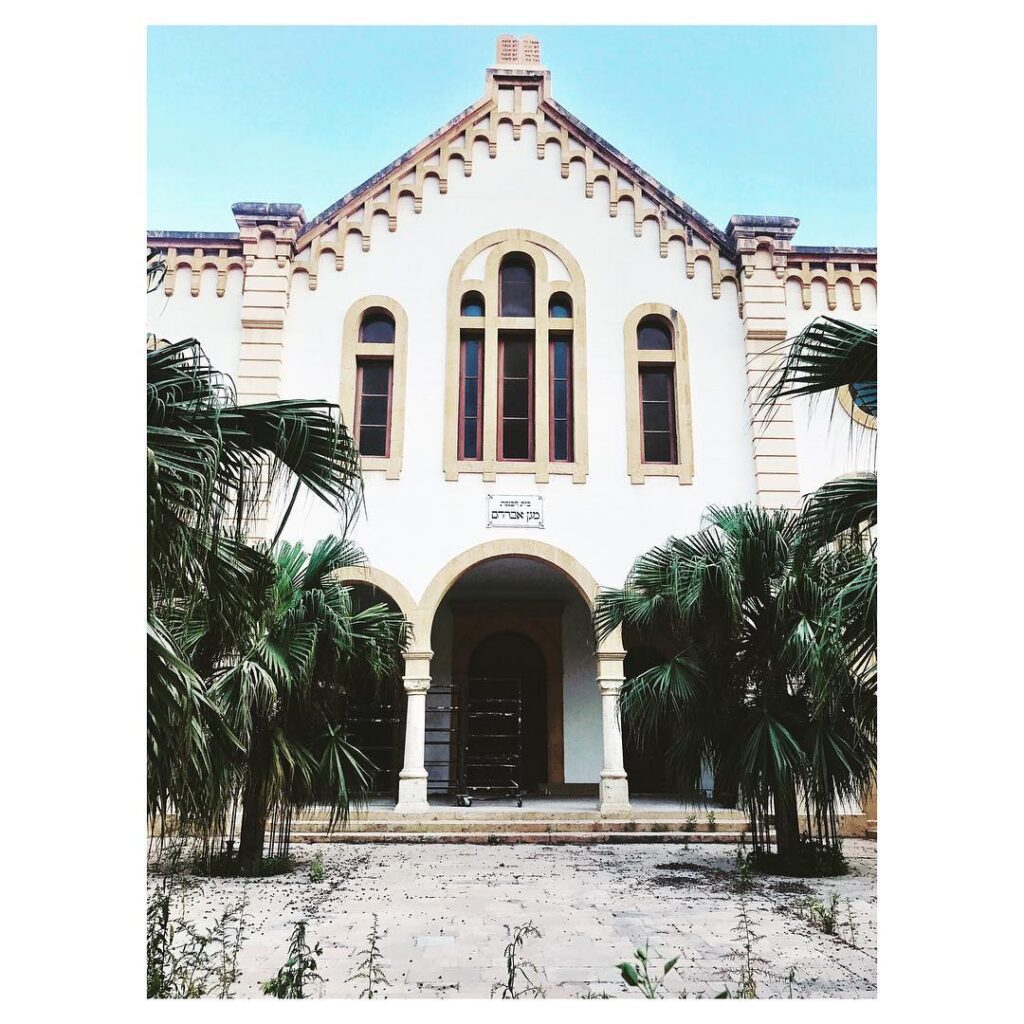
The Maghen Abraham Synagogue is one of Lebanon’s main synagogues in downtown Beirut’s Jewish district of Wadi Abu Jamil. It suffered damage from Israeli bombardment during the Lebanese Civil War. Restoration began in May 2009, and by August 2010, renovations were nearly complete, with finishing touches added to the interior. The synagogue was beautifully restored and reopened, only to be slightly damaged again in the 2020 Beirut explosions.
5. Explore Hamra District
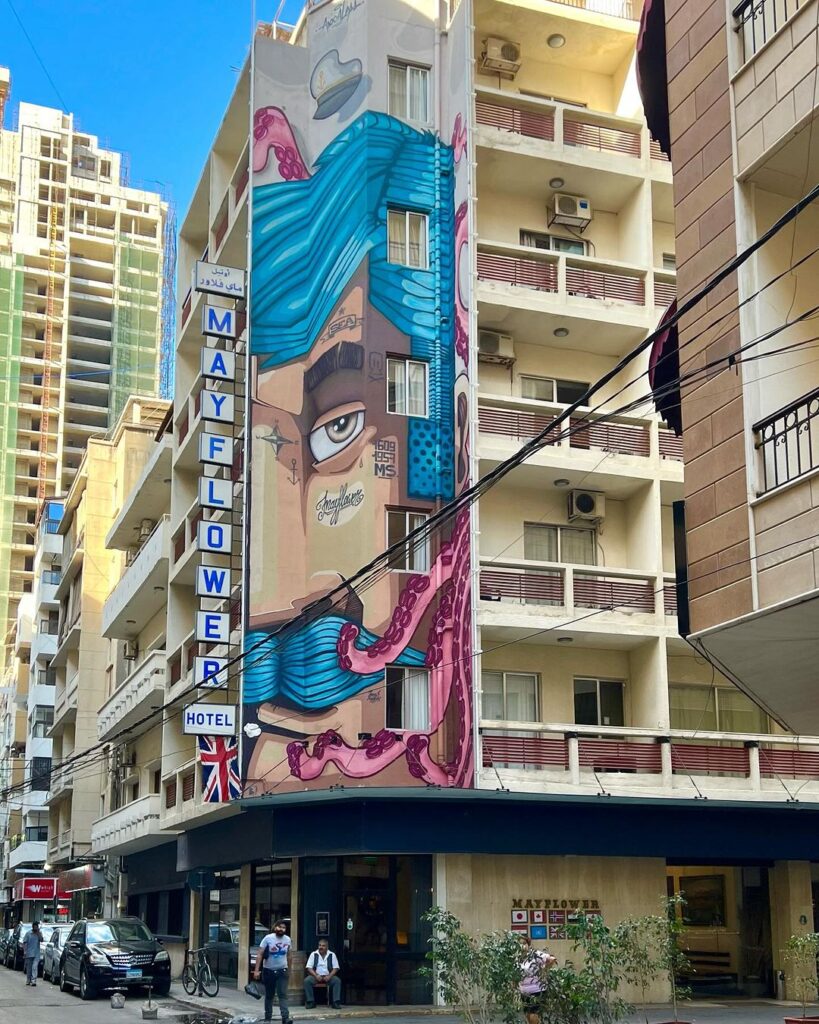
Between the city center and the Corniche area along the Beirut waterfront lies the Hamra district, one of the wealthiest areas for local shops in the capital. The heart of Hamra is on the street parallel to the American University and the Sanayeh public gardens. Here, you’ll find Western and local coffee and fast food chains like Starbucks and the Lebanese Buzz Stars.
To reach Hamra, take a taxi or bus No. 4. Plan to spend at least half a day exploring Hamra to get a taste of West Lebanon. It may not be the most authentic part of the city, but it’s still a significant piece of Cedar Country!
6. Visit Mohammad Al Amin Mosque
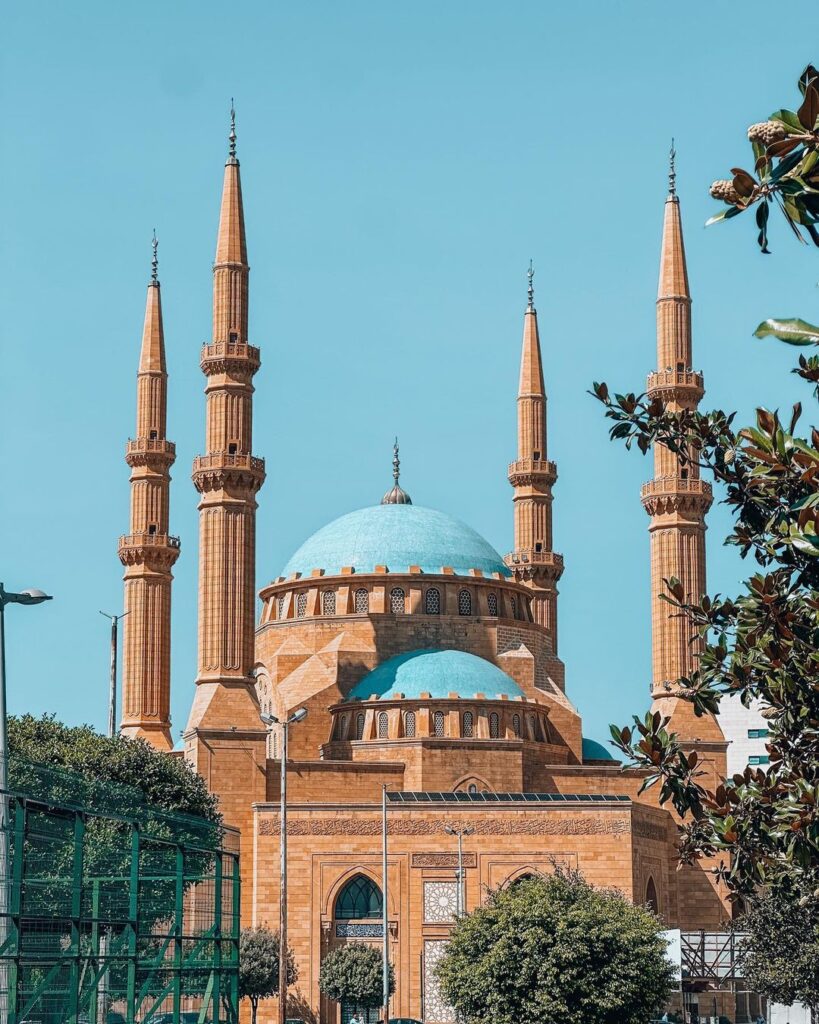
The impressive Mohammad Al Amin Mosque is located in central Beirut. In a sacred area near the mosque lies the grave of former Prime Minister Rafik Hariri, who was killed in an attack in 2005. The mosque faces Martyrs’ Square, a significant site of large mobilisations after Hariri’s assassination. The mosque’s interiors are richly decorated, and visitors are welcome. Women are required to wear a veil. The carpet covers the entire floor of the building, and photography is allowed.
7. Explore Gemmayzeh District
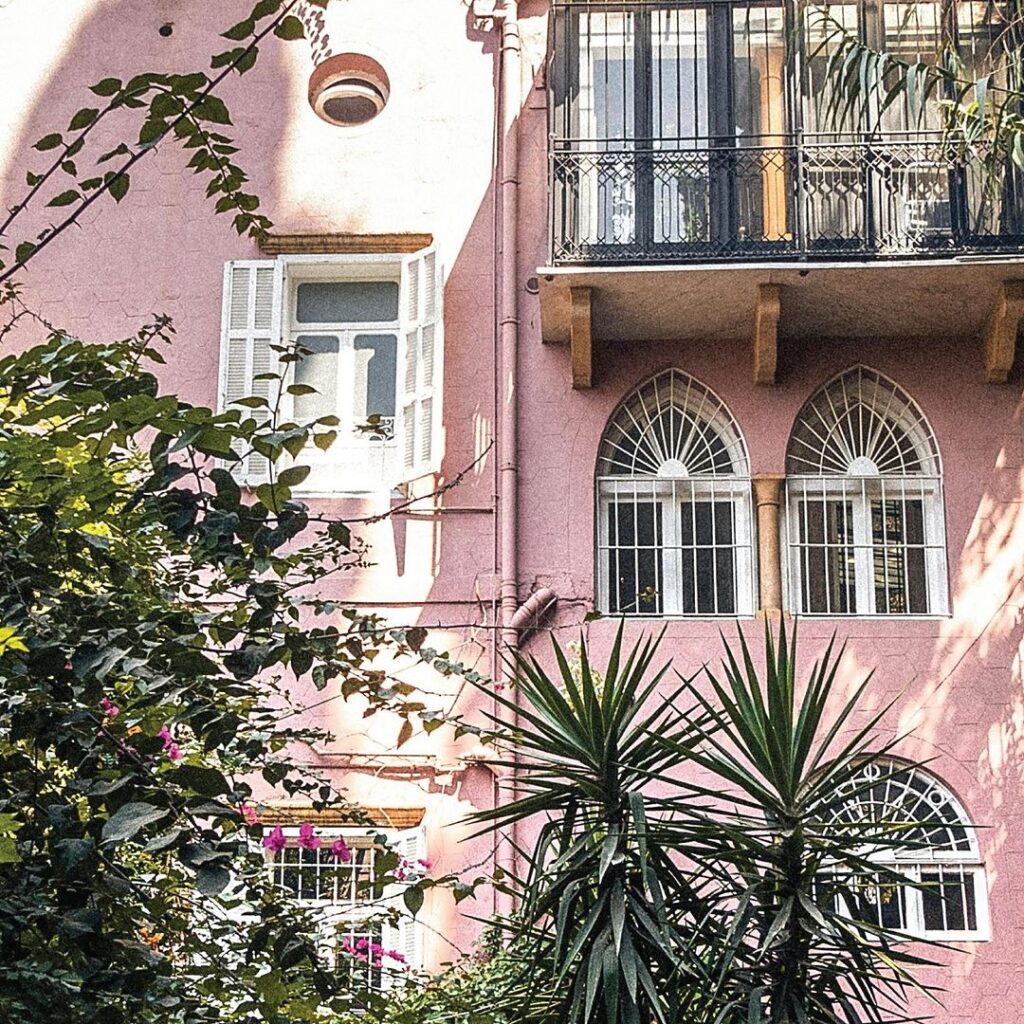
All you have to do is stroll through the streets and look up to see the iconic architecture of the district. The old houses, mingling with new buildings, feature the same triple-arched windows, a beautiful legacy of the past. Enjoy this charm while you can, as many of these houses are abandoned and not part of any rehabilitation plan.
Pay special attention to Rue Gouraud, a street turning heads and captivating visitors. Known as the “street with a traditional character,” or heritage street, Rue Gouraud runs through the Beirut neighborhoods of Saifi and Gemmayzeh. Signs at both entrances highlight its unique charm and historical significance.
The Gemmayzeh neighbourhood is also the best for nightlife and fine dining, offering a vibrant scene after dark and an array of culinary delights.
8. Discover Saifi Village- The upscale neighborhood
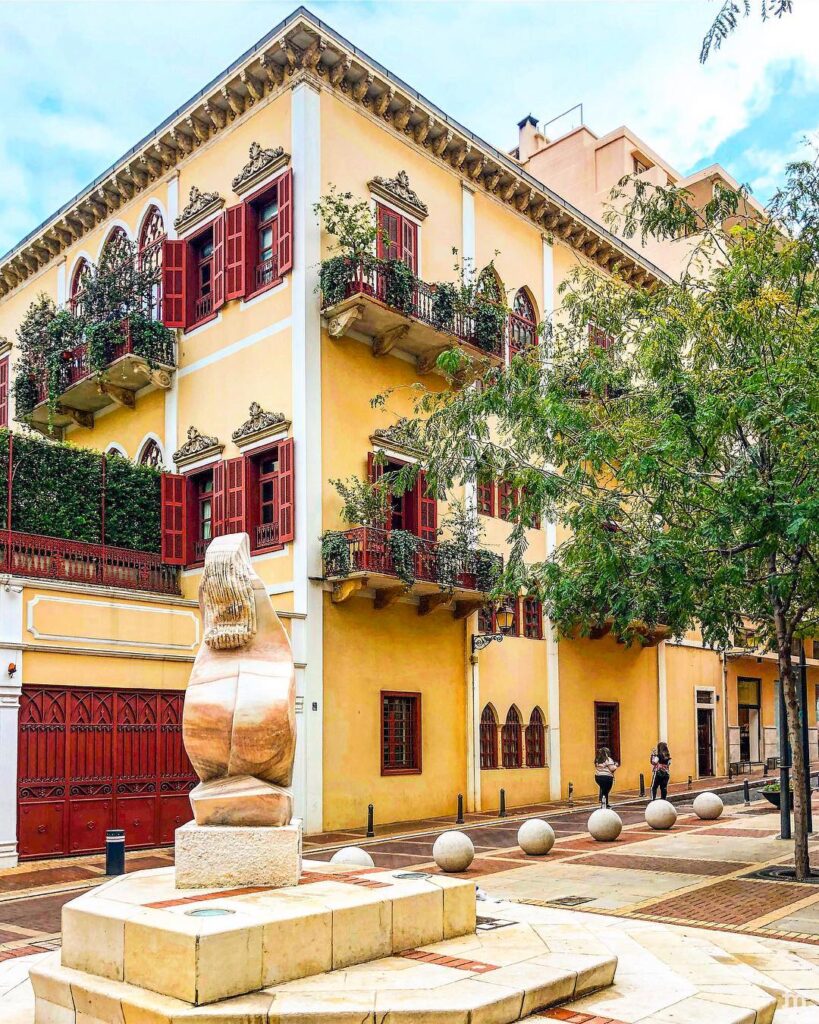
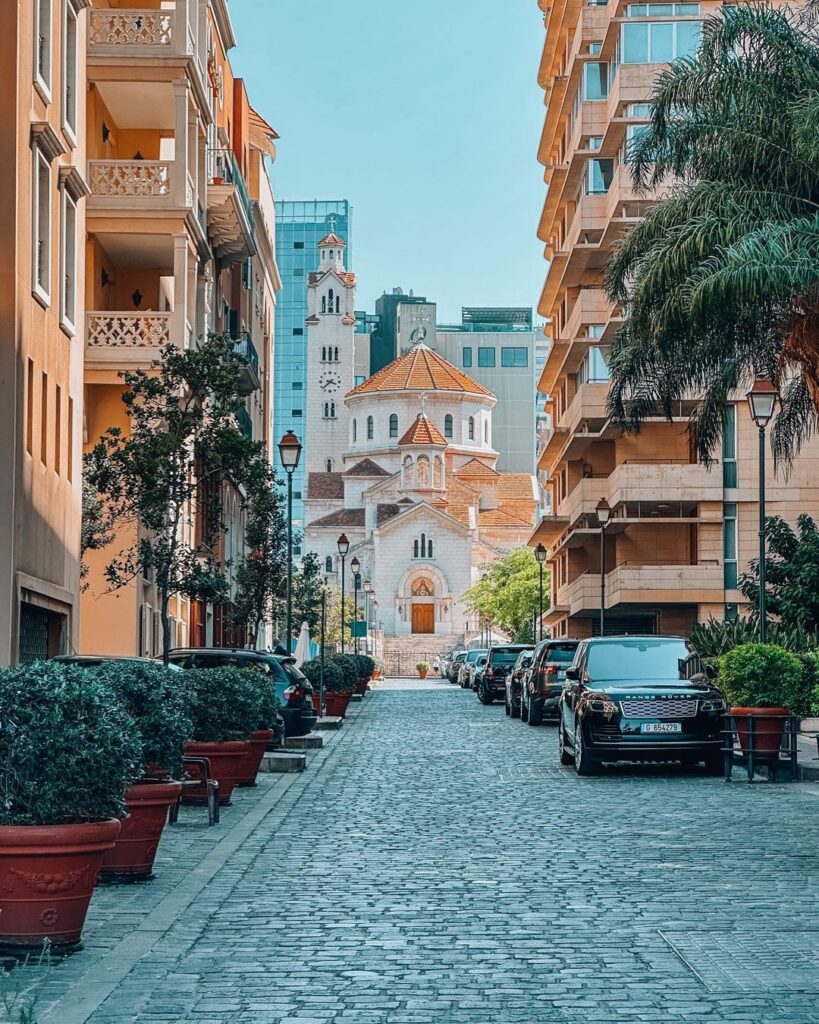
In the center, a few steps from Place de Martyrs, you will find a maze of narrow streets and small squares. Saifi Village is an upscale residential neighborhood in Beirut. The area was destroyed during the war in Lebanon, but has been rebuilt by the private company Solidere in a vernacular style reminiscent of French colonial architecture. Saifi Village is a New Urbanist-style neighborhood featuring cobblestone streets, apartment buildings, townhouses, and various shops—these range from designer boutiques to car dealerships like Ferrari.
The Safi village is also home to several art galleries and shops by emerging Lebanese designers. Additionally, it includes gardens filled with seasonal shrubs, flowers, and trees, making it a perfect spot for family gatherings. Children’s playgrounds, wooden benches, and fountains enhance the park experience.
9. Stroll Corniche of Beirut
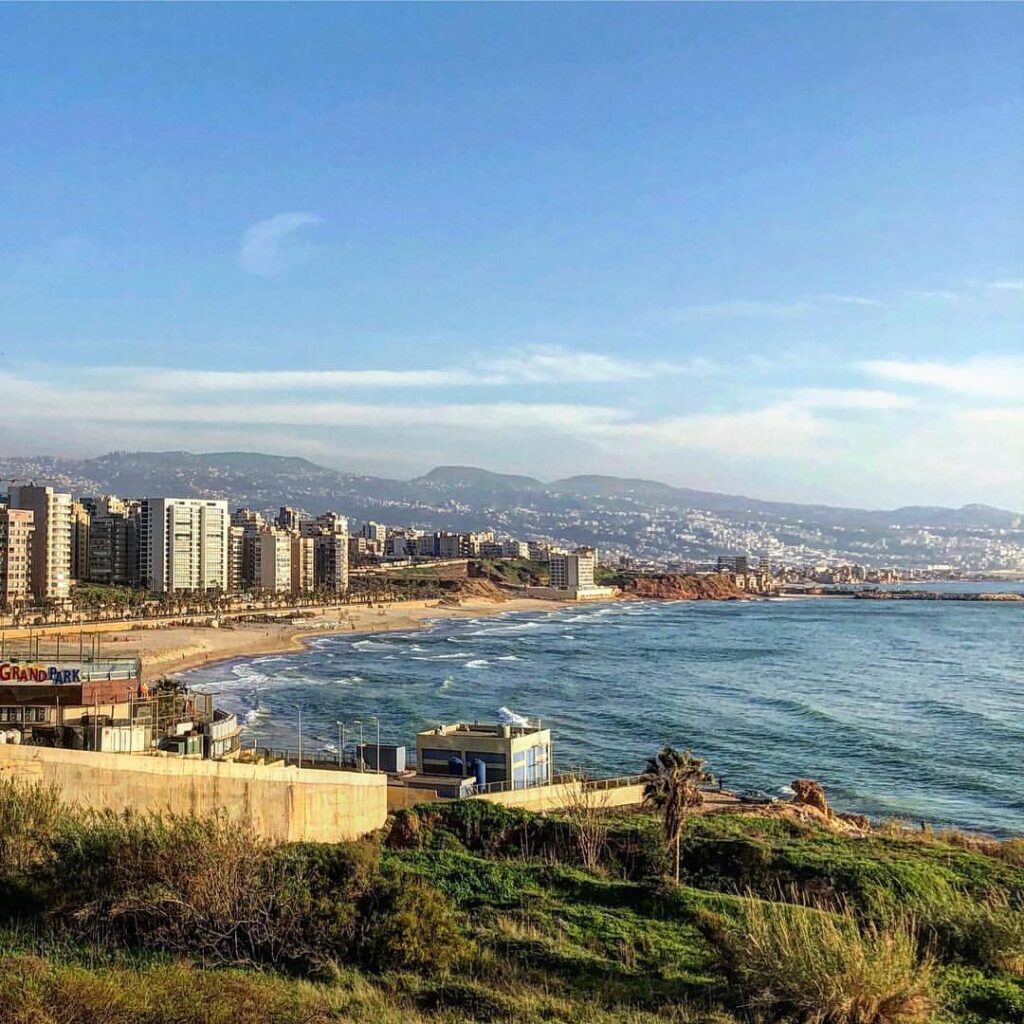
The Corniche is a long promenade beloved by Beirut residents seeking relaxation. After exploring the outskirts of the Lebanese capital, the Corniche offers a different vibe: groups of elderly and young people, as well as solitary walkers, stroll along the wide sidewalk. Despite the war-torn past of the last thirty years, you’ll now see a sea of cranes working on Beirut’s reconstruction. From Hamra, the Corniche is easily accessible, leading you straight to the beach.
10. Discover The American University of Beirut

The American University of Beirut is among the most popular in the city center, near Hamra Street and the eponymous district. Frequented by many foreigners coming here to study Arabic or continue their studies abroad, the university welcomes all visitors. It includes a beautiful campus, gardens with sea views, and a church. If you decide to visit, they will probably ask you to go to the control booth and ask for a document.
TIP: If you want to avoid having a conversation with security, you can easily enter the courtyard, like any student.
11. Have A Foodie’s City Tour
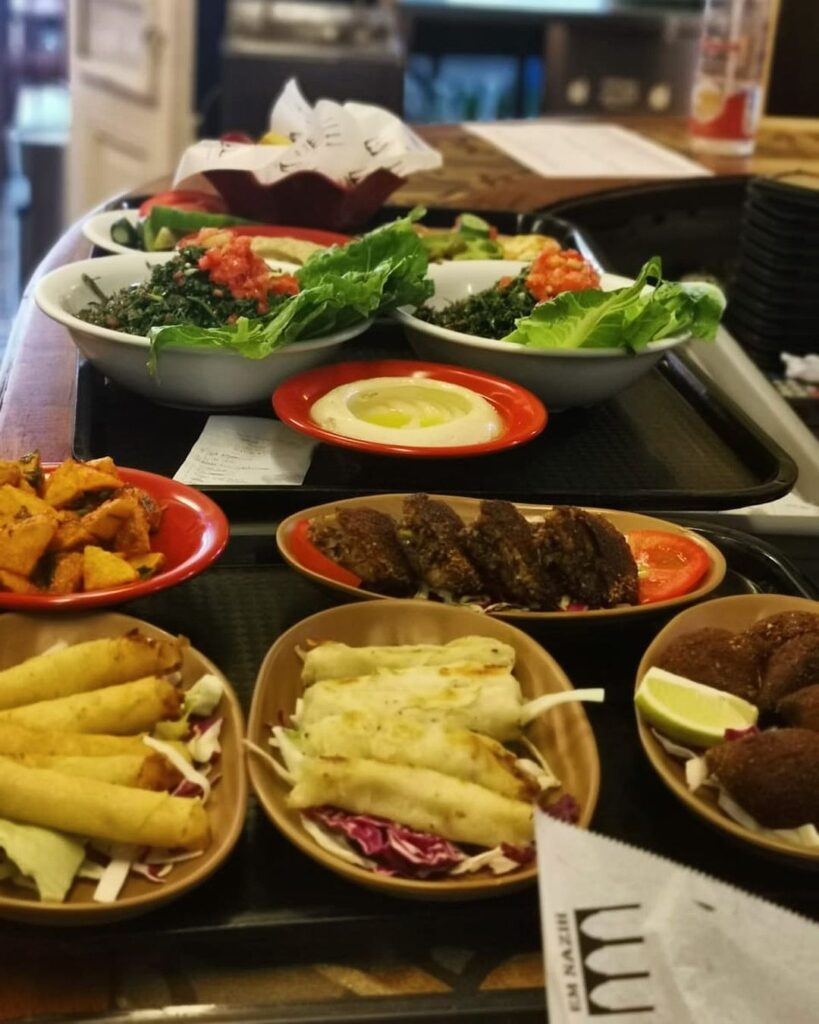
Beirut is a treasure trove of sights, from ancient ruins to stunning beaches and grand mountains, but its food is the biggest draw for visitors.
The city has squares and wide streets like in Paris and landmarks like the Grand Mohammed al-Amin Mosque, reminiscent of Istanbul. Yet, the best reason to visit Beirut and Lebanon is the mouthwatering cuisine, enhanced by the warmth of the locals.
Dive into our blog post, crafted just for food lovers eager to find the top spots to eat in Beirut and indulge in the incredible flavors of Lebanese food.
12. Discover Beirut Green Line
Lebanese history has been marked by conflicts since its creation. One place in the capital, Beirut, that recalls this horrible past is the Green Line. It’s one of the city’s main streets, stretching almost from one end to the other. For years, this street meant more than just a road; it was the border between the two areas into which the city was divided from 1975 to 1990: the north and the south, the Muslim and Christian zones.
This large avenue was a no-man’s land; crossing it meant certain death. Monitored 24 hours a day by soldiers from both sides, no one dared to set foot there. Over time, grass grew and turned the street green, hence its name. Today, hundreds of cars fill the area, and the sound of horns and pollution is ever-present. Yet, the scars of those terrible times remain. Many buildings are still half-destroyed, and shrapnel marks are visible, serving as constant reminders of the war.
Hidden Gems in Beirut
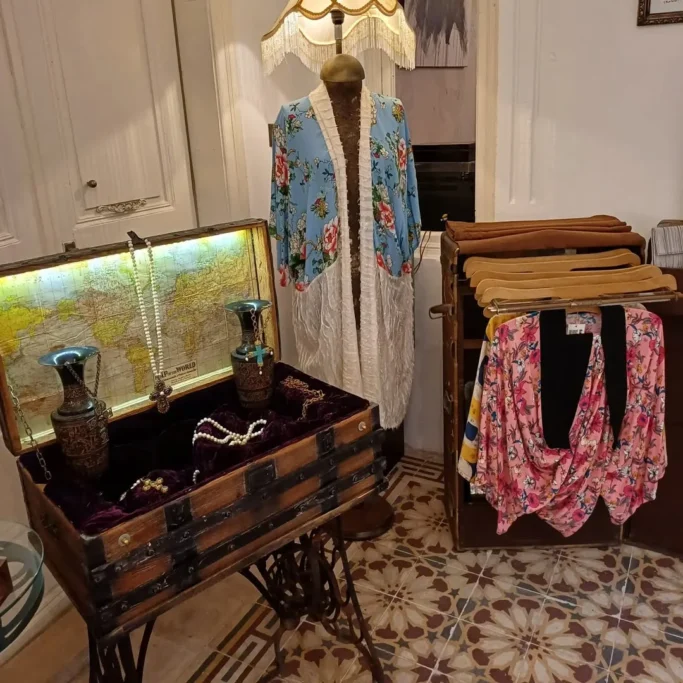
There are plenty of hidden gems in Beirut, and if you haven’t explored these must-visit spots, it’s time to add them to your list. These hidden gems prove that Beirut’s soul is found in its tucked-away cafes, art spaces, and vibrant little nooks. If you’re looking for a secret art space or a cool place only locals know, read this blog post.
Where to Stay in Beirut — Best-Reviewed Picks by Area
We’ve slept, sipped, and snooped our way around Beirut so you don’t have to. Here are the standouts—by vibe and neighborhood—so you can drop your bags and get to the good stuff fast.
Splurge & Iconic
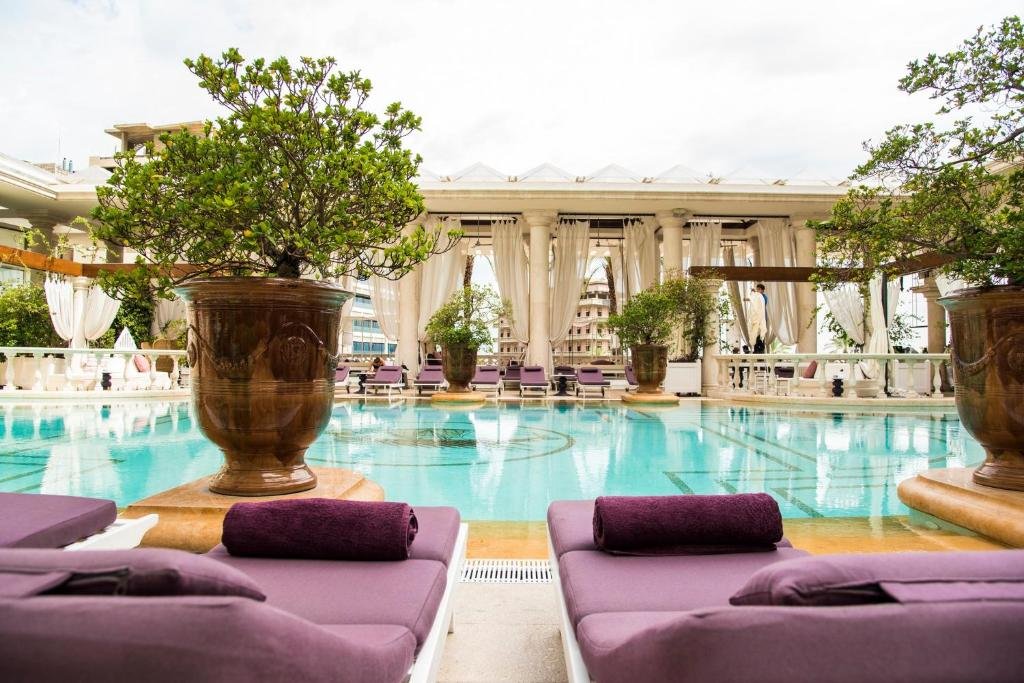
Phoenicia Beirut (Downtown/Corniche)
Old-world glamour with Mediterranean views, multiple pools, and that “you ’ve-arrived” lobby moment. Steps from Zaitunay Bay and an easy hop to Downtown. Great for design lovers and pool-day people.
Pro tip: Book a sea-view room—the Corniche sunrise is a cheat code for jet lag.
Kempinski Summerland Hotel & Resort (Jnah Coast)
Resort energy inside the city: private sandy cove, lagoon-style pools, serious spa. Perfect if your crew wants “Beirut + beach” without leaving town.
Boutique & Character
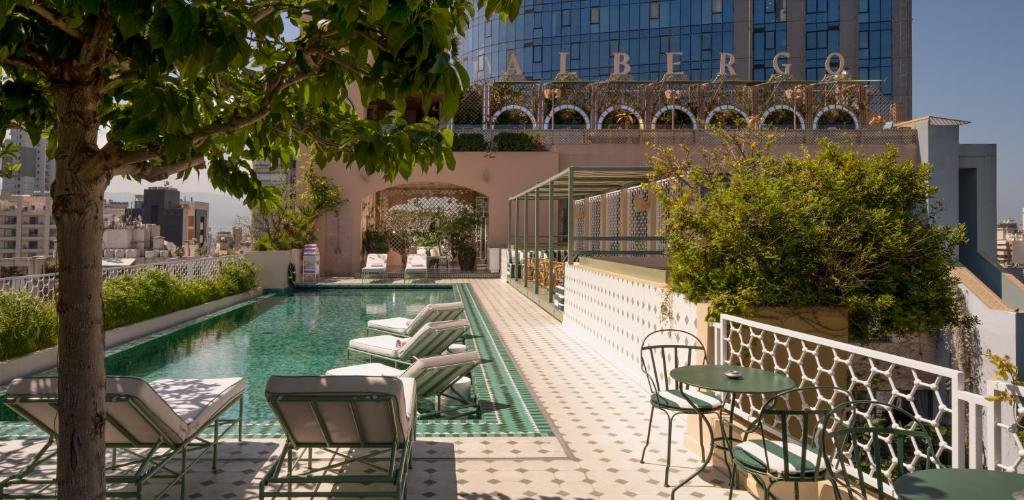
Hotel Albergo (Achrafieh – Relais & Châteaux)
Beirut’s grande dame of boutique stays: suites dressed in Levantine antiques, a dreamy rooftop pool, and a restaurant locals actually book. For romantics and aesthetes.
Arthaus Beirut (Gemmayzeh)
Art-house residence turned gallery-hotel on Gouraud Street—courtyard breakfasts, exhibitions on site, and nightlife at your doorstep. Bohemian soul with polished service.
Stylish Mid-Range
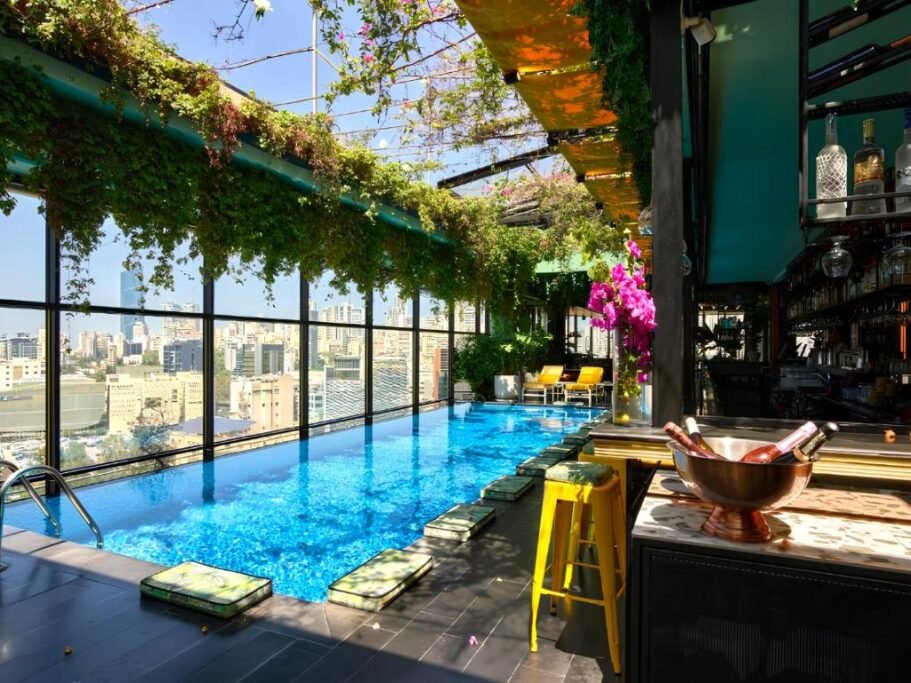
The Smallville Hotel (Badaro)
Playful, design-forward high-rise near the National Museum and Badaro’s café scene. Rooftop pool, big gym, and family-friendly rooms without the wallet sting.
Saifi Suites (Saifi Village/Downtown edge)
Calm, contemporary rooms in a walkable artsy enclave between Downtown and Gemmayzeh—ideal if you like quiet nights and quick access everywhere.
FAQs: Things to Do in Beirut
What are the must-see attractions in Beirut?
Start at the Corniche, Beirut’s sun-drenched seaside promenade. Wander through Downtown Beirut for its Roman ruins and café terraces, then detour to Gemmayzeh and Mar Mikhael—the beating heart of the city’s art and nightlife scene. Don’t miss the National Museum of Beirut, Raouché Rocks, and Mohammad Al-Amin Mosque.
What are some hidden gems in Beirut?
Try Sursock Palace and its quiet gardens, the Armenian neighborhood of Bourj Hammoud for vintage shops and falafel stalls, and Mar Mikhael’s street art alleys. For a peaceful escape, head to Horsh Beirut, one of the few urban forests left in the Middle East.
Is Beirut good for families?
Yes. Families love Zaitunay Bay for its walkable marina, KidMondo for interactive learning, and Beirut Waterfront Park for cycling and picnics. Many restaurants are child-friendly, especially in the seaside district of Ain El Mreisseh.
What are the best day trips from Beirut?
Visit Byblos (a UNESCO-listed Phoenician port), Jeita Grotto (an underground wonder), or the Harissa cable car for sweeping views of the coast. You can also explore Baalbek’s Roman temples and the vineyards of the Bekaa Valley.
When is the best time to visit Beirut?
Spring (April–June) and autumn (September–November) offer perfect sightseeing weather—warm but not humid. Summers are lively but hot; winters can bring rain but fewer crowds.
Is Beirut safe for tourists right now?
While Lebanon’s political climate can fluctuate, central Beirut and main tourist areas are usually safe with normal precautions. Always check travel advisories before visiting and follow local guidance.
What food should I try in Beirut?
Order mezze platters, kibbeh nayyeh (raw lamb), manoushe (thyme flatbread), and kafta. End with sfouf or baklava and a strong Arabic coffee. Pro tip: street shawarma at Mar Mikhael late at night hits differently.
- Lebanon with Kids: 8 Top Family-Friendly Places to Visit in 2026

- Ultimate Guide: How To Dress In Lebanon As A Tourist (2026)
- 15 Best Things to Do in Batroun: Your 2026 Travel Guide

- 26 Best Places to Visit in Lebanon (2026) – Hidden Gems & Must-See Spots

- 12 Unique Gifts from Lebanon (2026) – Authentic Souvenirs & Local Treasures
