

Travel writing based on first-hand experience
Morning light falls across pastel apartment buildings, cats supervise the pavements, and the first glasses of tea are already arriving at tiny outdoor tables. Welcome to Cihangir Istanbul neighborhood- fashionable, creative, and quietly eccentric.
Cihangir is known for its writers, actors, artists, handsome old apartments, steep streets, coffee shops, and famously well-fed cats. Yet there is much more here than brunch and the faint possibility of recognizing someone from a Turkish television series.
Look beyond the café tables and you will find literary museums, historic religious buildings, antique shops, Bosphorus viewpoints, neighborhood institutions, and stairways that seem determined to test whether we truly deserved that second pastry.
Cihangir remains closely associated with Istanbul’s artistic and intellectual life, while neighboring Çukurcuma is one of the city’s best areas for antiques, vintage shopping, and small museums.
Exploring more of Cihangir and Istanbul?
Start with our guide to the best restaurants in Cihangir, then choose a stylish base from the best hotels in Cihangir. When you are ready to swap hillside cafés for Bosphorus views, discover what to do in Bebek or wander through the waterfront streets of Arnavutköy.
Table of Contents
Planning a Day in Cihangir Istanbul Neighborhood
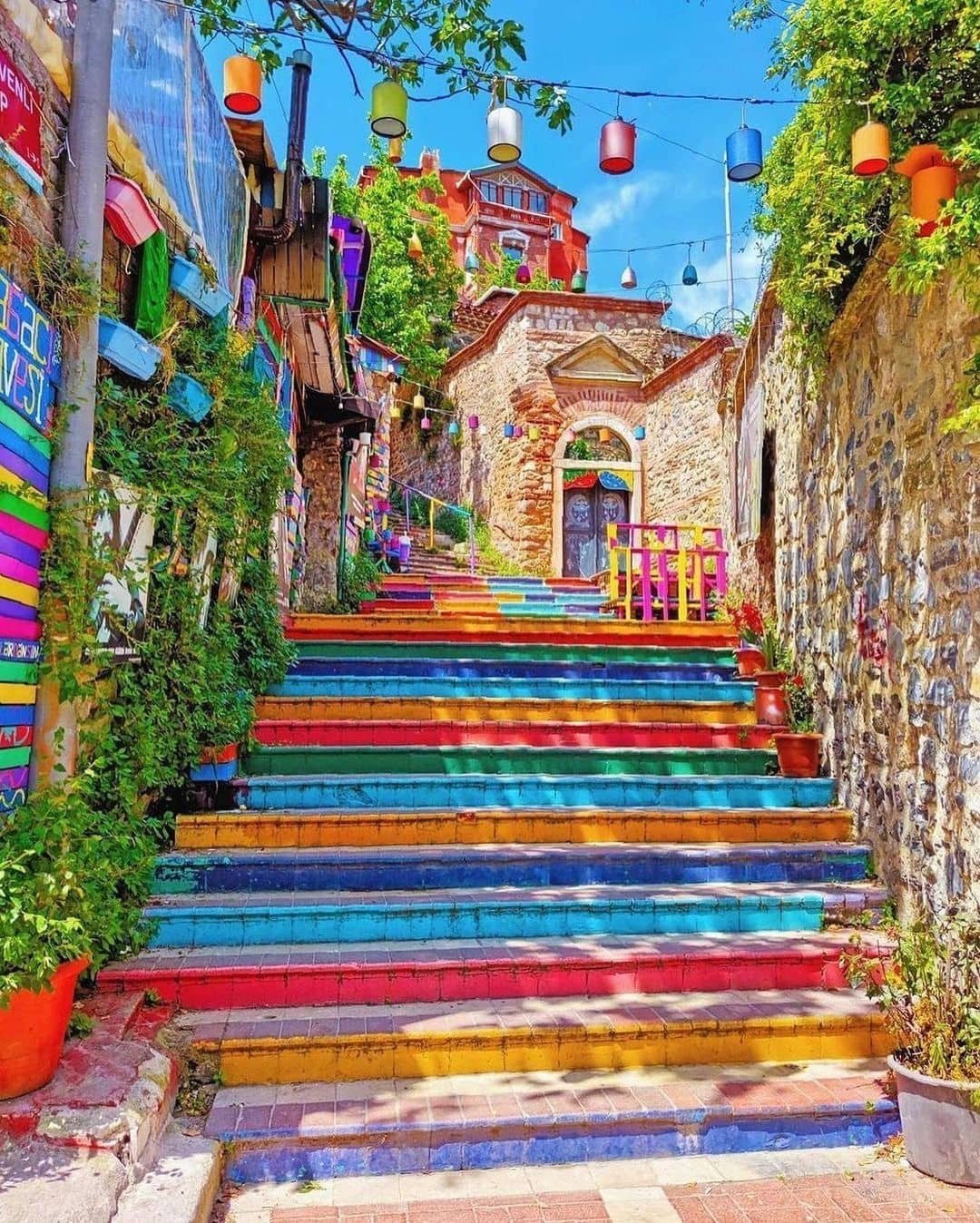
How much time do you need? Allow four to six hours for the main sights, coffee, and Çukurcuma. Stay until evening if you want dinner or rooftop drinks.
Best time to visit: A weekday morning is ideal. Weekends are livelier but considerably busier, particularly around the breakfast restaurants.
Price level: Cihangir is no longer a particularly inexpensive neighborhood. Simple tea remains affordable, but specialty coffee, cocktails, and fashionable restaurants generally sit in Istanbul’s moderate-to-upmarket range.
What to wear: Comfortable shoes with good grip. Cihangir is built on hills, and some pavements appear to have been designed during a disagreement.
Is Cihangir good for families? Yes, particularly with older children and teenagers who enjoy museums, cats, pastries, and unusual shops. The steep streets and uneven pavements can make the area tiring with a stroller.
A Brief History of Cihangir
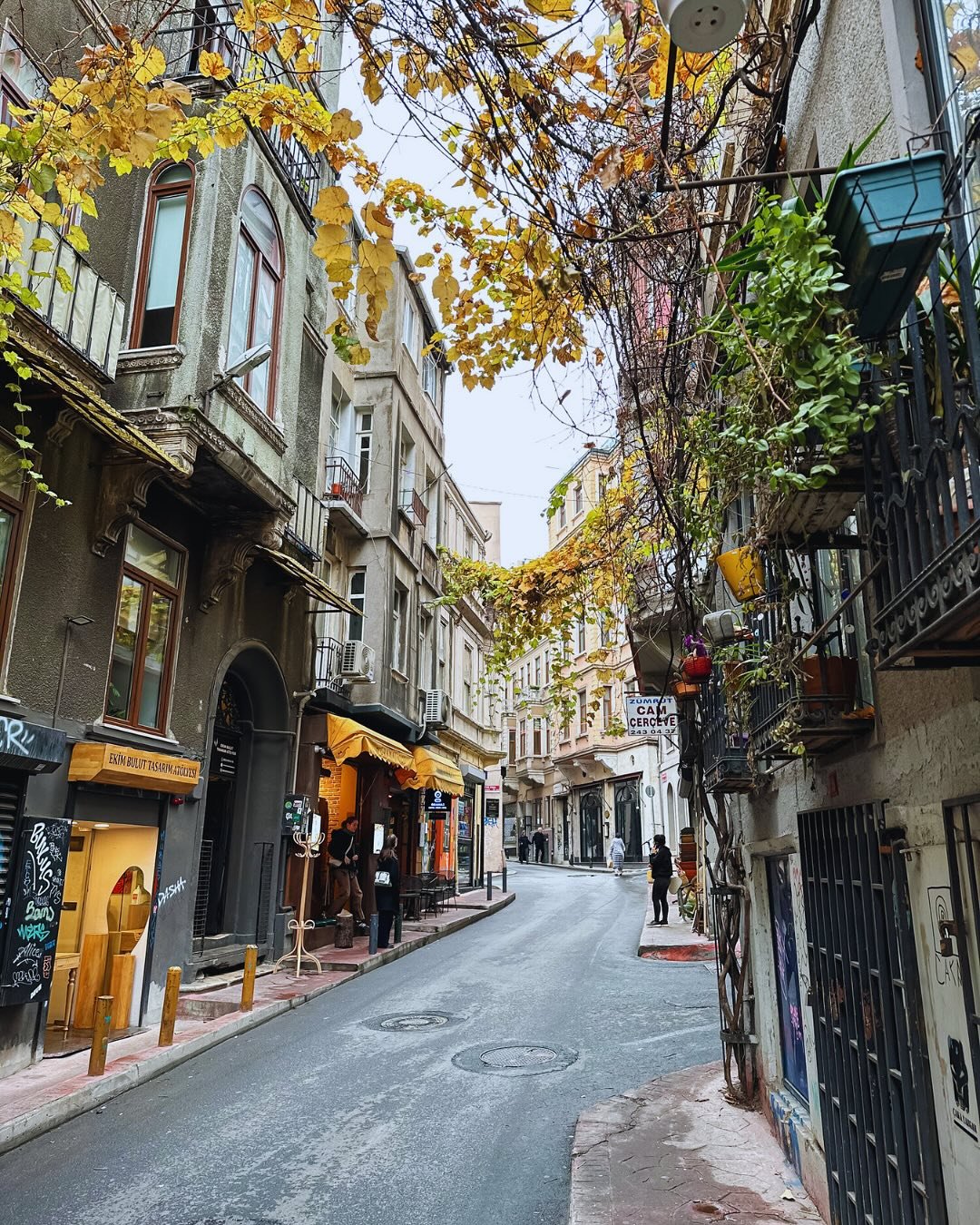
Cihangir takes its name from Şehzade Cihangir, the son of Sultan Süleyman the Magnificent and Hürrem Sultan.
After the young prince died in 1553, Sultan Süleyman commissioned a mosque in his memory on a hill overlooking the Bosphorus. The original mosque was designed by Mimar Sinan, and the surrounding settlement gradually became known by the prince’s name.
The first mosque was completed during the 1550s but suffered repeated damage from fires and earthquakes. The building we see today largely reflects a 19th-century reconstruction rather than Sinan’s original design.
For centuries, the hillside contained gardens, wooden houses, and scattered religious buildings. During the 19th century, Cihangir became increasingly residential as Istanbul expanded beyond the older center.
Wooden buildings were gradually replaced by masonry apartment blocks, particularly after the neighborhood suffered through Istanbul’s frequent fires. Many of the elegant façades, projecting bay windows, high ceilings, and decorative balconies that shape Cihangir today date from the late Ottoman and early Republican periods.
The neighborhood became particularly fashionable during the first half of the 20th century, when nearby Beyoğlu stood at the center of Istanbul’s cultural and entertainment scene.
Its fortunes changed during the political and social upheavals of the mid-20th century. Some long-established residents left, new communities arrived, and parts of the neighborhood declined.
From the 1980s onward, Cihangir again attracted artists, actors, writers, journalists, filmmakers, and intellectuals. Gentrification followed—along with higher rents, fashionable cafés, boutique hotels, and all the debates that usually accompany the arrival of expensive sourdough.
Today, Cihangir remains one of Istanbul’s most recognizable neighborhoods: cultured, stylish, occasionally self-important, but rarely dull.
How to Get to Cihangir
The easiest approach begins at Taksim Square.
From the square, walk down Sıraselviler Street. This route passes close to Hagia Triada Church and Savoy Patisserie before leading into the upper streets of Cihangir.
You can also arrive from İstiklal Avenue by turning into the side streets near Galatasaray and walking downhill through Çukurcuma.
Coming from the waterfront? Walk uphill from Tophane. This is the steepest approach, but it leads through atmospheric streets filled with antique shops, cafés, old apartment buildings, and the occasional cat occupying an entire doorway.
There is no single correct route. Cihangir is best explored by wandering. Choose a different side street whenever possible—you may briefly lose your bearings, but you are unlikely to run out of coffee.
Start at Hagia Triada Greek Orthodox Church
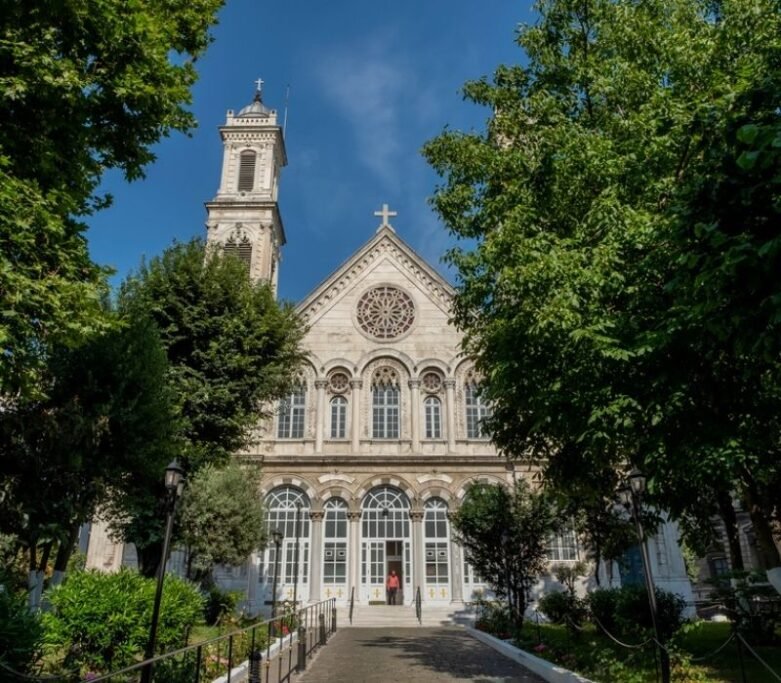
At the edge of Taksim, close to the beginning of Sıraselviler Street, stands the imposing Hagia Triada Greek Orthodox Church, commonly called Aya Triada.
Construction began in 1876, and the church officially opened in 1880. Its large dome, twin bell towers, decorative stonework, and Neo-Baroque and Neo-Byzantine details make it one of Beyoğlu’s most impressive religious buildings.
A Greek Orthodox cemetery previously occupied part of the site. It was relocated before permission was granted for the construction of the church.
The building suffered serious damage during the attacks of 6–7 September 1955, when Greek-owned homes, businesses, and religious buildings across Istanbul were targeted. It was subsequently restored and continues to function as an active place of worship.
Many visitors walk past the gates without entering because they are focused on reaching İstiklal Avenue or Taksim Square. When the church is open outside service times, step inside and take a few minutes to appreciate its icons, chandeliers, high dome, and unexpectedly peaceful atmosphere.
Have a Proper Turkish Breakfast at Van Kahvaltı Evi
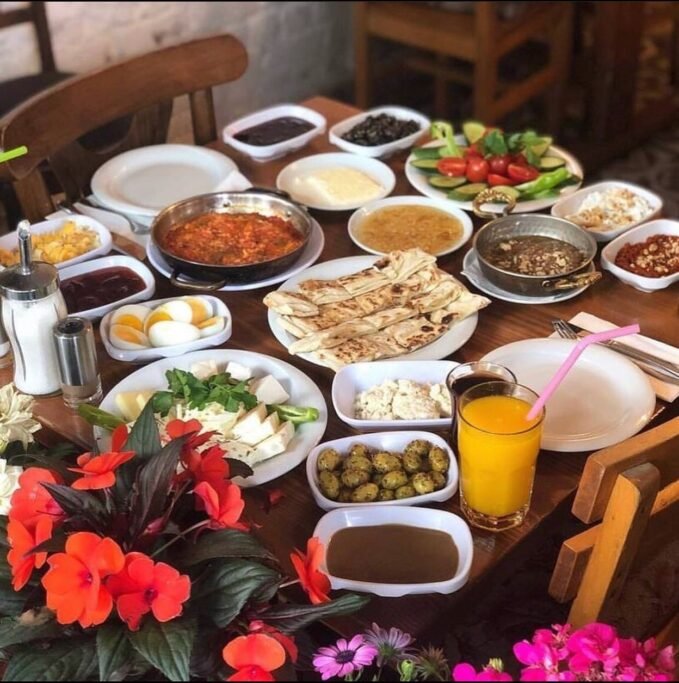
From Taksim, continue downhill toward Van Kahvaltı Evi, one of Cihangir’s best-known breakfast addresses.
This is not the place for a lonely croissant eaten while checking your phone. Breakfast arrives as a full tabletop operation: cheeses, olives, tomatoes, cucumbers, eggs, bread, butter, honey, clotted cream, jams, tahini, and regional specialties associated with Van in eastern Türkiye.
Try the herb-filled otlu peynir, one of the defining flavors of a Van-style breakfast. Add eggs with sucuk if you are hungry—or merely ambitious.
Van Kahvaltı Evi’s Cihangir branch remains open daily, although weekend queues are common. Arrive early if you want to eat without spending half the morning watching other people finish their tea.
Best for: First-time visitors who want the full Turkish breakfast experience.
Booking tip: Reservations may not always solve the weekend rush. A weekday morning is far more relaxed.
Stop for Specialty Coffee at Kronotrop
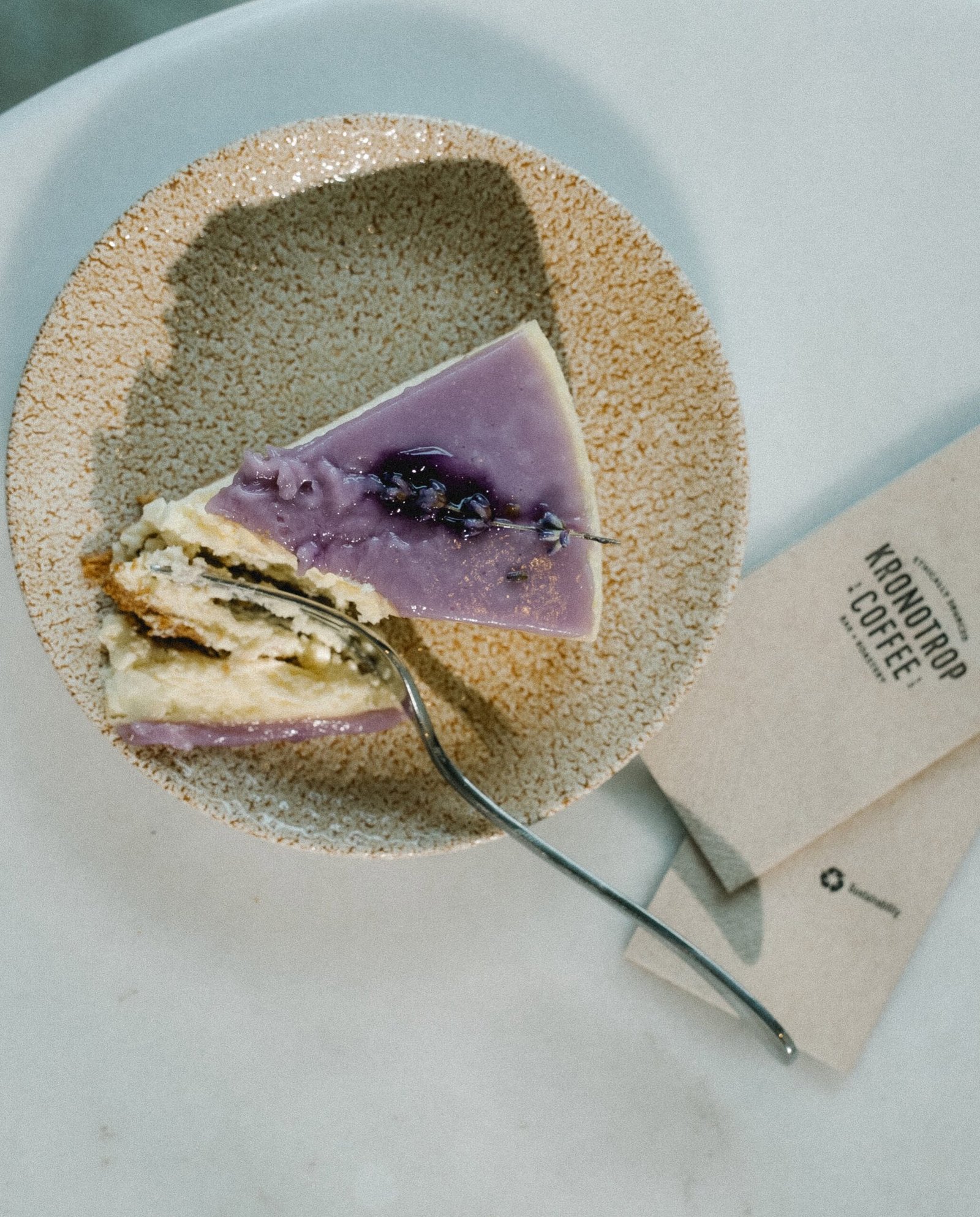
After breakfast, wander toward Firuzağa and stop at Kronotrop, one of the names closely associated with Istanbul’s early specialty-coffee scene.
The original Cihangir location is compact and unpretentious, with the focus firmly on coffee rather than elaborate décor. Choose an espresso-based drink or ask about the available filter beans if you want something more interesting than the standard tourist-café cappuccino.
Kronotrop still operates in Cihangir and remains a dependable stop for carefully sourced and roasted coffee.
This is a good quick pause rather than an hour-long brunch sequel. Drink your coffee, watch the neighborhood pass by, and save your sitting stamina for Firuzağa.
Drink Tea at Firuzağa Tea Garden
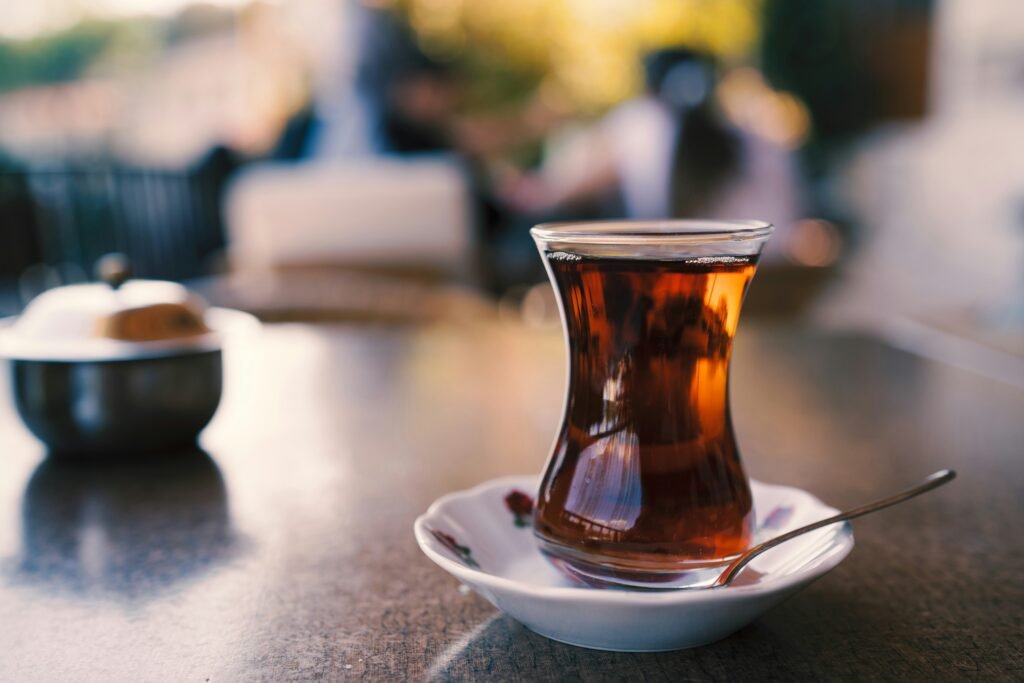
Beside Firuzağa Mosque, the simple outdoor tea garden commonly known as Firuzağa Tea Garden or Asmalı Kahve has long served as one of Cihangir’s unofficial living rooms.
The setting is hardly elaborate: small tables, plastic or wooden chairs, glasses of Turkish tea, street noise, people reading, friends arguing cheerfully, and cats assessing which table looks most generous.
That simplicity is precisely the point.
Cihangir has long been home to actors, filmmakers, writers, musicians, and people working in Istanbul’s creative industries. Firuzağa became one of the places where they gathered, exchanged gossip, discussed projects, and performed the ancient neighborhood ritual of making one glass of tea last for an impressive amount of time.
Order a tea, slow down, and observe the neighborhood rather than trying to “complete” it. Cihangir works better when we stop treating every chair as a checkpoint.
Walk to Cihangir Mosque for the Bosphorus View
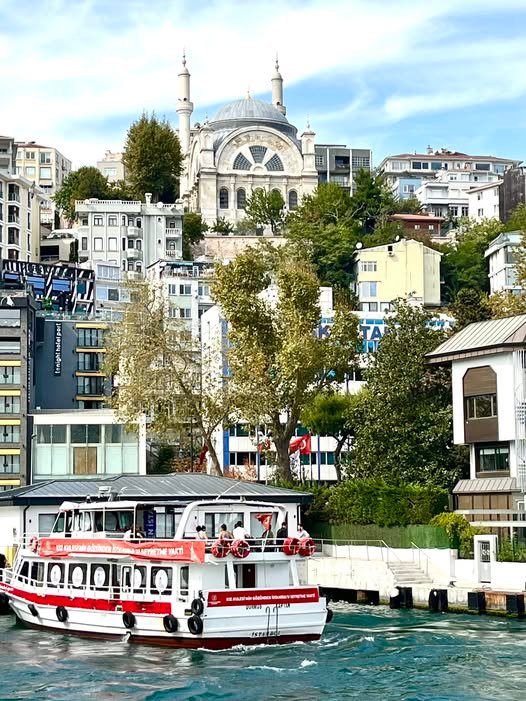
The mosque that gave the neighborhood its name stands near the edge of the hillside, overlooking the Bosphorus.
The original Cihangir Mosque was commissioned by Sultan Süleyman in memory of his son and designed by Mimar Sinan. Fires and earthquakes repeatedly damaged the building, and it was reconstructed during the 19th century.
The present mosque is relatively modest compared with Istanbul’s grand imperial complexes. Its setting, however, is exceptional.
From the surrounding garden and nearby streets, the city opens toward the Bosphorus, Sarayburnu, Topkapı Palace, and the Asian shore.
Come quietly, dress respectfully, and avoid entering during prayers unless you are attending. Outside prayer times, visitors may generally enter if access is open.
Even if the mosque itself is temporarily closed, the walk is worthwhile for the hillside atmosphere and views.
Find the Cihangir Stairs
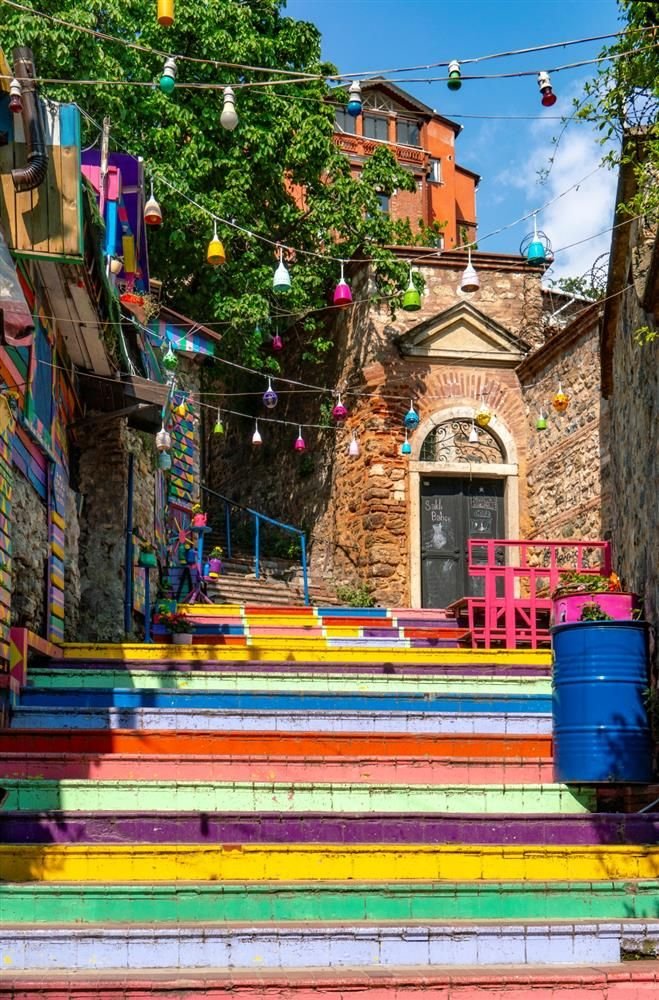
Around the lower edge of the neighborhood, several steep staircases connect Cihangir with the streets descending toward Tophane and Kılıç Ali Paşa.
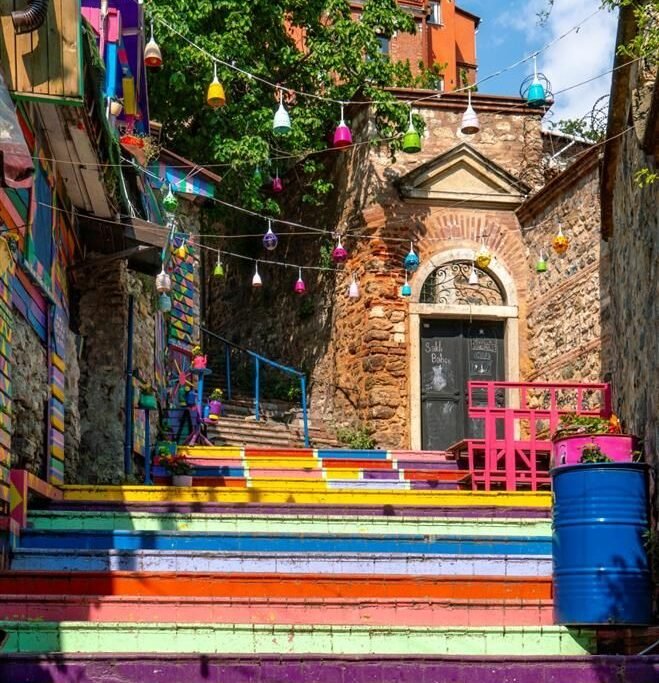
The steps commonly known as the Cihangir Stairs have become an informal gathering place. People sit here with takeaway drinks, talk, play music, and watch the changing light over the city.
There is no ticket, formal viewpoint, or grand monument waiting at the top. The attraction is simply the view and the sensation of briefly becoming part of neighborhood life.
Come near sunset, bring a drink, and keep noise to a reasonable level. These picturesque stairways also lead to people’s homes, and residents should not have to navigate an outdoor nightclub every evening.
Browse the Antique Shops of Çukurcuma
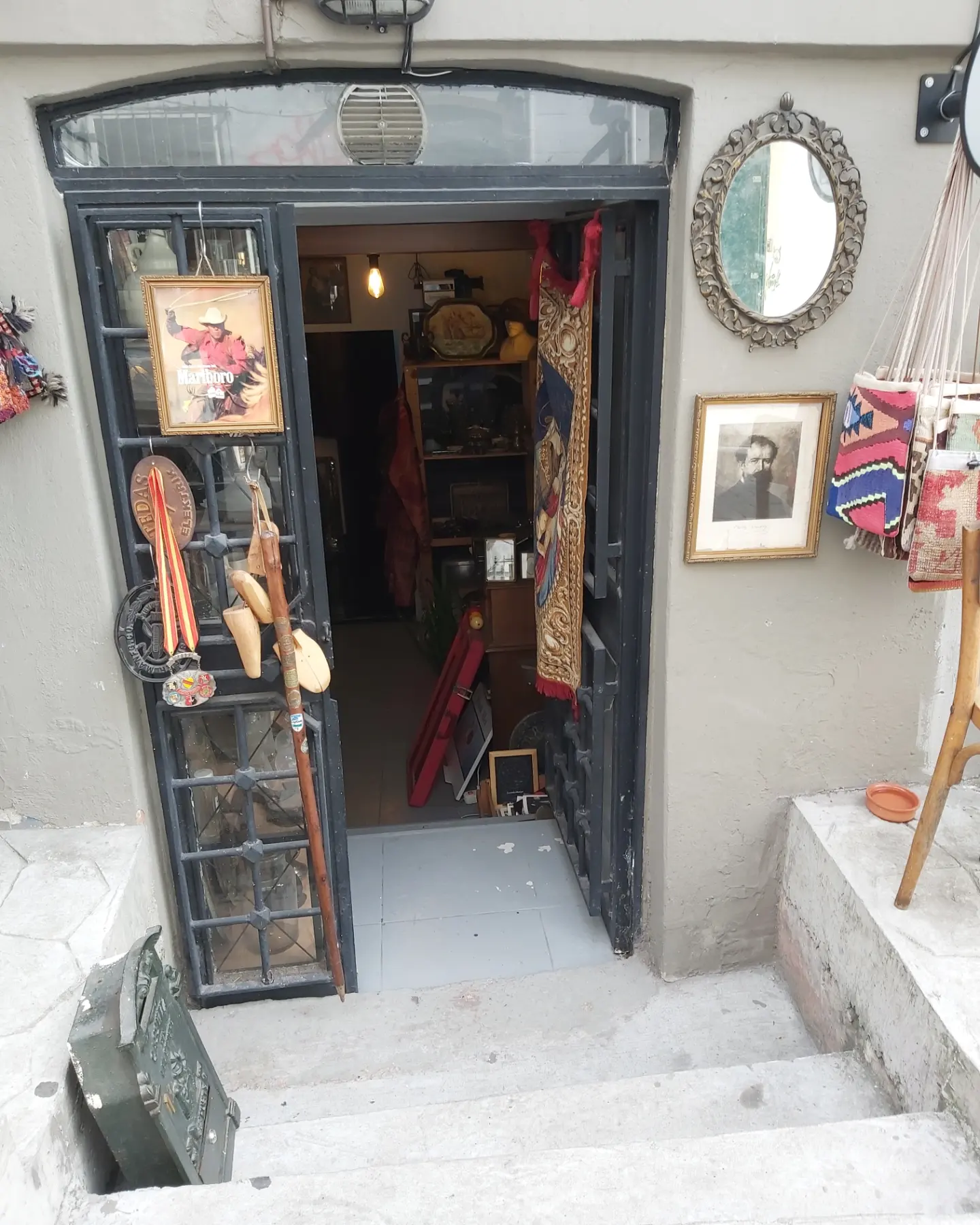
From Cihangir, walk downhill into Çukurcuma, the neighborhood’s antique-filled companion.
Faik Paşa Street and the surrounding lanes are lined with antique dealers, vintage shops, restoration workshops, and small boutiques.
Inside, you may find Ottoman furniture, old photographs, paintings, lamps, mirrors, porcelain, jewelry, books, clocks, textiles, and mysterious metal objects that nobody can fully explain but everyone agrees would look excellent on a shelf.
Some shops cater to serious collectors, while others sell smaller and more affordable vintage pieces. Browsing is welcome, although asking before photographing interiors is polite.
Çukurcuma remains one of Istanbul’s best-known areas for vintage and antique shopping.
Allow at least an hour. Antique enthusiasts may need considerably longer—and possibly a companion authorized to say, “No, we cannot carry that chair home.”
Visit the Museum of Innocence
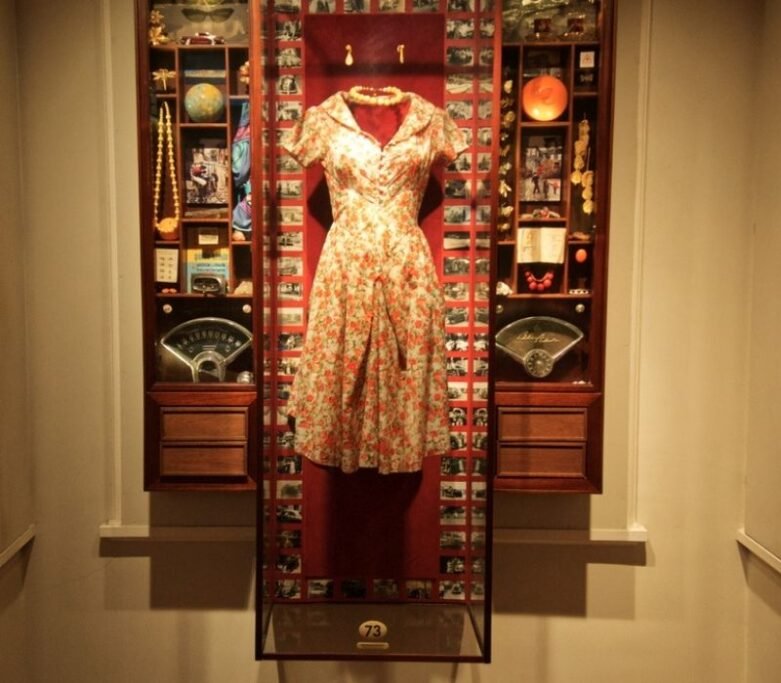
Hidden in a distinctive red building in Çukurcuma, the Museum of Innocence is one of Istanbul’s most unusual museums.
Nobel Prize-winning author Orhan Pamuk created the museum alongside his novel The Museum of Innocence. The book follows Kemal Basmacı and his obsessive love for Füsun against the background of Istanbul from the 1970s onward.
The novel was published in 2008, while the museum opened in 2012.
Inside, 83 display cases correspond to the novel’s chapters. They contain clothing, photographs, cigarette ends, postcards, trinkets, kitchen utensils, bottles, tickets, and other everyday objects connected to the fictional story.
Together, they create a richly detailed portrait of memory, desire, domestic life, and changing Istanbul society.
Reading the novel first adds another layer to the visit, but it is not essential. Even without knowing the characters, the museum works as an atmospheric archive of 20th-century Istanbul.
The museum is approximately ten minutes on foot from central Cihangir and is normally closed on Mondays. Check its official visitor information before going, as opening hours and admission fees can change.
Time needed: Around one hour.
Family tip: Better suited to teenagers and adults than very young children.
Shop for Cheese and Local Produce at Antre Gourmet
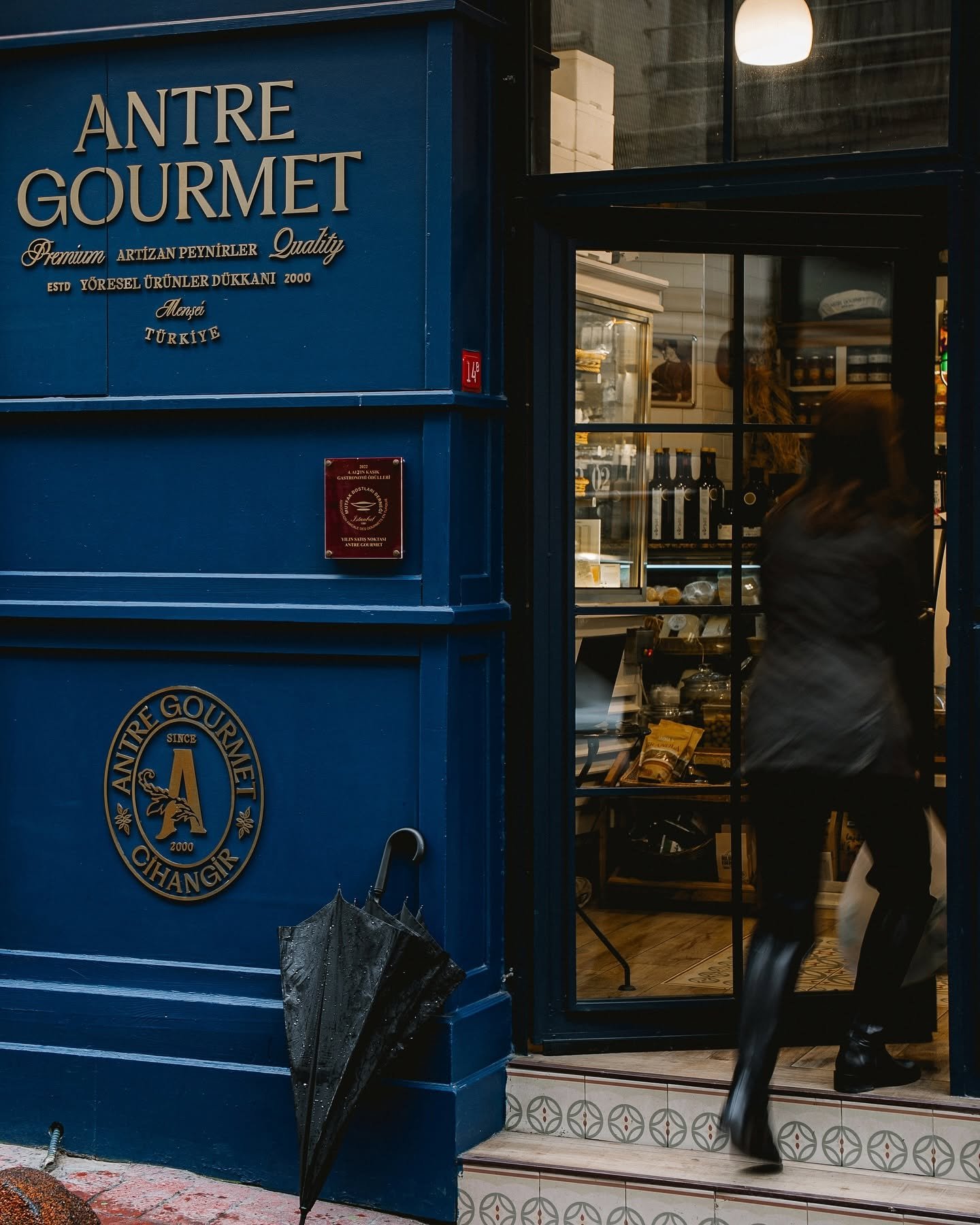
Back in central Cihangir, food lovers should make a quick detour to Antre Gourmet.
The shop specializes in Turkish and international cheeses, olives, olive oils, preserves, charcuterie, condiments, and other carefully sourced products.
It is an excellent place to assemble an impromptu picnic, buy edible souvenirs, or discover regional Turkish cheeses beyond the standard white cheese served at breakfast.
Antre Gourmet has operated since 2000 and currently has its Cihangir shop on Bakraç Sokak.
Best for: Food souvenirs, picnic ingredients, and travelers staying in an apartment.
What to buy: Ask about regional Turkish cheeses, good olive oil, preserves, or whatever is currently in season.
Try the Mille-Feuille at Savoy Patisserie
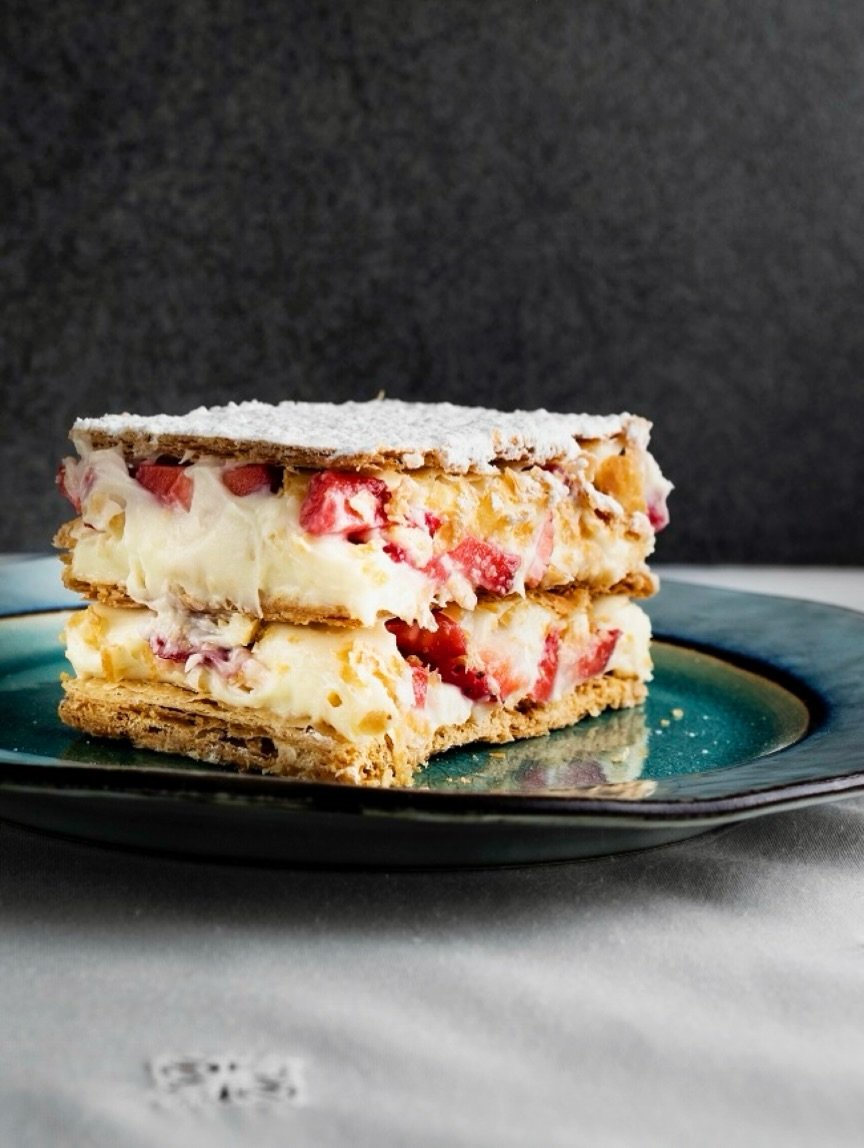
Cihangir without a pastry stop? We could do it, technically, but why introduce unnecessary hardship?
Savoy Patisserie has been part of the neighborhood since 1950 and remains one of its best-known traditional pastry shops.
Its classic choice is the mille-feuille, made with crisp pastry layers and smooth cream. Eating it neatly is a charming ambition that usually lasts until the first attempt with a fork.
Savoy also serves cakes, biscuits, chocolates, pastries, and savory snacks. It works equally well as an afternoon stop or as the final sugar-based reward before walking back uphill to Taksim.
Expect a more traditional patisserie atmosphere than Cihangir’s newer specialty-coffee bars. That contrast is precisely why it belongs in the itinerary.
Stay for Dinner at Demeti or Jash
Cihangir becomes livelier after dark, and two long-running dinner options from the neighborhood deserve particular attention.
Demeti Cihangir
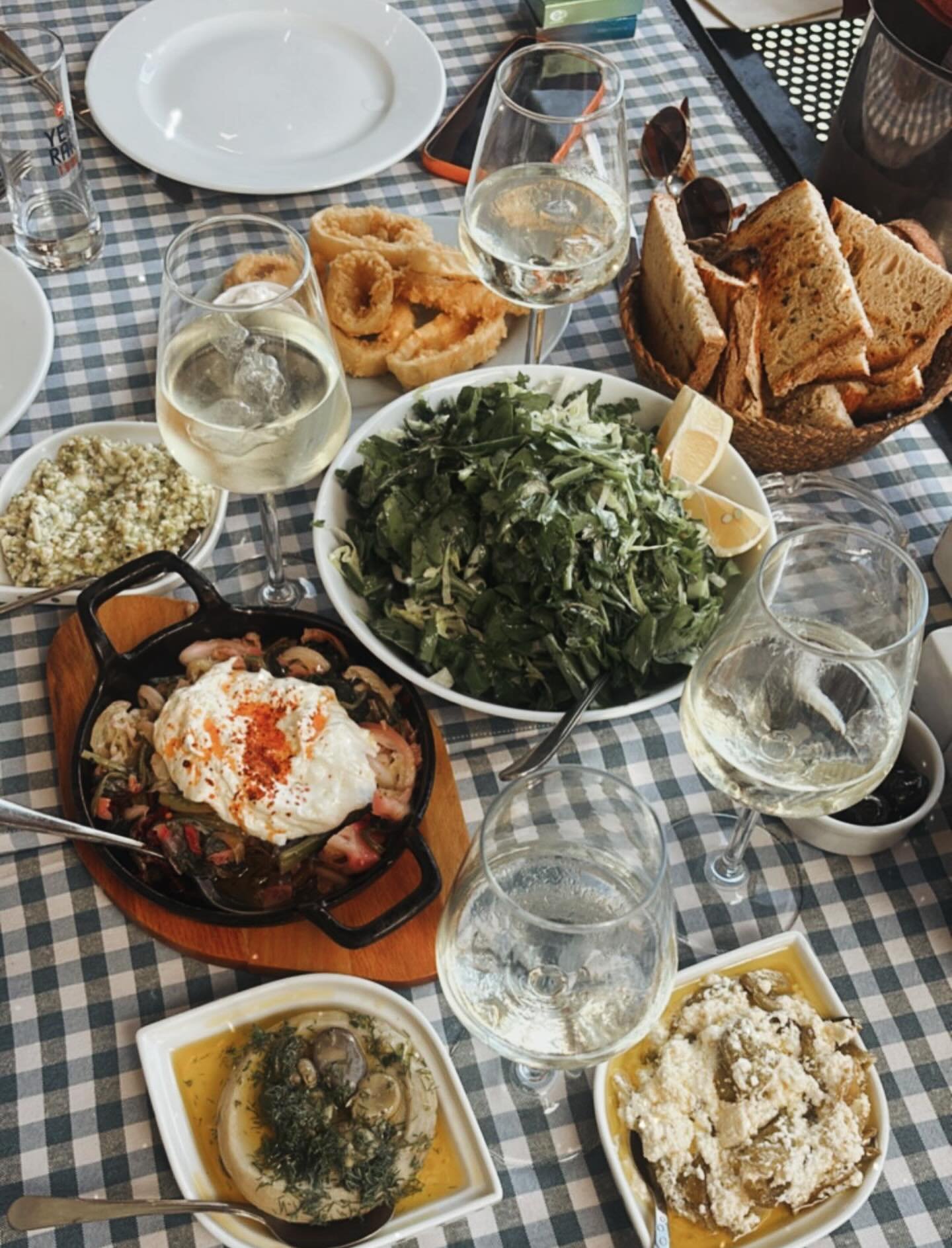
Demeti combines a traditional meyhane-style meal with an intimate apartment setting and Bosphorus views from its coveted balcony tables.
Order several cold and hot meze plates, add fish or another main dish, and let dinner unfold slowly. A meyhane is not designed for consuming one plate at maximum efficiency and sprinting for the bill.
Demeti remains active in Cihangir, and balcony tables are limited. Reservations are strongly recommended, particularly on weekends.
Best for: Meze, fish, rakı, and a long evening with friends.
Jash Istanbul
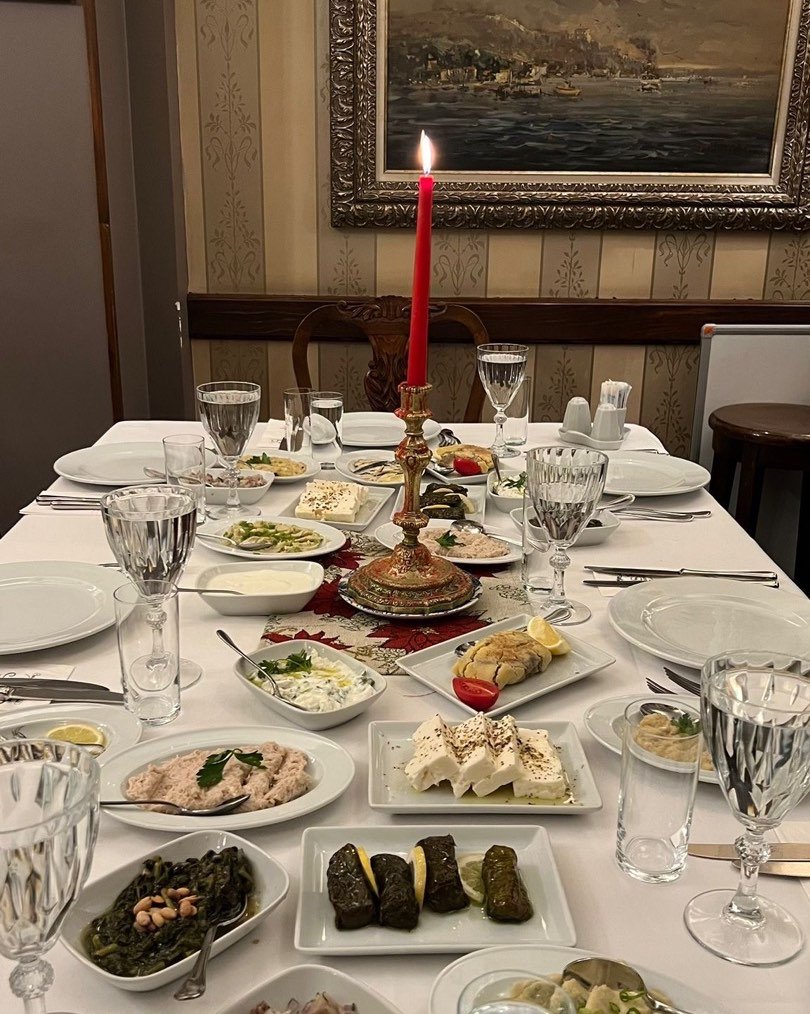
Jash offers another side of Istanbul’s culinary history, drawing on traditional Istanbul and Armenian-influenced recipes.
The setting feels more like a characterful old home than a polished modern restaurant, with antique furniture, pictures, music, and warmly nostalgic details.
Jash continues to operate at Cihangir Caddesi No. 9 and focuses on traditional Istanbul dishes and meze.
Best for: Travelers interested in Istanbul’s multicultural food heritage and atmospheric dining.
A Perfect One-Day Cihangir Itinerary
Trying to fit everything together without marching around like an overworked tour guide? Follow this route:
Morning
Begin at Taksim Square and visit Hagia Triada Church.
Walk down into Cihangir for breakfast at Van Kahvaltı Evi, then stop for coffee at Kronotrop.
Sit for a while at Firuzağa Tea Garden and watch the neighborhood wake up.
Late Morning
Visit the Orhan Kemal Museum, then continue toward Cihangir Mosque for the Bosphorus view.
Walk down the nearby stairways and explore the quieter residential streets.
Afternoon
Continue into Çukurcuma to browse the antique shops.
Visit the Museum of Innocence, then walk toward the Kadiri Lodge if you want to explore the lower part of the neighborhood.
Return uphill through the side streets, stopping at Antre Gourmet or Savoy Patisserie.
Evening
Watch the sunset from 5.Kat.
Finish with meze at Demeti or a traditional Istanbul dinner at Jash.
By this point, your step count will be heroic, your camera roll will contain at least twelve cats, and the hills will have made their feelings about your footwear perfectly clear.
Is Cihangir Worth Visiting?
Absolutely—particularly if you enjoy neighborhoods that reveal themselves gradually.
Cihangir does not revolve around one enormous attraction. Its appeal comes from the combination of old apartment buildings, literary history, religious sites, coffee shops, antique dealers, cats, viewpoints, neighborhood traditions, and creative energy.
It also offers a useful contrast to Istanbul’s monumental sights. After the crowds of Sultanahmet and the sensory overload of İstiklal Avenue, Cihangir allows us to experience the city at a more human scale.
Spend several hours walking without a rigid route. Visit a museum, browse Çukurcuma’s antique shops, sit over tea at Firuzağa, step inside a historic church, drink coffee, admire the Bosphorus, and order a pastry you had no intention of eating.
Cihangir rewards curiosity. Take the side street. Climb the stairs. Look behind the heavy wooden door.
And do not be surprised when a supposedly quick neighborhood walk quietly consumes the entire day.
- Cihangir Istanbul Neighborhood Guide (2026): Cafés, Museums and Hidden Corners
 Morning light falls across pastel apartment buildings, cats supervise the pavements, and the first glasses of tea are already arriving at tiny outdoor tables. Welcome to Cihangir Istanbul neighborhood- fashionable, creative, and quietly eccentric. Cihangir is known for its writers, actors, artists, handsome old apartments, steep streets, coffee shops, and famously well-fed cats. Yet there… Read more: Cihangir Istanbul Neighborhood Guide (2026): Cafés, Museums and Hidden Corners
 - Best Hotels in Cihangir Istanbul with Bosphorus view (2026): 4 Stylish Places to Stay
 The morning begins with ferry horns drifting up from the Bosphorus, a cat asleep on somebody’s scooter, and the smell of coffee escaping from a café downstairs. This is why we stay in Cihangir rather than merely visiting it. The neighborhood sits between Taksim, Galataport, Çukurcuma, and the Bosphorus waterfront. You can walk to museums,… Read more: Best Hotels in Cihangir Istanbul with Bosphorus view (2026): 4 Stylish Places to Stay
 - 19 Best Restaurants in Cihangir Istanbul (2026)
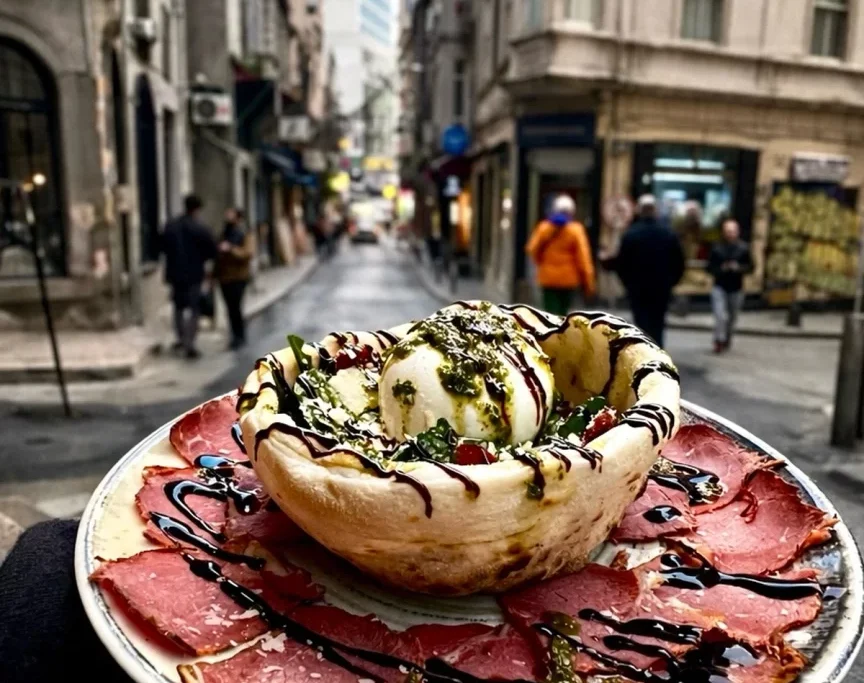 Cihangir is not the kind of neighborhood where we “just grab a quick bite” and move on like efficient adults. No. We wander. We peek into courtyards. We get distracted by a terrace, a breakfast table, a plate of mantı, or a meyhane that looks like it has been quietly hosting Istanbul secrets for decades.… Read more: 19 Best Restaurants in Cihangir Istanbul (2026)
 - Where to Find the Best Kokorec in Istanbul (2026): 10 Local Street-Food Spots
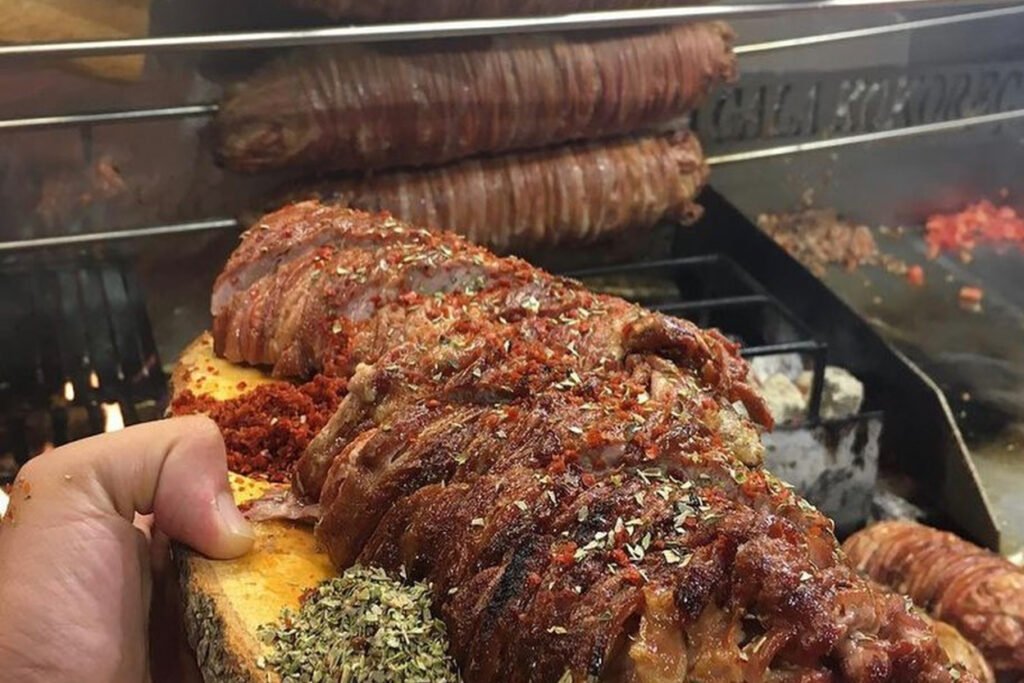 Kokorec is not the dish most visitors order on their first cautious afternoon in Istanbul. It is usually the one we try after a few days in the city, when curiosity wins and we are ready to eat something properly local. Made from seasoned lamb intestines grilled until crisp, chopped finely, and usually stuffed into… Read more: Where to Find the Best Kokorec in Istanbul (2026): 10 Local Street-Food Spots
 - Best Kumpir in Istanbul: 10 Local Places to Try in 2026
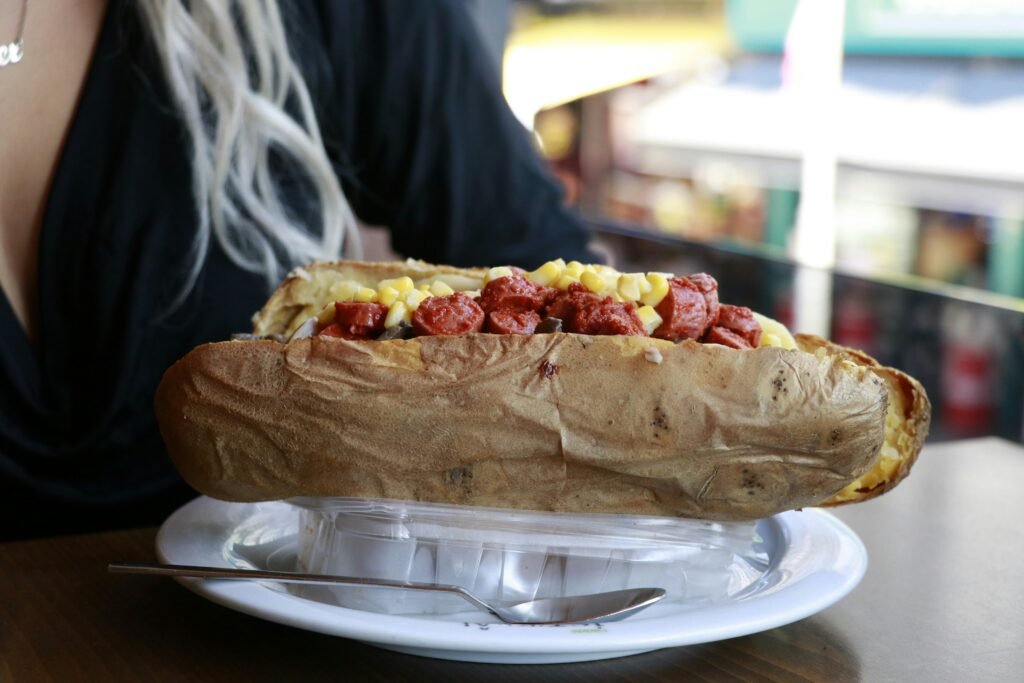 A cloud of steam rises from a split baked potato. Butter melts into the fluffy center. Grated cheese follows, then comes the difficult part: choosing from a small mountain of toppings while people behind you make decisions at suspiciously professional speed. This is kumpir, one of Istanbul’s most satisfying street-food classics. The basic idea sounds… Read more: Best Kumpir in Istanbul: 10 Local Places to Try in 2026