
Travel writing based on first-hand experience
Few places on Earth have experienced such rapid growth and transformation as Dubai. Once a humble fishing village along the Arabian Gulf, it has evolved into a futuristic global city known for its groundbreaking skylines and iconic design. Today, Dubai stands as a living showcase of innovation and ambition — a true wonder for architecture lovers. In this post, we’ll explore famous Dubai architecture and highlight the most famous buildings in Dubai that define its extraordinary skyline.
Keep Exploring Dubai’s Wild Architecture
Dubai architecture is basically the city saying, “What if we built the impossible, made it shiny, and added an observation deck?” One minute we’re staring up at the Burj Khalifa, the next we’re chasing sail-shaped hotels, twisted towers, futuristic museums, old wind-tower houses, and malls that behave like entire weather systems. Use these Dubai and UAE guides to keep the skyline obsession going.
- Most Beautiful Buildings in Dubai — the best next click if you want more Burj Khalifa drama, Zaha Hadid curves, Dubai Opera lines, and skyline icons worth craning your neck for.
- Emirati Architecture Guide — perfect for connecting Dubai’s futuristic towers with forts, wind towers, mosques, palaces, and the UAE’s older architectural roots.
- Best Indoor Attractions in Dubai — useful for the Museum of the Future, Dubai Aquarium, Jameel Arts Centre, and other design-heavy stops with blessed air-conditioning.
- Best Dubai Excursions — handy if you want Burj Khalifa tickets, helicopter views, yacht cruises, desert trips, and tours that make Dubai’s scale feel properly ridiculous.
- 2 Days in Dubai Itinerary — ideal if you want to squeeze skyscrapers, old Dubai, malls, beaches, and desert views into one sharp 48-hour plan.
- Best Things to Do in Deira — great for seeing Dubai’s older side, with souks, creek views, heritage streets, and a welcome break from glass-tower vertigo.
- Shopping in Dubai — because in Dubai, even shopping malls are architectural events with aquariums, waterfalls, ski slopes, and “how is this indoors?” energy.
- 2 Days in Abu Dhabi Itinerary — perfect if you want to pair Dubai’s skyline with Louvre Abu Dhabi, Qasr Al Watan, Sheikh Zayed Grand Mosque, and more UAE design drama.
- UAE Road Trip Itinerary — the big-picture route for linking Dubai architecture with Abu Dhabi, Sharjah, Al Ain, Fujairah, Ras Al Khaimah, and the rest of the Emirates.
- Dubai Travel Tips — practical help with transport, neighborhoods, dress codes, money, timing, and surviving a city where everything is farther apart than it looks.
Table of Contents
Dubai’s urban and architectural transformation
Star architects such as Norman Foster and Zaha Hadid have immortalized themselves in Dubai’s iconic skyline. The Dubai-based architectural firm Killa Design designed one of the most beautiful buildings. Design gems of modernism from the past decades as well as sustainable new buildings characterize the unique architectural landscape of the beach metropolis.
The Burj Al Arab, the superlative hotel in the shape of a sail, is celebrating its 25th birthday this year and, together with the Burj Khalifa – the tallest building in the world since 2010 – has long since secured a firm place in the world of architecture.
Hardly any other city in the world has developed as quickly as Dubai. In just a few decades, the metropolis on the Arabian Gulf has transformed from a former fishing village and trading port into a global megacity, undergoing an unparalleled urban and architectural transformation.
Fusion of tradition and modernity
At the end of the 1950s, His Highness Sheikh Rashid Bin Saeed Al Maktoum hired the British architect John R. Harris as the first city planner to set the course for a strategic modernization and urbanization of Dubai, which until then had been characterized by a classic Arabic city structure. The first architectural boom occurred in the 1970s. As a result of the continuous economic upswing, the cityscape changed in the sense of zoning and grid planning. In the 1990s, star architects created technical masterpieces that are still important for Dubai’s urban panorama today.
Famous Dubai Architecture : World-Famous Architectural Icons
Sheikh Rashid Tower
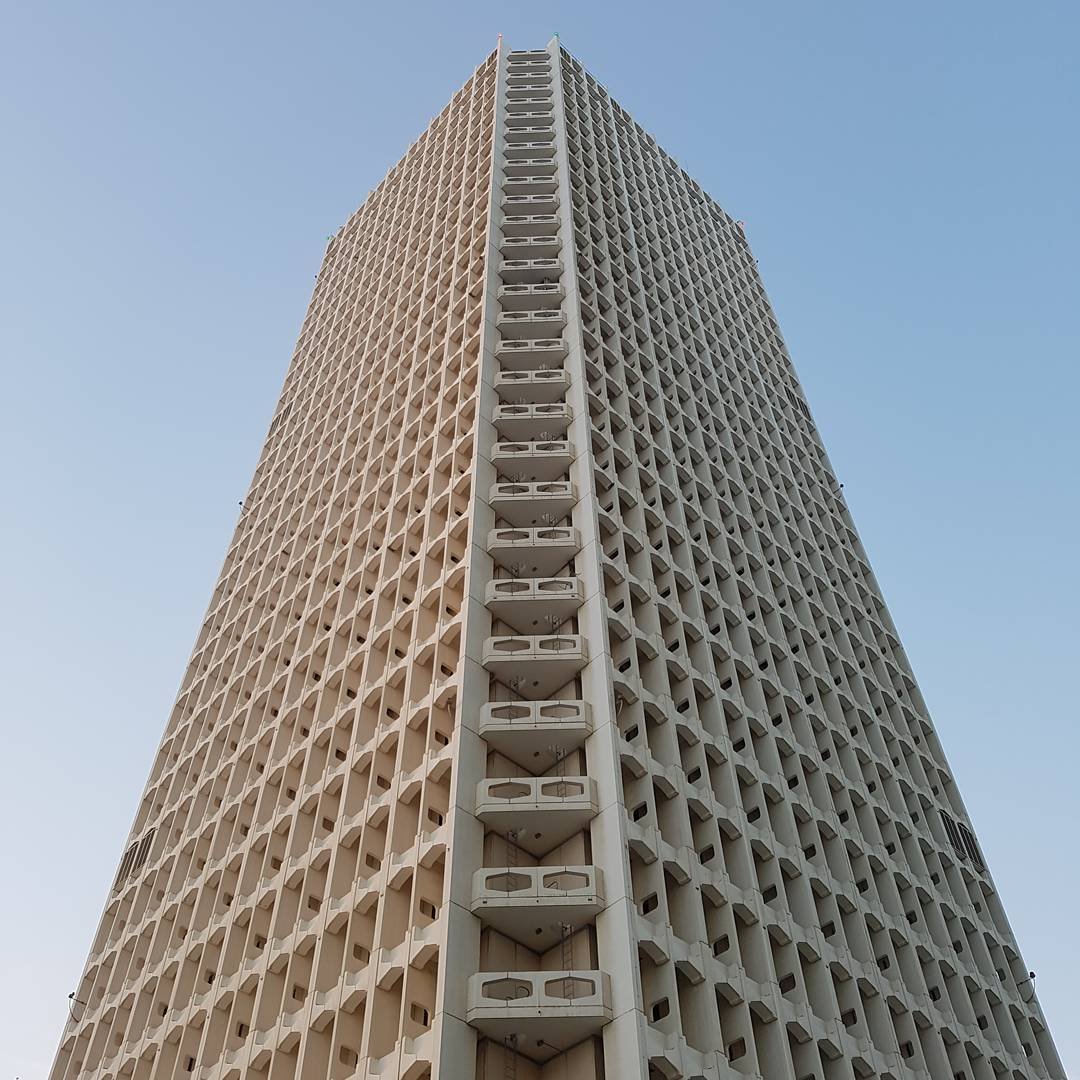
In addition to the modern skyline, buildings from the past 50 years continue to enrich Dubai’s unique architectural landscape. Among them is the Sheikh Rashid Tower, designed by John R. Harris. At 149 meters, it was the tallest building in the region when it was completed in 1979 and is now part of the World Trade Center.
The Museum of the Future
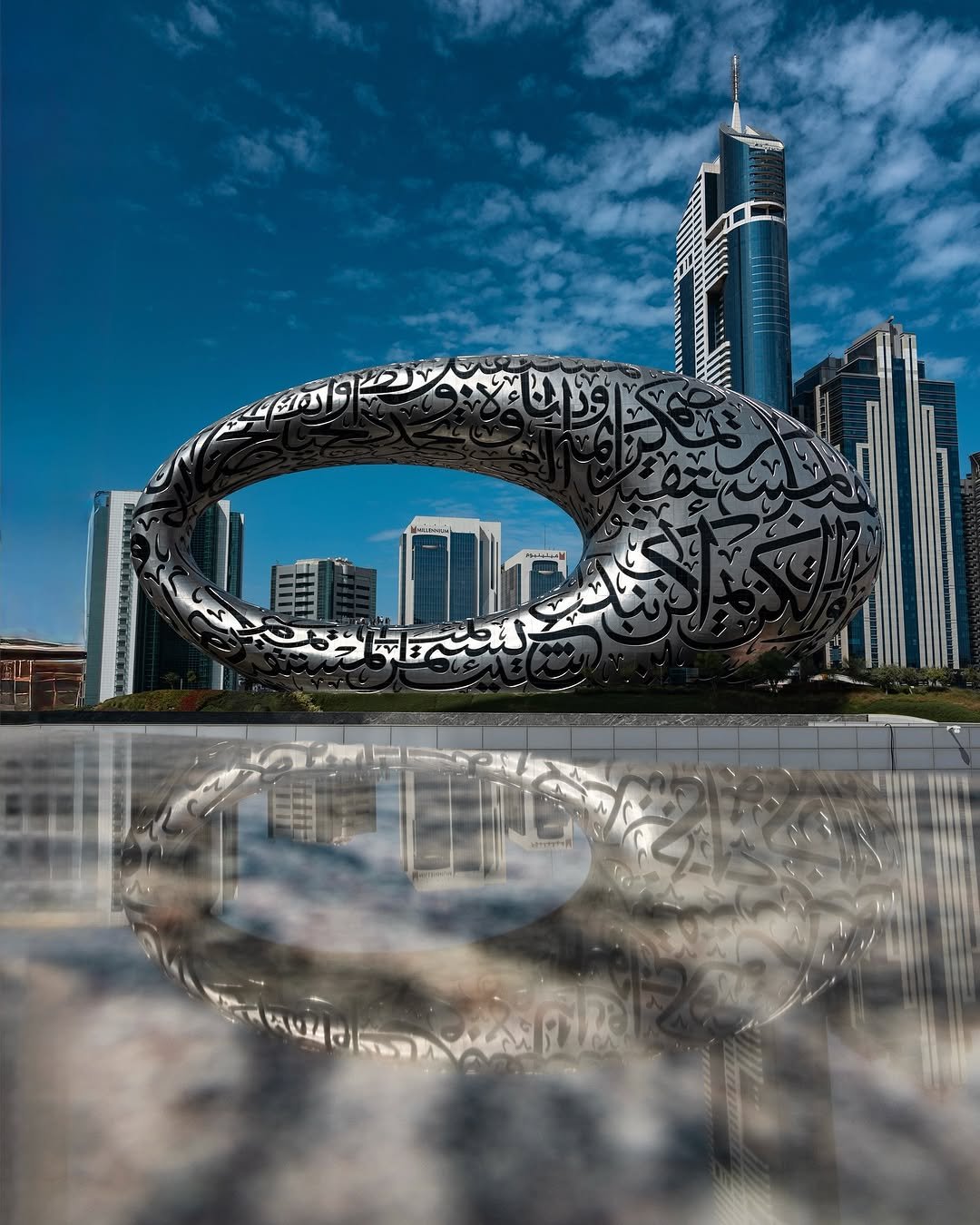
The Museum of the Future, which opened in 2022, is already a world-famous architectural icon two years after its opening and was named one of the 14 most beautiful museums in the world by National Geographic. The unique building in the form of an asymmetrical ring made of steel and glass, designed by architect Shaun Killa, represents Dubai’s vision for the future and is often described as the ‘most beautiful building in the world’.
The 78-meter-high building has no supporting pillars inside and is considered a masterpiece of engineering. The Arabic calligraphy, which covers the entire surface of the building and serves as a glass facade and also serves as a giant window, is unique. The calligraphic elements are lines of poetry by His Highness Sheikh Mohammed Bin Rashid Al Maktoum.
The Al Wasl Tower
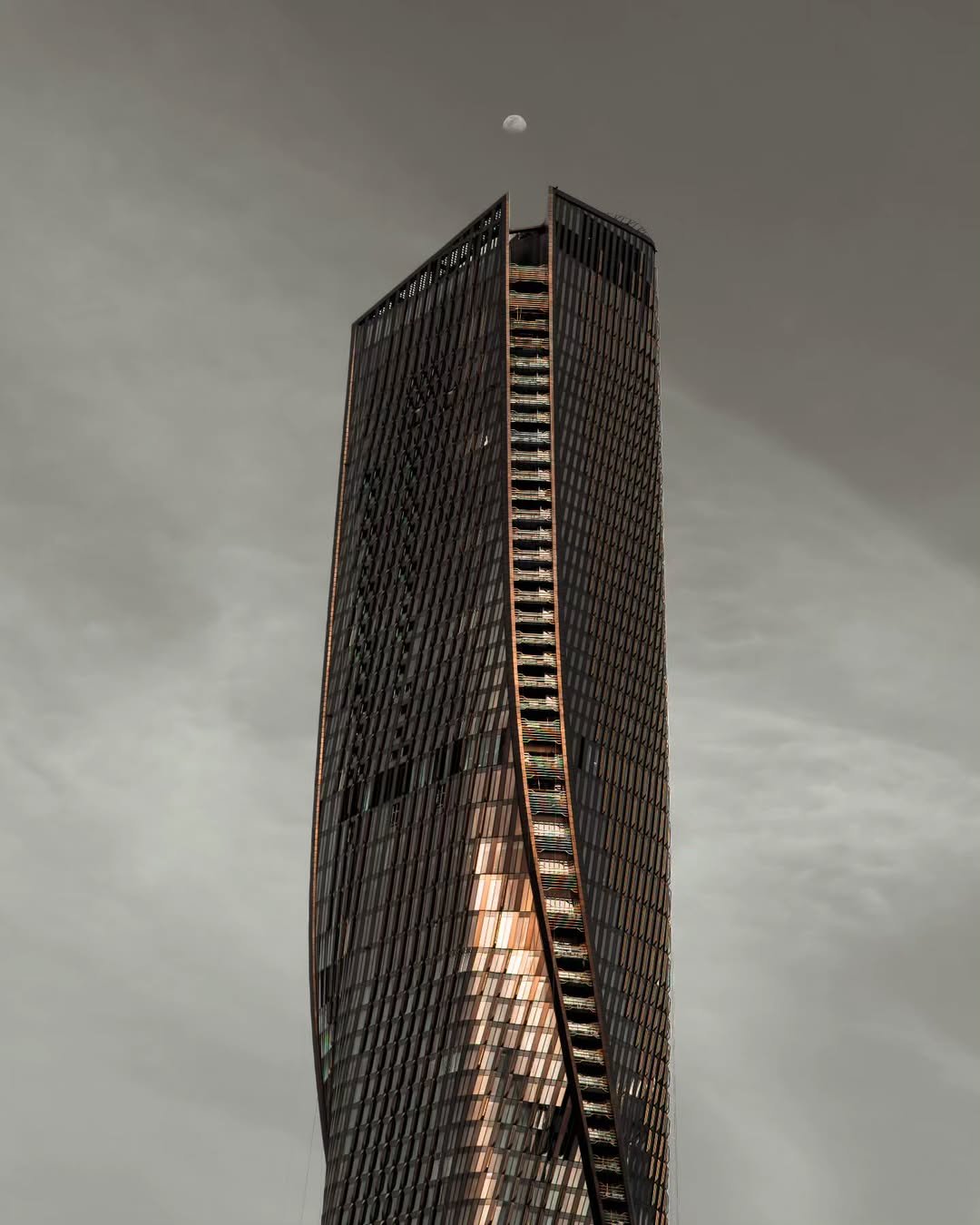
One of the most exciting examples of famous Dubai architecture is the remarkable Al Wasl Tower, rising boldly along Sheikh Zayed Road. Standing at 302 meters tall with 64 floors, this mixed-use skyscraper is known for having the world’s tallest ceramic facade, which not only creates a striking visual effect but also helps regulate the building’s temperature. Designed by the Dutch architecture firm UNStudio, the tower features a subtle spiral twist and an impressive vertical garden, making it one of Dubai’s most sustainable architectural feats. Inside, it houses luxury residences, offices, restaurants, and a hotel — with plans originally linked to the Mandarin Oriental. Smart technology, green systems, and dynamic lighting make the Al Wasl Tower a true symbol of Dubai’s futuristic vision and commitment to innovation in architecture.
Atlantis The Royal
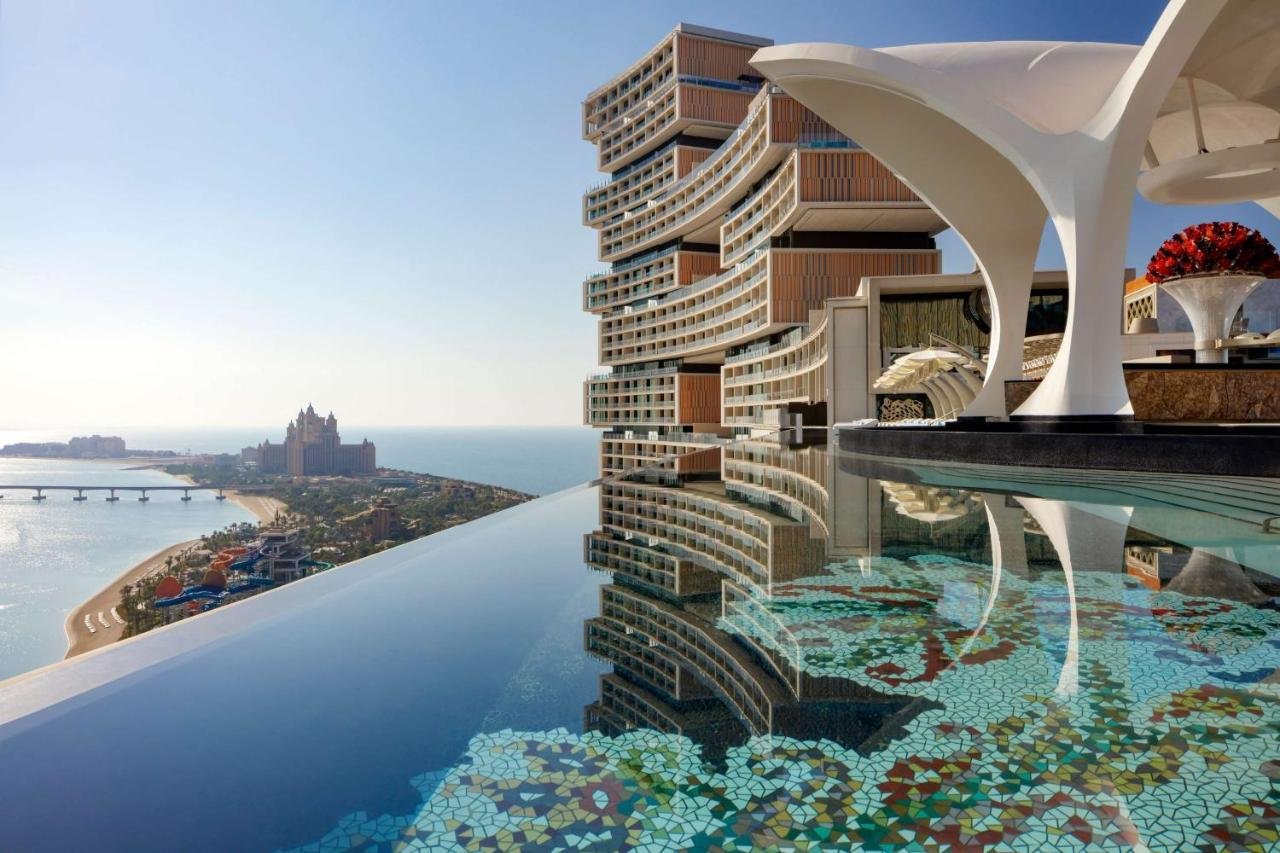
The luxury hotel Atlantis The Royal, which opens in January 2023, redefines vertical resort architecture. Designed by Kohn Pedersen Fox Associates (KPF), the spectacular 500-meter-long and 178-meter-high building describes the “dissolution of the traditional skyscraper” and is made up of numerous overlapping blocks.
One&Only One Za’abeel
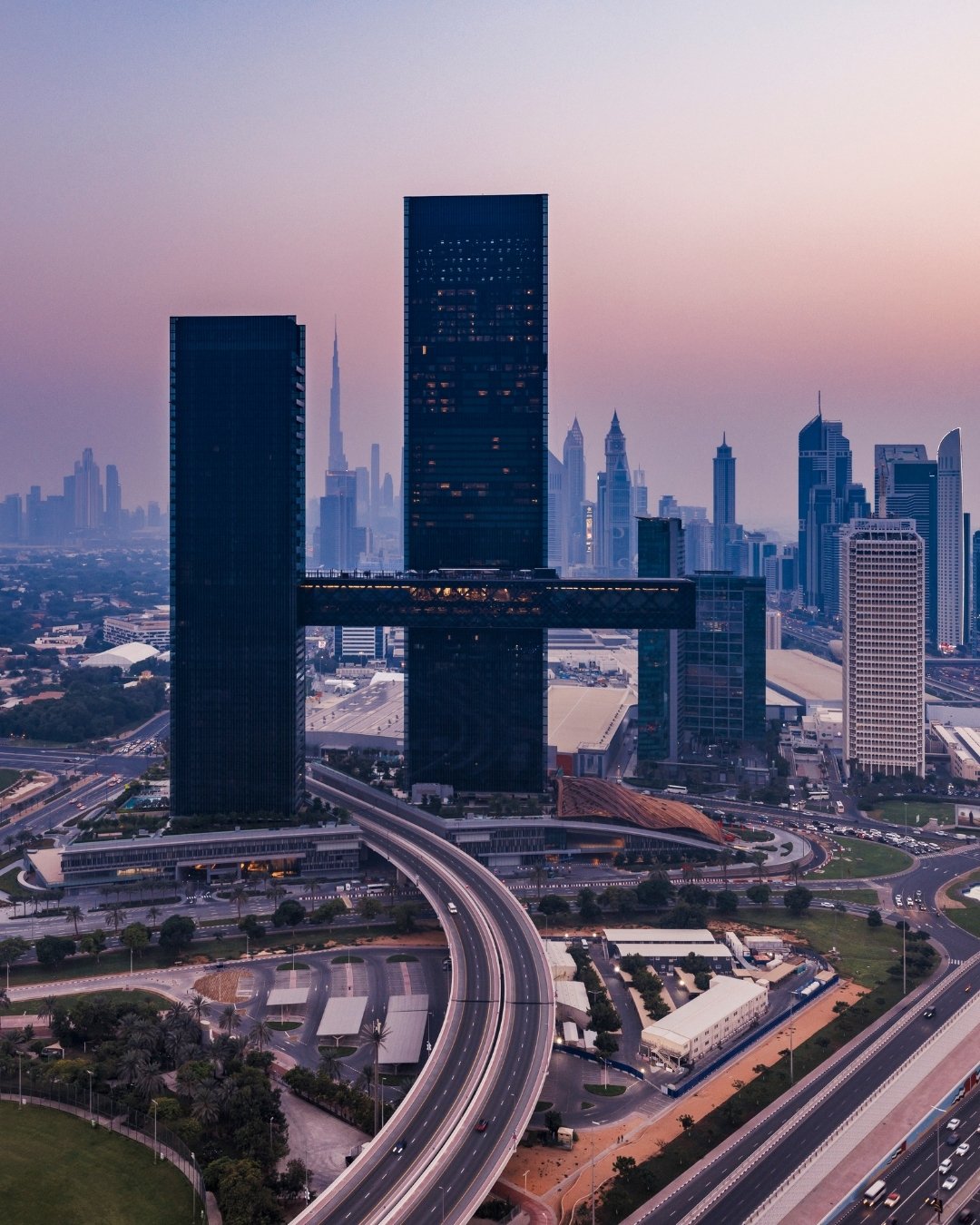
The newly opened city resort One&Only One Za’abeel impresses with the extraordinary design of the renowned architect Nikken Sekkei. The two towers are connected by the longest free-floating building in the world, a futuristic panoramic hall called “The Link”.
ICD Brookfield Place
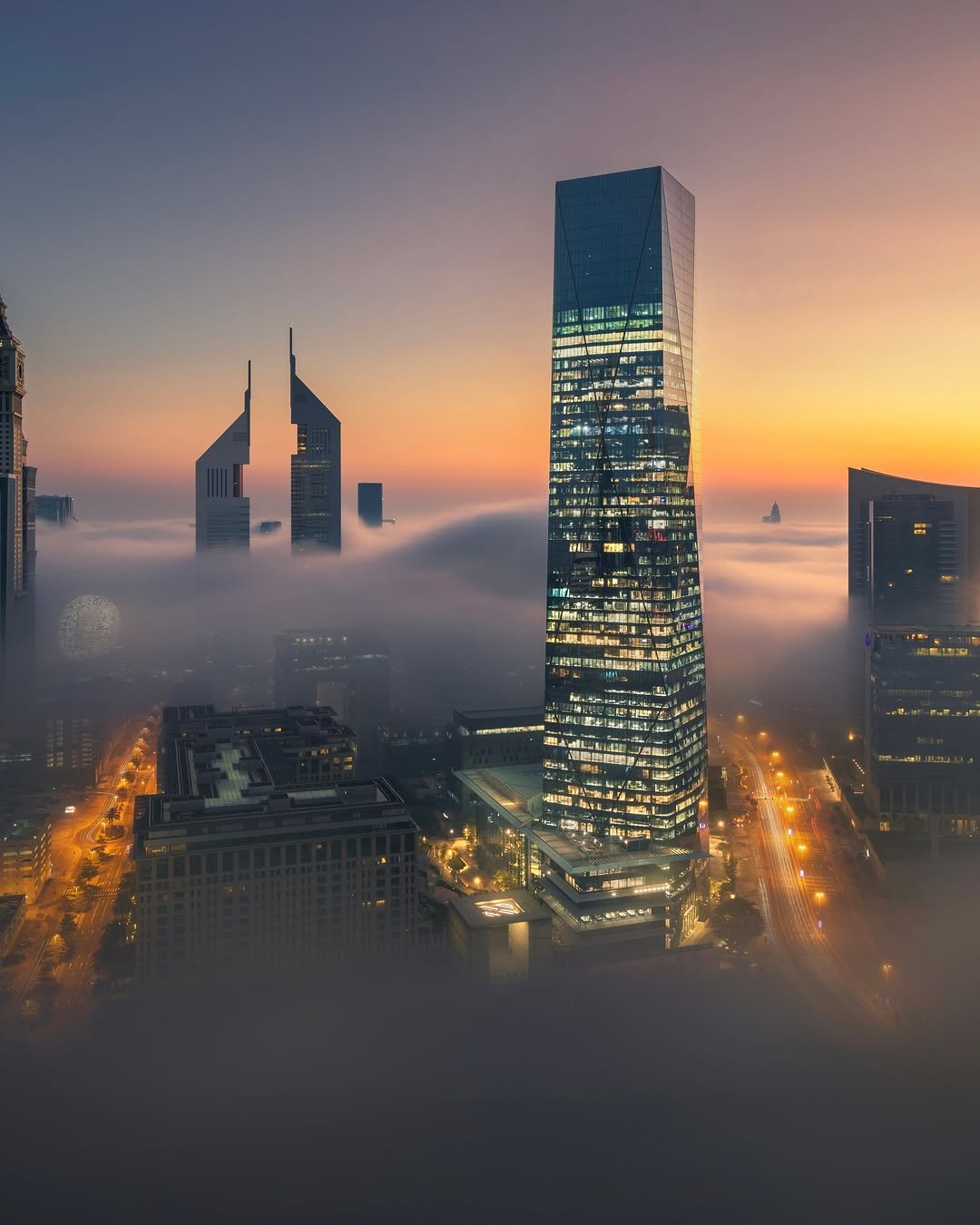
Designed by Foster + Partners, the 53-storey ICD Brookfield Place was awarded LEED (Leadership in Energy and Environmental Design) Platinum certification in 2020 as the largest and tallest commercial building in the Europe and Middle East region, making it one of the top 20 LEED Platinum projects in the world. During construction, over 87 percent of waste materials were recycled to reduce landfill waste. In addition, over 30 percent of building materials are made from recycled products, including steel and concrete, which were locally sourced to reduce the environmental impact of transportation. The skyscraper was designed to be energy efficient and leave as little environmental footprint as possible. In February 2023, ICD Brookfield Place won three prestigious awards (Best Office Architecture Arabia; Best International Office Architecture and World’s Best Architecture) at the International Property Awards.
The Index Tower
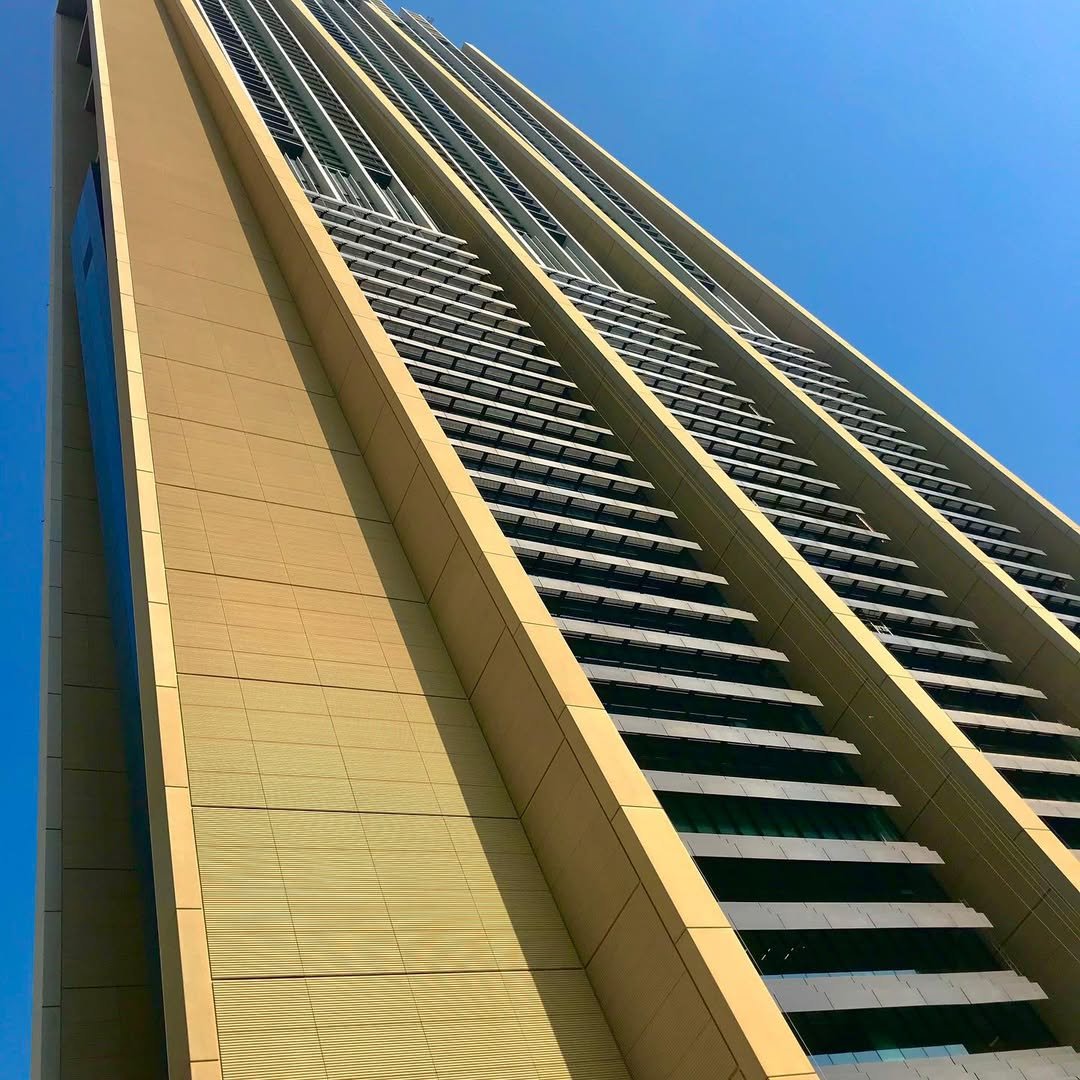
The Index Tower, also designed by Foster+Partners and completed in 2001, is a prime example of vertical urban planning with a mix of offices, apartments, shops and social areas spread over 80 floors. The efficient design and compact high-rise shape reduce the need for air conditioning and artificial lighting. The building is oriented east to west to reduce solar radiation.
The Opus
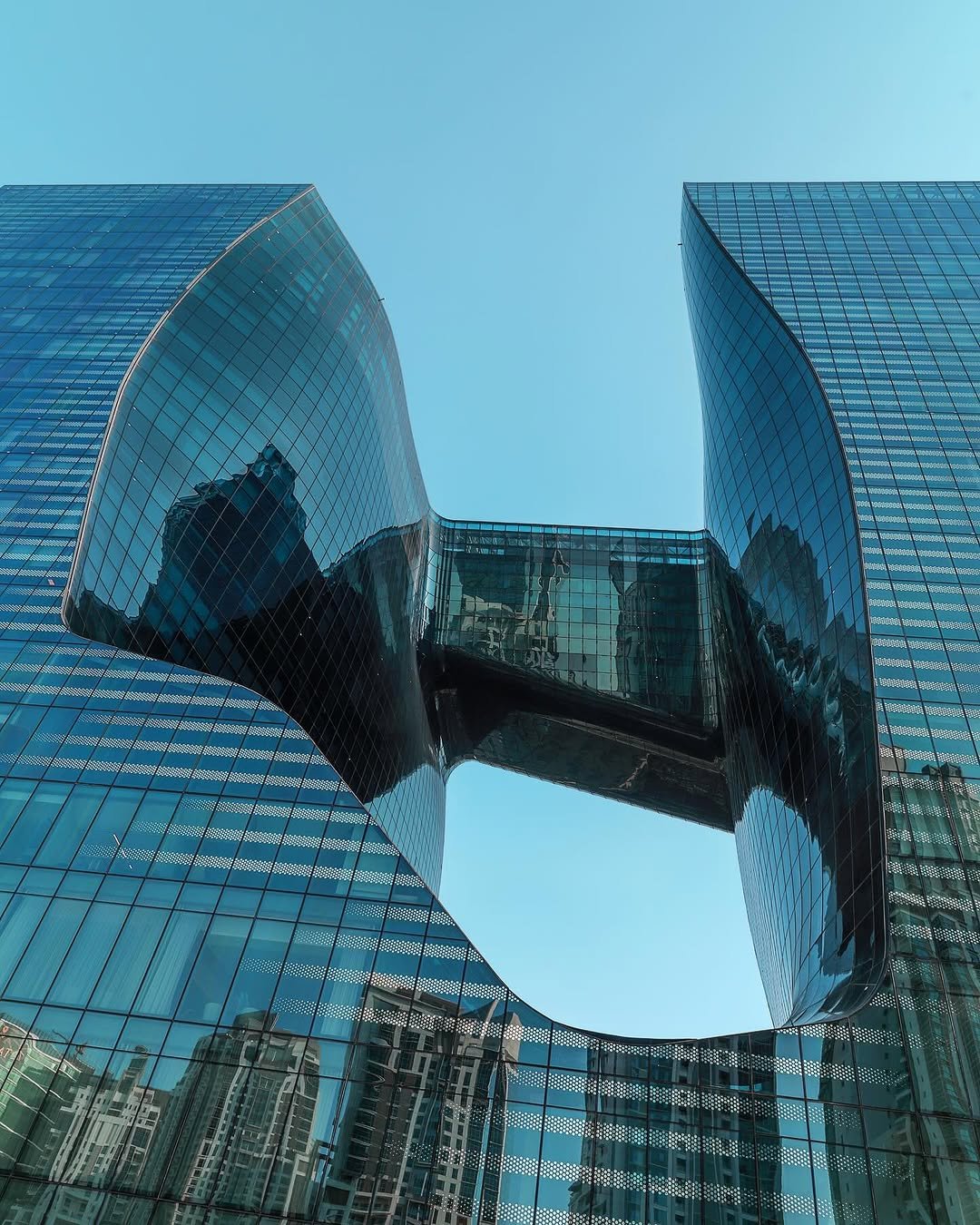
Zaha Hadid made history. The Iraqi-British architect was the first woman to receive a Pritzker Architecture Prize. She also received the Order of the British Empire. And even after her death in 2016, her flowing designs are attracting attention around the world. The Opus is one of the legendary architect’s last personal designs. It was implemented posthumously. It consists of two separate towers that merge into a cube-like structure thanks to a four-story atrium as a link . A bridge connects them at a height of 71 meters. Inside are the first ME by Melia Hotel Dubai and various restaurants .
The Cayan Tower
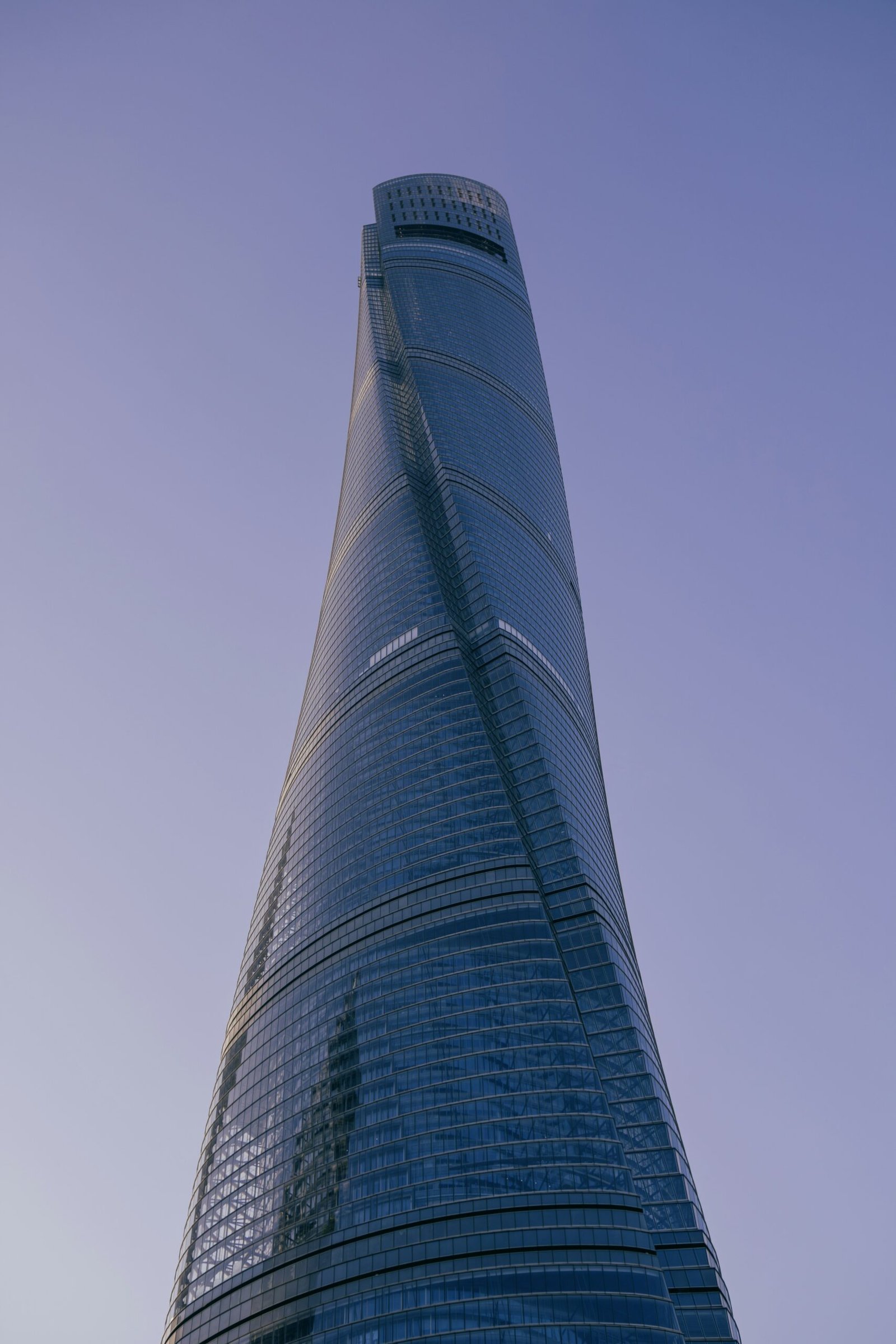
Known as the “Infinity Tower” during the construction phase, the iconic building in Dubai Marina is now called the Cayan Tower. The foundation stone was laid in 2006 and the building was finally opened seven years later. The special feature of the skyscraper is apparent at first glance. It is a 306-meter-high tower , with each floor offset by 1.2 degrees. This creates a 90-degree rotation at the top. The tower with its unmistakable spiral shape was designed by the architectural firm Skidmore, Owings & Merrill who were also responsible for the design of the Burj Khalifa. Inside the Cayan Tower there are apartments.
Office of the Future
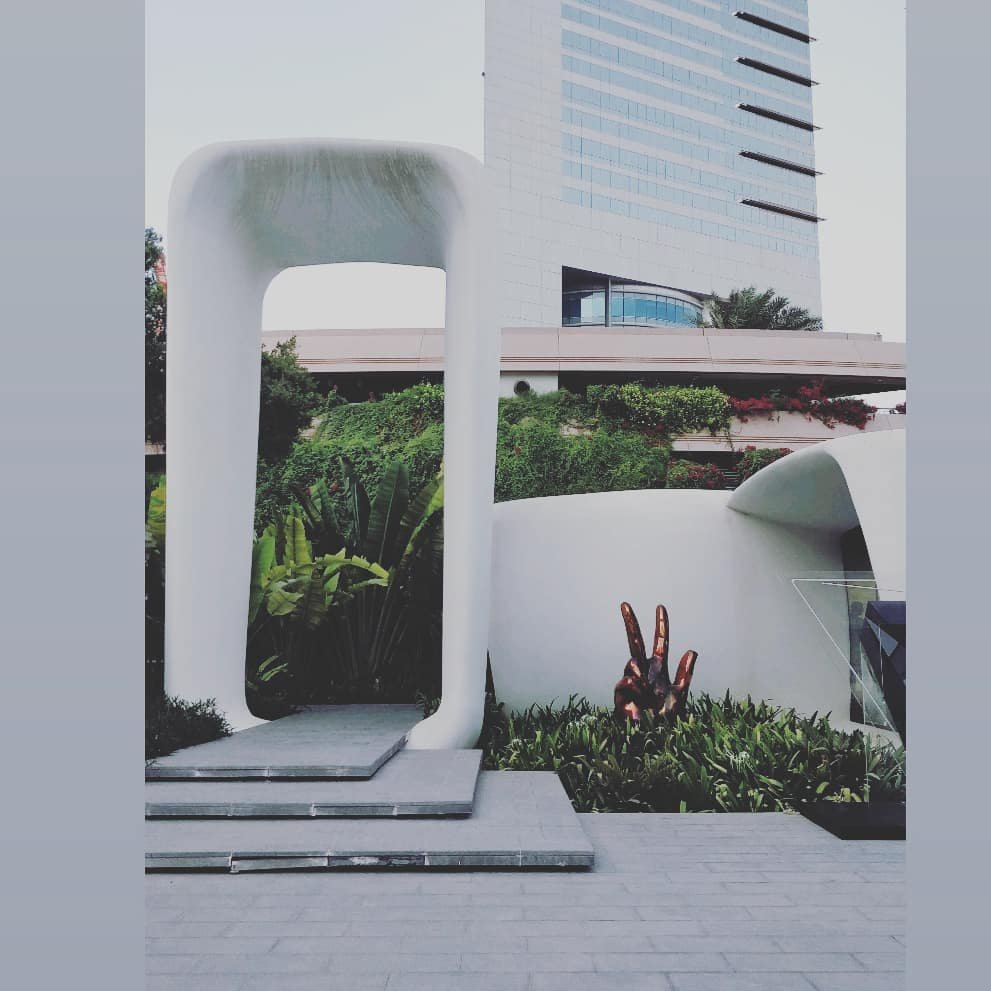
Opened in 2016, the Office of the Future is the world’s first fully functional 3D printed building. The 250 square meter office of the Dubai Future Foundation was built using just one industrial 3D printer. Its construction required 50 percent less labor than conventional buildings of comparable size and produced 60 percent less construction waste. In total, it took 17 days to print, two days to install and three months to build, landscaping and interior design.
Burj Al Arab Jumeirah
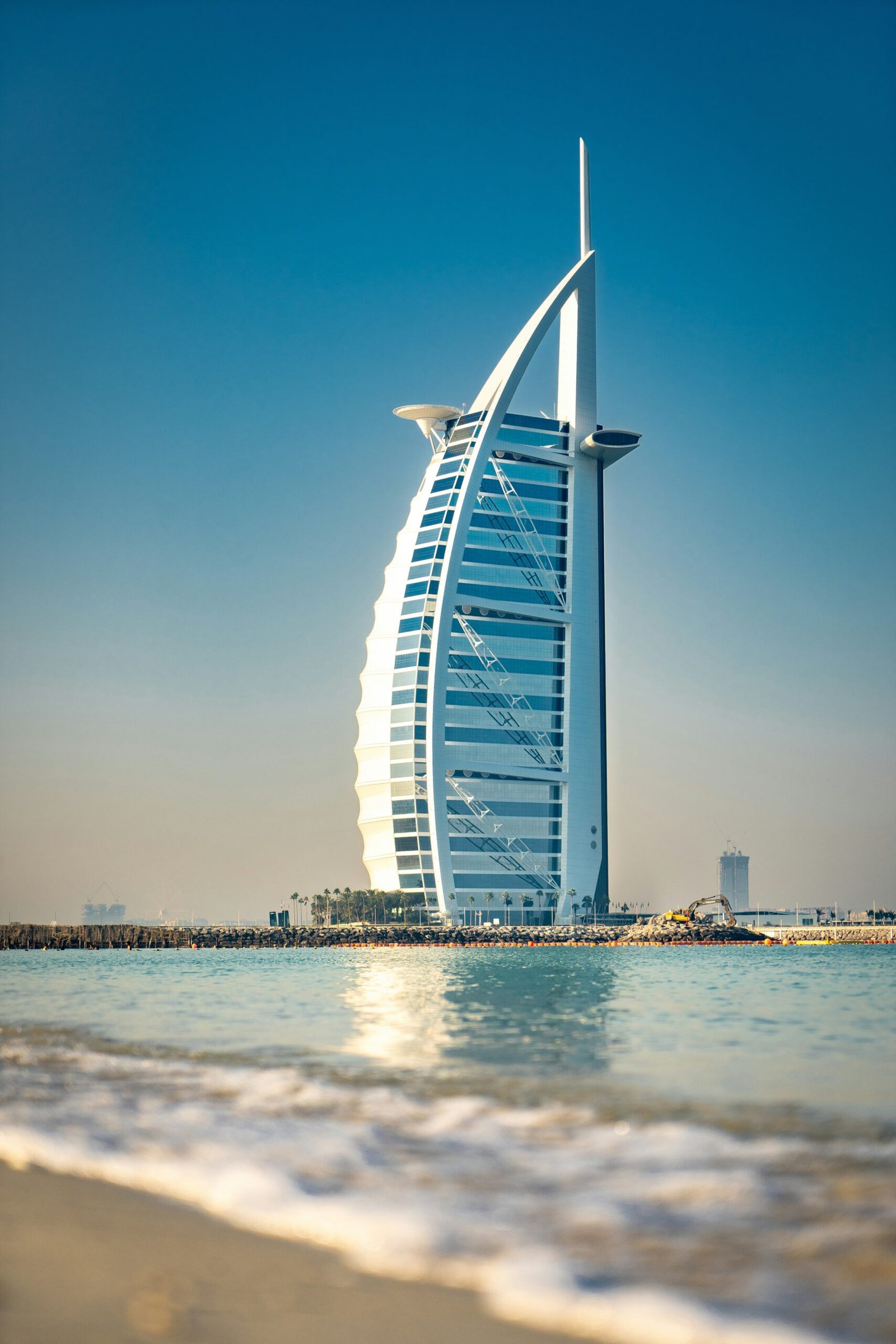
The world-famous luxury hotel Burj Al Arab Jumeirah with its iconic sail-shaped silhouette has been a landmark of Dubai since its opening in 1999. The design by architect Tom Wright stands on an artificial island and is inspired by Dubai’s maritime history.
Burj Khalifa

At 828 metres high, Burj Khalifa, which opened in 2010, has been the world’s tallest building for over ten years, as well as a landmark and showcase example of Dubai’s architecture. The three-leaf base is based on a desert flower. The stepped, spiral-like taper of the tower draws on typical Middle Eastern architecture, while the external shape with its round, interlocking elements refers to geometric patterns from Islamic art. It also impresses with numerous design features, including a 33,000 square meter exterior cladding with hybrid LED lights that illuminate the city’s night sky.
Dubai Creek Golf Club
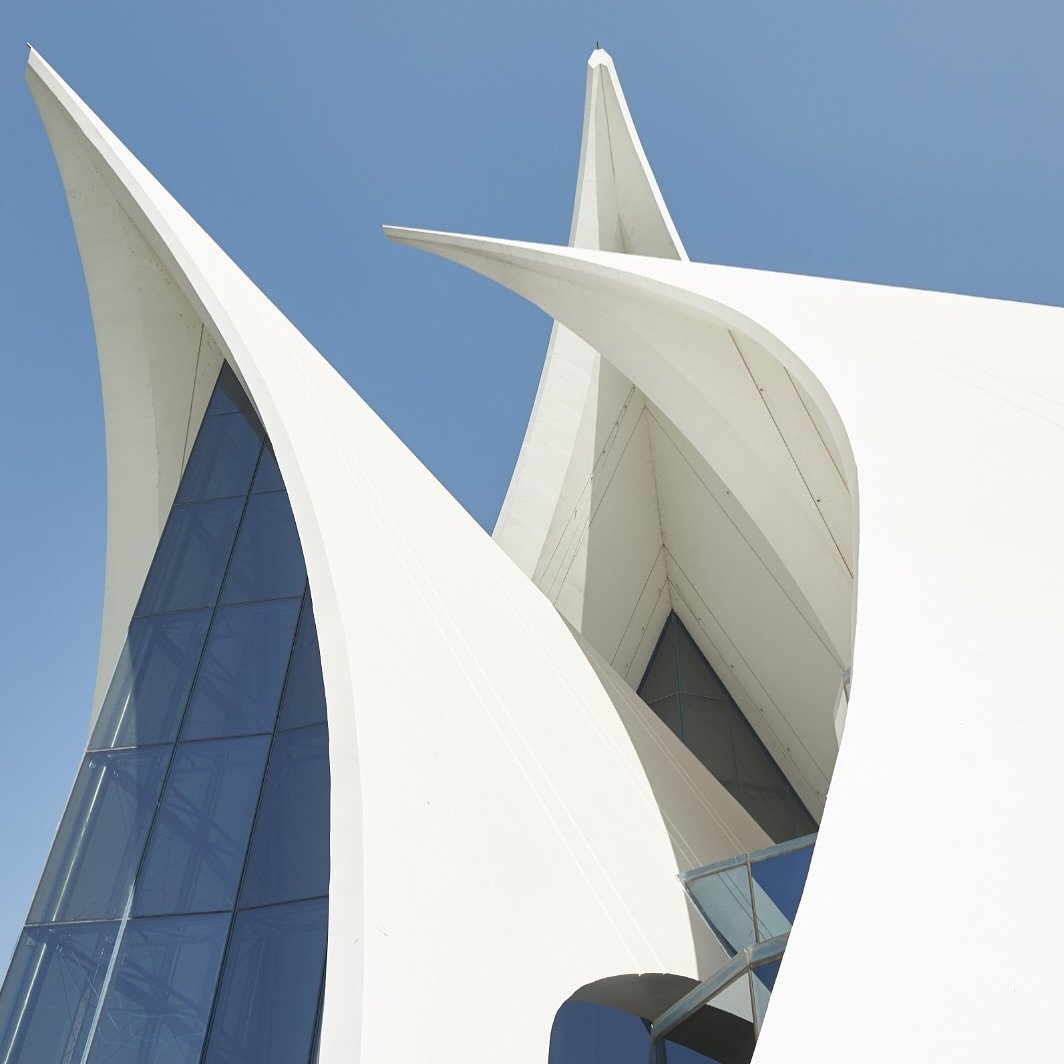
Completed in 1993 by British architect Brian Johnson, the Dubai Creek Golf Club is still an icon of new Dubai architecture. The building, inspired by the triangular sails of traditional dhow ships, still adorns the 20-dirham banknote.
Deira Tower
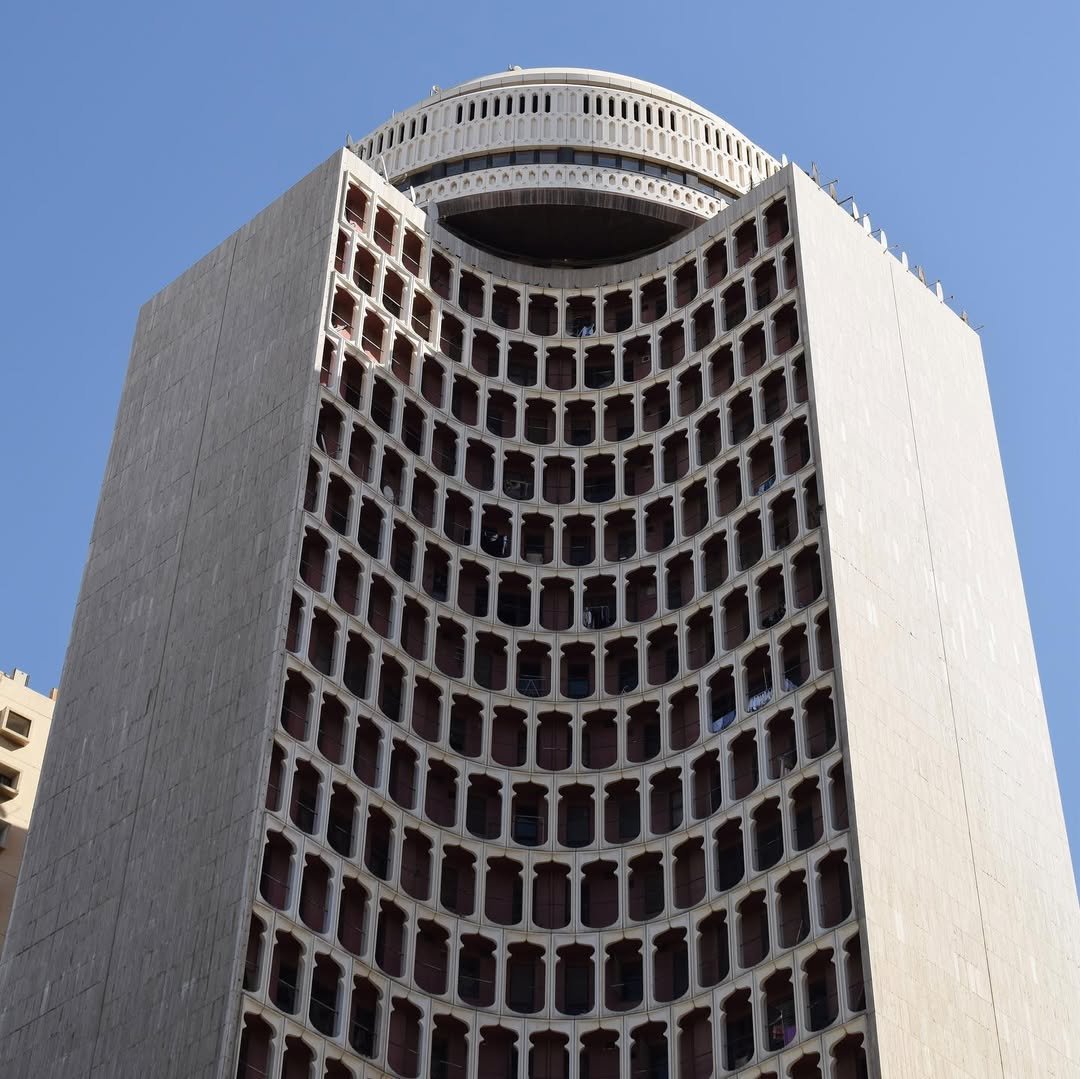
Completed in 1980, the Deira Tower on Baniyas Square has 29 floors and reaches a height of 135 meters. The early modernist concrete building uses geometric shapes to emphasize its exposed facade. The Deira Tower houses a revolving restaurant on the top floor.
Dubai Petroleum Headquarters
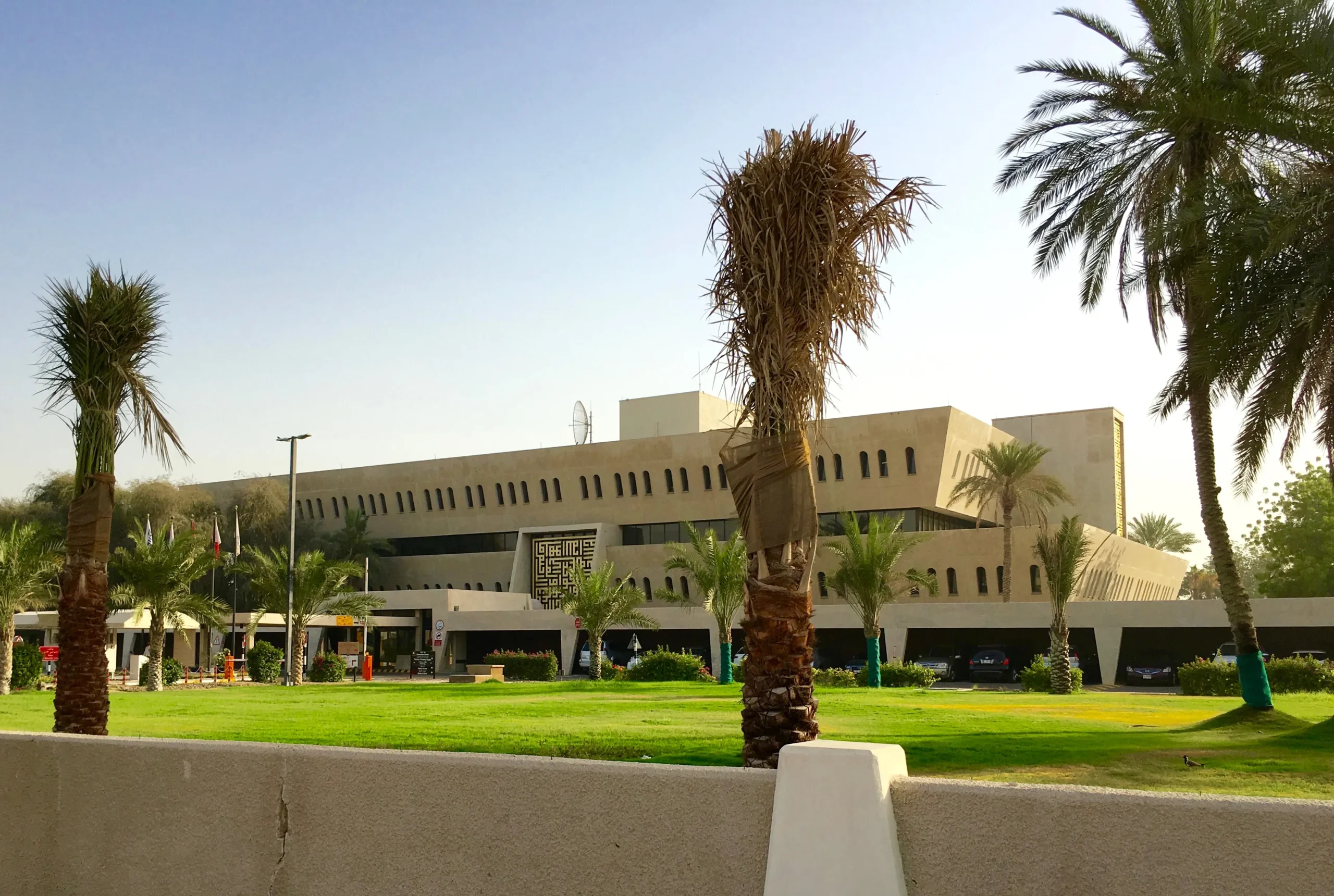
On the west side of the famous Sheikh Zayed Road, Dubai’s main thoroughfare with 16 lanes in parts, is another of the city’s architectural gems, the Dubai Petroleum Headquarters. Built in 1978, the four-story Art Deco-inspired headquarters of Dubai Petroleum was designed by Victor Hanna Bisharat, arguably the most famous Arab-American architect.
Al Shindagha Museum
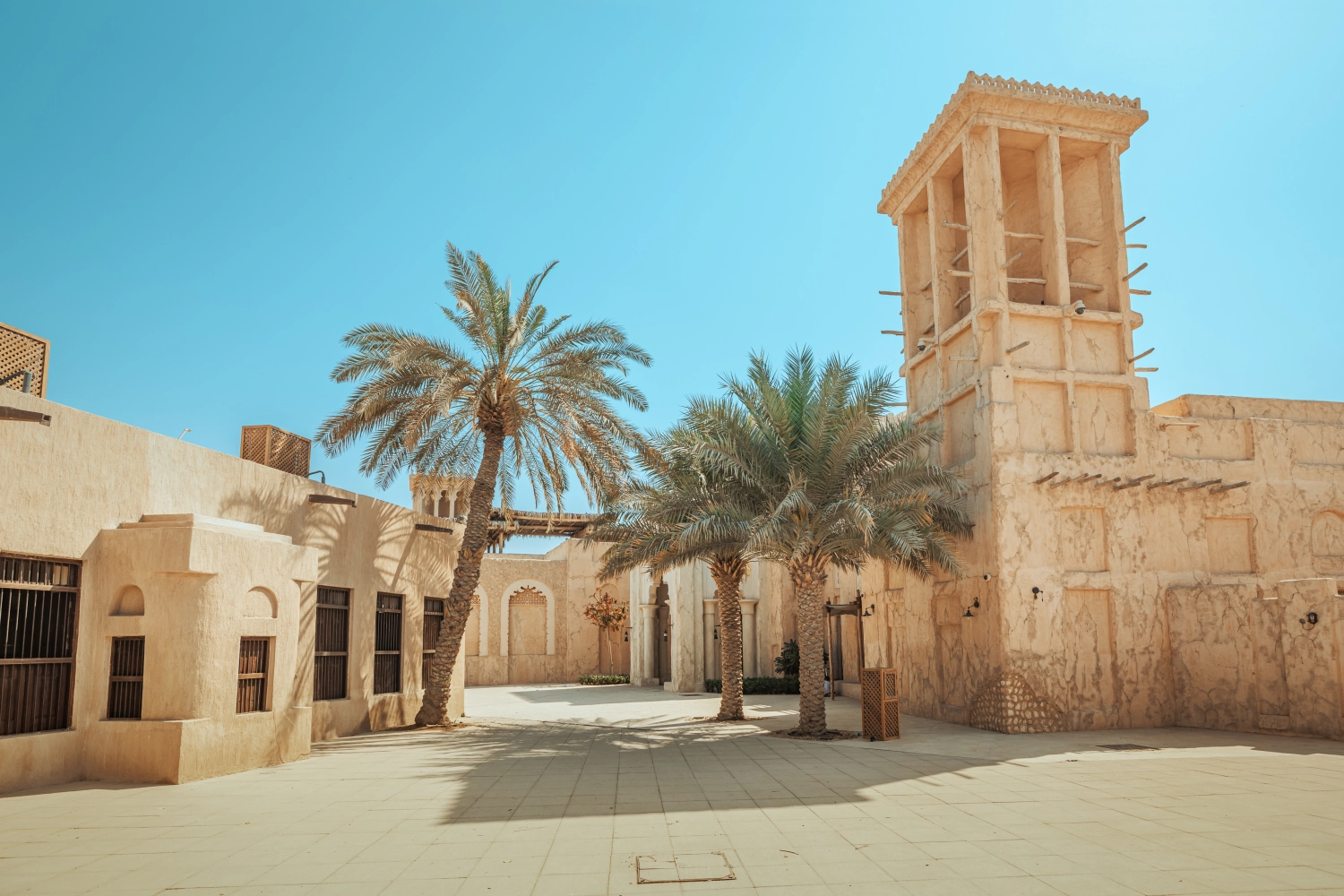
The newly opened museum tells the story of the country’s proud history. Part of the experience is the multimedia show “Dubai Creek: Birth of a City”. Visitors can see the creation of the metropolis of Dubai with their own eyes. Interactive videos, touch displays and photographs bring the exhibition closer to guests. The museum itself is located in one of Dubai’s oldest districts. It now consists of 20 pavilions and open-air areas; there are also installations for children . Since the Al Shindagha Museum is also committed to preserving historical customs, you can also book web courses here. X-Architects were in charge of developing the visitor center.
Al Fahidi
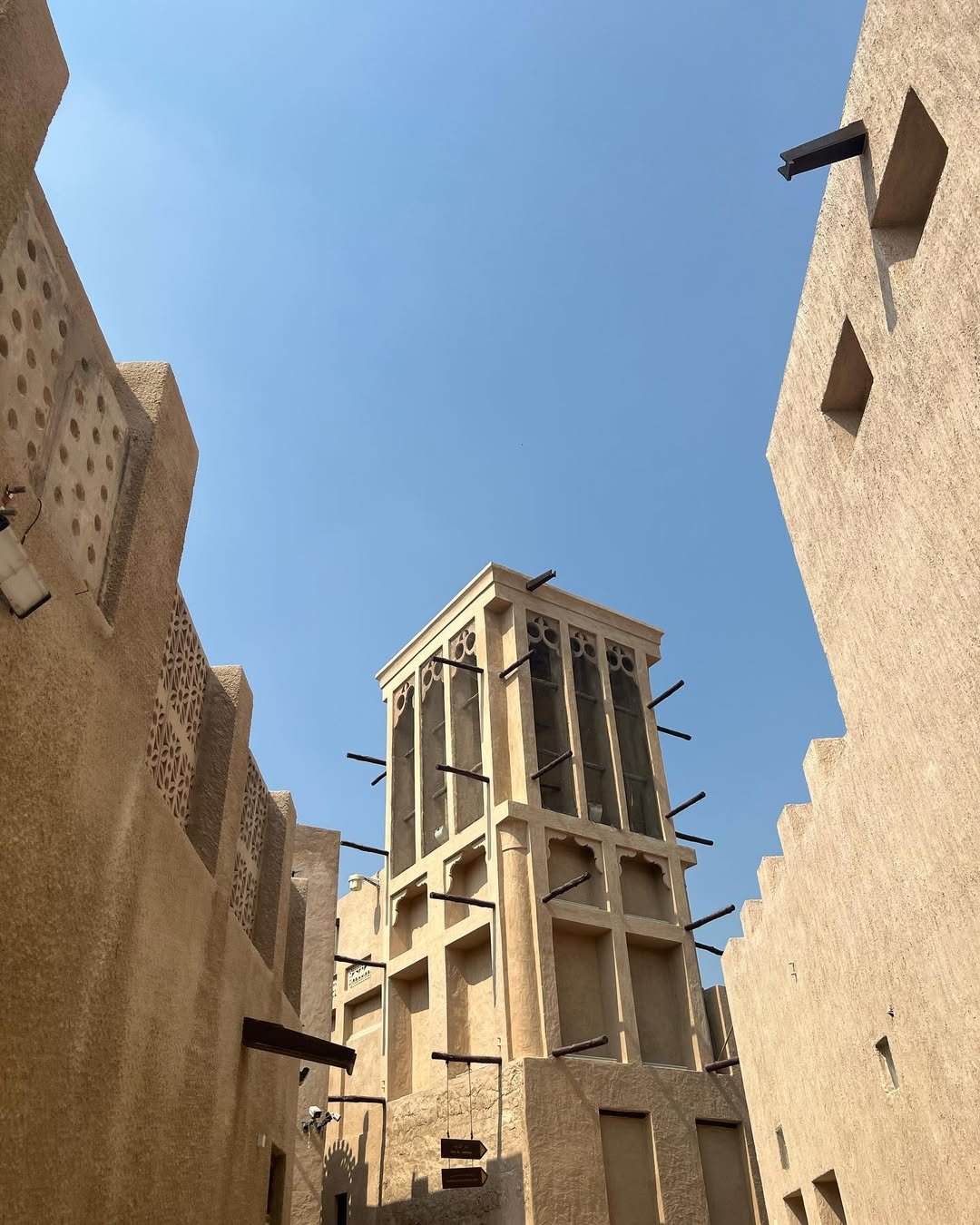
Another historic Dubai architecture highlight is Al Fahidi, with its wind towers made of stone, plaster, teak, palm and sandalwood. The original architecture and infrastructure along Dubai Creek has largely been preserved. Dubai Creek, a 14-kilometer-long natural estuary, is the birthplace of Dubai and separates the historic old town districts of Bur Dubai and Deira.
Dubai Frame
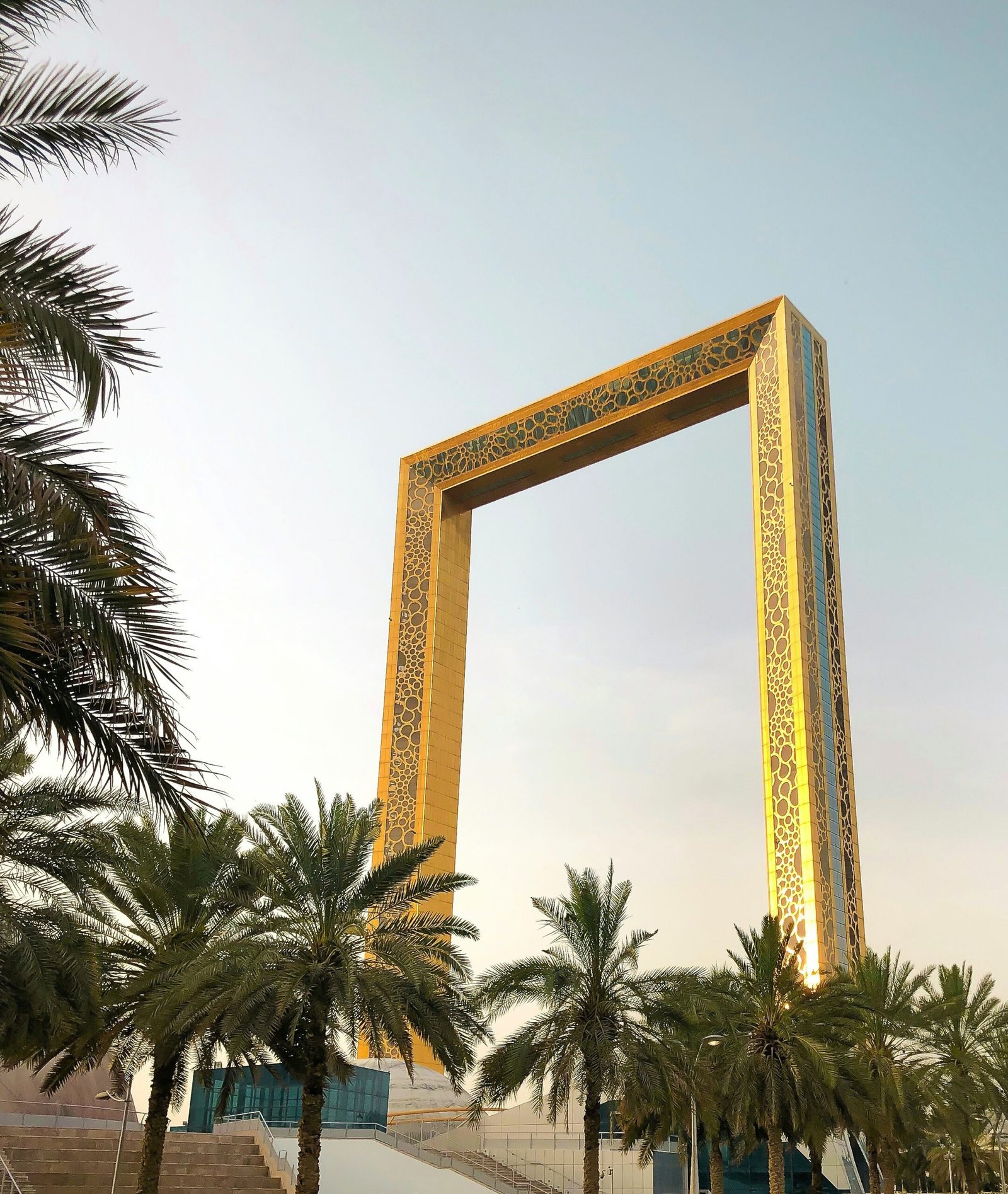
A golden frame has been enthroned in the middle of the skyline in Zabeel Park since 2018. This architectural wonder of Dubai is without a doubt one of the most spectacular buildings in the city. Located between the old city center and the newer parts of the city, it is intended to symbolize the fusion of tradition and modernity. The picture frame is 150 meters high and 93 meters wide. The fact that it stands is the result of masterful engineering. Inside, visitors can take a journey through time through the past, present and future of the emirate. From above, you can enjoy spectacular panoramic views of the city. The Dubai Frame was designed by the Mexican architect Fernando Donis .
Read more: Emirati Architecture: Journey from Ancient Fortresses to Futuristic Marvels
- Best UAE Road Trip Itinerary (2026): Explore All 7 Emirates in One Epic Journey
- 12 Best Restaurants in Fujairah (2026 Updated): Top Dining Spots for Every Food Lover

- Ultimate Ras Al Khaimah Itinerary for a Perfect Getaway (2026)
- 9 Best Hiking Trails in UAE (2026): Discover the Emirates’ Natural Wonders

- 14 Traditional Emirati Dishes You Need to Try in the UAE (2026)