

Travel writing based on first-hand experience
Discover Istanbul museums guide—from ancient treasures and Ottoman palaces to cutting-edge art spaces. Here’s where to go and what to see.
Planning More Istanbul Adventures?
Once we’ve wandered through Ottoman palaces, archaeological treasures, modern art spaces, and at least one museum gift shop we absolutely did not plan to spend money in, Istanbul still has more tricks up its sleeve. Use these guides to keep building your trip without falling into the “wait, where do we go now?” spiral.
- Ultimate Istanbul Itinerary — perfect if you want your museum days folded into a proper 1–7 day plan.
- Best Places to Visit in Istanbul — the classic landmarks, big-ticket sights, and essential stops.
- Unique Things to Do in Istanbul — for when you want something stranger, cooler, and less “everyone has the same photo.”
- Hidden Gems in Istanbul — quieter corners, secret-ish places, and excellent detours.
- What to Do in Beyoğlu — ideal if your museum crawl takes you around Taksim, Galata, or İstiklal Avenue.
- Asian Side Istanbul Guide — because yes, you should cross the Bosphorus. Istanbul is showing off over there too.
- Best Restaurants in Istanbul — because after three museums, we deserve lunch. Possibly two lunches.
Table of Contents
Best Istanbul Museums
1. Istanbul Archeology Museum
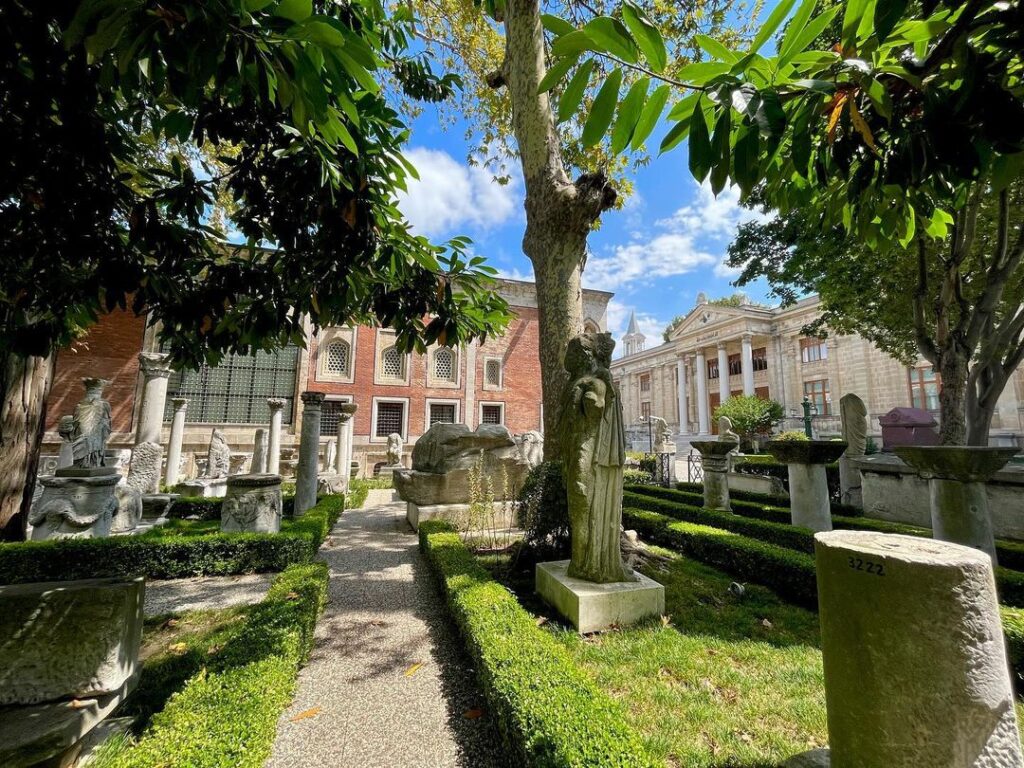
We start big: the Istanbul Archeology Museum is often counted among the world’s largest museums, and it’s also one of Turkey’s oldest purpose-built museum buildings. If you like your sightseeing with a side of “how is all this even here?”, you’re in the right place. Founded by Osman Hamdi Bey, the collection gathers works from civilizations that once sat within the borders of the Ottoman Empire.
The museum’s story lines up perfectly with the late 19th-century rise of modern museology. Originally established as Müze-Hümayuni (the Imperial Museum), it opened in 1891 with architecture by Alexander Vallaury—the same mind behind icons like Pera Palace, Emek Cinema (Cercle d’Orient), and Tokatlıyan Hotel. Inside, you’ll find headline pieces like the Alexander Sarcophagus, the Weeping Women Sarcophagus, the Lycian Sarcophagus, and the Tabnit Sarcophagus. Pro tip: go early in the day—this place can swallow hours, and you’ll want the mental energy for all the “wait, that’s from where?!” moments.
Address: Alemdar Street, Osman Hamdi Bey Yokuşu Street, Gülhane – Fatih/Istanbul , /muze.gov.tr/
2. Rahmi M. Koç Museum
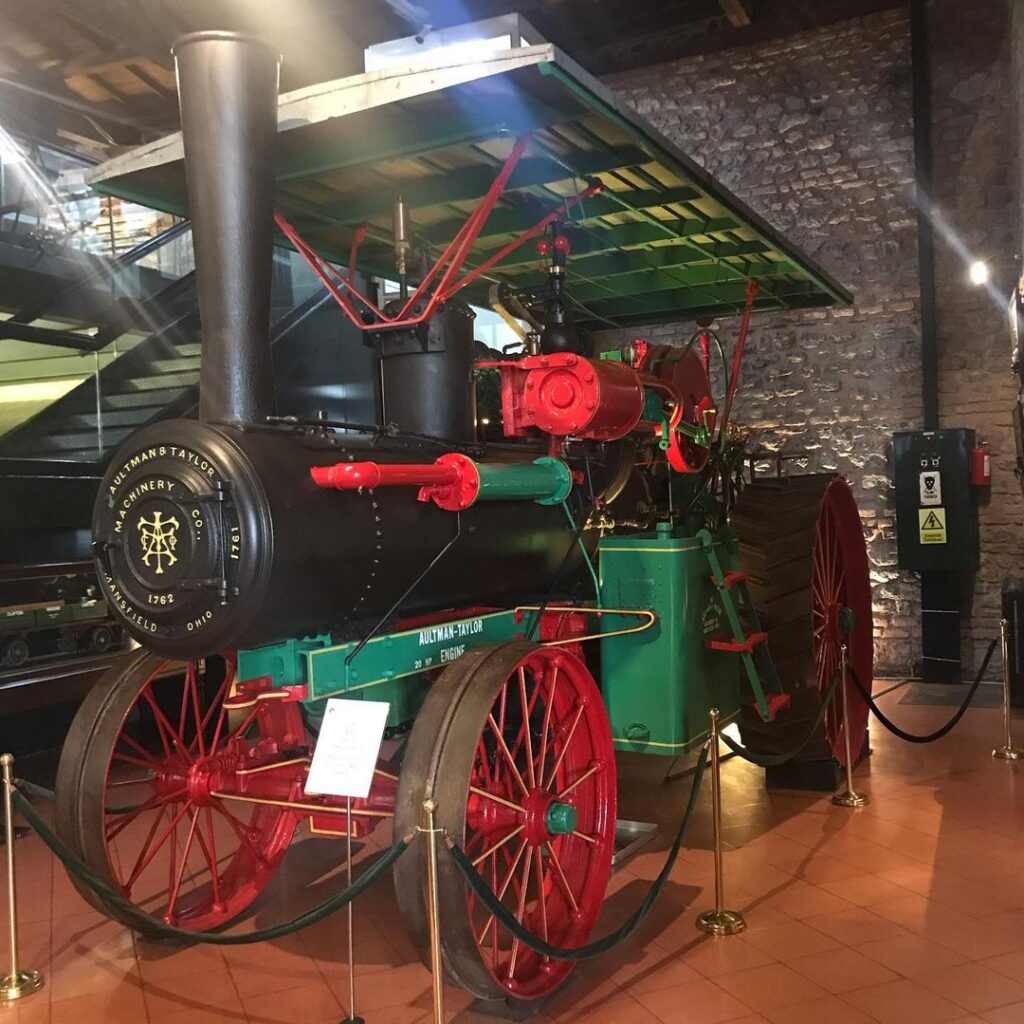
If you’ve ever stared lovingly at a tram, a submarine, or an old machine and thought “that’s gorgeous,” we have a museum for you. Founded in 1994 with the support of businessman Rahmi Koç, this place dives into the history of industry, transportation, and communication—without turning it into a snooze-fest. It’s also lively beyond the displays, hosting events, concerts, and all sorts of organized happenings.
Spread across sections like Lengerhane and the Shipyard, the museum’s collections range wildly: maritime artifacts, early computer history, motorcycles, bicycles, horse carriages, oxcarts, classic cars, rail transport items, agricultural tools, an olive oil factory, and even underwater finds. In other words: if it moves, powered the world, or helped people communicate, it probably lives here. Pro tip: come with curious kids (or your own inner one)—this museum is basically built for wide eyes.
Among the thousands of objects, you’ll spot heavy-hitters like the TCG Uluç Ali Reis Submarine, the 1917 Albion X-Ray Vehicle, the 1961 Amphicar, the 1898 Malden Steam Car, the Olive Oil Factory, the Sultanate Wagon, the G10 Locomotive, and the Riva Aquarama.
Address: Piri Paşa, Hasköy Caddesi, No: 5, Beyoğlu/İstanbul, rmk-museum.org.tr/istanbul/en/
3. Pera Museum
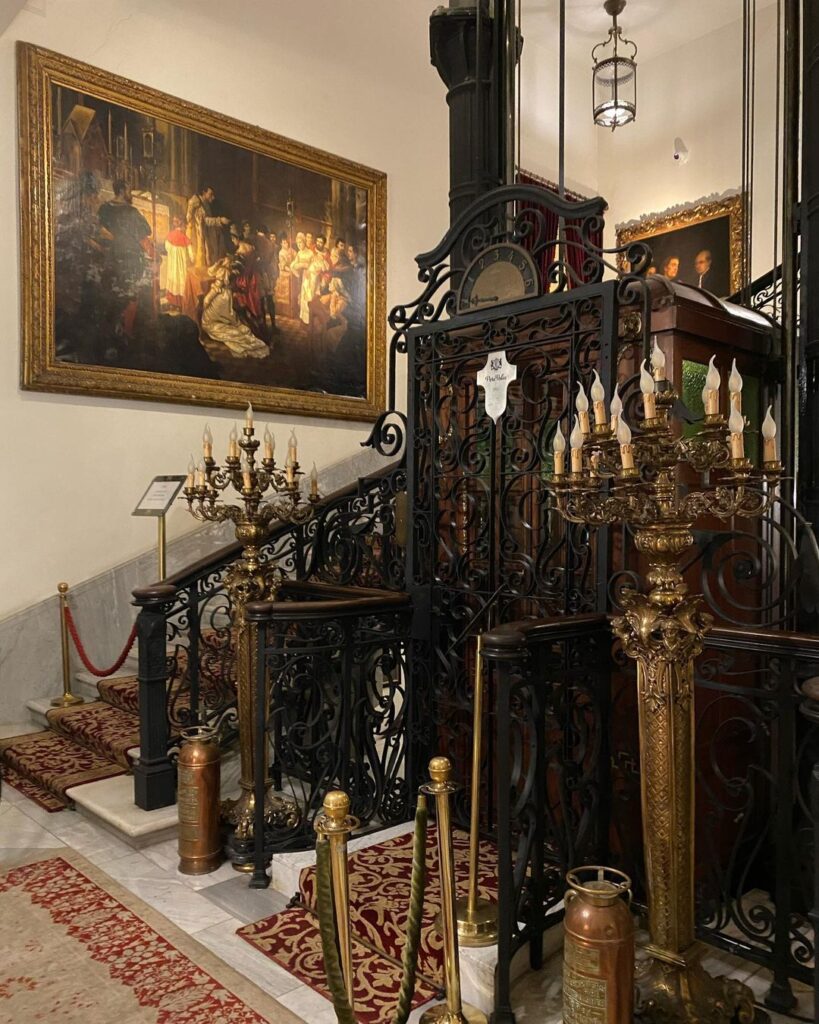
Pera Museum is one of those Beyoğlu stops where you walk in for “a quick look” and walk out with a full-on art brain. Established by the Suna and İnan Kıraç Foundation in 2005, it was built through a project led by architect Sinan Genim—keeping the historic Bristol Hotel façade so the building still wears its old-world charm on the outside.
Inside, the collections cover a surprisingly satisfying mix: “Orientalist Painting,” “Anatolian Weights and Measures,” and “Kütahya Tiles and Ceramics.” You get sweeping scenes, tiny details, and a real sense of how objects (even practical ones) tell stories. Pro tip: pair this with a café stop nearby—Pera is best enjoyed with a little post-museum decompression.
The Orientalist Painting Collection is the big attention-grabber, featuring works by European “orientalist” painters and Ottoman artists who drew inspiration from the Ottoman world and its geography.
Address: Asmalı Mescit, Meşrutiyet Caddesi, No: 65, Beyoğlu/İstanbul,peramuseum.org/
4. Sakip Sabanci Museum

Sabancı Museum is where we go when we want Istanbul to feel elegant—calligraphy, paintings, and that Bosphorus-side calm that makes you forget the city’s traffic exists (for a minute). It’s also known for hosting temporary exhibitions with major names from around the world. The museum began in 1998 when Sakıp Sabancı dedicated the historic Atlı Köşk to Sabancı University so it could be transformed into a museum.
It opened to visitors in 2002, paired with a modern gallery space, and renovations in 2005 expanded the exhibition areas to international technical standards. The painting collection includes foreign artists who worked in Istanbul during the late Ottoman period—names like Fausto Zonaro and Ivan Ayvazovski—alongside Turkish artists such as Osman Hamdi Bey, Şeker Ahmed Pasha, Süleyman Seyyid, Fikret Mualla, and İbrahim Çallı. Pro tip: give yourself time for the setting as much as the art—this is a “slow museum” in the best way.
Address: Emirgan, Sakıp Sabancı Caddesi, No: 42, Sarıyer/İstanbul, sakipsabancimuzesi.org/en
5. Naval Museum
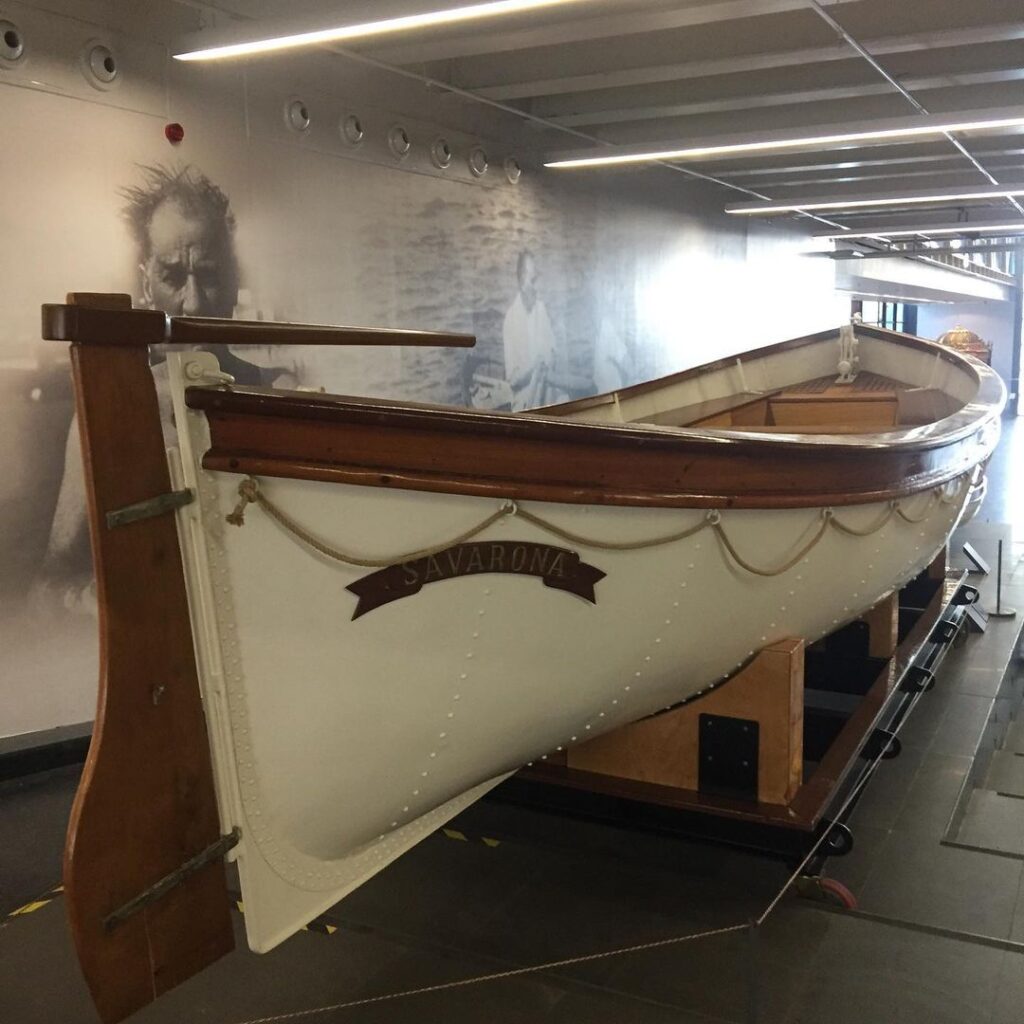
If you’re even slightly into ships, maps, uniforms, or the drama of empires moving across water, the Istanbul Maritime Museum is a must. It’s Turkey’s biggest maritime museum—and regularly listed among the world’s best. The story begins in 1897, when Minister of Naval Affairs Hasan Hüsnü Pasha, Colonel Hikmet Bey, and Captain Süleyman Nutku created the “Museum and Library Administration” in a small building at the Ottoman State Shipyard (Tersane-i Amire).
In 1914, with Cemal Pasha as Minister of Naval Affairs, the museum was reorganized with a more scientific approach under Naval Captain Painter Ali Sami Boyar—because even museums need someone to bring order to the chaos of “we have so many objects.”
Today the collection holds around 20,000 items: royal boats, sailor uniforms, manuscripts, ship models, flags, maps, paintings, and more. Pro tip: build this into a Beşiktaş day—museum first, waterfront wandering after.
Address: Sinanpaşa, Beşiktaş Caddesi, No: 6, D: 1, Beşiktaş/İstanbul, denizmuzesi.dzkk.tsk.tr/en
6. Istanbul Museum of Modern Art

If your travel brain needs a reset from “ancient everything,” Istanbul Modern is where we pivot into the now. Often described as Turkey’s first modern art museum, Istanbul Modern was founded in 2004 by the Istanbul Foundation for Culture and Arts (İKSV), under the leadership of the Eczacıbaşı family. The Istanbul Modern collection spans disciplines—painting, sculpture, installation, video—and it leans internationally, pulling in modern and contemporary works plus photography, design, architecture, and new media. Pro tip: don’t rush this one; modern art needs a little time to get under your skin.
Address: Kılıçali Paşa, Tophane İskele Caddesi, No: 1/1, Beyoğlu/İstanbul, istanbulmodern.org/en
7. Basilica Cistern

The Basilica Cistern is one of those Istanbul places that feels like a movie set—except it’s real, and it’s been lurking under the city for centuries. After restoration, it’s reopened to visitors, and yes, it’s still wildly impressive. Built under Byzantine Emperor Justinian I between 527 and 565, it earned the nickname “Basilica Palace” thanks to the forest of marble columns rising out of the water. You walk in and instantly whisper “okay, wow” like you’ve been programmed to.
The name comes from the basilica that stood here before the cistern was built. And in its new era, it’s not only historical—it’s also hosting experimental shows and performances. Pro tip: go when you want atmosphere more than information; this is pure Istanbul drama (in the best way).
Address: Alemdar, Yerebatan Caddesi, No: 1/3, Fatih/Istanbul, yerebatansarnici.com/
8. Hagia Irene Museum
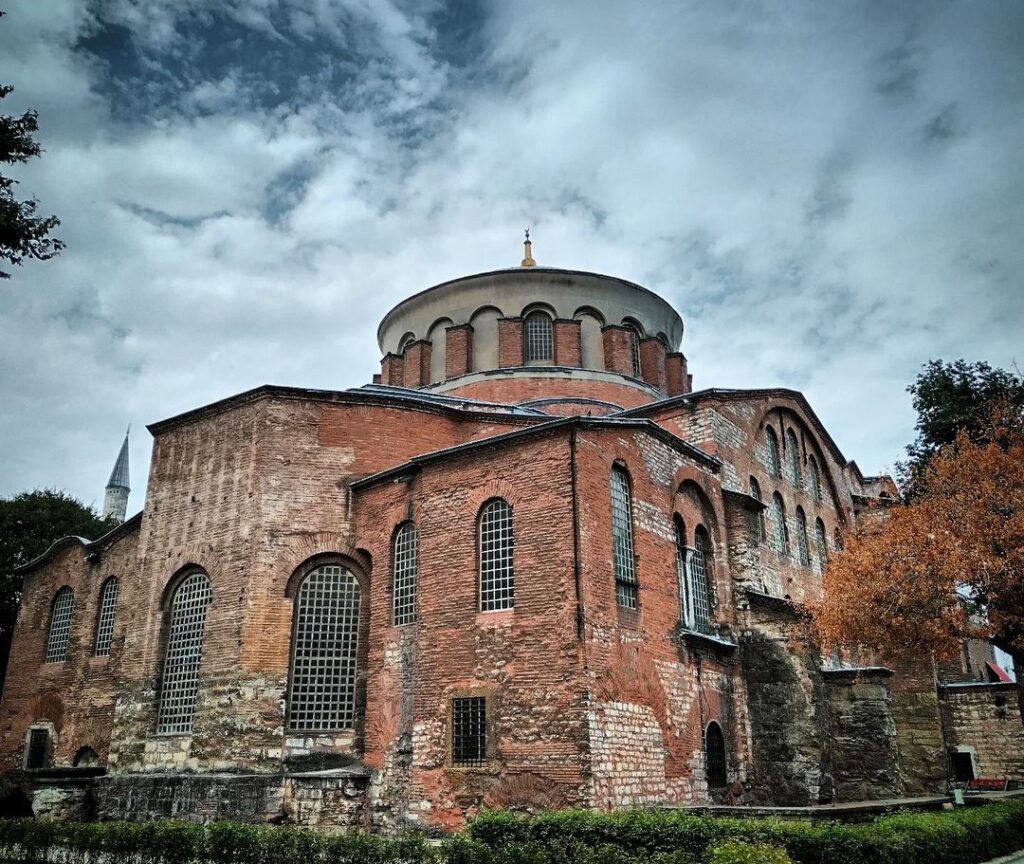
Hagia Irene is a quieter kind of fascinating—one of those places that doesn’t shout, but absolutely holds your attention. Considered the first museum of the Ottoman era, it was created during the reign of Sultan Ahmet III to house objects collected from across the Ottoman Empire. The collections were split into two groups: the “Old Weapons Collection” (Mecma-i Esliha-i Atika) and the “Ancient Works Collection” (Mecma-i Asar-ı Atika).
By 1908, a new military museum was founded, and Hagia Irene continued storing historical items until 1949, operating as a military museum. Later, between 1974 and 1976, surrounding landfills were removed to protect the building from moisture damage. Since 1973, it’s been used for art events—especially those by İKSV (Istanbul Foundation for Culture and Arts). Pro tip: pair this with Topkapı area sights and save it for when you want something calmer than the crowds.
Address: Cankurtaran, Topkapi Palace, No: 1, Fatih/Istanbul, muze.gen.tr/muze-detay/ayairini
9. Türkiye İş Bank Museum

This one is for the quietly curious: Türkiye İş Bank Museum tells the story of Turkey’s economic development inside a building that’s already lived a few lives. Built as a post office in 1890, it became a Türkiye İş Bankası property in 1927 and worked as a bank branch until 2004. Then it transformed into a museum in 2005 and opened to the public on November 14, 2007.
The collection mixes three-dimensional objects gathered from İşbank branches (the everyday tools of banking life) with paper and visual materials from the archives. You’ll also find works from the İş Bank Painting Collection displayed year-round as a permanent exhibition on the first floor. Pro tip: this is a great “short and smart” museum stop when you’re in the Historic Peninsula area and need something different from palaces and mosques.
Address: Hobyar, Bankacılar Sokak, No: 2, Fatih/Istanbul, issanat.com.tr/isbank-museum
10. Borusan Contemporary

Borusan Contemporary is where Istanbul gets a little futuristic. It’s a modern art institution built around exhibitions, events, and education, inspired by the Borusan Contemporary Art Collection—and it actively supports new creation and art writing through commissions.
Founded in 2011, it includes galleries, office spaces, the Museum Café, and Borusan ArtStore. The program embraces tech-heavy art practices—photography, video, sound, light, software, and data—while keeping a strong international focus and a love for new media. Exhibitions and events happen inside Perili Köşk, Borusan Holding’s administrative building. Pro tip: go if you’re tired of “art behind glass” and want something that feels alive and experimental.
Address: Rumeli Hisarı, Balta Limani Hisar Caddesi, No: 5, Sarıyer/İstanbul, borusancontemporary.com/en/
11. Istanbul Painting and Sculpture Museum
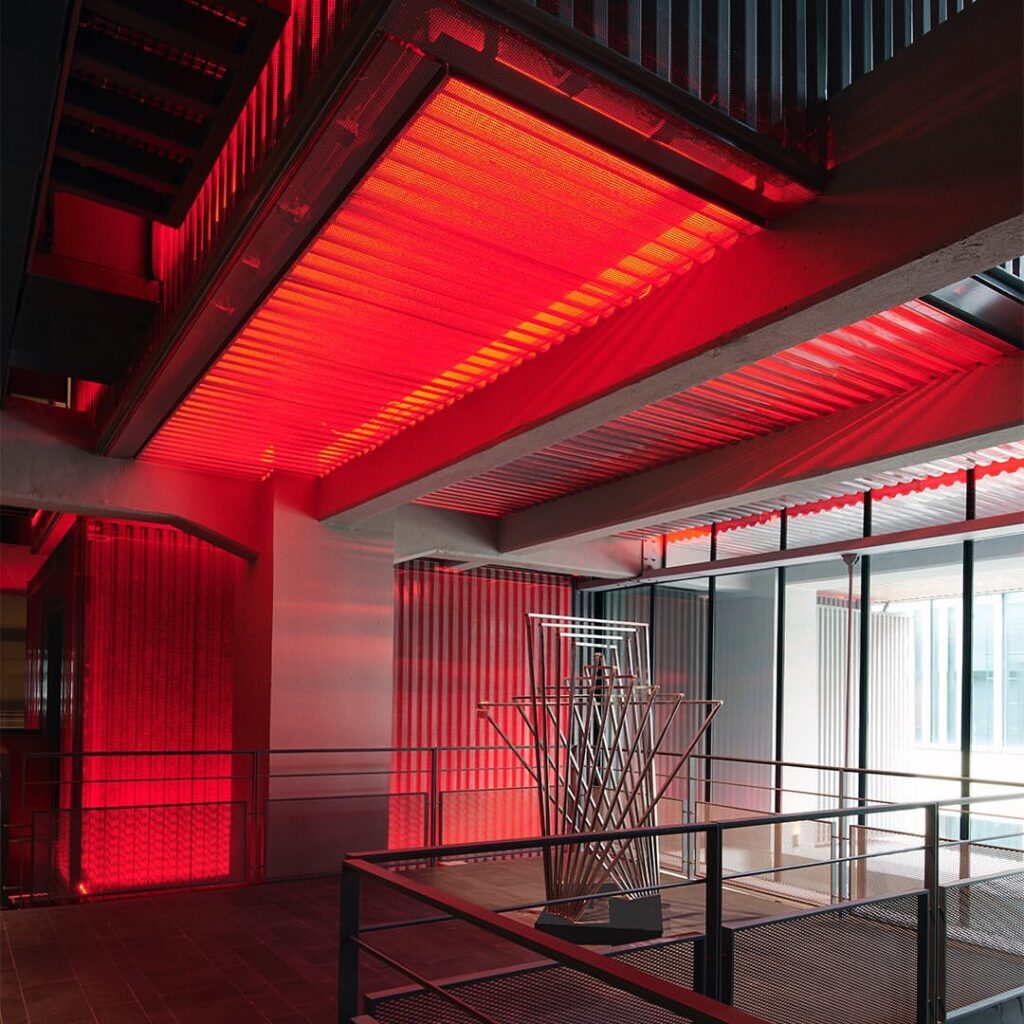
This is a cornerstone: Turkey’s first Fine Arts museum, first founded in 1937 inside the Crown Prince’s Office at Dolmabahçe Palace, now lives at Antrepo No: 5 in Tophane. Affiliated with Mimar Sinan Fine Arts University, it holds key works from the 19th-century Ottoman era through the Republican period—so you can literally watch the country’s visual culture change across rooms.
For decades it was the only art museum in Turkey (until the 1970s), and today it’s known for holding the country’s most important collection of modern Turkish paintings. It helped spark the creation of art museums and State Art Galleries across Turkey, and the collection clocks in at an impressive 12,000 works. Pro tip: slot this into a Tophane/Galataport day—art first, waterfront stroll later.
Address: Kılıçali Paşa, Parliament-i Mebusan Caddesi, No: 6, Beyoğlu/İstanbul, irhm.msgsu.edu.tr/en/homepage/
12. National Palaces Painting Museum (Resim Müzesi)

If you like grand settings with your art, the National Palaces Painting Museum delivers. Established in 2014 by the National Palaces Administration, it’s known for its impressive architecture and its valuable collection. The museum displays paintings commissioned and acquired by Ottoman sultans during the 19th century, arranged thematically so you can follow the ideas, not just the dates.
There are 30 halls in total, featuring paintings from palaces under the National Palaces Department, plus works borrowed from Topkapı Palace (which sits outside that department’s jurisdiction). Pro tip: go when you’re in a “palace day” mood—this is a perfect companion to Dolmabahçe.
Address: Vişnezade, Dolmabahçe Palace, Dolmabahçe Street, Beşiktaş/İstanbul, millisaraylar.gov.tr/Lokasyon/Lokasyon
13. Museum of Innocence
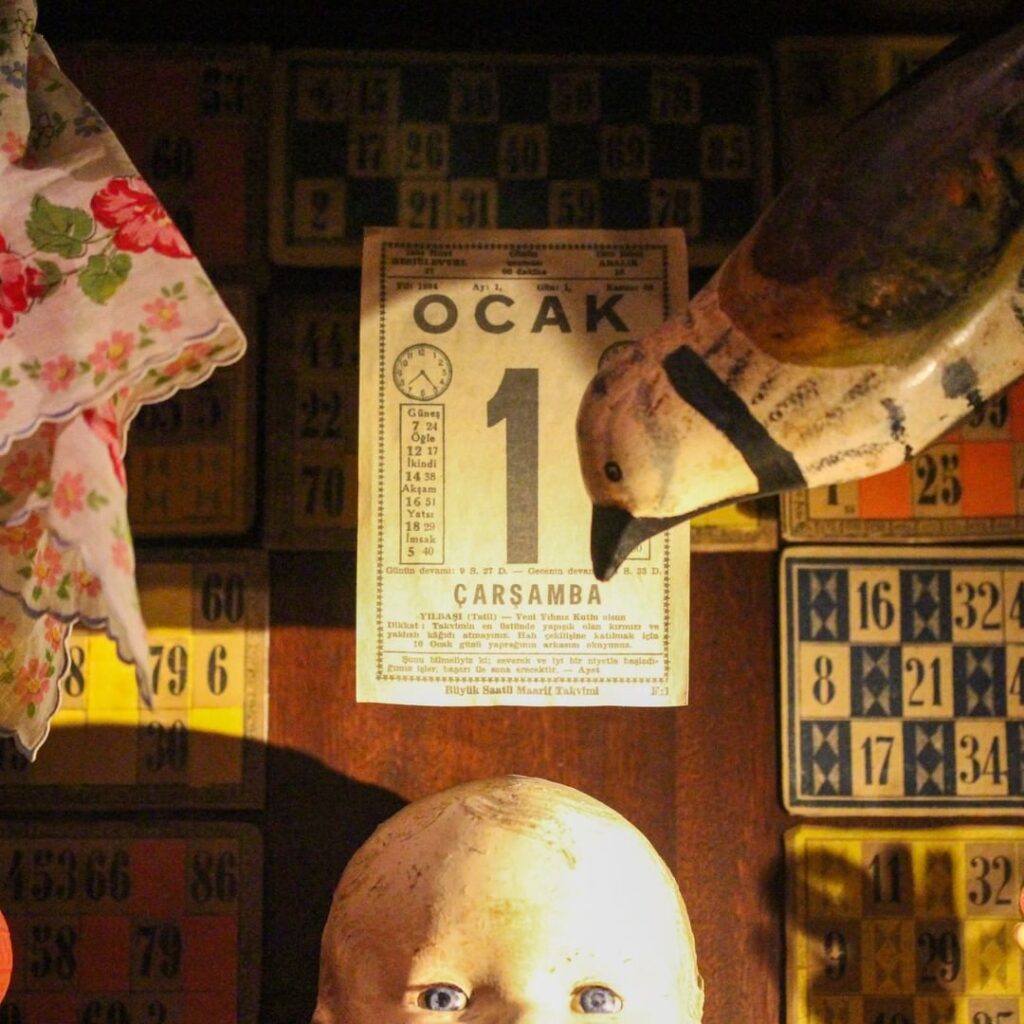
This one is pure Istanbul storytelling. The Museum of Innocence—born from Orhan Pamuk’s novel of the same name—sits inside a 19th-century building and is famously the only museum inspired by a novel. It even won the European Museum of the Year Award in 2014, which feels right because the whole place is basically a love letter disguised as an exhibition.
The museum follows Kemal Basmacı, the novel’s protagonist, through the objects he collects during visits to Füsun’s house (where she lives with her family in the story). Pamuk has said he started collecting items for the museum before he even wrote the novel—and used them as inspiration while writing. So yes, it’s fiction feeding reality feeding fiction, in a very Istanbul way.
And here’s the detail we love: the book’s eighty-three chapters are represented by eighty-three boxes inside the museum. Pro tip: even if you haven’t read the novel, go anyway—this is less “history museum” and more “human feelings museum.”
Address: Firuzağa, Çukurcuma Caddesi, Dalgıç Çıkmazı, No: 2, Beyoğlu/İstanbul, masumiyetmuzesi.org/en
14. Doğançay Museum

The Doğançay Museum is Turkey’s first contemporary art museum, and it’s dedicated to a tight, satisfying retrospective of Burhan Doğançay’s work—plus pieces by his father, Adil Doğançay. The collection follows about fifty years of Burhan Doğançay’s journey, from early figurative paintings to later works and photographs inspired by urban walls (because cities leave marks, and he knew how to read them). Pro tip: this is a great stop when you want something smaller, focused, and genuinely memorable.
Address: Hüseyinağa, Balo Sokak, No: 42, Beyoğlu/İstanbul, instagram.com/dogancay_museum/
15. Istanbul Toy Museum
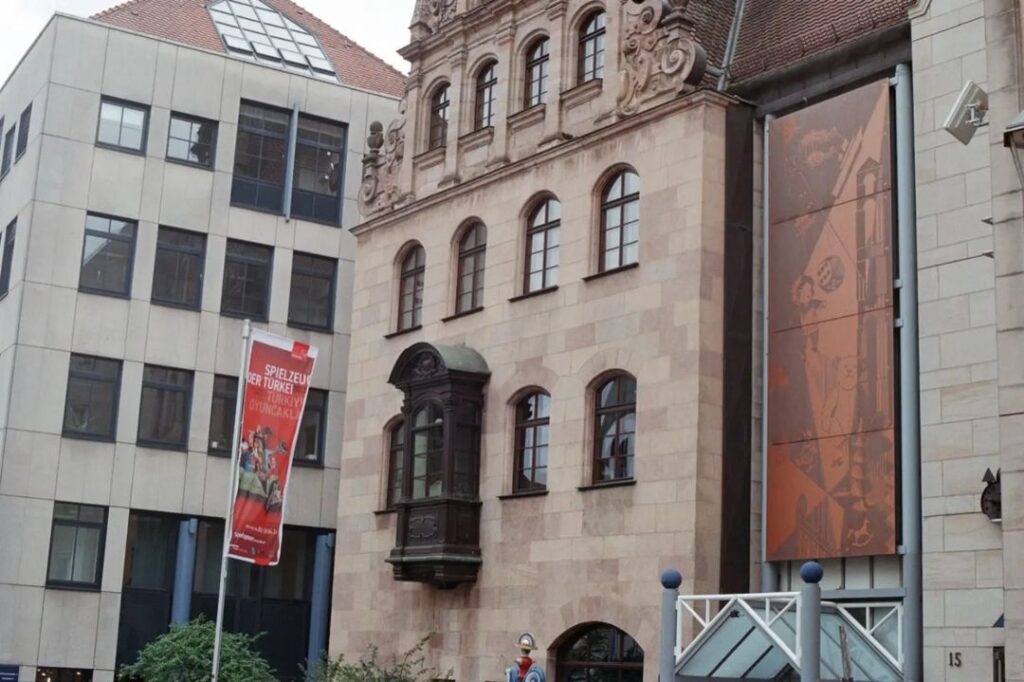
This is the one that makes adults unexpectedly emotional. The Istanbul Toy Museum, founded in 2005 by Belgin Akın and poet-writer Sunay Akın, lives inside a historic mansion and displays beloved toys from the 1700s to today. Sunay Akın collected them over 20 years from antique dealers and auctions in more than 40 countries—so the rooms feel like a time-travel scrapbook you can walk through.
The museum’s mission is refreshingly smart: make world history more engaging and memorable through toys. Designed by stage design artist Ayhan Doğan, it’s even a world-first of sorts—a museum founded by a poet and shaped by a stage designer. Pro tip: go with kids if you can, but don’t skip it if you can’t—this place works on everyone.
Address: Göztepe, Dr. Zeki Zeren Sokak, No: 17, Kadıköy/İstanbul, istanbuloyuncakmuzesi.com/pages/en
16. Madame Tussauds Istanbul
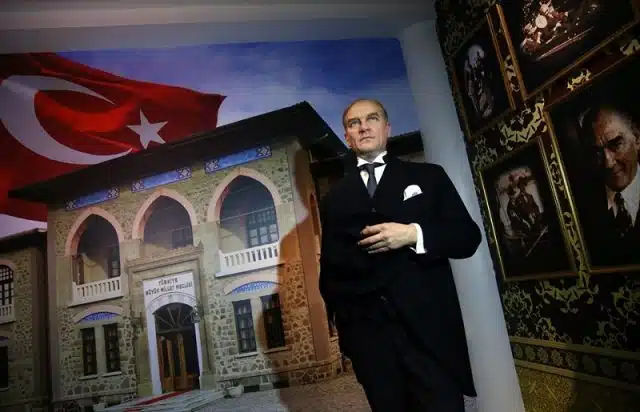
Sometimes you want serious museums. Sometimes you want to stand next to a wax celebrity and laugh at how realistic it is. Madame Tussauds Istanbul is a unique museum packed with lifelike wax figures from history, art, science, politics, sports, and entertainment—spanning cultures and eras. The brand is famous worldwide (London and plenty of major cities), and Istanbul’s branch brings that glossy, photo-friendly energy right onto İstiklal.
The lineup is a mix of Turkish icons and global celebrities, with figures like Mustafa Kemal Atatürk, Mevlana Celaleddin-i Rumi, Sahiha Gökçen, Zeki Müren, Adile Naşit, Neşet Ertaş, Barış Manço, MFÖ, Kıvanç Tatlıtuğ, Beren Saat, Tolga Çevik, Hidayet Türkoğlu, Yasemin Dalkılıç—and international names like Justin Bieber, Brad Pitt, Victoria Beckham, Madonna, Angelina Jolie, Johnny Depp, Beyonce, Audrey Hepburn, Marilyn Monroe, Leonardo Di Caprio, and Jennifer Lawrence. Pro tip: this is a perfect rainy-day or “we need something light” activity—especially if you’re with teens.
Address: Hüseyinağa, Grand Pera, İstiklal Caddesi, No: 56, D: 58, Beyoğlu/İstanbul, madametussauds.com/istanbul/en/
Best Istanbul Museums: FAQs
Planning your Istanbul museum crawl? Excellent. This city does not do “just a quick museum visit.” One minute we are staring at Byzantine mosaics, the next we are inside an Ottoman palace, then suddenly we are pretending we understand contemporary art. Here are the practical questions most travelers actually ask before diving in.
Which museums should I not miss in Istanbul?
If it is your first time in the city, start with Topkapi Palace Museum, Istanbul Archaeological Museums, Hagia Irene, Turkish and Islamic Arts Museum, and Galata Tower Museum. For something more modern, add Istanbul Modern or Pera Museum. Basically, we are building a museum itinerary with layers: empire, archaeology, faith, art, skyline views, and just enough “wow, Istanbul has been busy for 2,000 years” energy.
What is the best museum in Istanbul for first-time visitors?
Topkapi Palace Museum is usually the best choice for first-time visitors because it gives you history, architecture, courtyards, treasures, imperial gossip, and Bosphorus views in one dramatic package. If you only visit one museum in Istanbul, make it this one — preferably early in the morning before the crowds arrive and everyone starts moving like a confused tour group in a palace maze.
Are Istanbul museums worth visiting?
Yes, Istanbul’s museums are absolutely worth visiting, especially because the city’s history is not neatly tucked away in textbooks. It is everywhere: under your feet, above your head, inside mosques, palaces, cisterns, towers, and old mansions. Museums help everything make sense, from Byzantine Constantinople to Ottoman Istanbul and the modern Turkish Republic. Without them, the city can feel like a beautiful but chaotic history buffet.
How many museums can you visit in one day in Istanbul?
Realistically, we would plan for two major museums or three smaller museums in one day. Istanbul looks compact on a map, then laughs gently while you deal with hills, queues, security checks, ferries, trams, and the sudden need for tea. A good one-day museum route could be Topkapi Palace, Istanbul Archaeological Museums, and the Turkish and Islamic Arts Museum, since they sit fairly close to each other in the historic center.
What is the best area to stay in Istanbul for museums?
Sultanahmet is the best area to stay if museums are your main priority. You will be close to Topkapi Palace, Hagia Sophia, Istanbul Archaeological Museums, the Turkish and Islamic Arts Museum, and the Basilica Cistern. If you prefer a livelier base with restaurants, galleries, shops, and nightlife, stay around Karaköy, Galata, or Beyoğlu and use the tram or ferry to reach the old city.
Are Istanbul museums good for kids?
Some Istanbul museums are great for kids, especially if you choose wisely and do not attempt a five-hour palace marathon unless you enjoy tiny humans staging a rebellion. Rahmi M. Koç Museum is one of the best family-friendly museums in Istanbul, with transport, machines, boats, and hands-on-style exhibits. The Basilica Cistern, Galata Tower, and Miniatürk are also good choices for children because they are visual, memorable, and easier to digest than endless glass cases.
Do you need to book Istanbul museum tickets in advance?
For the most popular museums and attractions, booking ahead can save time, especially in spring, summer, weekends, and school holidays. Topkapi Palace, Galata Tower, Basilica Cistern, and major guided museum tours can get busy. For smaller museums, you can often buy tickets on arrival, but we still recommend checking opening hours before you go because Istanbul loves a surprise closure almost as much as it loves tea.
Is the Istanbul Museum Pass worth it?
The Istanbul Museum Pass can be worth it if you plan to visit several included state-run museums in a short period, especially places like Topkapi Palace and the Istanbul Archaeological Museums. It is less useful if your itinerary focuses mostly on private museums, guided tours, palaces not included in the pass, or free attractions. Before buying it, compare the current pass price with the individual entrance fees for the museums you actually plan to visit — not the fantasy itinerary where we magically visit twelve museums before lunch.
Are there any free museums in Istanbul?
Yes, Istanbul has some free or low-cost cultural stops, though the biggest-name museums usually charge an entrance fee. Some galleries, cultural centers, mosque complexes, and temporary exhibitions may be free to enter. It is also worth checking museum websites before your visit because free-entry days, temporary closures, and exhibition access can change. In Istanbul, “free” exists — it just likes to hide behind schedules and small print.
Which museum in Istanbul has the best views?
Galata Tower Museum has one of the best panoramic views in Istanbul, with rooftops, the Golden Horn, the Bosphorus, and the old city spread out like a very dramatic postcard. Topkapi Palace also has wonderful views from its terraces and courtyards. For a museum day with scenery, combine history with a skyline stop — your camera will behave like it has discovered religion.
- What to Wear in a Turkish Bath (2026): Ultimate Hammam Dress Code & Massage Etiquette
- 2026 Turkey Travel Tips: Useful Things to Know From A Local
- 2026 Turkey Packing List: Essential Travel Items and Tips

- Where To Stay In Bodrum (2026): Best Neighborhood & Top Hotel Picks
- 22 Top Turkish Cosmetics Brands (2026 Edition)