
Travel writing based on first-hand experience
Discover the best of Salalah in a perfect 2 days Salalah itinerary with our comprehensive itinerary. From ancient ruins and lush wadis to pristine beaches and local markets, experience the highlights of Oman’s southern paradise.
More Oman Guides Worth Opening Next
Plotting a quick escape to Oman’s green south and wondering what to pair with your 2 Days Salalah Itinerary? These guides fit neatly alongside it, whether you want more Dhofar context, a bigger Oman route, or a few practical reads before you start chasing beaches, wadis, and frankincense-scented detours.
- See why the region deserves more time with this guide to Dhofar Oman
- Add more nature and big-ticket stops via these top attractions in Oman
- Prefer the lesser-known route? Start with these hidden gems in Oman
- Turn Salalah into one stop on a longer trip with this Oman road trip itinerary
- Plan what to wear before the humidity and sunshine humble you with these Oman outfit tips
- Bring home something better than airport magnets with this guide to what to buy in Oman
- Love history as much as scenery? Add these archaeological sites in Oman
Table of Contents
The arrival
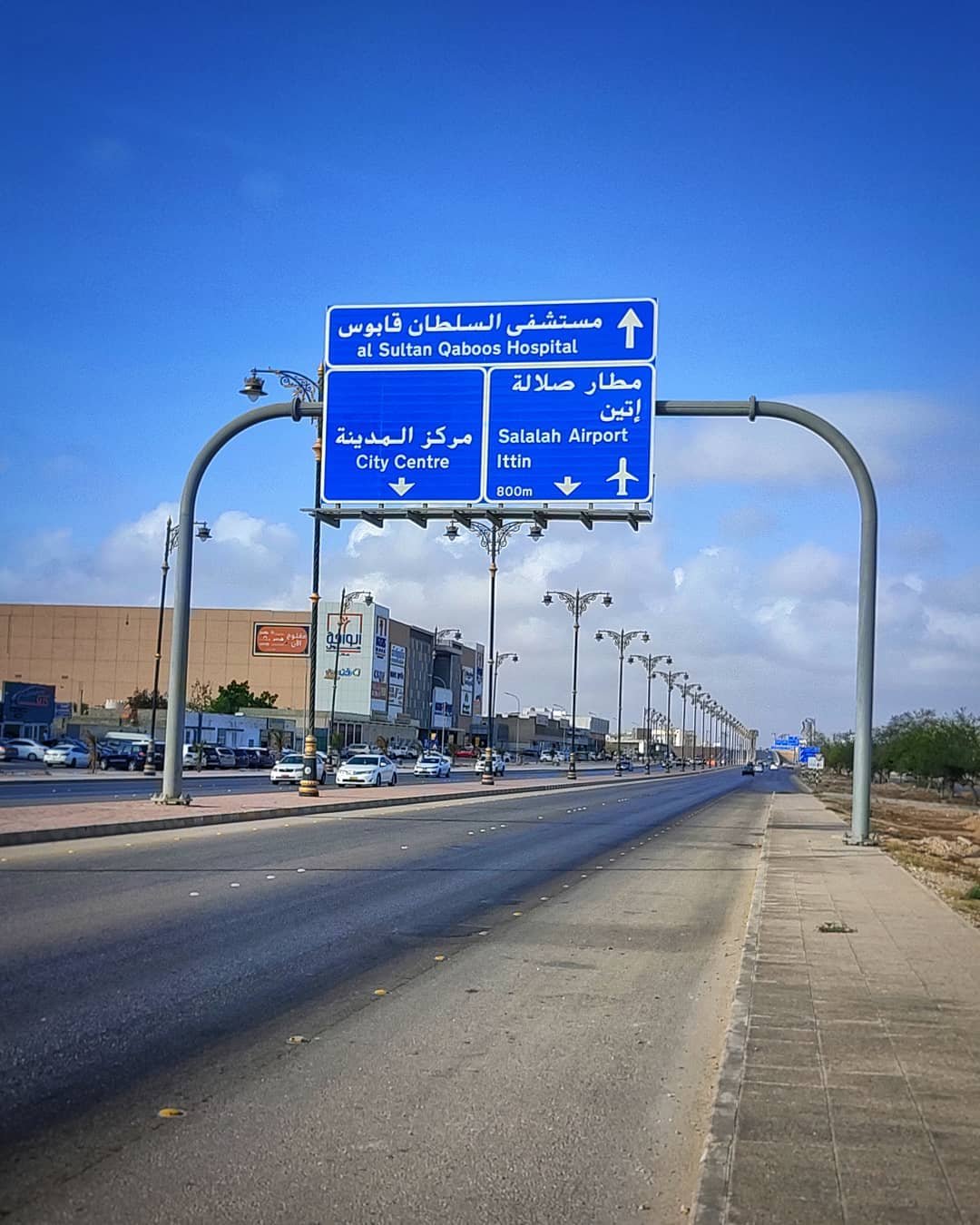
Landing in Salalah feels almost suspiciously easy (as if someone accidentally made travel simple on purpose). You’ve got smooth flight options with Emirates and Qatar Airways, and the only truly unglamorous move is one you should absolutely do: apply for your e-visa online before you fly. Future-you will thank present-you, loudly.
Once you’re through the doors, the airport is refreshingly practical: information desk, ATMs, and a mobile phone kiosk for a local SIM if you want to be online instantly (because wandering around “just vibing” is cute until you can’t find your hotel).
Getting around is a two-lane highway of choices. If you want total freedom—beach-hopping, cliff-chasing, hill-running—renting a car is the move (and yes, GPS will earn its keep here). If you’d rather sit back and let someone else do the navigating, taxis are safe and straightforward: expect roughly €1 per kilometre plus an initial charge of around €7. Most airport-to-hotel rides—whether you’re heading into the centre or over to the marina area about 20 km east—usually come in around €30–€45.
SALALAH ITINERARY HIGHLIGHTS
Top Beaches
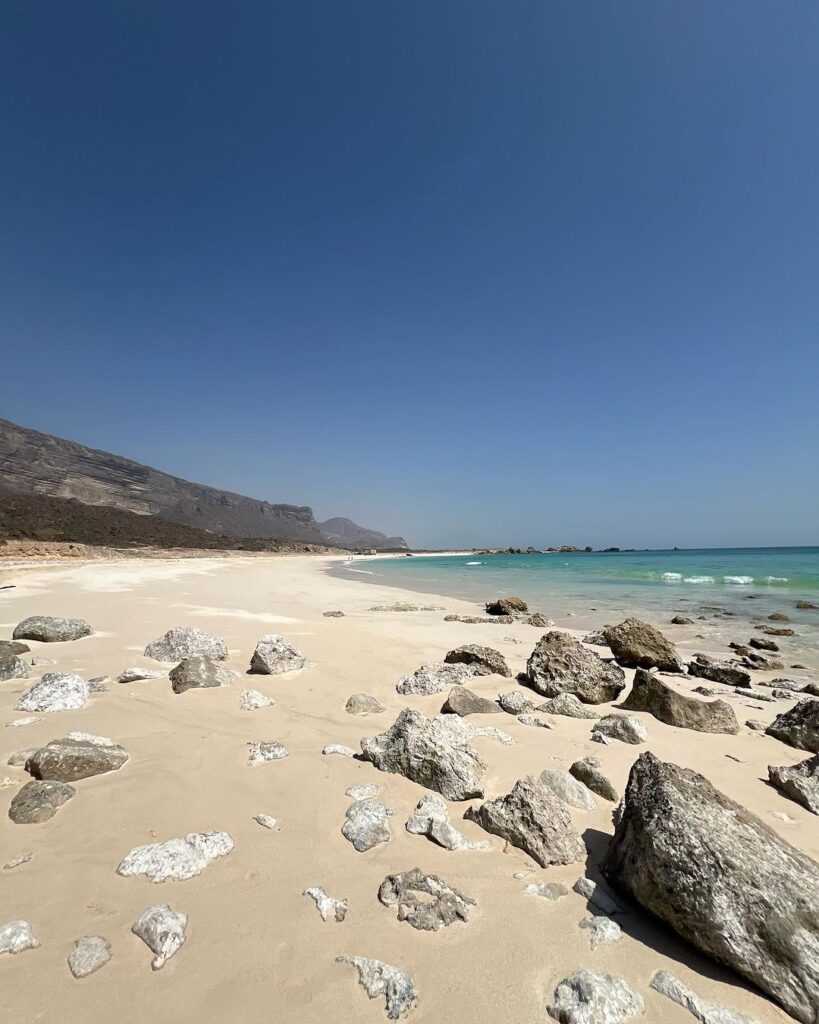
Dhofar’s coastline is the kind of scenery that makes us stop mid-sentence: desert meets mountains, cliffs slicing into the sea, and wide sandy bays that look like they were staged for a movie (Cape Town energy, but with frankincense in the air). Before the May humidity rolls in, the Indian Ocean shows off in unreasonably electric blues.
One gentle reality check: the sea here deserves respect. Currents can be strong, shaped by bigger systems where the Gulf of Aden and open ocean routes mingle—so we admire, we swim smart, and we don’t try to “prove a point” to the water.
- For wild space and proper waves, make a beeline for Fazayah Beach, about an hour west of the centre via the zigzagging N47. Bring water, a snack, and the mindset that you’re heading somewhere deliciously untamed.
- For maximum comfort with minimum effort, pick the private, paid resort beaches attached to places like Crowne, Anantara, or Rotana. You get showers, loungers, bars, restaurants—aka the “premium towel” lifestyle.
Top Restaurant
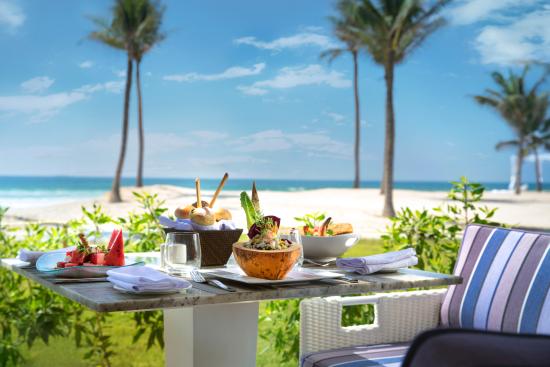
When we want an easy win, we go straight to The Beach Bar & Restaurant: right on the sand by the marina, calm terrace, and consistently well-cooked plates. Think crisp vegetables, grilled fish, satisfying skewers—and the kind of pacing that makes you linger. It’s open past midnight, which is perfect for an unhurried lunch or late dinner where nobody rushes you and the service stays quietly on point.
Top Hotel
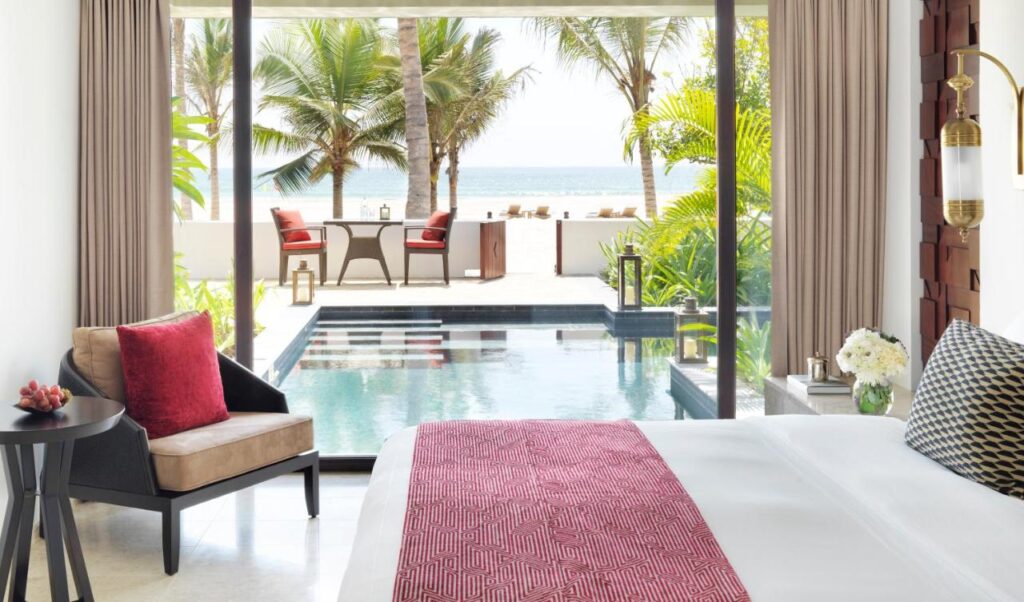
If we’re going full “soft-life mode,” Al Baleed Resort Anantara is the definition of zen luxury: elegant design, warm lighting, and a beachfront setting with subtle Thai touches—plus it sits beside a historic UNESCO site, because why not keep your mornings culturally superior.
There are around forty rooms and roughly a hundred villas, many with private pools, including ten beachfront villas. Expect beautiful pools lined with deckchairs (Spritz-friendly, obviously), the Asian-chic Mekong restaurant, and Al Mina when you want dinner with a little polish. Prices typically start around €400 for a double room and €600 for a villa.
DAY 1 OF SALALAH ITINERARY: OLD TOWN AND NEW TOWN, TWO CITIES IN ONE
Morning
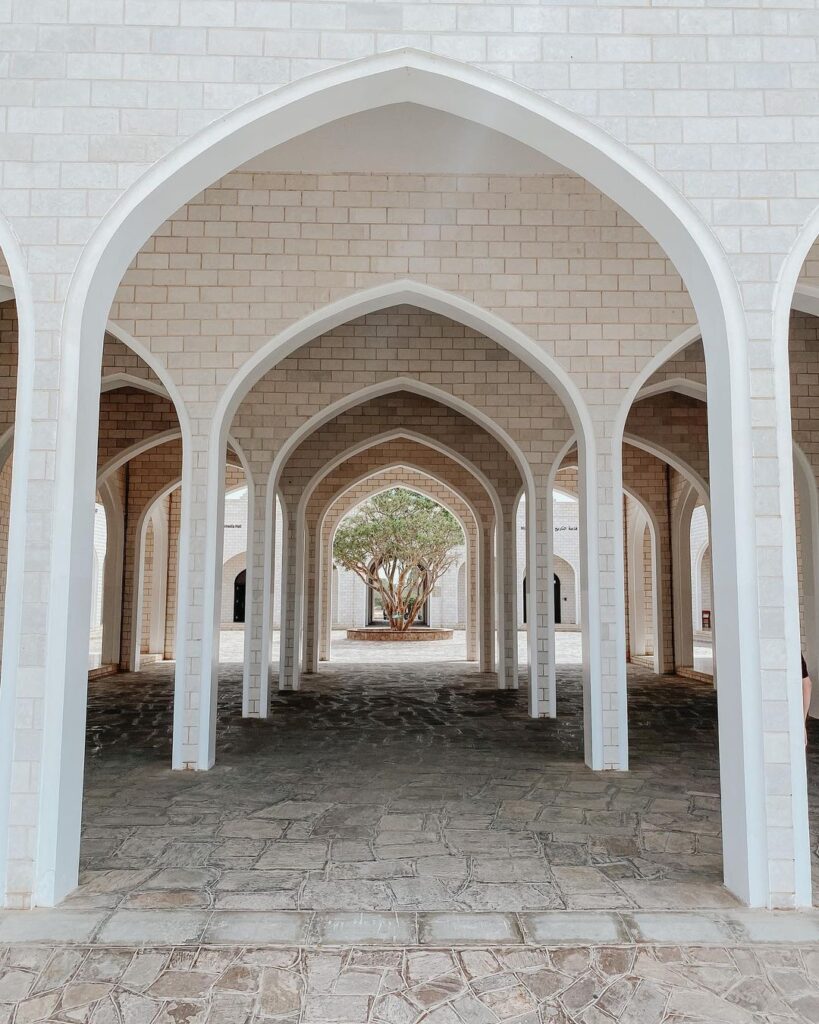
After a solid breakfast at the airport or your hotel, we start the day with a stop that feels quietly epic: the tomb of Nabi Imran on Al Matar Street. Imran is a prophet mentioned in the Quran—often linked in older Christian writings with Joachim (with Hannah as Anne). As the father of Maryam (Mary) and grandfather of Jesus, the site carries real weight.
The moment you step inside, you’ll see why people come: a 30-metre-long tomb inside an extraordinary mausoleum. It’s one of those places where you naturally lower your voice, even if nobody asks you to.
In about 10 minutes, we time-travel to Al Baleed, the ancient port at the heart of the Land of Incense. It flourished from the 8th to the 16th centuries, trading boswellia sacra resin for high-value goods like silks. From here, ships pushed towards China while caravans worked inland routes towards the Mediterranean world.
The ruins are spread out—city remains, sea-facing edges, and the striking footprint of a 10th-century mosque—so exploring by cart is a smart move unless you’re on a mission to hit 20,000 steps before lunch.
The big “put it all together” stop is the Museum of Frankincense Land: artefacts like astrolabes, nautical charts, consular documents, and a replica baghla (traditional vessel) that makes those long-haul sea routes feel suddenly real.
Lunch break
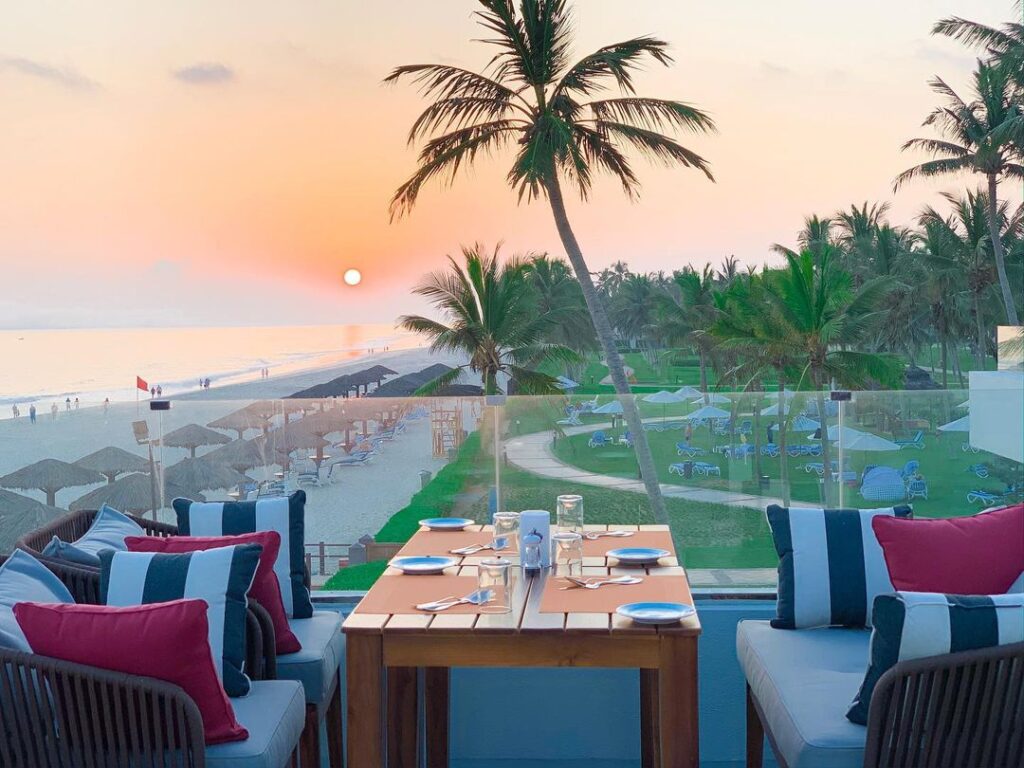
To keep the “ancient ports and salt air” mood going, we head to Crowne Plaza and its Eden-like gardens—about 15 minutes away via Sultan Qaboos Street. Recently opened, Ocean Blue Beach House is exactly what we want right now: breezy menu, Indian Ocean air, and food that hits the spot—salmon burgers, grilled grouper, tender lamb—plus the kind of drink you feel you’ve earned for being so historically responsible all morning.
Save room for the tiramisu. And don’t miss the subtle 1970s charm of the iconic Crowne Plaza next door; it feels like the perfect hideout for an Omani OSS 117.
Afternoon
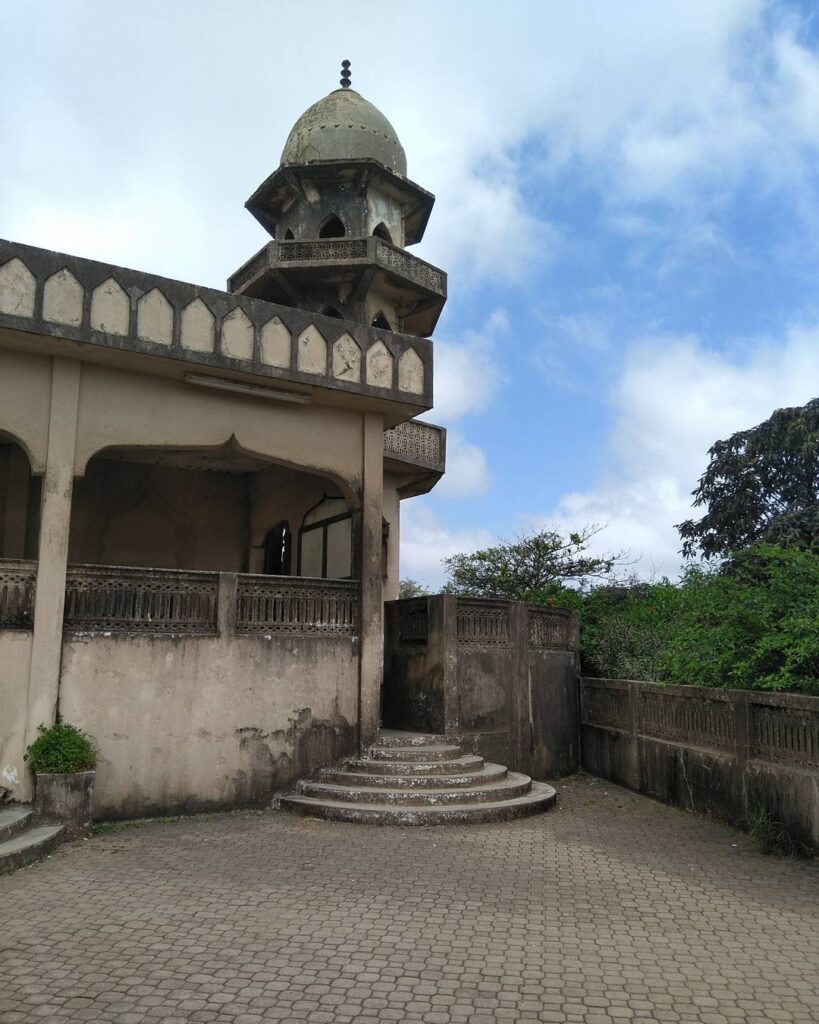
Now we swap sea air for mountain views. Leave the loungers behind and take the 50-minute drive into the hills behind Salalah to Nabi Ayoub Tomb—Job, the Idumean patriarch recognised among the 25 prophets in the Quran. The story is pure endurance: tested, afflicted, unwavering in prayer, and ultimately restored. Standing up here, with the landscape spread out like a map, it lands differently—quieter, heavier, more human.
Evening
Because Salalah stretches between palm groves and the marina (about 20 km apart), dinner depends on where we’ve parked ourselves. Two excellent options under the Sindbadian night sky: Al Mina at Anantara for refined, Mediterranean-leaning polish, or As Sammak on the marine deck of Juweira when we want sea views with our seafood (and the night to last a little longer).
DAY 2 OF SALALAH ITINERARY: LOST CITY AND FOUND BEACH
Morning
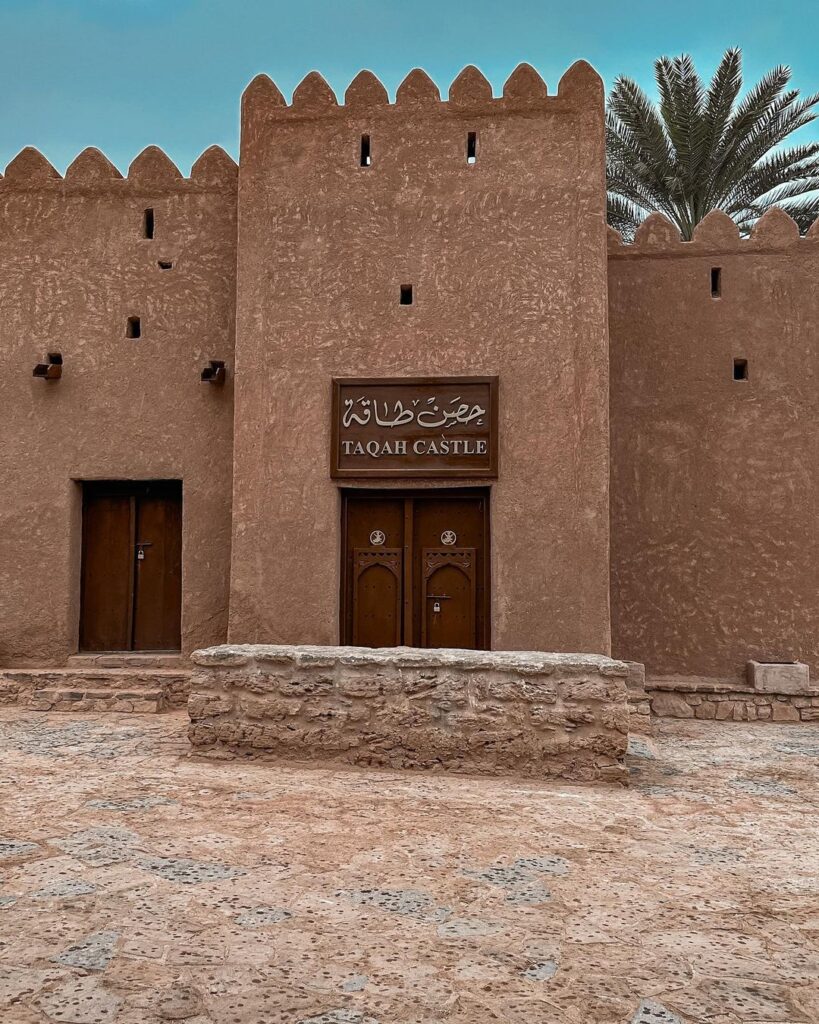
We start Day 2 with two quiet gems—then we let ourselves drift into a late lunch like we’ve earned it. Head east: about 20 minutes from the marina, or 35 minutes from the palm-grove side of town, to Taqah Castle.
The town used to feel dozy and understated, but it’s increasingly on developers’ radar thanks to that sandy shoreline. The 19th-century fort itself—built with limestone and coral—has three square towers, a lovely tree-lined courtyard, and twisty little passages that make you feel like you’re discovering it in real time.
And then there’s the detail that makes us blink: in 1992, French paleoanthropologists found arboreal monkey teeth here—raising wonderfully odd questions about how they travelled from Africa (some researchers suggest rafting). History is never just history, is it?
Continue 20 minutes further east to Khor Rori, one of Oman’s most striking places where nature and history share the same stage. Part of the Land of Incense, a UNESCO World Heritage area, the “lost city” of Sumhuram sits in magnificent geography.
Founded in the 3rd century BC and later identified as Moscha Limen in the 1st-century Periplus, it hosted sailors wintering on monsoon schedules, trading cotton cloth, corn, and oil for incense. Protected by thick walls and perched above the ocean, the city thrived for around 800 years. Today, you’ll find low walls, the remains of a temple to a moon deity, and the wind doing most of the storytelling—whispering about ships (yes, including Queen of Sheba energy) calling in from far-off routes.
Lunch Break
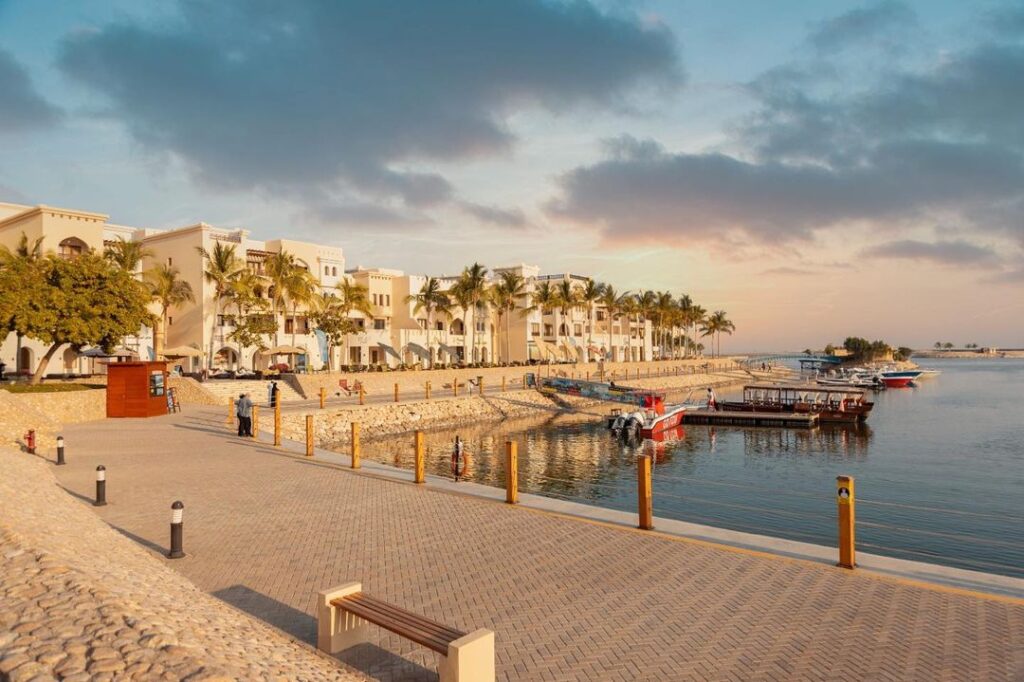
After the morning’s time travel, we return to Hawana Marina—shops, snacks, hotels, yachts, and a polished modern mood. For a leisurely lunch, Breakers at the Fanar hotel is reliably easy, with an international menu designed for maximum “we’re on holiday” comfort.
Afternoon
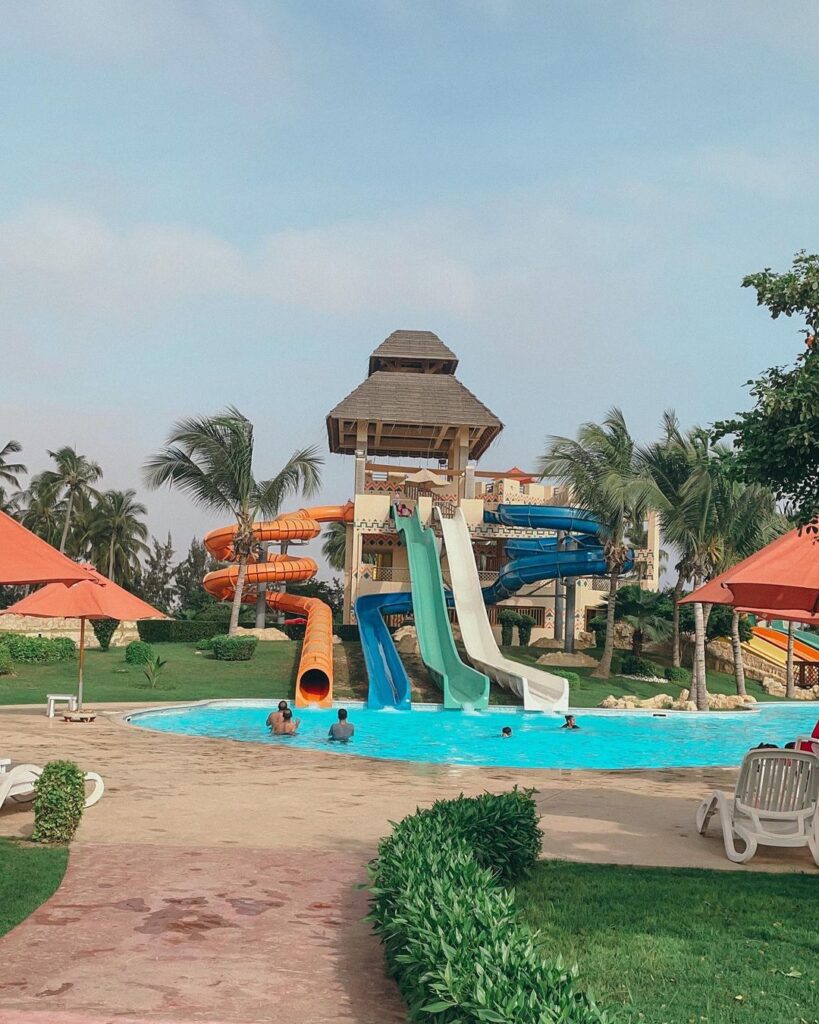
After 36 hours of ancient ports, prophets, and incense routes, this is where we reward ourselves. If you’re travelling with kids (or you simply respect a good water slide), head to the Aquapark for a hit of adrenaline. Otherwise, pick your flavour of calm:
- Zen The Spa at the Rotana: Private beach, coconut trees, and a couples’ treatment with sweet almond oil.
- Crowne Plaza: A classic private beach day under coconut trees, plus fun pools when you want movement.
- Anantara Spa at Al Baleed: Private beach serenity and a luxurious four-handed treatment with incense ointment.
Evening
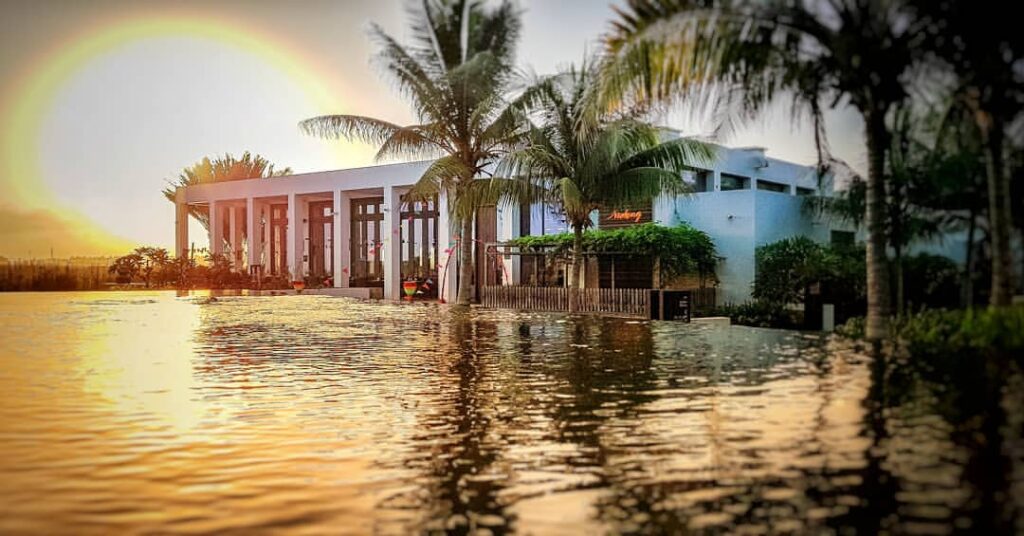
We finish the day with a little Silk Road romance at Mekong, the design-forward restaurant at Al Baleed Anantara. The whole place feels inspired by distant routes and trading worlds—perfect for a final toast to Oman’s explorer spirit before tomorrow’s adventures pull us back onto the road.
- What to Wear on a Desert Safari in Dubai in 2026: The Practical Packing Guide
- What to Wear in a Turkish Bath (2026): Ultimate Hammam Dress Code & Massage Etiquette
- 7 Best Family Hotels in Bahrain (2026): From big five-star resorts with mini waterparks to beachfront hotels
- 5 Best Wadis In Oman (2026)
- 9 Best Rooftops in Dubai (2026 Edition)