
Travel writing based on first-hand experience
Find the best beach towns in Egypt for your next adventure — crystal-clear waters, sunny beaches, and unforgettable vibes await.
| ➡️Before you zip the bag and head to the airport, run through a practical Egypt packing list — the items that make exploring temples comfortable, desert walks bearable, and long travel days surprisingly smooth. ➡️ Before travelling, it helps to know the small practical details that rarely make it into guidebooks, which is why our Egypt travel tips cover local rhythm, transport, money, timing, and everyday situations that first-time visitors often underestimate. ➡️ Clothing in Egypt depends heavily on season, city, and context: our what to wear in Egypt guide explains what feels comfortable, respectful, and genuinely practical from Cairo streets to coastal resorts. ➡️ Cairo becomes far more interesting once you step slightly sideways from the obvious route, and these hidden gems in Cairo reveal quieter corners, overlooked districts, and places many visitors never reach. ➡️ If you are trying to connect Cairo, the coast, ancient sites, and slower stops into one coherent route, our 14 days Egypt itinerary help shape days without turning the trip into a rush. ➡️Discover the top 12 unique things to buy in Egypt, from papyrus art and alabaster statues to Egyptian cotton and spices. Get our tips on where to shop and how to find authentic treasures. |
Table of Contents
Dahab

Dahab has that rare, unrushed magic—a place where we arrive for the sea and somehow stay for the vibe. It’s relaxed, a little bohemian, and wildly easy to fall into, especially if your idea of a perfect day includes salt in your hair and absolutely no hurry.
This former Bedouin village became famous in the diving world for the Trou Bleu—better known as the “Blue Hole.” The sinkhole is around 25 meters wide and plunges to about 120 meters. The legend is darker than the water: locals long avoided the site because of a story about a young woman who drowned here to escape an arranged marriage, and her spirit is said to linger in the depths. What divers come for is the pure drama of it—descending into that deep blue, then reaching the famous arch around 55 meters, where a tunnel opens out toward the sea. It’s beautiful, intimidating, and very much not the place to overestimate your skills.
Activities:
The Blue Hole is a magnet for freedivers, experienced scuba divers, and thrill-seekers—despite Egyptian regulations that theoretically limit dives beyond 40 meters. Pro tip: if you’re not trained for depth, don’t “just try it.” Dahab has plenty of stunning, safer dive sites that won’t tempt fate.
With around 250 windy days a year, Dahab is also a dream for sailing and kitesurfing. Pro tip: the wind can be glorious or chaotic—book lessons or rentals with a reputable shop, and listen when they tell you “not today.”
El Gouna

Just north of Hurghada, El Gouna looks like someone sketched an “Egyptian Venice” concept and then actually built it. Canals and lagoons weave through town, a glossy marina anchors the waterfront, and the whole place was created from scratch by a billionaire—so yes, it’s organized, polished, and designed for easy holiday living.
Accommodation here is smoothly planned and varied, with well-run hotels plus roomy villas and apartment options if you want more space (or you’re traveling with people who require “a little quiet” by day three).
El Gouna also leans hard into activities: water sports like parasailing, plus golf for anyone who likes their sea breeze with a side of etiquette. And if you’re lucky, you may even spot bottlenose dolphins offshore.
Activities:
Explore the Abu Nuhas reef, famous for four shipwrecks, including the Carnatic—often surrounded by glass fish and soft corals that make the scene feel unreal. Don’t miss the chance to peek into the story of the Chrisoula K, known for its cargo (yes, the tiles are part of the legend).
At the UCPA center, you can join kiteboarding and diving courses for both beginners and advanced travelers. Pro tip: book early in peak season—slots disappear fast when the wind is perfect.
Sharm El Sheikh
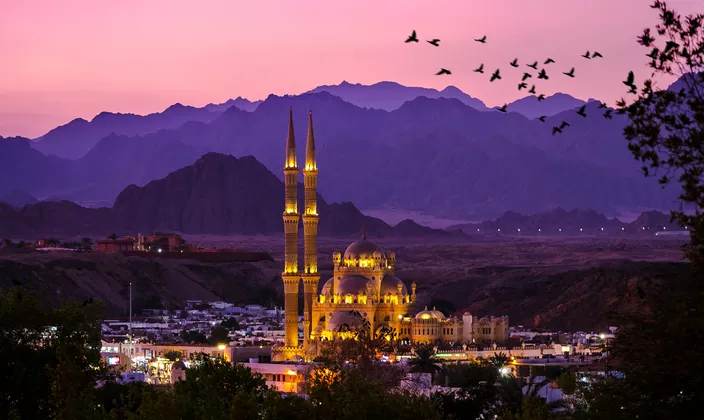
Sharm El Sheikh is the easy, breezy Red Sea option: it’s close to the airport, so you get that sweet door-to-door convenience. For miles, all-inclusive resorts line the coast—each with their own little universe of pools, bars, nightclubs, and family-friendly activities. If you want a holiday where everything is handled and your biggest decision is “pool or sea?” this is the one.
Activities:
Ras Mohammed National Park is one of Egypt’s most beautiful marine spots, especially for dramatic drop-offs. You’ll also find famous wrecks in the Straits of Tiran and near the entrance to the Suez Canal. Pro tip: if you’re snorkeling, choose calm-weather days—the visibility can be jaw-dropping when the sea cooperates.
Hurghada

Hurghada stretches along the Red Sea for over forty kilometers, and that long coastline means you get variety: resort zones, beaches, and a city that actually feels alive after dark. It’s not just a tourist strip—it’s a real, buzzing place, packed with bars and nightclubs if you want to lean into the nightlife.
Don’t skip Dahar, the older district, where Hurghada feels more local and less polished—markets, streets with personality, and small everyday scenes that make the city feel human.
Also worth a stop: the Al Mina Mosque, open to both women and men. Dress modestly and you’ll be welcomed—it’s a calm, beautiful contrast to the seaside energy outside.
For an easy, sensory little outing, wander the Fish market, then reward yourself with something cold at the nearby Marina. Pro tip: go earlier in the day if you want less bustle and better photos.
Activities:
Diving is the big one—day trips, beginner courses, and boat rides to reefs that make you forget you own a phone.
Safaga

About 45 minutes south of Hurghada, Safaga feels like the Red Sea before the glossy brochure took over. It’s an authentic port city with a quieter energy—still welcoming, but less shaped by mass tourism. Divers love it for a reason: people come once, make friends, and then somehow return every year like it’s a tradition.
The bay has beginner-friendly dive sites, while offshore reefs like Panorama Reef, Abu Kefan, and Middle Reef are known for seriously beautiful coral scenery. Pro tip: if you’re learning, Safaga is a gentle place to build confidence before you graduate to wilder sites.
North of Safaga, Soma Bay calls to spa-lovers and golfers with its upscale resorts, massages, hammam sessions, and tidy fairways.
One strong day trip from here: hire a car with a driver and follow the Nile’s edge to the magnificent Dendera Temple. It’s one of those places that makes you stop talking mid-sentence.
Activities:
Sailing and kitesurfing—especially when the wind decides to be generous.
Marsa Alam

Marsa Alam is where we come for the reef first—and everything else second. One key thing to know: the Red Sea reef here is often fringing, meaning it’s directly attached to the coastline. That’s why you won’t see endless, dreamy white-sand beaches everywhere. Environmental rules now prevent damaging the reef to build hotels or create artificial beaches, so when you spot long wooden pontoons stretching over the water, they’re simply there to help you reach safe swimming areas via ladders.
The first hotels settled here because the reefs are magnificent and easy to access from shore. Some bays—like Abu Dabbab, Mubarak, El Nabaa, and Shouna—have seagrass meadows that attract green sea turtles. Even kids can spot turtles while snorkeling (mask, snorkel, fins), which is basically instant wonder. Pro tip: never touch turtles—handling can damage the protective mucus layer that helps shield them from parasites.
Activities:
Camel rides into the desert (yes, it’s touristy—yes, it can still be fun).
Visit the Abada Bedouins, taste bread baked in the sand, and join nighttime outings for surprisingly beautiful stargazing and astronomy.
Elphinstone Reef is for seasoned divers, with chances to see hammerhead sharks, longimanus, and even tiger sharks. Pro tip: only go with reputable operators—conditions can be serious.
Wadi Lahami
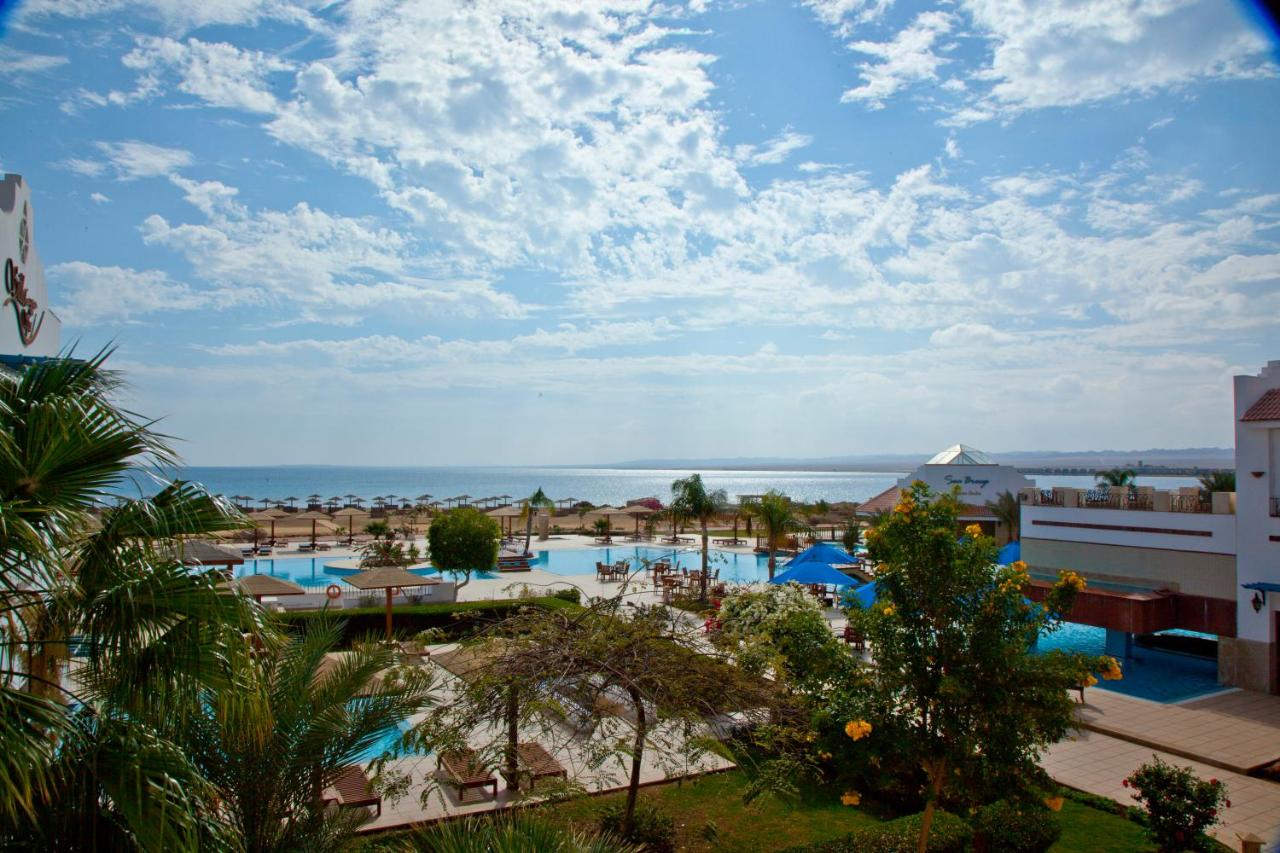
Driving into southern Egypt, we get that cinematic stretch of road: sea on one side, desert mountains on the other, and a sunset that turns everything soft pink for a few minutes. So why go all the way down here? For the quiet. For the feeling of the desert still being the desert—without neon, without crowds, without the kind of nightlife that comes with wristbands.
This is also a gateway to Wadi el Gemal National Park, a beautiful stop for nature lovers. Trails and excursions reveal a rich landscape and an impressive variety of birdlife—one of those places where you suddenly care a lot about what’s flying overhead.
Activities:
The Fury Shoals reefs are reached by semi-rigid boats, with standout sites like Sha’ab Claudio, famous for its maze-like caves. Not to be missed is the excursion to Sataya Reef, where spinner dolphins (Stenella longirostris) often gather—sometimes offering the chance to swim nearby.
For something completely different, head south to Shalateen (about 135 km). Near the Sudan gateway, the camel market is unforgettable—raw, real, and not remotely staged.
- 9 Best Rooftops in Dubai (2026 Edition)
- What To Wear in Bahrain (2026): Practical Dress Code Advice

- 20 Best Beaches in Cyprus (2026): Most Stunning Beaches You Can’t Miss
- Cihangir Istanbul Neighborhood Guide (2026): Cafés, Museums and Hidden Corners
- Best Hotels in Cihangir Istanbul (2026): 4 Stylish Places to Stay