
Travel writing based on first-hand experience
Discover what to do in Cyprus with kids — from sandy beaches and waterparks to interactive museums and nature adventures. A family travel guide packed with fun ideas.
Planning More Family Adventures in Cyprus?
Cyprus with kids is a dangerous little trap — one minute we’re planning “just a beach day,” and suddenly we’re adding sea caves, castles, animal parks, waterparks, mountain villages, and one suspiciously necessary ice cream stop. Use these guides to keep building your family trip without turning the itinerary into a heroic spreadsheet.
- 7-Day Cyprus Itinerary — the best next click if you want a full island route that balances beaches, towns, history, and relaxed family pacing.
- Things to Do in Protaras with Kids — perfect for calm beaches, easy coastal walks, family-friendly swimming spots, and low-drama sunny days.
- Best Things to Do in Protaras — handy if you want more nearby ideas around Cape Greco, beaches, viewpoints, and boat-trip territory.
- What to Do in Ayia Napa — for beaches, caves, boat trips, family stops, and the version of Ayia Napa that does not require nightclub stamina.
- Things to Do in Paphos with Kids — ideal if you’re heading west for ruins, beaches, animal parks, playgrounds, and easy family sightseeing.
- Hidden Gems in Cyprus — for quieter villages, caves, chapels, unusual stops, and those “wait, why is nobody talking about this?” detours.
- Best Family Hotels in Cyprus — useful if you still need the sacred trio: pool, breakfast, and a room where everyone can sleep without emotional collapse.
- Best Beaches in Cyprus for Families — because not every beach is made for sandcastles, snack breaks, and children who suddenly fear waves.
Table of Contents
Cyprus with Kids – Tips So Everyone Actually Has Fun
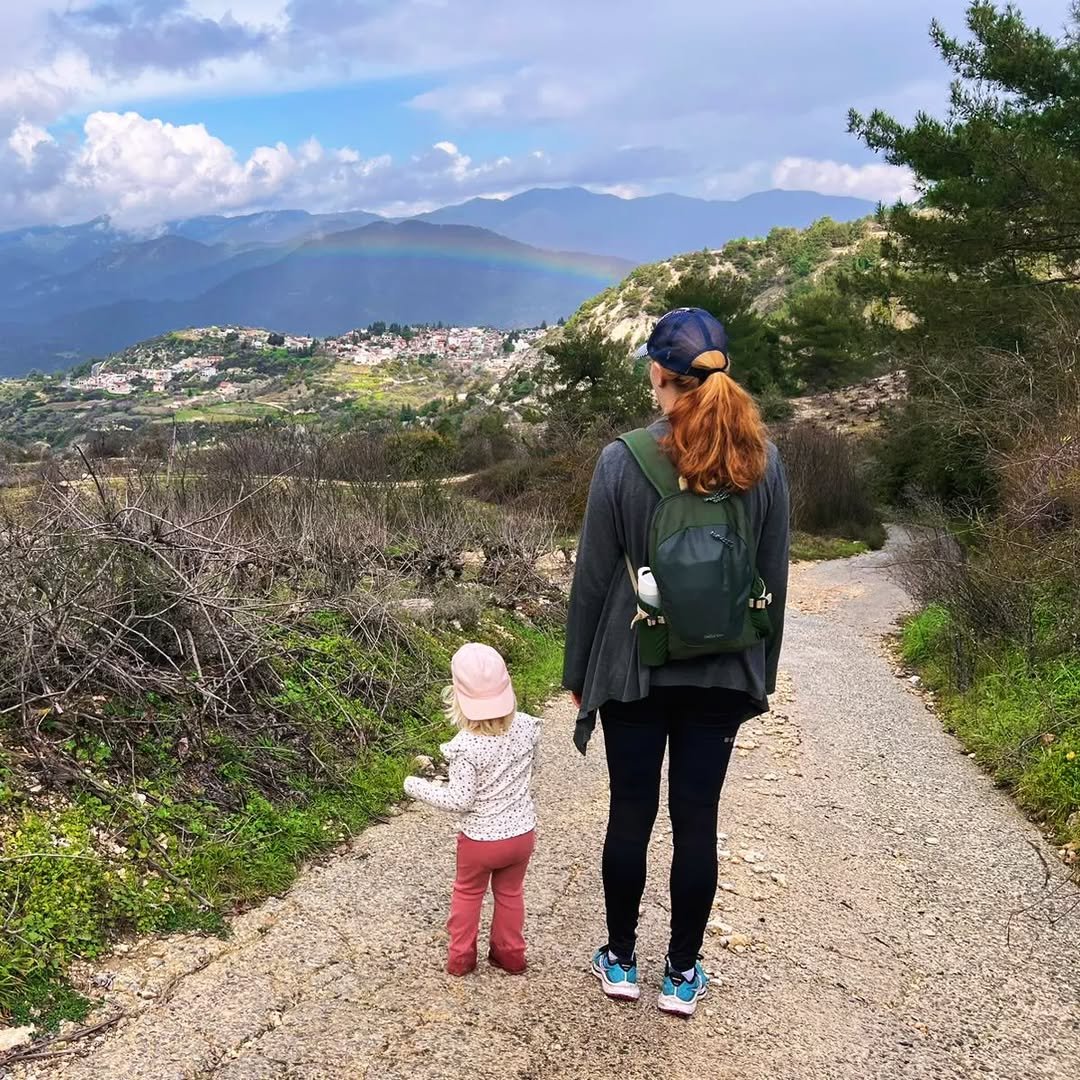
Here’s how to make Cyprus with kids easy, not exhausting.
Where to Base Yourselves with Kids
Think less “mysterious road trip” and more “short transfer + easy snacks.”
- Paphos – Great all-rounder: family resorts, Coral Bay with shallow water and proper facilities, plus a zoo and boat trips.
- Protaras / Ayia Napa – East-coast water-baby paradise. Fig Tree Bay and Nissi Beach are famous for clear, shallow water and soft sand, ideal for small swimmers.
- Limassol area – Handy if you want a bit of everything: town vibes, seafront promenade, and the big Fasouri Watermania waterpark just outside the city.
- Troodos Mountains – Cooler air, pine forests, and villages when everyone is done melting on the coast. Good for older kids who like walks and a change of scenery.
Pro tip: With younger kids, pick one main base and do day trips. Constant hotel-hopping with a stroller and floaties is a special form of punishment.
Heat, Sun, and Sea: Survival Mode
Cyprus sun doesn’t play. In summer it goes from “pleasant” to “who turned on the oven?” very fast.
- Plan outdoor time early morning and late afternoon; use lunch and siesta hours for shade, naps, or pool time.
- Pack UV swimsuits, wide-brim hats, and rash vests – they’re worth more than half the toys in your suitcase.
- Many family beaches (like Coral Bay and Fig Tree Bay) have gentle, shallow entry and calm water, perfect for little ones and nervous swimmers.
- Look for lifeguard flags and marked swimming zones; if the waves seem too fun, they’re usually also too strong for tiny legs.
Pro tip: Freeze reusable water bottles overnight and throw them in your beach bag. By midday, you’ve got chilled water instead of lukewarm “why does this taste like soup?” water.
Getting Around with Wheels (Strollers, Car Seats, Little Legs)
- Car rental is the most kid-friendly option. You can chase naps, beaches, and supermarkets on your schedule. Ask specifically for a child seat when booking.
- Public buses do run between major resort areas, but can be crowded and hot at peak times – fine with older kids, less fun with a stroller and a meltdown.
- Old towns and archaeological sites often mean cobbles, steps, and uneven stones; if you can, bring a small, sturdy stroller rather than a massive travel system.
Pro tip: Screenshot key routes (airport → hotel, hotel → supermarket, hotel → beach). Offline maps are your best friend when data disappears at the exact moment somebody needs a toilet.
Eating in Cyprus with Picky (and Hungry) People
Good news: Cypriot food is very forgiving for kids.
- Easy wins: souvlaki, grilled chicken, fries, pita bread, halloumi, chips, fresh fruit, simple pasta.
- Many tavernas will happily adjust portions or make something basic if you ask kindly.
- Supermarkets are excellent for yogurts, fruit, baby snacks, and picnic supplies – great for beach lunches or long travel days.
- Dinner is often late by local standards; if your kids fade early, do a big lunch at a taverna and a lighter, picnic-style dinner at your accommodation.
Pro tip: Save photos of dishes on your phone. Pointing at “this one please” works even when everyone is too tired to talk.
Safety, Health & “What If?” Stuff
- Tap water is generally safe to drink in many areas, but hotels often advise whether to use bottled water for drinking or baby bottles – follow their guidance.
- Pack basic meds: fever syrup, rehydration salts, plasters, antihistamine cream for bites. Pharmacies are common, but not always open at the exact moment you need them.
- Expect stray cats around tavernas and beaches; remind kids not to pet them no matter how cute.
- Teach a simple “if we get separated” rule – e.g., “Stand by the lifeguard / cash desk and wait; do not move.”
Pro tip: Write your phone number on a wristband or inside a hat for small kids. Low-tech, but it works.
What to Do in Cyprus with Kids: Best Places
CYHERBIA BOTANICAL PARK & LABYRINTH (AVGOROU)
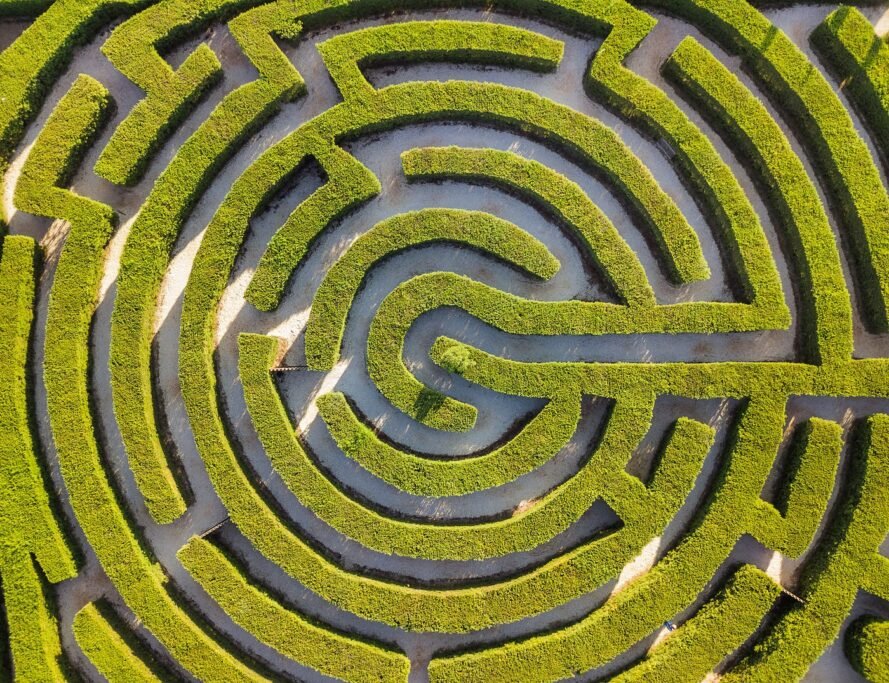
Mrs. Miranda’s passion for herbs led her in 2012 to create a unique botanical park, ideal for the whole family.
WHAT TO DO THERE:
The park features nine wonderful themed botanical gardens, forming the “Meditation Path,” the first and only 2,000 m² labyrinth in Cyprus. The “Round Cyprus” forest showcases the island’s endemic shrubs and trees, while the Fairy Village offers unforgettable moments and experiences for all ages.
Beyond the relaxation and peace the park offers, you’ll learn everything about herbs, watch the distillation of lavender essential oil at the distillery, sip herbal tea at the café, and enjoy homemade food and sweets. Before you leave, you can buy pure, organic products such as various tea blends and cosmetics. The park often organizes special events, festivals, and workshops (you can stay informed about these either by phone or via the park’s website).
INFO: (99915443) Tue–Sun 09:00–19:00. All areas of the park are wheelchair accessible.
CAMEL PARK (MAZOTOS)
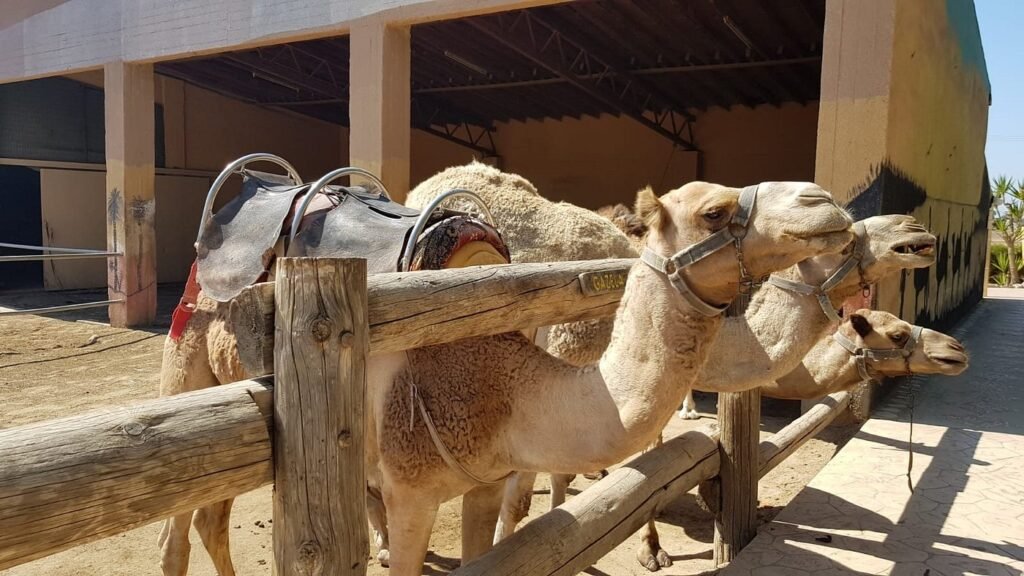
The park was “born” in 1998 and started as an exclusive camel park. However, the owners’ love for animals led them to open their doors wide to welcome many other species.
WHAT TO DO THERE:
Here, you’ll enjoy a beautiful full-day experience. You’ll meet camels, llamas, ponies, donkeys, goats, ostriches, kangaroos, and more. Take a camel safari, feeling as if you’re crossing the Sahara Desert, and meet the mischievous lemurs who have a special love for the camera. You can also have endless fun in the park’s playroom with bumper cars, trampolines, and more. In the summer months, take refreshing dips in the park’s swimming pool (pool access is included in the general entrance fee).
EXTRA TIP: To win over the camels, hold some carob pods in your hand and watch them disappear instantly!
INFO: (24991243) Mazotos. Mon–Sun 09:00–19:30.
GOLDEN DONKEYS FARM (SKARINOU)
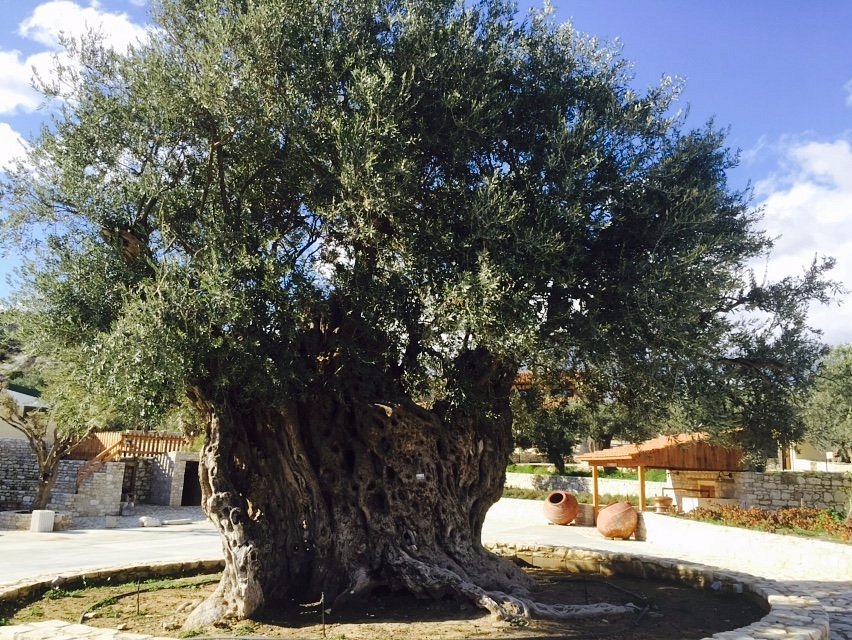
A family business aiming to highlight Cypriot tradition, paying tribute to these adorable mammals that, in the past, were an integral part of daily life on the island. Today, it is the largest donkey breeding farm in Cyprus and a wonderful, unique, and entertaining space for all ages!
WHAT TO DO THERE:
Meet the friendly donkeys, ride them, and learn all about their lives. Tour the farm to see the oldest olive tree in Cyprus, the watermill, and the olive press. Visit the wax museum with figures depicting Cypriot artisans of the old days. Finally, you can purchase organic products made from highly nutritious and beneficial donkey milk, such as chocolate, ice cream, liqueur, cosmetics, and more.
INFO: (70000620) Memila area, Skarinou. Mon–Sun 10:00–18:00 (Wed & Fri 10:00–20:00).
PAFOS ZOO (PEGEIA)
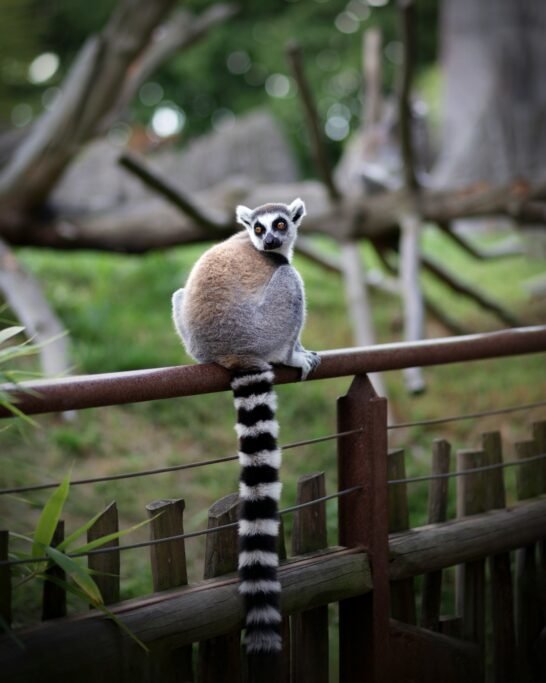
Here, things are simple: this is a zoo that will delight young and old alike. It first opened its doors to the public in September 2003, thanks to the initiative of Christos Christoforou, who decided to share his personal collection of numerous birds from around the world. Today, the zoo hosts animals from every corner of the globe, with its parrot and venomous snake species being among the most impressive in Europe.
WHAT TO DO THERE:
Explore the zoo to discover species you never knew existed and admire the ones you already know. Watch parrot shows and other animal demonstrations, and enjoy informative documentaries about the animals hosted there. Try the famous “ofto” (traditional roast) at the Flamingo restaurant inside the zoo, enjoy delicious ice cream, visit one of the on-site museums, and buy souvenirs from the gift shop.
INFO: (26813852) Mon–Sun 09:00–19:00.
PERFUME-THEMED PARK (FLASSOU)
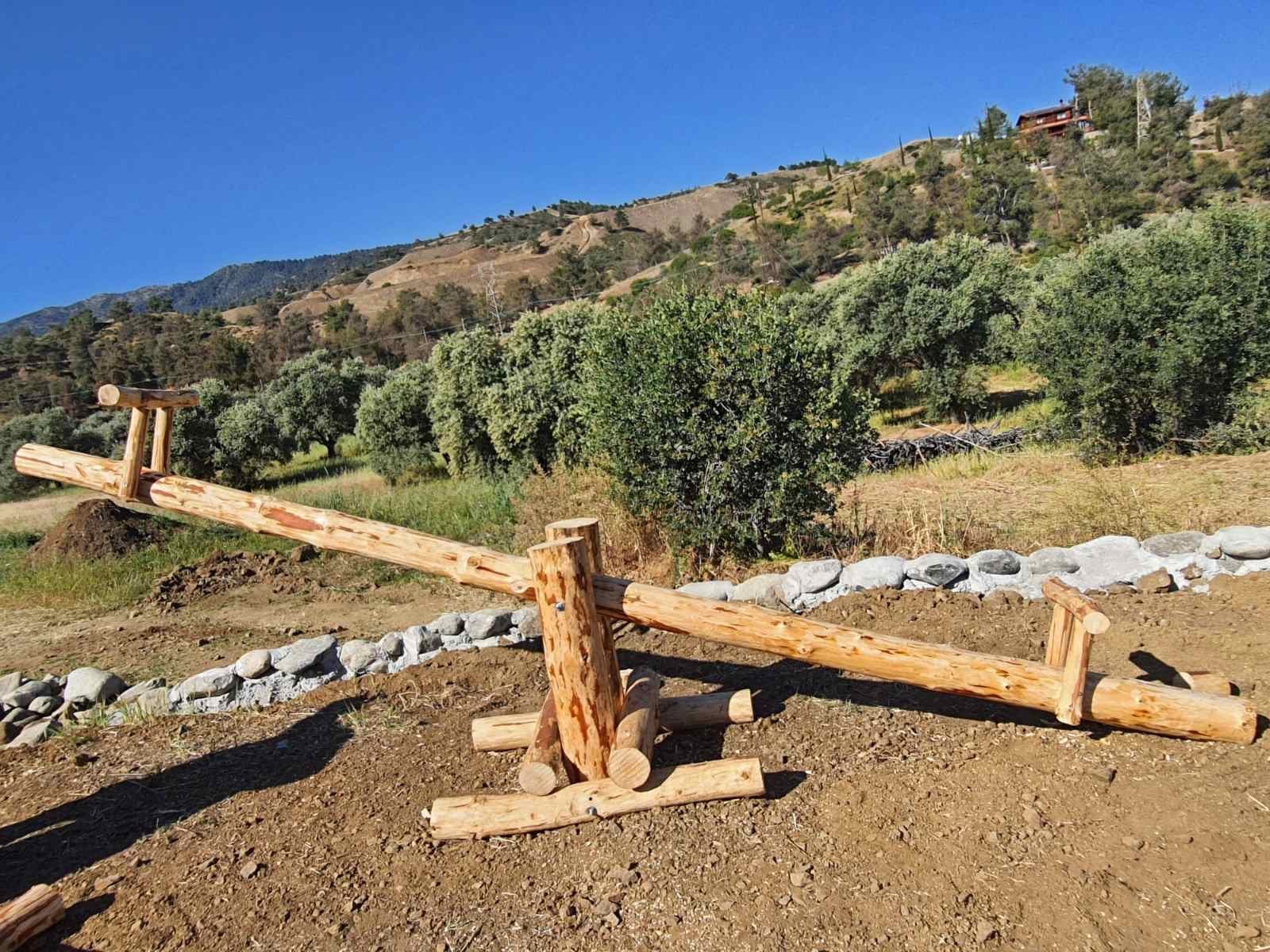
A very special themed park — the only open-air perfume museum on the island — located in the heart of nature between the villages of Korakou and Flassou. It’s a large-scale project aiming to educate the younger generation so that, in a fun and engaging way, they can connect with their roots and history.
WHAT TO DO THERE:
Learn about the history of Cypriot perfumery from 5,000 BC to today, and admire the only replica of the oldest distiller, dating back to 5,000 BC. Watch how perfumes were made in ancient times and even create your own fragrance! You’ll also learn about the uses of herbs — from cooking and herbal medicine to aromatherapy. Your child can play archaeologist, experiencing the work firsthand. The park is perfect for spending the whole day; brunch is served around 10 a.m., and lunch at 1 p.m.
INFO: (99644237) Flassou. Tue–Sun 09:00–17:00.
PETRIDES FARM PARK (MARKI)

A wonderful animal park offering an unforgettable experience for both children and adults.
WHAT TO DO THERE:
Pet, feed, and play with the park’s animals — from goats, ponies, and donkeys to llamas, peacocks, and guinea pigs. Explore the large grounds, enjoy pony rides, and let the kids loose in the dedicated play areas. There’s also a café where you can relax while keeping an eye on the children.
INFO: (22521002) Marki. Mon–Sun 09:00–19:00.
AGIA NAPA SCULPTURE PARK
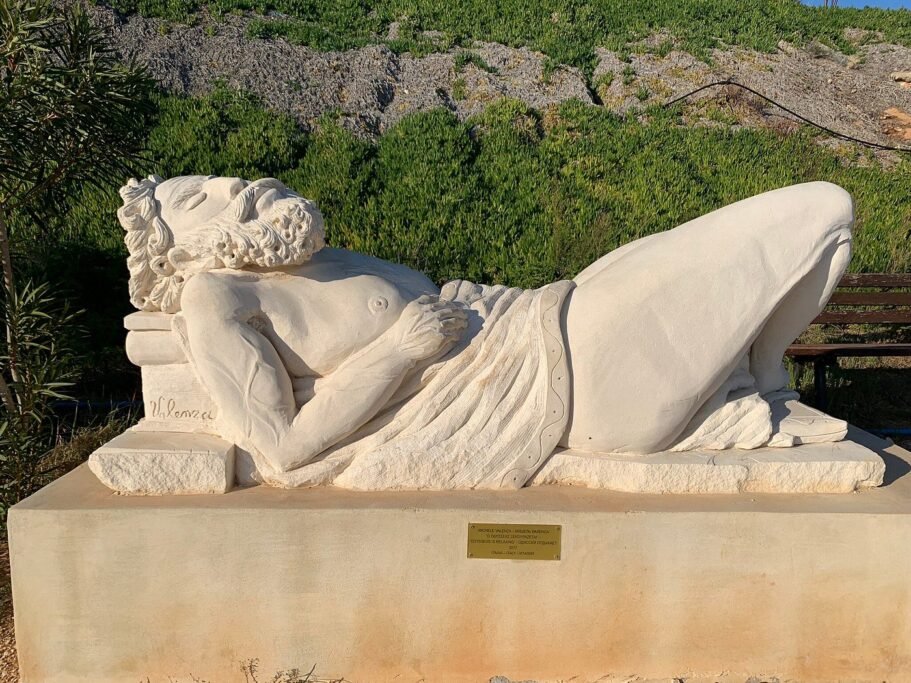
An open-air cultural space that combines art, sea views, and nature in the most magical way.
WHAT TO DO THERE:
Wander through the park’s paths, admiring over 200 sculptures created by artists from around the world during the annual Sculpture Symposium. The works vary in style, size, and theme — some abstract, others depicting mythical or historical figures. As you walk, you’ll also enjoy panoramic views of the Mediterranean.
INFO: Open daily, 24 hours, free entry.
LARNACA MEDIEVAL CASTLE
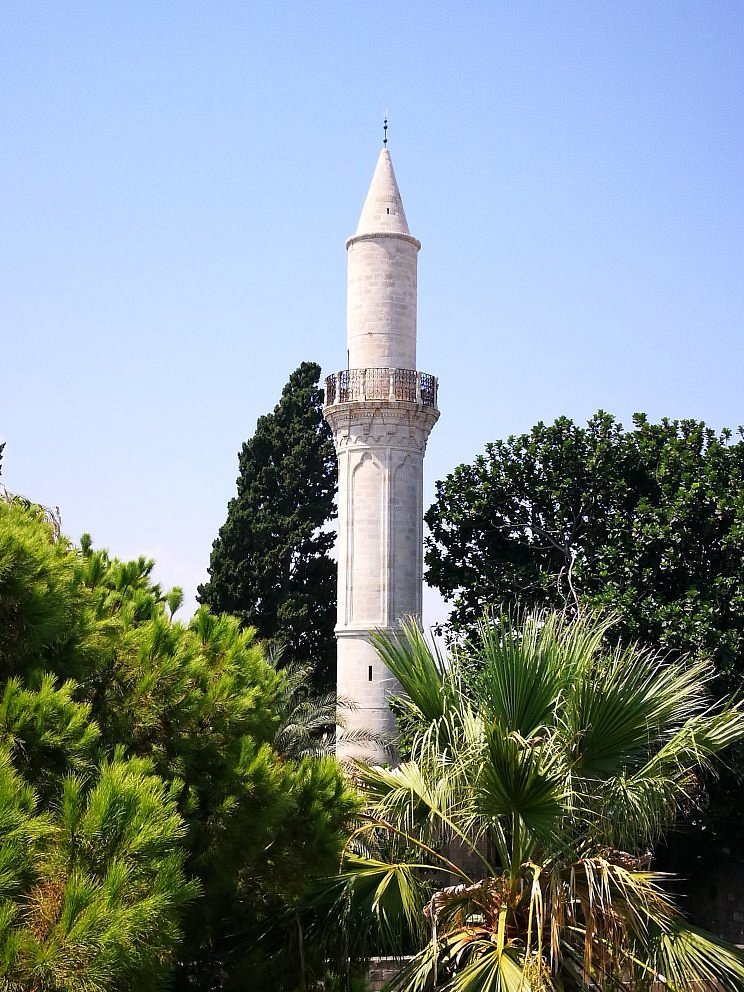
A historical treasure located right by the sea, this castle dates back to the Middle Ages and later served as a prison during British rule.
WHAT TO DO THERE:
Step into the small but fascinating museum inside the castle, where you’ll find medieval artifacts, Ottoman-period cannons, and photographic exhibits. From the top, you’ll have stunning views over Larnaca’s coastline and the famous Finikoudes Beach.
INFO: (24304576) Larnaca. Mon–Fri 08:00–15:00, Sat 09:00–15:00, Sun closed.
KATO DRYS BEE & EMBROIDERY MUSEUM
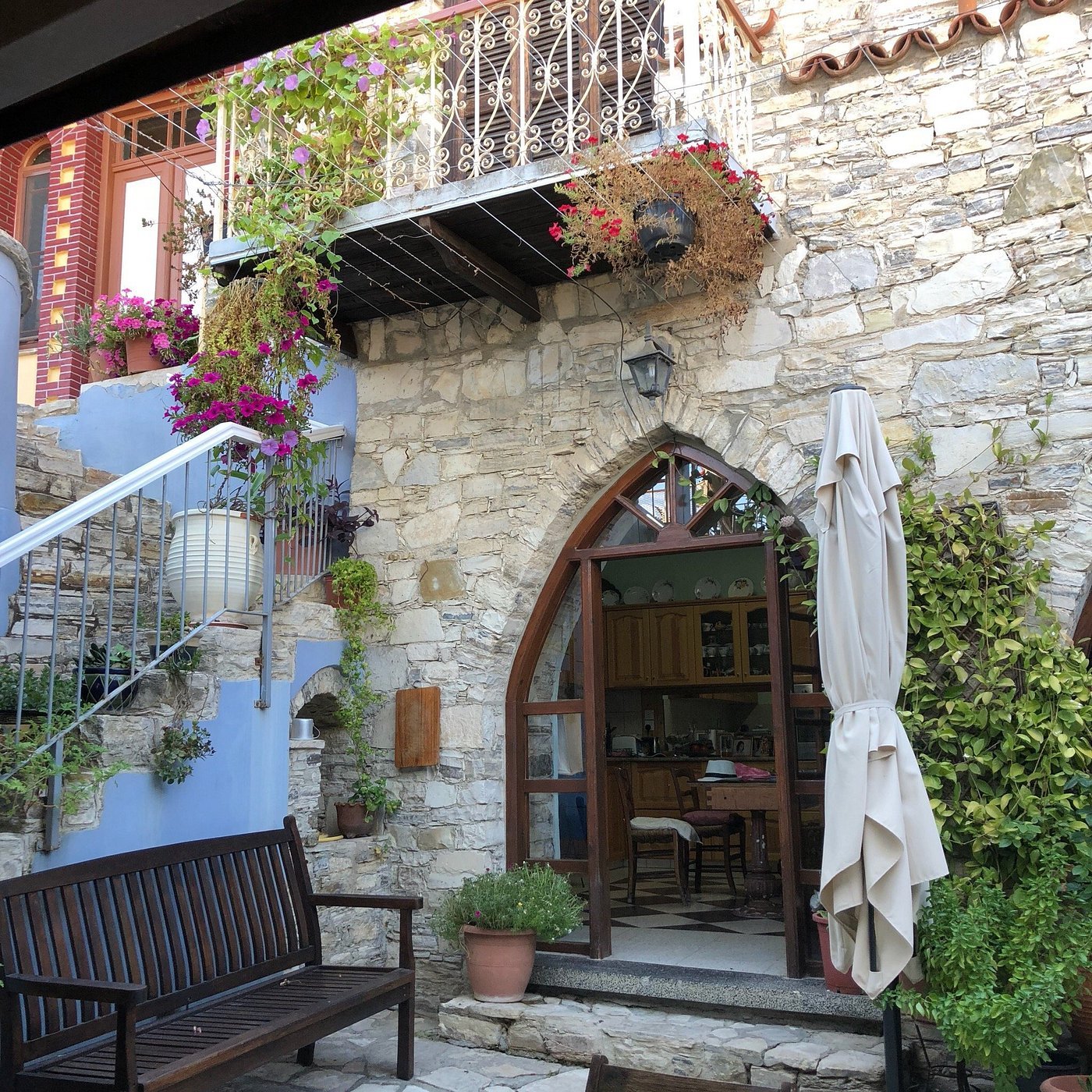
A charming private museum preserving the traditions of beekeeping and lace-making in Cyprus.
WHAT TO DO THERE:
Discover tools, clothing, and techniques used in traditional beekeeping, and learn how honey was collected and stored in the past. In the embroidery section, admire intricate Lefkara lace and other handmade textiles. The museum also has a small shop where you can buy honey and local handicrafts.
INFO: (24342323) Kato Drys. Tue–Sun 10:00–18:00.
AYIA NAPA THALASSA MUNICIPAL MUSEUM
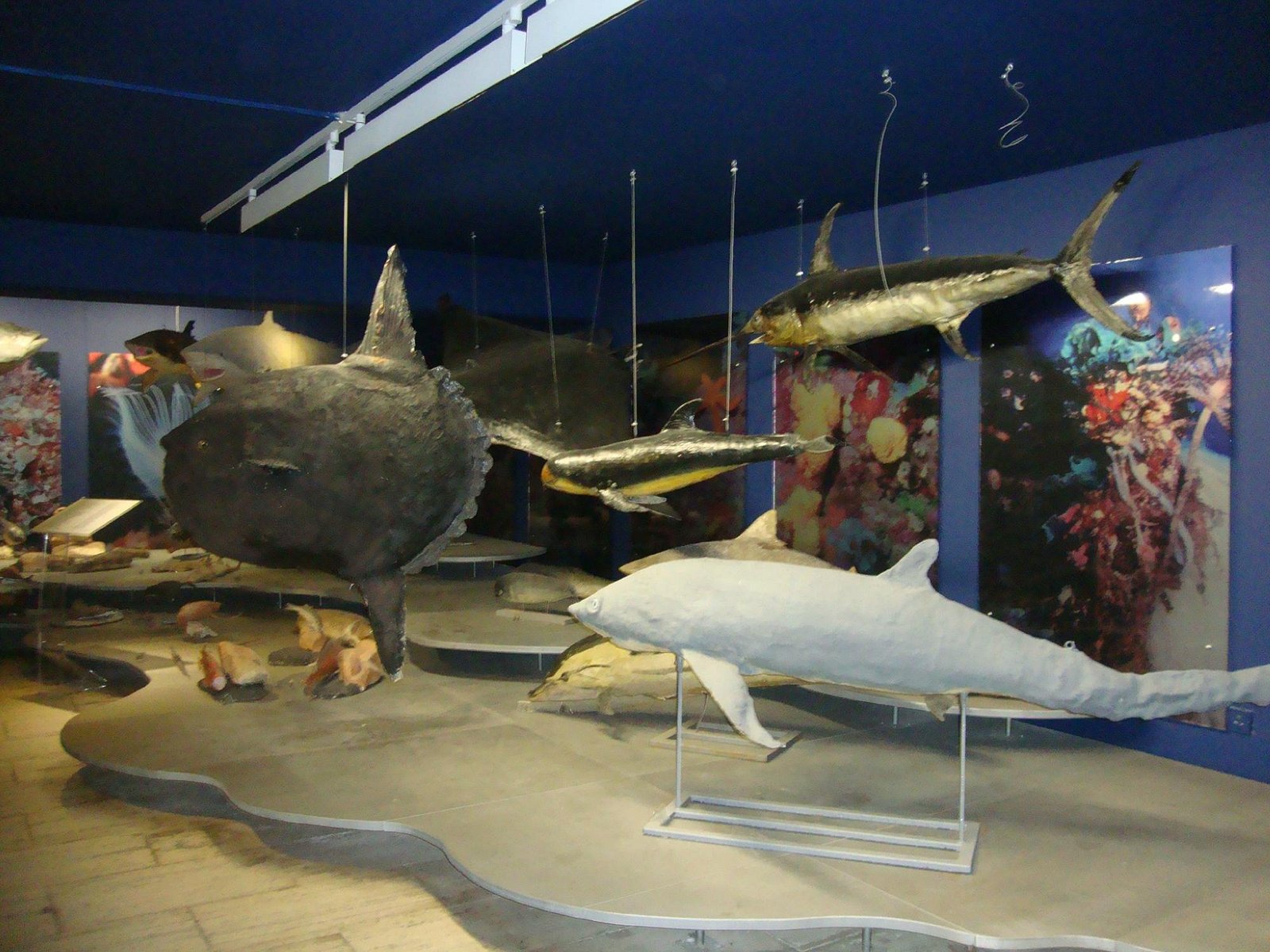
A modern cultural space dedicated to the sea and Cyprus’s maritime heritage.
WHAT TO DO THERE:
See fascinating exhibits about the island’s connection to the sea, from ancient fishing tools to marine life displays. The highlight is the full-size replica of the ancient Kyrenia ship. The museum also hosts art exhibitions and cultural events throughout the year.
INFO: (23816366) Ayia Napa. Tue–Sat 09:00–17:00, Sun 09:00–13:00, Mon closed.
AYIOS NEOPHYTOS MONASTERY (PAPHOS)
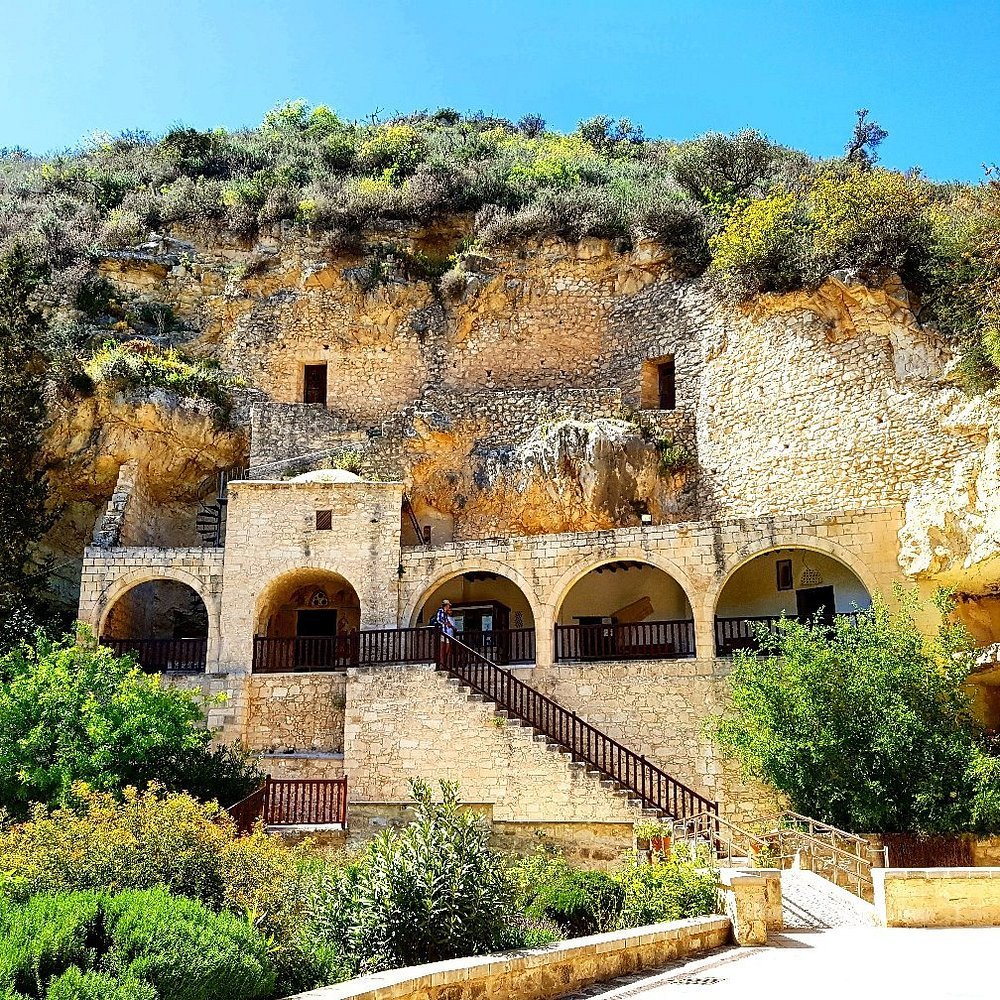
Founded in the 12th century by the hermit Saint Neophytos, this monastery is carved into the rock and surrounded by lush landscapes.
WHAT TO DO THERE:
Visit the Enkleistra (the hermit’s cave) adorned with remarkable Byzantine frescoes, explore the church, and stroll through the museum displaying religious artifacts and manuscripts. The peaceful setting makes it perfect for quiet reflection.
INFO: (26934263) Tala, Paphos. Daily 09:00–13:00 & 14:00–17:00.
KOURION ARCHAEOLOGICAL SITE (LIMASSOL)
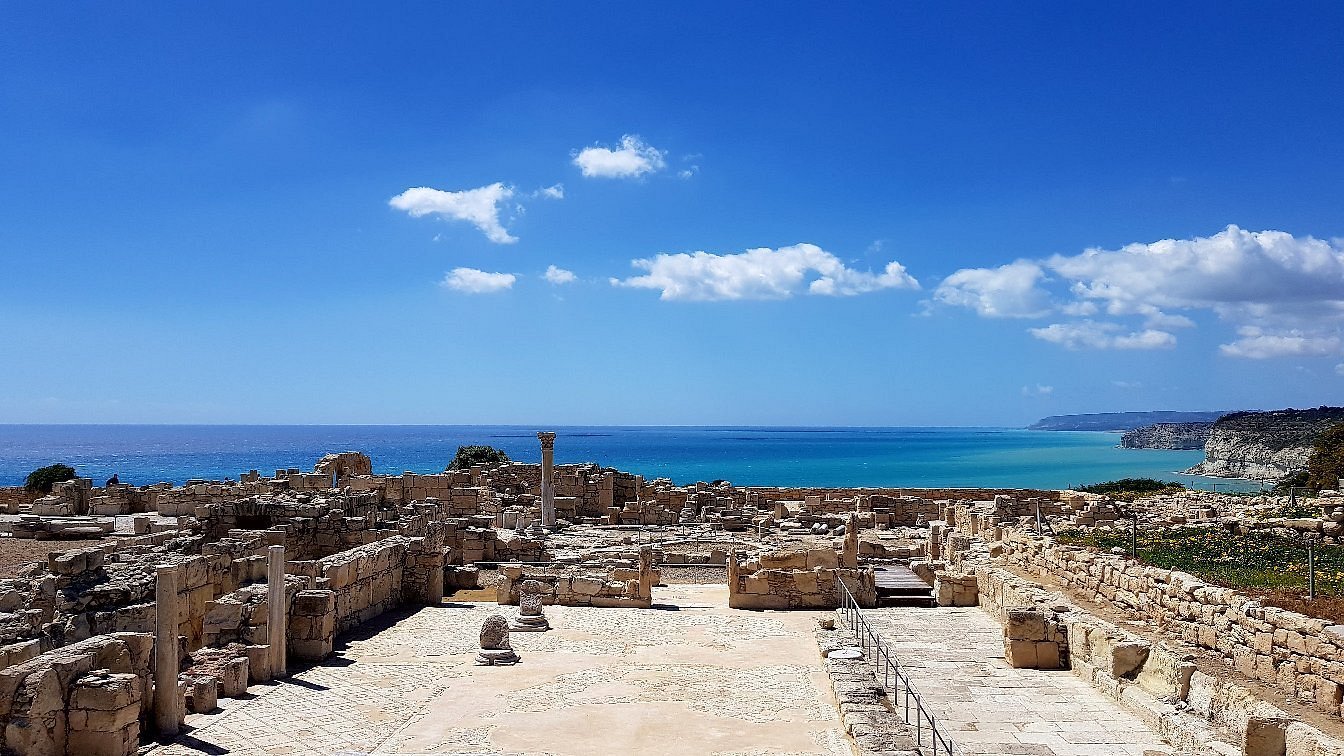
One of the most impressive ancient sites in Cyprus, offering breathtaking views over the sea.
WHAT TO DO THERE:
Walk among the ruins of the Greco-Roman city, including the magnificent amphitheater, mosaic floors, and the House of Eustolios. The site is especially magical at sunset when the ruins glow in golden light.
INFO: (25934250) Episkopi, Limassol. Daily 08:30–17:00.
KAKOPETRIA VILLAGE
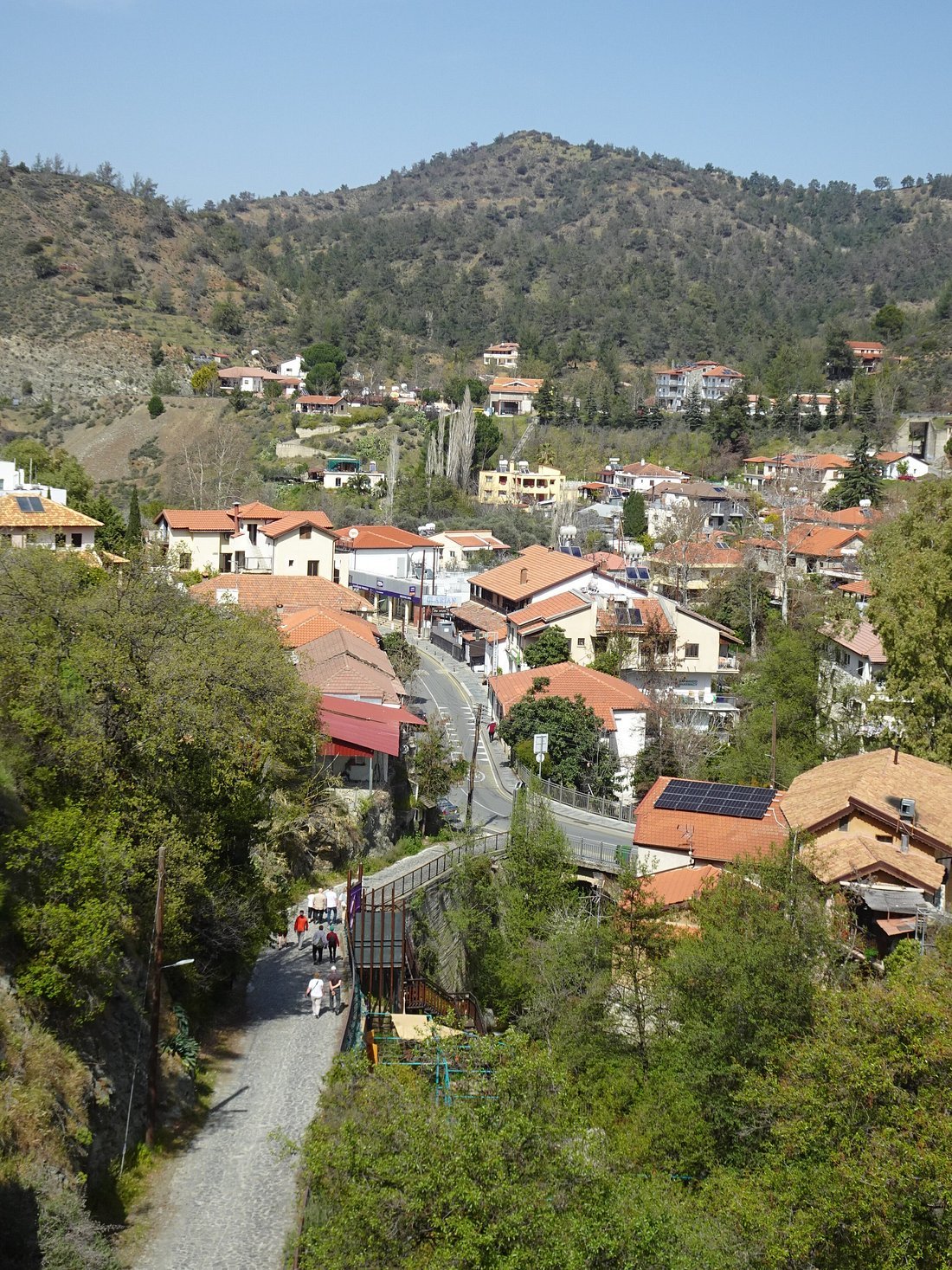
A traditional mountain village in the Troodos region, known for its charming old quarter and fresh mountain air.
WHAT TO DO THERE:
Wander the cobbled streets of Old Kakopetria, admire the preserved stone houses, and visit the small churches with beautiful frescoes. Enjoy local dishes in the village taverns and explore nearby nature trails.
INFO: Accessible year-round, free entry.
STAVROS TIS PSOKAS (CYPRUS MOUFLON RESERVE)
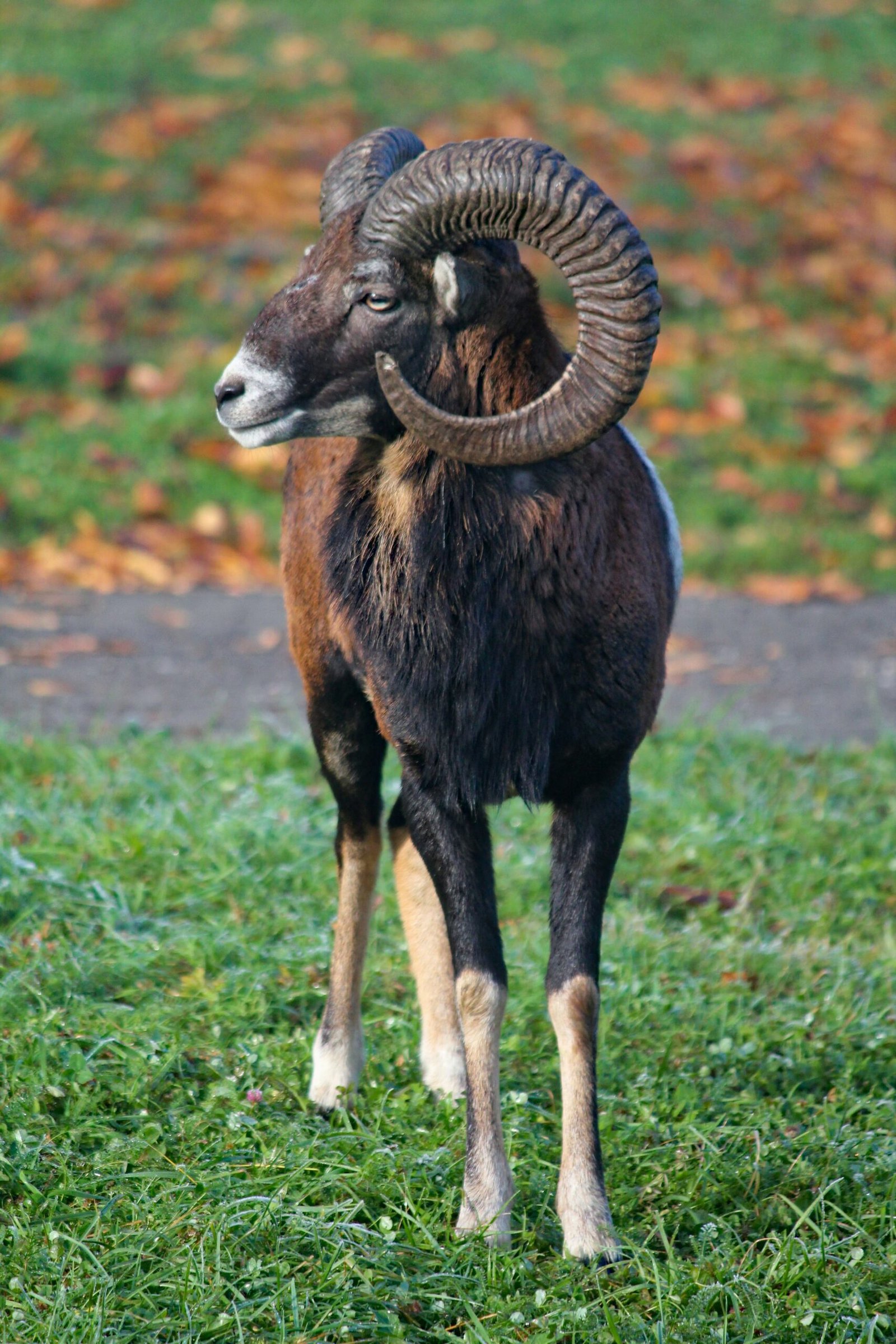
Located in the Paphos Forest, this is the best place to spot the rare Cyprus mouflon — a wild sheep found only on the island.
WHAT TO DO THERE:
Observe mouflons in their natural habitat, have a picnic in the forest, and explore the surrounding hiking trails. The reserve is also home to other wildlife like foxes, owls, and eagles.
INFO: Paphos Forest, accessible by car via forest roads.
FAMAGUSTA GATE (NICOSIA)
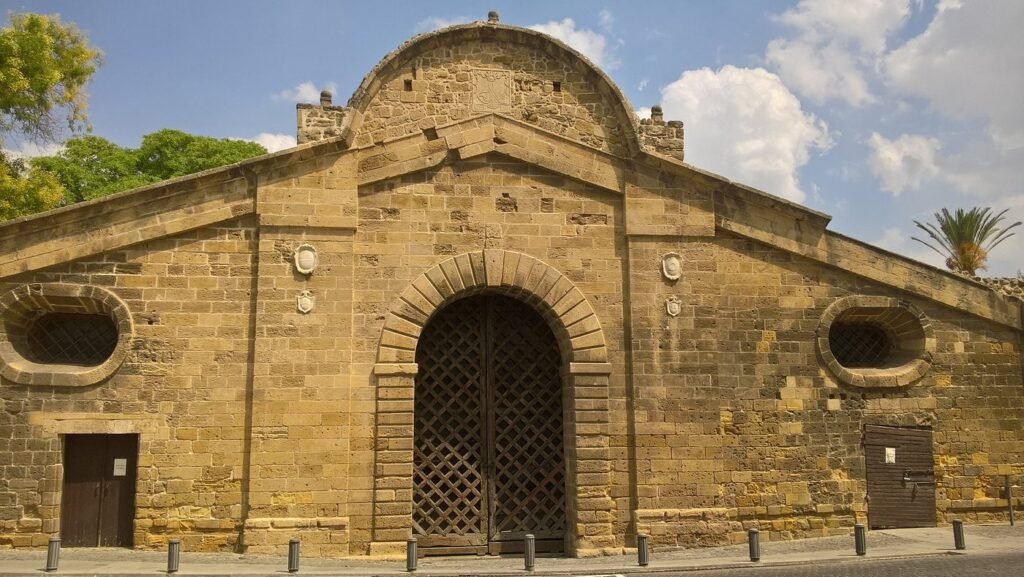
One of the three original gates of Nicosia’s Venetian walls, dating back to the 16th century.
WHAT TO DO THERE:
Admire the well-preserved architecture, step inside to explore the vaulted passage, and learn about its history. Today, the gate functions as a cultural center hosting exhibitions and events, blending heritage with modern life.
INFO: (22461170) Athinas Avenue, Nicosia. Opening hours vary depending on exhibitions.
AFRODITE ROCK (PETRA TOU ROMIOU)
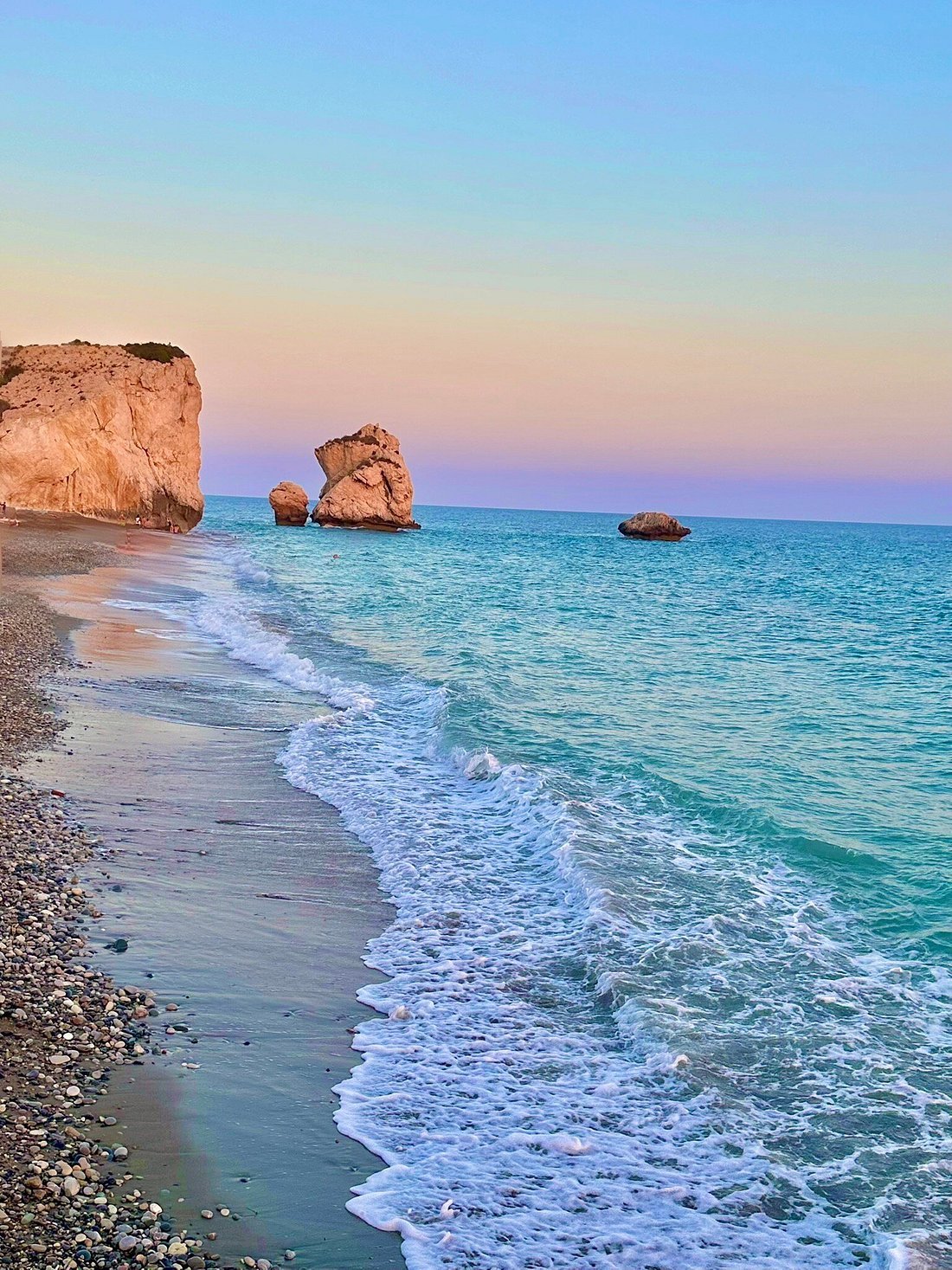
Legend says this is the birthplace of Aphrodite, the goddess of love and beauty, who rose from the sea foam here.
WHAT TO DO THERE:
Stop to admire the dramatic coastal scenery, especially at sunrise or sunset. Many visitors believe that swimming around the rock brings eternal youth and beauty — though the waters can be rough, so it’s more for the view than a swim.
INFO: Located on the coastal road between Paphos and Limassol, free entry.
KYKKOS MONASTERY (TROODOS MOUNTAINS)
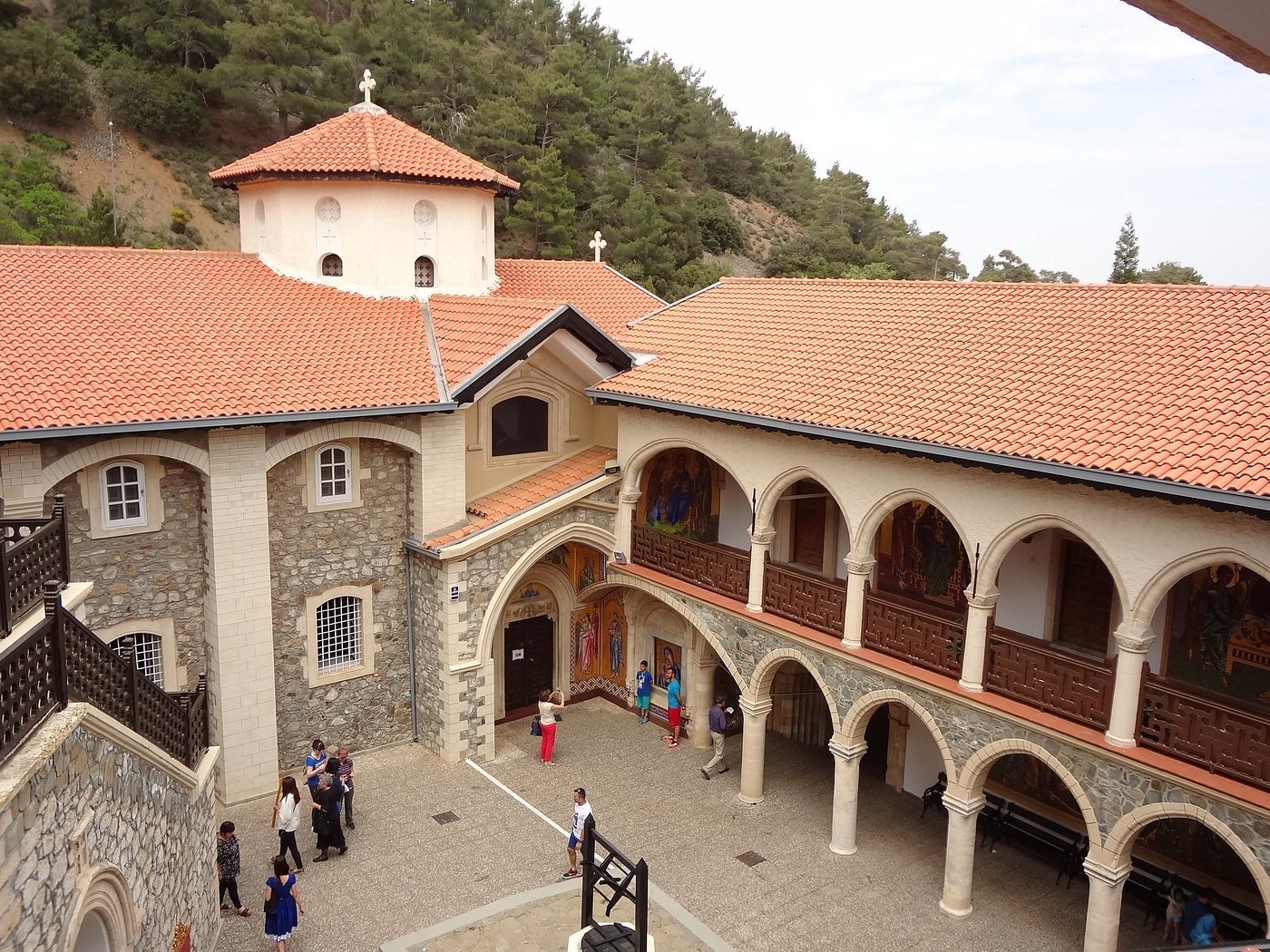
The richest and most famous monastery in Cyprus, founded in the 11th century.
WHAT TO DO THERE:
Marvel at the lavish interiors decorated with gold mosaics, icons, and frescoes. The monastery houses one of the three icons of the Virgin Mary painted by Saint Luke. Visit the museum to explore religious artifacts and manuscripts. The surrounding mountains are also perfect for scenic drives.
INFO: (22942736) Troodos Mountains. Daily 10:00–18:00. Modest dress required.
LARNACA SALT LAKE & HALA SULTAN TEKKE
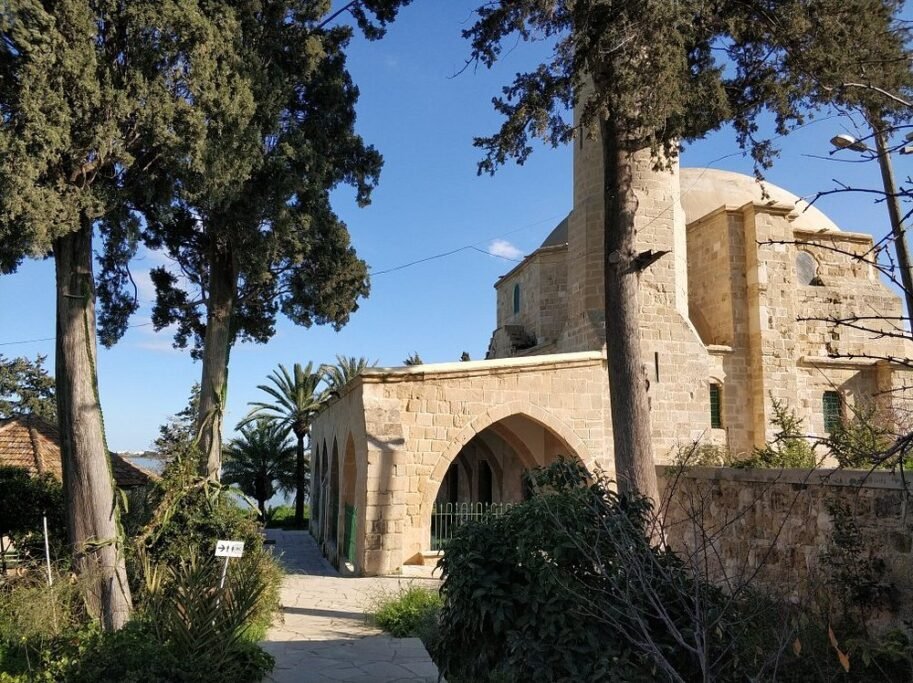
A large salt lake home to thousands of flamingos in winter, next to one of the most important Muslim shrines in Cyprus.
WHAT TO DO THERE:
Walk along the nature trails around the lake, spot migratory birds, and visit the serene Hala Sultan Tekke mosque, surrounded by gardens and palm trees. The contrast between the shimmering salt lake and the mosque’s domes is stunning.
INFO: Located west of Larnaca, best visited November–March for birdwatching.
FINIKOUDES BEACH & PROMENADE (LARNACA)
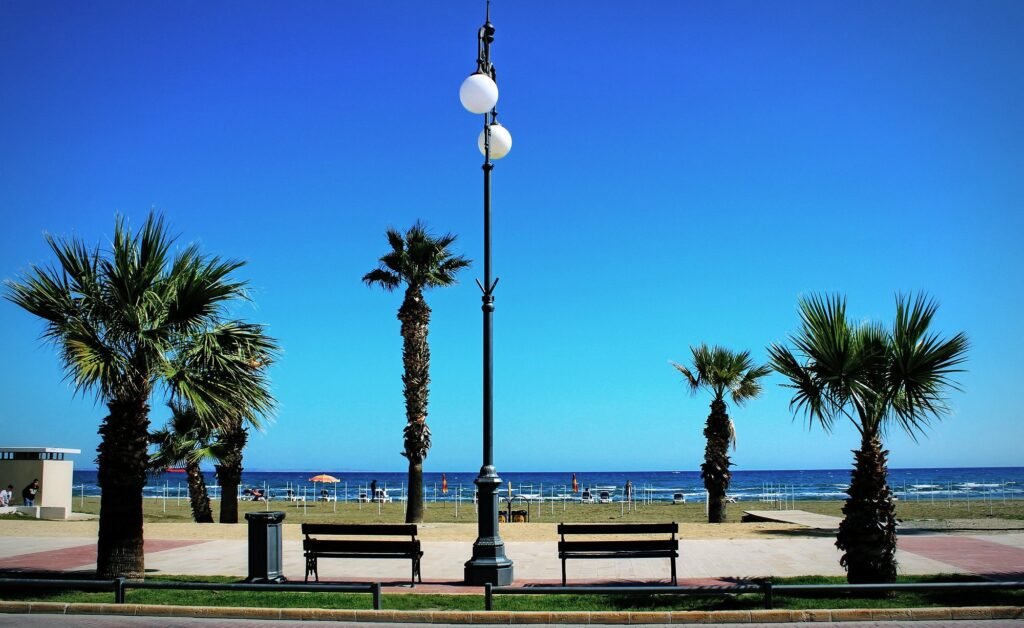
Larnaca’s most famous seafront walkway lined with palm trees.
WHAT TO DO THERE:
Stroll along the promenade, relax on the sandy beach, or enjoy a coffee at one of the many cafés with a sea view. In the evenings, the atmosphere comes alive with street performers, music, and the scent of grilled seafood.
INFO: Central Larnaca, accessible year-round, free entry.
- 20 Best Beaches in Cyprus (2026): Most Stunning Beaches You Can’t Miss
- What to See in Troodos Mountains (2026): Villages, Hikes, Wineries & Monasteries
- Most Unique Hotels in Cyprus (2026): Best Beach Resorts, Boutique Stays & Apartments

- An Epic Cyprus Road Trip Itinerary in 2026: From Ayia Napa to Trodos Mountains

- 12 Hidden Gems In Cyprus Worth The Detour in 2026