
Travel writing based on first-hand experience
We arrive in Egypt the way most travelers do: a little dazzled, a little overwhelmed, and usually overpacked. Cairo hums with traffic, the desert sun feels like a spotlight, and suddenly that thick sweater you stuffed into your suitcase starts to look like a terrible life decision.
Egypt is one of those destinations where packing smart makes the trip dramatically easier. Temperatures can swing from pleasantly warm evenings along the Nile to scorching afternoons among the pyramids. Cities like Cairo and Alexandria are busy and conservative, while Red Sea resorts feel far more relaxed. And if your itinerary includes temples, desert excursions, or snorkeling in the Red Sea, your suitcase suddenly needs to work overtime.
So before we zip the bag and head to the airport, we run through a practical Egypt packing list — the items that make exploring temples comfortable, desert walks bearable, and long travel days surprisingly smooth.
In this guide, we’ll cover:
- What clothes to pack for Egypt’s climate
- Practical items for desert heat and temple visits
- Essentials for the Red Sea and beach destinations
- Travel gear that makes Egypt far easier to navigate
| ➡️Planning a quick adventure? Our perfect Egypt itinerary for 5 days maps out the must-see highlights without rushing. ➡️For a balanced trip through pyramids, temples, and ancient cities, follow this complete 8-day Egypt travel itinerary. ➡️For the full Egyptian adventure, check ourcomplete Egypt itinerary for 14 days from Cairo to the Red Sea. ➡️ Before travelling, it helps to know the small practical details that rarely make it into guidebooks, which is why our Egypt travel tips cover local rhythm, transport, money, timing, and everyday situations that first-time visitors often underestimate. ➡️ Clothing in Egypt depends heavily on season, city, and context: our what to wear in Egypt guide explains what feels comfortable, respectful, and genuinely practical from Cairo streets to coastal resorts. ➡️ Cairo becomes far more interesting once you step slightly sideways from the obvious route, and these hidden gems in Cairo reveal quieter corners, overlooked districts, and places many visitors never reach. ➡️ If you are trying to connect Cairo, the coast, ancient sites, and slower stops into one coherent route, our 14 days Egypt itinerary help shape days without turning the trip into a rush. ➡️Discover the top 12 unique things to buy in Egypt, from papyrus art and alabaster statues to Egyptian cotton and spices. Get our tips on where to shop and how to find authentic treasures. |
Table of Contents
Egypt Packing List: Travel Essentials
Travel light (or: how we stopped packing our fears)
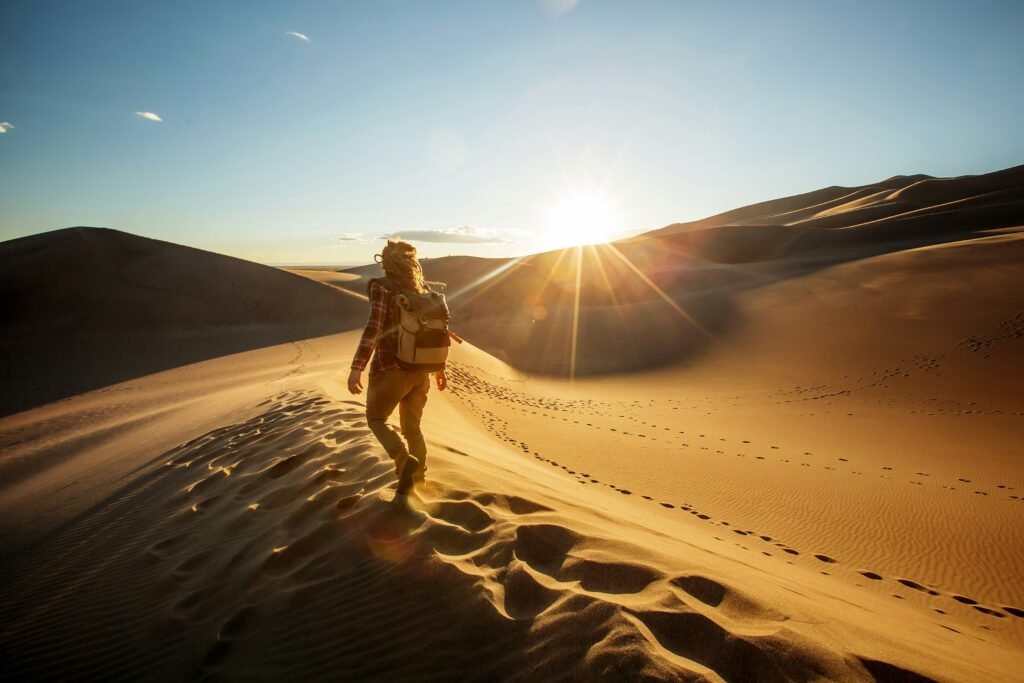
The single best piece of advice we can give you before Egypt—before clothes, shoes, adapters, anything—is this: travel light.
What does that actually mean? Everyone defines it differently. For us, it means three very practical things:
- our backs don’t suffer,
- we can move freely with everything we own on us,
- and we fit on any form of transport without negotiating with gravity.
When you travel light, something shifts. You move faster. You stress less. You stop guarding your luggage like a dragon. And yes—your back sends thank-you notes. Leave the “just in case” items at home. Egypt does not require your entire daily life to come along for the ride.
Backpack or suitcase for Egypt?
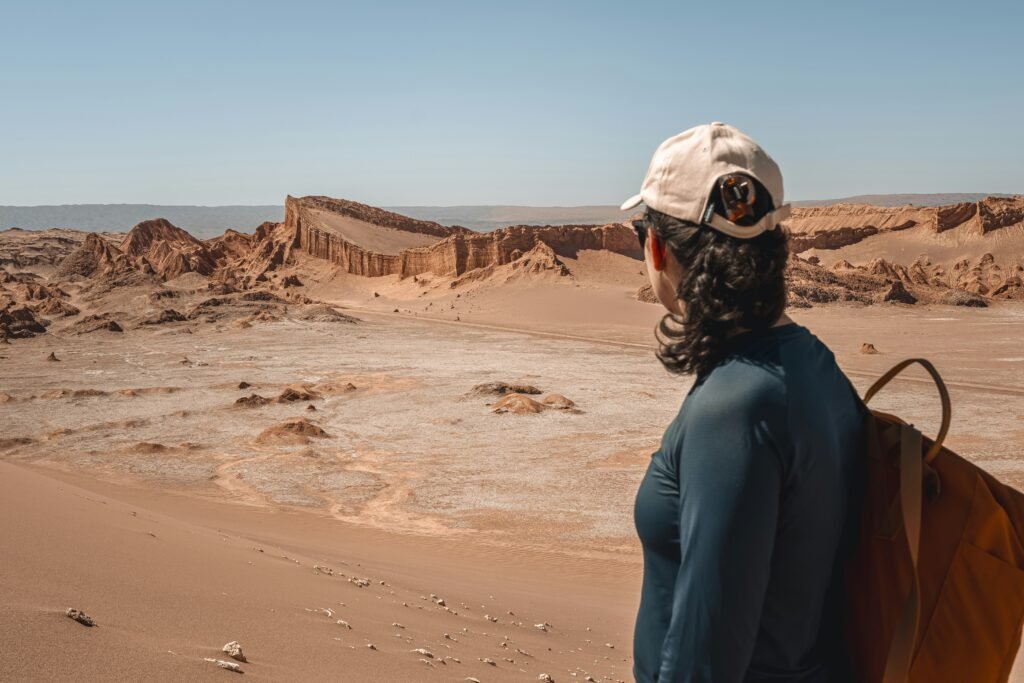
This post may be called Packing List Egypt, but we actually traveled with backpacks.
That said, here’s the honest breakdown:
- Traveling heavy? Choose a suitcase. Your spine will appreciate it.
- Traveling carry-on only? A backpack wins—more flexible, easier to move, and far less annoying on stairs, sand, or surprise detours.
Whatever you choose, add a 5–10L daypack for daily use. Non-negotiable.
One golden rule:
When your backpack is packed, leave about 25% empty. That space will magically fill itself with water, snacks, scarves, souvenirs, and things you swear you weren’t going to buy.
For context:
- One of us carried a 25L backpack (4kg total)
- The other used a 40L backpack
Yes. For two weeks. It’s possible.
Climate & temperature in Egypt: what clothes actually make sense
Egypt is mostly desert, which means heat is the default setting—but timing matters.
October to April: the sweet spot
Daytime temperatures hover around 20–25°C. Comfortable, sunny, pleasant. Nights, however, can be cool—especially in the desert, Luxor, or Aswan.
Pack:
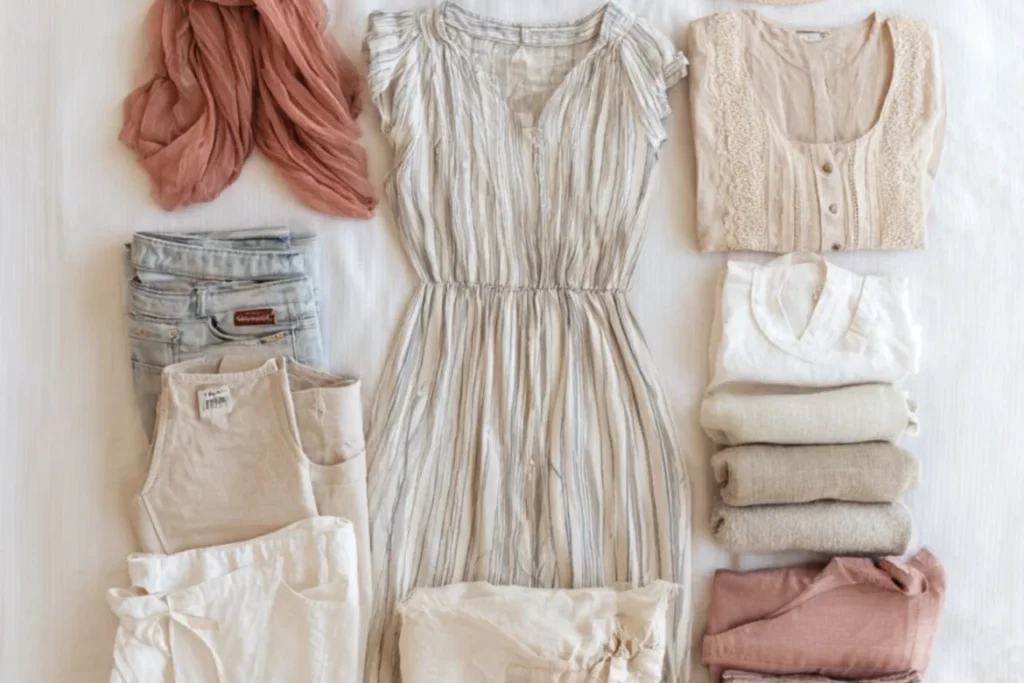
- cotton or linen for the day
- long trousers or skirts
- short- or long-sleeved shirts
- a light jacket or sweatshirt for evenings
May to September: full summer mode
This is serious heat. 35–40°C is normal, especially in southern Egypt.
Pack:
- loose, breathable, light-colored clothing
- a hat or cap
- sunglasses
- high-SPF sunscreen
One thing people forget: air conditioning. Transport, hotels, museums—everything is aggressively cooled. Bring at least one long-sleeved layer, and a light jacket if you’re sensitive to cold.
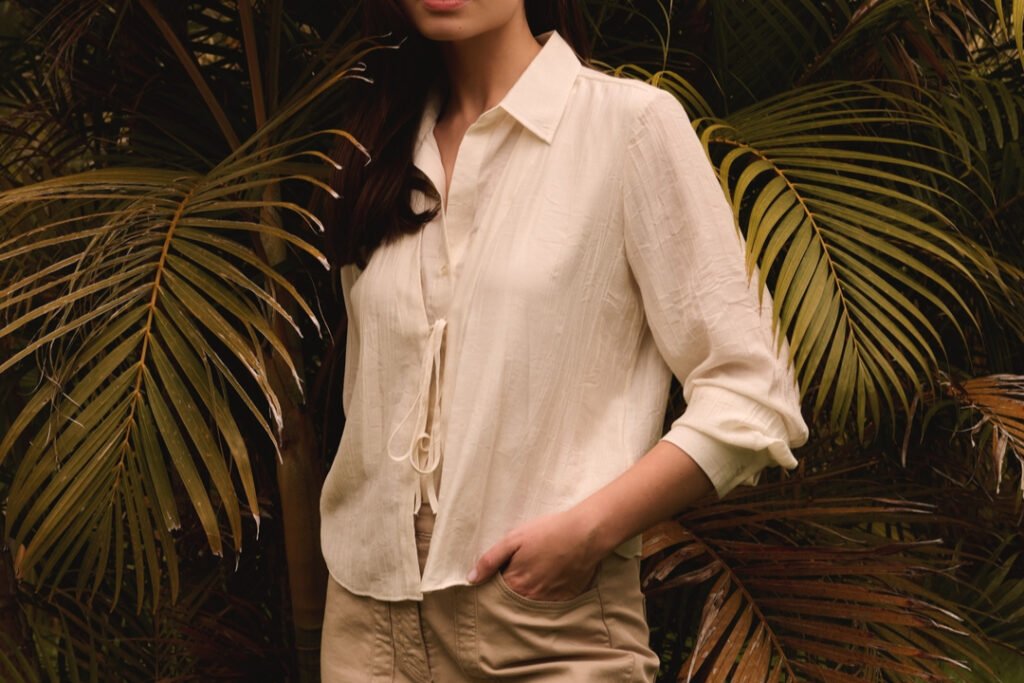
Why we mostly wore long clothes (even in the heat)
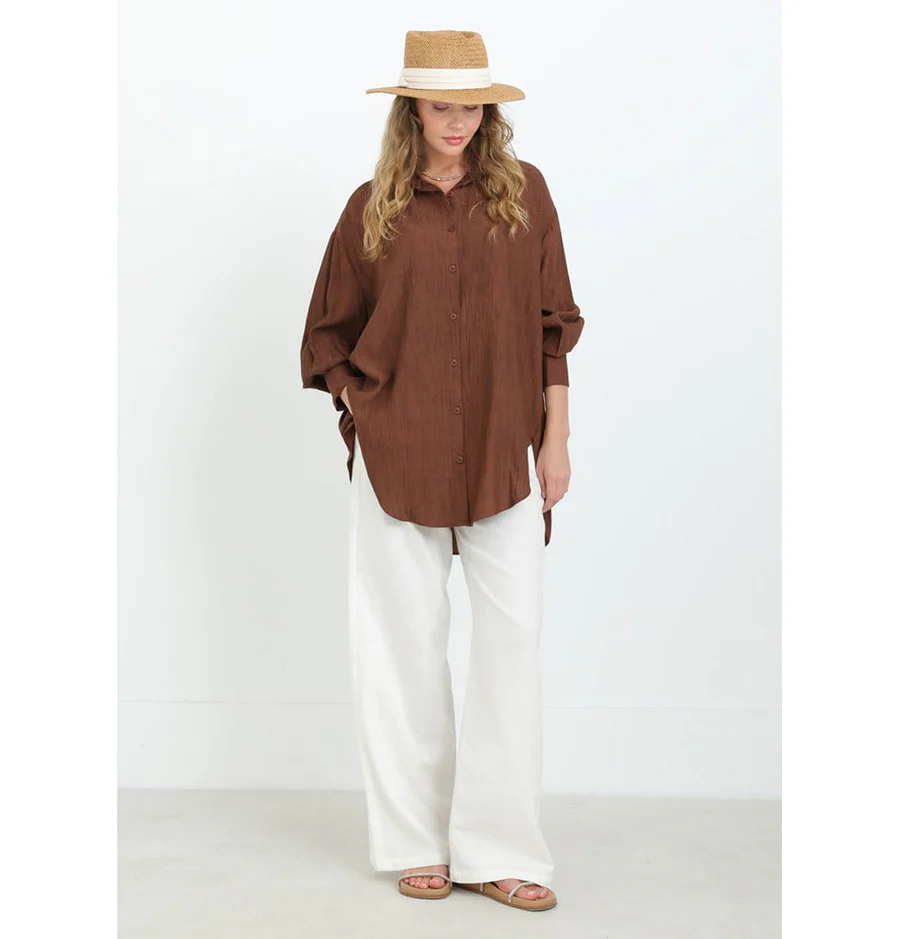
Counterintuitive but true: longer clothing often feels cooler.
- It blocks direct sun and prevents burns
- It keeps heat off your skin
- It aligns better with local customs
Egypt is a Muslim-majority country, and covering shoulders and knees—especially at religious sites—is simply respectful.
For women: a scarf is invaluable. Sun protection, dust shield, mosque entry solution—all in one.
For men: trousers or knee-length shorts are perfectly fine.
Shoes: don’t overthink it
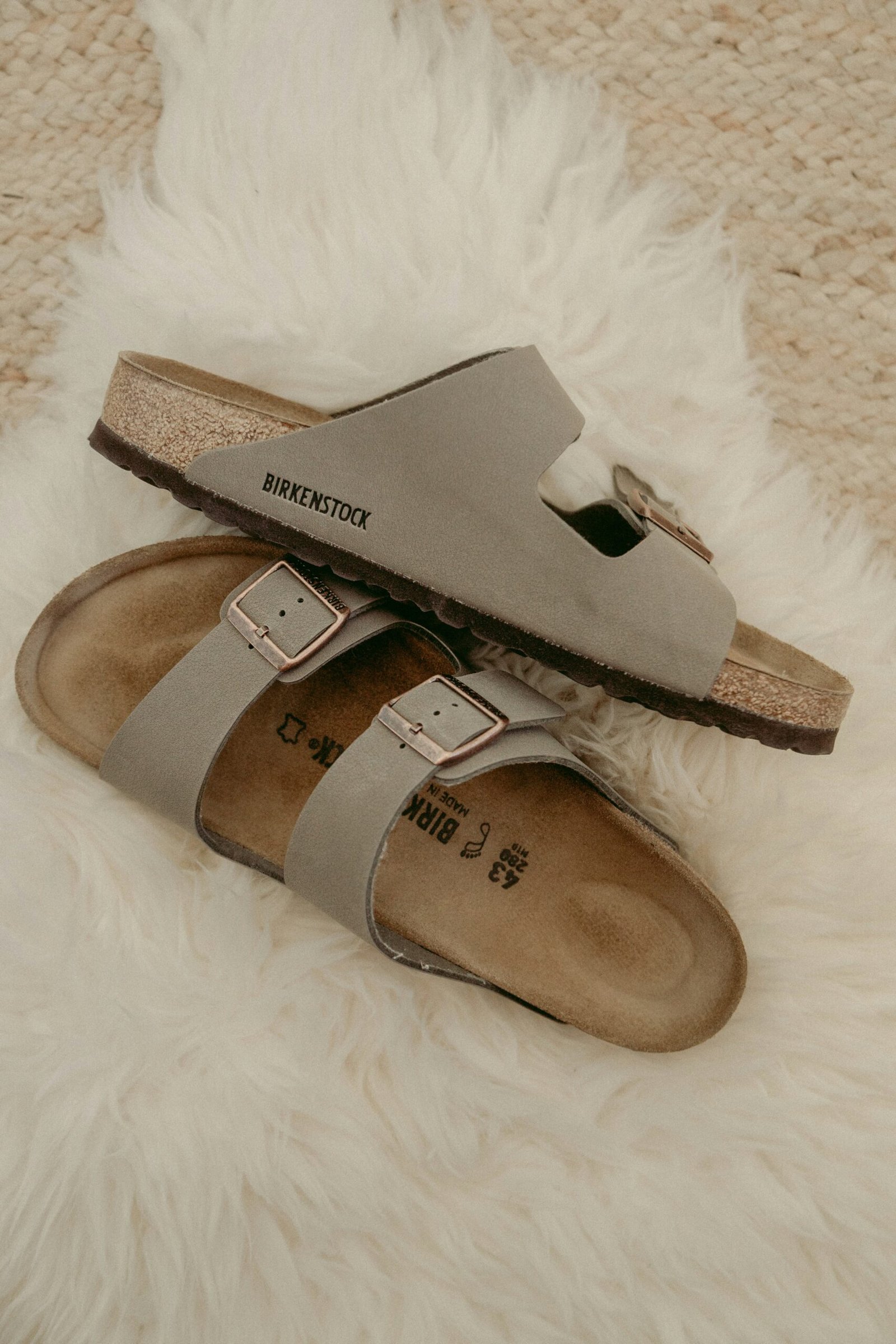
Walks in Egypt aren’t usually extreme. You’ll be on asphalt, stone, or sand.
What works best:
- comfortable walking shoes
- sandals or flip-flops for heat
If you’re into minimalist packing, yes—you can do the entire trip in sandals. Truly.
We’ve relied on:
- versatile, breathable travel shoes that dry fast
- sturdy sport sandals that work in cities, temples, and casual hikes
Bring what you’ll actually wear—not what looks good in theory.
Clothing in a Muslim-majority country: how to blend in comfortably
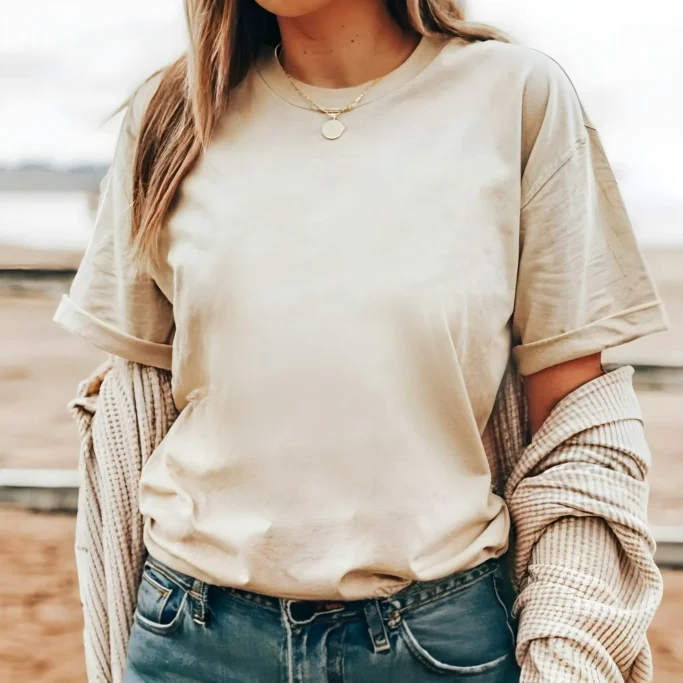
Tourist areas are used to foreigners, but dressing respectfully makes everything go more smoothly.
Simple guidelines:
- cover shoulders and knees
- avoid tight or overly revealing clothes
- choose breathable fabrics (cotton, linen)
- loose fits beat clingy ones every time
A light scarf or shawl is the most useful item you can pack. It instantly adapts you to mosques, conservative areas, sun exposure, and dusty winds.
In cities like Cairo, jeans and t-shirts are fine. In rural or traditional areas, covering up a bit more helps you feel more comfortable—and less conspicuous.
Traveling through Egypt as a woman
If you’re traveling as a woman, our advice is straightforward: avoid provocative clothing.
Not out of fear—but out of practicality:
- it shows respect for local culture,
- it reduces unwanted attention,
- and it protects you from the sun.
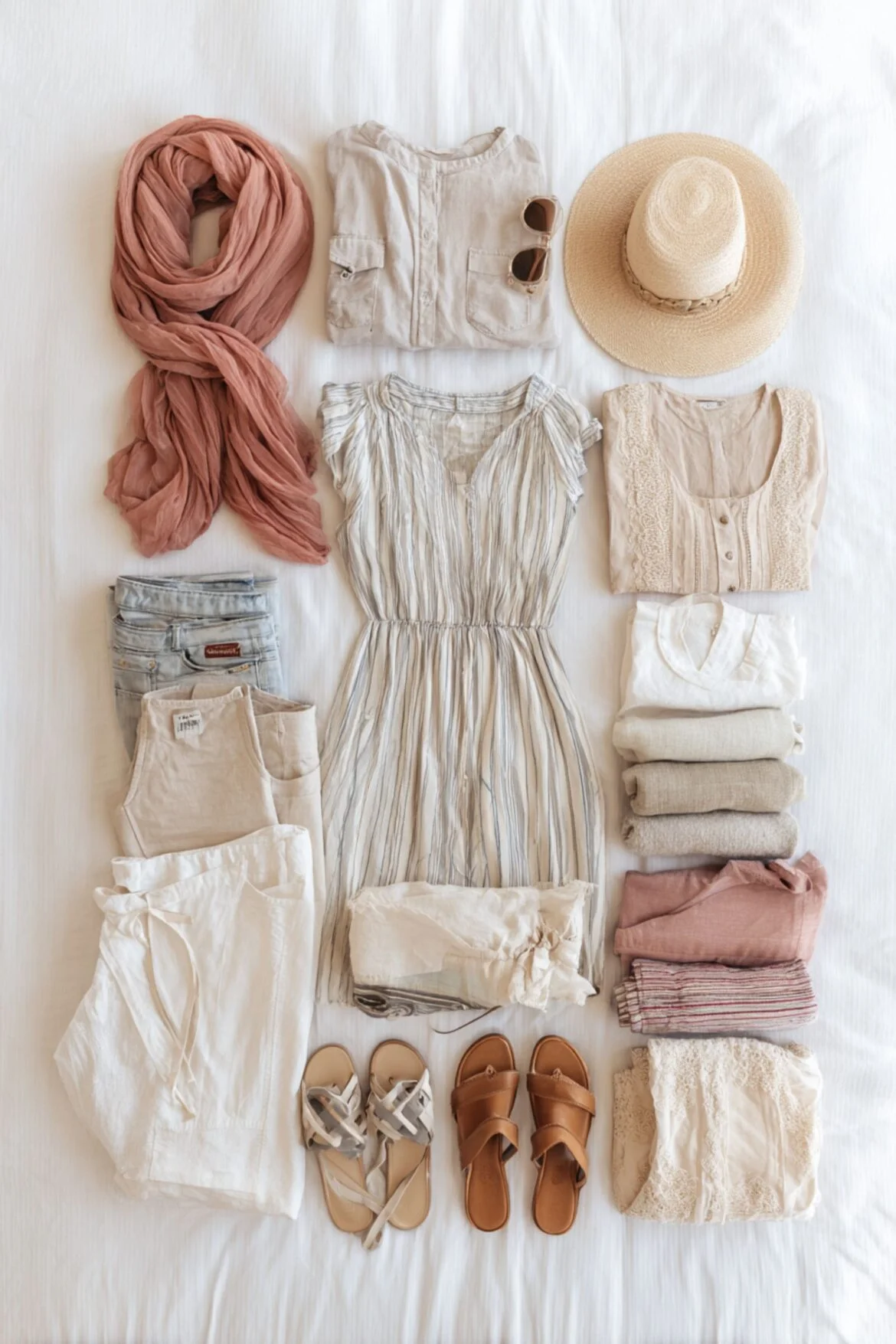
Throughout the entire trip, shorts and short skirts stayed in the backpack (unused). Long dresses, loose trousers, breathable long-sleeved shirts—these were our go-tos.
Covering up doesn’t eliminate comments entirely, but it does make the experience calmer and more comfortable.
READ ALSO: How To Dress In Egypt
| ➡️Scams, safety concerns, unwanted attention… Egypt comes with a backpack of stereotypes, and some of them are loud enough to make you hesitate before booking that flight. Read our post: Is Egypt safe for solo female travellers? |
Egypt Packing List: Accessories that actually matter
Clothes are only half the story.
Adapters & charging
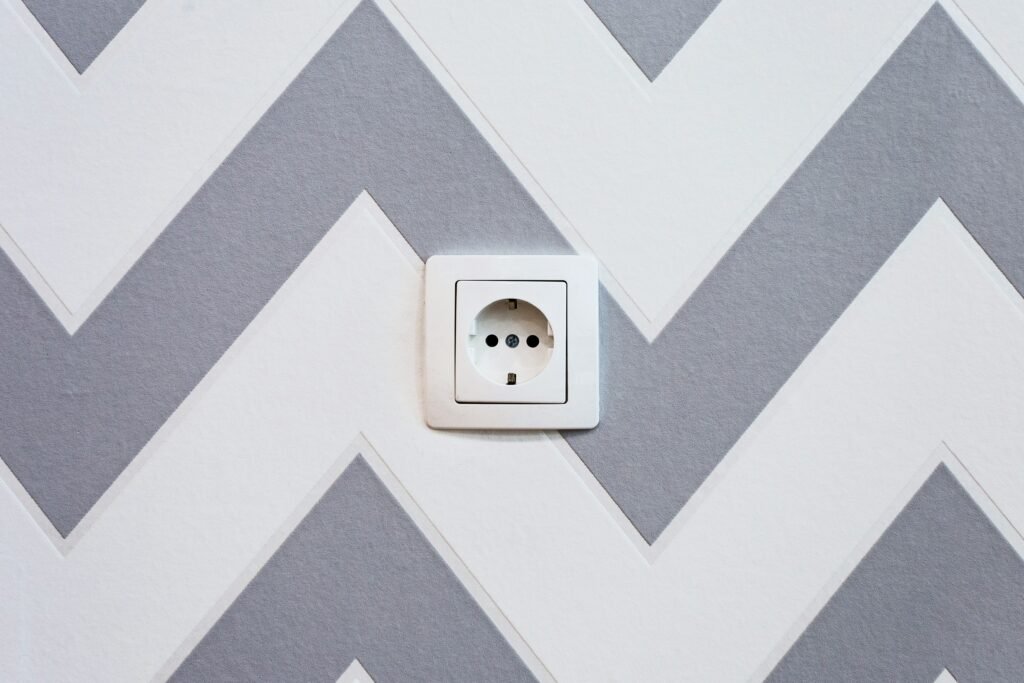
- Egypt uses Type C and F plugs (220V)
- Bring a universal adapter if needed
- A power bank is essential—days are long, photos are many
Documents & money
- Keep documents in a waterproof folder
- Digital copies in the cloud = peace of mind
- Always carry some cash for tips, taxis, and small purchases
Sun protection
- Sunglasses
- Hat or cap
- SPF 50 sunscreen (biodegradable if heading to the Red Sea)
Organization
- Packing cubes keep chaos under control
- A small daily backpack (~10L) is indispensable
Zero-waste kit (small effort, big difference)
Egypt is hot. You’ll drink a lot of water.
Bring:
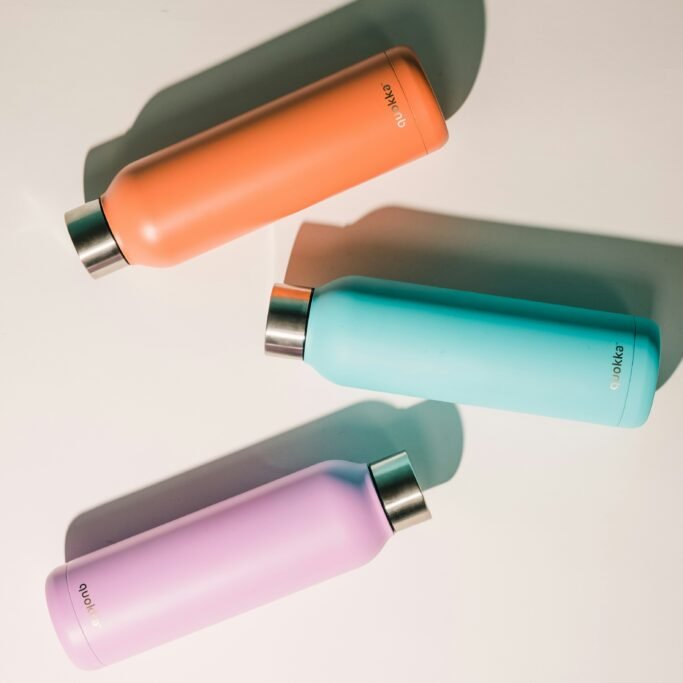
- reusable water bottle
- metal straw
- reusable cutlery
- snack container or collapsible lunchbox
It cuts down on plastic and makes long days easier.
First-aid kit: simple, not dramatic
We don’t carry a pharmacy—just the basics.
Essentials:
- pain relievers
- antidiarrheals & oral rehydration salts
- antihistamines
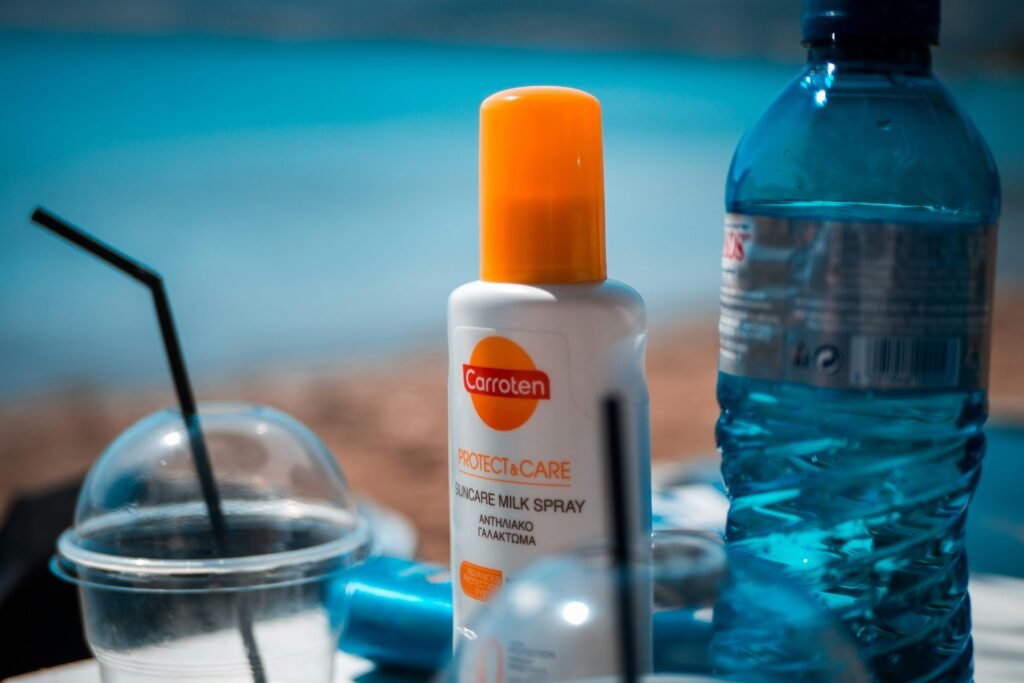
- sunscreen & after-sun lotion
- band-aids, disinfectant
- insect repellent (optional—easy to buy locally)
If you take prescription meds, bring more than you need.
Packing for Egypt: our experience
Packing light completely changed how we experienced Egypt. We moved faster. We worried less. Our luggage never once limited what we wanted to do.
One of us traveled with a 25L backpack, total weight 4kg. Two weeks. No sacrifices.
Travel light, pack intentionally, and Egypt opens up in a way that heavy luggage simply doesn’t allow.
- Ultimate Egypt Packing List (2026): What to Bring for the Desert, Cities, and the Red Sea
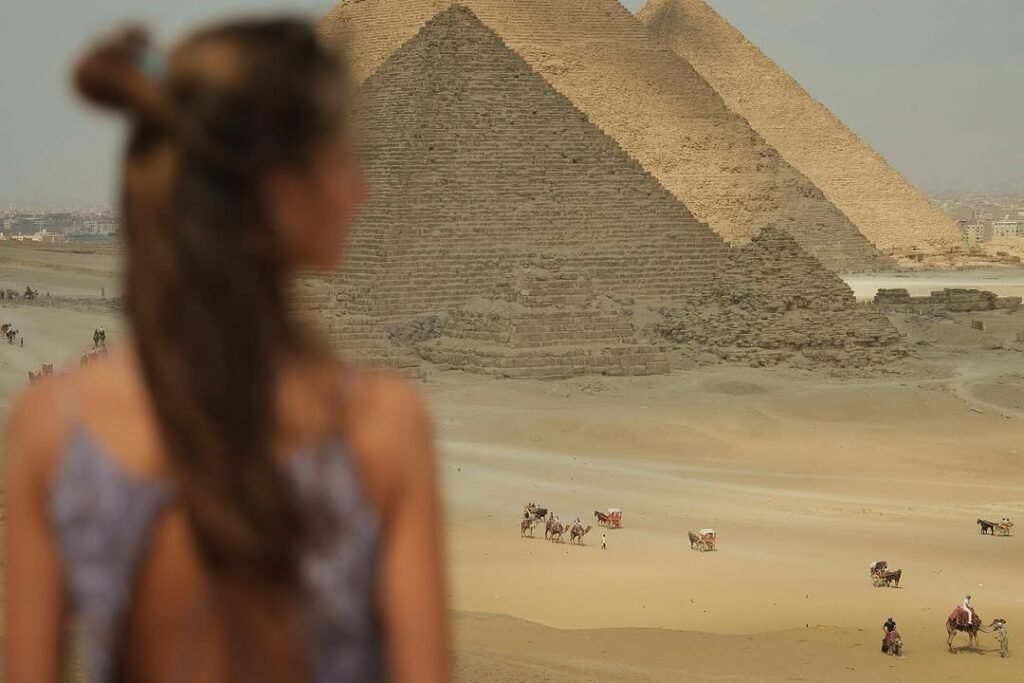
- Is Egypt Safe For Solo Female Travellers in 2026
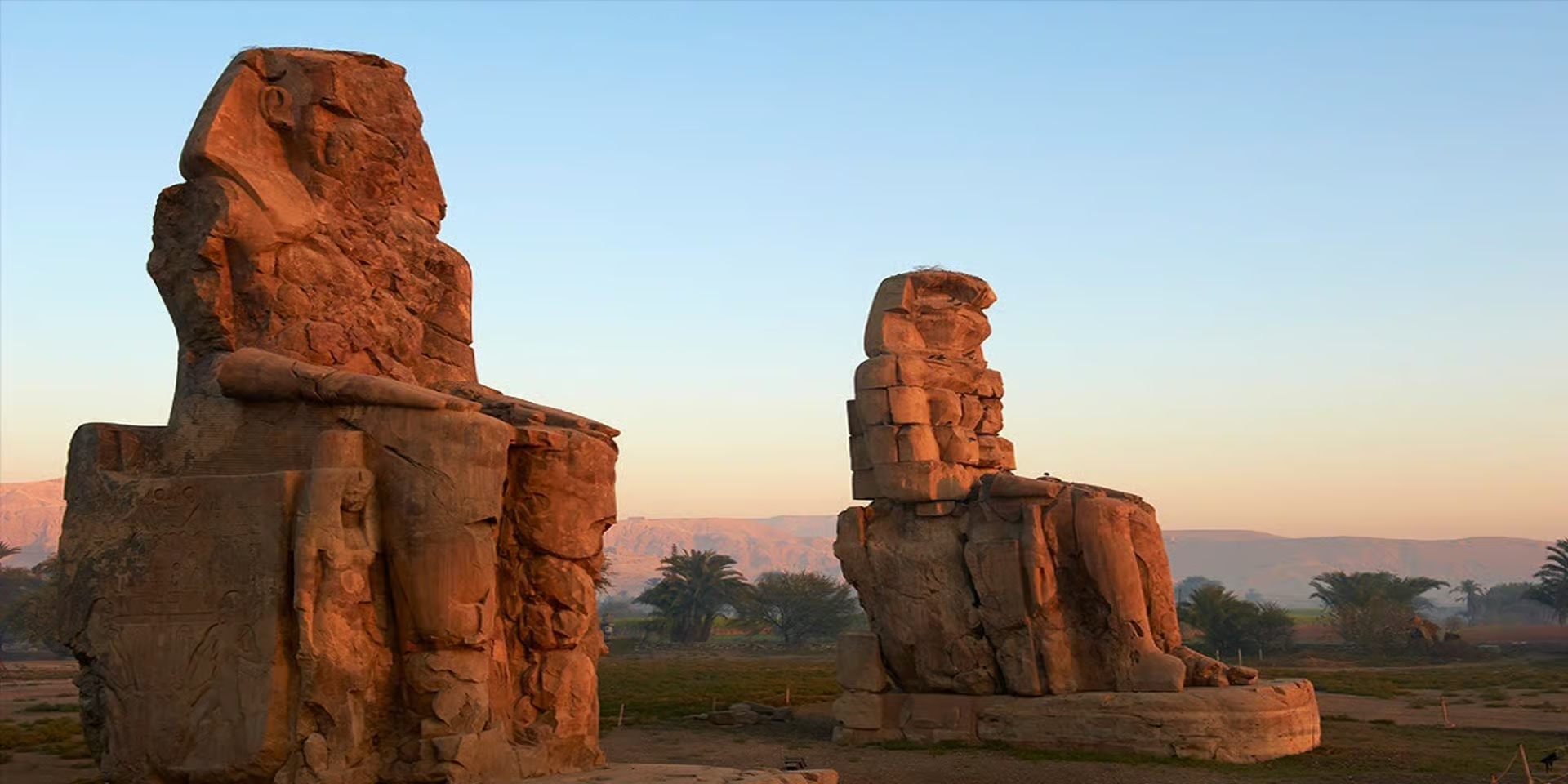
- 5 Days In Egypt Itinerary in 2026: Cairo, Luxor & Nile Cruise
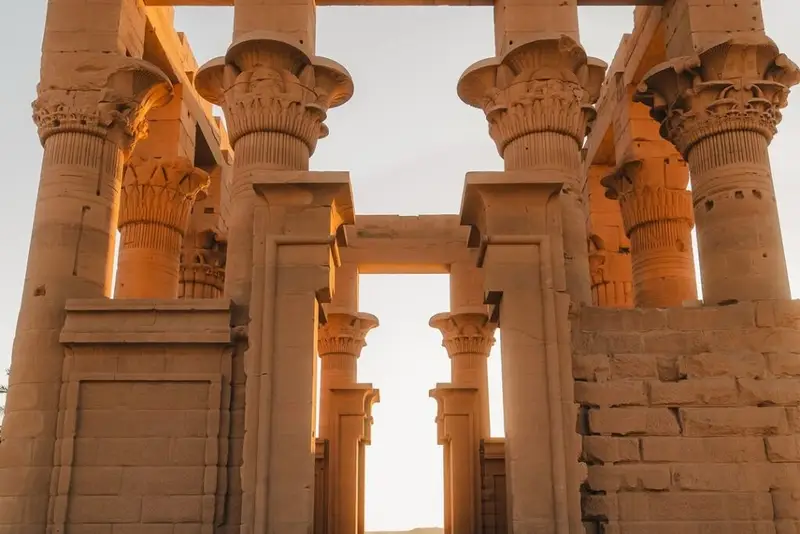
- 2026 Ultimate 8 Days In Egypt Itinerary: Cairo, Luxor, Aswan & Abu Simbel (Day-by-Day Guide)
- How To Dress In Egypt | 2026 Tourist Guide