
Travel writing based on first-hand experience
Cyprus has a habit of surprising us when we least expect it. We come for the beaches, the postcard coves, the old-town strolls, the easy sunshine—and then the island casually reveals a completely different side of itself. One that is quieter, stranger, older, and far more intriguing than the usual tourist loop.
Beyond the classic resorts and big-name attractions, there are corners of Cyprus that still feel half-whispered about: places wrapped in history, mystery, and raw natural beauty. The kind of spots that make you slow down, look twice, and wonder why nobody talks about them more.
Here are 12 hidden gems in Cyprus that are absolutely worth the detour.
Table of Contents
Hidden Gems In Cyprus
Cave of Saints Saranta – Xylofagou, Larnaca

Southeast of Xylofagou, this cave drops dramatically toward the sea, and the effect is pure drama. Locals named it the Cave of Saint Saranta, tied to a tradition that we now know was linked to fossilized hippopotamus bones. Yes, Cyprus really said: let us mix legend, geology, and eerie sea views in one place.
The steep setting and mysterious energy make it one of those spots that feels tailor-made for moody photographs. If you like places that look a little haunted, a little ancient, and a little too beautiful to be fully real, this one belongs on your list.
Old Fountain – Lagia, Larnaca

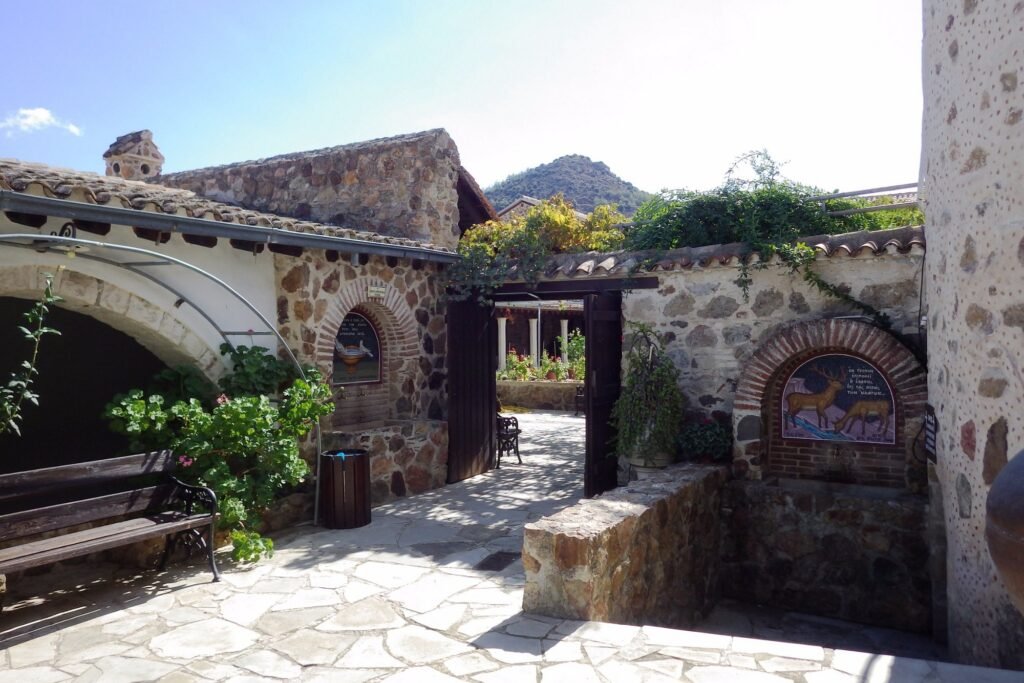
In the village of Lagia, near Lefkara, the Old Fountain has been flowing since 1709. And yes, it still provides drinking water. Which is frankly the sort of detail that makes us love a place even more.
Everything around it feels wonderfully untouched. The village setting, the quiet atmosphere, the sense that daily life here has not entirely surrendered to the modern world—it all adds up to a deeply authentic slice of Cyprus. Come for the history, stay for the feeling that you have slipped into a softer, older version of the island.
Catacomb of Saint Thecla – Sotira, Famagusta

Near Ayia Napa, the small church of Agia Thekla stands in a rugged, beautiful landscape that feels far removed from the busy resort scene. Beneath it lies a small catacomb, thought to have once been an early Christian church built in the shape of a double cross.
This is one of those places that quietly delivers everything: history, spiritual tradition, and natural beauty, all without the crowds. It is peaceful, atmospheric, and ideal for anyone who prefers their sightseeing with a little silence and a lot of soul.
The “Poet” by Kostas Varotsos – Nicosia

Next to the parking area by Famagusta Gate stands a glass statue that many people walk past without even noticing. Which feels wildly unfair, because The Poet by Kostas Varotsos is both striking and historically important. Created in 1983, it is one of the sculptor’s earliest works and is considered a precursor to his far more famous Runner in Athens.
There is something wonderfully understated about it. It does not demand attention. It just stands there, calm and observant, as if quietly watching the city evolve around it. A hidden urban gem for anyone who likes art with presence rather than noise.
Pouropetra Caves – Mammari, Nicosia

Mammari was once famous for its stone, and these quarries—often called the “caves”—played a major role in building homes, churches, and bell towers across Cyprus. The Vounaros quarry is now part of a NATURA-protected area and shelters bats, while the view from above is the sort that makes you stop talking for a second.
There is something especially compelling about places like this. They are not just scenic; they carry the physical memory of labor, craft, and local history. Come here for the walk, the views, and the strange beauty of a site shaped by both nature and human hands.
The Baths of Rigena – Moutoullas, Nicosia

This is where history and nature drift into each other in the most quietly enchanting way. The sulphurous waters of the Marathasa River were once used for bathing by noblewomen, and a hollow in the rock still preserves the memory of those rituals.
There is something almost cinematic about the idea of hidden baths in the landscape, especially when the place still feels intimate and half-forgotten. If you are drawn to spots with a natural wellness feel and a touch of retro romance, this one absolutely delivers.
Chlio – Moutoullas, Nicosia
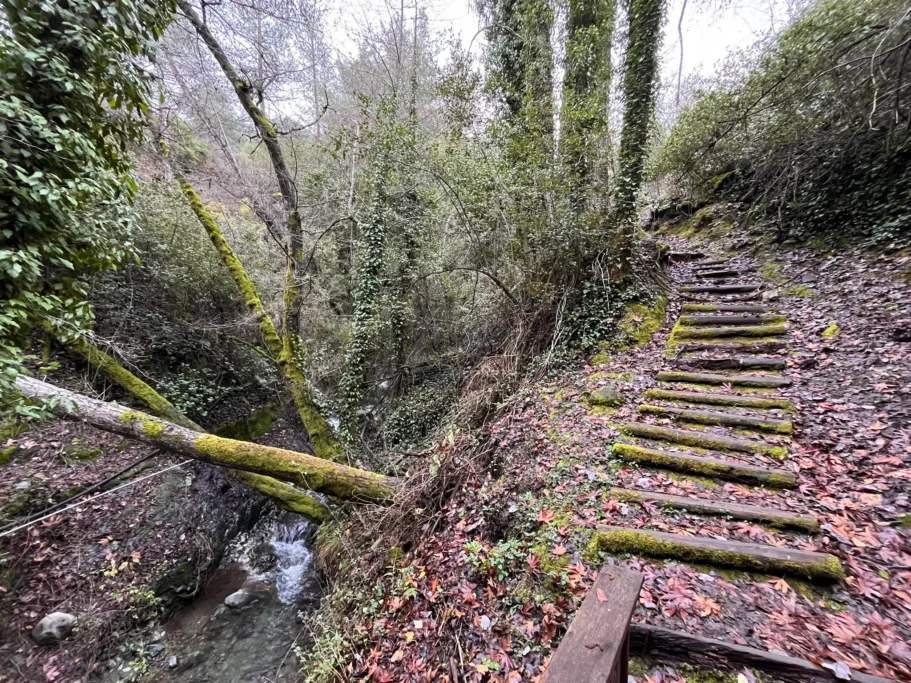
Just a few meters below the Baths of Regina, you will find Chlio, the traditional place where village women once washed clothes using an old washing system. It is a simple place, but that simplicity is exactly what makes it powerful.
This is not grand history. It is everyday history. The kind that tells you how people actually lived, worked, gathered, and moved through the day. For anyone who loves places with storytelling value, Chlio offers a rare and very human glimpse into the rhythms of old village life.
Chantara Waterfall
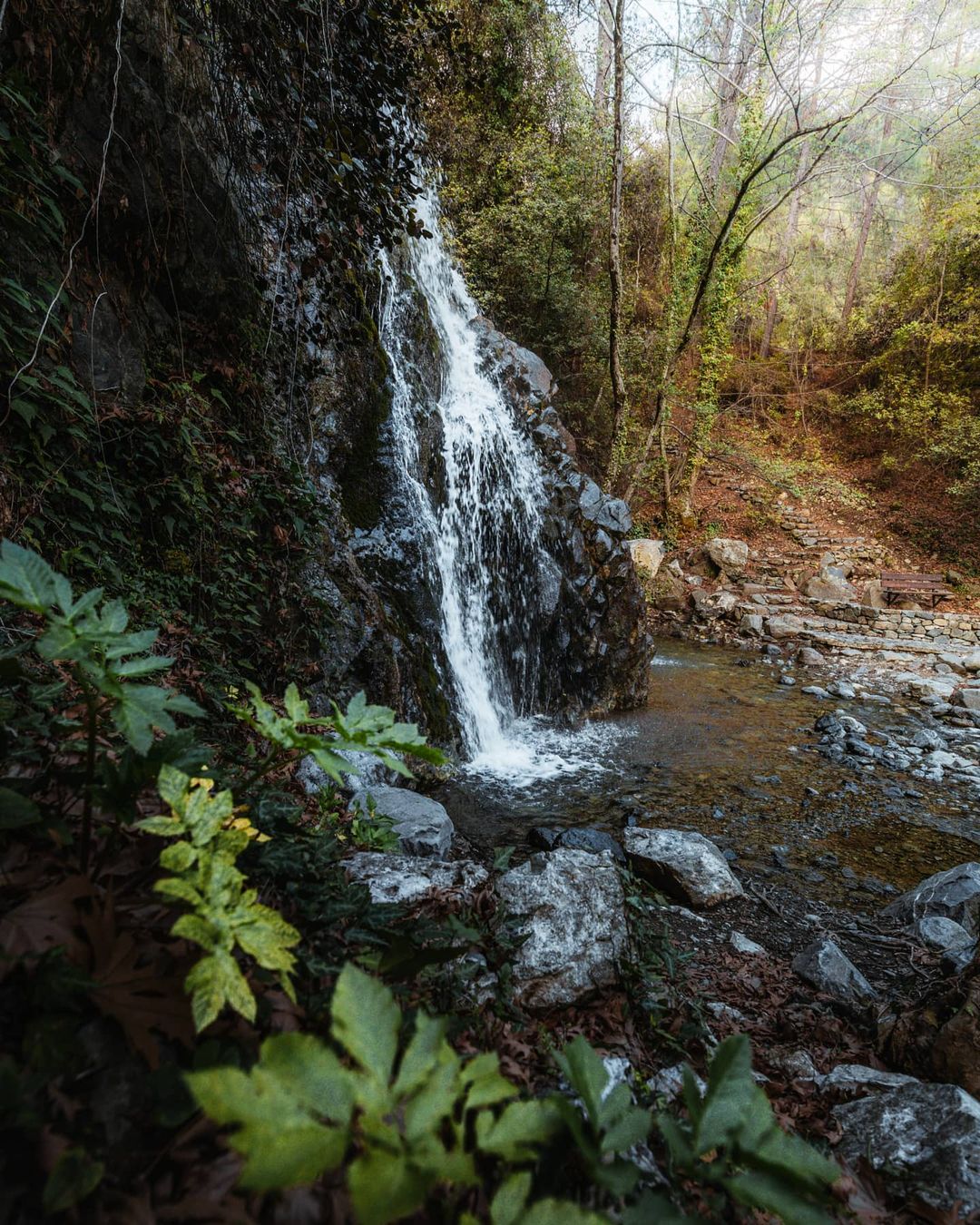
Tucked away near the village of Foini in the Limassol district, Chantara Waterfall is one of those little nature escapes that makes us feel as though Cyprus is showing off again. To reach it, we follow a short dirt path, and suddenly the landscape opens into a lush, green pocket filled with alders, plane trees, pines, latzias, blackberry bushes, and strawberry trees. It is peaceful, wild, and exactly the kind of place that makes a quick stop turn into a longer wander.
Watermill of Rhodes

In the village of Galata, in the Nicosia district, the Watermill of Rhodes stands as a striking reminder of Cyprus’s rural past. The structure is made up of two impressive arches, with a channel carved along the top where water once flowed. It feels wonderfully old-world, and even better, a small nature trail leads right to it from the Church of Archangel Michael, which makes the whole visit feel a bit more like an adventure and a bit less like just “seeing a landmark.”
Stone of Hasambouli
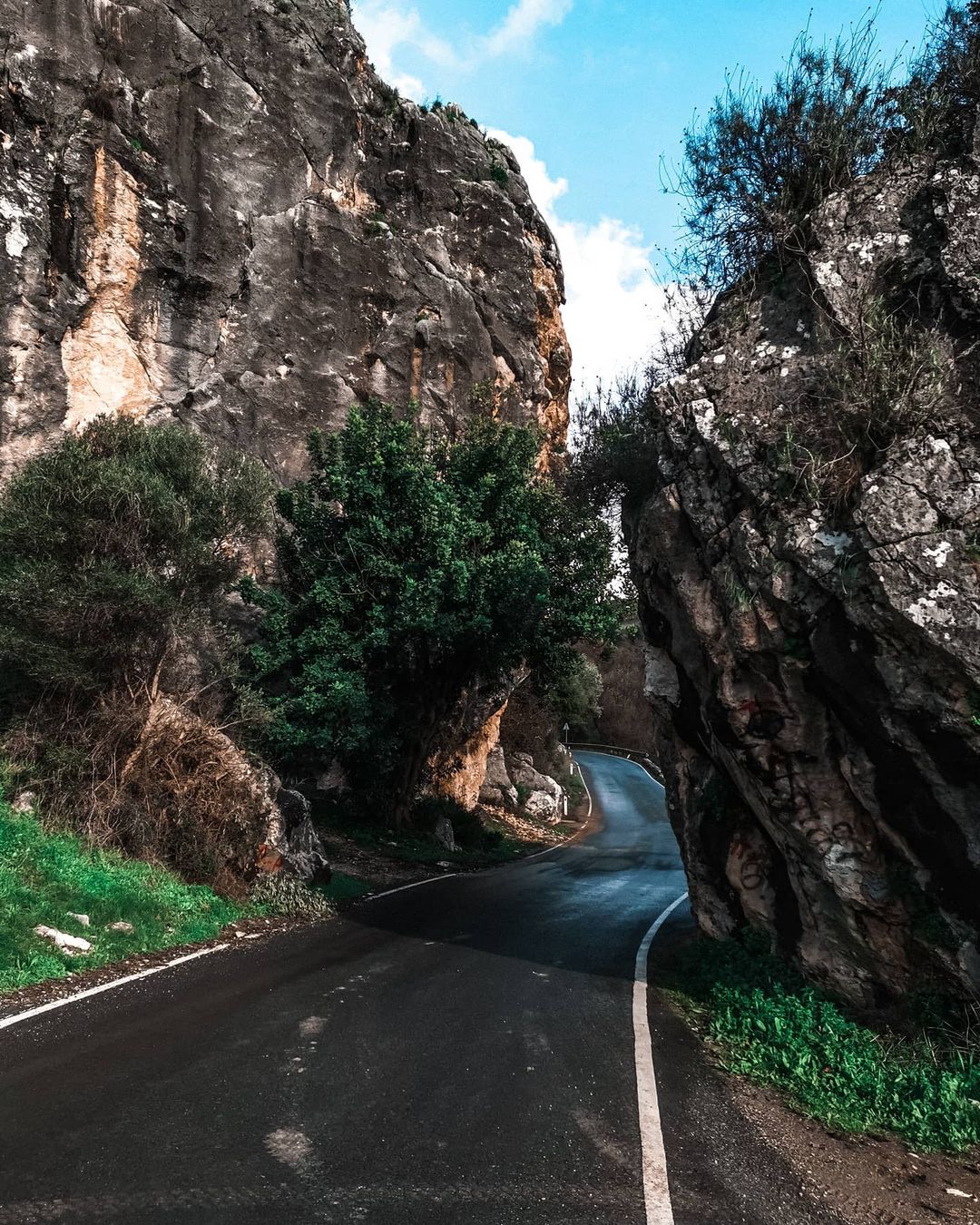
The Hasambouli Rocks are one of those places that look dramatic before we have even stepped out of the car. The two giant rocks rise sharply from the landscape, creating a scene that feels bold, rugged, and slightly legendary. They inspire awe the moment you see them, but for the more adventurous, they also offer the temptation to climb up and take in the sweeping views from above. It is the kind of spot that feels made for travelers who like their scenery with a side of adrenaline.
The Double Bridge of Trimiklini
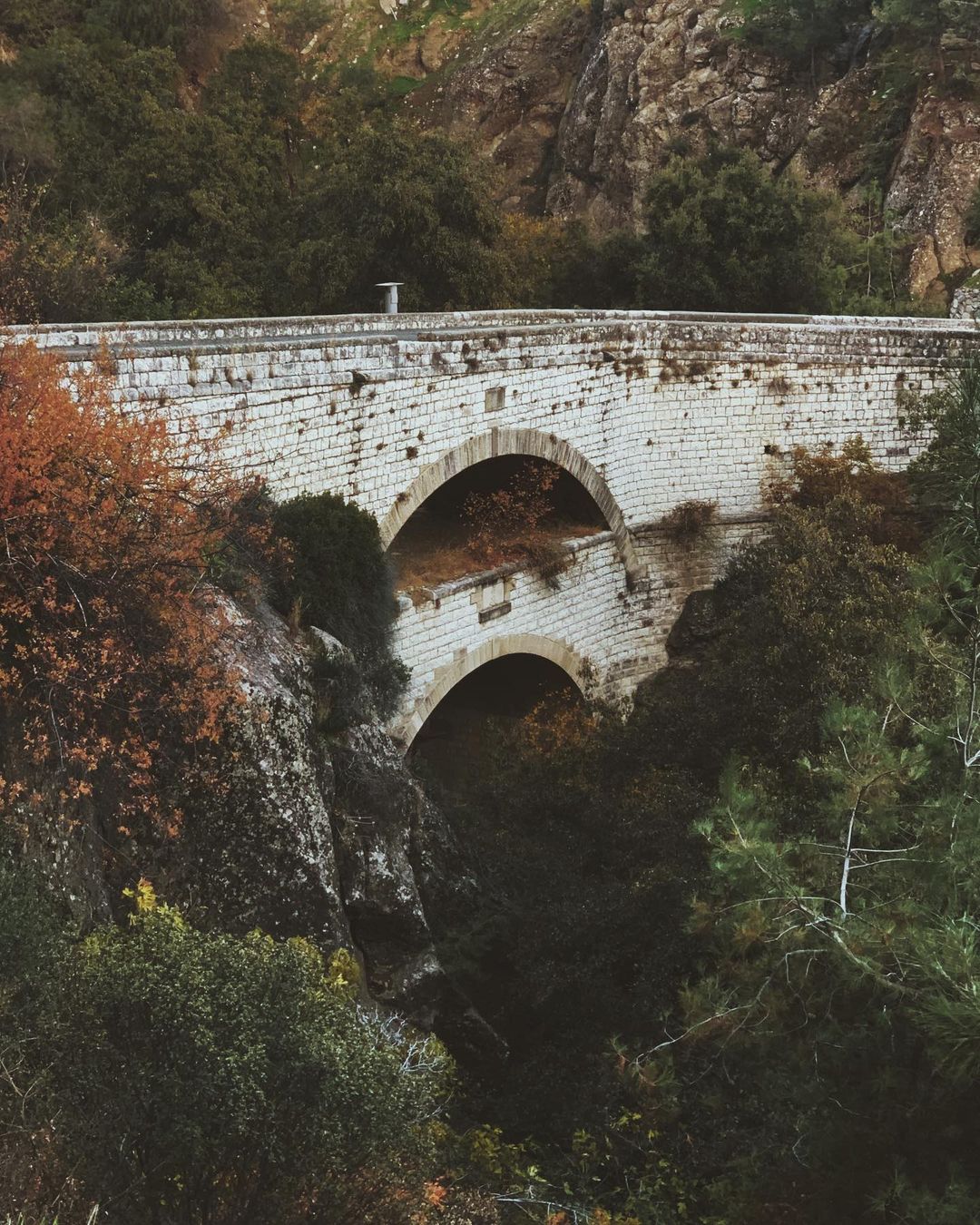
Hidden in the beautiful mountain scenery of Limassol, the Double Bridge of Trimiklini is the only bridge of its kind in Cyprus. It is made up of two separate structures from different historical periods, which gives it an extra layer of charm. The first part was completed in 1901 and was built for carts traveling across the island through mountainous Limassol. The second section came later, in 1917, after the arrival of the first motor vehicles. In other words, this bridge is not just photogenic—it is basically a mini history lesson in stone.
White River
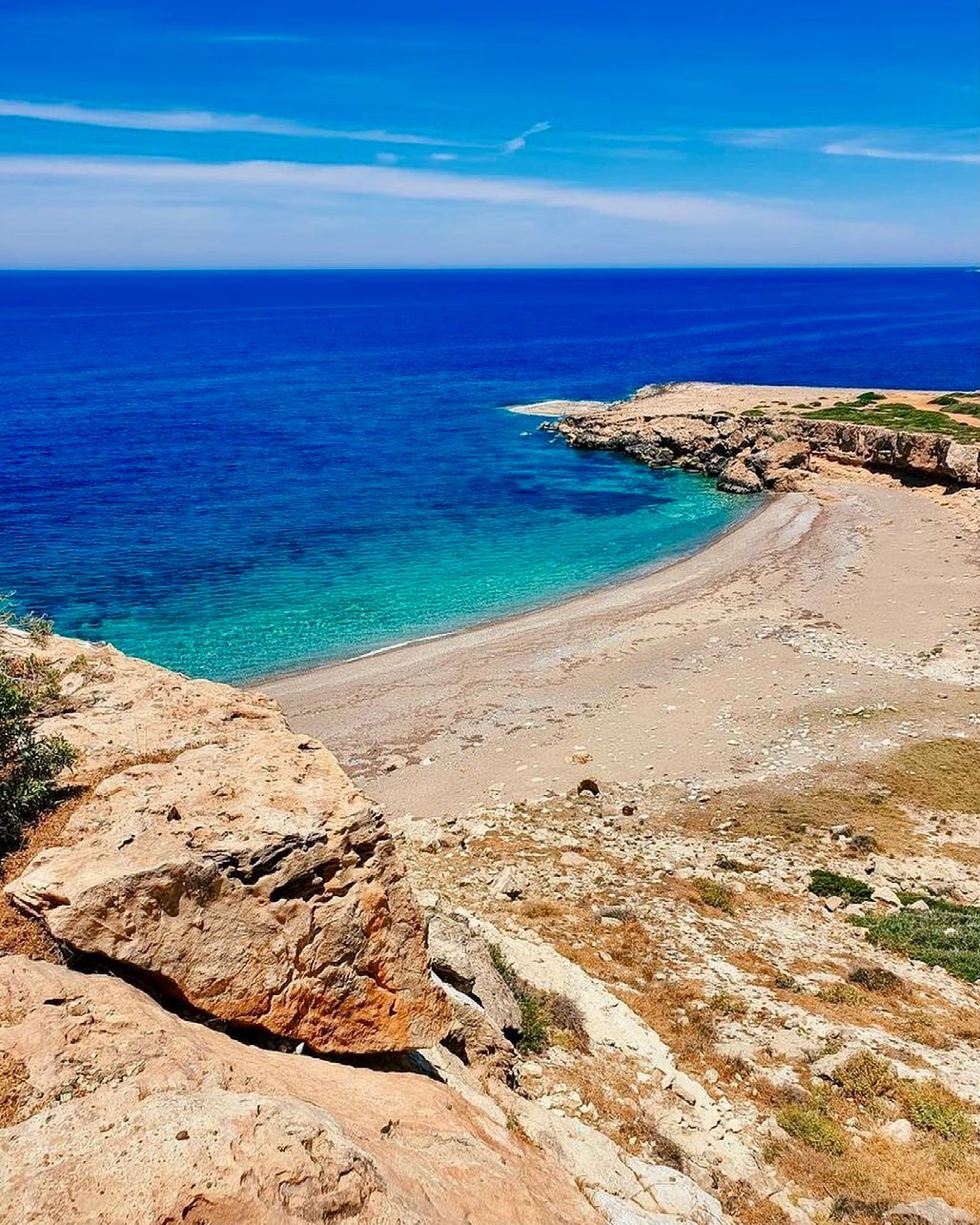
If we are after a beach that feels quieter and far less crowded, White River Beach, also known as Aspros Potamos, is a very good idea indeed. Located in the Paphos district on the road before Avakas Gorge, it is easy to reach by car and feels blissfully removed from the busier beach scene. There are no services here, but honestly, that is part of the appeal. The raw natural setting, the peaceful atmosphere, and the feeling of having found somewhere a little more secret make it one of those beaches that does not need much else to win us over.
A secret, magical house in Moutallos, Paphos
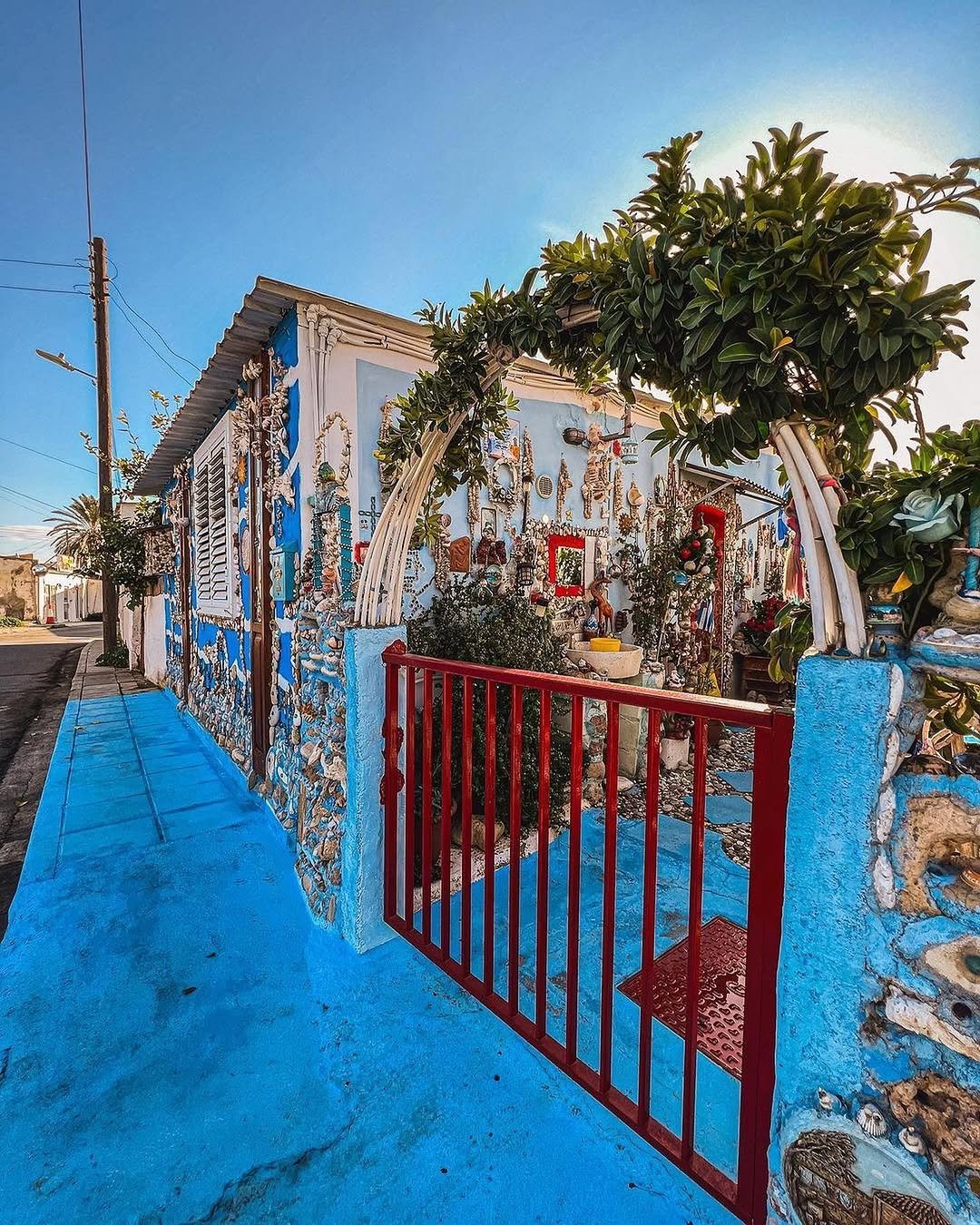
In Moutallos, Paphos, the Blue House with Shells feels like something lifted straight from a fairy tale. Decorated with shells gathered from Cyprus’s beaches, this one-of-a-kind home was created over many years by a woman whose patience, imagination, and love for beauty turned it into a living artwork.
Every corner tells a story, from the shell-covered walls to the handmade details in the yard. Visitors are welcome to step inside, hear the story behind the house, and even see the small chapel in the courtyard, crafted with the same care and creativity.
More than just a house, it is a lovely reminder that art can grow out of everyday life and brighten an entire neighborhood. If you are in Paphos, it is well worth stopping in Moutallos to see this magical little place for yourself.
- 20 Best Beaches in Cyprus (2026): Most Stunning Beaches You Can’t Miss
- What to See in Troodos Mountains (2026): Villages, Hikes, Wineries & Monasteries
- Most Unique Hotels in Cyprus (2026): Best Beach Resorts, Boutique Stays & Apartments

- An Epic Cyprus Road Trip Itinerary in 2026: From Ayia Napa to Trodos Mountains

- 12 Hidden Gems In Cyprus Worth The Detour in 2026