
Travel writing based on first-hand experience
Choosing to visit Egypt independently, without a travel agency or packaged tour, is an adventurous and excellent decision! This choice does mean you’ll need to do some planning, but it’s totally doable—and it’s exactly what I did for my road trip to Egypt. I’m excited to share all the details and experiences from our amazing self-guided journey.
Wondering about transportation, whether to hire a local guide or what you should know before setting off? I’m here to spill everything in this introductory blog post dedicated to Egypt. You’re in the perfect spot for the best Egypt travel tips on planning and prepping for your Egyptian adventure. Let’s jump into my advice for organizing a memorable trip to Egypt!
| ➡️Before you zip the bag and head to the airport, run through a practical Egypt packing list — the items that make exploring temples comfortable, desert walks bearable, and long travel days surprisingly smooth. ➡️ Clothing in Egypt depends heavily on season, city, and context: our what to wear in Egypt guide explains what feels comfortable, respectful, and genuinely practical from Cairo streets to coastal resorts. ➡️ Cairo becomes far more interesting once you step slightly sideways from the obvious route, and these hidden gems in Cairo reveal quieter corners, overlooked districts, and places many visitors never reach. ➡️ If you are trying to connect Cairo, the coast, ancient sites, and slower stops into one coherent route, our 14 days Egypt itinerary help shape days without turning the trip into a rush. ➡️Discover the top 12 unique things to buy in Egypt, from papyrus art and alabaster statues to Egyptian cotton and spices. Get our tips on where to shop and how to find authentic treasures. |
Table of Contents
Formalities for Entering Egypt
Let’s start at the very beginning: how do you actually enter Egypt? If you’re European, you’ll need an entry visa when you arrive. There are two ways to get it:
- Apply online in advance through dedicated visa websites in your country of residence.
- Buy it directly at the airport on arrival: $25 USD per person.
I strongly recommend the second option. The online process often comes with extra service fees, and it doesn’t really save you time once you land. Trust me — it’s far simpler (and cheaper) to just have your $25 ready in cash and purchase it right there at the airport.
How to Get Your Visa on Arrival
It’s incredibly easy. Before heading through customs, stop at one of the currency exchange counters, banks, or kiosks (you’ll see plenty of them). Hand over your $25, and that’s it — your visa is issued.
Arriving in Egypt by Plane

If you’re flying in, Cairo is the main gateway. For example, if your trip starts in Luxor, you’ll likely need to connect through Cairo, as direct international flights to Luxor are rare.
Money-saving tip: use comparison sites like Skyscanner to find good fares and book early. Last-minute flights to Egypt can be very expensive.
My Opinion on EgyptAir
A word of caution: EgyptAir is known for frequent delays. While it’s the national airline and sometimes the most practical choice, I wouldn’t call it the most reliable. If you can, explore alternative airlines or prepare yourself for possible schedule changes.
When to Go to Egypt
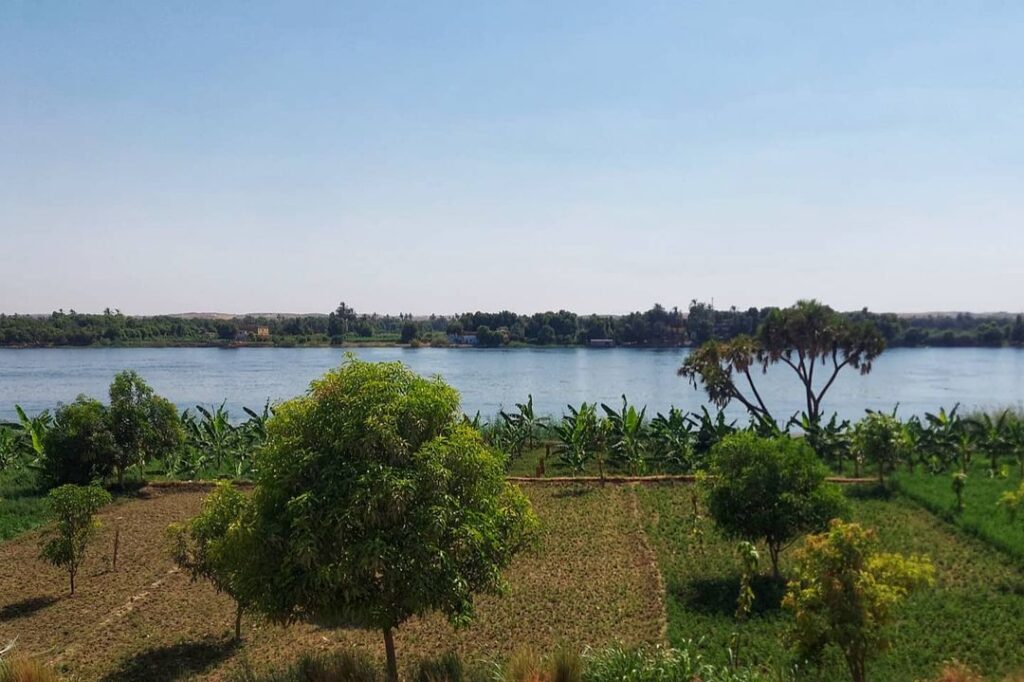
Aswan
Timing your visit is key. Egypt’s climate is hot and dry, and conditions inland are very different from the Red Sea resorts.
I went at the end of May, which in hindsight was not ideal. Here’s why I’d avoid late May and June:
- Extreme Heat – Temperatures soared past 45°C, especially in Abu Simbel.
- Overcrowding – Tourist sites were packed.
- Higher Costs – Flights and accommodations were more expensive.
The heat made sightseeing difficult, and even locals stayed indoors during the hottest hours. My advice? Plan your trip for autumn or winter, when the weather is cooler and exploring is much more pleasant.
How Long to Visit Egypt
Egypt is vast. Distances between major sights can be long, so travel time is something you’ll need to factor into your itinerary.
So, how long should you stay? It depends on what you want to see:
- 1 week: You’ll barely scratch the surface and may leave feeling rushed.
- 2 weeks: Ideal for most travelers — enough time to explore Cairo, Luxor, Aswan, and even add a destination like Abu Simbel or the Red Sea.
- 3 weeks: The dream. With this much time, you can see the highlights and go off the beaten path to places like Siwa or Alexandria.
I stayed for 15 days, and even then, I didn’t manage to cover everything. If you can, give yourself at least 2 weeks.
Choosing Your Itinerary
When planning my route, I started by listing the must-see sites, then mapped distances between them. Egypt’s rich history means there’s no shortage of options!
The Unmissable Highlights of Egypt
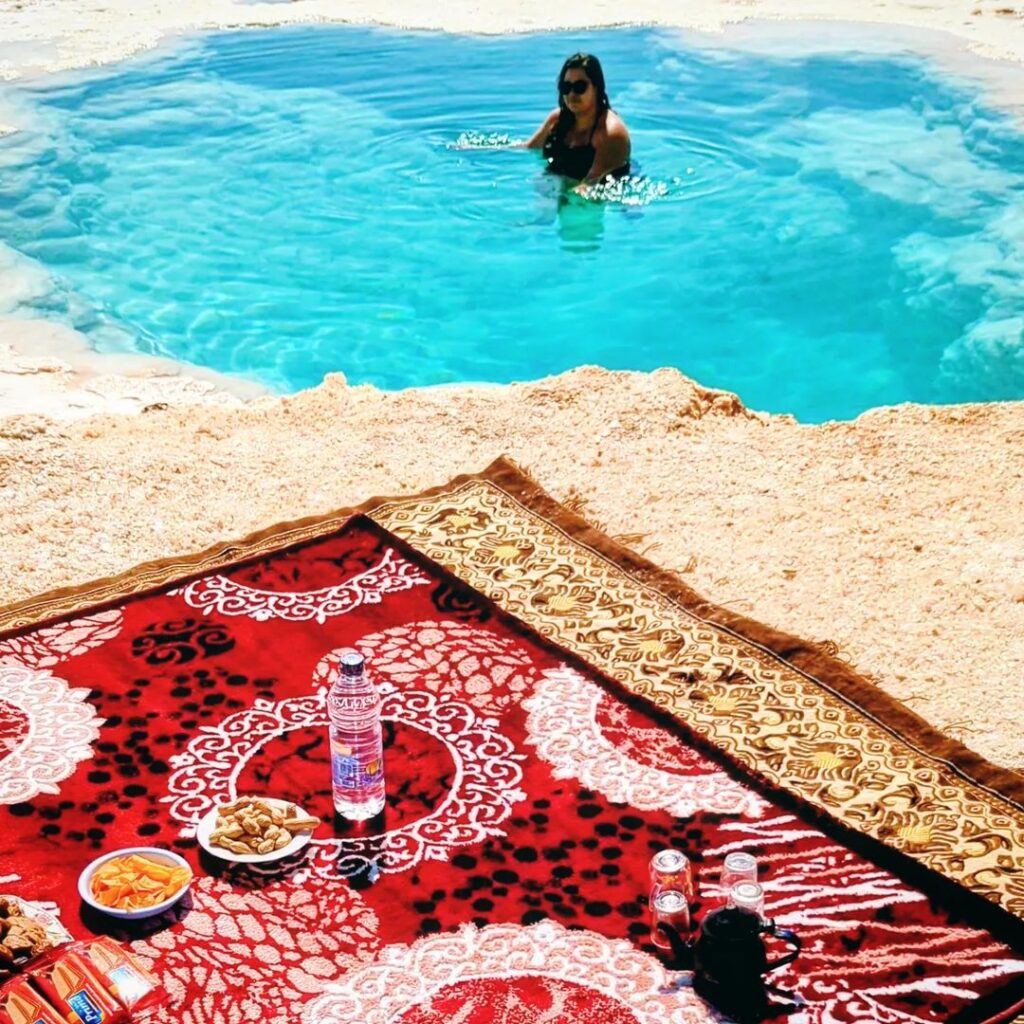
Siwa Salt Lake
Here are some places you shouldn’t miss:
- Abu Simbel – The incredible temples of Ramesses II and Nefertari.
- Alexandria – Mediterranean vibes and fascinating museums.
- Aswan – Felucca rides, Nubian villages, and natural beauty.
- White Desert – Surreal, moon-like landscapes.
- Hurghada & Marsa Alam – Stunning Red Sea coasts.
- Cairo – The Pyramids of Giza, Islamic Cairo, and bustling souks.
- Luxor – Magnificent temples like Karnak and Hatshepsut.
- Siwa Oasis – Beyond the salt lakes, it’s one of the most authentic corners of Egypt.
Once you’ve narrowed down your list, you can shape your itinerary.
Sample Itinerary Idea

Here’s an example 2-week trip (feel free to tweak it to match your interests):
| Day | Highlights | Overnight |
|---|---|---|
| 1 | Arrive in Cairo | Cairo |
| 2 | Pyramids of Giza | Cairo |
| 3 | Travel to Luxor & visit Luxor Temple | Luxor |
| 4 | Valley of the Kings | Esna |
| 5 | Temples of Edfu & Kom Ombo | Kom Ombo |
| 6 | Arrive in Aswan, see Philae Temple | Aswan |
| 7 | Return to Cairo, transfer to Alexandria | Cairo |
| 8 | Catacombs & National Museum of Alexandria | Alexandria |
| 9 | Bibliotheca Alexandrina & Citadel of Qaitbay | Alexandria |
| 10 | Overland trip to Siwa Oasis | Siwa |
| 11 | Explore Siwa: Oracle Temple & Cleopatra Bath | Siwa |
| 12 | Desert safari & Bedouin dinner | Siwa |
| 13 | Return to Cairo | Cairo |
| 14 | Departure | – |
Egypt Travel Tips
Traveling through Egypt is an adventure unlike any other—chaotic at times, dazzling always, and endlessly memorable. To help you get the most out of your trip, here are my tried-and-true tips for moving around, staying healthy, avoiding scams, and simply enjoying the ride.
Transportation in Egypt
Getting around Egypt takes patience. Trains, buses, and cars all work, but travel times are long and schedules aren’t always reliable. A “3-hour drive” might stretch into 6 hours. That said, it’s all part of the experience. Trains between major cities like Cairo, Luxor, and Aswan are a solid option, while flights save time if you’re covering long distances. Taxis and ride-hailing apps like Uber (in Cairo) are inexpensive compared to Europe, but always agree on the price beforehand if you’re hopping in a local cab.
Health Tips in Egypt
Tap water is a no-go—always stick to bottled water, even for brushing your teeth if you have a sensitive stomach. Street food can be amazing (koshari, falafel, shawarma!) but choose busy stalls where the food turnover is high. A small medical kit with rehydration salts, Imodium, and probiotics can be a lifesaver. Oh, and pack sunscreen and a hat—the Egyptian sun is relentless year-round.
Common Scams in Egypt
Egypt is generally safe for tourists, but petty scams are common. The classics include:
- “Free” gifts that suddenly aren’t free—like scarves or trinkets pressed into your hand.
- Unsolicited guides who walk with you, then demand payment.
- Taxis without meters quoting inflated prices—always negotiate first.
- Photos at sites where someone “helps” you pose, then expects a tip.
The best approach? Smile, say a polite “no, thank you,” and keep walking. If you do want a service, agree on the price before saying yes. A small tip—just a few Egyptian pounds—goes a long way for genuine help.
Hiring Guides in Egypt
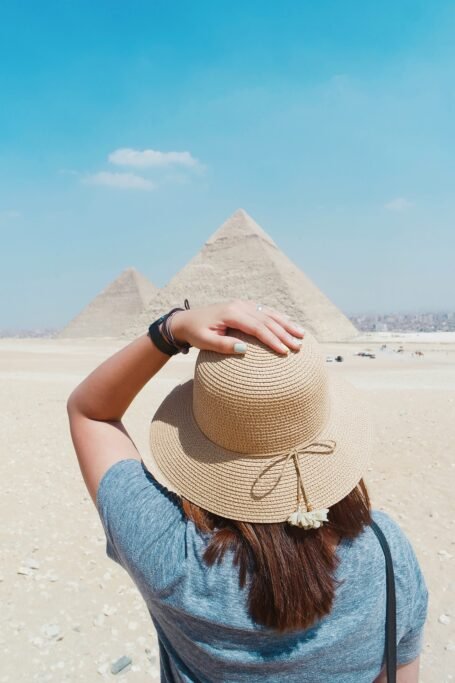
Egypt’s sites are layered with history and mythology—you’ll miss half the story without a guide. Hiring a licensed guide is worth every penny, whether for a day at the pyramids or a full multi-day tour. In cities like Luxor and Aswan, guides can also smooth over logistics, from buying tickets to navigating checkpoints. If you prefer flexibility, you can book guides on the spot at major sites or arrange them through agencies in advance.
Food in Egypt
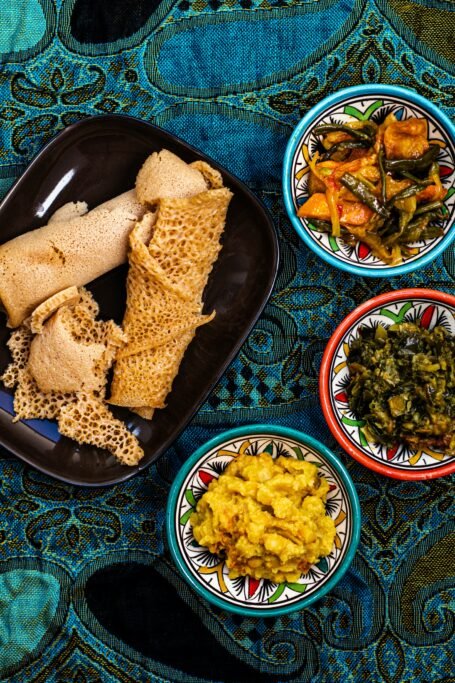
Egyptian food is hearty, flavorful, and surprisingly vegetarian-friendly. Don’t miss koshari (a filling mix of pasta, rice, lentils, and tomato sauce), ta’ameya (Egyptian falafel made from fava beans), and fresh-baked baladi bread. Street juice stalls are everywhere—try hibiscus (karkadeh) or sugarcane juice for a refreshing break. Restaurants are affordable, but be prepared for slower service; meals here are meant to be savored, not rushed.
Accommodation in Egypt
You’ll find everything from budget hostels to 5-star resorts along the Nile. In Cairo, boutique hotels near Downtown or Zamalek offer charm and convenience. Luxor and Aswan have riverside resorts with dreamy views, while budget travelers can find simple guesthouses near the main temples. One tip: book early if you want to stay near iconic sites like Abu Simbel or the Pyramids—rooms there are limited and fill up quickly.
Wherever you stay, expect warm Egyptian hospitality. Tea on arrival, help with taxis, and endless local tips usually come free with the room.
FAQs: Egypt Travel Tips
Do I need a visa to enter Egypt?
Many travelers need a visa. Most nationalities can get an e-Visa online or a visa on arrival at major airports. Check your passport’s rules before you fly.
When’s the best time to visit?
October–April is cooler and easier for sightseeing. May–September is hot; plan dawn starts, long lunches, and sunset strolls.
Is Egypt safe to travel?
Generally, yes—tourist routes are well-patrolled. Keep normal city smarts, use licensed guides/drivers where helpful, and avoid isolated areas after dark.
Cash or card—what works?
Carry cash for tips, taxis, small cafés, and museum extras. Cards work at many hotels and larger restaurants. ATMs are common in cities.
How does tipping (baksheesh) work?
It’s part of daily life. Tip porters, drivers, bathroom attendants, and small services. Keep a stash of small notes.
What should I wear?
Modest, breathable layers. Shoulders/ knees covered in mosques; bring a scarf. Sun hat and comfy walking shoes are non-negotiable.
Can I drink the tap water?
Stick to bottled or filtered water. Avoid ice in street drinks unless you trust the source.
How do I get a SIM or data?
Buy a local SIM (Vodafone/Orange/Etisalat) at the airport or city shops with your passport, or use an eSIM. Top up as you go.
Best ways to get around?
In cities: Uber/Careem and metered taxis. Between cities: flights or trains (book ahead for popular routes). Private drivers are great for day trips.
Any common scams to avoid?
Agree prices before rides, double-check “free” gifts, and be clear about guides who “appear” at sites. Polite “no thanks” works wonders.
Can I fly a drone in Egypt?
No—drones are restricted without special permits. Don’t bring one.
What about photography rules?
No flash in tombs and some museums; tripods are often restricted. Some sites sell separate camera tickets—look for signs at the gate.
Tips for visiting during Ramadan?
Days are quieter; some places adjust hours. Dress modestly, avoid eating in public during fasting hours, and enjoy the lively evenings.
Do I need a guide?
Not mandatory, but a licensed guide can decode hieroglyphs, speed up logistics, and keep you on the best route. Worth it at big sites.
Health basics?
Sun protection, electrolytes, and hand gel. Pack any meds you rely on. Travel insurance is a smart move.
Bathrooms—anything to know?
Carry tissues and small coins; attendants often charge a small fee. Hotel lobbies are useful bathroom stops in cities.
What power plugs does Egypt use?
Type C/F plugs, 220V. Bring a universal adapter and avoid using high-draw devices without checking voltage.
Any etiquette essentials?
Ask before photographing people, remove shoes in mosques, and bargain with a smile in markets. Fridays are the main prayer day.
- Ultimate Egypt Packing List (2026): What to Bring for the Desert, Cities, and the Red Sea

- Is Egypt Safe For Solo Female Travellers in 2026
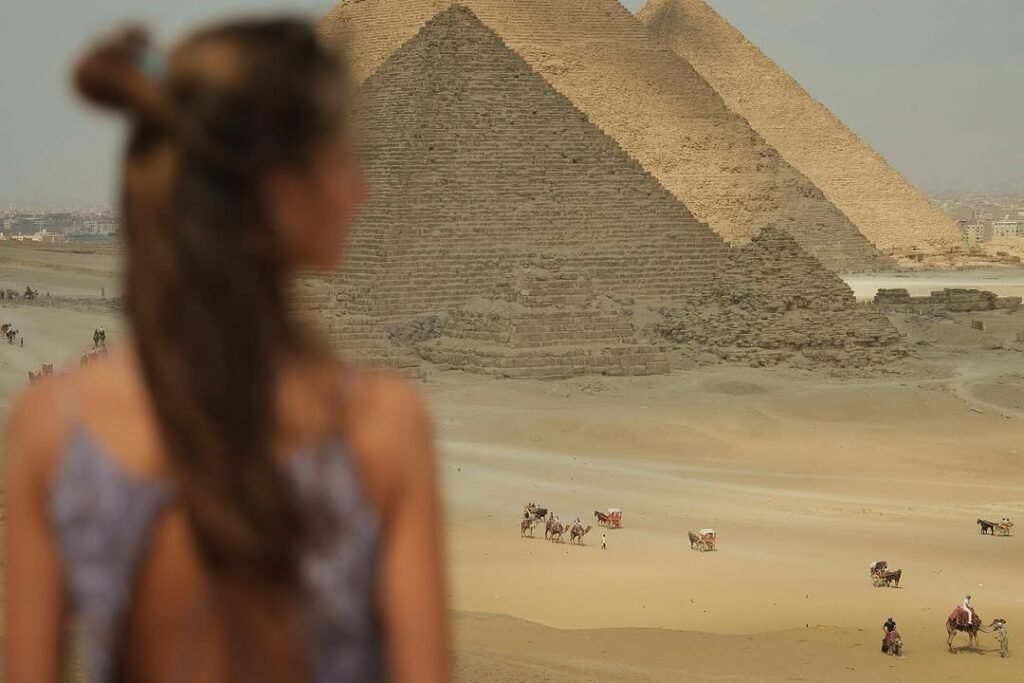
- 5 Days In Egypt Itinerary in 2026: Cairo, Luxor & Nile Cruise
- 2026 Ultimate 8 Days In Egypt Itinerary: Cairo, Luxor, Aswan & Abu Simbel (Day-by-Day Guide)
- How To Dress In Egypt | 2026 Tourist Guide