
Travel writing based on first-hand experience
Even if Essaouira itself could easily keep you busy, some of the most beautiful moments happen just outside the city limits. In this guide, we’ll hit the best Essaouira excursions, sprinkle in argan-oil behind-the-scenes, and finish with souvenir ideas that won’t end up as “dust collectors with guilt.” And yes—there’s one thing you should try at least once in your life: surfing. We’ll walk you through our very first lesson. Ready? Let’s go get sand in places we didn’t know existed.
You can find even more tips and sights in Essaouira in the blog post “Perfect Essaouira Itinerary: How To Spend Great 2 Days in Essaouira.” One gentle warning: if your dream is a classic, windless “lie still, be roasted, and pretend nothing matters” beach holiday, Essaouira might not be your soulmate. The wind is basically a permanent resident.
| ➡️Plan your dream trip with this 3 -14 days perfect Morocco itinerary — packed with can’t-miss sights, insider tips, and magical experiences. |
Table of Contents
Best Essaouira excursions – Four places you should visit
1) Diabat
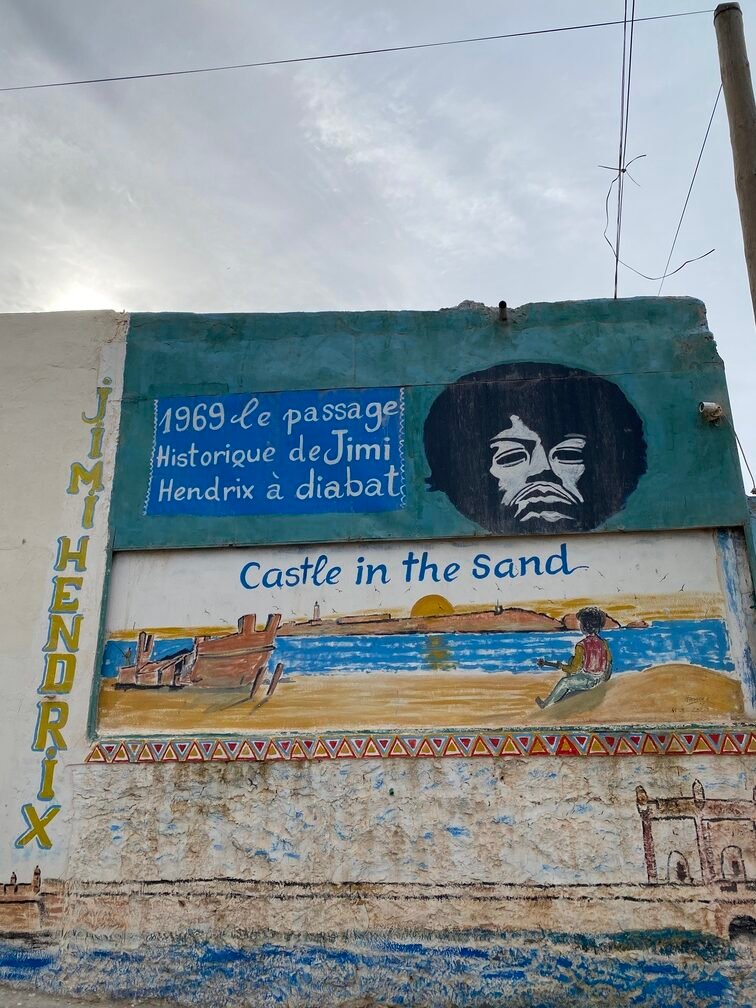
Four kilometers south of the medina, Diabat sits like a dusty little pause button—sleepy lanes, dunes in every direction, and that Atlantic air that makes everything feel sharper. Back in the early 1970s, Diabat (and Essaouira) got swept up in the hippie trail, helped along by a famous visit from Jimi Hendrix in 1969. The village still leans into the legend: there’s a Jimi Hendrix café and hotel, both still operating today.
We do this one on foot: we walk south along the dunes, cross a small footbridge at the river mouth, and take our sweet time. It’s about an hour if you stroll and stop to stare at the horizon like you’re in a film.
In the village, you’ll find a ranch and several quad-bike operators. The ranch is basically an “activities menu” in real life: quad tours, hikes, horse rides, camel rides, and long walks that make you wonder why you ever sat indoors voluntarily.
Cool excursion idea: explore the Essaouira landscapes on a quad-bike adventure (the dunes were practically designed for it).
Dar Sultan Palace (and the sand that’s slowly eating it)
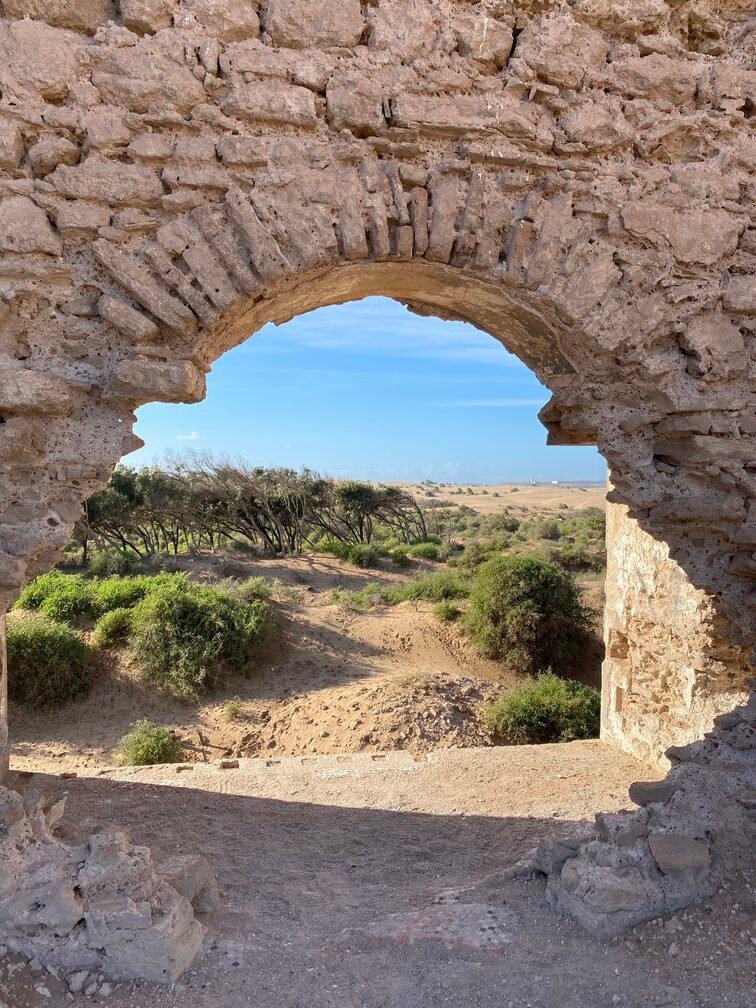
Between the village and the beach, half-buried in dunes, you’ll find the ruins of Dar Sultan Palace—a fascinating place that feels like it’s being quietly swallowed by the landscape. Until around 1840, it served as a landmark for ships entering Mogador Bay. Even now, you can still make out stone arches and parts of the mosaic tiles.
And then there’s the rumor: people like to say the palace inspired Hendrix’s “Castles Made of Sand.” We won’t pretend we can prove it, but standing there with sand creeping through the ruins, it’s easy to see why the story stuck. If you want the mood in one tiny line: “Castles made of sand…” (and yes, the rest is in your head now).
2) Sidi Kaouki
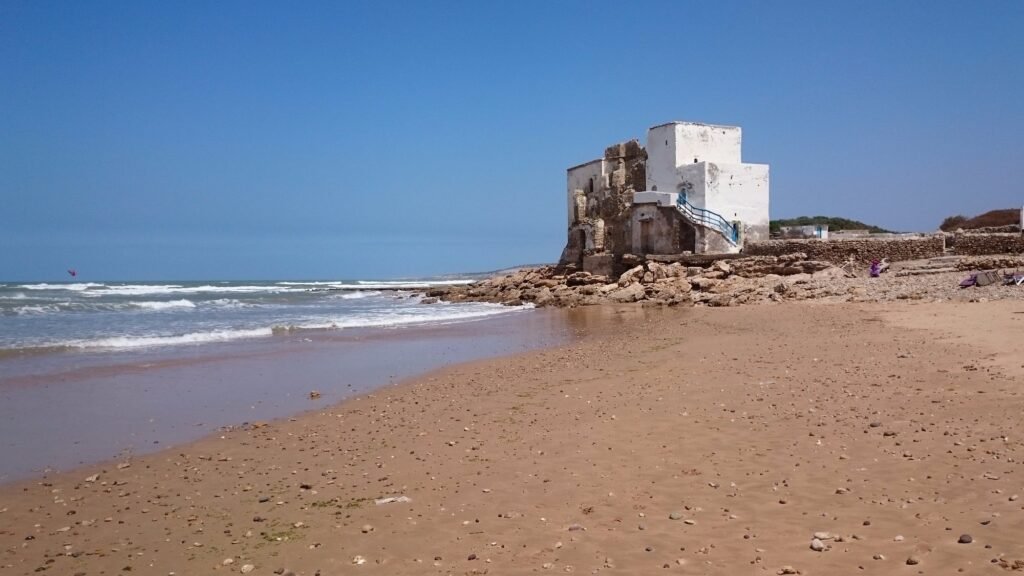
If Essaouira is the windy artist, Sidi Kaouki is the relaxed cousin who lives by the sea and never looks rushed. This small, laid-back village sits on the Atlantic coast about 25 km south of Essaouira (and roughly three hours from Marrakech by road).
It’s one of the best-known surf spots in Morocco, and it’s especially famous for kitesurfing and windsurfing—because the wind that annoys beach loungers? Here, it becomes the main attraction. The beach is long, sandy, and usually wide open, with a strong breeze that makes it feel like the ocean is permanently in a good mood.
Getting there is straightforward: Lima Bus line 2 goes to Sidi Kaouki (check the current departure times locally—schedules can be… optimistic).
Tip: If you’ve ever wanted to race across a nearly deserted beach on a quad bike, do it here. It’s the kind of silly-fun you remember for years.
3) Safi
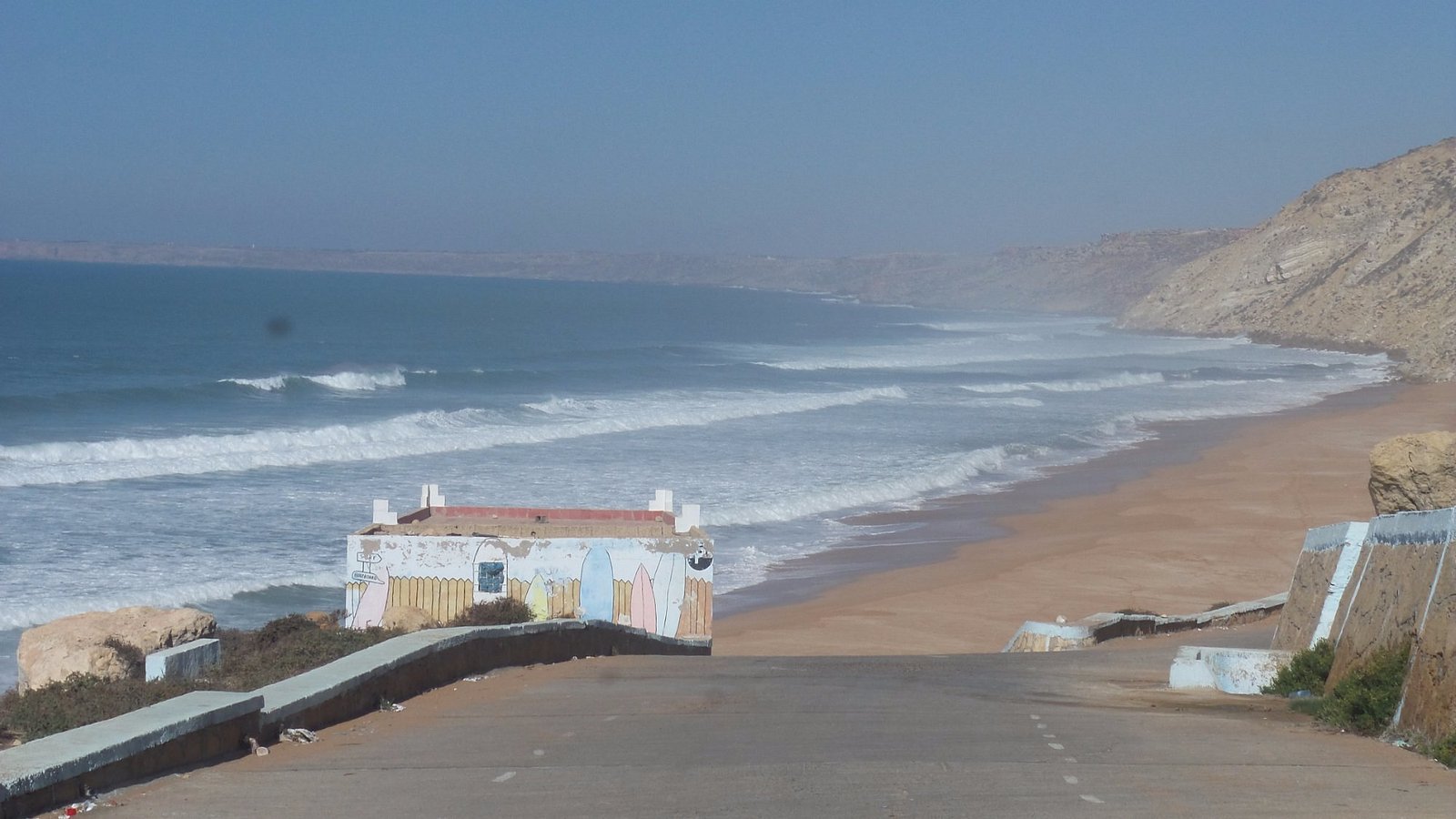
After Casablanca, Safi is one of Morocco’s most important ports and industrial centers—and it makes a strong case for a day trip if you enjoy cities with a working heartbeat. Safi is especially known for its ceramics: markets full of plates, bowls, ovens, tagines, and the kind of tile work that makes you stare at architecture like it’s a museum exhibit.
They also produce green glazed roof tiles, traditionally used on mosques, mausoleums, madrasas, and royal buildings—so if you’ve ever noticed that particular shade of Moroccan green and wondered where it comes from, Safi has answers.
The city historically had a protective wall that ran for kilometers. Safi is about 120 km from Essaouira; by CTM bus, it’s roughly 2–2.5 hours.
Popular sights include the Portuguese Fortress, the Portuguese Cathedral, the Kechla, and the pottery district (which is exactly as satisfying as it sounds).
4) Imsouane
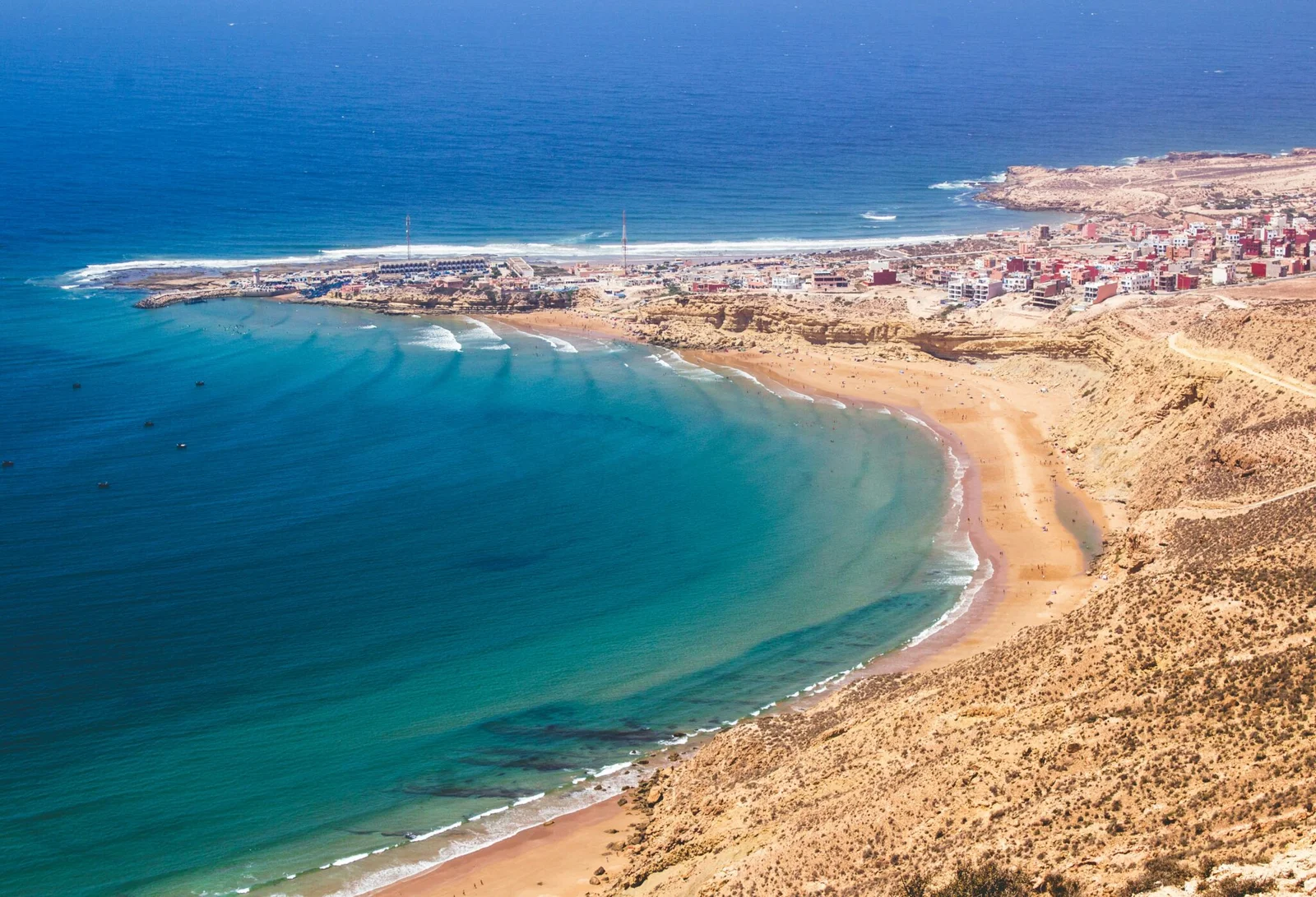
Imsouane is small, coastal, and famous for one thing above all: waves. Many travelers call it one of the best places in Morocco for long, friendly rides—especially if you’re chasing that smooth, gliding kind of surf.
This charming fishing village sits around 95 km from Essaouira, on the edge of the High Atlas region. For a long time it was centered on fishing—until surfers noticed what the ocean was offering and everything changed. Now you’ll find surf camps nearby, a mellow surf vibe, and that “we came for a weekend and stayed a month” energy.
Close to: Essaouira (about 95 km)
How to get there: car, taxi, or organized day trip
Best for: surf culture, scenic coastline, wave-chasing days
Pro tip: even if you don’t surf, go watch—Imsouane is one of those places where the ocean looks like it’s performing.
Essaouira Activities:
Surf Lesson with Comesurfing
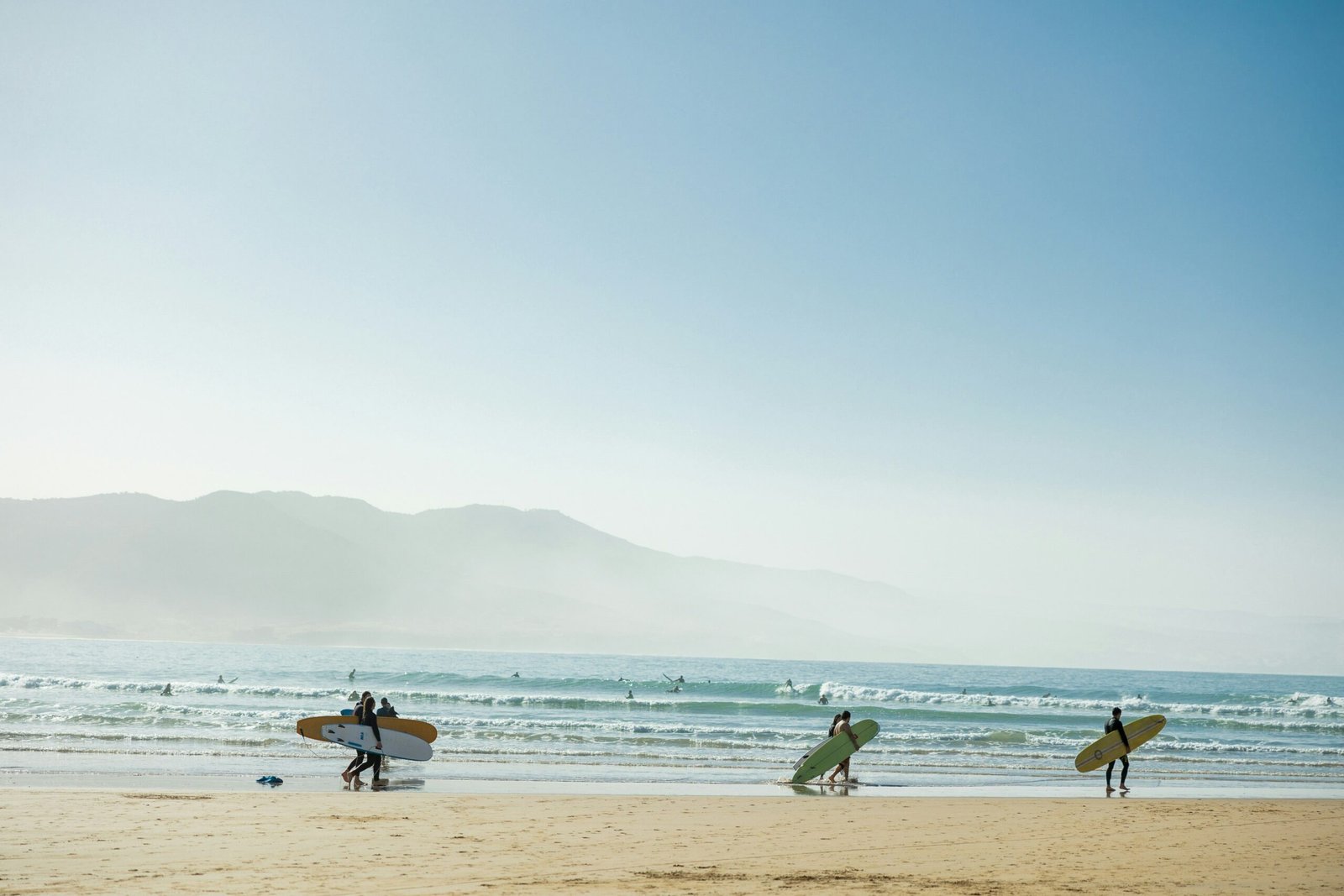
We booked a two-hour surf lesson through the Comesurfing school in Essaouira because we had a simple goal: try surfing once in our lives and survive with dignity mostly intact. Morocco is ideal for this, and Essaouira makes it easy.
Charaf picked us up at our accommodation, and about five minutes later we were at the beach. He was incredibly friendly, explained everything patiently, and moved like someone who has been surfing forever (because he has—he started when he was six). He also offers day trips to Sidi Kaouki and Imsouane, plus multi-day surf and yoga camps if you want to fully commit.
In Essaouira, the best beginner-friendly surf area is typically toward the end of the main beach, where you’ll also see plenty of horses and camels hanging around like they’re part of the scenery department.
What the lesson was like (aka: reality arrives)
The 2-hour lesson is made for beginners and includes a wetsuit, surfboard, and usually some photos/videos of you in the water—so you’ll have proof you did it (and proof that waves have a sense of humor).
- First ~30 minutes: warm-up stretches on the beach
- Then: theory—how to paddle, how to position yourself, how to catch a wave, how to stand safely
- Then: into the water, where the Atlantic politely informs you it is not a bathtub
We had fun from the first minute, even though we fell off the board almost constantly and became close acquaintances with the chilly ocean. And then—finally—we stood up for a few seconds. Not long, but long enough to feel it: that strange, bright freedom that’s just you, a board, and moving water.
Costs (as of December 2025):
- Group (minimum 2 people): €66 per person
Surfing really is a different kind of experience. You feel nature’s power up close—and you understand why people get obsessed. As the saying goes: you can’t stop the waves… but you can learn to surf.
Visiting Argan oil shop
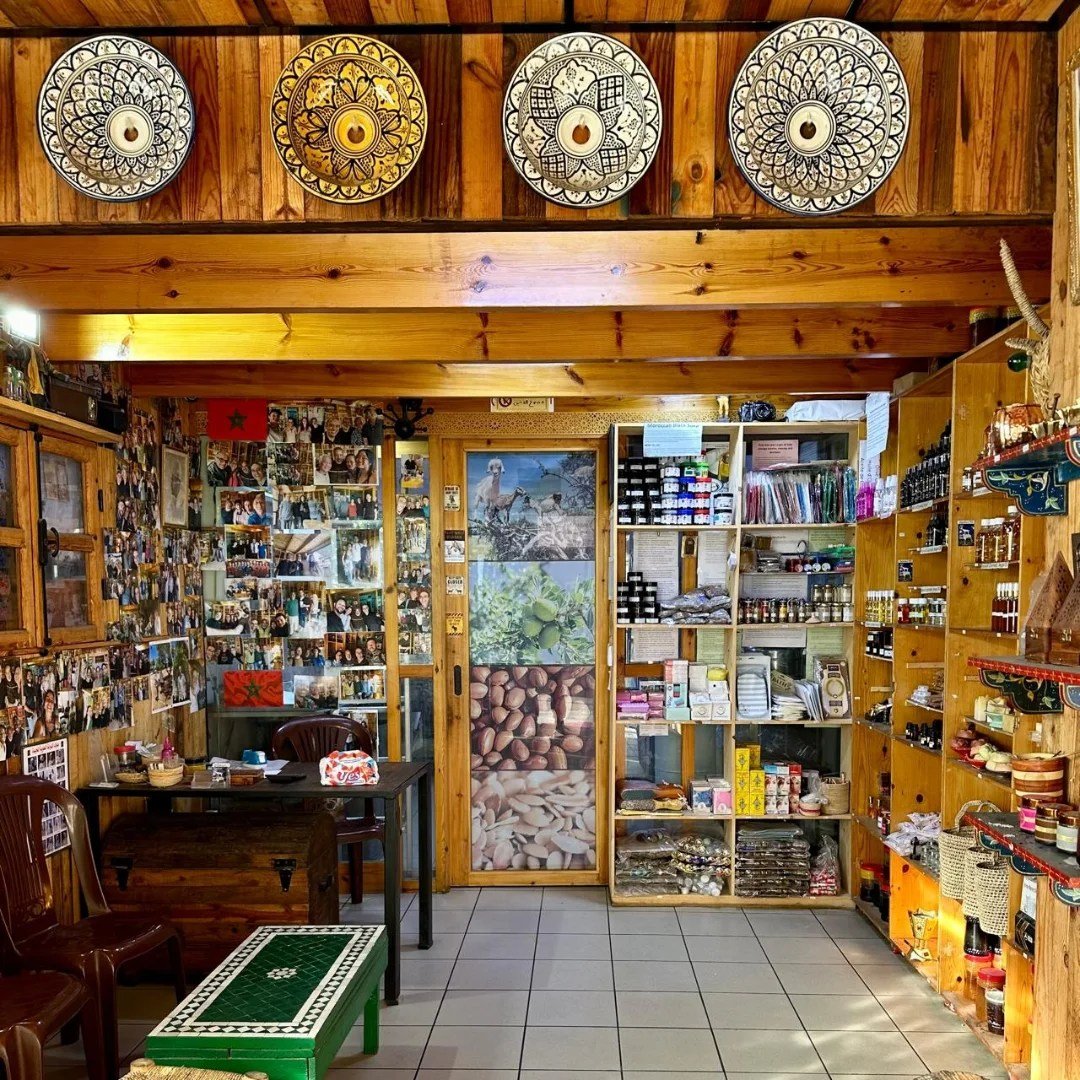
Argan oil is as Moroccan as the Atlantic wind is to Essaouira. If you’re in town and you want the full story (and a warm welcome), we recommend visiting the Zidrop Argan Oil Shop. You can browse products, ask questions, and learn how detailed the production process really is. They also offer shipping to Europe.
Here are the most useful facts to know—especially if you want to buy the right kind:
- The argan tree is often described as one of the oldest tree species (and it certainly feels ancient when you see it).
- Argan oil has a nutty, musky, slightly smoky taste.
- It’s widely used for skin and hair care, and many people love it for its moisturizing feel.
- It’s relatively expensive as a cooking oil—because producing it takes serious time and labor.
- It’s used both in kitchens and in cosmetics (including traditional remedies and hair care).
- For culinary argan oil, the kernels are typically roasted first, giving that deeper, toasted aroma.
- For cosmetic argan oil, the kernels are used unroasted and the oil is used pure.
- Large-scale industrial production expanded in the 1990s in Morocco.
- Traditional harvest (summer): the dried fruit is gathered by hand—often by women—typically in July, August, or September (timing depends on altitude and ripening).
- Producing 1 liter of hand-pressed argan oil can take roughly two days of work, and around 30 kg of fruit (from roughly 4–5 trees) may be needed.
- The work is physically demanding: experienced workers may need around 12 hours of labor for a liter, depending on methods and conditions.
- About 25 km south of Essaouira, you can visit the women’s cooperative “Assaisse Ouzika” to see products and observe production.
- Another local option is “Cooperative Warass Essaouira”, known for cosmetics and Amlou.
Photo moments worth capturing: argan fruit during production, the shop visit, and the beautifully arranged bottles that make you want to buy “just one” (and then you suddenly have five).
Discover the most beautiful Moroccan souvenirs to buy in Essaouira
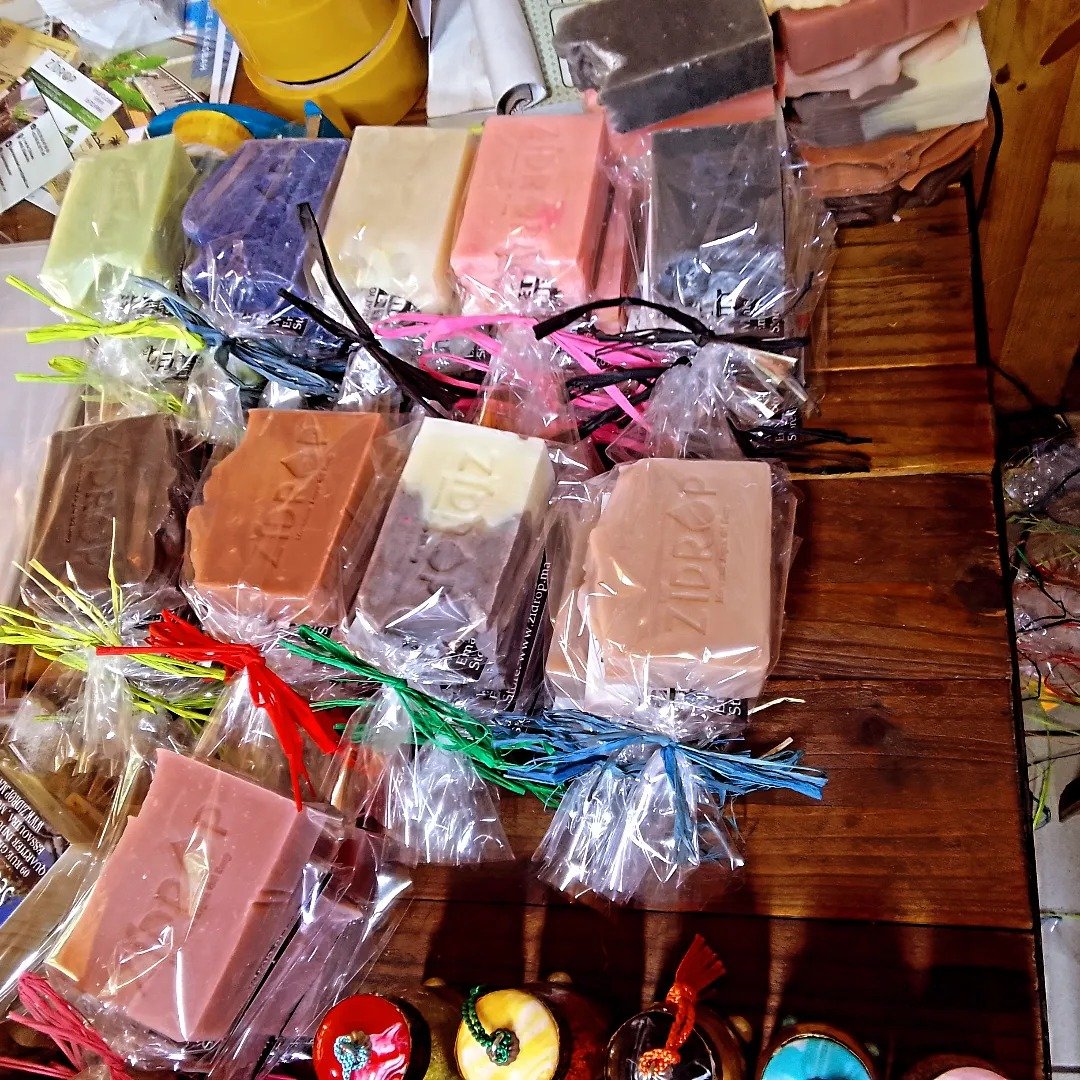
Let’s shop like travelers with taste and limited luggage space. Here’s what actually makes sense to bring home:
Culinary delights
- Amlou: freshly roasted almond cream + 100% pure argan oil + blossom honey (dangerously good)
- Dates, figs, ginger, nuts
- Moroccan pastries (the kind that disappear “mysteriously” on the flight)
Spices, spices, spices
- Ras el Hanout: a complex spice blend used across North African cooking—great on couscous, bulgur, rice, lamb, fish, vegetables (and basically anything you want to taste like Morocco). Depending on the recipe and region, it can include up to ~30 spices.
- Harissa: as a paste or dried spice form
- Argan oil: culinary or cosmetic (plus argan soaps that feel like a useful souvenir, not just a pretty one)
Crafts and classics
- Ceramics: plates, bowls, and the traditional tagine
- Leather goods
- Babouches: traditional colorful slippers
- Berber baskets, rugs, blankets, lanterns, lamps
- Wearable souvenirs: dresses, kaftans, scarves, shawls, jewelry
Photo moments in the souks: shoe stalls exploding with color; spice piles that look like art; women making Amlou with the calm focus of people who know exactly what they are doing.
- Perfect Morocco with kids Itinerary (2026): 25 Days from Tangier to the Anti-Atlas, Coast, and Marrakech
- Where To Stay In Agafay Desert in 2026: Luxury Moroccan Holidays
- 14 Most Beautiful Beaches In Morocco (2026)
- What To Wear In Morocco (2026): Real-World Travel Guide For Female Travellers
- 3 Best Places To Stay in Marrakech Medina [2026 Updated]