
Travel writing based on first-hand experience
What to wear in Morocco? It is one of those questions that appears endlessly in travel forums, usually somewhere between “Do I need a headscarf?” and “Will shorts cause a diplomatic incident?” The anxiety is understandable: Morocco is a Muslim country, and many travelers arrive unsure whether they need to dress from neck to ankle the minute they land.
But the real answer is less theatrical and far more practical: Morocco does not run on one universal dress code. It shifts by city, by neighborhood, by season, by social setting—and, frankly, by how comfortable you are handling attention when your clothes stand out.
Read this guide to find out!
| ➡️Want Morocco’s style scene without the vague “it’s so chic here” nonsense? We’ve rounded up the industry’s most famous Moroccan fashion designers—rising stars, red-carpet regulars, and the legends who basically wrote the rules. ➡️Before you land and immediately make rookie mistakes (we’ve all been there), grab our top tips for traveling in Morocco to keep your trip smooth, safe, and pleasantly drama-free. ➡️Short on time but hungry for the highlights? Our 10 days itinerary in Morocco is built for first-timers who want the big hitters without spending half the holiday in transit rage. We’ll hit the classics—Marrakech, Fes, the Sahara, Chefchaouen. |
Table of Contents
What To Wear In Morocco- Three Frames Matter: Religion, Law, and Culture
Religious expectations: modesty matters for everyone
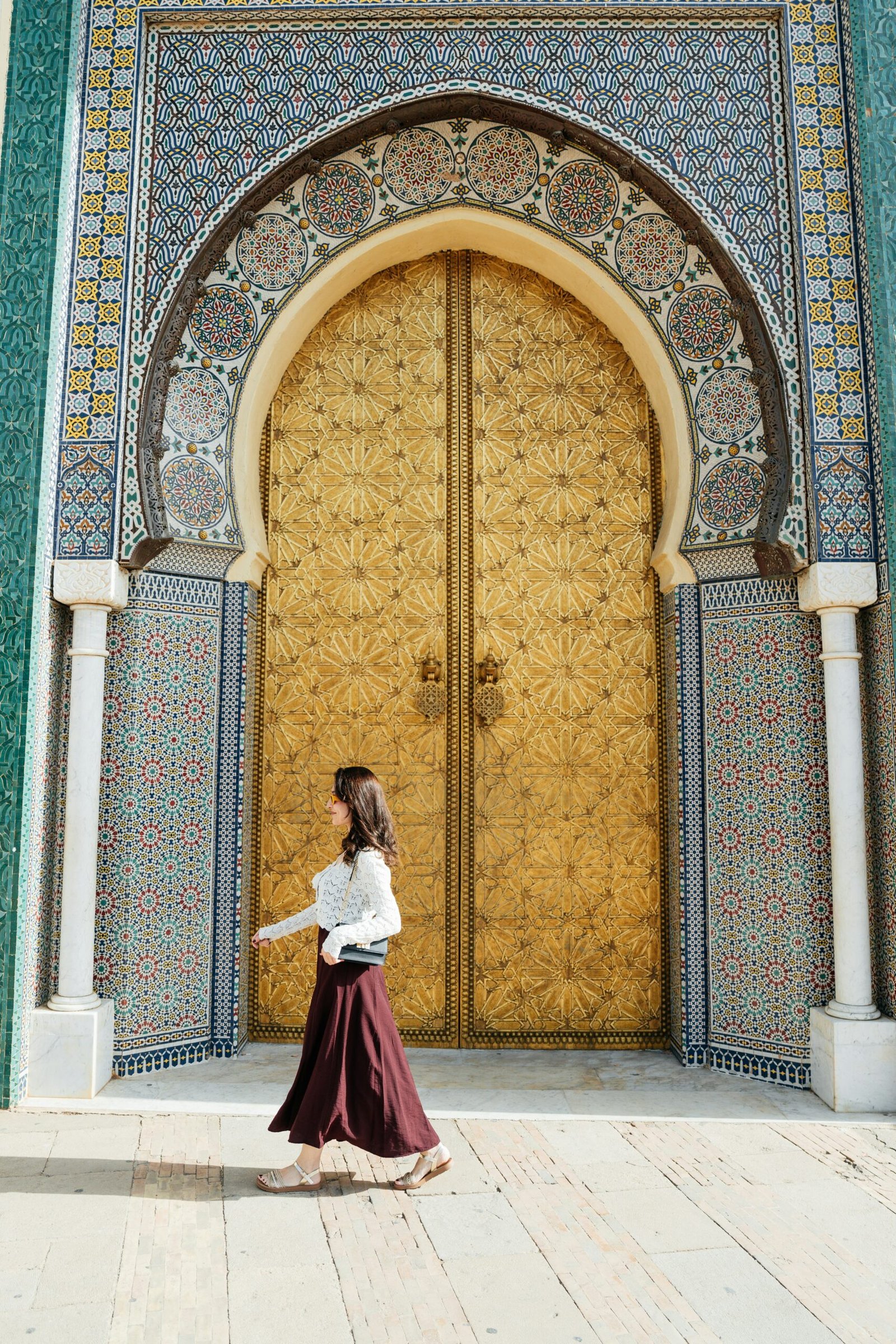
In Islamic teaching, the core principle is modesty and humility in dress—for both women and men.
For women, interpretations vary depending on religious outlook. Some Muslims view covering the hair as essential, others interpret the verses more contextually. The often-cited verse from Surah 33:59 encourages believing women to draw their outer garments around themselves when outside, but what exactly that means in daily clothing remains debated across communities.
What is widely agreed, however, is that modesty matters. The exact definition of what should be covered differs—from simply avoiding exposed shoulders and legs, to covering nearly the entire body except face and hands.
For men, the rules are generally simpler: covering from the navel to the knee is the baseline.
And on the street, Morocco reflects that diversity. You will often see groups of friends together where some women wear hijab, some do not, some dress conservatively, others very fashion-forward.
Legally: Morocco does not require the veil
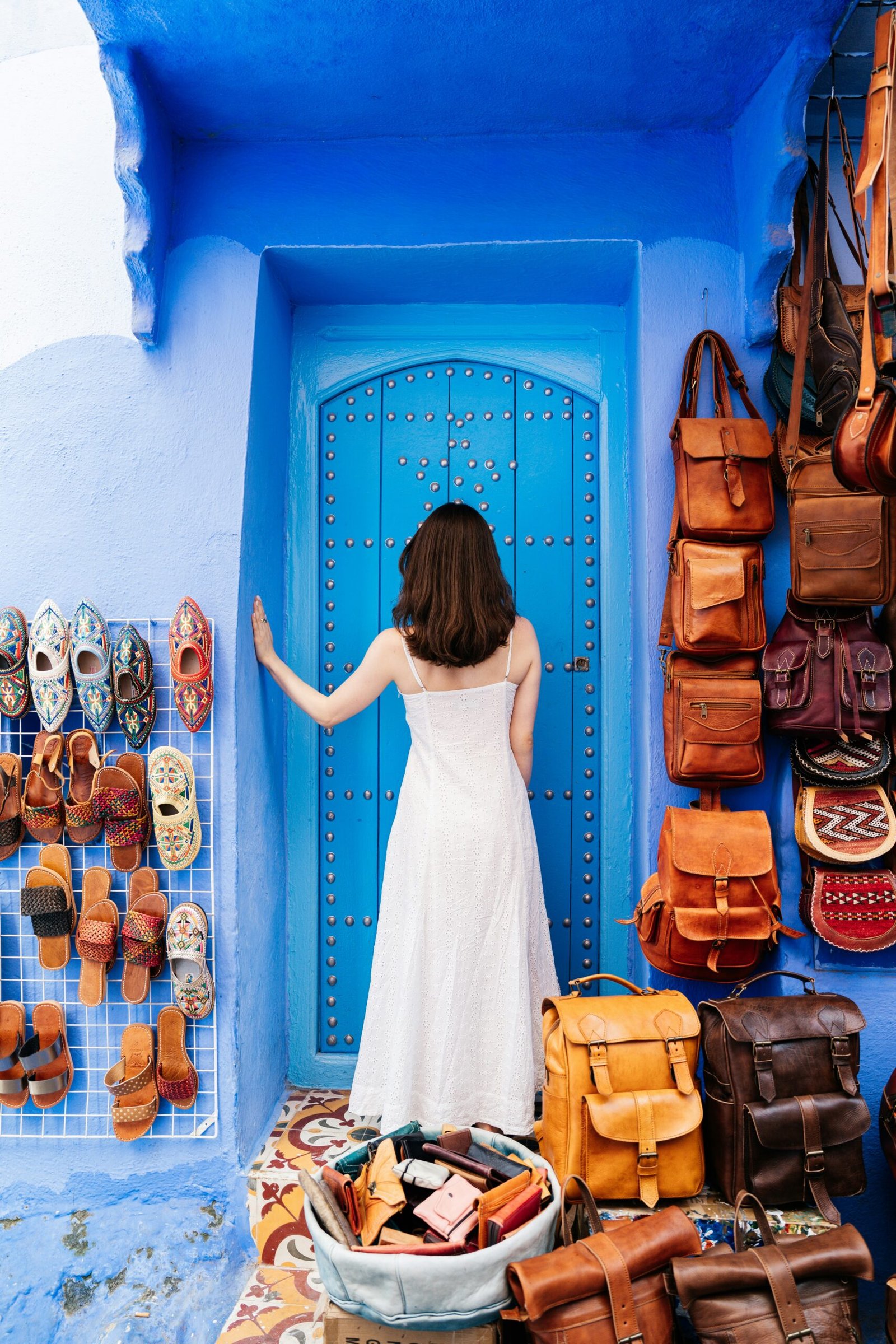
Morocco does not legally require women to wear a veil, nor does it impose one fixed clothing style.
What the law does punish is public indecency, though the wording remains broad. Walking topless, for example, clearly crosses into illegal territory. A short skirt usually does not—but social reactions may still be strong depending on where you are.
So legally, there is room. Socially, there are still unwritten rules.
Culturally: this is where things become nuanced
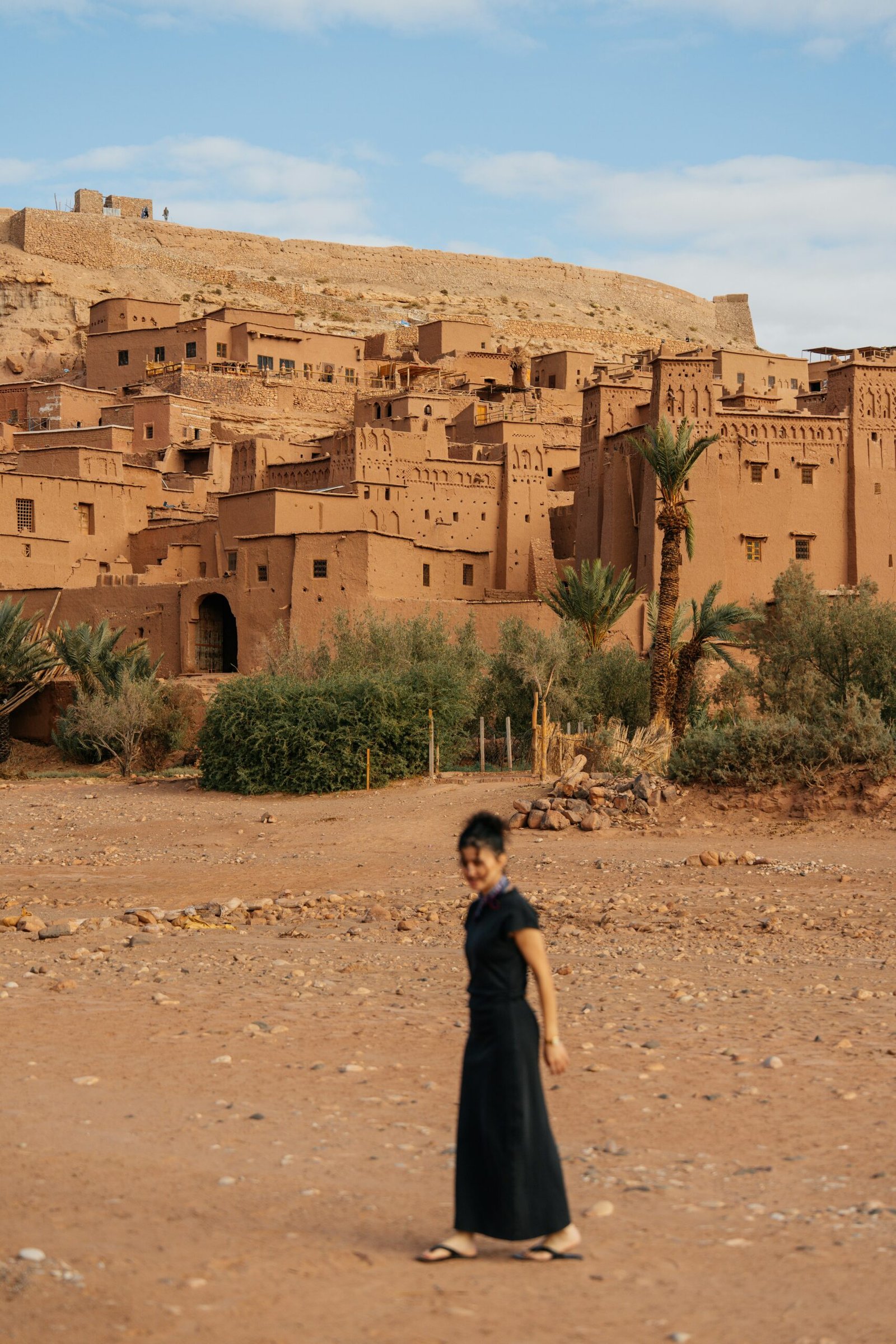
And this is the part visitors notice immediately.
Morocco has long balanced visible modernity with deeply rooted ideas about public modesty. You can see stylish Moroccan women in fitted jeans, tailored jackets, full makeup, perfect hair—and still very little skin showing.
That is often the distinction: fashion is welcome, exposure is less so.
A low neckline may pass. Bare shoulders may attract far more attention. Tight jeans are common. Torn jeans directly on bare skin can trigger different reactions than layered styling.
The line is rarely about elegance versus simplicity—it is about where skin appears.
So, What To Wear in Morocco as a Visitor?
In Marrakech, Casablanca, Rabat, Agadir, and tourist zones
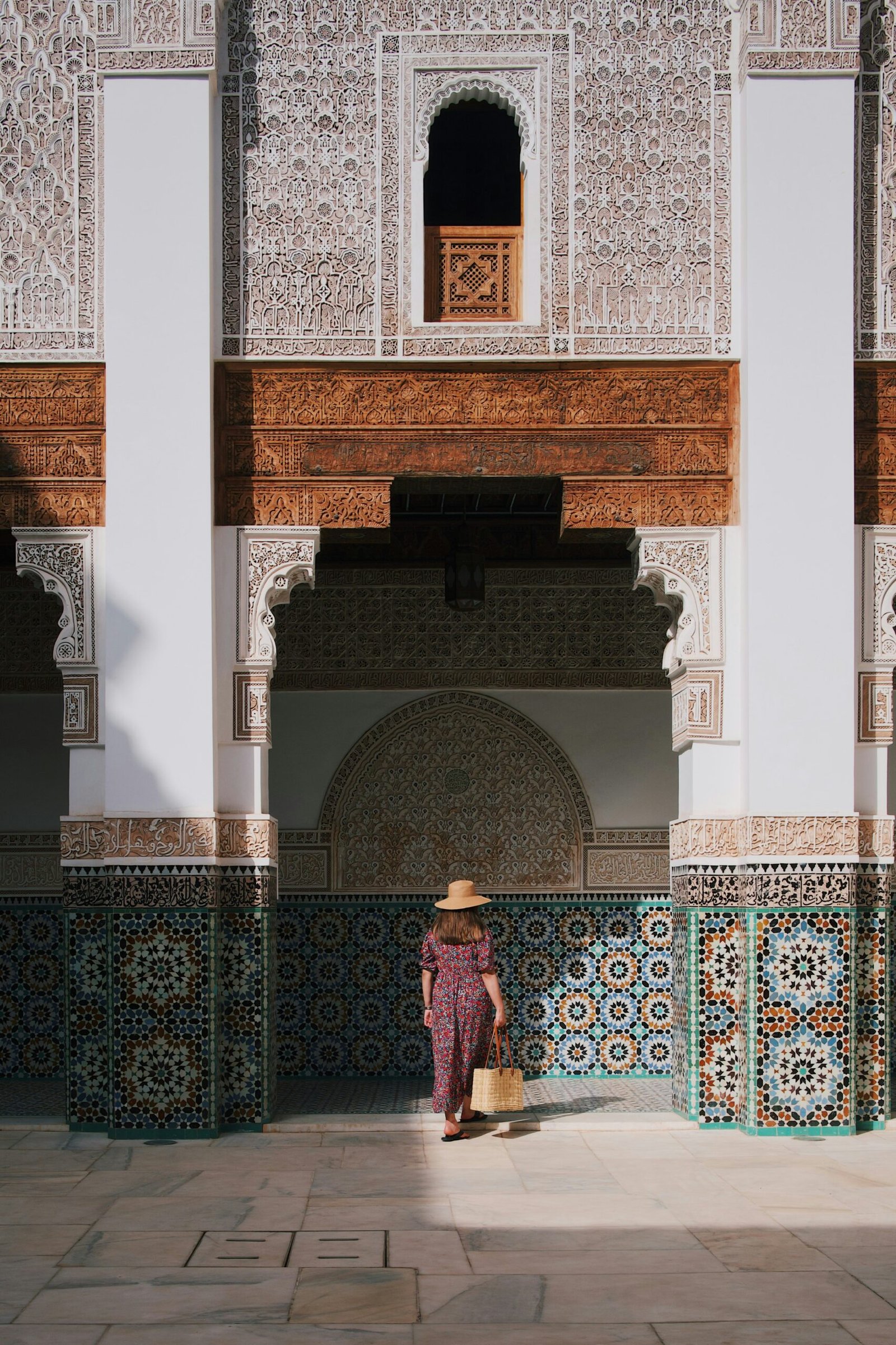
In major cities and tourist-heavy areas, people dress far more freely than many first-time visitors expect.
You will absolutely see:
- dresses
- short skirts
- sleeveless tops
- shorts
- beachwear near resorts
But freedom does not erase visibility. Revealing clothing often attracts prolonged staring, comments, and sometimes unwanted attention.
That does not mean you cannot wear those things—it means you should know what they often trigger.
A practical sweet spot:
- linen trousers
- midi skirts
- loose dresses
- short sleeves
- light shirts
- breathable fabrics
You stay cool, comfortable, and far less exhausted by social friction.
Outside major cities: modesty rises fast
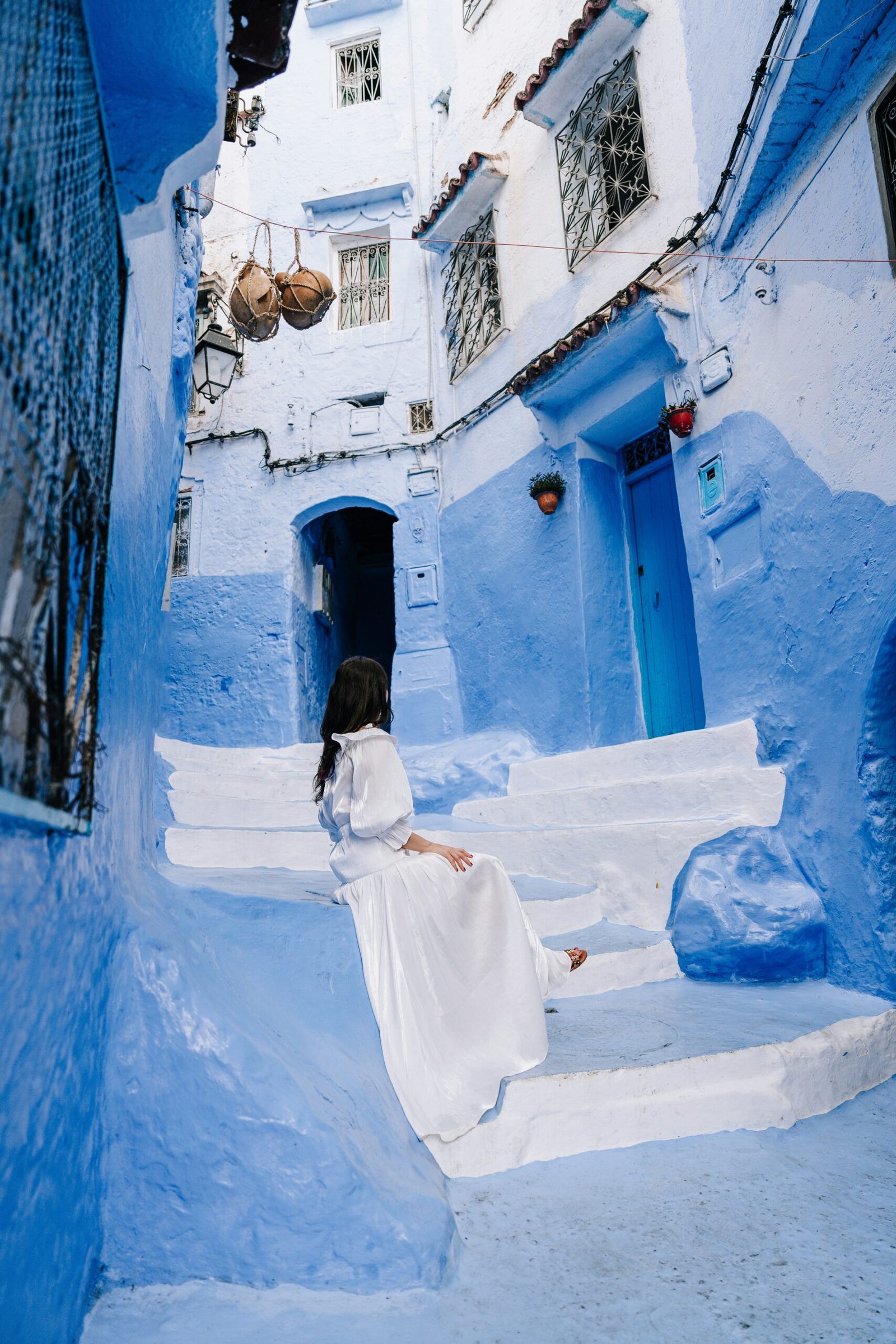
The moment you move inland, into smaller towns, villages, mountain regions, or non-tourist districts, expectations tighten noticeably.
A useful rule:
- swap shorts for bermuda-length bottoms
- avoid very short skirts
- cover shoulders
- choose loose cuts over clingy fabrics
In places like the Atlas Mountains, southern villages, or rural roads, full-length trousers become the easiest answer.
Long sleeves are especially appreciated when passing through traditional villages—not because anyone will stop you, but because you blend more respectfully into the social rhythm around you.
Desert Dressing: Morocco’s Best Fashion Secret Is Practicality
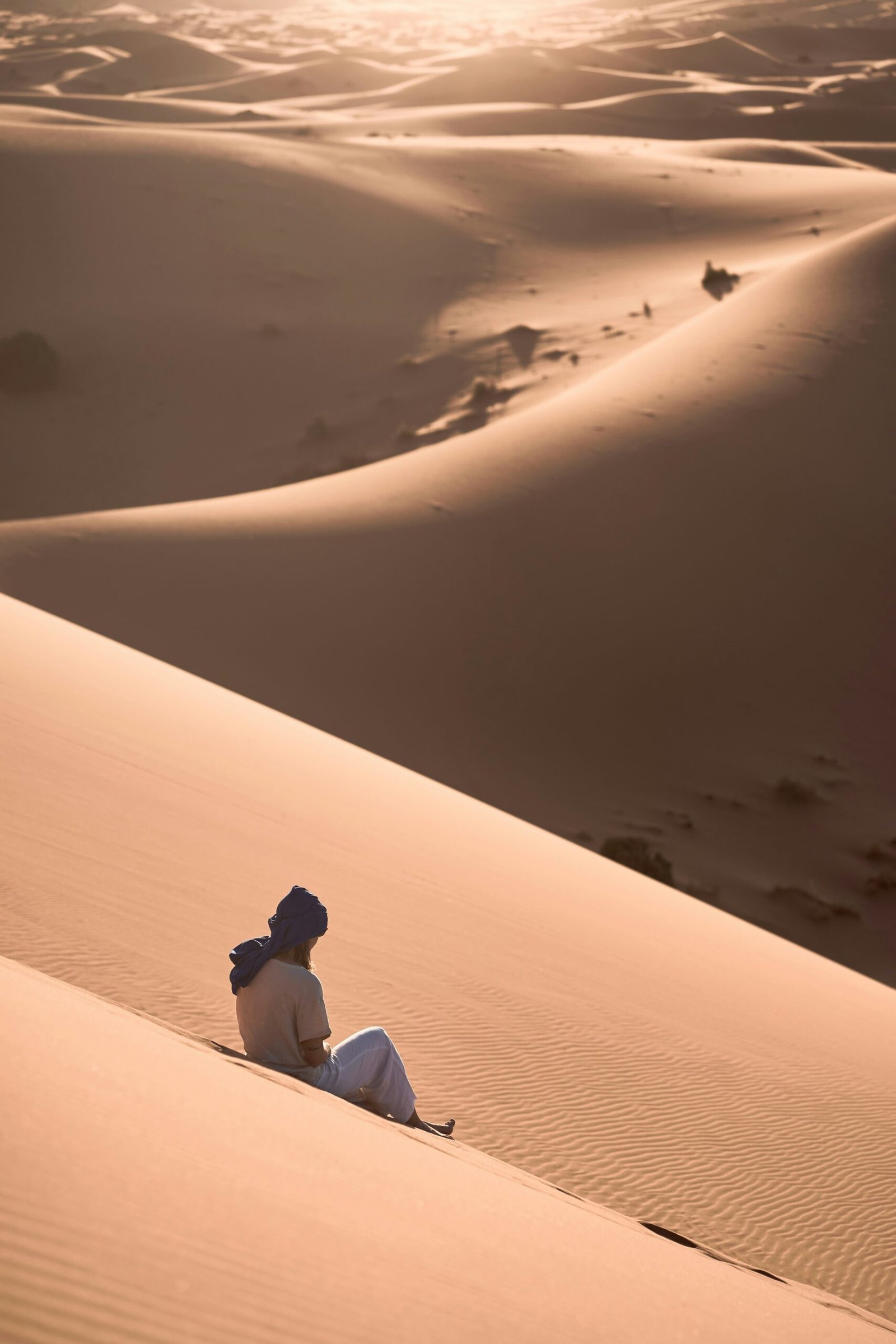
The desert teaches this quickly: skin coverage is not restriction, it is survival.
Loose long sleeves protect from:
- sun
- wind
- dust
- sudden cold
And yes, nights can turn sharply cold even after a blazing afternoon.
The ideal desert layering system:
- light T-shirt
- thin sweater
- fleece or warm outer layer
- scarf or shesh
- comfortable walking shoes
That scarf becomes your best travel companion.
A traditional desert scarf helps with everything:
- cools when wet
- blocks dust
- shields your face in wind
- adds warmth after sunset
And for women, it also gives instant shoulder coverage if needed—for example when entering religious spaces.
Evenings Can Surprise You—Even in Warm Seasons
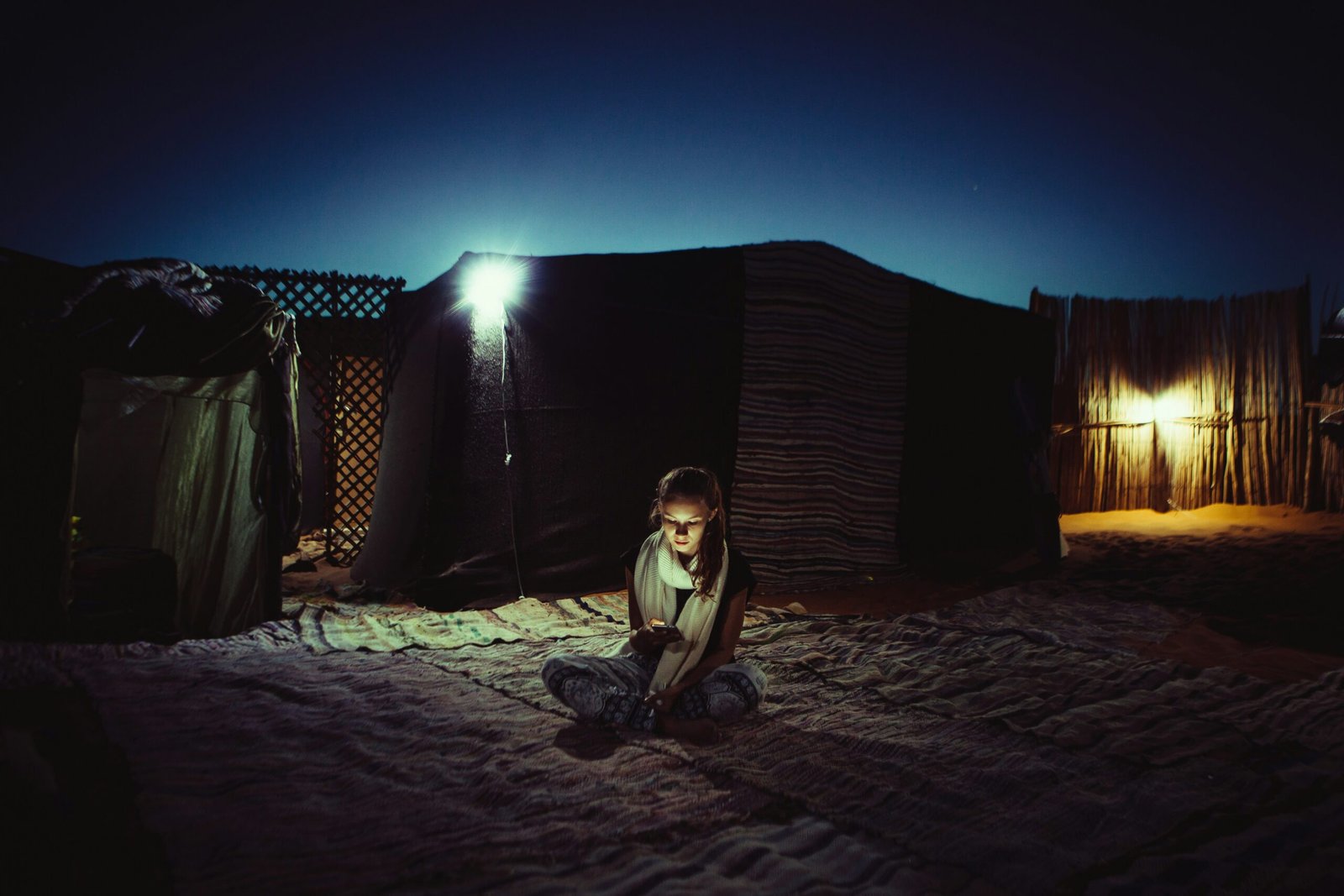
Many travelers pack for Morocco as though it were permanently hot. Then evening arrives, and suddenly everyone is hunting for socks.
Even in spring and autumn:
- nights can feel cold
- desert mornings bite
- mountain towns drop sharply in temperature
So yes—always pack:
- one proper warm sweater
- socks
- one fleece or jacket
Especially if you are heading inland.
Why Moroccan Women Sometimes Dress Far More Boldly Than Tourists Expect
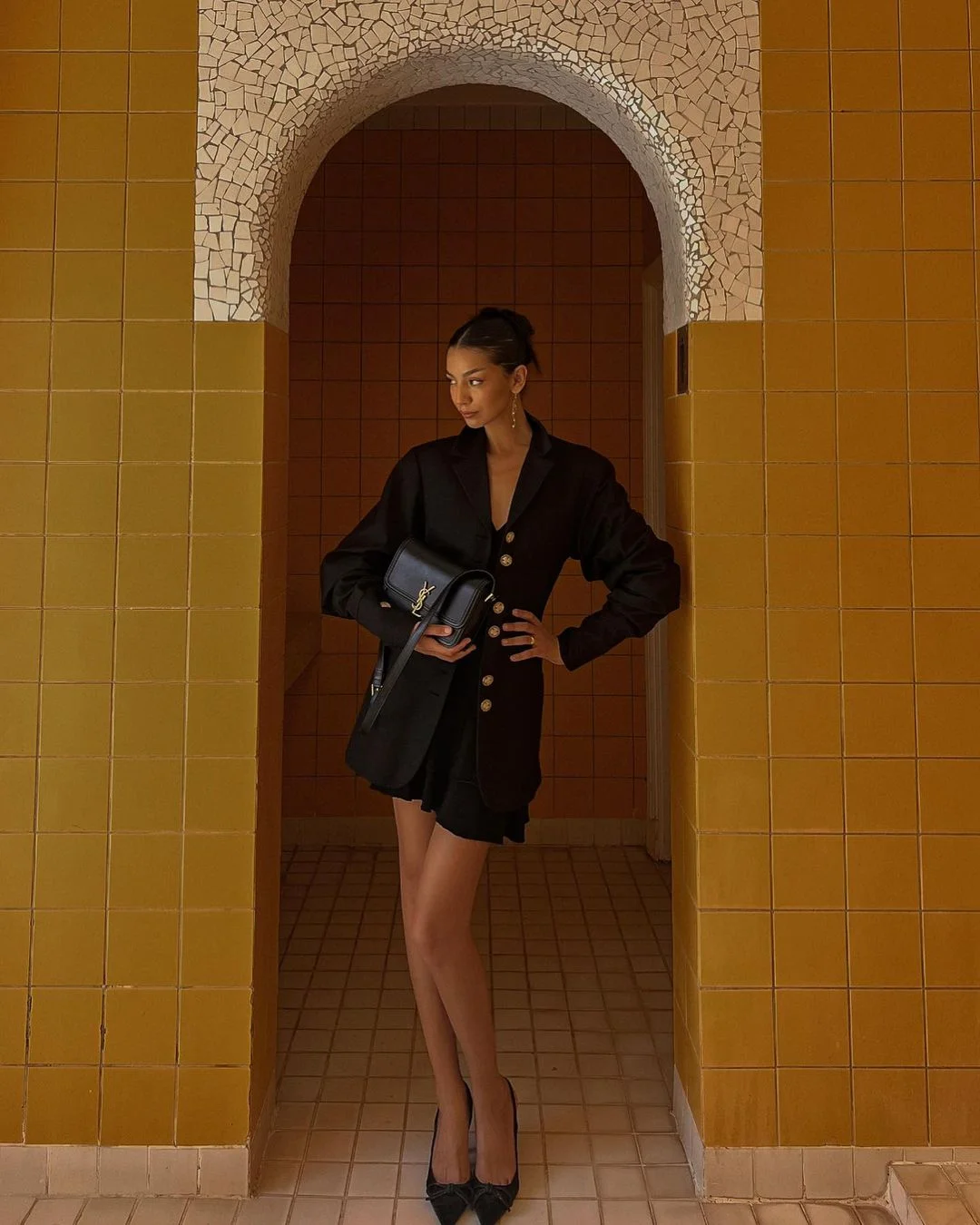
Yes, you will absolutely see Moroccan women dressed in ways that seem far more glamorous—or daring—than what travel advice usually recommends.
But context matters.
They know exactly:
- where they are
- who is around
- what is accepted there
- when to switch styles
Many women change outfits for clubs or private events—arriving modestly, then changing once inside.
That public/private split is still very real.
And a crucial point travelers often misunderstand:
Street comments are not compliments in the local context. They do not mean admiration in the way some Europeans might interpret them.
In Moroccan Cities, Looking Put-Together Matters
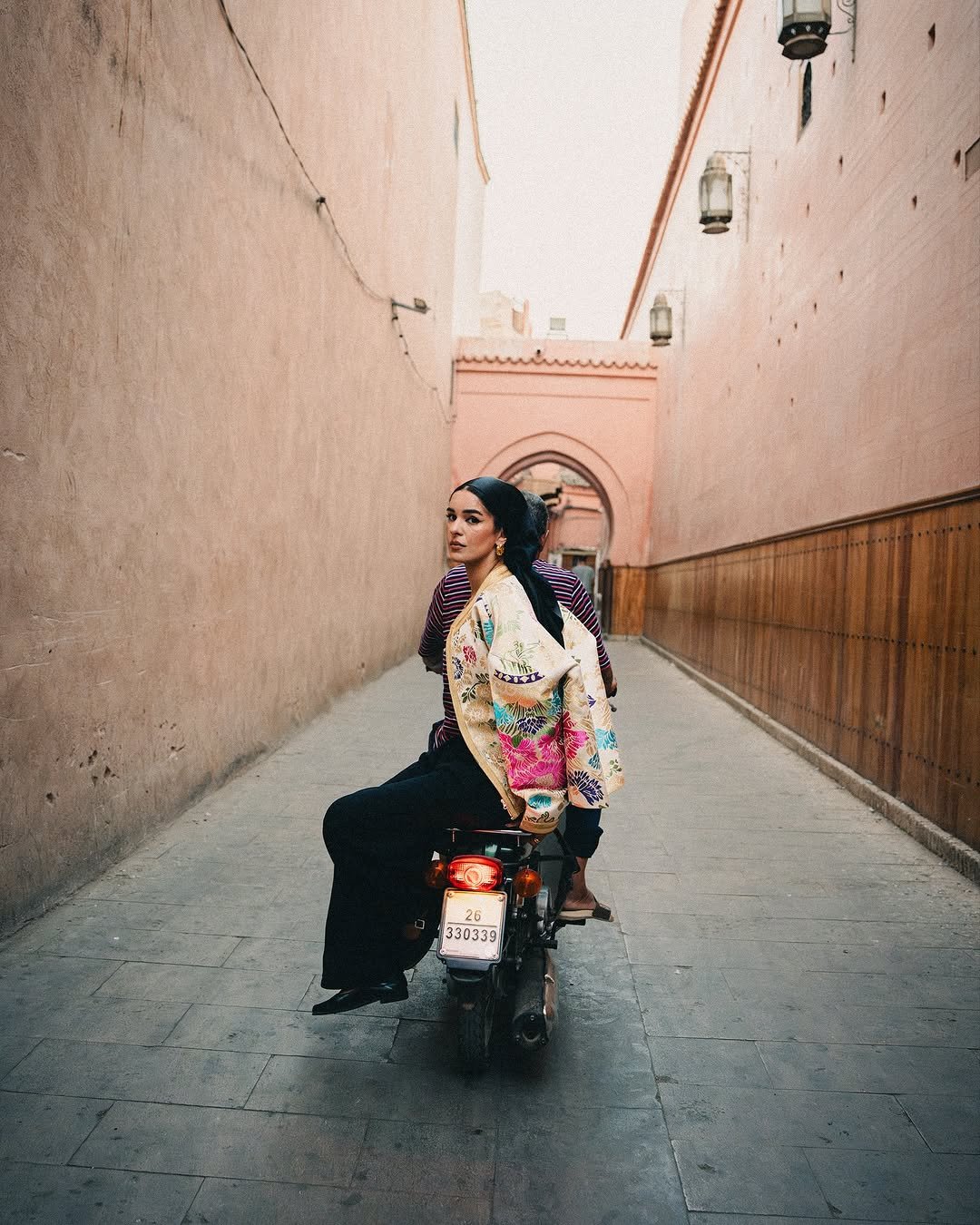
Morocco notices presentation.
Even casual style usually looks deliberate:
- polished shoes
- neat hair
- coordinated outfits
- clean silhouettes
This applies to men too.
You do not need luxury. You do need intention.
Very sloppy clothing often attracts more judgment than simple modest clothing.
Wearing Moroccan Clothes: Completely Fine—If the Context Fits
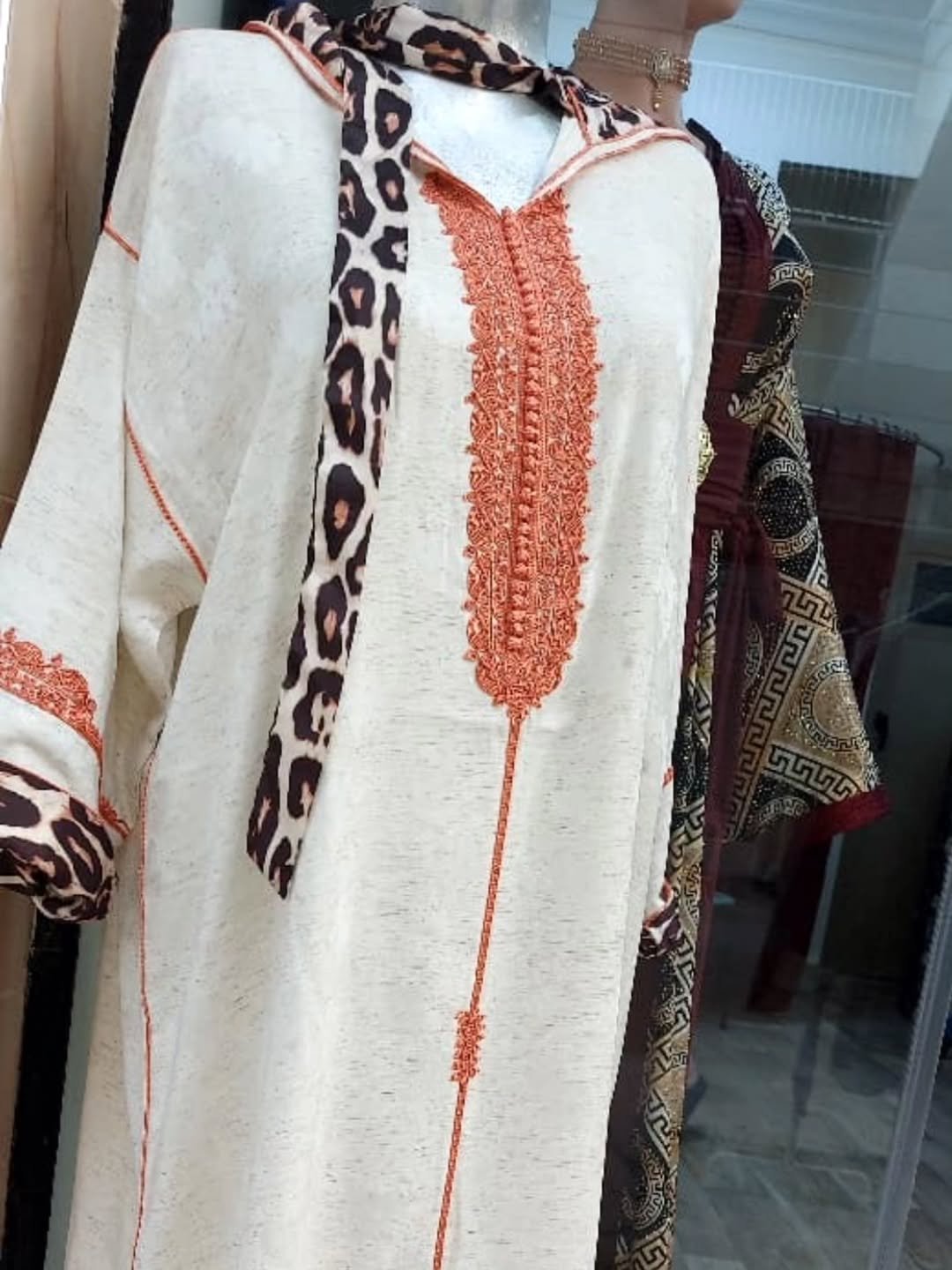
Traditional Moroccan clothing is often warmly welcomed, especially when offered by Moroccan families.
You may be invited to wear:
- a caftan
- a takchita
- a djellaba
- scarves or traditional accessories
And honestly? It often becomes one of the most joyful parts of cultural exchange.
A djellaba is also genuinely practical:
- cool in summer
- warm in winter
- comfortable indoors
- ideal for relaxed evenings
But context matters.
A djellaba in Ouarzazate feels natural. In central Casablanca, it can attract curiosity simply because you stand out more.
The key is simple: wear it respectfully, not theatrically.
Ramadan Changes the Mood Slightly
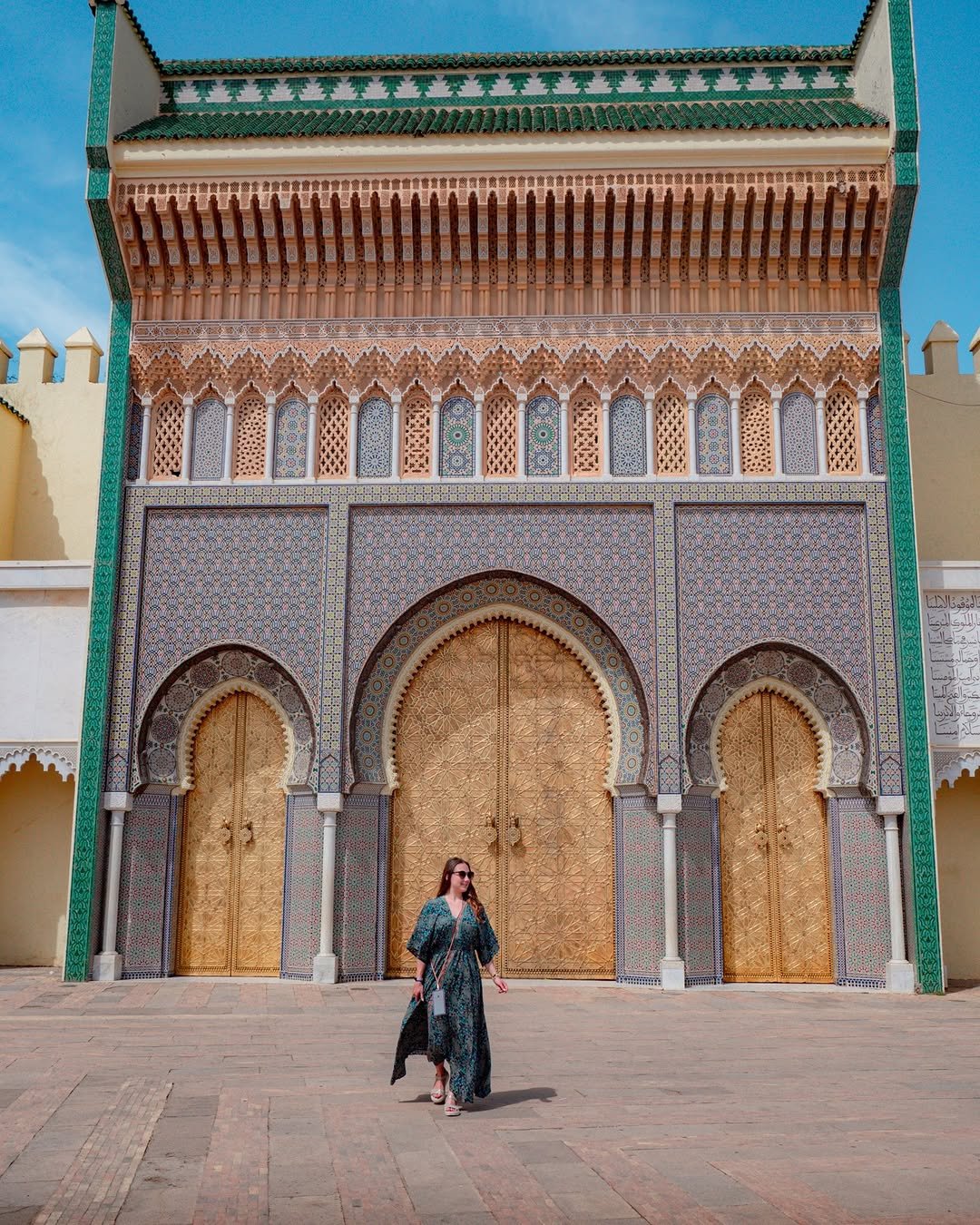
During Ramadan, modesty matters more visibly in public life.
This does not mean strict policing everywhere—but dressing with extra care is wise:
- avoid short shorts
- avoid crop tops
- lean toward covered shoulders and knees
It simply reads as socially aware.
What To Wear In Morocco: The Most Practical Rule? Blend Comfort with Awareness
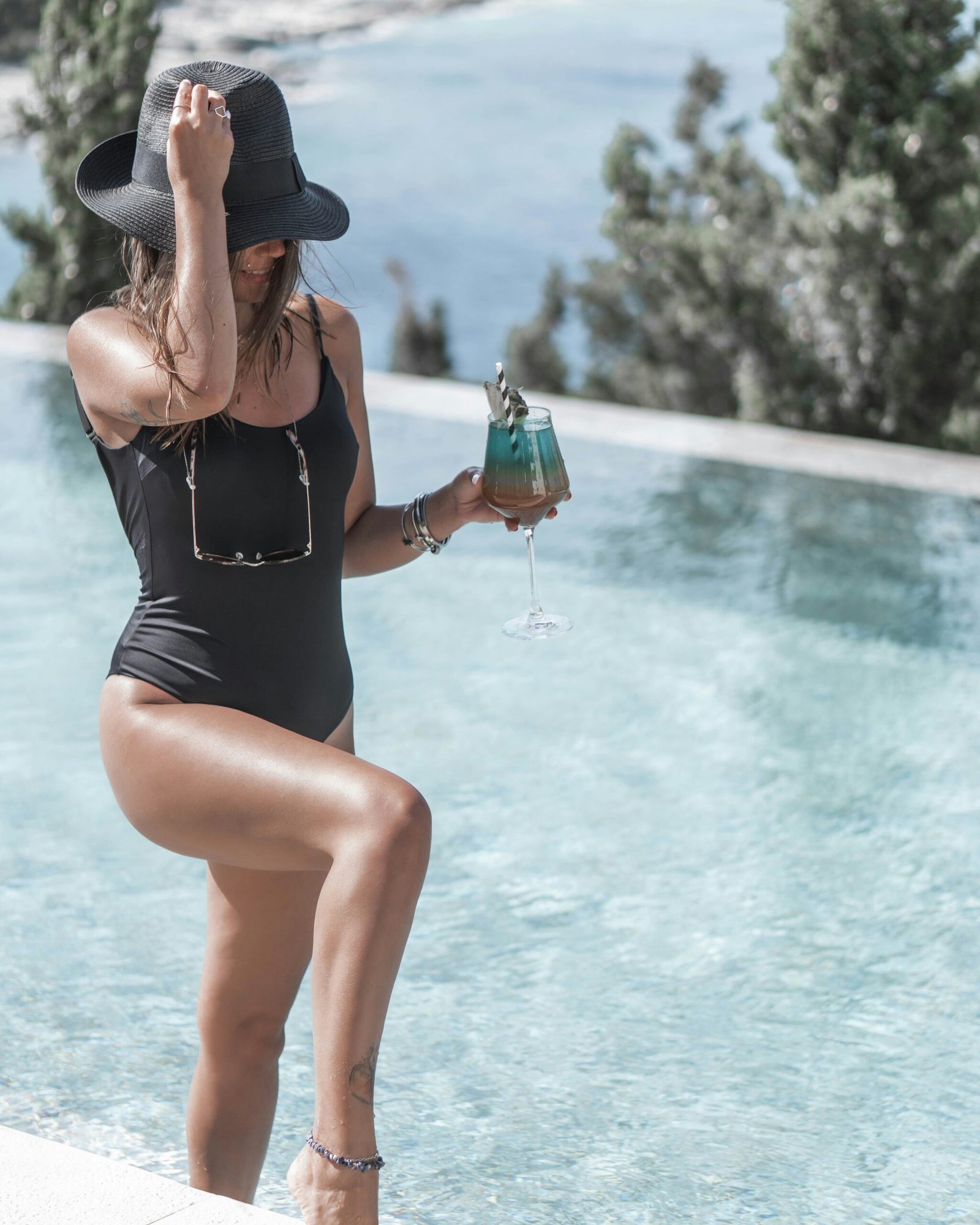
If you want one reliable formula:
Best everyday Morocco outfit
- loose trousers or midi skirt
- breathable top with sleeves
- light scarf
- walking shoes
- one extra warm layer
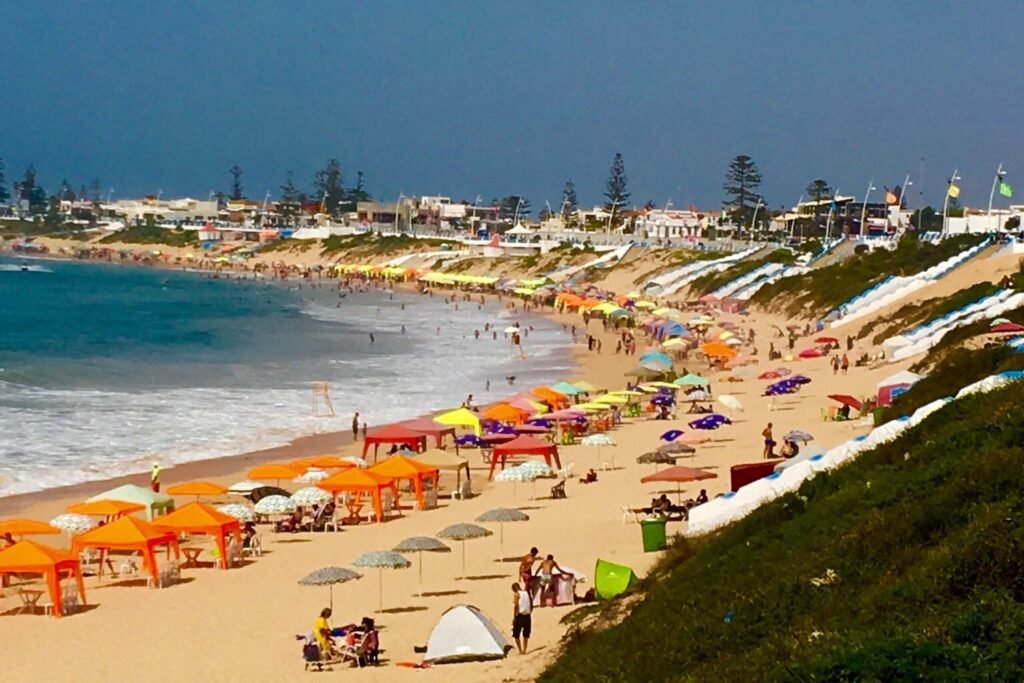
At the beach or resort
- normal beachwear is fine inside beach zones
- cover up before walking into town
In villages or mountains
- full trousers
- long sleeves
- practical layers
At work or city dinners
- polished, simple, well-fitted clothes
At Moroccan family events
- traditional clothing if offered—it is usually appreciated warmly
Final truth: Morocco is less about strict rules, more about reading the room
There is no single national script.
You can wear many things in Morocco. The question is not “allowed or forbidden?” but rather:
Where are you? Who is around you? How much attention do you want?
That small shift usually makes packing—and traveling—much easier.
- Perfect Morocco with kids Itinerary (2026): 25 Days from Tangier to the Anti-Atlas, Coast, and Marrakech
- Where To Stay In Agafay Desert in 2026: Luxury Moroccan Holidays
- 14 Most Beautiful Beaches In Morocco (2026)
- What To Wear In Morocco (2026): Real-World Travel Guide For Female Travellers
- 3 Best Places To Stay in Marrakech Medina [2026 Updated]