
Travel writing based on first-hand experience
Planning your adventure? Check out our top tips for traveling in Morocco and make your journey smooth, safe, and unforgettable.
| ➡️Planning your first big Morocco adventure? This 10 days in Morocco itinerary is designed for travelers who want to see the country’s greatest hits without spending half the trip stuck on buses. Expect legendary stops like Marrakech, Fes, the Sahara Desert, and Chefchaouen—plus practical tips on getting between cities, choosing where to stay, and making the most of every day. ➡️Looking for something beyond the classic routes? Morocco is full of lesser-known treasures waiting to be explored. Discover these hidden gems in Morocco—from quiet mountain villages to unexpected landscapes that rarely make it into standard itineraries. ➡️And then there’s the food. Moroccan souks are a paradise for curious eaters, where every alley seems to hide a sizzling grill or a stall stacked with sweet and savory treats. Ready to explore some of the best street food in Morocco? Come hungry. ➡️Wondering what to wear in Morocco? This guide cuts through the guesswork—what works in real streets, what feels comfortable, and what saves you from packing things you’ll regret by day two. ➡️Wondering what to buy in Morocco? Discover the best souvenirs, handmade treasures, and local gems you can’t leave behind. |
Table of Contents
When is the best time to go to Morocco?

We’d love to hand you one perfect “best time to visit Morocco” answer… but Morocco laughs at simple answers. The climate changes a lot depending on your route (coast vs. Atlas vs. desert), so timing is really about where you’re going and what you want to do. The good news? Rain is usually not a big deal, and you can travel to Morocco year-round.
Here’s the quick reality check: December and January can feel chilly, especially at night and in the mountains, so don’t count on pool weather or proper beach lounging. On the other hand, July and August can be brutally hot—in the south, temperatures can climb toward 50°C, which is less “romantic road trip” and more “why are we made of sweat?”
Each season still has its sweet spot, though:
- Spring (March–May): Morocco shows off. The vegetation is at its prettiest, and around May you’ll often see argan trees flowering. If you want varied landscapes—green valleys, wildflowers, snow still lingering on peaks, and warm city days—this is the season that tends to make us dramatic in the best way.
- Summer (June–August): The scenery turns golden, the desert looks like it was designed by a painter with a sun obsession, and coastal cities can be pleasant. Inland? It can be intense. If you’re doing the south, plan early mornings, long lunches, and shaded escapes.
- Winter (November–February): Cooler days are perfect for hiking and exploring without melting. Nights can be cold—especially in the Atlas and desert—so pack layers.
- Autumn (September–October): The landscapes look sun-baked and dramatic, but the heat calms down. It’s often a great compromise if you want warmth without the summer furnace.
Book your plane ticket to Morocco

We know, booking flights isn’t the dreamy part—until you realize you’ve saved enough money for an extra tagine or a desert night. Booking your plane ticket to Morocco in advance is one of the easiest ways to keep your budget under control, especially if you’re traveling in high season (spring breaks, summer holidays, and peak autumn weeks).
To hunt the best fares, we recommend using a flight comparison site and being flexible by a day or two if you can. And yes—boring but essential—check your passport validity before you get emotionally attached to your itinerary.
Depending on your itinerary, you’ll likely fly into Agadir, Marrakech, or Ouarzazate as your arrival airport.
What budget should you plan to travel to Morocco?
Let’s talk money—because Morocco can be wonderfully affordable, or quietly expensive if you chase the trendiest riads and desert camps. Here’s how we’d plan a comfortable, average budget without living on instant noodles.
What budget for a night in Morocco?
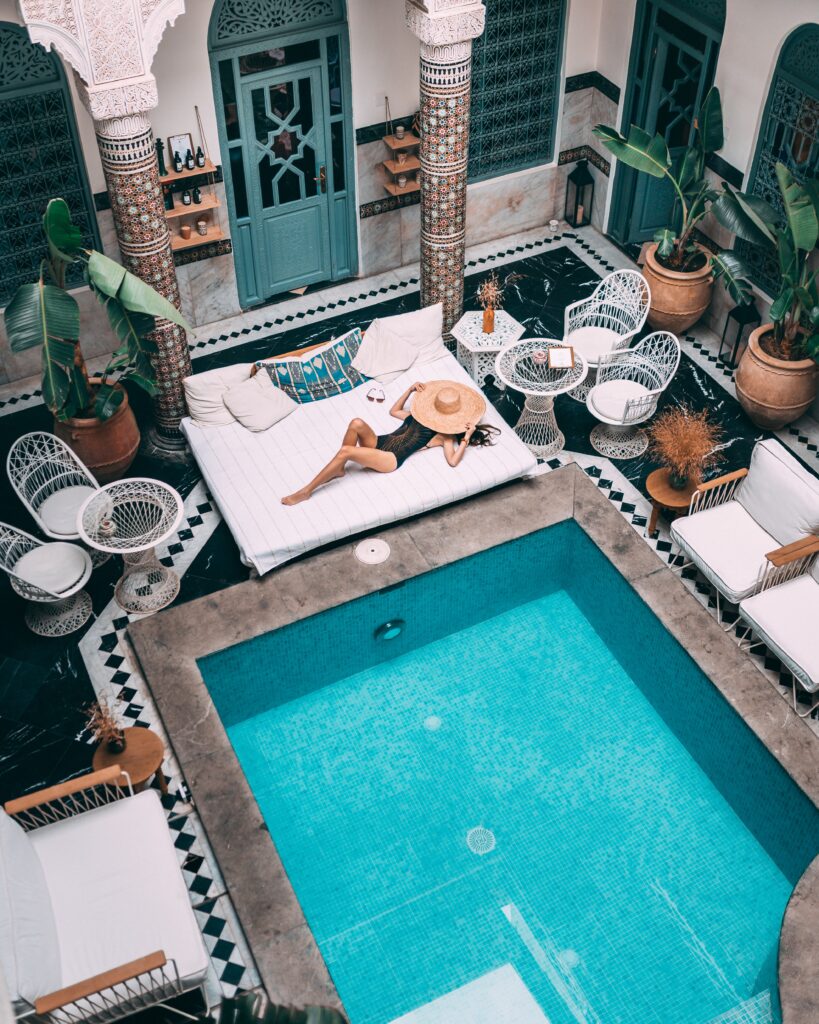
So—how much for a standard double room in Morocco? It depends wildly on where you are. In cities, you can often find guesthouses and budget-friendly stays without too much effort. The desert is the plot twist: it’s fashionable, and prices have climbed fast in recent years.
As a rough guide, we’d budget around €20 per night in cities for simple, good-value places, and at least €50 per night in the desert (often more for popular camps and “Instagram-pretty” setups). If you’re traveling in peak season or want a higher level of comfort, expect those numbers to jump.
Now, Marrakech: riads can be absolutely stunning—rooftops, courtyards, pools, the whole cinematic package. They can also be overpriced, especially in the most tourist-heavy pockets. If you book well ahead, you’re more likely to find the rare gem: a beautiful place that doesn’t demand your entire life savings in exchange for one splash in a courtyard pool.
What food budget for a road trip in Morocco?
Eating in Morocco is usually very budget-friendly. You can genuinely eat out daily without wrecking your finances. A meal can cost roughly 20 to 150 dirhams (about €2 to €14). Even in a more stylish restaurant, you’ll often stay under €40 per person—unless you go very upscale.
On a road trip, we like to mix it up: sit-down meals when we’re hungry-hungry, and then grab snacks from groceries for the car (fruit, bread, nuts, yoghurt—easy wins).
Traveler budget ( for 2 people)
Quick currency note: Morocco uses the Moroccan Dirham. A handy traveler shortcut is that approximately €1 = 10 dirhams (close enough for back-of-the-napkin math).
From chaotic souks to camel silhouettes in the dunes, we’d plan an average budget of around €900 for one week in Morocco for two people. That assumes you’re traveling smart—budget-friendly most days, but still able to say “yes” to a few splurges like a desert trip or a night in a beautiful riad in Marrakech.
Morocco budget for two people (a realistic baseline):
- €50 per night for accommodation
- €30 per day for food
- €25 per day for the car
That leaves roughly €165 for the fun stuff: a camel ride, an organized day trip, a hammam, or one of those “we deserve this” meals by a pool.
If you scroll further down in this article, we’ve got a full section on car rental—because Morocco is made for road trips, and a little planning saves a lot of stress.
Other tips for planning your budget in Morocco

One practical tip we swear by: carry cash before heading too far south of Morocco. ATMs can become rarer once you’re away from bigger towns, and you don’t want to be the person bargaining for fuel with a sad bank card and a hopeful smile.
Which vaccines for Morocco? Health Risk Advice in Morocco
Should I be vaccinated to travel to Morocco?
There are no compulsory vaccines for Morocco for most travelers, but you should follow basic hygiene measures to avoid getting sick: wash your hands regularly, avoid touching your mouth, and keep a small stash of sanitizer for “souk situations.” As a precaution, the hepatitis A vaccine and the typhoid vaccine are often recommended—especially if you travel frequently or plan to eat very adventurously.
Illness and health advice in Morocco
Pack a solid little first-aid kit (plasters, antiseptic, electrolytes, something for your stomach). And don’t drink tap water—stick to bottled water, and make sure the bottle is opened in front of you. Yes, bottle scams exist: sometimes caps are resealed with glue, and you may notice residue when unscrewing. For brushing teeth, it’s the same: use mineral water. Not perfect for plastic waste, but it’s the safest option. One workaround: buy a big water container and refill your 1.5L bottle as you go.
Driving in the South of Morocco
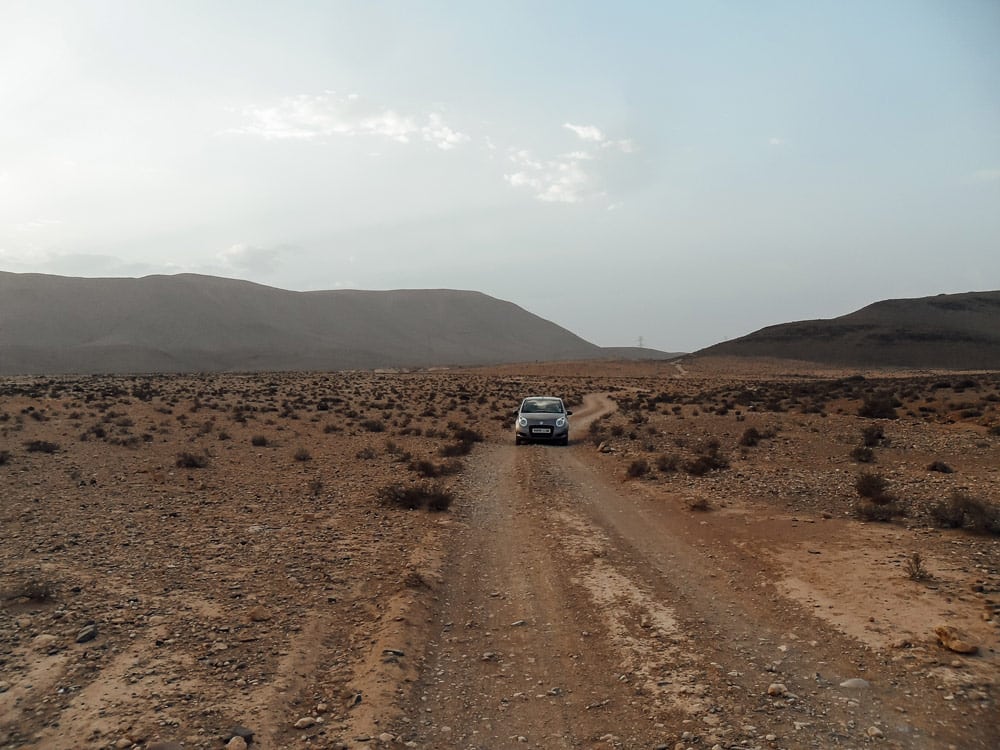
Let’s calm the panic: outside big cities like Marrakech, driving in Morocco is usually less complicated than people claim. In the south, you’ll often feel like you have the road to yourself. Still, stay alert around overloaded trucks—you’ll either pass carefully or follow patiently, especially in High Atlas areas.
Risks on the roads in Morocco
Traffic can be risky mainly because:
- many drivers don’t strictly respect the highway code
- animals sometimes roam onto roads
- public transport drivers (grand taxis, buses, trucks) can be unpredictable
- people may walk on the road at night in areas with little lighting
- windshield impacts from small stones are common on some roads
- on rough roads, a vehicle can suddenly appear “wrong-side” when there’s limited space (the first time is… memorable)
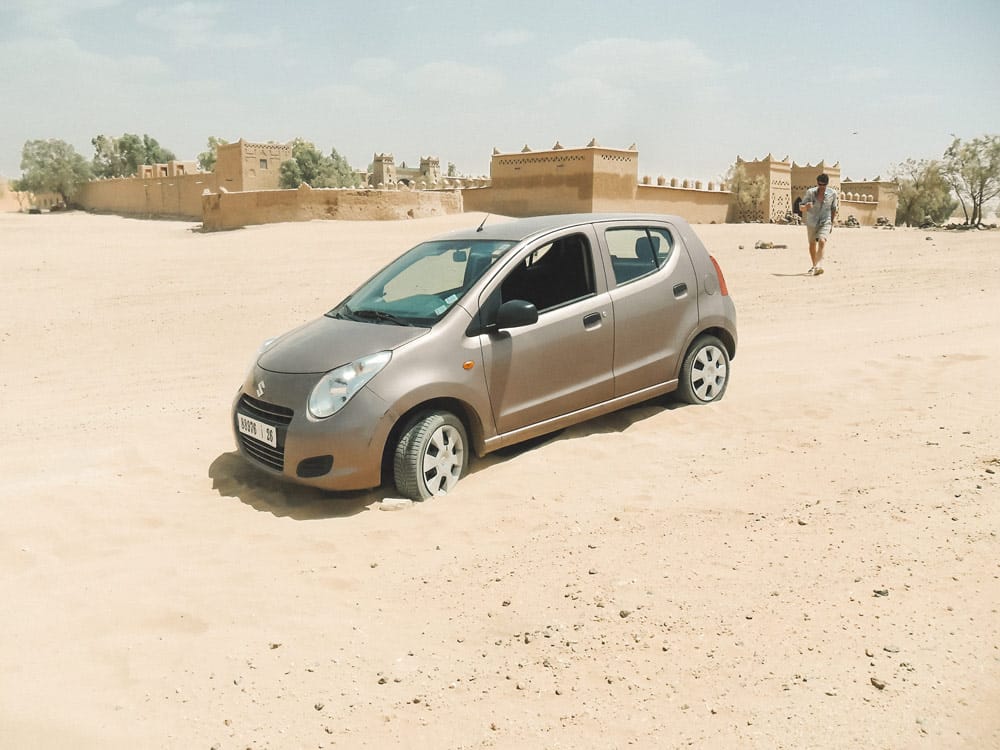
In some areas, roads in Morocco can be in poor condition, but they’re often flat and manageable—more gravelly than terrifying. One big warning: don’t try to cross a wadi (dry riverbed) even with a 4×4. Conditions change fast, surfaces can collapse, and “it looks fine” is not a strategy. The desert is another risk zone: don’t get bogged down when it’s 45°C in the shade. Also check what your rental company actually allows—some contracts forbid certain desert routes.
Gasoline prices in Morocco
Fuel is often cheaper than in many European countries (roughly around €1 per liter as a ballpark), which makes long road trips much easier on your budget.
Car rental in Morocco
Morocco has the big-name rental companies (think Avis and similar), but local agencies can be cheaper and often more flexible—especially if something goes wrong and you need help quickly. For insurance, ask the agency exactly what’s covered, and we’d strongly consider comprehensive coverage for peace of mind.
Pick up your rental car right after landing. At many airports, rental parking areas are a short walk from the terminal. The staff will inspect the car with you—our rule: take photos and a quick video (inside and out) before you drive off. Your phone timestamps are your best friend if there’s a later dispute. If you book with a local agency, confirm whether they have an airport desk or set a clear meeting point for arrival.
Should you rent a 4×4 for a road trip in Morocco?
Some roads turn into rough tracks, but most routes are doable with a normal car if you drive carefully. A 4×4 lets you go deeper into desert areas and tackle isolated paths with less stress—but it costs more. Budget roughly €45 per day for a 4×4 versus €25 per day for a small city car. So this really comes down to your itinerary and your comfort level.
How to call with your mobile phone in Morocco?
For your mobile phone in Morocco, you have a few options. You can use your current plan if it includes a decent international option—or you’ll often receive a “traveler pack” offer by SMS when you land (these aren’t always good value).
If you want reliable internet everywhere, the simplest solution is to buy a Moroccan SIM card locally. As long as your phone is unlocked, it’s easy: you keep all your apps and data, only your number changes. You can top up in stores from Maroc Telecom, Orange, or Inwi.
Or go the minimalist route: disable data roaming, turn on wifi, and use the internet only in hotels and restaurants that offer it.
How to prepare for your trip to Morocco? know how to speak a few words of Arabic

If we want to be respectful (and make daily life smoother), learning a few basics goes a long way. The most useful are simple greetings and polite phrases—tiny words, big doors opening.
Hello: Salam
Goodbye: Bslama
Please: Afak
Thank you: Choukrane
No: Lla
Yes: Ayeh
Yallah!: Let’s go!
That’s enough: Safi
If someone says Salaam Alaikoum, we answer Wa Alaikoum Saalam—a classic greeting exchange that instantly makes you feel less like a lost tourist and more like a polite human.
What are the Moroccans like?
In general, Moroccans are kind, warm, and generous—the mint tea invitations are real, and so is the hospitality. That said, tourism can bring friction. In very busy cities like Fez or Marrakech, you might run into pushy moments: shopkeepers getting irritated when you don’t buy, people stepping into your photo on purpose, that low-level pressure that can chip away at the magic.
Our best advice: aim for places less worn down by mass tourism and visit Morocco off the beaten track. A road trip is perfect for this. Move faster through the most hectic urban exchanges, then slow down in smaller towns and villages—you’ll often find the most genuine encounters there.
Traveling to Morocco during Ramadan
Ramadan shifts every year, and that’s important for planning. In 2024, it started on the evening of Sunday, March 10, 2024, and ended on the evening of Tuesday, April 9. During this fasting month, daily rhythms change: meal times move, prayers structure the day, and afternoons can be quiet because many people rest to make the fast easier.
Disadvantages of going to Morocco during Ramadan
- The streets can feel calmer, and cities may be less animated during the day
- Many restaurants close during daylight hours
- Try not to eat or drink in public during the day
Benefits of traveling to Morocco during Ramadan
- Fewer tourists (many people avoid Ramadan), which can make travel feel more authentic and relaxed
- Souks can be calmer, with less pressure from traders in popular medinas
IMPORTANT: Ramadan dates change every year.
What is the best itinerary in Morocco?
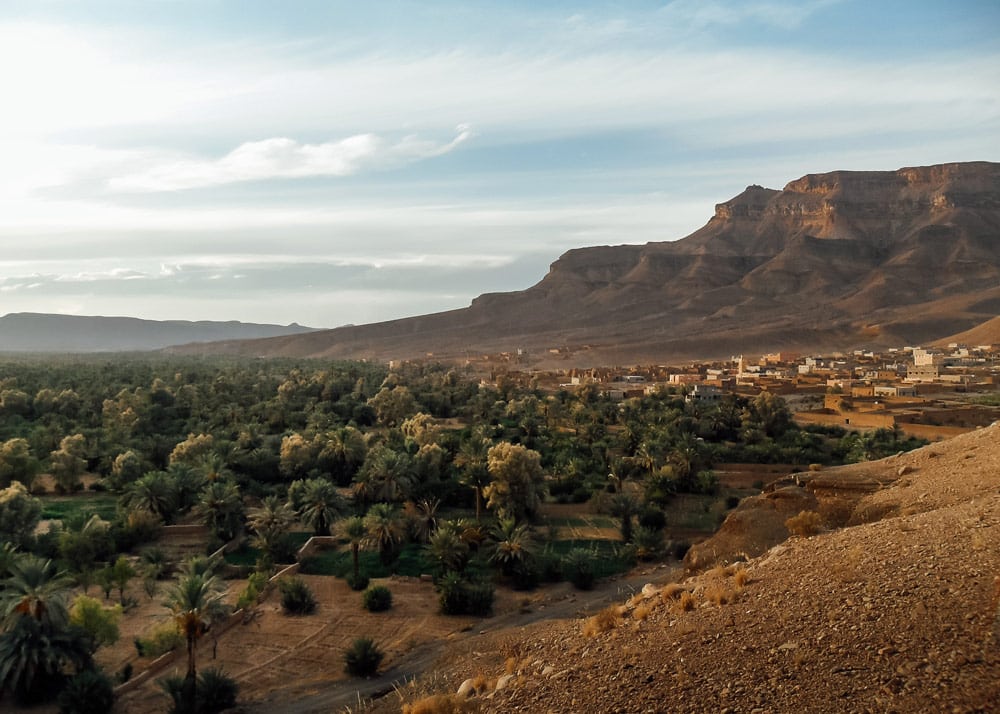
If we had to pick one classic road trip that delivers the full Morocco “wow” factor, it’s the loop with Marrakech, the oasis city of Ouarzazate, and the dunes of Merzouga. But then Morocco throws in curveballs: the stone desert around Tafraout, the lonely southern roads that feel weirdly like Nevada… and suddenly choosing feels unfair.
Which desert to choose between M’hamid and Merzouga? the most beautiful desert between erg Chegaga and erg Chebbi
M’hamid is a great compromise if you don’t want to spend forever driving. You’ll get your first real taste of sand and stone desert, and the Chegaga dunes (near M’hamid) are actually larger than the Chebbi dunes (Merzouga). The landscapes alternate between wide flat expanses, rocky mountains, and dunes. To reach the dunes, you’ll need a 4×4—or you can hire a guide with the right vehicle.
If you’re craving the “One Thousand and One Nights” version—endless dunes, camel caravans, golden sand for days—then we’d choose the Merzouga desert. Yes, it’s a longer journey, but there are hotels and stops along the way, and the payoff feels very real.
Should you haggle in Morocco?
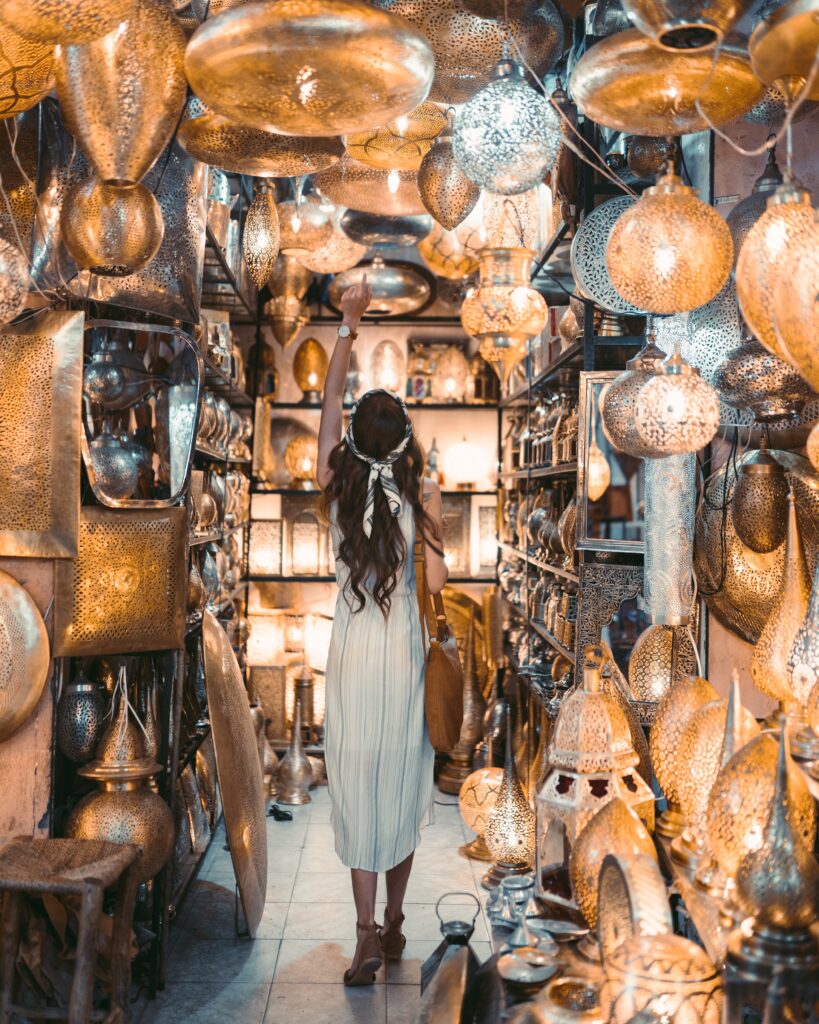
The famous Morocco cliché: haggling. Traditionally, it wasn’t meant to be stressful—it was a slow ritual: mint tea, time to inspect an item, chat, think, negotiate, and eventually agree on a price. Tourism has changed the mood, and in some places vendors are less amused by the bargaining “game,” especially with tourists.
If you don’t want to buy something, say so early and politely. And if you do want to shop, we’d avoid spending ages bargaining in the most touristy souks. More remote markets often have fairer prices and less pressure—sometimes you won’t even need to negotiate much.
Moroccan specialties not to be missed
No trip is complete without eating and browsing your way into a suitcase problem. Here are some Moroccan specialties (and crafts) we think you shouldn’t miss:
- Argan oil (from Morocco’s iconic argan tree)
- Sweet mint tea (at all times, for all reasons)
- Dates, gazelle horns (almond-honey pastries), chicken tagine with preserved lemon or candied fruit, Moroccan couscous, Moroccan oranges
- Moroccan craftsmanship: pottery and ceramics, Berber rugs and kilim, recycled tire baskets, leather poufs, woven baskets… the “we’ll just look” trap
- What to Buy at Khan el Khalili Bazaar (2026): 12 Best Egyptian Souvenirs and Shopping Tips
- What to Wear on a Desert Safari in Dubai in 2026: The Practical Packing Guide
- What to Wear in a Turkish Bath (2026): Ultimate Hammam Dress Code & Massage Etiquette
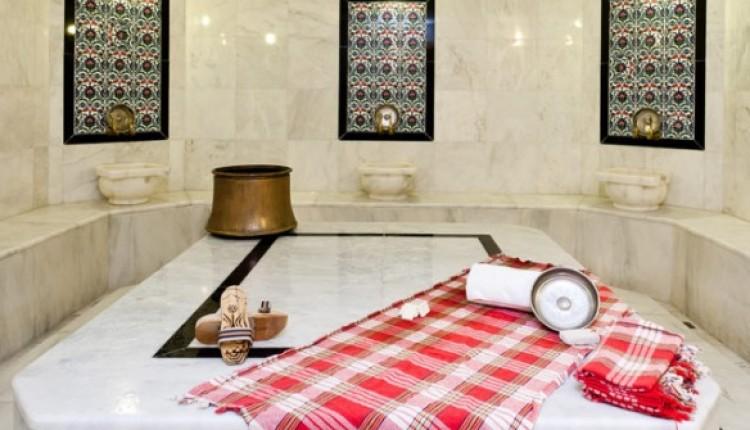
- 7 Best Family Hotels in Bahrain (2026): From big five-star resorts with mini waterparks to beachfront hotels
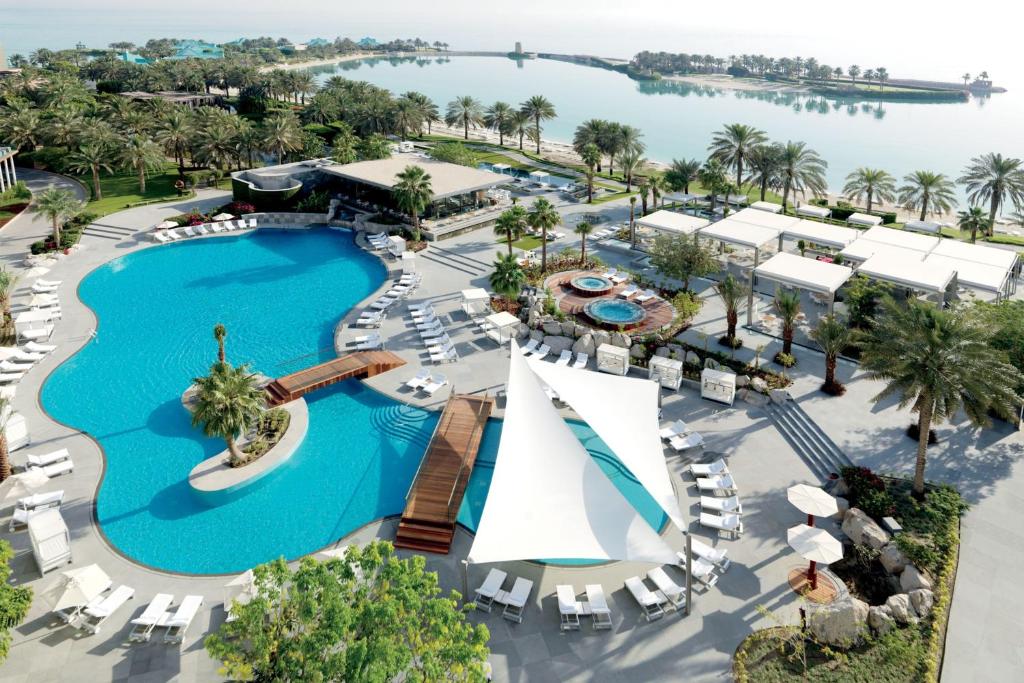
- 5 Best Wadis In Oman (2026)