
Travel writing based on first-hand experience
Discover the magic of the Atlas Mountains in Morocco—from Berber villages and breathtaking valleys to epic treks and hidden kasbahs. A must for nature lovers and explorers.
More Morocco Guides Worth Opening Next
Plotting mountain villages, epic hikes, and one of those Morocco trips that makes your camera work overtime? These guides pair neatly with our Atlas Mountains Morocco post, whether you want a smarter base in Marrakech, a longer road-trip route, or a few practical reads before the switchbacks and Berber villages begin.
- Build the wider trip around this Morocco itinerary
- Turn the mountains into one stop on a bigger route with this Morocco road trip itinerary
- Keep the logistics sane with these Morocco travel tips
- Driving yourself? Read this guide to driving in Morocco
- Use the city as your launchpad with this Marrakech itinerary
- Add more city time before or after the mountains with these best things to do in Marrakech
- Trade the obvious route for quieter finds with these hidden gems in Morocco
- Heading deeper south? Pair the mountains with these best things to do in Ouarzazate
Table of Contents
About Atlas Mountains Morocco
This massif borrows its name from a figure in Berber and Greek mythology. In the Greek tale, the giant Atlas is punished by Zeus to hold the sky on his shoulders. Turned to stone by Perseus using Medusa’s head, he becomes a mountain chain. Herodotus notes in his work on the Berbers that locals regard the mountain as the very pillar that props up the heavens. The term Atlas likely derives from the Berber word assalas, meaning “beam.”
Sitting at the crossroads of Mediterranean myth and memory, the Atlas Mountains invite discovery—both for their wildly varied landscapes and the outdoor pursuits they host. You’ll wander fertile plateaus, weathered desert massifs, canyons, and spring-fed basins that continually astonish. The range shelters standout places to explore. On the Moroccan side, think the national parks of Ifrane, Khénifra, and Tazekka, plus the Toubkal National Park in the High Atlas and the photogenic Paradise Valley.
1. Hikes to discover the Atlas Mountains

| Atlas Mountains Morocco Hiking : we have selected the best offers for you among 74 possibilities Marrakech: Hiking in the Atlas Mountains From Marrakech: zipline and hike in the Atlas From Marrakech: Day Hike to Talamrout Summit in the Atlas Mountains |
Truth be told—this ancient range is a paradise for walkers. Exploring the Atlas on foot gives you front-row views of its jaw-dropping scenery. In Morocco you’ll find everything from gentle rambles to demanding summits, with routes that are typically clear and straightforward. A few standout ideas:
- The Gorges of Tislit : between Taznakht and Taliouine in the Anti-Atlas, this trail threads volcanic spires, shifting color bands, and a calm river corridor—otherworldly and photogenic.
- The ascent of the Djebel Toubkal : a two-day push for fit hikers, starting from characterful Imlil and using simple mountain lodges for the overnight.
- Lake Ifni : also reached from Imlil, mid-grade hiking leads to a jewel-toned alpine lake ringed by stark peaks.
- The Dadès Gorges and the Roses Valley: easy-to-moderate loops through a maze of colored valleys, sculpted gorges, and blush-pink canyons carved by the M’Goun.
Guided walking tours of the Atlas Mountains Morocco
For many travelers, guided day hikes are the sweet spot. With a local guide, you’ll pick up insider context on terrain, history, and culture while focusing on one marquee area—often the Imlil Valley, the dramatic Ouzoud Waterfalls, the serene Paradise Valley, or the panoramic village of Tamatert.
Logistics are easy: hotel pickup in Marrakech, a minibus transfer to the trailhead, and an English-speaking guide. En route, you may stop at village cooperatives or craft shops. These one-day outings blend scenic walking with a taste of local life.
Expect day tours in the €25–€55 range depending on destination and inclusions. If you want to go deeper, multi-day treks run roughly €200–€600+ per person with meals and overnights—an immersive, slow-travel way to know the Atlas.
2. Camel excursions and rides
| Atlas Camel Tours : we have selected the best offers for you among 140 possibilities Atlas Mountains, Three Valleys and Waterfalls – Camel Ride in Marrakech Marrakech: Atlas Mountains and Agafay Desert Excursion with Camel Ride Agafay Desert and Atlas Mountains Day Trip with Camel Ride from Marrakech |
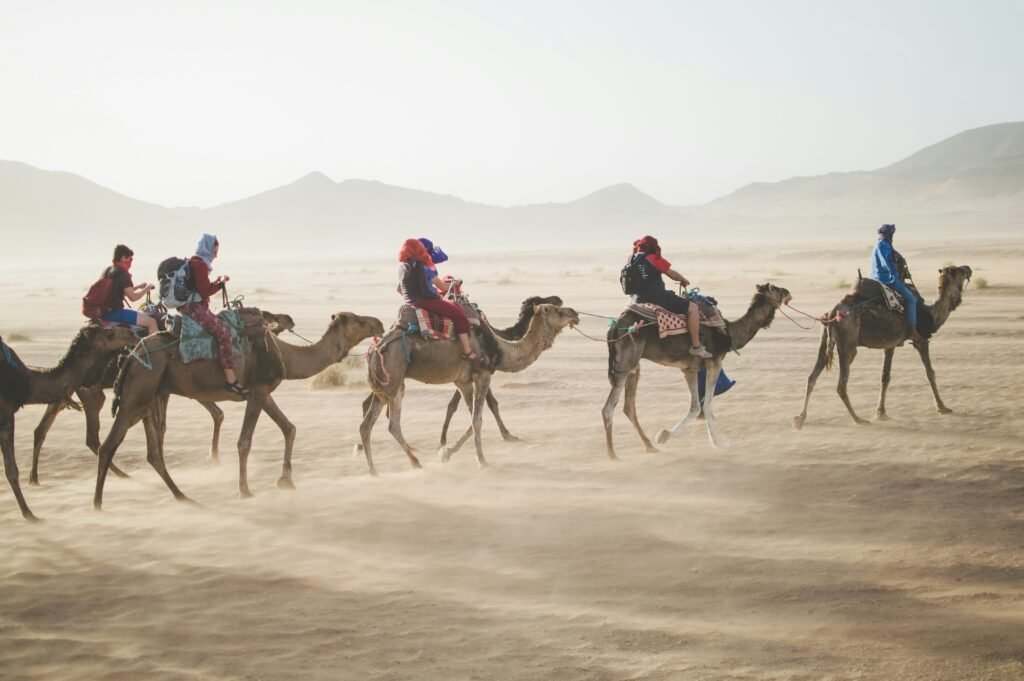
If hiking isn’t your thing, no stress—camel (dromedary) rides offer a superb, low-effort way to soak up the scenery. Day or multi-day, guided routes meander through valleys, streams, waterfalls, and even pockets of desert, revealing a gentler rhythm of the Atlas.
Longer trips often include traditional meals and starry overnights far from city glow. It’s a quietly spectacular way to experience the mountains, accessible to almost any traveler.
The terms and conditions
A popular format is the Marrakech day trip: depart around 9 a.m., transfer to Imlil, then explore with an English-speaking guide. Many include lunch and mint tea, with a late-day return to the city.
Multi-day options generally bundle round-trip transfers, breakfasts, dinners, and hot drinks. Water and lunch can be exclusions—double-check before you book. Note that not every hour is on camelback; some segments use 4×4 or short hikes.
At what price?
- Day rides typically cost €35–€40 per person.
- Multi-day excursions usually run €100–€200 per person, depending on length and inclusions.
3. Bike tours
| VTT Atlas Tours : we have selected the best offers for you among 11 possibilities Atlas Mountains Mountain Bike Tour for Beginners from Marrakech Atlas Mountain Bike Day Trip 3 days with the Berbers of the Atlas: hiking and mountain biking |
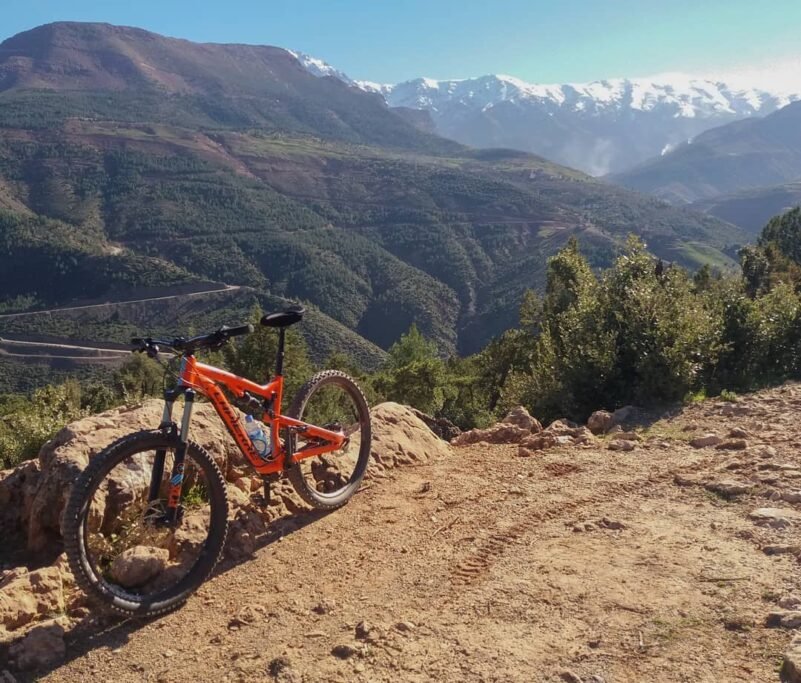
Much like walking, cycling is an exceptional way to read the landscape. Trails stitch across the Moroccan Atlas year-round. In winter, the southern flanks shine—arid ridges, oasis valleys, and desert plateaus. Summer opens the Berber High Atlas to riders: high passes, wadi bottoms, and secret green valleys.
Whether you go DIY or join a guided MTB tour, there’s ample support—experienced outfits, thoughtful routing, and itineraries that span single-day dashes to weeklong traverses.
The terms and conditions
Day trips typically include pickup from your hotel in Marrakech (or nearby), transfer to the start point, and an English-speaking guide. Lunch is commonly included.
Multi-day rides often cover airport/urban transfers, accommodations, and meals during the tour—confirm the details before booking. Expect a French and/or English-speaking guide throughout.
Heads-up: Bikes are usually provided for both day and multi-day tours, but always verify what’s included.
At what price?
Here’s a quick feel for typical pricing:
- Day outings generally start around €70 per person.
- Multi-day trips vary by duration: roughly €250–€400 for 2–3 days, up to about €1000 for 8–9 days.
4. 4×4 excursions
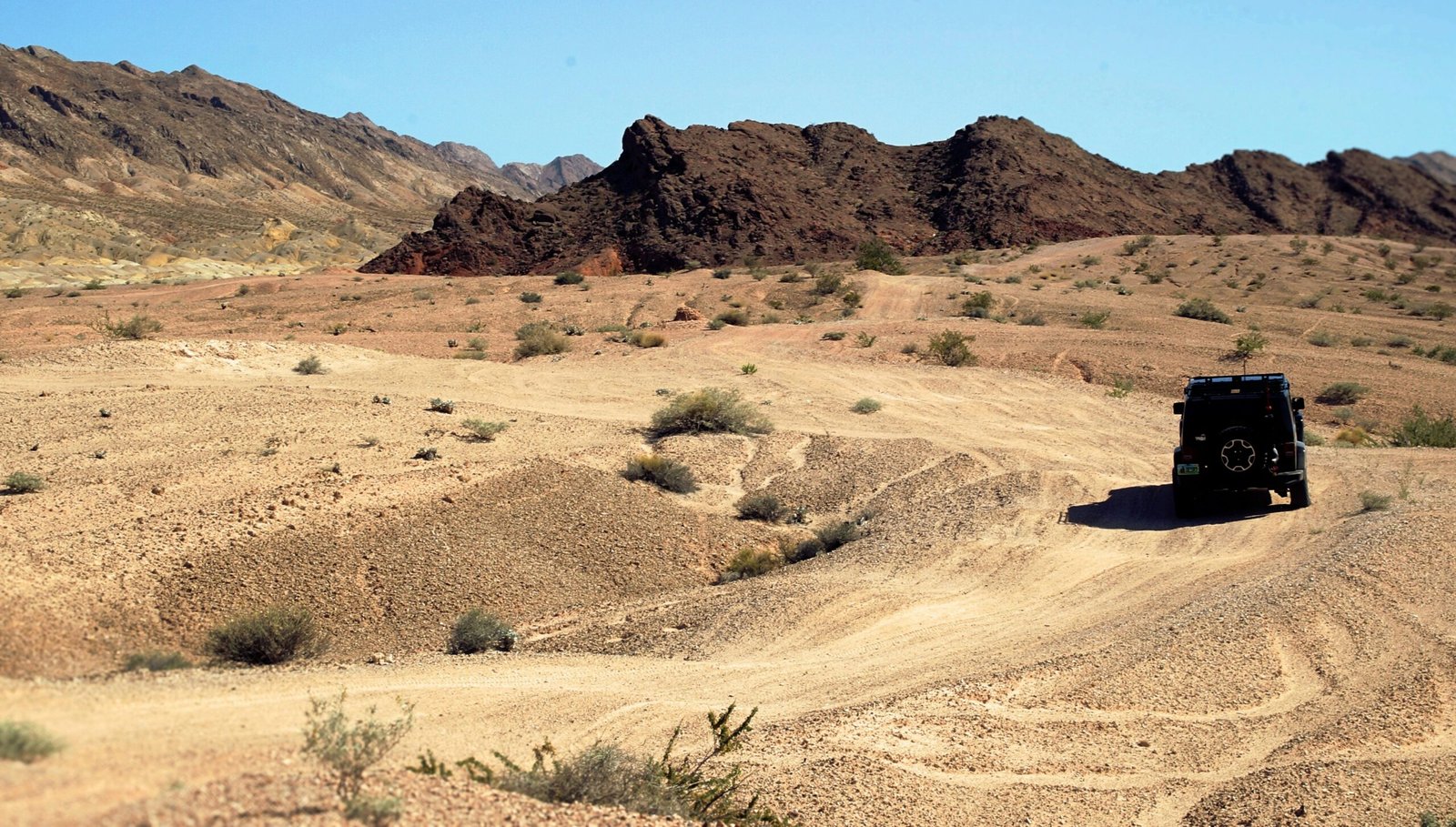
| Atlas Mountains 4×4 Tours: we have selected the best offers for you among 10 possibilities Rocky Desert Day Trip with Lake and Atlas Mountains by 4×4 from Marrakech A day trip into the wilderness by 4×4 in the Atlas Mountains and desert. 4×4 ride in the Atlas Mountains with lunch in a Berber house |
Day or multi-day, 4×4 routes let you sample a lot in a little time—sometimes mixing in a camel segment or a short hike. They’re great for stacking experiences and ticking off multiple Atlas highlights; some itineraries even weave in the Sahara, which lies just beyond.
The terms and conditions
Operators commonly offer 1–8 day circuits. Although the trips center on Marrakech logistics, the driving adventure begins at a trailhead beyond the city—hotel pickup and transfer included.
Day tours often bundle lunch and optional add-ons—camel rides, Berber home visits, artisan stops, short hikes, and more.
On multi-day routes, meals and overnights are usually included. Review the fine print, and expect an English-speaking guide whether you book a day or a full circuit.
At what price?
- Plan around €70 per person for a 4×4 day tour.
- Multi-day pricing typically spans €200 to €1000+, scaling with itinerary length and comfort level.
Compare a few providers before booking—most will quote based on your dates and group size.
5. Quad or buggy expeditions
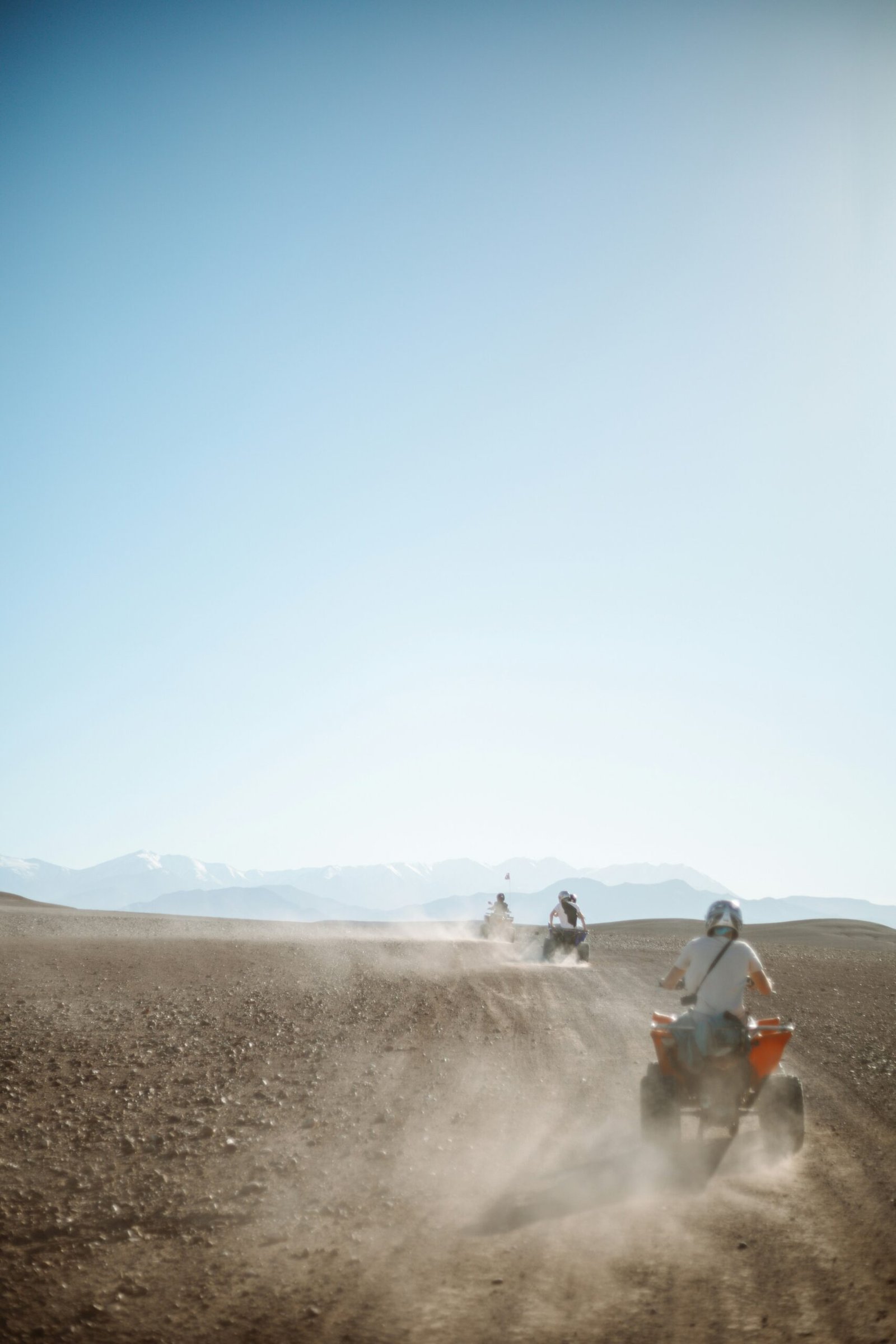
| Atlas Quad Excursions : we have selected the best offers for you Half-Day Quad Bike Tour in the Atlas Mountains from Marrakech Quad excursion in the High Atlas 2 Hours Quad Excursion in the Heart of the Atlas Mountains |
Craving scenery with a shot of adrenaline? Quad and buggy tours deliver. Many outings from Marrakech trace similar arcs along the foothills, with portions dipping into the desert—broad views of the High Atlas always on your horizon.
You’ll roll through Berber countryside—orchards, meadows, eucalyptus stands, and arid flats—with scenic pauses to admire the range. Some tours include tea in a family home, and many swing by the gorgeous Lake Takerkoust.
The terms and conditions
As with camel and 4×4 options, expect pickup and drop-off at your Marrakech stay. Half-day departures usually run morning or afternoon.
These rides begin outside the city; a driver brings you to the start. Day trips commonly include lunch and refreshments, plus an English-speaking guide to keep things smooth and safe.
For multi-day expeditions, meals and lodging are often bundled—verify inclusions before you book.
At what price?
Rates hinge on duration:
- Half-day tours average €65–€75 per person.
- Full-day rides generally come in at €120–€160 per person.
Prices drop for passengers and younger participants who aren’t driving. For multi-day experiences, compare several providers and request quotes before locking in dates.
6. Flying over the Atlas in a hot air balloon
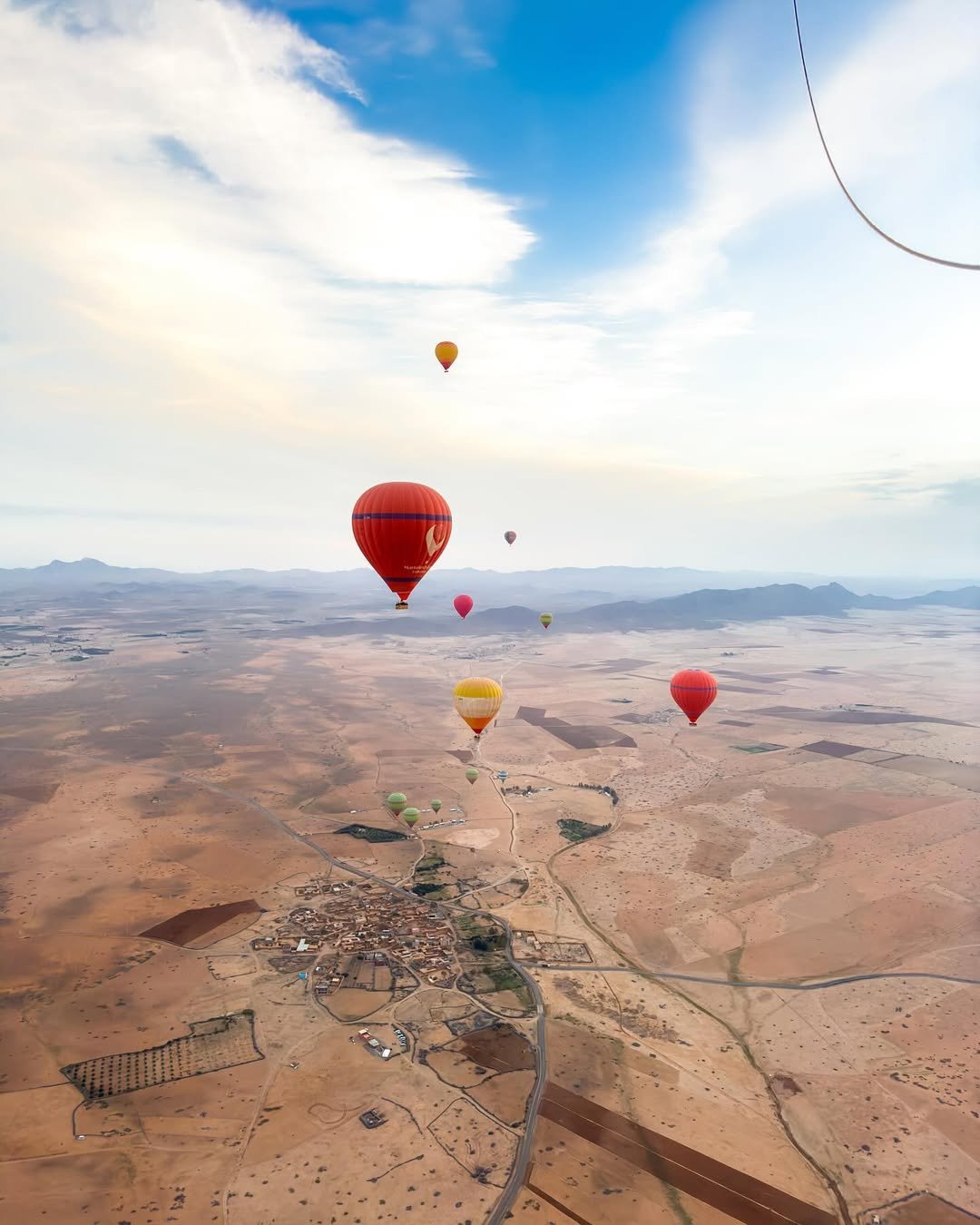
| Atlas Hot Air Balloon Flights : we have selected the best offers for you Hot Air Balloon Flight over the Atlas Mountains from Marrakech with Berber Breakfast and Camel Ride in the Desert Sunrise Hot Air Balloon Ride over the Atlas Mountains from Marrakech Hot air balloon flight in the Marrakech desert in front of the Atlas |
Ground-level views are glorious—but seeing the Atlas from the air is downright magical. Hot-air balloons (and occasionally planes or helicopters) give you a sweeping, cinematic angle on the range, often at prices lower than you’d expect.
For example, a one-hour flight from Marrakech for about €200 often includes hotel pickup and a short camel ride in nearby desert terrain. Dawn departures paint the land in gold, orange, and rose—an unforgettable way to etch the Atlas into memory.
7. Staying in the Atlas Mountains
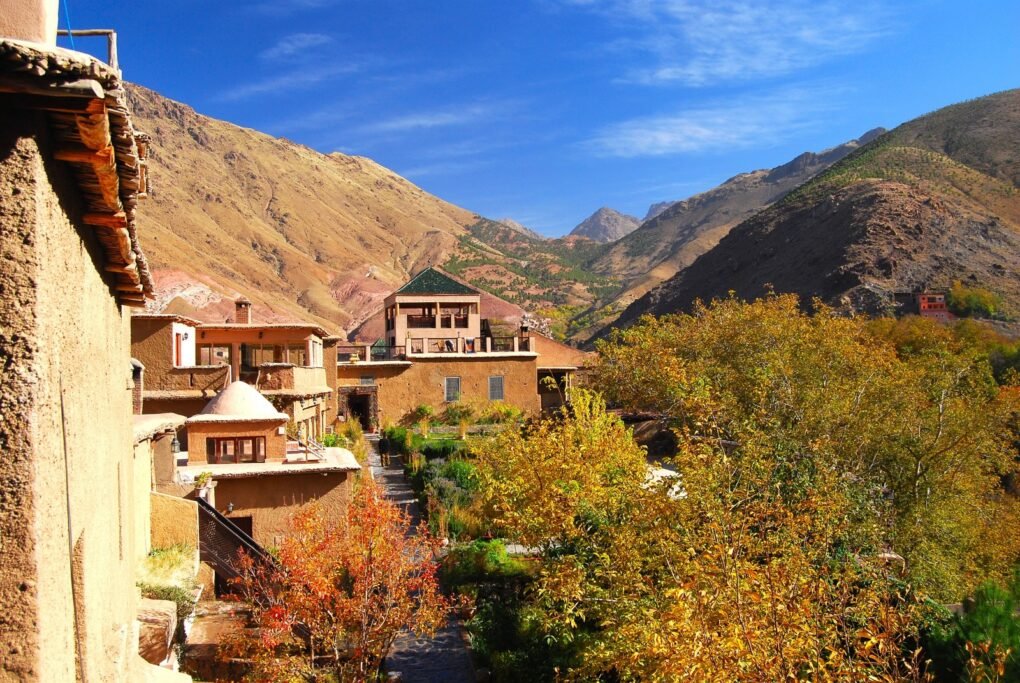
The Atlas stretch across a vast, varied world—scattered with villages and small towns that offer plenty of places to stay. Overnighting in the mountains deepens every adventure—on foot, by bike, or otherwise—and wraps you in stillness, big horizons, and night skies thick with stars. Far from urban bustle, you slow down and really breathe.
On the Moroccan side, these are standout bases—perfect for launching trips and savoring the best of the Atlas. Our curated picks:
The Kasbah of Toubkal
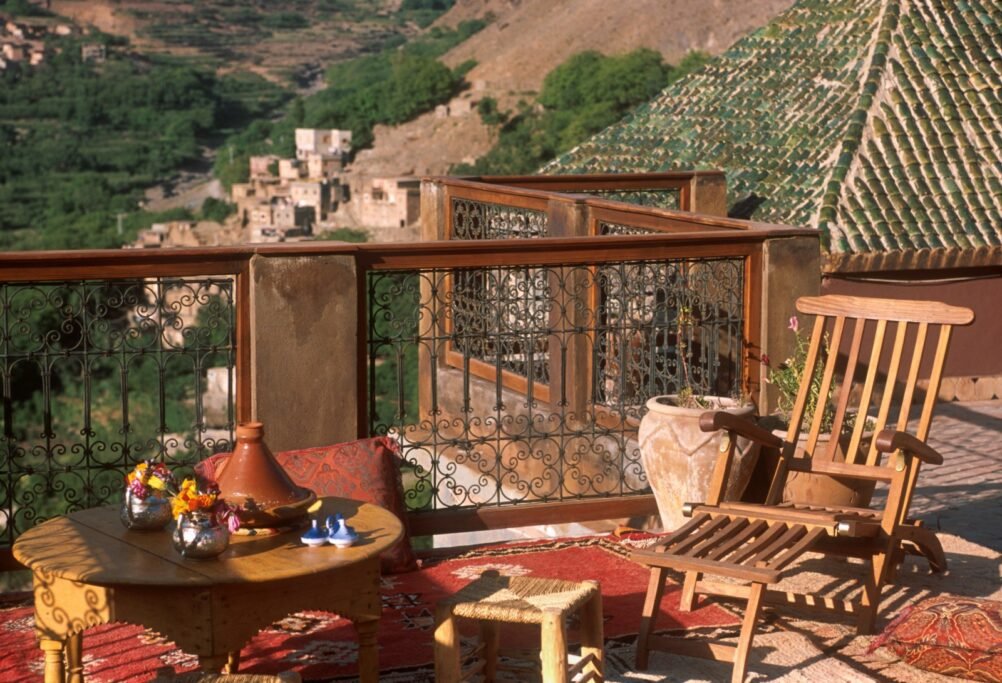
Inside Toubkal National Park, the Kasbah du Toubkal is an eco-minded, characterful guesthouse, open year-round and fully geared for Atlas exploration—adventure forward, yet comfortable and authentic.
Born of a Berber–European partnership, it designs experiences for every traveler and champions access to the park’s wonders. Room rates generally start around €160 per night.
Villa Gourza L’Amandier
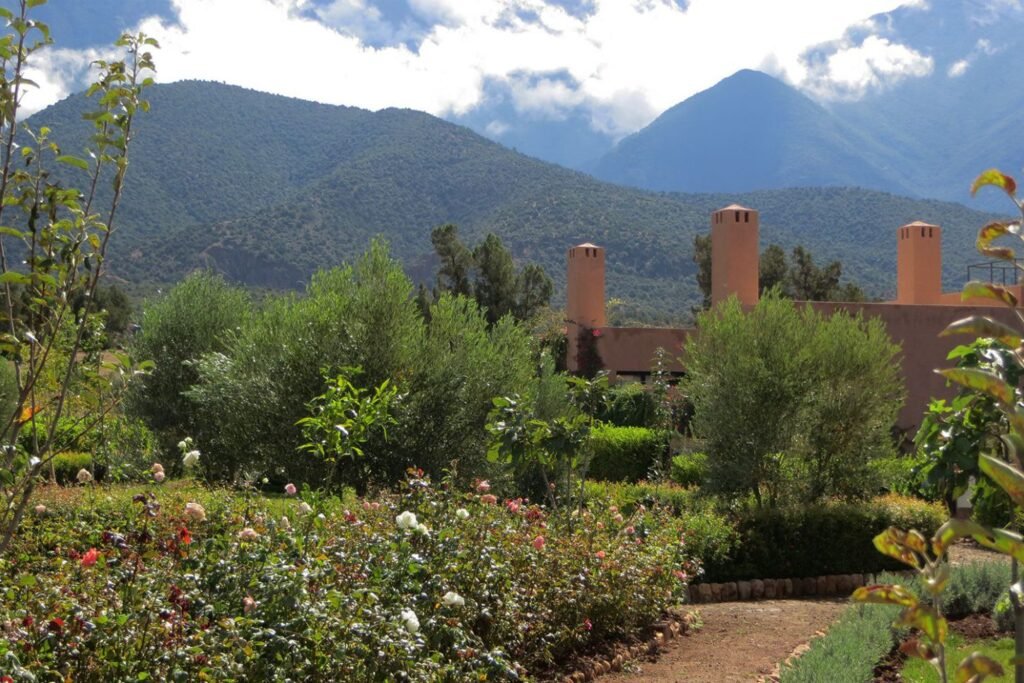
Set in the Ouirgane Valley, L’Amandier is a luxurious hideaway just 45 minutes from Marrakech. Expect sweeping mountain views andstandout amenities: an infinity pool, spa, view-soaked rooms, and an inviting restaurant.
Wrapped in nature for miles, it’s a deep-calm escape. From here, head out on gorgeous half-day hikes through the valley. Rooms typically start around €270 per person.
Douar Samra
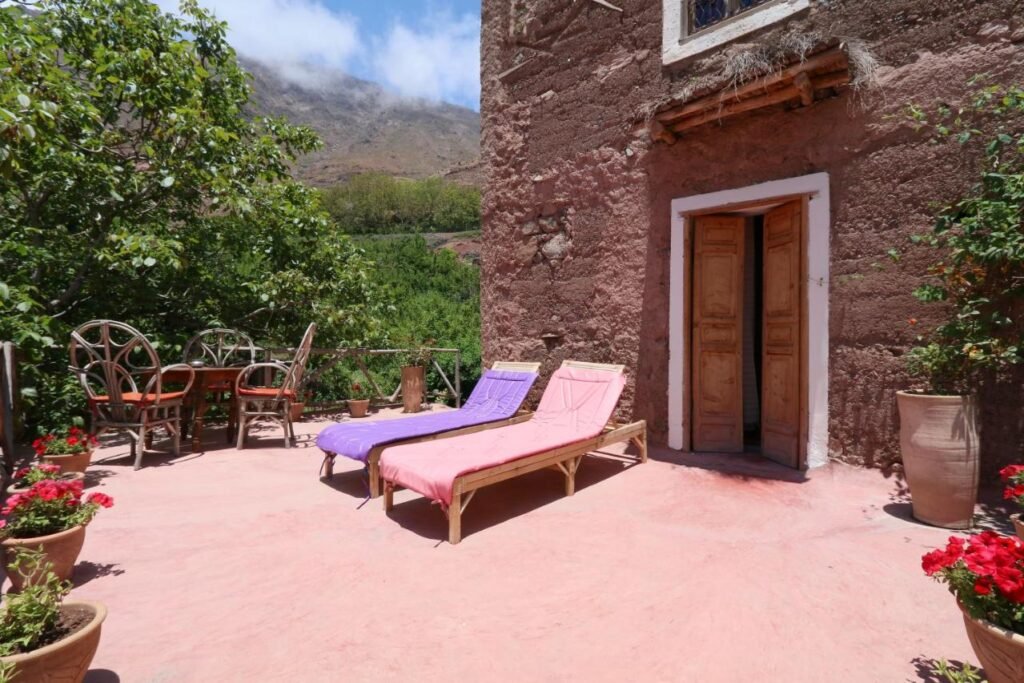
In Imlil, less than 10 km from Toubkal National Park, Douar Samra is acharming, down-to-earth guesthouse—perfect for treks to Djebel Toubkal. Expect cozy rooms, fair pricing, and a warm, attentive team.
It’s also the value pick: rooms often start from about €47 per night, and they offer a free shuttle to/from Marrakech-Menara Airport.
|
➡️Planning your first big Morocco adventure? This 10 days in Morocco itinerary is designed for travelers who want to see the country’s greatest hits without spending half the trip stuck on buses. Expect legendary stops like Marrakech, Fes, the Sahara Desert, and Chefchaouen—plus practical tips on getting between cities, choosing where to stay, and making the most of every day.
➡️Looking for something beyond the classic routes? Morocco is full of lesser-known treasures waiting to be explored. Discover these hidden gems in Morocco—from quiet mountain villages to unexpected landscapes that rarely make it into standard itineraries. ➡️And then there’s the food. Moroccan souks are a paradise for curious eaters, where every alley seems to hide a sizzling grill or a stall stacked with sweet and savory treats. Ready to explore some of the best street food in Morocco? Come hungry. |
FAQs — Atlas Mountains Morocco
1) Where are the Atlas Mountains and how do I get there from Marrakech?
The High Atlas run southwest–northeast across Morocco. From Marrakech, most trekkers head to Imlil (about 90 minutes) via grand taxi or a bus to Asni then taxi onward. Ouirgane and Ourika Valley are other easy bases.
2) What’s the best time to visit?
March–May and September–November offer clear trails, green valleys, and comfortable temperatures. December–March brings snow at higher elevations; summer can be hot in valleys but pleasantly cool above ~2,500 m.
3) Are the Atlas Mountains safe for trekking?
Generally yes, if you use local knowledge and prepare properly. Weather changes fast; hire a licensed guide for big objectives, carry proper layers, start early, and check local conditions in Imlil/Asni/Ouirgane.
4) Do I need a permit or a guide for Jebel Toubkal?
You’ll typically register at local checkpoints, and a licensed guide is strongly recommended—sometimes required by local authorities during certain periods or conditions. Always confirm the latest rules in Imlil before you set off.
5) What are the classic trekking routes?
The Toubkal summit (4,167 m) via Imlil is the headline route (2 days for fit trekkers). Alternatives include the Azzaden Valley traverse, Ouirgane Valley low-altitude loops, and longer adventures in the M’Goun Massif.
6) Will I get altitude sickness?
Possibly above ~2,500 m. Ascend gradually, hydrate, skip alcohol, and consider an extra acclimatization night at Imlil or a refuge before summiting Toubkal. If you feel unwell, descend.
7) What should I pack?
Layering is king: base layer, mid-fleece, waterproof shell, hat/gloves, sturdy boots, and sun protection. Add a headlamp, trekking poles, 2L water capacity, snacks, basic first-aid, and a sleeping-bag liner for refuges.
8) What’s the weather like up high?
It can flip from sunny to sleet within an hour. Expect near-freezing nights above 3,000 m outside midsummer. Always bring a windproof/waterproof layer even on blue-sky mornings.
9) Where do people stay—refuges, riads, or tents?
All of the above. Toubkal has staffed mountain refuges; valleys offer village gîtes and cozy riads; multi-day traverses often use guided camp setups. Book refuges in popular months.
10) What about culture and etiquette in Berber (Amazigh) villages?
Dress modestly, greet people, and ask before taking photos. Remove shoes if invited indoors, accept tea with thanks, and consider buying local snacks or crafts to support communities.
11) Can I use my phone and pay by card?
Coverage is decent in villages and patchy on trails; download offline maps. Cash (dirhams) is essential in rural areas—ATMs are in larger towns like Asni or Marrakech.
12) Is it family-friendly or only for experts?
Plenty of gentle day hikes and mule-supported walks suit kids and beginners around Ouirgane, Imlil, and Ourika. Save high-altitude summits for fit, well-equipped parties with a guide.
13) What wildlife or hazards should I know about?
You might spot Barbary sheep, foxes, and raptors. Main risks are slips, sudden storms, dehydration, and sun exposure—check forecasts and turn back if conditions sour.
14) Do I need special insurance?
Yes—choose travel insurance that explicitly covers trekking at altitude (over 3,000–4,000 m), mountain rescue, and medical evacuation.
- Perfect Morocco with kids Itinerary (2026): 25 Days from Tangier to the Anti-Atlas, Coast, and Marrakech
- Where To Stay In Agafay Desert in 2026: Luxury Moroccan Holidays
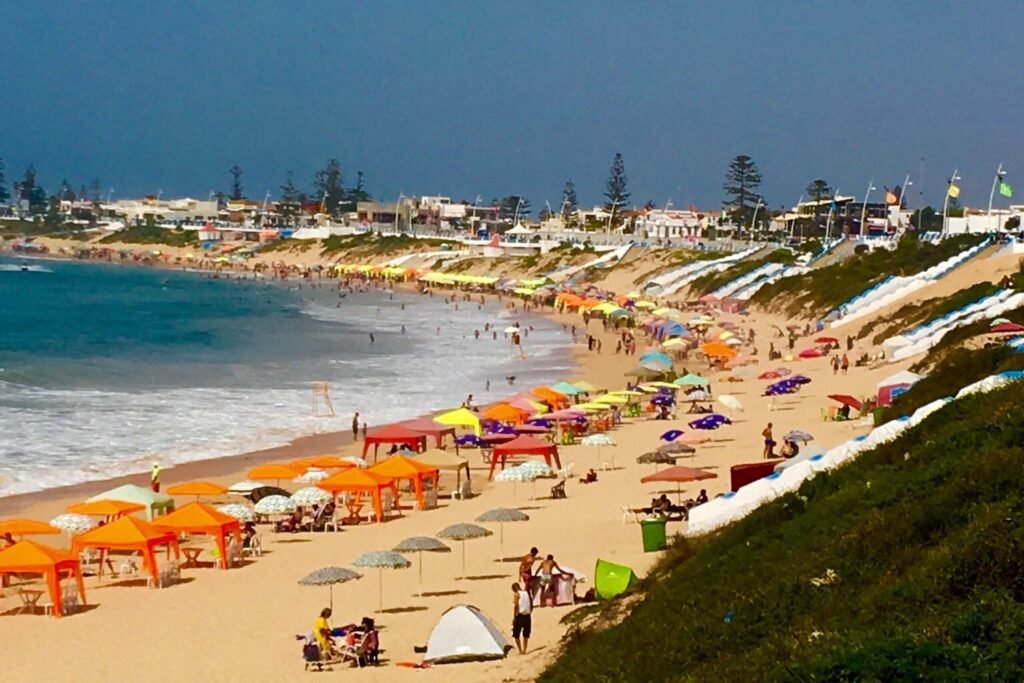
- 14 Most Beautiful Beaches In Morocco (2026)
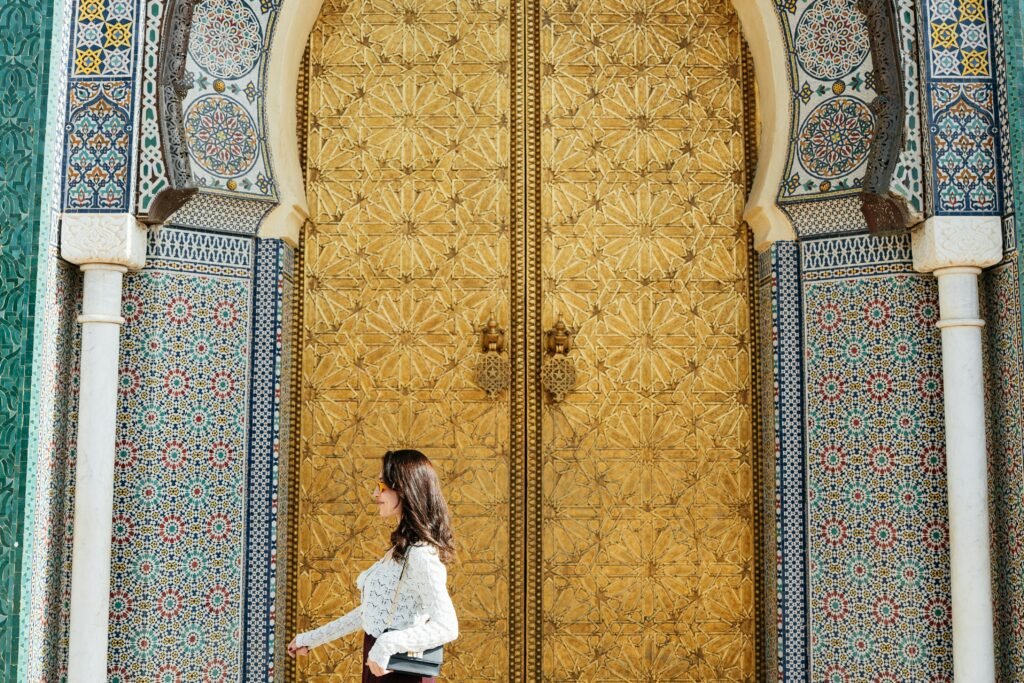
- What To Wear In Morocco (2026): Real-World Travel Guide For Female Travellers
- 3 Best Places To Stay in Marrakech Medina [2026 Updated]