
Writing lived-in travel guides from long stays and real routes
Driving in Morocco is a whole thing—part road trip, part live-action video game, part “wait, did that donkey just overtake us?” adventure. Whether we’re carving through the Atlas Mountains or threading a lane in Marrakech, the simple act of driving becomes its own mini-journey.
And honestly? It’s one of our favorite ways to explore Morocco—maximum freedom, minimum schedules, and the kind of spontaneous detours that end in mint tea with strangers.
But: Morocco doesn’t always “do” road rules the same way you’re used to. The signs look familiar, the logic sometimes isn’t, and that can feel confusing (yes, pun intended). So here’s our complete, practical guide to driving in Morocco—the stuff that actually keeps your trip smooth, safe, and unforgettable.
| ➡️Plan a 15-day Morocco road trip with route ideas, budget and driving tips, and where to stay in Fez, Marrakech, Ouarzazate, Dades Valley, Agadir & Taghazout. ➡️Wondering what to wear in Morocco? This guide cuts through the guesswork—what works in real streets, what feels comfortable, and what saves you from packing things you’ll regret by day two. ➡️Planning your adventure? Check out our top tips for traveling in Morocco and make your journey smooth, safe, and unforgettable. ➡️Wondering what to wear in Morocco? This guide cuts through the guesswork—what works in real streets, what feels comfortable, and what saves you from packing things you’ll regret by day two. ➡️Let’s explore the 4 best cities in Morocco to visit and all the places you absolutely need to visit in these prestigious destinations. ➡️If you wonder where Morocco’s coast is at its most beautiful, here are the 14 most beautiful beaches in Morocco worth putting directly onto your map. Swimsuits ready—this coastline does not encourage hesitation. |
Table of Contents
Car rental in Morocco: our tips so everything goes smoothly
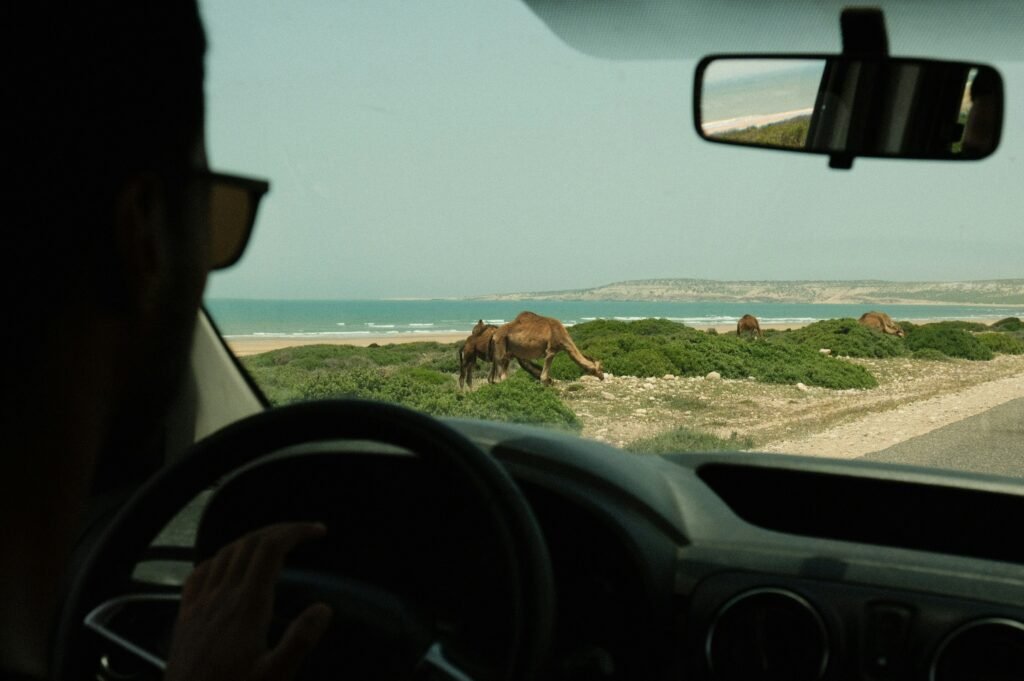
Renting a car is usually the best move if you want to explore beyond the obvious, stop wherever you like, and chase landscapes without staring at a bus timetable.
Here’s how to rent smart and avoid nasty surprises.
Which rental car should we choose?
Pick based on your route:
- Small city car: fine for short hops, but honestly? We don’t recommend renting in big cities unless you must. Parking + traffic = unnecessary stress.
- Dacia Sandero / Logan: Morocco’s unofficial road-trip champions. Cheap, sturdy, and happy on rougher roads.
- 4×4: only if you’re planning real off-road / track driving (pistes), desert routes, or remote mountain detours.
Important: most standard rental insurance does not cover driving on tracks (pistes). If you plan to leave paved roads, get that confirmed in writing.
Choosing the right rental agency
Stick with reputable names like Avis, Europcar, Sixt, Hertz, or a well-reviewed local agency (often cheaper and more flexible on insurance—if their reputation is solid).
Before you book:
- read recent reviews (not just the star rating—look for repeated complaints)
- compare total price with insurance and deposit conditions
- check age/license rules
- Example: some companies require drivers to be 25+ and licensed for 2+ years
- Some local agencies accept 21+, depending on vehicle type and policy
Also: if your license isn’t in a Latin alphabet, some agencies may require an International Driving Permit (IDP). Ask before you land.
Documents you’ll need at pick-up
At the counter, we’ll usually be asked for:
- Passport
- Valid driver’s license (foreign A/B is accepted for visitors if in Latin alphabet or paired with an IDP)
- Credit card in the main driver’s name for the deposit (some locals accept debit/cash, but don’t assume)
And yes: the rental agreement typically does not allow you to leave Morocco with the car.
Driving licences in Morocco: do we need an international permit?
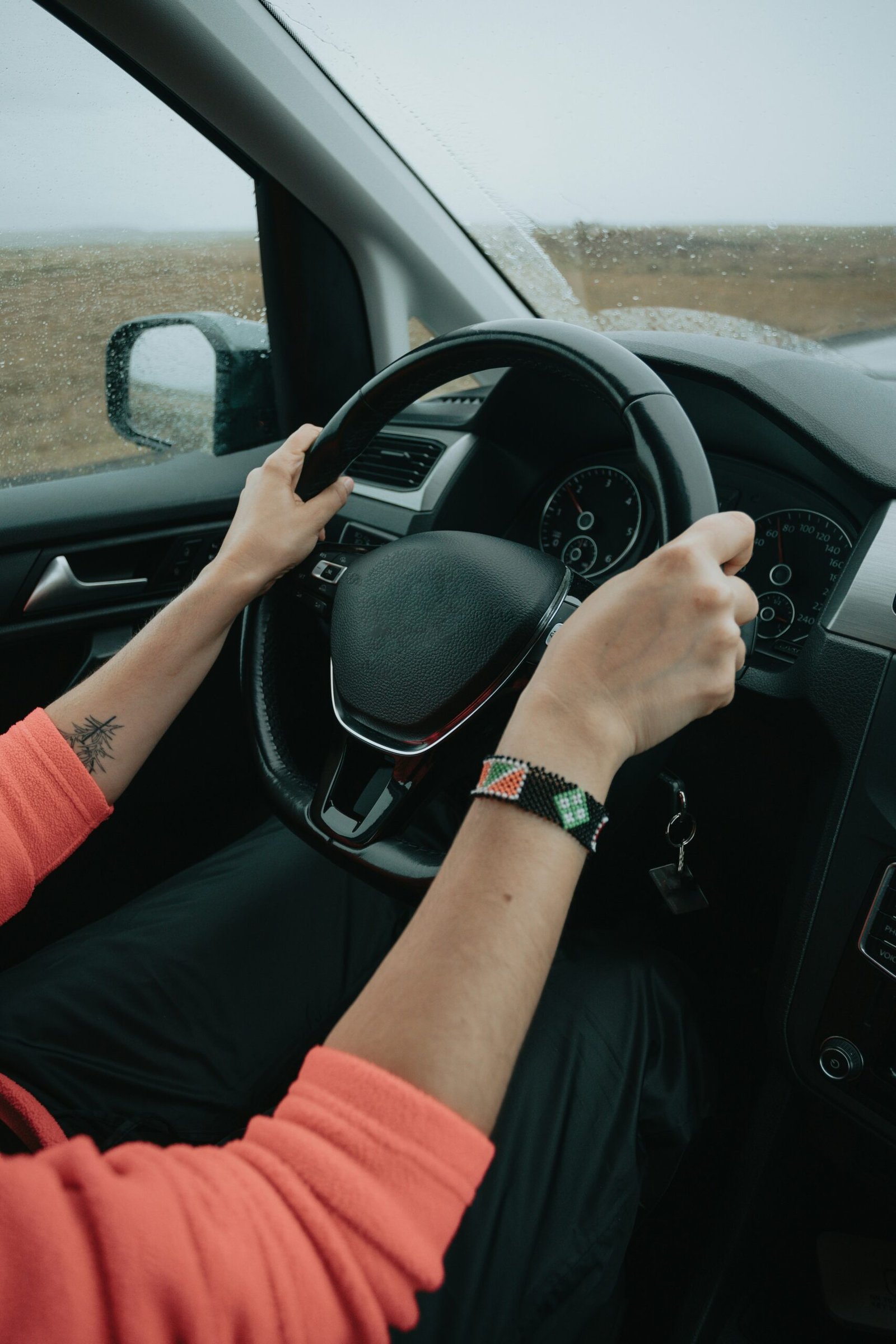
Good news: if your license is in the Latin alphabet, you can drive in Morocco with it as a visitor. If it’s not (Cyrillic, Arabic, etc.), get an International Driving Permit to make checks and rentals painless.
Either way: carry your license with you. Traffic stops are common, especially near towns.
Before you drive off: inspect the car like a professional cynic
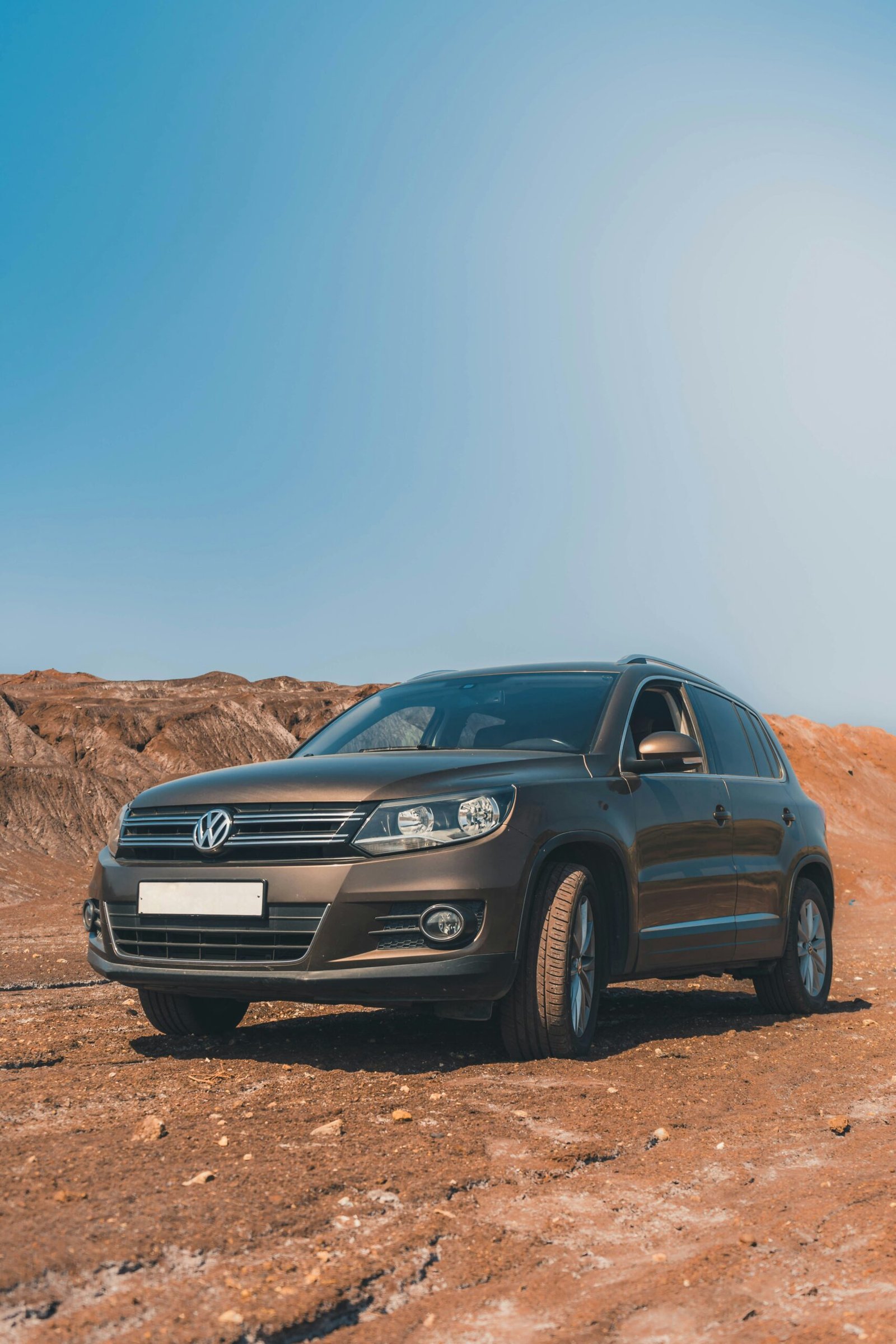
This is the step that saves you money later.
Do a full check before you leave the lot:
- Exterior: scratches, dents, bumpers, roof, windshield — note size + location
- Interior: seats, carpets, dashboard, seatbelts, odors, anything broken
- Photos + video with timestamps: walk around the car, capture odometer + fuel level
- Record mileage + fuel on the contract
- Test essentials: headlights, indicators, hazard lights, wipers, A/C, horn
- Tyres + equipment: spare wheel/repair kit, jack, reflective vest, warning triangle
- Paperwork: contract, car documents, insurance card
- Insurance details: deductible amount + exclusions (especially off-road/pistes)
- Fuel policy + fees: full-to-full? empty-to-empty? mileage limits?
- Breakdown procedure: 24/7 assistance number + accident/fine instructions
Friendly advice: ask every “stupid” question now. It’s not stupid when you’re on the side of a mountain road later.
Moroccan road rules: familiar… with a twist
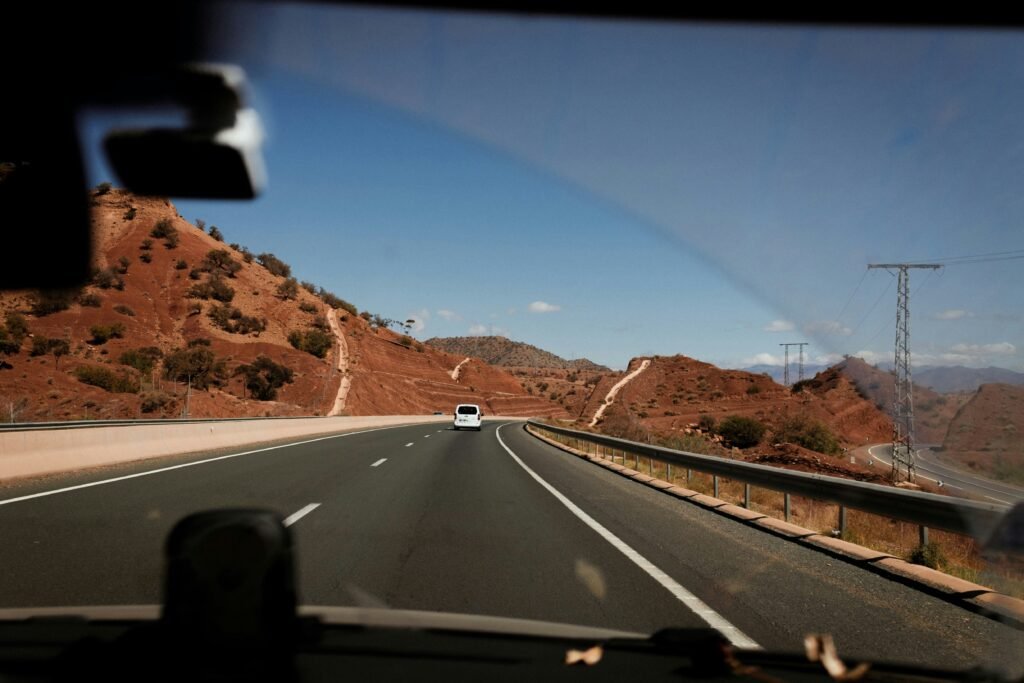
Morocco drives on the right, and signage is often French + Arabic + Amazigh, using familiar European symbols. Most rules are similar—but these differences trip people up.
Speed limits in Morocco (and why you should care)
Speed cameras are everywhere—fixed and mobile—even on minor roads. Limits also change a lot, sometimes with zero emotional warning.
Typical limits:
- 60 km/h in towns/villages
- 80 km/h on country roads
- 120 km/h on highways
On main roads, you’ll see limits jump: 100 → 80 → 60 → 40. Stay alert or you’ll collect souvenir fines you didn’t ask for.
Stops, roundabouts, and intersections
In Morocco, roundabouts are not all the same.
- At a well-marked traffic circle with a “Yield” sign: cars already in the circle usually have priority.
- At an unmarked roundabout (no signs/markings): the right-of-way rule can apply.
Rule of thumb: slow down, scan for signs/markings, and assume someone will do something unexpected.
Also: stop signs can be sneaky. There may be no white line, and the sign might sit far back. You’re expected to stop at the sign, then creep forward for visibility.
Police checks in Morocco
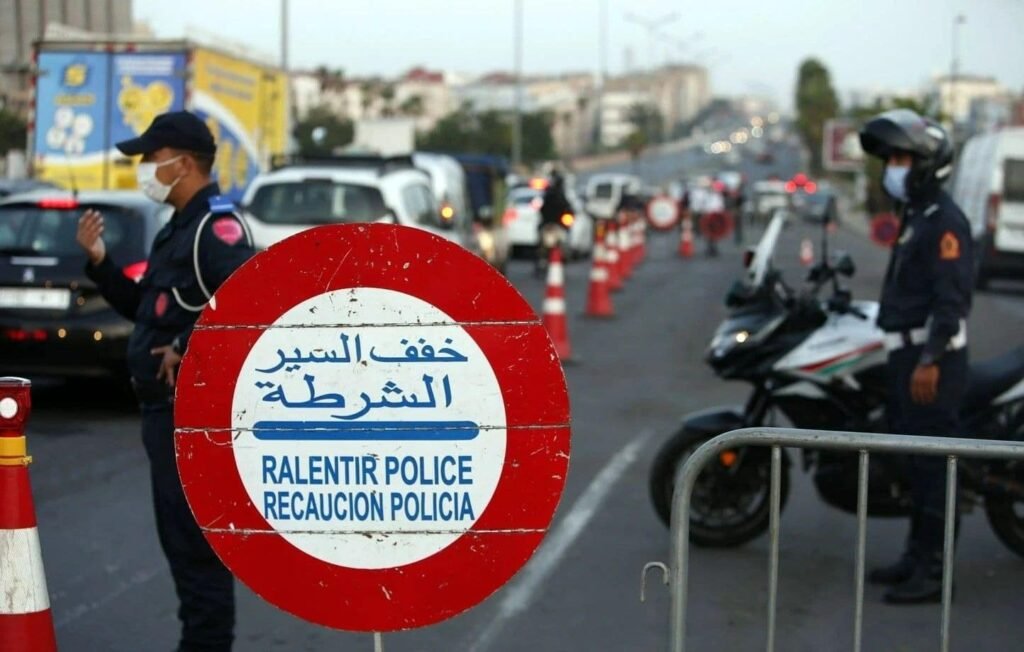
You’ll see checkpoints at many town entrances/exits. Don’t stress—most interactions are routine and often friendly.
- If the sign says “Slow down”, go very slowly and watch for the signal.
- If it says “Stop”, fully stop and wait.
They might ask where you’re coming from and where you’re going. Smile, answer simply, and you’re usually waved through—sometimes with a friendly warning about speed checks ahead.
Fines and sanctions (and the reality)
Most violations are fines:
- Stop sign violations: 700–1400 MAD
- No seatbelt: 300 MAD
- Speeding: often 400 MAD
Fines are typically paid on the spot. You may hear about “negotiation” happening in practice. We’re not here to encourage corruption—just know the reality exists. Best strategy: drive correctly and avoid the whole situation.
Driving challenges in Morocco: what actually feels different
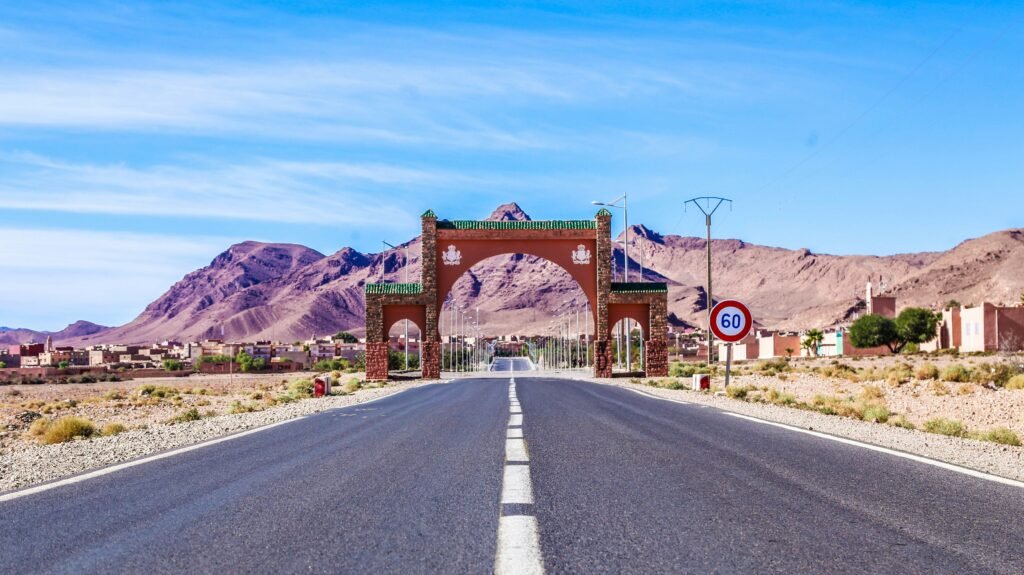
City driving: Marrakech chaos is its own sport
In cities, you’ll see:
- taxis double-parked
- mopeds threading gaps that do not exist
- cyclists, carts, pedestrians materializing mid-road
- the occasional donkey situation (yes)
Our survival tips:
- check mirrors constantly
- leave extra space ahead
- expect mopeds to ignore rules
- use the horn lightly and often — here it’s more “I’m here” than “I’m angry”
Cars mostly obey red lights and stops (especially where police are present), but mopeds get more “creative freedom.” Keep calm, drive smoothly, and it weirdly works.
Country roads: gorgeous… with surprises
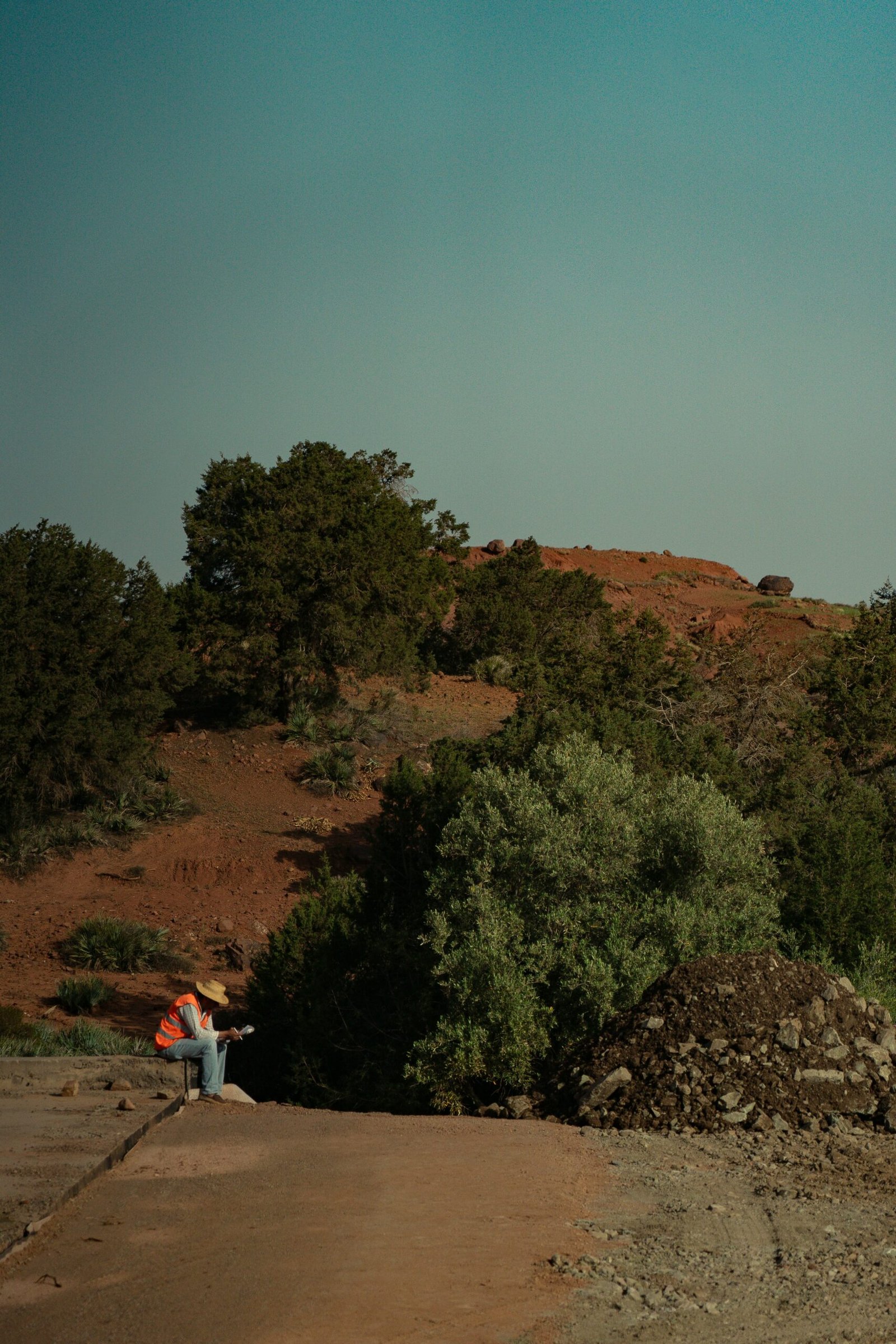
Main roads are generally solid and Morocco invests heavily in highways connecting major cities. But on smaller roads you may encounter:
- potholes
- short unpaved patches
- bridges without guardrails
- unexpected dirt-track segments
Some mountain roads have construction delays (for example, sections like Tizi n’Tichka), which can add significant time.
Winter note: some passes (like Tizi n’Test / Tizi n’Tichka) can close due to snow in winter, though it’s less common now. If you’re traveling in colder months, check local conditions.
Night driving: don’t do it if you can avoid it
By day, the road is social. By night, it’s a hazard zone: bicycles, carts, tractors, animals—often without lights.
Strong recommendation: plan drives to arrive before dark.
What to do if you have an accident in Morocco
If something happens, here’s the clear checklist.
1) Make the area safe
- hazards on immediately
- warning triangle 30 meters behind (mandatory)
- don’t move vehicles if injuries are involved (unless needed for safety)
- if minor/no injuries, you can move cars to clear traffic
2) Call emergency services if needed
- 150 for ambulance/firefighters (or 112 from mobile)
- 19 for police in big cities (or 112)
- 177 for Royal Gendarmerie in rural areas or if there’s conflict
3) Document everything
- exchange driver info: name, phone, address
- vehicle details: plate, insurance company + policy number
- take photos: vehicles, road, signage, wider scene
- collect witness contacts if possible
4) Call your rental company
They’ll usually instruct you on the next step and may require an accident report.
5) Fill out an accident report if appropriate
If it’s minor and both sides agree, complete an amicable accident report and sign it together. You can get the form via the rental company, the other driver, or sometimes bookstores/print shops.
6) If the other party refuses to agree
- don’t hand over cash on the spot
- call the police to manage the situation
- if there are serious injuries, authorities must file a report and investigate—follow legal procedures carefully
Final mindset: drive with patience, not ego
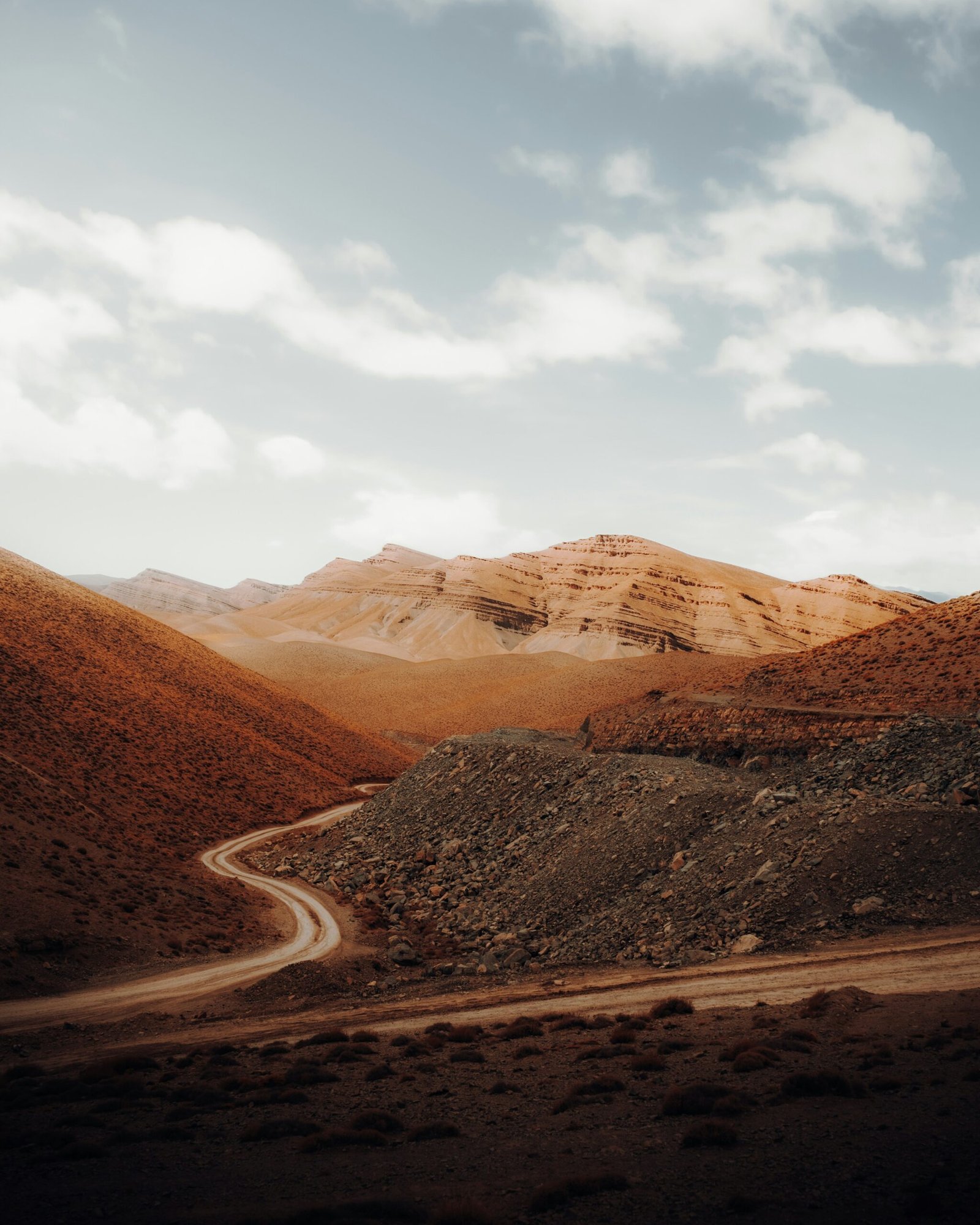
Driving in Morocco becomes genuinely enjoyable when we swap “perfect rules” for common sense, anticipation, and a cool head. Read signage carefully, adapt your speed, plan for parking, avoid night driving, and remember: the road is shared—often with half the city on mopeds.
Do that, and Morocco by car turns into what it should be: scenery, stops, surprises, and freedom—without the stress.
- Perfect Morocco with kids Itinerary (2026): 25 Days from Tangier to the Anti-Atlas, Coast, and Marrakech
- Where To Stay In Agafay Desert in 2026: Luxury Moroccan Holidays
- 14 Most Beautiful Beaches In Morocco (2026)
- What To Wear In Morocco (2026): Real-World Travel Guide For Female Travellers
- 3 Best Places To Stay in Marrakech Medina [2026 Updated]