
Travel writing based on first-hand experience
Casablanca is one of those cities that hits you like a wave of exhaust fumes and history at the exact same time. Morocco’s biggest metropolis is loud, salty (Atlantic air!), and weirdly magnetic—and yes, we’ll say it upfront: it can be dirty and chaotic. That’s not a rumor. That’s a lived experience. Still, if you treat it like just a stopover- 2 days in Casablanca itinerary Casablanca absolutely delivers.
| ➡️ Casablanca surprised us more than expected — here are hidden gems in Casablanca. ➡️Explore the best things to do in Casablanca, Morocco—from iconic landmarks and beaches to cultural sites, souks, and local food spots. ➡️ Before you book anything, read our guide to where to stay in Casablanca. ➡️ Need food ideas? These Casablanca restaurants saved several hungry afternoons ➡️Discover the best places for shopping in Casablanca, Morocco—from luxury malls and historic souks to authentic local markets. Find out where to buy spices, leather goods, tagines, and more. ➡️There are plenty of reasons to visit , including some great rooftop bars in Casablanca. Read our post to discover them. |
Table of Contents
Casablanca, very briefly: a city that keeps getting rebuilt
People have lived around Casablanca since at least the 7th century BC. The Berbers (Amazigh), North Africa’s indigenous communities, were among the first to settle here.
Then the Phoenicians swung by and set up a trading post (because of course they did). The Romans followed and established another settlement, calling it Anfa. By the 8th century, Anfa had become a key port for the Berber kingdom of Barghawata.
Fast-forward to the 15th century: Portuguese merchants and pirates were constantly poking at Anfa. In 1468, the Portuguese destroyed the city—piracy had gotten so out of hand that “burn it down” seemed like a reasonable strategy (history is unhinged).
In 1515, the Portuguese rebuilt a new settlement and called it Casa Branca (“White House”). They held it until the early 18th century, when they abandoned it after an earthquake and ongoing conflict.
Later, Sultan Mohammed ben Abdallah of the Alaouite dynasty rebuilt the city again in the late 18th century and renamed it Dar el-Beida—which also means “White House,” just in Arabic.
In 1912, Casablanca entered the French Protectorate era, and the city modernized fast under French administration—boulevards, Art Deco, expansion, the whole colonial-urban-planning package.
After independence in 1956, Casablanca became Morocco’s economic capital and a cultural symbol of modernity and progress. And yes, the 1942 film “Casablanca” made the city globally romantic… despite not being filmed in Morocco. (Hollywood, we see you.)
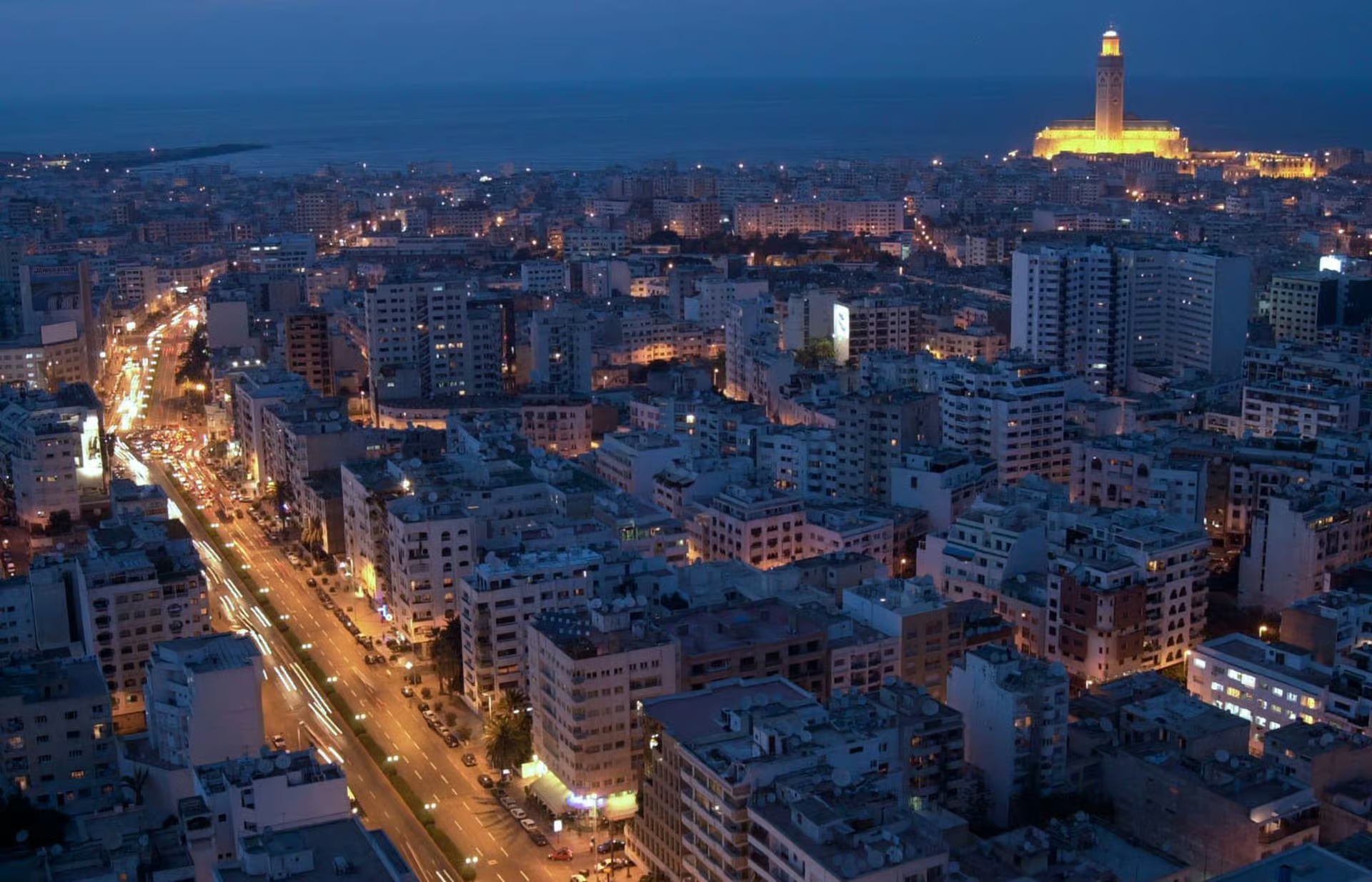
Today, Casablanca is Morocco’s largest city and a major financial hub in Africa. It’s also home to icons like the Hassan II Mosque and the seaside Corniche—plus a kind of relentless, honking energy you’ll either love or need to recover from.
How to get to Casablanca
By plane
Fly into Mohammed V International Airport (CMN). Loads of airlines connect through Europe, the Gulf, and other hubs.
Budget reality check: the airport train is usually the cheapest, with many sources placing it roughly ~30–50 MAD depending on route/class/station.
By train
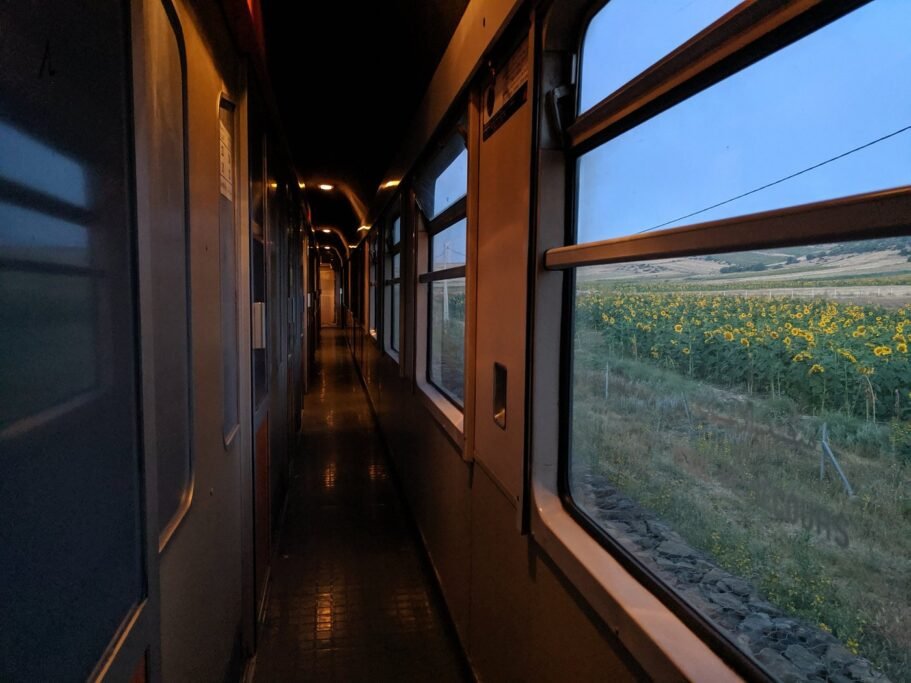
Already in Morocco? Easy. ONCF trains run regularly from cities like Marrakesh, Rabat, and Fez to Casablanca. You’ll typically arrive at Casa Voyageurs or Casa Port.
By bus
Companies like CTM and Supratours run routes from loads of Moroccan cities. For example, Marrakesh ⇄ Casablanca often lands around 100–160 MAD and takes roughly 3h+ (varies by departure).
By car
Highways like the A3 and A7 link Casablanca with other big cities. If you rent a car, driving between cities can be genuinely pleasant—just remember Casablanca traffic has… opinions.
Best time to visit Casablanca
Spring (April–June) and autumn (September–November) are your sweet spot: usually mild, breezy, and comfortable, around 15°C to 25°C.
Summer (July–August) gets warmer (often 30°C+) and can feel sticky with humidity—less “romantic coastal stroll,” more “why are we sweating in the shade?”
Winter (December–February) is cooler (~8°C to 18°C) and can be rainy or windy, but still perfectly workable.
How long to stay?
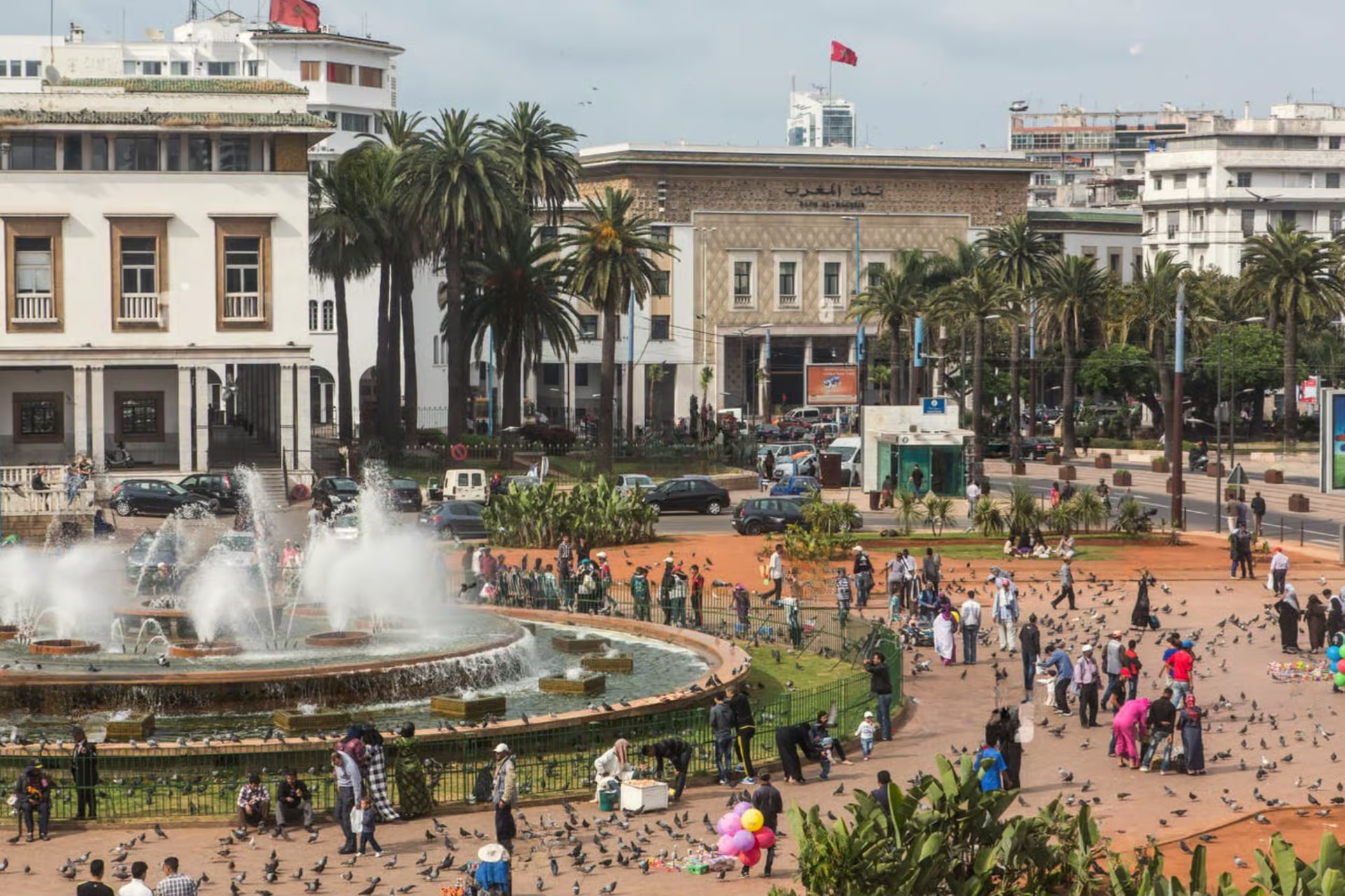
Two days is enough to hit the main attractions and do a long promenade walk. Casablanca is very polluted and grimy in parts, and you don’t need to force a longer stay unless you’re here for business or you’re an Art Deco superfan. Morocco has prettier places waiting. Which cities are best to visit? Read more here.
How to get around Casablanca
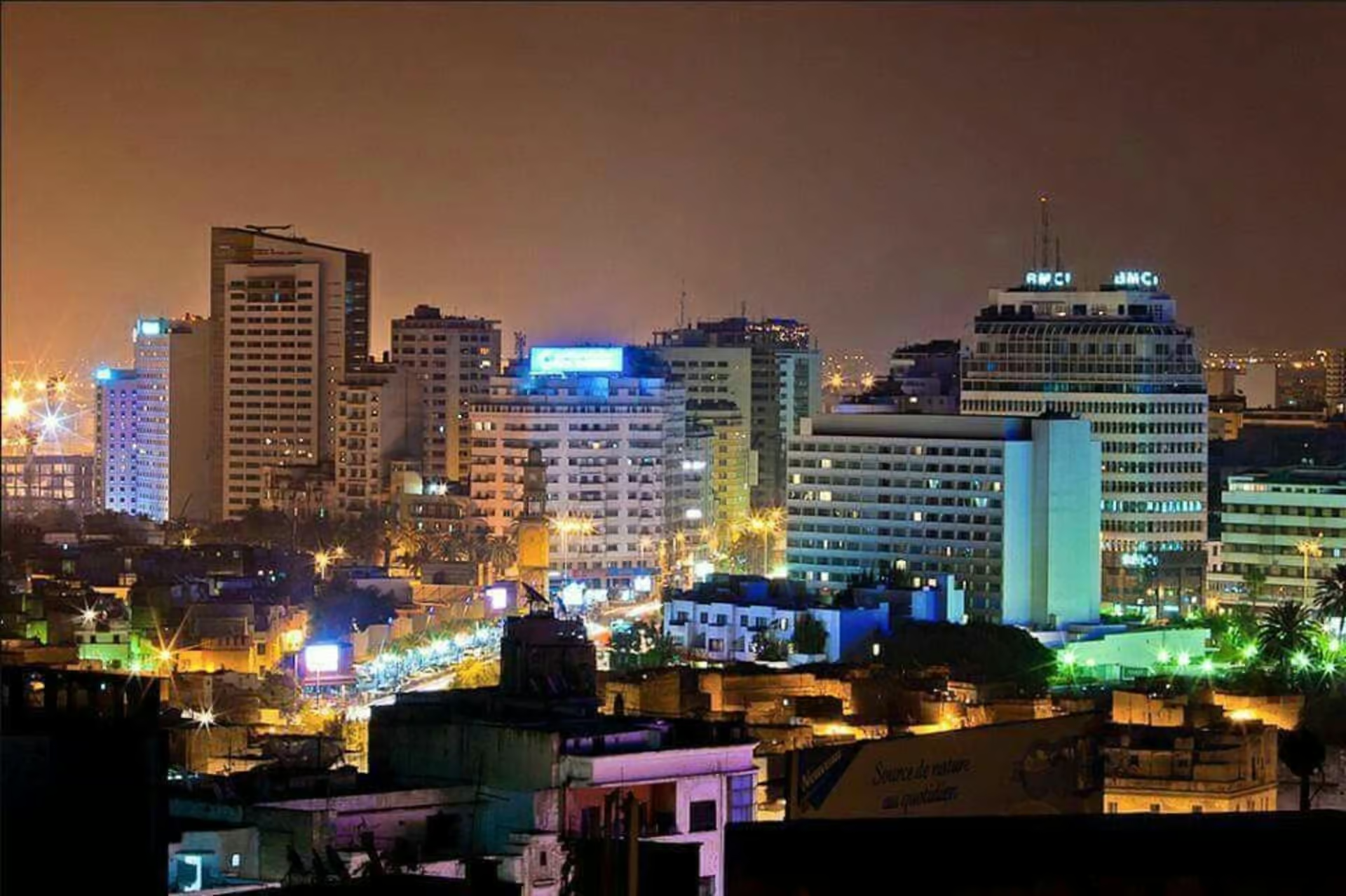
Tram
Casablanca’s tram is genuinely useful. A single ride is 8 MAD.
There are also passes— a weekly option around 60 MAD, plus a smartcard fee that can bring the first purchase to about 75 MAD total.
Petit taxis
These small taxis operate inside city limits. In theory, they run on the meter; in practice, some drivers suddenly “forget” the meter exists when they see a tourist face.
Typical costs: base fares are around 7–10 MAD, and many rides across town land around 10–20 MAD (traffic dependent).
Grand taxis
For longer distances (or negotiated rides), grand taxis come into play. A common range for a grand taxi to the airport is roughly 150–250 MAD (again: negotiate, confirm before you sit down).
Buses
They exist. They’re cheap. They’re also the hardest to navigate if you don’t know the routes. Use them if you enjoy transport roulette.
2 days in Casablanca itinerary:
Day 1: Boulevards, big mosque energy, and an ocean walk that fixes your mood
We start early—because watching Casablanca wake up is way more charming than watching it honk at noon.
Mohammed V Boulevard (Art Deco parade)
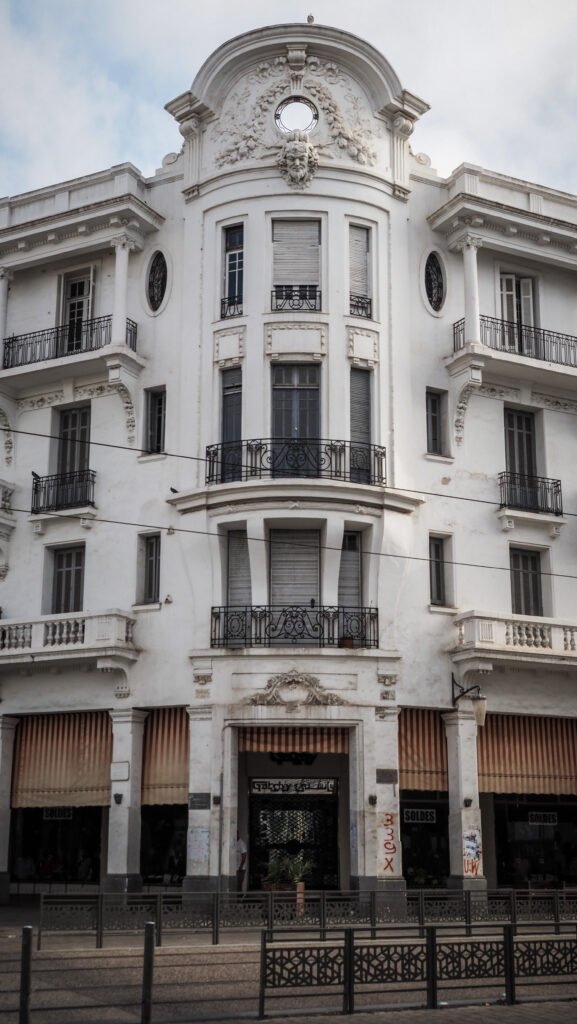
Mohammed V Boulevard is lined with imposing colonial-era Art Deco buildings. Keep an eye out for the Rialto Cinema (completed in 1929, designed by French architect Pierre Jabin). This stretch is Casablanca at its most “old glamour trying its best.”
After a quick breakfast (croissant + coffee = classic travel survival), we taxi to the headline act:
Hassan II Mosque
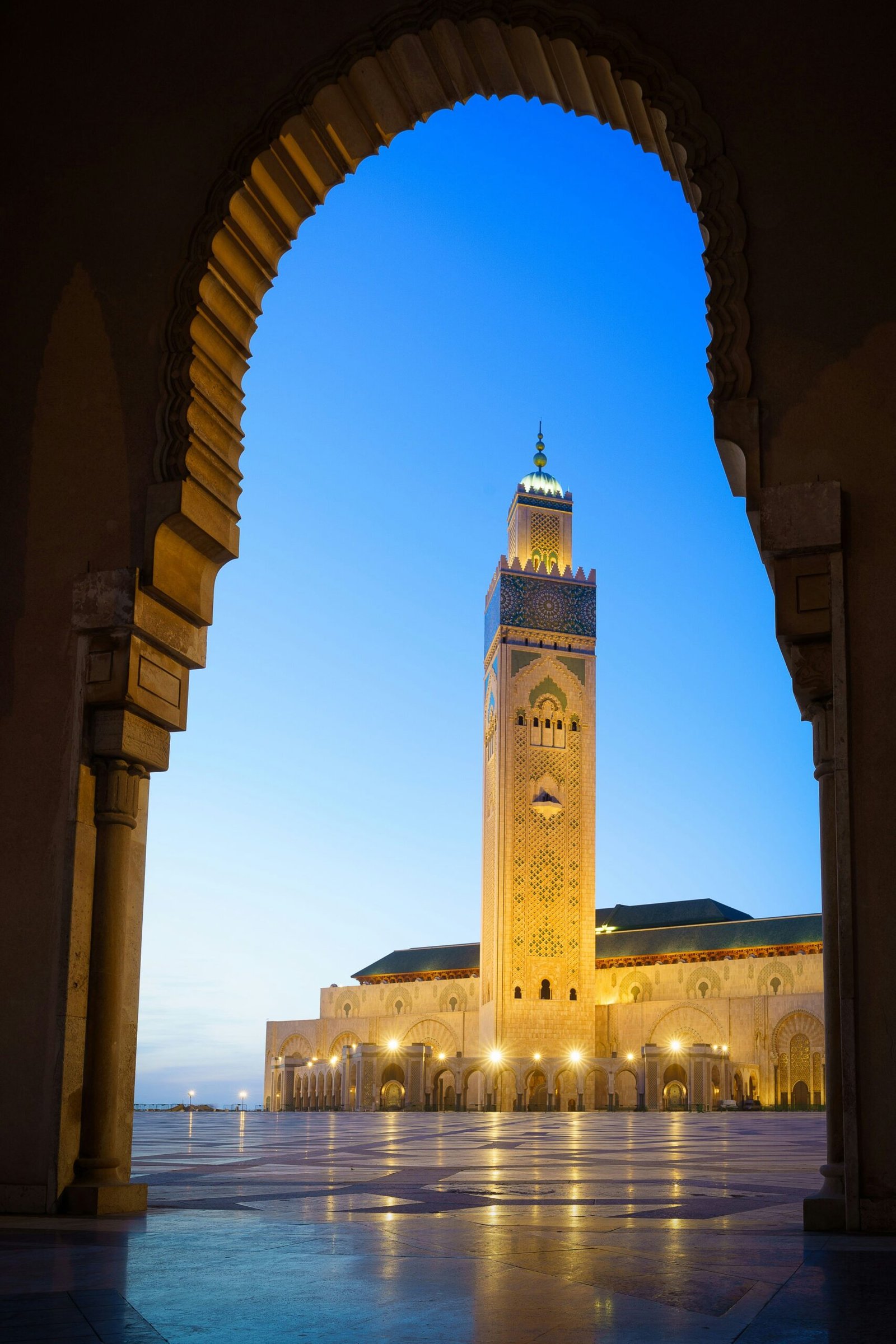
The Hassan II Mosque is tied tightly to King Hassan II’s vision in the 1980s: build something monumental that reflects Morocco’s religious and cultural heritage—and also casually dominates the Atlantic skyline.
Construction began in 1986, involved thousands of workers, and lasted seven years. It opened on August 30, 1993, timed with celebrations for the late king’s birthday.
Architecturally, it blends traditional Moroccan craft (zellige, carved plaster, cedar woodwork) with modern engineering. The design is credited to French architect Michel Pinseau, working closely with Moroccan artisans. And yes, that minaret is absurdly tall—210 meters—and is widely cited as the tallest mosque minaret. There’s also a laser beam aimed toward Mecca.
Inside, you’ll see details that feel almost over-the-top: glass floors in some areas with the ocean below, heated floors, retractable roof sections, and modern sound systems. Capacity is often described as up to 105,000 worshipers (inside + courtyard).
Tours + tickets: to see the interior, you typically need the guided visit (around an hour).
There’s also a small museum next to the ticket office to kill time while you wait.
The promenade walk: mosque → El Hank vibes
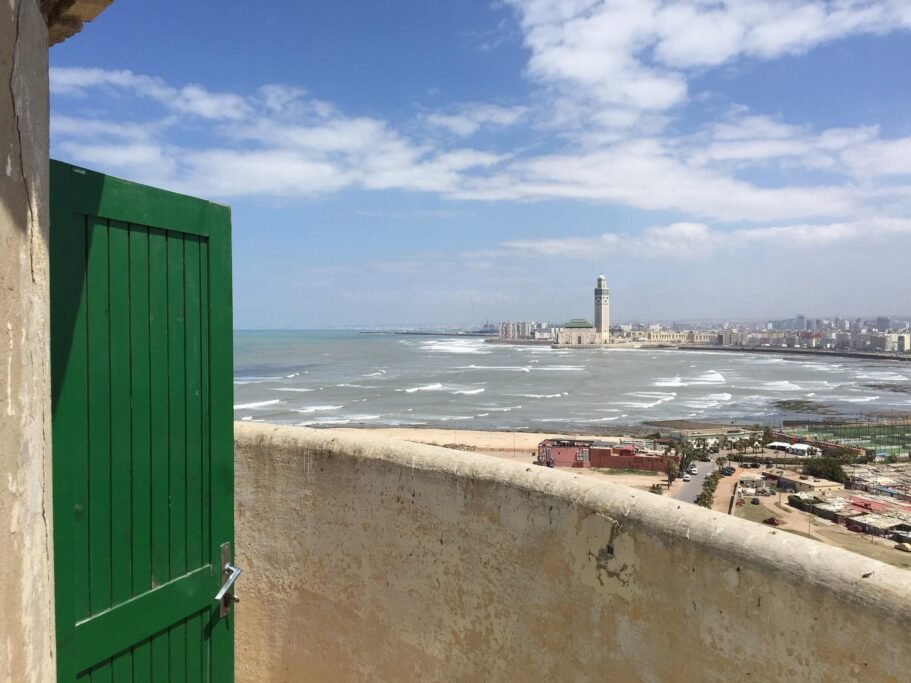
From the mosque, we walk along the waterfront toward the Al Âank observation deck and the El Hank lighthouse. Views over the Atlantic are the payoff, and it’s one of the best “Casablanca suddenly feels beautiful” moments.
The lighthouse was commissioned in 1920 and helped make the port safer. Climbing access changes over time; treat “going up” as a bonus, not a guarantee.
Keep going along Boulevard de l’Océan Atlantique and you’ll hit beaches like Lalla Meryem, Aïn Diab, and Madame Choual. Then we hop a petit taxi back to the center:
United Nations Square (old meets modern, and everyone’s in a hurry)
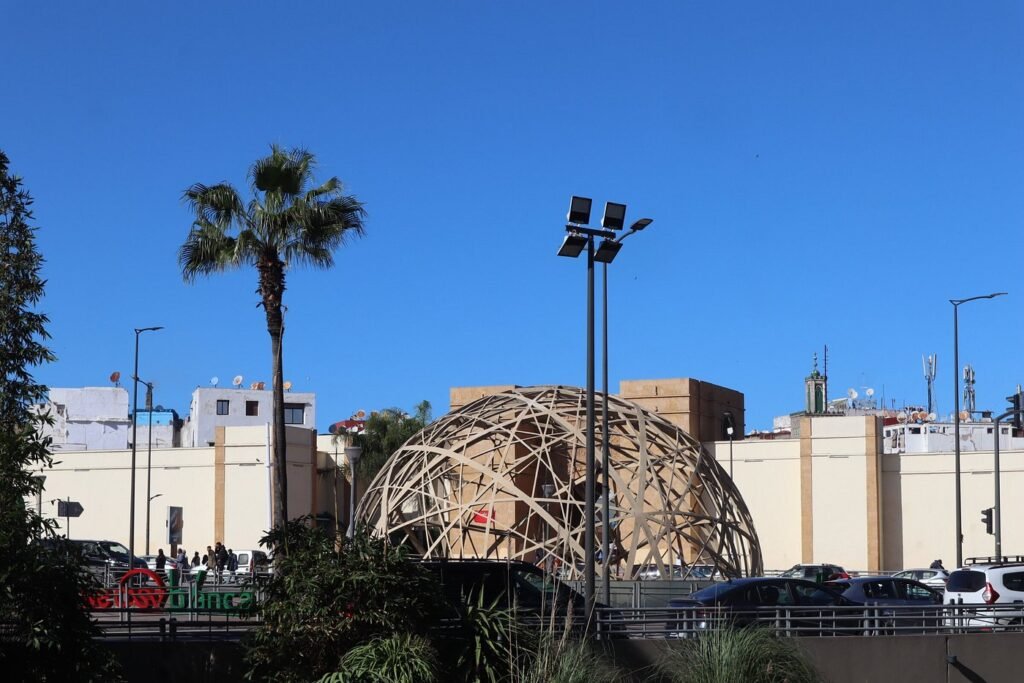
United Nations Square sits at the entrance to the Medina and acts as a major transport hub today. Historically, this area transformed fast under French urban planning—clock tower, new buildings, colonial-era commercial expansion.
Across Rue Felix et Max Guedj, you’ll find the Church of St. John, founded in 1906, the first Protestant church in the city, built on land belonging to the British Crown.
The Medina Market (manage expectations)
Casablanca’s Medina Market isn’t Marrakesh and it isn’t Fez. It’s still worth a look if you’re not visiting other big medinas—but parts feel run-down, and you’ll need your “polite but firm” voice.
Scam alert: anyone offering to “show you the way out” often means “we’re going to my cousin’s shop and you’ll tip me.”
Inside the Medina walls you’ll also find mosques like the Great Mosque and the Ould el-Hamra Mosque (built under Sultan Muhammad III bin Abdellah in 1789), plus Jewish sites:
- Ettedgui Synagogue (damaged during WWII events in 1942 and later rebuilt; reconstruction efforts are noted in modern sources)
- Beth-El Synagogue in the Jewish Quarter (often described as visitable only under certain conditions)
Rick’s Café (because you’re allowed to be a little cheesy)
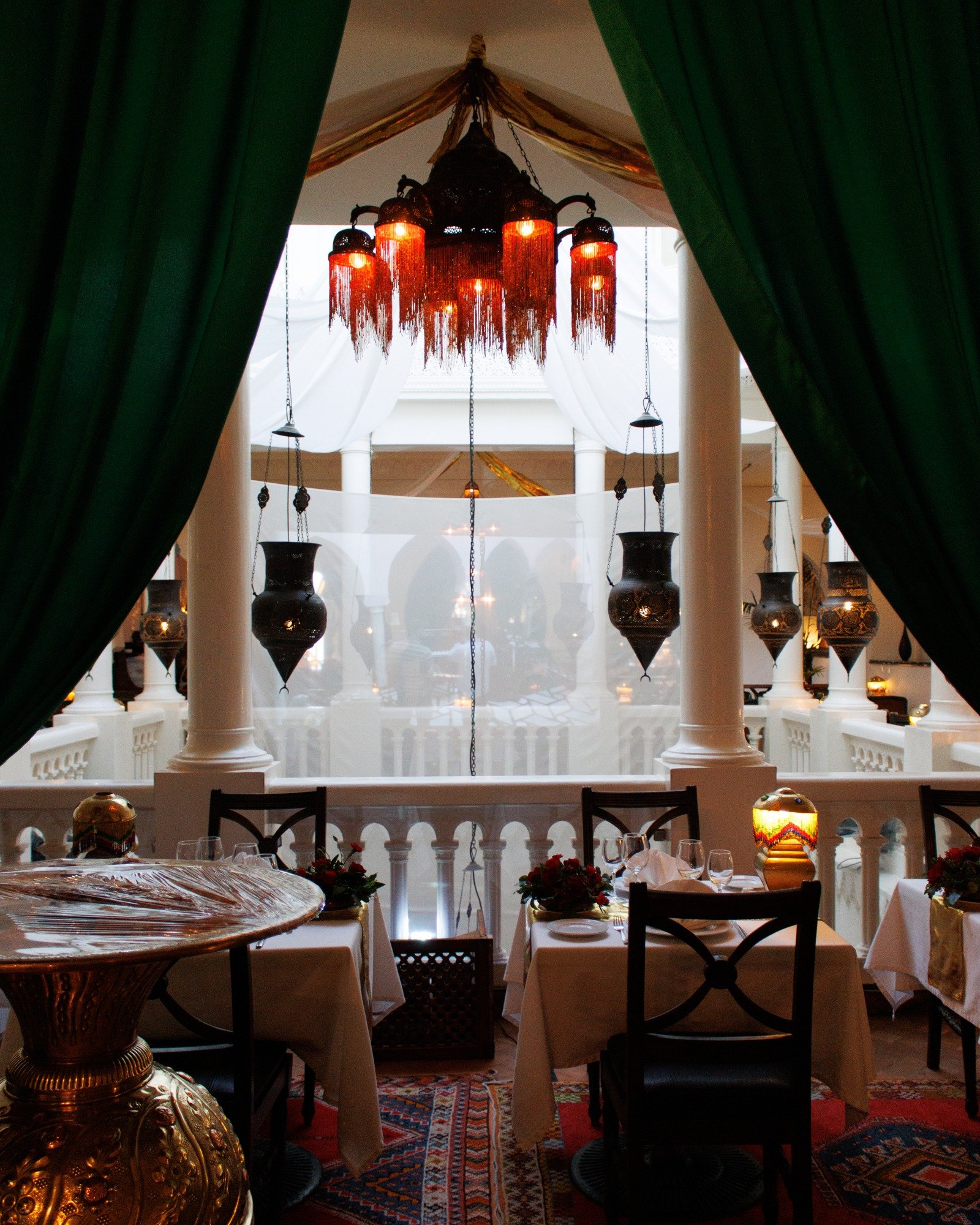
End day one at Rick’s Café, opened in 2004 to recreate the film bar vibe. The movie wasn’t shot in Morocco, but the nostalgia is real if you lean into it.
Budget reality: it’s pricier than your average local spot. Starters can be around 130–185 MAD, mains around 190–490 MAD, desserts around 70–80 MAD.
Day 2: Parks, architecture, museums, and a little “don’t get scammed” housekeeping
Arab League Park (morning reset)
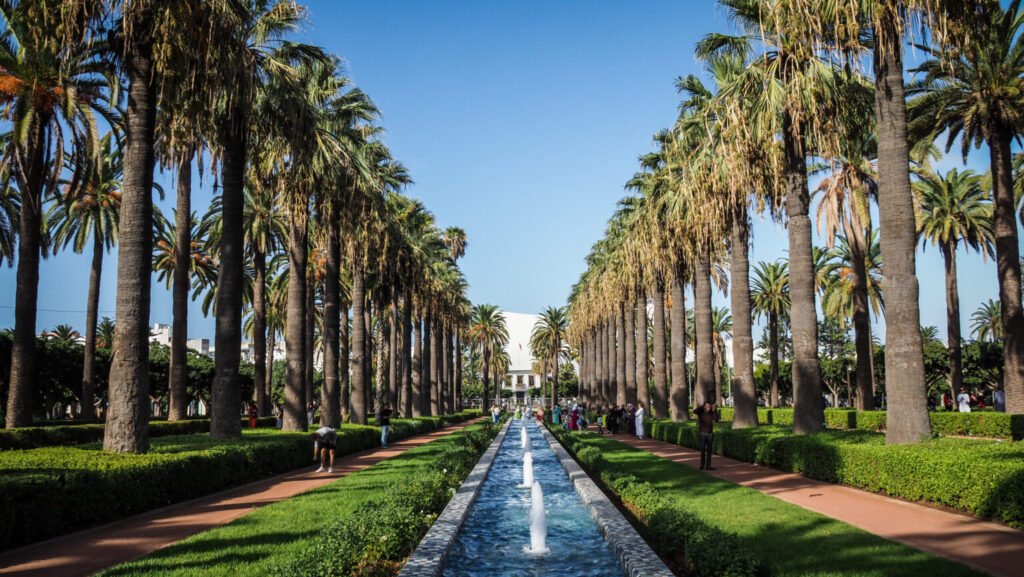
We start with a calm morning walk in Arab League Park: palm-lined paths, trimmed greenery, a big fountain, and enough space for walking, running, and kids to burn energy.
Sacred Heart Cathedral (maybe inside, probably outside)
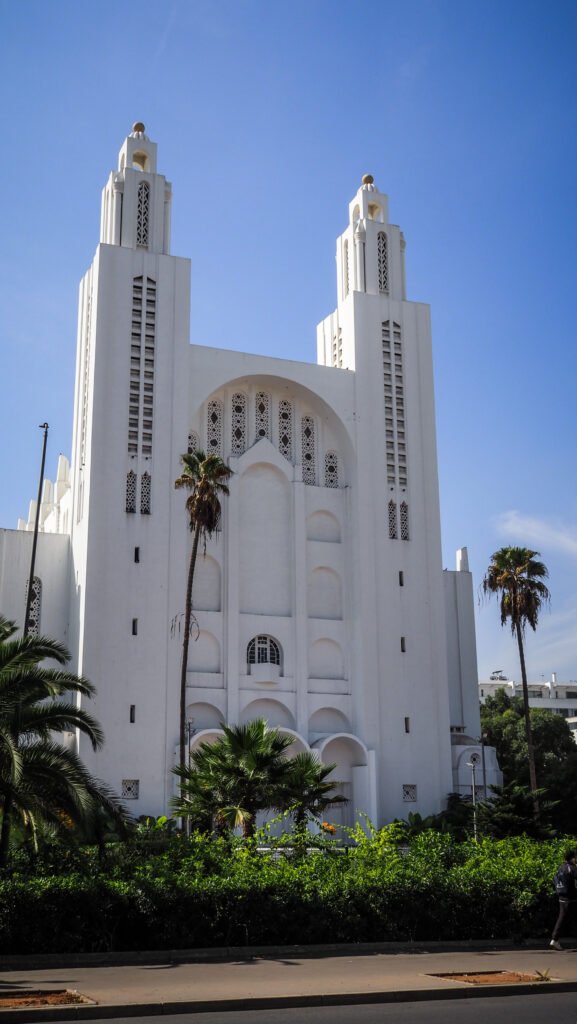
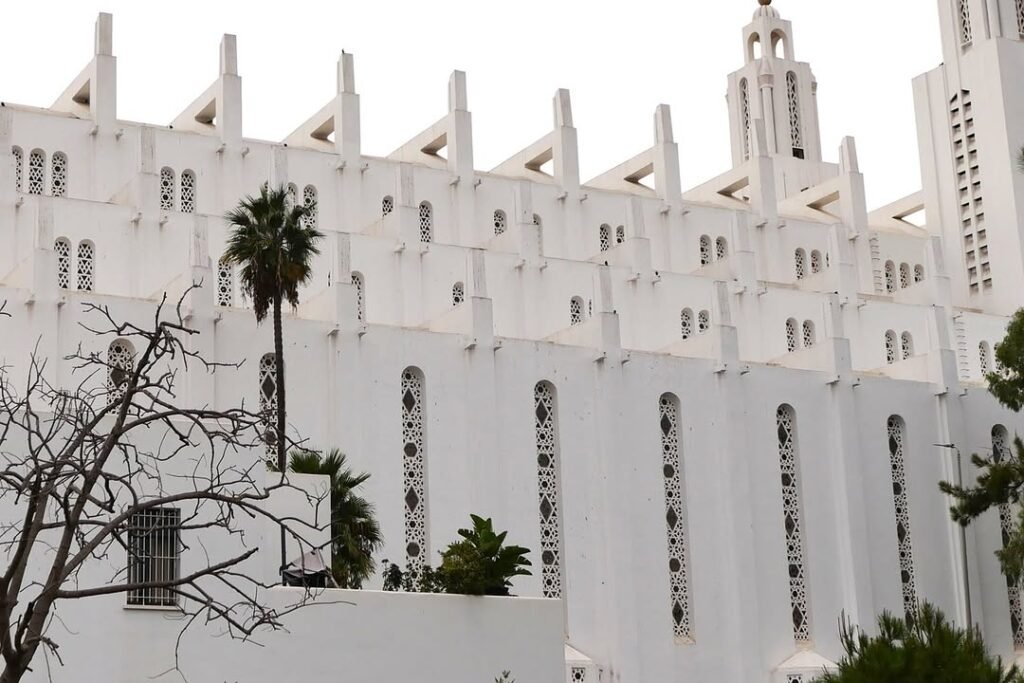
Near the park stands the Sacred Heart Cathedral (often called Sacré-Cœur). Technically it was never a cathedral (Casablanca isn’t a bishop’s seat), but it was built for a large Catholic community during the Protectorate era. Designed by Paul Tournon, construction began in 1930 and finished in 1953.
Villa of Arts (quick cultural detour)
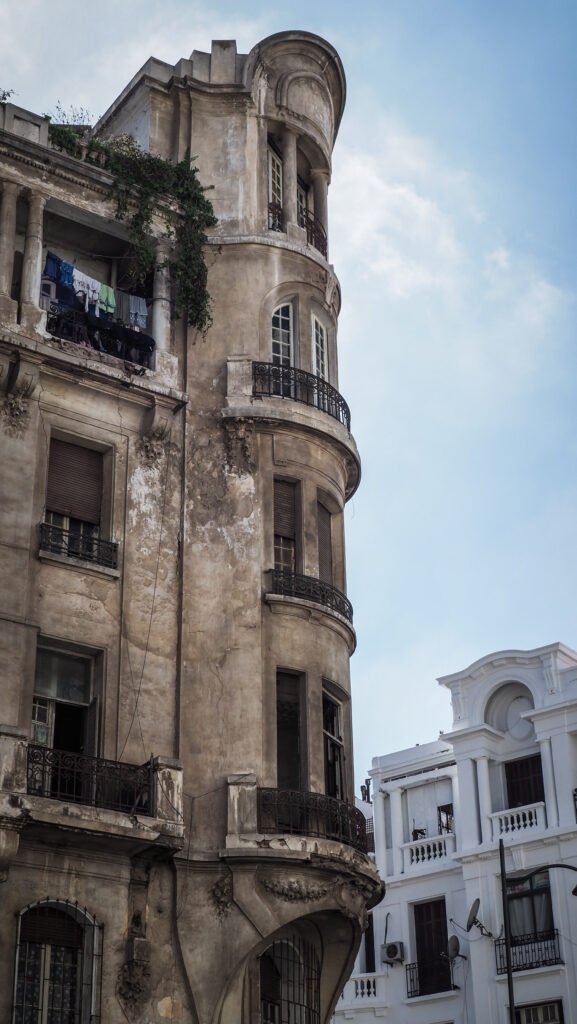
Very close by: Villa of Arts (Villa des Arts), a cultural center in a 1934 Art Deco villa showing contemporary art.
Mohammed V Square (pigeons, grandeur, and civic drama)
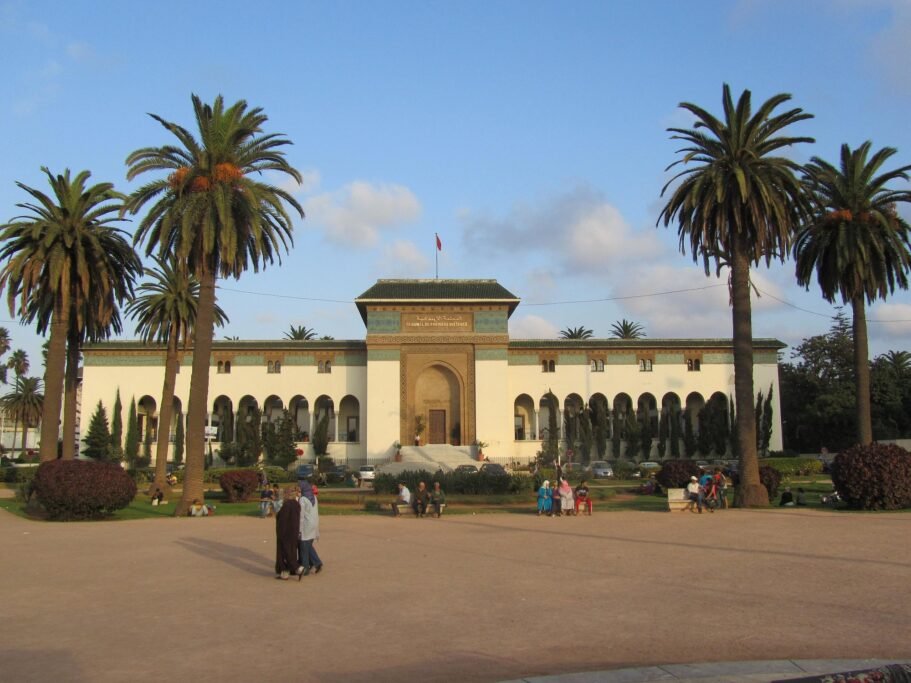
Mohammed V Square gets busy, especially on weekends. You’ll see crowds, pigeons (and the inevitable droppings situation), and locals feeding them.
Surrounding you are major buildings with history and big facades: the Court of First Instance, the Post Office, and Bank Al-Maghrib.
A bit further out, if you’re on an architecture scavenger hunt, look for spots like Café La Princière, Hotel Amouday, Hotel Transatlantique, and Hotel Volubilis.
Abderrahman Slaoui Foundation Museum (small museum, strong collections)
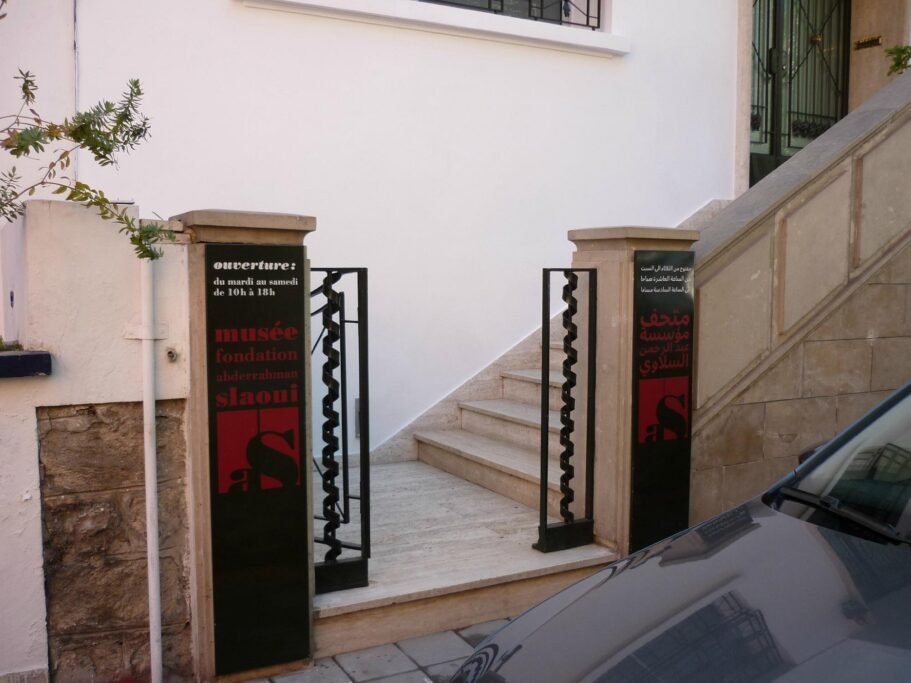
Abderrahman Slaoui Foundation Museum is named after Moroccan businessman and art collector Abderrahman Slaoui (d. 2001). Expect posters, crystal, Moroccan jewelry, paintings (including works associated with artists like Jacques Majorelle), and plenty of “oh wow, that’s gorgeous” display moments.
Central Marketplace (seafood + sales tactics)
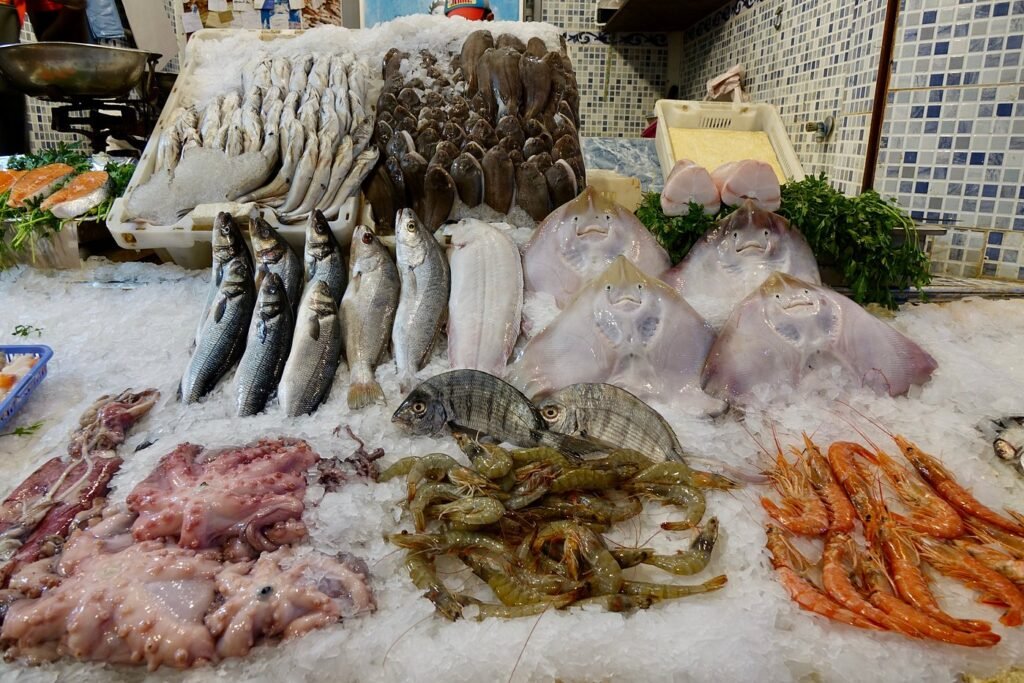
The Central Marketplace is an indoor market from the early 20th century and is popular for seafood. The moment you enter, vendors may try to steer you into “their” restaurant.
Classic tourist trap: unsolicited dishes appear (salads, bread baskets, mystery extras), then the bill inflates. If you didn’t order it, don’t touch it, and clearly say you don’t want it.
Church of Notre Dame de Lourdes (stained glass worth the detour)
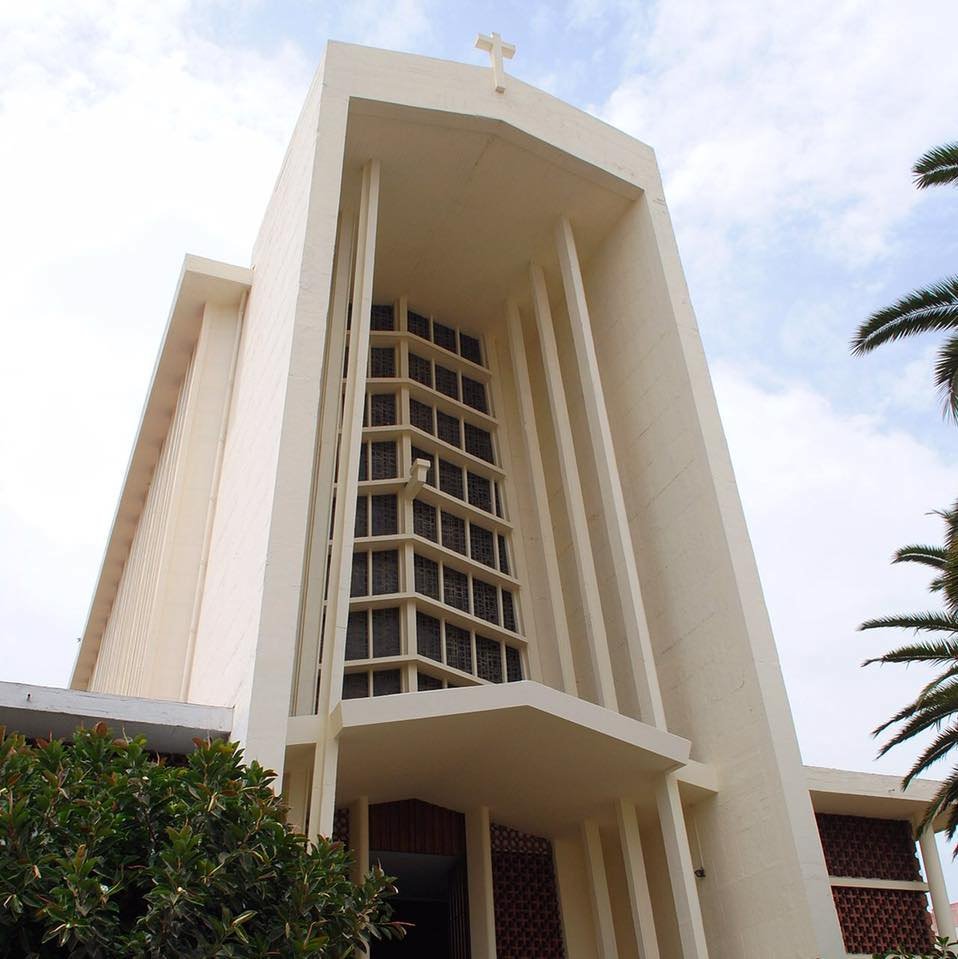
About a 20-minute walk from Arab League Park, Notre Dame de Lourdes is modernist and famous for stained glass by Gabriel Loire.
Habbous District: Royal Palace + Mahkama warning
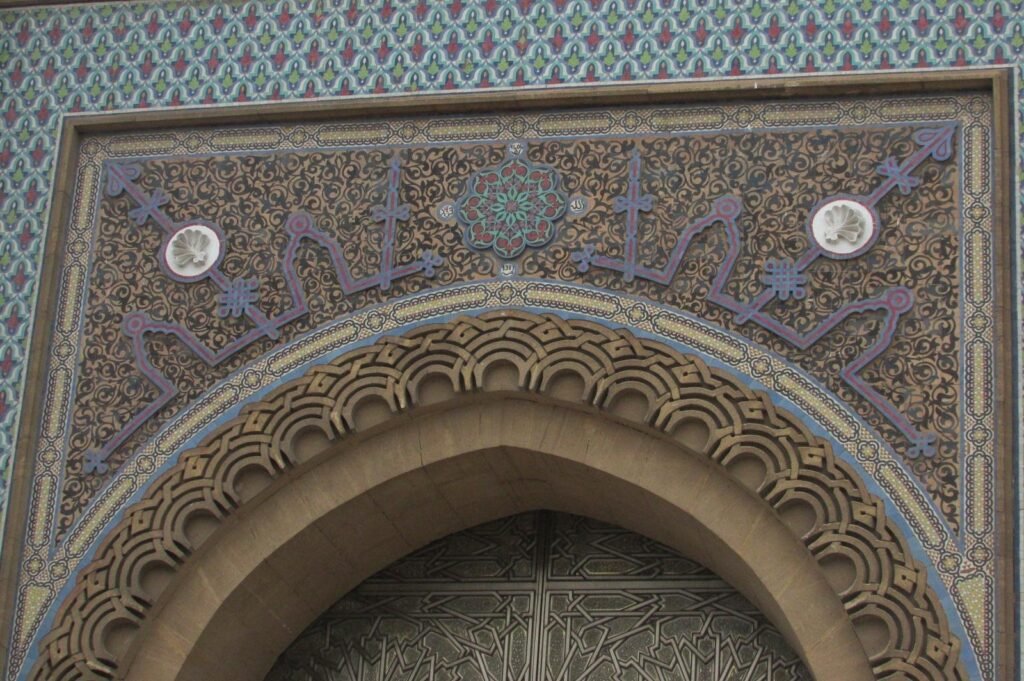
Head deeper into the Habbous area for the Royal Palace (not open to the public; you mostly see gates and the formal exterior). It’s known for hosting major events, including King Hassan II’s meeting with Pope John Paul II in 1985—a historic first: a pope visiting a Muslim country at the invitation of an Islamic leader.
Nearby: Mahkama of Pacha—gorgeous architecture, but watch for scams. If someone demands around 100 MAD at the entrance while saying it’s “closed,” treat it as a bribe, not an official ticket.
Museum of Moroccan Judaism (if you still have energy)
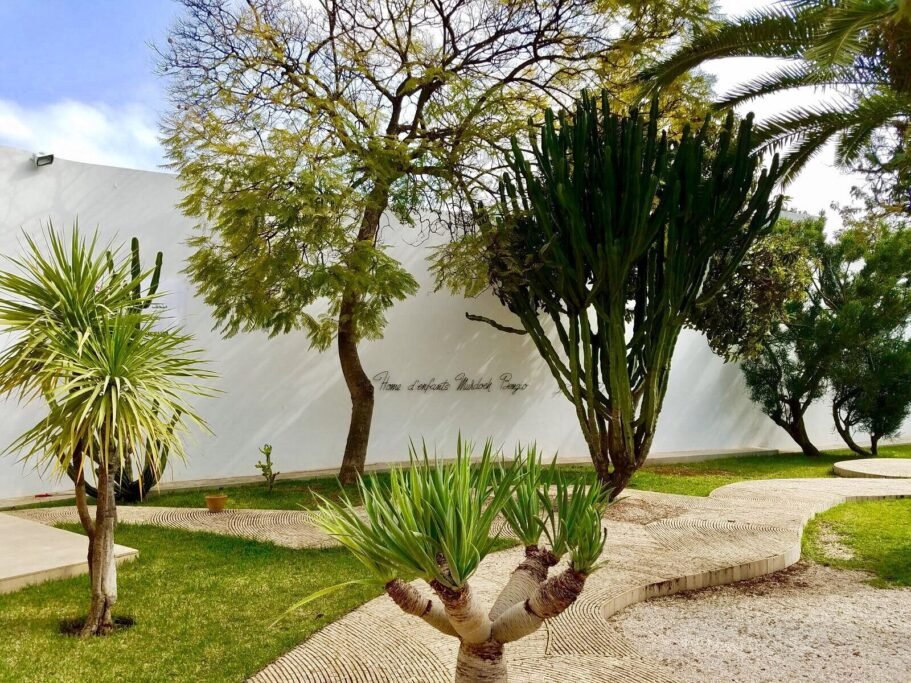
If you’ve got time, the Museum of Moroccan Judaism is outside the main tourist core, so taxi is easiest.
It documents Jewish life in Morocco across about 2,000 years, with a strong focus on Casablanca’s once-major Jewish community. It’s housed in a building that was once a Jewish orphanage, with exhibits ranging from religious objects to textiles and community history.
Where to Eat in Casablanca: our top restaurant picks
Casablanca doesn’t always look like it’s going to feed you well (she’s gritty, she’s loud, she’s got “industrial port chic”), but then—boom—someone drops a perfect tagine in front of you and suddenly we’re all forgiving. Here’s where we’d actually spend our dirhams, from “classic Moroccan in a garden” to “sea-view splurge.”
1) La Sqala (best “first Moroccan meal” in a leafy courtyard)
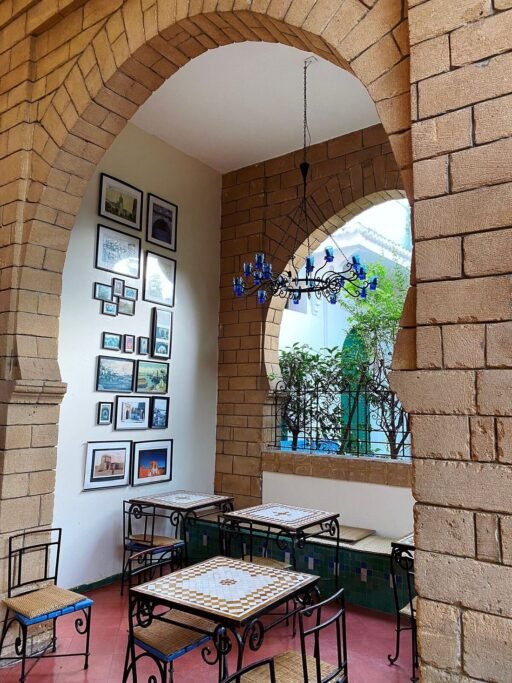
If you want the Casablanca postcard version of dining—Andalusian garden, ramparts by the old medina, classic Moroccan comfort—this is it.
What to order: tagines, couscous, Moroccan salads, and a proper mint tea moment.
What it costs (roughly): mains often land around 95–135 MAD; mezze-style starters around ~90 MAD.
Small practical note: their menu lists drinks like Oulmès 1L at 25 MAD and 33cl soda at 30 MAD, which is handy when you’re budgeting lunch.
Vibe: daytime is calm; evenings can be busier—reserve if you’re going at prime time.
2) Al Mounia (classic Moroccan, romantic garden energy)
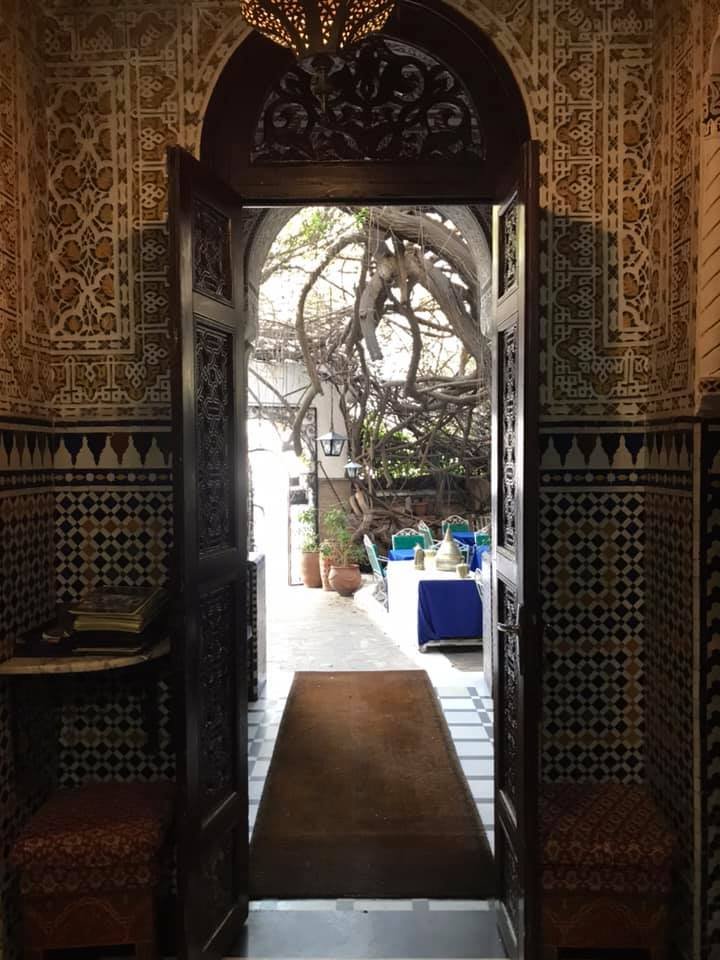
Old-school, elegant, and reliably recommended for traditional Moroccan dishes in a beautiful setting. It’s the sort of place where we’d take you when you say, “We only have one nice dinner in Casablanca—where do we go?”
What to order: pastilla, lamb tagine, classic Moroccan starters (go hungry).
Budget: “reasonable for the experience”- expect mid-range Moroccan restaurant pricing rather than street-food cheap.
3) Rick’s Café (yes it’s touristy; yes we’d still go)
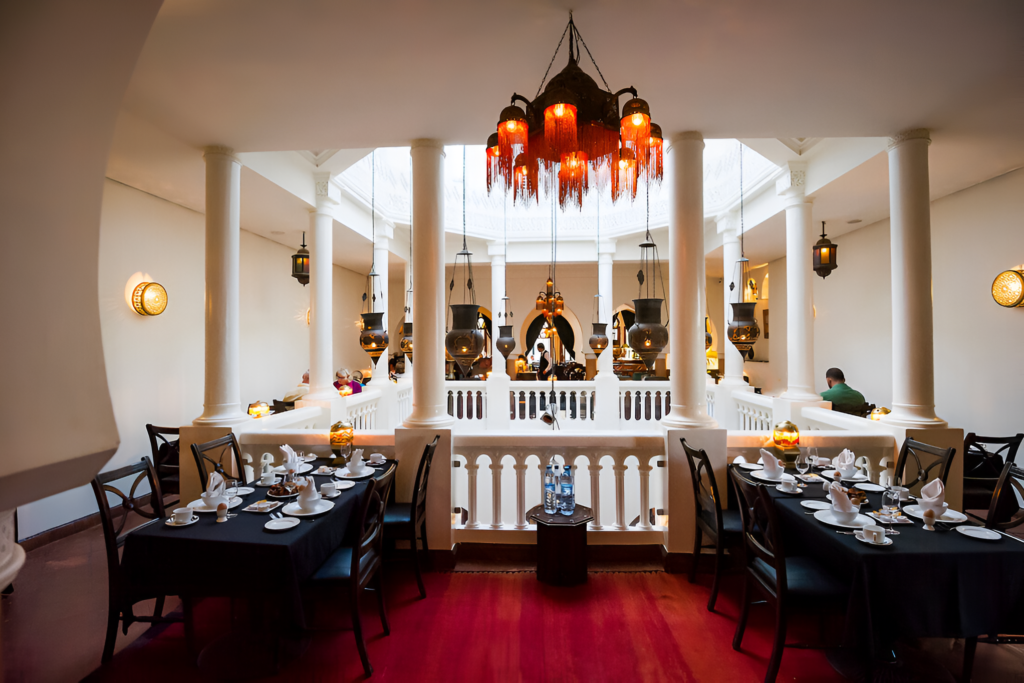
We’re not pretending it’s a hidden gem. We’re saying: if you like a moody piano, cinematic interiors, and the idea of dinner as a little performance, Rick’s is fun—just don’t show up looking like you rolled out of a bus station.
What to order (with real menu prices):
- Goat cheese with figs 130 MAD
- Grilled sea bass 215 MAD
- Ribeye (the “we’re celebrating” move) 490 MAD
- Rick’s cheesecake 70 MAD
Logistics: reservations are smart; dress code is stricter than most places.
4) Le Cabestan (ocean-view, “we’re being fancy” Casablanca)
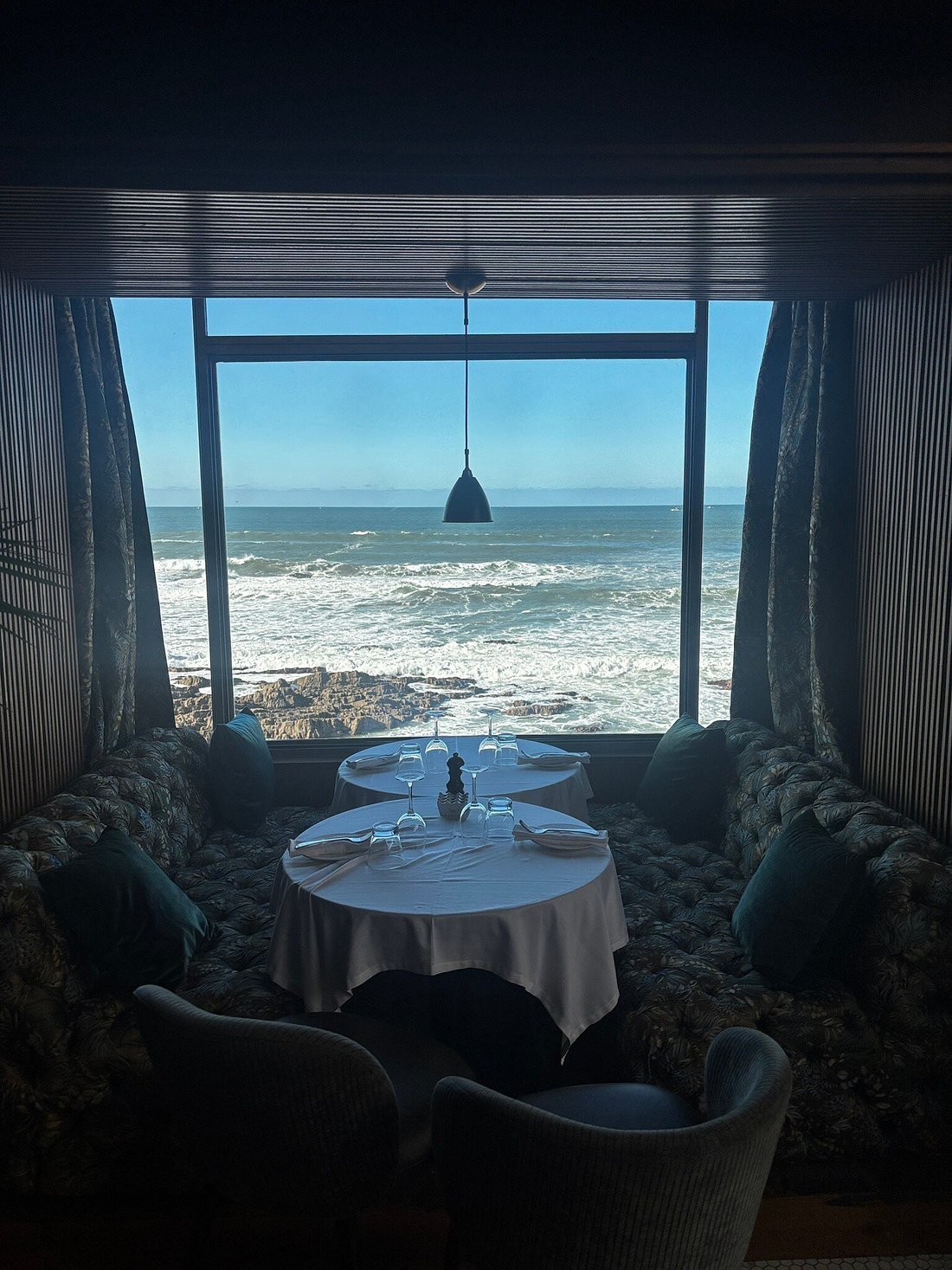
This is the sleek seaside option: cocktails, seafood, and the Atlantic doing its best to distract you from the bill.
What to order (menu examples):
- Margherita 105 MAD / Pepperoni 135 MAD
- Smoked salmon baguettines (3 pieces) 89 MAD
If you’re doing a big splurge night in Casablanca, this is a strong contender.
5) Dar Dada (modern Moroccan with a “night out” soundtrack)
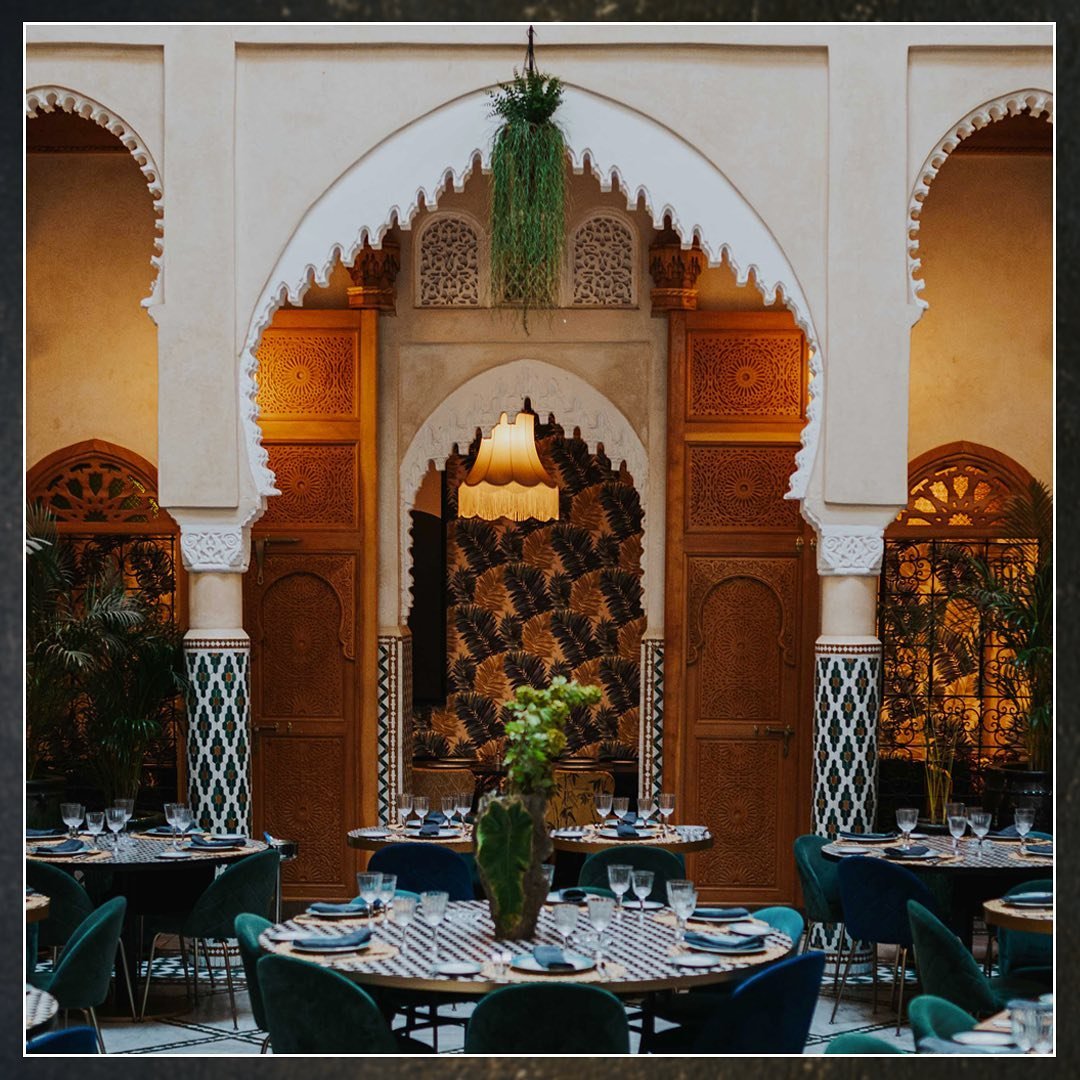
If you want Moroccan flavors dressed up for a proper evening—often with entertainment—Dar Dada is the move.
Menu price snapshots:
- Mushroom rghaif with black truffle 140 MAD
- Chicken pastilla 140 MAD
- Desserts like rosewater milk pastilla 90 MAD
Typical spend: one listing pegs the average à la carte around ~450 MAD (varies wildly with what you order).
6) Le Cuistot Traditionnel (solid mid-range, lots of Moroccan classics)
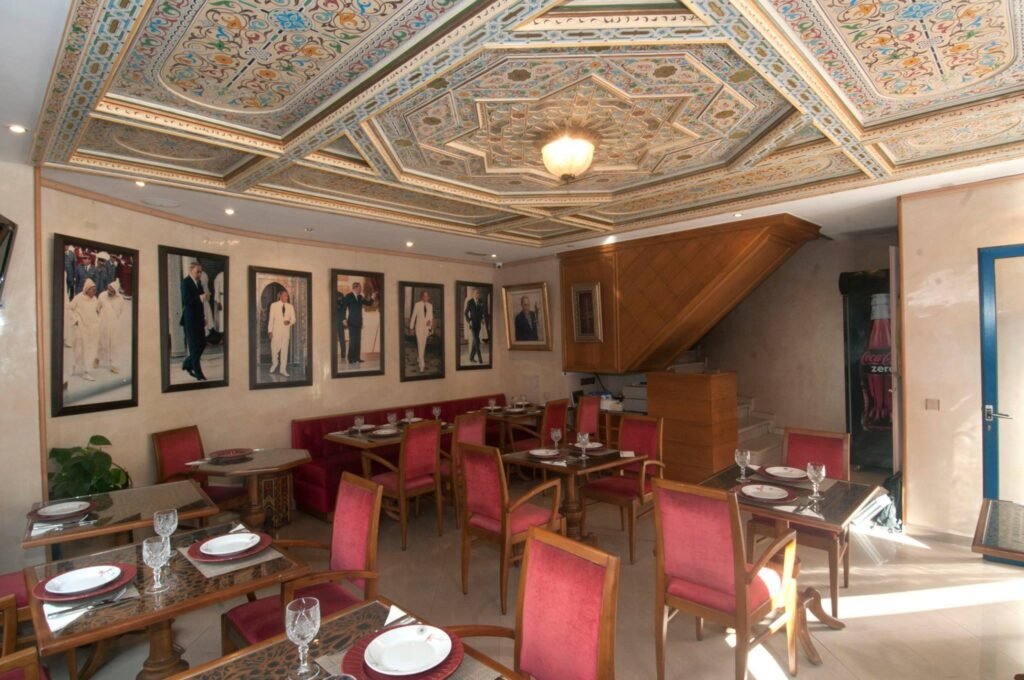
A practical “we want variety and we want it now” spot—with transparent menu pricing online (love that for us).
What to order (with prices):
- Chicken pastilla 83 MAD
- Lemon chicken 165 MAD
- Couscous with vegetables 149 MAD
- Fresh orange juice 39 MAD
Great when you want a reliable Moroccan menu without “fine dining” theatrics.
7) La Brasserie Bavaroise (Casablanca institution, brasserie-style)
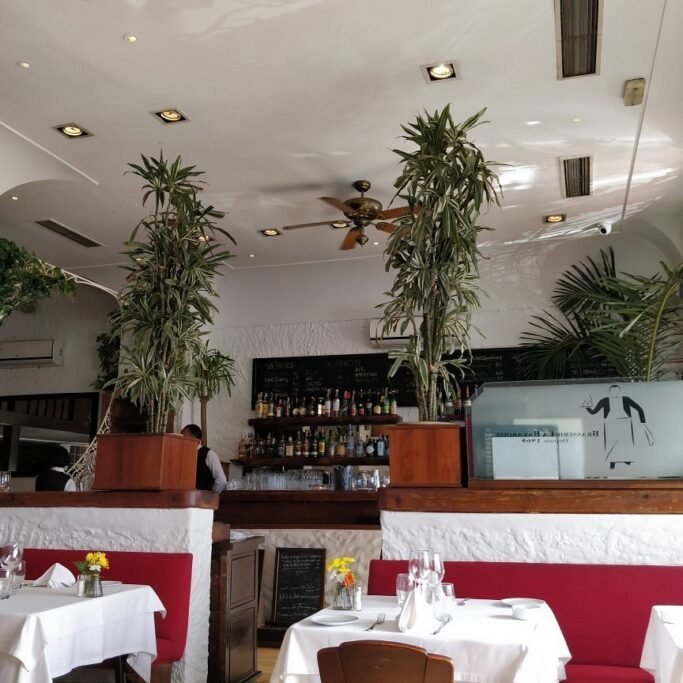
If you’re craving a classic brasserie vibe—meat, seafood, polished service, a bit of “this place has history”—this is the iconic pick.
Budget reality: ~200–500 MAD per person range depending on what you order (and whether you add wine).
8) La Grande Table Marocaine (Royal Mansour-level: the “once” meal)
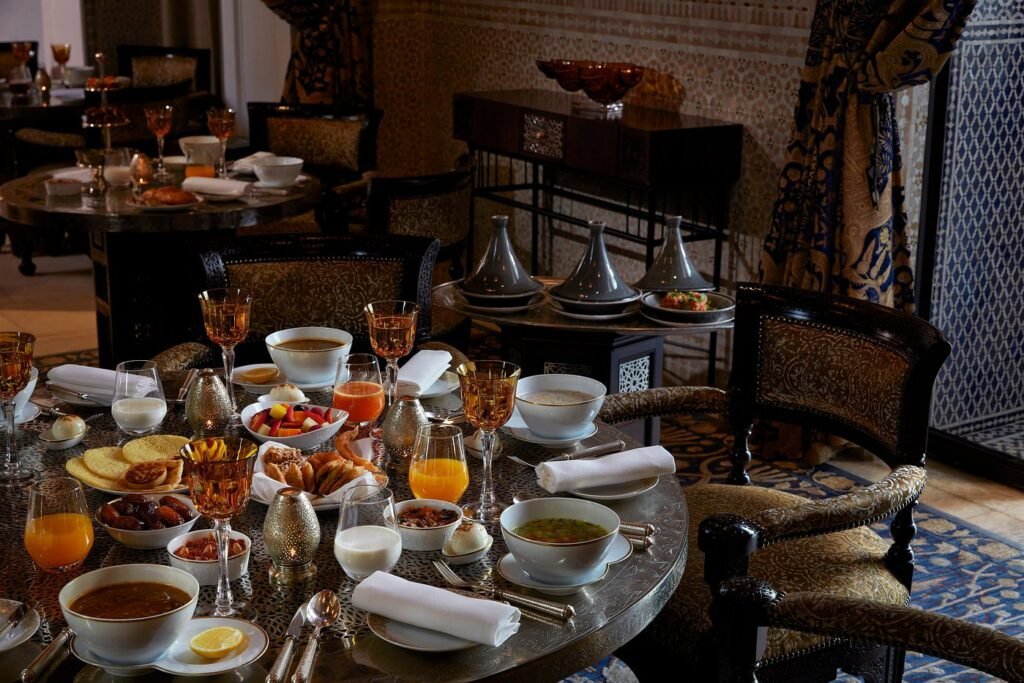
If you want the most high-end Moroccan dining experience in the city—this is it, in the Royal Mansour Casablanca.
What it costs: average à la carte around 1,700 MAD, and there are special menus/events priced around 1,400 MAD per person (excluding drinks).
This is not “budget Casablanca.” This is “we’re dressing up and committing to the drama.”
Where to stay in Casablanca: top hotel picks (by vibe + budget)
Casablanca is the kind of city where where you sleep matters. Pick the wrong area and you’ll spend half your trip negotiating taxis and dodging “helpful guides.” Pick the right base and you’ll walk to Art Deco streets, parks, cafés, and the tram like you planned your life. Here are the stays we actually booked.
Best Hotels
1) Four Seasons Hotel Casablanca — best “treat-yourself” seaside stay
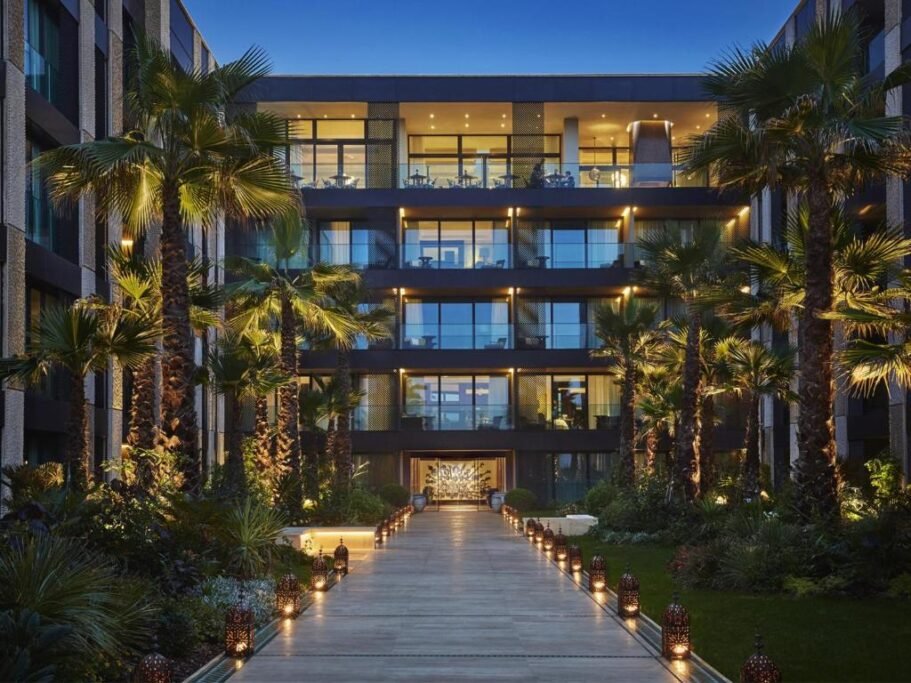
If you want oceanfront calm with polished service, this is the splurge anchor. Recent deal ranges show roughly $180–$550/night (≈ 1,640–5,000 MAD).
Book this room: go for an ocean-view category if the price gap isn’t outrageous—this is literally why you’re here.
Best for: couples, luxury breaks, “we need to recover from Casablanca traffic.”
2) Barceló Anfa Casablanca — best modern 5-star feel without going full royal
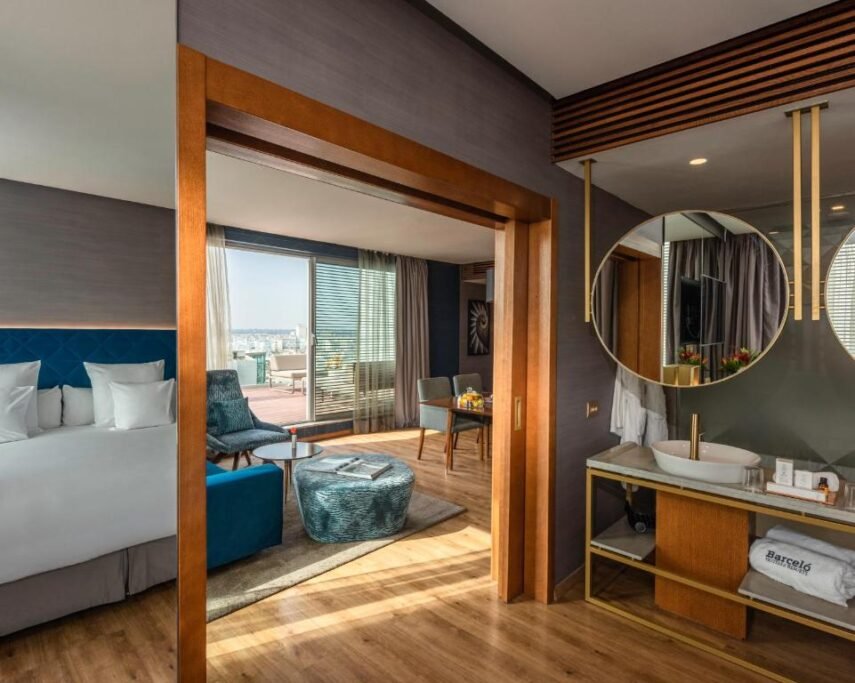
A stylish, central option that often lands in the “good value for a nicer stay” zone. Price start around $130/night (≈ 1,180 MAD) depending on dates.
Book this room: Deluxe / high-floor if available—Casablanca is better from above.
Best for: city-center base, good amenities, mid-to-upscale budgets.
3) Hyatt Regency Casablanca — best classic downtown base
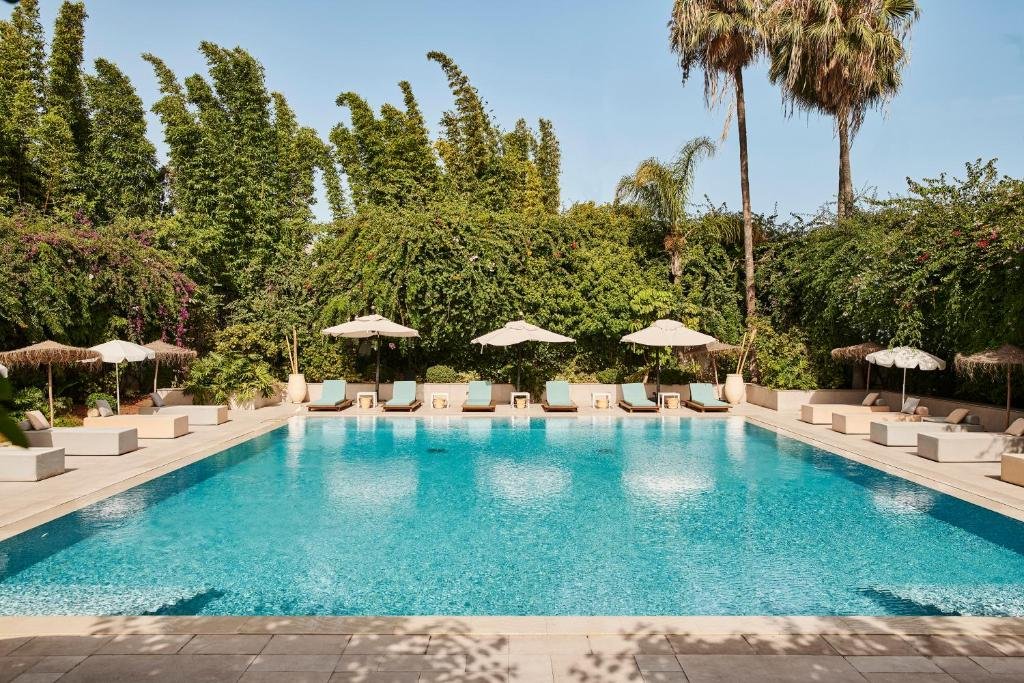
Right by Place des Nations Unies, this is old-school international comfort in the center. Price around $168–$208/night (≈ 1,530–1,890 MAD).
Book this room: Standard King (then upgrade at check-in).
Best for: first-timers, convenience, walkability to key downtown sights.
4) Kenzi Tower Hotel — best skyline views (Twin Center)
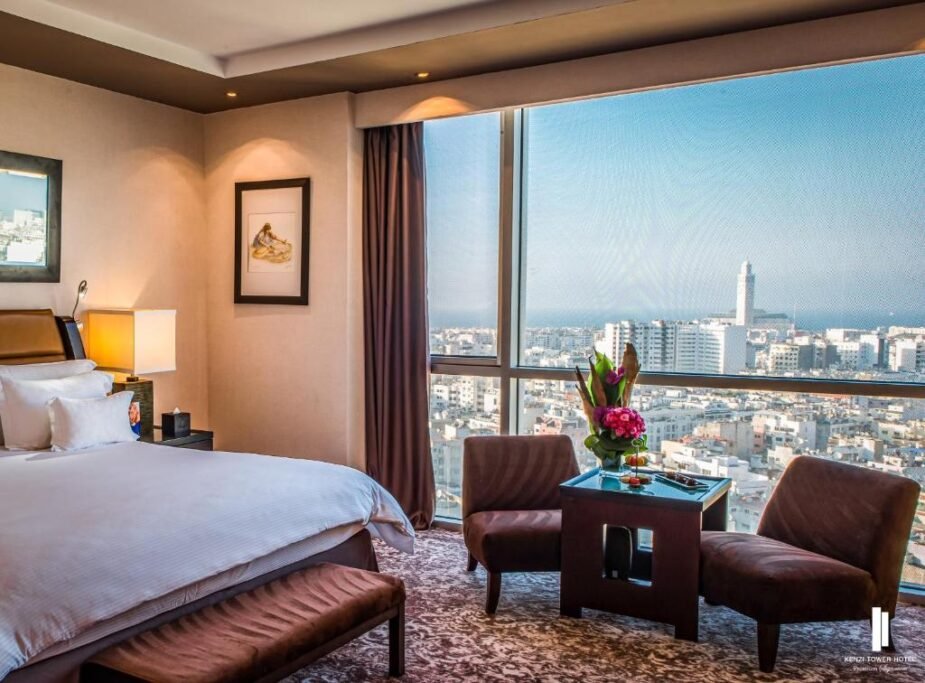
If you want a room with panoramic city views (and you love the idea of being based near shopping and restaurants), Kenzi Tower is a strong pick. Price around $159–$201 (≈ 1,450–1,830 MAD).
Book this room: Panoramic view category if offered—views are the point.
Best for: Maarif/Twin Center area, cityscape lovers.
Best stays for a 1–2 day sightseeing stopover
5) Melliber Appart Hotel — best location for Hassan II Mosque + practical space
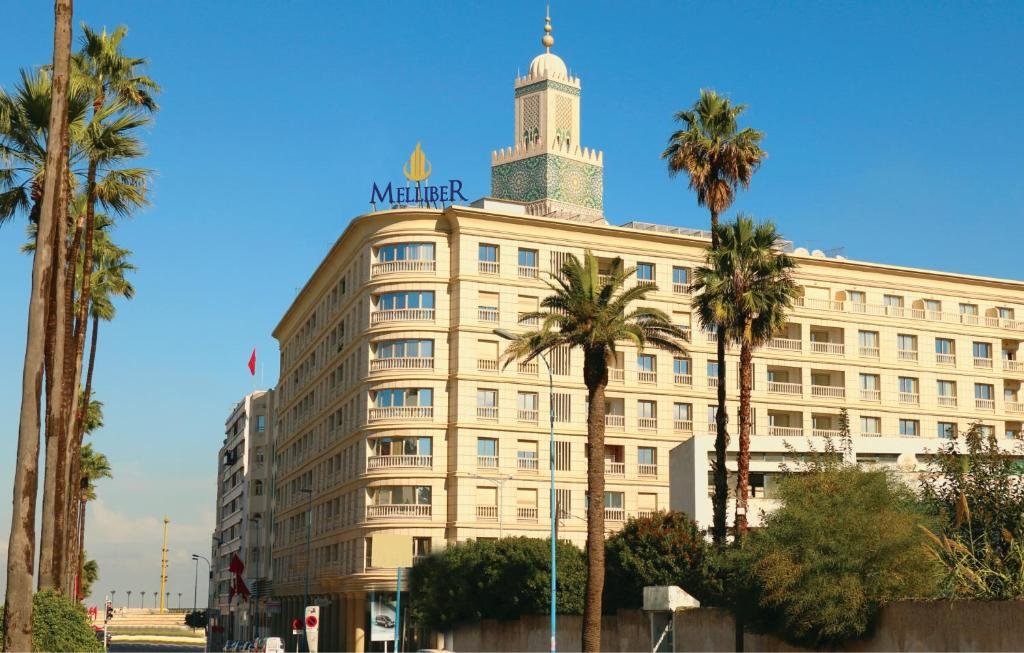
If you want to be near the mosque and like having apartment-style convenience, Melliber is well-placed.Price around $54–$87/night (≈ 490–790 MAD).
Book this room: a studio / apartment-style room for extra breathing space.
Best for: mosque-focused itinerary, families, anyone who likes a calmer zone at night.
Budget picks (clean, practical, no drama)
6) ibis Casa Voyageurs — best for trains + early departures
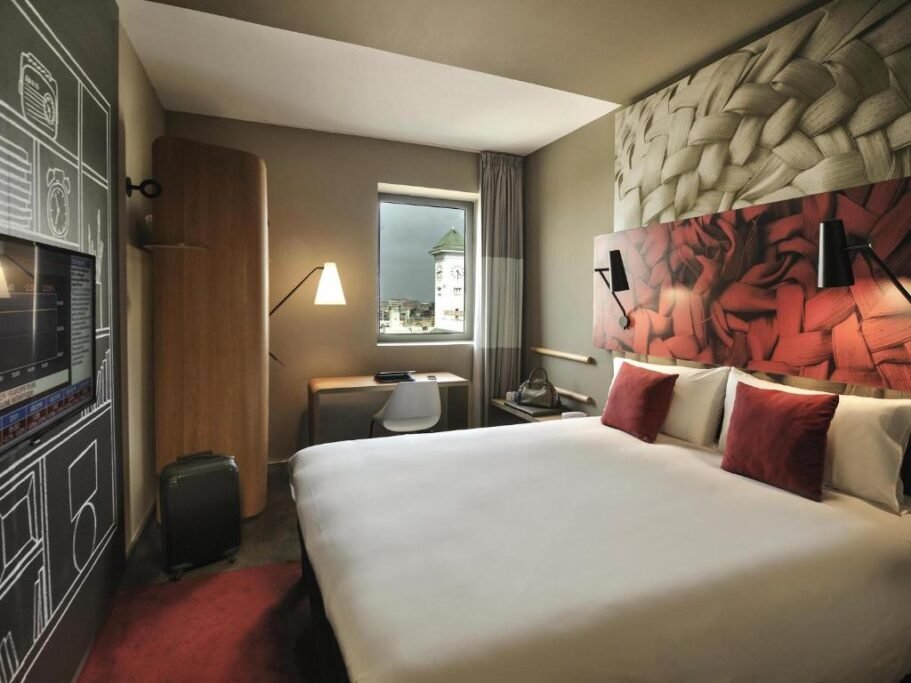
Right by Casa-Voyageurs station; prices start around $51–$60/night (≈ 460–550 MAD).
Book this room: Standard and call it a win.
Best for: rail connections, quick overnight, late arrival.
7) Hotel Central — cheapest “you’re here for the rooftop view” option
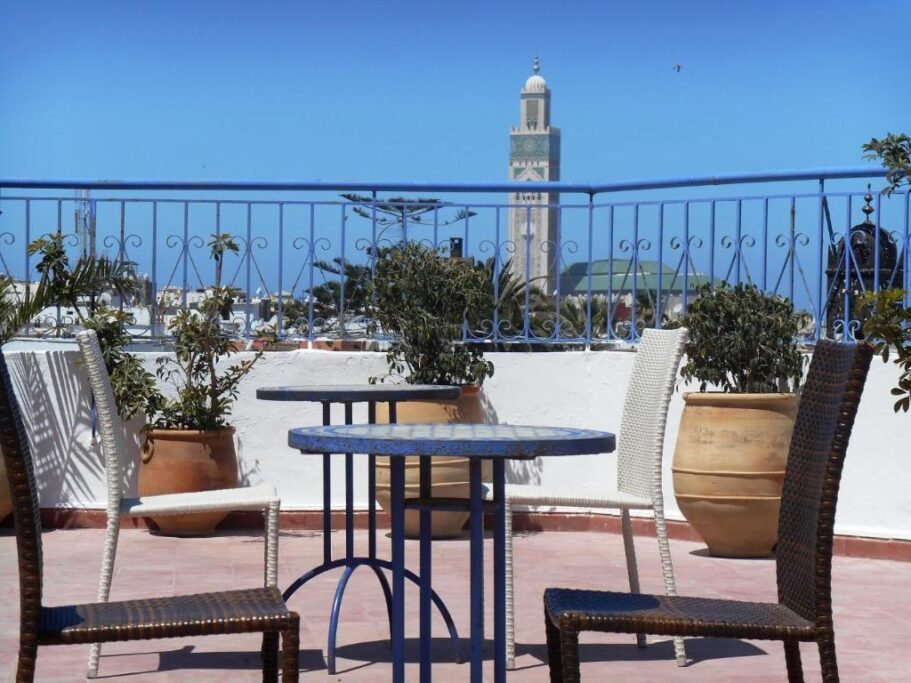
Their own site lists 300 DH single / 400 DH double or twin per night (≈ 300–400 MAD, about $33–$44).
Book this room: Double or Twin (400 DH) and head straight for the terrace.
Best for: shoestring budgets, travelers who don’t need fancy—just location + a bed.
Quick Casablanca budget cheatsheet
- Hassan II Mosque interior visit: ~130–140 MAD
- Tram single ride: 8 MAD
- Petit taxi around town: often ~10–20 MAD for many rides; base commonly ~7–10 MAD
- Grand taxi to airport (typical quoted range): ~150–250 MAD
- Museum of Moroccan Judaism: 50 MAD
- Abderrahman Slaoui Museum: around 60 MAD
- Rick’s Café: mains around 190–490 MAD, desserts 70–80 MAD
And yes: two days is plenty. Casablanca is a messy masterpiece—worth meeting, not necessarily worth moving in with.
- Perfect 2 Days In Casablanca Itinerary (2026): Ocean Vibes, Architecture & Local Food
- 7 Best Hotels in Casablanca (2026): Boutique Gems, Luxe Views & Beachy Stays
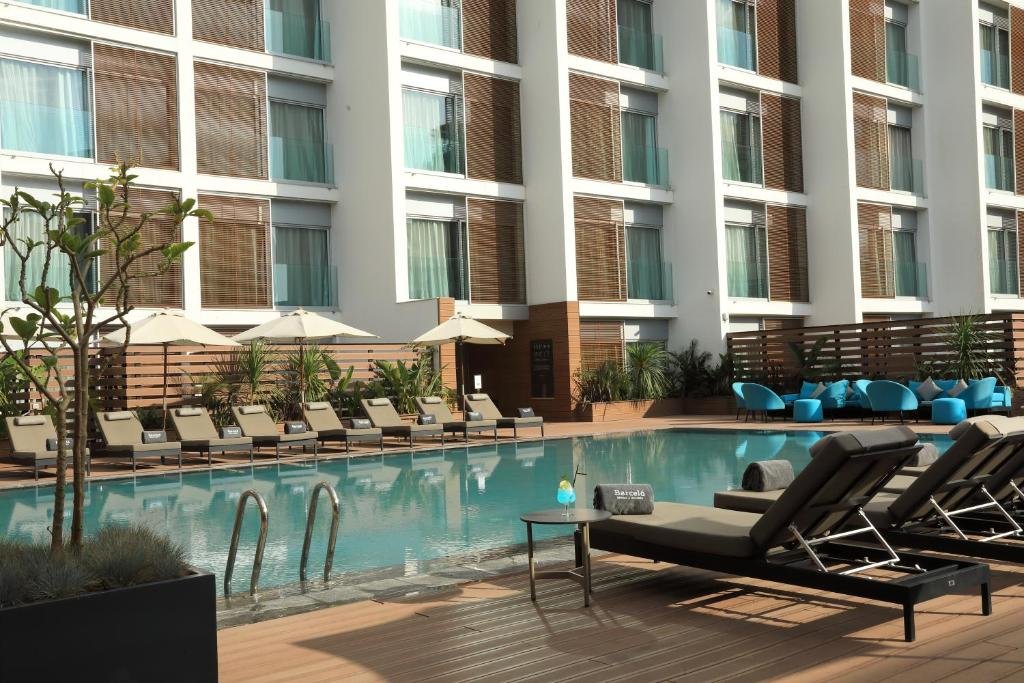
- 7 Best Rooftops in Casablanca For A Night to Remember (2026)
- Hidden Gems in Casablanca (2026): Secret Corners & Forgotten Favorites
- 10 Best Restaurants in Casablanca (2026): Where to Eat Like a Local