
Travel writing based on first-hand experience
We land expecting only glass towers and traffic, and—boom—the wind smells like sea spray and orange blossoms, the tram hums past Art Deco facades, and a cat naps under a carved cedar doorway as if it’s 1932. Casablanca isn’t a museum city; it’s a living, slightly chaotic collage. If you’ve “done Hassan II” and think that’s it—nope. We’re taking you to discover hidden gems in Casablanca- into the quiet courtyards, ghost-cinemas, and salty edges where Casa keeps her best stories.
➡️Explore the best things to do in Casablanca, Morocco—from iconic landmarks and beaches to cultural sites, souks, and local food spots. ➡️ Before you book anything, read our guide to where to stay in Casablanca. ➡️ Need food ideas? These Casablanca restaurants saved several hungry afternoons ➡️Discover the best places for shopping in Casablanca, Morocco—from luxury malls and historic souks to authentic local markets. Find out where to buy spices, leather goods, tagines, and more. |
Table of Contents
Tips Before You Start Discovering Hidden Gems in Casablanca
Getting around (fast, cheap, sane)
- Tram: Clean, frequent, perfect for downtown/Habous/Parc runs.
- Red taxis: Everywhere; insist on the meter or agree on fare up front.
- On foot: Downtown’s grid is walkable; sidewalks can be uneven—watch your step.
- Rideshare: Useful at night or when crossing long distances.
- Pro tip: Pin spots offline—signal can wobble near the port and in dense blocks.
Where to stay (near the action)
- Downtown/Art Deco zone: Best for architecture walks, tram access, cafés.
- Habous side: Quieter, cultural, markets at your doorstep.
- Corniche/Ain Diab: Seafront sunsets, promenade life, further from historic core.
Safety & respect
- Dress modestly in neighborhoods and at religious sites.
- Ask before photographing people (a smile helps).
- Side streets can be dim at night—use taxis and stick to lit avenues.
Hidden Gems in Casablanca:
1) Mahkama du Pacha — zellige, light, and hush
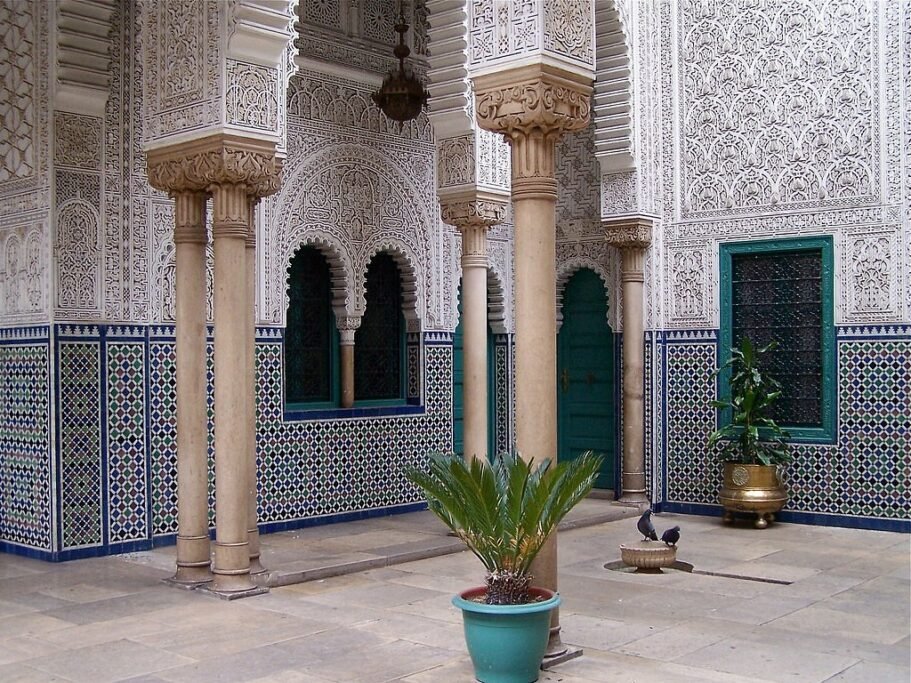
We duck into Habous and step through a portal: cedar ceilings, lace-cut stucco, cool marble underfoot. The Mahkama isn’t on most tours (good), and its rhythm is more whisper than wow. That’s the charm—you feel like you’ve trespassed into the city’s private jewelry box.
Close to: Quartier Habous, bakeries perfuming the air with cornes de gazelle.
How to get there: Tram T2 (stop: Place Al Yassir), then a 10–12 min walk; or a short taxi from downtown.
When: Mornings are calmer; access can be limited—check current visiting rules at the gate.
Good for: Architecture nerds, photographers, anyone thrilled by craftsmanship.
Pro tip: Wear something light-colored—sun bouncing off the tiles gives your photos a dreamy glow.
2) Quartier Habous — the “New Medina” that actually feels old
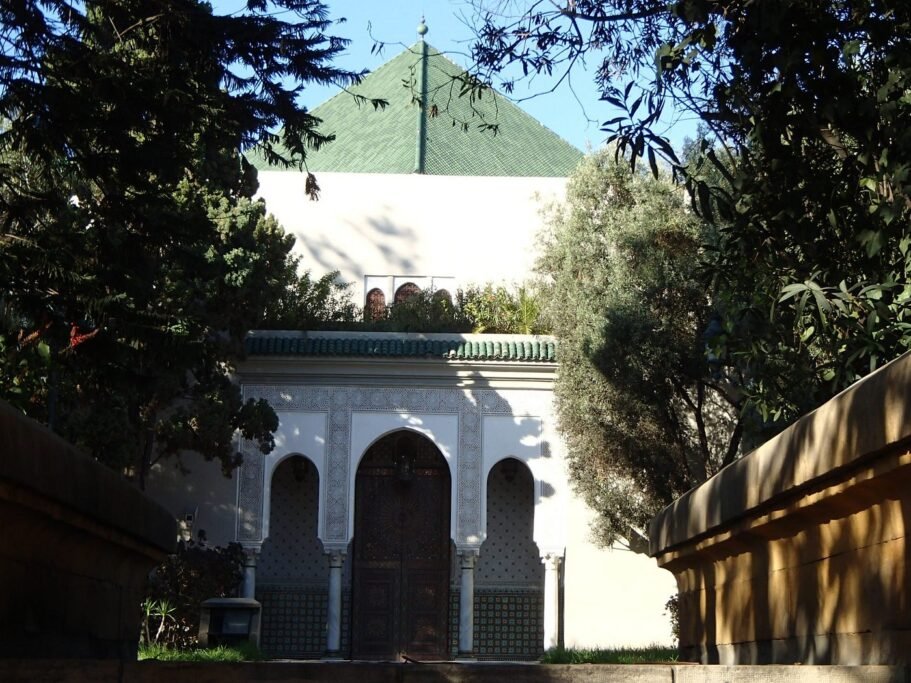
Built in the 1930s, Habous blends Moroccan urban planning with European order: arcades, shady squares, and bookshops with wobbling piles of yellowing spines. We browse leather notebooks, haggle gently for a hand-tooled belt, and end up sampling flaky briouats we absolutely didn’t need (and loved anyway).
Close to: Mahkama du Pacha, artisan souks, traditional pastry counters.
How to get there: Same as above; taxis know “Habous” by heart.
What to try: Corne de gazelle + mint tea; olive stalls; antique bookshops (ask for local history titles).
Pro tip: If you liked the medina maze in Marrakech, you’ll love Habous for a calmer, cleaner, can-actually-find-the-exit version.
3) Villa des Arts — Art Deco shell, contemporary pulse
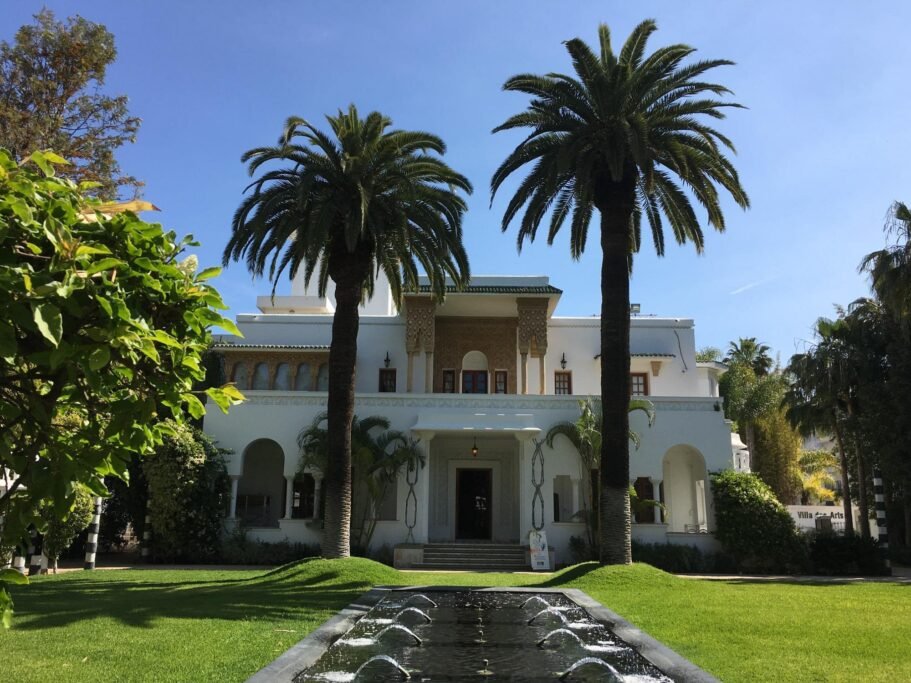
A white, gracious villa wrapped in greenery where Morocco’s present talks back to its past. Exhibitions rotate—painting, photography, installations—and you’ll often share the space with students sketching on the steps.
Close to: Parc de la Ligue Arabe.
How to get there: Tram T1 (station: Place Mohammed V) then a 12–15 min walk or a short taxi.
Hours & entry: Often free; schedules change—peek at the door signage.
Good for: Design lovers, A/C seekers, cultural snack between strolls.
Pro tip: Wander the surrounding streets for Art Deco façades—look up for sunbursts and ocean-liner balconies.
4) Parc de la Ligue Arabe — palm-lined reset button
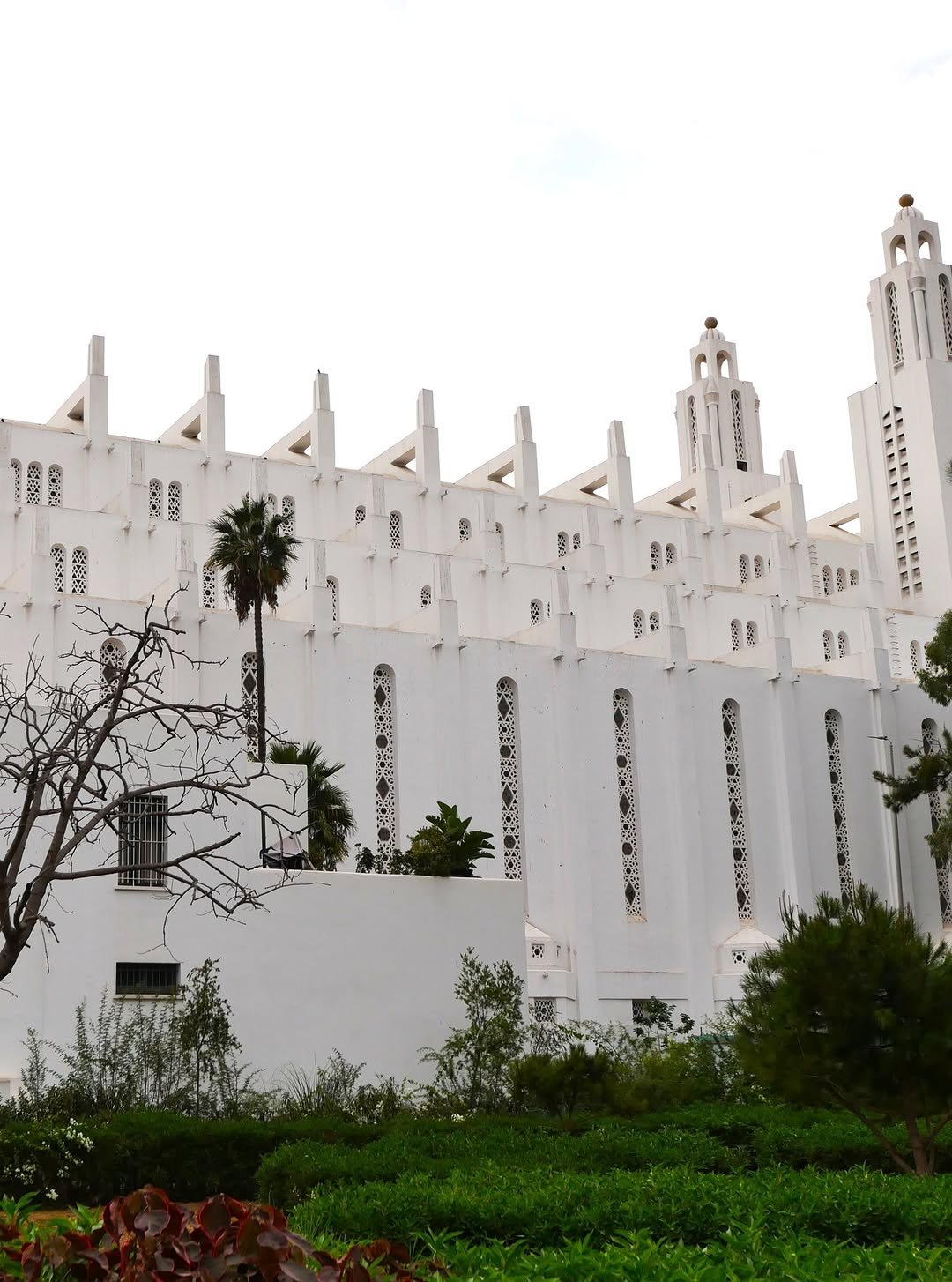
When the city gets loud, we retreat to lawns and fountains, kids on scooters, couples sharing sunflower seeds on benches. It’s Casa’s lungs—bring a picnic and watch the light filter through the palms.
Close to: The deconsecrated Sacré-Cœur Church (now an event venue).
How to get there: Tram T1 (Avenue Hassan II) or any red taxi.
Good for: Shade, people-watching, grabbing 30 minutes of peace.
Pro tip: Swing by Sacré-Cœur’s back—there’s a discreet little garden that sometimes opens to the public. Quiet magic.
5) Al-Qods Mosque — a Mers Sultan surprise
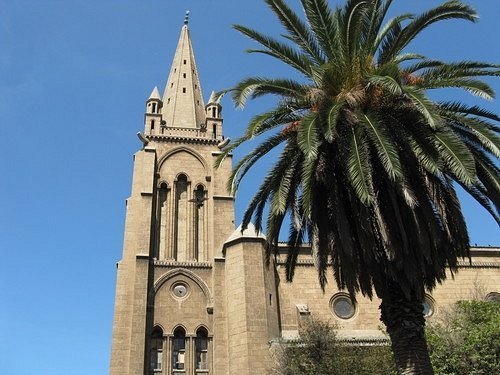
We round a corner and there it is: a silver dome catching the sky, mosaics that echo faraway Al-Aqsa. It’s serene, local, and beautifully composed.
Close to: Mers Sultan’s lived-in streets and neighborhood cafés.
How to get there: Taxi is easiest; say “Masjid Al-Qods, Mers Sultan.”
Access: Exterior is fair game; interior access is for worshippers.
Good for: Architecture fans, respectful curbside admiration.
Pro tip: Late afternoon light on the dome = chef’s kiss for photos.
6) Marché Central — Casa on a plate
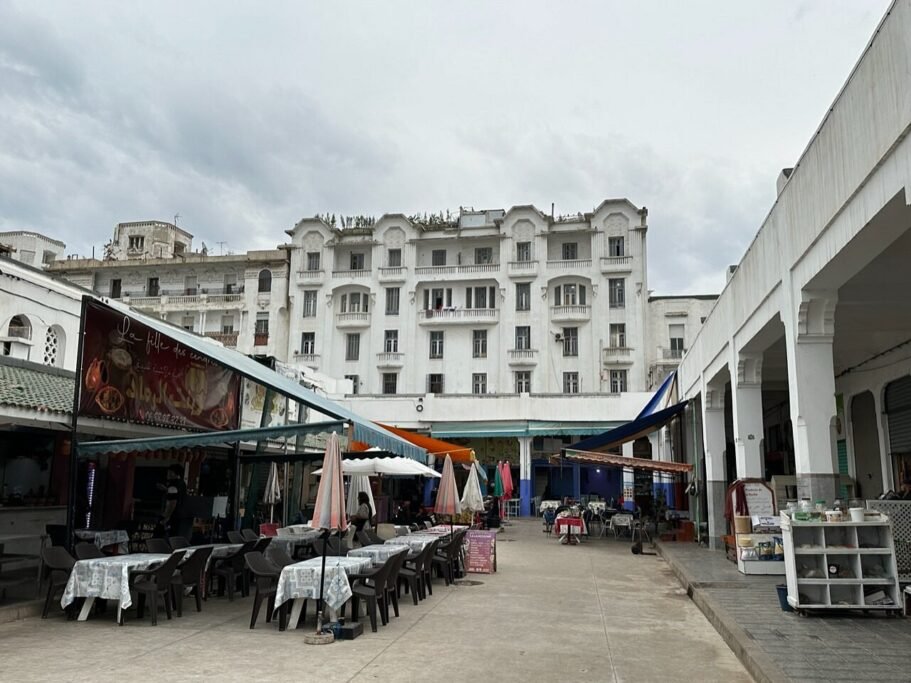
We weave between crates of tomatoes glistening like jewels and fishmongers bragging (accurately) about their catch. Pull up a stool, order grilled calamari or a fried fish sandwich, and add a squeeze of lemon. Instant happiness.
Close to: Place des Nations Unies, old downtown.
How to get there: Tram T1/T2 hub at Nations Unies; 5–7 min walk.
When: Late morning for the best seafood, lunch for the buzz.
Good for: Fresh eats, everyday life, street photos.
Pro tip: Ask stalls to make you a small mixed plate—cheaper way to taste everything without rolling home.
7) El Hank Lighthouse — ocean cinema

The Atlantic roars, gulls heckle, and we sit on rocks pretending we’re in a black-and-white film. Access inside is usually restricted, but the shoreline is the real show—especially at sunset.
Close to: Corniche walk, seaside cafés.
How to get there: Taxi to “Phare El Hank”; stroll the promenade.
Good for: Golden hour, long exposures, salty hair.
Pro tip: After sunset, follow the Corniche toward Ain Diab for a casual seaside dinner.
8) Abderrahman Slaoui Museum — small, elegant, unforgettable
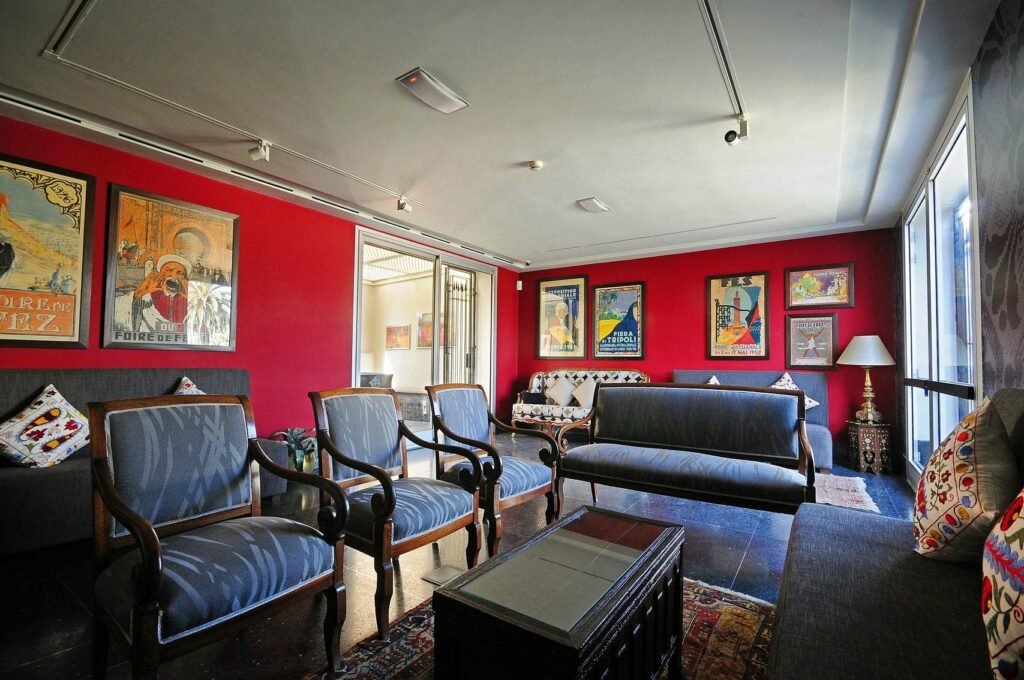
Housed in a graceful villa, this private museum curates Moroccan jewelry that looks like it could walk away, vintage travel posters that make you want to immediately book a 1930s steamer, and delicate objets that whisper of salons and stories.
Close to: Downtown Art Deco grid.
How to get there: Tram to Place Mohammed V, then walk/taxi.
Good for: Culture hour with AC and beauty.
Pro tip: Pair with a nearby café for a poster-talk post-museum debrief.
9) La Sqala — fortress walls, mint tea, birdsong
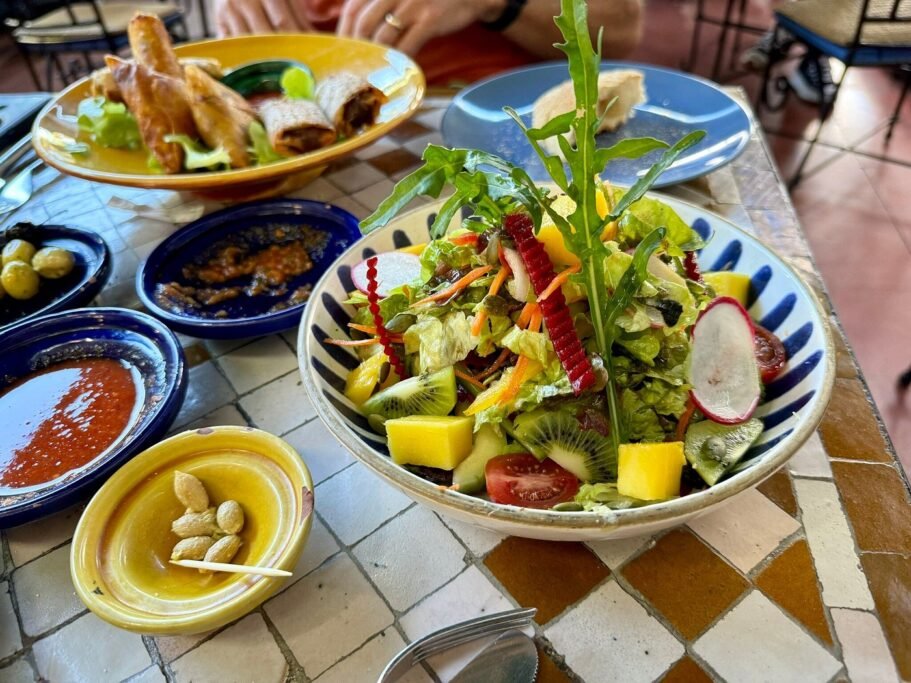
An old Portuguese bastion turned garden restaurant where tajines arrive simmering and the birds seem suspiciously well-fed. Is it touristy? A bit. Is it lovely? Absolutely.
Close to: Port, medina edge.
How to get there: Taxi; everyone knows “La Sqala.”
Best seat: Patio corner tables under bougainvillea.
Pro tip: Come early for breakfast—Berber omelet, msemen, and a day that starts correctly.
10) Les Anciens Abattoirs — creativity in a concrete husk
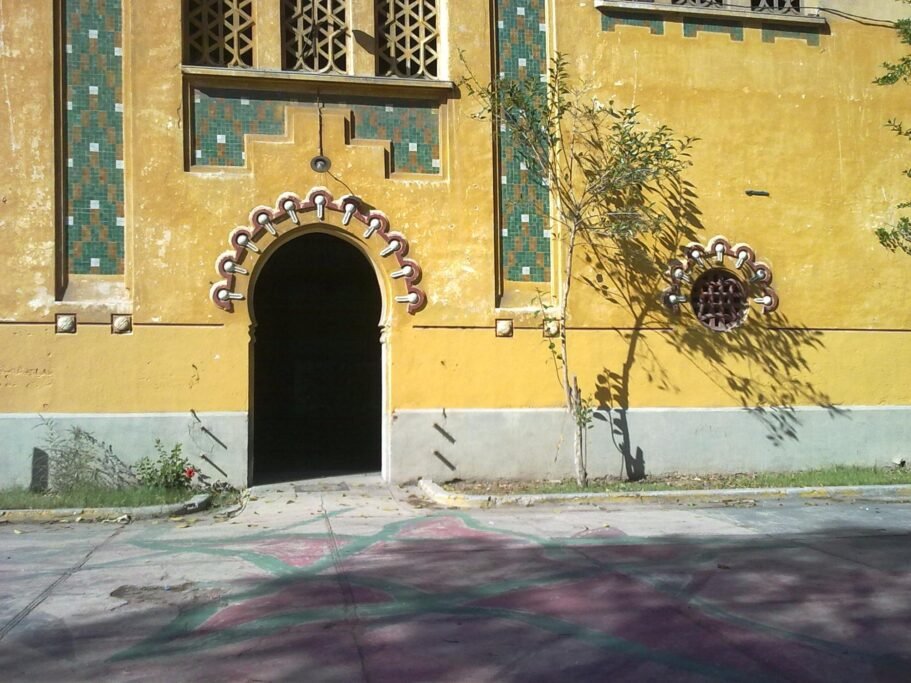
Once a slaughterhouse, now an alternative arts playground: murals, pop-ups, concerts, skateboards echoing through vast industrial halls. It’s raw, it’s real, it’s Casa’s underground heartbeat.
Close to: Hay Mohammadi.
How to get there: Taxi; confirm event times on arrival.
Good for: Street culture, photography, edgy shows.
Pro tip: If you liked Shoreditch or Berlin’s RAW-Gelände, you’ll click with this instantly.
11) Ghost cinemas — Rialto, Vox & the city’s faded silver screen
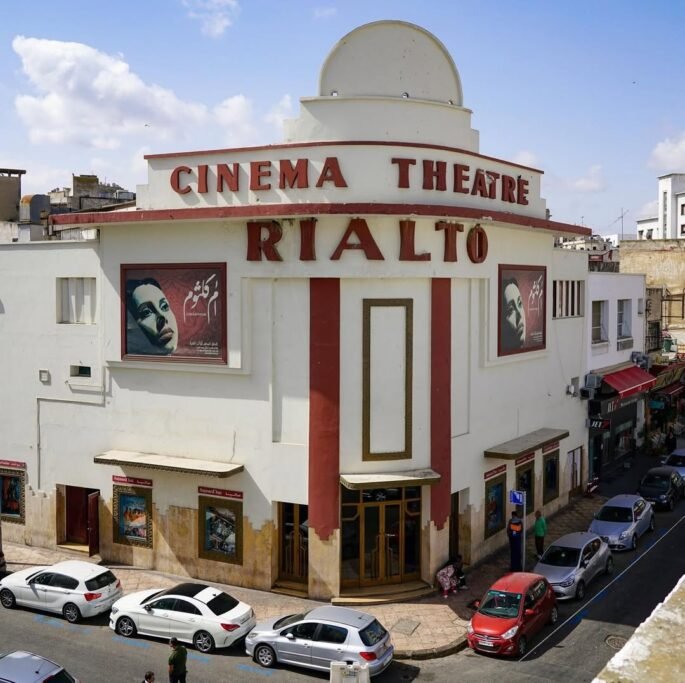
Downtown once pulsed with movie palaces; many are closed now, but their Art Deco bones still flirt from the sidewalks. We pause at the Rialto’s marquee, imagining satin gloves and cigarette smoke swirling under chandeliers.
Close to: Boulevard Mohammed V, Place Mohammed V.
How to get there: Tram T1 spine through downtown.
Good for: Urban heritage fans, moody façade photos.
Pro tip: Some venues still host occasional events—keep an eye on posters taped to doors.
12) Madame Choual Beach — the locals’ exhale
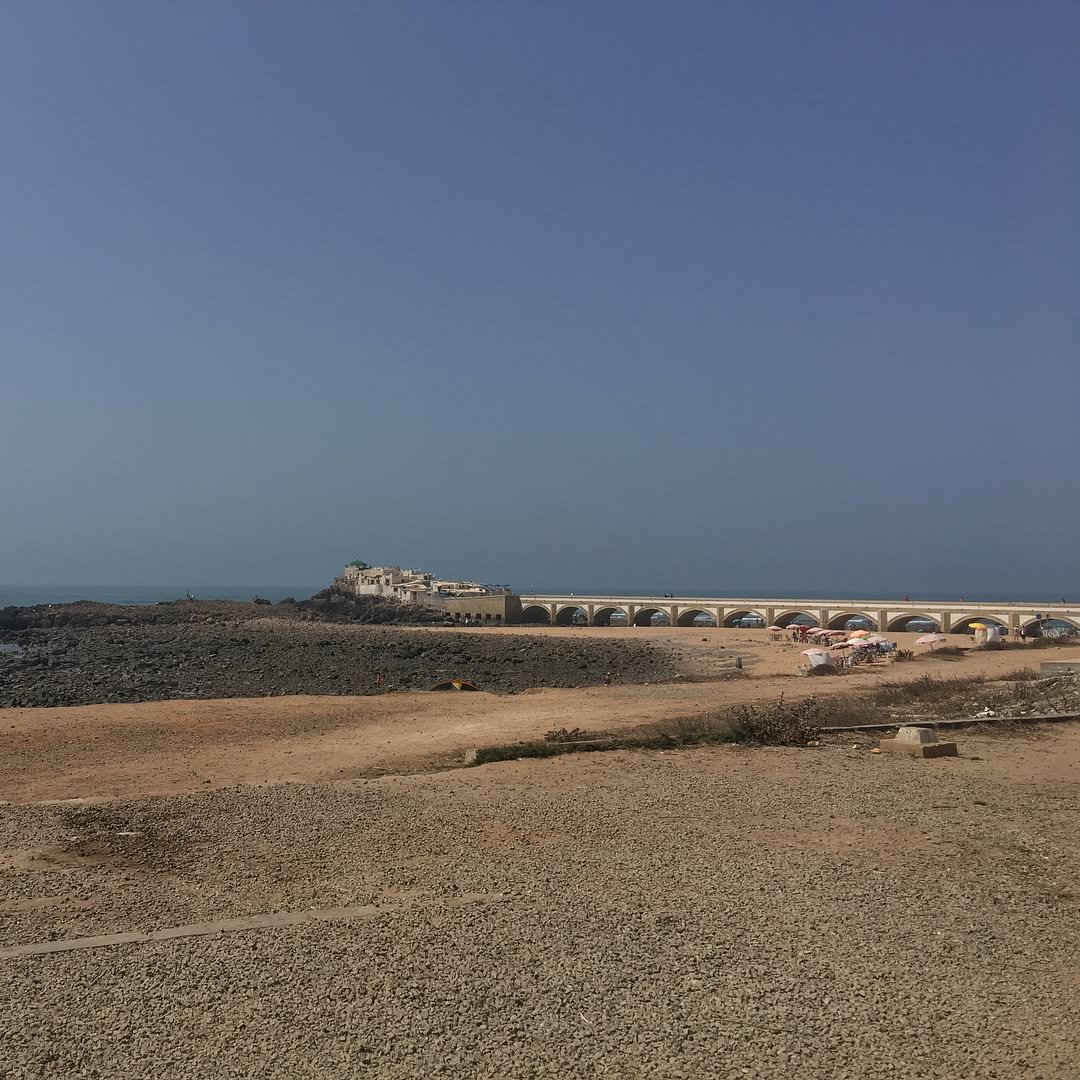
South of town, the coastline softens. Fishermen cast lines, families unpack snacks, and the sun does its slow, generous thing. We bring a sweater (Atlantic breeze) and a snack (always).
Close to: Southern coastal stretch.
How to get there: Taxi ride; agree on fare beforehand.
Good for: Sunset, un-touristy seaside feel.
Pro tip: Flip-flops plus a light jacket—sand is soft, wind can nip.
13) Ben M’Sick Christian Cemetery — time under tall grass
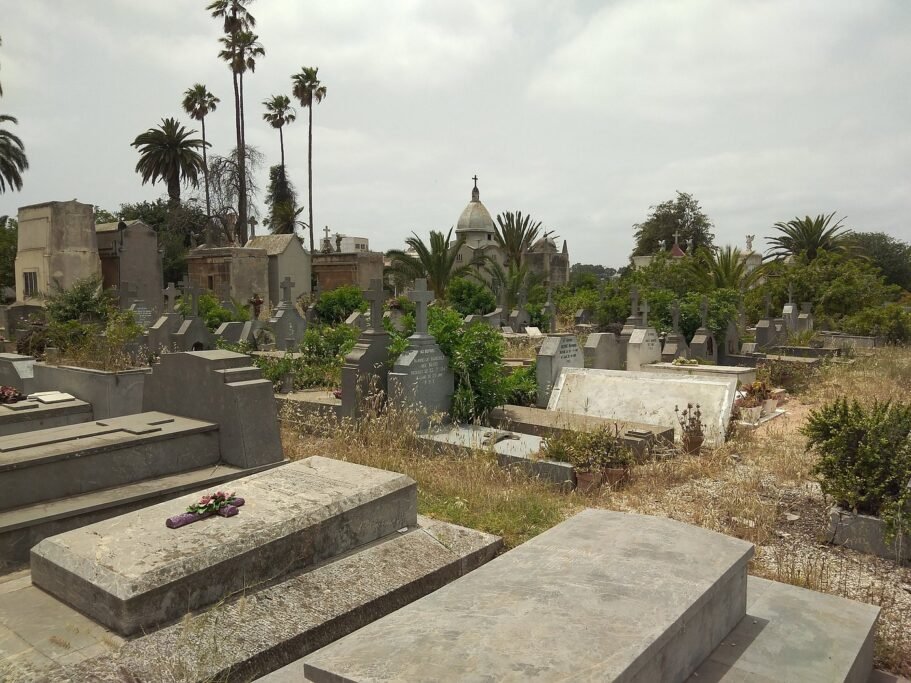
Part history, part hush. Weathered crosses, colonial-era dates, ivy nibbling at stone. We move gently, read names, and let the city noise fade to a respectful murmur.
Close to: Industrial zones, residential blocks.
How to get there: Taxi; ask for “cimetière chrétien Ben M’Sick.”
Good for: History detectives, contemplative walkers.
Pro tip: Go daytime; tread lightly.
14) Rooftops of Casa — where the city makes sense
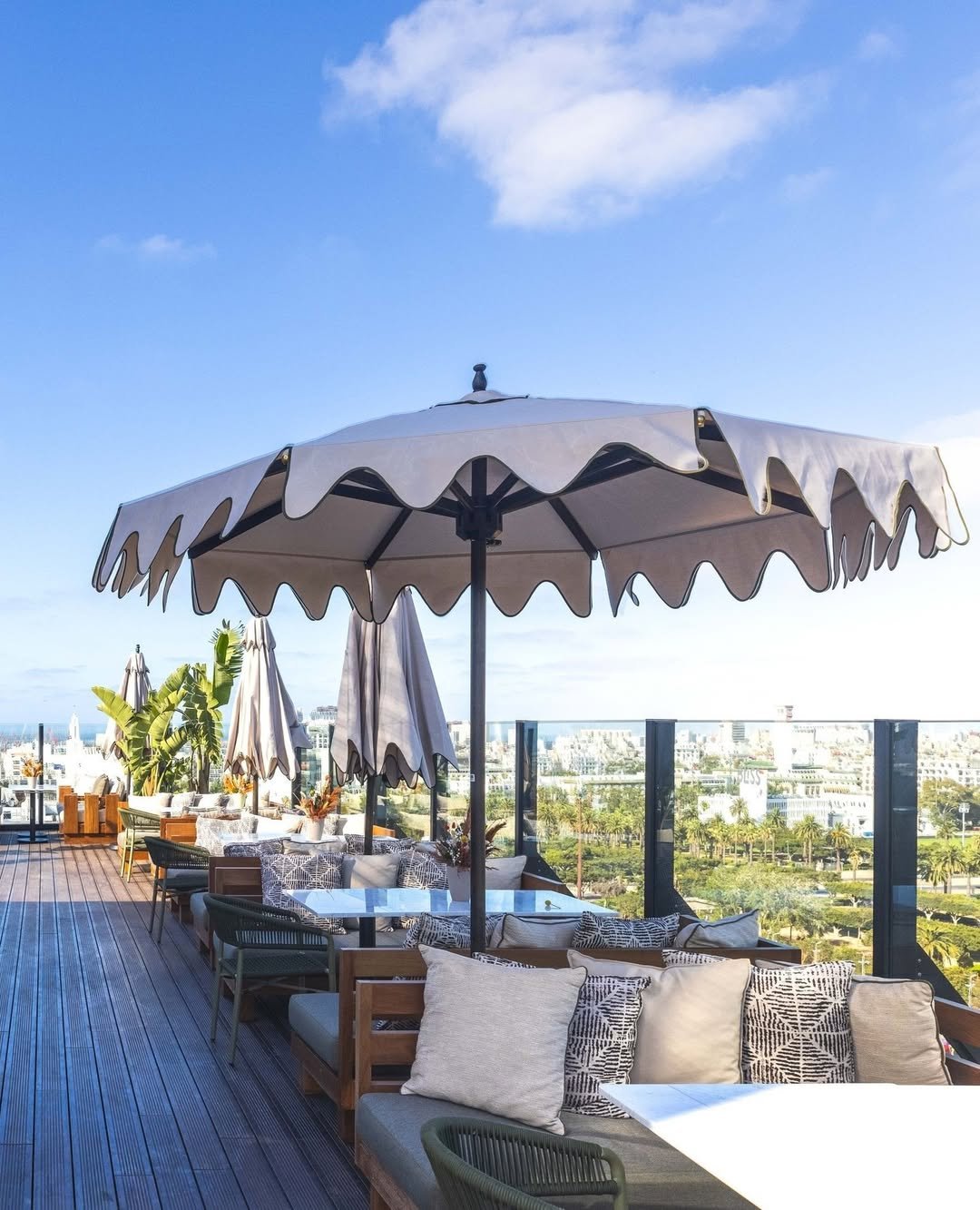
Climb (with permission) and everything aligns: minarets pin the horizon, cranes sketch new lines, the ocean wink’s at the skyline. This is where you finally see Casablanca.
Close to: Downtown Art Deco buildings and older colonial blocks.
How to get there: Café terraces, boutique hotels, or friendly rooftops—ask staff before you wander upstairs.
Good for: Panoramas, blue-hour shots, perspective.
Pro tip: Pack a small tripod; rooftops + dusk = keeper photos.
15) Derb Ghallef — the electric labyrinth
Part flea market, part tech bazaar, all heartbeat. We thread alleys stacked with cables, vintage lenses, retro game cartridges, phone parts you didn’t know existed, and a soundtrack of haggles and laughter.
Close to: Maârif/Bourgogne axis.
How to get there: Taxi; say “Derb Ghallef.”
Good for: Tinkerers, bargain hunters, urban explorers.
Pro tip: Cash talks. If you can’t find a part, ask three stalls—they’ll triangulate it for you.
16) Les Hammams de la Mosquée Hassan II (the “hidden hammam” by the ocean)
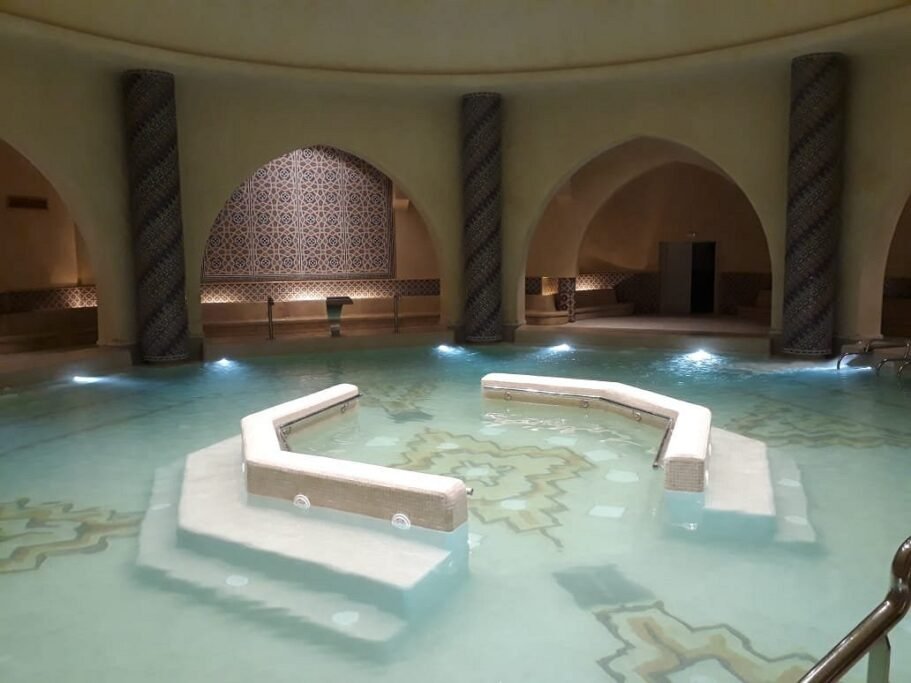
Tucked beneath/alongside the Hassan II complex, this spot flies under most tourist radars but serves up a proper Moroccan steam-scrub ritual (beldi black soap + kessa glove) in a handsome, purpose-built space. It’s clean, organized (locker/bracelet system), and far more local than luxe-hotel spa—exactly the vibe if you want authenticity without guesswork. Expect traditional hot rooms, optional gommage, and à-la-carte add-ons; prices are tiered so you can keep it simple or upgrade.
Where: Boulevard Moulay Youssef, by the Hassan II Mosque. Ask for Les Hammams de la Mosquée.
What to book: “Bain maure” (traditional steam) + gommage; add a short massage if you’re post-flight stiff.
When: Late afternoon or early evening for a calmer flow. Note: Morocco has occasionally limited hammam hours during drought periods—check the day’s schedule before you go.
How it feels: No-frills, ocean-adjacent, very Casablanca—and you’ll float out smelling faintly of eucalyptus.
17) Hidden murals — Bourgogne & Hay Mohammadi’s open-air gallery
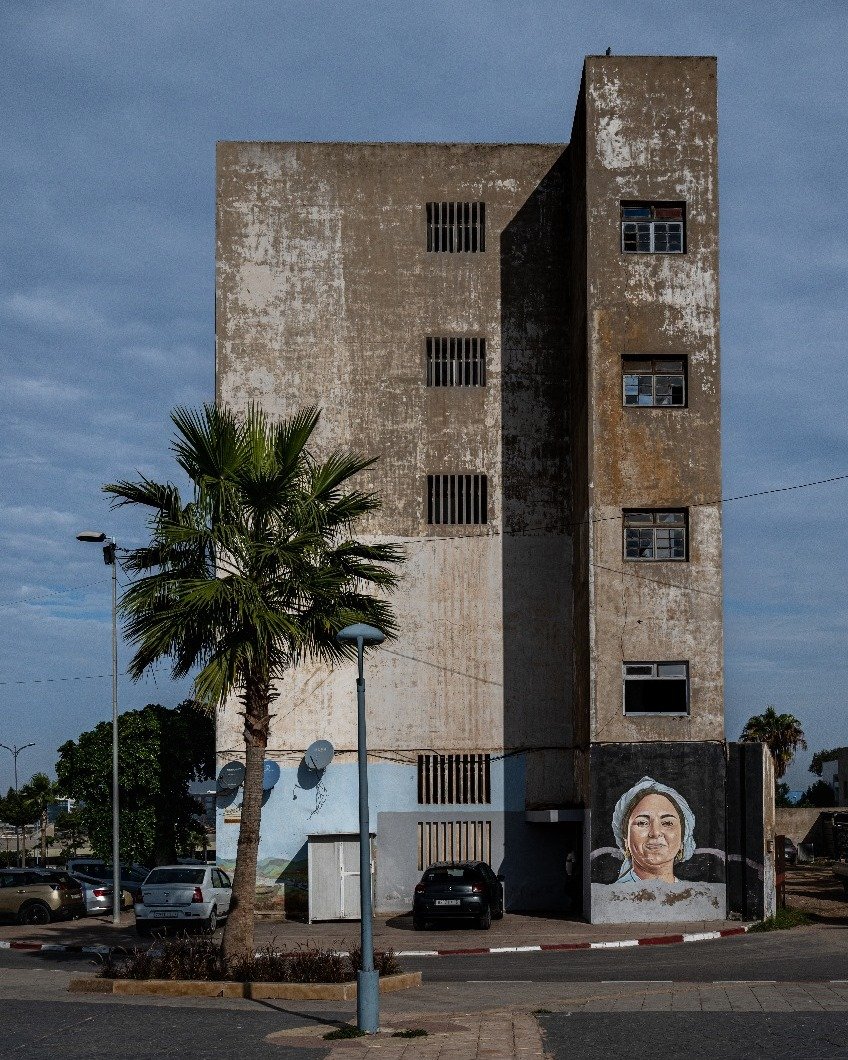
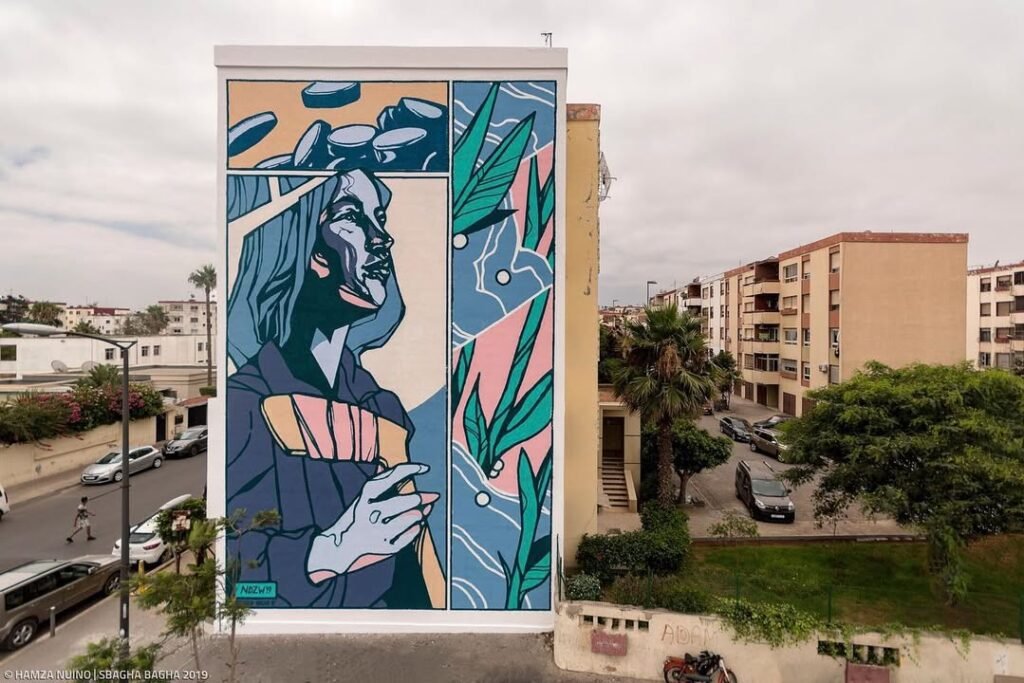
Walls become megaphones: portraits, patterns, social commentary in color. We scout backstreets and cul-de-sacs, mapping a DIY street-art trail between cafés.
Close to: Everyday neighborhoods, bakeries, barbers, life.
How to get there: Walk or taxi neighborhood to neighborhood.
Good for: Street-art fans, photographers, families on a mural hunt.
Pro tip: Ask a local café owner for the nearest “peinture murale” — you’ll get directions and probably a story.
18) Old port & industrial edges — poetry in rust
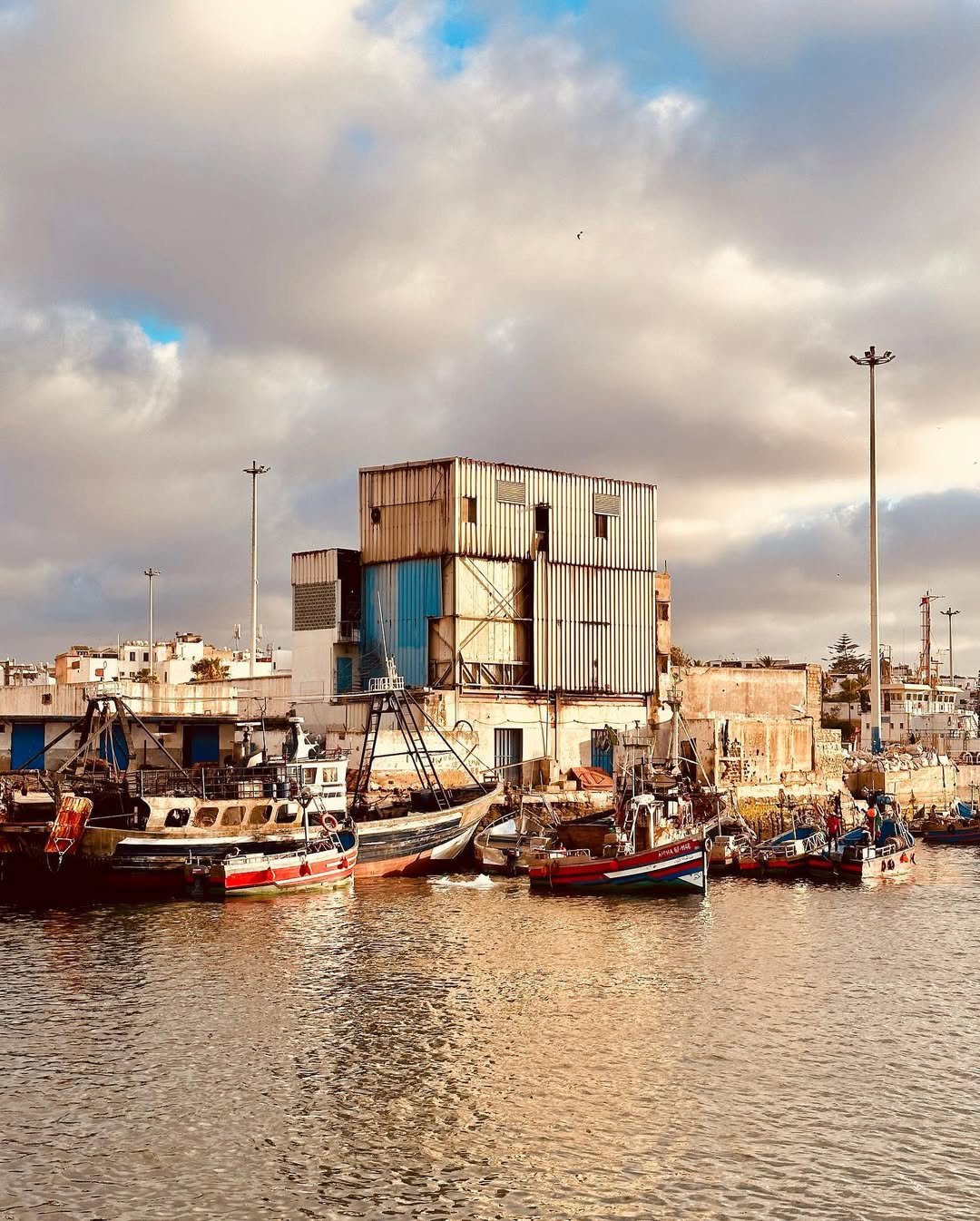
The cranes creak, the gulls heckle, ropes slap masts—industrial, yes, but oddly cinematic. We linger where the city earns its living, away from glossy brochures.
Close to: Port area, medina fringe.
How to get there: Taxi; stay aware, stick to active paths.
Good for: Documentary-style photos, honest city vibes.
Pro tip: Early morning for activity; ask permission before photographing workers.
Why these places?
Because they’re Casa as the locals live it: layered, creative, imperfect (in the best way), and generous if you give it time. If you loved the polished set-pieces on the tourist trail, you’ll really love the honest texture out here—where cornes de gazelle still warm your hands and salt air frizzes your hair. The real city? We just walked you through it.
- What to Buy at Khan el Khalili Bazaar (2026): 12 Best Egyptian Souvenirs and Shopping Tips
- What to Wear on a Desert Safari in Dubai in 2026: The Practical Packing Guide
- What to Wear in a Turkish Bath (2026): Ultimate Hammam Dress Code & Massage Etiquette
- 7 Best Family Hotels in Bahrain (2026): From big five-star resorts with mini waterparks to beachfront hotels
- 5 Best Wadis In Oman (2026)