
Travel writing based on first-hand experience
This is our ultimate Istanbul-in-winter guide—packed with: things to do in Istanbul in winter, best sights, our personal highlights, cost notes, restaurant + hotel picks, quick neighborhood advice, Turkish food essentials, and the practical “what to do when the sky looks angry” plan. Read it once and you’ll start mentally booking flights. You’ve been warned.
Table of Contents
Best Things To Do in Istanbul in winter: a 4-day travel guide (how we’d do it again)
Where we base ourselves (and why): Sultanahmet
For a short winter trip, Sultanahmet is basically the cheat code. You can walk between the big hitters without needing to negotiate traffic, hills, or weather mood swings.
Within easy walking distance, you’ve got:
- Hagia Sophia
- Blue Mosque
- Topkapi Palace
- Istanbul Archaeological Museum
- Gülhane Park
- Sultanahmet Park
- Basilica Cistern
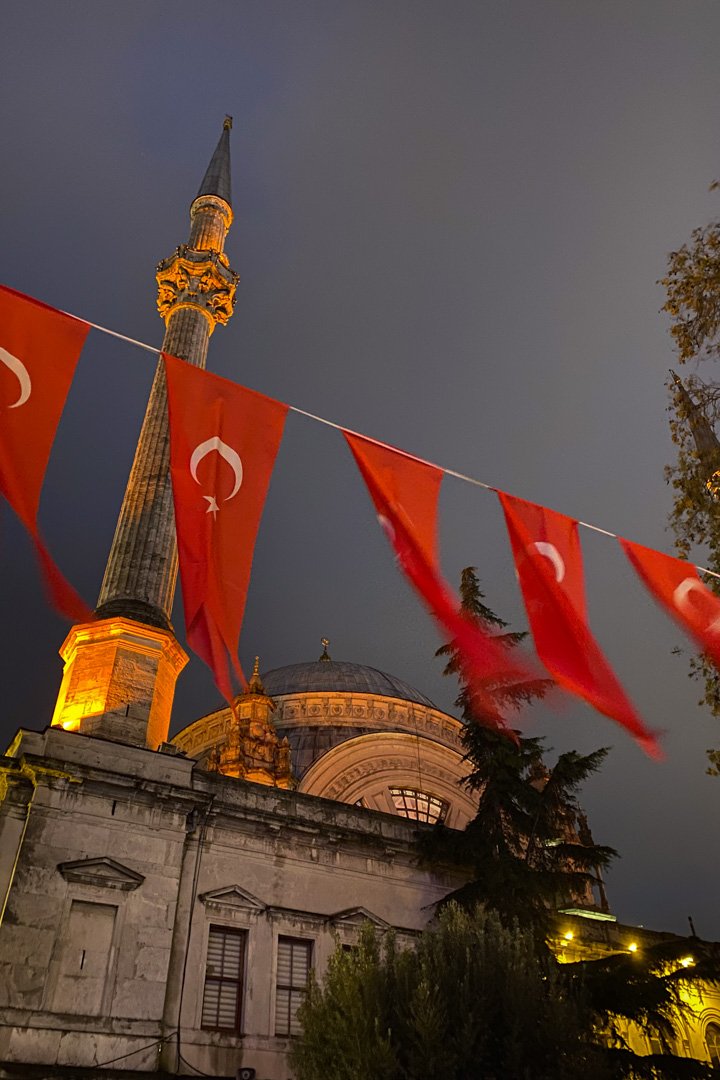
We’ll say it quietly (so the internet doesn’t start an argument): we preferred the Blue Mosque and the New Mosque to Hagia Sophia. Not because Hagia Sophia isn’t iconic—it is—but because those two mosques hit a certain harmony that’s hard to explain until you’re standing there.
Orientation stroll (do this first): walk the long stretch of Sultanahmet Square past the Obelisk of Theodosius, Serpent Column of Delphi, and the old Hippodrome remains. Ten minutes later, you’ll feel like you can navigate by instinct.
Pro tip: Winter days are short. Plan your “outside walking” for the brightest hours. Save the indoor legends for the coldest part of the day.
Choose your day by the weather: our two Istanbul programs
The “Bad Weather” program (Indoor, cozy, and smug)
- Descend into the Basilica Cistern and pretend you’re in a historical thriller
- Shop for souvenirs at the Egyptian (Spice) Bazaar and Grand Bazaar
- Visit mosques inside (warm, quiet, and stunning)
- Go full history-mode at Topkapi Palace (or a museum day)
The “Sun Is Out” program (Waterfront therapy)
- Watch sunset over the Sea of Marmara from a waterfront promenade (try Yenikapı Şehir Parkı)
- Linger on bridges over the Golden Horn and watch everyday life move
- Do a Bosphorus boat trip for skyline + palace views you’ll never forget
Our personal top highlights in Istanbul (Winter edition)
If you only steal one list from this post, steal this one:
- Walk the Galata Bridge and watch locals fishing like it’s a daily ritual
- Take a Bosphorus boat trip (sunset if possible)
- Shop for souvenirs at a bazaar (we loved the idea of the Arista Bazaar vibe)
- Eat your way through the city (Istanbul is a food capital, period)
- Walk the coastal promenades (windy, yes—worth it, also yes)
- Explore after dark: Istanbul at night is a different city
- Get panoramic views from a viewpoint like Galata Tower
- Chill in Sultanahmet Park between Hagia Sophia and the Blue Mosque
- Step inside a mosque (Hagia Sophia’s atmosphere is special)
- Wander neighborhoods: Balat, Beyoğlu, Kadıköy
- Something extra: book a mosaic lamp workshop and take your creation home
- Bonus: book a free walking tour via GuruWalk (great for first-time bearings)
The Bosphorus boat trip (why we’d do it again)
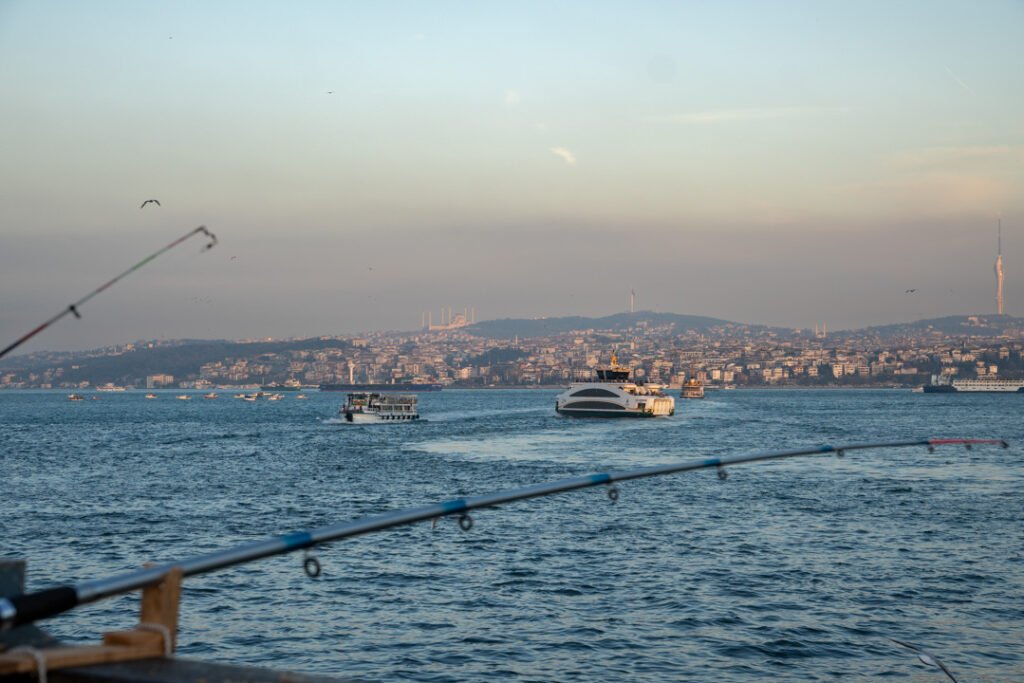
One of our biggest wins was a Bosphorus cruise with GetYourGuide. Yes, you can grab super cheap tourist boats (think €5 vibes), but this felt like a different category: comfortable private luxury yacht, small group, professional guide, and snacks that keep coming—fruit, nibbles, baklava, tea.
We especially recommend their Dinner Cruise with Turkish Night Show (in winter it departs around 8:30 pm, later in summer). It starts near Dolmabahçe Mosque, cruises up toward the Fatih Sultan Mehmet Bridge, then turns back—basically a greatest-hits reel of shoreline architecture.
Why take a Bosphorus boat trip?
- Full skyline views: bridges, palaces, villas, landmark architecture
- You’re literally moving between Europe and Asia
- It gives your feet a break without sacrificing “wow”
Basilica Cistern (Yerebatan Sarnıcı): Istanbul’s underground mood masterpiece
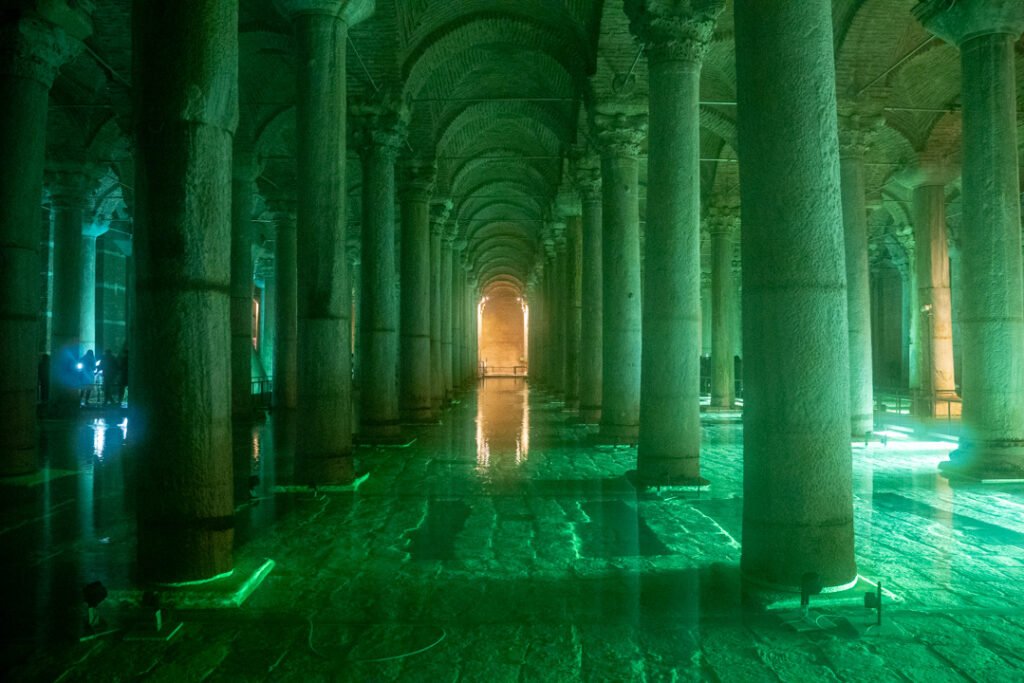
We went on a day when the weather was classic November drama—windy, rainy, damp-cold. Then we stepped inside the Basilica Cistern and got wrapped in warm air like the city was apologizing. It’s hard to describe the feeling of standing in a 1,500-year-old space that still feels alive.
The light effects on the columns are unreal (the green lighting especially is a photo dream). And yes: the Medusa heads are as eerie as you’ve heard.
Stroll along the platforms past towering marble columns and you’ll feel like you’ve slipped into another world.
Pro tips
- If you don’t have skip-the-line, budget time for queues.
- We booked a skip-the-line ticket with audio guide via GetYourGuide and would do it again.
- The walkway is metal grating—skip high heels unless you enjoy unnecessary suffering.
Opening hours: daily 9:00–22:00
Entry: 900 TRY
Fast facts
- ~1,500 years old
- restored in 2020
- 336 columns, around 9 meters high
- built to secure water supplies, including during sieges
- a basilica is believed to have stood above the site
- featured in From Russia with Love, Inferno, and Assassin’s Creed: Revelations
Two more cisterns to add (if you catch the bug):
- Binbirdirek Cistern: second largest covered cistern, a great alternative
- Theodosius Cistern: early hydraulic engineering, about 1,600 years of history
Hagia Sophia (Ayasofya Camii): iconic, complicated, unmissable
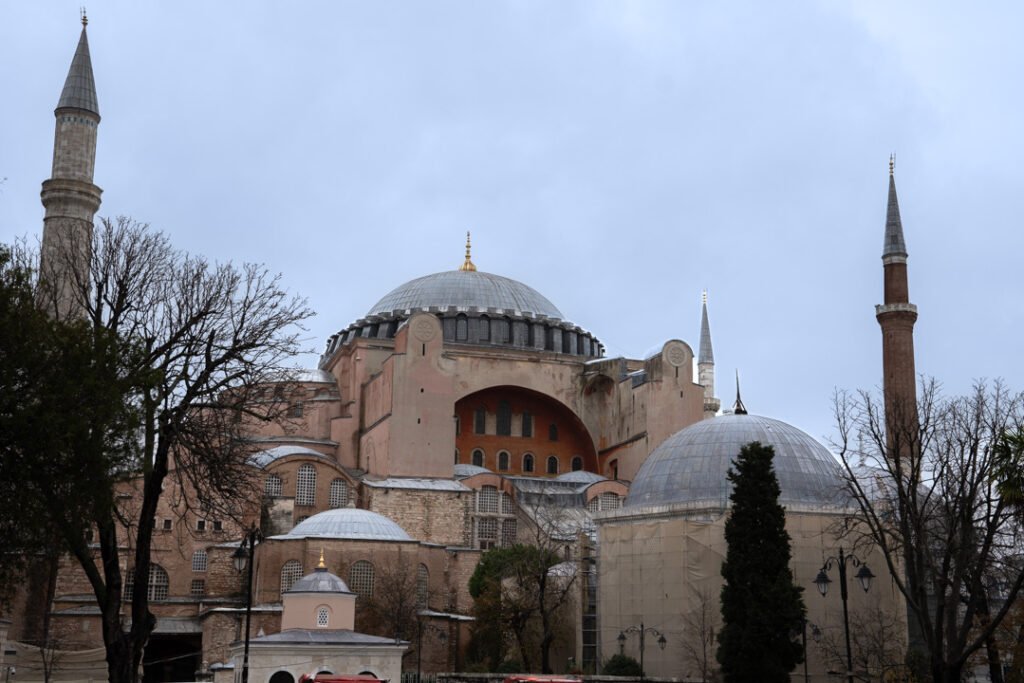
Hagia Sophia is one of the world’s defining landmarks: built as a church in the 6th century, later a museum, then converted back into a mosque in 2020. Its layered identity makes it a rare, tangible example of centuries of cultural transformation.
Important : since January 15, 2024, foreign visitors must pay an entrance fee of €25.
Pro tip: If you’re underdressed (head/shoulders), you can buy headscarves and clothing items on site.
Blue Mosque (Sultanahmet Camii): the one that stops you mid-step
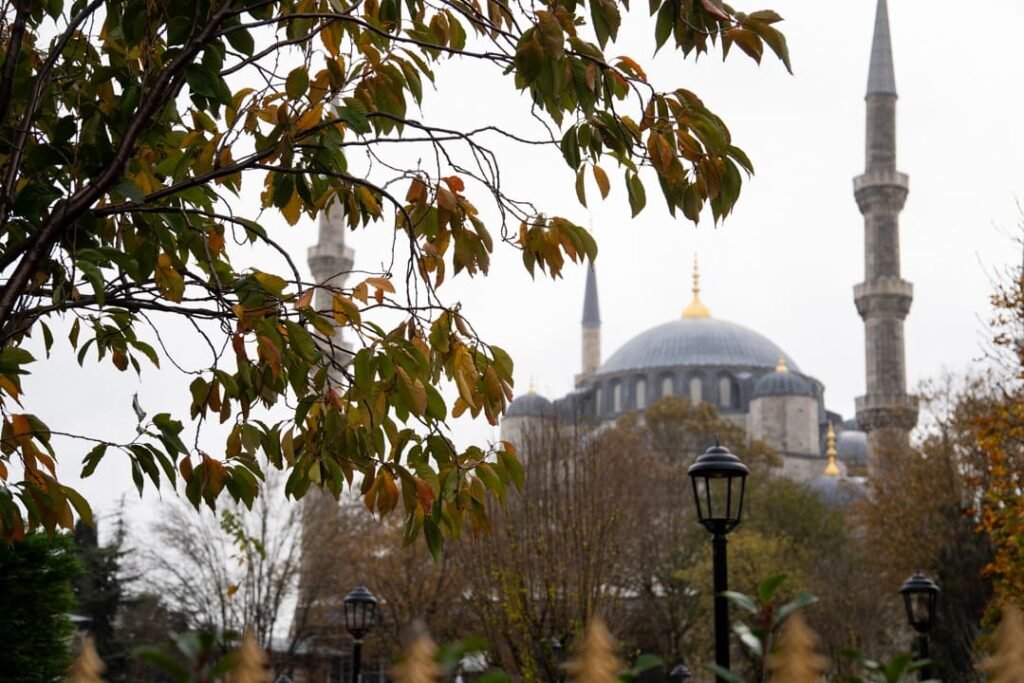
The Blue Mosque is Ottoman architecture showing off—in the best way. Inside, it’s famous for over 20,000 handmade Iznik tiles, many with floral motifs that somehow feel delicate and monumental at the same time.
Did you know? It has six minarets, which is unusual (most mosques have two or four).
Go twice if you can: daytime for detail, evening for atmosphere. It’s popular, yes—because it’s worth it.
Pro tip: Bring shoulder/head coverage. Even if you’re a seasoned traveler, winter packing can make you forget the basics.
New Mosque (Yeni Cami): the evening photo magnet by the Spice Bazaar
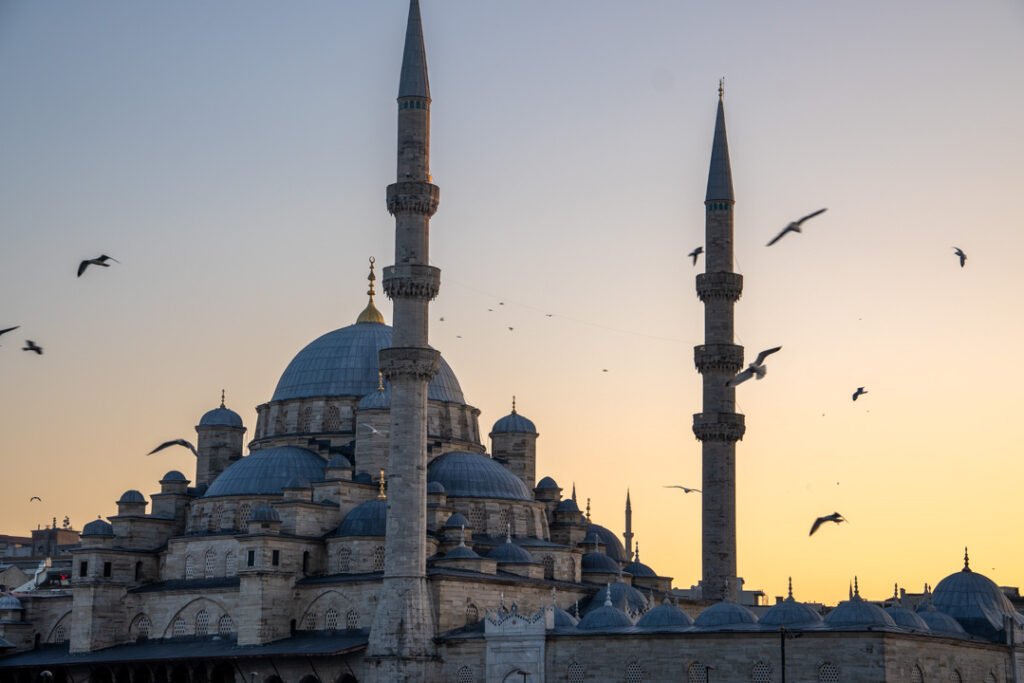
Built in the 17th century, the New Mosque sits near the Spice Bazaar and quietly dominates the skyline with its domes and four minarets. The mix of influences—Ottoman with hints of Persian and Egyptian—makes it feel distinct. At night, it becomes a glowing landmark you’ll keep turning around to photograph.
Did you know? Most mosques are free to enter outside prayer times—except Hagia Sophia.
And yes: Istanbul at night is a full event. Landmarks reflect on the water, minarets glow, and suddenly you’re “just going for a short walk” at 10 pm.
Neighborhood picks (where to wander and where to stay)
- Beyoğlu: 19th-century streets, culture vibes, lively energy
- Sultanahmet: best base if you want maximum big sights with minimal transit
- Kadıköy (Asian side): more local feel, less touristy, great street art
- Ortaköy: photogenic Bosphorus moments and a strong “evening stroll” vibe
And yes, we’ll say it: Istanbul is one of the world’s top food cities—right up there with Tel Aviv, Bangkok, and Mexico City.
6 fascinating facts about Istanbul (quick-fire)
- The Bosphorus Bridge connecting Europe and Asia is 1,560 meters long
- There are over 3,000 mosques
- Istanbul was once called Constantinople
- It was European Capital of Culture in 2010
- Istanbul is not Turkey’s capital (that’s Ankara)
- The city has 15+ million residents
More Istanbul tips (the “save this section” pile)
- Tourist pass with 100+ attractions/services (skip lines, save time)
- Galata Tower: best at sunset for panoramic city + Bosphorus views
- Turkish hammam: winter = perfect timing
- Guided culture tour: Blue Mosque, Hagia Sophia, Hippodrome
- Dolmabahçe Palace: gorgeous, grand, and historically dense (tickets help with queues)
- Galata Bridge: food stalls, ferries, fishing, and Bosphorus tours from here (around 100 TRY)
- Maiden’s Tower (Kız Kulesi): former lighthouse, now café/restaurant vibes
- Ortaköy Mosque + Bosphorus Bridge: classic view combo
- Grand Bazaar: 4,000+ shops, one of the oldest/largest covered markets
- Süleymaniye Mosque: a masterpiece (on the same “must” tier as the Blue Mosque)
- Topkapi Palace: former Ottoman power center; on-site fee noted as 750 TRY with audio guide
- Kariye Museum (Chora Church): mosaics that deserve more hype
- Rumeli Hisarı: 15th-century fortress on the hill
- Kadınlar Pazarı: less-known market; try buryan (grilled meat)
Top 5 viewpoints
- Galata Tower
- Maiden’s Tower (Kız Kulesi)
- Seven Hills Restaurant Rooftop Terrace
- Çamlıca Hill
- Pierre Loti Hill
Restaurant recommendations (we eat like it’s our job)
- Three Partners Cafe and Restaurant – big portions, friendly, free tea + baklava
- Limonluk Cafe – stylish interior, glass facades, great atmosphere
- Ottomans Kitchen Cafe Restaurant – classic dishes; börek, salads, köfte, fresh bread
- Hafiz Mustafa 1864 – iconic sweets
- Fish Home Ahhir Kapi Restaurant – seafood
- Garden 1897 Restaurant – cozy garden + terrace
- Divella Bistro Restaurant – authentic feel
- Hanzade Terrace Restaurant – relaxed, typical dishes
- Şahin Lokantası – family-run, affordable, home-style cooking
- The Populist – Turkish craft beer + wine in an old factory complex
- 360 Istanbul – famous rooftop bar with full panorama
Hotel tips (where to stay without regretting it later)
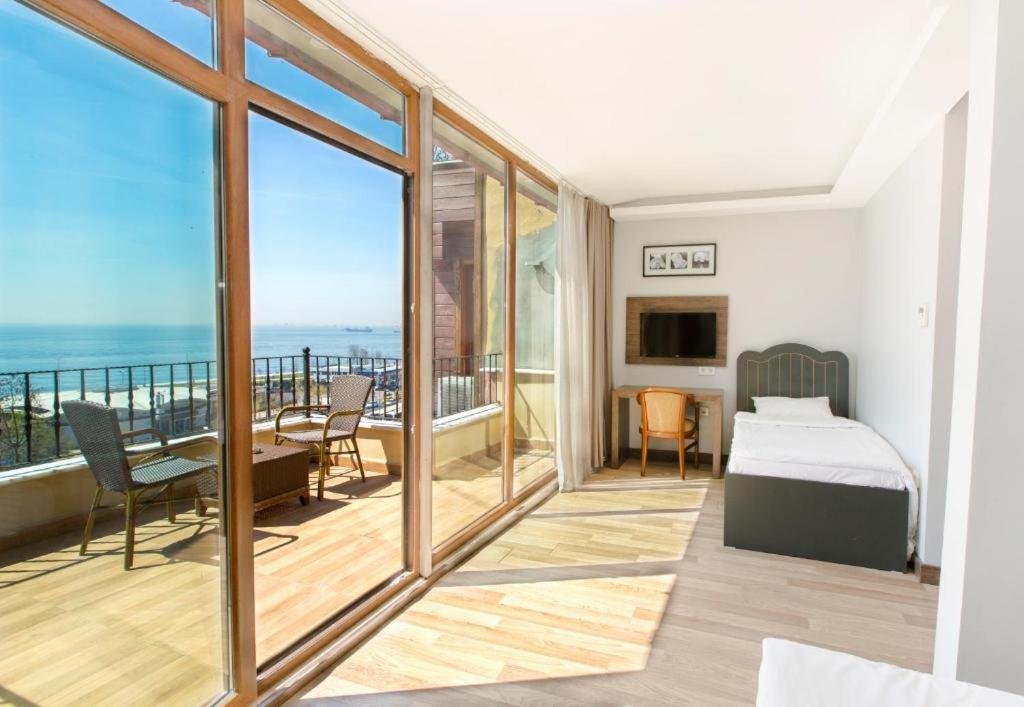
Best neighborhoods: Beyoğlu, Ortaköy, Sultanahmet, Kadıköy.
We stayed at Cheers Lighthouse Hostel in Sultanahmet. The 6-bed dorm wasn’t fancy, but the location was unbeatable: 300 meters from Hagia Sophia and the Blue Mosque, plus a restaurant with panoramic sea views and a breakfast buffet that made the mornings easier. For winter city travel, that value-for-money ratio is hard to beat.
Other great stays :
- Hotel Poem (Sultanahmet)
- Hammamhane (Beyoğlu)
- Ortakoy Aysem Sultan Hotel (Ortaköy)
- Loka Suites (Kadıköy)
Turkish cuisine: what to eat when the wind is bullying you
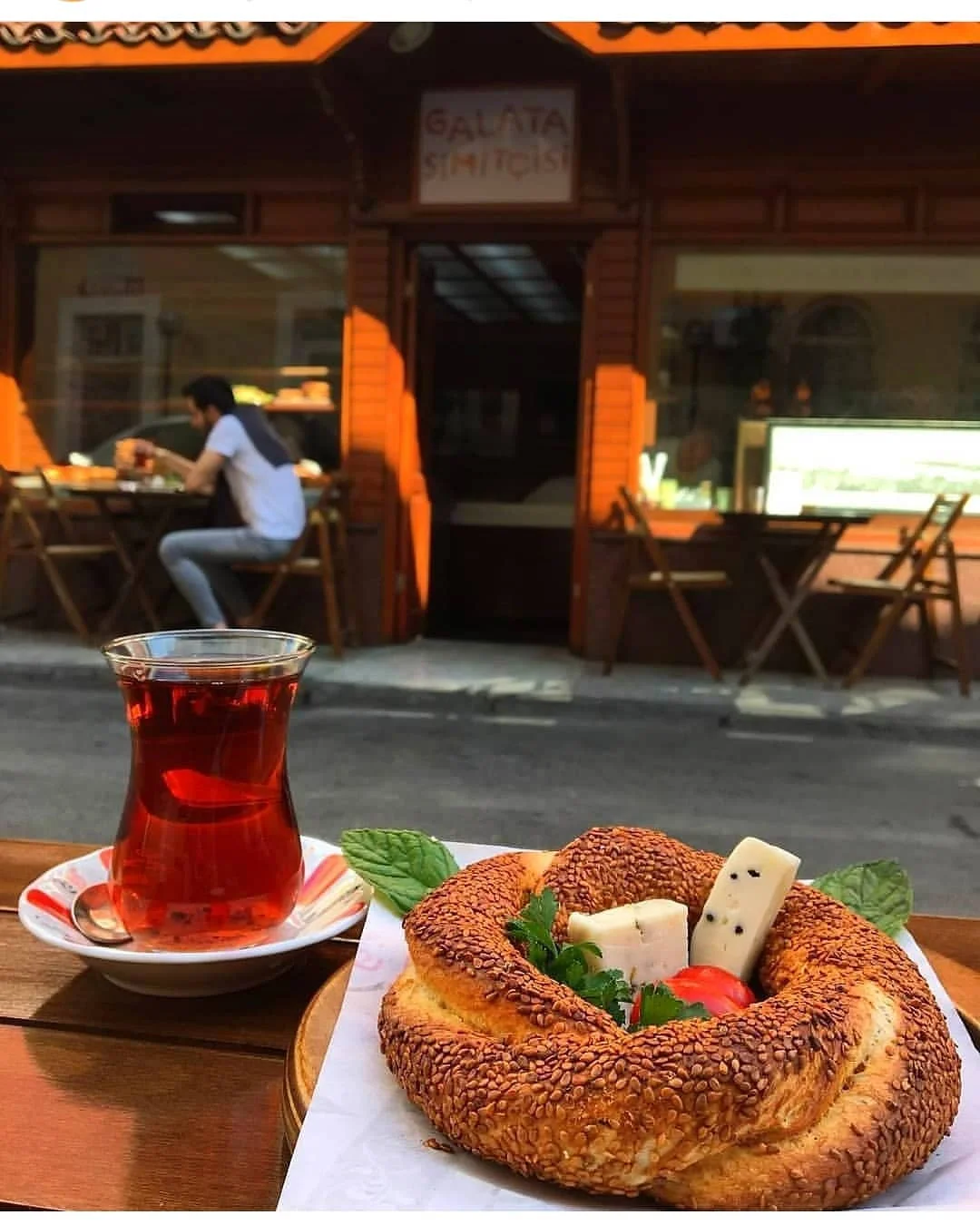
Istanbul street food is sensory overload in the best way. You’ll find döner and simit everywhere, and in winter you can warm up with salep (hot milk drink made with orchid root) or a steady stream of çay (tea).
Want the easiest strategy to eat well? Walk. The city feeds you around every corner. Or go all-in with a guided culinary tour.
Must-try list
- Döner kebab + dürüm
- Pide (boat-shaped flatbread)
- Lahmacun
- Börek
- Pilaf
- Simit (sesame ring bread; sweet or savory)
- Turkish Delight
- Menemen (eggs + vegetables)
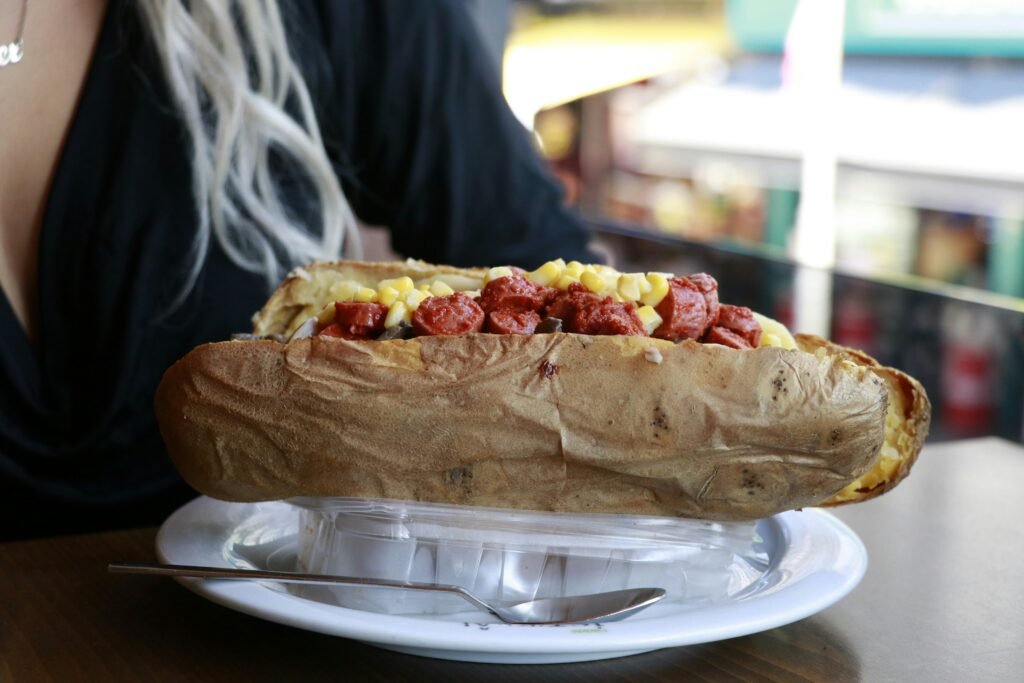
- Kumpir (loaded baked potato)
- Köz mısır (roasted corn)
- Meze (cold appetizers)
- Mantı (Turkish “ravioli” with yogurt + garlic)
- Cihangir Istanbul Neighborhood Guide (2026): Cafés, Museums and Hidden Corners
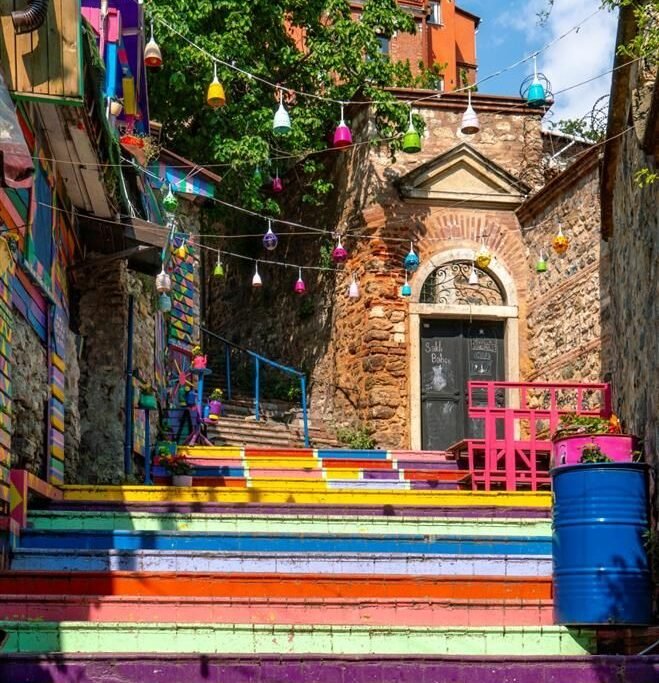
- Best Hotels in Cihangir Istanbul with Bosphorus view (2026): 4 Stylish Places to Stay
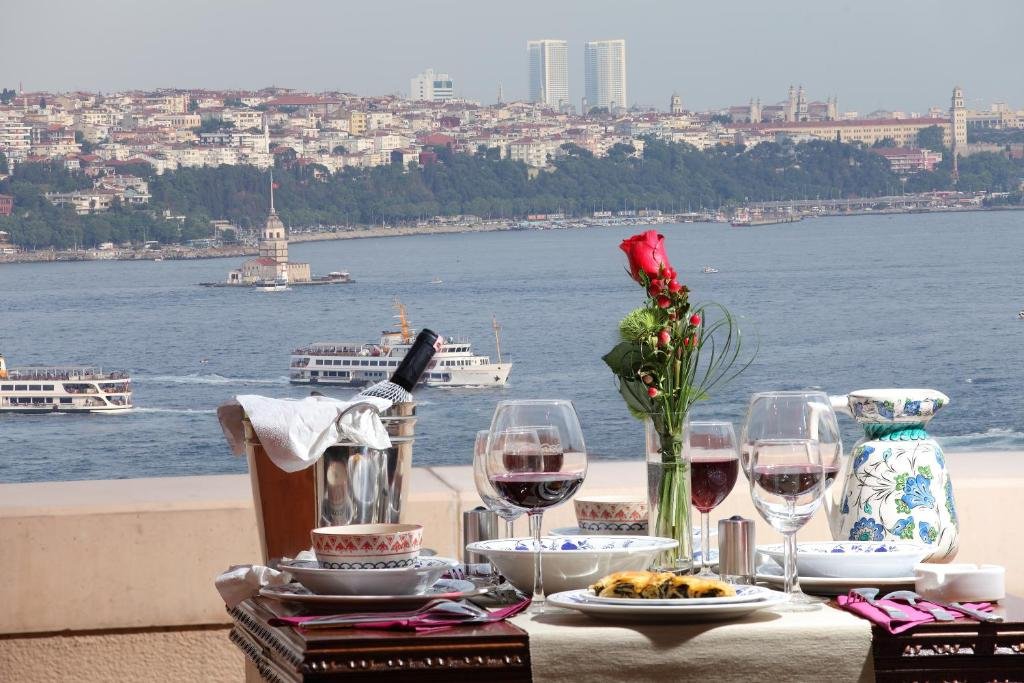
- 19 Best Restaurants in Cihangir Istanbul (2026)
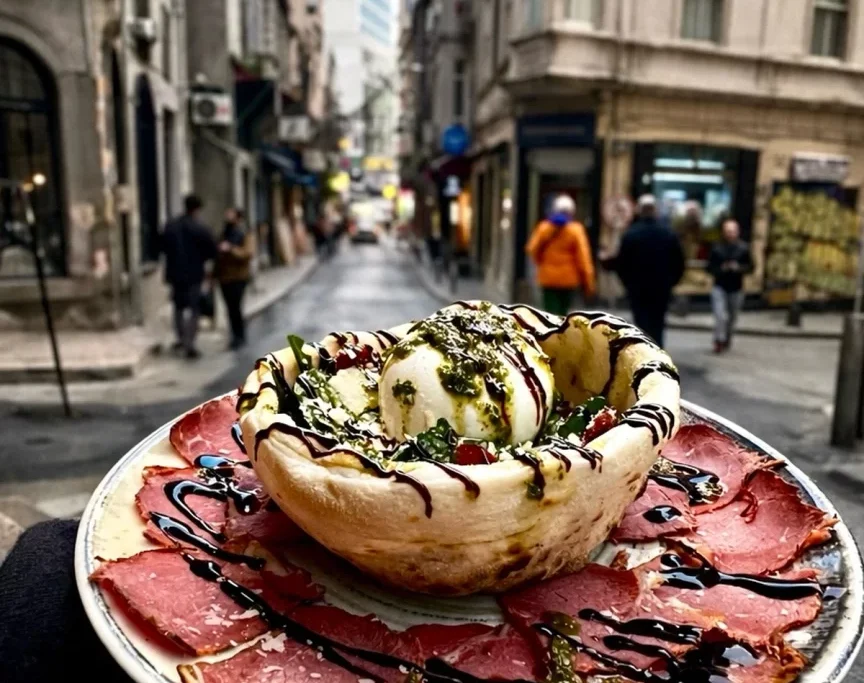
- Where to Find the Best Kokorec in Istanbul (2026): 10 Local Street-Food Spots
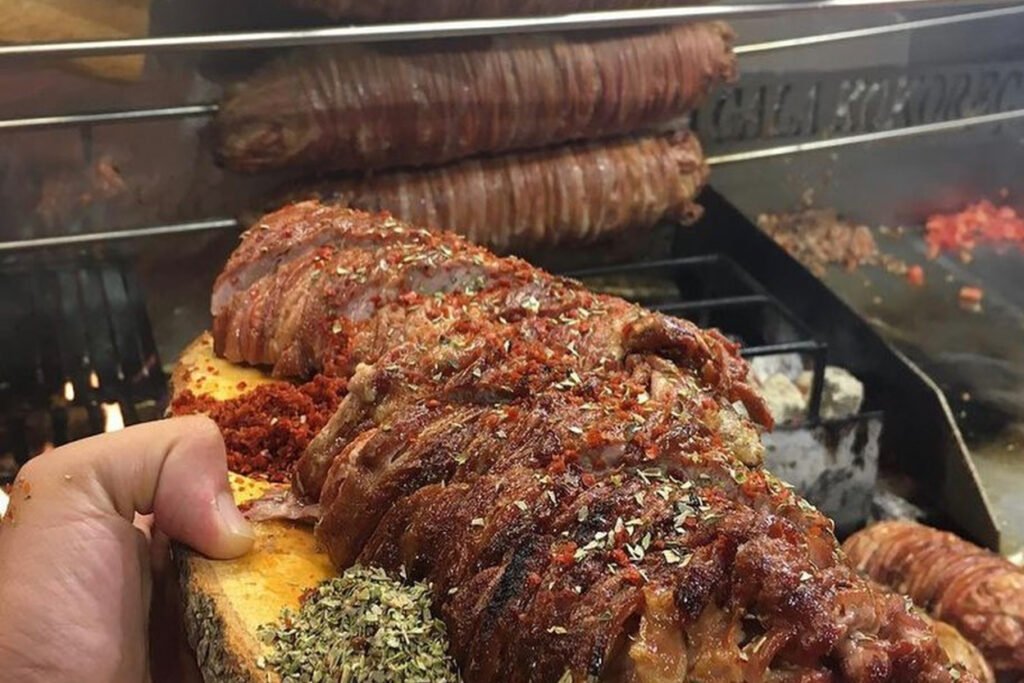
- Best Kumpir in Istanbul: 10 Local Places to Try in 2026