
Travel writing based on first-hand experience
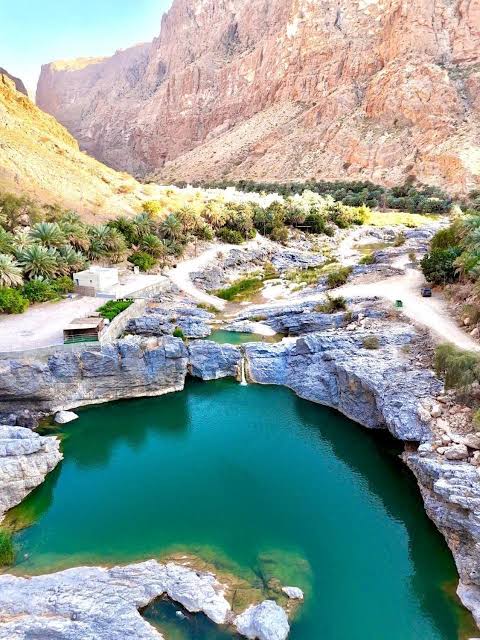
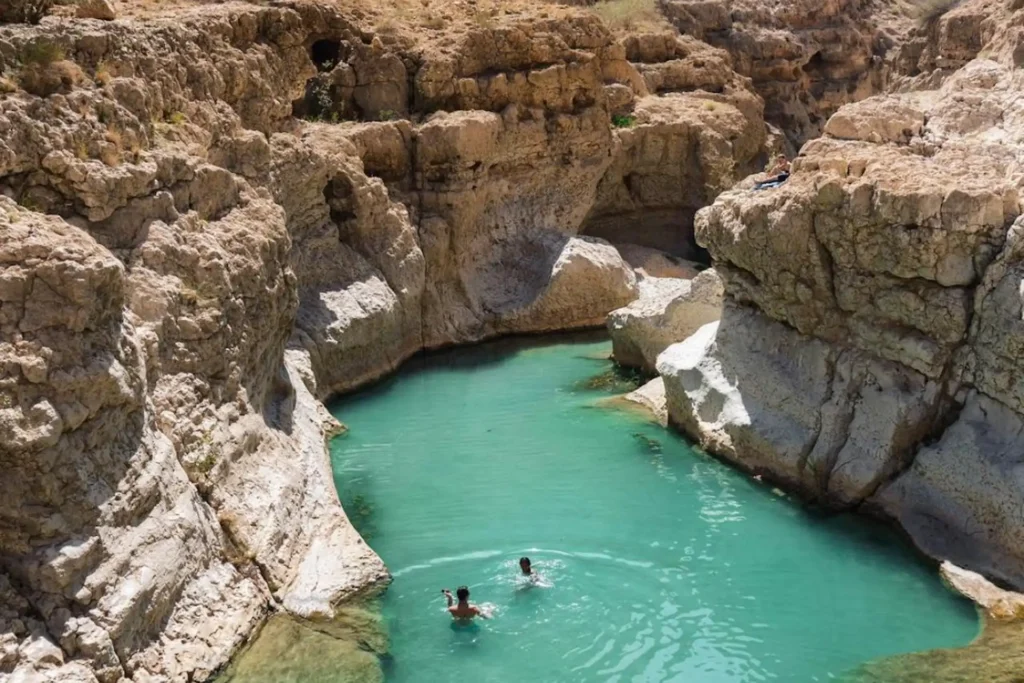
Packing for Oman is a little trickier than throwing a few T-shirts, sunglasses, and flip-flops into a suitcase. One day you’re wandering through the sun-drenched streets of Muscat; the next you’re swimming in a turquoise wadi. By evening, you could be watching the stars from a surprisingly chilly desert camp.
Welcome to Oman, where your suitcase needs to be ready for several climates and a few cultural considerations.
The good news? You don’t need an enormous wardrobe to explore Oman comfortably. A handful of lightweight, breathable outfits, sensible shoes, modest clothing for cultural sites, and a few adventure essentials will cover most trips.
Whether you’re planning a week-long Oman road trip, a family holiday, or a longer adventure through the mountains and desert, this Oman packing list covers exactly what to bring, what to wear, and what you can safely leave at home.
Planning Your Oman Adventure? Read These Guides Next
Now that your suitcase is sorted, let’s plan the adventures you’ll actually be packing for. These Oman travel guides will help you choose your route, prepare for the wadis, and make the most of your trip.
- How to Dress in Oman as a Tourist – What to wear in mosques, souks, deserts, and everyday life.
- 5 Best Wadis in Oman – Gorgeous swimming spots, hidden pools, and practical tips for exploring them.
- Wadi Shab Oman Travel Guide – Hiking routes, swimming advice, and exactly what to bring.
- The Ultimate Oman Road Trip Itinerary – 13 days of mountains, desert camps, spectacular coastlines, and unforgettable detours.
- Oman Family Road Trip Itinerary – A practical adventure through Oman with kids, from desert dunes to turquoise wadis.
Table of Contents
Travel advisory (1 November 2026): Before booking or departing, check your government’s advice. The U.S. State Department currently advises travelers to reconsider travel to Oman, and Spain’s Ministry of Foreign Affairs advises postponing trips because of the regional security situation. Conditions and insurance coverage can change.
Oman Packing List: The Essentials at a Glance

Short on time? Here’s a practical packing checklist for a typical seven-day trip to Oman.
| What to pack | Recommended quantity |
|---|---|
| Lightweight T-shirts | 4 |
| Loose long-sleeved shirts | 2 |
| Lightweight trousers | 2 |
| Knee-length shorts | 1–2 |
| Underwear | 8 pairs |
| Socks | 4–5 pairs |
| Sleepwear | 1–2 sets |
| Warm sweater or fleece | 1 |
| Lightweight waterproof jacket | 1, depending on itinerary |
| Comfortable walking shoes | 1 pair |
| Sandals | 1 pair |
| Water shoes | 1 pair if visiting wadis |
| Swimsuit | 1–2 |
| Sarong or lightweight scarf | 1 |
| Sun hat and sunglasses | 1 each |
| Sunscreen SPF 50 | 1 |
| Reusable water bottle | 1 |
| UK-style plug adapter (Type G) | 1 |
| Power bank | 1 |
| Personal medication and first-aid kit | As needed |
| Passport, travel insurance and bookings | Essential |
Our packing tip: For seven days in Oman, a 40–50L backpack or medium suitcase is usually enough, provided you’re not carrying camping equipment. If your trip involves hiking, wadis, and desert excursions, keep a smaller daypack separate from your main luggage.
1. What Clothes to Pack for Oman
Oman is a predominantly hot, sunny country, but its climate changes considerably depending on the region, altitude, and season.
Muscat can feel positively tropical in summer, while Jebel Shams and Jebel Akhdar can get surprisingly cold at night. Then there’s Salalah, which develops its own lush, misty personality during the summer monsoon season.
Your clothing needs to accomplish three things: keep you cool, protect you from the sun, and respect Oman’s cultural dress code.
Lightweight T-shirts and breathable tops
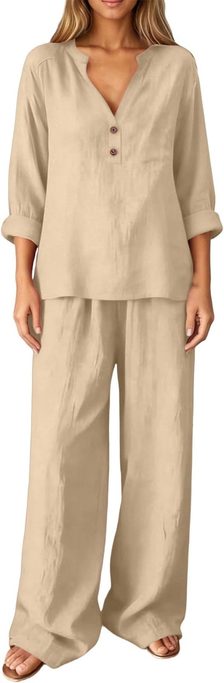
Pack around four comfortable T-shirts or tops for a week-long trip. Lightweight cotton, linen, and breathable technical fabrics work well. Cotton and linen are pleasant for sightseeing, while quick-drying fabrics are more practical for hikes or particularly humid weather.
Choose relaxed fits rather than tight clothing. Loose fabrics are often more comfortable in the heat and better suited to Oman’s conservative public dress expectations.
Long-sleeved shirts
Bring at least two lightweight long-sleeved shirts. These are among the most useful things you can pack for Oman, particularly when you’re visiting mosques, exploring traditional villages, walking through souks, or spending long hours in the sun.
A loose linen shirt or breathable tunic can double as sun protection, modest clothing, and an extra layer on cooler evenings.
Lightweight trousers
Pack two pairs of lightweight, loose-fitting trousers. Linen trousers, cotton chinos, and quick-drying hiking pants are all excellent choices.
They’re more versatile than shorts because you can wear them almost everywhere, from Muscat’s restaurants to Nizwa’s historic streets and mountain trails. Jeans aren’t forbidden, of course, but heavy denim can be uncomfortable in hot weather and takes longer to dry.
Shorts and skirts
One or two pairs of shorts should be plenty. However, avoid relying on very short shorts for everyday sightseeing. Knee-length shorts are a more culturally appropriate choice, particularly for men.
For women, loose midi or maxi skirts are another practical option. They’re comfortable, easy to dress up, and perfect for exploring traditional neighborhoods without feeling overdressed.
A light sweater or fleece
Yes, you might actually need warm clothing in Oman. If your itinerary includes a night in the Wahiba Sands (also called Sharqiya Sands), mountain villages, or Jebel Shams, pack a sweater or lightweight fleece.
Desert temperatures can drop significantly after sunset, particularly between December and February. The mountains can be considerably colder than Muscat. You may also appreciate an extra layer in strongly air-conditioned hotels, shopping malls, and restaurants.
A lightweight waterproof jacket
For a typical sunny winter holiday in Muscat, a raincoat isn’t essential. However, a compact waterproof jacket becomes useful if you’re planning mountain hikes or visiting Salalah during the khareef season, when mist and drizzle are common.
If you’re traveling between June and September to southern Oman, this is one item worth making room for.
2. What to Wear in Oman: Dress Code for Women and Men
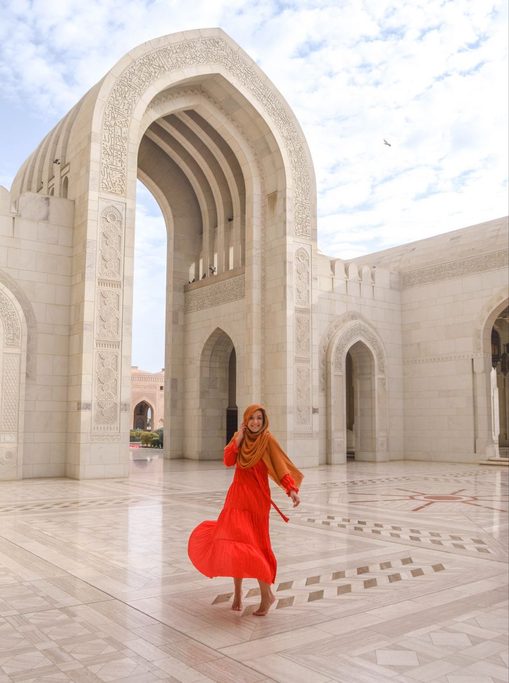
Oman is generally welcoming and relaxed toward tourists, but that doesn’t mean anything goes when it comes to clothing.
You don’t need to dress like a local, and women don’t have to wear a headscarf when walking around the country. However, covering your shoulders and knees is the simplest way to dress respectfully in most public places.
What should women wear in Oman?
For everyday sightseeing, women will be comfortable in:
- Loose linen or cotton trousers
- Maxi or midi skirts
- Lightweight dresses covering the shoulders and knees
- T-shirts and relaxed blouses
- Long-sleeved shirts for religious sites
- A lightweight scarf for mosque visits
Avoid very revealing outfits, transparent clothing, and extremely short skirts in public spaces. A headscarf is not required for women outside mosques, but carrying one is useful.
What should men wear in Oman?
Men can dress casually, but modestly. Lightweight trousers or knee-length shorts paired with T-shirts or collared shirts are appropriate for most sightseeing.
Avoid walking around towns shirtless or wearing very short shorts. Long trousers are the safer option for mosque visits and traditional settings.
What to wear at Sultan Qaboos Grand Mosque

The Sultan Qaboos Grand Mosque in Muscat has stricter clothing requirements than ordinary public areas.
Women should wear loose clothing covering their arms and legs to the ankles, along with a headscarf covering their hair. Men should wear long trousers and a shirt covering their shoulders. Shoes must be removed before entering prayer halls.
Packing tip: Prepare one complete mosque-appropriate outfit before your trip. That way, you won’t be scrambling to find suitable clothing on the morning of your visit. Check visitor guidelines on the official Experience Oman mosque page.
What to wear on Oman’s beaches and in wadis
At private resort beaches and hotel swimming pools, ordinary swimsuits and bikinis are generally acceptable. Public beaches and natural swimming pools are different.
Many wadis are located close to villages, so modest swimwear is recommended. A swimsuit with a rash guard and knee-length swim shorts is a practical choice. A lightweight sarong or cover-up is useful when leaving the water.
If swimming in Oman’s spectacular natural pools is on your itinerary, have a look at our guide to the best wadis in Oman.
3. The Best Shoes to Pack for Oman
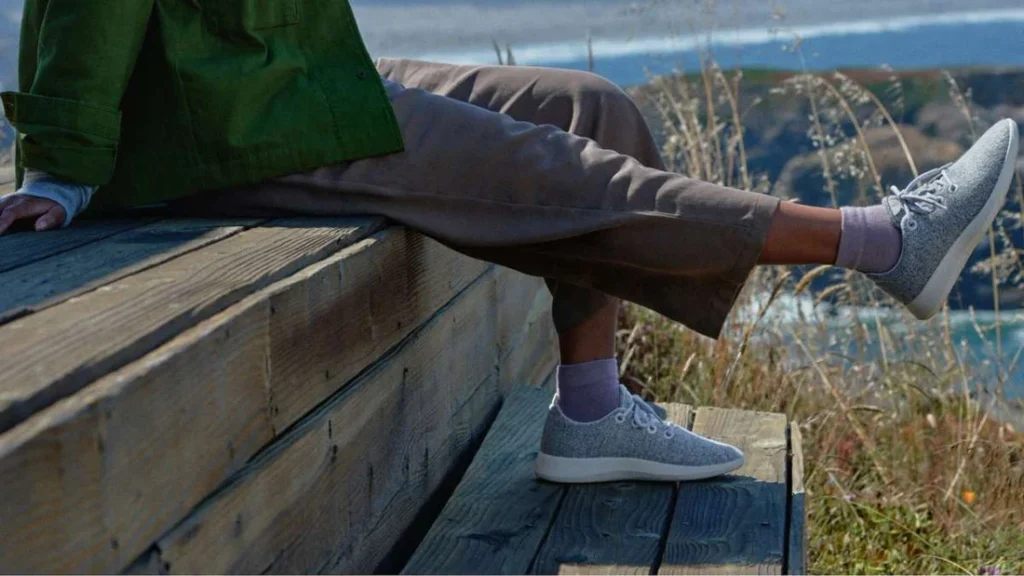
You don’t need an entire shoe collection for Oman. Two pairs of shoes will cover most ordinary trips, although wadi adventures are a good reason to add a third.
Comfortable walking shoes
Bring a pair of breathable trainers or walking shoes with decent grip. You’ll use them for sightseeing in Muscat, exploring forts, wandering through markets, and tackling easy nature trails.
If you’re planning serious hikes around Jebel Shams or Jebel Akhdar, choose proper hiking shoes with reliable traction.
Sandals
Comfortable sandals are ideal for relaxed sightseeing, beach visits, and walking around your accommodation. They are also convenient for visiting mosques, where footwear must be removed before entering prayer areas.
Water shoes for wadis
Water shoes are one of the most useful extras for an adventurous Oman itinerary. Popular places such as Wadi Shab combine rocky paths, slippery surfaces, pools, and sections where you’ll be getting in and out of the water.
A pair of water shoes or sturdy water-friendly hiking sandals can make these outings considerably more comfortable. Ordinary flip-flops are a poor choice for slippery rocks or longer walks.
4. Documents and Money: What You Need to Enter Oman
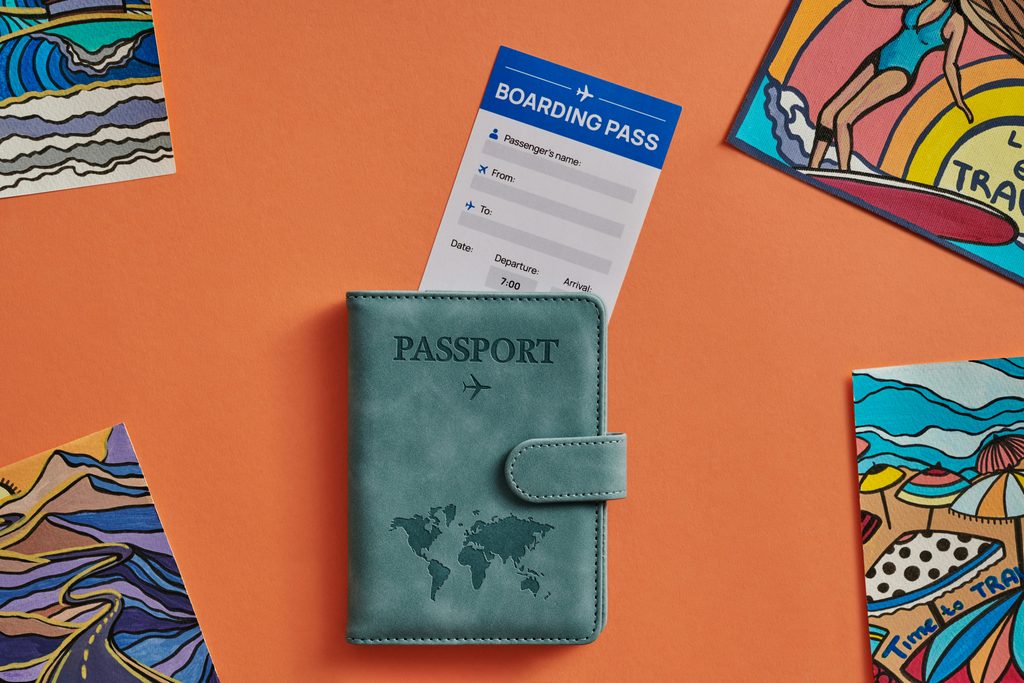
Before worrying about your clothes, make sure you’ve packed the things that actually get you into the country.
Passport and visa requirements
Your passport should be valid for at least six months from your date of arrival in Oman.
Visitors from more than 100 countries, including the United States, United Kingdom, and many European countries, can enter Oman without arranging a tourist visa in advance for stays of up to 14 days, subject to the applicable entry conditions.
These generally include:
- A valid passport
- A return or onward travel ticket
- Confirmed accommodation
- Health insurance
- Sufficient funds for your stay
For longer trips, or if your nationality isn’t covered by the exemption, you may need to arrange an eVisa.
Check the latest rules using the Oman Ministry of Foreign Affairs entry information or the Royal Oman Police eVisa portal.
Important: Don’t assume that every traveler automatically qualifies for visa-free entry. Nationality, passport type, and additional eligibility conditions can make a difference.
Travel insurance
Travel medical insurance is especially important in Oman, where private treatment can be expensive. Choose a policy that covers medical treatment, emergency evacuation, and your planned activities.
If you’re hiking, camping, canyoning, or joining desert excursions, check that your insurance covers those activities specifically. Also check whether current government travel advisories affect your cover.
Bank cards and Omani rials
Oman’s currency is the Omani rial (OMR). International cards are widely accepted in Muscat, larger hotels, supermarkets, and shopping centers.
However, keeping some cash is useful for smaller shops, local cafes, markets, and rural areas. There’s no need to carry large amounts of US dollars simply because you’re traveling to Oman.
A sensible approach is to bring a working international bank card and withdraw or exchange a modest amount of Omani rials after arrival.
Copies of important documents
Save digital copies of your passport, insurance policy, flight tickets, hotel bookings, and driving documents. Keep them somewhere accessible offline, not just in your email inbox.
A paper copy of your passport details and travel insurance can also be helpful if your phone is lost or damaged.
Driving documents
If you’re renting a car for an Oman road trip, bring your physical driving licence. Check whether your licence is accepted by the rental company or whether an International Driving Permit is necessary for your nationality.
Don’t forget a credit card if your rental company requires one for the security deposit.
5. What to Pack in Your Hand Luggage for Oman
Your carry-on bag should contain everything you need during the flight and the first 24 hours in Oman. That way, a delayed suitcase won’t turn the beginning of your holiday into an emergency shopping expedition.
Hand luggage checklist:
- Passport and travel documents
- Wallet and bank cards
- Phone and charging cable
- Power bank
- Plug adapter
- Essential medication in original packaging
- Glasses or contact lenses
- Toothbrush and small toiletries
- A fresh change of clothes
- Lightweight scarf or sweater
- Refillable water bottle (empty through airport security)
- Headphones and something to read
Keep all prescription medication, electronics, and valuables in your carry-on rather than checked luggage. Remember to check your airline’s rules for cabin liquids, batteries, and power banks.
6. Electronics and Gadgets Worth Bringing to Oman
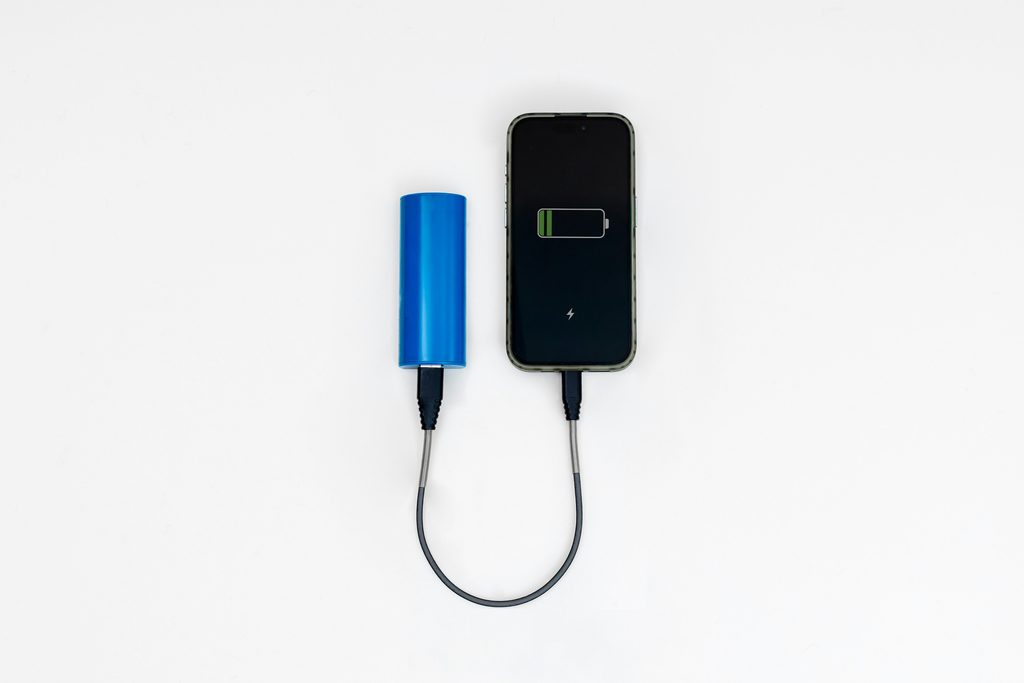
You don’t need a suitcase full of gadgets, but a few practical devices can make an Oman road trip much easier.
UK-style travel adapter
Oman uses Type G electrical sockets, the same three-pin plug design used in the United Kingdom, and 240V / 50Hz electricity. If you’re coming from most of continental Europe, you’ll need an adapter. Travelers with 110–120V-only devices should also check voltage compatibility.
A universal travel adapter with USB ports is particularly convenient because you can charge several devices without carrying multiple plugs.
Power bank
A power bank is useful on long drives, desert excursions, and mountain hikes, especially when you’re using GPS or taking photographs all day. Choose one that complies with your airline’s cabin-baggage battery rules.
Local SIM or eSIM
Mobile data is useful in Oman, particularly if you’re renting a car. You can purchase a local SIM or arrange a travel eSIM before departure, provided your phone supports one.
Omantel, Ooredoo, and Vodafone Oman are among the local mobile providers. Compare coverage for your route, not just the price. Remote mountain and desert areas may have weak or nonexistent reception.
Our tip: Download offline Google Maps before leaving Muscat. Don’t rely entirely on mobile data once you’re heading into the mountains.
Camera and photography accessories
Oman is almost unfairly photogenic. Between turquoise wadis, desert dunes, traditional forts, and dramatic coastlines, you’ll have plenty of reasons to reach for your camera.
Useful extras include a lens cloth, spare memory card, and a small protective pouch to keep sand away from your equipment.
Leave the drone at home unless you’ve obtained the appropriate authorization. Flying one without a valid licence is against Omani law.
7. Toiletries and Personal Care Essentials

You can buy ordinary toiletries in Omani supermarkets and pharmacies, particularly in Muscat and other larger towns. Still, it’s worth arriving with the basics so you don’t need to spend your first day searching for shampoo.
Pack:
- High-protection sunscreen, ideally SPF 50
- Lip balm with SPF
- Toothbrush and toothpaste
- Deodorant
- Shampoo and conditioner
- Moisturizer or after-sun lotion
- Hairbrush and basic grooming supplies
- Insect repellent
- Hand sanitizer and tissues
Sunscreen is non-negotiable. Oman’s sun can be intense even when the weather feels pleasantly mild. If you’re spending the day hiking or swimming, remember to reapply it regularly.
8. Health and First-Aid Packing List
Oman is a fantastic destination for outdoor adventures, but heat, sun exposure, rocky terrain, and remote locations make a few health essentials particularly important.
Essential first-aid supplies
A small travel first-aid kit should contain:
- Plasters and blister dressings
- Antiseptic wipes
- Basic bandages
- Pain relief suitable for you
- Oral rehydration salts
- Any regular prescription medication
- Insect-bite treatment if needed
- Personal allergy medication
Pack enough prescription medication for your trip and keep it in its original packaging. Some medicines that are legal elsewhere may be restricted in Oman, so check the rules for any controlled or unusual medication before traveling. Carry your prescription or a medical letter where appropriate.
Drinking water and hydration
Dehydration is one of the more realistic concerns when traveling in Oman, particularly during hikes and desert excursions. Carry water regularly and increase your intake when spending time outdoors in hot weather.
Municipal water is treated in many urban areas, but the condition of building tanks and rural water sources may vary. For remote travel, sealed bottled water or properly treated drinking water is the safer option.
A reusable water bottle is useful, but make sure you have a reliable source of drinking water to refill it.
Vaccinations
Check routine vaccination recommendations before departure and ask a travel-health professional whether any additional vaccines are appropriate for your itinerary.
A yellow fever vaccination certificate may be required when arriving from certain countries with yellow fever transmission risk. You can review current recommendations on the CDC Oman travel health page.
9. What to Pack for the Wahiba Sands Desert
A night in the Wahiba Sands is one of the highlights of traveling through Oman. Watching the dunes turn gold at sunset and sleeping beneath a star-filled sky is something special. However, the desert requires a few additions to your usual holiday wardrobe.
Desert packing essentials:
- Lightweight long trousers
- A warm fleece or sweater for evenings
- Closed shoes
- Sunglasses
- A scarf or buff for windblown sand
- Sunscreen
- Refillable water bottle
- Small flashlight or headlamp
- Power bank
- Protective bag for electronics
If you’re staying at a desert camp, check what the accommodation provides before packing towels, blankets, or sleeping equipment.
For remote dune driving, use a properly equipped 4WD vehicle and an experienced driver or guide. Ordinary rental cars aren’t suitable for serious off-road desert driving.
Best for: Travelers planning an overnight stay in Sharqiya Sands, guided dune excursions, or desert camping.
10. What to Pack for Wadi Swimming and Hiking

Oman’s wadis are among the country’s most memorable natural attractions. Imagine walking between steep rocky cliffs before plunging into clear turquoise water. It’s wonderful, but you won’t enjoy it nearly as much if you’re trying to negotiate slippery rocks in flimsy flip-flops.
For a wadi day trip, pack:
- Water shoes or hiking sandals with good grip
- Modest swimwear
- Lightweight T-shirt and shorts
- Waterproof dry bag
- Quick-drying towel
- Drinking water
- Sunscreen
- Snacks
- Dry clothes for the journey back
A waterproof phone pouch is particularly useful if you plan to swim.
Important safety tip: Never enter a wadi when heavy rain or flash flooding is possible, even if the weather looks fine where you’re standing. Floodwaters can arrive suddenly from rainfall farther upstream. Check official Omani meteorological warnings before heading out.
Best for: Wadi Shab, Wadi Bani Khalid, and other swimming and hiking excursions.
11. What to Pack for Oman’s Mountains

The Hajar Mountains are a completely different side of Oman. High-altitude villages, terraced farms, spectacular canyons, and hiking routes require more preparation than a relaxed day in Muscat.
For Jebel Shams, Jebel Akhdar, or serious mountain trekking, bring:
- Proper hiking shoes
- Long hiking trousers
- Moisture-wicking tops
- Warm fleece or insulated jacket
- Windproof or waterproof outer layer
- Sun hat and sunglasses
- Headlamp and small first-aid kit
- Enough drinking water and food
- Offline maps
In winter, temperatures at higher elevations can become very cold, especially overnight. If you’re planning to camp, you’ll need additional equipment suited to the expected nighttime conditions.
Be aware that some mountain access roads, particularly around Jebel Akhdar, require suitable 4WD vehicles.
12. Packing for Oman by Season
The time of year makes a considerable difference to what you’ll actually need.

| Season | What to expect | What to pack |
|---|---|---|
| November–March | Pleasant sightseeing weather, cooler evenings and colder mountains | Lightweight clothes, long trousers, fleece |
| April–May | Increasing heat, particularly inland | Breathable clothing, sun protection, extra water |
| June–August | Extreme heat in much of northern Oman | Very lightweight clothing, sun protection; limit outdoor exposure |
| June–September in Salalah | Khareef season with mist, drizzle and green landscapes | Light rain jacket, grippy shoes, spare dry clothes |
| September–October | Transition from summer heat toward milder weather | Light clothing and sun protection, plus layers for altitude |
For most first-time visitors exploring Muscat, Nizwa, the mountains, and the desert, November to March usually brings the most comfortable sightseeing temperatures.
If you’re visiting Salalah specifically to experience its green monsoon landscapes, the packing strategy changes. The khareef season usually runs from mid-June to September.
13. Packing for Oman With Kids
Traveling to Oman with children? The country offers plenty of adventures, from desert camping to spotting marine life and swimming in natural pools. However, outdoor excursions can involve heat, slippery terrain, and long journeys between stops.
Alongside the standard packing list, consider bringing:
- Extra sun hats and high-SPF sunscreen
- Comfortable, modest swimwear or rash guards
- Properly fitting water shoes
- Refillable water bottles
- Snacks for longer drives
- Spare clothes and a small towel
- Familiar medication and basic first-aid supplies
- Offline entertainment for road trips
For younger children, consider a compact backpack with a complete change of clothes and wipes.
Family tip: Plan outdoor activities for cooler parts of the day. For wadi swimming, choose locations appropriate to your children’s abilities, supervise them closely, and avoid exposed routes or water conditions that are beyond their experience.
14. How to Pack Light and Organize Your Luggage
A week in Oman doesn’t require seven completely different outfits. With a little planning, you can travel comfortably without hauling an enormous suitcase from one hotel to another.
Use packing cubes
Separate city clothes, swimwear, and hiking outfits into packing cubes. This makes it easier to find things quickly, particularly if you’re changing hotels during an Oman road trip.
Keep wet and dry clothes separate
A lightweight laundry bag is useful for dirty clothing, while a dry bag or waterproof pouch protects valuables around wadis and beaches. Resealable plastic bags can also help protect small electronics and chargers from sand or moisture.
Pack clothes that work together
Choose a few neutral colors and interchangeable layers. Two pairs of trousers and four or five versatile tops can produce plenty of combinations without taking up much space.
Plan laundry only if you need it
Hotels in Muscat and other tourist areas may offer laundry services, while independent laundries are another option in larger towns. Prices and turnaround times vary, so check with your accommodation rather than relying on a fixed price per kilogram or per load.
For a seven-day trip, it’s often simpler to bring enough underwear and essentials for the full week. For a longer trip, packing four or five days’ worth of clothes and doing laundry once can save considerable space.
15. What Not to Pack for Oman
Sometimes the best packing advice is about what you can leave behind.
| Leave behind | Why | Pack instead |
|---|---|---|
| Several pairs of heavy jeans | Bulky and uncomfortable in hot weather | Lightweight trousers |
| Excessive formal clothing | Unnecessary for most casual trips | One smart-casual outfit |
| Multiple pairs of fashion shoes | Take up valuable luggage space | Walking shoes and sandals |
| Full-size toiletries | Heavy and easy to replace | Travel-sized essentials |
| Thick winter clothes | Usually unnecessary at low elevations | One warm layer, unless visiting cold mountains |
| Large beach towels | Often provided by accommodation | Compact quick-drying towel |
| Expensive unnecessary gadgets | Extra weight and potential damage | Phone, charger, power bank |
| Unlicensed drone | Flying without authorization is against the law | Camera or smartphone |
Don’t make the mistake of leaving all your long-sleeved clothing behind just because Oman is hot. Long sleeves can be surprisingly useful for both sun protection and cultural visits.
16. Final Packing Tips for Oman
Before zipping up your suitcase, run through these last practical details.
Do:
- Check your passport validity, visa eligibility, travel advisories, and insurance before departure.
- Pack at least one complete outfit suitable for visiting a mosque.
- Download offline maps for your road trip.
- Bring proper footwear if you’re visiting wadis or hiking.
- Check the weather forecast for desert and mountain destinations.
- Keep valuables, medication, and important documents in your hand luggage.
- Weigh your luggage and check your airline’s allowance.
Don’t:
- Assume every part of Oman is hot all year round.
- Wear revealing beach clothing around villages and traditional towns.
- Rely entirely on mobile reception in remote areas.
- Carry excessive cash when an international card and a modest amount of local currency will do.
- Drive into remote desert or mountain areas without appropriate preparation.
- Enter wadis during or after heavy rain when flooding may be possible.
Frequently Asked Questions About Packing for Oman
What should I pack for seven days in Oman?
For a seven-day Oman trip, pack four or five lightweight tops, two long-sleeved shirts, two pairs of trousers, one or two pairs of knee-length shorts, underwear, comfortable walking shoes, sandals, modest swimwear, a scarf, and a warm layer. Add sun protection, a Type G plug adapter, medication, travel documents, and a reusable water bottle. If you’re visiting wadis, bring water shoes and a dry bag.
Can women wear shorts in Oman?
Women can wear shorts in some resort settings, but shorts that cover the knees are a more appropriate choice in public areas. Loose trousers, midi skirts, and lightweight dresses are generally more versatile for sightseeing.
Do female tourists need to cover their hair in Oman?
No, female tourists generally do not need to cover their hair in public. However, a headscarf is required when visiting mosques such as the Sultan Qaboos Grand Mosque.
Can you wear a bikini in Oman?
Bikinis are generally acceptable at hotel pools and private resort beaches. On public beaches and in wadis, more modest swimwear is recommended, particularly near villages and local families.
Do I need a plug adapter for Oman?
Yes, unless your devices already use UK-style Type G plugs. Travelers from most European countries and the United States will need a suitable adapter. Check your device’s voltage rating as well.
Do I need a jacket in Oman?
It depends on your itinerary. A light sweater is useful during winter desert evenings, while the mountains may require a much warmer jacket. If you’re visiting Salalah during the summer monsoon season, a lightweight waterproof jacket is useful.
Is a backpack or suitcase better for Oman?
Either works. A medium suitcase is convenient for hotel-based trips and road trips with a rental car, while a backpack may suit travelers moving frequently between accommodations. Bring a separate small daypack for excursions regardless of your main luggage.
Can I buy toiletries and sunscreen in Oman?
Yes. Supermarkets, pharmacies, and shopping centers in larger cities sell common toiletries and sun protection products. However, pack enough sunscreen and essential personal items for your first few days, especially if you’re heading directly into remote areas.
Is it safe to drink tap water in Oman?
Municipal water is treated in many urban locations, but water quality at the tap can vary according to local supply systems and building storage tanks. Use sealed bottled water or appropriately treated water where quality is uncertain.
What items are restricted when entering Oman?
Certain medicines and other regulated items are prohibited or restricted. Oman’s Ministry of Foreign Affairs states that importing and using e-cigarettes is illegal, while flying drones without a valid licence is against the law. Check Oman Customs and medicine rules before traveling, particularly if you’re carrying prescription medication or specialist equipment.
Final Thoughts: Pack Smart and Enjoy Oman
Oman isn’t the sort of destination where you need a suitcase bursting with clothes. In fact, traveling light makes it easier to enjoy what the country does best: spectacular landscapes, spontaneous roadside discoveries, peaceful beaches, and unforgettable outdoor adventures.
The secret is to pack versatile clothing that works in the heat but still respects local customs, along with practical footwear and a few carefully chosen extras for the desert and mountains.
If there’s one thing we’d prioritize, it’s comfortable, modest clothing and proper shoes for exploring the wadis. You’ll get far more use out of those than another fancy dinner outfit.
And remember: leave a little space in your luggage. Between fragrant Omani frankincense, beautiful handmade textiles, and traditional silver jewelry, there’s a good chance you’ll want to bring something home.