
Travel writing based on first-hand experience
Explore Rabat, elegant capital on the Atlantic coast. Discover what to do in Rabat Morocco- historic sites, seaside walks, modern art, royal palaces, and hidden gems beyond the medina.
Plan your Rabat trip without the guesswork
Rabat looks calm at first—ocean breeze, wide avenues, elegant old walls—but give it a day and suddenly we’re choosing restaurants, comparing neighborhoods, plotting hotel stays, and pretending this was always a very organized travel plan. These Rabat guides keep the whole thing nicely under control.
Table of Contents
What to do in Rabat, Morocco- Best Places to visit
Rabat is the kind of capital that doesn’t shout for attention—it just quietly wins you over. We’ve got ancient walls, ocean views, leafy boulevards, and enough history to keep your camera busy without exhausting you. Here are the best places to see in Rabat, in a very walkable, very doable order.
1. Hassan Tower
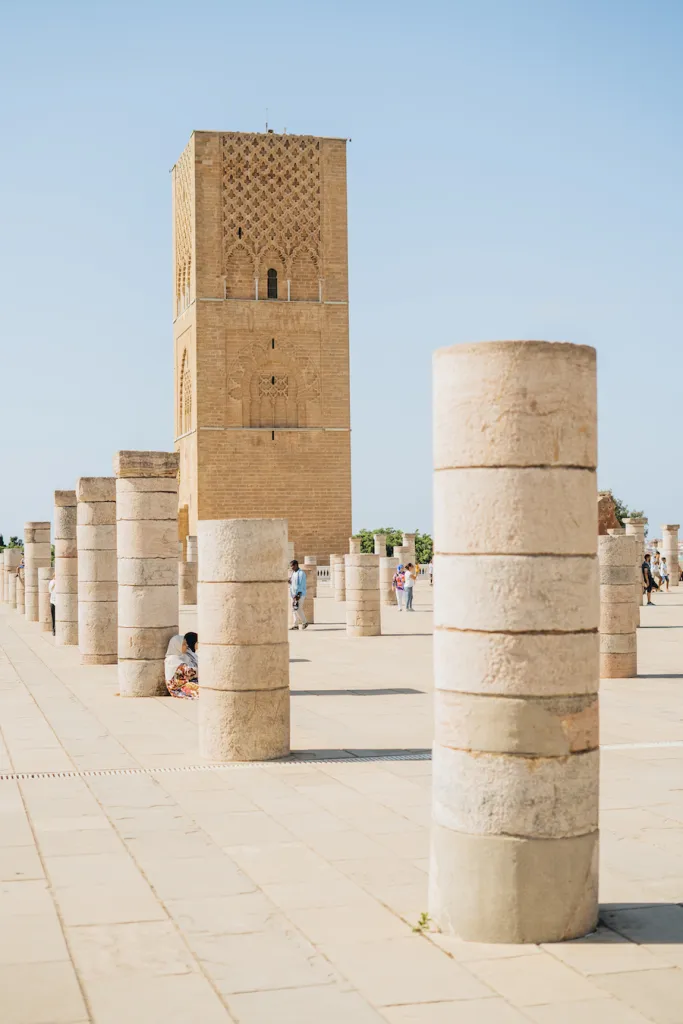
The unfinished Hassan Tower is one of Rabat’s most iconic sights—and honestly, it’s even more photogenic because it was never completed. Wander between the 348 half-columns, soak up the open-air grandeur, and take your time with the angles (this place loves golden hour).
2. Avenue Mohammed V
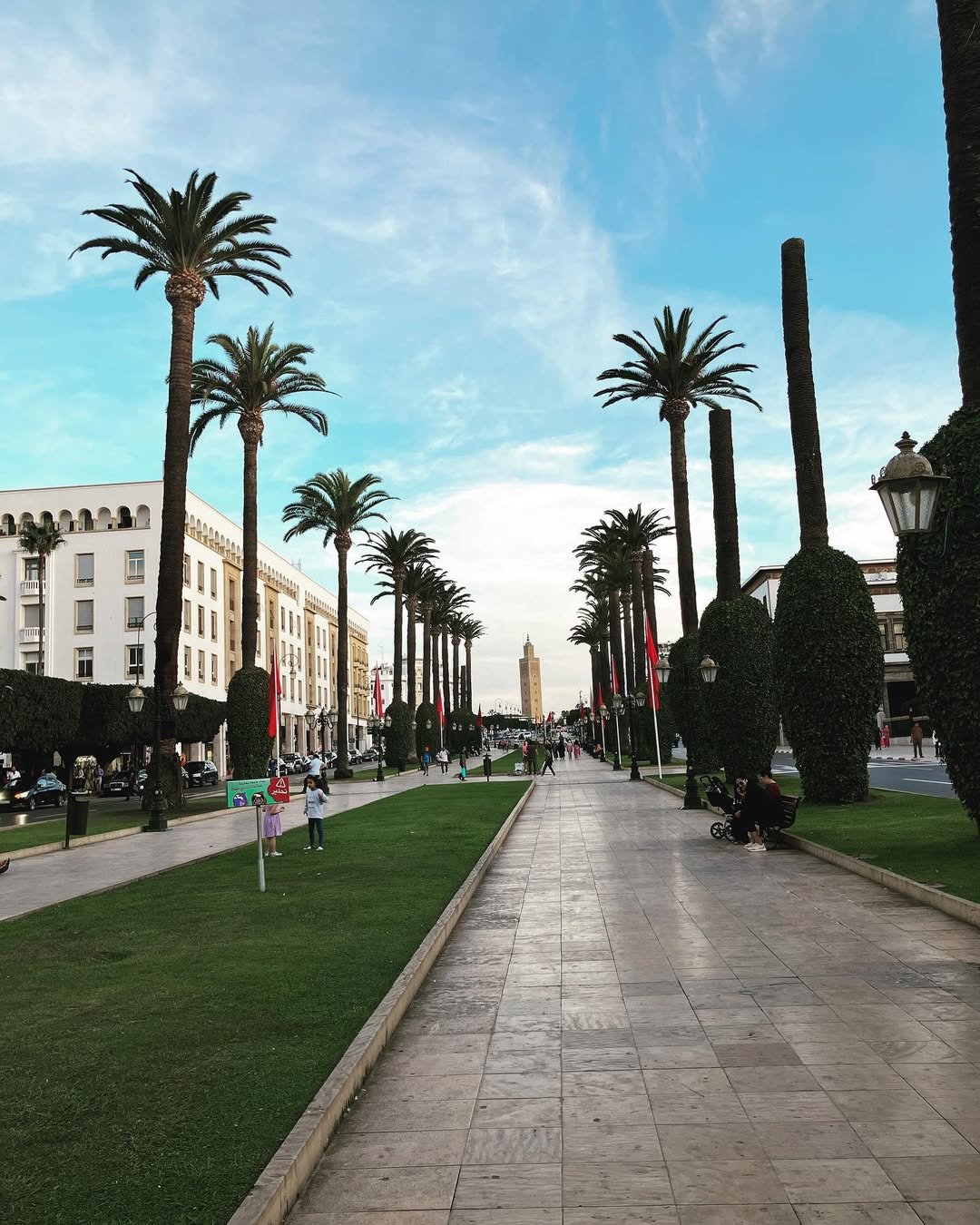
Avenue Mohammed V is one of Rabat’s main arteries: a wide, tree-lined boulevard that cuts right through the city center and feels like Rabat’s “let’s meet here” address. Come for the stroll, stay for the colonial-era architecture, including landmarks like the National Theater and various government buildings.
Along the way, you’ll pass restaurants, cafés, shops, and a handful of elegant squares—especially Place de l’Unité Africaine, with its statue of King Mohammed V. If you want a slice of modern Rabat without losing the Moroccan atmosphere, this is it.
3. The Kasbah of Udayas
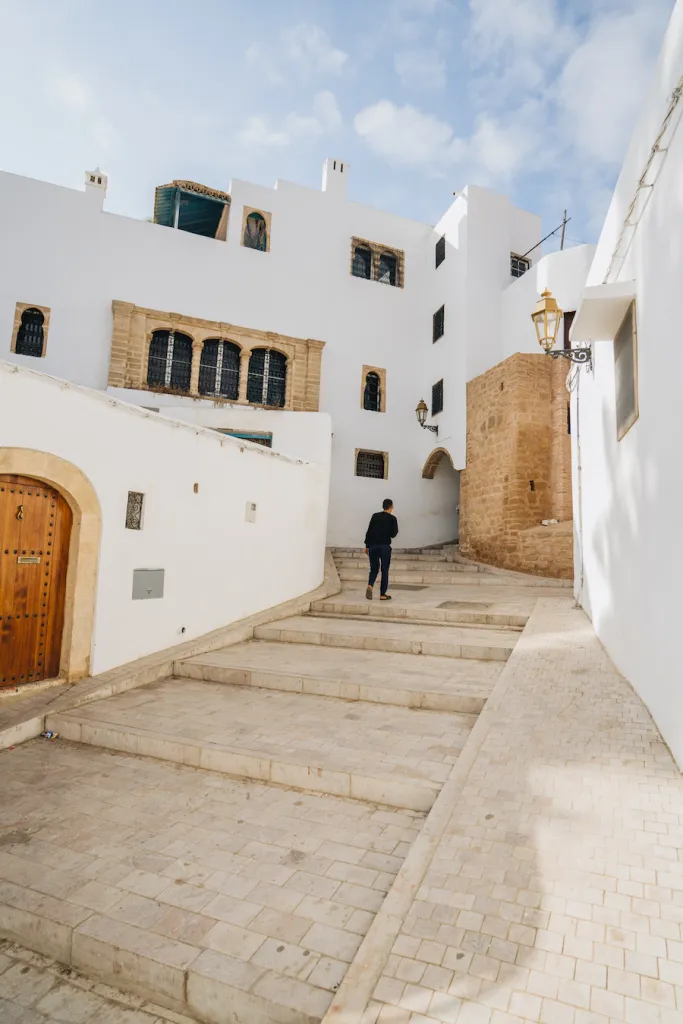
The Kasbah des Udayas is Rabat at its most charming: a fortified district built in the 12th century by the Almohads, with cobbled lanes, white-and-blue houses, and pockets of green that feel like little surprises. One detail to watch for: Andalusian-style architecture, especially in the ornate doors.
Inside the kasbah you can visit the Musée des Oudaias, which displays traditional Moroccan art and objects. And don’t rush the viewpoints—this is one of the best spots for views over the Bouregreg River and the city of Salé across the water. If we had to pick one place that captures Rabat’s “old soul + ocean air” vibe, it’s this.
4. The Gold Souk: a unique market to see in Rabat, Morocco
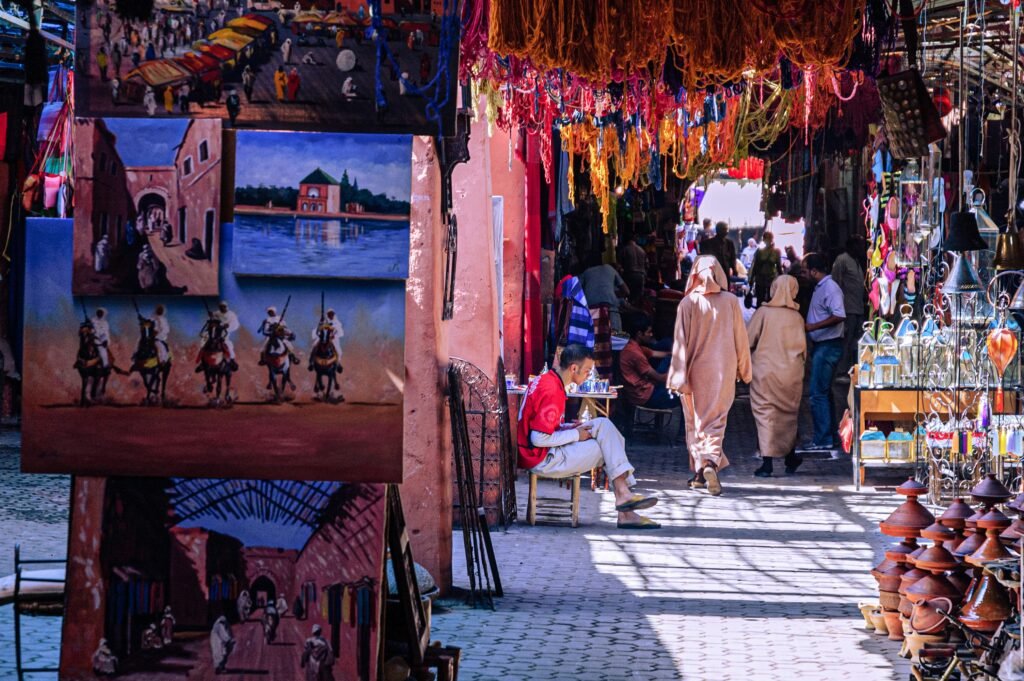
The Gold Souk (Souk Sebat) is Rabat’s best-known market—and an easy “yes” if you love browsing shiny things. Tucked inside the medina, it’s packed with gold, silver, and finely detailed jewelry in classic Moroccan styles.
The lanes are narrow, paved, and lively, with bright display cases everywhere. You’ll often see goldsmiths at work—slow, precise, and slightly hypnotic. Pro tip: if you’re buying, expect to haggle. Friendly bargaining is part of the experience here.
5. The Mausoleum of Mohammed V
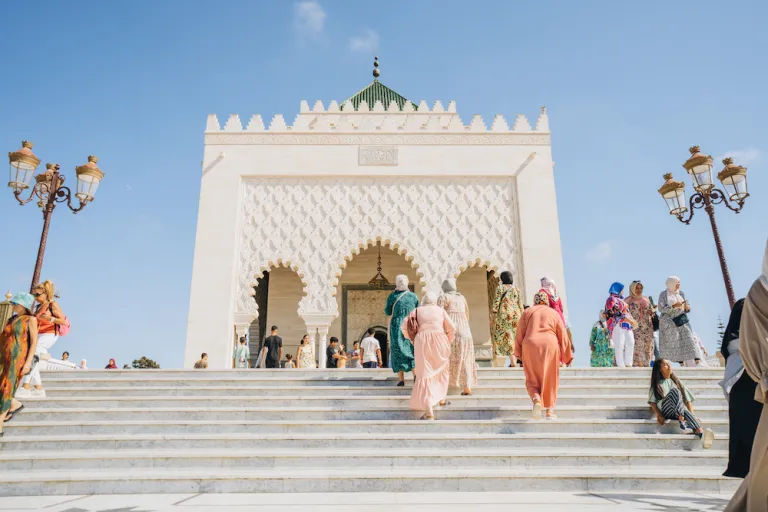
The Mausoleum of Mohammed V sits right beside the Hassan Tower and is one of the most impressive monuments in the city. It was built in memory of King Mohammed V (a key figure in Morocco’s independence) and his two sons.
Outside, the green-tiled dome and crisp Moroccan-Islamic lines are striking against the skyline. Inside, it’s all calm elegance: intricate mosaics, marble details, and a quiet, respectful atmosphere. It’s both a historic site and a place of reflection.
The mausoleum is open daily from 8:00 a.m. to 6:30 p.m. and entry is free.
6. Souissi, the most modern place to visit in Rabat, Morocco
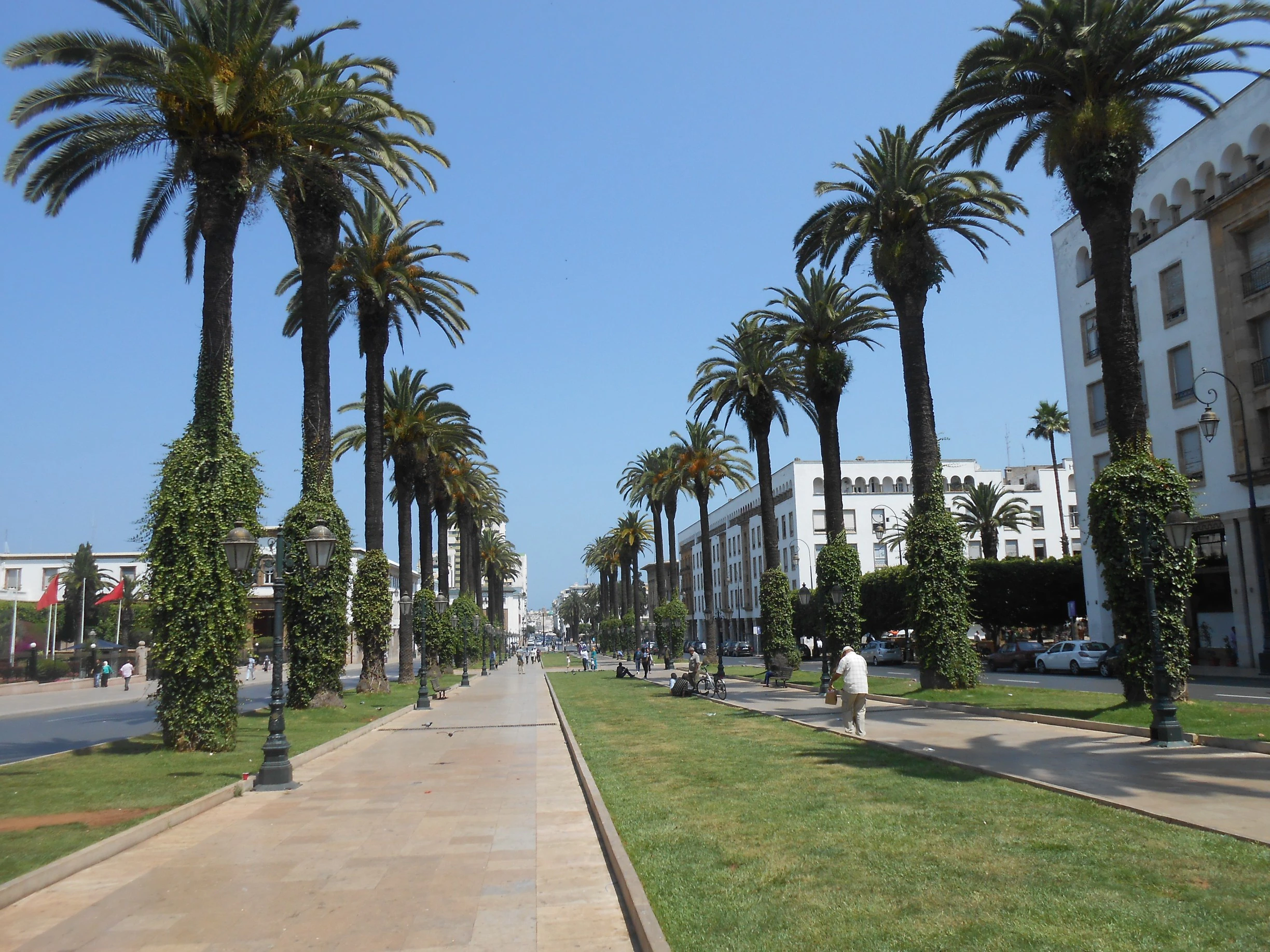
Souissi is Rabat’s sleek, modern side—more diplomatic and upscale than the medina, and a clear contrast to the Kasbah. Think wide avenues, greenery, and that “quietly expensive” energy. It grew during the French colonial period and still shows it in the urban layout and building styles.
You’ll find embassies, luxury hotels, shopping centers, and international restaurants. One of the most interesting details is the blend of Moroccan and French influences in the architecture. If you’ve got extra time (or you’re staying nearby), it’s a different angle on the city.
7. Royal Palace of Rabat
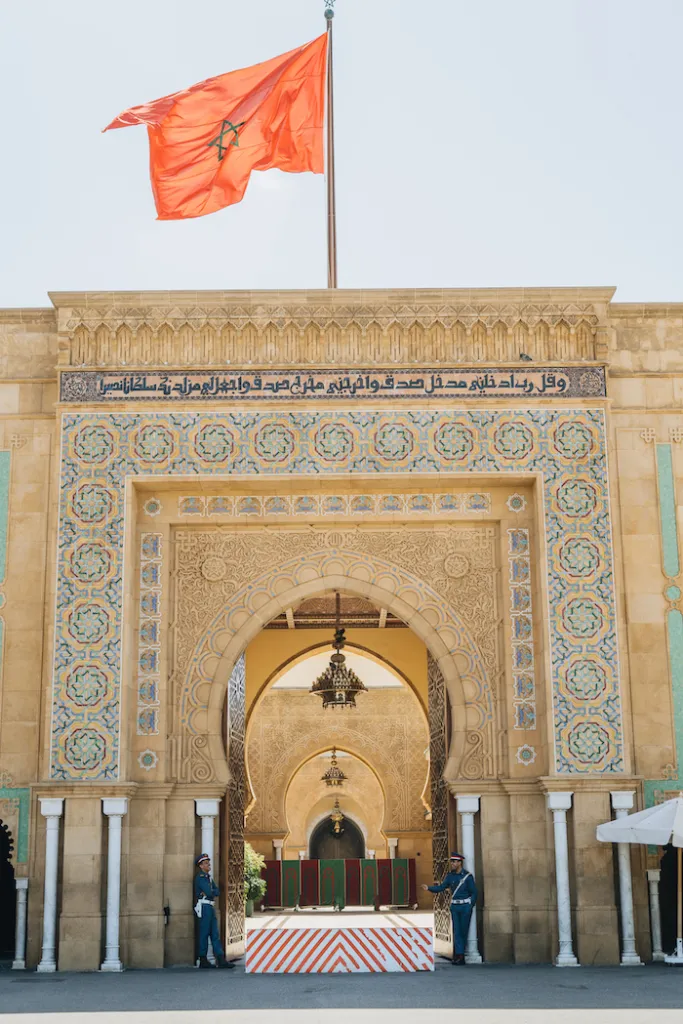
The Royal Palace of Rabat is one of the city’s most important buildings: a symbol of the monarchy and a major piece of modern Moroccan identity. The palace is known for its majestic Islamic architecture with European touches, manicured gardens, and those famous golden doors.
You can’t visit the palace interiors, but it’s absolutely worth stopping by to admire it from the outside and get a feel for Rabat’s “capital city” side.
8. Mohammed VI Museum of Contemporary Art
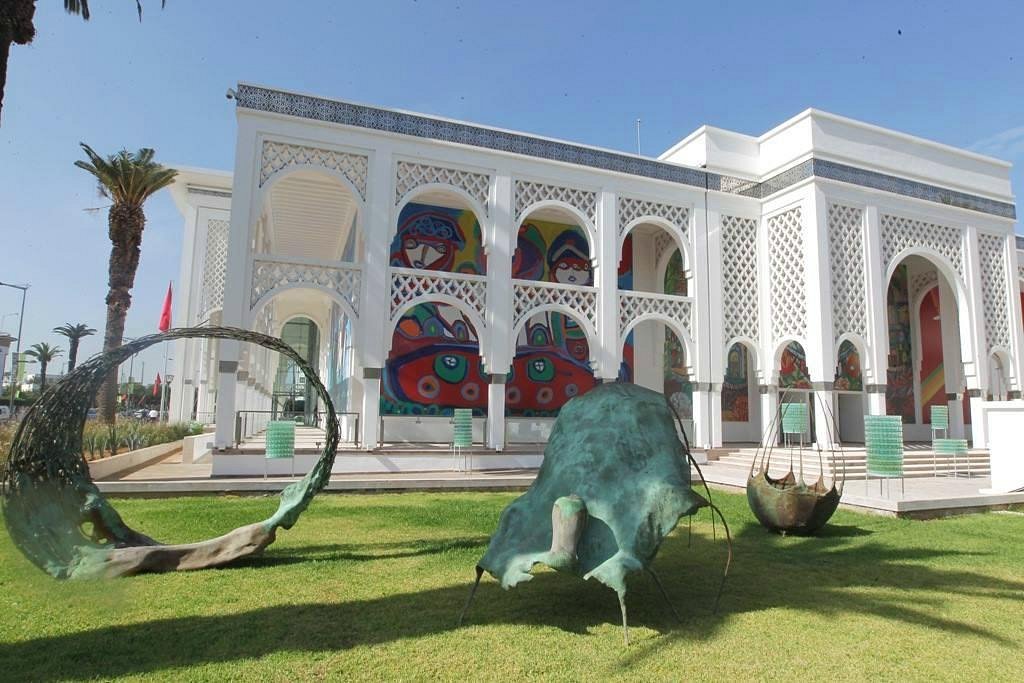
If you love art, don’t skip the Mohammed VI Museum of Contemporary Art. It’s one of the best places in the city for modern creativity, with collections from Moroccan and international artists—paintings, sculpture, and multimedia works. The museum also hosts temporary exhibitions and cultural events, so there’s usually something new happening.
Visiting hours : 10:00 a.m. to 6:00 p.m. every day except Tuesday, closed day.
Entrance : 40 dirhams for adults, 20 dirhams for children under 18 years old.
9. Chellah

Chellah is one of Rabat’s most atmospheric sites—an archaeological complex where layers of history overlap in the best way. Phoenicians, Carthaginians, Romans, and Arabs all left traces here. Even though time has worn parts of it down, you can still explore walls, towers, gardens, and a necropolis.
Once you pass through the walls, you’ll spot remains of ancient structures—baths, temples, and more—plus a calm, slightly wild beauty that makes it feel far from the city. It’s rarely crowded, which means you can actually hear your own thoughts (a travel luxury).
Entrance price : 70 dirhams plus a taxi fare of around 30 dirhams.
Visiting hours : 8:30 a.m. to 5:30 p.m. every day.
10. The Medina of Rabat
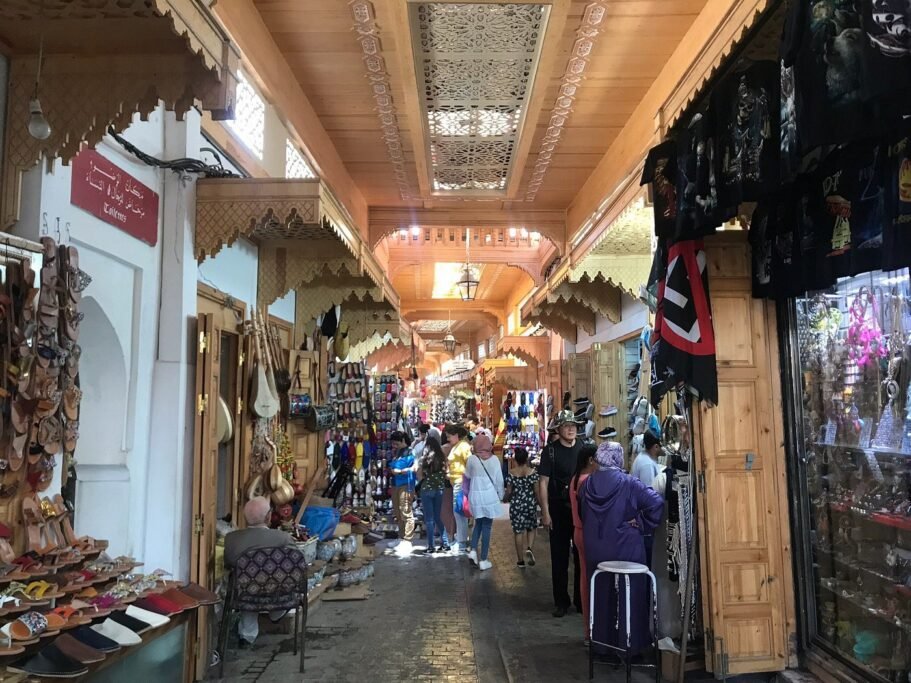
The medina of Rabat is one of the most charming places to explore in the Moroccan capital. Like other medinas, it’s a maze of narrow streets—but Rabat’s feels a little more local and less “tourist performance.” Expect busy souks selling spices, crafts, clothing, leather goods, and plenty of beautifully detailed doors and facades.
You can snack on local street food, browse at your own pace, and watch everyday life unfold. It’s also a practical area to base yourself if you want to be close to the action—especially if you like stepping outside and immediately being in the middle of things.
11. Oudayas Beach

Right on the Atlantic coast you’ll find Oudayas Beach, a long sandy stretch known for big waves that pull in surfers. It’s right next to the old town, which makes it one of the most convenient beaches to squeeze into a city day.
The setting is extra photogenic: city on one side, sea on the other, and the Bouregreg River meeting the ocean nearby. You can sunbathe, relax, and swim (though the water can be a little murky at times). There are also bars and restaurants close by, so you’re never far from snacks and a seat.
12. Bouknadel Exotic Garden, the natural space to see in Rabat
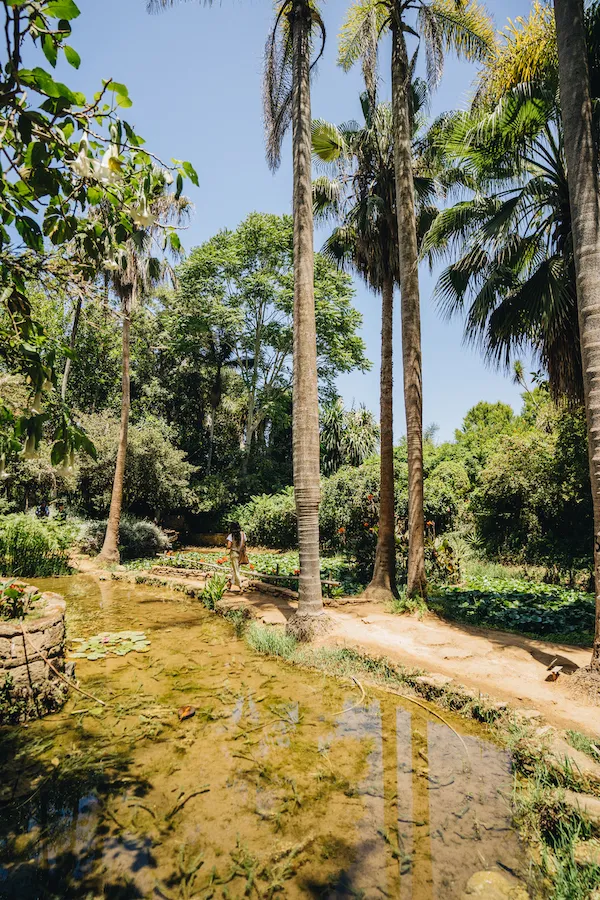
The Bouknadel Exotic Garden is a calm, green escape—especially nice if you want a break from city streets. It’s a botanical oasis with exotic plants and cacti from around the world, plus shaded paths that lead you through quieter corners of the garden.
The park is divided into geographical areas, with educational signs explaining plant species. You may also spot exotic animals as you explore.
Visiting hours : open every day from 9:00 a.m. to 7:30 p.m. in summer and until 5:30 p.m. in winter.
Entrance price : 20 dirhams adults, 10 dirhams under 10 years old.
What to see around Rabat Morocco?
1. Casablanca
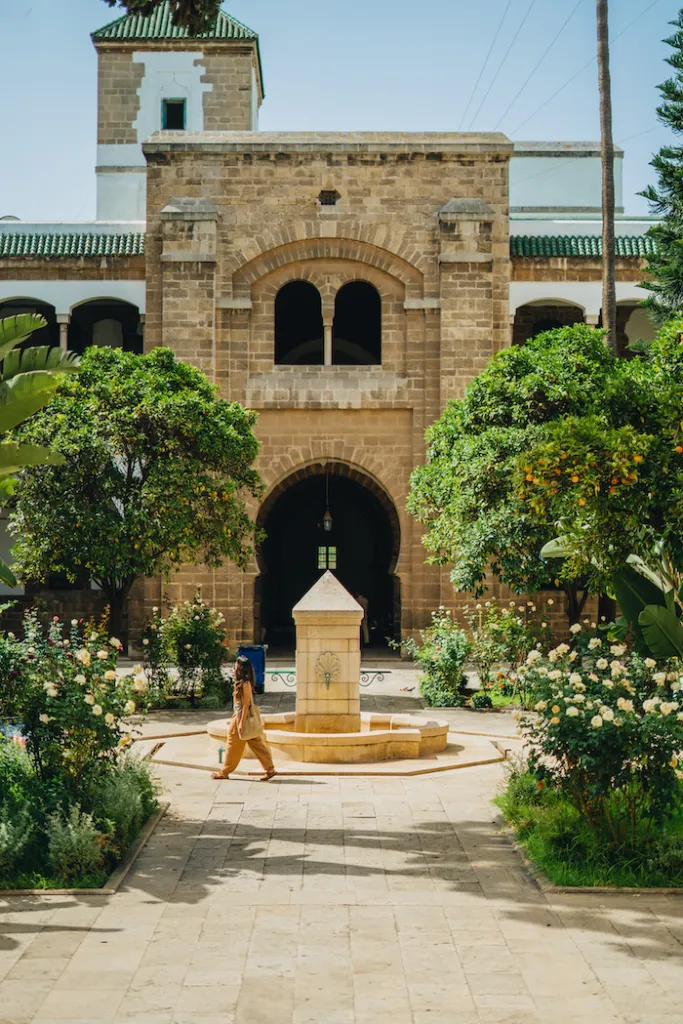
Casablanca is Morocco’s largest and most modern city—an economic powerhouse with a very different feel from Rabat. What makes it interesting is the contrast: you’ll see skyscrapers and wide avenues, but also pockets that still feel deeply Moroccan.
The big must-sees are the Hassan II Mosque (and its towering minaret), plus the old town, the waterfront promenade, and green spaces like the Arab League Park. Food and nightlife are also major reasons to go.
Casablanca is about an hour from Rabat. You can get there by train, bus, or private car. The train costs around 15 euros, but it depends on times and dates. If you want to know more about Casablanca, check out this article: Things to Do in Casablanca: Top Attractions, Hidden Gems & Local Tips.
2. Fez
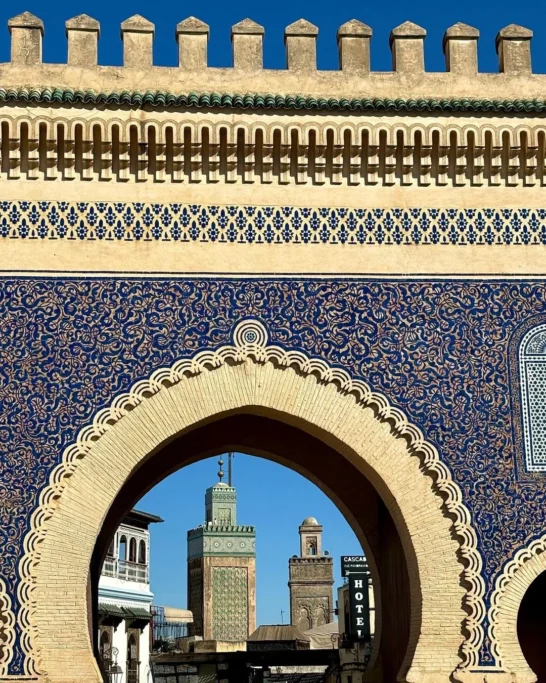
Fez is one of Morocco’s four imperial cities and a must if you’re chasing history. Many Moroccans consider it the cultural and religious heart of the country, thanks to its heritage-packed medina, souks, and the Mellah (the Jewish quarter) in Fez.
Fez is well connected to Rabat and easy to reach by train or bus (and there are also private services on this route). The journey takes around 3 hours by public transport and costs between 10 and 20 euros.
To find out more about this amazing city, read this article: 10 Best Things To Do In Fez: A Complete Guide to Morocco’s Cultural Capital
What to do in Rabat Morocco in 1 day?
One day is enough to cover Rabat’s highlights, especially if you keep things walkable and don’t try to “museum-sprint.” If you want to go deeper (more museums, slower medina time, longer café breaks), two days feels ideal.
In one day, we’d focus on Hassan Tower + the Mausoleum of Mohammed V, then Chellah, followed by the Kasbah des Udayas and the medina. Finish with an ocean-side pause at Oudayas Beach if the light is good (it usually is).
Where to stay in Rabat?
In Rabat, you’ll find a wide range of accommodation—from budget-friendly hostels and guesthouses to more luxurious hotels in modern districts. Your choice mostly depends on whether you want to be in the middle of the medina energy, or you prefer quieter, more “city hotel” comfort.
If you want a more memorable stay, we recommend booking a riad: a small guesthouse built around an interior courtyard, usually with beautiful tilework and a relaxed, homey atmosphere.
Here are some of the possible options:
- Dar Yanis: We stayed in this riad in April 2026, we chose the Romarin Double Room and paid $76 for one night. This riad in the medina that keeps things comfortable and well located. Expect classic Moroccan touches and excellent value for the area.
A quick look inside: We stayed here, and this short video gives you a real feel for the riad before you book.
- Riad Meftaha : A few minutes from the beach, with cozy rooms and an intimate, welcoming feel. The terrace is a bonus, and the price is often surprisingly reasonable for the location.
- Riad Al Mazhar: Also inside the Rabat medina, with more decorative flair and a very “classic Morocco” atmosphere. If you want a riad that feels like a full experience, this is a strong pick.
Where to eat in Rabat?
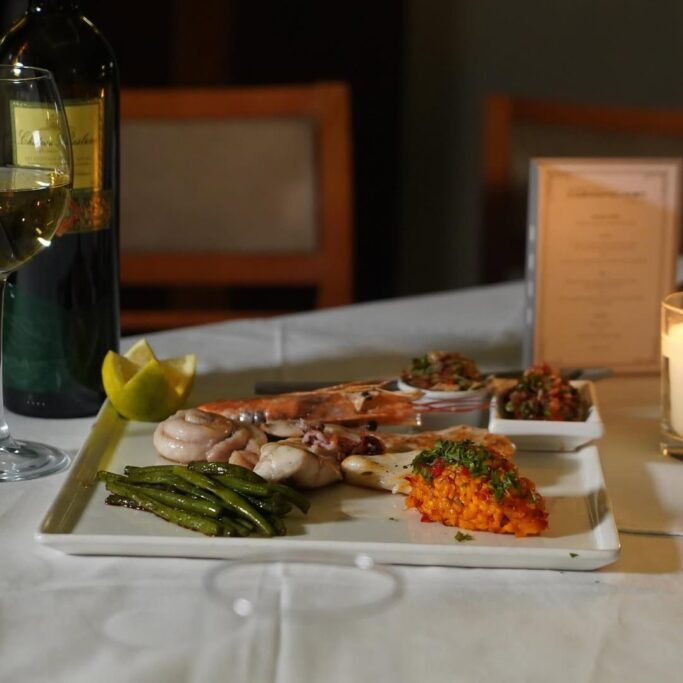
Tajine, pastilla, harira, and couscous are some of the signature dishes to try in Rabat. Moroccan cuisine is rich in spices, slow-cooked flavors, and comforting soups—basically, it’s hard to lose here. And if you’re craving something different, Rabat also has plenty of international restaurants.
Here’s a short list of good places to start:
- Cosmopolitan Restaurant : Close to the Mohammed VI Museum. A more upscale choice where you can try Moroccan classics alongside French and Mediterranean dishes.
- Dar Zaki : A cozy stop on the way toward the beach, with a very Moroccan atmosphere and a menu that covers the local favorites without feeling overpriced.
- Tajine Wa Tanija : A budget-friendly option that still delivers on flavor. Great location, warm service, and a solid range of Moroccan and African dishes.
How to get to Rabat?
The easiest way to reach Rabat is by plane. Direct flights from major cities land at Rabat–Salé Airport in about an hour and a half. From the airport, you have a few simple options:
- Transfer : Book a transfer to your accommodation for around €30. It’s straightforward, comfortable, and a good choice if you want zero stress on arrival.
- Taxi : Use the official airport taxi rank to avoid overpaying. A ride to the city center costs around 10 euros.
- Bus : Usually the cheapest option, but it can take up to an hour and a half depending on the route and traffic.
Getting Around Rabat
Getting around Rabat is refreshingly uncomplicated — one of those capitals where we can move between major sights without turning the day into a logistics exercise. The city is compact enough that many central areas, especially around the medina, the Kasbah, and the administrative center, are easy to explore on foot.
For longer distances, the modern Rabat–Salé Tramway is the most practical option: clean, reliable, inexpensive, and useful for reaching districts on both sides of the river, including neighboring Salé. Petit taxis are everywhere and usually inexpensive, but it helps to confirm that the meter is running before you start .
If you arrive by train, Rabat-Ville railway station places you right in the center, while Rabat Agdal railway station is convenient for modern neighborhoods and onward travel to Casablanca, Marrakech, or Tangier. For most visitors, there is rarely any need to rent a car unless you plan to continue beyond the capital.
Tips for a trip to Rabat
- We recommend taking out travel insurance to cover unexpected medical expenses.
- Stick to bottled water if you’re unsure—especially if you have a sensitive stomach.
- If you plan to use a transfer from the airport, book it in advance (especially if you arrive late).
- Staying in or near the medina is practical for sightseeing—you’ll be close to many highlights.
- Carry some cash, as not all small shops and stalls accept cards.
- The local currency is the Moroccan dirham. Exchange rates are often less favorable at airports, so consider changing money ahead of time if you can.
- For Rabat (and Morocco’s Atlantic cities), the most comfortable time to visit is usually spring or autumn, when temperatures are pleasant, and the air feels lighter.
- Be careful with unlabeled products at street stalls, especially if you have allergies.
- Citizens of most European countries only need a passport to enter Morocco—no visa required.
- Plan your route so you don’t miss the essentials in Rabat and beyond—this itinerary can help: Morocco Road Trip: 15-Day Itinerary, Best Stops & Tips.
- Keep an eye on your belongings in busy areas. Pickpocketing can happen, especially around tourist hotspots and markets.
- EU “roam like at home” rules don’t apply in Morocco. Turn off data roaming or check rates with your provider before you arrive.
- Perfect Morocco with kids Itinerary (2026): 25 Days from Tangier to the Anti-Atlas, Coast, and Marrakech
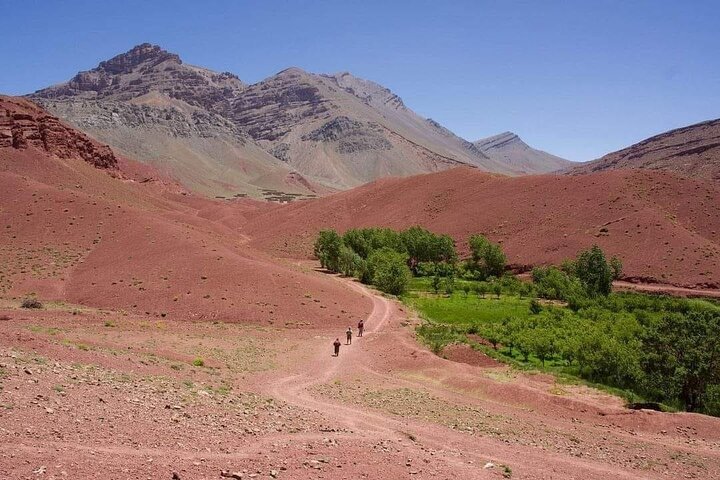
- Where To Stay In Agafay Desert in 2026: Luxury Moroccan Holidays
- 14 Most Beautiful Beaches In Morocco (2026)
- What To Wear In Morocco (2026): Real-World Travel Guide For Female Travellers
- 3 Best Places To Stay in Marrakech Medina [2026 Updated]