
Travel writing based on first-hand experience
We land in Muscat and the city greets us like a mirage—mountains shouldering the sea, white stone glowing, minarets glinting in the heat haze. With just 1 day in Muscat we go lean and clever: sunrise at the Sultan Qaboos Grand Mosque (cool light, fewer crowds), coffee near the opera house, then a coast-hugging drift into old-school Mutrah for souk scents and Corniche gold at sunset. Expect big-ticket architecture, frankincense-scented lanes, sea views for days, and a dinner that tastes like cinnamon, cardamom, and history.
More Oman Travel Guides
Planning a trip to Oman? These related guides cover the country’s top sights, hidden corners, cultural treasures, shopping ideas, and one of its most beautiful regions.
Table of Contents
Getting around Muscat
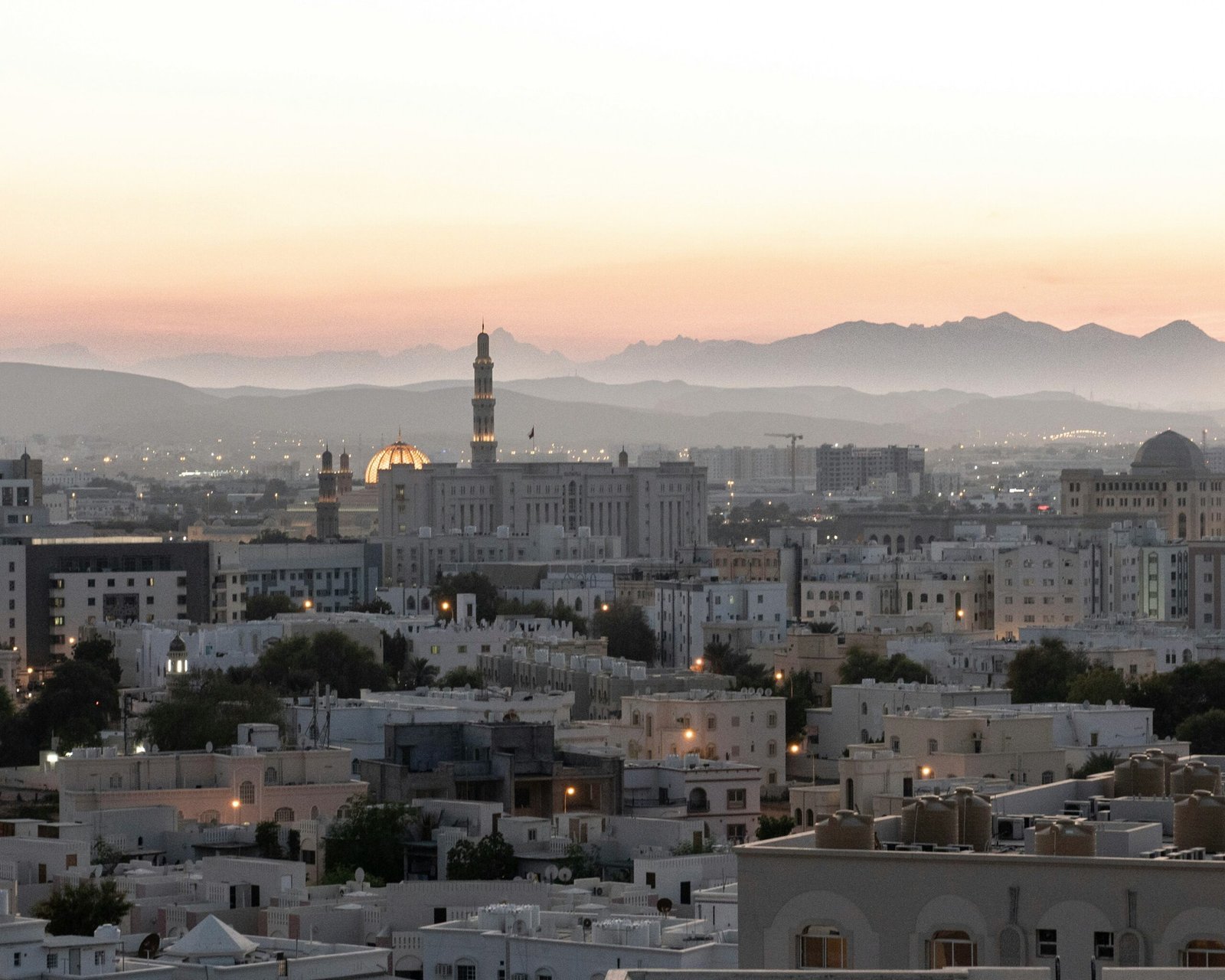
Muscat isn’t a neat little old town; it’s a string of neighborhoods draped along the coast (beautiful, yes; walkable end-to-end, not really). We hop between sights by car or taxi, then stroll within each area. Here’s the game plan.
By car (the easy-button)
Best overall freedom. Roads are wide, signage is clear, fuel is affordable, and parking is plentiful at major sights (Grand Mosque, Royal Opera House, malls). A compact car is fine for the city; save 4×4 for wadis and mountain detours.
- Airport pickup: All big-name rentals are at MCT. Bring your passport, driving licence, and (ideally) an IDP.
- Driving basics: Right-hand drive, strict speed cameras, seatbelts on, zero alcohol tolerance.
- Navigation: Google Maps works well; pin “Mutrah Parking,” “Royal Opera House,” and “Sultan Qaboos Grand Mosque” ahead of time.
Pro tip: Start early to beat heat and traffic. Do mosque → opera → Mutrah in one sweep; save malls or museums for the hot hours.
Taxis & ride-hailing (no-parking-please)
Great if you don’t want to drive. Use app taxis to avoid haggling and to see the fare upfront. Street taxis should use the meter; confirm before you roll.
- When it’s best: Airport transfers, evening hops along the Corniche, dinner runs in Qurum.
- Cash: Keep small bills for short rides or Corniche parking meters.
Pro tip: If a driver suggests a “fixed price,” compare with the app estimate. If it’s higher, smile and book in-app.
Public buses (red-and-white lifeline)
Budget-friendly and air-conditioned. Main routes link the airport, Ruwi, Qurum, and Mutrah. Frequencies aren’t metro-level fast, so treat buses as a backup, not your only plan.
- Tickets: Buy from the driver or use a transit card (carry small cash).
- Strategy: Bus to a hub, then taxi the last mile to specific sights.
Walking (yes… but selectively)
Do it in chunks. Stroll the Mutrah Corniche (sunset is chef’s kiss), wander the Opera House complex, or amble around Al Alam Palace and the National Museum. Don’t try to walk between districts—distances are bigger than they look, and the sun plays on hard mode.
Pro tip: Aim outdoor walks before 10:00 or after 17:00. Midday = museums, malls, or that blessed hotel pool.
Parking & fuel (no-stress edition)
- Grand Mosque: Free on-site parking.
- Mutrah Corniche: Street parking with meters; carry coins or small notes.
- Malls & Opera House: Large, easy parking (usually free).
- Fuel: Stations are frequent along Sultan Qaboos Highway; top up before mountain or wadi days.
Day-trip logistics (islands, forts, mountains)
- Daymaniyat Islands: Most boats depart from Seeb/Al Mouj area—plan 30–40 min by car from central Muscat.
- Nakhl/Naqhal Fort & hot springs: About 1 hour by car; easy paved roads.
- Jebel Akhdar/Jebel Shams: Mountain roads require time (and often 4×4). Start early and watch those speed limits.
Bottom line: Rent a car for maximum freedom, use app taxis when you’re in “no logistics, just dinner” mode, and cluster sights to keep your day snappy and cool.
Where to stay in Muscat
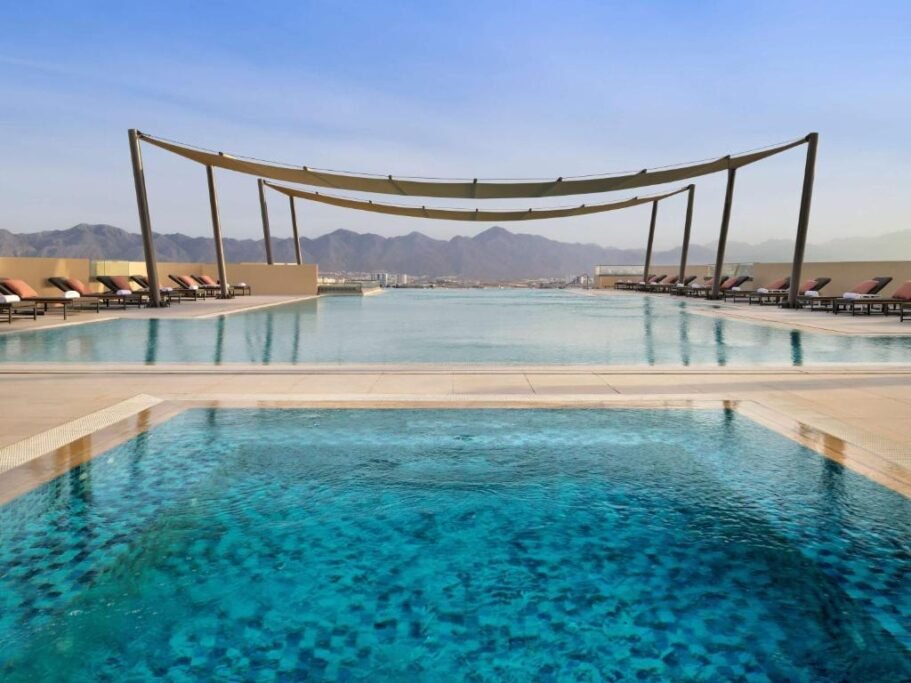
Muscat sprawls along the coast in pockets, so there’s no single “perfect” neighborhood for everyone. Mutrah is the classic, traditional quarter and a popular base, but we didn’t find a hotel there that truly won us over.
Just 5 minutes from the Sultan Qaboos Grand Mosque, in Ghala, we found a gem: Mövenpick Hotel & Apartments Ghala Muscat. Think heated rooftop pool, excellent breakfast, and seriously comfy rooms—often for less than you’d expect.
Our take: if you want a treat without blowing the budget, Muscat’s value-for-luxe hotels are where to splurge. You’ll thank yourself at sunrise by the pool.
What to do: 1 day in Muscat
We gave Muscat 2.5 days: one full day in the city, one for a Daymaniyat Islands trip (hello, turtles), and a lazy half-day for hotel downtime plus a spin through the Mall of Oman before our flight.
Here’s our one-day Muscat plan—in the order we recommend doing it.
1. The impressive Sultan Qaboos Grand Mosque
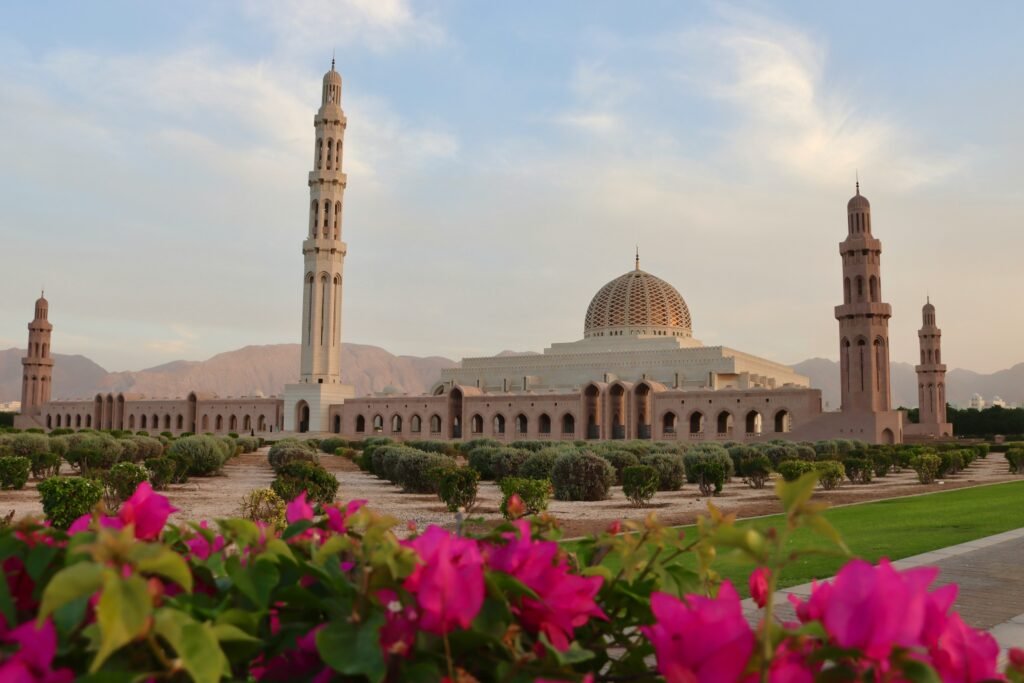
Arrive early (for the morning visitor window) at Sultan Qaboos Grand Mosque—Oman’s most important place of worship and a masterpiece of contemporary Islamic architecture. There’s free parking, and you’ll want about 2 hours to wander.
Dress code: ankles and wrists covered; women must cover hair. If needed, modest garments can be rented at the entrance.
Opened in 2001, the mosque can host 20,000 worshippers. The main prayer hall stuns with a single-piece Persian carpet of roughly 4,000 m² (about 21 tons) and exquisite chandeliers. The manicured courtyards, arcades, and symmetry shots? Photographer candy.
| IMPORTANT Closed to visitors on Fridays (the main prayer day). Plan your Muscat itinerary accordingly so you don’t miss it. |
2. Royal Opera House Muscat (highly photogenic)
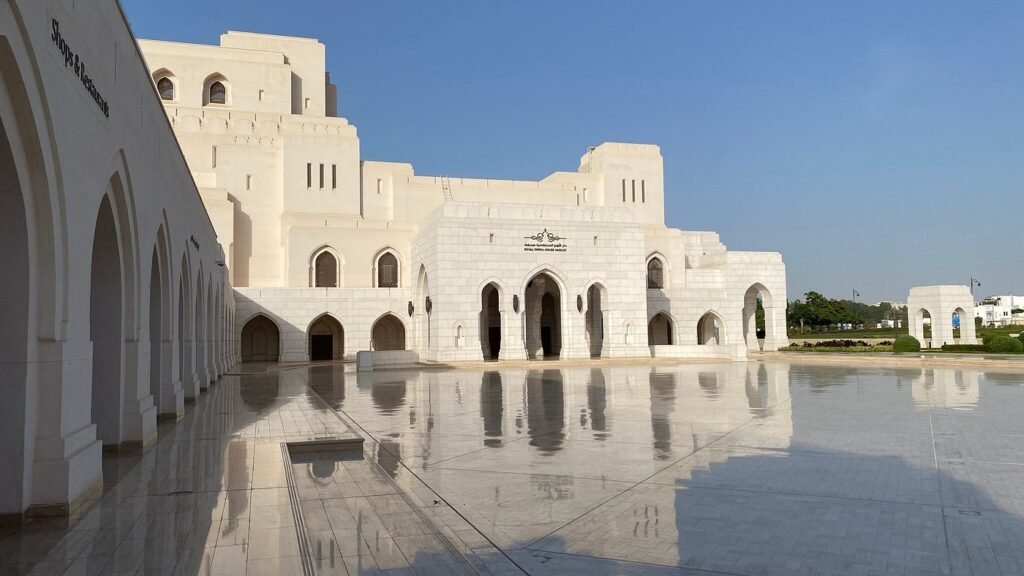
Inaugurated in 2011 in Shatti Al Qurum, the Royal Opera House Muscat is a beacon for the performing arts in the Gulf. Its crisp white façades, polished stone, and clean lines throw dramatic shadows—perfect for wide-angle shots. Inside, traditional motifs meet modern tech (each seat even has multilingual surtitles). There’s plentiful parking and a mall next door for coffee or breakfast after your visit. Check the official site for schedules if you’re catching a show.
3. Mutrah, Muscat’s old soul

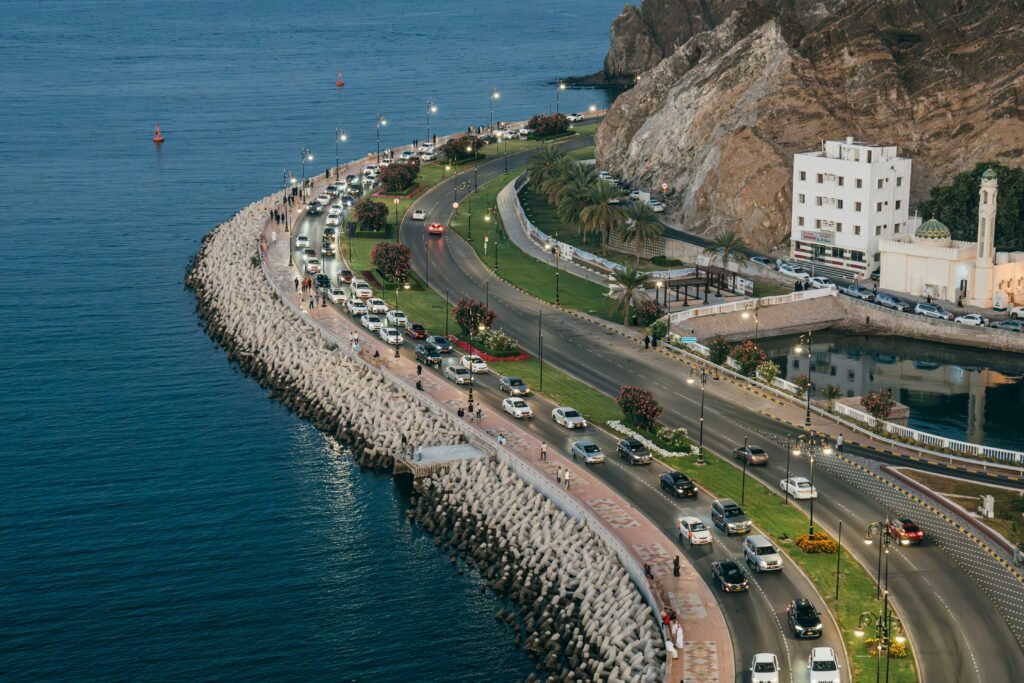
Park along the seafront and stroll the Mutrah Corniche—a 3 km promenade framed by sea and mountains (sunset is magic here). Pop into the fish market for portraits, then climb to Mutrah Fort (Portuguese, 16th century) for panoramic views of the harbor.
Hungry? Bait Al Luban does classic Omani dishes with sea views and heritage vibes. Yes, it’s popular, but the setting and flavors are worth it. We’ll share more food picks below.
4. Mutrah Souk, a labyrinth perfumed with frankincense

Centuries-old and still buzzing, Mutrah Souk sells everything from antiques to silver to spices. Pick up Dhofar frankincense (Boswellia sacra—the good stuff), a hand-embroidered kumma (Omani cap), or just get lost in the alleyways soaking up the glow from the wood-latticed ceilings.
5. Al Alam Palace
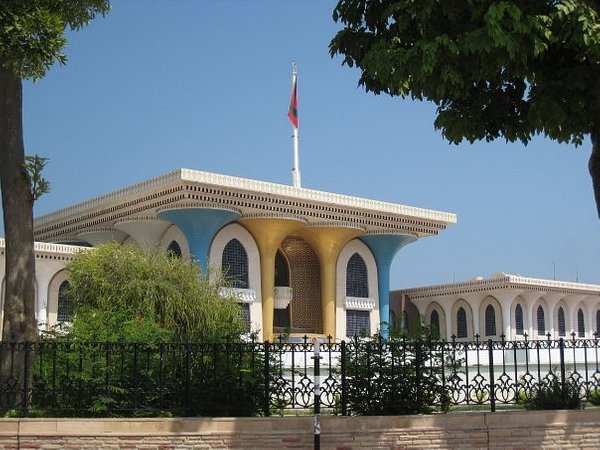
Just a short drive away, Al Alam Palace can be admired from outside only, but its bold colonnades, fountains, and impeccably kept gardens are worth the stop. Scan the cliffs for the Portuguese-era forts Al Mirani and Al Jalali—their watchtowers complete the scene.
6. National Museum of Oman
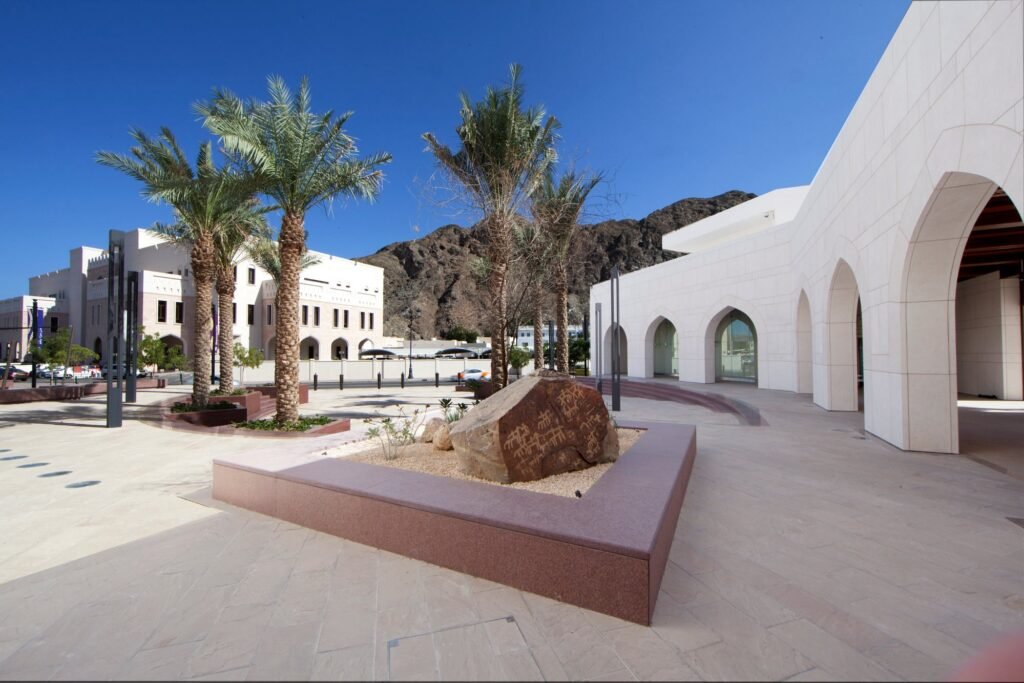
When the heat peaks, head to the National Museum of Oman. From early human settlements to the age of trade and today’s sultanate, exhibits are modern, accessible, and doable in under two hours. Check the official site for current hours and ticket info.
7. Al Bustan Palace
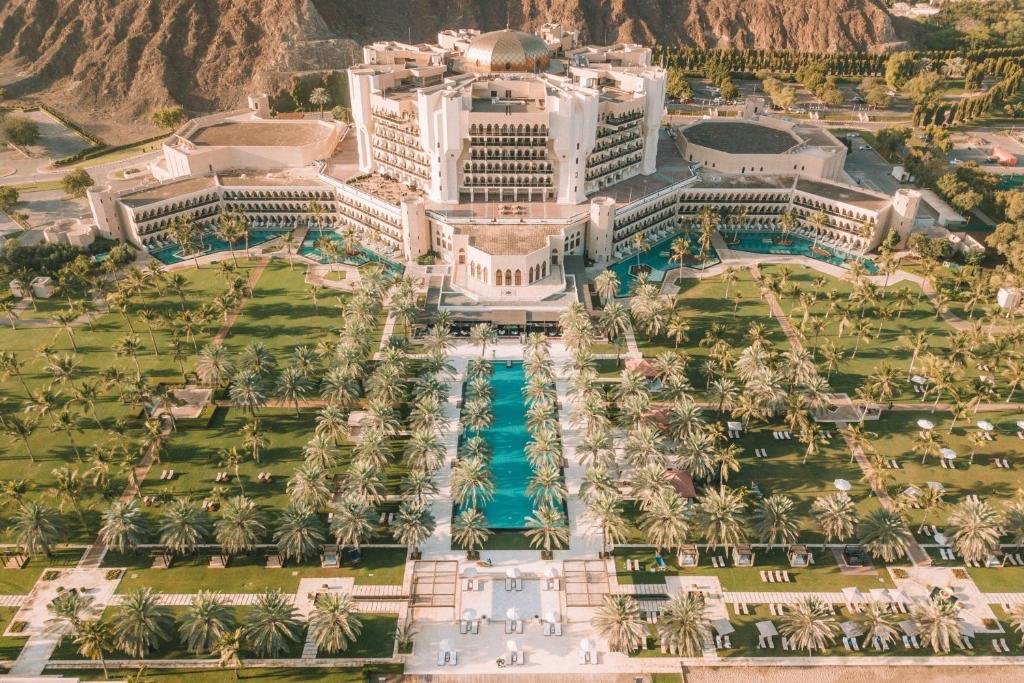
Al Bustan Palace (a Ritz-Carlton) is a splurge-worthy icon backed by the Al Hajar Mountains with a private, kilometer-long beach. Not checking in? Drop by for lunch or coffee and a wander through the grand atrium and gardens. Curious about rates? Here’s the hotel link.
8. More quick stops if you have time
Yiti Viewpoint
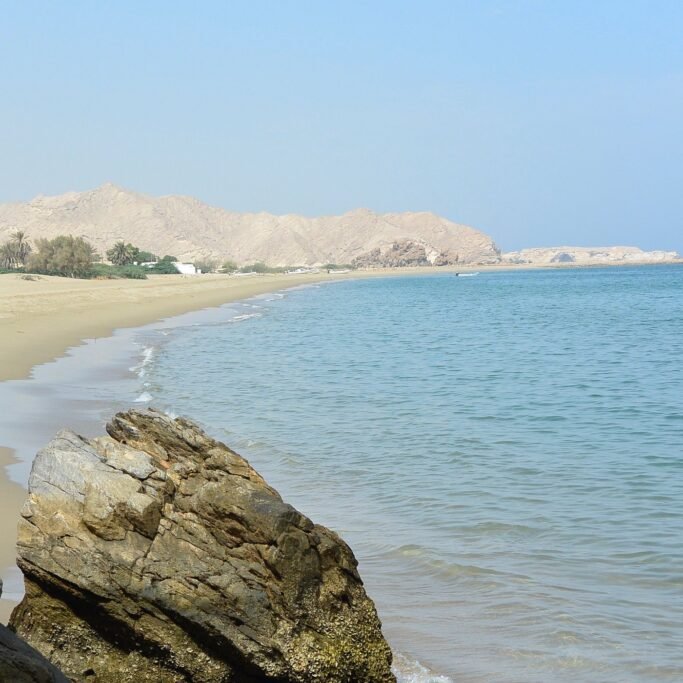
Not essential, but the cliff-top views show just how dramatically Muscat’s neighborhoods are carved between sea and mountains.
Mohammed Al Ameen Mosque
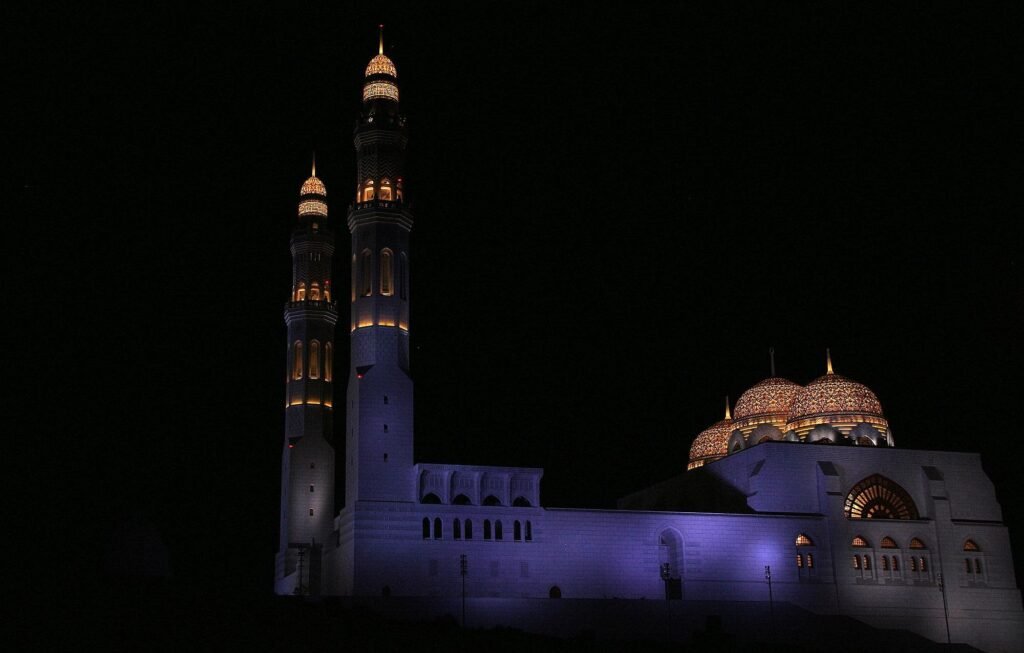
Opened in 2014, this white-marble mosque blends intricate wood and stonework with statement Swarovski chandeliers. Recently opened to non-Muslim visitors; if schedules align, it’s a beautiful add-on.
Said Bin Taimur Mosque
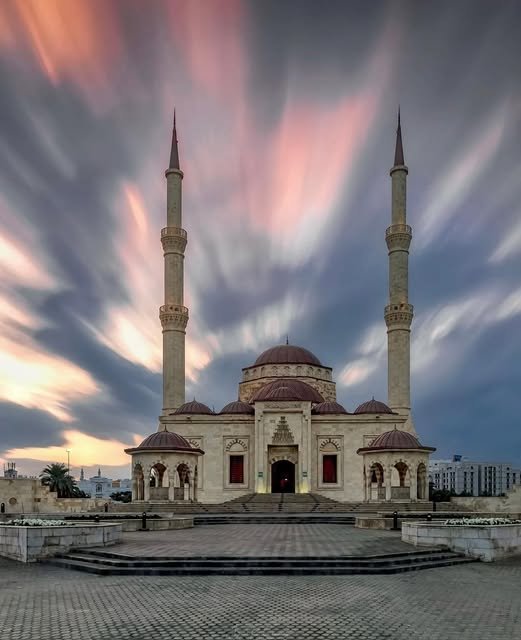
Ottoman-influenced silhouettes and a striking dome. A quick exterior photo stop works well between city sights.
The best day trips from Muscat
Daymaniyat Islands
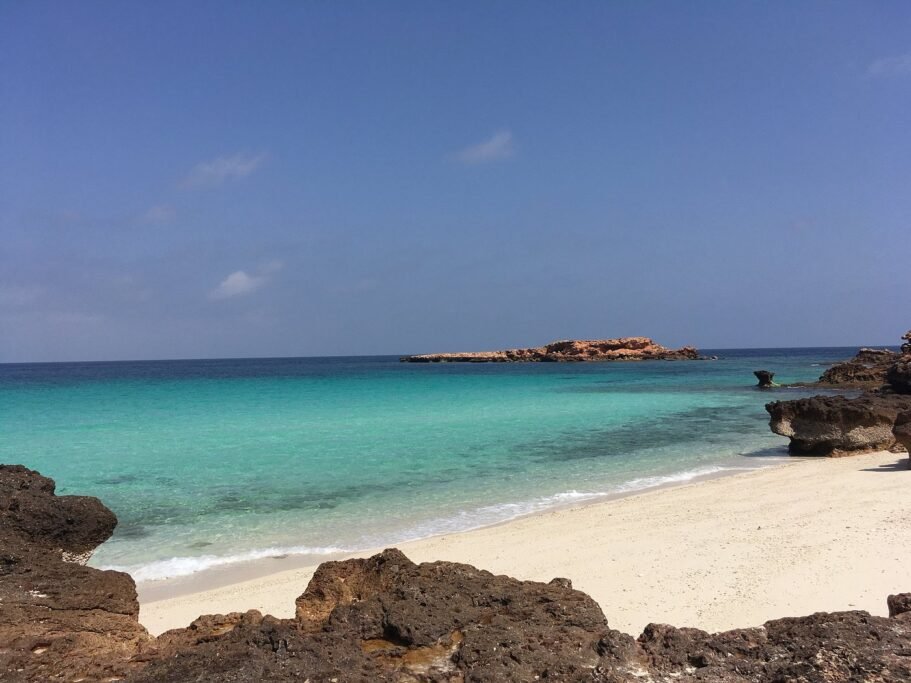
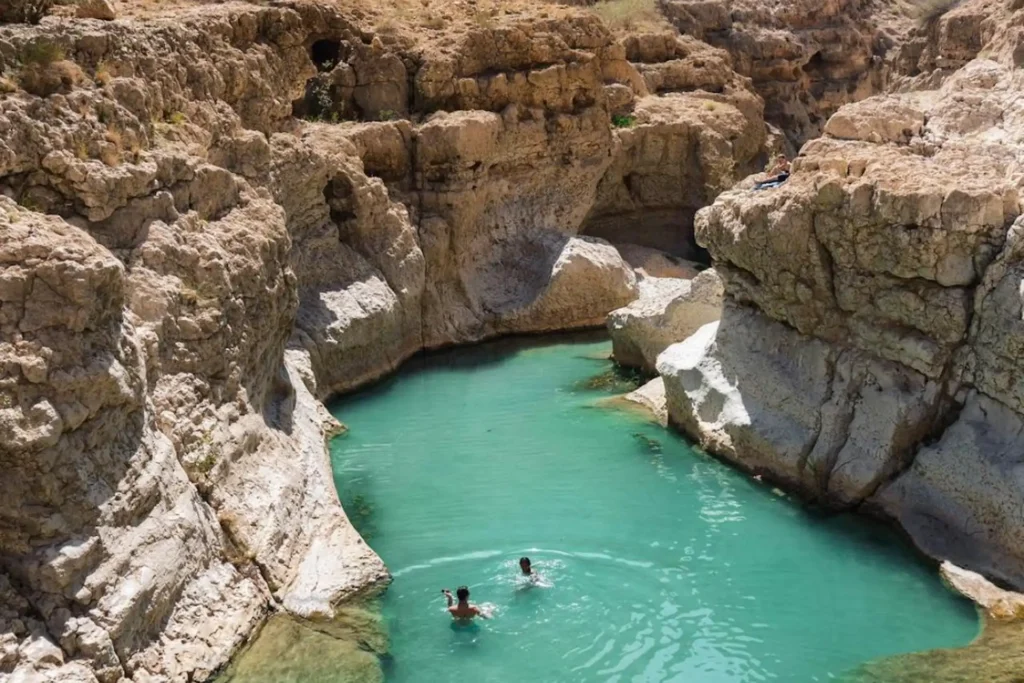
Do not skip this. The Daymaniyat Islands—a protected marine reserve about 30 minutes by boat from Seeb—are famous for sea turtles and gin-clear water. We booked an excursion with guide, snorkeling kit, snacks, and soft drinks included, and were in the water with turtles within minutes of anchoring. Unreal.
Want more? Certified divers can book a dedicated dive trip, and there’s even the option to camp overnight in season for serious castaway vibes.
Nakhl (Naqhal) Fort
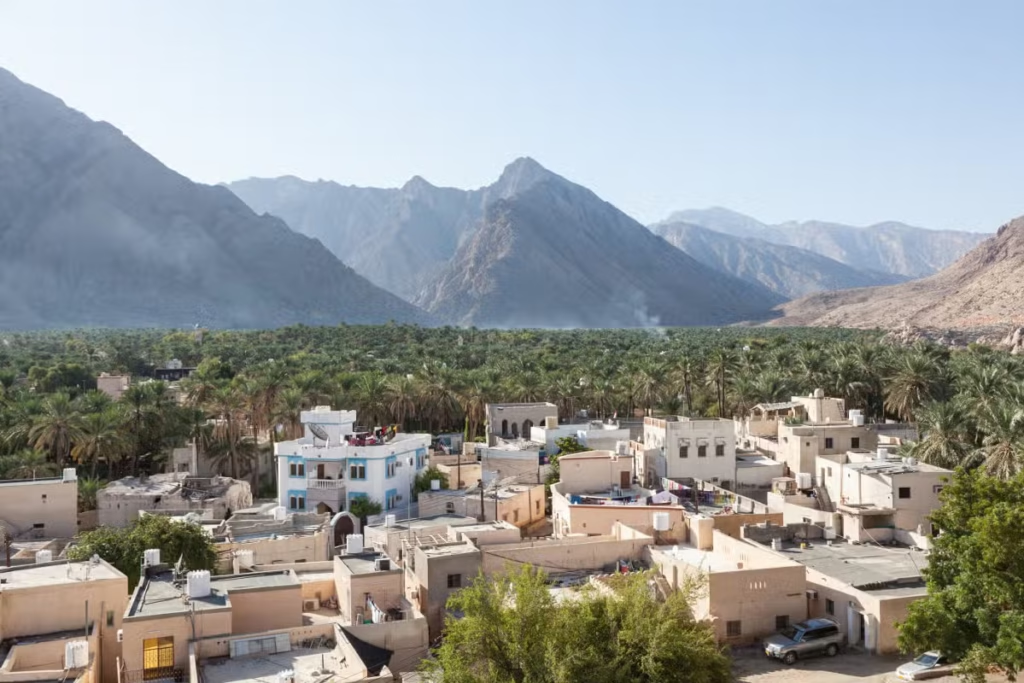
This half-day to Nakhl pairs a tour of the dramatic, rock-perched 17th-century fort with nearby hot springs. On the way back you’ll often stop at Seeb Souk or a modern mall for a local-meets-contemporary contrast.
Muscat coast at sunset

Two perfect golden-hour options:
– Traditional dhow cruise for skyline silhouettes and sea breezes.
– Sunset kayak trip along the coast if you prefer to earn your views.
Where to eat in Muscat: our top picks
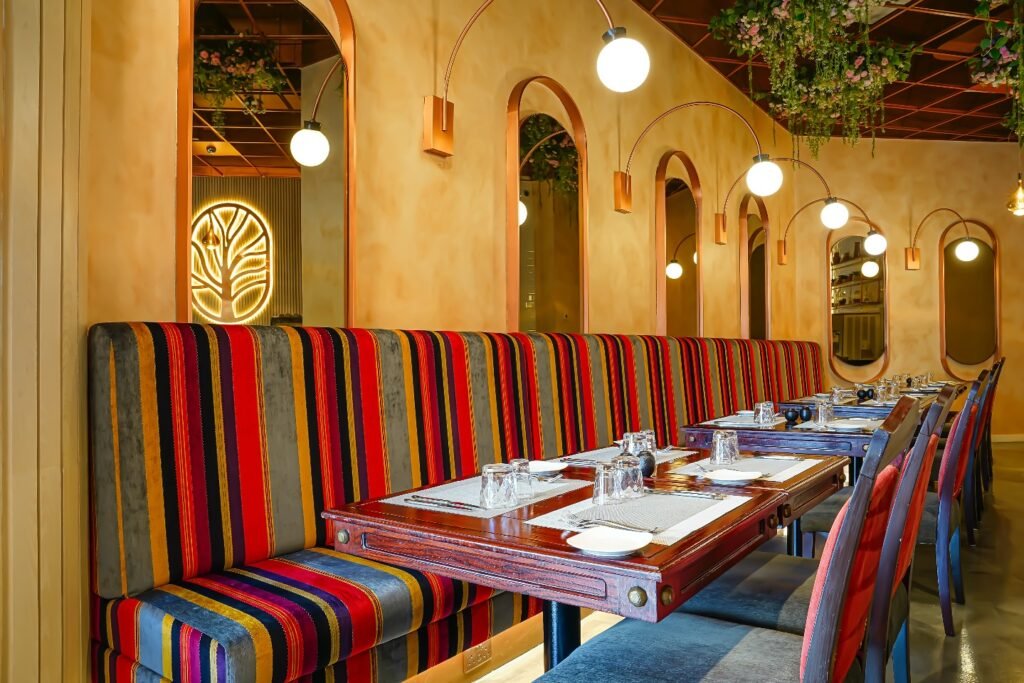
Bait Al Luban (Shatti Al Qurum): Traditional Omani recipes, floor seating, and sea views—touristy, yes, but in the best way. Book for sunset.
Ubhar: Classic Omani flavors with a modern presentation. Great place to try shuwa and date-based desserts.
Dukanah: Beloved for traditional breakfasts (and solid lunch/dinner). Perfect post-mosque if you’re starting the day nearby.
% Arabica: Our go-to specialty coffee brand we first met in Japan—if you spot it in Muscat, treat yourself to a flat white or an iced Spanish latte.
Read more: Where to eat in Muscat without falling into the usual tourist trap