
Travel writing based on first-hand experience
Beirut offers a wealth of attractions like ancient monuments, lovely beaches, and majestic mountains, but its cuisine stands out as the primary draw for visitors.
The city features Parisian-like squares, wide avenues, and landmarks such as the imposing Mohammed Amin Mosque that might remind you of Istanbul. Yet, the most compelling reason to visit Beirut, and Lebanon as a whole, is its exceptionally tasty cuisine, supported by the region’s friendly locals.
In this post, you will discover the best places to eat in Beirut and enjoy the amazing tastes of Lebanese cuisine.
Keep eating, wandering, and plotting Beirut properly
Beirut is not the kind of city where we eat one excellent meal and calmly move on with our lives. Absolutely not. One mezze table becomes a Mar Mikhael night, one bakery stop becomes a Downtown detour, and suddenly we’re pretending this whole trip is “for research.” These guides keep the delicious chaos moving.
Table of Contents
Endless feast of Mezze
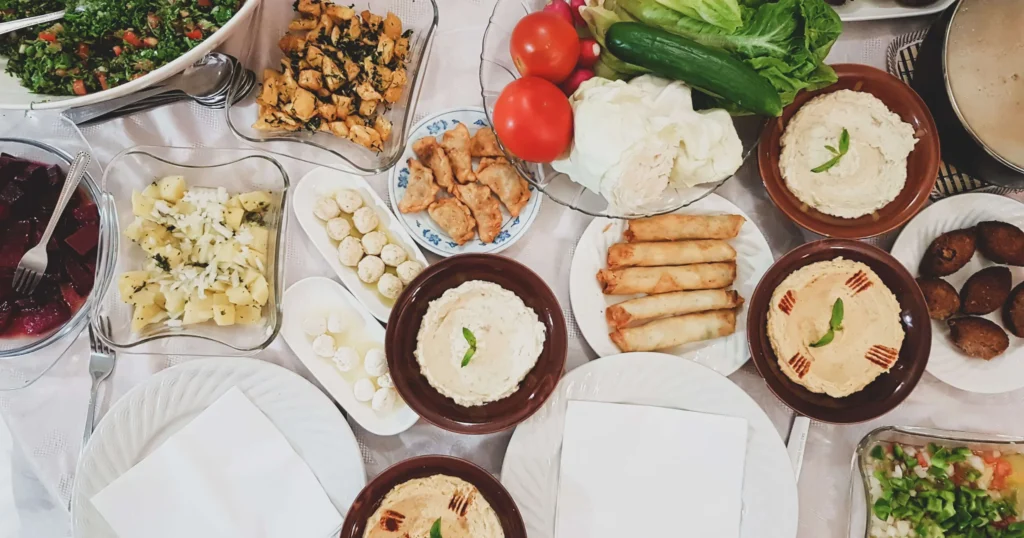
Lebanese cuisine (and the wider Levantine table) is basically built for one glorious purpose: mezze. Think: salads that sparkle with lemon, spreads that somehow taste like sunshine, and little “just try this” plates that multiply until the table looks like it’s hosting a small wedding. Everything is designed to be scooped, wrapped, and shared with thin, soft bread—the kind you grab from local bakeries and then guard with your life once you sit down. Add grilled meats, pickles, hummus, falafel, yogurts, cheeses, halva… and yes, even the national dessert—sweet, baked nabulsi cheese—often arrives tucked into bread (sometimes literally a bun). In a few Arabic dialects, bread is so essential it’s nicknamed “life,” which is honestly not dramatic enough.
What catches us off guard (in the best way) is how seriously Beirut takes pleasure. This isn’t a “tiny portion, quiet joy” kind of place. People lean into the moment—hospitality is generous, seconds are assumed, and “we’ll just order a little” is the funniest lie you’ll tell all week. You’ll see flashy cars, sharp outfits, and big-city confidence beside everyday grit; the contrast is part of the Beirut rhythm. And because tomorrow has never been guaranteed here, meals can feel like celebrations—not wasteful, just intensely alive.
So when you’re welcomed into a Lebanese home or you sit down in a local restaurant, brace yourself: mezze isn’t the starter, it’s the opening act. In many places, it’s followed by grilled dishes, more plates you didn’t technically order, and (often) genuinely good local wine. Budget-wise, prices swing depending on where you eat and what currency you’re paying in, but as a rough anchor: an inexpensive restaurant meal is often around $6–$20, while a mid-range dinner for two can land around $40–$100 (before you “accidentally” add half the menu).
A cultural melting pot– diversity of cuisines

Lebanon’s cuisine is a delicious mash-up of histories and neighborhoods, helped along by fertile land and a country that’s always been a crossroads. On a typical table, you might see Arabic bread next to Turkish-style yogurt, roasted almonds alongside Armenian dumplings, and salads dressed up with pomegranate, pine nuts, and dates. And then—because Beirut—someone slides in a French-style flan for dessert like it’s the most normal thing in the world. Don’t skip the aromatic taouk chicken skewers or the savory kafta skewers; each bite is basically a tiny passport stamp.
But okay—enough scene-setting. We’re leaving the glossy, fashionable corners for a proper food chase: you’re coming with us to the legendary spots. A Beirut local grabs the wheel and suddenly we’re on an extraordinary journey that runs on bread, garlic sauce, and very optimistic trousers buttons.
- We kick off with the most famous falafel at Falafel Freiha. If you think you know falafel from Europe, Beirut politely disagrees. These little vegetable “meatballs” are lighter, more delicate, and weirdly addictive. We wrap them in bread with tahini sauce, mint leaves, and cucumber pickles—and for a second we consider ordering a second round… until our guide’s look reminds us this is only the beginning of the trip.
- Across the street, the elegant window of Douaihy’s patisserie does its best to distract us. We order kunafa cheese sandwiches ( knefe ), the sweet-and-sticky thing Lebanese people happily start their day with. It’s rich, it’s cheesy, it’s unapologetic—your breakfast just put on a tuxedo. If you’re trying to keep spending predictable, knefeh prices in Beirut are often listed around $2–$3 at several well-known sweet shops (varies by place and size, but it’s a solid baseline). After the sugar hit, we keep going, still following the trail of the best places to eat in Beirut.
- After a short walk, we land at Lala Chicken. Here’s the move: juicy grilled chicken, wrapped in bread, drowned (in a respectful way) in fresh garlic sauce, and sharpened with pickles. If you’re hungry, this is the kind of sandwich that makes you quiet for a minute.
- Then comes the Beirut street cinema: bicycles and battered cars rolling past Lamborghinis and McLarens like it’s totally normal. Eventually we reach another icon. Boulangerie Ghattas does a local version of pizza: crispy-thin manoushe topped with za’atar, the spice mix that tastes like the Middle East in one bite. Add a refreshing scoop of labneh yogurt and suddenly we’re debating whether this should be a daily ritual.
- After crossing Beirut’s restaurant arteries, we head toward Bourj Hammoud—Beirut’s Armenian quarter—on the other side of the river. The most famous Armenian restaurant, Varouj, is packed (because of course it is), so we sneak a glance at the interior that feels straight out of a classic film and keep moving. A little further on, we pop into one of the few traditional bakeries still doing things the old way. A laughing baker hands us warm markouk bread sprinkled with nigella, and honestly? We’d follow him into battle.
- Right nearby, a daughter (with a fisherman father) is serving bread filled with freshly fried anchovies—simple, salty, and dangerously snackable. If you’re even mildly curious, you try it. If you’re smart, you try it twice.
- We finish our Armenian detour by cycling through Beirut’s meticulously rebuilt center to the quietly legendary Ichkhanian Bakery . For over 70 years, they’ve been turning out excellent lahmajun and meat manti dumplings—served on trays, topped with thick yogurt, and finished with spicy olive oil. It’s the kind of meal that makes you believe in destiny (or at least in carbs).
Best places to eat in Beirut:
El Denye Hek
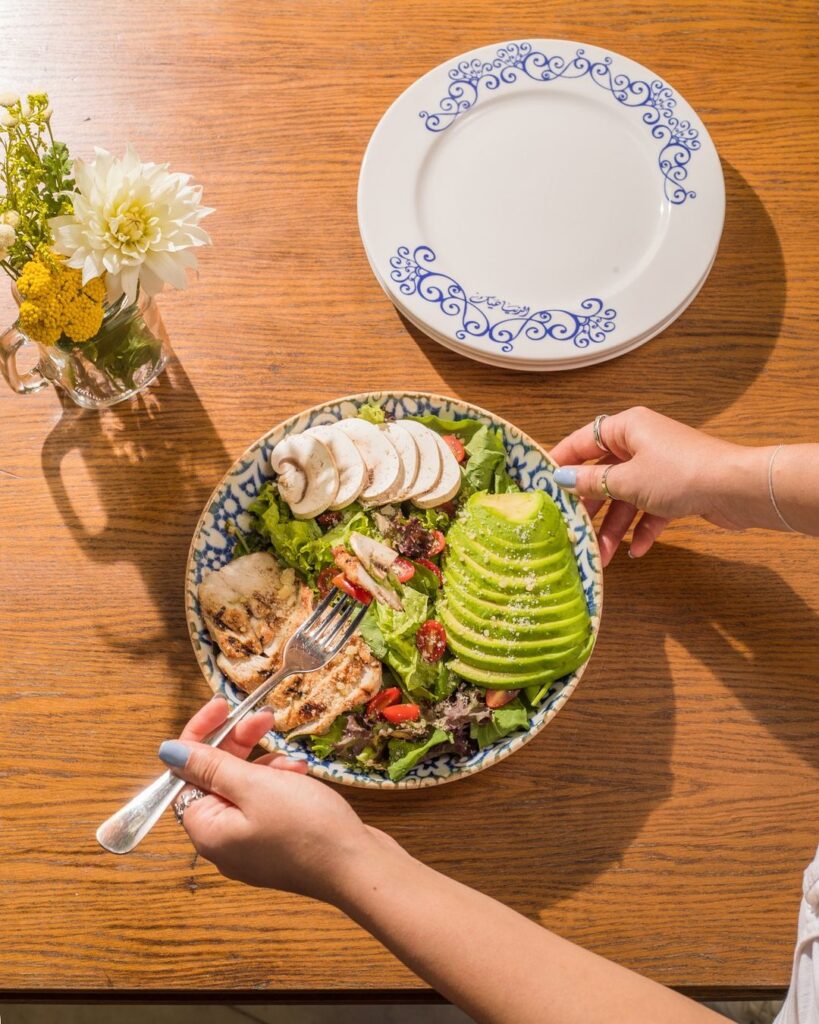
Armenia Road in Gemmayzeh restaurant area, same entrance as FABRK club, first floor.
The restaurant is one of those places where you point at the menu with confidence because everything lands. The selection is huge, the flavors are solid across the board, and the prices don’t try to punish you for having taste. Bonus: there’s a roof terrace, so you can snack while Beirut does its dramatic skyline thing.
Le Bistro
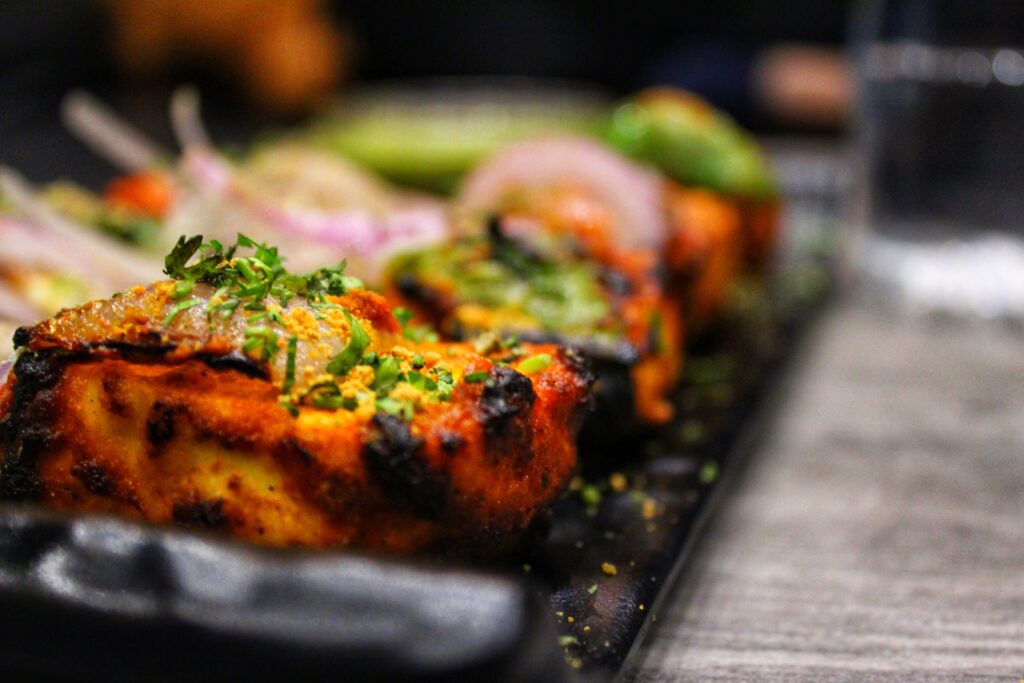
Phoenician Street, opposite Radisson Blue.
The Bistro keeps it classic: Lebanese staples, straightforward comfort, and very fair pricing. Good to know: no alcohol, so it’s an easy, no-fuss stop when you just want a reliable plate and a calm meal.
Onno Restaurant
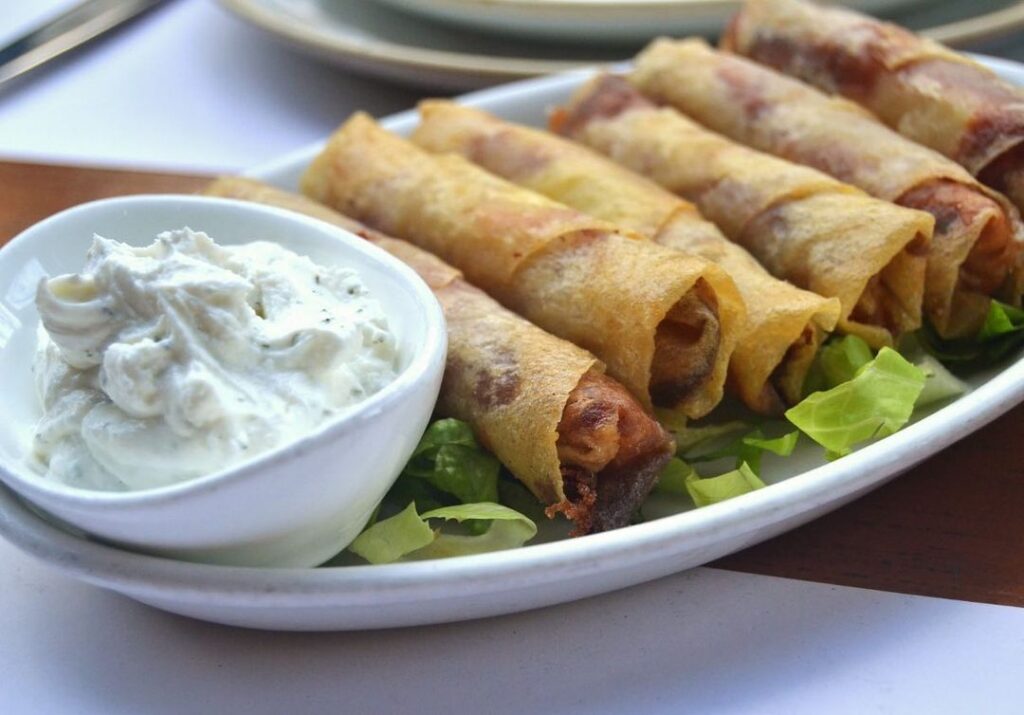
Onno is Armenian food with range: rich, homey dishes plus enough interesting options to keep repeat visits exciting. It has several locations around Beirut, which is perfect when your cravings show up on a different side of town than your legs expected.
Em Nazih
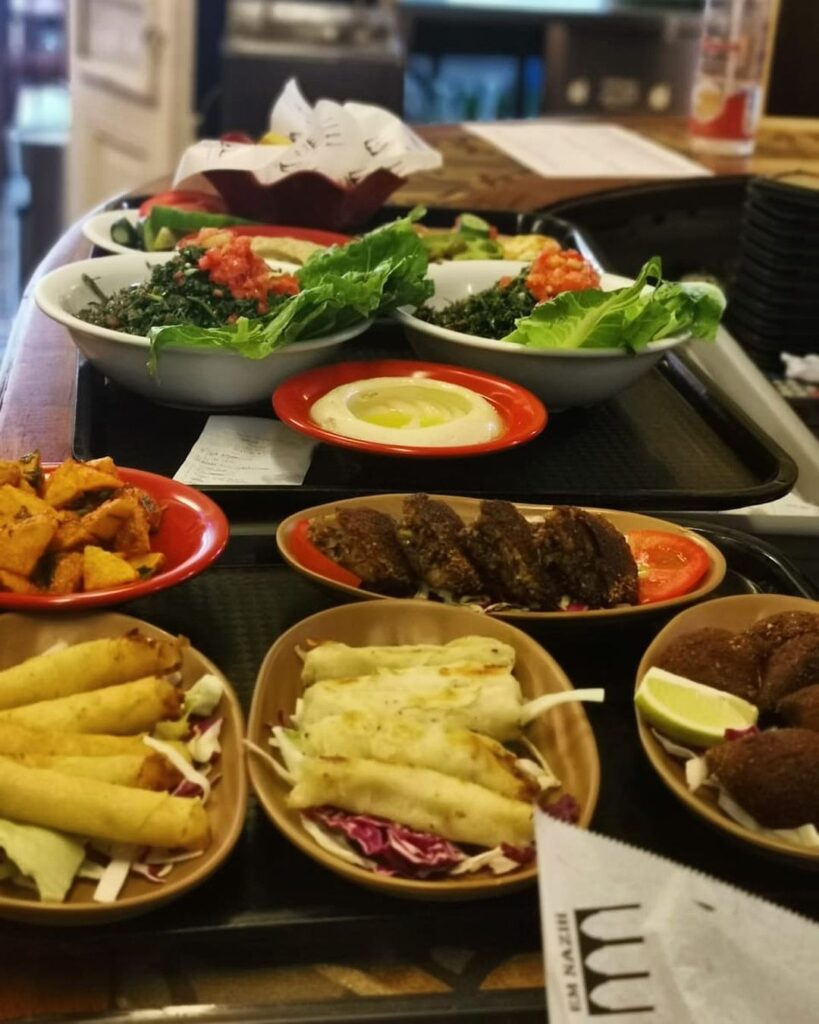
Pasteur Street, in the back of the passage leading from the main street.
Em Nazih is a late-night hero (open until four in the morning) for anyone chasing food after the city’s second wind kicks in. Expect decent Lebanese classics that work for every budget—the kind of place you’re grateful exists when your hunger has terrible timing.
Le Chef
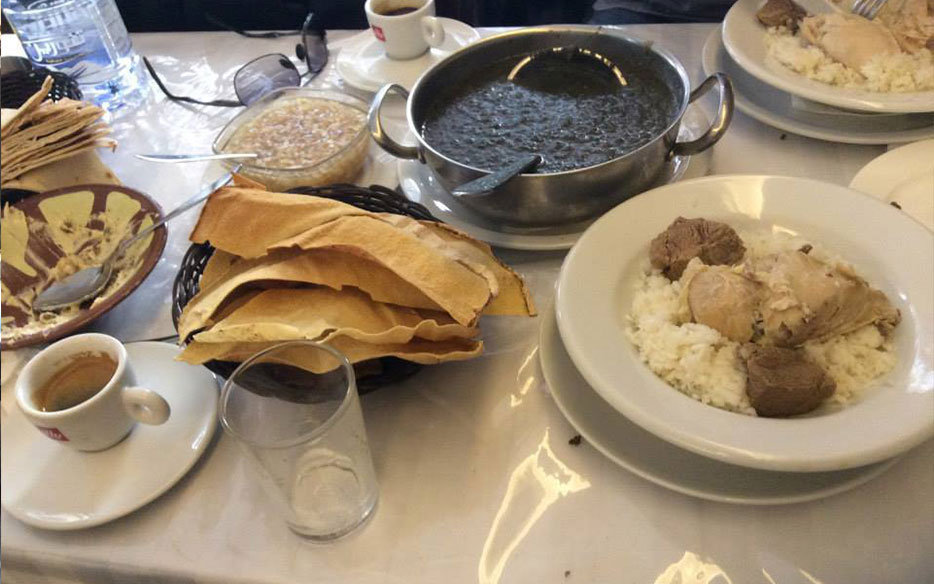
Gouraud Street
Le Chef is comfort food with a heartbeat: home-cooked dishes, a menu that changes daily, and prices that stay grounded. You go for the nostalgia, you stay because it tastes like someone actually cared.
Mayrig

282 Pasteur Street
Mayrig does Lebanese-Armenian cuisine with polish—ideal for a date night or any evening you want to feel slightly elegant while still eating very, very well. There’s a garden patio too, which is basically Beirut’s way of saying: “Yes, you deserve atmosphere.”
Varouj

Bourj Hammoud Alley
Varouj is legendary Armenian Beirut—an atmosphere that echoes older eras, plus dishes that arrive “chef’s choice” style. Reservations by phone are recommended: +961 3 882 933. Closed on Sundays.
Bakeries, patisseries, and fast food:
Ichkhanian Bakery
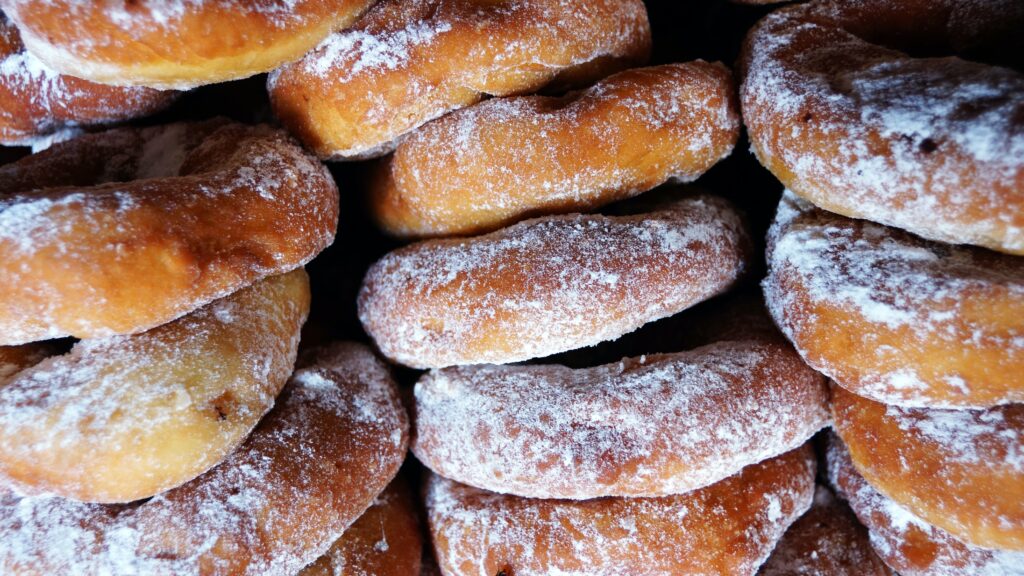
Hussein Beyhum Street
An Armenian bakery that people swear by for lahmajun pancakes and old-school bakery energy. Open until three o’clock—so don’t do the classic tourist mistake of arriving at 14:55 and acting shocked.
Boulangerie Ghattas
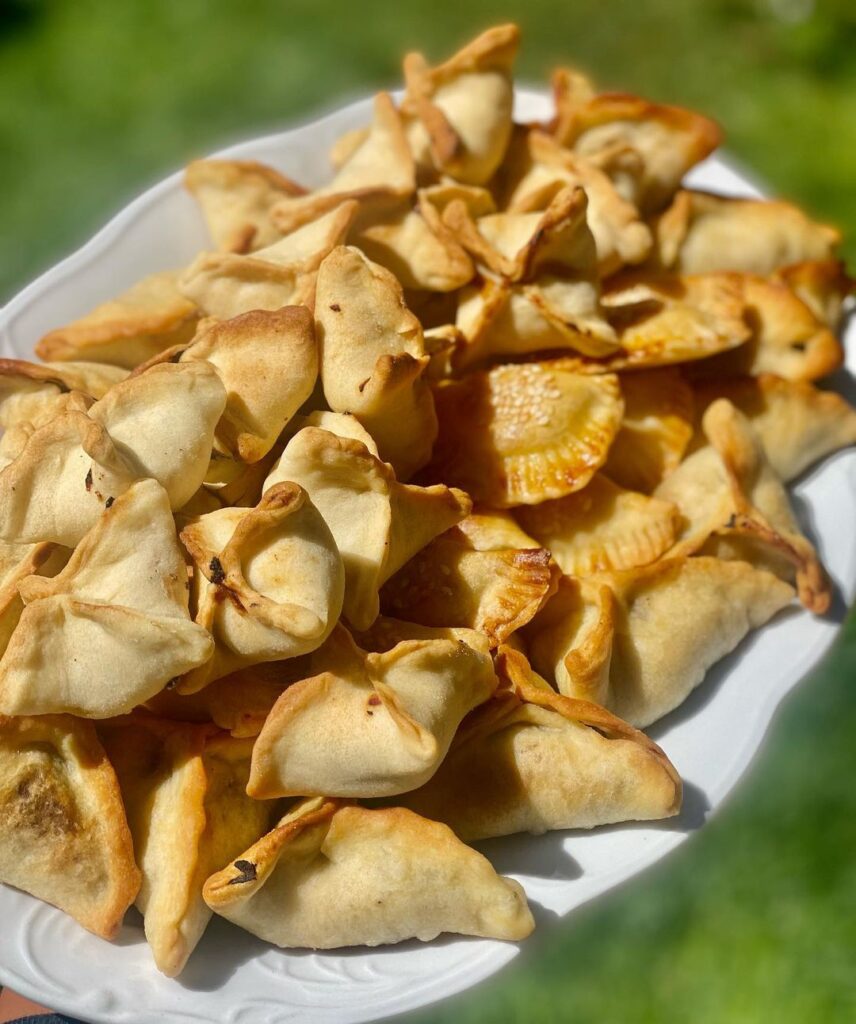
Gouraud Street, opposite St Anthony’s Church
Boulangerie Ghattas is your quick-bite headquarters for crisp manoushes and other grab-and-go favorites. Weekdays it’s open until 15:00; weekends until noon. Practical tip: show up at least 30 minutes before closing unless you enjoy heartbreak.
Douaihy
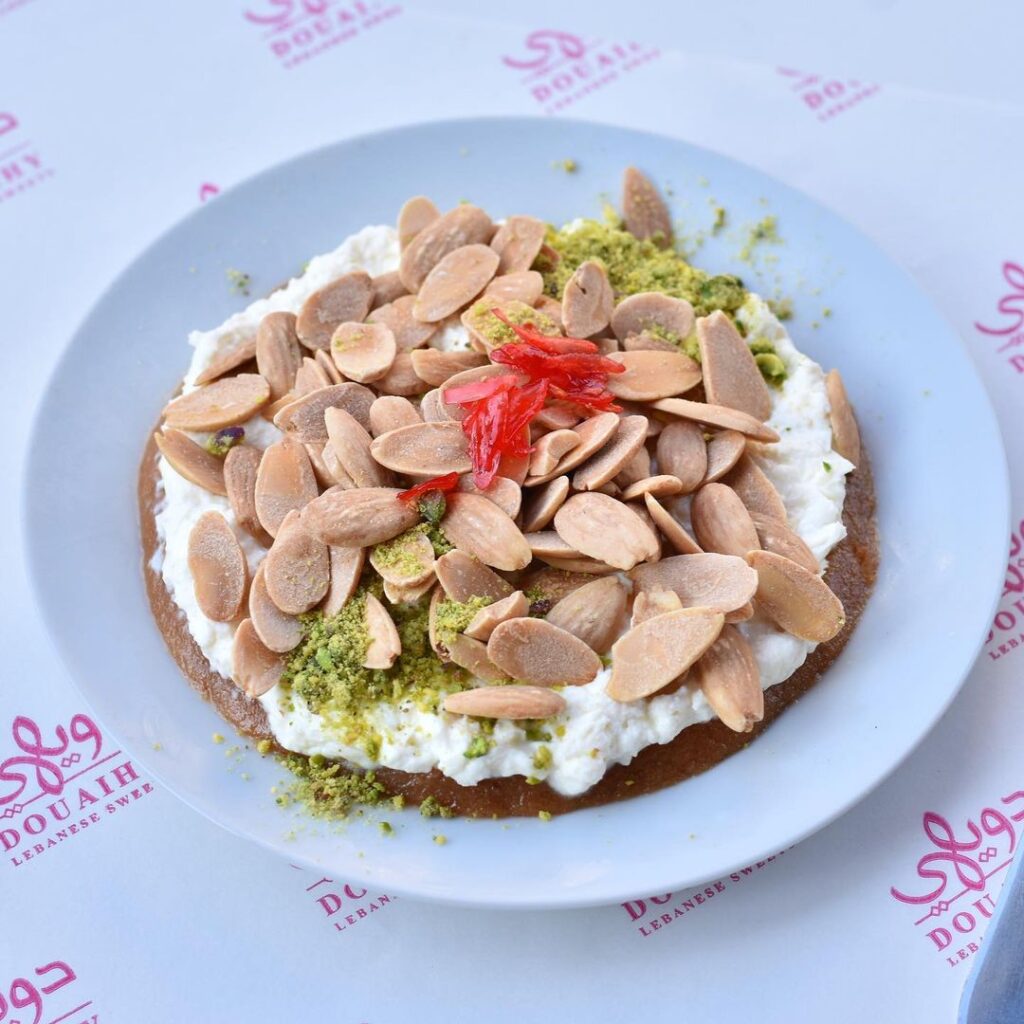
Place Sassine
A well-stocked patisserie and cafe that stays open until midnight—perfect when you want something sweet after dinner, or when you insist dessert is a personality trait.
Falafel Freiha

Al Salam Street, near Sassine Square
Falafel Freiha is the Beirut falafel stop you tell people about later, with the quiet confidence of someone who has seen the truth. Order the sandwich, add the pickles, don’t overthink it.
Lala Chicken

Mar Louis Street
Lala Chicken does what it does extremely well: satisfying chicken sandwiches with punchy sauce (hello tahini, hello garlic) and that “why didn’t we come here sooner?” feeling you’ll recognize instantly.
- 7 Best Luxury Hotels In Beirut in 2026: From Classics To Small-Batch Boutique Gems
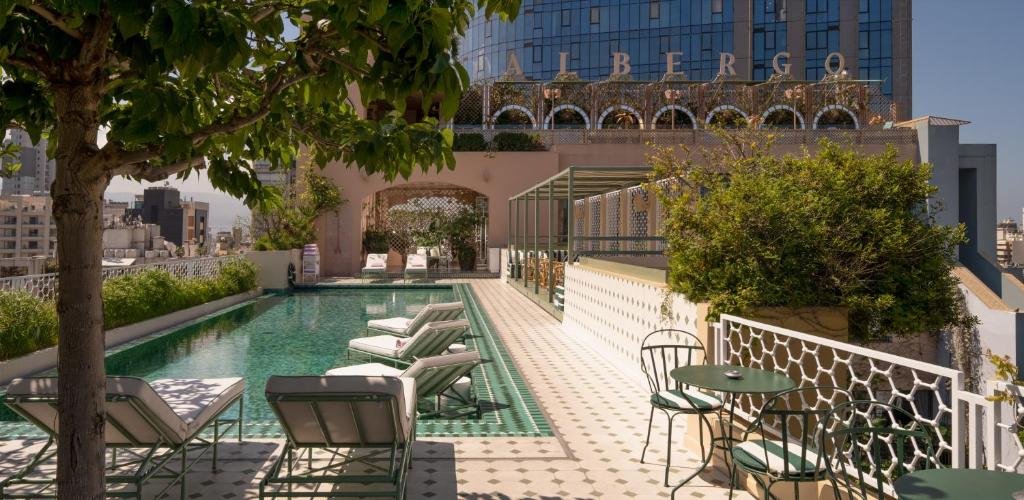
- Best Beach Hotels in Beirut in 2026: 5 Seafront Stays for a Swim-First City Break
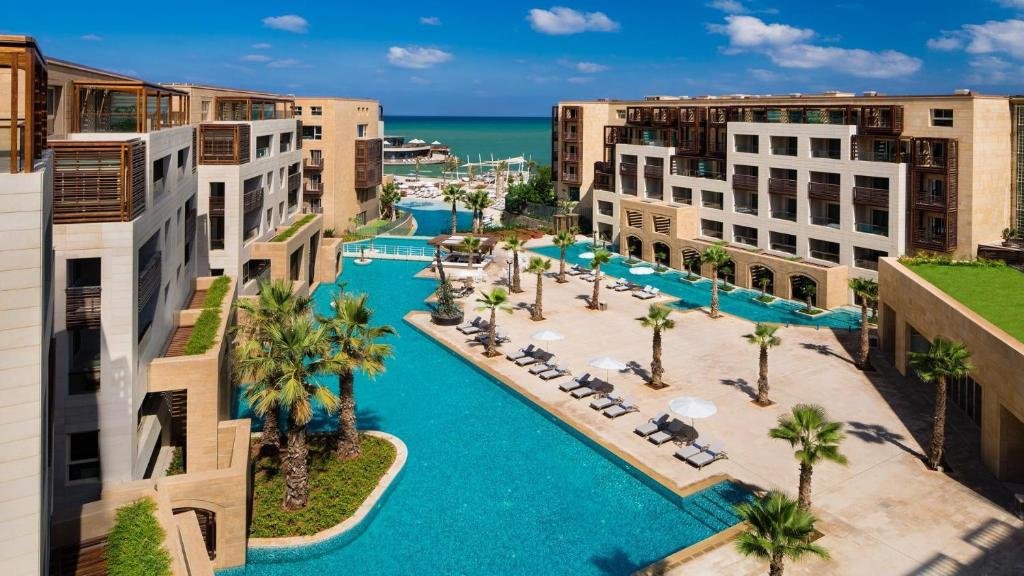
- Best Things To Do In Beirut With Kids (2026): Parks, Museums, Sea Walks & Easy Day Trips
- Nightlife in Beirut (2026): Where to Drink, Dance & Enjoy the City After Dark
- Best Day Trips From Beirut (2026): 10 Easy Escapes- Beaches, Mountains & Ancient Ruins