
Travel writing based on first-hand experience
Lebanon’s unique position between the Mediterranean Sea and its towering mountain ranges offers an unforgettable travel experience. With its compact size, you can easily move from sun-soaked beaches to misty mountain peaks in just a few hours. Whether you’re getting lost in the Chouf mountains, relaxing on the shores of Batroun, or exploring the ancient ruins of Tyre, Lebanon reveals its wonders in every corner. Here’s a Lebanon Road Trip itinerary to help you navigate this beautiful country, from north to south.
Planning more Lebanon road trip adventures? Read these next
Table of Contents
5 Days Lebanon Road Trip Itinerary:
Lebanon is tiny on the map and absolutely shameless in real life. In five days, we can drive from Beirut’s sea-sprayed corniche to cedar forests, cliffside monasteries, Phoenician ports, Roman ruins, palace courtyards, mountain villages, and beaches where the Mediterranean looks like it has been filtered by a very enthusiastic travel blogger.
This 5-day Lebanon road trip is made for travelers who want variety without spending half the trip packing and repacking like a stressed circus act. We start in Beirut, climb into the mountains of Bsharre and Kadisha Valley, roll down to Batroun and Byblos, swing through Beiteddine and the Chouf, continue south to Tyre, and finish with Saida before returning to the capital. Big drama, short distances. Lebanon does not believe in being boring.
Day 1: Beirut to Bsharre – Journey into the “Holy Valley”
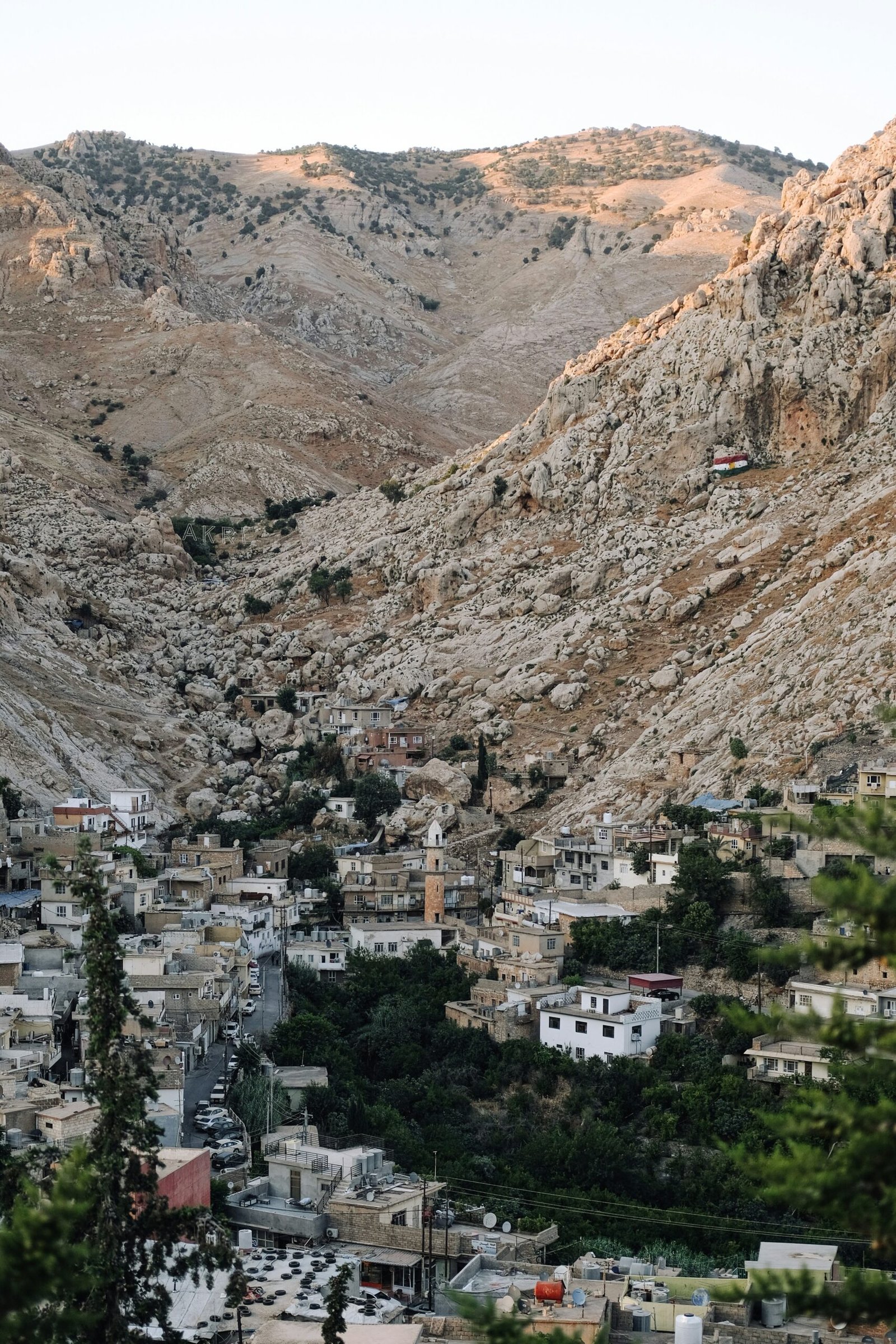
We begin in Beirut, because where else? The city throws us straight into the Lebanon mood: sea air, honking traffic, apartment blocks with stories to tell, and cafés that make leaving difficult. But today we are not lingering. Today we climb toward Bsharre, deep in the mountains above the Kadisha Valley, also known as the “Holy Valley.”
This UNESCO-listed valley is one of Lebanon’s most moving landscapes, where monasteries cling to cliffs, cypress trees lean into the wind, and the mountains seem to have swallowed centuries of prayers. The Monastery of Saint Anthony looks almost carved into the mountainside, wrapped in forests and silence. Not the awkward kind of silence. The ancient, impressive kind that makes us lower our voices without knowing why.
From there, take a short hike toward Kadisha Cave. The walk is not long — roughly 20 minutes on a narrow path — but the views over the valley are the kind that make everyone suddenly pretend they are “taking a moment” when really they are just trying to breathe after the climb.
Continue to Qannoubin Monastery, another extraordinary rock-cut church that once served as a Maronite patriarchal residence. The setting is raw, beautiful, and deeply atmospheric — Lebanon at its most spiritual and mountainous.
Before leaving Bsharre, visit the Khalil Gibran Museum. Here, you can see the works of the famous poet, philosopher, and artist, and visit his tomb. It is a gentle, thoughtful stop after the valley’s big mountain drama.
Best for: mountain views, monasteries, hiking, spiritual history, and starting the road trip with maximum “wait, Lebanon looks like this?” energy.
Day 2: Bsharre to Batroun – From Mountains to the Sea
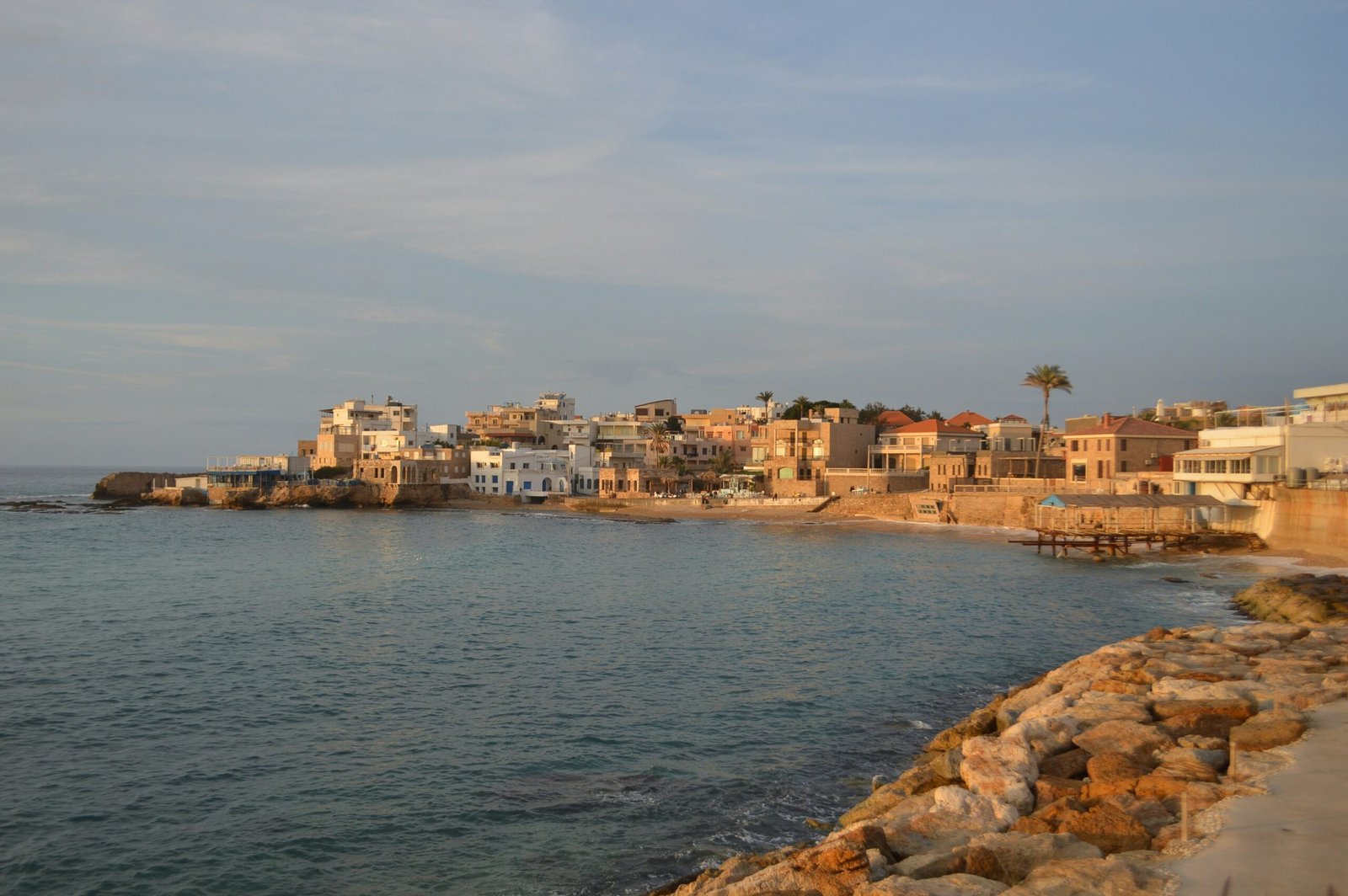
On the second day, we trade mountain air for sea salt. The road drops from cedar country toward the coast, and suddenly the mood changes completely. Yesterday: monasteries, cliffs, and sacred silence. Today: lemonade, old ports, rocky beaches, and the Mediterranean showing off like it has a deadline.
Your main base today is Batroun, one of Lebanon’s most charming coastal towns and an ancient Phoenician settlement. Along the waterfront, the Phoenician Wall still stands against the waves, a rugged reminder that people have been trying to handle this coastline — with varying degrees of drama — for thousands of years.
Batroun is famous for its rocky and pebbly beaches, old streets, beach bars, seafood spots, and fresh lemonade. Stop at Jammal Restaurant for a seaside lunch, where the ideal plan is simple: eat with the water nearby, order too much, then pretend the swim afterward was always part of the fitness strategy.
Later, drive south to nearby Byblos (Jbeil), one of the oldest continuously inhabited cities in the world. The old souk is all golden stone, craft shops, cafés, bars, and that soft evening glow that makes everyone slightly more poetic than necessary. Don’t miss Byblos Castle, where the rooftop view gives you sea, ruins, rooftops, and a gentle reminder that this country stacks history like baklava layers.
✦ Where to stay: Check into Beit al Batroun, a charming guesthouse overlooking the bay. Expect carefully collected antiques, a garden filled with lemon, almond, and olive trees, and the kind of peaceful atmosphere that makes breakfast feel like a small event.
Best for: coastal wandering, seafood, swimming, Byblos old town, sunset drinks, and pretending you are very relaxed even though you are already planning your next meal.
Day 3: Batroun to Beiteddine – Palaces and Cedar Reserves
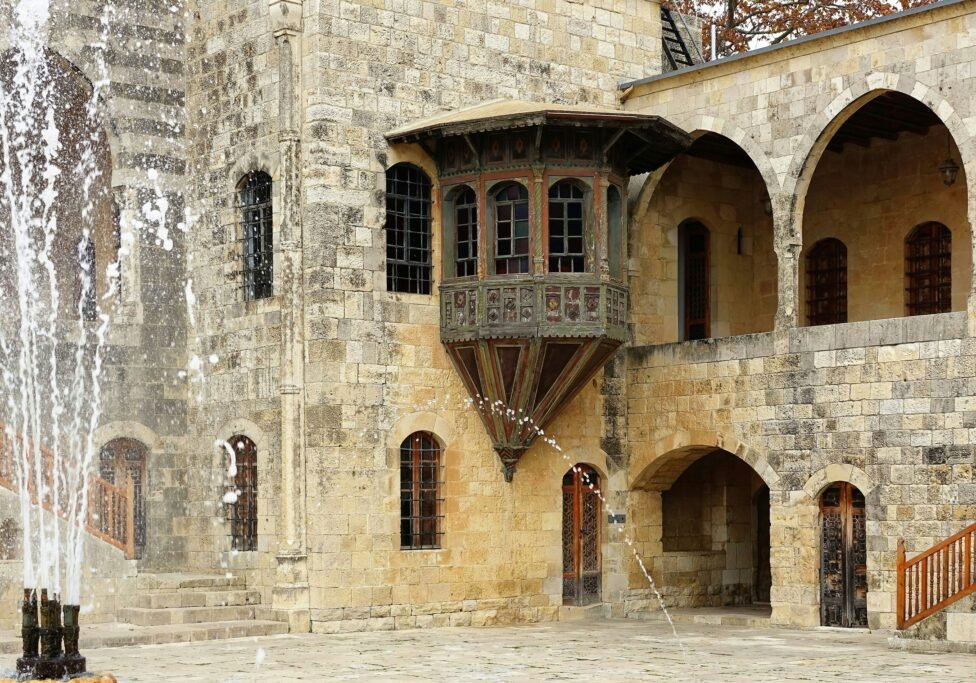
Day three takes us back inland, because Lebanon apparently refuses to stay in one mood for more than 24 hours. Leave Batroun and head toward Beiteddine, passing near Beirut and climbing into the Chouf region of Mount Lebanon.
Beiteddine means “House of Religion,” and the village sits around 860 meters above sea level, surrounded by hills, stone houses, and that very Lebanese combination of elegance and ruggedness. The star of the day is Beiteddine Palace, a masterpiece of Lebanese architecture with ornate courtyards, fountains, mosaics, carved details, and gardens that make you wonder why modern buildings gave up on being this dramatic.
After the palace, continue to the Shouf Cedar Nature Reserve, one of Lebanon’s largest protected cedar forests. The reserve stretches across the mountains from Ain Zhalta to Barouk and Maaser el Chouf, offering short hikes, wide views, and a chance to see the cedar trees that are so deeply tied to Lebanon’s identity.
This is also a good day to slow down in the Chouf villages, where Druze and Christian communities, old stone homes, and mountain roads create a completely different rhythm from the coast. Stop in Deir El-Qamar, a postcard-pretty village with narrow streets, stone houses, churches, a historic mosque, and plenty of corners that deserve a slow walk rather than a rushed checklist.
✦ Where to stay: Bouyouti offers a peaceful hillside escape with charming cottages surrounded by terraces and trees. There is a large pool, flower-lined paths, and a calm mountain atmosphere that feels almost Provence-like — except, happily, with Lebanese food nearby.
Best for: palaces, cedar forests, mountain villages, gentle hiking, architecture, and a slower inland side of Lebanon.
Day 4: Beiteddine to Tyre – Ancient Ruins and Coastal Beauty
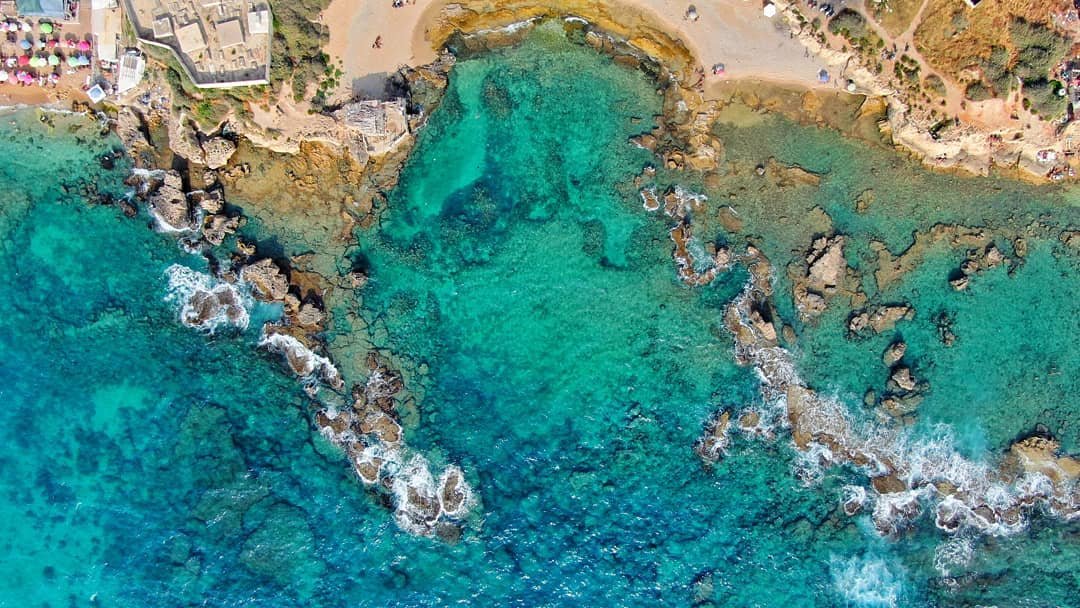
After the palaces and cedar trees, we head south toward Tyre (Sour), an ancient port city where ruins, beaches, fishing boats, and sea views all tumble together. The drive from Beiteddine takes us into another chapter of Lebanon — softer, sunnier, and wonderfully coastal.
Tyre was once one of the great Phoenician cities, and its archaeological sites still carry that sense of old Mediterranean power. Wander among columns, stone roads, and ruins that seem to drift toward the sea. It is one of those places where history is not locked behind glass — it is just sitting there in the sunshine, casually older than almost everything you have ever complained about.
After the ruins, make time for Tyre’s beaches. The sand here is golden, the water is clear, and the pace is much slower than Beirut or Batroun. Visit Al-Jamal Beach, where you may even spot sea turtles moving around the rocks if luck decides to show off.
✦ Where to stay: Dar Alma is a beautiful 19th-century Lebanese guesthouse built right by the water. Rooms face the Tyre sea, so you get that immersive coastal feeling where the waves become part of the hotel soundtrack.
Best for: Roman and Phoenician history, beach time, sea views, slow evenings, and a more relaxed southern Lebanon atmosphere.
Day 5: Tyre to Beirut – Exploring Saida and the Capital’s Charm
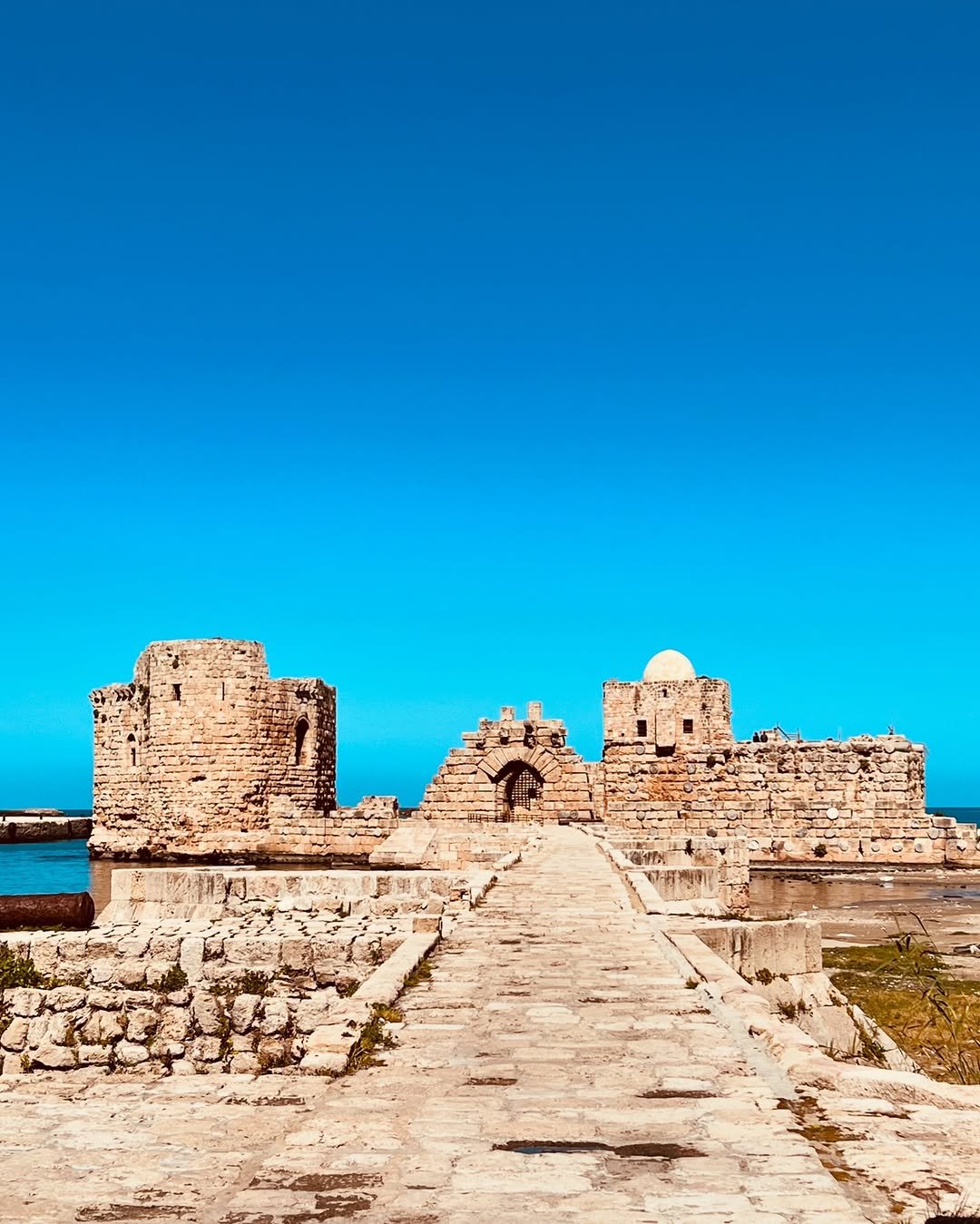
On the final day, we drive back toward Beirut, but not before stopping in Saida (Sidon), Lebanon’s third-largest city and one of the most rewarding coastal stops between Tyre and the capital. It has sea views, old souks, Crusader history, soap-making heritage, and just enough beautiful chaos to keep things interesting.
Start at the Sidon Sea Castle, a Crusader fortress standing proudly at the port entrance. It is one of those sights that looks best with waves crashing around it and a light breeze making everyone’s photos accidentally dramatic.
Then explore the remains of Saint Louis Castle and visit the fascinating Soap Museum, which tells the story of traditional soap-making in the region. The old souk is also worth time: narrow lanes, artisan shops, market stalls, sweets, spices, and enough sensory overload to remind us that quiet minimalism was never really Lebanon’s brand.
Back in Beirut, spend your last hours soaking up the capital properly. Stroll through Nejmeh Square, where boutiques, cafés, rebuilt streets, and old scars all sit close together. Beirut does not hide its contradictions. It practically hands them to you with coffee.
Visit the Mohammad Al-Amin Mosque, with its striking blue dome, and notice how closely it stands to nearby Orthodox and Maronite churches. That layered religious and architectural mix is part of what makes the city so compelling.
As evening falls, walk along the Raouché Corniche to see the iconic Pigeon Rocks rising from the sea. If you still have energy — ambitious, but we admire it — head to Music Hall for a mix of oriental and western live music performances.
End the night, or very possibly the morning, with a classic Lebanese bite at Zaatar w Zeit, open 24/7. Because every good road trip deserves one final meal that pretends to be casual but saves your life.
Best for: Crusader castles, old souks, Beirut nightlife, coastal walks, city contrasts, and a strong final-day finish.
Lebanon Road Trip Tips
A Lebanon road trip is wonderfully rewarding, but it is not the kind of trip where we simply rent a car, throw sunglasses on, and assume the universe will behave. Lebanon is compact, yes, but the roads, traffic, mountain routes, parking, and local conditions can vary a lot. A little planning makes the whole itinerary smoother — and saves us from having a dramatic emotional relationship with Google Maps.
- Rent a car if you want freedom: A rental car gives you the easiest access to mountain villages, cedar reserves, beaches, monasteries, and smaller stops. If you want to follow this exact route comfortably, driving is the most flexible option.
- Do not underestimate driving times: Distances in Lebanon look short, but traffic, mountain roads, checkpoints, road conditions, and city congestion can add time. Always leave earlier than you think you need to. Future you will be grateful and less sweaty.
- Drive defensively: Lebanese driving can feel intense if you are used to very orderly roads. Expect quick lane changes, assertive drivers, scooters, pedestrians, and creative interpretations of road rules. Stay calm, alert, and avoid driving at night in unfamiliar rural or mountain areas if you can.
- Use offline maps: Download Google Maps before leaving Beirut or your hotel Wi-Fi. Mobile signal may be patchy in mountain areas, and you do not want to discover this while standing at a fork in the road surrounded by goats and regret.
- Carry cash: Many places accept cards, especially in cities and hotels, but smaller restaurants, parking areas, local shops, and guesthouses may prefer cash. Keep small notes for tips, snacks, parking, and quick stops.
- Check fuel before mountain drives: Fill up before heading into more remote areas, especially before driving into the Chouf, Kadisha Valley, or longer coastal stretches. Petrol stations exist, but you do not want fuel anxiety as your travel companion.
- Pack layers: Lebanon’s coast and mountains can feel like different countries on the same day. Beirut and Tyre may be warm, while Bsharre, Kadisha, and the Chouf can be much cooler, especially in the evening.
- Wear proper shoes: You do not need hardcore hiking boots for every stop, but grippy shoes are useful for monastery paths, castle ruins, uneven old souks, and cedar reserve walks. Pretty sandals are lovely until ancient stones decide to test your ankles.
- Respect religious sites: Many monasteries, churches, mosques, and religious villages are active spiritual places, not just photo stops. Dress modestly, speak quietly, and check whether photography is allowed inside.
- Ask locals about current road conditions: Weather, construction, closures, and local circumstances can change routes. Hotel staff and guesthouse owners are often the best people to ask before setting off each morning.
- Travel insurance is worth it: For any road trip, especially one with mountain roads, rental cars, outdoor stops, and changing local conditions, travel insurance is sensible rather than dramatic.
- Build in meal time: Lebanese food is not something to rush between attractions like a sad airport sandwich. Leave space for proper lunches, seaside dinners, roadside bakeries, and spontaneous “we should stop here” moments. They may become your favorite part of the trip.
Best time to visit: Spring and autumn are ideal for a Lebanon road trip, with milder temperatures and better conditions for both coastal stops and mountain exploration. Summer is great for beaches but can be hot and busier on the coast, while winter can bring snow and colder weather in the mountains.
Final tip: Do not try to make this itinerary too perfect. Lebanon rewards curiosity more than rigid planning. Leave room for a roadside bakery, a longer lunch, an extra swim, a village view, or a conversation that changes your route completely. That is usually where the best travel stories sneak in.
- Lebanon with Kids: 8 Top Family-Friendly Places to Visit in 2026

- Ultimate Guide: How To Dress In Lebanon As A Tourist (2026)
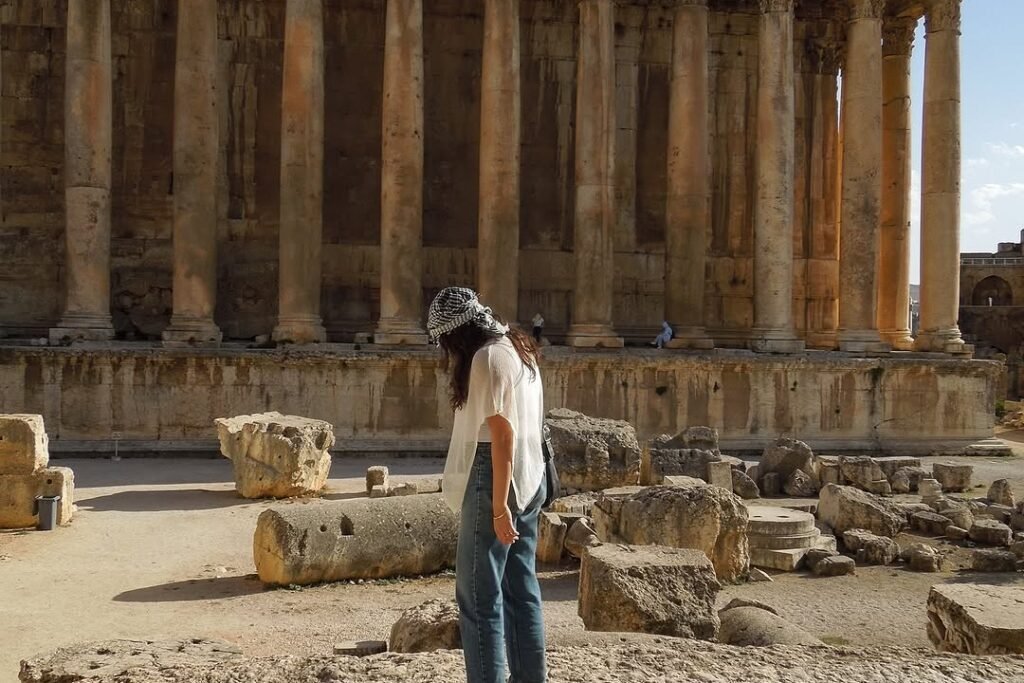
- 15 Best Things to Do in Batroun: Your 2026 Travel Guide
- 26 Best Places to Visit in Lebanon (2026) – Hidden Gems & Must-See Spots
- 12 Unique Gifts from Lebanon (2026) – Authentic Souvenirs & Local Treasures
