
Travel writing based on first-hand experience
Tripoli Lebanon is the second largest city in Lebanon and welcomes visitors with an authentic Middle Eastern atmosphere. As you wander through its winding souks and explore its rich historical landmarks, you’ll quickly find yourself drawn in by its unique charm. Discover Tripoli Lebanon with our guide: best things to do in Tripoli, best places to eat and more!
Planning a bigger Lebanon trip?
Tripoli is Lebanon with the volume turned up: medieval souks, sea air, soap khans, castle views, old cafés, and enough layered history to make us feel wildly underqualified but very happy to be here. If you’re building a fuller Lebanon route around Tripoli, these guides will help you connect the coast, mountains, Beirut, and ancient cities without making your itinerary behave like a dropped plate of mezze.
- Perfect Lebanon Itinerary — ideal if you want to fit Tripoli into a 7-day route with Beirut, Al Mina, Byblos, Baalbek, and the coast.
- Perfect 5 Days Lebanon Road Trip Itinerary — for a compact road trip through mountains, coastal towns, cedar landscapes, and big Lebanon scenery.
- Best Places to Visit in Lebanon — a broader guide for choosing what to see before or after Tripoli, from Batroun and Byblos to the Cedars of God.
- Best Day Trips from Beirut — useful if you’re using Beirut as your base and want easy escapes to historic towns, sea views, ruins, and mountain scenery.
- Beirut Travel Guide — the obvious companion if your Lebanon trip starts or ends in the capital.
- Best Things to Do in Beirut — for museums, neighbourhood wandering, Roman ruins, sea views, and the city’s full “yes, I contain multitudes” energy.
- Beirut Itinerary: 3 Days of History, Rooftops & Waterfront Vibes — perfect if you want a structured city plan before heading north to Tripoli.
- Getting Around Beirut — handy for taxis, ride-hailing, walking, and transport basics before you start hopping between cities.
- Lebanon with Kids — useful if you’re planning a family trip and want child-friendly stops across the coast, mountains, and cities.
Table of Contents
Getting Around Tripoli Lebanon
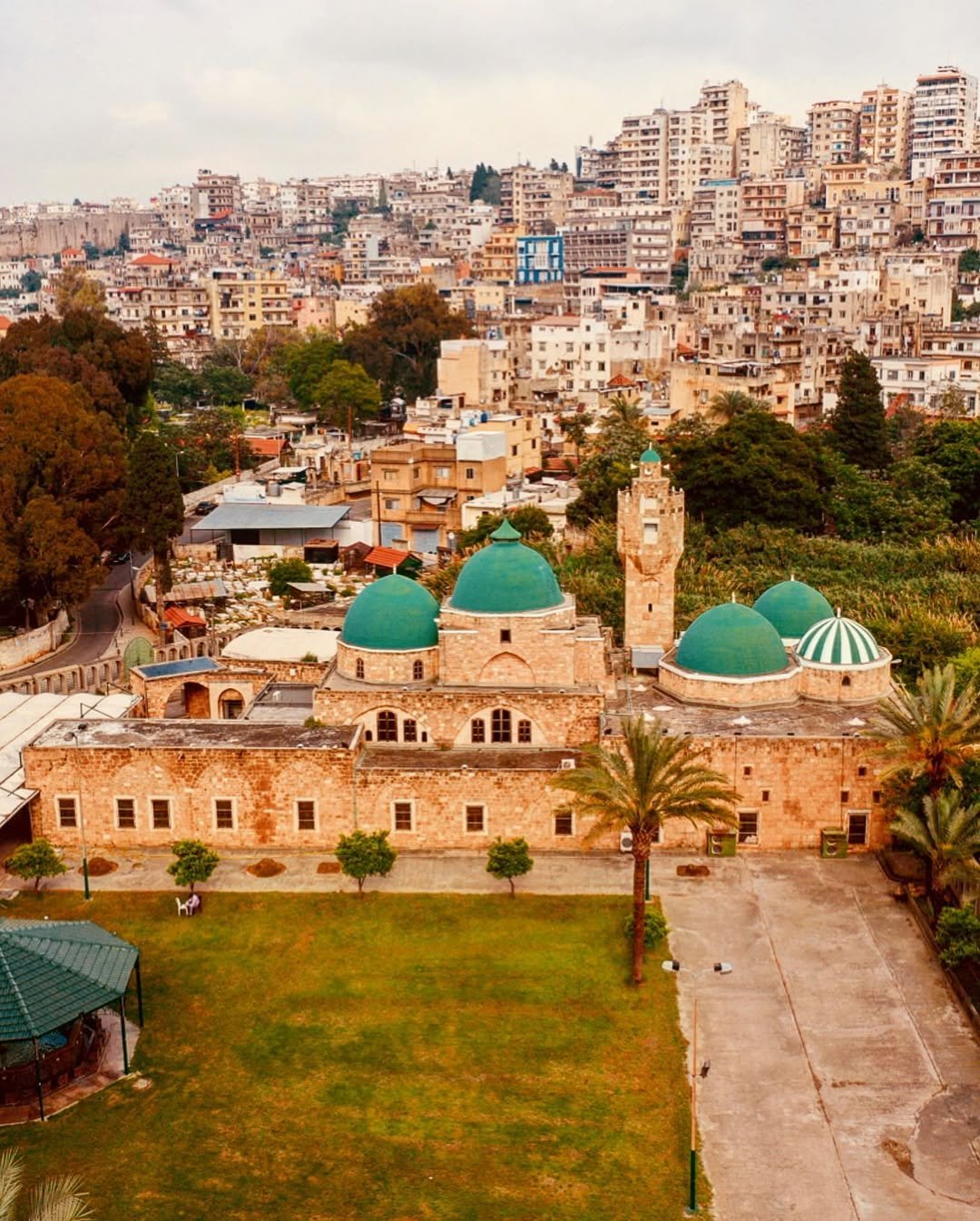
We split days between the old souks, the hilltop Citadel of Raymond de Saint-Gilles, and the seaside in El Mina. You can walk most central sights, use shared taxis for quick hops, and take minibuses for longer moves along the coast.
On Foot (souks, citadel, and El Mina)
The old town is compact but layered: soap khans, copper workshops, madrassas, and mosques sit close together. Streets are narrow and often cobbled, so wear closed shoes. El Mina’s corniche is flat and easy for evening walks and sunset views.
“Service” Taxis (shared cars)
The cheapest way to move around is the shared taxi, called service. Flag one, say your destination (or a known landmark like Al-Tal Square or the Citadel), and ride with others going the same way. If you want the car to yourself, ask for a “taxi” (private ride) and confirm the fare before you go. Carry small bills and pay in cash.
Private Taxis & Ride-Hail
Hotels and cafés can call a trusted driver. App coverage exists but can be limited; a phone-arranged taxi is often faster. Always agree the price up front, especially at night or for longer trips out to Batroun/Byblos.
Minibuses & Coastal Vans
Minibuses link key points in Tripoli (Al-Tal, Abou Ali roundabout, the port in El Mina) and run the coastal highway to Batroun, Byblos (Jbeil), and Beirut. They leave when full and are very budget-friendly. Ask the driver to drop you off at your landmark; rides are pay-on-board and cash-only.
Driving & Parking
Lebanon drives on the right. Traffic can be dense near Al-Tal and around the souks, and alleys are one-way. If you’re driving, park on the edges (El Mina or near larger avenues) and walk in. Avoid peak hours for cross-city moves.
Boats to Palm Islands
In season, small boats run from El Mina to the Palm Islands Nature Reserve. Go early for calmer seas, bring water and sun protection, and agree on a round-trip price and return time before boarding. Respect reserve rules (some areas may be off-limits at times).
Bike & E-bike
Infrastructure is limited. The safest ride is the El Mina corniche early morning. Helmets are recommended; avoid rush hour and after dark.
From/To Beirut
Coastal vans and buses connect Beirut and Tripoli throughout the day via the highway; travel time depends on traffic. If you have luggage, a private taxi or pre-booked driver is simpler door-to-door.
When You Don’t Need a Car
Staying near the old town or El Mina and focusing on souks, the citadel, and the waterfront? Walk + shared taxis are enough. Save car days for stringing together coastal villages and viewpoints.
Best Things To Do In Tripoli Lebanon
Old Souks
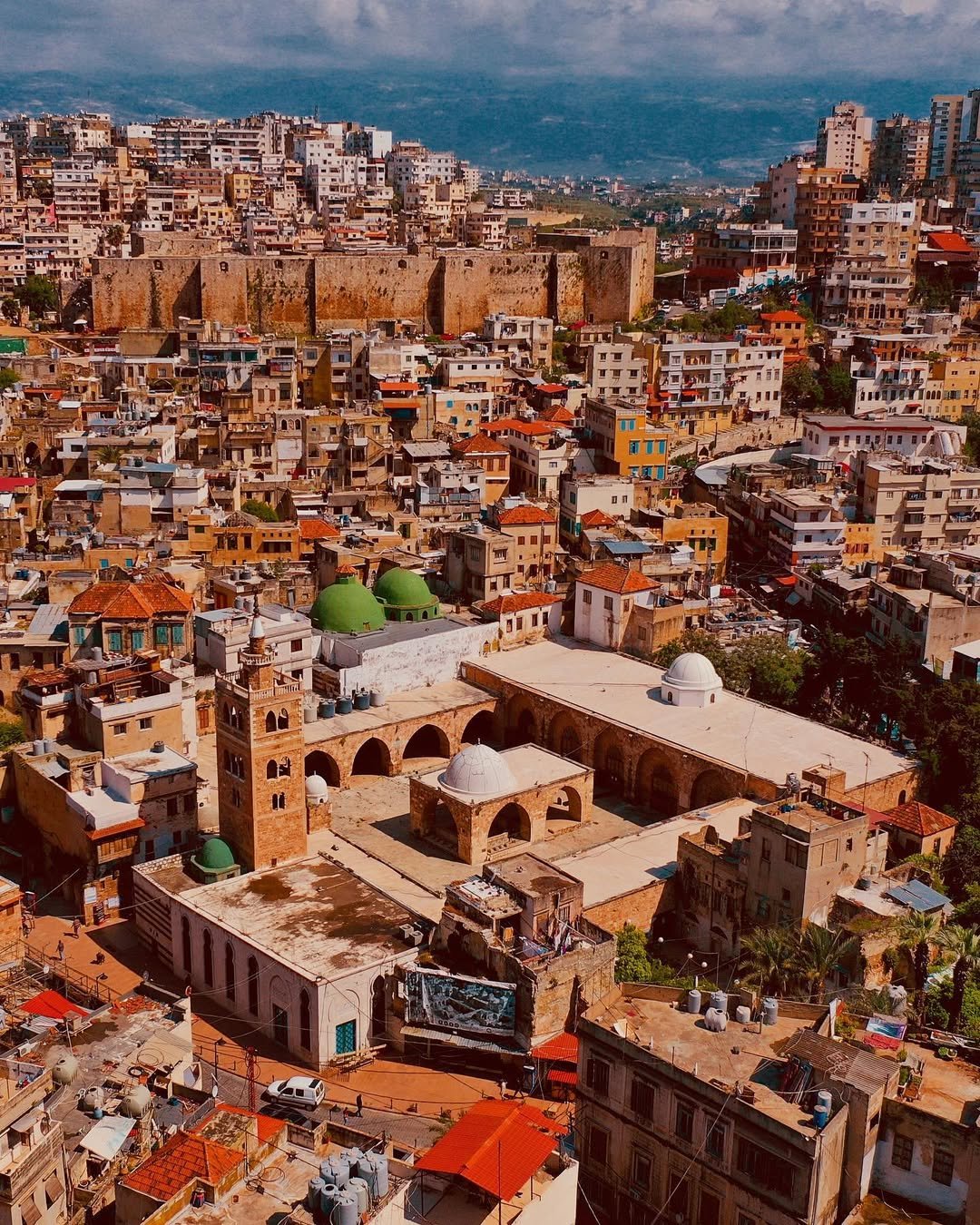
Your first stop in Tripoli should be the old souks. Head into the souk, a frenetic maze of jewelry shops, kaake vendors, and juice stands. Scattered throughout its tight alleyways are various Mamluk, Crusader, and Ottoman relics, such as the Mansouri Mosque, the Khan Al Saboun, a beautiful courtyard where soap is still made by hand, and Hammam El Jadid, a hammam with stunning mosaics and a glass-domed ceiling.
Citadel of Raymond de Saint-Gilles
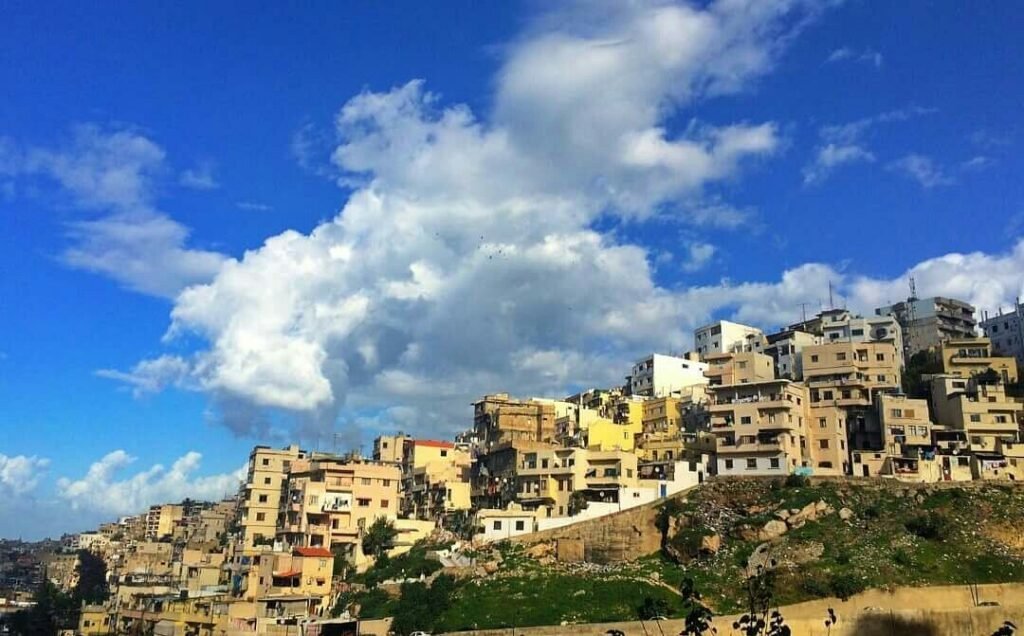
Tripoli’s Citadel was built by Raymond VI of Saint Gilles, a knight of the very First Crusade, who set out to conquer Tripoli and erected the castle around AD 1100. You can roam through the sprawling grounds of this Crusader Castle and admire its Frankish and Ottoman foundations. Every stone staircase leads to a new deck, and each doorway opens up into a grand hall from Lebanon’s past. Climbing through the structure to the very top of the castle, visitors will find an unmatched panorama of Tripoli from above.
El Mina and Corniche
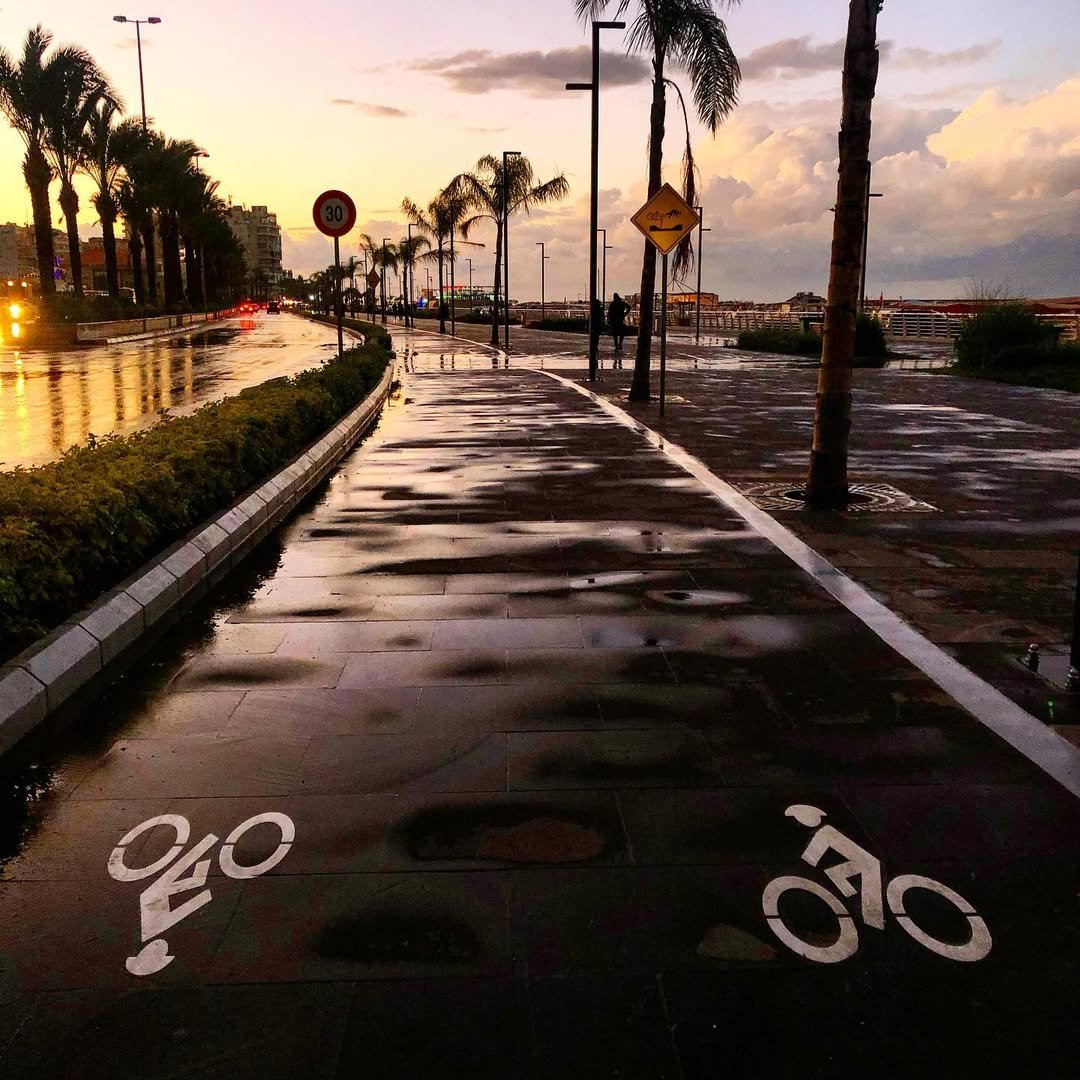
Roaming around the laid-back seaside neighborhood of El Mina is a must in Tripoli. The El Mina quarter juts out into the sea and is defined by its relaxed and quaint atmosphere. Buildings are old and beautiful, and there is a tenable small-town feeling, complete with colorful houses, local churches, and charming alleys.
Rashid Karami International Fair
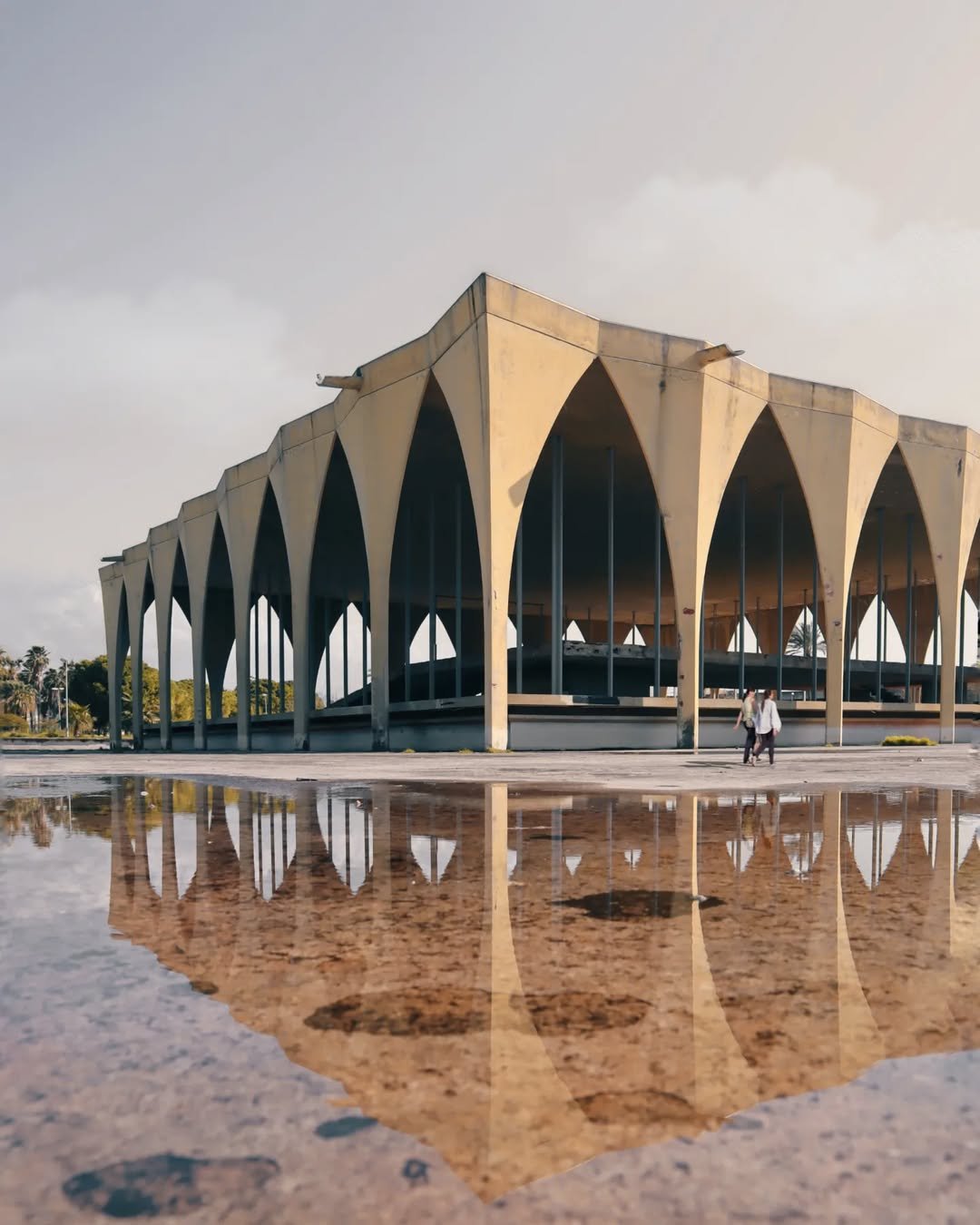
Designed by renowned Brazilian architect Oscar Niemeyer, the International Fair comprises 15 modernist concrete structures intended to create a tourist hub. The complex was partially completed in 1974 but left unfinished due to Lebanon’s Civil War. The Getty Foundation recently announced that the site was receiving a 225,000 USD grant as part of its “Keeping It Modern” initiative to support a two-year conservation and management plan. UNESCO has also included the fair on its Indicative Heritage List, a step towards consideration for full World Heritage List status.
Palm Island Reserve
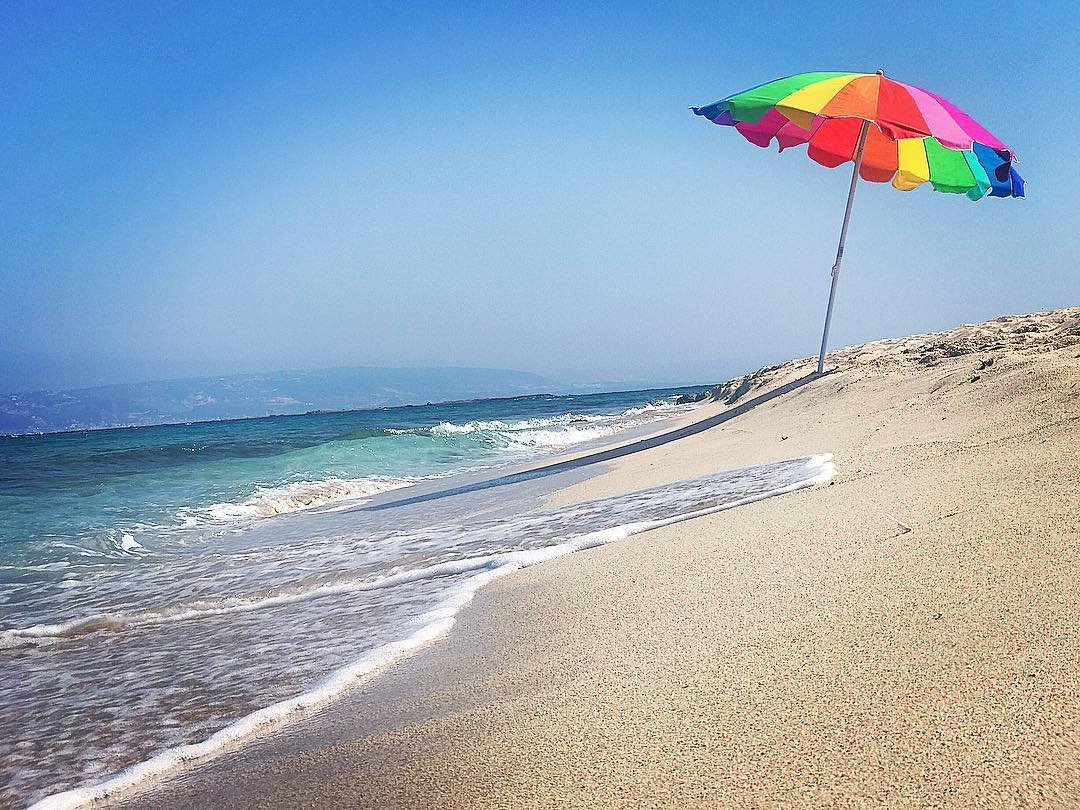
The Palm Island Reserve consists of three islands. Declared a UNESCO World Heritage Site in 1992, the islands are home to endangered species, including rabbits, monk seals, and turtles. The largest island, Nakheel, features around 2,500 palm trees, with paths laid out for visitors. The islands are open to the public from July to September, so take advantage. Just remember to negotiate the price of your boat trip at the port, pack some food and float away.
The Lions Tower and Train Station
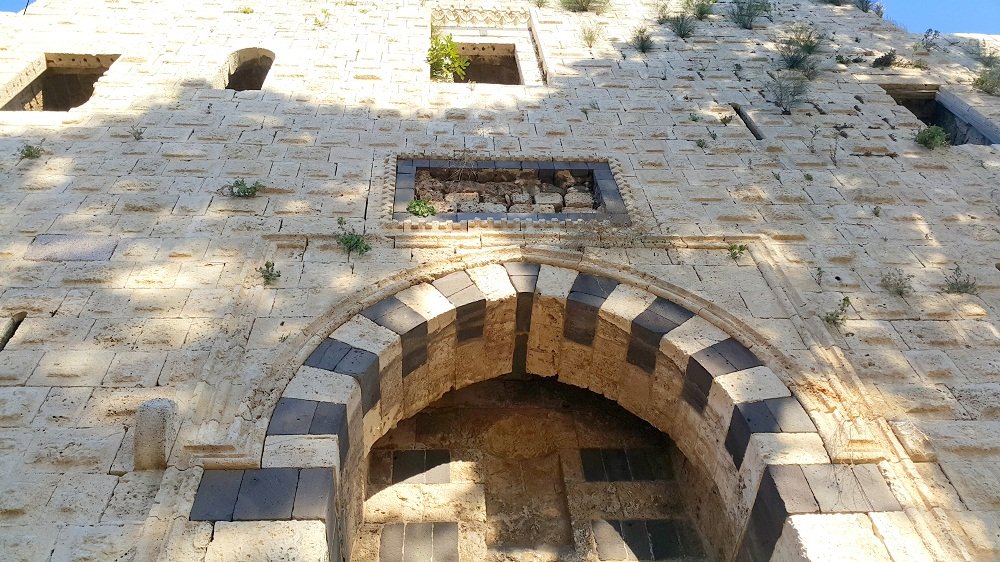
Just down the Corniche from the Mina neighbourhood is the Lions Tower, or Barsbay Tower, and an old train station. The Lion Tower was built by the Mamluks in the 14th century for military use and was constructed using old Roman columns that were laid horizontally to fortify the tower. It is well worth the climb to the top for a sweeping view of Tripoli port.
After a tour of the Lion Tower, walk around the old train station right beside the Tower. The famous Orient Express once ran from Homs in Syria to the station in Mar Mikhael. Today, visitors can walk among the unused, rusting train cars.
Best Places to Eat in Tripoli Lebanon
Dannoun
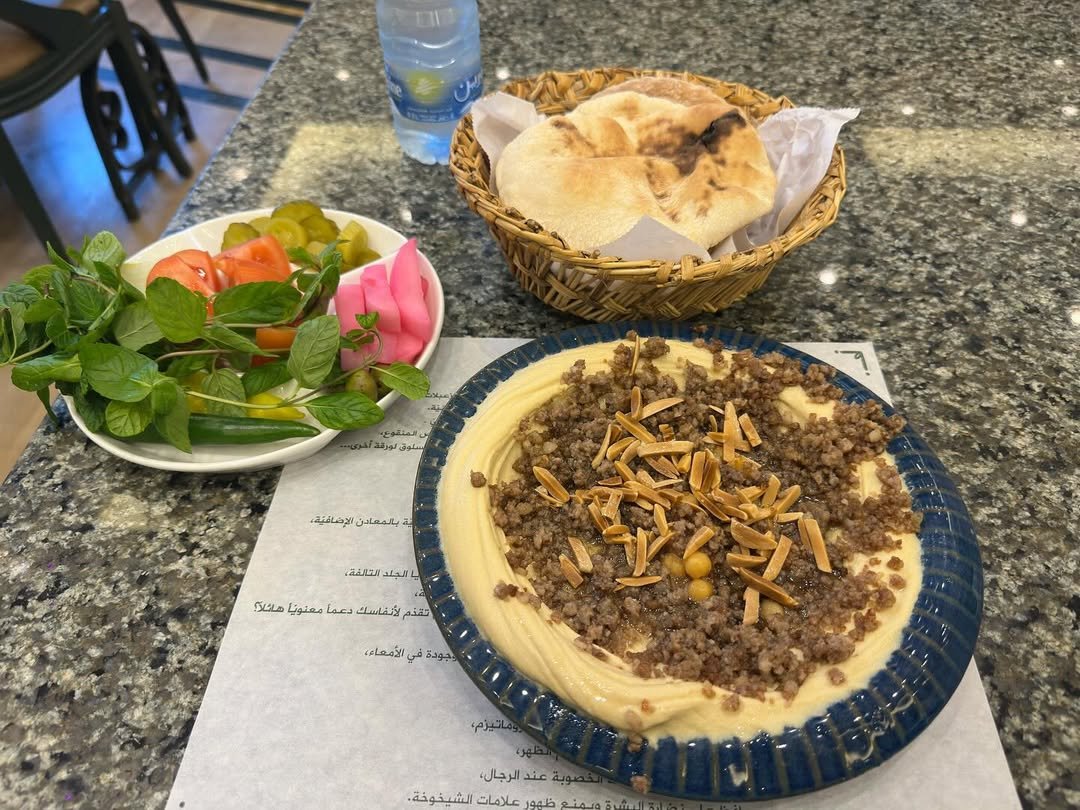
Although Dannoun may not look like much from the outside, this renowned spot in the Al Tall neighborhood is almost always full. Be sure to stop by to try their foul and hummus. You won’t regret it!
Akra

Akra is also known for serving traditional Tripoli fare—foul and hummus — for breakfast. Akra is perfect for a morning bite or a quick meal. The restaurant is clean and comfortable, and the service is excellent.
Warche 13
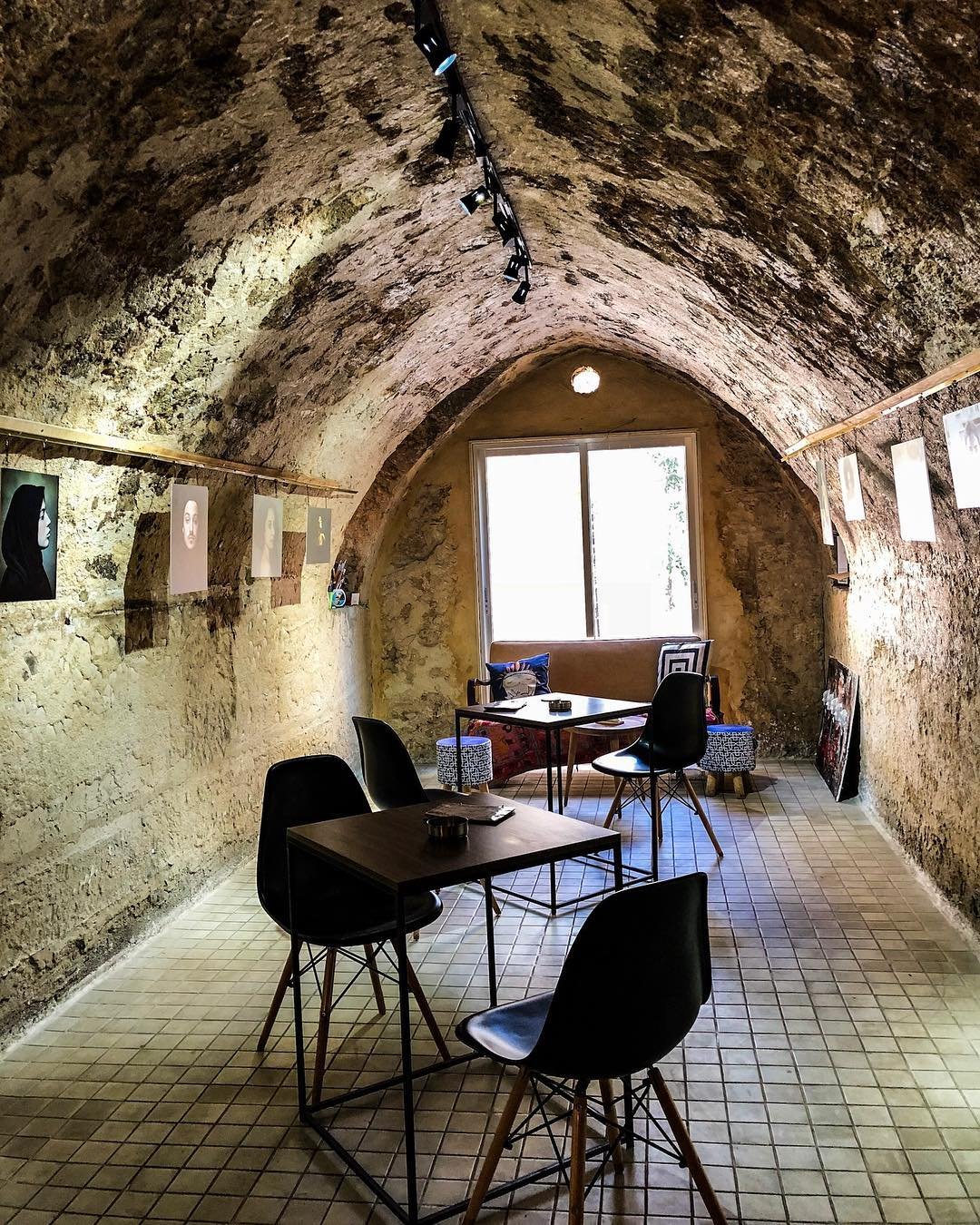
Warche 13 is a trendy café with an active artistic community. Situated in El Mina, Warche 13 is an excellent place if you’re looking for organic yogurt or a sandwich. Enjoy their regular events, which range from open-mic poetry nights to live music.
Hallab 1881
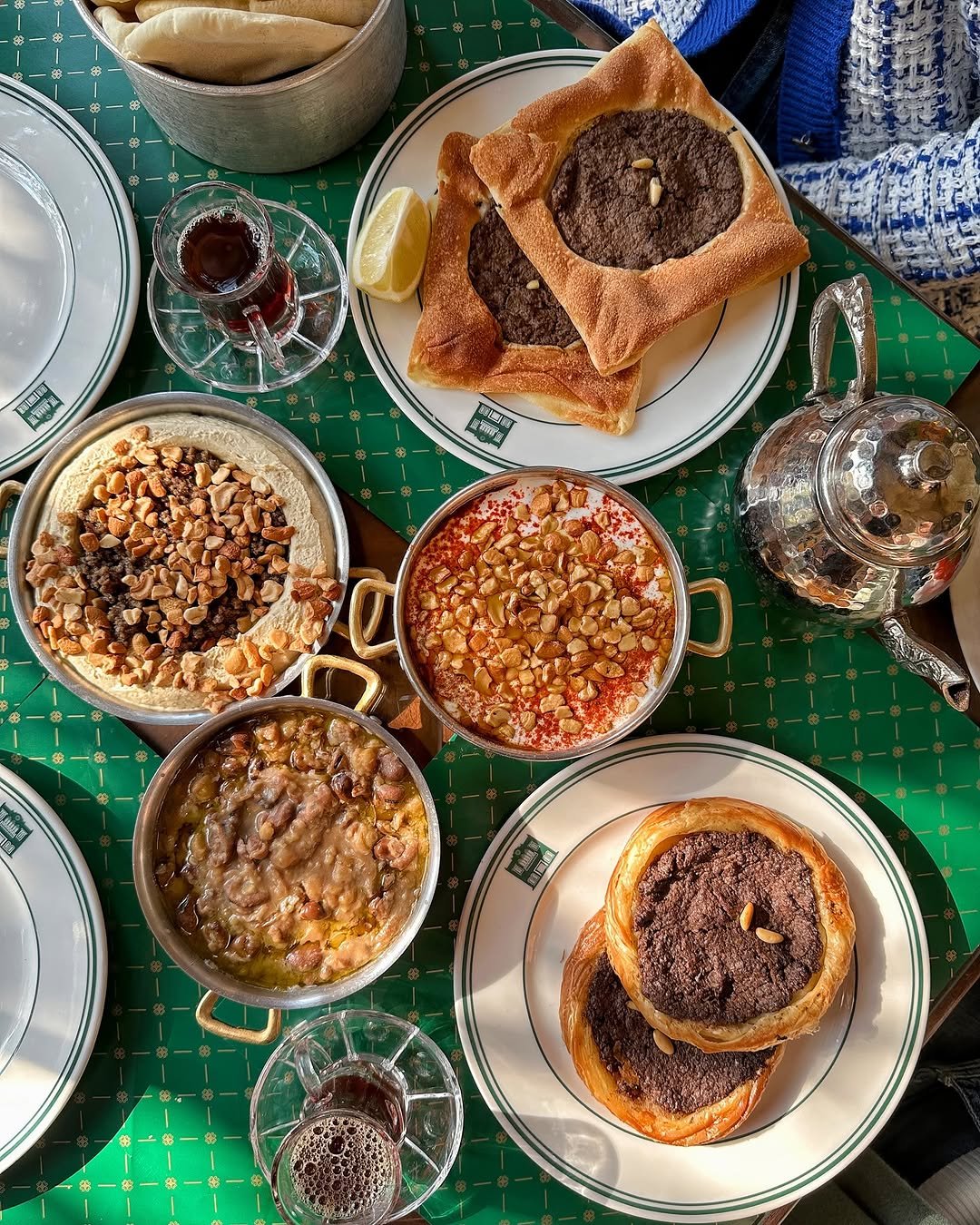
You haven’t fully experienced Tripoli until you’ve tried the delicious Lebanese sweets at Hallab 1881 (+961 6 444 445), a family-run business. Kasr El Helou, the firm’s flagship store, is considered one of the city’s most renowned landmarks, so make sure you stop for some of their famous baklawa, maamoul, and knefe.
Best Places to Stay in Tripoli Lebanon
Via Mina Hotel
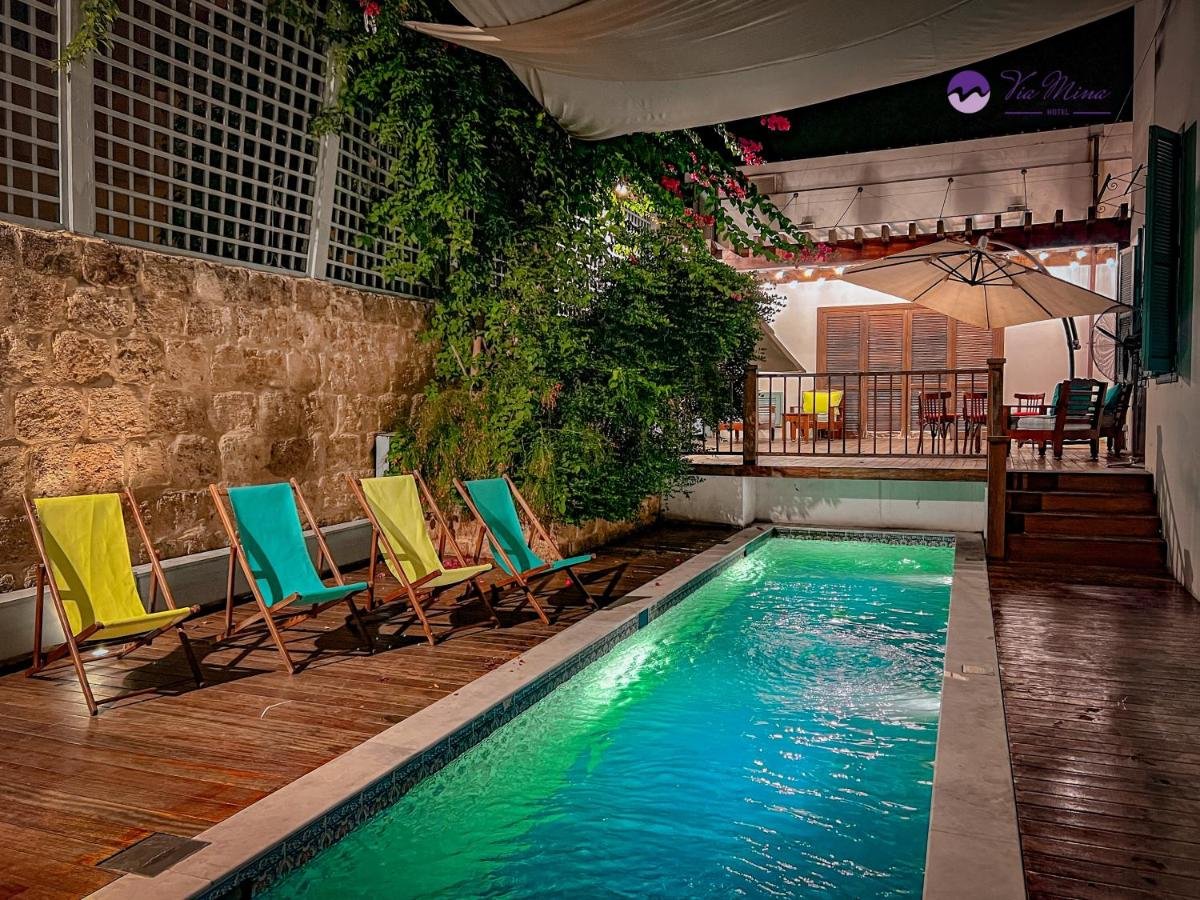
The charming Via Mina Hotel is the perfect place to rest after a busy day in Tripoli. Its colorful walls, outdoor pool, and tasteful decor create an idyllic oasis in this hectic city. Each room is equipped with air conditioning, complimentary beverages and snacks, and all-organic toiletries.
Beit El Nessim
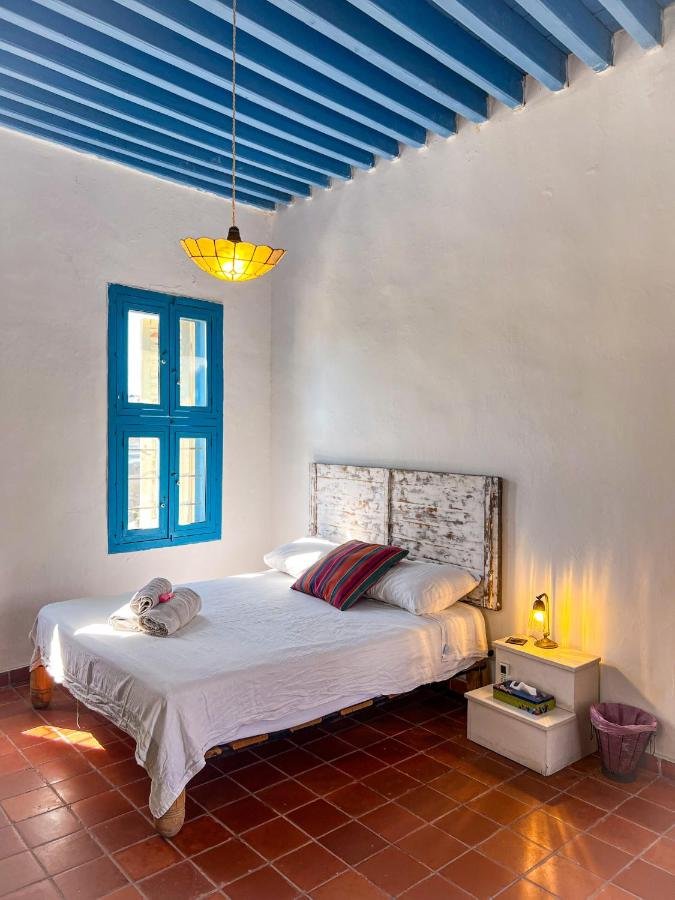
Beit El Nessim is another excellent option in the El Mina neighborhood. The guesthouse is thoughtfully decorated and boasts a beautiful rooftop terrace for admiring the surrounding area. The owner is a yoga instructor and will arrange lessons for an additional fee.
Insider Tips for Visiting Tripoli Lebanon
For an enriched experience in Tripoli, these insider tips will come in handy.
- Take Time to Visit Akkar: Akkar is just an hour’s drive from Tripoli and is home to some of Lebanon’s most beautiful natural landscapes. It’s the perfect destination for a day trip.Visit Sites at Non-Peak Hours: To avoid crowds, consider visiting popular attractions early in the morning or late in the afternoon. This way, you can fully appreciate these remarkable sites.
- Explore the Local Cuisine: Lebanon’s second-largest city, Tripoli, is known for its delicious food. A visit to the local restaurants and street food vendors is worth it. Don’t forget to try local specialty dishes and experience why Lebanon’s cuisine is considered one of the best in the world.
- Do Remember the Dress Code: If you plan to visit religious sites, dress modestly out of respect for local customs. This also applies to your visits to older parts of the city.
- Be Aware of Regional History: Understanding Tripoli’s political history is central to understanding the city. Be aware that Tripoli has suffered through various conflicts but has demonstrated resilience and the capacity to rebuild and thrive.
FAQs: Visiting Tripoli Lebanon
Is Tripoli safe for visitors right now?
Most travelers stick to the old souks, the Citadel of Raymond de Saint-Gilles, and El Mina without issues. Stay aware in crowds, avoid political gatherings, and use trusted drivers at night.
Which area should I stay in—Old Town or El Mina?
For heritage and souk access, stay near Al-Tal/old town. For seaside sunsets, cafés, and easier parking, choose El Mina. Both are a 5–10 minute ride apart.
How do I get around?
Walk the souks and citadel; use “service” taxis (shared cars) or private taxis for quick hops. Minibuses run along the coast to Batroun/Byblos/Beirut.
What’s the dress code for mosques and historic sites?
Modest clothing: shoulders and knees covered; bring a light scarf. Remove shoes when required and avoid loud behavior during prayer times.
Can I visit the Palm Islands Nature Reserve?
Yes, in season boats depart from El Mina. Go early, confirm round-trip price and return time, bring water/sun protection, and follow reserve rules.
What foods should I try in Tripoli?
Local sweets (maakaroun, halawet el-jibn), fatteh, sfiha, and fresh fish in El Mina. Finish with Arabic coffee or lemonade with mint.
Best time of day for the citadel and souks?
Citadel: morning or golden hour for views and cooler temps. Souks: late morning to late afternoon; some shops close mid-day or on Fridays.
How do payments work—cash or card?
Bring cash. USD and Lebanese pounds circulate; small shops and drivers prefer cash. Larger restaurants may take cards—ask first.
Where can I buy a SIM card?
Look for authorized telecom shops in Al-Tal or larger streets; bring your passport. Top up data in-store or via app.
Are photos okay in the souks?
Yes for streets and architecture; ask before photographing people or inside workshops. Avoid sensitive sites and official buildings.
How do I get to Tripoli from Beirut?
Coastal buses/minivans run frequently (cheapest). Private taxis or pre-booked drivers are faster and easier with luggage, especially off-peak.
What day trips are easy from Tripoli?
Batroun and Byblos (historic ports and beaches), Qadisha Valley (monasteries and hikes), and the Palm Islands by boat from El Mina.
Any etiquette tips?
Greet politely, dress modestly in religious spaces, ask before photos, and avoid loud conversations about politics. Tipping 5–10% in cafés/restaurants is appreciated.
What should I pack for a day out?
Comfortable closed shoes, hat, sunscreen, a light scarf, small bills for taxis/snacks, and a refillable water bottle.
- Lebanon with Kids: 8 Top Family-Friendly Places to Visit in 2026

- Ultimate Guide: How To Dress In Lebanon As A Tourist (2026)
- 15 Best Things to Do in Batroun: Your 2026 Travel Guide
- 26 Best Places to Visit in Lebanon (2026) – Hidden Gems & Must-See Spots

- 12 Unique Gifts from Lebanon (2026) – Authentic Souvenirs & Local Treasures
