

Travel writing based on first-hand experience
Wondering about getting around Beirut? From taxis and ride-hailing apps to buses and walking routes, this guide covers the best ways to explore Lebanon’s capital safely and efficiently.
Planning more Beirut and Lebanon adventures? Read these next
Table of Contents
Getting Around Beirut
Lebanon is small enough to feel like a “big city with mountains” — on a good day, you can cross the country in roughly 3 hours. The plot twist? Beirut traffic can turn “short hop” into “epic saga,” so we plan with wiggle room. Most locals move around using shared taxis (“service”) that behave a bit like buses on flexible routes, plus a growing mix of public buses and app-based rides. Buses and basic car rental can be budget-friendly; your sanity cost depends on timing, patience, and how much you enjoy negotiating.
The bus
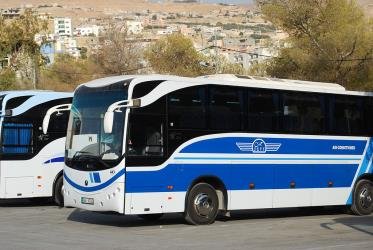
If you want the cheapest ride and you’re happy to trade comfort for character, buses are your move. Service can be inconsistent, and vehicles aren’t always frequent — but the price is hard to beat. On Beirut’s main public bus routes, a single trip is typically around 70,000 LBP (some lines are higher, around 100,000 LBP), and you usually pay onboard.
Public buses in Beirut are often red and white (you’ll also see beige). Don’t expect a neat little tourist map — routes are usually identified by a destination name or line number on a sign behind the windshield. If you’re unsure, we do what everyone does: point, ask “…?” with your destination, and read the driver’s face like it’s a weather forecast.
Intercity connections link Beirut to Lebanon’s main cities (Byblos, Tripoli, Tyre, Saida, etc.). A classic starting point is the bus station by the port: Charles Helou.
If you want something a bit more “coach” than “chaos,” some companies run more comfortable services (for example Ahdab). In practice, you’ll also find long-distance public lines with published fares — for example, routes announced by the Transport Ministry included prices like LL150,000 to Tripoli, LL170,000 to Sour (Tyre), and LL200,000 to Chtoura (fares can shift, so treat these as a baseline, not a sacred promise).
Airport-to-Beirut by bus is… possible, but not exactly “welcome to Lebanon, here is your easy transit.” You typically have to leave the terminal area and catch one of the red-and-white LCC buses (line 5) on the road outside (often cited around the Cocodi stop area). If you’ve got luggage, kids, or zero patience, we’d take a taxi instead.
The taxi
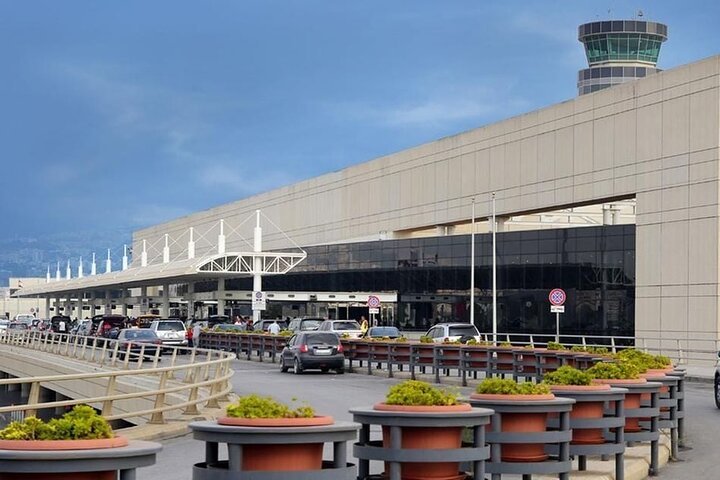
Classic taxis are often identified by their red license plates. (Yes, “service” cars can look similar — in Beirut you learn to ask one key question fast: “Taxi… or service?”)
Taxi without meter
Many drivers understand English, but we still like having the destination written down — ideally in Arabic — because street names can be slippery, and your accent will get creative under pressure.
Warning! Negotiate the fare before you get in. Many taxis don’t use meters, and prices can vary wildly by neighborhood, time of day, and how convincingly you look like you know what you’re doing. Officially, Lebanon announced fixed baseline fares such as about LL600,000 for a taxi ride within Beirut (and lower for shared rides), but real-world pricing still depends on the moment. :contentReference[oaicite:4]{index=4}
“Service taxis” or “services”
Here’s Beirut’s unofficial public transport system: the legendary service — a shared taxi that cuts your cost by picking up other passengers. In the “official baseline” world, a shared ride within Beirut has been set around LL150,000 per passenger (again: exchange rates and real-life haggling can change what you actually pay).
Services usually follow flexible routes requested by passengers. They may leave even if not full. There’s also a local signal: when someone sits in the front passenger seat, it often tells everyone this is a shared “service,” not a private taxi. If you’re organizing a longer hop (between towns), you’ll typically agree a price upfront, and you may be directed to known pickup points like the Cola roundabout area for certain routes. For longer intercity public lines, published fares (like the Ministry-announced routes) can be in the LL150,000–200,000 range depending on destination.
Warning: scams and assaults have been reported in shared taxis. If you can, avoid taking services alone and at night, and favor app-based rides or reputable taxi companies when you want extra safety and traceability.
VTC
Ride-hailing exists — and it can be the “we don’t want to argue today” option. Uber operates in Beirut, and Bolt also lists Beirut as an active city. Always double-check your pickup pin before you confirm (Beirut street logic is… interpretive).
The car
Rent a car
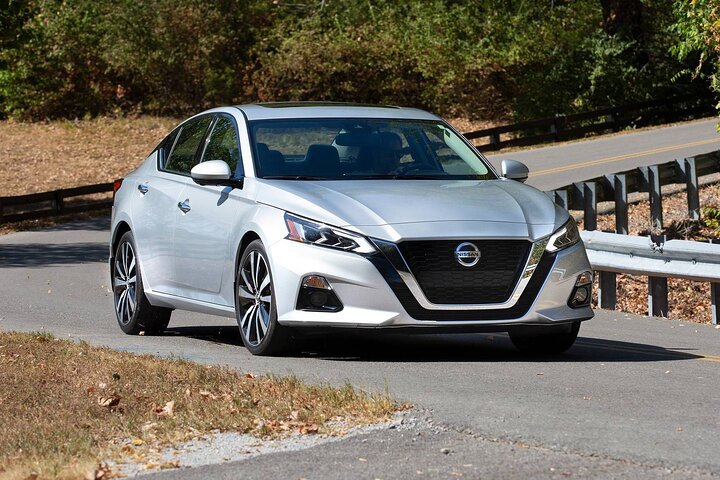
Renting a car gives you full freedom — beaches, mountains, vineyards, ruins, the whole buffet — and it can be surprisingly affordable compared with many countries. At Beirut airport, you’ll find the usual suspects (international brands and local agencies) right at arrivals. Typical small-car deals can start around $23/day, with many travelers seeing averages closer to $39/day (season and availability matter).
Please note: driving in Lebanon can be intense. Road conditions vary, lane discipline is optional in places, and nights on smaller roads can feel under-lit. If you’re not comfortable with assertive traffic, consider hiring a driver or leaning on taxis/apps inside Beirut and renting only for day trips.
An International Driving Permit (IDP) is required for visitors who want to drive in Lebanon (carry it with your home license).
Driving in Lebanon
Diesel vehicles are banned from entering Lebanon — worth knowing if you were thinking of driving in from abroad. :
Lebanon drives on the right. You’ll see major roads being improved, but smaller roads can be rough, and night driving outside main arteries can be genuinely tricky. Also, coastal routes can clog badly in summer, so that “3-hour country crossing” can become a comedy. (A beautiful comedy. With honking.)
Fuel is relatively affordable at the moment: gasoline has been listed around USD $0.71 per liter in early February 2026 (prices change, but this gives you a real-world ballpark for budgeting).
In the city, parking is a mixed bag: sometimes easy, sometimes a scavenger hunt. Beirut has published regulated rates for some facilities (for example, underground parking schedules have been reported with tiers starting around LL150,000 for up to 1 hour, rising by duration, with monthly subscriptions also capped).
Valet parking is common in busy areas. Lebanon has also issued caps for valet fees — most recently reported at up to LL400,000 maximum — though what you’re asked to pay can still depend on the place and the hour.
Traffic lights are more likely to be respected when traffic is heavy, and you’ll sometimes see traffic directed by police or security forces at key junctions. Seat belts are compulsory for both front and rear passengers — not optional, not “just for highways,” not “only when mom is watching.”
Please note: you may encounter military roadblocks on Lebanese roads. When manned, slow down, follow instructions, and at night it’s common to switch on your interior light. Carry your ID, and if asked for documents, show them — but don’t hand over your passport and let it disappear into a car window. Keep it in your hand and stay polite.
- Lebanon with Kids: 8 Top Family-Friendly Places to Visit in 2026

- Ultimate Guide: How To Dress In Lebanon As A Tourist (2026)
- 15 Best Things to Do in Batroun: Your 2026 Travel Guide

- 26 Best Places to Visit in Lebanon (2026) – Hidden Gems & Must-See Spots

- 12 Unique Gifts from Lebanon (2026) – Authentic Souvenirs & Local Treasures
