
Travel writing based on first-hand experience
A trip to Lebanon is a real dive into the history of civilizations. You will discover cities among the world’s oldest inhabited cities (Tyre, Beirut, Sidon, Byblos, etc.) and visit the country’s emblematic places (Beiteddine Palace, Qadisha Valley, etc.). This small Middle Eastern country is full of heritage and natural treasures. Let’s discover the 26 best places to visit in Lebanon.
Planning more Lebanon adventures? Read these next
Table of Contents
Visiting Lebanon: Practical Tips for Travelers
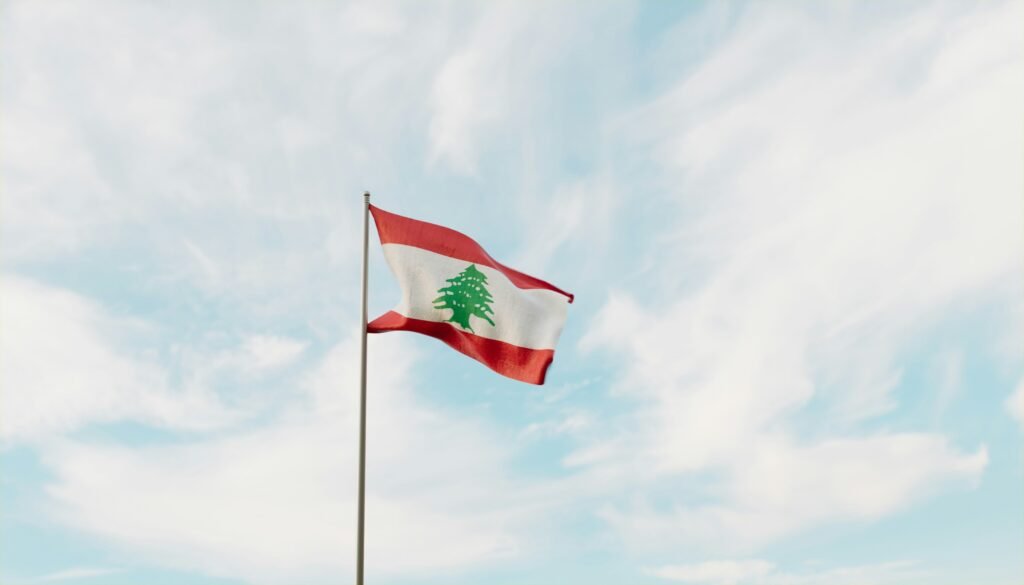
Lebanon is small, chaotic, and completely unforgettable. One minute you’re sipping coffee by the sea, the next you’re climbing mountain roads through cedar forests. To make the most of it, you just need a bit of preparation—and a sense of humor. Here’s everything we wish someone had told us before our first trip.
Big Picture
- Travel by time, not distance. Forty kilometers can take an hour and a half. Always allow extra time.
- Cash is essential. Credit cards work in many restaurants and hotels, but taxis, markets, and small shops prefer cash. US dollars are widely accepted; Lebanese pounds (LBP) are used for small payments.
- Ask locals. Roads close, events pop up, and plans change fast. Your hotel staff or host usually knows the latest info.
Pro tip: Save or screenshot place names written in Arabic—it makes communicating with drivers much easier.
Visa & Entry
Rules change often, so check the latest requirements before you go.
Bring:
- A passport valid for at least 6 months
- Proof of accommodation and onward travel
- Travel insurance (strongly recommended)
Pro tip: Keep both paper and digital copies of your documents in case the internet goes down.
Money & Payments
- Dual prices are normal—USD and LBP. Always confirm the currency before paying.
- ATMs work but can charge high fees. Withdraw a little extra to avoid multiple transactions.
- Tipping: Round up small bills at cafés; 10% is polite in restaurants.
Staying Connected
- Buy a local SIM card or eSIM at the airport or a phone shop for mobile data.
- Download offline maps—they help in mountain areas where the signal drops.
- Ride-hailing apps work well in Beirut but may be limited in smaller towns.
Safety & Common Sense
- Checkpoints are normal—just show ID and be polite.
- Avoid night driving on mountain roads; do those routes in daylight.
- Stay informed. Ask locals about any areas to avoid and check travel advisories regularly.
Pro tip: Save your hotel’s location pin and phone number in your phone in case you get lost.
What to Wear
- In Beirut and coastal towns: casual by day, dressier for evenings out.
- In religious sites or rural villages: cover shoulders and knees; bring a scarf.
- In the mountains: pack warm layers and waterproof shoes, especially in winter.
Eating & Drinking
- Street food is safe if it’s hot and busy.
- Water: stick to bottled or filtered water; ice is usually fine in good restaurants.
- Don’t miss manoushe (flatbread), mezze, sfouf (semolina cake), and Arabic coffee.
Getting Around
- Shared taxis (servees): cheap, fast, and common. Ask “service?” for a shared ride or “taxi?” for private.
- Minivans: connect major towns; they leave when full and take cash only.
- Private driver: great for day trips like Jeita Grotto, Harissa, and Byblos.
- Car rental: gives freedom but expect rough roads. Choose an automatic car or small SUV.
Power, Drones & Gear
- Plugs: Types C/D/G (230V). Bring a universal adapter.
- Drones: require permission—avoid flying near official buildings.
- Essentials: sunscreen, hat, power bank, first-aid kit, light jacket, and daypack.
Timing & Daily Rhythm
- Start early. Mornings are quieter at ruins and grottoes.
- Sunset: Best spots are along the Corniche or old coastal forts.
- Weekends: Locals head to the mountains or beaches, so expect more traffic.
Culture & Etiquette
- Say “Marhaba” (hello) — a small greeting goes a long way.
- Ask before taking photos of people.
- Bargaining is friendly and lighthearted.
- Hospitality is huge—if someone insists you try their food, you’re in for a feast.
Packing Checklist
- Comfortable clothes and shoes
- One nicer outfit for evenings
- Scarf or light cover-up
- Water bottle, snacks, wet wipes
- Power adapter and charger
- Small bills in cash
- Copies of travel documents
Pro tip: Keep a small “day kit” in the car—tissues, wipes, snacks, and a spare bottle of water. You’ll thank yourself later.
Best Places to Visit in Lebanon
1. Beirut
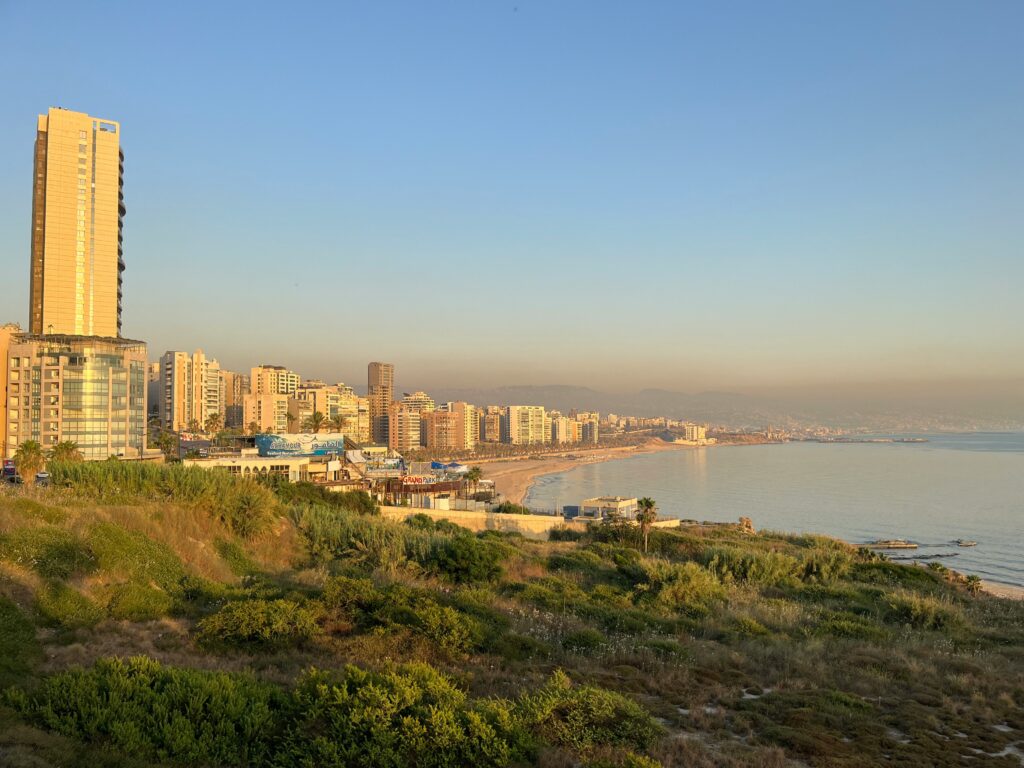
As the capital, Beirut is a must-see place to go in Lebanon. You will discover the city center, which was completely rebuilt after the war, and Zaituna Bay. You will let yourself be carried away by the energy of this city that oscillates between East and West. Take the time to soak up its very special atmosphere.
2. Byblos (Jbeil)
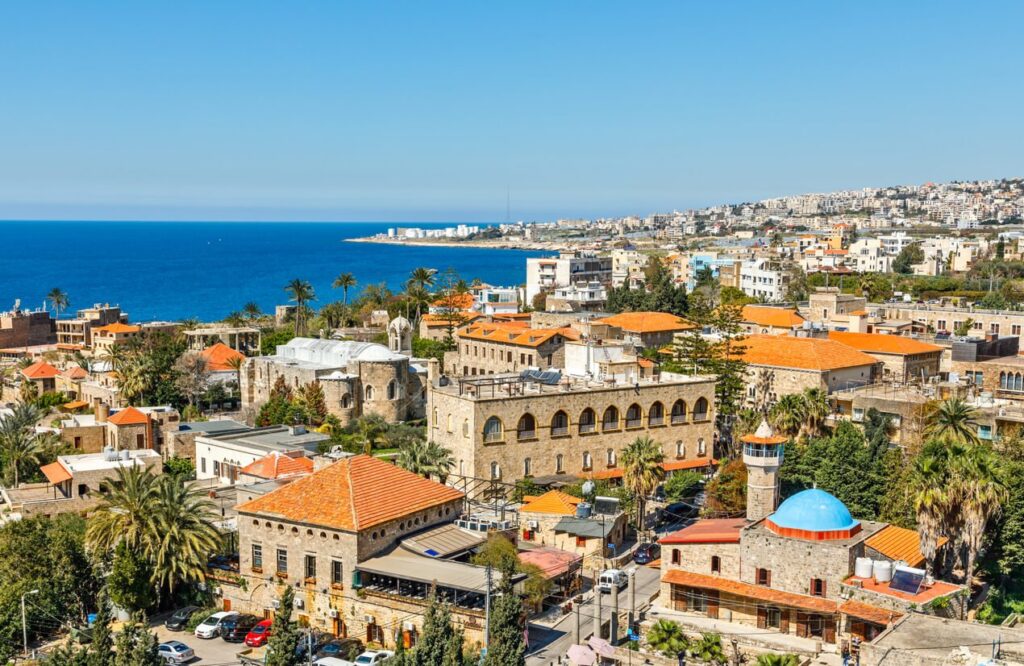
Located 40 km north of Beirut, Byblos is a city with over 7,000 years of history, recognized as a UNESCO World Heritage Site for its pivotal role in Phoenician civilization. Explore the ancient ruins that tell the story of one of Lebanon’s oldest cities, and don’t forget to visit the impressive citadel for a journey back in time!
3. The Kadisha Valley
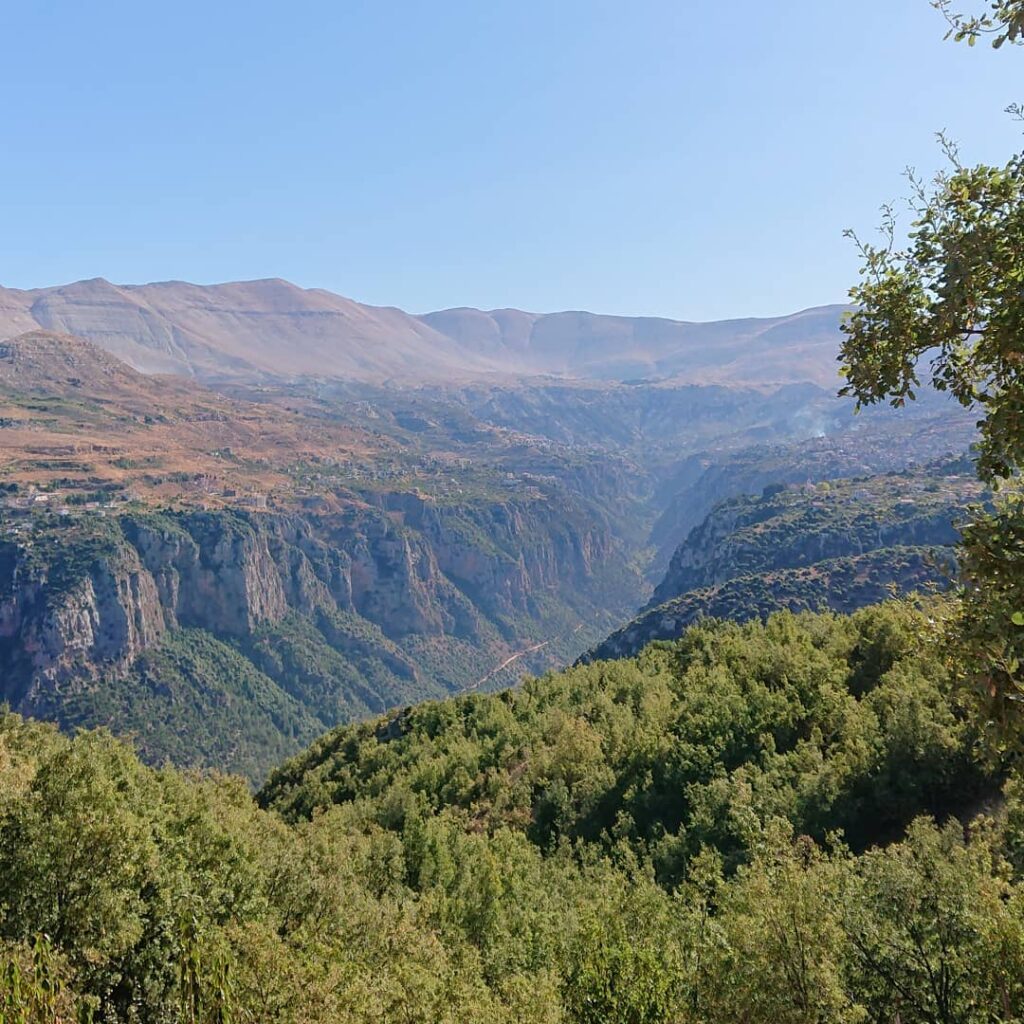
The Kadisha Valley, northwest of Lebanon, is a UNESCO World Heritage Site. It is indeed one of the most important Christian settlement sites in the world. You will discover its monasteries, often very old, through an extraordinarily rugged landscape. You will be amazed by the cliffs and the greenery!
4. Tyre
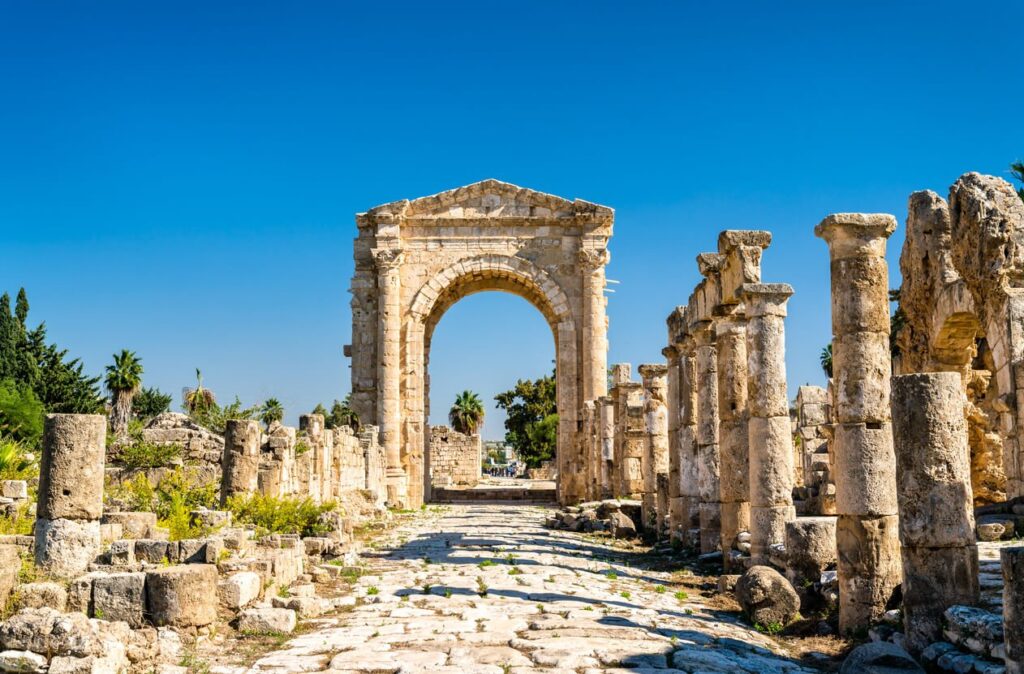
In the far south of Lebanon, Tyre faces the Mediterranean Sea. This city is also listed as a UNESCO World Heritage Site. It preserves important archaeological remains dating mainly from the Roman era. You will discover Tyre in its two aspects: the modern city with the lively seaside and the ancient city, the cradle of the Phoenician civilization.
5. Tripoli
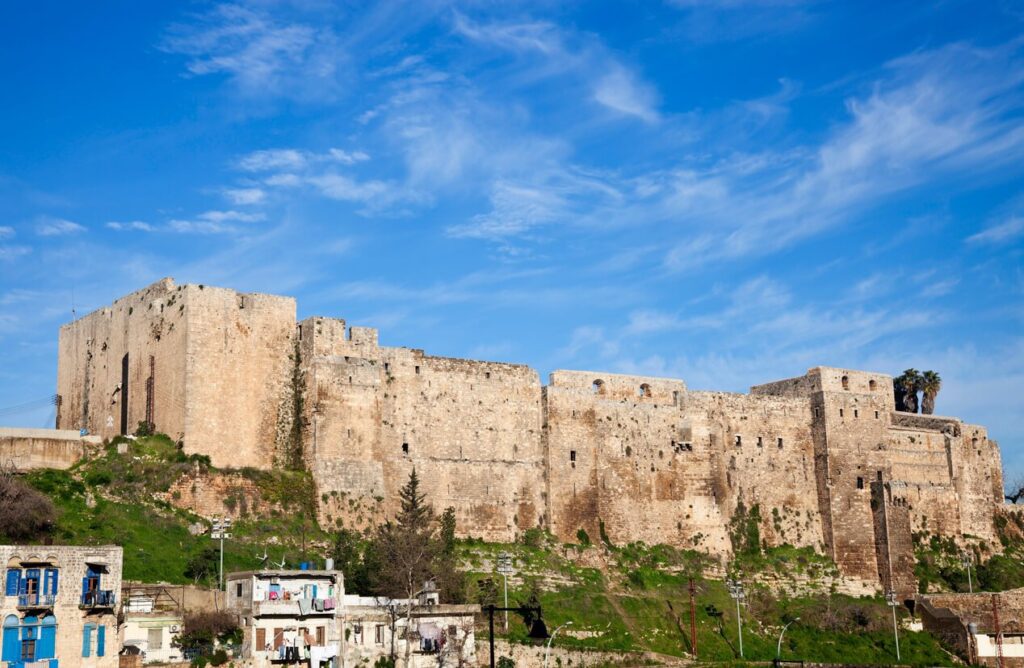
Tripoli is the second largest city in Lebanon after Beirut. The Syrian border is just 30 km north of Tripoli. The city is home to the Saint-Gilles Castle, a notable landmark to see in Lebanon. Construction began in 1103 but little of the original Crusader structure has survived to this day.
6. Our Lady of Lebanon
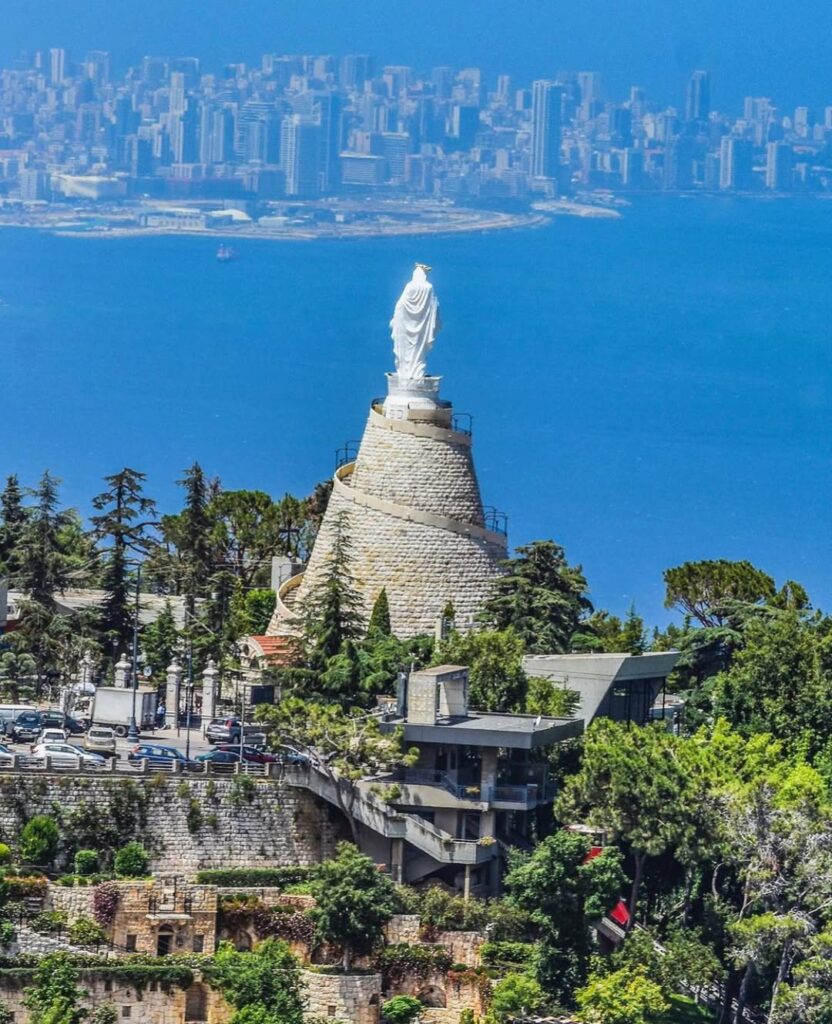
Our Lady of Lebanon is a sanctuary built on the rock of Harissa, north of Beirut. It is recognized as a pilgrimage site for Christians and Muslims and is topped with a monumental statue of the Virgin Mary. It is a must-see monument in Lebanon! And of course, you will not miss taking the Jounieh cable car to get there!
7. The Beiteddine Palace
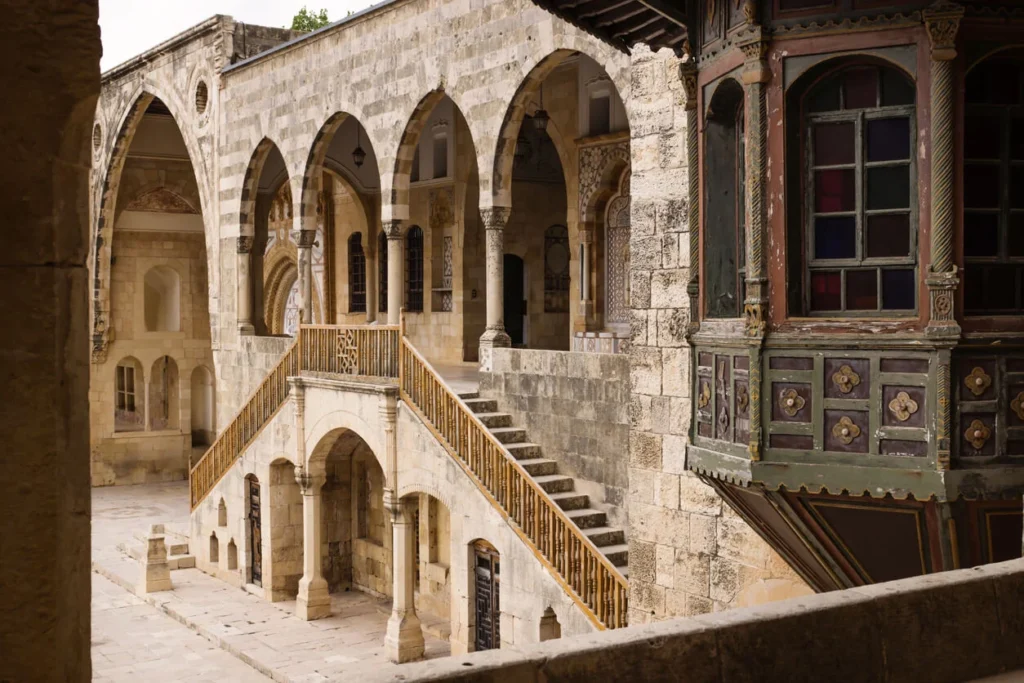
The Beiteddine Palace is a sumptuous palace of Lebanese architecture. Today, it houses the Beiteddine Festival, the Beiteddine Palace Museum, and the summer residence of the President of the Lebanese Republic. It is advisable to follow a guide to discover the riches of this monument in Lebanon. Cross the stables, gardens, hammams, kitchens, etc.
8. Batroun
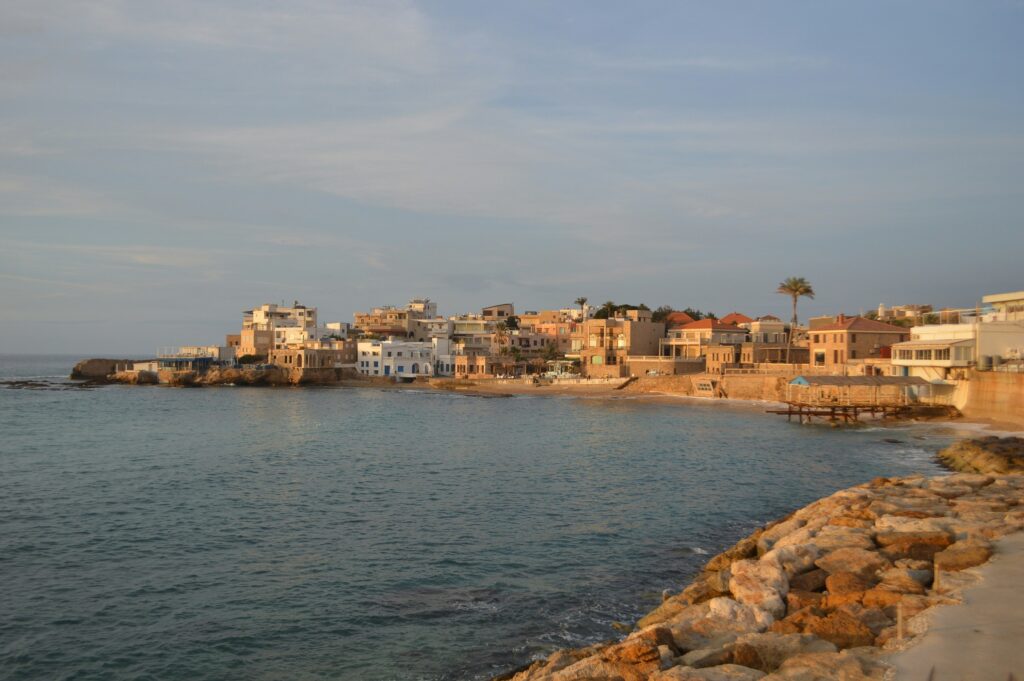
Between Beirut and Tripoli, stop at Batroun, a port city listed as a UNESCO World Heritage Site. The monument that you absolutely must see? The sea wall is called “the Phoenician wall”. It is the main and most impressive archaeological site in Batroun. It is 220m long, 1 to 2 meters wide, and 2 to 5 meters high.
9. The Forest of the Cedars of God
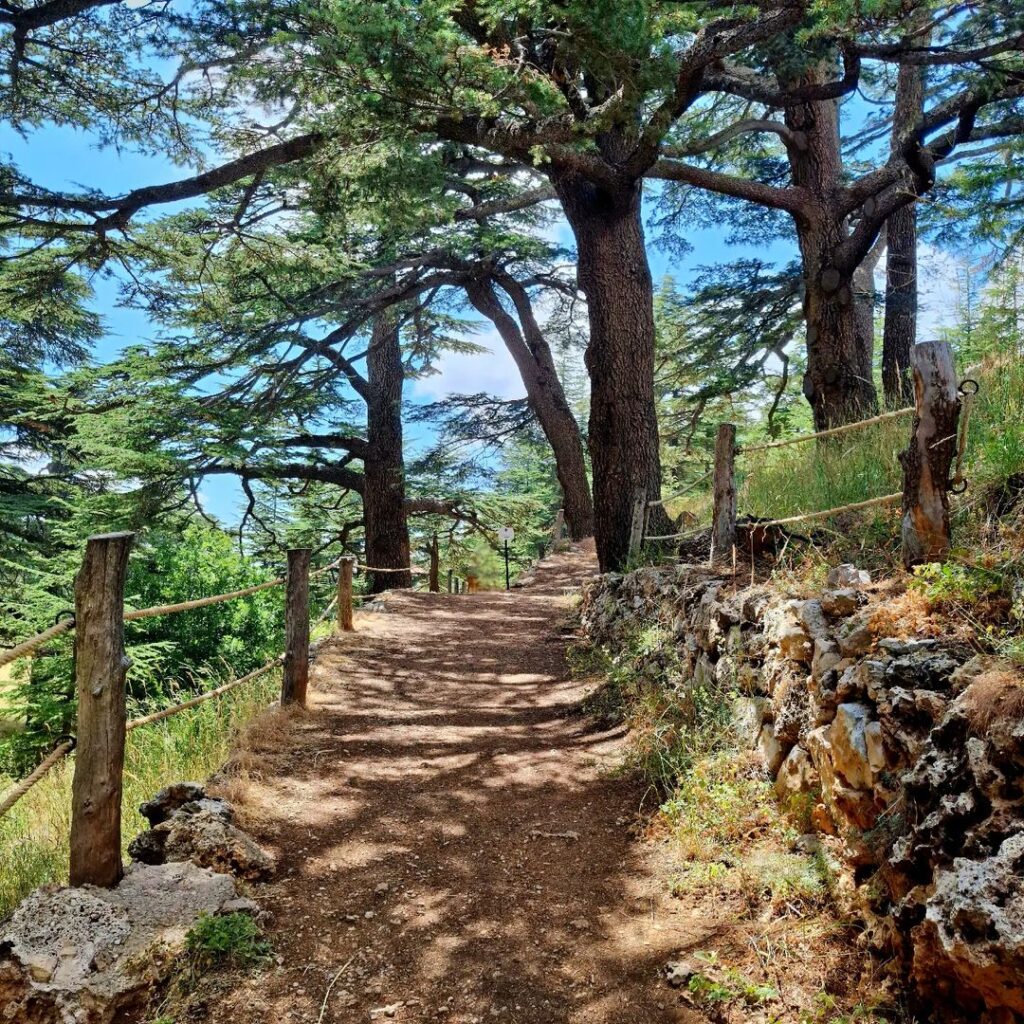
The Cedars of God Forest is an exceptional place to visit in Lebanon! It has been on the UNESCO World Heritage List since 1998. The cedar is the emblem of Lebanon (it is also present on the national flag). In this forest, there are today 2 three-thousand-year-old trees, 10 thousand-year-old trees and 363 several hundred-year-old trees
10. Al Raouche Rocks
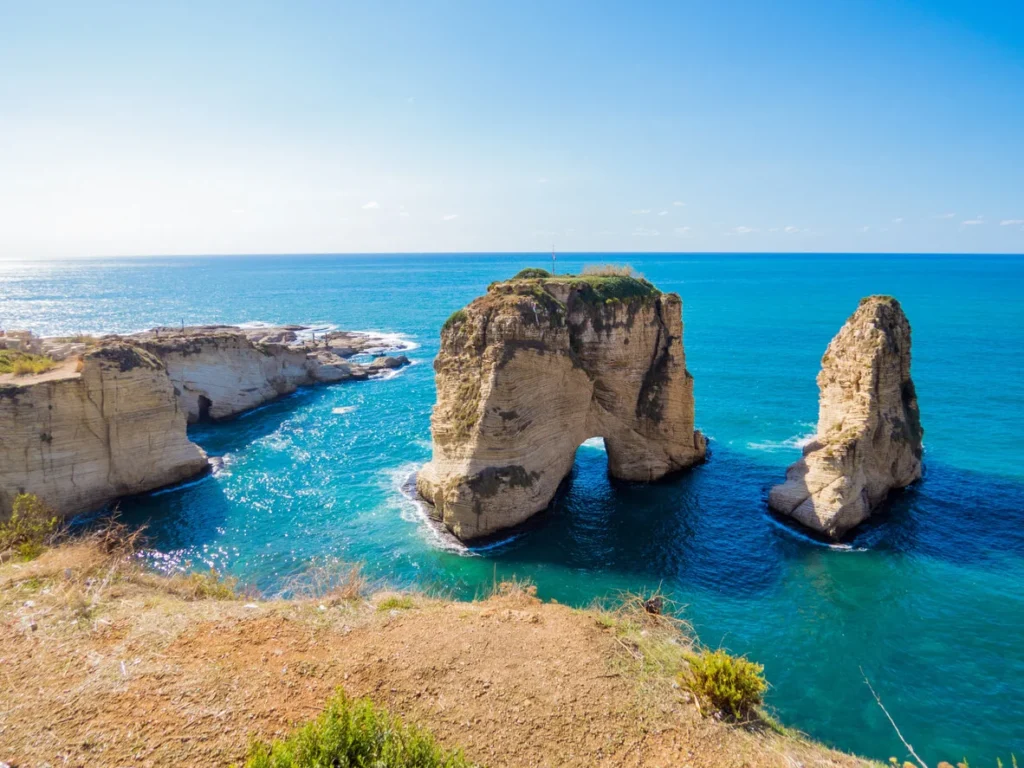
Al Raouche rocks are located near Beirut in a natural site called “the pigeon cave”. These 2 limestone islets are well-known in Lebanon and are also present on most postcards to illustrate the country! Stroll along the seaside at sunset to enjoy the beautiful lights!
11. The vineyards of Zahlé
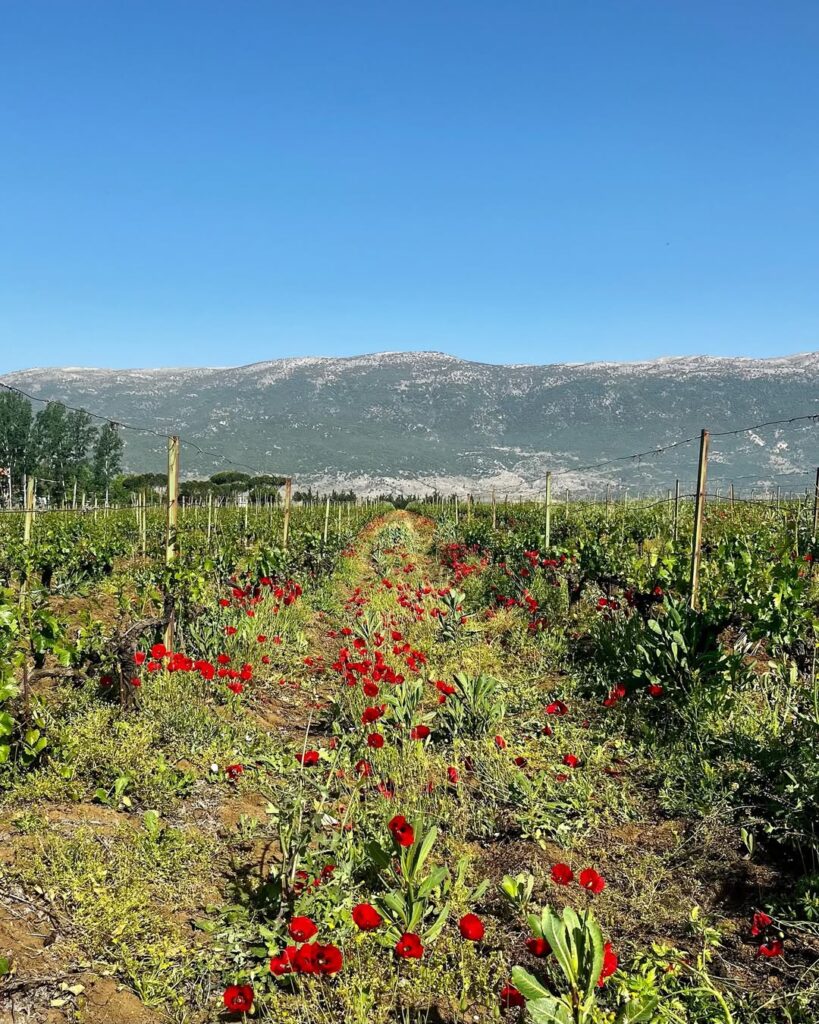
Did you know that Lebanon is one of the earliest historical wine producers? The Zahlé region is particularly renowned for the quality of its grapes. Eight million bottles are produced there per year! 2.5 million bottles are made by a single vineyard: Château Ksara. Visit the estate and taste their products!
12. Al Shouf Nature Reserve
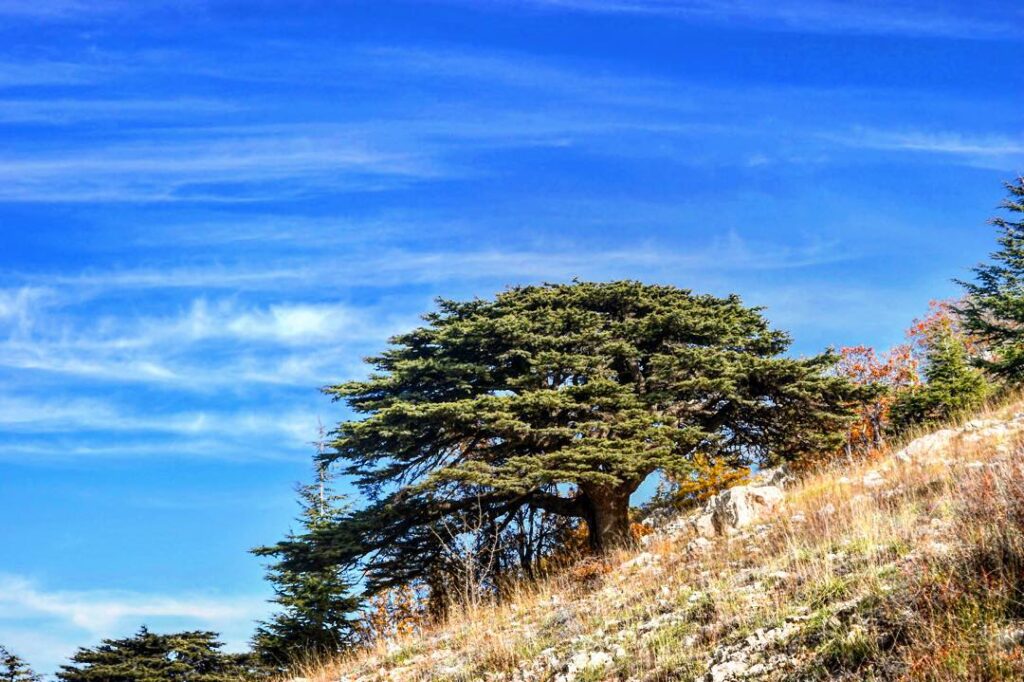
Explore the magnificent Al Shouf Nature Reserve, a must-see in Lebanon! It is recognized as a “biosphere reserve” and as an “important area for bird conservation”. An actual ecotourism area, it is home to 32 species of wild mammals, 500 species of plants, 200 species of birds, and, of course, the remarkable cedars of Lebanon!
13. Horsh Ehden Nature Reserve
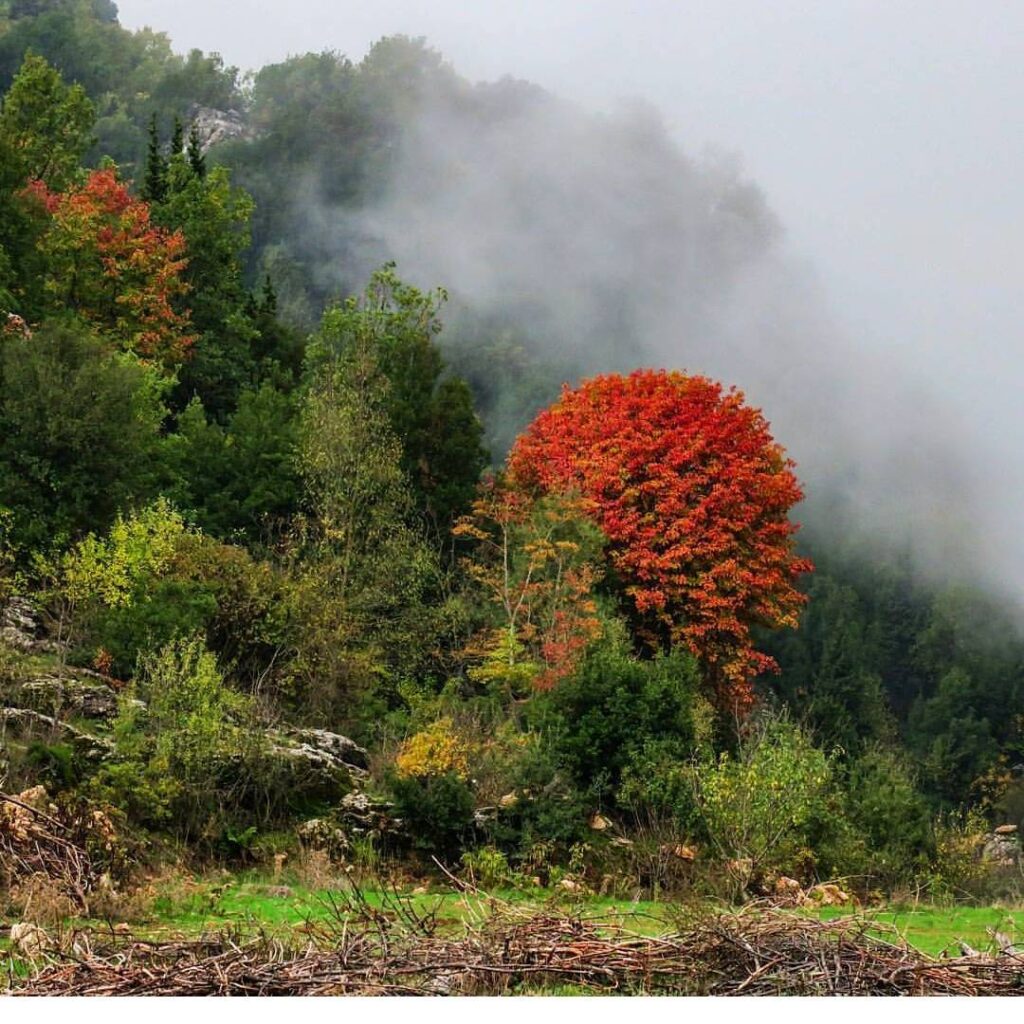
Horsh Ehden Nature Reserve is the perfect place in Lebanon to discover the country’s natural environment in complete peace. Go hiking to explore this vast territory and discover exceptional biodiversity! You can also practice one of the offered tourist activities: climbing, mountain biking, ornithology, stargazing, archery, snowshoeing, etc.
14. Palm Island
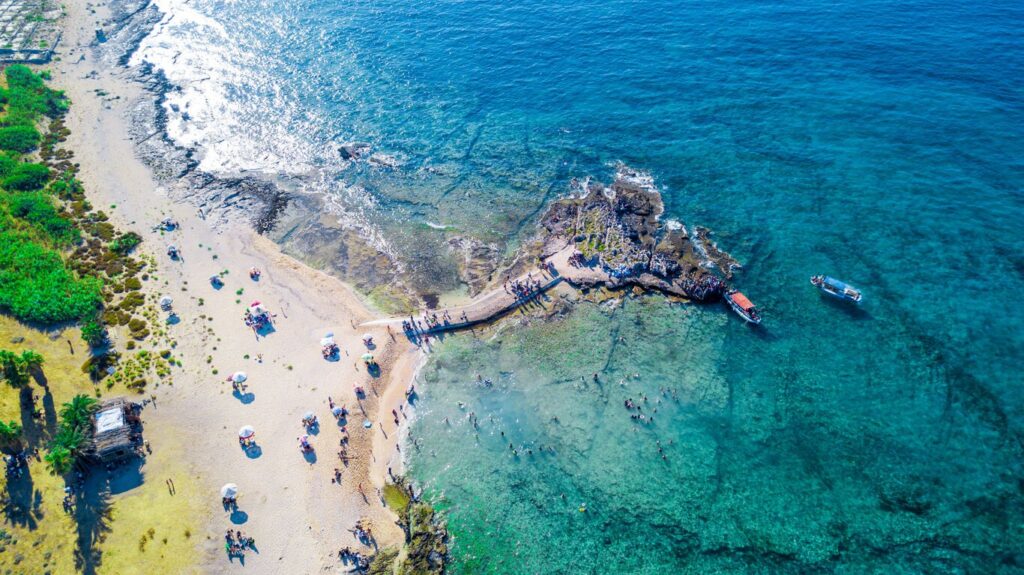
Palm Island is also nicknamed “Rabbit Island” because of its large population of rabbits. It is located off the coast of Tripoli and is classified as a “nature reserve”. So go exploring to see loggerhead turtles, monk seals, or even painted butterflies. A heavenly place to visit in Lebanon!
15. The tomb of Saint-Charbel
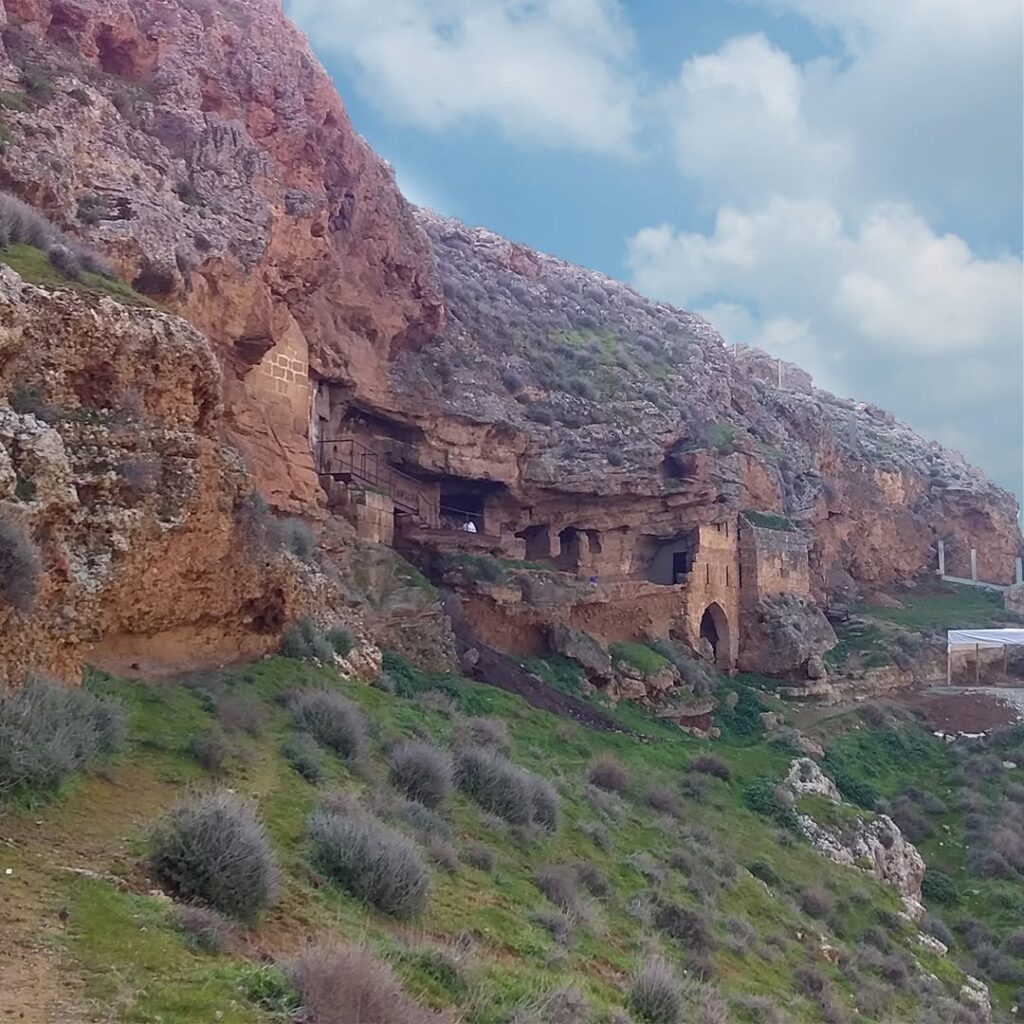
Want to go off the beaten path in Lebanon? The Saint Maroun Monastery is home to the tomb of Saint Charbel, the Lebanese patron saint. The shrine attracts pilgrims from all cultures. Do you believe in miracles? See for yourself!
16. Afqa Waterfall
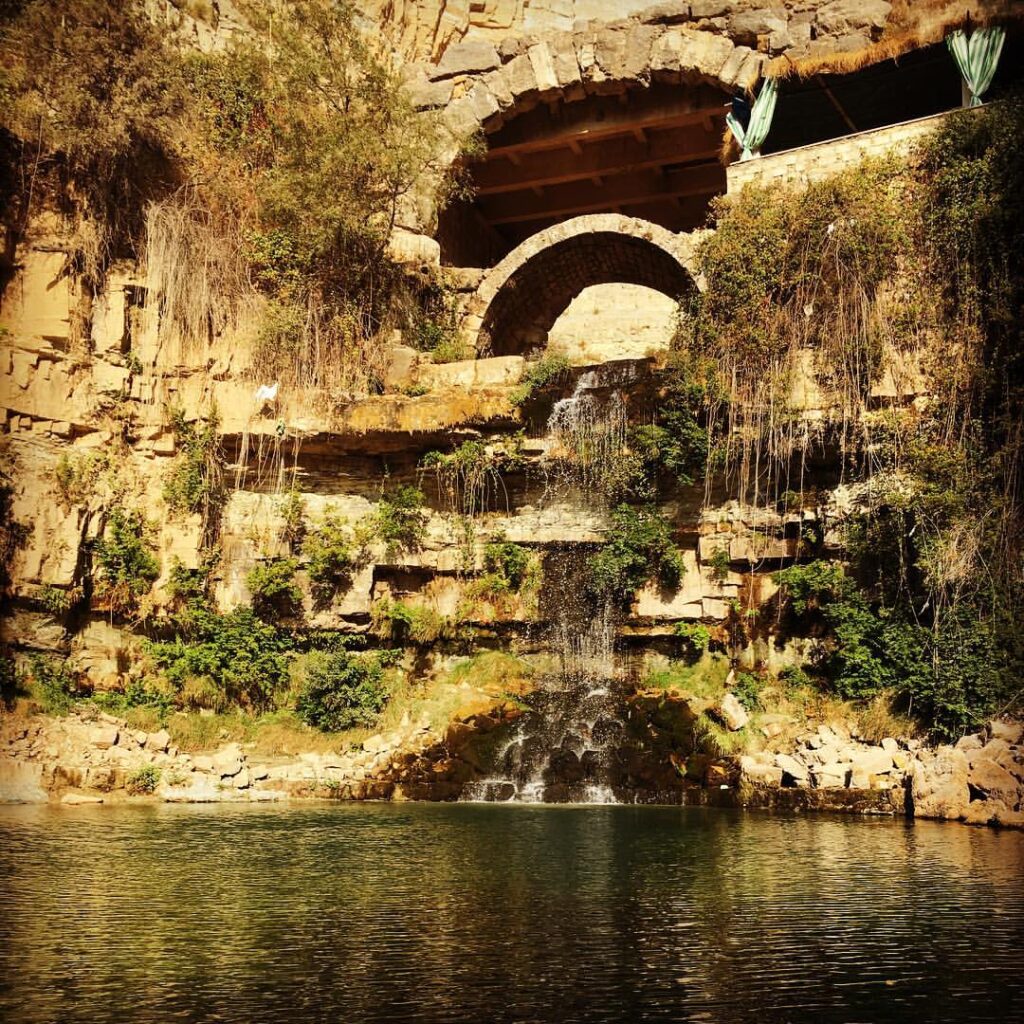
Need to recharge your batteries? Get off the main roads and discover the Afqa waterfall. It is located on one of the wildest rivers in Lebanon, ever tamed by man. Admire it from afar! Its speed and steep slope are indeed quite impressive!
17. The Baakline River
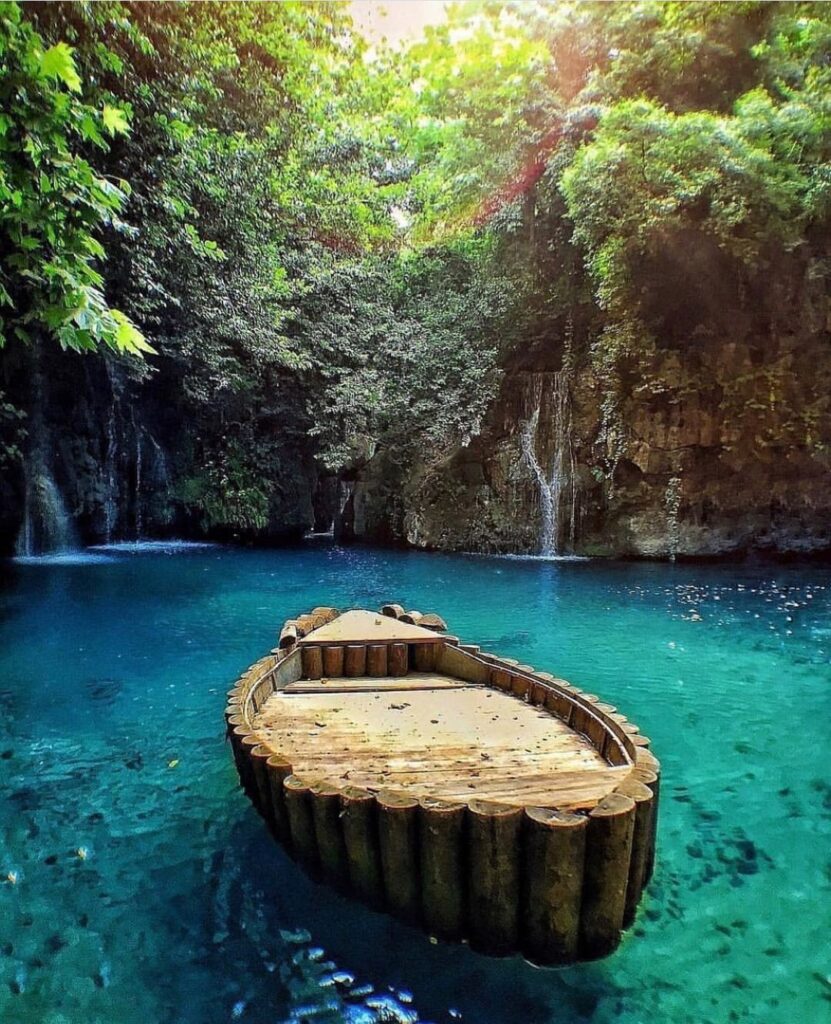
In the village of Baakline, every path leads to its enchanting river. Surrounded by waterfalls and towering trees, this magical natural retreat is perfect for unwinding. Pack a picnic and enjoy a timeless escape far from Lebanon’s usual tourist spots!
18. Taanayel
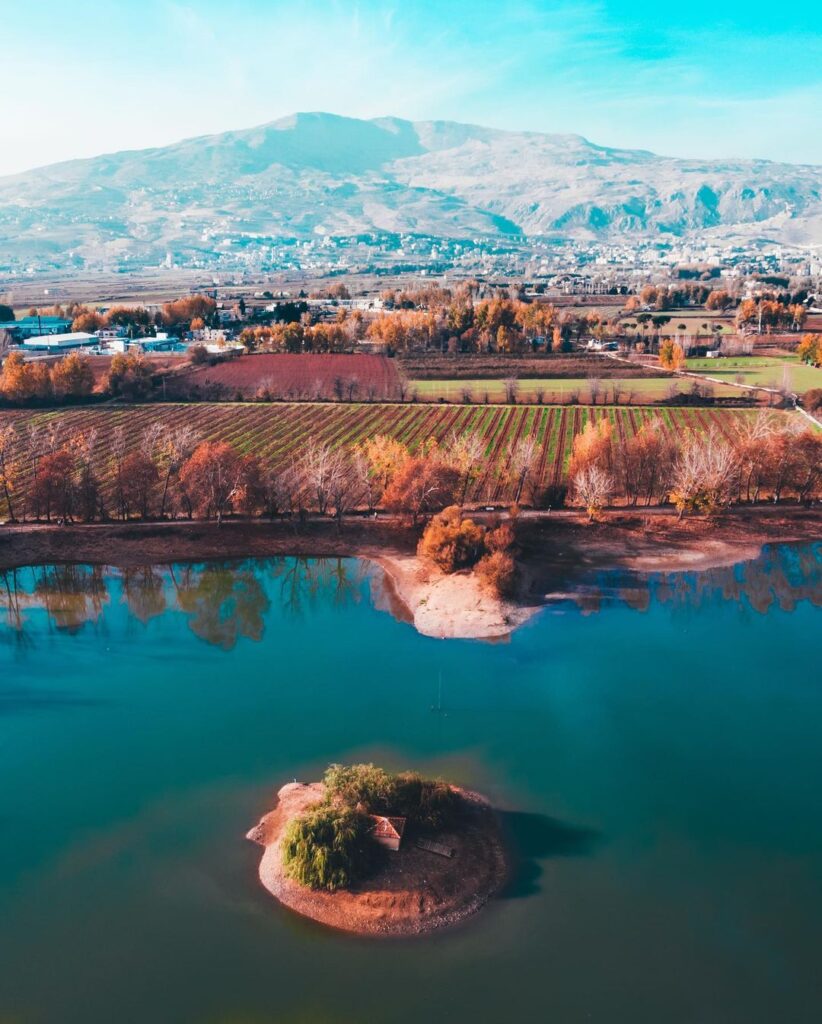
More than an hour’s drive east of Beirut, discover a village off the beaten track in Lebanon. Taanayel is a typical village in the Bekaa Valley. What to see there? A Jesuit father’s farm where you can taste fresh and artisanal products, but also peaceful nature and the famous Taanayel Lake.
19. Kahlil Gibran Museum
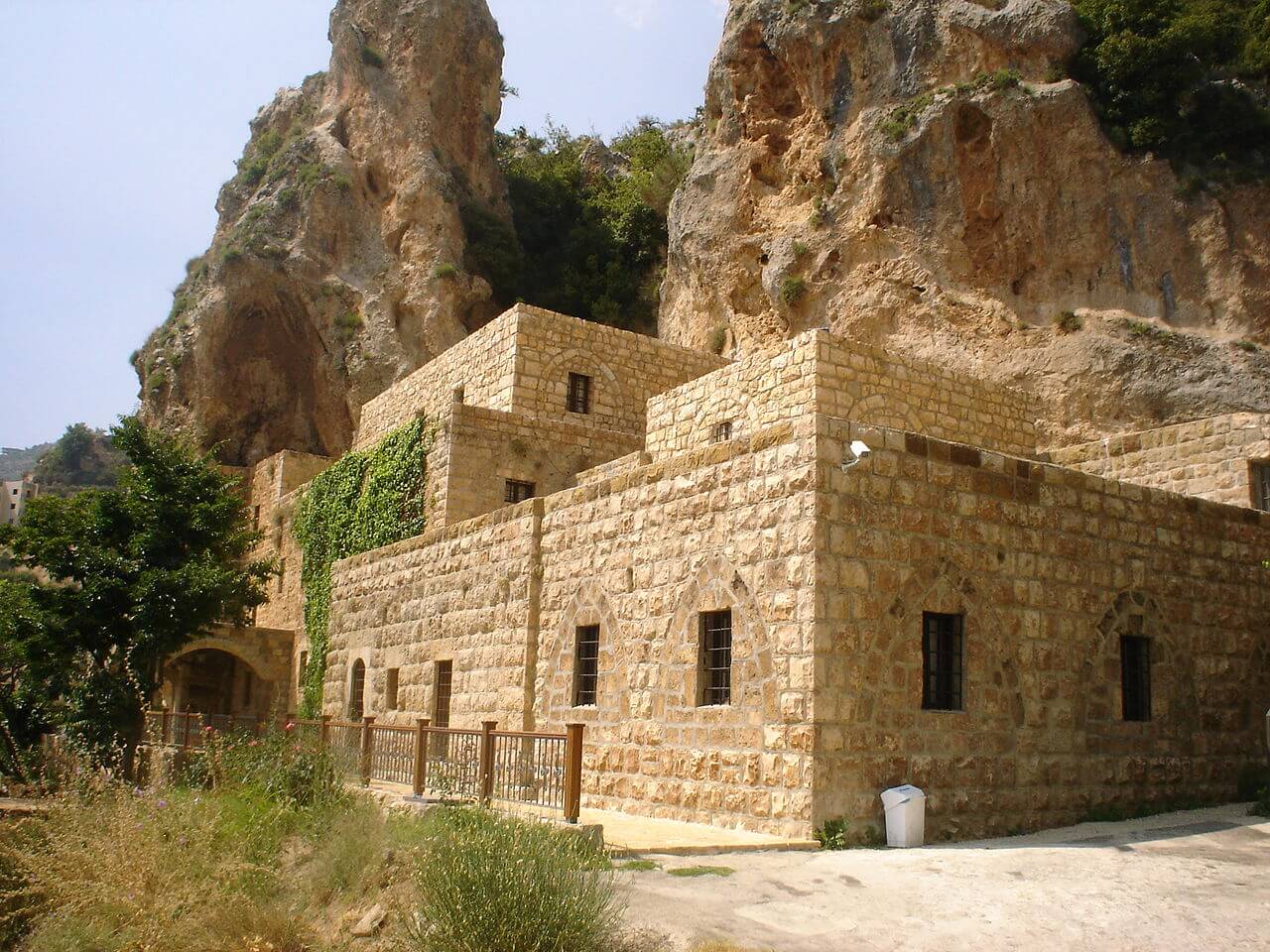
The Kahlil Gibran Museum is a former monastery. Today, it is a museum dedicated to the Lebanese writer, philosopher, and artist of the same name. Here you will find paintings and belongings that belonged to the author, as well as his tomb in the basement. Don’t miss this small, intimate museum.
20. Jungle Beach
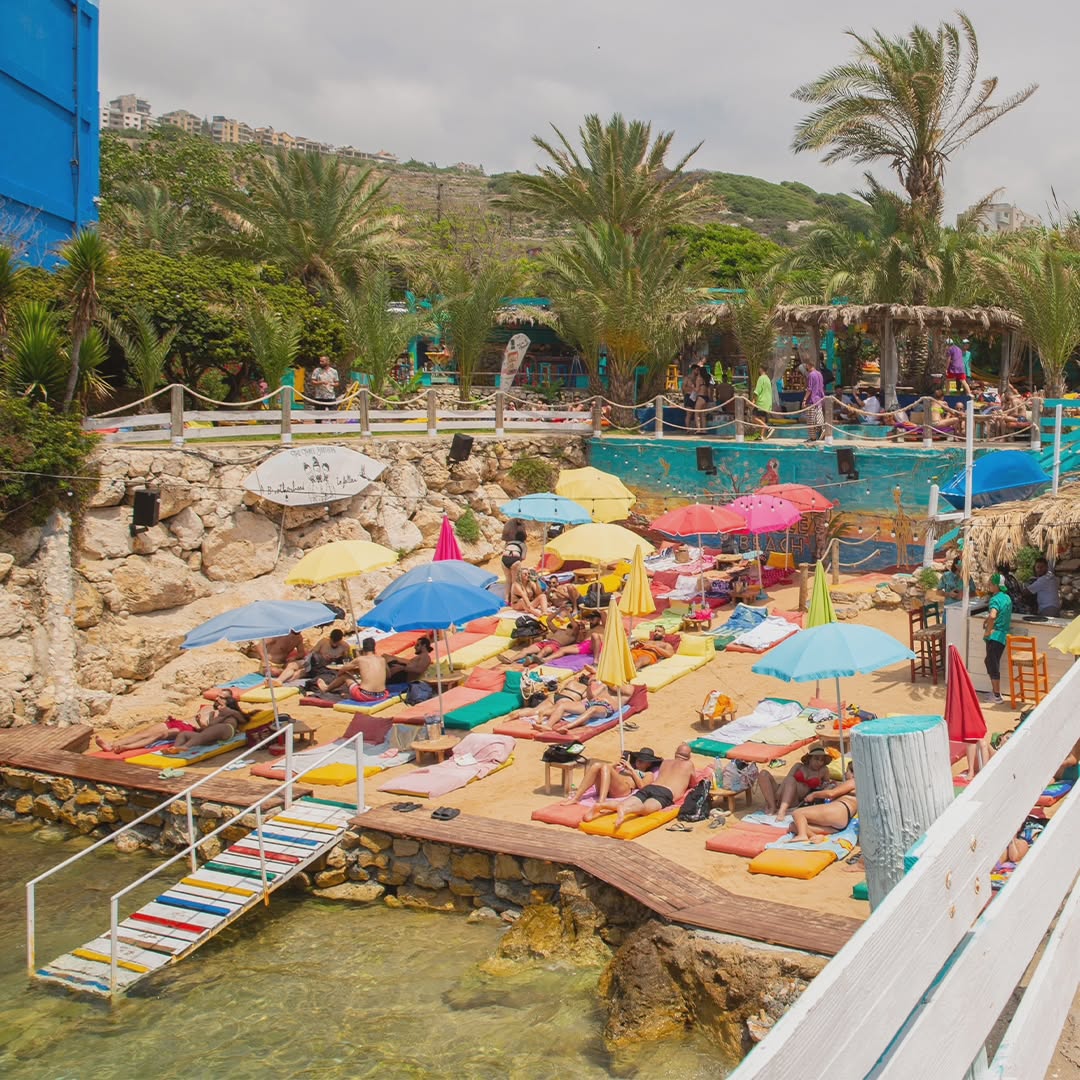
Jungle Beach, a hidden gem 10 km south of Batroun, is a cozy, private cove perfect for relaxation. With a bar and restaurant on-site, you can enjoy drinks and delicious food, lounging on the sand, and swimming in crystal-clear waters. It’s your ultimate getaway spot!
21. Baatara Gorge Waterfall
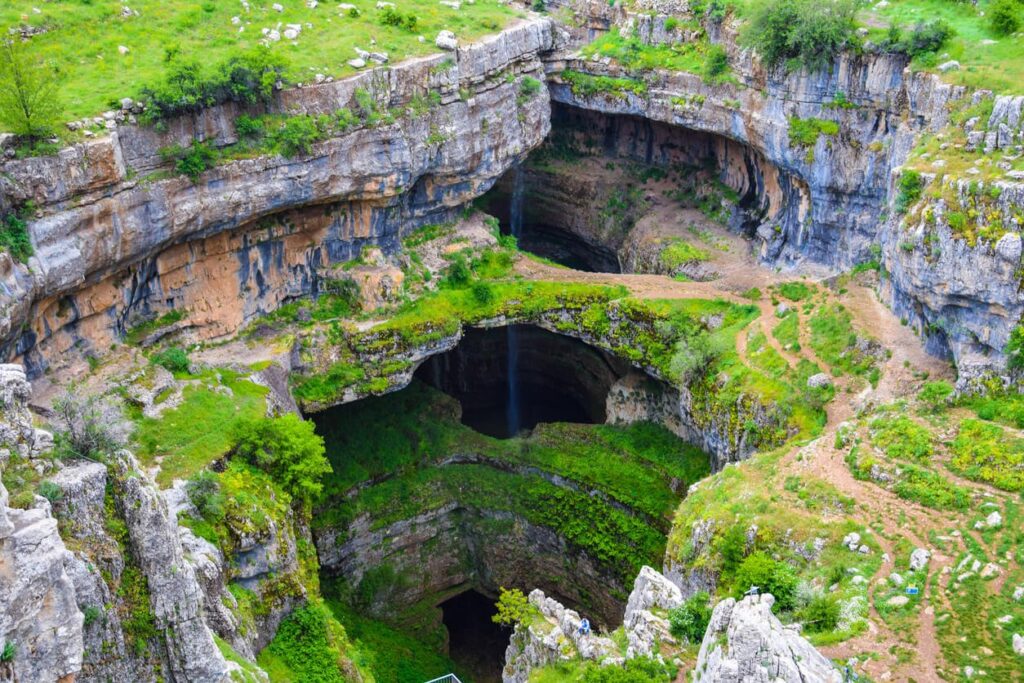
Looking for a unique landscape in Lebanon? Visit the Baatara Gorge Waterfall in Tannourine. This awe-inspiring site features a 90-meter waterfall formed by melting snow cascading through three natural rock bridges. Each level reveals a breathtaking view you won’t forget!
22. Jeita Grotto
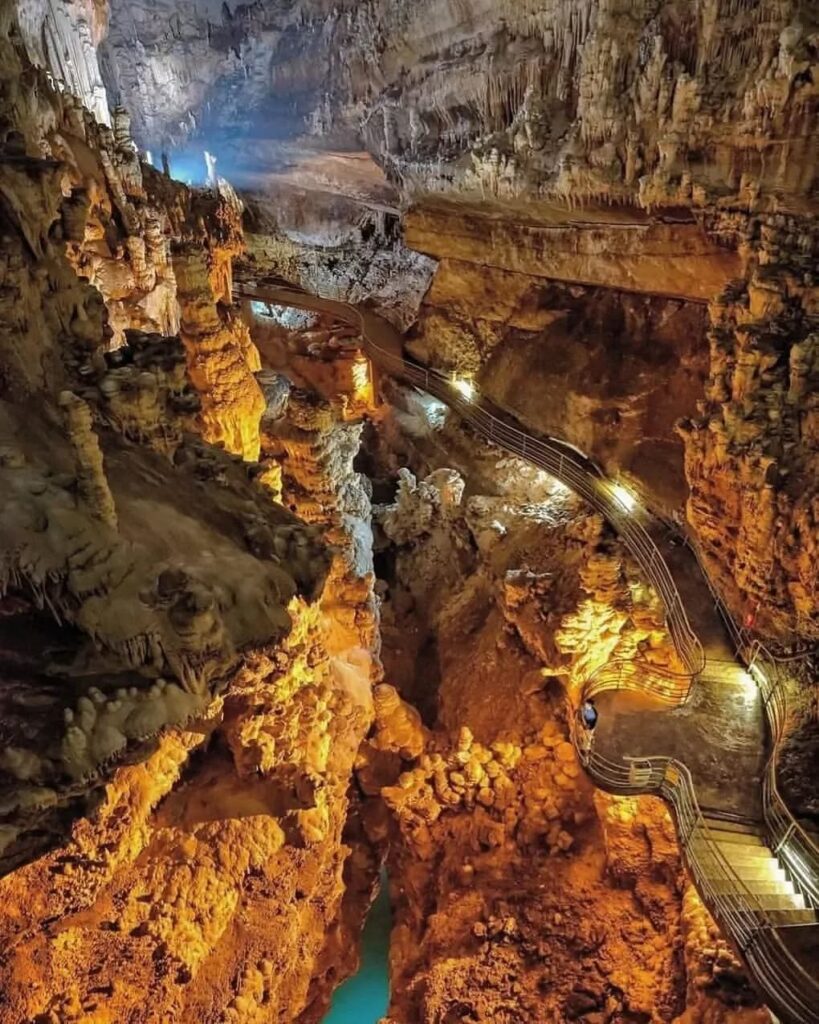
Do you like caving or simply exploring caves? Discover this one from Jeita! The lower gallery is accessible by boat. You will admire the stalagmites and stalactites in galleries lit by magical lights. The site is quite touristy, and the Lebanese are proud of this place!
23. Qozhaya Monastery
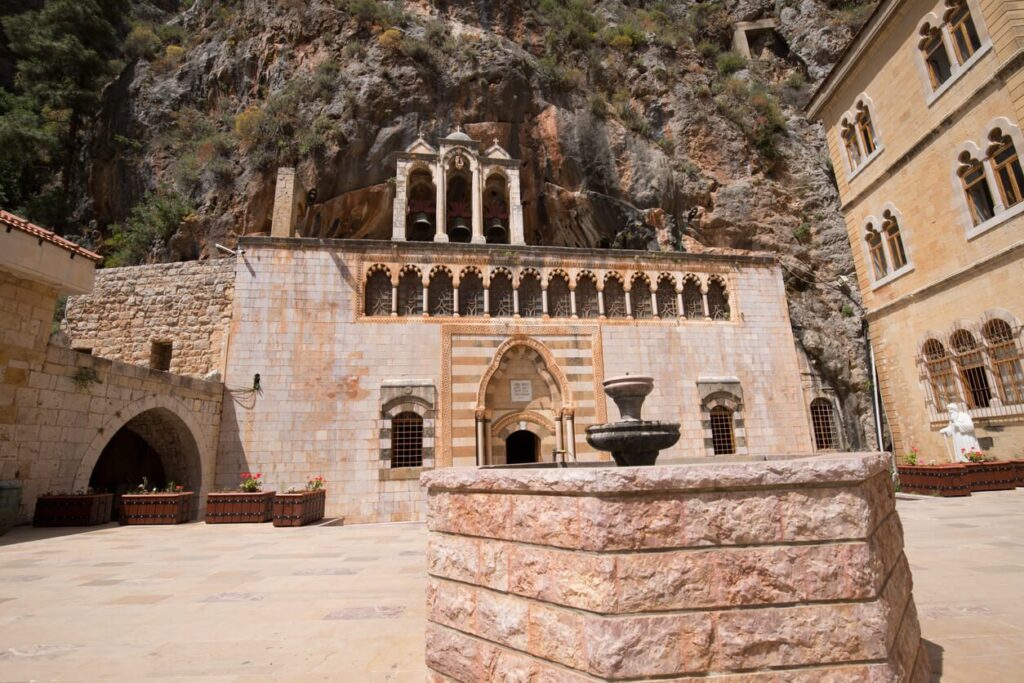
The Qozhaya Monastery is unusual in Lebanon! It is partly dug into the rock. Don’t miss exploring the troglodyte cave of Saint-Antoine. But the monastery is also a hotel. So don’t hesitate to spend the night there for an experience that is, to say the least, original!
24. Anfeh Beach
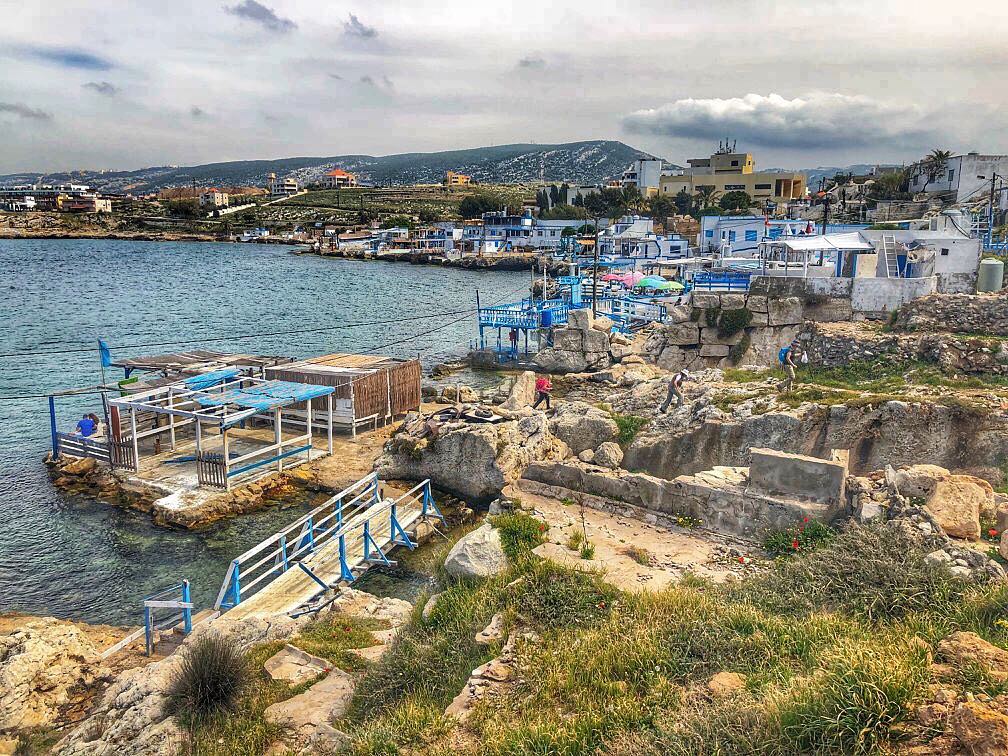
Anfeh Beach stands out as one of Lebanon’s most unique coastal gems, often called “the little Greece of Lebanon” for its charming white-and-blue chalets. Unlike other beaches, it boasts calm, wind-free conditions, crystal-clear waters, and a serene atmosphere, making it the perfect spot for pure relaxation!
25. The Nabu Museum
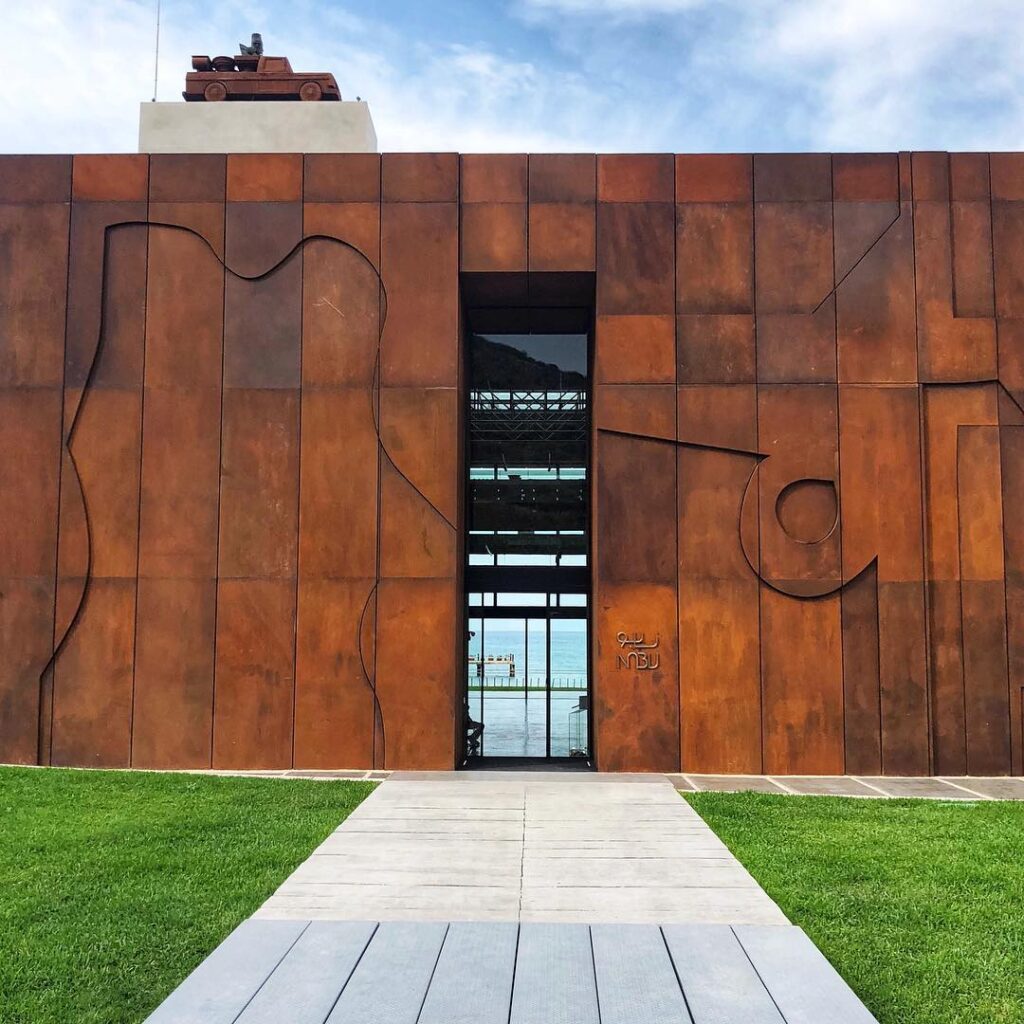
In Heri, in northwest Lebanon, you’ll find a museum unlike any other in the country. Its distinctive cubic architecture immediately sets it apart. Inside, explore a fascinating mix of modern and contemporary art, rare books, and archaeological artifacts—a true cultural treasure trove!
26. Natural Bridge Kfardebian
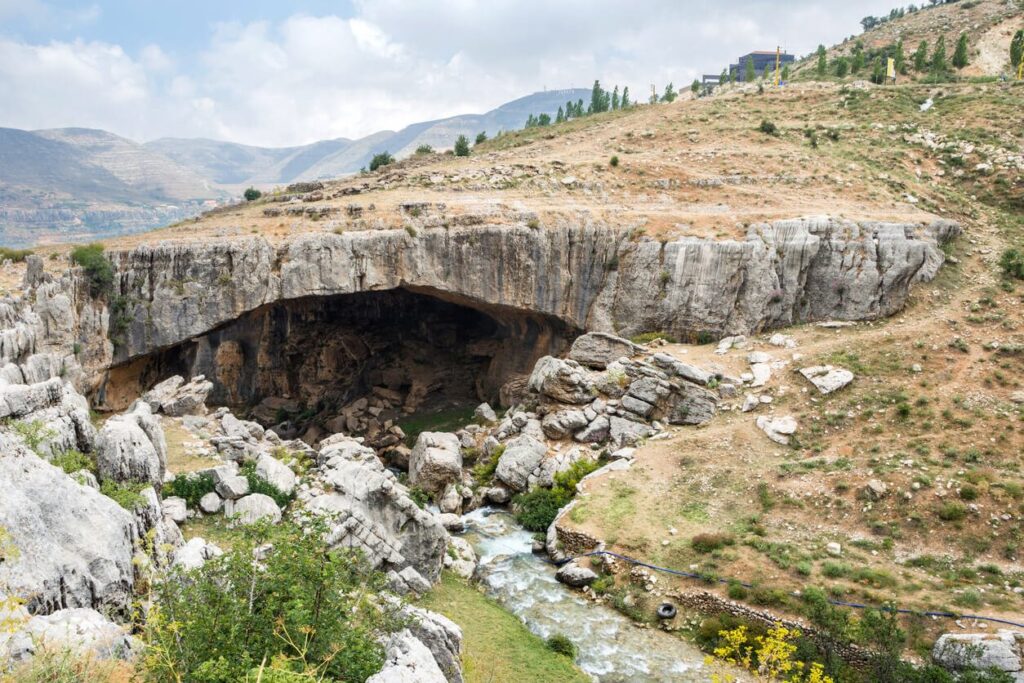
Between Faqra and Kfardebian lies the astonishing natural bridge of Kfardebian, a breathtaking arch with a 39-meter opening where torrents flow in spring. Geologists marvel at its spectacular formation. A favorite among hikers and nature enthusiasts, the area also offers the chance to spot petrified marine shells, adding a touch of ancient wonder to your adventure!
FAQs: Places to Visit in Lebanon
What are the top places to visit in Lebanon for first-timers?
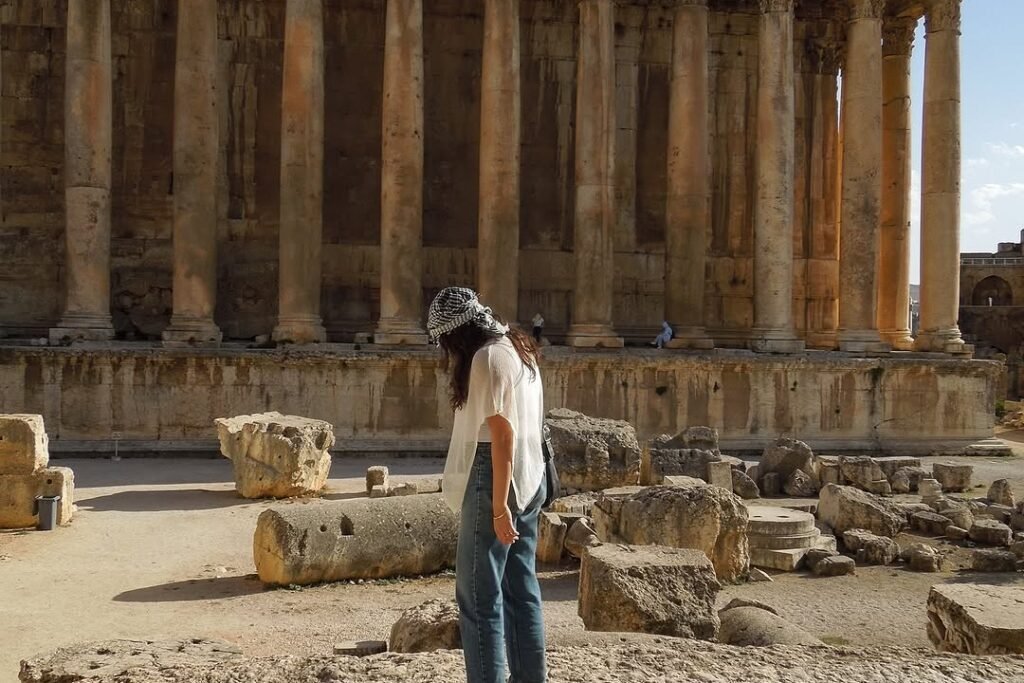
Start in Beirut (Corniche, Downtown, Gemmayzeh/Mar Mikhael), then add Byblos old port, Jeita Grotto, Harissa (Our Lady of Lebanon + cable car views), Baalbek Roman temples, the Chouf Cedars, and coastal Batroun.
Which hidden-gem destinations are worth adding?
Try Deir el-Qamar and Beiteddine Palace in the Chouf, the seaside vibes of Anfeh, the cliff monasteries of the Qadisha Valley, and the souqs of Saida and Tyre.
Is Lebanon good for family travel—what places work with kids?
Yes. Kids love the Jeita Grotto boat ride, the Harissa cable car, beach days in Batroun/Tyre, and the open spaces at Byblos citadel and Beirut Waterfront.
How many days do I need to see the main sights?
Give yourself 5–7 days to cover Beirut, Byblos/Batroun, Jeita + Harissa, a Chouf day (Deir el-Qamar/Beiteddine + Cedars), and a Bekaa run for Baalbek (optionally Zahle wineries).
What’s the best time of year to visit Lebanon’s highlights?
April–June and September–November for mild weather and clearer mountain roads. Summer is lively but hot on the coast; winter brings snow to cedar regions and ski areas.
Do I need a car to visit most places?
Not strictly. You can mix private drivers, servees/shared taxis, and minivans. A rental car helps for the Chouf, Qadisha Valley, and multi-stop day trips if you’re comfortable driving.
Are there dress codes at religious or historic sites?
In mosques, churches, and rural villages, cover shoulders and knees; bring a light scarf. Coastal Beirut is casual; nightlife skews dressy.
Is it safe to visit Baalbek and the Bekaa Valley?
Tourists visit Baalbek regularly, but conditions can change. Check local advice the morning of your trip and go with a reputable driver or tour if unsure.
Which beaches should I prioritize?
For easy access: Batroun beach clubs and Tyre’s long sandy stretch. In summer, consider Anfeh for clear water and low-key cafés.
What day trips from Beirut cover the “greatest hits”?
A classic loop is Jeita Grotto → Harissa → Byblos. Another is Chouf (Deir el-Qamar, Beiteddine, Chouf Cedars). For history heavyweights, do a dedicated Baalbek day.
- Lebanon with Kids: 8 Top Family-Friendly Places to Visit in 2026

- Ultimate Guide: How To Dress In Lebanon As A Tourist (2026)
- 15 Best Things to Do in Batroun: Your 2026 Travel Guide
- 26 Best Places to Visit in Lebanon (2026) – Hidden Gems & Must-See Spots
- 12 Unique Gifts from Lebanon (2026) – Authentic Souvenirs & Local Treasures
