
Travel writing based on first-hand experience
Discover the best of Katara Cultural Village in Doha with our guide.
Nestled between Asia and the Middle East, Qatar is a true crossroads where civilisations have crossed and mixed for centuries. A true emblem of this cultural melting pot, the Katara Cultural Village – located on the east coast of the country, between West Bay and The Pearl – embodies all the richness of Qatari history. With its cobbled souk-like streets, its Greco-Roman amphitheatre, its mosques, and its many artistic venues, the Katara Cultural Village is a must for your next trip to Qatar, whether for a 2-day stopover in Doha alone or a longer stay with family.
Planning more time in Doha?
Katara Cultural Village is where Doha gets wonderfully dramatic: tiled mosques, galleries, amphitheatre views, beach cafés, public art, and enough “wait, what is this gorgeous building?” moments to slow us down every five steps. If you’re using Katara as part of a bigger Doha plan, these guides will help you build the rest of the day without accidentally spending three hours arguing with Google Maps.
- Best Things to Do in Doha — the big-picture guide for Souq Waqif, museums, the Corniche, Katara, The Pearl, and the city’s best first-timer stops.
- 3 Days in Doha Itinerary — ideal if you want to pair Katara with The Pearl, the National Museum of Qatar, dhow cruises, and proper city wandering.
- 24 Hours in Doha — perfect if you’re short on time but still want culture, skyline views, beach time, and one very efficient Doha adventure.
- Qatar Itinerary — for turning Doha, Katara, desert trips, souqs, museums, and coastal escapes into a proper 3–5 day route.
- The Pearl Qatar Guide — the obvious next stop from Katara if you want waterfront promenades, glossy cafés, marina views, and Doha showing off shamelessly.
- Best Restaurants in Souq Waqif Doha — because after Katara’s culture mission, we absolutely deserve dinner somewhere atmospheric.
- Best Places to Visit in Qatar — useful if you want to go beyond Doha into forts, mangroves, desert landscapes, beaches, and Qatar’s bigger travel story.
- What to Do in Doha on a Stopover — handy if Katara is part of a layover plan and you need the city to behave within a tight schedule.
- Best Places for Shopping in Doha — for souqs, malls, luxury districts, and post-culture browsing when your suitcase starts looking nervous.
- Best Things to Buy in Doha — for spices, perfumes, textiles, souvenirs, and the small treasures that make excellent “yes, I went to Qatar” proof.
Table of Contents
What is the Katara Cultural Village?
A little history
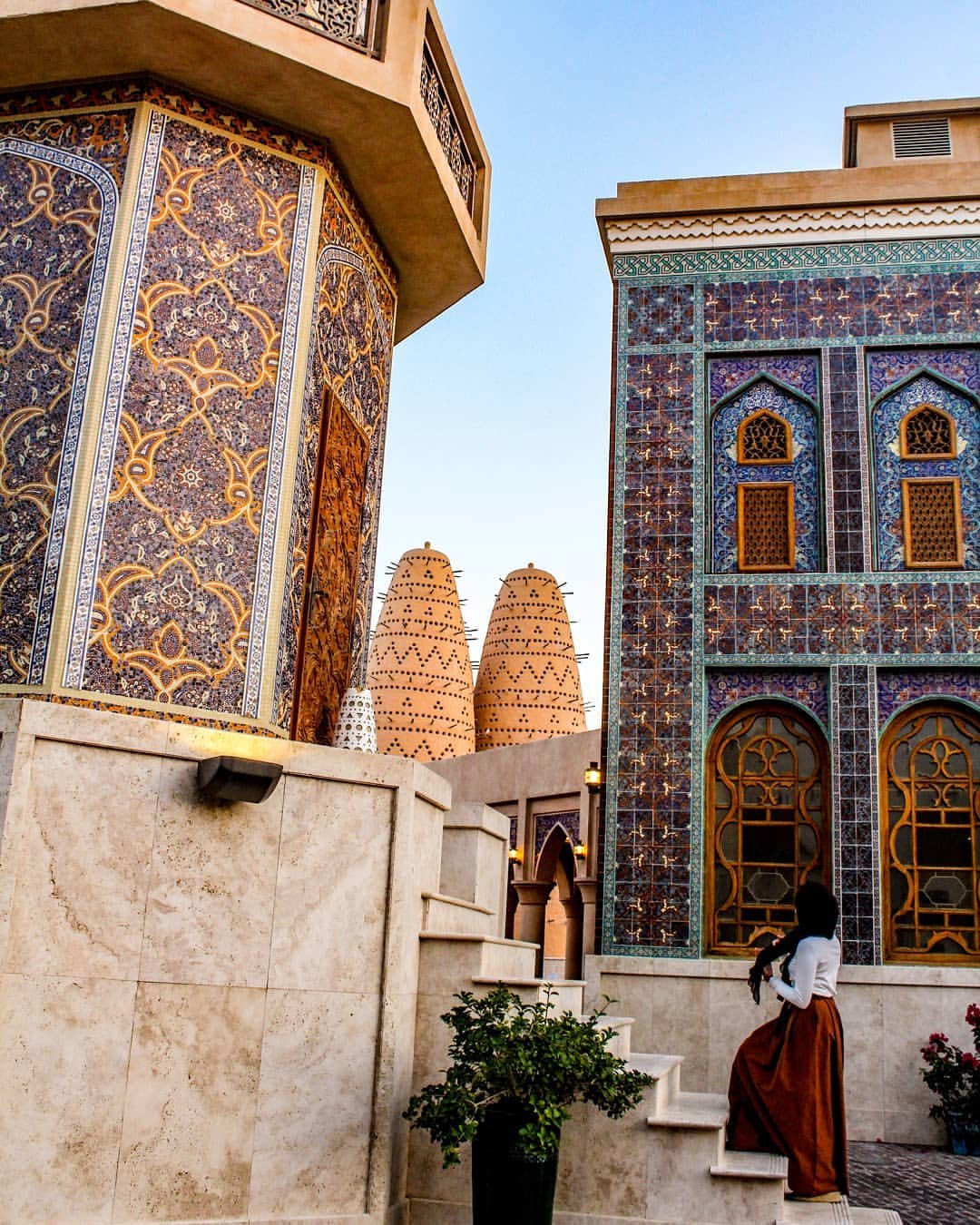
Katara Cultural Village sprang from the vision of Sheikh Hamad bin Khalifa Al Thani, the Father Emir of Qatar, to anchor the country as a cultural hub. Its name reaches back to antiquity—“Katara” appears as early as 150 AD in Ptolemy’s writings—linking today’s village to centuries of Gulf history.
The architecture of the Katara Cultural Village
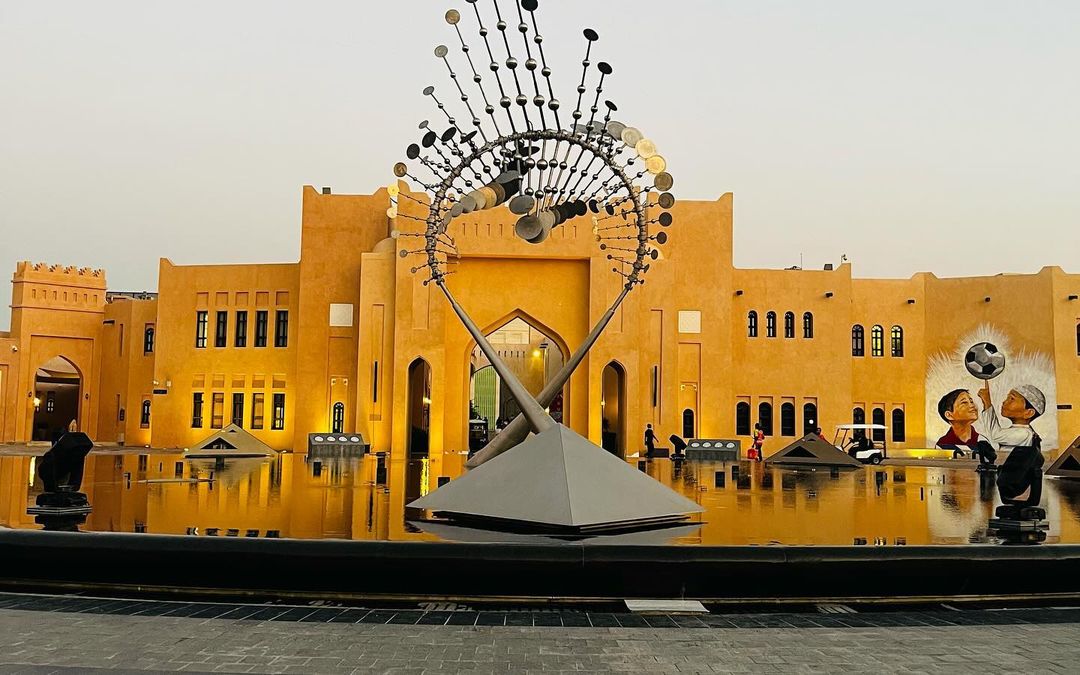
Tradition meets modernity in Katara’s urban plan—wind-tower silhouettes, hand-laid tiles, shaded lanes, and public art that echo Qatari heritage while feeling fresh. Walking here is like flipping through the country’s cultural DNA.
The Katara Cultural Village today
Katara is more than a sightseeing stop—it’s a living crossroads of art and ideas. You’ll find the Qatari Society for Engineers, Visual Art Centre, Theater Society, Qatar Fine Art Society, and Qatar Music Academy here, all feeding into Qatar National Vision 2030 with year-round programs in literature, visual arts, crafts, music, and exhibitions.
What to see at Katara Cultural Village
Katara Amphitheater
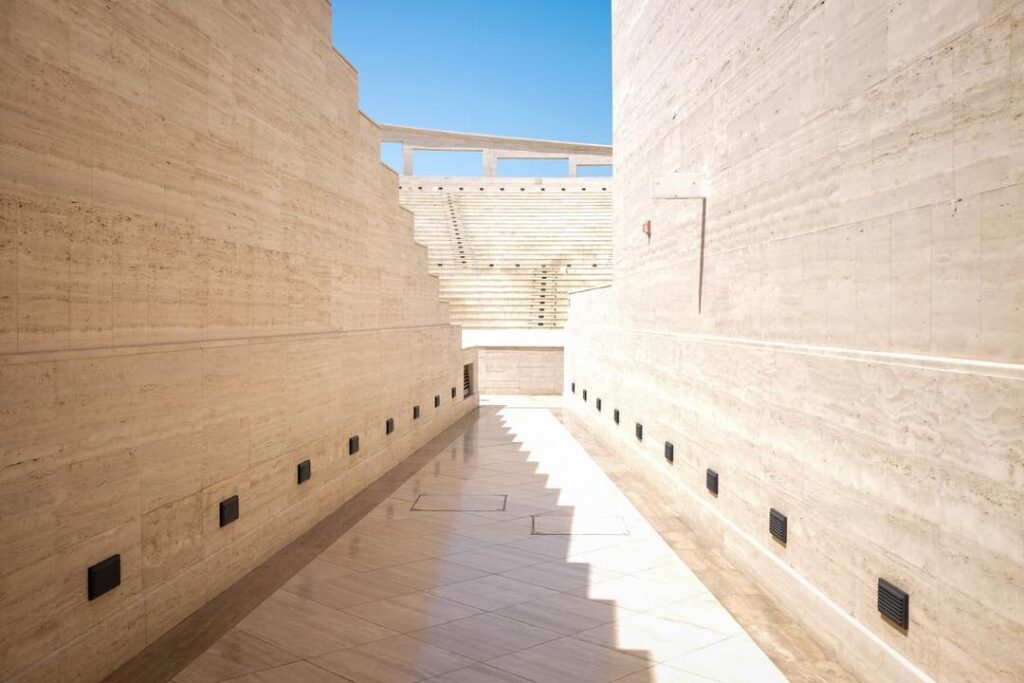
Completed in 2008, the Katara Amphitheater blends classical Greek lines with Islamic details. With sea views and room for 5,000, it’s a dramatic stage for big cultural moments.
Katara Mosque

Designed by Zainab Fadil Oglu, the Katara Mosque is a tile-clad masterpiece. Blue and gold patterns—echoing Istanbul’s Dolmabahçe—give it an unmistakable sparkle.
The Golden Mosque
The Golden Mosque—or Golden Masjid—channels Ottoman style in shimmering mosaic. In sunlight, it glows like a mirage.
The dovecotes
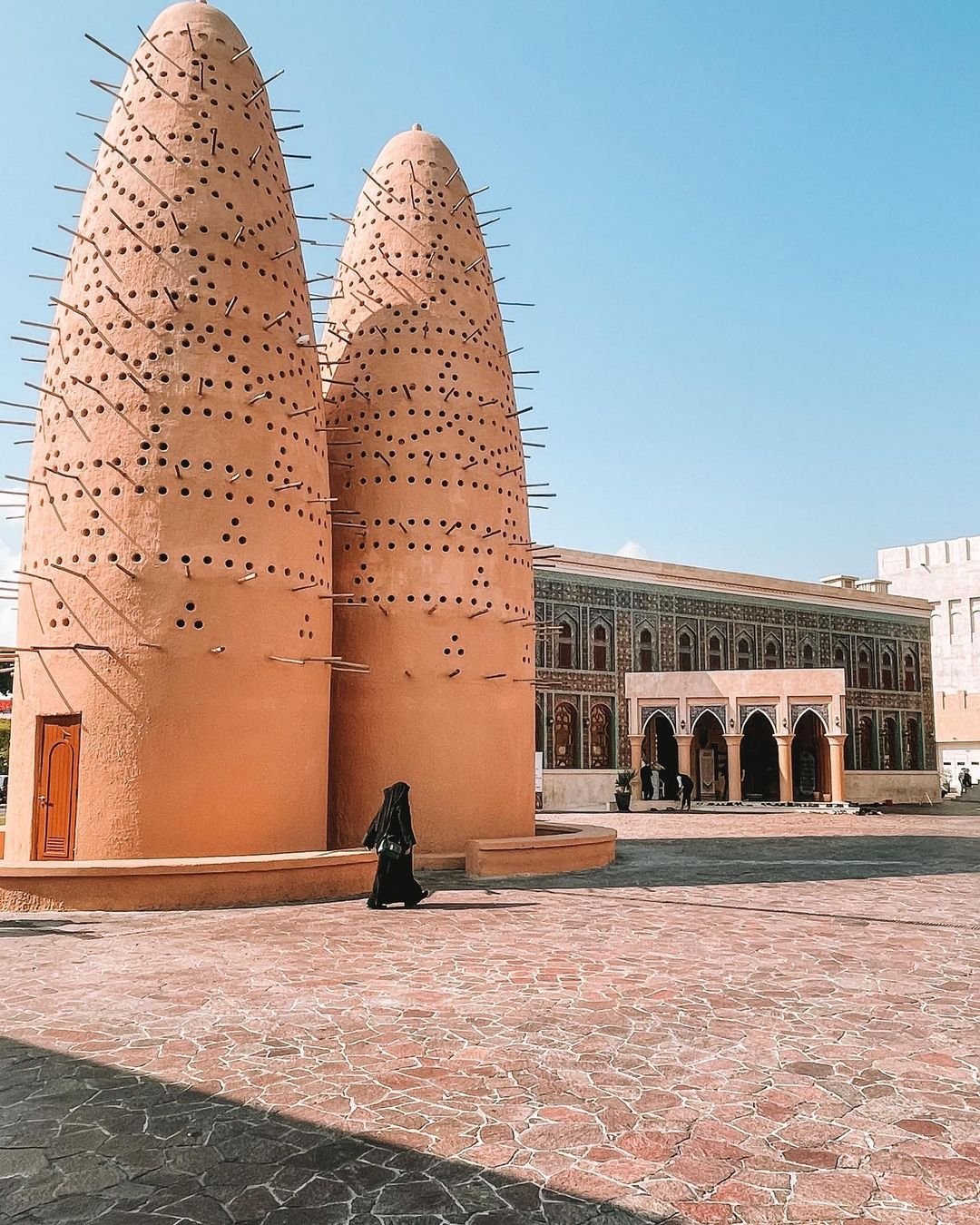
Once used to collect pigeon droppings for crop fertilizer, these earthen dovecotes now stand as sculptural memory—old village life set against Doha’s futuristic skyline.
Art galleries and exhibitions
Drop into Katara Art Center for workshops in sculpture and calligraphy, or browse Al Markhiya Gallery for regional and international art. Outside, hunt for sculptures like Subodh Gupta’s “Gandhi’s Three Monkeys” and Lorenzo Quinn’s “The Force of Nature II.”
The Drama Theater
At the heart of the village, the Katara Drama Theater tips its hat to traditional Arab theater while staging contemporary work—small enough to feel intimate, varied enough to surprise.
Katara Beach
Quiet at midday, lively by late afternoon. Katara Beach lines up speedboats, kneeboarding, parasailing, water-skiing, and kitesurfing across 1.5 km of soft sand with Arabian Gulf views.
What to do at Katara Cultural Village?
Enjoy cultural activities
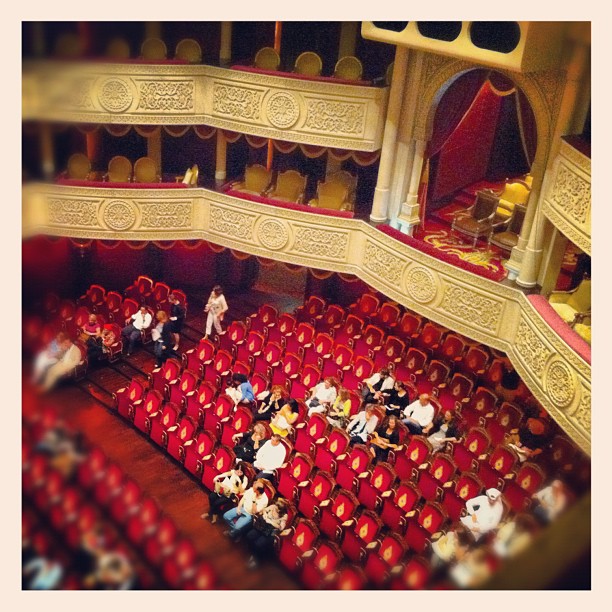
Book a concert by the Qatar Philharmonic at the Katara Opera House (550 seats, superb acoustics). Philately fans—set aside time for the Museum of Arab Postal Stamps.
Take a walk in the park
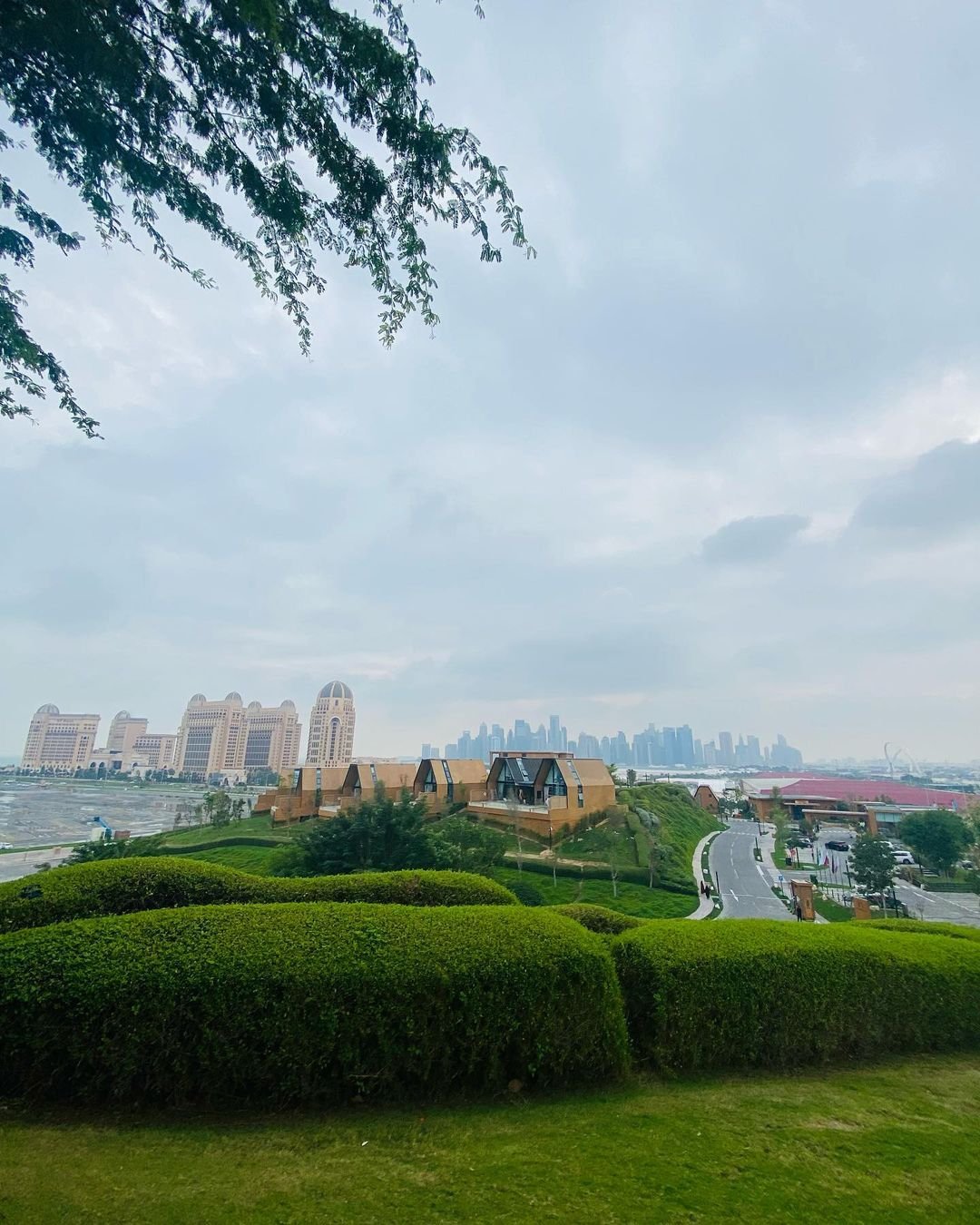
Katara Hills are your green lung—quiet lawns, sea views, and picnic-friendly corners. Bring a book and let the skyline do its thing.
Water activities
Parasailing, water-skiing, kayaking—take your pick on Katara Beach. Not into getting wet? An easy shoreline walk at golden hour is just as rewarding.
Activities for children
Expect kid-forward programming—art workshops, puppet shows, and plenty of hands-on learning. For a space fix, head to the Al Thuraya Planetarium.
Want a full-on play museum? Try OliOli Museum—all interactive exhibits, wrapped in a building shaped like a gift box.
And yes, Katara Beach has a children’s play area right on the sand.

Go to the cinema
The new Katara Cinema is plush: state-of-the-art screens, luxe seating, and in-seat dining. When you need a cool, quiet reset—this is it.
Where to eat near Katara Cultural Village
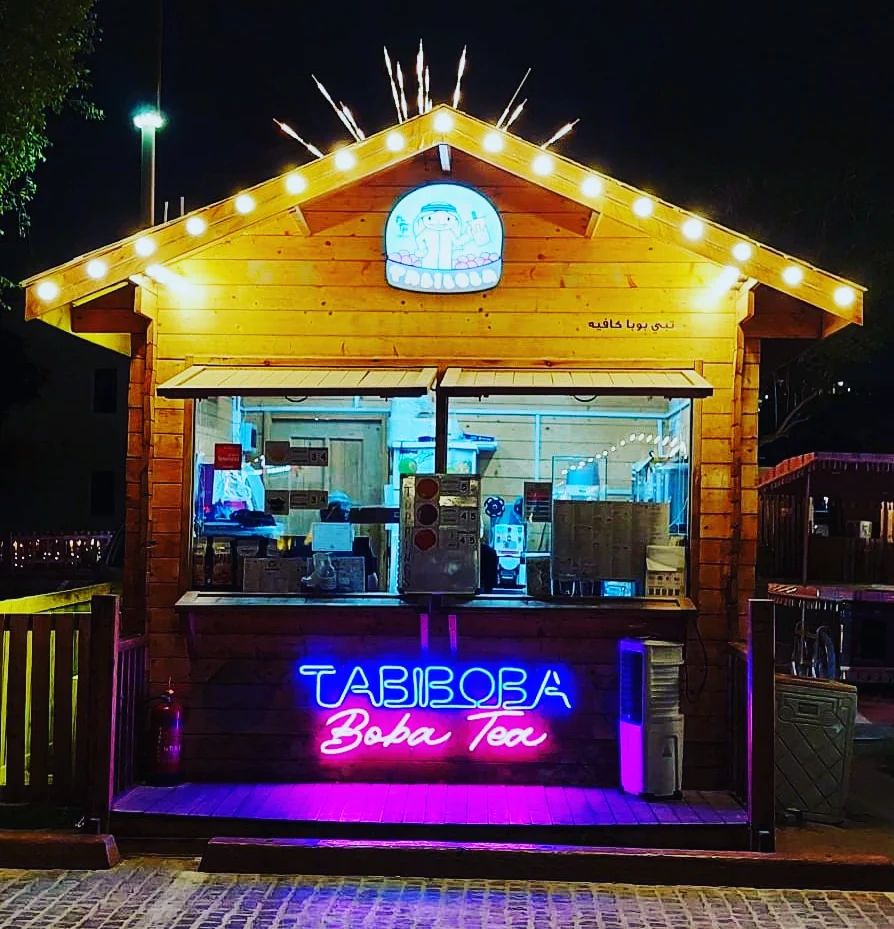
Craving quick and easy?
Tasty Street lines up about 40 drive-in spots—fun, fast, and very hard to choose from.
For Levantine flavors, Ard Canaan does comfort and classics.
Picnic shopping? Head to Snan Food Hall under that rainbow-bright stained-glass roof—global goodies everywhere.
For organic-leaning plates with a view of the Gulf, book Boho Social Katara.
Where to shop
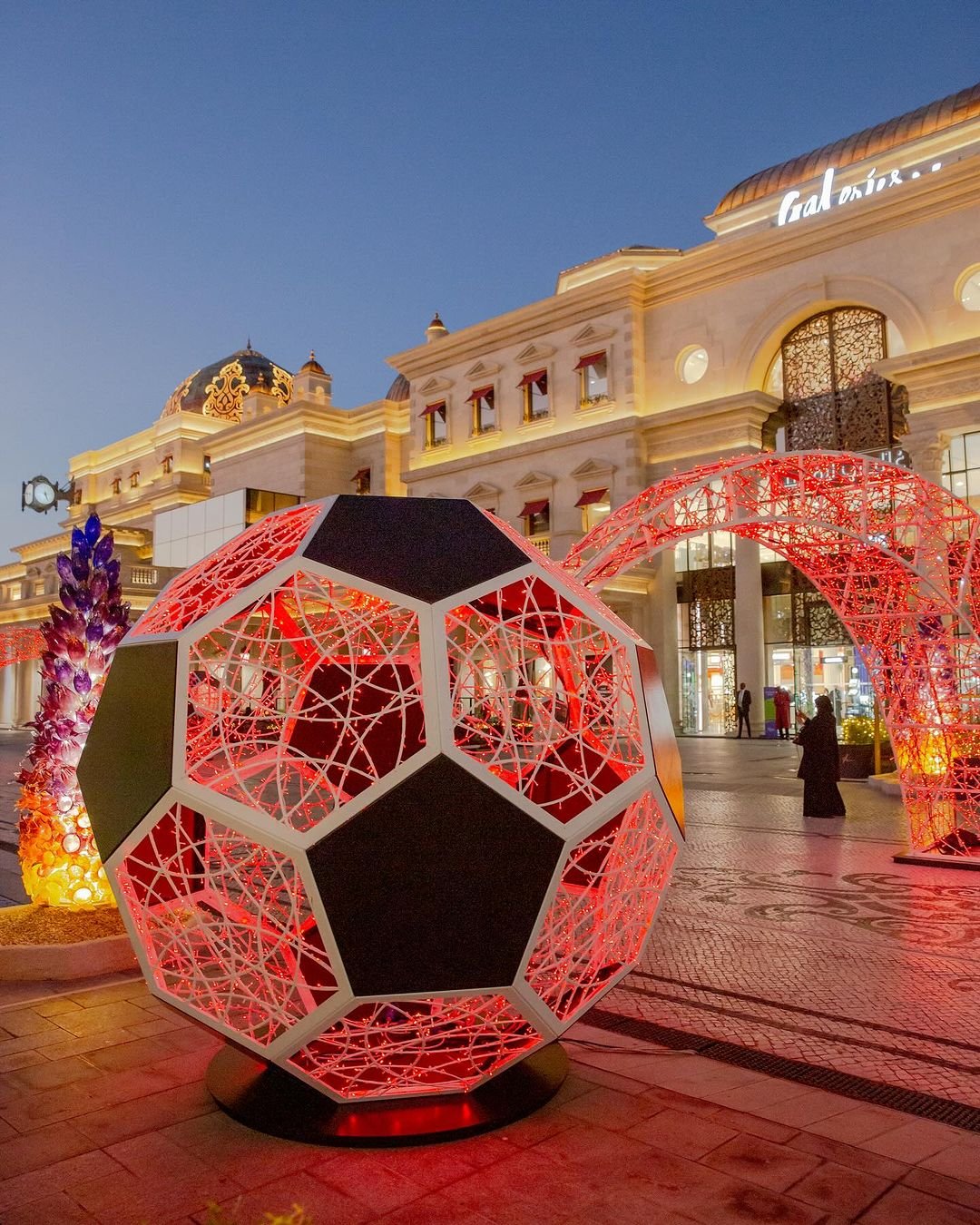
The shops of the Katara Cultural Village
Browse traditional Qatari goods, clothing, jewelry, and art across Katara’s boutiques. Don’t miss the Spice Market to bring home the scent of the Middle East.
21 High Street
Follow the stream of sedans to 21 High Street, where luxury brands cluster in an open-air, fully air-conditioned district—summer lifesaver.
Katara Cultural Village: Frequently Asked Questions
What are the opening hours of the Katara Cultural Village?
Most spaces run roughly 10:00 a.m.–10:00 p.m., but hours vary by venue (beach, galleries, theaters). Check listings before you go.
Is entry to the Katara Cultural Village free?
Yes—general entry is free. Certain attractions (like the beach) and ticketed events/concerts have fees.
What hotels are near the Katara Cultural Village?

Close options include the Ritz-Carlton Doha, InterContinental Doha, and The St. Regis Doha—all with Gulf views and a short drive to Katara.
FAQs: Katara Cultural Village
1) Where is Katara Cultural Village and how do I get there?
On the Doha waterfront between West Bay and The Pearl. Easiest access: Doha Metro Red Line → Katara Station, then a short walk. Taxis and ride-hailing drop at main gates; there’s on-site parking.
2) What are the opening hours?
Most venues operate around 10:00–22:00, but hours vary by gallery, theater, beach, and restaurants—always check listings the day you go.
3) Is entry free?
Yes, general entry is free. Specific attractions (e.g., Katara Beach, concerts, cinema, special exhibitions) may charge fees.
4) What’s unmissable on a first visit?
The Amphitheater, Katara Mosque and Golden Mosque, the dovecotes, public art and murals, Katara Beach, and a sunset stroll along the promenade.
5) Are there cultural dress guidelines?
Dress modestly in mosques and during cultural events: shoulders and knees covered. Beachwear is for Katara Beach only.
6) Can I visit the mosques?
Visitors are welcome outside prayer times when open; follow signage, remove shoes, and respect photography rules. Modest dress required.
7) Is Katara Beach free?
Access is typically ticketed; water sports are extra. Family play areas and loungers are available; bring ID and a card/cash.
8) Is it family-friendly?
Very. Look for playgrounds, weekend workshops, puppet shows, and nearby Al Thuraya Planetarium. Evenings are lively and cooler.
9) What events happen at Katara?
Year-round concerts, festivals, film screenings, exhibitions, and food events. Big moments often cluster in the cool season (Nov–Mar).
10) Do I need to book tickets in advance?
For concerts, theater, cinema, special exhibitions, and peak-season beach days, advance booking is smart—especially on weekends and holidays.
11) Is Katara accessible?
Promenades are wheelchair/stroller friendly; many venues have ramps and accessible restrooms. Some heritage lanes can be uneven—plan extra time.
12) What about dining?
Everything from Tasty Street drive-ins to sit-down spots like Ard Canaan and Boho Social. For picnic supplies, Snan Food Hall is handy.
13) Where can I shop?
Boutiques for Qatari crafts, spices, art, jewelry, plus luxe browsing at 21 High Street (outdoor area is air-conditioned in summer).
14) Can I take photos?
Outdoors, yes—respect no-photo signs and ask before photographing people, performers, or inside mosques/galleries with restrictions.
15) When’s the best time to visit?
Late afternoon to evening for golden light, cooler temps, and event energy. Seasonally, November–March is the sweetest weather.
- Qatar Itinerary (2026): How to Spend 3–5 Days in Doha & Beyond
- How To Dress In Qatar | Ultimate 2026 Guide
- The Pearl Qatar [2026]: A Complete Guide to Doha’s Most Glamorous Island
- Top 11 Beaches in Qatar (2026): Discover the Best Coastal Escapes

- 12 Hidden Gems in Qatar That Most Tourists Miss (2026)
