

Travel writing based on first-hand experience
Dubai doesn’t do subtle. One minute you’re looking at an apartment with a view of the Burj Khalifa; the next, somebody is showing you a villa on a man-made island and talking about rental returns as though they’re a law of nature. They’re not. But buying a house in Dubai as a foreigner is perfectly possible, and the process is more straightforward once you know what to check.
Whether you’re moving to the UAE, buying a holiday home, or considering an investment property, this guide walks you through how to buy a house in Dubai in 2026, from ownership rules and mortgage deposits to transfer fees, residency visas and the neighbourhoods worth putting on your shortlist.
Table of Contents
1. How to buy a house in Dubai: What are the requirements for buying property
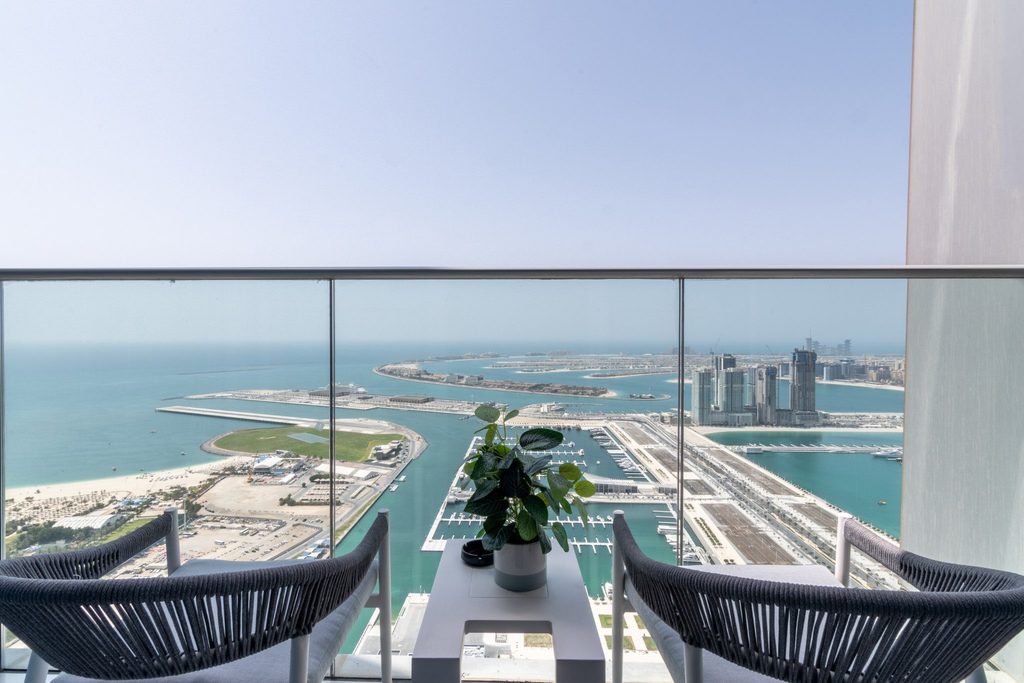
Can a foreigner own a house in Dubai?
Yes. UAE law allows non-UAE nationals to own freehold property in designated freehold areas. Freehold generally means ownership without a fixed expiry date, unlike a leasehold interest, which is granted for a specific term. Expatriates living in Dubai and buyers who live abroad can both qualify.
Popular foreign-ownership districts include Dubai Marina, Downtown Dubai, Palm Jumeirah, Jumeirah Beach Residence (JBR), Business Bay, Dubai Hills Estate, Jumeirah Village Circle (JVC) and parts of Arabian Ranches. This isn’t a complete legal list, and an address in a familiar district does not prove that a particular unit has freehold title. Confirm the ownership designation and title for the exact property with the Dubai Land Department.
You’ll usually need a valid passport, enough money to complete the purchase, and documents showing where your funds come from. If you’re applying for a mortgage, the bank will also assess your income, existing debts, credit history and the property itself. You do not need an Emirates ID or a UAE residence visa simply to buy a qualifying property as a non-resident; DLD accepts a valid passport for non-resident foreign buyers.
The old claim that every foreign buyer must obtain approval from a “Federal Land Agency” is misleading. Dubai’s property titles and transfers are handled through the Dubai Land Department, not a blanket federal approval process for ordinary freehold purchases.
A useful 2026 perk for first-time home buyers
If you already live in the UAE, check Dubai’s First-Time Home Buyer Programme. It is open to eligible residents aged 18 or older, of any nationality, who do not currently own a freehold residential property in Dubai and are looking for a home priced below AED 5 million. Partner developers and banks may offer early access, special pricing, financing offers or instalment options for DLD fees. Participation is free, but ordinary transaction charges still apply unless a particular offer says otherwise. It is not a programme for non-resident buyers.
How much deposit do you need for a Dubai mortgage?
For an expatriate buying a first home to live in, UAE Central Bank rules allow eligible banks to lend up to 80% of the property’s value if the home costs AED 5 million or less, or up to 70% above AED 5 million. That means a minimum 20% or 30% deposit respectively at the regulatory limit. The cap falls to 60% loan-to-value for a second or investment property, while off-plan finance is generally capped at 50%.
These are maximum limits, not mortgage offers. A bank may require a much larger deposit, especially if you live outside the UAE, and it can value a home below the agreed purchase price. Always arrange mortgage pre-approval before signing a binding purchase agreement. See the UAE Central Bank mortgage regulations.
Best for: First-time buyers who want certainty about their budget before falling in love with a sea view they cannot finance.
2. What taxes and fees do you pay when buying a house in Dubai?
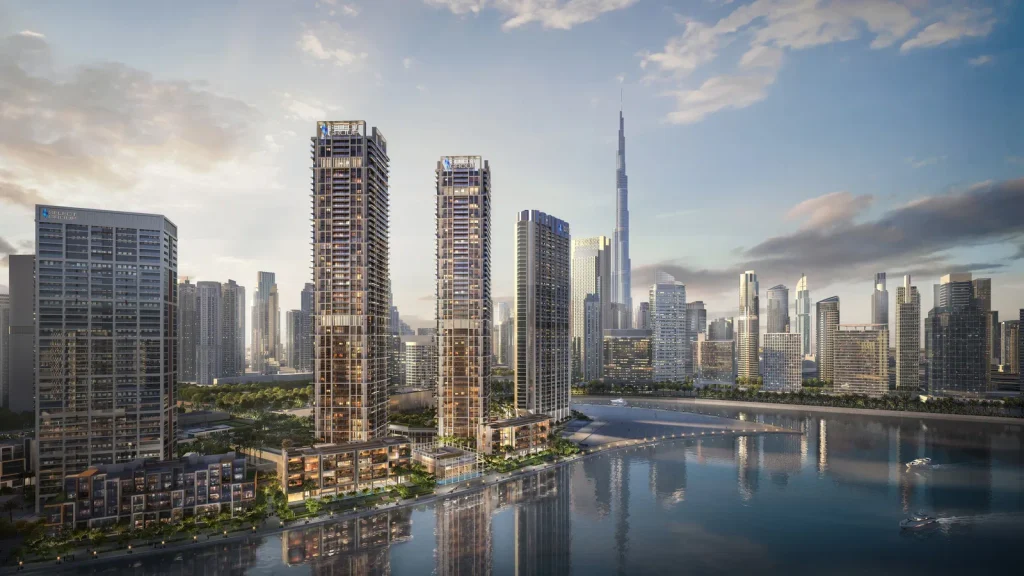
Dubai is often described as a property-tax-free destination. That’s an attractive headline, but it needs some unpacking: there is generally no recurring annual tax simply for owning a residential property, yet buying, running and renting one can still be expensive.
Dubai property-buying fees at a glance
| Cost | What to budget |
|---|---|
| DLD sale registration / transfer | 4% of the purchase price in total. DLD’s fee schedule lists 2% for seller and 2% for buyer, but buyers commonly agree to pay the whole 4%; put the actual split in writing. |
| Registration trustee fee | Usually AED 4,000 + 5% VAT for a transaction of AED 500,000 or more; AED 2,000 + VAT below that. |
| Title deed, map and small DLD charges | Typically several hundred dirhams, depending on the transaction. |
| Estate-agent commission | Often 2% of the sale price + 5% VAT on the commission for resale properties, but negotiate and confirm the amount. |
| Mortgage registration | 0.25% of the loan value, plus relevant bank, valuation and administration charges. |
| Ongoing service charges | Building- and community-specific; check the RERA-approved Service Charge Index before buying. |
Example: buying an AED 1.5 million apartment in cash. If you agree to cover the full 4% transfer fee, pay a 2% agent commission plus VAT, and use a standard registration trustee, you would budget approximately AED 60,000 + AED 31,500 + AED 4,200 = AED 95,700, before small DLD charges, legal advice, any developer NOC and moving costs. That’s more than 6% on top of the price. A mortgage adds another layer of costs.
The transfer and trustee fee figures come from the DLD property sale registration fee schedule. Ask your conveyancer for an itemised completion statement rather than relying on a listing that says “no hidden fees.”
What about VAT, rental tax and Dubai’s housing fee?
Most sales of existing residential homes are exempt from UAE VAT; the qualifying first supply of a newly completed residential property is normally zero-rated. Commercial property is treated differently. The Federal Tax Authority’s guidance explains the distinction.
Dubai also has a municipality housing fee, generally collected from tenants at 5% of annual rent through utility bills. It is not a flat 5% annual ownership tax on every property buyer. Landlords are typically responsible for the property’s service charges; tenants generally pay the municipality housing fee. Owners who occupy their own homes should confirm their applicable utility and municipality charges with DEWA.
If you collect rental income while living in another country, your home country’s tax rules may still apply. And if you later sell, check the tax treatment where you are resident rather than assuming “Dubai has no taxes” settles everything.
3. How to find and buy property in Dubai: step by step
The good news: you don’t need to know somebody who knows somebody who knows a developer. The less glamorous news: you’ll want your paperwork sorted before you hand over any money.
Step 1: Decide what the property needs to do
Are you buying a home to live in, a long-term rental apartment, a holiday let, or a second home for occasional visits? That decision changes your location, financing, service-charge and licensing requirements. A family villa far from the Metro can be lovely to live in but a poor match for the tourist-rental market.
Step 2: Set a realistic all-in budget
Add purchase costs, the mortgage deposit if applicable, furnishings, maintenance, utilities, building service charges and a cash reserve. For investments, calculate the return after expenses and realistic vacancy, not just by dividing the advertised rent by the asking price.
Step 3: Compare actual sales, not just asking prices
Start with established portals such as Property Finder, Bayut and dubizzle. Then cross-check similar recently registered sales using DLD’s real estate transaction data. Compare the same building, size, floor, view, condition and completion status wherever possible.
Step 4: Work with a properly registered broker
Check the agency’s licence and the individual broker’s registration through the DLD licensed-broker service or licence-and-permit verification. Be wary of anyone pushing you to send a booking deposit to a personal account before any documents are available.
Step 5: Inspect and verify the exact property
For a completed property, ask for the title deed, inspect the home, check for outstanding service charges and mortgages, and confirm whether you will receive it vacant or with a tenant. Use DLD’s free title-deed verification and property status enquiry. In apartments, ask about defects, lift downtime, district cooling, noise and planned major repairs.
Step 6: Agree the terms and arrange payment safely
A resale typically involves a Memorandum of Understanding (MOU), often called Form F, setting out the price, deposit, fees, handover, finance conditions and deadline. A 10% security deposit is common in resale negotiations, but who holds it and when it is refundable must be clearly documented. Have a qualified local conveyancer or property lawyer check the contract before you sign.
Step 7: Obtain the NOC and register the transfer
For a resale in many freehold developments, the seller obtains a no-objection certificate (NOC) from the developer. The parties then complete the transfer through an authorised DLD registration trustee or an eligible official digital route, pay the applicable fees and receive the electronic title deed. The DLD states that the final registration appointment can be quick once all documents are ready; arranging finance, inspections and clearances usually takes longer.
Buying off-plan property instead?
Off-plan means buying before construction is finished. Developers may offer instalment plans, but a shiny showroom is not a substitute for checks. Verify that the development is registered with DLD, that it has an approved project escrow account, that the payment schedule matches the contract and that your purchase is properly recorded in the Oqood interim register. Ask what happens if the handover date slips, whether you can resell before completion, and what you still owe at handover. See DLD’s project registration and escrow requirements.
Best for: Buyers comfortable with construction and delivery risk who do not need to move in or receive rent immediately. If certainty matters more than instalment flexibility, a completed property is usually the easier place to start.
4. Where are the best areas to buy a house or apartment in Dubai?
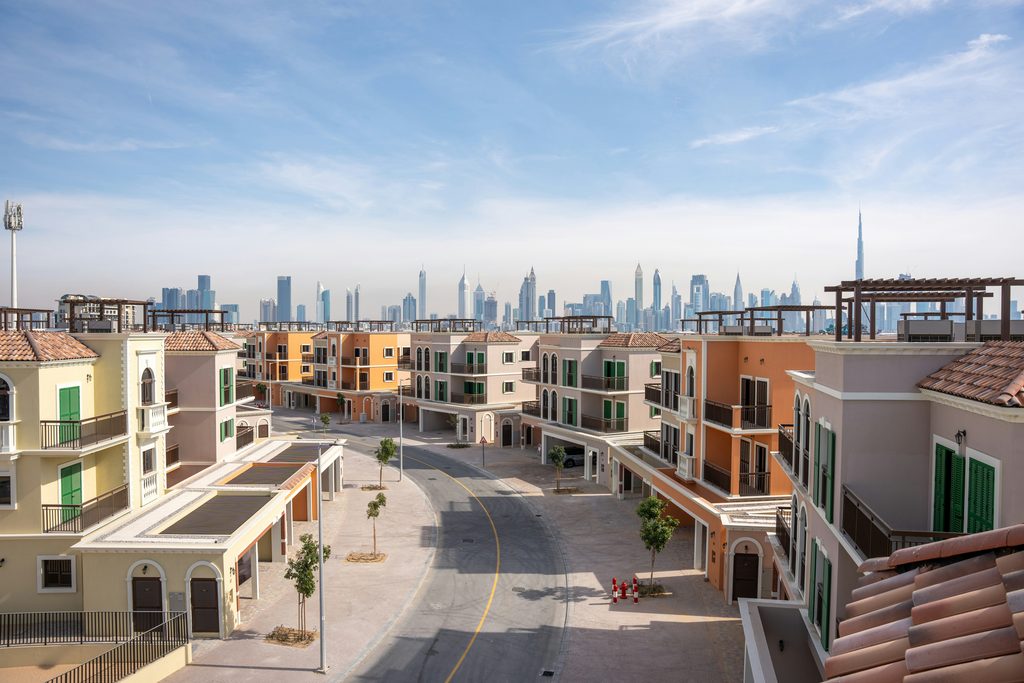
Dubai’s neighbourhoods are not interchangeable. A beachfront apartment, a Downtown pied-à-terre and a family villa near a school may all be called “prime Dubai property,” but they’re completely different purchases. These are the areas we’d put on a first shortlist.
| Area | Best for | Price level and trade-off |
|---|---|---|
| Palm Jumeirah | Waterfront luxury and high-end second homes | Very high; beach access and views cost a premium, and some buildings have substantial service charges. |
| City Walk | Stylish, low-rise urban living near restaurants and shopping | High; convenient and walkable by Dubai standards, but a smaller resale market than the big tower districts. |
| Jumeirah Beach Residence (JBR) | Beach-oriented apartment living | High; vibrant seafront, with tourist crowds, traffic and building-specific costs to consider. |
| Dubai Marina | Apartments, Metro links and long-term or short-stay demand | Mid-high to high; excellent amenities, but traffic, chiller fees and tower maintenance vary dramatically. |
| Arabian Ranches | Families seeking villas, gardens and quieter streets | High for villas; more space and community facilities, but generally car-dependent. |
| Downtown Dubai | Central location, skyline views and high-end city apartments | High to very high; landmark proximity is appealing, but service charges and tourist congestion can bite. |
| Dubai Hills Estate | Families, green space and newer residential developments | Mid-high to high; parks and community life are draws, with a premium for certain locations. |
| Jumeirah Village Circle (JVC) | Buyers looking for relatively more accessible apartment prices | Lower to mid-range relative to prime districts; building quality, construction and transport access require careful checking. |
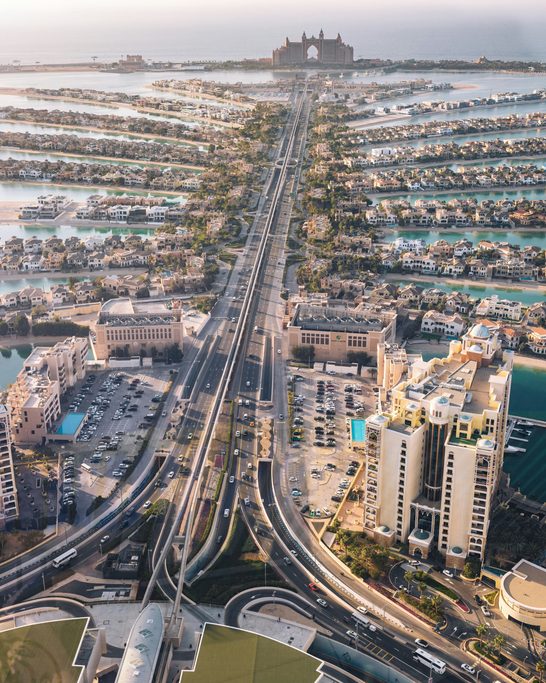
Palm Jumeirah
There’s something slightly absurd—and undeniably impressive—about owning a home on an island shaped like a palm tree. Palm Jumeirah is the splurge choice for beach access, sea views, luxury villas and prestige apartments. Best for: buyers prioritising lifestyle and luxury over maximum rental yield. Check the property’s precise beach-access rights and annual fees.
City Walk and Downtown Dubai
City Walk feels more like a polished, pedestrian-friendly urban neighbourhood, with restaurants, boutiques and low-rise buildings. Downtown Dubai, meanwhile, is the obvious choice if the Burj Khalifa and Dubai Mall are your preferred neighbours. Best for: city-life lovers and owners who value a recognisable central address. Compare property-specific noise, parking and building costs.
Jumeirah Beach Residence and Dubai Marina
JBR is all about the beach and busy waterfront promenades. Dubai Marina adds canal walks, high-rises, restaurants and generally useful transport connections. Both attract residents and visitors, but tourist appeal does not automatically equal profitable holiday rentals. Best for: people who want waterside apartment living rather than a suburban villa.
Arabian Ranches and Dubai Hills Estate
For families, it’s difficult to ignore the appeal of trees, play areas, bigger floor plans and neighbourhood facilities. Arabian Ranches is established and villa-focused; Dubai Hills Estate offers a mix of villas and apartments around parks and retail amenities. Best for: families, longer stays and buyers who prefer community living to a hotel-like tower.
What about cheaper areas?
If Palm Jumeirah prices have caused your calculator to file a complaint, start with JVC and compare buildings individually. A less expensive asking price is only a bargain if the layout works, construction quality is sound and monthly ownership costs make sense. Check roads and commute times in person.
Price note: We have deliberately removed the old fixed “average property price” and “guaranteed yield” figures from this guide. Dubai prices change quickly, and averages across different apartment sizes, luxury units and off-plan launches can be seriously misleading. For your target building, compare recent DLD-registered sales and rents rather than an undated online average.
5. What are the biggest pitfalls when buying property in Dubai?
Dubai has a well-established property registration system. That doesn’t mean every property listing is a good deal, or that every enthusiastic sales pitch deserves your deposit.
- Unverified agents or properties: Check the broker’s licence, listing permit, title deed and the owner’s authority to sell before transferring funds.
- Inflated rental-yield promises: Ask for actual signed or registered rental evidence, occupancy assumptions and a full expense breakdown. “Guaranteed 10%” deserves especially close scrutiny.
- Service-charge surprises: Pools, gyms, security, district cooling and major building repairs have a cost. Use the DLD Service Charge Index.
- Off-plan delays or contract restrictions: Registered escrow protection does not make a completion date certain. Check payment milestones and delay provisions.
- Buying without checking tenant rights: A tenanted property may not be available for your own use immediately. Review the tenancy contract and applicable eviction rules.
- Assuming Airbnb is automatically permitted: Dubai holiday homes generally require registration and approval from the Department of Economy and Tourism (DET) before listing; development rules may impose extra restrictions. See DET holiday-home permits.
- Overlooking currency and financing risk: The dirham is pegged to the US dollar, so the AED value of your mortgage and income can move against your home currency.
- Treating a visa as a free bonus: Property ownership and residency applications are separate processes, with conditions, fees and document checks.
Our rule: Don’t sign or send a significant deposit until a licensed professional has checked the documents and you understand exactly how much cash can be lost if the deal falls through.
6. Why buy a house in Dubai?
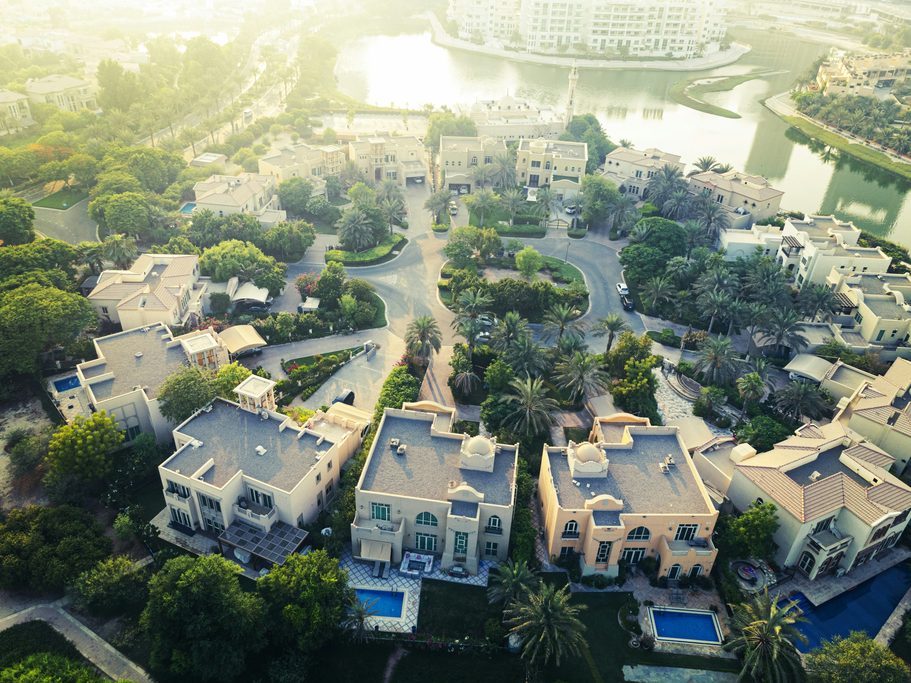
There are real reasons people put Dubai on their property shortlist. Foreign buyers have access to established freehold districts; the city has a large international population, modern infrastructure, an active rental market and a broad range of homes—from compact apartments to extravagant waterfront villas.
The absence of a conventional annual residential property ownership tax can also be attractive, especially compared with some other destinations. And if you’re looking at investment property, demand from residents and visitors gives you more than one potential rental strategy—provided the property, rules and numbers support it.
But we’d balance that against the downsides: high entry costs, sizeable building charges, hot summers, an unusually fast-moving development market, finance constraints and uncertain resale prices. Buying because an agent says “everyone is making money” is not an investment strategy.
Can buying property get you a Dubai residence visa?
Possibly, yes—but it isn’t automatic. One significant 2026 change is that Dubai’s two-year property investor residence route no longer requires a minimum property value for an individually owned property. For jointly owned property, DLD lists a minimum AED 400,000 share per co-owner. Other eligibility conditions, fees and in-person processing still apply. Check the current DLD Taskeen investor residence service before buying for visa purposes.
There is also a 10-year Golden Residency route for qualifying real-estate investors holding property worth at least AED 2 million, subject to the relevant programme’s requirements. Financed and off-plan purchases can be eligible in certain circumstances, but DLD and federal guidance specify documentation and financing conditions that must be checked for your exact case. Start with the DLD Golden Visa investor service and ICP Golden Residency guidance.
7. Is 2026 a good time to buy property in Dubai?
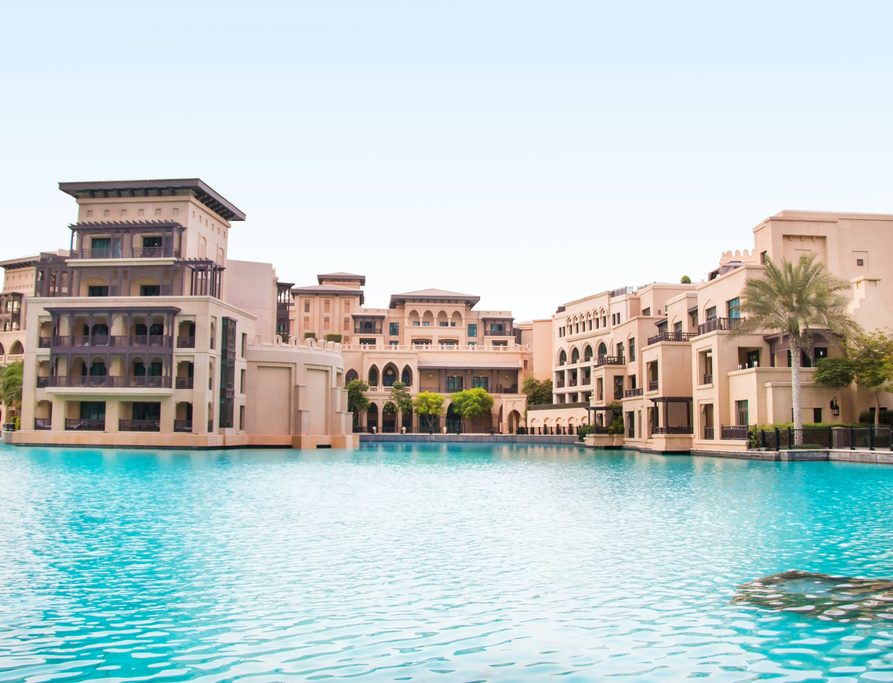
It can be, but “prices will only go up” is no longer a credible answer. Dubai went through an extraordinary property boom, and activity in 2026 shows why buyers should distinguish market excitement from actual results.
According to DXBinteract’s analysis of DLD-registered sales for October 2026, Dubai recorded 11,898 sales worth AED 34.75 billion that month. Transaction volume was 40.1% below October 2025, while the median registered price per square foot was 2.4% lower year-on-year. Those are broad, mixed-property market measures, not a forecast or proof that every neighbourhood has dropped by the same amount.
For a buyer, a cooler market may create better opportunities to negotiate—but there’s no guarantee that a property advertised at a “discount” is good value. Compare several recent transactions for the exact building or nearby comparable homes, then test the numbers assuming rents stop rising and you need to resell earlier than planned.
Best approach in late 2026: Buy because the home or its realistic net rental income works at today’s price. Treat future appreciation as a possibility, not the reason the purchase makes sense.
8. Can you buy property in Dubai without living there?
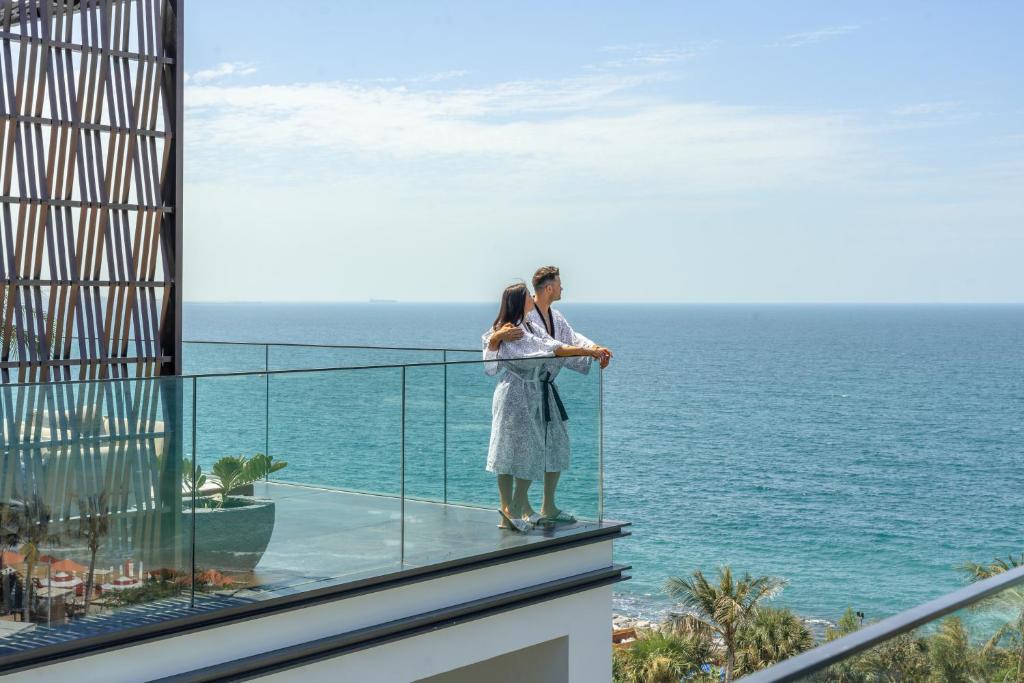
Yes. Non-resident foreigners can purchase qualifying freehold property in Dubai and register the transfer using a valid passport. A residence visa is not a prerequisite, and there is no general requirement to relocate to the UAE just because you own a home there.
If you’re buying from abroad, however, plan for extra checks around bank transfers, proof of funds, identity verification, the signing process and any properly authorised power of attorney. Some transactions require your personal attendance or specific documents; confirm the procedure with the DLD trustee, your bank and your lawyer before booking flights or sending the purchase money.
Non-residents can sometimes obtain UAE mortgages, but banks tend to offer fewer options and may require larger deposits or additional evidence of overseas income. If you’re paying cash, you’ll still need a clear, documented source of funds.
9. Is buying a house in Dubai worth it?
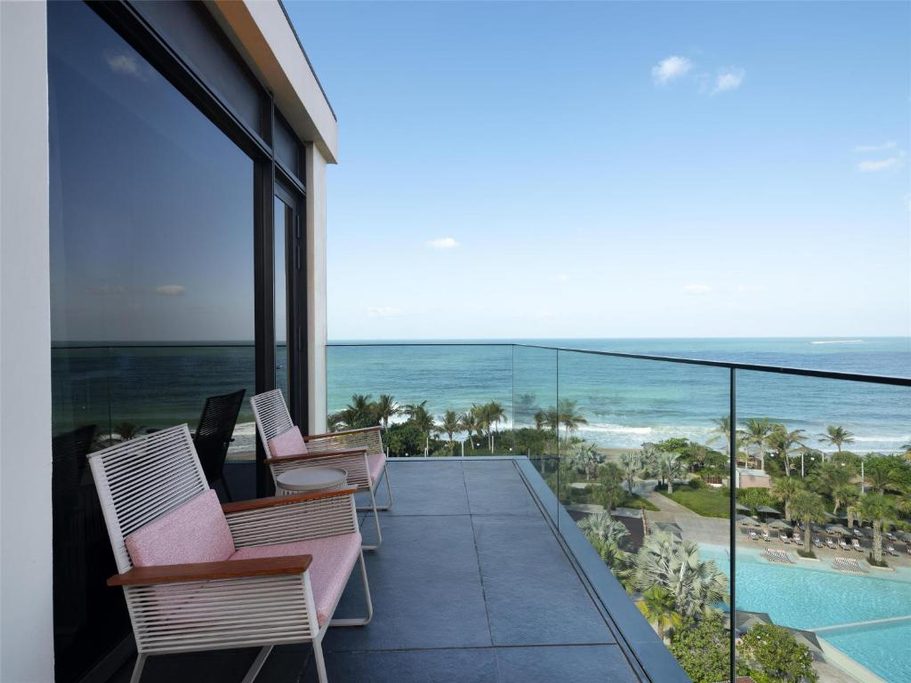
For the right buyer and property, yes. As a blanket investment recommendation, no. The decision comes down to how long you’ll keep the property, why you want it and what it costs after the glamorous brochure has been put away.
Let’s say an apartment costs AED 1.5 million and brings in AED 120,000 a year in long-term rent. That sounds like an 8% gross yield. But if annual service charges, maintenance, letting/management costs and allowance for vacancy total AED 43,000, you’re left with AED 77,000, or about 5.1% of the purchase price before mortgage costs, personal tax considerations and major unexpected repairs. Include roughly AED 96,000 of acquisition costs in the invested capital, and the illustration falls to about 4.8%. These are example assumptions, not typical market rents or quoted returns.
If you’re buying a home for your family, the equation is different: schools, daily journeys, outdoor space, noise and whether you actually like living there matter far more than what a short-term-let spreadsheet says.
Our verdict: Choose the neighbourhood and property first, verify every fee, and buy only if you can comfortably hold it through a less exciting market. Dubai can make sense—but the numbers need to work without a sales pitch.
Frequently asked questions about buying a house in Dubai
How much money do I need to buy a property in Dubai?
It depends on the home and whether you qualify for a mortgage. For an eligible expatriate first-home mortgage on a property costing AED 5 million or less, the regulatory maximum loan is 80% of value, meaning at least a 20% deposit; many buyers, particularly non-residents, need more. Add purchase fees and a cash reserve. If you buy in cash, you need the full price plus the transaction costs.
Can a foreigner buy land or a villa in Dubai?
Yes, where the land or villa is in a district legally designated for foreign freehold ownership. Always verify the specific plot’s title and permitted ownership type with DLD.
Do you automatically get a Golden Visa if you buy a Dubai property?
No. The real-estate Golden Residency route generally uses an AED 2 million property threshold, but applicants must independently meet all of the current eligibility, ownership, documentation and processing conditions. A two-year property-owner residence route has separate rules.
Can I rent out my Dubai apartment on Airbnb?
Potentially, but you need the appropriate Dubai DET holiday-home registration and property approval before advertising it as short-stay accommodation. Check the building’s rules and the cost of cleaning, management, insurance and tourist-related fees as well.
What should I check before paying a deposit on a Dubai house?
Verify the property title, seller’s authority, broker’s licence, outstanding mortgage or service-charge liabilities, sale contract, refund conditions, and the bank account receiving the money. For an off-plan home, add DLD project registration, approved escrow details and Oqood registration to that checklist.
Useful official websites for buying property in Dubai
- Dubai Land Department — title deeds, registered brokers, projects and official services.
- DLD real estate transaction data — compare registered sales instead of relying on asking prices.
- DLD Service Charge Index — check approved annual building charges.
- DLD property sale registration and fees — understand transfer, trustee and title-deed costs.
- DLD property investor residence visa — current two-year residence criteria.
- Dubai DET holiday-home permits — rules for tourist rentals.
Updated: 13 November 2026. Property, tax, mortgage and visa rules can change. This guide is practical general information, not individual legal, tax or investment advice. Verify the current rules and the precise property paperwork before entering a transaction.
Thinking About Moving to Dubai? Read These Guides Next
Buying a property is one thing. Figuring out what life in Dubai actually looks like is another! Before making the big move, explore our practical guides to the city, its neighbourhoods, attractions, and everyday costs.
- Essential Dubai Travel Tips – Everything you should know before arriving, from transport to local customs.
- Best Things to Do in Dubai – Discover the attractions, neighbourhoods, and experiences that make Dubai worth exploring.
- Dubai on a Budget – Smart ways to save money while getting to know the city.
- 3 Days in Dubai Itinerary – A practical introduction to the city’s different districts.
- 7 Days in Dubai Itinerary – Spend a full week exploring before deciding which area feels like home.
- How to Buy a House in Dubai in 2026: Costs, Visas & Best Areas
- What to Wear on a Desert Safari in Dubai in 2026: The Practical Packing Guide
- 9 Best Rooftops in Dubai (2026 Edition)
- 12 Best Things to Do for Couples in Dubai (2026): Romantic, Fun & Slightly Extra Date Ideas
- How To Visit Dubai On A Budget in 2026