

Travel writing based on first-hand experience
Whether you’re here for a weekend or a week, there’s no shortage of ways to fill your days. You can launch yourself 828 m into the sky at the Burj Khalifa, cruise past futuristic architecture on a dhow boat, or disappear into the labyrinth of Al Fahidi’s old quarter where wind towers whisper stories from centuries past.
And because Dubai loves extremes, every activity comes with a twist — think skiing inside a mall, picnicking under palm trees in the middle of the desert, or dining at the world’s highest restaurant.
Here’s your definitive guide to what to do in Dubai: iconic sights, off-the-radar finds, adrenaline-fuelled adventures, and family-friendly highlights — all tried and tested.
Planning more Dubai and UAE adventures? Read these next
Table of Contents
Getting Around Dubai
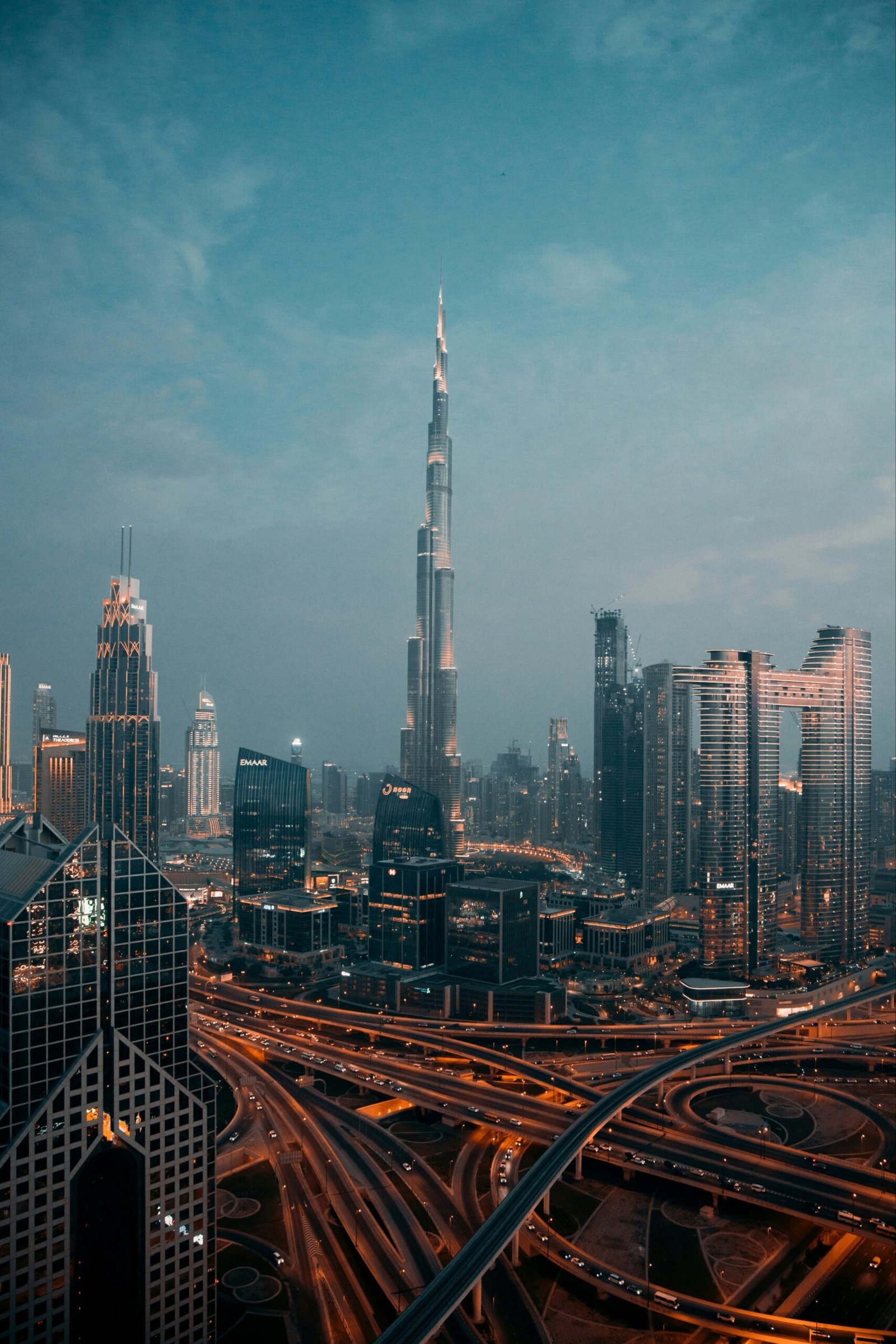
Dubai is big, shiny, and wonderfully dramatic — but getting around is easier than it looks once you know the basics. We’ve got clean metro stations, taxis on almost every corner, boats crossing the creek, and one handy card that works across most public transport. Here’s the simple, no-panic version.
The Quick Cheat Sheet
- Best for first-timers: Metro + taxis
- Best for the Palm: Palm Monorail, which needs a separate ticket
- Best Old Dubai moment: Abra boat across Dubai Creek
- Best for beaches and Dubai Marina: Tram + short walks
- Best thing to buy first: Nol card, used for metro, tram, buses, water buses, and some parking
Nol Card 101: Your Transport Lifesaver
Buy a Nol card at any metro station ticket machine or counter. It is reloadable, easy to use, and saves you from buying separate tickets every time you move around.
- Silver: the best everyday option for most visitors.
- Gold: gives you access to the Gold Class cabin, with more space and comfier seats, but fares are higher.
- Red Ticket: a paper ticket for single or limited trips. Fine for one or two rides, but less useful if you’re staying longer.
Dubai fares are based on zones. Short rides cost less, while longer trips across several zones cost more. Always tap in when you enter and tap out when you leave, otherwise you may be charged the maximum fare.
Good to know: You cannot eat or drink on the metro or tram. Fines are real, so save your snacks and coffee for before or after the ride.
Metro: The Easiest Way to Cover Long Distances
Dubai Metro is clean, air-conditioned, reliable, and usually much cheaper than taking taxis everywhere. There are two main lines: the Red Line, which runs along Sheikh Zayed Road and connects to DXB Airport Terminals 1 and 3, and the Green Line, which is useful for Old Dubai.
- Timing: Usually from early morning until around midnight, with later hours on some weekends. Check the RTA app for exact times.
- Cabins: There are general cabins, Women and Children cabins, and Gold Class cabins. Signs on the platform make them easy to spot.
- Airport rides: The metro is luggage-friendly, with lifts and escalators. If you arrive very late, a taxi may be easier.
- Peak hours: Around 7–9am and 5–7pm on weekdays. Avoid these times if you dislike crowds.
Best trick: Use the metro for long journeys, like Airport to Downtown or Downtown to Marina, then take a short taxi ride for the final stretch.
Tram: Best for Dubai Marina and JBR
The Dubai Tram is useful around Dubai Marina, JBR, and Al Sufouh. It connects with the metro at DAMAC/Dubai Marina stations and links to the Palm Monorail at the Palm Jumeirah tram stop via a walkway.
- Pay with: Nol card, just like the metro.
- Use it for: beach days, Marina walks, JBR dinners, and avoiding traffic when the roads get dramatic.
Buses: Useful When the Metro Does Not Reach
Dubai buses cover areas the metro and tram do not reach. They are air-conditioned, affordable, and helpful if your hotel is not directly beside a train station.
- Pay with: Nol card only. You cannot pay cash on board.
- Expect: air-conditioning, digital stop screens, and decent service on main routes.
- Best use: connecting your hotel, beach, or neighborhood to the nearest metro or tram station.
Abras and Ferries: The Scenic Way to Travel
Abras are traditional wooden boats that cross Dubai Creek between Deira and Bur Dubai. They are quick, cheap, and wonderfully atmospheric. For just a few dirhams, you get wind in your face, spice-scented air, and one of the most charming little rides in the city.
- Where: Between Deira and Bur Dubai abra stations throughout the day.
- Why go: It is practical transport and a tiny sightseeing cruise rolled into one.
Dubai Ferry and Water Bus: These larger boats run set routes along the coast and creek. They cost more than abras, but they are great if you want skyline views without booking a full tour.
Palm Monorail: The Easy Way Around Palm Jumeirah
The Palm Monorail runs from Gateway Station at the base of Palm Jumeirah up to Atlantis on the crescent, with stops such as Nakheel Mall along the way.
- Tickets: separate from Nol. Buy them at the station or online.
- Why use it: traffic on the Palm can be slow, and the monorail gives you great views without sitting in a taxi queue.
Taxis: Easy, Safe, and Everywhere
Dubai taxis are easy to find, metered, clean, and safe. Most accept card payments, and they are very useful when it is hot, late, or you are carrying bags.
- How to get one: hail one on the street, use a hotel taxi rank, or book through Careem or Uber.
- Airport note: taxis from the airport include a small starting surcharge. This is normal.
- Best for: late nights, luggage days, dressed-up dinners, or when walking in the heat sounds like punishment.
Tip: Give the driver the place name and a nearby landmark, or simply use a pinned location in an app. Dubai has many similarly named towers, malls, and hotels, because apparently one “Marina Something” was not enough.
Car Rentals: Freedom, But Not Always Necessary
Driving in Dubai is on the right-hand side. Roads are excellent, signs are clear, and parking is usually manageable with the RTA app or pay stations. Still, traffic can be heavy, and parking in popular areas can test your patience.
- You’ll need: passport, valid driving licence, sometimes an International Driving Permit, and a credit card. Minimum rental age often varies between 21 and 25.
- Salik tolls: toll gates are charged automatically to your rental car account.
- Speed cameras: they are everywhere. Drive carefully unless you enjoy donating money to fines.
- Best reason to rent: day trips to Abu Dhabi, Hatta, Jebel Jais, or packed sightseeing days across different areas.
Local rule: Avoid Sheikh Zayed Road during peak hours if you can. One missed exit can turn into an accidental sightseeing tour.
Walking and E-Scooters: Great in the Right Places
Dubai has some very walkable pockets, especially Downtown around Dubai Mall and the Fountain, Dubai Marina and JBR, Al Fahidi and the Creek, and City Walk. But between districts, distances can be huge, and the heat can turn a “quick walk” into a survival documentary.
- Heat tip: go out early, hide indoors during the hottest hours, and come back out around sunset. Carry water and sunscreen.
- E-scooters and bikes: available in selected zones such as Marina, JLT, and parts of Downtown. Use marked paths and follow the rules.
RTA App: Your Quiet Superpower
Download the official RTA Dubai app. It helps with route planning across metro, tram, buses, and water transport. You can also check your Nol balance, top up your card, pay for parking, and see service updates. Not glamorous, but very useful — like a good pair of travel shoes.
Accessibility and Etiquette
- Accessibility: metro and tram stations have elevators, wide gates, tactile flooring, and priority seating. Accessible taxis can also be booked in advance.
- Cabins: respect Women and Children carriage signs.
- Etiquette: no eating or drinking on metro and tram, keep music quiet, and offer priority seats when needed.
What We Actually Recommend
- Buy a Nol Silver card at the airport or first metro station and load around 20–40 AED to start.
- Use the Metro Red Line for long journeys, the tram for Marina and JBR, and abras for Old Dubai.
- Add taxis when it is too hot, too late, or too far to walk.
- Use the Palm Monorail for Palm Jumeirah — it is transport and sightseeing at the same time.
- Check the RTA app each morning before you start moving around.
Dubai’s transport system is built with visitors in mind. It is clean, fairly simple, and mostly contactless. Once you understand the Nol card and mix metro, taxis, boats, and a little strategic walking, the city becomes much easier to explore.
What to Do in Dubai: Best Places to Visit
1) Burj Khalifa

You cannot really talk about Dubai without talking about the Burj Khalifa. It is the city’s ultimate showpiece: tall, sleek, impossible to ignore, and still the tallest building in the world at 828 meters. You can admire it from the lake below, but the real “yes, we are definitely in Dubai now” moment happens when you go up.
The main observation decks are on the 124th and 125th floors, where you get sweeping views over the city, desert, and coastline. If you want the more exclusive version, book SKY on the 148th floor. It is quieter, higher, and more expensive — because Dubai looked at normal observation decks and thought, “Cute, but can we add more drama?”
Practical bite-size:
- Address: 1 Sheikh Mohammed bin Rashid Blvd
- Metro: Burj Khalifa/Dubai Mall
- “At the Top” tickets: from 47€ (179 AED); ages 3–12 from 38€ (145 AED); under 3 free
- “SKY” 148F: from 105€ (399 AED); under 3 free
- Hours: daily 08:30–23:00
- Note: SKY access gives you limited time on the 148th floor, but you can spend longer on levels 124 and 125
Tip: Book a slot just before sunset or before a fountain show. From above, the Dubai Fountain looks like choreography drawn on water.
2) Dubai Fountain

At the base of the Burj Khalifa, the Dubai Fountain puts on one of the easiest and most enjoyable free shows in the city. Water jets leap, twist, and rise in time with music — sometimes Arabic classics, sometimes big dramatic pop moments. It is touristy, yes. It is crowded, definitely. But it is also genuinely fun.
Need-to-know
- Location: Sheikh Mohammed bin Rashid Blvd
- Metro: Burj Khalifa/Dubai Mall
- Price: free
- Times: Sat–Thu 13:00 and 13:30; Fri 13:30 and 14:00; nightly 18:00–23:00 every 30 minutes
Viewing tip: Watch it once in daylight and once after dark. At night, the Burj lights up behind it and everything becomes wonderfully over-the-top. For a free balcony-style view, try the Apple Store terrace inside Dubai Mall.
3) Dubai Mall
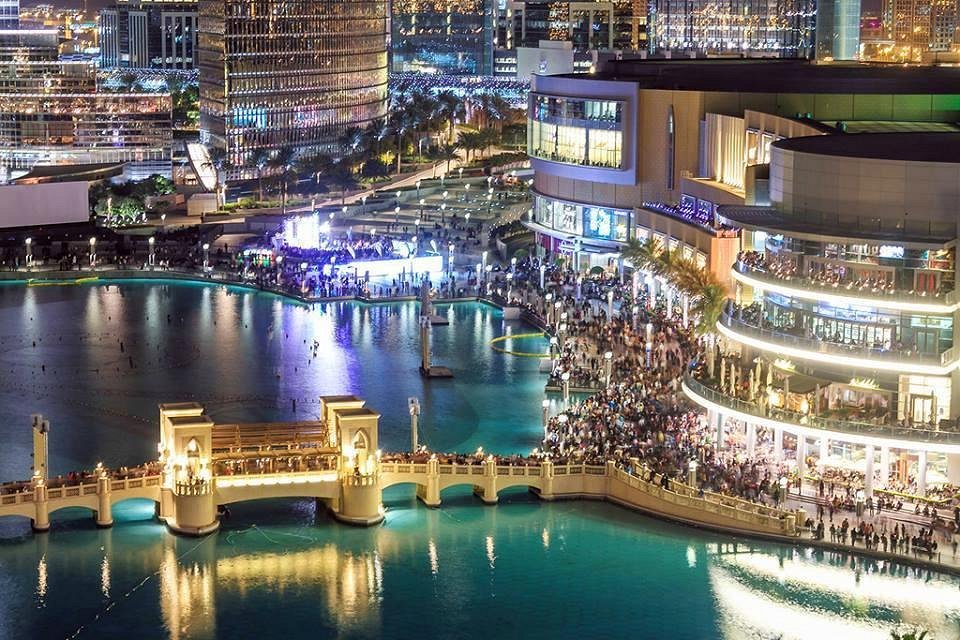
Dubai Mall is less a mall and more a small indoor city with better lighting. There are around 1,200 shops, endless restaurants, and enough attractions to keep even non-shoppers busy. If you are traveling with a group where everyone wants something different, this place is basically a peace treaty with air-conditioning.
Inside, you will find the famous Dubai Aquarium, an ice rink, the Dubai Dino skeleton, a flight simulator, the Human Waterfalls, and plenty of places to eat. You can see the giant aquarium wall for free from inside the mall, but the full aquarium experience requires a paid ticket.
Quick facts
- Where: Financial Center Rd
- Metro: Dubai Mall
- Entry: mall is free; attractions are paid
- Hours: Sun–Wed 10:00–24:00; Thu–Sat 10:00–01:00
4) Wild Wadi Waterpark

In Jumeirah, Wild Wadi Waterpark is one of the easiest ways to survive a hot Dubai day with dignity. It has more than 30 rides and slides, including lazy rivers, splash zones, water coasters, and big drops for anyone who believes fear is a recreational activity.
Popular rides include Jumeirah Sceirah, Burj Surj, Tantrum Alley, and the Master Blaster water coasters. There is also a surf simulator if you fancy a little public humiliation in swimwear. We respect bravery.
Info
- Where: Jumeirah Street
- Bus: Wild Wadi 1 (8, 81, 88)
- Price: from 56€ (215 AED); under 1.10 m from 41€ (195 AED); Burj Al Arab guests free
- Hours: daily 10:00–18:00
5) Burj Al Arab

The Burj Al Arab is one of Dubai’s most famous landmarks: a sail-shaped luxury hotel on its own island, opened in 1999 and still looking like it knows exactly how iconic it is. It has duplex suites, high-end restaurants, a private beach, and a level of service that has made it legendary.
You do not need to stay overnight to enjoy it. Boat tours pass by for photos, and non-guests can book drinks or dining experiences at the hotel. For a free view, head to Jumeirah Public Beach, where you get a classic Burj Al Arab photo without the luxury bill.
6) The Palm Jumeirah

Palm Jumeirah is one of those places that sounds fake until you see it: a palm-shaped island built into the sea, lined with hotels, beach clubs, restaurants, and apartment towers. It is very Dubai — bold, expensive-looking, and somehow still functioning as a normal neighborhood in places.
The easiest way to explore is by using the Palm Monorail, which runs from Gateway Station to Atlantis. You can stop at Nakheel Mall, walk along the Boardwalk, grab coffee with sea views, or book a boat tour for the best view of the Palm’s shape.
Smart stay idea: If you want Palm views without going full billionaire, check Royal Central Hotel – The Palm. It sits on the trunk and often offers better value than the most famous resorts.
7) Atlantis The Palm

Atlantis The Palm is one of Dubai’s biggest resort experiences. It has a private beach, restaurants, underwater-themed suites, shopping, spa facilities, and the famous Aquaventure Waterpark. You can stay overnight, visit for the day, or simply pass by on the monorail and say, “Ah yes, Dubai is being Dubai again.”
Essentials
- Where: Crescent Road
- Monorail: Palm Atlantis
- Aquaventure: from 84€ (320 AED); kids from 71€ (270 AED); hotel guests free
- Hours: daily 09:00–17:30
The star ride is Leap of Faith, where you slide through a clear tube inside a shark and ray lagoon. If you plan to visit Aquaventure anyway, compare ticket prices with a stay at Atlantis The Palm, as hotel guests usually get waterpark access included.
8) Dubai’s Desert
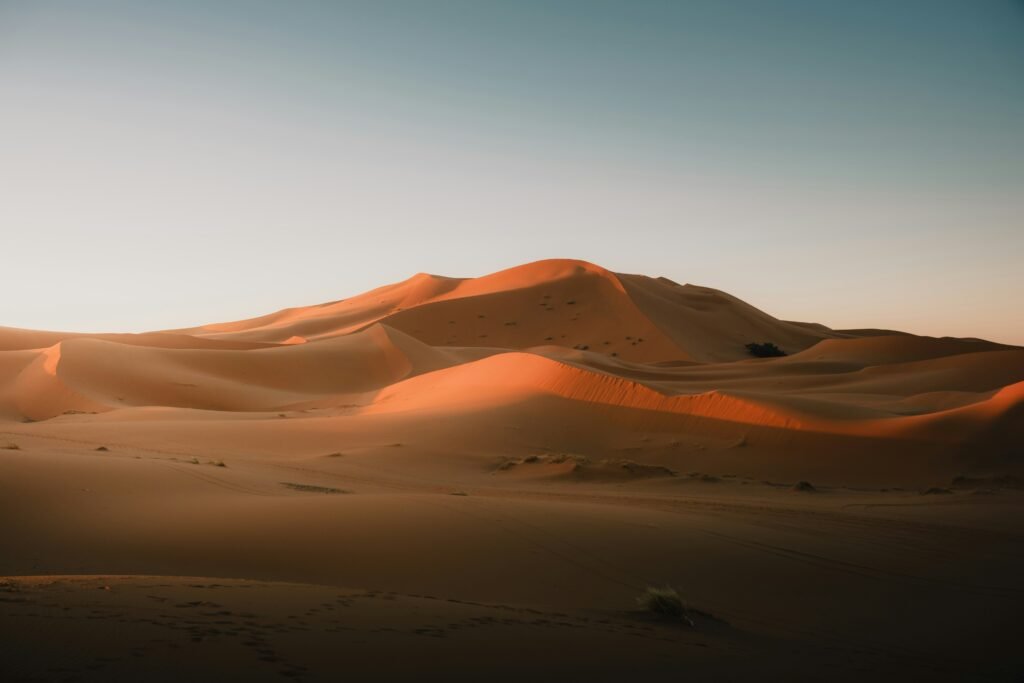
The skyscrapers get most of the attention, but the desert gives Dubai its quieter magic. A desert safari usually includes dune driving, sandboarding, camel photos, sunset stops, and a camp dinner with grilled food, music, and soft desert air after dark.
Most tours include hotel pickup and last anywhere from a few hours to a full evening. Prices vary depending on the operator and activities, but many basic desert safaris sit around the €35–55 range. Bring a light layer for the evening — the desert cools down faster than you expect.
9) Dubai Marina

Dubai Marina is one of the easiest areas to enjoy on foot. By day, it is yachts, cafés, brunch spots, and skyscraper views. By night, the water reflects the lights and the promenade becomes one long, glamorous evening stroll.
Walk part of the Marina loop, take a dhow cruise, or head towards JBR for beach time. Cruises often start around €30–40 per person, depending on the route and whether dinner is included.
Food stop: Pier 7 has several restaurants stacked in one tower, many with terraces overlooking the Marina. Book ahead if you want sunset views.
10) Dubai Parks & Resorts
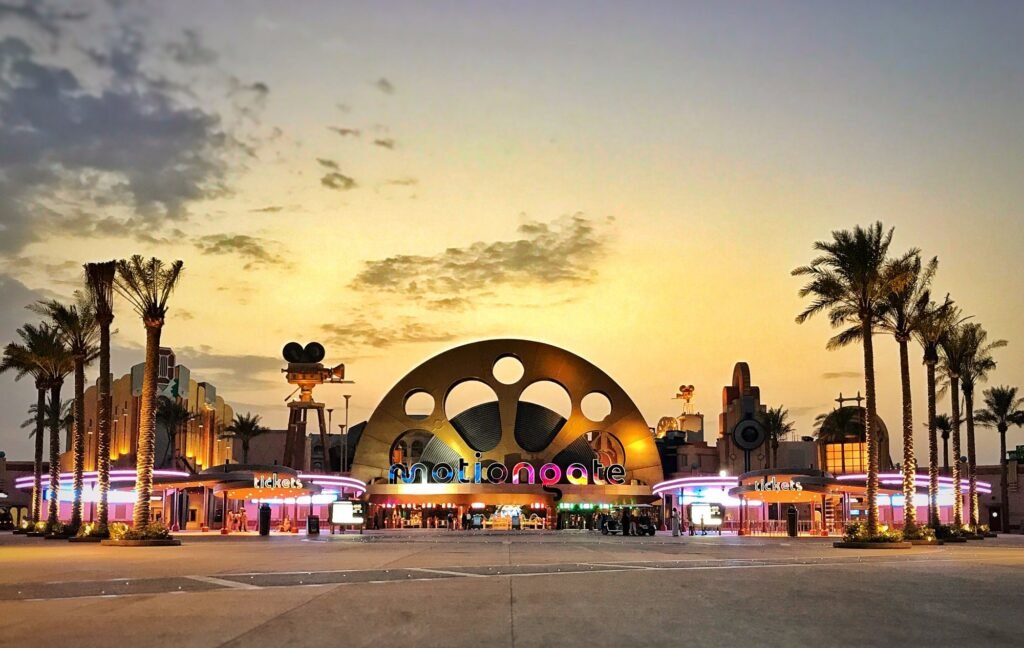
Dubai Parks & Resorts is a huge entertainment complex outside the main city, with several theme parks in one area: Motiongate™, LEGOLAND® Dubai, and LEGOLAND® Water Park. It is especially good for families, although grown-ups with a soft spot for roller coasters will not suffer either.
Useful details:
- Where: Sheikh Zayed Road
- How: DPR1 bus from Ibn Battuta Metro
- Sample prices: Motiongate™ from 87€ (275 AED); LEGOLAND® from 78€ (295 AED); LEGOLAND® Water Park from 75€; combo passes often available
- Hours: vary by season and park, so check before you go
Sleep close, play more: Lapita Hotel is on-site and very convenient if you are visiting with kids.
11) Mall of the Emirates
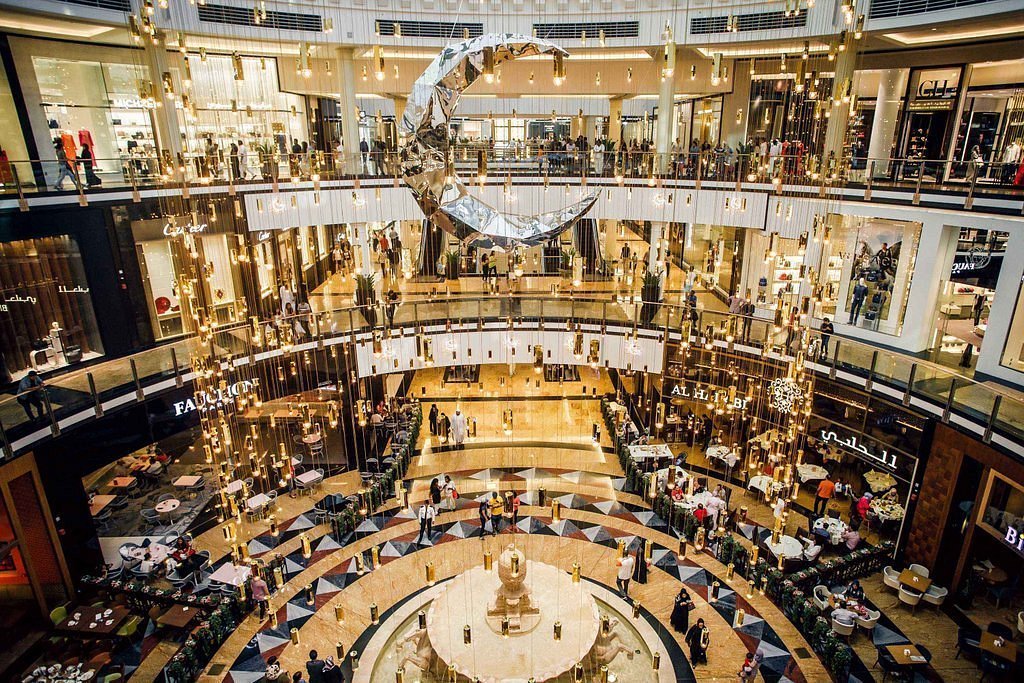
Mall of the Emirates is another huge Dubai shopping destination, with 630+ stores, lots of restaurants, attached hotels, a cinema, and the famous Ski Dubai inside. It is a great option when the weather is too hot for outdoor sightseeing and everyone needs a civilized blast of air-conditioning.
Eat smart: the food courts are useful for budget meals, with international options, quick bites, shawarma, and plenty of casual choices.
- Where: Sheikh Zayed Rd, Al Barsha
- Metro: Mall of the Emirates
- Hours: daily 10:00–23:00
12) Ski Dubai

Because Dubai enjoys doing the impossible with a straight face, there is a ski slope inside Mall of the Emirates. Ski Dubai has slopes, lifts, a snow park, lessons, and penguin encounters. Yes, penguins. In a desert mall. We have questions, but we are also entertained.
Passes range from short snow-park sessions to slope access, and most include basic gear and clothing. It is a fun break from the heat, especially for families or anyone who wants to say they went skiing in Dubai.
- Where: Mall of the Emirates
- Metro: Mall of the Emirates
- Day slope pass: around 65€
- Snow Park: from around 63€
- Hours: daily 10:00–24:00
13) Dubai Creek

Before Dubai became famous for towers and luxury malls, the city grew around Dubai Creek. The creek separates Deira and Bur Dubai, and it is still one of the best places to feel the older rhythm of the city.
Take an abra across the water, wander along the embankment, drink mint tea, or book a dhow cruise at sunset. It is one of Dubai’s simplest pleasures, and thankfully one of its cheapest too.
14) Gold and Spice Souk in Deira

Cross to Deira and you will find two of Dubai’s most atmospheric markets: the Spice Souk and the Gold Souk. The Spice Souk is all color and scent: cardamom, cinnamon, dried flowers, saffron, incense, and baskets of things you suddenly feel you need. The Gold Souk is the shiny cousin, with windows packed full of necklaces, bangles, rings, and pieces so large they look like royal armor.
Streetwise note: prices often start high, so haggle politely. Smile, take your time, and walk away if the price feels wrong. That is part of the ritual.
Further reading: 20 Best Things to Buy in Dubai – Luxe, Local & Unique
15) Al Fahidi Historical Neighborhood

Al Fahidi, also known as Al Bastakiya, is one of Dubai’s oldest and most charming neighborhoods. This is Dubai on a smaller scale: narrow lanes, sand-colored buildings, shaded courtyards, wind towers, cafés, galleries, and cultural spaces.
It is a welcome break from malls and highways. Come in the late afternoon if you can, when the light turns soft and the buildings glow warm. It is also easy to combine with Dubai Creek, the souks, and Al Fahidi Fort.
Within the district, Al Fahidi Fort stands as one of the oldest buildings in Dubai and anchors the area’s historic atmosphere.
16) Dubai Museum and Al Fahidi Fort
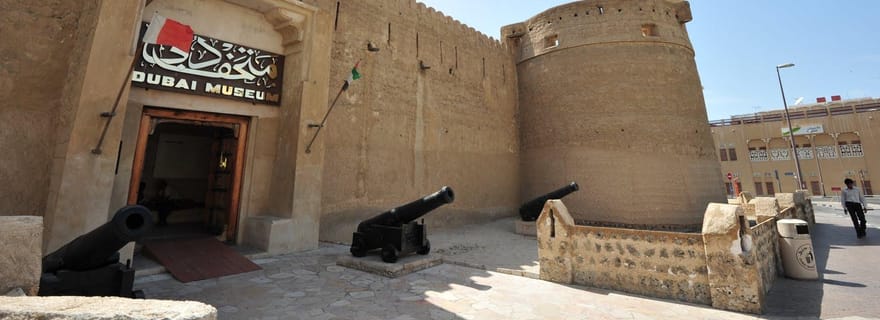
Al Fahidi Fort was built from clay and coral and once helped protect the town. It later became home to the Dubai Museum, which tells the story of the city before the skyscrapers arrived. Exhibits cover pearl diving, desert life, trade, archaeology, and old Dubai’s connection to the creek.
- Address: Al Fahidi Fort – Al Souq Al Kabeer – Al Fahidi – Dubai
- Entry: traditionally very low-cost. Check current opening status and hours before visiting.
17) Dubai Frame

The Dubai Frame is exactly what it sounds like: a giant golden frame standing 150 meters high in Zabeel Park. From the top, you can look one way towards old Dubai and the other towards the modern skyline. It is simple, clever, and surprisingly effective.
The glass-floor section adds a bit of drama, especially if your knees do not fully trust transparent surfaces. But the views are worth it.
- Where: Zabeel Park
- Metro: Al Jafiliya
- Price: from 11€ (50 AED); children 3–12 around 5€ (20 AED)
- Hours: daily 09:00–21:00
- Note: timed tickets are recommended
18) The Walk at JBR and Ain Dubai

The Walk at JBR is one of Dubai’s easiest evening areas: beach on one side, restaurants and shops on the other, and Bluewaters Island just ahead. It is lively, walkable, touristy in a fun way, and perfect when you want dinner, gelato, beach air, and people-watching in one go.
Nearby, Ain Dubai stands on Bluewaters Island. It is the world’s largest observation wheel at 250 meters. When operating, it offers huge views over the coast, Marina, and skyline. Even when it is not running, the area is still worth visiting for the promenade and restaurants.
- Built: May 2015–October 2021
- Height: 250 m
- Capacity: 1,750 people across 48 capsules
- Duration: around 38 minutes per rotation when operating
19) Dubai Miracle Garden

Open during the cooler months, Dubai Miracle Garden turns a huge outdoor space into a world of flowers, arches, sculptures, hearts, castles, and even an Emirates A380 covered in blooms. It is not subtle. It is not trying to be. It is Dubai doing flowers with full commitment.
Next door, Dubai Butterfly Garden makes an easy add-on. If you are visiting for photos, go for the Heart Passage, Umbrella Passage, and the giant floral teddy bear — because apparently flowers also need main characters.
- Where: Al Barsha South Third
- Bus: RTA 105 from Mall of the Emirates
- Miracle Garden: around €26 (100 AED); kids up to 12 around €21 (85 AED)
- Butterfly Garden: from around €16; under 3 free
- Hours: vary by season
- Note: closed during the summer months
20) Dubai Opera

Dubai Opera sits close to the Burj Khalifa and is shaped like a traditional dhow boat. It hosts a mix of opera, ballet, concerts, comedy, musicals, classical performances, and touring shows. Even if you do not catch a performance, the guided tour is a good way to see the building and learn how the space works behind the scenes.
- Where: Sheikh Mohammed bin Rashid Blvd
- Metro: Burj Khalifa/Dubai Mall
21) AURA Skypool Lounge
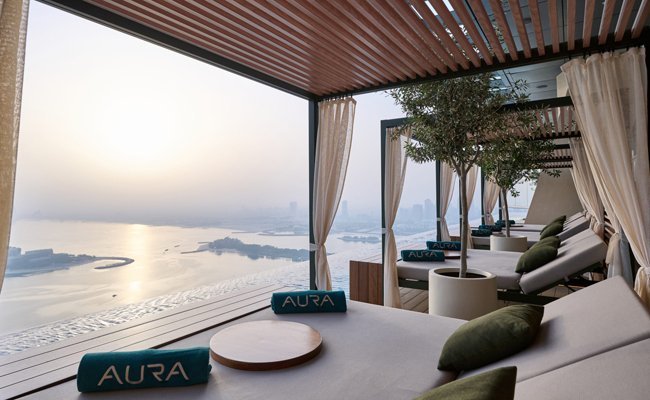
AURA Skypool is one of Dubai’s most photogenic pool experiences. It wraps around the 50th floor of Palm Tower with 360-degree views over Palm Jumeirah, the skyline, and the Gulf. Yes, it is expensive. Yes, it is very “Dubai Instagram dream.” And yes, the views are genuinely spectacular.
Different seating zones face different views, so choose depending on whether you want skyline, Palm, or open sea. Sunset sessions are especially popular, so book early if you want that golden-hour glow.
- Address: Palm Tower, 50th Floor, Palm Jumeirah
- Admission guide: Morning around 65€; Afternoon around 72€; Day Pass around 138€
How to Plan Your Dubai Sightseeing Without Exhausting Yourself
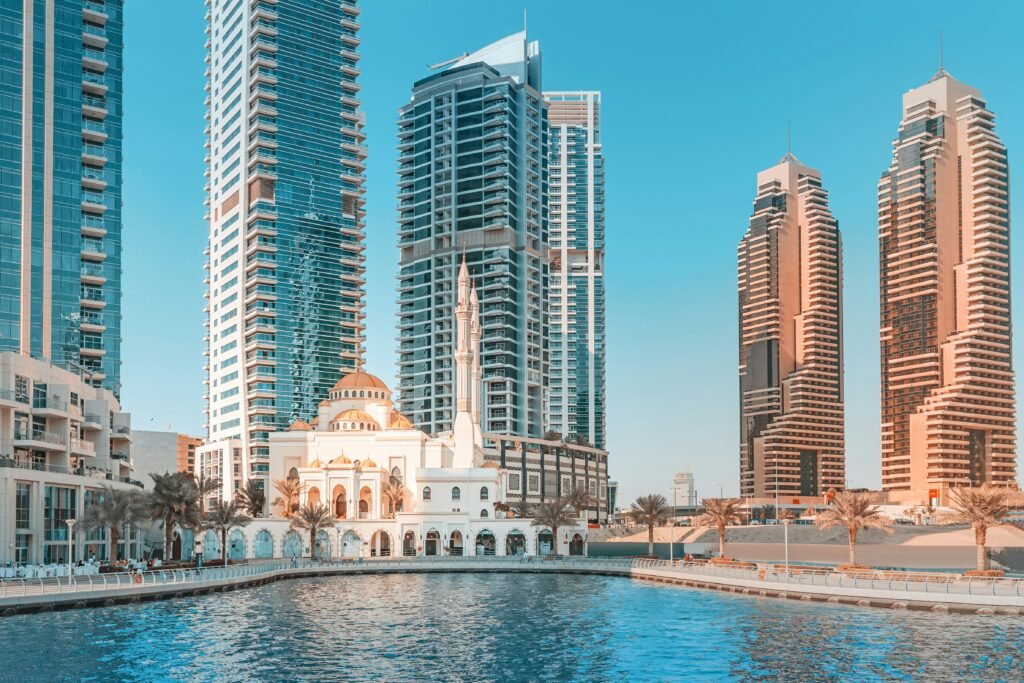
Dubai is easier when you group sights by area. Start with Old Dubai: cross the Creek by abra, explore the Spice and Gold Souks, then wander Al Fahidi. On another day, focus on Downtown: Dubai Mall, Burj Khalifa, and the Dubai Fountain. For a Palm day, ride the Monorail, visit Atlantis, walk the Boardwalk, and add AURA Skypool if your budget is feeling brave.
Keep one evening for Dubai Marina and JBR, one morning for the Dubai Frame, and one hot afternoon for Mall of the Emirates and Ski Dubai. If you want waterparks, choose between Wild Wadi and Aquaventure based on your location and budget.
And absolutely leave space for the desert. After all the glass, lights, malls, and fountains, the dunes give you the other side of Dubai: quiet, wide, golden, and surprisingly grounding.
The secret is not to rush. Dubai rewards good planning, comfortable shoes, timed tickets, and strategic air-conditioning. Charge your phone, carry water, and let each area have its moment.
Hidden Gems in Dubai
COVEBEACH – A Stylish Beach Escape
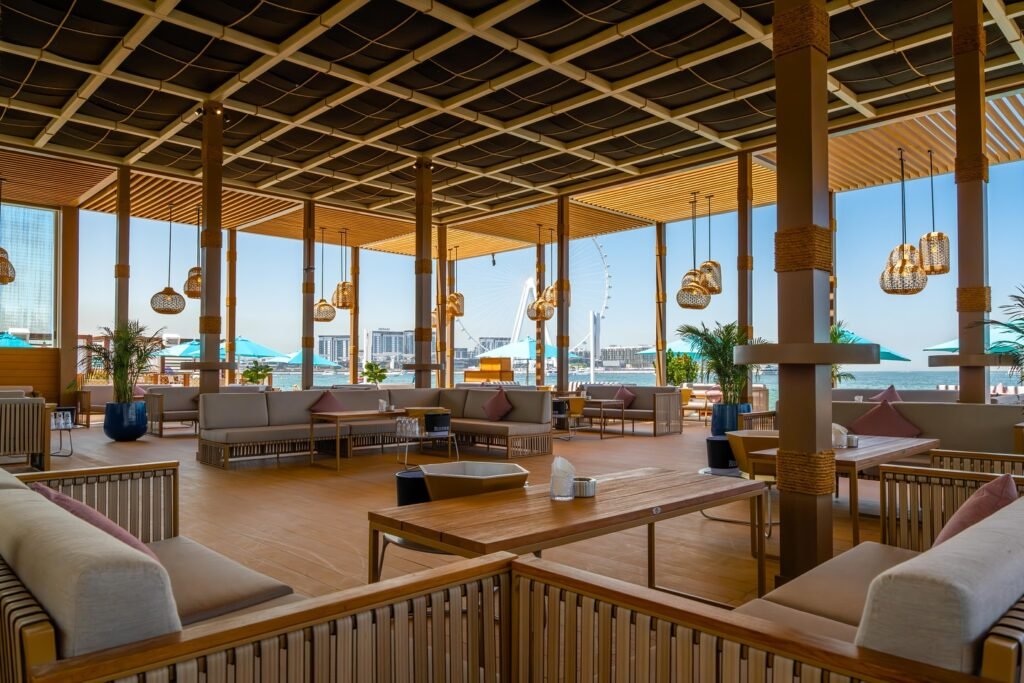
For a polished beach day, head to COVEBEACH on Bluewaters Island. Think white sand, cabanas, cocktails, seafood, and turquoise views without needing to escape the city completely.
Bluewaters Island, Dubai | @covebeachdubai
Al Quoz – Dubai’s Art Hub
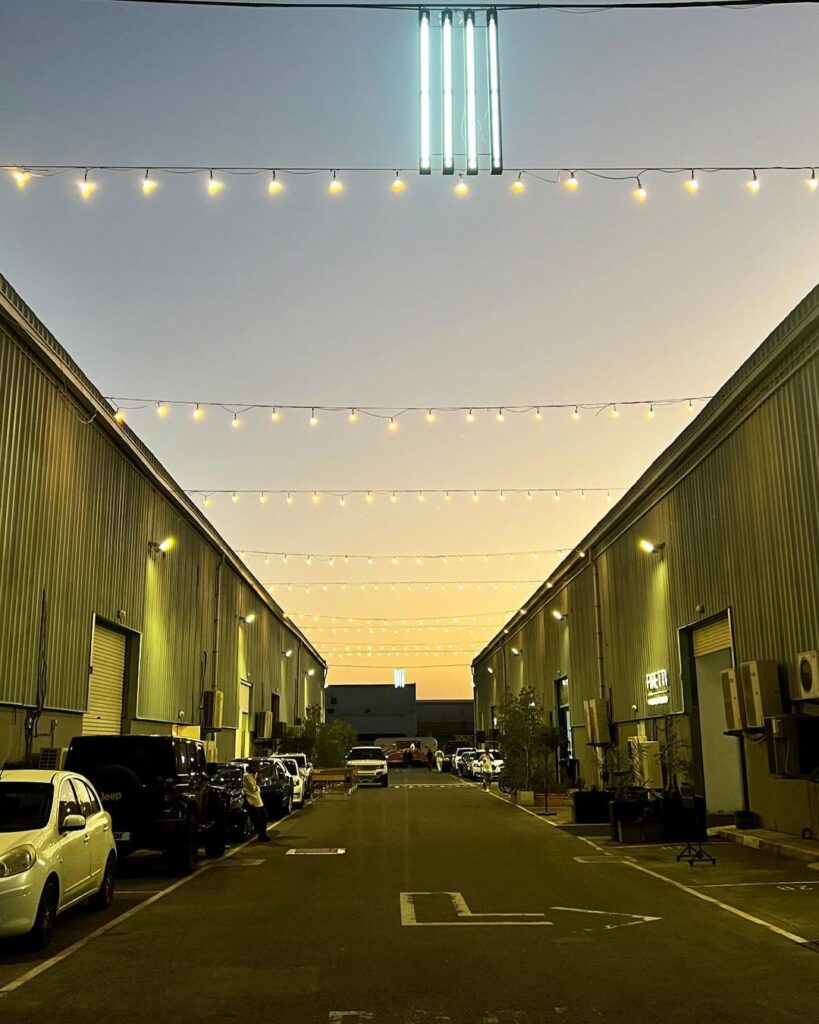
Al Quoz was once mostly industrial, but now it is one of Dubai’s most interesting creative areas. The main stop is Alserkal Avenue, where you will find galleries, installations, cafés, concept spaces, and local creative studios.
Ripe Market – Weekend Food and Local Finds
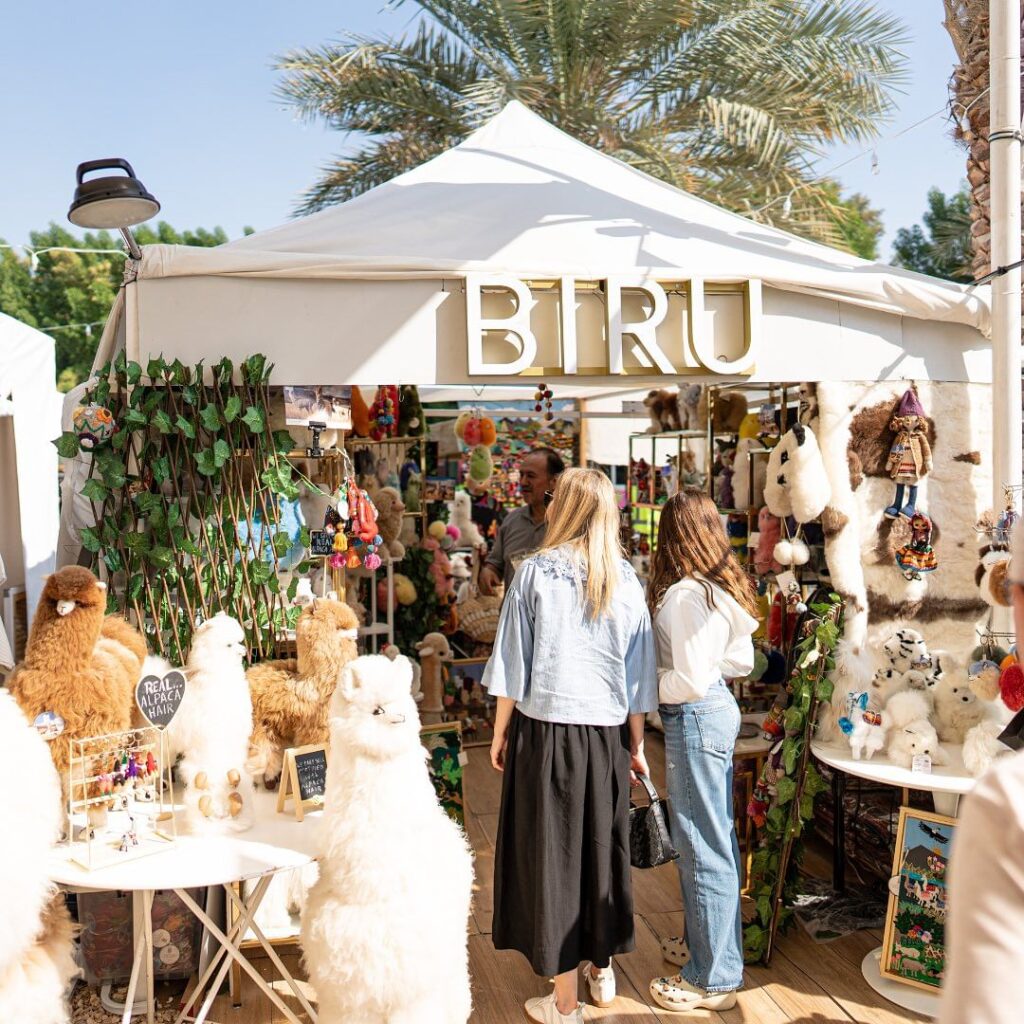
Ripe Market is a fun weekend stop for food stalls, artisan products, crafts, live music, and family-friendly wandering. It pops up in different locations, including Zabeel Park, so check the current schedule before going.
Dubai Design District – Creative Core
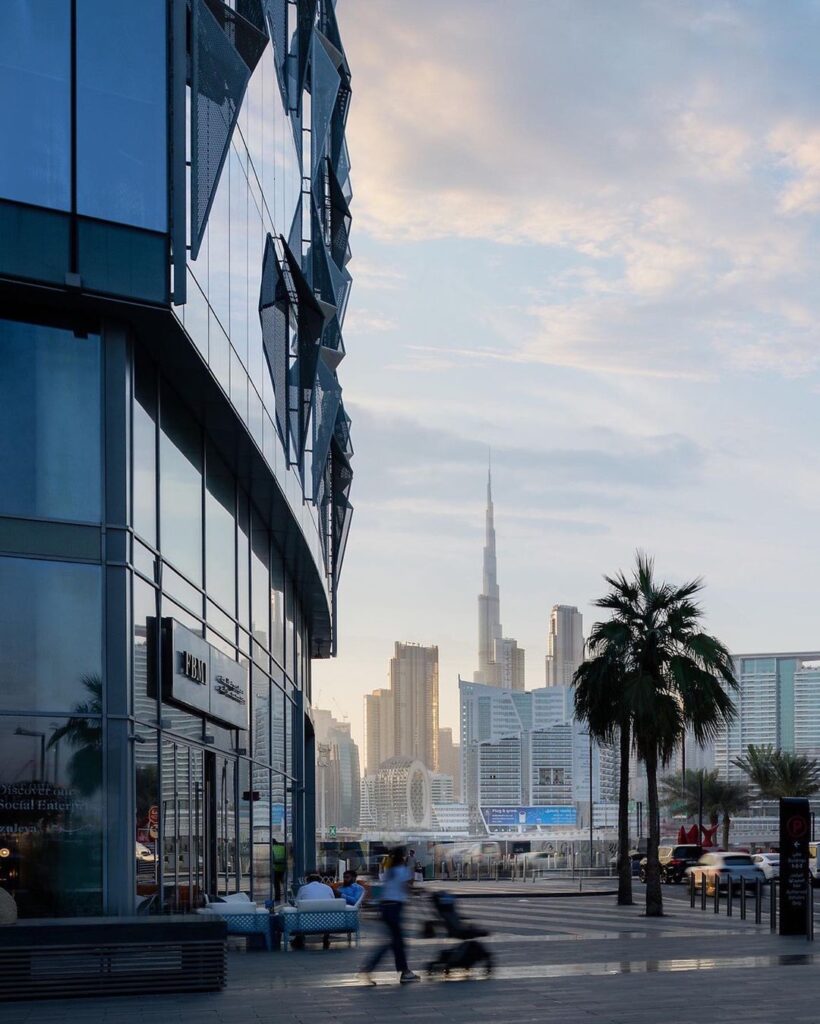
Dubai Design District, also known as d3, is a sleek area focused on fashion, design, architecture, galleries, and creative events. It is especially lively during Dubai Design Week, but it is worth visiting any time if you like modern urban design.
Hatta – Mountain Escape
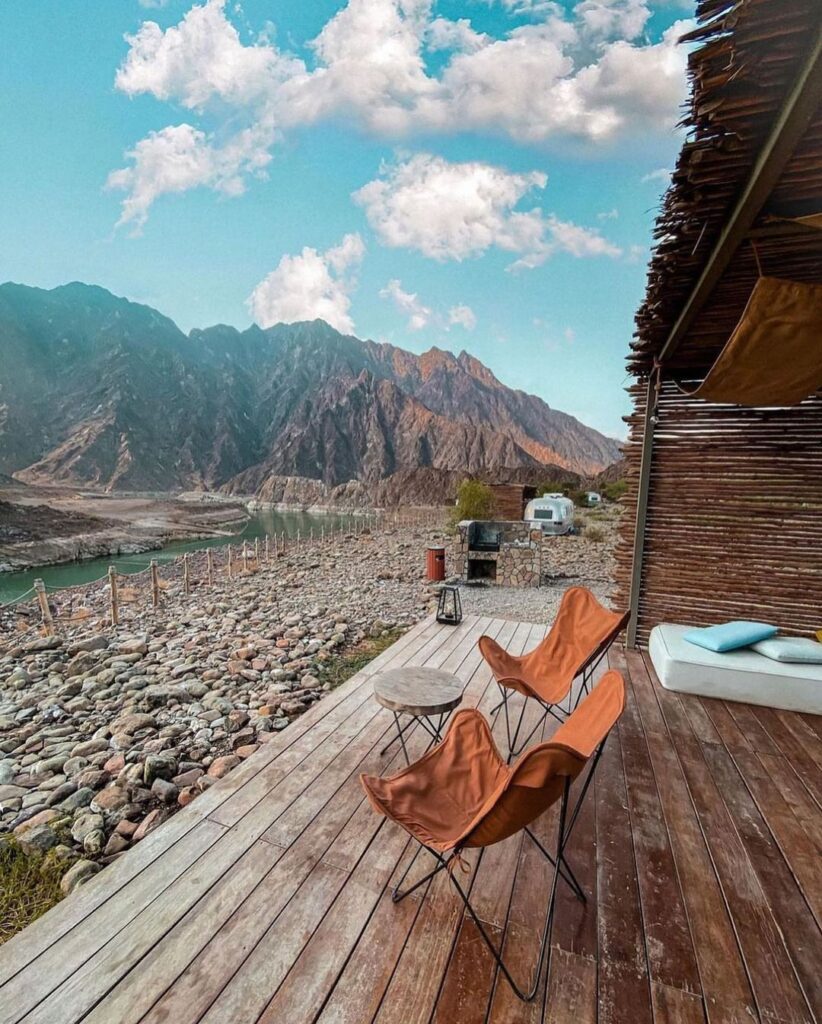
Set in the Hajar Mountains, Hatta is one of the best nature escapes from Dubai. Come for hiking, mountain scenery, kayaking, heritage sites, and a completely different side of the emirate.
La Ville Rooftop Pool – Skyline Views
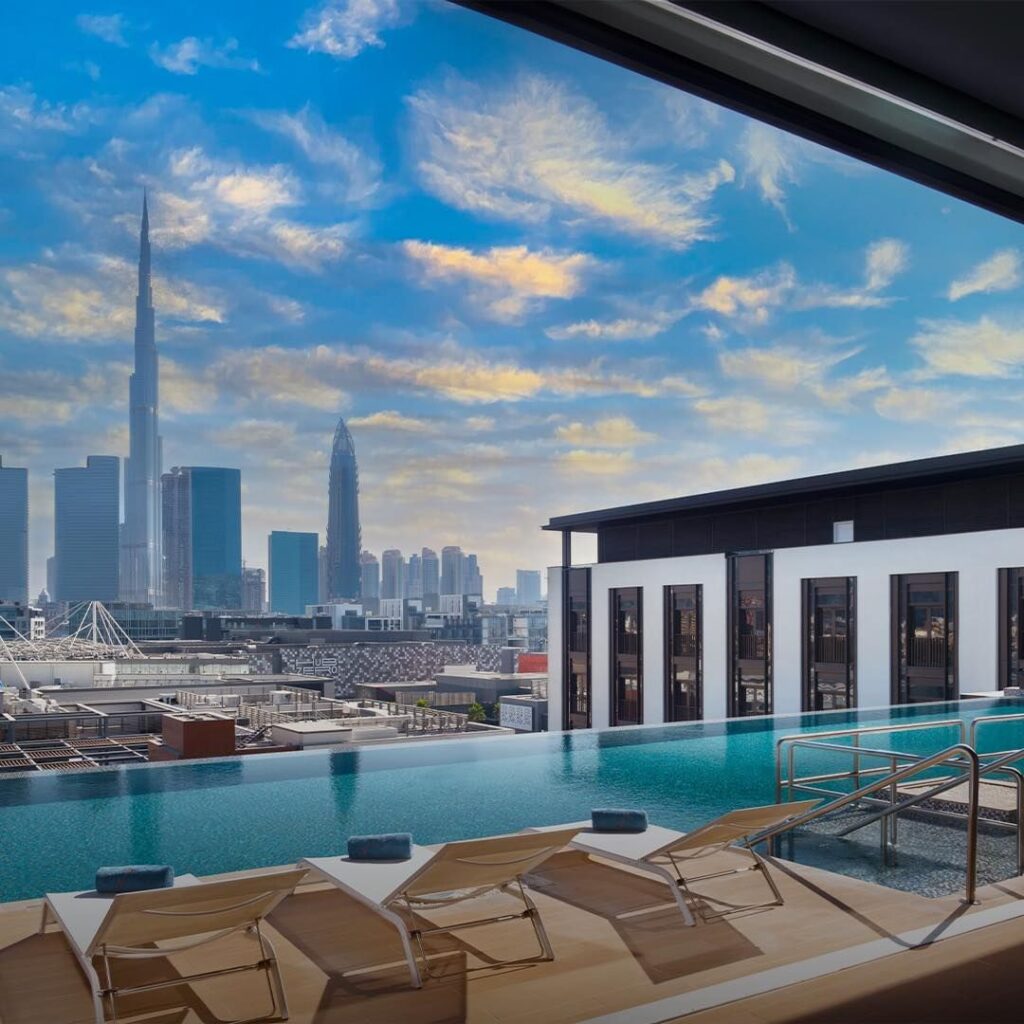
At La Ville, the rooftop infinity pool and Look Up lounge offer relaxed views towards the Burj Khalifa. It is a good option for sunset drinks, skyline photos, and a more grown-up break from mall-hopping.
Mosque of Light – Contemporary Islamic Architecture
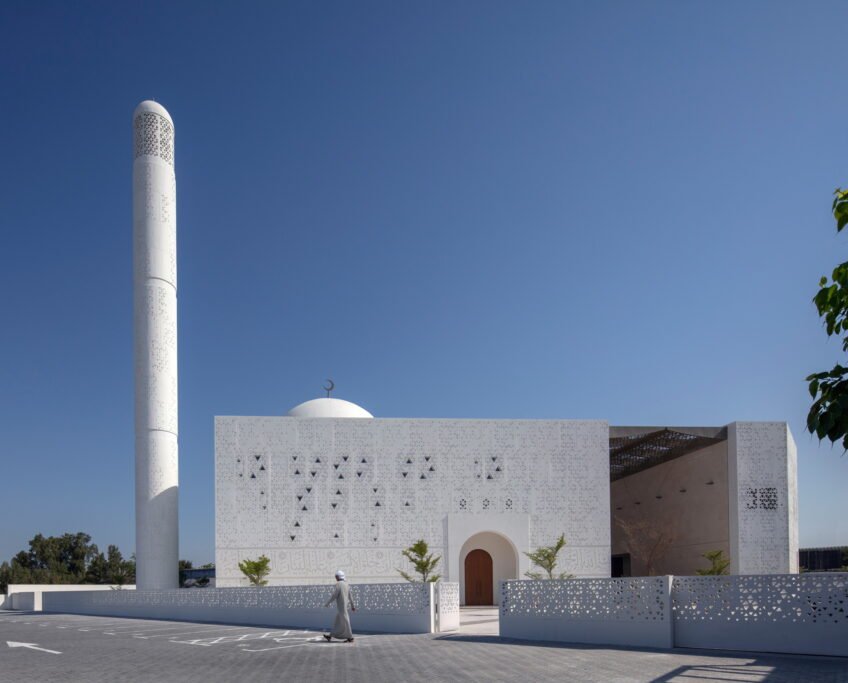
The Mosque of Light in Al Quoz is a beautiful example of modern mosque design. Created by architect Sumaya Dabbagh, it uses geometric patterns, soft light, and elegant forms to create a peaceful contemporary space.
Where to Eat in Dubai: Street Bites, Skyline Views, and Michelin Dreams
Dubai is not a one-flavor city. One minute, we’re eating shawarma for a few dirhams; the next, someone is serving a tasting menu with dry ice, tweezers, and emotional backstory. That is the beauty of eating here. The city’s food scene reflects its mix of cultures: Emirati, Lebanese, Indian, Pakistani, Iranian, Filipino, Japanese, European, and more. Here are some of the best places to eat, grouped by mood and budget.
Street Food and Local Favorites
For the most memorable casual meals, head beyond the glamorous dining rooms and into Dubai’s older neighborhoods. Bur Dubai, Deira, Satwa, and Jumeirah have small restaurants, cafeterias, grills, and seafood spots where the food is generous, affordable, and full of character.
Al Ustad Special Kabab (Bur Dubai) — A Dubai classic serving Iranian-style kebabs, saffron rice, and hearty grilled meat since the 1970s. It is simple, busy, beloved, and covered in old photos.
- Must try: mutton kebab with buttered saffron rice.
- Price: around 30–50 AED per person.
- Tip: go before 7pm to avoid the biggest dinner rush.
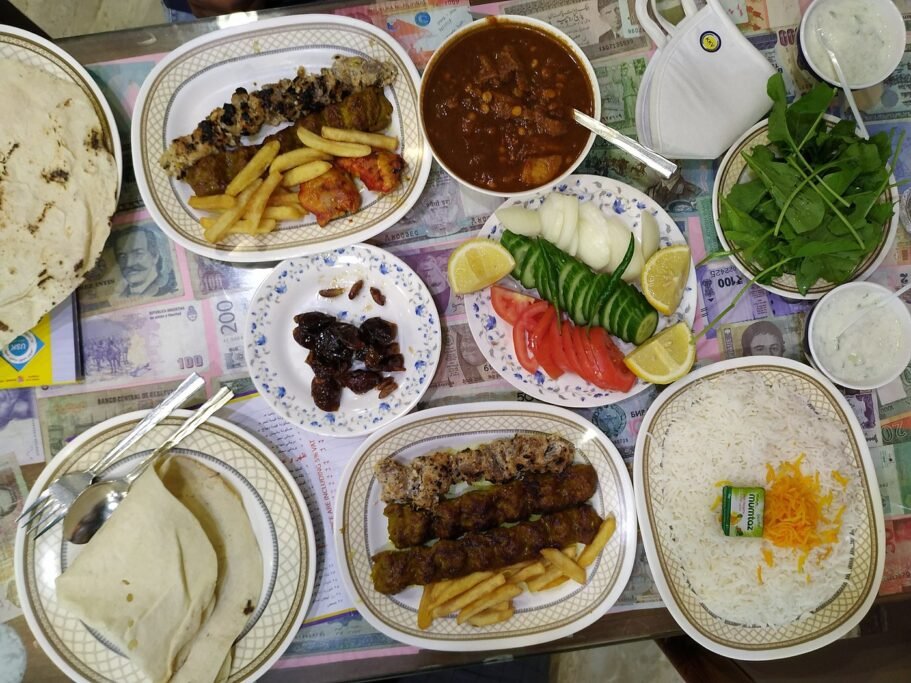
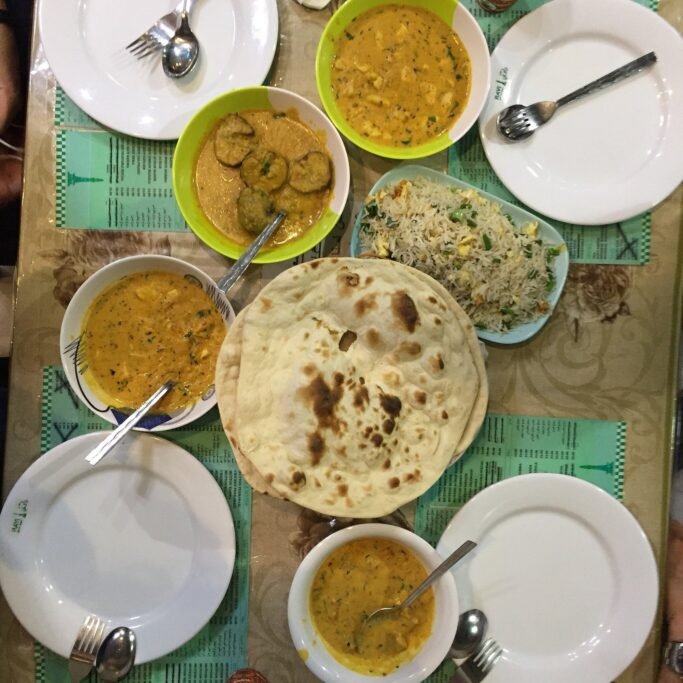
Ravi Restaurant (Satwa) — A no-frills Pakistani institution known for curries, naan, biryani, and big portions. It is loud, fast, affordable, and exactly the kind of place you remember long after the fancy meals blur together.
- Must try: chicken Peshawari karahi and mutton biryani.
- Price: around 20–40 AED per person.
- Close to: Satwa’s textile shops and old-school neighborhood streets.
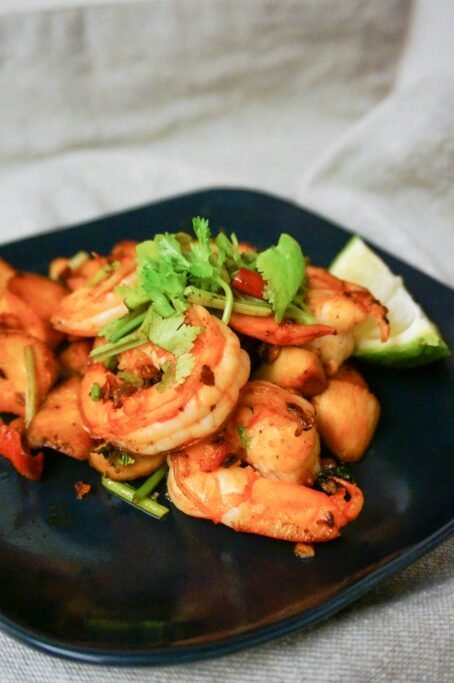
Bu Qtair (Jumeirah) — A famous seafood spot where you choose your fish or prawns, then sit down for spicy, casual, deeply satisfying food. It is humble, busy, and much more memorable than many polished beachfront restaurants.
- Must try: fried kingfish and spicy prawn curry.
- Price: around 40–70 AED per person.
- Good for: seafood after a beach day.
Mid-Range Gems
This is where Dubai becomes especially fun: creative restaurants, modern Middle Eastern cooking, small plates, rooftop settings, and chef-led menus that feel special without requiring a financial recovery plan.
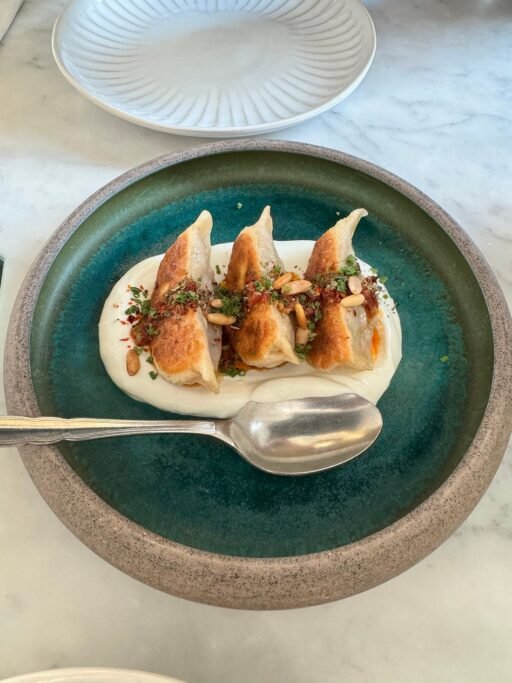
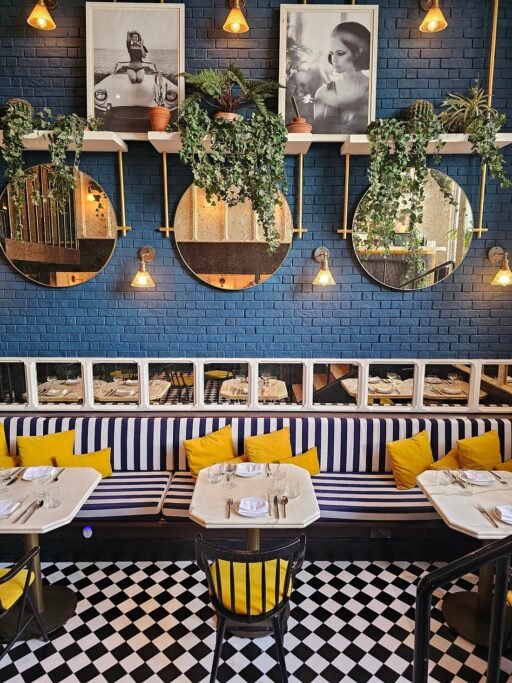
Orfali Bros Bistro (Wasl 51, Jumeirah) — Run by three Syrian brothers, this bistro gives Levantine comfort food a playful, modern twist. Expect bold flavors, creative dishes, and a lively room that feels polished but not stiff.
- Must try: Aleppo kebab tartare and burnt cheesecake.
- Price: around 150–250 AED per person.
- Tip: lunch can be better value than dinner.
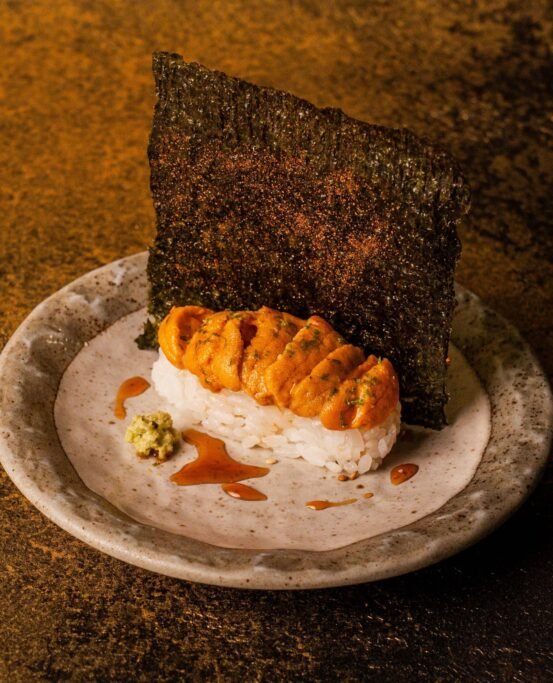
3Fils (Jumeirah Fishing Harbour) — Casual, acclaimed, and full of flavor. The menu blends Japanese and Middle Eastern influences, with dishes like wagyu nigiri, tuna rolls, and sticky date pudding.
- Must try: wagyu nigiri and sticky date pudding.
- Price: around 150–300 AED per person.
- Good for: relaxed dinners with serious food credentials.
BB Social Dining (DIFC) — A stylish Pan-Asian spot with small plates made for sharing. Think bao buns, crispy cauliflower, wagyu skewers, and a lively townhouse-style setting.
- Must try: short rib bao and sesame cauliflower.
- Price: around 120–220 AED per person.
- Close to: DIFC galleries, bars, and nightlife.
Fine Dining and Michelin-Level Experiences
If you want a special-occasion meal, Dubai is ready. This is a city of tasting menus, dramatic interiors, aquarium views, skyline tables, and restaurants that treat dinner like theatre — sometimes literally.
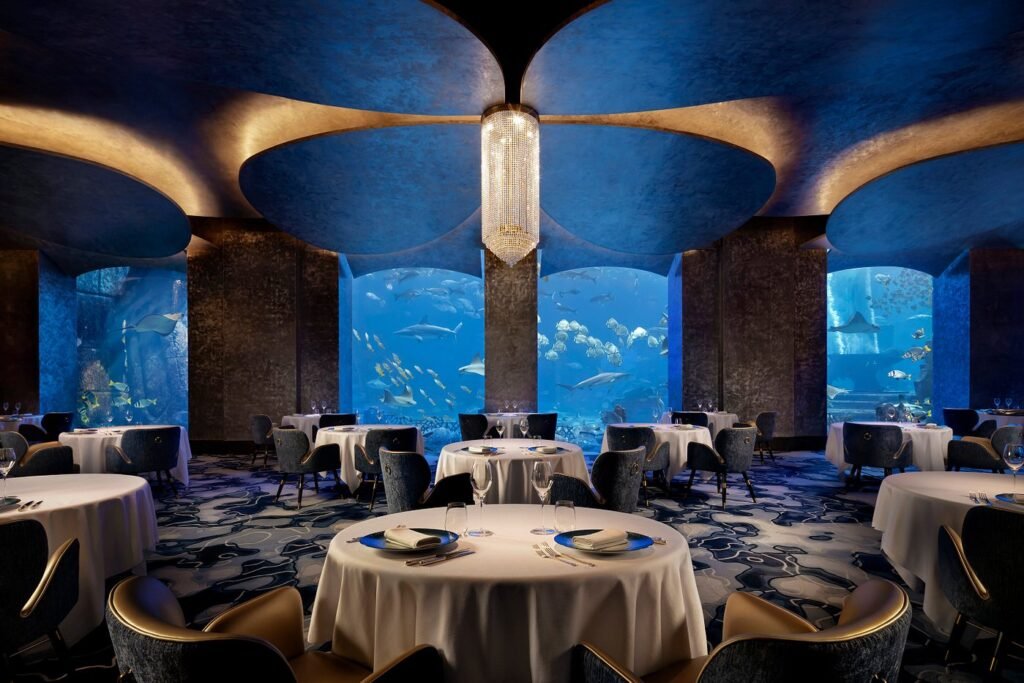
Ossiano (Atlantis, The Palm) — An underwater fine-dining restaurant where rays and sharks glide behind the glass while you eat. It is dramatic, expensive, and ideal for a once-in-a-trip splurge.
- Must try: tasting menu with wine pairing.
- Price: around 1200+ AED per person.
- Tip: request a window table for the full aquarium effect.
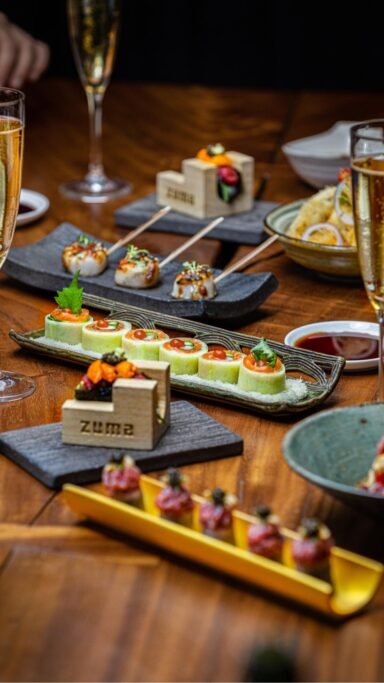
Zuma (DIFC) — A long-time Dubai favorite for contemporary Japanese dining. It is sleek, buzzy, and known for dishes like black cod, sushi, wagyu, and robata-grilled plates.
- Must try: black cod, truffle sushi, and spicy beef tenderloin.
- Price: around 400–700 AED per person.
- Good for: birthdays, business dinners, and polished nights out.
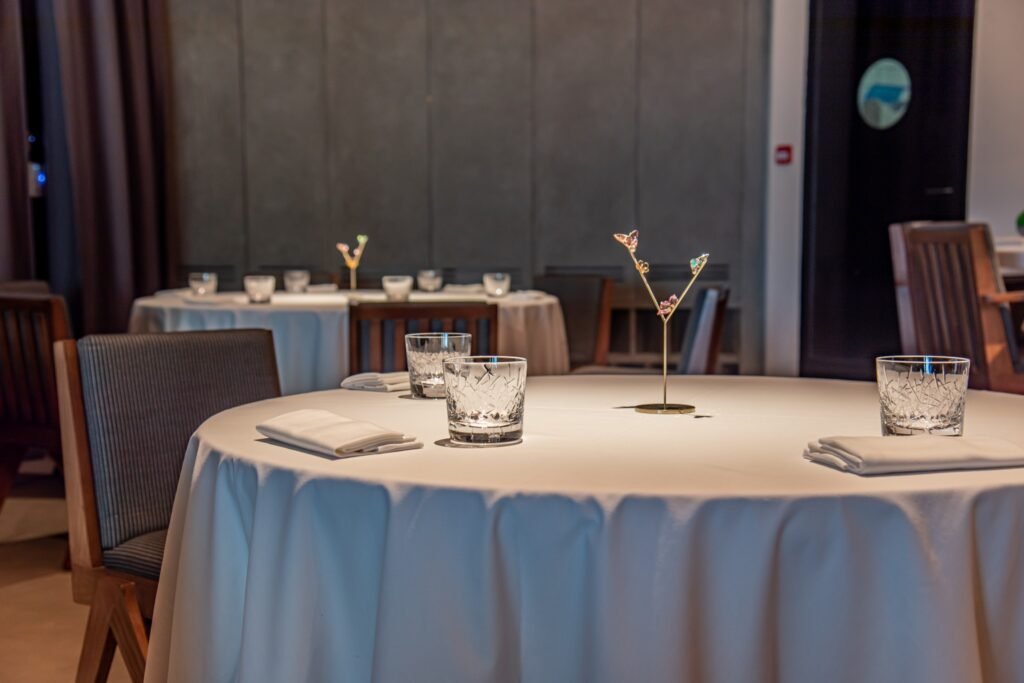
Trèsind Studio (Nakheel Mall, The Palm) — One of Dubai’s most talked-about fine-dining restaurants, known for its modern Indian tasting menu and storytelling approach. It is elegant, creative, and very much a food-lover’s destination.
- Must try: seasonal chef’s tasting menu.
- Price: around 800–1000 AED per person.
- Good for: serious foodies and special occasions.
Pro Tips for Eating in Dubai
- Book ahead: essential for popular mid-range and fine-dining spots, especially on weekends.
- Dress codes: upscale restaurants usually expect smart casual clothing. Beachwear is not your friend here.
- Brunch: Dubai brunch is a whole event, usually on weekends. Go hungry and do not plan much afterwards.
- Tipping: not always required, but 10–15% is appreciated for good table service.
- Ramadan: many hotels and restaurants offer special iftar meals, which can be a memorable cultural food experience.
Where to Stay in Dubai: Top Hotel Picks for Every Budget
Choosing where to stay in Dubai matters. Pick the right area and you save time, taxi money, and a lot of sweaty “why is this so far?” moments. Here are hotel picks grouped by budget, with the kind of traveler each one suits best.
Budget Hotels: Good Value, Smart Locations
Rove Downtown (Downtown Dubai) — A clean, playful hotel with a pool, skyline views, and a location that works brilliantly for first-timers.
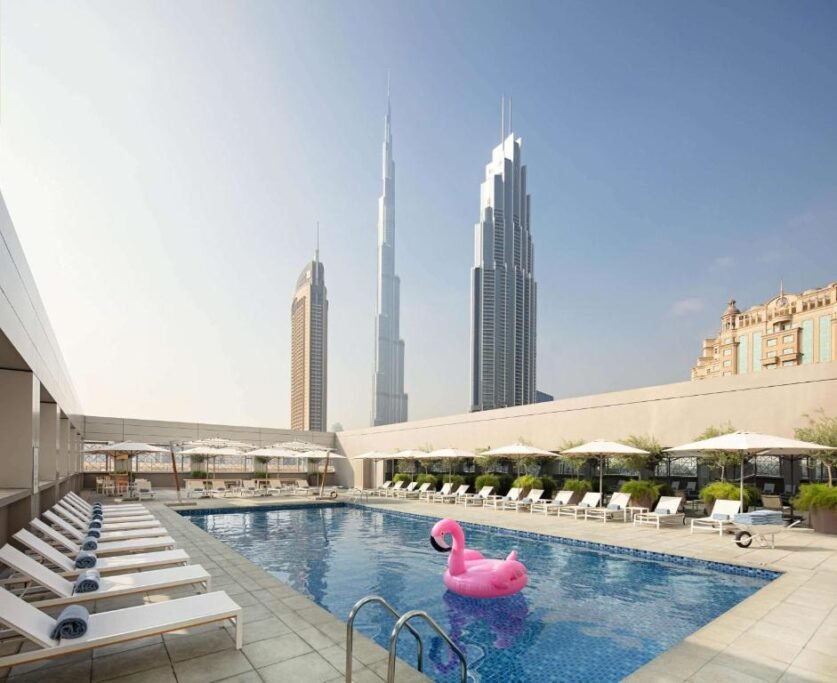
- Close to: Dubai Mall, Burj Khalifa, Fountain shows.
- How to get there: Dubai Mall/Burj Khalifa Metro, then walk through the air-conditioned link.
- Good for: first-timers who want Downtown convenience without paying luxury rates.
Premier Inn Dubai Al Jaddaf (Al Jaddaf) — Reliable rooms, a rooftop pool, and easy metro access. Not flashy, but practical and great value.
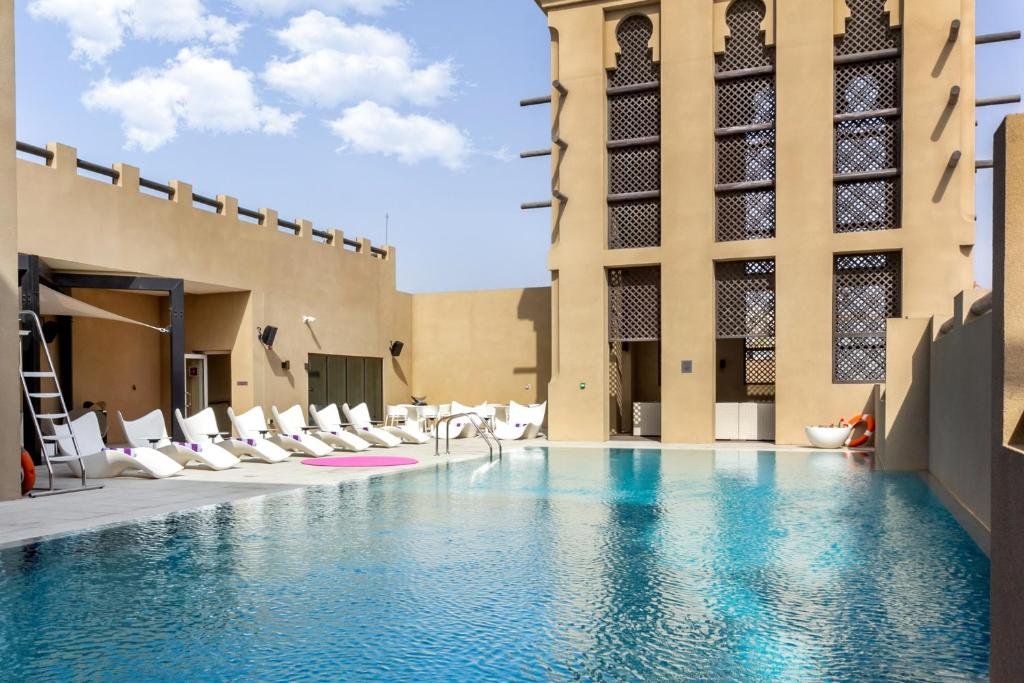
- Close to: Healthcare City and Dubai Creek boardwalks.
- How to get there: Al Jaddaf Metro, around 6–8 minutes on foot.
- Good for: budget travelers who want transport links and quiet nights.
Holiday Inn Express Dubai Airport (DXB / Garhoud) — A simple, reliable airport hotel with breakfast, shuttle convenience, and metro access nearby.
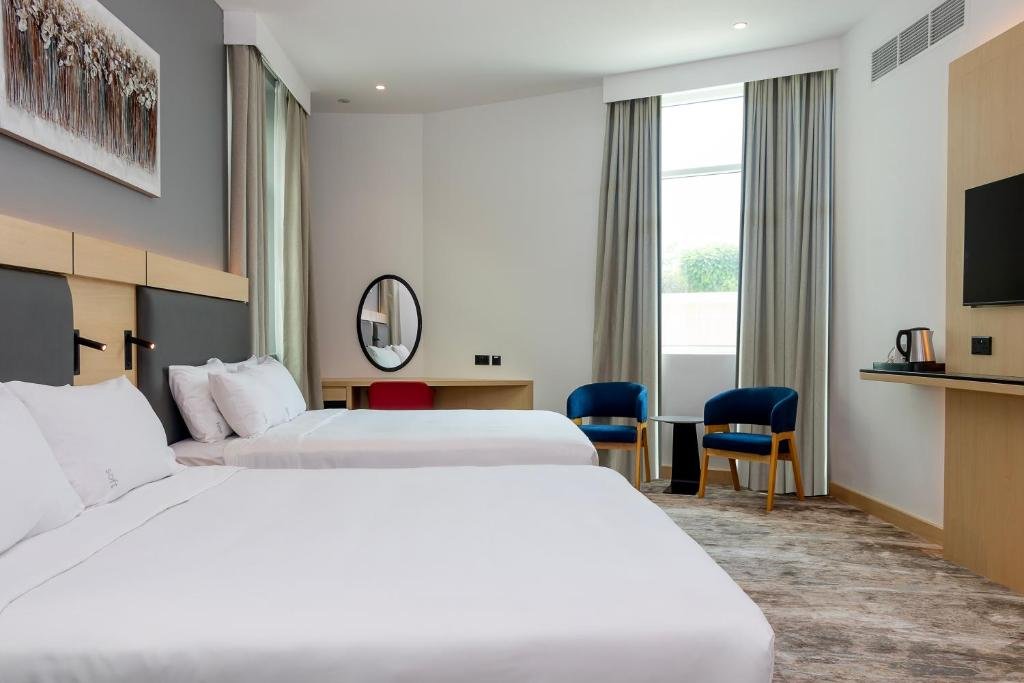
- Close to: DXB Terminal 3 and Garhoud restaurants.
- How to get there: Emirates Metro, around 3–5 minutes on foot.
- Good for: late arrivals, early flights, and one-night stopovers.
Pro tip: If you want Old Dubai charm on a budget, look around Al Seef and the Creek, especially outside peak weekends.
Mid-Range Hotels: Stylish, Comfortable, Still Sensible
Canopy by Hilton Dubai Al Seef (Al Seef/Creek) — A stylish waterfront hotel where modern design meets old Dubai atmosphere.
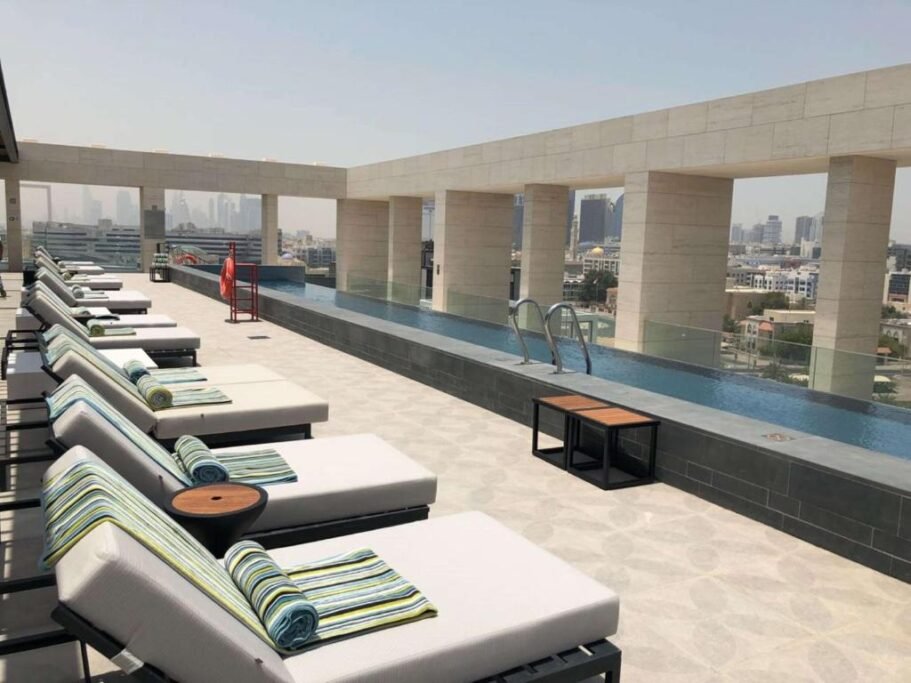
- Close to: Al Fahidi Historical Neighborhood, Creek abra rides, and Textile Souk.
- How to get there: Sharaf DG/Al Fahidi Metro, around 10–12 minutes on foot.
- Good for: culture lovers who still want a rooftop pool and a good breakfast.
Millennium Place Dubai Marina (Dubai Marina) — A practical Marina base with easy access to the promenade, JBR, beaches, and evening dining.
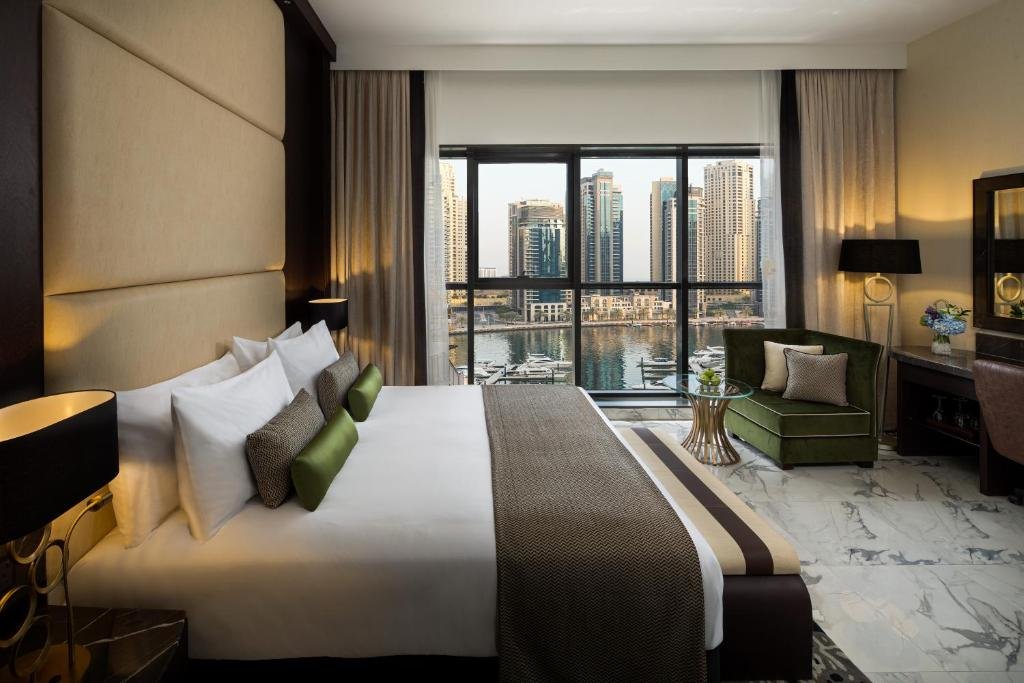
- Close to: Marina Walk, JBR Beach, and Bluewaters.
- How to get there: DMCC Metro or Dubai Marina Tram, around 7–10 minutes on foot.
- Good for: couples and families who want seaside evenings without Palm prices.
Vida Creek Harbour (Dubai Creek Harbour) — Calm, photogenic, and design-led, with boardwalks and skyline views across the water.
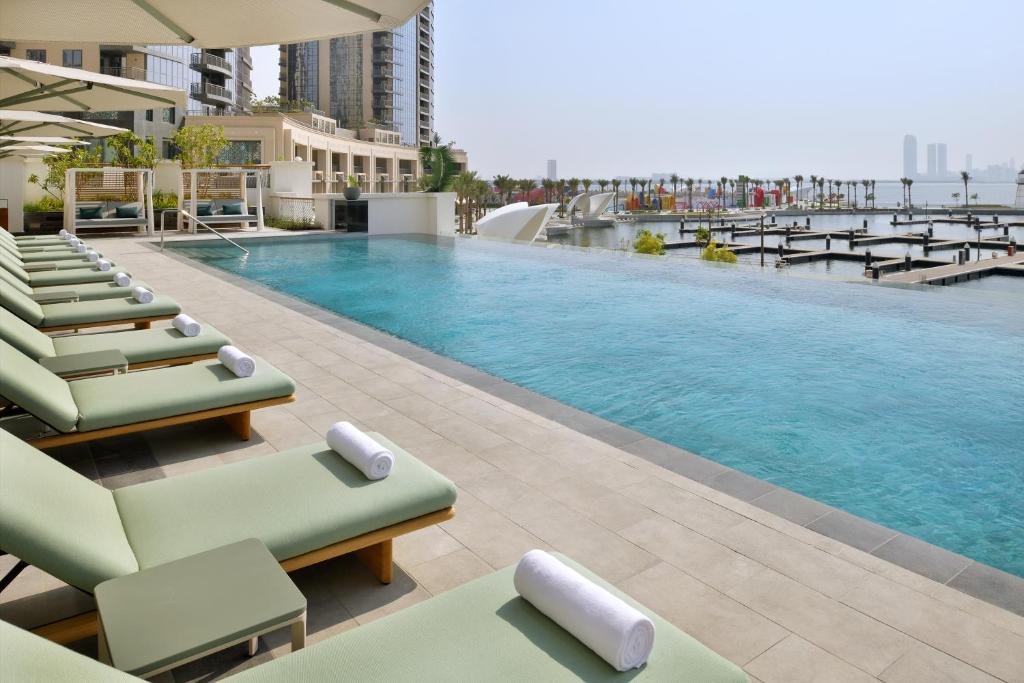
- Close to: Creek Harbour promenade, restaurants, and sunset viewpoints.
- How to get there: easiest by taxi or rideshare from Downtown or Business Bay.
- Good for: travelers who want a quieter base with quick taxi access to Downtown.
Pro tip: If you like Dubai Marina but not the thickest crowds, stay slightly canal-side and tram or walk to JBR when you want the buzz.
Luxury Hotels: Big Views, Big Pools, Big Dubai Energy
Address Dubai Mall (Downtown Dubai) — Direct mall access, fountain-view rooms, and a pool deck that feels made for golden hour.
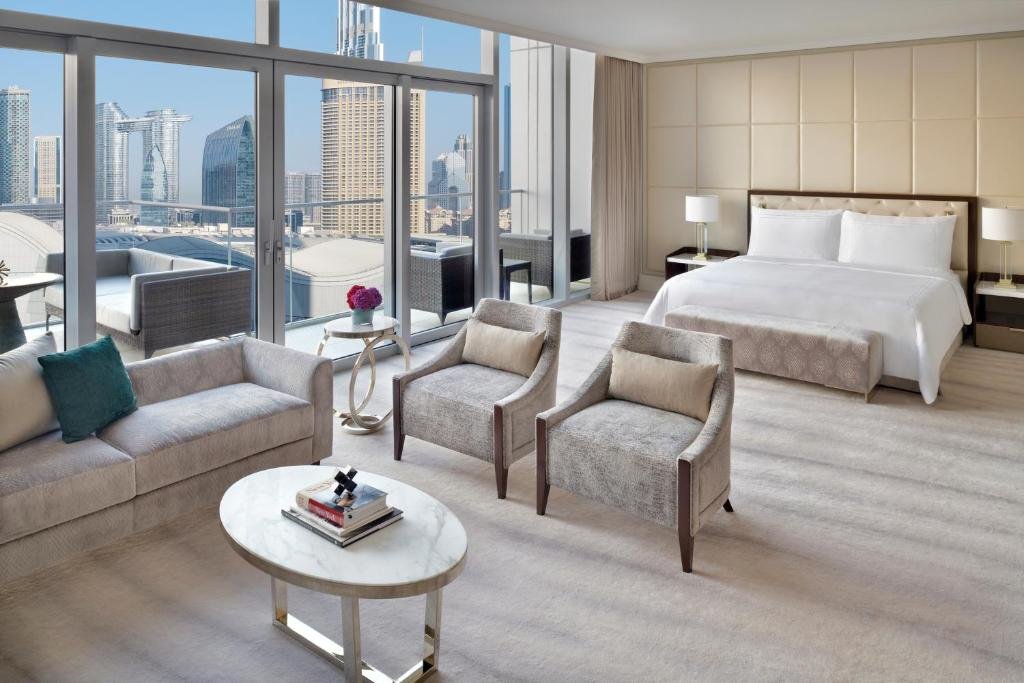
- Close to: Dubai Mall, Burj Khalifa, and Dubai Opera.
- How to get there: Burj Khalifa/Dubai Mall Metro, then indoor walkways.
- Good for: travelers who want shopping, sightseeing, and minimal heat exposure.
JW Marriott Marquis Dubai (Business Bay) — Two striking towers, excellent dining, and quick access to Downtown and the Dubai Water Canal.
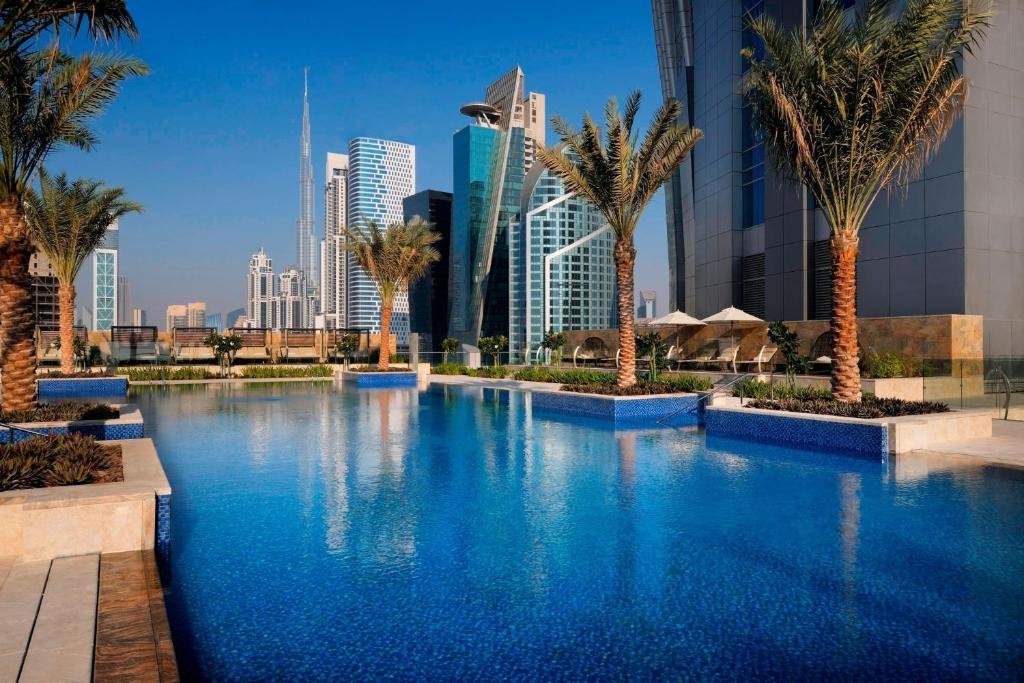
- Close to: Dubai Water Canal, Business Bay, and Downtown.
- How to get there: Business Bay Metro, around 12–15 minutes on foot or a short taxi ride.
- Good for: travelers who want luxury amenities without the very highest Downtown prices.
W Dubai – The Palm (Palm Jumeirah) — A bold beach resort with DJs, pools, daybeds, and strong “we came here to enjoy ourselves” energy.
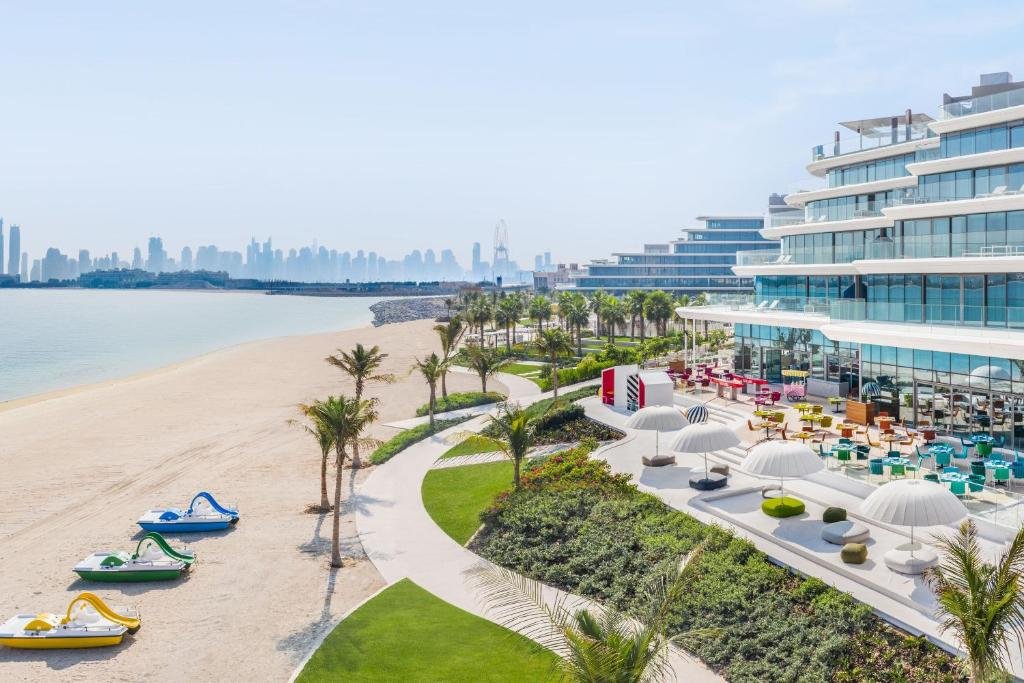
- Close to: Palm beach clubs, The Pointe area, and boat tours.
- How to get there: Palm Monorail from Gateway or taxi.
- Good for: sun-seekers who want resort life and nightlife in one place.
Pro tip: For New Year’s Eve fireworks, Downtown hotels book up early. Reserve by late October if you can, or look at Business Bay for better value.
Ultra-Luxe Hotels: Special-Occasion Territory
Armani Hotel Dubai (Burj Khalifa) — Sleek, minimalist, and located inside the Burj Khalifa itself. Hard to beat if you want the ultimate Dubai address.
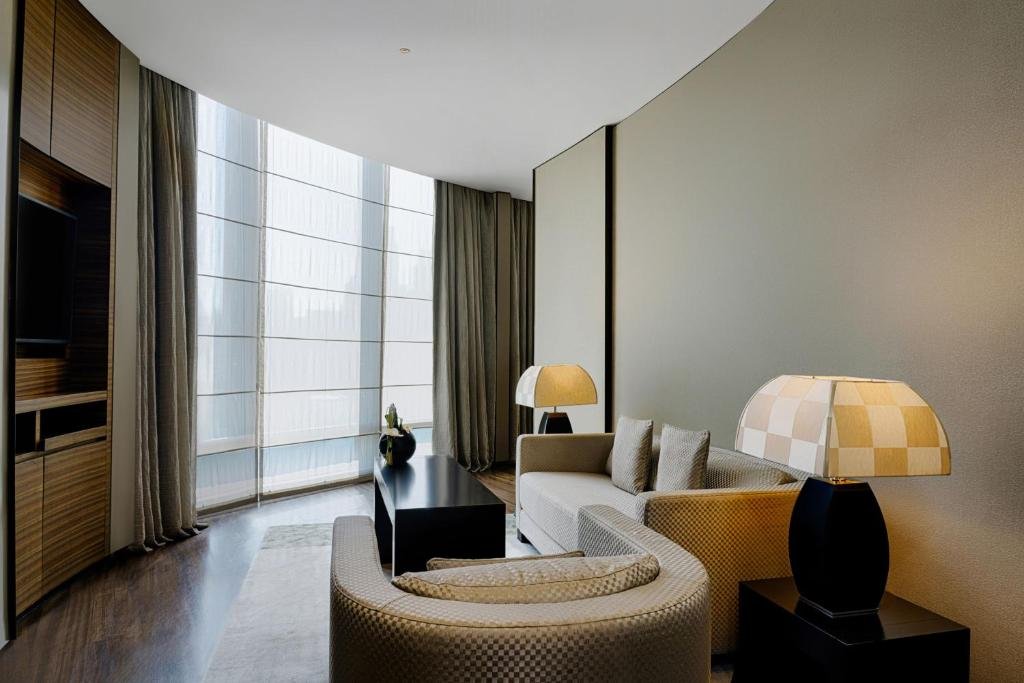
- Close to: Dubai Mall, Burj Khalifa attractions, and fountain views.
- How to get there: Burj Khalifa/Dubai Mall Metro plus internal walkways.
- Good for: design lovers and travelers who want the most iconic location in town.
Burj Al Arab Jumeirah (Umm Suqeim) — The famous sail-shaped hotel with duplex suites, private beach access, and service designed to make normal hotels feel shy.
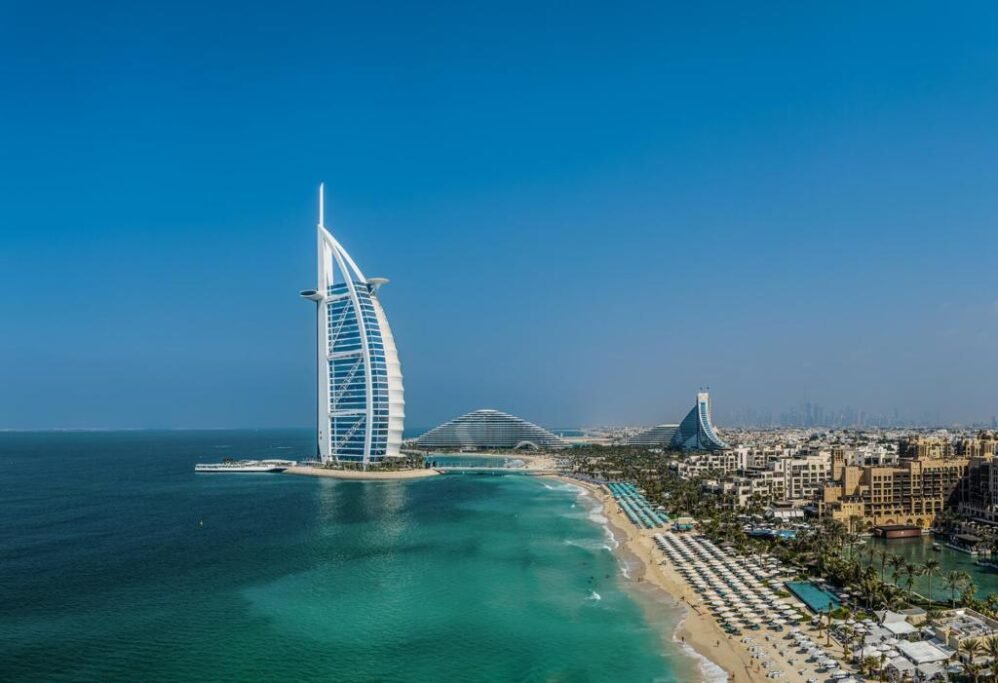
- Close to: Wild Wadi Waterpark, Jumeirah beaches, and Madinat Jumeirah.
- How to get there: taxi or rideshare is easiest.
- Good for: celebrations and “we are doing this properly” trips.
Atlantis The Royal (Palm Jumeirah) — A futuristic luxury resort with destination restaurants, dramatic pools, and very big Dubai energy.
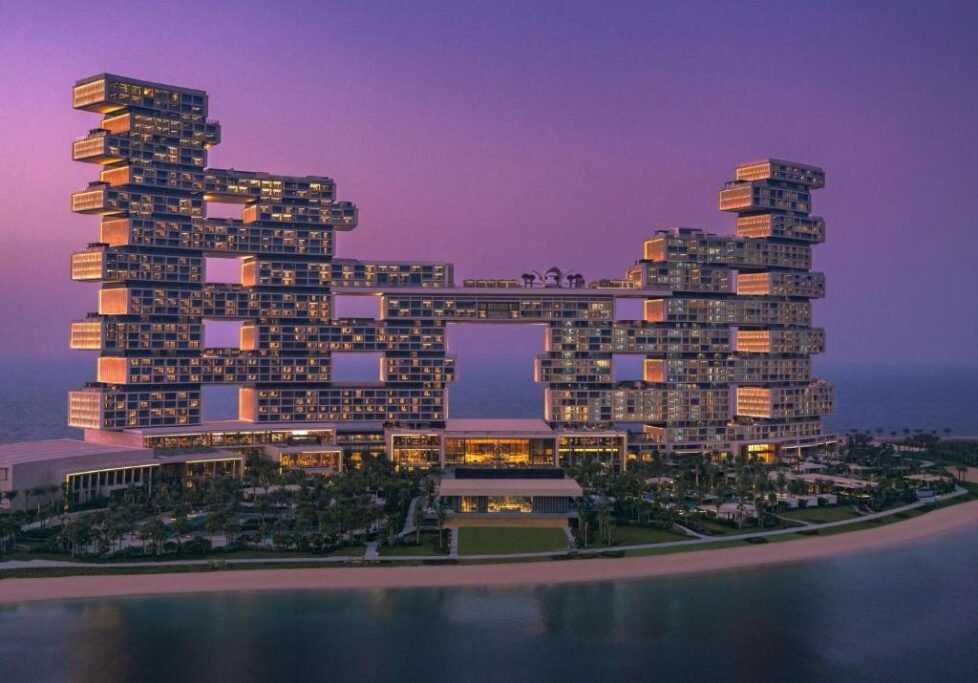
- Close to: Aquaventure, The Palm Boardwalk, and seaside restaurants.
- How to get there: Palm Monorail to Atlantis/The Royal or taxi.
- Good for: families, foodies, and travelers who want everything in one resort.
Pro tip: If you like big views but want less Palm traffic, look at Bluewaters Island hotels too.
Which Dubai Area Should You Choose?
- Downtown: best for first-timers, Dubai Mall, Burj Khalifa, and fountain shows.
- Dubai Marina / JBR: best for beaches, evening walks, casual dining, and nightlife.
- Al Seef / Creek: best for culture, abra rides, souks, and older Dubai atmosphere.
- Palm Jumeirah: best for resorts, beach clubs, pools, and staycation-style trips.
- Business Bay: good value with quick access to Downtown.
Simple rule: choose Palm Jumeirah if you plan to spend lots of time at your resort. If you want to sightsee across the city every day, Downtown, Business Bay, Marina, or the Creek area will usually be more practical.
❓ FAQs: What to Do in Dubai
What are the top attractions to see in Dubai?
The big classics are Burj Khalifa, Dubai Mall, Dubai Fountain, Palm Jumeirah, Dubai Marina, Dubai Frame, Old Dubai, and the desert. These give you a good mix of skyline views, culture, beachy areas, and classic Dubai spectacle.
What are the best free things to do in Dubai?
Watch the Dubai Fountain, walk around Al Fahidi Historical Neighborhood, explore parts of Dubai Creek, visit the Gold and Spice Souks, stroll along JBR Beach, and browse Alserkal Avenue’s galleries. Dubai can be expensive, but not every good moment needs a ticket.
Is Dubai good for families?
Yes. Dubai is very family-friendly, with waterparks, theme parks, beaches, aquariums, malls, parks, and hotels with excellent facilities for children. The main challenge is planning around heat and distances.
What is the best time of year to visit Dubai?
The best months are usually November to March, when the weather is cooler and outdoor activities are much more comfortable. This is also the busiest and most expensive season, so book early.
Are there cultural experiences in Dubai?
Yes. Visit Al Fahidi, take an abra across the Creek, explore the souks, book an Emirati meal experience, visit cultural centers, or join a guided Old Dubai walk. The modern skyline is famous, but the older side of the city is just as important.
- Best UAE Road Trip Itinerary (2026): Explore All 7 Emirates in One Epic Journey
- 12 Best Restaurants in Fujairah (2026 Updated): Top Dining Spots for Every Food Lover

- Ultimate Ras Al Khaimah Itinerary for a Perfect Getaway (2026)
- 9 Best Hiking Trails in UAE (2026): Discover the Emirates’ Natural Wonders

- 14 Traditional Emirati Dishes You Need to Try in the UAE (2026)