
Travel writing based on first-hand experience
Discover the best things to do in Nicosia , Cyprus—from ancient landmarks and vibrant markets to cultural museums and scenic viewpoints. Explore the rich history and modern charm of Europe’s last divided capital.
Planning more time in Nicosia?
Nicosia is not the kind of capital we sprint through between beach days. No, no. This is old-town wandering, Venetian walls, museums, Ledra Street crossings, tavern dinners, coffee stops, rooftop drinks, and that slightly smug feeling of discovering Cyprus beyond the obvious coast. If you’re building a fuller Nicosia trip, these guides will help you connect the sights with food, hotels, nightlife, and the wider island route.
- Best Places to Visit in Nicosia — the obvious next read for museums, historic streets, viewpoints, old-town landmarks, and classic capital-city stops.
- Where to Stay in Nicosia — useful if you want the right base for old-town wandering, restaurants, museums, transport, and easy city exploring.
- Best Taverns in Nicosia — perfect for meze, grilled dishes, local atmosphere, and the kind of Cypriot dinner that refuses to be rushed.
- Best New Restaurants in Nicosia — ideal if your sightseeing day needs a more modern dinner plan with polished plates and fresh city energy.
- Best Asian Restaurants in Nicosia — handy when you want sushi, noodles, dumplings, or something deliciously different after all that old-town exploring.
- Best Vegan Food in Nicosia — great for plant-based cafés, lighter meals, mixed-diet groups, and lunches that do not require a negotiation summit.
- Best Cafés in Nicosia — for coffee breaks, brunchy pauses, laptop corners, iced drinks, and a little air-conditioned dignity between museum stops.
- Best Bars in Nicosia — useful if your day of culture turns into wine bars, cocktails, local hangouts, and “just one drink” that obviously becomes two.
- Hilton Nicosia Review — helpful if your city visit is becoming a proper staycation or comfortable capital-city base.
- Cyprus Road Trip Itinerary — perfect if Nicosia is one stop in a wider island route with beaches, mountain villages, ruins, and coastal towns.
Table of Contents
Getting Around Nicosia
Nicosia is one of those cities where walking is half the point. Inside the Venetian walls, the old town is compact, atmospheric, and best explored slowly — because if you rush, you’ll miss the tiny churches, old doorways, courtyard cafés, and that one side street that suddenly looks like a film set.
For the main sights in the city center, you can mostly get around on foot. Ledra Street, the museums, cafés, shops, and crossing point between the southern and northern parts of the city are all fairly close together.
For places outside the old town, like Athalassa National Park or some of the bigger hotels, taxis and local buses are useful. Buses are budget-friendly, but routes can be slower and less convenient if you’re trying to squeeze several stops into one day. Taxis are easier, especially in the heat or if you’re traveling with kids.
If you want to take day trips from Nicosia — for example to Machaira Monastery, mountain villages, or other parts of Cyprus — renting a car gives you the most freedom. Just remember: in Cyprus, they drive on the left. Tiny detail. Quite important.
Best Things to Do in Nicosia
1. Explore the City Center
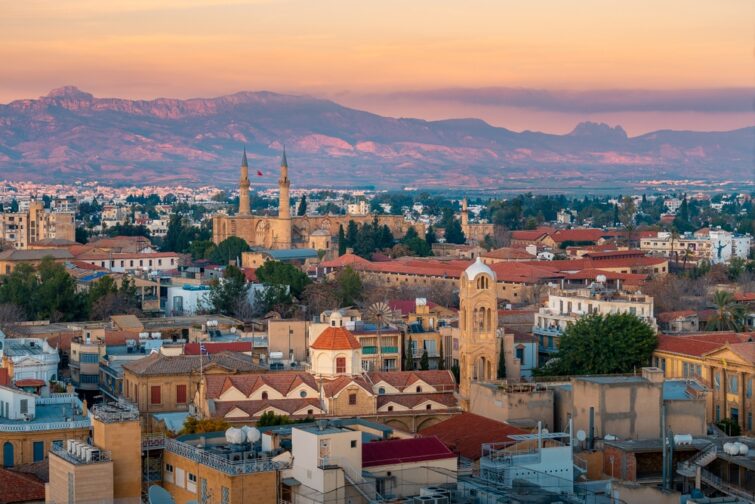
Nicosia’s city center sits wrapped inside old Venetian walls, like the city decided to keep its best stories behind stone. Step through, and the pace changes. Narrow alleys twist past old houses, quiet courtyards, tiny shops, and restaurants that look harmless until they feed you enough for a small village.
This is the most atmospheric and authentic part of Nicosia, where lace shops, souvenir stalls, Aphrodite statuettes, and sleepy side streets all compete for your attention. As you wander, waiters may tempt you toward a shady terrace with a free glass of Ouzo — dangerous hospitality, but we respect the strategy.
Sit down and try local food, especially if mezze is involved. Some menus bring out dish after dish until the table looks like it is hosting a diplomatic summit of dips, pies, grilled meats, salads, and small fried miracles. Spinach pie? Yes. Halloumi? Obviously. Regret? Only if you wore tight trousers.
The Old Town is also where you will find many of the main attractions you must see in Nicosia, so it makes sense to start here and let the city unfold slowly.
2. Visit the National Museum of Cyprus
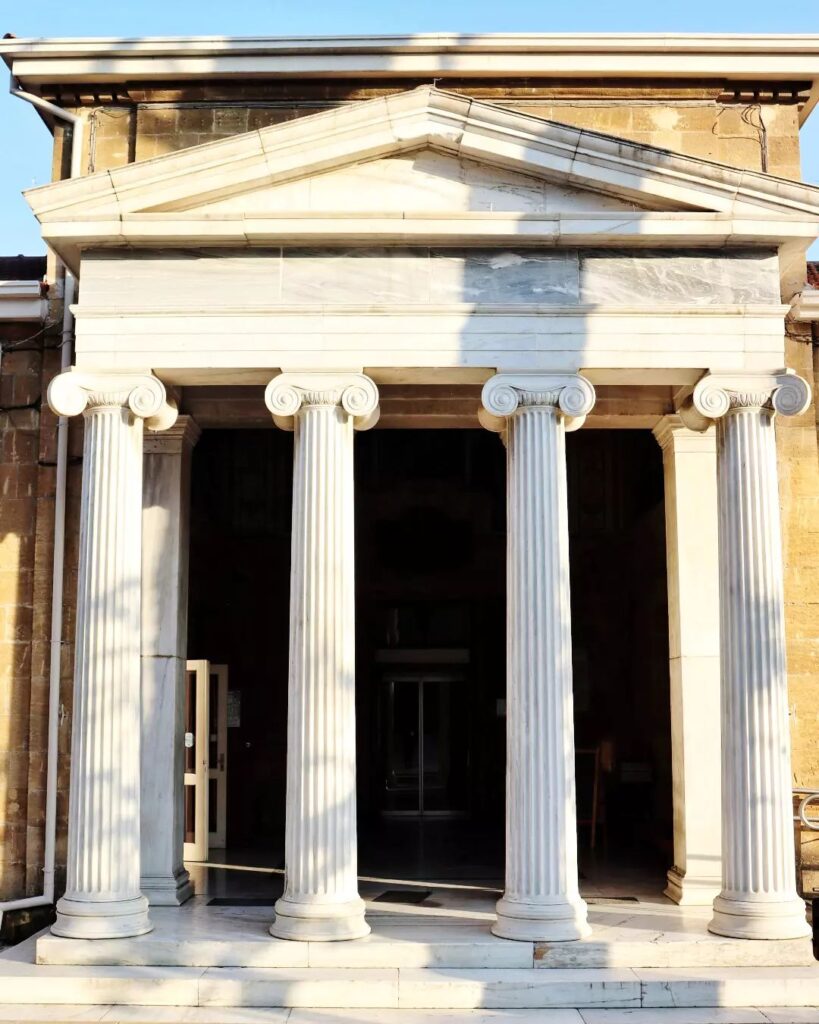
The National Museum of Cyprus is the largest museum in the country and one of the essential places to visit in Nicosia. If you like your history deep, layered, and occasionally full of tiny ancient objects that make you whisper “how did this survive?”, this is your stop.
The museum focuses on archaeology and traces the island’s story from the Neolithic period onward. Across 14 rooms arranged around a large square, you move through Cyprus’ early settlement history, from tools and figurines to Bronze Age treasures and beyond. It is a chronological wander through thousands of years of island life, so do not rush it. Give yourself a few hours, comfortable shoes, and enough curiosity to stare at pottery like it personally knows secrets.
3. Go to the Shacolas Tower Museum and Observatory
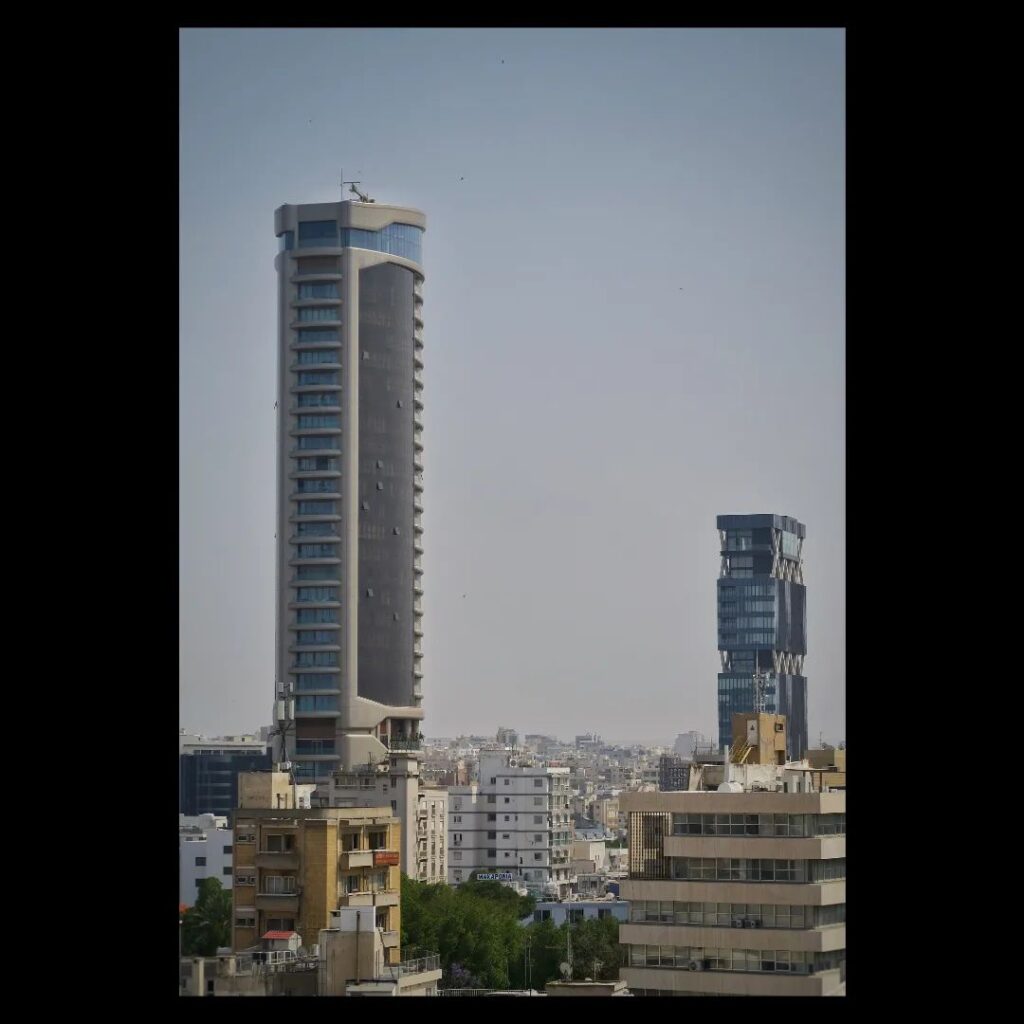
Shacolas Tower Museum and Observatory gives you one of the best ways to understand Nicosia: from above. Located on the 11th floor of Shacolas Tower, once the tallest building on the island at 50 meters high, it offers a sweeping view over a city that is beautiful, complicated, and still divided.
The museum includes an exhibition on the history of Nicosia, with an audio guide and interactive maps helping you piece together the city’s layered past. From the observatory, powerful binoculars let you look toward the northern zone, including the two huge flags painted on Mount Pentadactylos. It is not just a viewpoint; it is a reminder that Nicosia’s skyline carries politics, memory, and daily life all at once.
4. Visit the Byzantine Museum
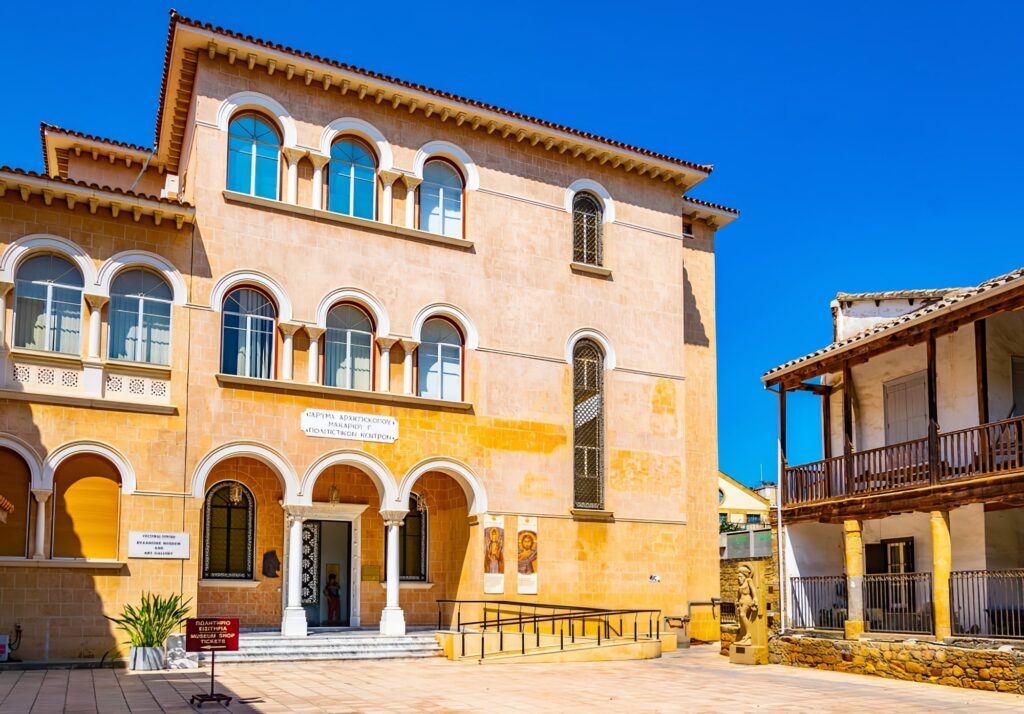
The Byzantine Museum is where Nicosia slows down and gets luminous. Housed in a building that once belonged to the Archbishopric, it contains the island’s largest collection of Byzantine art, which means icons, sacred objects, manuscripts, and enough gold backgrounds to make minimalism quietly leave the room.
The collection covers more than 1,000 years of history, with icons gathered from churches across Cyprus. This is one of the best things to do in Nicosia if you want to understand the island’s religious, artistic, and cultural layers — not through dry dates, but through faces, colors, symbols, and objects that still feel powerful centuries later.
5. Discover the Folk Art Museum
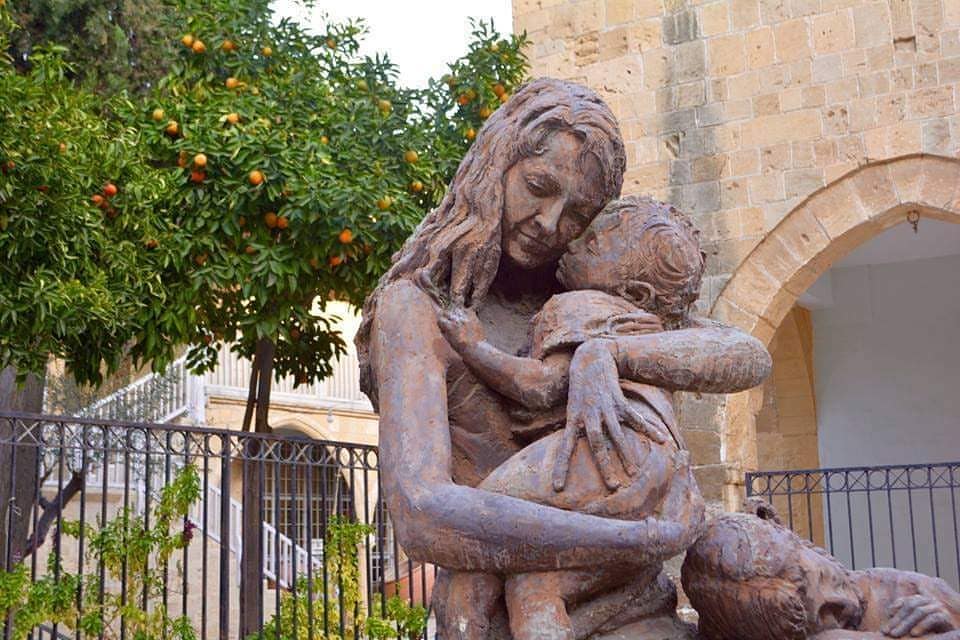
The Cyprus Folk Art Museum, also known as the Museum of Popular Art, is one for the detail lovers. Founded in 1937 and housed in the former Bishop’s Palace, it shows the handmade, domestic, everyday side of Cypriot culture — the side that often says more than grand monuments ever could.
Inside, you will find more than 5,000 pieces from the 19th and 20th centuries, including lace, pottery, weaving, embroidery, woodcarving, and basketwork. Do not miss the carved door from St. Mammas Church, which inspired the poem “Little Things of Cyprus.” A door inspiring poetry? Nicosia does not do boring objects, apparently.
6. Visit the Leventis Municipal Museum
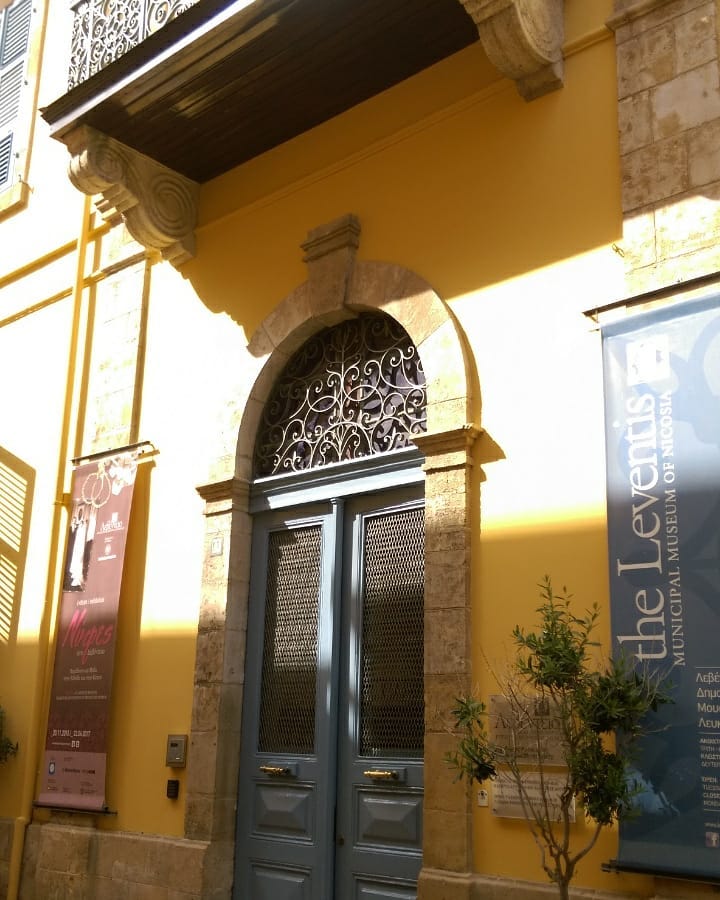
The Leventis Municipal Museum is a smart stop if you want Nicosia’s history in one digestible but fascinating sweep. Its mission is to preserve and promote the Hellenic heritage of Cyprus, while also showing how the city changed through different periods of rule and cultural influence.
The permanent exhibition covers the Byzantine, Venetian, Ottoman, and British eras, bringing together objects that make the city’s past feel tangible. Highlights include a 2,700-year-old archaic vase, medieval ceramics, traditional costumes, and a Renaissance tapestry. Basically, it is the sort of museum where you go in for “a quick look” and come out suddenly invested in centuries of urban history.
7. Explore the Great Inn
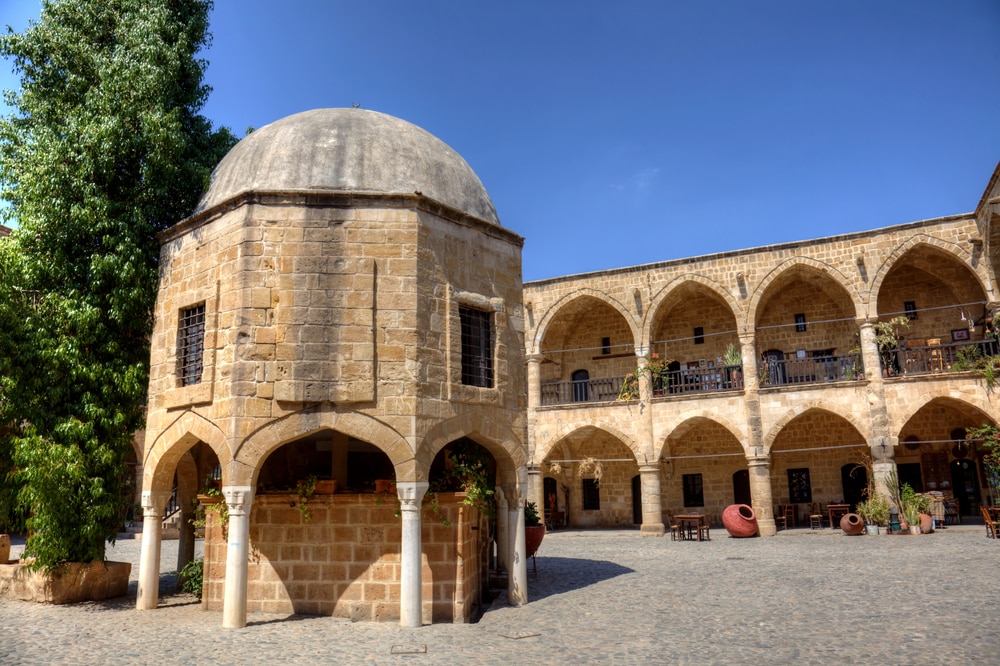
Known locally as Büyük Han, the Great Inn is one of the most atmospheric places in Nicosia. Built in 1572 as an Ottoman-era caravanserai, it once welcomed merchants, travelers, animals, goods, gossip, probably arguments over prices — the full Silk Road-adjacent package.
After being renovated in 1990, this historic complex became a cultural and social hub in the old town. Today, it houses small shops, galleries, cafes, and restaurants, all gathered around a beautiful courtyard. Located in the Turkish part of the city, Büyük Han is a magnificent example of Ottoman architecture and an absolute must if you like buildings with soul.
8. Stop at Selimiye Mosque
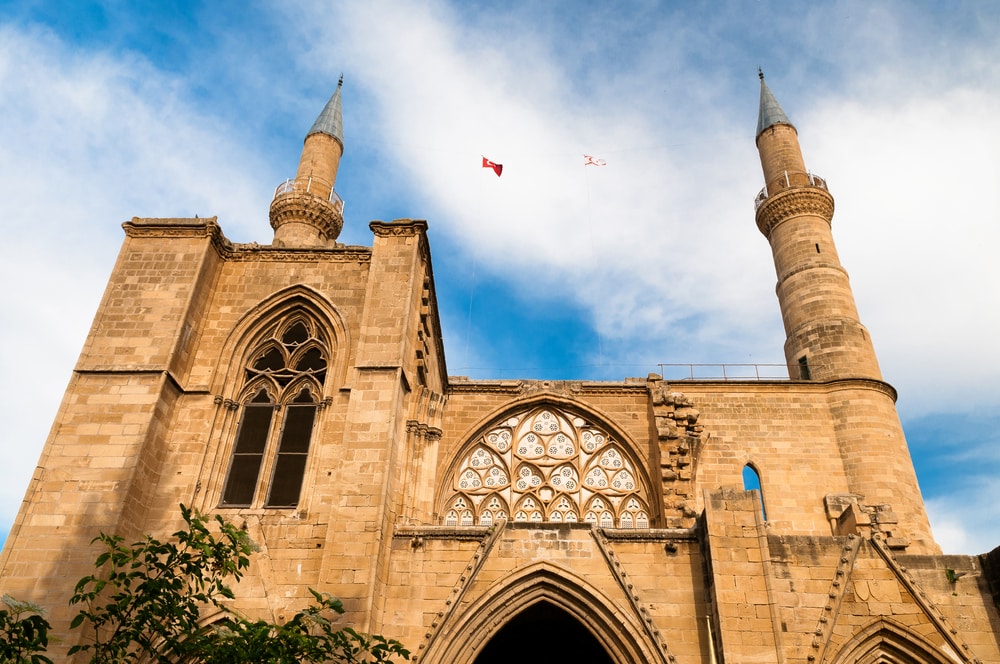
Selimiye Mosque is one of the clearest symbols of Cyprus’ layered and complicated history. It stands on the site of the former Roman Catholic Cathedral of Saint Sophia, which is believed to have been built over an earlier Byzantine church. So yes, this building has been through a few chapters.
The result is extraordinary: two Ottoman minarets rising from a Gothic base. After the Ottomans captured the city in 1570, the cathedral was converted into a mosque, creating one of the most striking architectural hybrids in Nicosia. It is beautiful, unusual, and slightly surreal — exactly the kind of place that makes you stop walking and just stare.
9. See the Venetian Walls and Fortified Gates

Nicosia’s fortifications are among the best-preserved city walls in Europe, and they give the old city its unmistakable shape. The earliest defensive structures date back to 1211, but the walls you see today were built by the Venetians in 1567, when they were trying very hard to prepare for Ottoman attack. History spoiler: things still got complicated.
The walls stretch for around 5 kilometers in circumference. As you explore, you will see 5 of the original 11 bastions and 3 monumental gates: Paphos Gate, Famagusta Gate, and Kyrenia Gate. Walking around them is one of the best ways to understand Nicosia’s old urban layout — and also a fine excuse to keep saying “just one more gate” until your legs object.
10. Discover the Nicosia Old Aqueduct
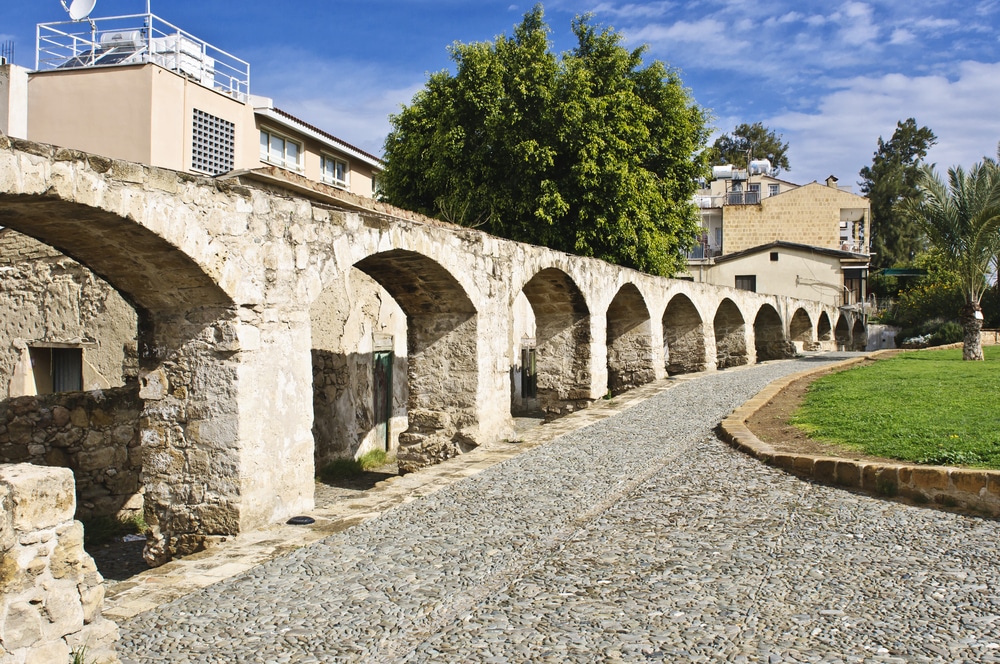
Near the Liberty Monument, you will find the remains of Nicosia’s old aqueduct, a small but intriguing fragment of the city’s water history. It was discovered during the demolition of a private building, which is a very Nicosia way for the past to casually reappear during construction work.
This preserved section once formed part of a larger aqueduct connecting the Kyrenia Gate in the north with the Famagusta Gate in the east. Its job was practical but vital: carrying water from the mountains to the city’s fountains. It is not the flashiest attraction in Nicosia, but it is a lovely reminder that cities survive on hidden systems, not just palaces and walls.
11. Take a Break at the Pivo Microbrewery

After museums, walls, gates, and serious historical wandering, we fully support a strategic beer stop. Pivo Microbrewery is a charming local spot set inside a 100-year-old mansion with stone walls, marble arches, and the kind of atmosphere that says, “You deserve to sit down now.”
Here, you can try unfiltered and unpasteurized beers served straight from the tank, including pilsners, lagers, and IPAs. It is relaxed, local, and just polished enough without feeling stiff. Perfect for a late afternoon break in a historic setting — because yes, beer can be cultural if we say it confidently enough.
12. Stroll Down Ledra Street
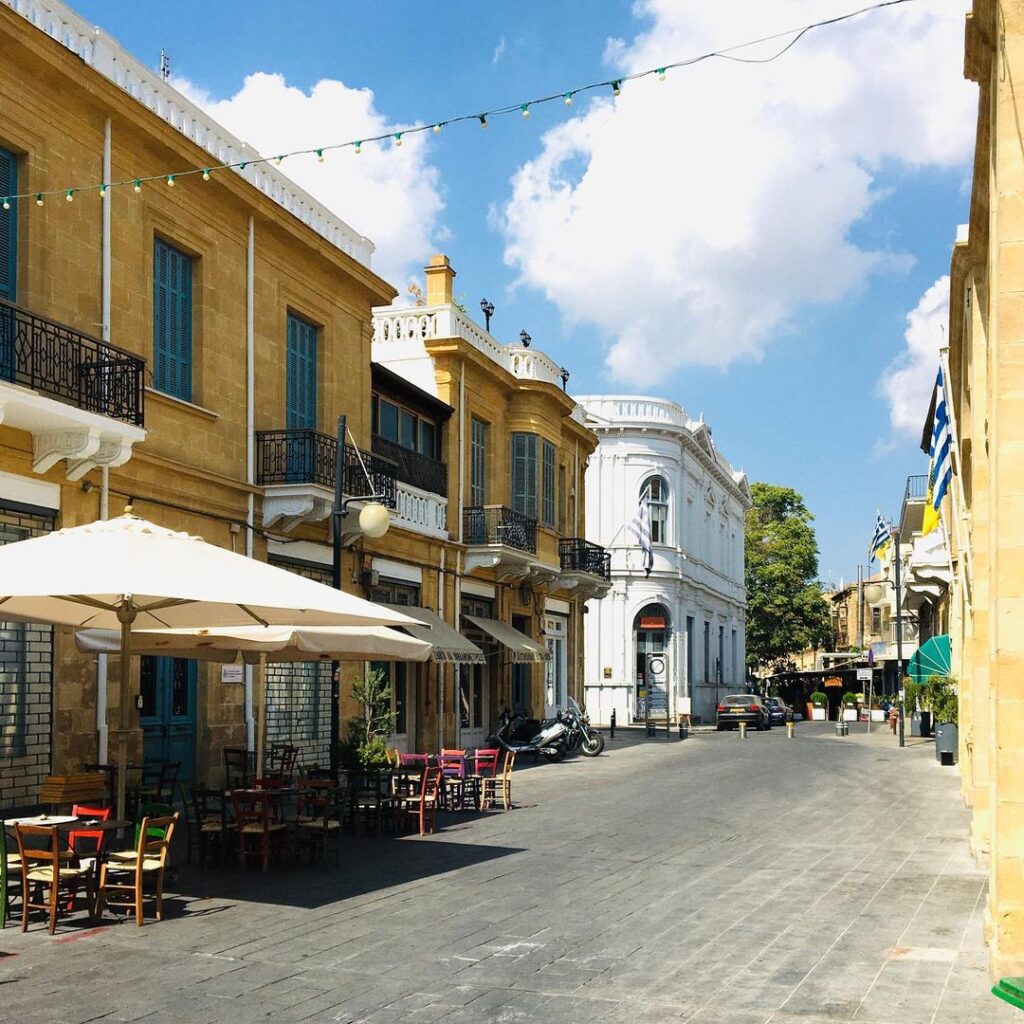
Ledra Street is one of the most symbolic streets in Nicosia. Historically, it was the main commercial route connecting the northern and southern parts of the city. Then came barricades after the Turkish intervention in 1974, and for decades the street became part of a divided urban story.
It reopened in 2008 and is now one of the seven crossing points of the Green Line between North and South Nicosia. Walking here is not just shopping and cafe-hopping, although there is plenty of that too. It is also one of the clearest ways to feel the city’s contrast: chic boutiques and cafes on the southern side, busy bazaars and a different rhythm in the northern districts.
Few streets shift atmosphere this quickly. One minute you are browsing shop windows, the next you are aware that you are walking through one of Europe’s last divided capitals. Nicosia does not let you forget where you are.
13. Visit Panagia Machaira Monastery
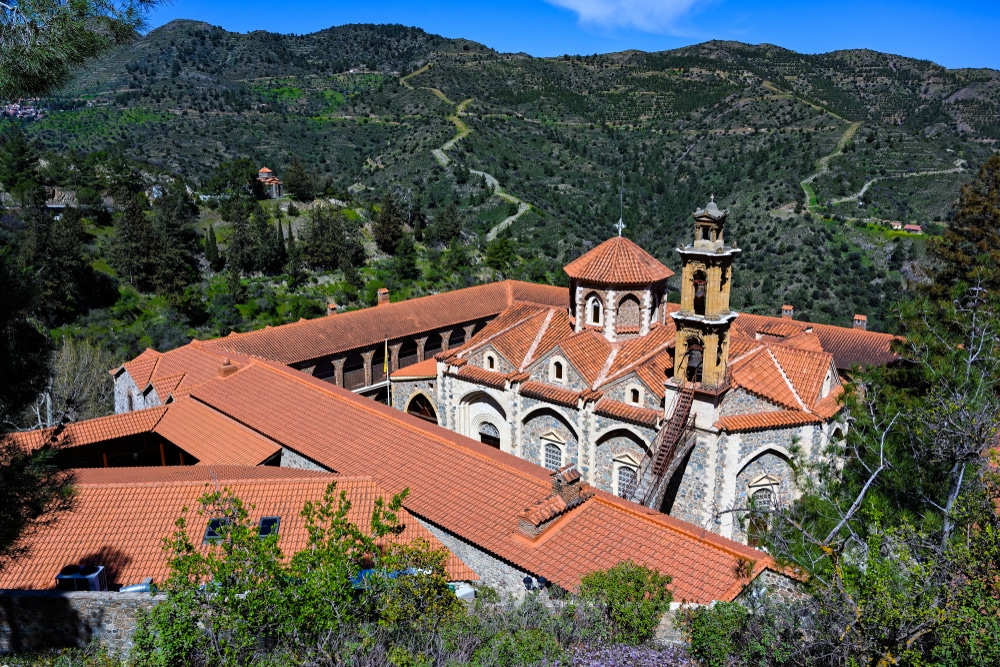
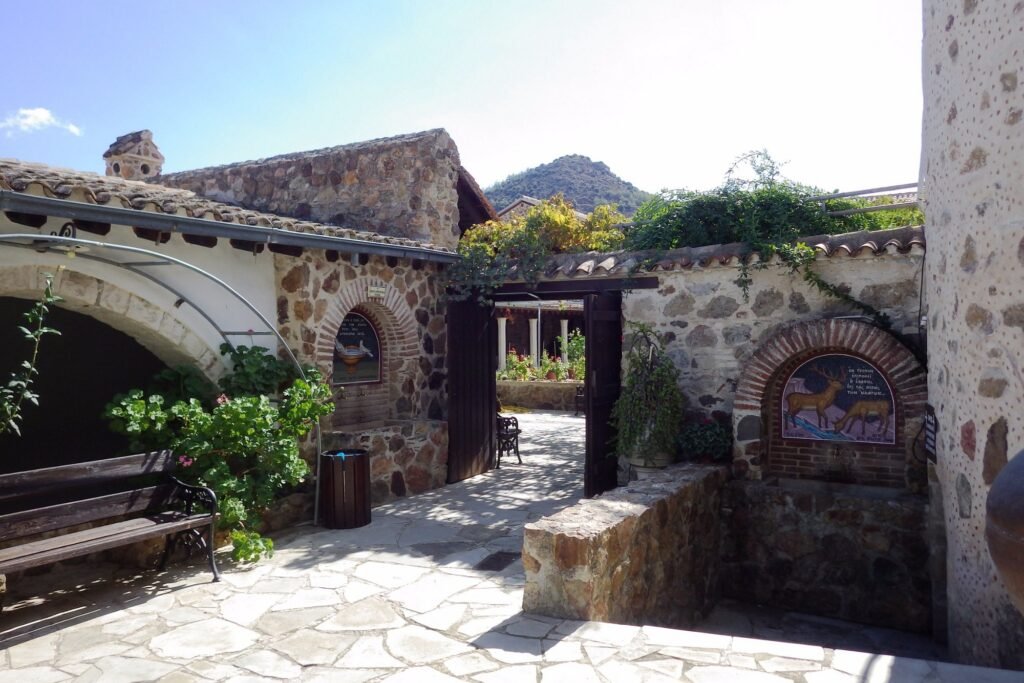
Machaira Monastery, about 40 kilometers from Nicosia, makes a beautiful day trip if you want mountain air, quiet roads, and a break from the city’s stone-and-street rhythm. Nestled among the hills, the monastery blends beautifully with nature while still keeping that solemn, impressive presence monasteries are very good at.
At the heart of the cloister, the well-preserved monastic church houses an icon of the Virgin Mary, traditionally said to have been painted by the evangelist Luke. Whether you come for faith, architecture, history, or simply the mountain setting, Machaira feels like a peaceful pause button just outside Nicosia.
14. Discover Athalassa National Park
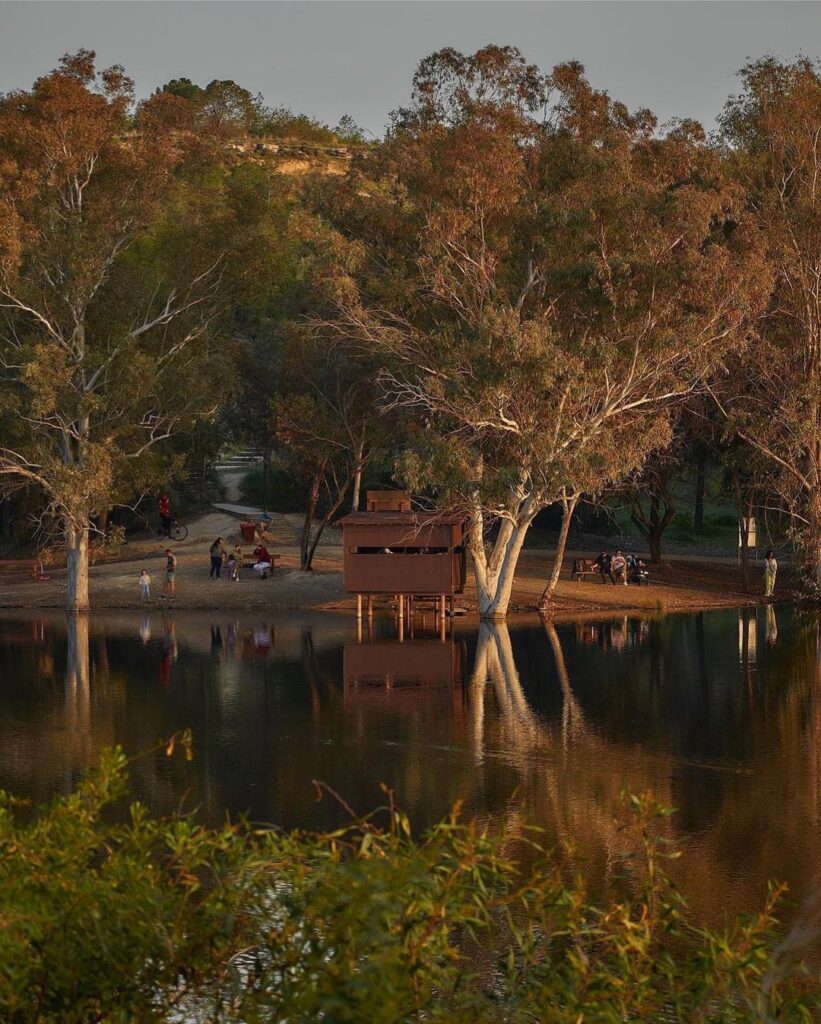
Athalassa National Park is an 840-hectare green escape just minutes from Nicosia’s city center. After a few hours in the old town, this is where you come to breathe, walk, picnic, and remind yourself that cities need trees as much as they need museums.
With around 20 kilometers of trails, the park is ideal for an easy walk, a family picnic in the shade of local trees, or a quiet reset away from the traffic. There is also a lake, birdlife, playground areas, and enough open space to make it a good choice for families. It is not dramatic in the “ancient fortress!” sense, but it is exactly the kind of peaceful green place that makes a city trip feel balanced.
How to get to Nicosia?
To visit Nicosia, the most practical option is to fly into Cyprus and continue overland. There are two international airports in the southern part of the island: Larnaca and Paphos.
Paphos sits on the southwest coast, about a two-hour drive from the capital. For the easiest route to Nicosia, fly into Larnaca, which is only around 40 minutes away by car. From there, you can take a bus, book a transfer, or rent a car for the rest of your stay.
There is also an airport in the northern area, Ercan, but it is not recognized by international authorities and requires transit through Turkey. For most travelers, we do not recommend starting your trip in Northern Cyprus, as crossing south may involve extra complications depending on your route and documents.
Where to stay in Nicosia?
Nicosia has a wide range of places to stay, from simple guesthouses to polished 5-star hotels. To make the most of your visit, we recommend staying in the city center, especially around the old town, Selimiye Mosque, and Omeriye Mosque areas. This puts you close to many of the best things to do in Nicosia, so you can walk more and negotiate with taxis less. Always a win.
If you want high-end accommodation, many luxury hotels are located farther from the old town, which means you may need a car, taxi, or public transport to get around easily.
Read also: Where To Stay In Nicosia: Choose The Best Part.
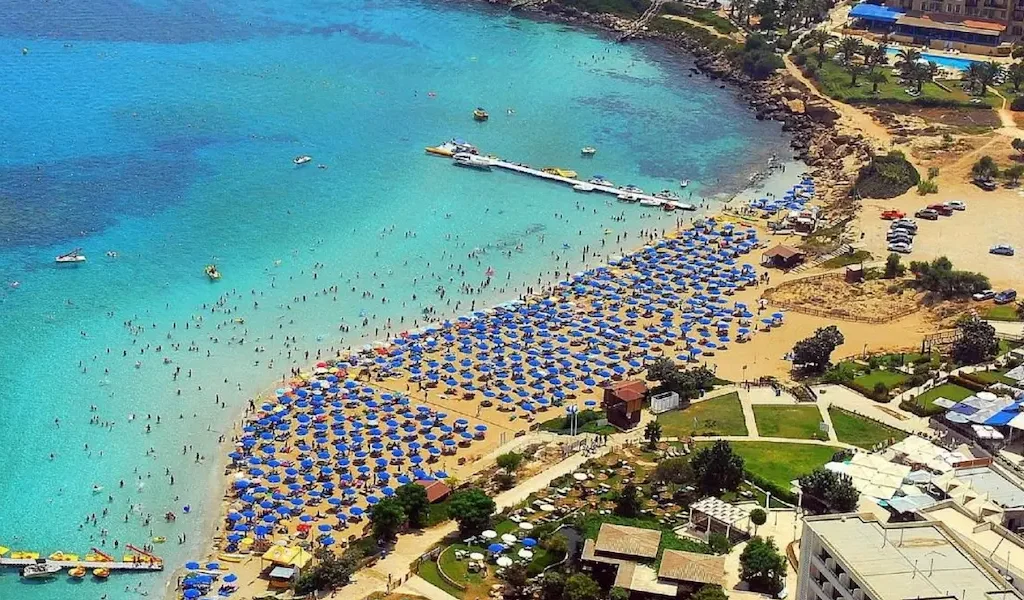
- 20 Best Beaches in Cyprus (2026): Most Stunning Beaches You Can’t Miss
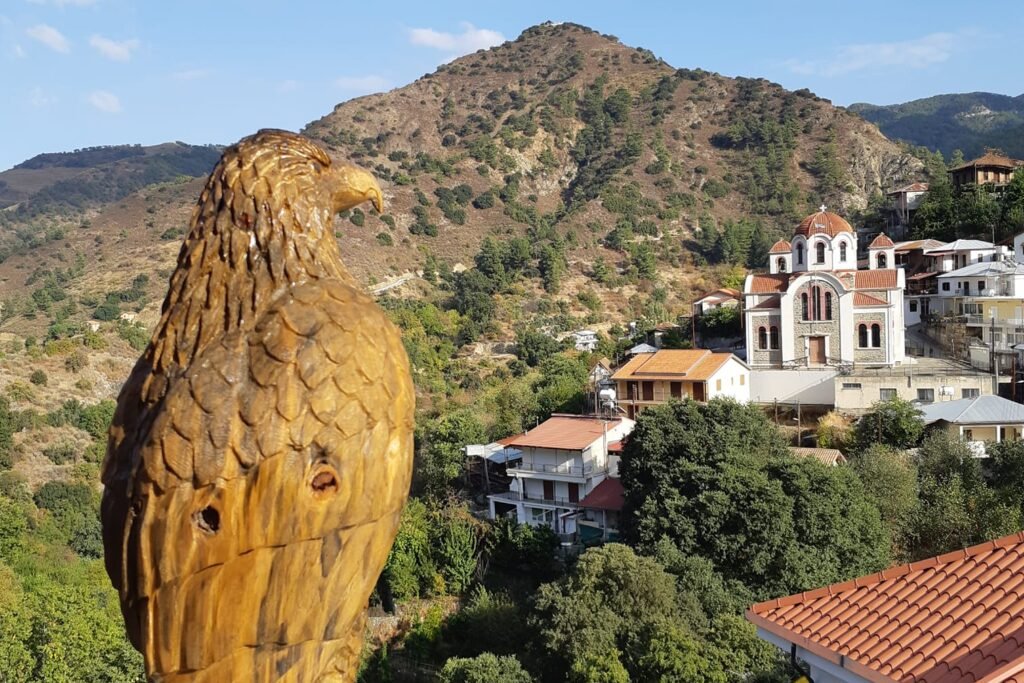
- What to See in Troodos Mountains (2026): Villages, Hikes, Wineries & Monasteries
- Most Unique Hotels in Cyprus (2026): Best Beach Resorts, Boutique Stays & Apartments

- An Epic Cyprus Road Trip Itinerary in 2026: From Ayia Napa to Trodos Mountains

- 12 Hidden Gems In Cyprus Worth The Detour in 2026