
Travel writing based on first-hand experience
This guide covers everything to see on 3 days in Marrakech itinerary, based on our own experience, to help you explore one of the most fascinating cities in North Africa.
Marrakech is the most visited city in Morocco, and for good reason. It is vibrant, chaotic, exotic, noisy, and unforgettable. It can also be a little overwhelming at first, which is exactly why planning ahead makes such a difference.
We had enough time to see the city’s main highlights without getting lost, wasting time, or falling into obvious tourist traps.
In three days, we visited major sights like Jemaa el-Fna Square, the city’s palaces, the Ben Youssef Madrasa, and the Saadian Tombs, relaxed in a traditional hammam, explored the souks, and even watched a sunset in the desert near Marrakech.
This is the kind of clear, practical guide we would have loved to read before our own trip.
Planning 3 days in Marrakech? Read these next:
- ➡️ Where to Eat in Marrakech – traditional spots, local favorites, and what is actually worth your appetite
- ➡️ Best Things to Do in Marrakech – more ideas if you want to add extra stops to your itinerary
- ➡️ Hidden Gems in Marrakech – secret corners and quieter spots beyond the obvious hits
- ➡️ Best Things to Do in Marrakech at Night – rooftops, evening atmosphere, and after-dark plans
- ➡️ Where to Buy Clothes in Marrakech – the best boutiques, concept stores, and shopping spots
- ➡️ Ultimate 1 to 7-Day Marrakech Itinerary – ideal if you might stay longer or want more route ideas
- ➡️ 2 Days in Marrakech Itinerary – useful for readers comparing shorter versions of the trip
- ➡️ 10 Days in Morocco Itinerary – for travelers turning Marrakech into part of a bigger Morocco adventure
- ➡️ Tips for Traveling in Morocco Like a Pro – practical advice, budgeting, and what to know before you go
Table of Contents
MUST-SEE THINGS IN MARRAKECH IN 3 DAYS: A DAY-BY-DAY ITINERARY
So, how did we map out our trip to Marrakech? This is the exact day-by-day itinerary we followed.
- DAY 1: Saadian Tombs, Koutoubia Mosque and Gardens, city walls and gates, Marrakech palaces, Place des Épices, Ben Youssef Madrasa.
- DAY 2: Marrakech souks, Majorelle Garden, a traditional hammam, and Jemaa el-Fna Square.
- DAY 3: A day trip from Marrakech.
HOW TO GET AROUND MARRAKECH IN 3 DAYS
- We found that the best way to explore Marrakech and cover its essential sights in three days was simply on foot.
- Wear comfortable shoes, carry plenty of water, and use this guide to plan your route.
- If you get tired or need to cover a longer distance, taxis are easy to use. In Marrakech, there are two types: small taxis (petit taxis) and large taxis (grand taxis).
- We used small taxis for getting around the city center and large taxis for trips to the outskirts of Marrakech.
Where to stay in Marrakech?
If you want to make your 3-day Marrakech trip even more special, skip the standard hotel and stay in a riad in the Medina instead. It is a far more authentic and memorable way to experience Marrakech.
Riads are former noble houses or palaces tucked inside the Medina, usually built around a central courtyard decorated with tiles, fountains, and plants. They are full of character and charm.
Here are a few recommendations for where to stay in Marrakech for 3 days:
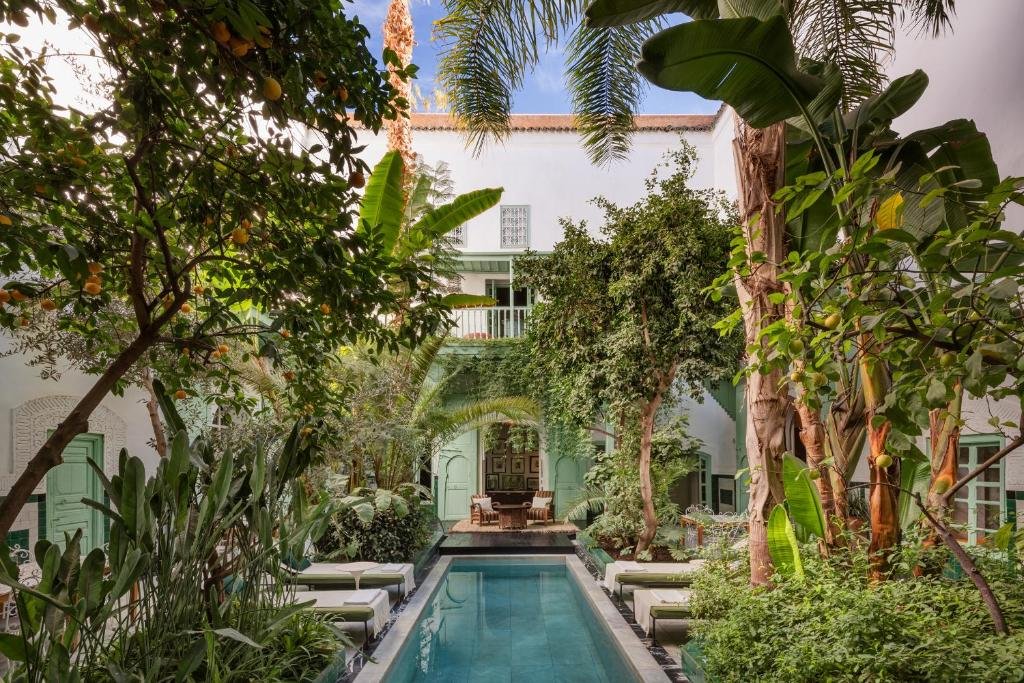
- Our favorite: Riad Kitula, with an unbeatable location and a swimming pool.
- The riad where we stayed on our first trip to Marrakech, and still one of the best-value options: Riad Chorfa.
- An affordable luxury riad we also recommend: Riad Selouane.
- You can find more details in this guide: My favorite riads to stay in Marrakech.
3-DAY MARRAKECH ITINERARY FOR ALL 5 SENSES
And before we dive into the day-by-day route, I want to leave you with a few practical tips for experiencing Marrakech through all five senses and exploring it as a more conscious traveler.
VIEW
In the Medina, do not just glance at the souks. Watch how the light shifts across the walls as the day moves on, and look closely at the old doors worn down by time. Those details felt the most authentic to us, and they gave us some of our favorite photos from Marrakech.
SOUND
In Jemaa el-Fna Square, do not stop at the drums. Close your eyes for a moment and take in the whole soundscape: orange juice sellers calling out, storytellers speaking in Arabic, tourists murmuring in different languages, and the wind moving through the palm trees.
For us, those sounds were part of what made Marrakech feel so captivating and unforgettable.
SMELL
We experienced Marrakech in 3 days through its real scents: spices, herbs, leather, and the warm air of the Medina.
Let yourself get pulled in by the aromas of turmeric, cinnamon, myrrh, pepper, and sandalwood.
Marrakech is one of those cities where the air itself feels like part of the journey.
TOUCH
This is one of my biggest tips for avoiding scams in the leather workshops of the souks: never buy without touching and smelling the item first.
Real Moroccan leather feels almost like baby skin: soft, slightly supple, textured, and with a distinctive smell.
Fake leather, on the other hand, feels colder, stiffer, smoother, and usually has no smell at all.
TASTE
One of the best things to do in Marrakech in 3 days, at least in our book, is to drink mint tea in different parts of the city and notice how each version changes.
Trust us, the flavor really does shift from place to place.
- We had mint tea at a café in Jemaa el-Fna Square (15 MAD): quick, sugary, and very touristy.
- In a family-run tea house in the Medina (25 MAD), it was deeper and richer, with a hint of almond.
- In a secret garden (40 MAD), it tasted of orange blossom and honey, almost like sipping something elegant and layered.
And now that the senses are fully awake, let’s get into the itinerary itself.
WHAT TO SEE IN MARRAKECH IN 3 DAYS: DAILY ITINERARY
This is exactly how we organized our time in Marrakech, and it is the route we would recommend.
We spent the first day exploring the Medina and its surroundings, where many of Marrakech’s most iconic sights are concentrated.
We kept the second day for gardens, souks, and cultural experiences, while the third day was perfect for a day trip beyond the city.
DAY 1 OF 3 DAYS IN MARRAKECH
| PLAN FOR THE DAY: Explore the Medina and its surroundings. RECOMMENDED ACCOMMODATION: Riad Kitula, Riad Chorfa, Riad Selouane. PLACES TO SEE: Saadian Tombs, Koutoubia Mosque and Gardens, city walls and gates, Marrakech palaces, Place des Épices, Ben Youssef Madrasa. RECOMMENDED BLOG POST: Best riads to stay in Marrakech. |
MORNING
We recommend getting an early start, just as we did, because visiting the Saadian Tombs, Koutoubia Mosque, the walls, and the palaces of Marrakech will easily fill your entire morning.
Saadian Tombs
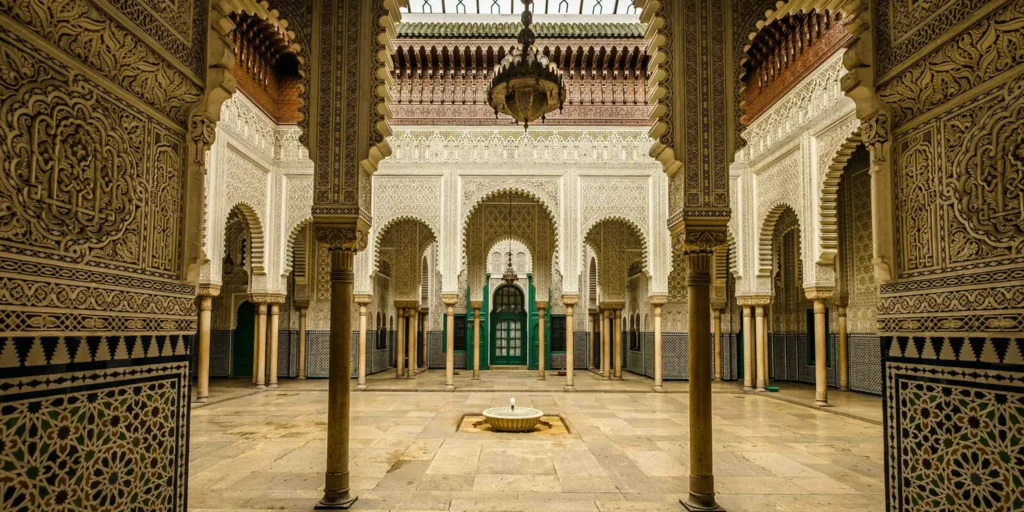
We started the first day of our 3 days in Marrakech itinerary with the Saadian Tombs, one of the city’s most beautiful and essential historic sites.
This complex contains 66 royal tombs from the late 16th and early 17th centuries, decorated with carved tiles and finely worked cedar wood.
Here lie members of the Saadi dynasty, their servants, and their warriors. Some of the mausoleums, especially that of Ahmed el-Mansour, genuinely left us speechless.
Practical information for your visit
- Entrance fee to the Saadian Tombs: 70 MAD (€7).
- Opening hours: 8:30 a.m. to 6:00 p.m. (closed on Mondays).
- For more information, visit the Marrakech Tourism website.
Koutoubia Mosque

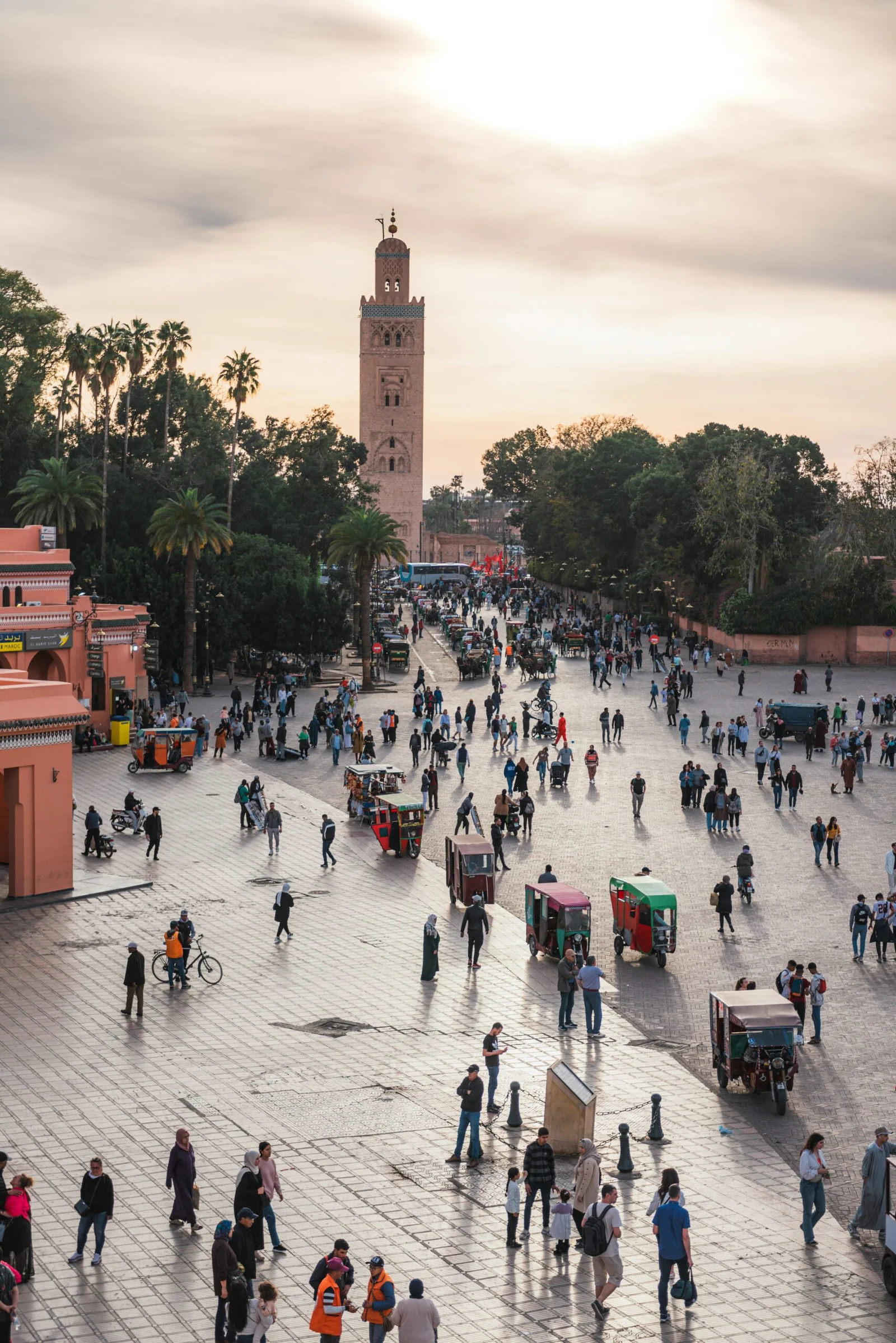
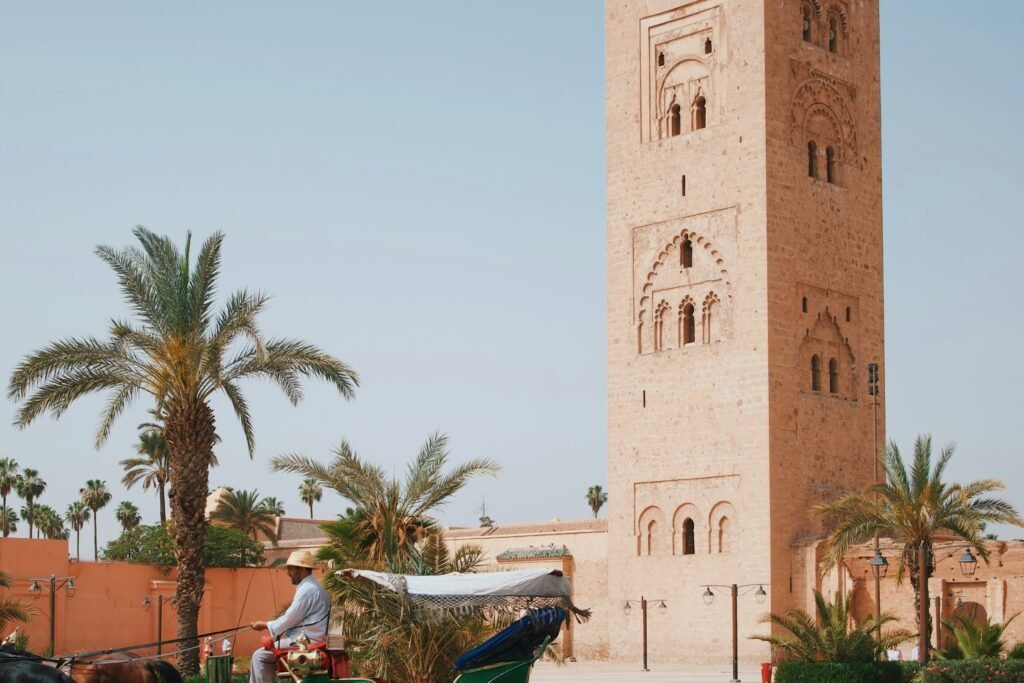
The Koutoubia Mosque is the most iconic monument in Marrakech, and it was our next stop.
It is the city’s unmistakable landmark, known for its graceful Almohad design and imposing sandstone exterior.
Built in the 12th century, what stood out to us most was its 70-meter minaret, which dominates Marrakech’s skyline. Interestingly, it was designed by the same architect behind the Giralda in Seville, which explains the striking resemblance between the two.
Practical information for your visit:
Non-Muslims cannot enter the mosque itself, but we were able to enjoy the surrounding gardens and fountains, which are among the best free things to do in Marrakech and offer excellent photo opportunities.
My advice: go back at sunset. We did, and watching the minaret glow in the reddish evening light felt almost magical.
Marrakech Walls and Gates
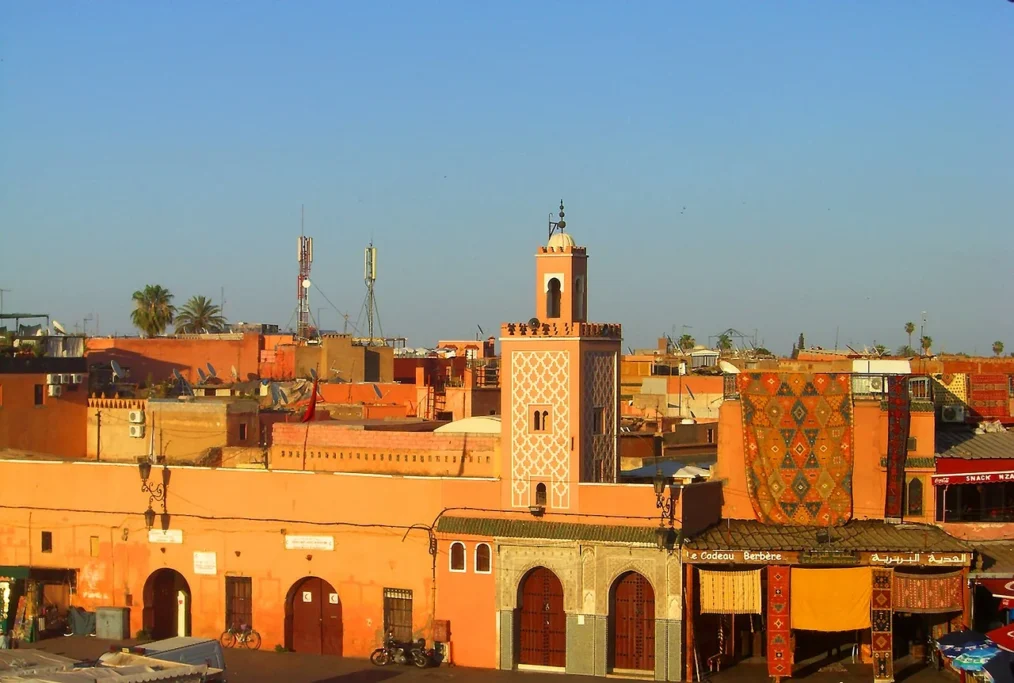
Next, we continued our first day of historical places to see in Marrakech with a walk along the city walls, which rise to around 8 to 10 meters high in some sections and can be visited for free.
The Medina of Marrakech is surrounded by around 10 kilometers of walls and nearly 20 gates, making it one of the city’s most fascinating historic features.
They were built in the 12th century by the Almoravid sultan Ali Ben Youssef as a defensive barrier against the Almohads, using mud and lime.
For us, this was one of the most enjoyable walks in Marrakech: slow, atmospheric, and full of hidden corners and local life.
The El Badi Palace
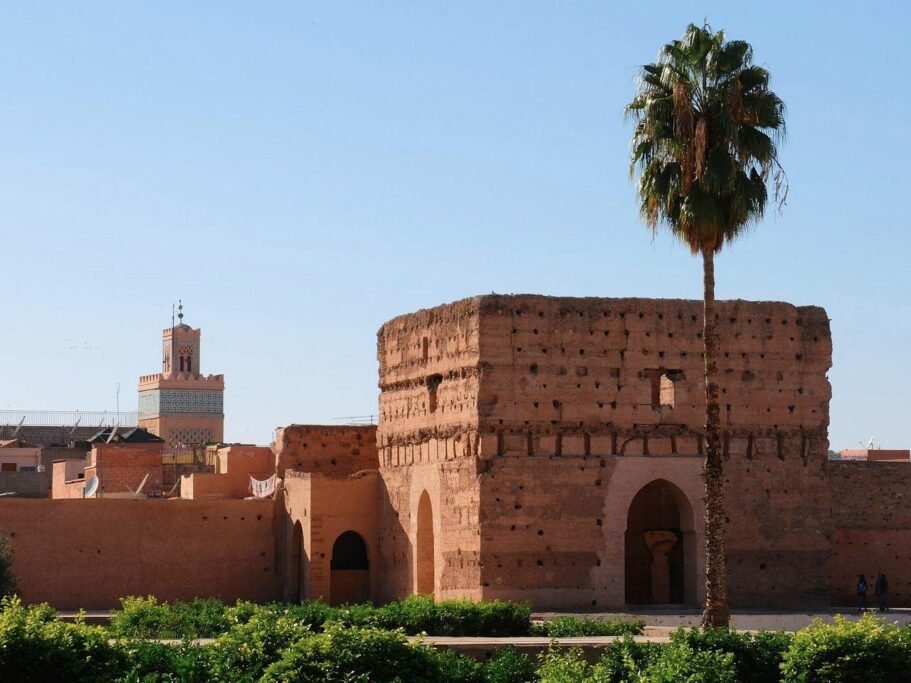
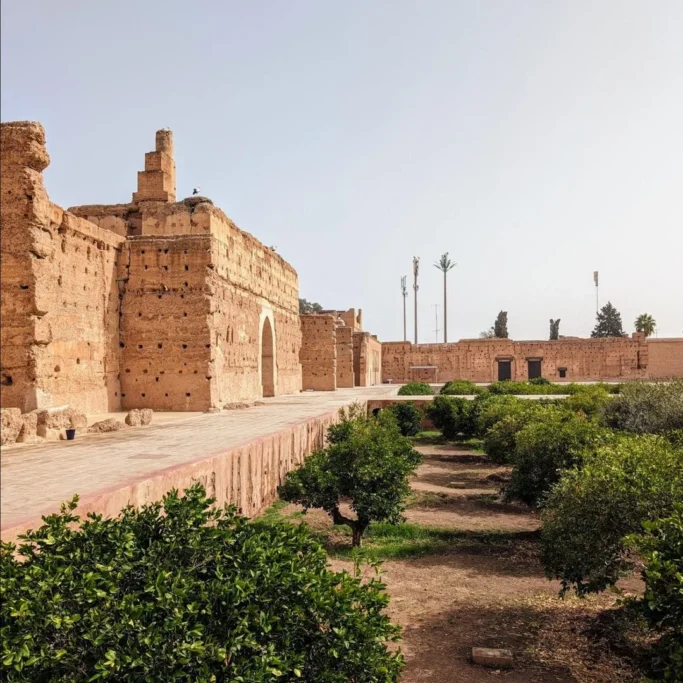
The next stop was what was once one of the most magnificent palaces in the world: the 16th-century El Badi Palace.
Standing among its ruins today, it is hard to imagine the scale of what once existed here.
At its peak, the palace had 360 rooms, and its architecture reflected the sheer power and wealth of the Saadi Empire. That alone makes it one of the must-see places in Marrakech.
Now the palace feels atmospheric and slightly haunting, with open courtyards, gardens, and fragments of tilework that hint at its former splendor. The rest is left to your imagination.
After the fall of the Saadis, the palace was dismantled and many of its materials were reused in other buildings across the city, including the Bahia Palace, which was our next stop on this Marrakech itinerary.
Practical information for your visit
- Opening hours: 9:00 to 17:00.
- Ticket price: 100 MAD (€10).
- More information on the official website.
Bahia Palace
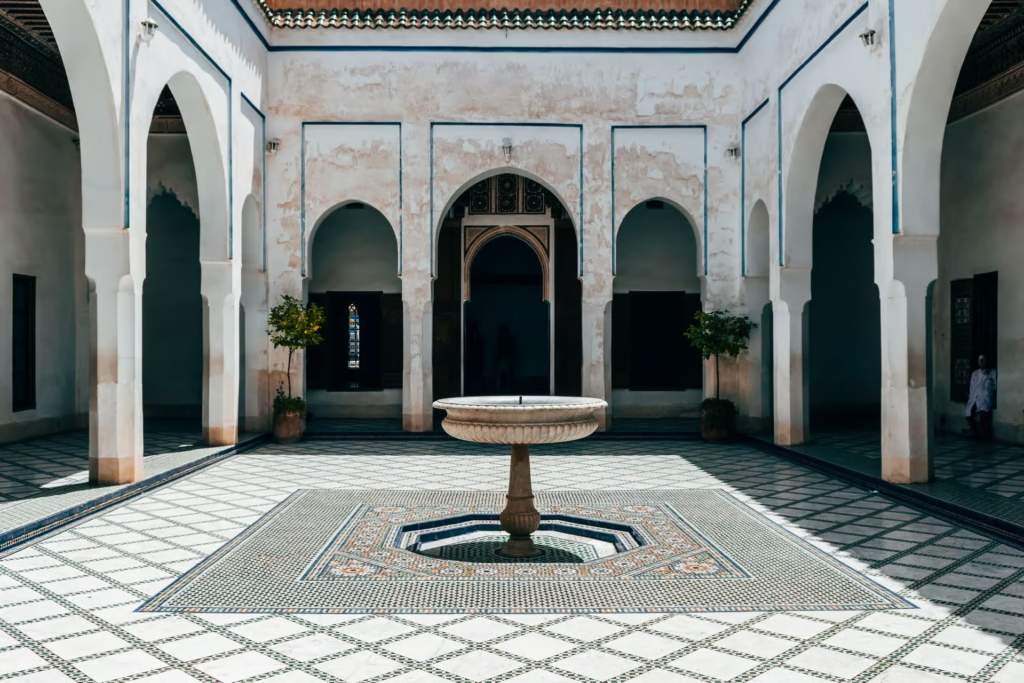
This masterpiece of Moroccan architecture is decorated with beautiful zellige tiles and is, in our opinion, one of the most beautiful palaces in Marrakech.
It is a grand example of 19th-century noble life, filled with elegant halls, gardens, and private quarters designed to impress.
We were especially struck by the carved stonework and extraordinary wooden ceilings, which show the incredible detail and artistry of Islamic architecture.
Practical information for visiting Bahia Palace
- Entrance fee with audio guide: 100 MAD (€10).
- Opening hours: 9:00 a.m. to 5:00 p.m. every day.
- More information on the official website.
RECOMMENDATION: We booked these skip-the-line tickets and went straight in without wasting time in the queue.
MIDDAY
After that, we continued our walk through Marrakech to Place des Épices, a stop that deserves a place on any Marrakech itinerary thanks to its intense colors, scents, and atmosphere.
Place des Épices
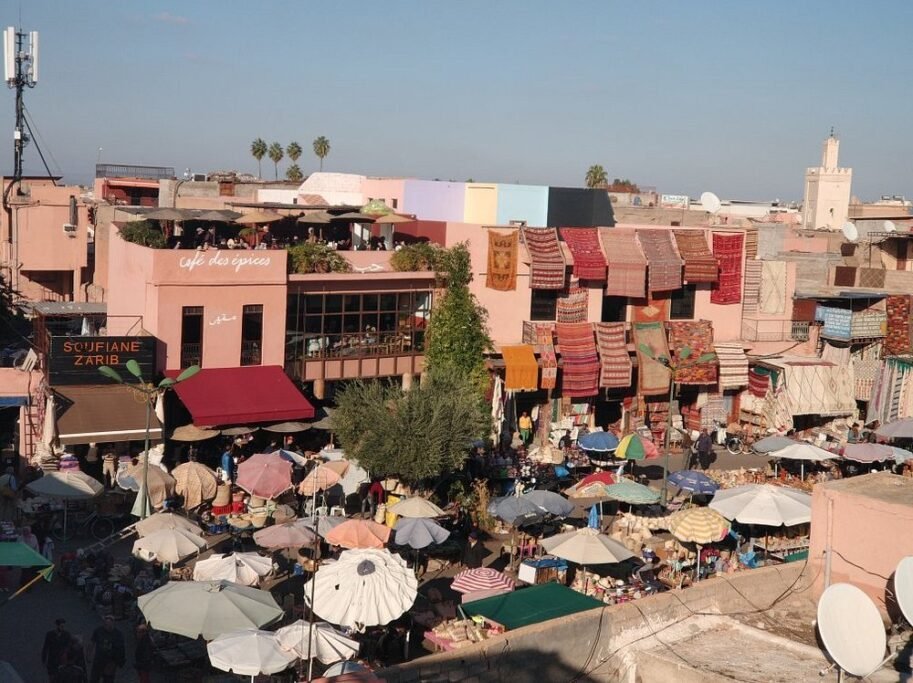
If there was one place where Marrakech truly hit all five senses at once, it was Place des Épices.
The aromas alone seemed to pull us into this colorful corner of the Red City.
The world of spices here feels theatrical, vivid, and almost unreal, with piles of color that look too perfect to be real.
As we wandered through, the air carried hints of pepper, sandalwood, and eucalyptus.
SUPER TIP: This is an ideal moment to pause during your 3-day Marrakech adventure, and for that we recommend a little oasis in the square itself: Café des Épices, which we absolutely loved.
AFTERNOON
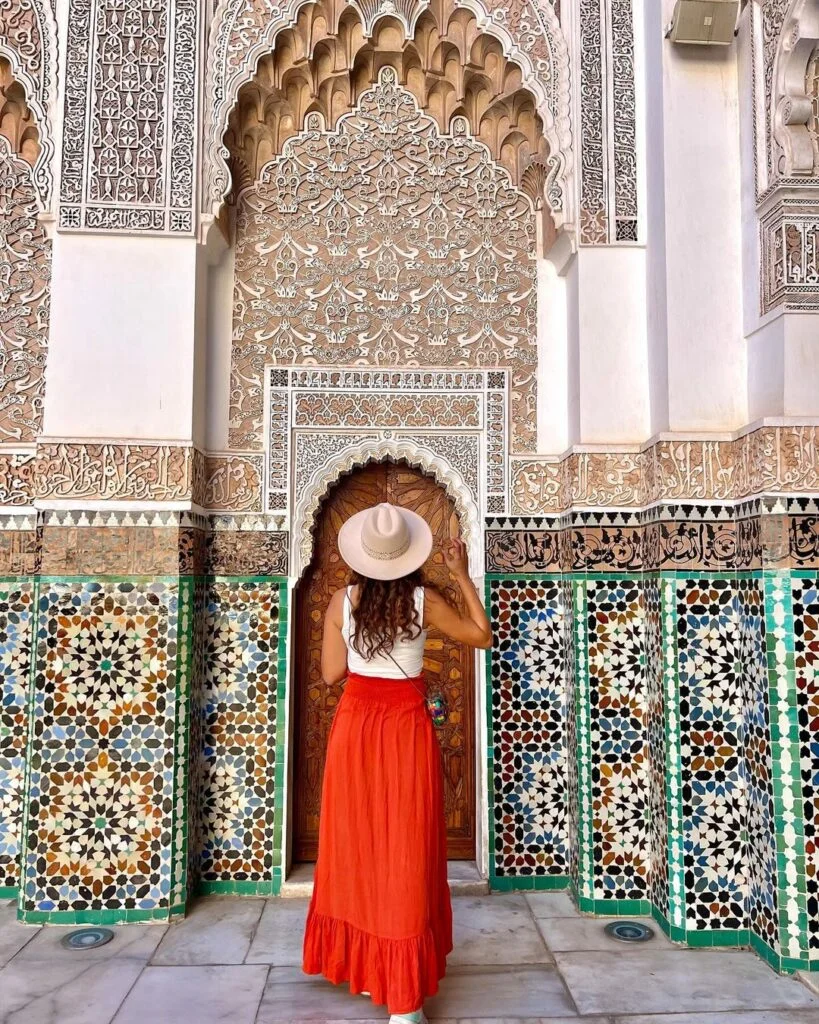
Our next stop was Ben Youssef Madrasa, one of the most beautiful places to visit in Marrakech.
Ben Youssef Madrasa
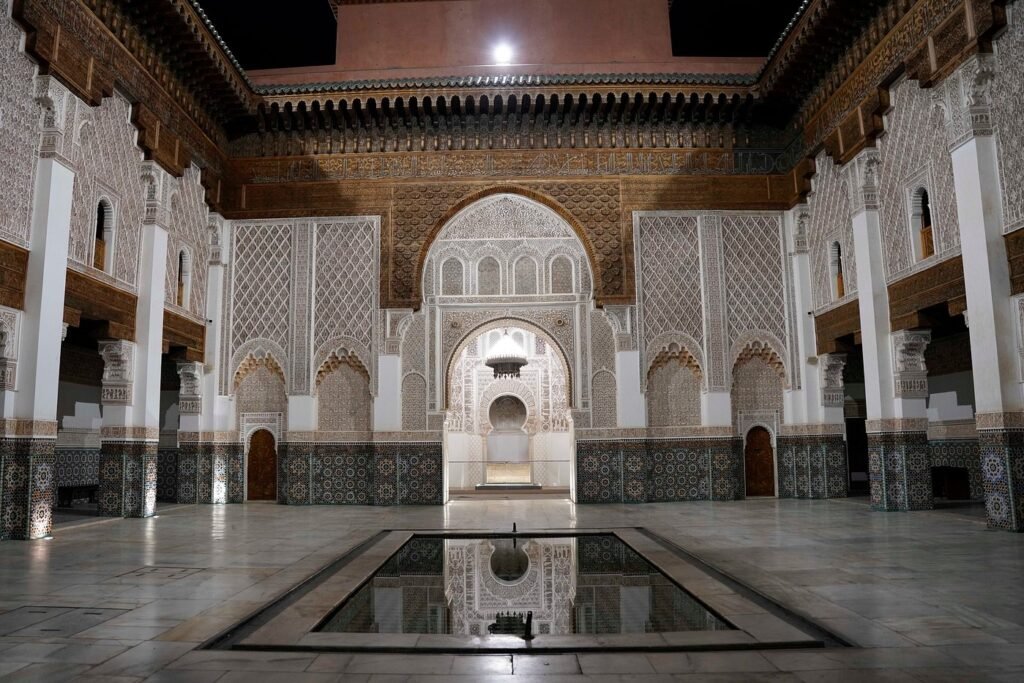
This was once the most important theological school in North Africa, founded in the 14th century by Abu el Hassan.
As a former center of Quranic studies, it became the largest Quranic school in the country and remains a magnificent example of Islamic architecture.
Its carved wood, tiled courtyards, and intricate mosaics were genuinely breathtaking.
OUR RECOMMENDATION: Visit in the morning or around midday, when the natural light brings out the detail of the architecture beautifully.
Practical information for visiting Ben Youssef Madrasa
- Opening hours: every day from 9:00 to 18:00.
- Ticket price: 50 MAD (€5).
- More information on the official website.
After this visit, it was time to head back to our riad, rest for a while, and then go out again for dinner and a taste of Marrakech nightlife.
To keep following this route, take a look at the end of this guide, where we share some of the best places to try traditional Marrakech food at reasonable prices.
DAY 2 OF 3 DAYS IN MARRAKECH
| PLAN FOR THE DAY: Culture, gardens, and local atmosphere in Marrakech. RECOMMENDED ACCOMMODATION: Riad Kitula, Riad Chorfa, Riad Selouane. PLACES TO SEE: The souks of the Medina, Majorelle Garden, a traditional hammam, and Jemaa el-Fna Square. |
MORNING
Our second day in Marrakech began with one of the city’s most intense and unforgettable experiences: exploring the Medina and the magical souks that make Marrakech feel so alive.
The Medina of Marrakech is a UNESCO World Heritage Site, recognized as a living example of the blend between Islamic, Berber, and Andalusian culture.
It is organized into themed quarters: areas for artisans, goldsmiths, dyers, and traders, forming a social and economic structure that has lasted for centuries.
And unlike heritage sites that have become static museums, the Medina is still very much alive. Spice sellers, craftsmen, musicians, and students continue to shape daily life here.
What does that mean for us as travelers? It means we are not just ticking off a tourist attraction. We are stepping into a real, living world.
Practical information for your visit:
The Medina of Marrakech is open 24 hours, but most of the souks usually close between 8:00 p.m. and 10:00 p.m.
Souks of the Medina
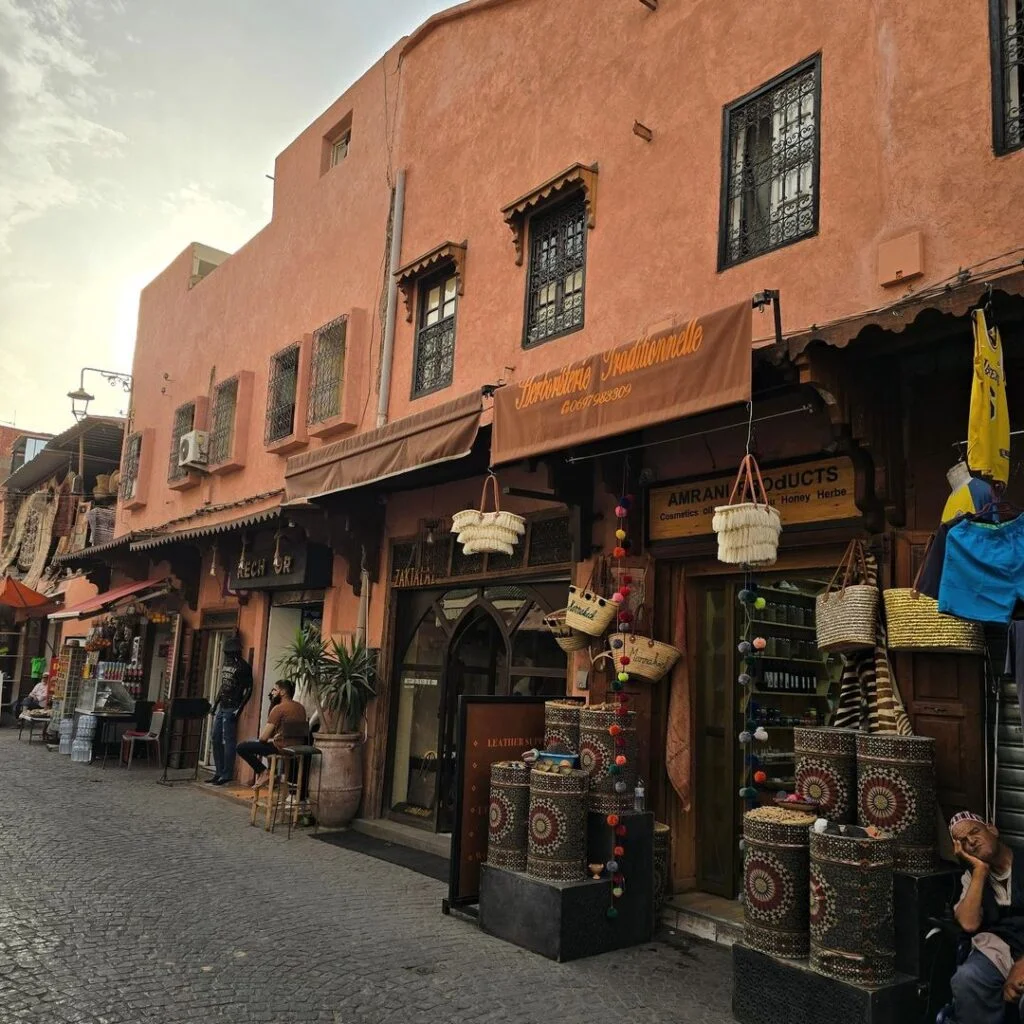
The souks of the Medina felt to us like the most iconic places to visit in Marrakech if you want to understand the city’s energy and pick up something memorable to take home.
Walking through them felt like stepping into a maze of alleyways and treasure caves.
So, what should you buy in Marrakech?
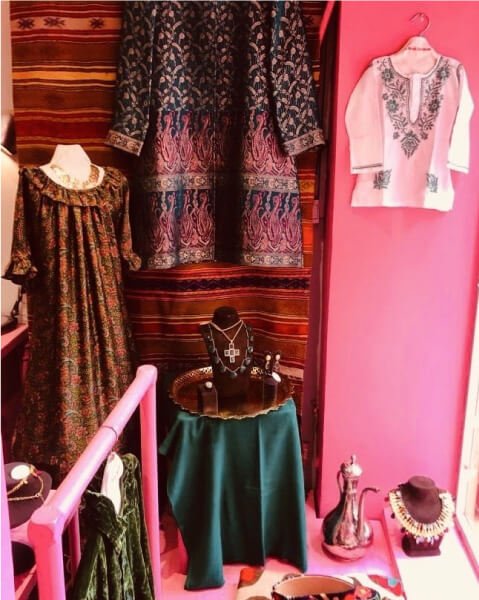
If you are wondering where to shop for clothes in Marrakech, the souks are packed with stalls selling clothing, jewelry, leather goods, slippers, carpets, lamps, and pretty much everything else you can imagine.
Even if you only have one day in Marrakech, this is still an essential stop.
Whether you buy something or not, simply wandering through the souks is one of the most unique experiences to have in Marrakech in 3 days.
PRO TIP FOR BARGAINING LIKE A LOCAL IN MARRAKECH:
Do not ask, “How much does it cost?”
Instead, ask, “What’s your price?” Prices in Marrakech are rarely fixed, and the real number is often somewhere between the first offer and the price you are willing to pay. Never accept the first price. Start low, negotiate with good humor, and treat the whole exchange as part of the experience.
MIDDAY
Majorelle Garden
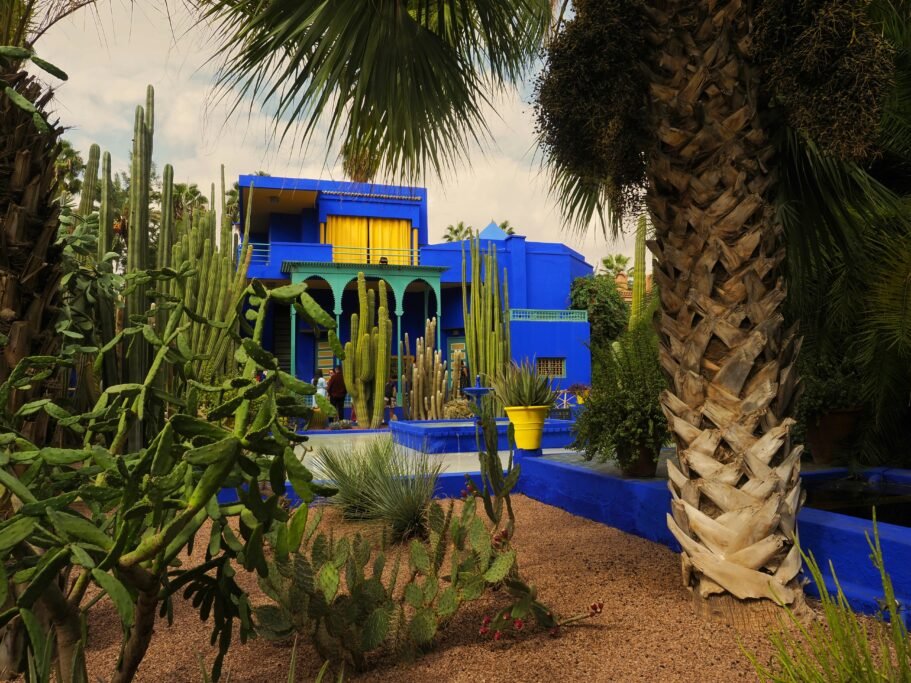
Another place worth adding to your list of things to see in Marrakech is Majorelle Garden, a photogenic and peaceful space where nature and art come together beautifully.
It was created in 1924 by the French painter Jacques Majorelle, who settled in Marrakech in 1919.
One of the more interesting stories connected to the garden is that in the 1960s it was acquired by Yves Saint Laurent, who restored it and enriched it with plant species gathered from around the world.
Practical tips for visiting Majorelle Garden
- Important: Tickets can be purchased here.
- Opening hours: Open daily from 8:00 a.m. to 6:00 p.m.
- Price: €22.
- Recommendation: It is a great little oasis and especially worth considering if you are visiting Marrakech with children (children under 10 enter free).
- How to get there: We took a petit taxi, which we recommend if you want to save time, since the garden is not close to the Medina. Make sure it is an official taxi and that the driver uses the meter. The ride should usually cost no more than 20 to 30 MAD.
AFTERNOON
Our next stop on the itinerary was Jemaa el-Fna Square, the beating heart of Marrakech.
This is the most famous square in the city and absolutely one of the must-see places in Marrakech, both during the day and after dark.
Jemaa el-Fna Square
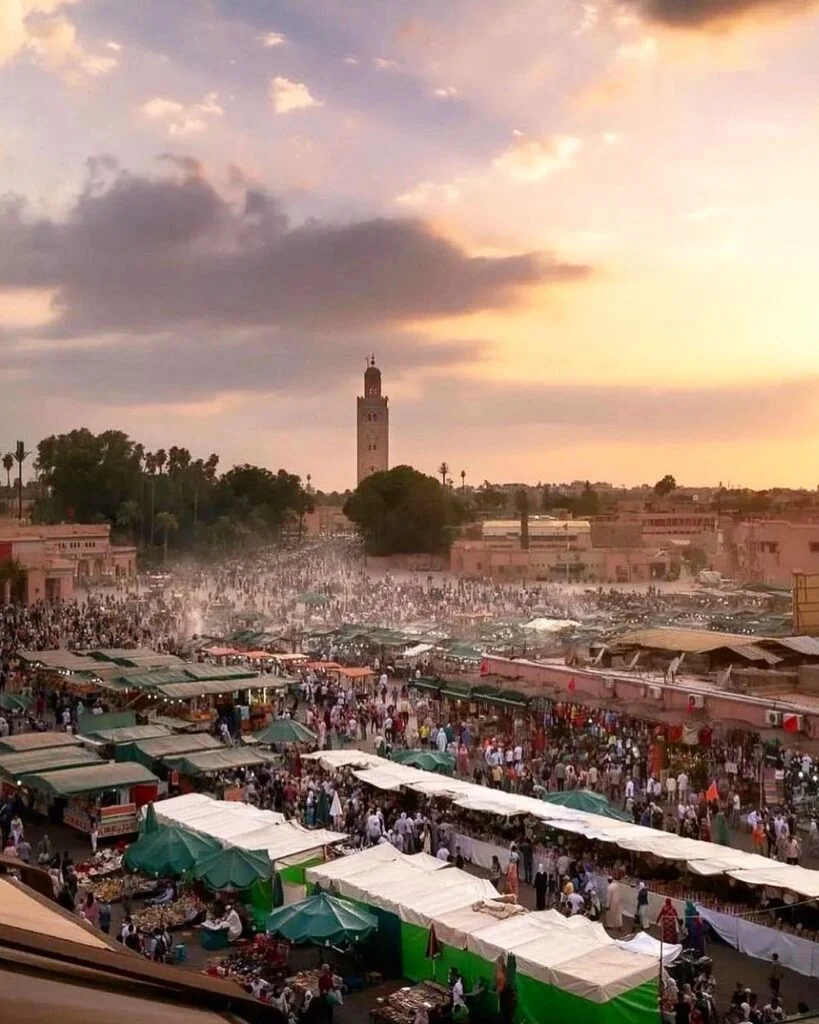
Located in the center of the Medina, it is chaotic, noisy, crowded, and somehow still completely mesmerizing.
By day, we watched musicians, acrobats, fortune tellers, and snake charmers animate the square.
By night, food stalls appeared, smoke drifted through the air, and the square transformed into a full sensory overload.
WHAT NOT TO DO IN JEMAA EL-FNA SQUARE, MARRAKECH (how to avoid tourist traps)
Jemaa el-Fna Square is listed by UNESCO as part of the Intangible Cultural Heritage of Humanity .
But it can also be one of the biggest tourist traps in Marrakech, so this is where a little caution goes a long way.
Do not take photos of the animals, and do not pose with them. What looks like a harmless photo opportunity can quickly turn into an overpriced and stressful situation.
The people handling the animals often pressure tourists into paying large sums. Avoiding that altogether is the simplest and smartest move.
THINGS I DO RECOMMEND DOING IN JEMAA EL-FNA SQUARE
What I do recommend in Jemaa el-Fna Square is stopping for a freshly squeezed juice, which is one of the most typical little pleasures in Marrakech.
We always watched it being prepared right in front of us and kept an eye on the glass, because some vendors may add non-bottled water.
We also loved seeing the square from above, sipping mint tea from one of the rooftop cafés while the chaos unfolded below.
Among the cafés we recommend are these local favorites:
Traditional Marrakech Hammam
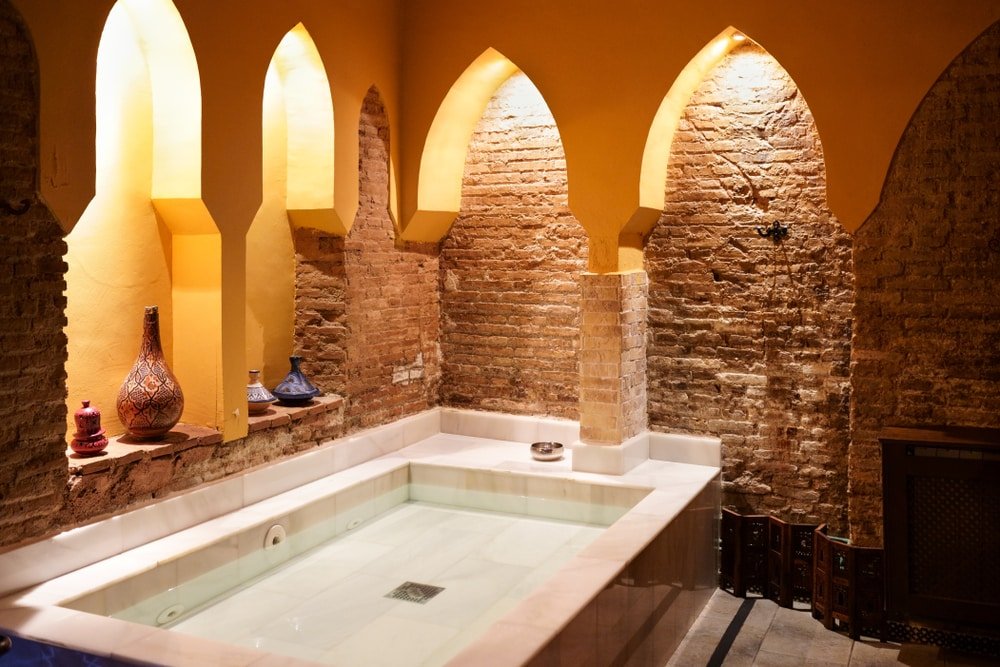
We wanted to end the second day of our Marrakech itinerary with one of the best experiences in the city: a treatment in a traditional Marrakech hammam.
TRAVEL TIP:
WHERE TO GO FOR A TRADITIONAL HAMMAM IN MARRAKECH. It is one of the best things to do in Marrakech. For us, it was both deeply relaxing and a meaningful introduction to a traditional side of Moroccan culture. We booked ours through this link before the trip. If you want more details, we also explain what to know before visiting a typical hammam and share the best hammams in the city in this post:
DAY 3 OF 3 DAYS IN MARRAKECH
| PLAN FOR THE DAY: Day trip from Marrakech. RECOMMENDED ACCOMMODATION: Riad Kitula, Riad Chorfa, Riad Selouane. SUGGESTED PLACES TO SEE: Agafay Desert, Ouzoud Waterfalls, Essaouira, and the Marrakech Palm Grove. RECOMMENDED BLOG POST: Best day trips from Marrakech. |
On the final day of our 3-day trip to Marrakech, we left the city behind and headed out on an excursion, which is exactly what we recommend doing if you have a third day available.
Here are a few ideas for places to see near Marrakech, which you can also explore through the multimedia map below.
A night in the Marrakech desert
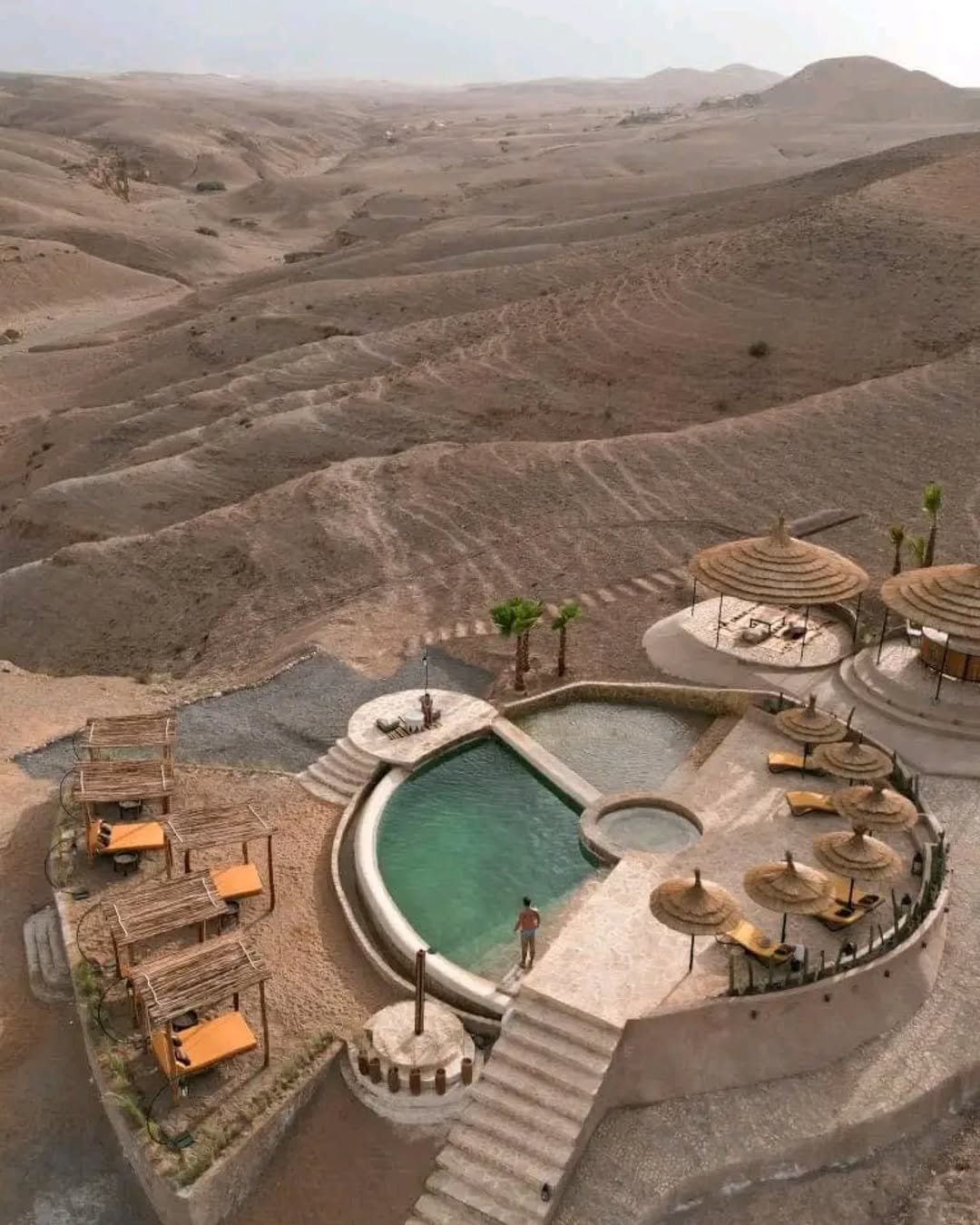
Spending a night in the desert is one of those experiences to have in Marrakech in 3 days that feels impossible to skip once you know it is an option.
TRAVEL TIP: DAY TRIP TO THE MARRAKECH DESERT: There is one desert trip that worked perfectly for us even on a short itinerary. We left on the afternoon of day 2, spent the night in the Agafay Desert, had dinner under the stars, slept in the desert, watched sunrise the next morning, and were back in Marrakech after breakfast on day 3.
- The Agafay Desert is only about an hour from Marrakech, making it the best option for travelers with limited time: we booked this Agafay Desert tour and loved it.
3-day desert excursion from Marrakech: Merzouga Desert
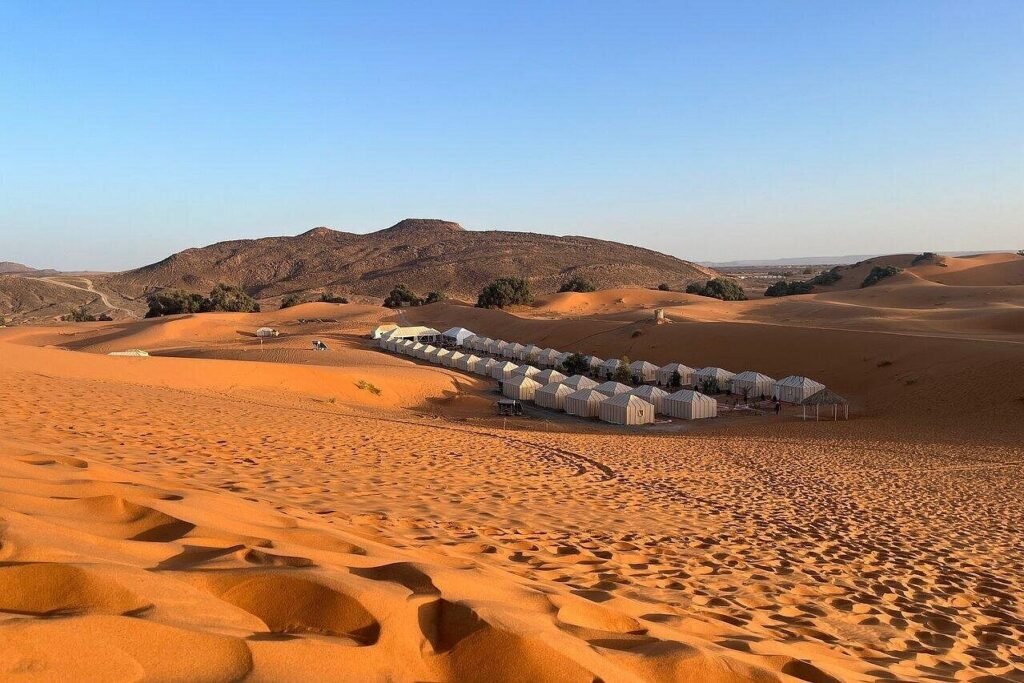
If you actually have 4 or 5 days in Marrakech, then we would very strongly recommend heading farther out to the Merzouga Desert.
| RECOMMENDED DESERT EXCURSIONS IN MOROCCO: 1 night in the Agafay Desert: (you can book it here) 2-day excursion to the Zagora Desert: (you can book it here) 3-day excursion to the Merzouga Desert: (you can book it here) |
The Ouzoud Waterfalls
The spectacular Ouzoud Waterfalls, a couple of hours from Marrakech, were another of the day trips from Marrakech that we really loved.
They are the largest waterfalls in North Africa, and seeing them up close is genuinely impressive.
Marrakech Palm Grove (La Palmeraie): a great plan near Marrakech
Just a few kilometers north of the Medina, the Marrakech Palm Grove gave us the chance to experience a very different side of the area, with open landscapes, palm trees, and a more adventurous atmosphere.
The palm grove contains around 100,000 palm trees, and it is also a popular place for outdoor and adrenaline-filled activities that fit easily into a 3 days in Marrakech itinerary.
TRAVEL TIP: You can visit with an organized tour that includes hotel transfers. Here is more information about the different tours to the Marrakech Palm Grove.
Essaouira: the blue city by the sea
This picturesque coastal town lies around 2.5 hours from Marrakech, and we absolutely loved it.
Its medina, recognized as a UNESCO World Heritage Site, is full of history, seaside charm, markets, and beaches, making it one of the best day trips from Marrakech.
In Essaouira, we enjoyed the coast, wandered the old town, and sampled seafood by the fishing port, which felt like one of the most memorable local experiences of the whole trip.
If this sounds like your kind of day, I recommend booking this excursion to Essaouira, which includes transfers from Marrakech.
WHAT AND WHERE TO EAT TRADITIONAL FOOD IN MARRAKECH
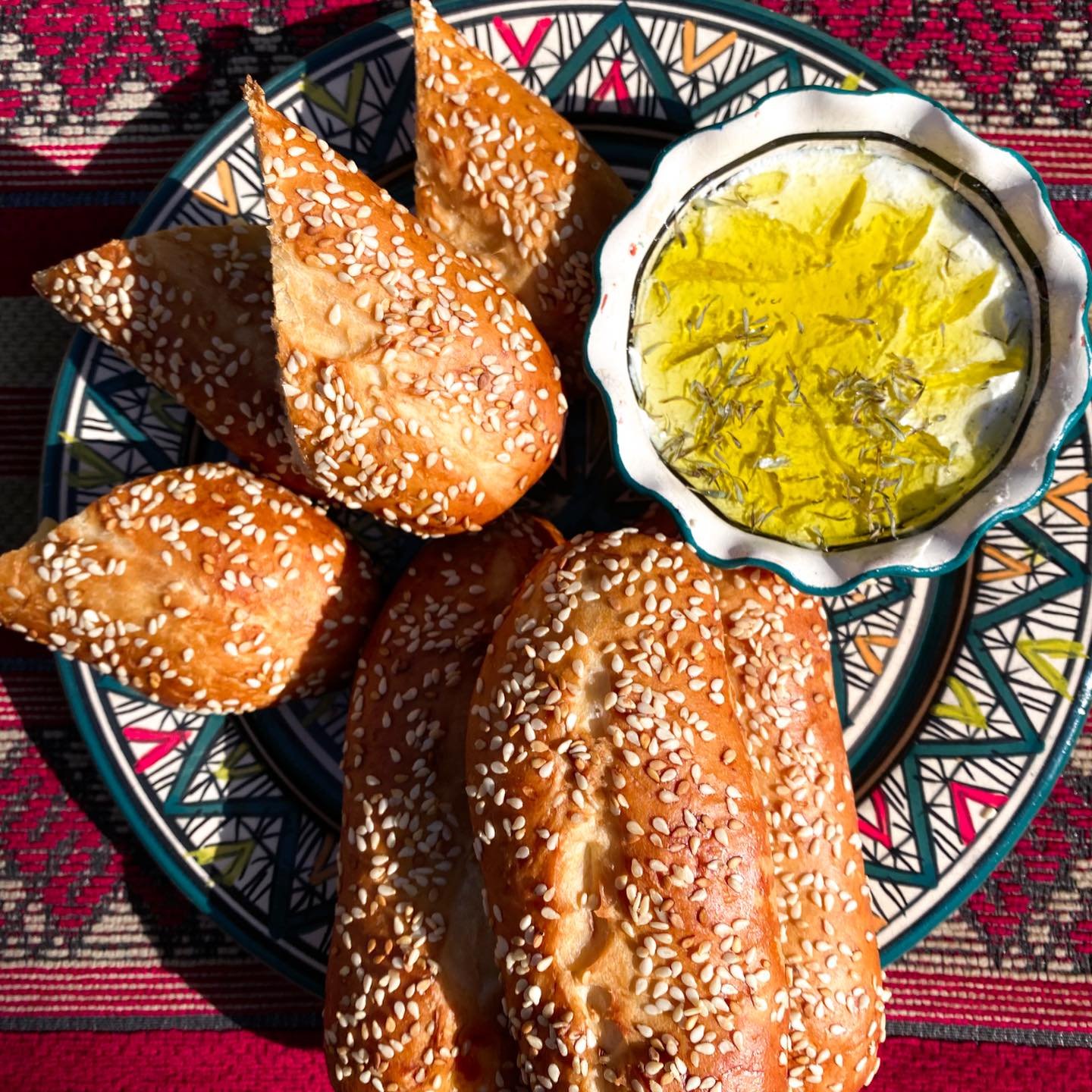
During our stay in Marrakech, we made a point of trying as many local specialties as possible, from tagines and couscous to French-style pastries and endless glasses of mint tea.
If you are wondering where to eat in Marrakech, these are some of the restaurants in Marrakech that we personally tried and enjoyed the most.
I have also included location links and a few local recommendations, so you can head straight there without any extra planning.
- Amal Restaurant: A great option if you are visiting Majorelle Garden.
- Medina Burger: Tasty, simple, and budget-friendly.
- Fluffy Restaurant: Serves local, French, and Mediterranean dishes.
- Lao Marrakech: A restaurant with a view, serving international cuisine at European-style prices.
MORE THINGS TO SEE IN MARRAKECH IN 3 DAYS
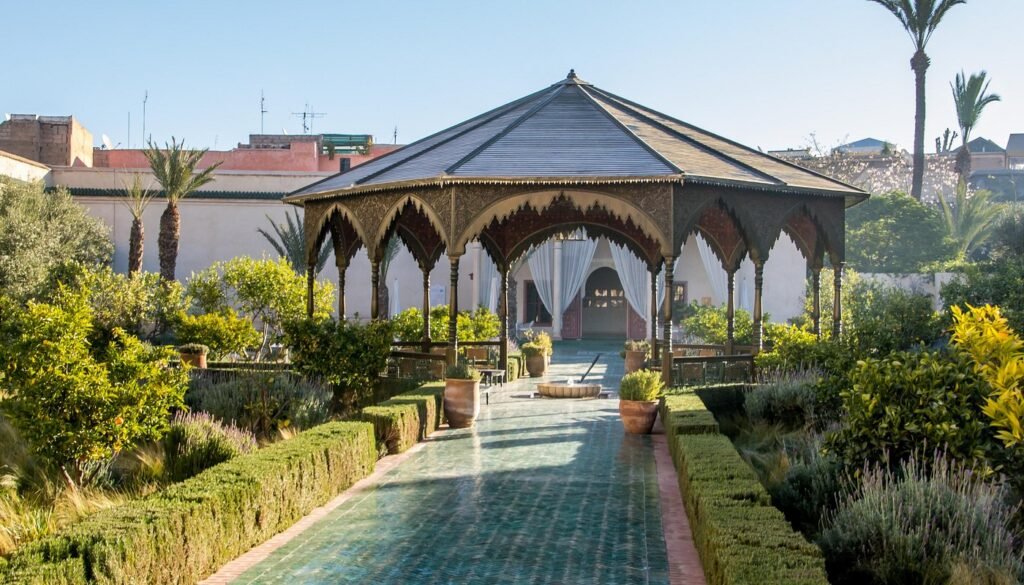
Finally, here are a few more interesting places in the Red City that we did not include in this exact 3 days Marrakech itinerary, but which you could easily add depending on your pace and interests.
I have included extra information in the links.
- Marrakech Museum: A worthwhile stop if you want more background on the history and culture of Marrakech. We visited it on our first trip and found it genuinely enriching. It is open daily from 9:00 a.m. to 5:00 p.m., and entrance is 70 MAD.
- Menara Gardens: A peaceful oasis just outside the Medina. Entry is free and the gardens are open from 8:00 a.m. to 6:00 p.m.
- Musée Douiria de Mouassine: Here is a golden tip for you: the rooftop café has splendid views. Coffee costs around 30 MAD, and the site is open from 10:00 to 19:00.
- Le Jardin Secret: A charming garden in the Medina, with entry at 100 MAD. It is open from 9:30 to 18:30 in winter and until 19:30 in summer.
PRACTICAL TIPS FOR YOUR 3-DAY MARRAKECH ITINERARY
To make the most of your time in Marrakech, it helps to keep a few practical details in mind. These small things can make the whole experience smoother and much more enjoyable.
Recommendations for visiting Marrakech (and falling under its spell)
Our first piece of advice for exploring Marrakech in three days is to spend at least one of those days with an expert guide. In our opinion, it is one of the best ways to really understand what you are seeing.
Marrakech has centuries of history behind it, and exploring its major landmarks and labyrinthine souks with a knowledgeable local guide is one of the best introductions you can have to the city.
In our case, we were lucky enough to explore with Mr. Alaoui, and thanks to him we left feeling that we had discovered some of Marrakech’s most fascinating hidden layers.
Money and payment tips in Marrakech
We noticed that currency exchange offices were mostly concentrated around Rue de Bab Agnaou, within the Medina, and along Avenue Mohammed V.
That said, we exchanged some dirhams before our trip, and that is still what I would recommend doing if possible.
Safety and hygiene in Marrakech
Always drink bottled water and avoid tap water, as it can upset your stomach. Also, for most travelers, no specific vaccinations are required for a 3-day trip to Marrakech.
FAQs About Visiting Marrakech
Is Marrakech worth visiting for a first trip to Morocco?
Yes, absolutely. Marrakech is one of the easiest places to start with if it is your first time in Morocco. You get the big sensory hit straight away: riads hidden behind plain doors, busy souks, rooftop terraces, palaces, gardens, call to prayer drifting across the city, and enough tagine to ruin bland food for you forever. It is intense, yes, but also deeply rewarding.
How many days do you need in Marrakech?
We would give Marrakech at least 3 days, and 4 is even better. That gives you enough time to explore the medina, visit the main sights, slow down in a riad, eat properly, and maybe squeeze in a day trip to the Atlas Mountains, the Agafay Desert, or the Ourika Valley. Any less and it starts to feel like you are speed-running the city.
Is Marrakech safe for tourists?
Yes, Marrakech is generally safe for tourists, but it is still a big, busy city where you need your wits about you. The main annoyances tend to be pushy sellers, overhelpful strangers who expect money, and the occasional taxi drama rather than serious danger. Keep an eye on your belongings, avoid deserted alleys late at night, and do not follow random “guides” who say the road is closed. Classic medina survival.
Where is the best area to stay in Marrakech for first-time visitors?
For a first trip, staying inside the medina is usually the most atmospheric choice, especially if you want that full riad-and-rooftop experience. If you prefer something calmer, wider streets, and easier taxi access, Hivernage and Gueliz are more relaxed. The medina is magical, but it is not always peaceful, and dragging a suitcase through the lanes can feel like a character-building exercise you did not ask for.
Should you stay in a riad or a hotel in Marrakech?
If this is your first Marrakech trip, we would choose a riad at least once. Riads are one of the city’s great pleasures: intimate courtyards, tiled walls, rooftop breakfasts, and a sense of calm that feels almost suspicious after the chaos outside. Hotels can be easier for pools, parking, bigger facilities, and all-out luxury, but a good riad gives you the Marrakech mood you probably came for.
Can you wear shorts in Marrakech?
You can, but we would still dress with a bit of respect and common sense. Marrakech is used to tourists, so nobody is going to faint at the sight of knees, but lightweight clothes that cover shoulders and go past mid-thigh usually feel more comfortable and attract less attention. For mosques, religious sites, and more traditional areas, modest clothing is the smarter move.
Do you need cash in Marrakech or can you pay by card?
You definitely need cash in Marrakech. Many riads, restaurants, and modern shops take cards, but souks, small cafés, taxis, market stalls, and tips often still mean cash is king. Always carry some Moroccan dirhams with you, especially in the medina, because this is not the place to assume every tiny shop has a card machine hiding under a pile of lanterns.
How do taxis work in Marrakech?
Marrakech taxis are useful, but they are not always a smooth, poetic experience. Always agree on the fare before getting in if the driver does not want to use the meter, which happens a lot. For short rides around the city, prices should not be outrageous, but having small cash and a rough idea of the route helps. The medina itself is largely pedestrian, so often the taxi gets you close, then your feet take over.
What should you buy in the souks of Marrakech?
The souks are great for ceramics, lamps, leather bags, slippers, rugs, spices, baskets, and beautifully impractical things you were not planning to carry home. Buy what you genuinely like, not what somebody theatrically insists is “special price just for you.” It is worth comparing stalls before buying anything expensive, especially rugs or larger handmade pieces.
Is Marrakech good for families with kids?
Yes, Marrakech can be surprisingly good with kids, especially if you choose the right riad or hotel with a pool and do not try to pack in too much. Gardens, horse carriages, rooftop meals, day trips, camel rides near the desert outskirts, and colorful markets can all be exciting for children. The key is pacing. Marrakech is stimulating to the point of ambush, so downtime matters.
What are the best day trips from Marrakech?
The most popular day trips from Marrakech include the Atlas Mountains, Ourika Valley, Agafay Desert, Essaouira, and Ouzoud Waterfalls. Which one suits you best depends on your mood: mountains for scenery, Agafay for a desert-style hit without going too far, Essaouira for sea air and seafood, and Ouzoud if you want waterfalls and a long scenic day.
What is the best time of year to visit Marrakech?
Spring and autumn are usually the sweet spots. March to May and late September to November tend to be the most pleasant for sightseeing. Summer can be brutally hot, especially in the medina, while winter is usually sunny by day but surprisingly chilly in the mornings and evenings. Marrakech loves extremes. It keeps you humble.
- What To Do in Agafay Desert in 2026: Camel Rides, Luxury Camps & Sunset Magic Near Marrakech
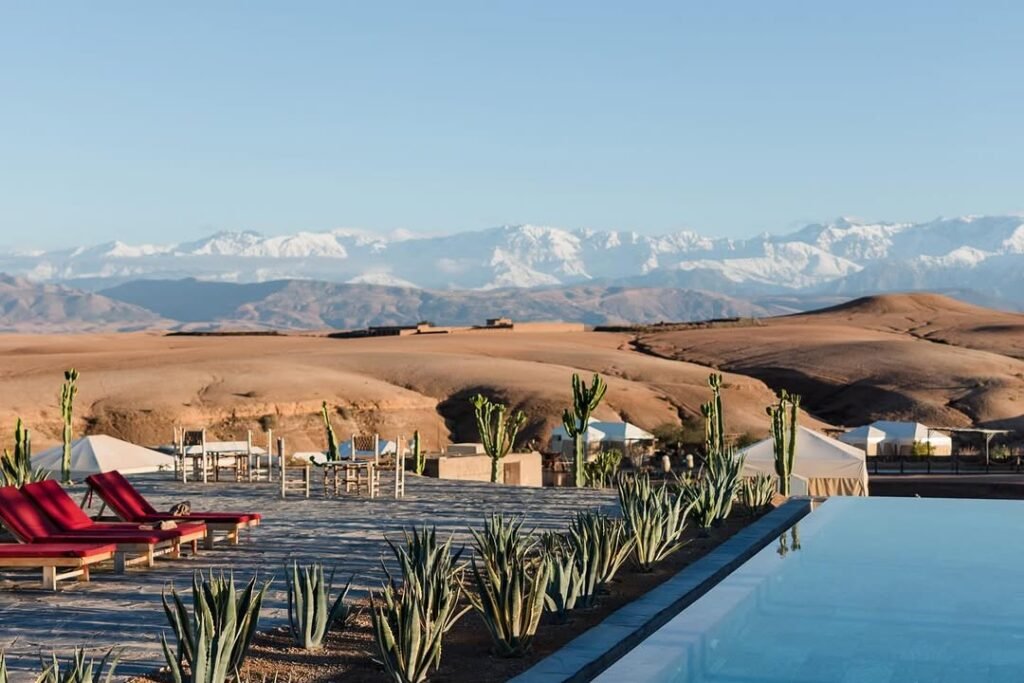
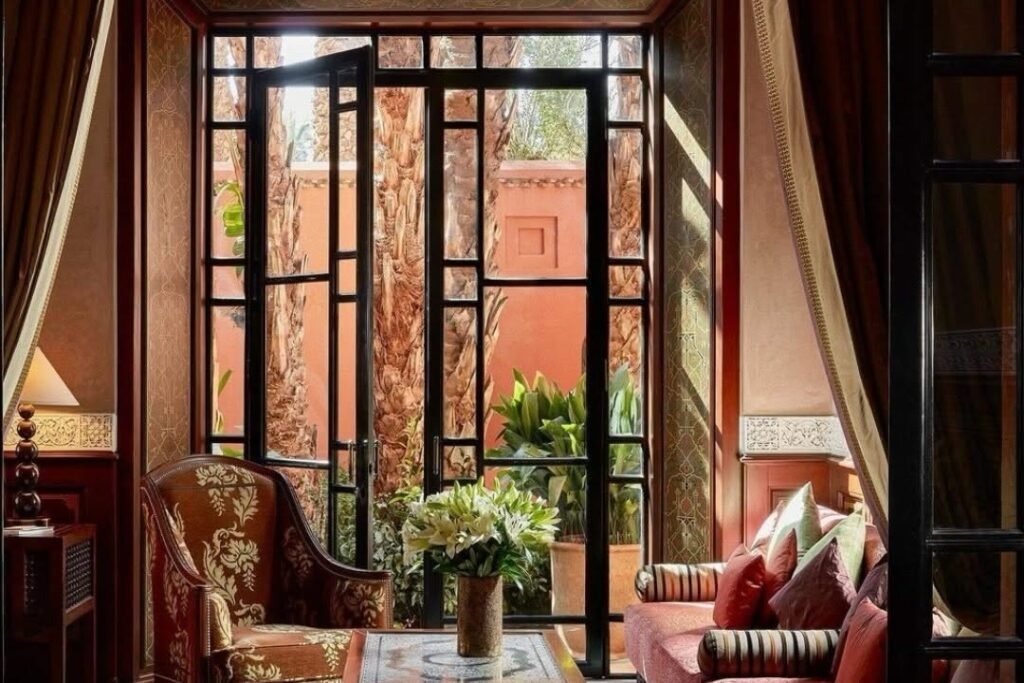
- 2026 Royal Mansour Marrakech Review: A Palace Disguised as a Hotel
- Perfect 3 days in Marrakech Itinerary (2026): Sightseeing, Dining & Cultural Experiences
- Where To Buy Clothes In Marrakech (2026): 14 Best Boutique Stores To Find Real Gems
- 2026 Guide To The Best Museums In Marrakech + Art Galleries