
Travel writing based on first-hand experience
Curious about the Oldest Cities In The World? Travel through time with historic gems like Jericho, Damascus, and Byblos—cities that have witnessed the rise and fall of civilizations for thousands of years.
Table of Contents
1. Damascus, Syria
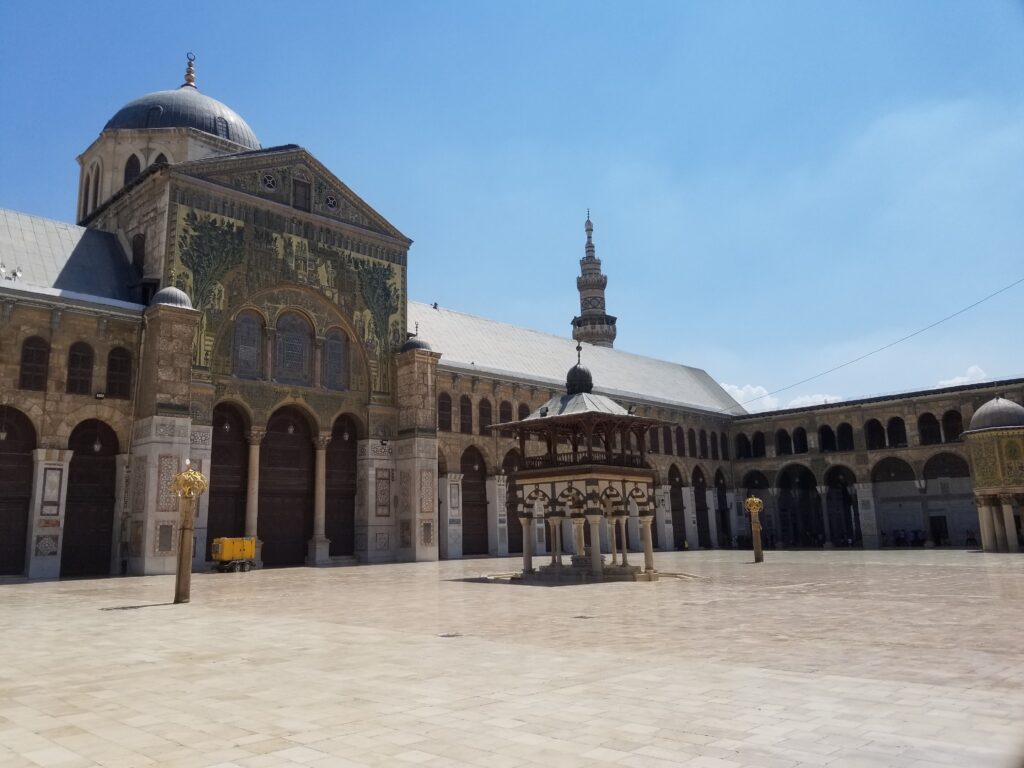
One of the oldest cities in the Middle East, Damascus was founded in the 3rd millennium BC, and through excavation sites, archaeologists have proven that the area was first inhabited sometime between 8,000 and 10,000 BC. Located in present-day Syria, the city is unique as many cultures have shaped it into what it is today, including elements of Roman and Greek urban planning. Islam has also had a great influence, which is evident in the Umayyad mosque. Also known as the Great Mosque, it is one of the largest and oldest mosques in the world, built between 705 and 715.
2. Athens, Greece
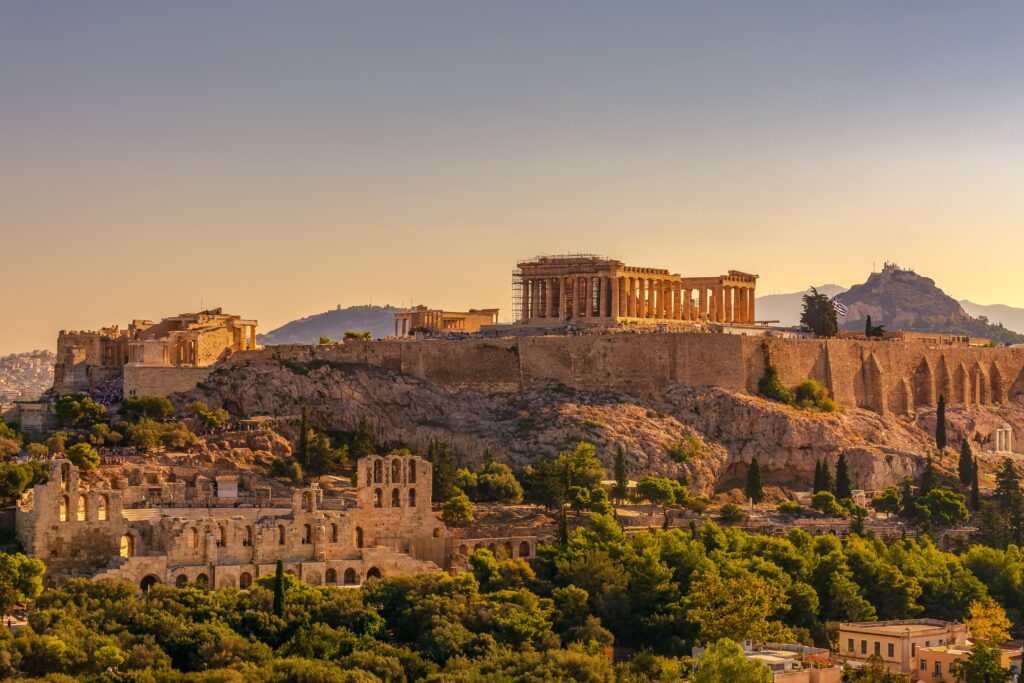
The capital and largest city of Greece, Athens is also, of course, one of the oldest cities in the world with continuous occupation dating back to 5,000 BC, or approximately 7,000 years. Once a powerful city-state and the birthplace of democracy, history buffs will love strolling through this city as it is filled with historical gems, representing various empires such as the Roman, Byzantine, and Ottoman. While Greece has suffered in recent years due to the economic downturn, it remains a popular destination for tourists looking to experience the incredible history, art, cuisine, and people that Athens has to offer.
3. Sidon, Lebanon
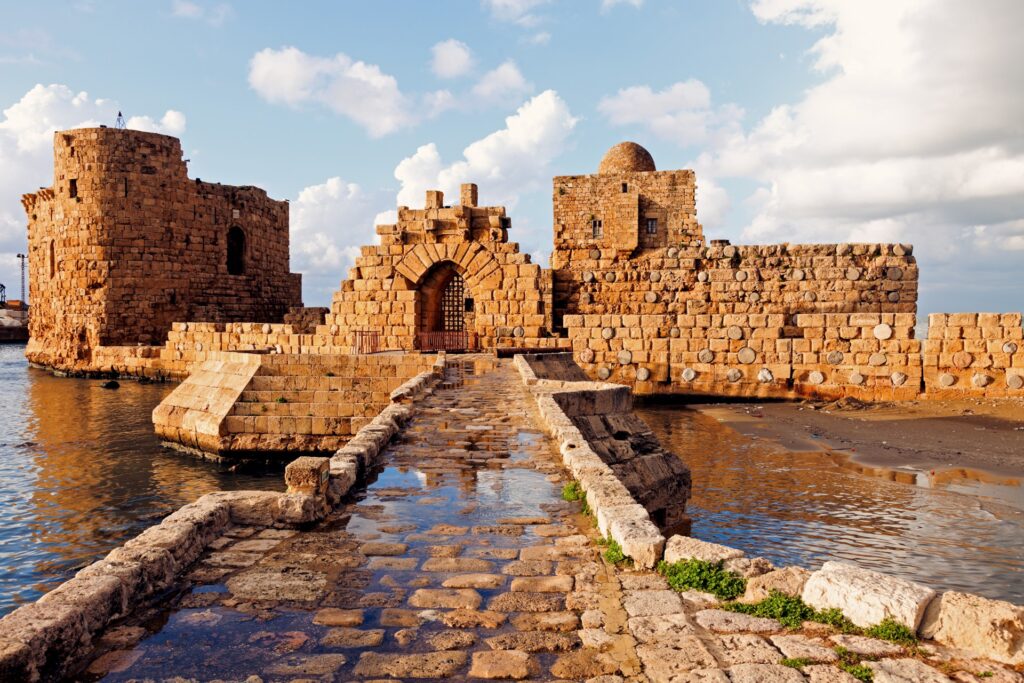
Sidon, Lebanon, is another city with a long and rich history. The area is believed to have been inhabited sometime around 4,000 B.C. C. or possibly even earlier, around 6,000 B.C. C., and it is also widely accepted that historical figures such as Jesus, Saint Paul, and Alexander the Great visited (the latter captured the city). Located south of Beirut, this Phoenician city is now one of the largest cities in Lebanon and is home to Sayhad, a busy port. Much of Sidon’s history lies beneath the modern buildings, making it difficult for archaeologists to excavate; however, there are amazing sites to explore, including the Sidon Sea Castle.
4. Ray, Iran
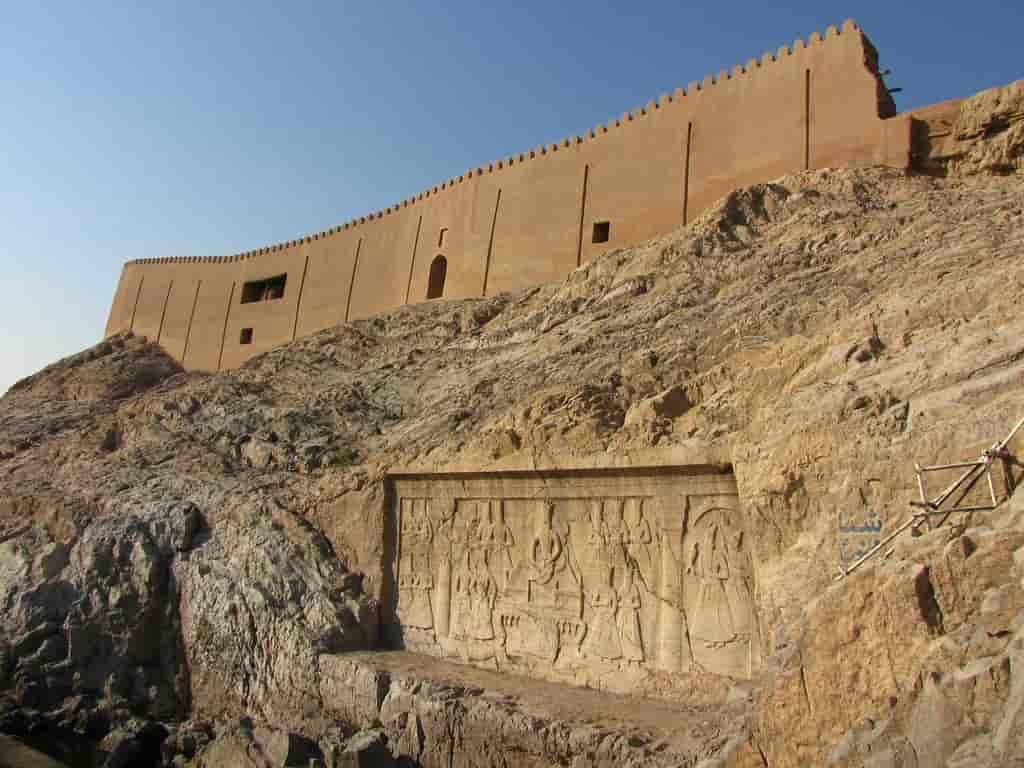
Part of the Tehran metropolitan area in Iran, Ray, is the oldest city in the province and one of the oldest in the world with evidence supporting the fact that inhabitants date back to 6,000 BC. Steeped in history, the city was mentioned as a sacred place in the Avesta, which are the ancient scriptures of Zoroastrianism. The Arabs captured the city in 641, and it was nearly destroyed by the Mongols in 1220. Surviving historical monuments include the 12th-century Toghrol Tower and the 5,000-year-old Cheshmeh Ali Hill, “a hill with a spring” and an excavation site where 7,000-year-old artifacts were discovered.
5. Jerusalem, Israel
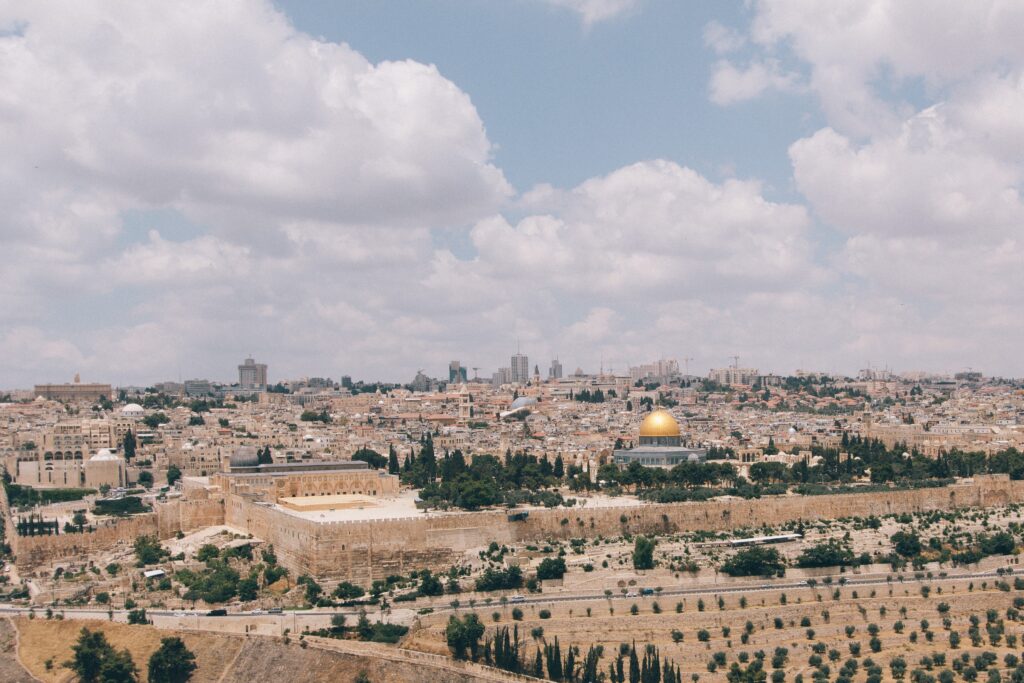
A major religious center for the Jewish, Christian, and Islamic religions, Jerusalem is steeped in history. Some of the earliest inhabitants date back to 2,800 BC, and with such a long history, it’s safe to say that the city (like any city on this list) has been through a lot, including being besieged, attacked, and captured numerous times. throughout its existence. Jerusalem is home to many wonderful sites, including the Western Wall (circa 19 BC) – a retaining wall of the holiest site, the Temple Mount, for the Jewish people – The Old City, built by King David in 1004 BC, and the Mount of Olives.
6. Faiyum, Egypt

The oldest city in Egypt and one of the oldest in Africa, Faiyum was founded around 4,000 B.C. Located about 62 miles southwest of Cairo, Faiyum lies partly in an area that was once the ancient city of Crocodilopolis, whose inhabitants worshiped a sacred crocodile named Petsuchos that had its pond in the temple. Today, mounds are marking the site of ‘The Crocodile City’, plus Faiyum is home to bazaars, markets, mosques and baths.
7. Byblos, Lebanon
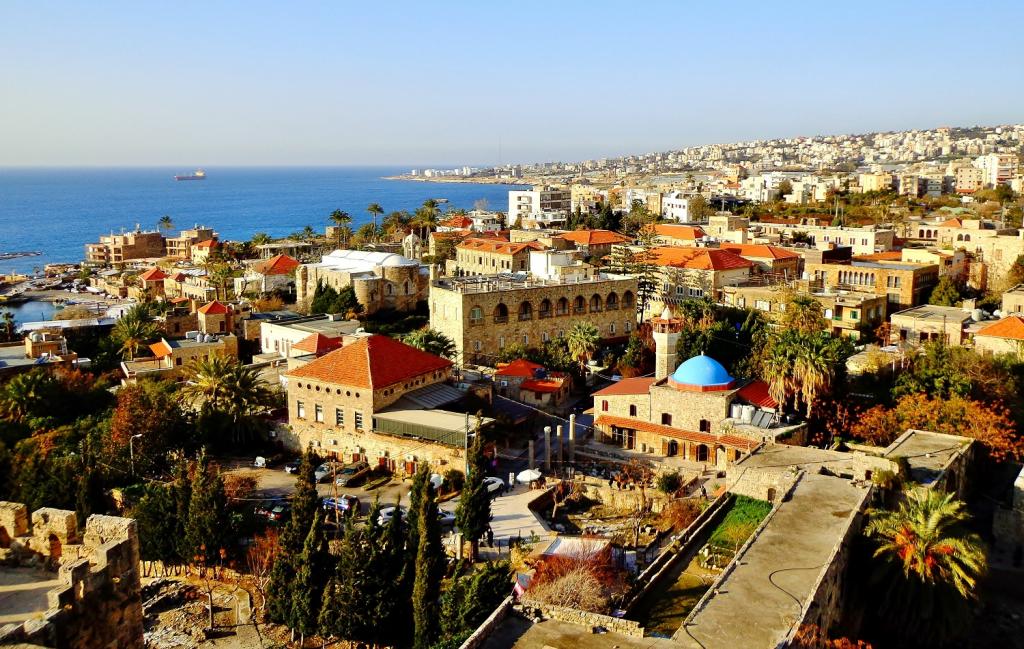
Another city located in present-day Lebanon, Byblos, originally known as Gebal, is one of the oldest Phoenician cities, founded around 5,000 BC. Located along the Mediterranean coast, about 40 kilometers north of Beirut, Byblos, the name given to the city by the Greeks, is the place from which the Phoenician alphabet spread. Today, many sites will interest history buffs, such as the Crusader Castle, built in the 12th century, and the Phoenician Royal Necropolis, which is located near the castle.
8. Jericho, Palestinian Territories
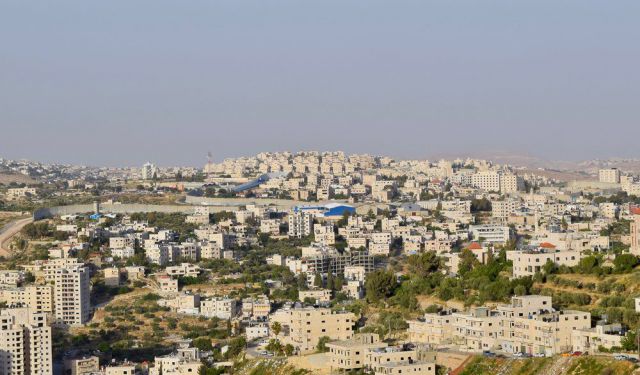
A small city with a population of 20,000, Jericho, which is located in the Palestinian Territories, is believed to be the oldest city in the world. Some of the earliest archaeological evidence for the area dates back 11,000 years. Having gone through its turmoil, including being destroyed and rebuilt more than once, Jericho still stands today, offering visitors several historical and religious sites to see, including the Mount of Temptation, where Jesus was tempted by the devil, and Nabi Musa, the area where the tomb of Moses is believed to be located.
9. Plovdiv, Bulgaria

One of the oldest inhabited cities in Europe, Plovdiv is the second largest city in Bulgaria. Inhabited since 4000 BC, beginning with a Neolithic settlement, Plovdiv has been conquered by many people throughout its history, including the Greeks and Romans, which is evident in the ancient ruins found throughout the city. Some of the highlights include the old Philippopolis Stadium (an old name for Plovdiv); the Roman Amphitheatre, which still hosts important events; and the Ruins of Eumolpias, a Thracian settlement from 5000 BC. c.
10. Gaziantep, Türkiye
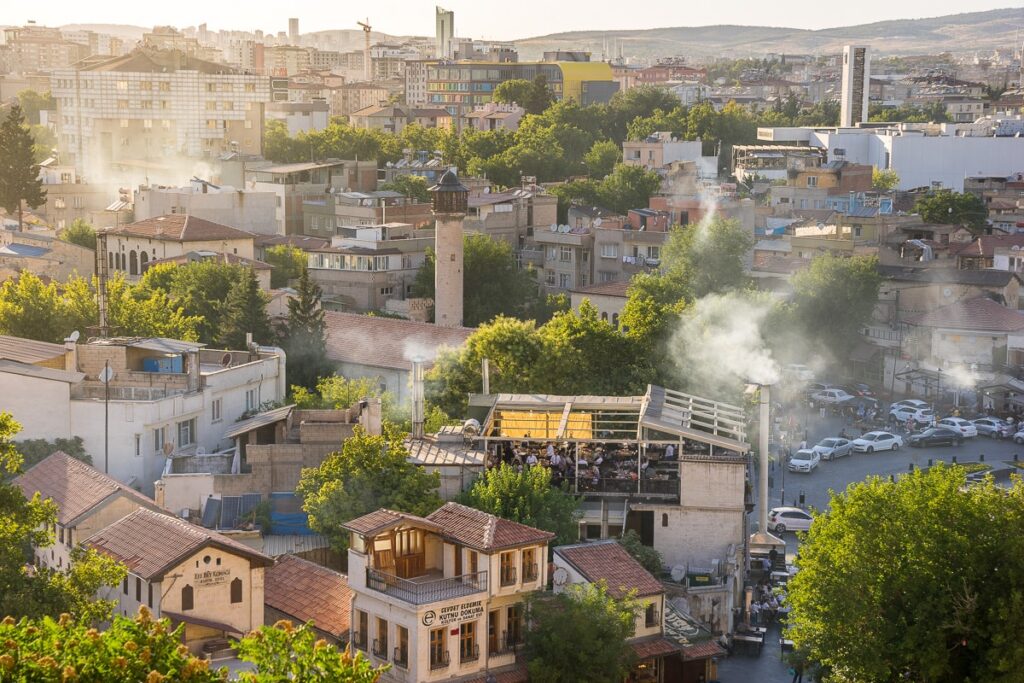
Located in southern Turkey, near the Syrian border, the first inhabitants of Gaziantep settled in 3,600 BC. Also known as Antep, this city offers visitors many historical sites to explore, including the Gaziantep Castle and Ravanda Citadel, both of which were restored in the 6th century by the Byzantines, and the ruins of Rumkale. Other highlights include the Zeugma Mosaic Museum, the largest of its kind in the world. Also, the city is known for its pistachio baklava and has more than 150 pastry shops.
FAQs — Oldest Cities in the World
1) What does “oldest city” actually mean?
Usually “oldest continuously inhabited settlement”—a place with people living there, generation after generation, not just ruins.
2) Why do different lists disagree?
Criteria vary: continuous habitation vs. earliest layers, where the city core shifted, how secure the dating is, and what counts as a “city.”
3) Is Jericho really the oldest?
Jericho (Palestine) is often cited, with deeply ancient layers. The challenge is proving unbroken habitation across all millennia.
4) What other top contenders appear again and again?
Damascus and Aleppo (Syria), Byblos/Jbeil and Sidon (Lebanon), Faiyum (Egypt), Susa (Iran), Erbil/Hawler (Iraq), and Jerusalem commonly make the list.
5) What about Göbekli Tepe or Çatalhöyük—are they cities?
They’re extraordinary prehistoric sites, but generally classed as ritual or proto-urban settlements rather than true cities with streets and administration.
6) Oldest continuously inhabited cities in the Levant?
Jericho, Damascus, Byblos, Sidon, and Jerusalem are frequent candidates based on layered tells, texts, and long habitation.
7) Which are the oldest in Europe?
Plovdiv (Bulgaria) often claims Europe’s oldest; also Athens and Argos (Greece), Cádiz (Spain), and sometimes Lisbon and Kutaisi, depending on criteria.
8) Earliest in wider Asia (beyond the Levant)?
Susa (Iran), Erbil (Iraq), Varanasi (India), and ancient Chinese capitals like Luoyang/Xi’an (with shifting cores) are perennial mentions.
9) Africa beyond Egypt—any contenders?
North African coast has ancient Phoenician/Roman towns (e.g., Tangier area), but continuity varies. In Egypt, Faiyum shows very early habitation.
10) The Americas—what’s realistically “oldest”?
Continuous living centers include Cholula and Oaxaca areas in Mexico; in the U.S., Acoma Pueblo is among the oldest continuously inhabited communities.
11) How precise are the dates?
They’re estimates based on archaeology, radiocarbon dates, and texts. Layers get disturbed; city cores move; evidence can be fragmentary.
12) Why does “continuous” matter?
It separates living towns from abandoned ruins. Many famous sites were re-founded after long gaps.
13) Can a modern city be “old” if the center moved?
Often yes—urban life can shift a few kilometers. Some lists accept metropolitan continuity even if the exact hilltop changed.
14) Which sites are best for visible ancient architecture?
Byblos’ tells and temples, Jerusalem’s layers, Athens’ Acropolis, Plovdiv’s Roman theater, Susa’s mounds—each shows history in the streets.
15) Safety or access concerns?
Some contenders are in regions with travel advisories. Always check current guidance and local rules for protected sites.
16) Museum stops that help the story click?
National and city museums near each contender—look for galleries on prehistoric, Bronze Age, and classical layers to “read” the city.
17) UNESCO status—does it prove “oldest”?
No. UNESCO recognizes outstanding value, not “who’s oldest,” but many contenders are listed for their layered heritage.
18) How should I evaluate souvenir claims like “oldest city on earth”?
Treat as proud storytelling. Ask what evidence they’re using—continuous habitation, earliest layers, or earliest texts.
19) Any etiquette at living sacred sites?
Dress modestly, follow photography rules, don’t touch stones or inscriptions, and respect worshippers and residents.
20) A simple “oldest cities” sampler trip?
Levant loop (Byblos, Sidon, Jerusalem), Anatolia/Balkans (Plovdiv, Athens, Argos), and a Mesopotamian arc (Erbil, Susa) if/when safe and feasible.
- 7 Best Family Hotels in Bahrain (2026): From big five-star resorts with mini waterparks to beachfront hotels

- 5 Best Wadis In Oman (2026)
- 9 Best Rooftops in Dubai (2026 Edition)

- What To Wear in Bahrain (2026): Practical Dress Code Advice

- 20 Best Beaches in Cyprus (2026): Most Stunning Beaches You Can’t Miss