
Travel writing based on first-hand experience
We’ve all been there: you’re about to book flights to Turkey, you’re daydreaming about baklava and Bosphorus ferries… and then your suitcase stares back at you like a judgmental rectangle. “How to dress in Turkey as a tourist?” is one of the most common travel questions for a reason: Turkey is modern and traditional, beachy and conservative, humid and snowy—sometimes all in the same week.
This guide keeps you comfortable, respectful, and not overpacked .
Planning your Turkey trip? Read these next
Table of Contents
Understanding the cultural and climatic diversity of Türkiye
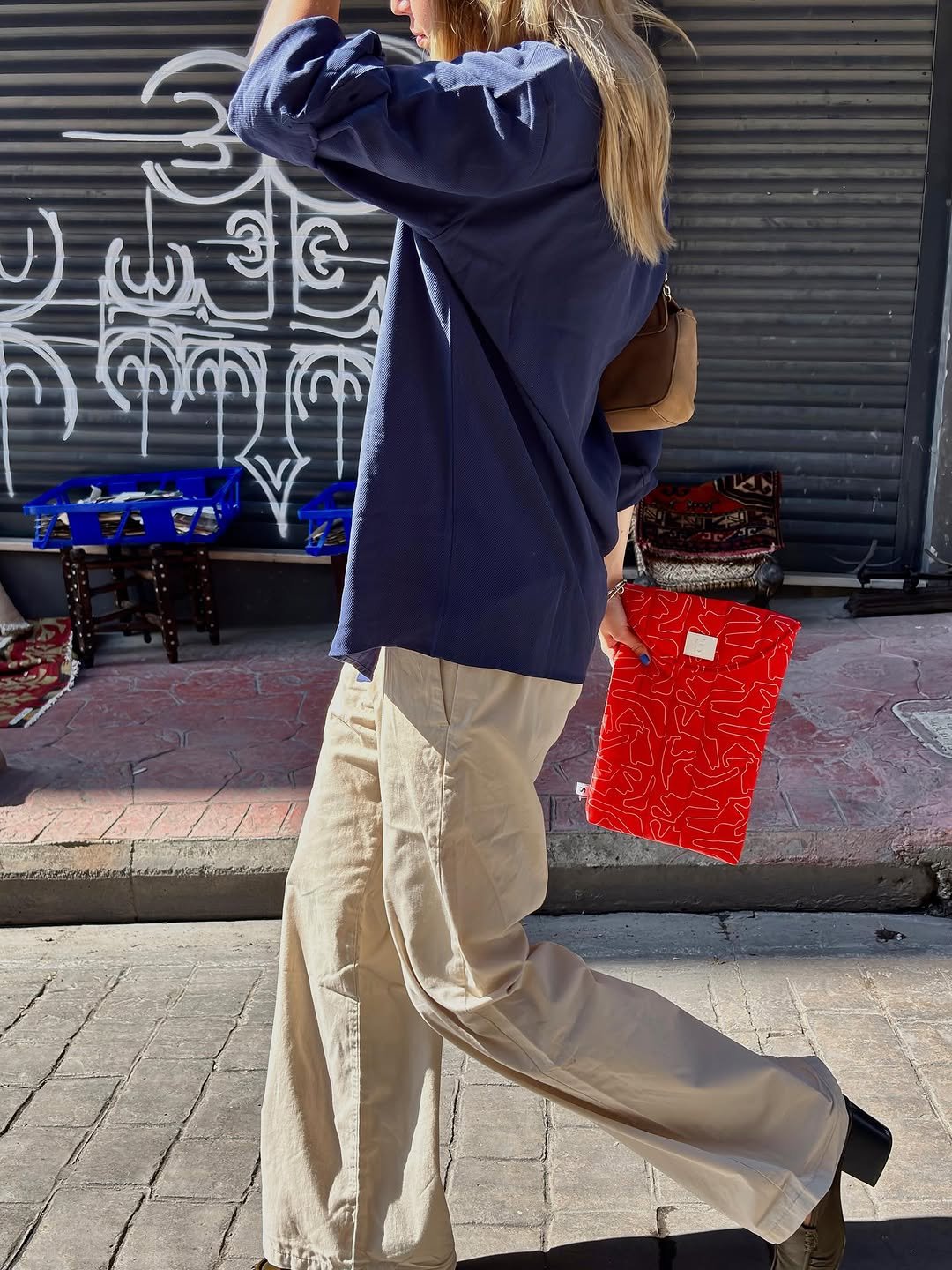
Türkiye sits with one foot in Europe and one in Asia, and it behaves like it: wildly varied, occasionally contradictory, always interesting. What you wear in Istanbul can be very different from what feels right in a small inland town. Add the country’s serious climate range—Mediterranean heat, Black Sea humidity, Cappadocia wind, eastern snow—and you’ve got a wardrobe puzzle.
Our rule of thumb: dress like you would for a big European city, then add a modesty “upgrade” for rural areas and religious sites, plus layers for weather mood swings.
Close to (in your daypack):
- A light scarf (doubles as sun cover, warmth, mosque-ready)
- Sunglasses + sunscreen (Türkiye does not play with UV)
- A thin extra layer (cardigan, overshirt, or light jacket)
Pro tip: Pack outfits that can “stretch.” A midi dress that works at a café and looks respectful in a conservative neighborhood is worth more than three trendy tops you’ll wear once.
What to wear in Istanbul
We land in Istanbul and immediately get hit with the city’s personality: stylish locals, fast pace, hills, ferry winds, and that magical moment when you realize you’ll walk 20,000 steps before lunch. Istanbul is cosmopolitan—think major European city—yet tradition is always present, especially around older districts and religious landmarks.
City attire
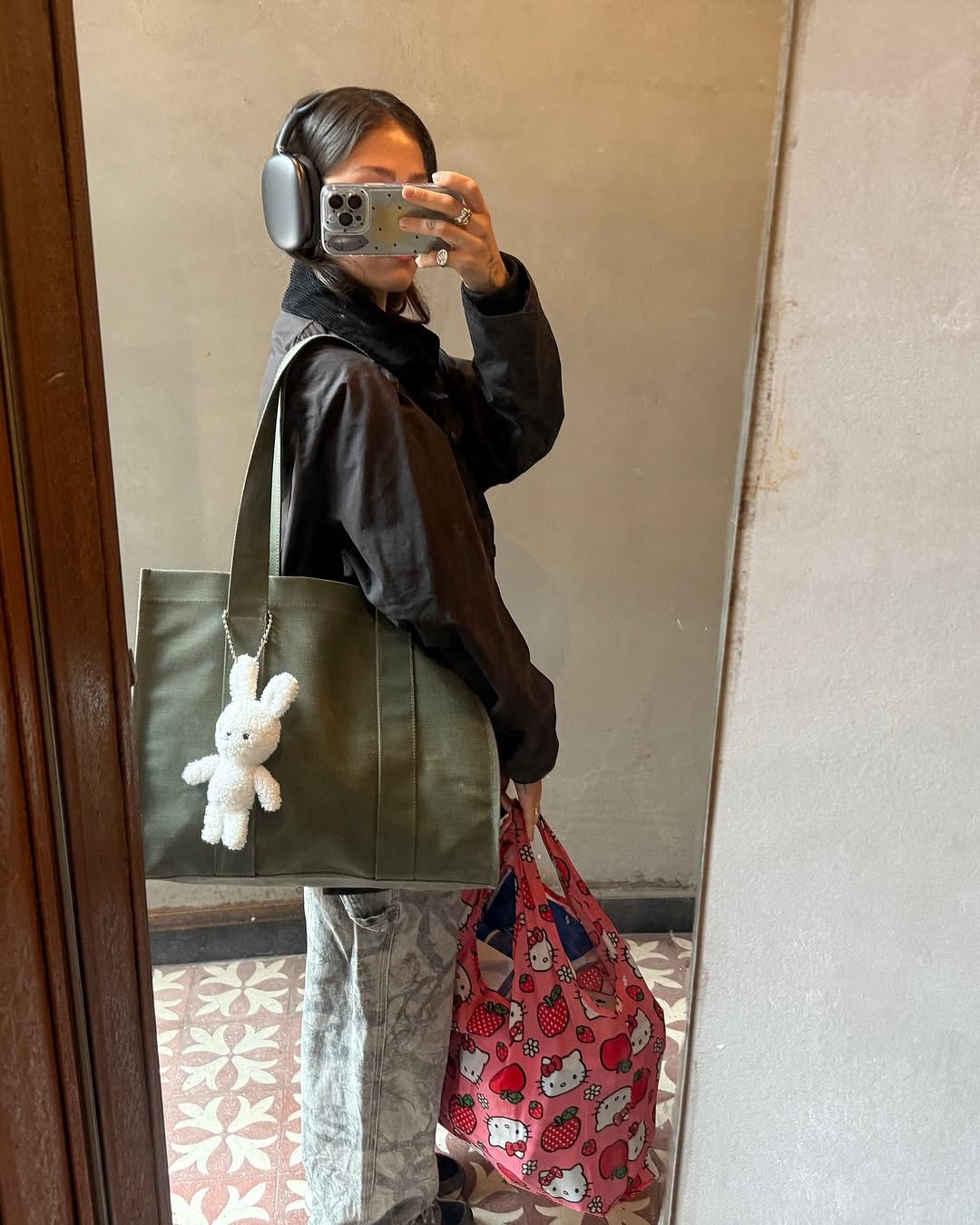
For day-to-day exploring, casual-but-put-together wins.
- Comfortable jeans or trousers
- Skirts and dresses (midi is an easy “fits everywhere” length)
- Tops that aren’t extremely low-cut or ultra-cropped
Istanbul is fairly relaxed, but very revealing outfits can attract attention—especially in traditional neighborhoods or crowded transport.
Where to stay (style-wise): In most central areas, your normal travel clothes work perfectly. If you’re planning lots of mosques and historic sites, aim a bit more modest and you’ll never feel out of place.
Visiting mosques

Mosques are the main moment where your clothing truly matters.
- Women: cover hair, shoulders, and knees. A headscarf is typically needed inside.
- Men: avoid shorts and sleeveless tops; long trousers are safest.
Many major mosques provide coverings at the entrance, but relying on that can mean queues, limited sizes, or something you don’t feel great wearing.
Close to (mosque kit):
- Scarf large enough to cover hair and shoulders
- Long, loose trousers or a long skirt
- A lightweight layer (overshirt/kimono-style cover-up)
Pro tip: Slip-on shoes make mosque visits easier because you’ll be taking shoes on and off.
Evening wear
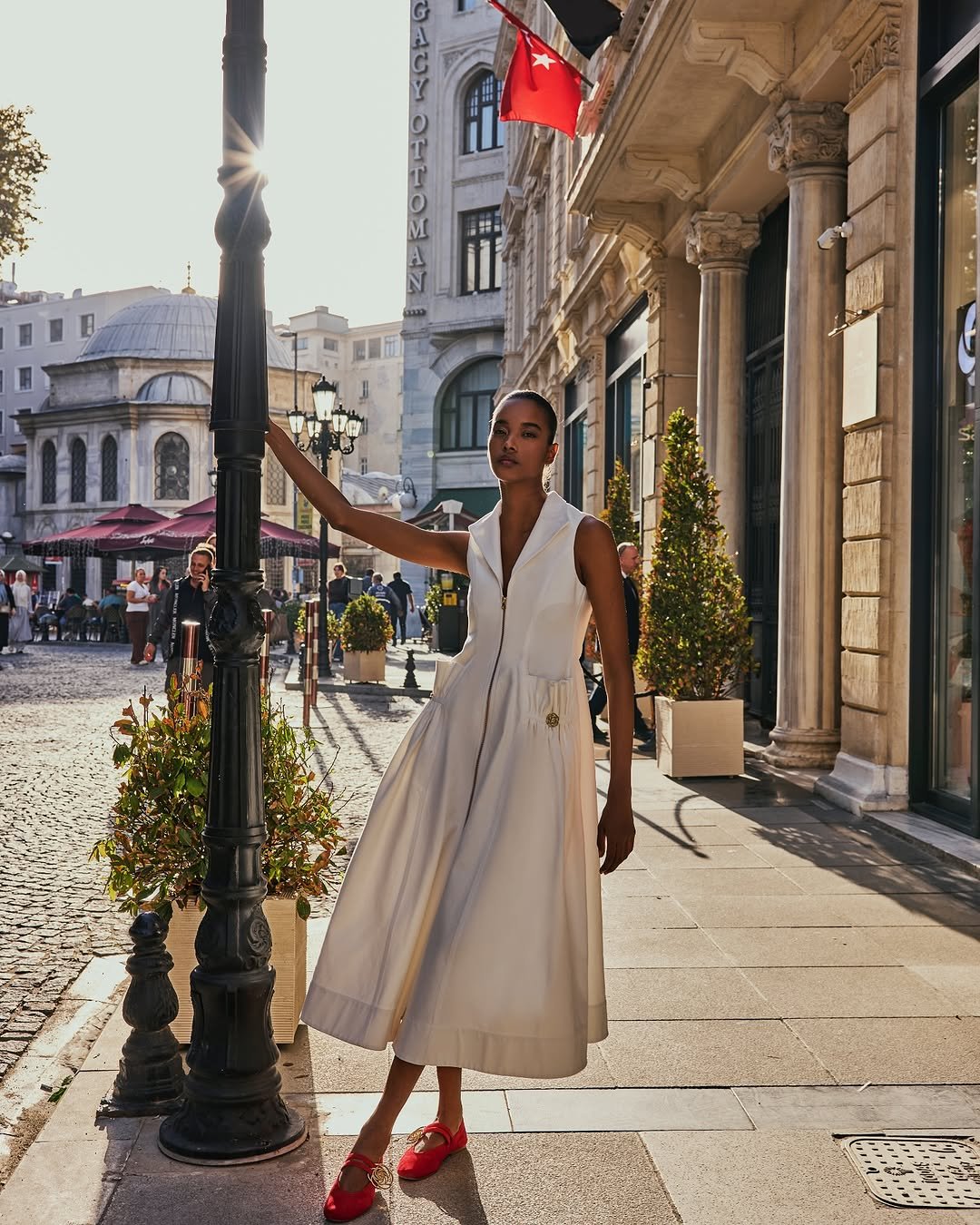
Istanbul does nightlife in every flavor: rooftop bars, stylish restaurants, live music, neighborhood meyhanes. You don’t need high glamour, but a slightly polished look fits.
- Women: a chic dress, or a nice blouse with trousers/skirt
- Men: collared shirt or clean tee with chinos/trousers
Think smart-casual, not red-carpet.
What women wear in Istanbul
Women can generally dress as they would at home—especially in big cities and tourist areas—while keeping a few context-based adjustments in mind.
Urban areas
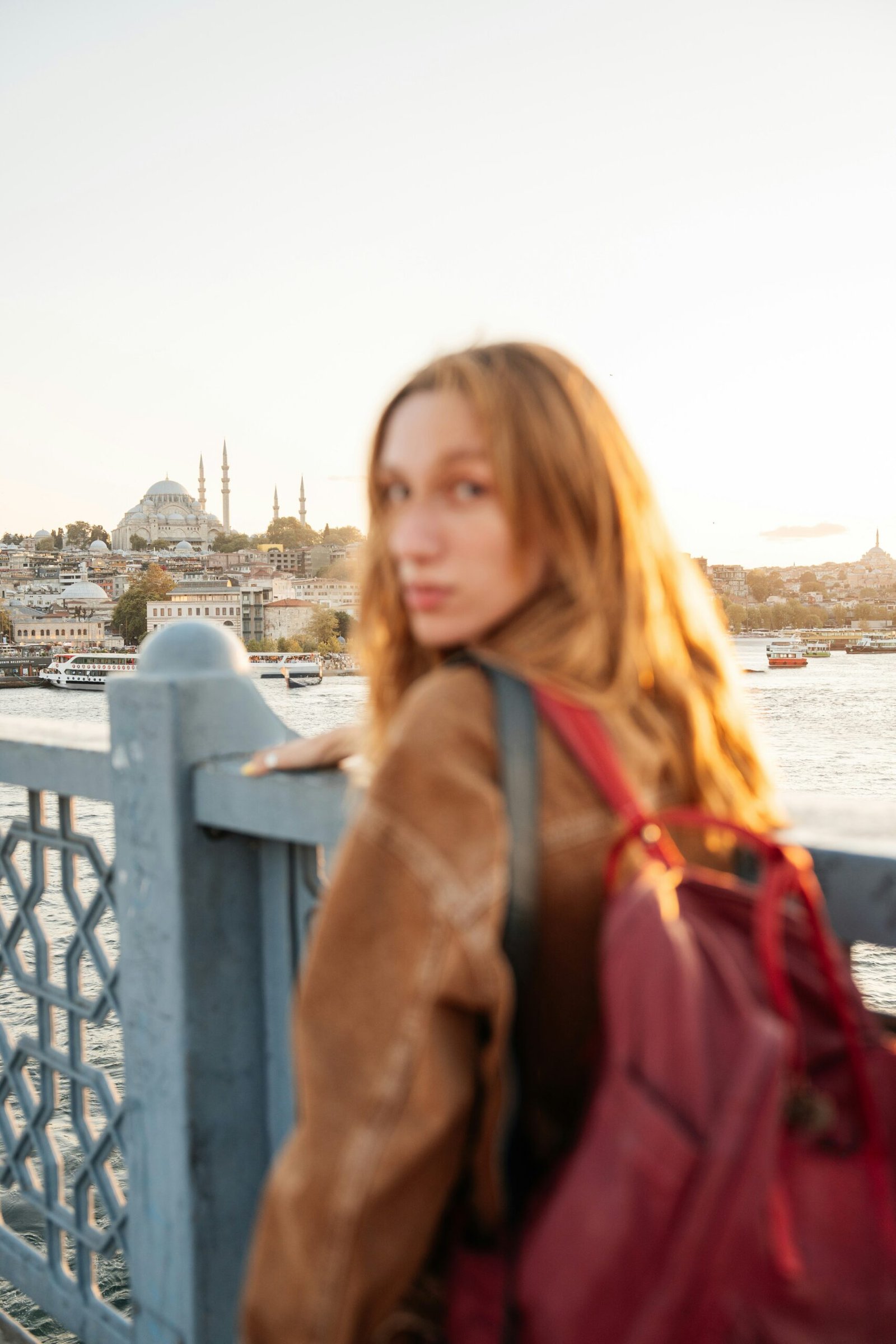
Modern Western clothing is common:
- Dresses, trousers, skirts, tops—totally fine
- Aim to avoid extremes (very short hems, very low necklines) if you want less attention
Rural or conservative areas
Here, it’s less about strict rules and more about blending in respectfully.
- Cover shoulders and knees
- Choose looser shapes (wide-leg trousers, maxi/midi skirts)
- Sleeved tops feel more comfortable in conservative settings
Religious sites
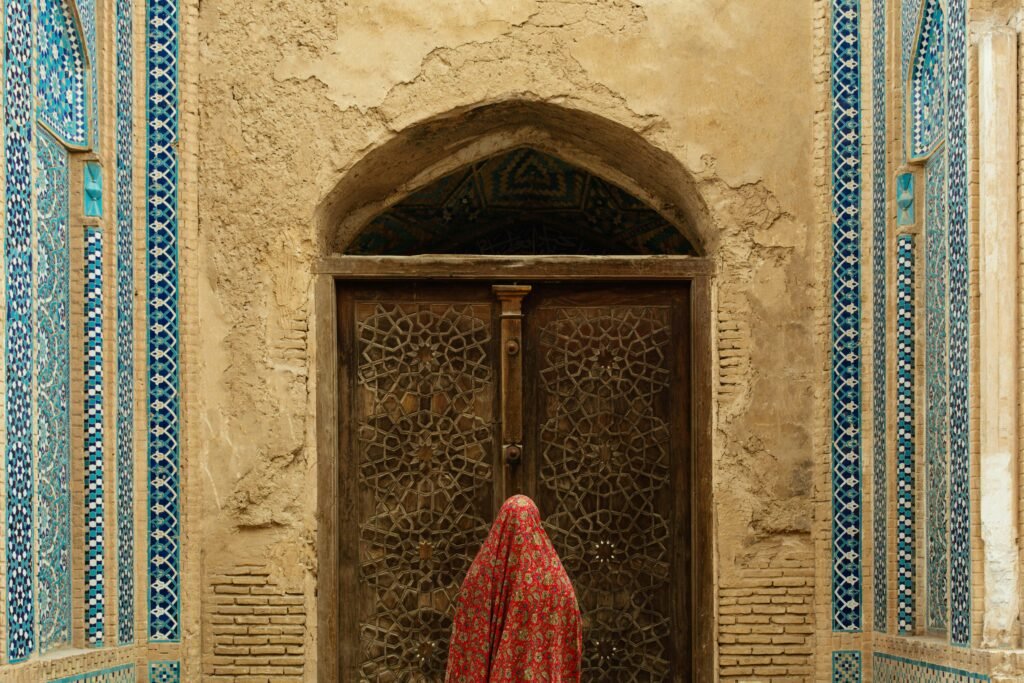
Always assume you’ll need to dress modestly:
- Covered shoulders + knees
- Headscarf for mosque interiors
Close to (women’s must-pack):
- A scarf
- One long skirt or loose trousers
- One lightweight long-sleeve layer
Pro tip: If you don’t love headscarves, think of it as a practical travel tool, not a fashion identity. It’s just gear—like sunscreen, but for etiquette.
Dress code for tourists in Istanbul
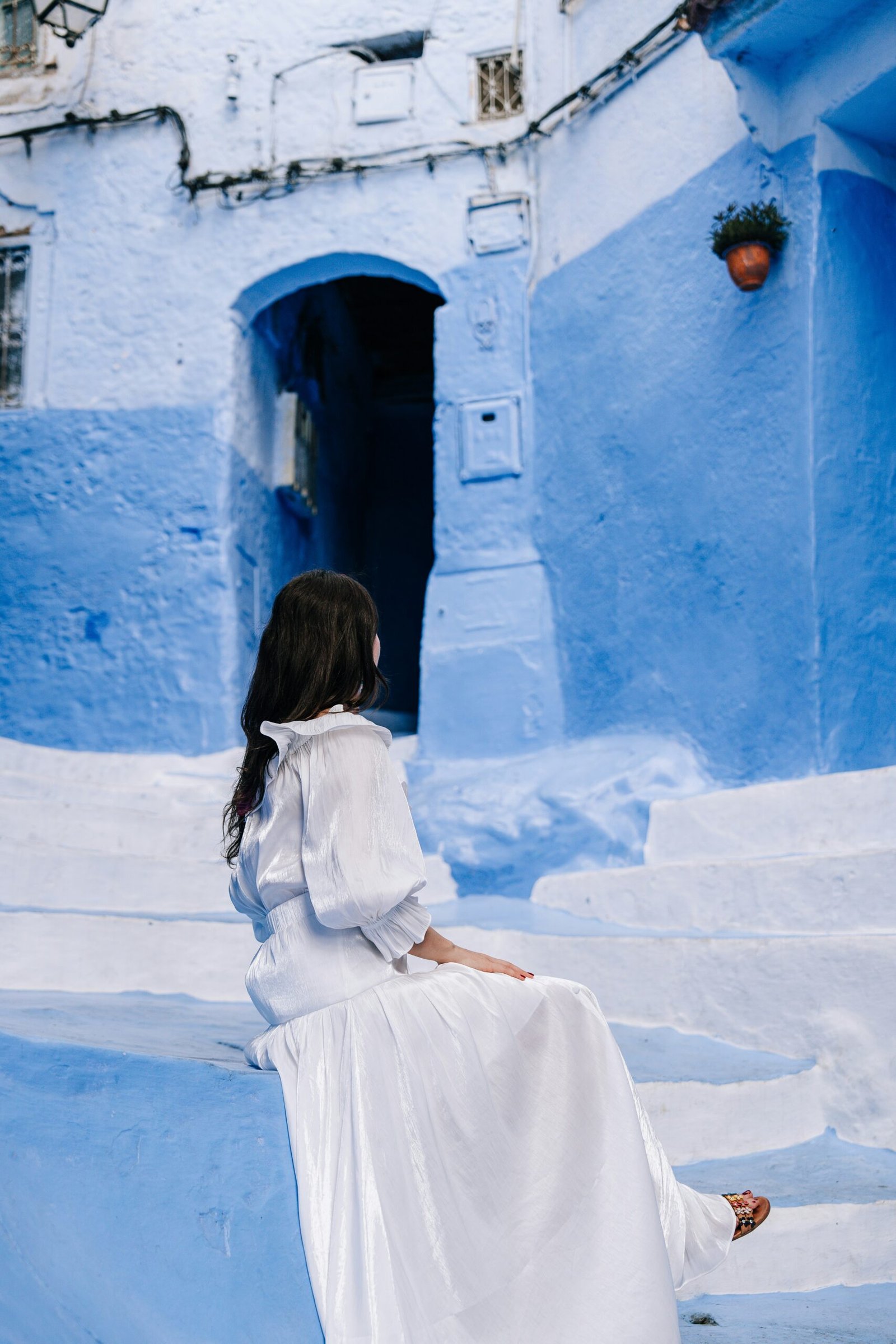
Istanbul’s dress code is flexible, but a little awareness goes a long way—especially at places like Sultanahmet, Eminönü, Fatih, and around major mosques.
Respect traditions
You don’t need to cover your hair unless entering a mosque, but modest clothing at religious and historical sites is a polite default. Avoid very tight or very revealing outfits when you’re sightseeing.
Weather considerations
Istanbul swings hard by season:
- Summer: hot and humid; breathable fabrics matter
- Winter: cold, damp, windy; layers matter more than you think
How to get there (to “I’m dressed right”):
- Choose light layers you can add/remove
- Bring a scarf year-round (wind + mosque + warmth)
- Wear comfortable shoes; Istanbul is not a city for fragile footwear
How to Dress in Turkey as a Tourist
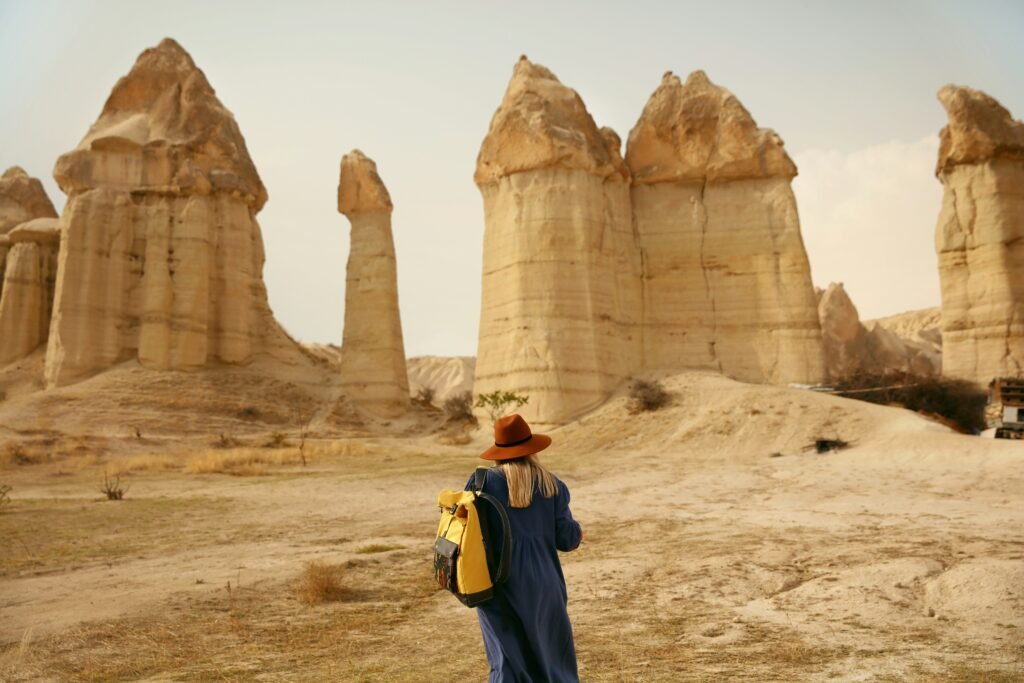
Let’s make it practical. If you want a suitcase that works across cities, coast, and conservative moments, build a small “capsule” that can remix.
Easy, reliable outfit formulas:
- Midi dress + light cardigan + trainers (city day, museum, café)
- Loose trousers + sleeved top + scarf (historic sites, conservative towns)
- Maxi skirt + simple tee + linen shirt (coast to dinner)
- Swimwear + cover-up + sandals (beach days done politely)
Packing list (balanced, not bulky):
- 2–3 lightweight tops (mix short/long sleeve)
- 1–2 trousers (wide-leg or relaxed fit are perfect)
- 1 skirt or dress in a midi/maxi length
- 1 warmer layer (cardigan/light jacket depending on season)
- Scarf (non-negotiable)
- Comfortable walking shoes + sandals
Pro tip: If you’re unsure about a neighborhood, start modest on day one. It’s always easier to adjust later than to feel uncomfortable while you’re out.
Dress code for men in Turkey
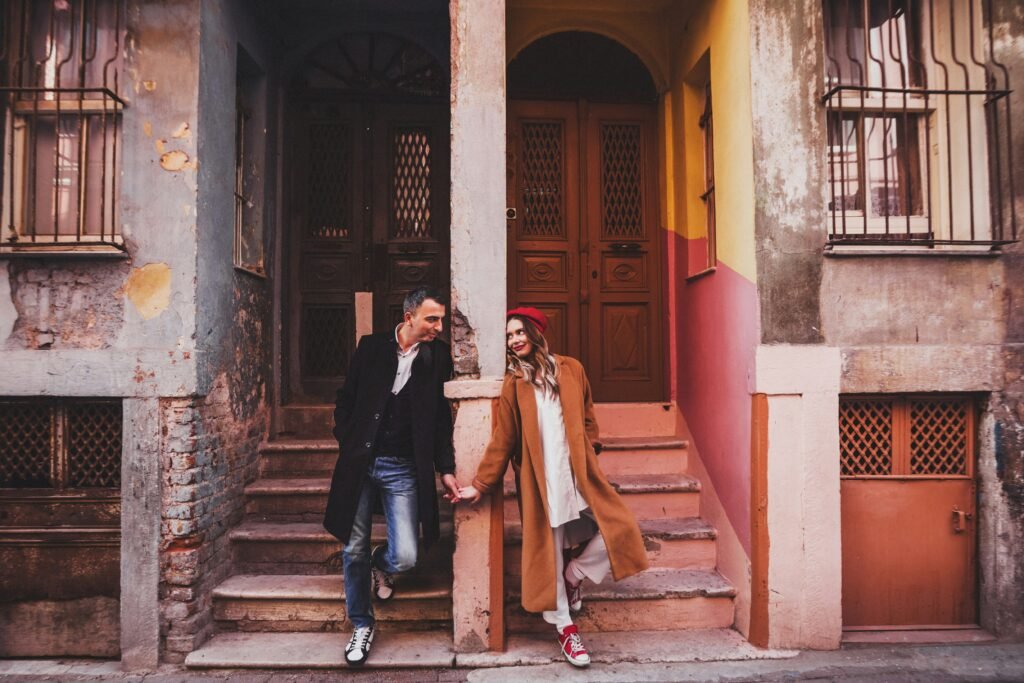
For men, Türkiye is usually straightforward: keep it neat, adapt for mosques, and match your outfit to the setting.
Everyday clothing
- T-shirts, polos, jeans, shorts: fine in most casual contexts
- In cities, smart-casual looks “right” quickly (clean sneakers, fitted trousers, simple shirt)
Formal occasions
Upscale restaurants or events: go for
- Collared shirt
- Trousers or chinos
- Optional lightweight jacket (especially in cooler months)
Religious sites
- Long trousers are safest
- Avoid sleeveless tops
Pro tip: Even in summer, a thin overshirt can save you from sunburn and make mosque visits effortless.
Turkish clothing for women (packing strategy that actually works)
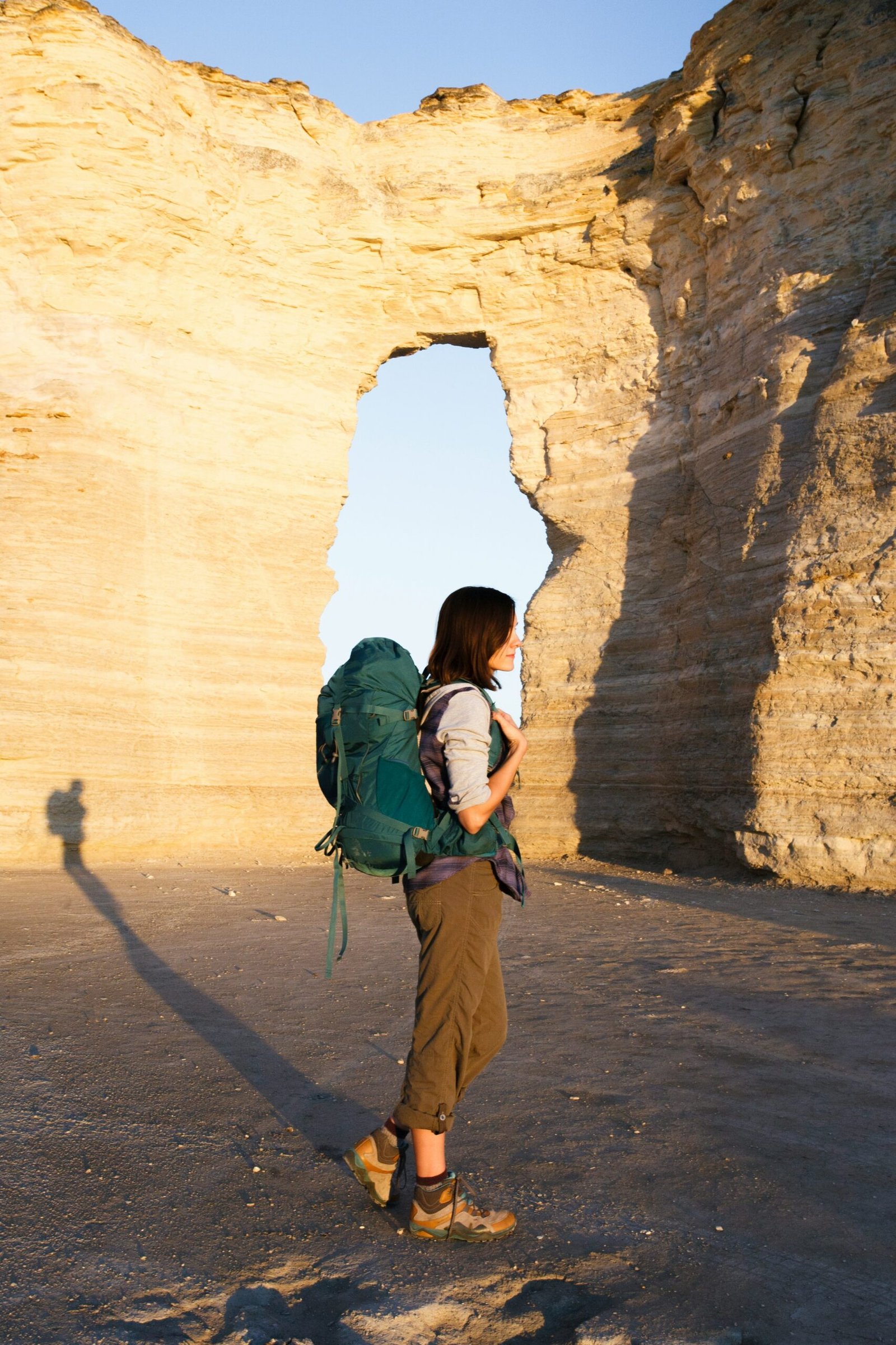
Türkiye’s variety rewards travelers who pack smart.
Layering
Weather shifts happen—sometimes daily.
- Lightweight tops + a cardigan + a scarf gives you flexibility without bringing a whole new wardrobe.
Footwear
- Comfortable walking shoes: essential for cities and ruins
- Sandals: perfect for coastal towns
- One dressier option: helpful for nice dinners (but keep it comfortable)
Accessories
Scarves are the MVP:
- Mosque etiquette
- Wind protection (especially by the Bosphorus)
- Sun shield
- Instantly “polished” look
Clothing in Turkey according to the season
Türkiye doesn’t have one climate. It has several, and they take turns being dramatic.
Spring (March to May)
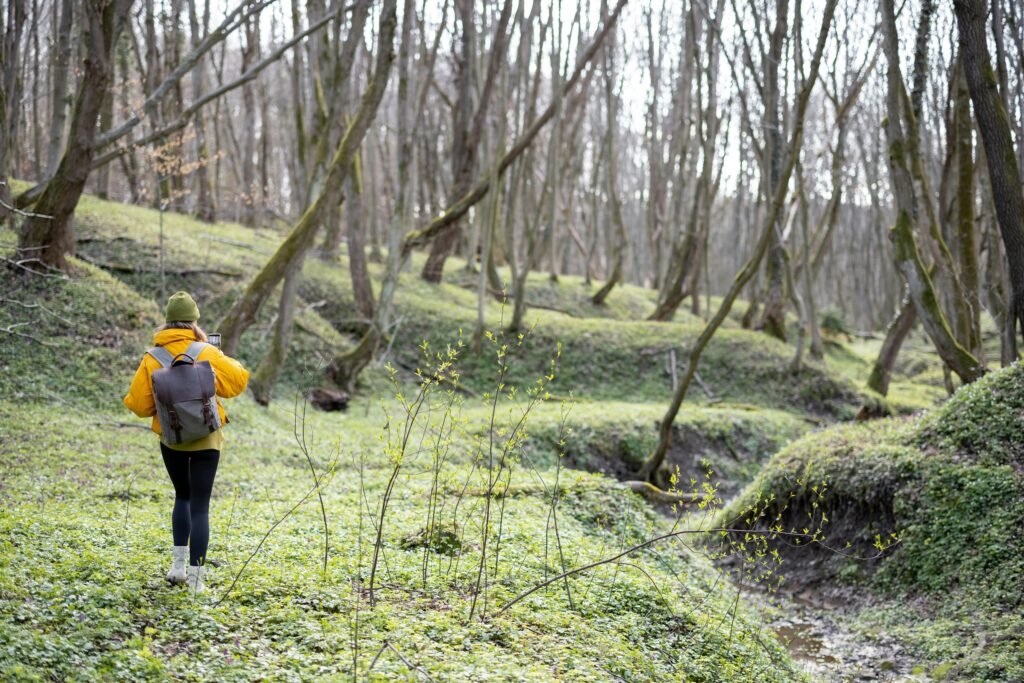
Mild, gorgeous, and occasionally unpredictable.
Pack:
- Light jacket or trench
- Long sleeves for layering
- Jeans/trousers, plus a scarf
- Closed shoes that can handle a surprise rain
Close to (spring essentials):
- Thin waterproof layer or compact umbrella
- Shoes that don’t panic at puddles
Summer (June to August)
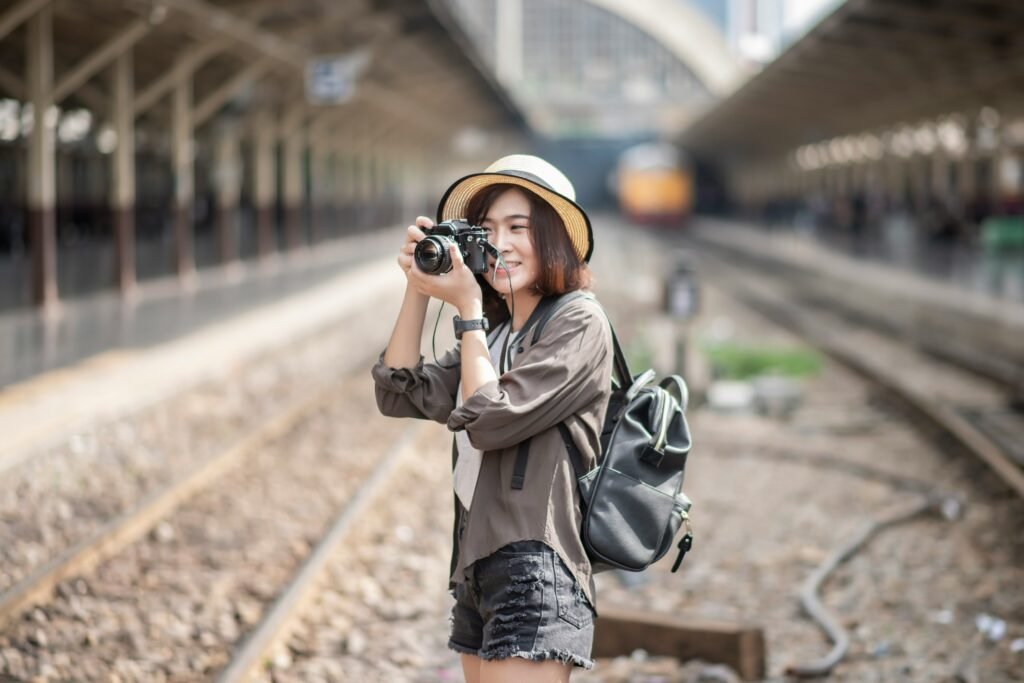
Hot, especially on the coast and in many inland areas.
Pack:
- Linen/cotton/viscose basics
- Shorts, skirts, dresses (keep one longer option for conservative areas)
- Swimwear + cover-up
- Sun protection: hat, sunglasses, sunscreen
Evenings can cool down near water, so add:
- Light cardigan or scarf
Pro tip: In peak heat, loose clothing isn’t just comfort—it’s better sun protection too.
Autumn (September to November)
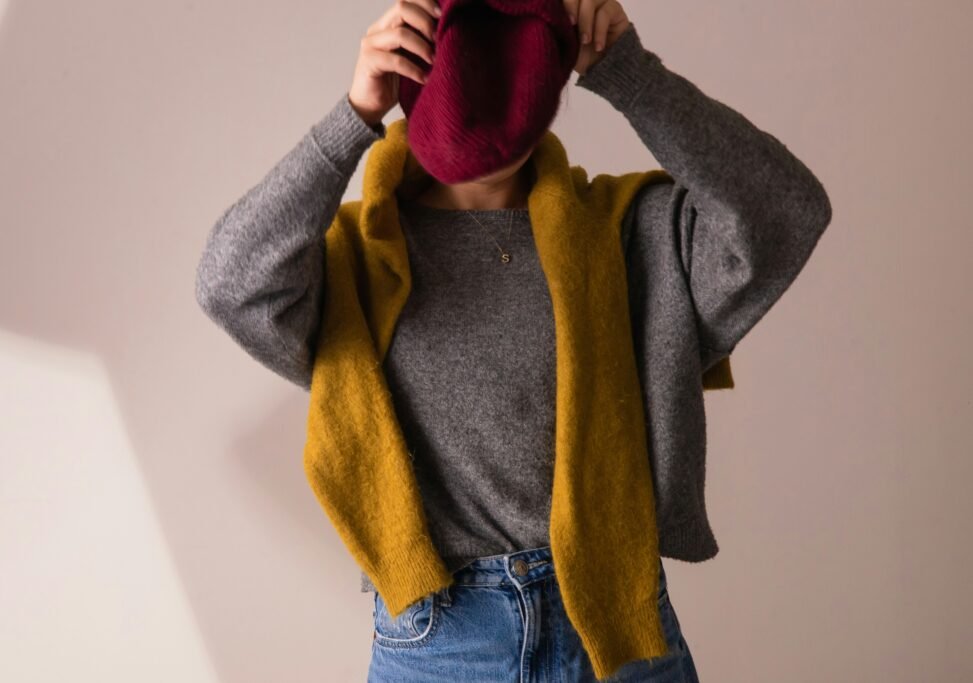
Cooler, calmer, and excellent for sightseeing.
Pack:
- Light sweaters/cardigans
- Mix of short- and long-sleeved tops
- Light-to-midweight jacket
- Closed shoes or ankle boots
Winter (varies by region)
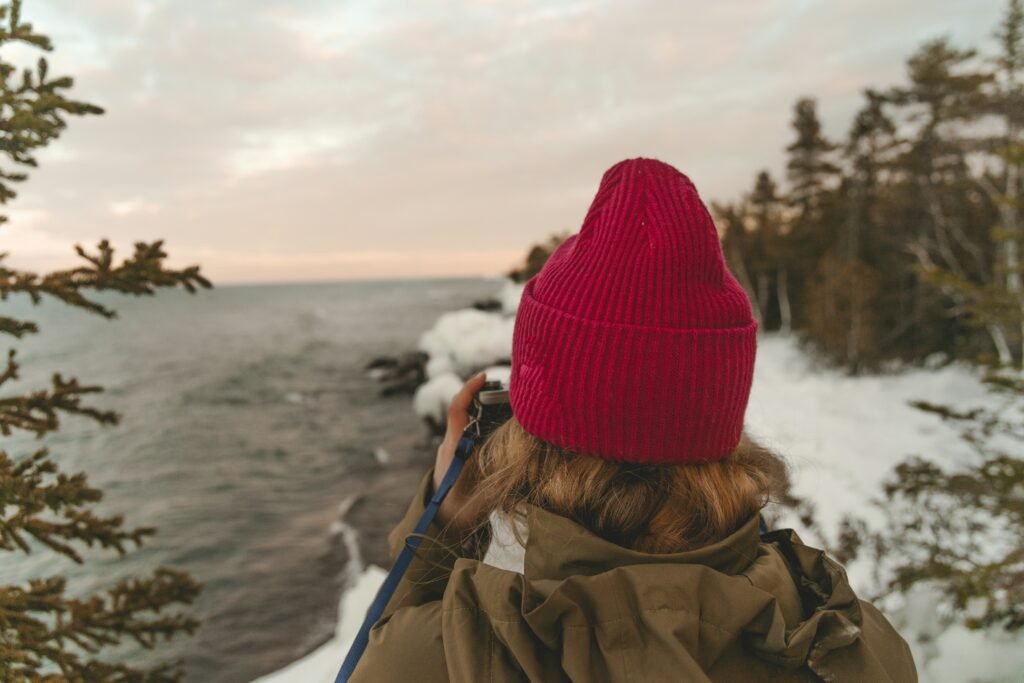
Coasts stay relatively mild; inland and eastern regions can get properly cold with snow.
Pack:
- Warm coat + sweaters
- Thermal layers if heading inland/east
- Scarf, hat, gloves
- Insulated boots for snow/ice zones
Layering is your best friend:
- Thermal base + sweater + coat beats one huge bulky item
Regional considerations
Different regions, different realities. Plan around where you’re going.
- Istanbul and northern Türkiye: distinct seasons; humid summers, cold and windy winters
- Central Türkiye (Ankara, Cappadocia): hot summers, cold winters; big day/night temperature swings
- Eastern Türkiye: harsh winters with heavy snow; summers can be warm but often less humid
- Western and southern coast (Antalya, Bodrum, Izmir): Mediterranean climate; light clothes most of the year, warmer layer for winter evenings
Pro tip: Cappadocia is famous for beautiful sunrises—and sneaky cold mornings. Dress for the photo, but layer for reality.
Clothing tips for the coastal regions of Türkiye
Now we swap city hills for sea breeze. Places like Antalya, Bodrum, Izmir, and smaller resort towns are built around sun, water, and relaxed evenings. Dress is generally more casual here, especially in tourist zones.
Swimwear
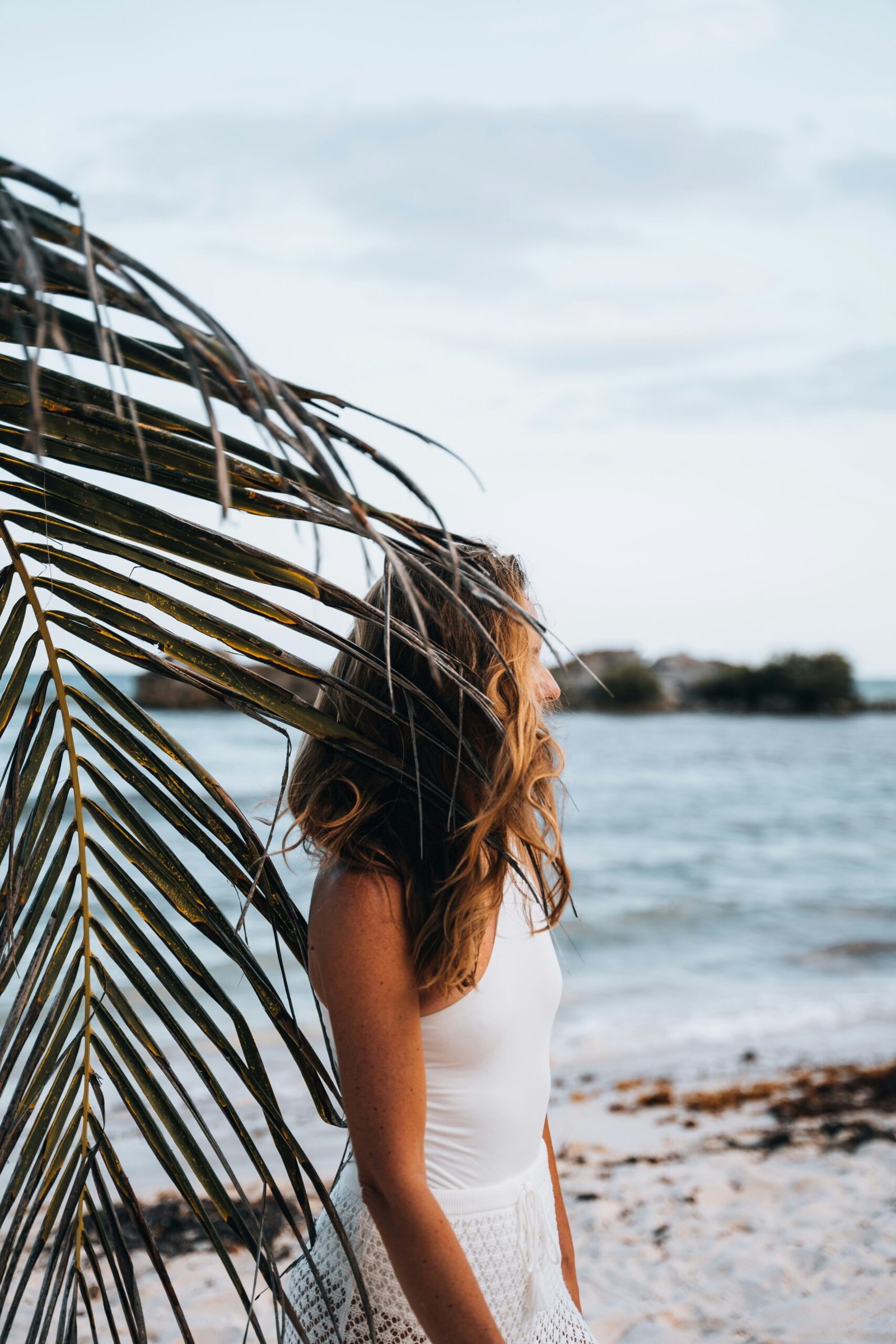
On beaches and in resorts, standard swimwear is completely normal: swimsuits, bikinis, swim shorts.
The main etiquette point: cover up when you leave the beach zone—even if you’re just going for an ice cream or popping into a shop.
- Light beach dress / kaftan / pareo
- Loose shirt + shorts
- Sundress
You’ll look more respectful and you’ll protect yourself from the sun.
Pro tip: A linen button-up is a superhero item—beach cover-up, sun shield, dinner layer, airplane blanket substitute.
Daytime outfits
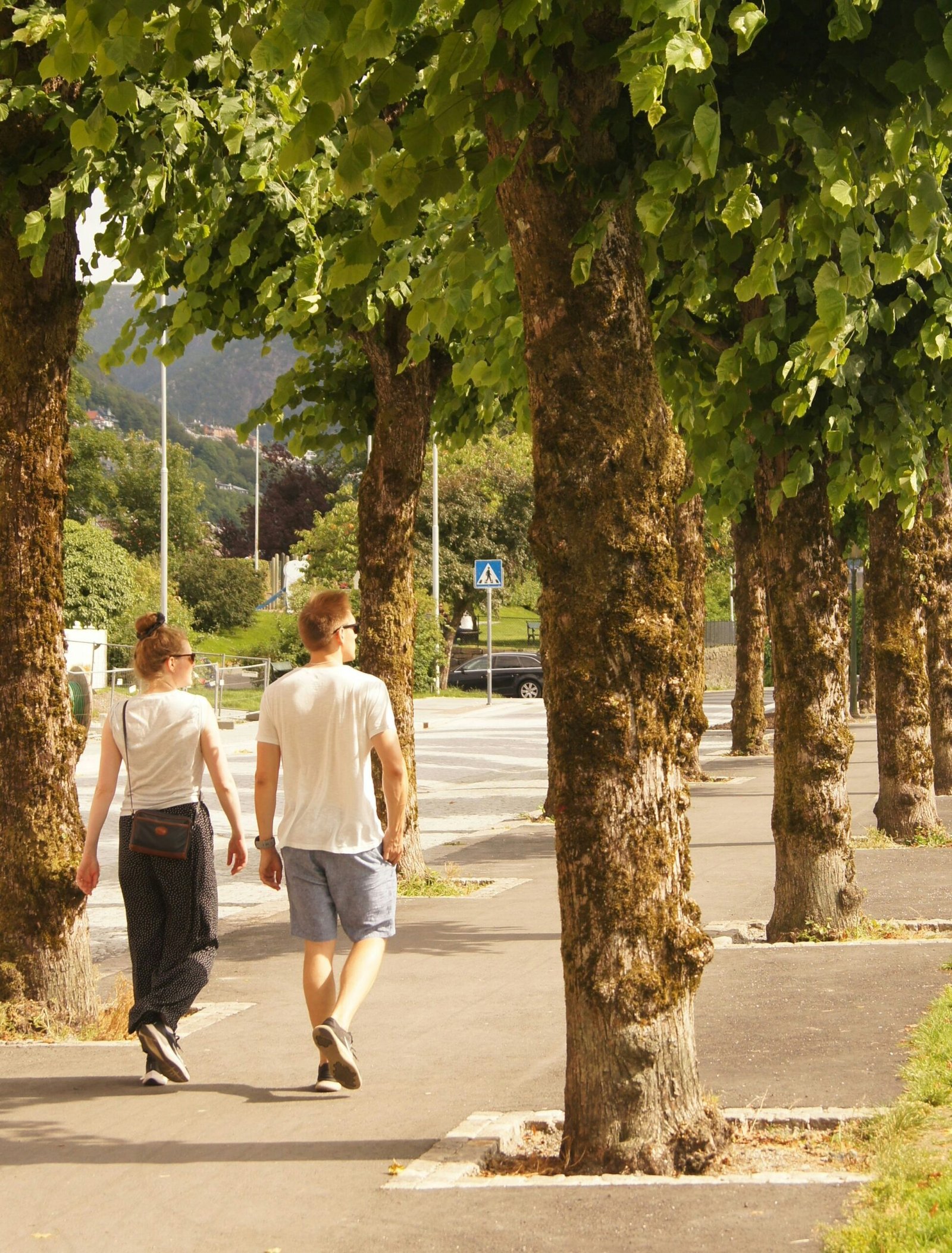
Coastal summers can be intensely hot, so choose breathable, lightweight fabrics:
- Cotton, linen, rayon/viscose
- Loose silhouettes for airflow
- Sandals or breathable trainers for walking promenades and old towns
Don’t forget:
- Hat + sunglasses
- Sunscreen (reapply, even if you’re “just walking to lunch”)
Evening wear
Even in summer, sea breeze can turn nights surprisingly cool.
Pack at least one:
- Light jacket, cardigan, or scarf
For dinners and nightlife, casual and clean is the vibe.
- Women: dress or blouse + skirt/trousers
- Men: collared shirt + chinos (shorts are fine in many beach towns)
Footwear: sandals or slip-ons work; bring one slightly nicer pair if you like going out.
Final thoughts
Once you understand the rhythm—city vs coast vs conservative areas, plus seasonal swings—packing for Türkiye becomes easy. We don’t need a special wardrobe; we need versatile pieces, breathable fabrics, smart layers, and a scarf that earns its luggage space.
If you plan around the season, the region, and your activities, you’ll feel comfortable, look appropriate, and spend your mental energy on the important stuff.
- What to Wear in a Turkish Bath (2026): Ultimate Hammam Dress Code & Massage Etiquette
- 2026 Turkey Travel Tips: Useful Things to Know From A Local
- 2026 Turkey Packing List: Essential Travel Items and Tips
- Where To Stay In Bodrum (2026): Best Neighborhood & Top Hotel Picks
- 22 Top Turkish Cosmetics Brands (2026 Edition)