

Travel writing based on first-hand experience
Planning a trip and want Turkey packing list? Excellent question, because Turkey is not a “throw three T-shirts in a bag and hope for the best” kind of destination. One day you may be dodging crowds in Istanbul, the next you are wandering through the ancient ruins of Ephesus, and then suddenly you are on the Mediterranean coast wondering why you did not pack better sandals.
In this Turkey packing list, we are covering the essentials for different regions, seasons, and travel styles. Think light beachwear for the coast, modest outfits for mosque visits, comfortable walking shoes for historic sites, and a few clever extras that make the whole trip smoother. Because yes, Turkey is beautiful — but cobblestones, strong sun, and surprise chilly evenings do not care about our suitcase optimism.
Table of Contents
Overview

Turkey is one of those countries that refuses to sit neatly in one travel box. One minute, we are wandering through the ancient ruins of Ephesus, feeling very cultured and slightly sunburned. The next, we are staring at the white terraces of Pamukkale like someone has dropped a frozen waterfall into the middle of the landscape. Then comes Cappadocia, where hot air balloons float over fairy chimneys at sunrise because apparently Turkey also does drama before breakfast.
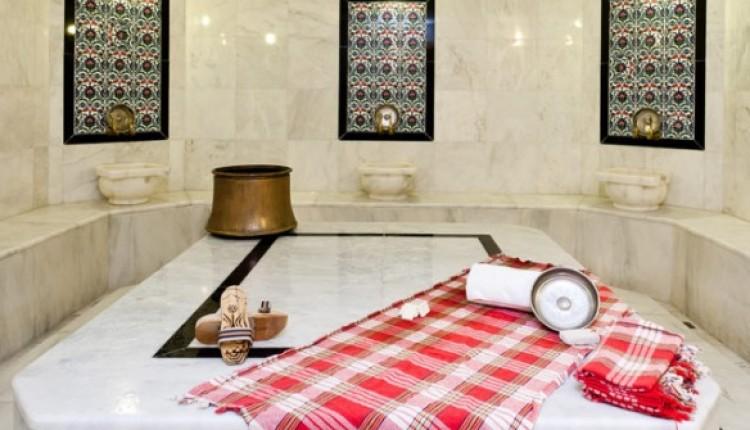
And then there is the hospitality. You will feel it everywhere: over a small glass of Turkish tea, in a family-run guesthouse, during a traditional hammam, or when someone insists you try “just one more” bite of something delicious. Spoiler: it will not be just one.
When packing for Turkey, the trick is to think in layers, regions, and respect. The Mediterranean coast brings hot, dry summers and mild winters, while inland areas such as Cappadocia can get surprisingly chilly, especially in the evenings. Your Turkey packing list should include modest clothing for mosque visits, strong sun protection, and comfortable shoes for historical sites, old towns, and those “it’s only a short walk” moments that somehow become 14,000 steps.
Planning a hiking guided tour with a boat trip along the Lycian coast? A city break in Istanbul? A family beach holiday in Antalya? Adjust your checklist accordingly. Turkey is very well set up for tourism, but it is still smart to bring some essentials from home, especially medication, familiar toiletries, and anything you rely on daily.
Turkey Packing List
Clothing and Hygiene

Your Turkey wardrobe should be versatile, breathable, and ready for several moods of weather. On the coast, light cotton and linen pieces are your best friends, especially in summer when the sun behaves like it has something to prove. Loose dresses, airy trousers, T-shirts, and sandals work well for beach towns and resort areas.
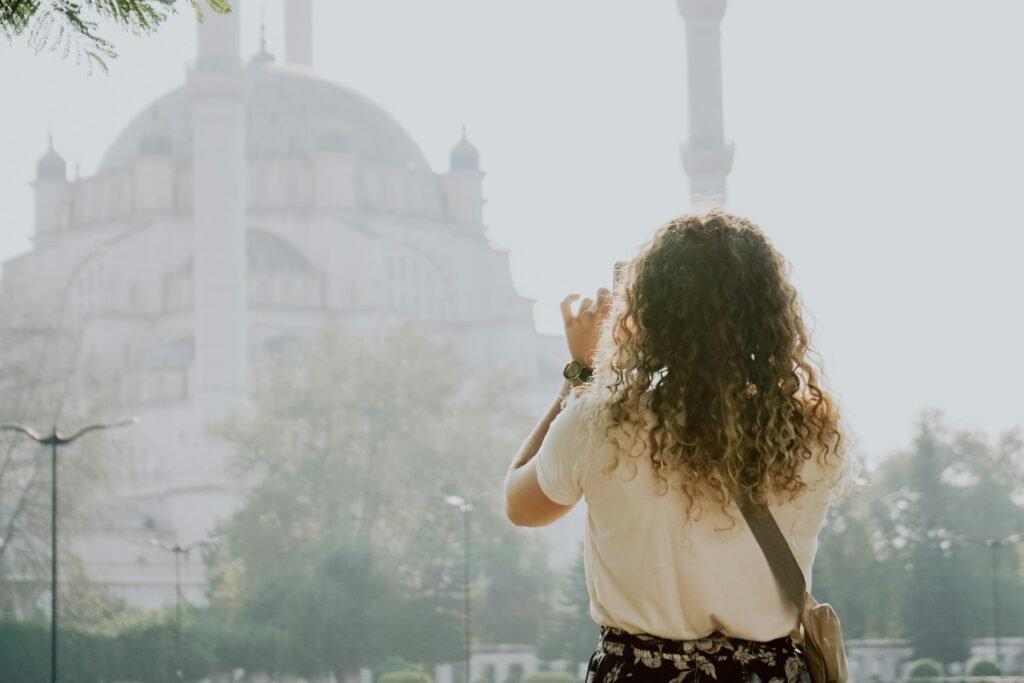
But Turkey is not only beaches and iced drinks. If you plan to visit mosques, you will need clothing that covers your shoulders and knees. Women should also pack a scarf to cover their hair. Yes, many major mosques offer scarves to borrow, but bringing your own is cleaner, easier, and saves you from the “communal scarf lottery.”
Evenings can be cooler than expected, especially in Cappadocia, mountain areas, or during spring and autumn. A light jacket, cardigan, or thin rain jacket can save the day. Comfortable shoes are non-negotiable. Historical districts often mean cobblestones, uneven paths, and archaeological sites where your romantic travel fantasy suddenly becomes a full foot workout.
For hygiene products, you will find many Western brands in Turkish cities and tourist areas, but prices can be higher than at home. If you are loyal to a certain face cream, shampoo, deodorant, or skincare product, pack it. Your skin does not need a surprise identity crisis halfway through the trip.
- Long, airy linen trousers
- Headscarf or large scarf
- Bath shoes with a firm sole
- Thin rain jacket
- High-quality sunglasses
- Reusable water bottle
- Small microfiber towel
- Insect repellent
- Moisturizing cream with UV protection
- Dry shampoo
Travel Pharmacy

A small but well-stocked travel first-aid kit belongs in every suitcase, especially when visiting a country where your body may need to adjust to different weather, food, and water. Medical care in major cities and tourist areas is generally good, but rural pharmacies may have limited opening hours or may not stock the exact medication you know from home.
The most common travel issue in Turkey is stomach trouble. Rich food, spices, heat, and unfamiliar bacteria can all gang up like tiny villains. Bring diarrhea remedies, electrolyte powder, and anything you usually use for digestion. It is not glamorous, but neither is spending a beach day bargaining with your intestines.
If you take regular medication, pack enough for the whole trip plus a little extra. Keep prescription medication in its original packaging, ideally with clear labeling in English, and carry a doctor’s note if needed.
- Blister plasters and wound disinfectant spray
- Traveler’s diarrhea remedies
- Antihistamines
- Fever thermometer
- Pain and fever-reducing medicine
- Eye drops
- Disinfectant
- Tweezers and small scissors
- Medication for heartburn
- Seawater nasal spray
Documents

Before your trip, make copies of all important documents and keep them separate from the originals. Better still, scan everything and save it securely in your email or cloud storage. If something gets lost or stolen, you will be very grateful to your past organized self.
Hopefully you will never need them, but travel planning is basically optimism with a backup plan.
- Hotel vouchers and booking confirmations
- Vignette or toll information
- Diving certificate and other sports licenses
- Emergency contacts
- Membership cards for breakdown assistance
- Student ID or senior citizen pass
- Vaccination record
- Vouchers for pre-booked excursions
- Proof of household insurance
Packing List for the Beach

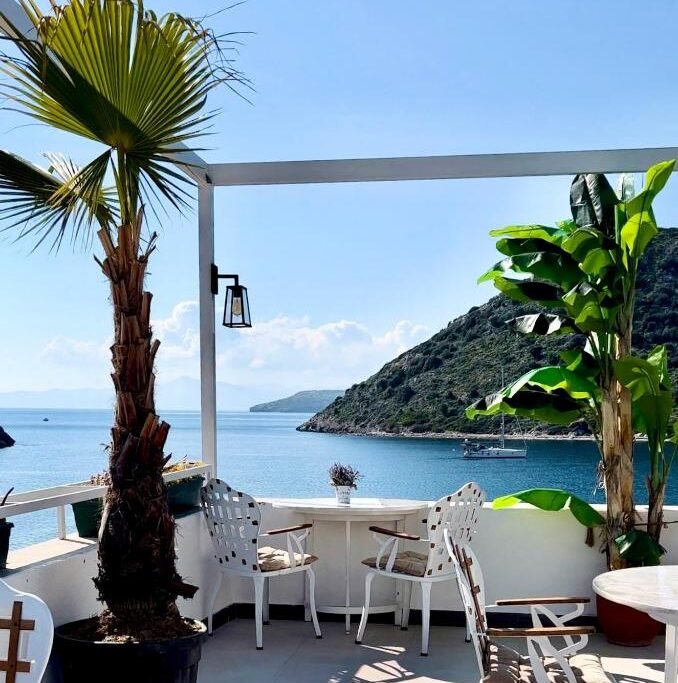
The Turkish coast knows how to show off. You will find everything from lively sandy beaches with sun loungers and beach bars to hidden coves reached by boat, where the water looks suspiciously like it has been edited. Swimming is usually pleasant from May to October, but the beach conditions can vary. Some places are soft and sandy; others are pebbly, rocky, or secretly designed to test your balance.
The sun is strongest between around 11 a.m. and 3 p.m., so proper protection matters. A UV shelter or beach tent is especially useful if you are traveling with children. A waterproof phone case is also a smart idea for boat trips, beach days, and those “just one photo near the water” moments that turn into panic.
If you are taking a boat trip along the coast, pack a light tunic, shirt, or cover-up. It can feel hot on land but breezy on the water, and that wind has absolutely no respect for your beach outfit plans.
- Snorkel set with your own mouthpiece
- Underwater camera
- Beach bag made from quick-drying material
- Neoprene socks for rocky beaches
- Pool noodle or inflatable pillow
- Book or e-reader
- Beach safe or valuables bag
- Cooler box or cooler bag
- Sarong or beach dress
- Beach Bluetooth speaker
Traveling to Turkey with Children

Traveling through Turkey with kids can be wonderful. Turkish people are famously warm toward families, and children are usually welcomed with patience, smiles, and the occasional extra treat. But a trip with babies or toddlers needs proper planning, especially in summer when the sun can be intense.
Plan sightseeing for the cooler morning or late afternoon hours, and keep the hottest part of the day for swimming, naps, or hiding in glorious air-conditioning like sensible mammals. Older children usually manage Turkish food well, but babies may react to changes in water, formula, or routine. If your baby drinks formula, bring enough of the usual brand and prepare bottles with boiled or bottled water.
Also, resist the temptation to plan three ruins, two museums, a boat trip, and a bazaar in one day. That is not an itinerary; that is a family survival experiment. Build in breaks, snacks, and sleep time where possible.
- Travel cot or sleeping bag
- Swimming aids in the correct size
- Baby sling or baby carrier
- Foldable toilet seat
- Night light or flashlight
- Favorite toy or cuddly toy
- Coloring book, pencils, and small games
- Child-friendly headphones
- Mosquito net for strollers
- Reusable snack boxes
Long-Term Holiday in Turkey

Most Turkey packing lists focus on one or two weeks. But what if you are staying longer? A longer trip gives you time to properly explore the country, move between regions, and settle into the rhythm of daily life. Weirdly, for longer stays, you often need less, not more.
Instead of packing for every possible scenario, choose versatile clothing that can be mixed, matched, washed, and worn again (merino wool). Turkey has laundries, shops, markets, and pharmacies, so you do not need to bring your entire home with you like a nervous turtle.
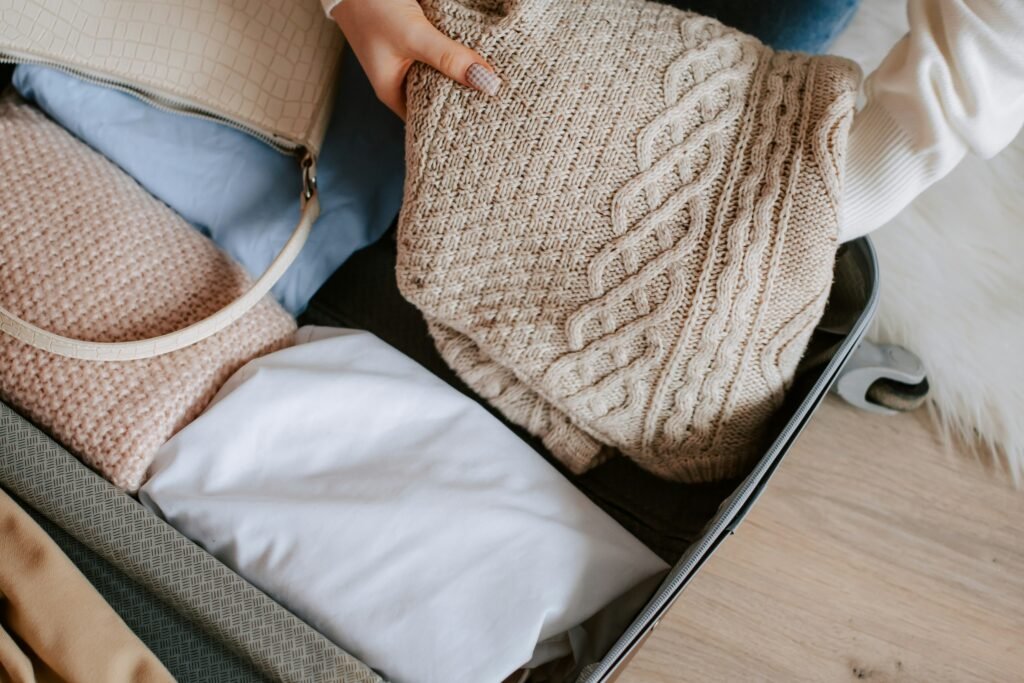
If you plan to travel between the coast, Istanbul, Cappadocia, and inland regions, pack using the layering principle: several thinner layers rather than bulky items. This makes it easier to adapt to warm afternoons, cool mornings, breezy evenings, and surprise weather mood swings.
Before leaving for an extended trip, organize things at home. Arrange for someone trusted to check your mail, handle urgent paperwork, or help if something comes up. Inform your bank about your longer stay abroad so your card does not get blocked at the least convenient moment, because banks do enjoy a dramatic entrance.
- Additional memory cards
- Travel clothesline with clips
- Universal plug and multi-socket adapter
- Basic spices and tea
- Sewing kit and spare buttons
- Reusable shopping bags
- Yoga mat or fitness band
- Journal or diary
- Replacement camera battery
- Compact kitchen utensils
FAQs
Before a trip to Turkey, the same practical questions always pop up. What should we wear? Can we drink the tap water? Do we need vaccinations? What should definitely not go in the suitcase? Let’s clear things up before the packing panic begins.
Are certain vaccinations required?
In most cases, you can enter without any additional medical documentation. However, it is sensible to make sure your standard vaccinations are up to date, especially tetanus, diphtheria, and hepatitis A. For longer stays, rural travel, or more adventurous trips, hepatitis B and rabies vaccinations may also be worth discussing with a doctor.
Book your vaccination consultation early, ideally six to eight weeks before departure. Some vaccines need time to become fully effective. Pack your vaccination record too. Even if nobody checks it at the border, it can be very useful in a medical emergency.
Is the tap water drinkable?
As a tourist, it is best not to drink tap water in Turkey. Locals may drink it in some areas, but visitors can be more sensitive to unfamiliar bacteria and minerals. Use bottled water for drinking, and if you are cautious, use it for brushing your teeth too. Tap water is fine for showering and washing your hands, but do not treat it like your new hydration plan.
How do I dress respectfully?
Turkey is a secular country with strong Muslim traditions, and dress expectations change depending on where you are. In coastal resorts such as Antalya, Bodrum, or Side, clothing is relaxed. Shorts, beach dresses, tank tops, and swimwear are normal around beaches and hotel areas.
In Istanbul, the atmosphere shifts from modern and cosmopolitan to traditional depending on the neighborhood. A balanced approach works best: shoulders and knees covered when visiting religious or conservative areas, while casual city clothing is fine elsewhere.
In rural and more conservative inland areas, modest clothing is appreciated. For mosque visits, women should cover their head, shoulders, arms, and legs. Men should wear long trousers and avoid sleeveless tops. Everyone removes their shoes before entering, so socks are a very good idea unless you want to experience mosque floors barefoot and emotionally unprepared.
When is the best time to travel?
The best time to visit Turkey depends on what you want to do. For beach holidays, the warmer months are ideal, with swimming usually enjoyable from late spring into autumn. April and May can be beautiful, but evenings may still be cool, so pack a fleece or light jacket.
For city breaks in Istanbul, Ankara, or Izmir, spring and autumn are especially comfortable. From April to June and September to November, temperatures are usually pleasant for sightseeing, walking, and exploring without melting into the pavement like a tragic travel candle.
What Shouldn’t Go in the Suitcase?
Some things are better left at home. Weapons, illegal drugs, and narcotics are strictly prohibited and can lead to serious legal trouble. E-cigarettes and liquids are also regulated, and while small quantities for personal use may be allowed, you should check the current rules before traveling.
Be especially careful with medication. Prescription drugs, particularly strong painkillers, opioids, or psychotropic medication, should be carried in their original packaging with a doctor’s certificate, preferably in English. Drones can be brought into Turkey, but flying them usually requires permission from the Turkish authorities. Pornographic material is also prohibited.
In short: pack smart, stay respectful, bring the essentials, and leave the questionable items out of your suitcase. Turkey has enough excitement already. You do not need to add border drama to the itinerary.
- What to Wear in a Turkish Bath (2026): Ultimate Hammam Dress Code & Massage Etiquette
- 2026 Turkey Travel Tips: Useful Things to Know From A Local
- 2026 Turkey Packing List: Essential Travel Items and Tips
- Where To Stay In Bodrum (2026): Best Neighborhood & Top Hotel Picks
- 22 Top Turkish Cosmetics Brands (2026 Edition)