
Documenting places through food, neighborhoods, and daily life
Turkey is glorious, generous, chaotic in the best way, and occasionally a little too good at separating wide-eyed visitors from their holiday money.
Like any major travel destination, Turkey has its share of tourist traps, pushy sales tactics, awkward cultural misunderstandings, and classic scams that can catch you off guard if you arrive completely unprepared. The good news? Most of them are easy to avoid once you know what they look like.
This guide covers essential Turkey travel tips- the main things to avoid in Turkey, from Istanbul scams and overpriced taxis to mosque etiquette, restaurant markups, hammam extras, and the small cultural mistakes that can make you look accidentally rude.
More Turkey planning guides you’ll want open in another tab
- Ultimate 10-Day Turkey Itinerary — for turning Turkey’s big-hitter route into something that actually works, from Istanbul and Cappadocia to Pamukkale, Antalya, and the coast.
- Turkey Packing List — because Turkey loves throwing city walks, beach days, mosque visits, ruins, ferries, and surprise weather into one suitcase.
- How to Dress in Turkey as a Tourist — useful for figuring out what to wear in Istanbul, Cappadocia, Izmir, beach towns, mosques, restaurants, and hot sightseeing days.
- Most Beautiful Cities in Turkey — perfect if you’re still deciding which cities deserve a spot on your Turkey route.
- What to Do in Cappadocia — for fairy chimneys, cave hotels, valleys, underground cities, viewpoints, and sunrise balloon drama.
- Best Places to Visit in Izmir — handy if your Turkey trip includes the Aegean coast, seaside neighbourhoods, bazaars, ancient sites, and easy day trips.
- Best Beaches in Turkey — for turquoise coves, sandy bays, swimming stops, beach towns, and the very reasonable urge to add “one more coastal day.”
- Turkish Riviera Itinerary — ideal if your Turkey plans include Antalya, Kaş, Fethiye, ruins, boat trips, beaches, and Mediterranean road-trip energy.
- Best Places to Visit in Turkey with Kids — helpful if you’re planning a family trip and need beaches, ruins, villages, museums, and realistic pacing.
- Best Things to Buy in Turkey — for bazaars, ceramics, towels, spices, sweets, tea glasses, and all the suitcase optimism Turkey politely encourages.
Table of Contents
Turkey Travel Tips: Common Turkey Scams to Know About
The Shoeshine Scam

Ah, the Istanbul classic. You are walking along, minding your own business, perhaps feeling poetic about the Bosphorus, when a man “accidentally” drops his shoeshine brush near you. Being a decent human, you pick it up and hand it back. Suddenly, he is overcome with gratitude and offers to shine your shoes “for free.”
Except, plot twist: it is not free. A few minutes later, you are being asked for a ridiculous amount of money for a service you never wanted in the first place.
If someone drops something in front of you and immediately offers you a favour, keep walking. Smile, decline, and do not get pulled into the performance. Your shoes will survive. Your wallet will thank you.
The Fake Friendship Scam
This one usually starts beautifully. A friendly local approaches you, chats easily, asks where you are from, and suddenly you are practically brothers. How lovely. How cinematic. How suspicious.
The next step is usually an invitation for tea, drinks, or a bar “only locals know.” Then the bill arrives, and it looks like someone accidentally charged you for the furniture, the lighting, and the entire emotional journey. His “friends” may also appear to make sure you pay.
This scam often targets solo male travellers, especially in busy tourist areas like Taksim Square and Sultanahmet in Istanbul. Be friendly, but not dreamy. If someone approaches you with intense enthusiasm in a major tourist zone, enjoy the conversation if you want — but do not follow them to a second location unless your instincts are completely calm.
Overpriced Taxis

Taxis in Turkey can be useful, especially when you are tired, sweaty, carrying bags, or emotionally finished after a long sightseeing day. But unlicensed taxis, “broken” meters, scenic detours, and surprise prices are all things to watch for.
Use official yellow taxis with a working meter, or use apps like BiTaksi or Uber where they are available. If a driver says the meter is broken, agree on the price before you get in — not after, when you are already halfway across town and suddenly starring in your own financial thriller.
Also, check the route on your phone if you can. Not because every driver is trying to scam you, but because “oops, wrong road” becomes much less charming when you are paying by distance.
Fake Designer Goods
Yes, you will see fake designer bags, watches, shoes, sunglasses, and all manner of “luxury” goods in Istanbul markets and tourist shopping areas. No, that suspiciously cheap Chanel bag has not simply had a difficult childhood.
Counterfeit goods are illegal in Turkey, and buying them can theoretically lead to problems or fines. In practice, tourists often treat fake goods as harmless souvenirs, but it is still worth knowing the risk. If a branded item costs a fraction of the normal price, assume it is fake and move on unless you are comfortable with that reality.
Turkey has plenty of beautiful real things to buy — ceramics, textiles, spices, jewellery, towels, soaps, local leather, and handmade pieces — so you do not need a fake logo to make your suitcase feel accomplished.
Carpet Shop Pressure Tactics

Turkish carpets can be stunning. Properly stunning. The kind of thing that makes you briefly imagine becoming a person who owns elegant things and never spills coffee. Many carpet shops are completely legitimate, and buying a carpet in Turkey can be a wonderful experience.
But the pressure tactics are real too. You may be invited inside for tea, shown carpet after carpet, told stories, offered “special” prices, and gently trapped in a soft, woven hostage situation.
Accepting tea does not mean you have signed a blood oath to buy a rug. If you are browsing, say so clearly. If you are not interested, be polite but firm. And if you feel pressured, leave. Your living room does not need a panic purchase.
Turkey Travel Tips: Turkey Tourist Traps to Avoid
Overpriced Restaurants Near Major Attractions
Here is the rule: if a restaurant is directly beside a major attraction, has a laminated menu in seven languages, and someone is trying very hard to wave you inside, proceed with caution.
Restaurants around places like Hagia Sophia, the Blue Mosque, Ephesus, and other famous sights often charge far more than local places for food that is, shall we say, not exactly life-changing. Sometimes it is fine. Sometimes it is expensive sadness with a view.
Walk two or three streets away from the main entrance and things usually improve fast: better prices, better food, fewer menu photos that look like they were taken during a hostage negotiation. Your stomach deserves this tiny detour.
Guided Tours at the Gate

At popular sights, you may be approached by unofficial guides offering “special” tours, fast access, or insider knowledge. Some may be fine. Others may charge far too much, rush you through, or give information that sounds confident but has wandered away from reality.
If you want a guide for places like Topkapi Palace, Pamukkale, Ephesus, or major Istanbul sights, book through a reputable operator, official guide service, or trusted platform before you arrive. That way you know what is included, what it costs, and whether you are actually getting a guide rather than a man with excellent self-belief.
The Wrong Bosphorus Cruise
A Bosphorus cruise in Istanbul can be magical: palaces, mosques, bridges, seagulls, wind in your hair, and the very real possibility of taking 80 nearly identical photos. But not all cruises are created equal.
Some cheap boats are overcrowded, lack commentary, run short routes, or feel more like floating crowd management than a scenic experience. Avoid choosing purely from a tout shouting at the harbour unless you are comfortable with mystery logistics.
Research the route before booking. Check whether it includes commentary, how long it lasts, whether it goes up the Bosphorus properly, and what past travellers say. Future you, standing happily on deck instead of wedged beside someone’s backpack, will be grateful.
“Free” Hamam Upgrades
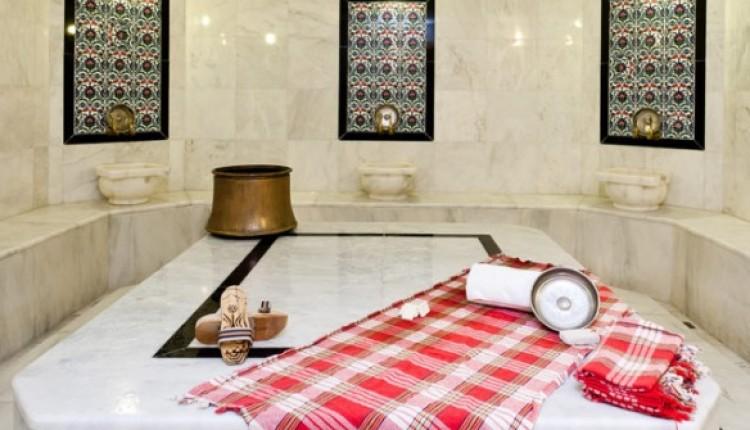
A Turkish hammam is absolutely worth doing. Steam, scrubbing, bubbles, marble, mild confusion — it is a full cultural experience. But do not let the relaxation haze make you forget to ask about prices.
Some hammams may add extras during your treatment: oils, longer massages, face masks, special scrubs, mystery luxury moments that sound harmless until the bill arrives wearing a dramatic cape.
Before the session begins, confirm the full price and exactly what is included. If someone offers an add-on, ask how much it costs before saying yes. You came for a Turkish bath, not a surprise invoice with eucalyptus notes.
Overpriced Souvenirs at Tourist Hotspots

Evil eye charms, ceramic bowls, spice bags, Turkish delight boxes, mosaic lamps — Turkey’s souvenir game is strong. Dangerously strong. Suddenly you are convinced your home needs twelve blue glass charms and a lamp shaped like a jewel cave.
But prices near major attractions are often inflated for tourists. The same items can cost much less in neighbourhood markets, local shops, or streets away from the busiest areas.
Look around before buying. Compare prices. Do not panic-purchase the first ceramic plate you see because it “spoke to you.” In Turkey, another beautiful ceramic plate will speak to you in approximately four minutes.
Turkey Travel Tips: Cultural Mistakes to Avoid in Turkey
Dressing Inappropriately at Religious Sites

Turkey is secular, modern, layered, and wonderfully varied — but mosques are still active places of worship, not just beautiful buildings with excellent ceilings.
When visiting a mosque, cover your shoulders and knees. Women should also cover their hair with a scarf. Many mosques provide coverings at the entrance, but bringing your own scarf is easier, cleaner, and more respectful. Shoes come off before entering, so socks are your friend unless you want your bare feet having a very public moment.
Try to avoid visiting during prayer times, especially Friday prayers, unless visitors are clearly allowed. Inside, keep your voice low, do not wander into prayer areas, and remember: this is not the place for a full influencer photoshoot. The ceiling will still be beautiful without you posing like you discovered geometry.
Pointing the Sole of Your Foot at Someone
This is one of those small cultural details that tourists often miss. In Turkish culture, showing the sole of your foot toward someone can be considered rude or disrespectful.
You do not need to sit like a statue in constant fear of your own ankles. Just be mindful in traditional settings, tea houses, homes, or when sitting cross-legged on cushions. Keep your feet tucked politely and avoid pointing the soles directly at people.
Tiny adjustment. Big difference. Your feet do not need to become international incidents.
Assuming Everyone Speaks English Outside Tourist Areas
In Istanbul, Cappadocia, Antalya, Bodrum, Marmaris, and other major tourist areas, you will usually find plenty of English speakers. Go further inland, into smaller towns, local bus stations, neighbourhood restaurants, or rural areas, and English becomes less reliable very quickly.
Learn a few Turkish basics. Not because you must become fluent before ordering breakfast, but because a little effort goes a long way. Try merhaba for hello, teşekkürler for thank you, and lütfen for please.
Even badly pronounced Turkish is often appreciated. You may sound like you are gently falling down the stairs linguistically, but people usually love the effort.
Being Dismissive of Tea Invitations

Tea in Turkey is not just tea. It is hospitality, rhythm, conversation, bargaining fuel, emotional glue, and sometimes the reason you accidentally spend 40 minutes in a shop learning about someone’s cousin in Germany.
In genuine situations, refusing tea too abruptly can come across as cold. If you have naturally started chatting with a shopkeeper, host, guesthouse owner, or local family, accepting tea can be a lovely part of the experience.
But context matters. A warm tea invitation from someone you have already built a natural rapport with? Lovely. A random stranger in a tourist area who is suspiciously eager to take you somewhere? Hard pass. Hospitality and scams can wear similar shoes, so use your judgement.
Haggling in the Wrong Places
Haggling is part of the fun in bazaars, markets, souvenir shops, and some small independent stores. It can be friendly, theatrical, and strangely satisfying when done with good humour.
But do not haggle everywhere. Restaurants, supermarkets, chain stores, pharmacies, museums, and formal retail shops are not the place to launch your bargaining career.
Read the room. If there are fixed price tags, tills, and staff wearing uniforms, this is not your moment. If you are in a bazaar surrounded by lamps, carpets, spices, and someone calling you “my friend,” negotiations may begin.
Disrespecting Ramadan
If you visit Turkey during Ramadan, be aware that many people may be fasting from sunrise to sunset. In big tourist resorts and very international areas, daily life often continues much as usual for visitors. In more conservative towns or local neighbourhoods, sensitivity matters more.
Avoid eating, drinking, or smoking very openly in public during daylight hours in conservative areas if it feels inappropriate. You do not need to hide in a cupboard with a biscuit, but being discreet is respectful.
Ramadan can also be a beautiful time to visit, especially around iftar, when people break the fast in the evening. Just be patient, respectful, and aware that opening hours, restaurant rhythms, and local energy may shift.
Turkey Travel Tips: Practical Mistakes to Avoid in Turkey
Not Having Cash

Cards are widely accepted in cities, hotels, shopping centres, and many restaurants, but cash is still useful — sometimes essential. Small shops, local markets, taxis, buses, family-run eateries, public toilets, beach loungers, and rural places may prefer or require Turkish lira.
Always carry some cash, ideally in smaller notes. Nothing says “tourist chaos” like trying to buy a bottle of water with a large banknote while everyone behind you silently loses faith in humanity.
Drinking Tap Water
Tap water in Turkey is generally not recommended for drinking by visitors. Locals may use it differently depending on the area, but for travellers, bottled water is the safer and simpler option.
Bottled water is cheap and available everywhere, and much easier than spending part of your holiday becoming deeply familiar with your hotel bathroom. Use bottled water for drinking, and if you have a sensitive stomach, consider using it for brushing your teeth too.
Ignoring Travel Insurance
Turkey has good private healthcare, especially in major cities and tourist areas, but private treatment can be expensive if something goes wrong. And travel loves to produce nonsense at the worst possible moment: twisted ankles, lost luggage, ear infections, cancelled flights, dramatic stomach episodes. The classics.
Get proper travel insurance before you go. Make sure it includes medical care, emergency treatment, cancellations, lost belongings, and any activities you plan to do, such as boat trips, hiking, or adventure tours.
It is boring until you need it. Then it becomes the best thing you ever bought.
Exchanging Money at the Airport

Airport exchange desks are convenient, yes. They are also often where exchange rates go to put on a tiny villain costume.
If you need a small amount of cash on arrival, fine. But avoid exchanging large sums at the airport if the rate is poor. Use an ATM from a reputable bank, exchange money in the city centre, or use a specialist travel card with better rates.
Always check fees before withdrawing cash, and avoid random standalone ATMs in very touristy areas if you can. Your money has worked hard. Do not let it disappear into airport convenience fog.
Booking Accommodation Without Reading Reviews
Turkey has every kind of accommodation: dreamy cave hotels, seaside resorts, boutique guesthouses, budget pensions, luxury stays, and the occasional place where the photos were clearly taken during a more optimistic decade.
Always read recent reviews before booking. Recent is the magic word. A hotel that was wonderful five years ago may now be tired, noisy, badly managed, or located next to construction that begins at sunrise because apparently sleep is optional.
Pay close attention to comments about cleanliness, noise, location, staff, air conditioning, breakfast, Wi-Fi, and whether the room actually looks like the photos. Reviews are not perfect, but they are very good at revealing patterns.
What to Avoid in Turkey
Turkey rewards curious, respectful travellers beautifully. Come with a little awareness, and you will find warm hospitality, extraordinary history, excellent food, dramatic landscapes, chaotic markets, calm tea gardens, ancient ruins, turquoise beaches, and cities that make your camera roll completely unmanageable.
The scams and tourist traps are real, but they are not a reason to be paranoid. They are just things to recognize and sidestep. The cultural mistakes are easy to avoid once you know the basics. Dress respectfully in mosques, be mindful with tea invitations, haggle where haggling belongs, carry cash, and do not let a “free” shoe shine become the most expensive polish of your life.
Most travellers visit Turkey without any serious problems at all. Go sensibly, stay alert in tourist-heavy areas, trust your instincts, and leave room for the good surprises — because Turkey has plenty of those.
- What to Wear in a Turkish Bath (2026): Ultimate Hammam Dress Code & Massage Etiquette
- 2026 Turkey Travel Tips: Useful Things to Know From A Local
- 2026 Turkey Packing List: Essential Travel Items and Tips
- Where To Stay In Bodrum (2026): Best Neighborhood & Top Hotel Picks
- 22 Top Turkish Cosmetics Brands (2026 Edition)