
Travel writing based on first-hand experience
Hot springs in Turkey, from lush mountain valleys to coastal resort towns. Many are prized in health tourism for their mineral content and long “people have been soaking here forever” history. And honestly? Even if you’re not chasing a specific wellness goal, a good hot spring hits the sweet spot between physical relief and that deep, quiet kind of reset.
So if you’re trying to pick the right place—somewhere that’s not only about easing aches, but also about unplugging your brain and smoothing out stress—you’re exactly where you need to be. Here are Türkiye’s best hot springs destinations.
Planning a relaxing Turkey trip? Read these next
Table of Contents
Hot Springs in Turkey: tips we actually use
We’ve all done the “Turkey itinerary” thing: mosques, bazaars, beaches, kebabs… and then—bam—someone mentions kaplıca (hot springs) and suddenly we’re daydreaming about steaming like dumplings in mineral water while the rest of the world keeps stressing. If you’re adding hot springs to your trip, here’s how we do it without rookie mistakes.
1) Pick your hot-spring personality first
Not all thermal stops feel the same, and choosing the vibe upfront saves you a lot of “why is this not what I imagined?” energy.
- Historic bathhouse style: more traditional, sometimes gender-separated, often connected to hamam culture.
- Thermal hotel/resort style: pools, spa menus, indoor/outdoor options, easier for families.
- Nature spring style: scenic and simple (but usually fewer facilities, and you’ll need to be more self-sufficient).
Pro tip: If you want the relaxation without the social uncertainty, thermal hotels are the easiest entry point.
2) Timing matters: steam is best when the air is cool
Hot springs hit different when it’s chilly outside. That contrast (cold air, warm water) is pure magic.
- Best seasons: late autumn through early spring for peak cozy factor.
- Summer strategy: choose springs you can pair with water/sea time (coastal areas), or go early/late to avoid crowds.
Pro tip: If a famous spot is on your list, treat it like a sunrise mission. Early entry = calmer water + better photos + fewer elbows.
3) What to pack
You can show up unprepared and still enjoy it… but you’ll enjoy it more with:
- Flip-flops / shower sandals (tiles get slippery and “public floor” is a vibe we skip)
- Swimsuit + a modest cover-up (useful when walking between pools or facilities)
- Microfiber towel (dries fast, saves space)
- Water bottle (hot water + steam = dehydration sneak attack)
- Hair tie / clip (you will regret loose hair near steam)
- A small waterproof pouch for phone/cards (or just go blissfully offline—rare win)
- Moisturizer for after (thermal water can leave skin feeling tight)
Pro tip: If you wear jewelry, take it off. Mineral-rich water can dull metals, and hot water makes rings feel tighter.
4) Etiquette: keep it simple, respectful, and low-drama
Thermal culture in Turkey can range from resort-casual to very traditional. When in doubt, we follow a few universal rules:
- Shower before entering pools (yes, even if you’re “not sweaty”)
- Keep voices down (people came to soak, not to hear your travel recap)
- No photos in changing areas (and be cautious anywhere people are relaxing)
- Follow posted rules on swimwear, caps, and pool use
- Respect gender-separated areas if they exist (don’t try to negotiate it)
Pro tip: In traditional places, moving around in just a swimsuit outside the pool area can feel too exposed—your cover-up makes everything smoother.
5) Safety: don’t turn wellness into a medical event
Hot water is relaxing… until you overdo it.
- Start with 10–15 minutes, then take a break.
- Hydrate and cool down between soaks.
- Avoid combining long soaks with alcohol (sounds romantic, ends dizzy).
- Watch for slippery surfaces—move like you’re carrying a tray of tea.
- If you’re pregnant, have heart/blood pressure issues, or a medical condition: check with a clinician before doing very hot pools or long sessions.
Pro tip: If you feel lightheaded, don’t “push through.” Get out, sit, sip water, breathe. Your body isn’t being dramatic; it’s being smart.
6) Don’t confuse “spa day” with “see everything day”
The best hot spring days are slow. We plan one major activity + soaking, not six attractions plus soaking “if there’s time.”
A perfect hot spring day looks like:
- gentle sightseeing → lunch → soak → nap-level relaxation → easy dinner
Pro tip: Schedule the soak after your sightseeing. Once you’ve properly melted, your motivation evaporates.
7) Booking and logistics: weekends get crowded fast
Even smaller thermal towns can be packed on weekends and holidays.
- For thermal hotels, check if they offer day passes (often a great option).
- For popular springs, aim for weekday mornings when possible.
- If you want privacy, look for places with private family pools or book a room with a private thermal bath.
Pro tip: When comparing hotels, don’t just look at “spa available.” Check whether the thermal pool is actually fed by thermal water (not just a heated pool).
8) Build your route: hot springs are everywhere, so match them to your trip
We choose springs that naturally fit the itinerary instead of forcing a detour across the country.
Easy pairing examples:
- Istanbul trip: add a nearby thermal day or overnight without derailing your schedule.
- Aegean coast: mix beach time with thermal stops for balance.
- Denizli region: combine iconic scenery + thermal culture in one go.
- Bursa/Yalova areas: great for a “city + soak” weekend rhythm.
Pro tip: If you’re traveling with a child, prioritize places with clear facilities (lockers, showers, family areas) and avoid anything too wild/undeveloped.
9) After-care: the underrated part
Thermal water can leave you feeling amazing… and slightly dried out.
- Rinse off well (especially sulfur-rich water)
- Moisturize
- Eat something salty/light
- Sleep like a champion
Pro tip: Don’t book an intense early-morning travel day after a big soak night. Give your body a soft landing.
Best Hot Springs In Turkey:
1. Pamukkale Travertines – Denizli
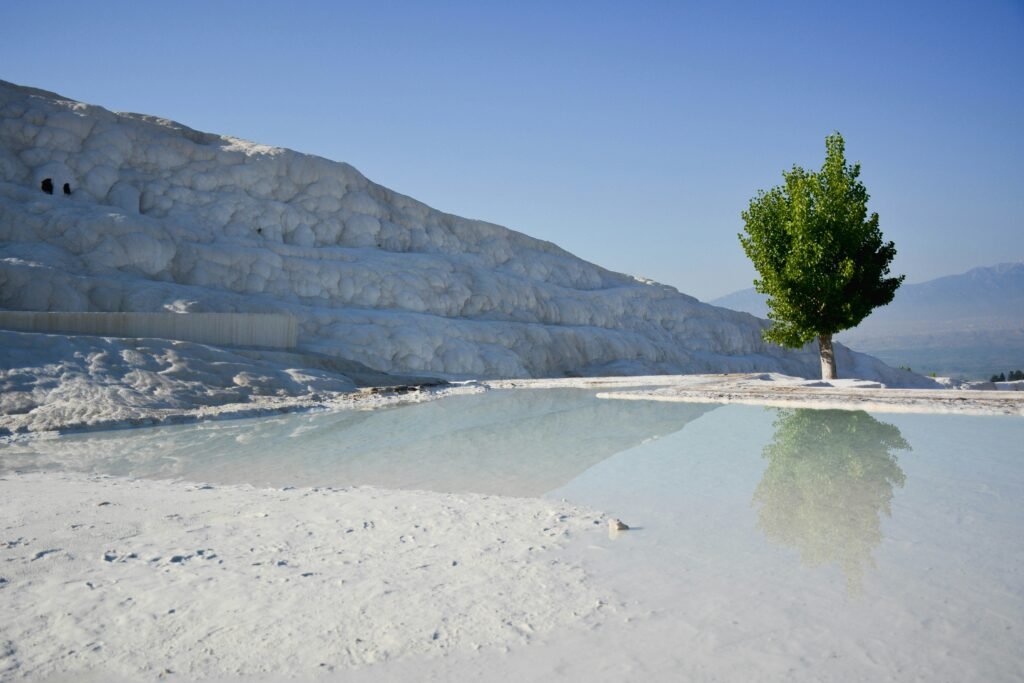
We’ve all seen the photos: those impossibly white “cotton” terraces that look like someone spilled a giant latte art foam across a hillside. In real life, Pamukkale is even more dramatic—warm water, blinding limestone, and that slightly smug feeling of “yes, we did come all the way for this.”
These travertines form when thermal water rising from karst terrain hits open air and drops its calcium hydrocarbonate like a mic drop, slowly building the terraces’ signature snowy shelves. As a UNESCO World Heritage Site, it’s protected—and busy—because it’s basically Türkiye’s poster child for “spa, but make it ancient.”
The water temperature usually sits around 33–36°C, and people have been using it for relief and recovery since antiquity.
Close to: Denizli (about 18 km away), View on Google Maps
How to get there: Base yourself in Denizli or Pamukkale village, then drive/taxi/shuttle out.
Where to stay: Pamukkale village for early entry; Denizli for more city comforts.
2. Armutlu Thermal Springs – Yalova
If you want healing water without planning a whole expedition, we point you to Armutlu: a classic, old-school thermal stop that’s been on the map since the Byzantine era—and yes, even Atatürk visited.
Set about 4 km from Armutlu town center, it’s one of Türkiye’s earliest spa areas, and it stays popular thanks to its proximity to big hubs like Istanbul and Ankara. The water is described as hyperthermal and hypotonic mineral water, and it’s used for both bathing and drinking. It’s also noted for high radioactivity—which sounds intense, so treat the “drinking” part as something you only do if the facility explicitly supports it and provides guidance.
Close to: Armutlu (4 km), View on Google Maps
How to get there: Ferry/drive routes make Yalova region easy from Istanbul; continue to Armutlu.
Where to stay: Armutlu for a quiet spa-first vibe; Yalova for more options.
Pro tip: This is the “weekend reset” spring—simple, accessible, and reliably soothing.
3. Thermal Springs (Termal) – Yalova
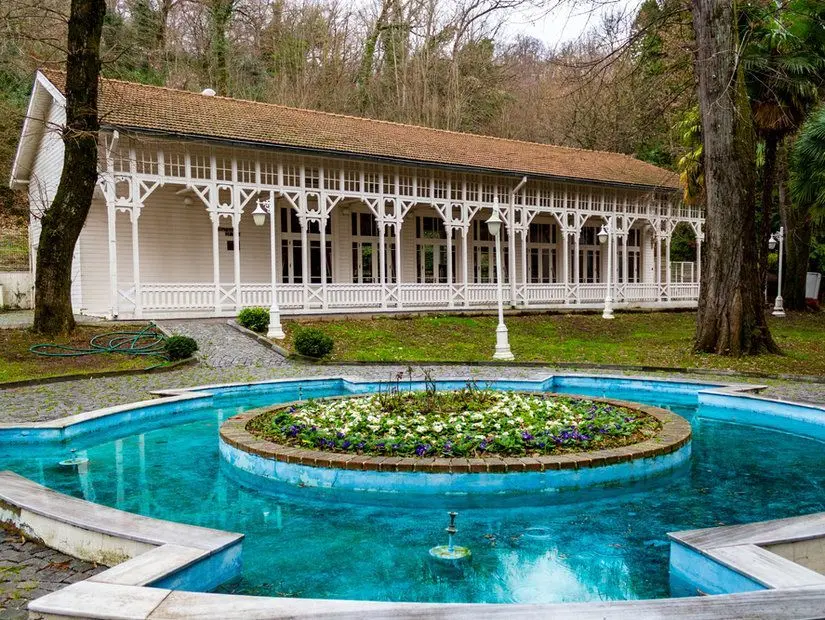
Yalova doesn’t just have thermal water—it has a whole district literally called Termal. That tells you everything you need to know about local priorities.
Around 12 km from Yalova center, it’s also conveniently placed for arrivals via Sabiha Gökçen Airport and Bursa Yenişehir Airport, which makes it feel almost unfairly easy to reach. The region’s thermal tradition stretches back to Roman and Byzantine times, and the water is known for minerals like calcium, sulfate, and fluoride.
Close to: Yalova (12 km), View on Google Maps
How to get there: Fly into nearby airports or come by road/ferry to Yalova, then continue to Termal.
Where to stay: Termal district if your only plan is “soak, eat, nap, repeat.”
Pro tip: Pair a soak with a slow walk in the green surroundings—Termal is made for gentle, quiet days.
4. Oylat Thermal Springs – Bursa
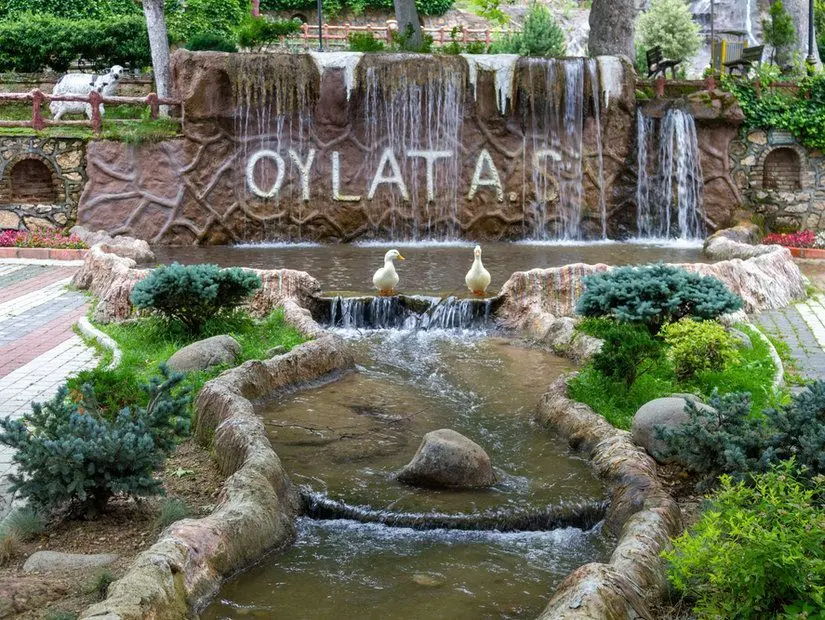
We arrive in Oylat and immediately understand the appeal: hot water tucked into thick greenery, the kind of place where you breathe deeper without trying.
Located in Bursa’s İnegöl area, about 27 km from the town center, Oylat is one of Türkiye’s best-known hot springs—and the nearby Oylat Waterfall and Oylat Cave make it feel like a mini nature break, not just a spa stop.
The waters reach around 40°C, and they’re famous enough to have legends attached—like the Byzantine-era story of a seriously ill girl improving after daily baths. Locals also connect the springs with relief for nervous disorders.
Close to: İnegöl (27 km), View on Google Maps
How to get there: Base in Bursa or İnegöl, then head into the Oylat valley area.
Where to stay: Mountain-side stays for the full “forest + steam” atmosphere.
5. Kızılcahamam Thermal Springs – Ankara
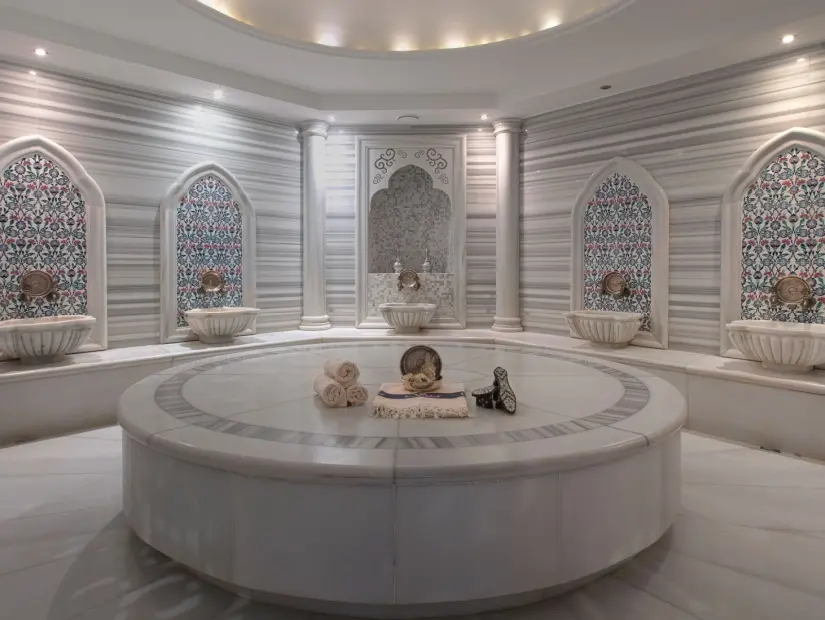
When Ankara enters the thermal chat, Kızılcahamam is the name that shows up first—right alongside big spa heavyweights like Yalova, Afyon, and Bursa.
About an hour from Ankara’s city center, these springs date back to Roman and Seljuk periods. The area is also known for mineral water, and tasting the local drinking waters is practically part of the ritual.
Close to: Ankara (about 1 hour), View on Google Maps
How to get there: Easy day trip by car/bus from Ankara.
Where to stay: Kızılcahamam town if you want early/late soaking without rushing back.
6. Gazlıgöl Thermal Springs – Afyonkarahisar
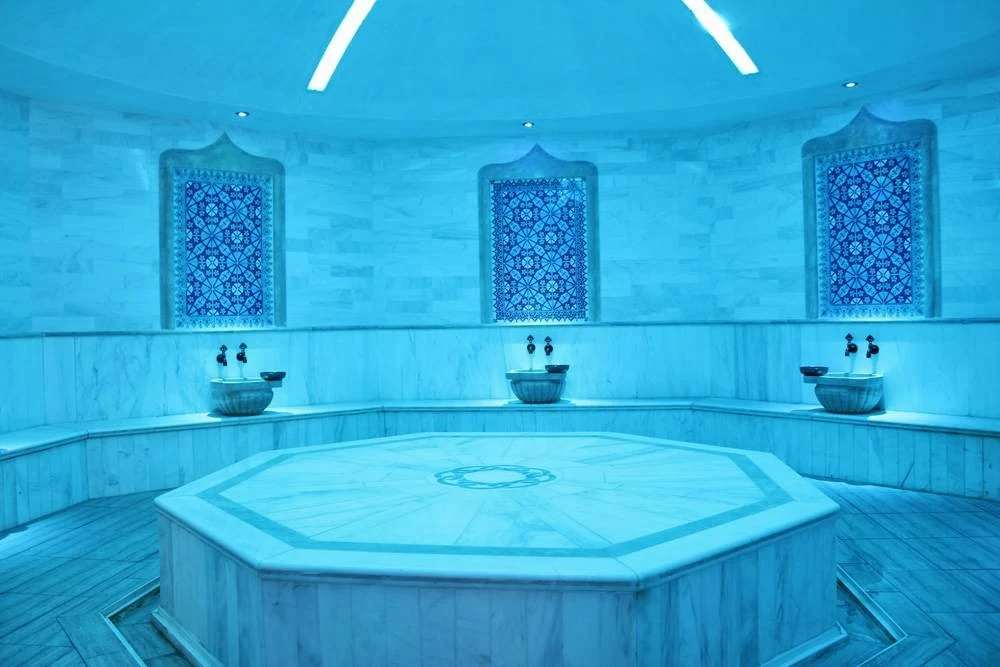
Afyon’s thermal reputation is not subtle, and Gazlıgöl is one of its biggest flexes—often described as Türkiye’s second-largest thermal spring.
Its mineral-rich waters are used for a wide range of conditions, including skin issues, rheumatism, nervous disorders, and respiratory infections, and it’s also associated with support for infertility. The history goes back to the Roman era, but the facilities today lean modern—especially appealing in summer, when hot water + clean air + green surroundings becomes an easy formula for a full-on spa holiday.
Close to: Afyonkarahisar region, View on Google Maps
How to get there: Afyon is a major thermal base; continue onward to the Gazlıgöl area.
Where to stay: Modern spa hotels around the springs for the “treatment + comfort” combo.
7. Kervansaray Thermal Springs – Afyonkarahisar
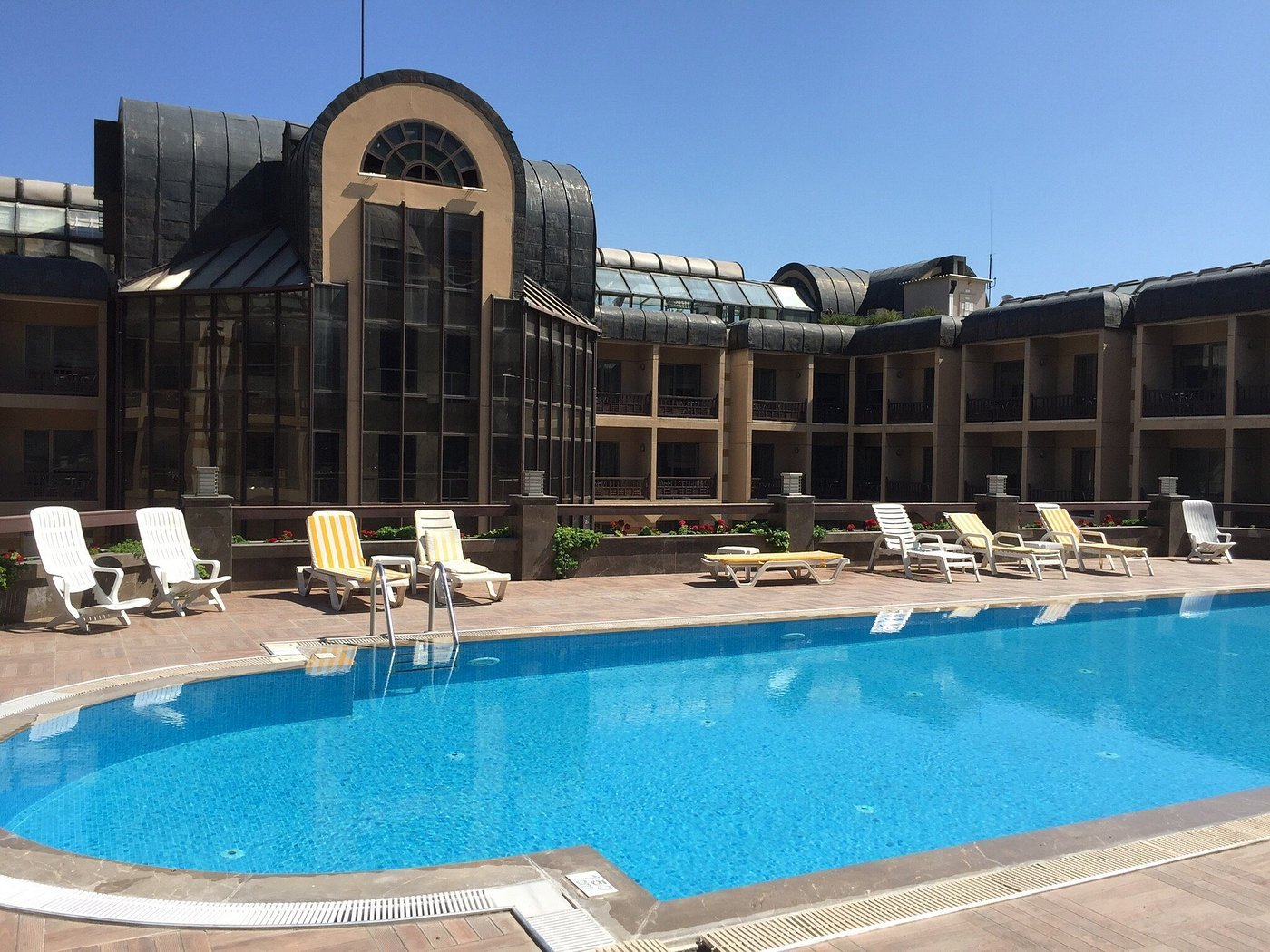
This one is for anyone who likes their wellness with a side of history. In Afyon’s Sandıklı district, a historic caravanserai on the Silk Road was restored and folded into thermal tourism—so you’re soaking in a place that once hosted travelers long before we had luggage wheels.
Today, it’s set up with indoor/outdoor thermal pools, sauna, Turkish bath, massage areas, and plenty of recreation space—modern comfort wrapped in an old-world mood.
Close to: Sandıklı (Afyonkarahisar), View on Google Maps
How to get there: Travel via Afyon, then continue to Sandıklı.
Where to stay: On-site or nearby spa resorts to maximize time in water.
8. Kapıkargın Sulfur Thermal Spring – Muğla
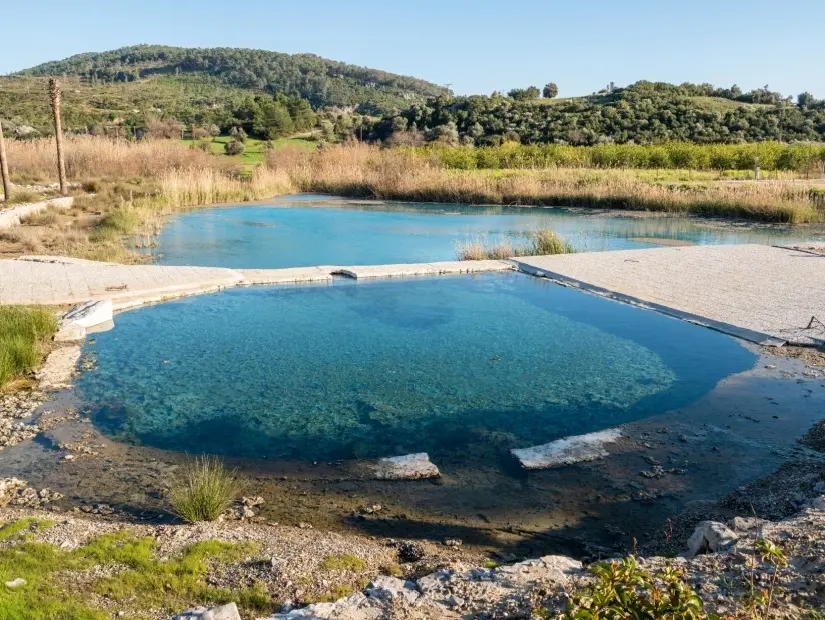
Down in Dalaman, we find Kapıkargın: a sulfur-rich spring that feels like nature’s own spa experiment—warm, mineral-heavy, and weirdly calming once you surrender to the scent.
The water is around 27–28°C and includes sulfur pools with 17 different minerals. It’s commonly linked to relief for psoriasis-like skin issues and muscle/knee pain, plus it’s noted for being rich in selenium and calcium.
Close to: Dalaman (Muğla), View on Google Maps
How to get there: Great add-on if you’re already flying into Dalaman or touring the Muğla coast.
Where to stay: Dalaman for convenience; nearby coastal towns if you want sea + soak.
Pro tip: Bring a change of clothes you don’t mind wearing right after sulfur water—just trust us.
9. Arhavi Thermal Springs – Artvin
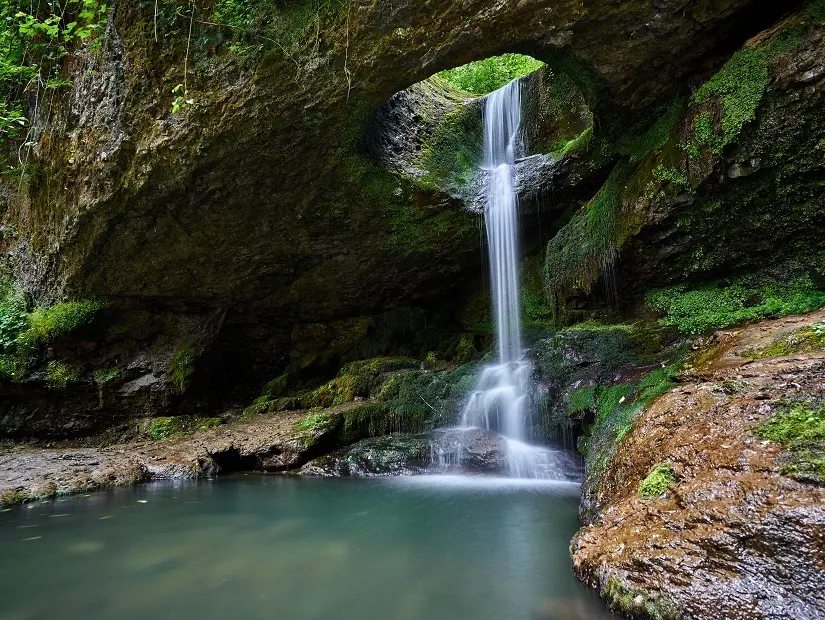
If your ideal hot spring comes with wild scenery and the feeling that you’ve escaped civilization (in a pleasant way), Arhavi delivers.
These springs sit on the foothills of the Hemşin Mountains, around 700 meters above sea level, and split into two main sections: warm and hot. The surrounding landscape—plateaus, forests, rivers—is a full nature immersion, and people come not just to soak, but to hike, camp, fish, photograph, and generally disappear into the green.
Close to: Arhavi / Hemşin mountain area, View on Google Maps
How to get there: Best reached as part of a Black Sea road trip through Artvin.
Where to stay: Nature lodges/guesthouses nearby for an early-morning outdoor feel.
Pro tip: Pack layers—mountain air and hot water are a classic “we’re sweating / we’re freezing” combo.
10. Valley Thermal Springs (Eşmekaya) – Sivas
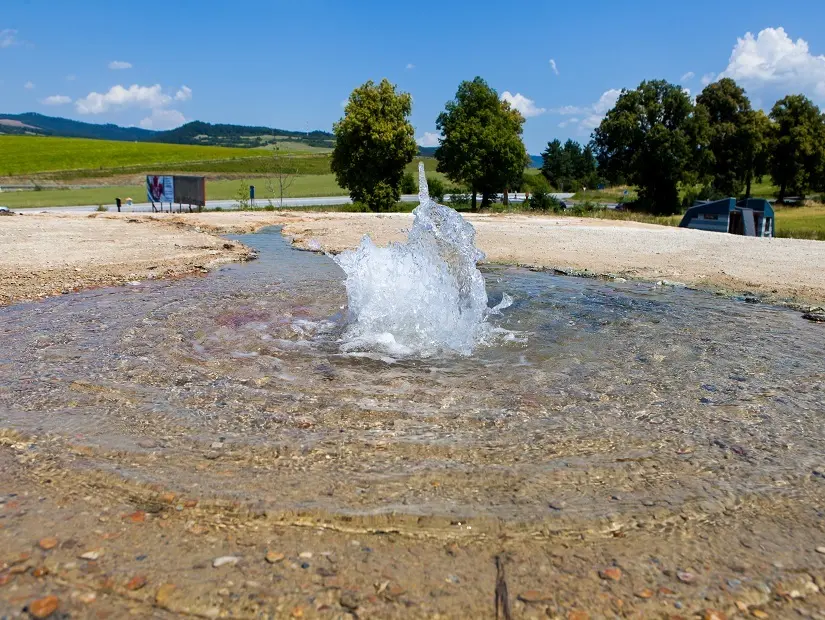
Known locally as Eşmekaya Hot Springs, this spot in Sivas’s İmranlı district mixes thermal water with lush, quiet nature—perfect if you’re trying to reset your brain back to factory settings.
Its appeal isn’t only the water; it’s also the trails, trekking routes, picnic areas, and the gentle green surroundings that pull nature lovers in.
Close to: İmranlı (Sivas), View on Google Maps
How to get there: Best by car as part of an inland Anatolia route.
Where to stay: Simple local stays nearby; Sivas city if you want more services.
11. Kütahya Hot Springs – Kütahya
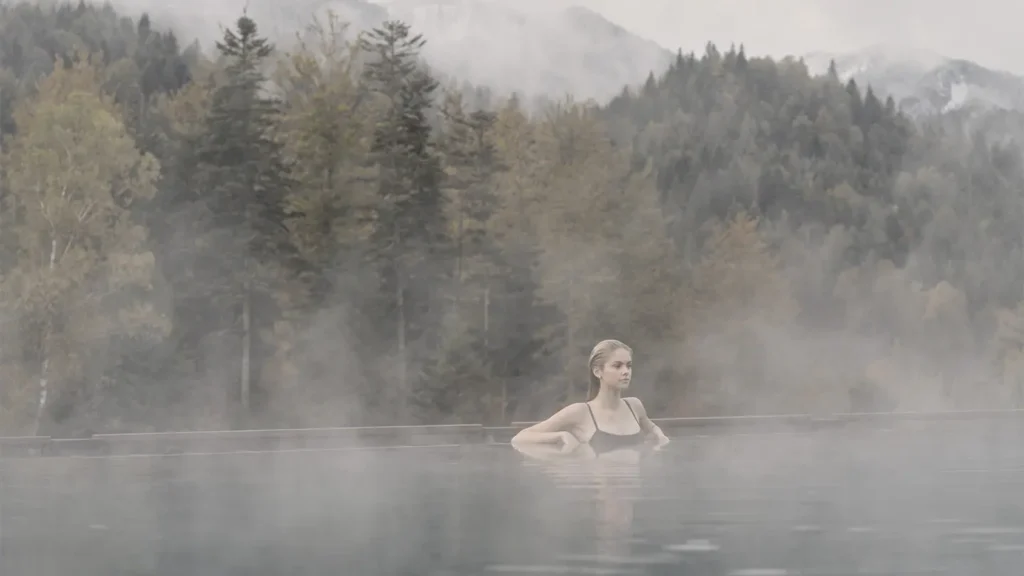
Just 5 km from Kütahya city center (and right off the Izmir–Ankara highway), these springs are the definition of accessible. They’ve been used since Roman times, and they’re associated with relief for skin conditions, rheumatism, respiratory diseases, arteriosclerosis, and stomach/intestinal disorders.
Facilities typically include indoor/outdoor pools, Turkish bath, sauna, fitness center, massage/therapy rooms, and mud baths—so it’s a full-service thermal stop rather than a “quick dip.”
Close to: Kütahya center (5 km), View on Google Maps
How to get there: Easy detour if you’re traveling the Izmir–Ankara corridor.
Where to stay: Kütahya city for convenience, or spa facilities if available on-site.
Pro tip: This is a great “break the road trip” stop—stretch, soak, keep moving.
12. Yoncalı Thermal Springs – Denizli
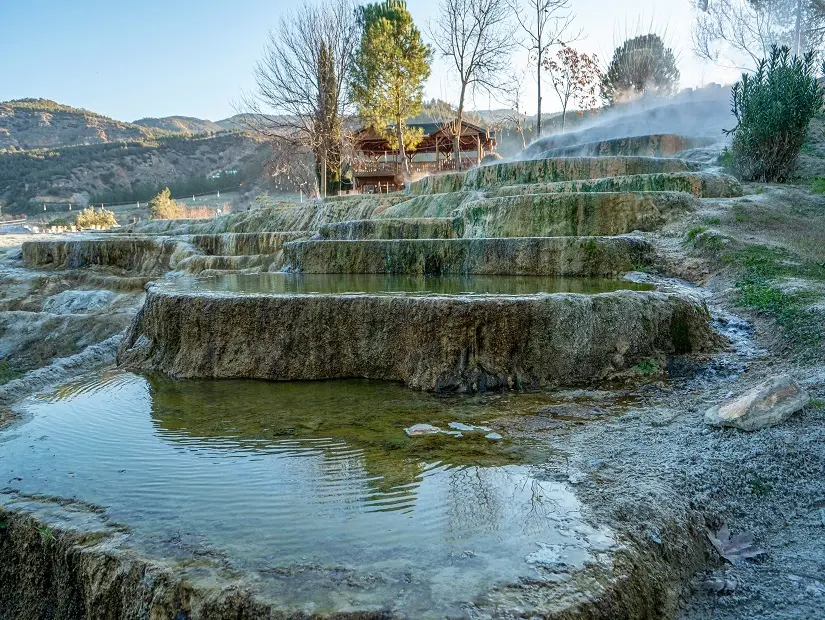
Yoncalı sits about 7 km north of Karahayıt, making it a natural extension if you’re already exploring Denizli’s thermal scene.
Expect the classic wellness toolkit—indoor/outdoor pools, spa center, sauna, Turkish bath, massage services—plus nature perks like trekking routes and scenery that make it feel more like a retreat than a clinic.
Close to: Denizli region; near Karahayıt, View on Google Maps
How to get there: Combine it with Pamukkale/Karahayıt for a multi-spring loop.
Where to stay: Denizli for flexibility; nearby spa hotels for maximum soaking time.
13. Sandıklı Thermal Springs – Afyon
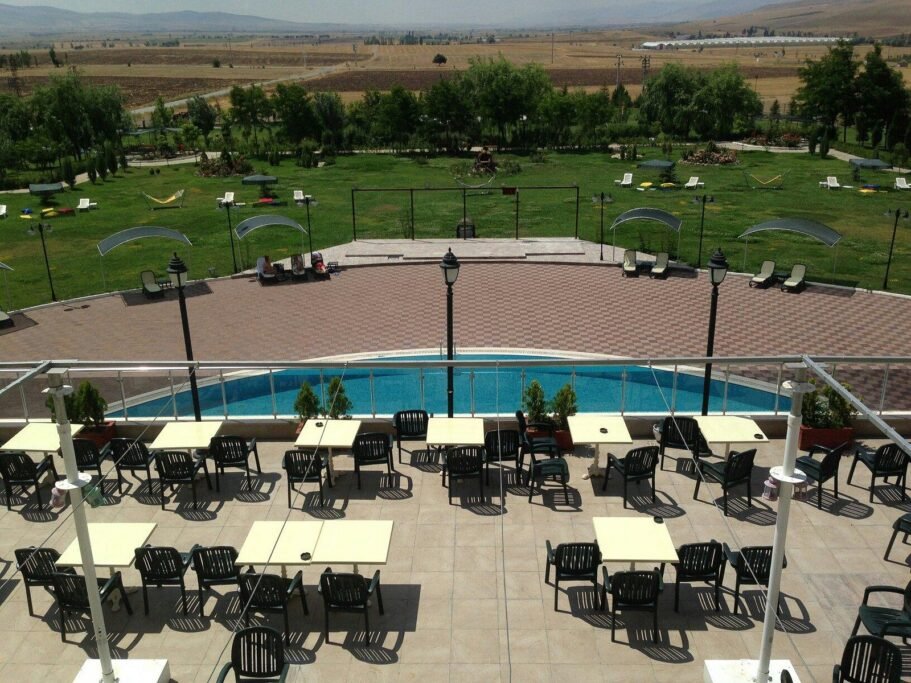
Afyon is one of Türkiye’s thermal capitals, and Sandıklı is the headline act—pulling in locals and international visitors who come specifically for its signature feature: mud baths.
Located about 65 km on the route between Afyonkarahisar and Antalya, Sandıklı has a long history as a “healing” stop. The mud baths, in particular, are widely recommended for orthopedic problems, and they’re the reason Sandıklı often feels like a destination, not just a stopover.
Close to: Sandıklı (Afyon region), View on Google Maps
How to get there: Ideal on the Afyon–Antalya corridor; easiest by car/coach.
Where to stay: Thermal resorts in Sandıklı so you can do mud + water across multiple sessions.
14. Aladağlar National Park Thermal Springs – Niğde
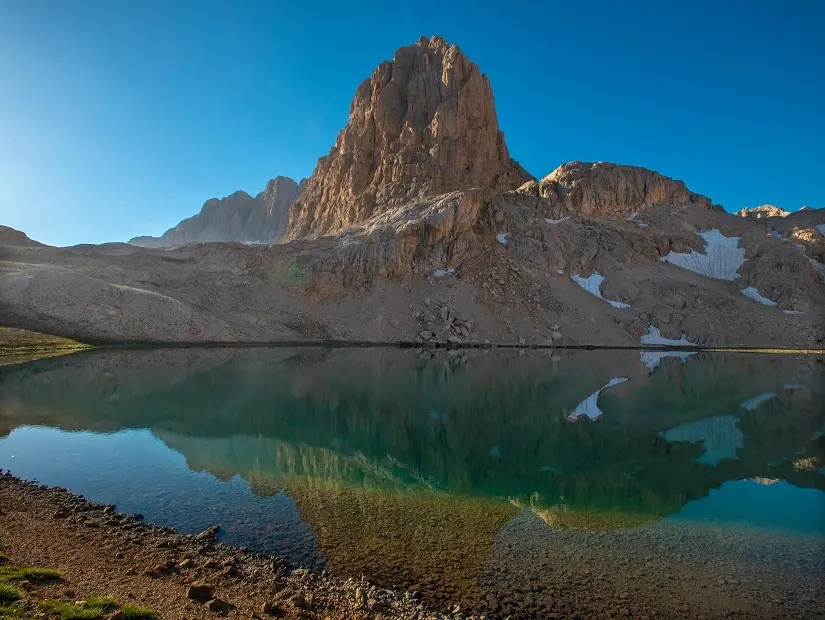
Hot springs inside a national park? That’s the kind of travel math we like: nature + wellness = no notes.
These springs sit within Aladağlar National Park, near Niğde’s Bor district, on the park’s southwestern edge. Water temperature is around 40°C, and the mineral-rich water is used for issues like skin disorders, rheumatism, back pain, and stress.
The setting—mountain foothills, open views, real landscape—makes the experience feel raw and natural. You’ll also find picnic areas and hiking trails for a full day outdoors.
Close to: Bor (Niğde) / Aladağlar National Park, View on Google Maps
How to get there: Best as part of an Aladağlar hiking/climbing trip; car access helps.
Where to stay: Park-adjacent accommodation or Niğde for a more practical base.
15. Kükürtlü Thermal Springs – Bursa
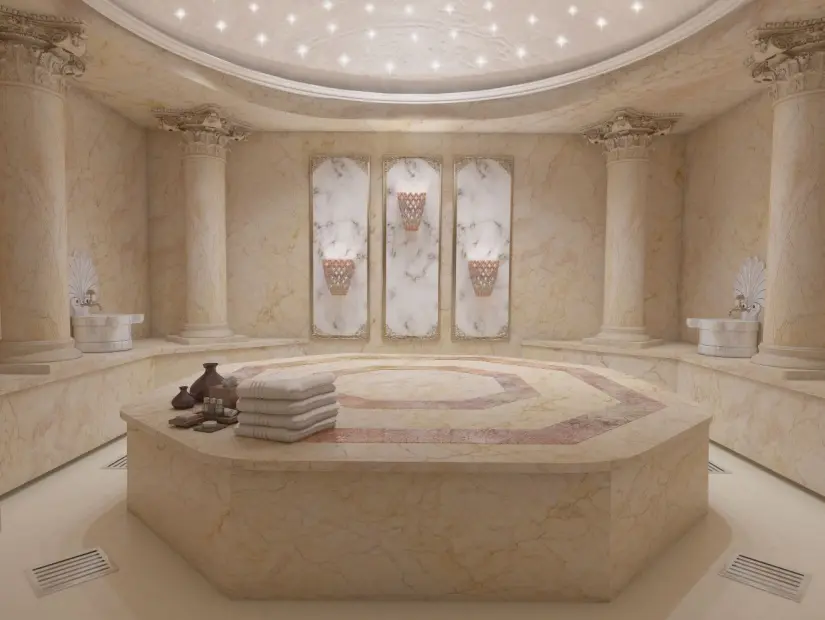
One of Bursa’s oldest thermal sites, Kükürtlü keeps things traditional—even down to having separate sections: a men’s bath and a women’s bath.
Historically, the men’s bath dates to Sultan Murad I Hüdavendigar, and the women’s bath to Sultan Bayezid II. The waters are rich in sulfur and are described as radioactive, fed by seven different springs—a reminder that Bursa’s thermal culture isn’t new; it’s deeply layered.
Close to: Bursa, View on Google Maps
How to get there: Easy city access; combine with Bursa’s historic sights.
Where to stay: Bursa city for variety; spa hotels if you want an all-in wellness stay.
16. Karahayıt Thermal Springs – Denizli
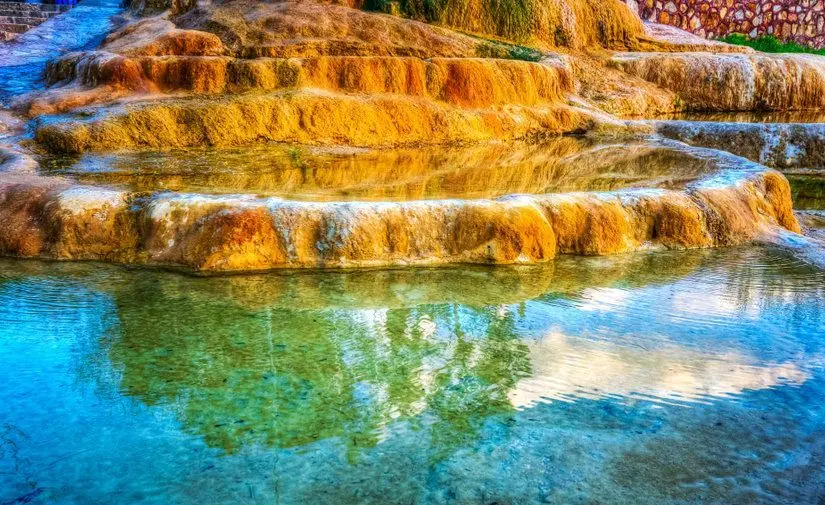
Karahayıt is Pamukkale’s moodier, red-toned sibling—the place where the water stains the landscape in rust-red shades, creating red travertines and even red mud pools thanks to the region’s iron-rich geology.
Fed by three different springs, the color comes from the rocks’ high iron content. The water also contains bicarbonate, calcium, sulfate, and carbon dioxide. It’s especially associated with supporting recovery after surgery, and it’s also linked to relief for rheumatism, sciatica, hernias, and skin issues like scabies, itching, acne.
Close to: Pamukkale area / Denizli province, View on Google Maps
How to get there: Pair with Pamukkale—this is an easy add-on in the same region.
Where to stay: Karahayıt for spa-focused hotels; Pamukkale for sightseeing-first stays.
17. Karacasu Thermal Springs – Bolu
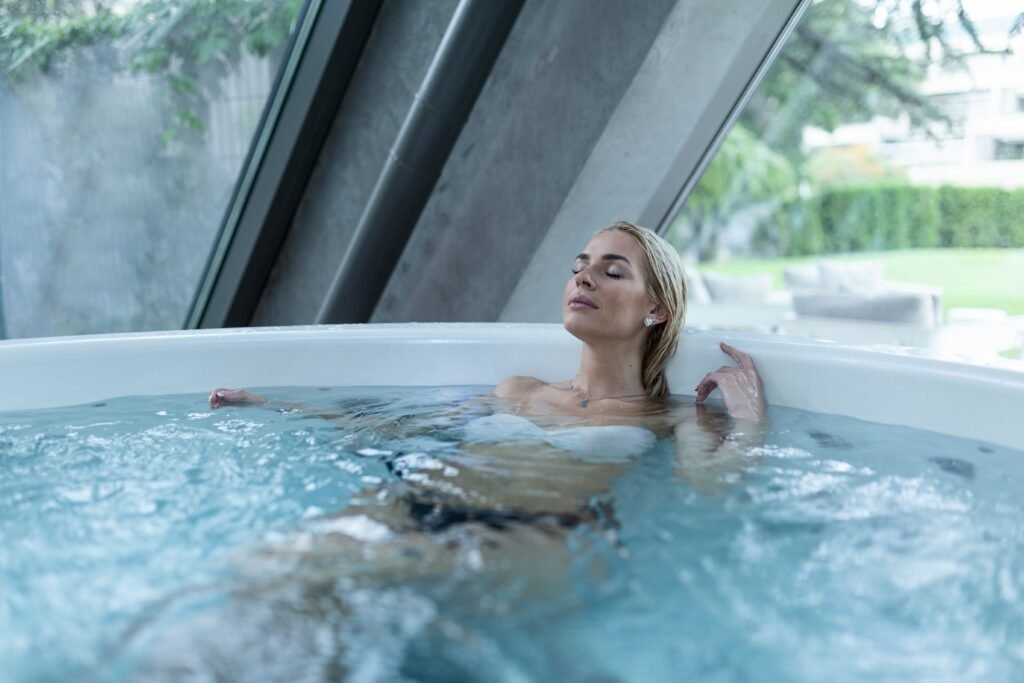
Bolu already wins on forests and fresh air, and Karacasu adds healing water to the deal—about 5 km from the city center, surrounded by greenery.
The water temperature runs around 42–44°C, and thanks to its thermomineral content it’s used as a supportive “cure” for various conditions.
Bonus quirk: locals bottle and sell the water because it’s considered pleasant-tasting—and it keeps its flavor for a long time, so you can take some home.
Close to: Bolu center (5 km), View on Google Maps
How to get there: Easy detour if you’re traveling the Black Sea region routes.
Where to stay: Bolu city for comfort and food options; nearby nature stays for quiet.
18. Tuzla Thermal Springs – Istanbul
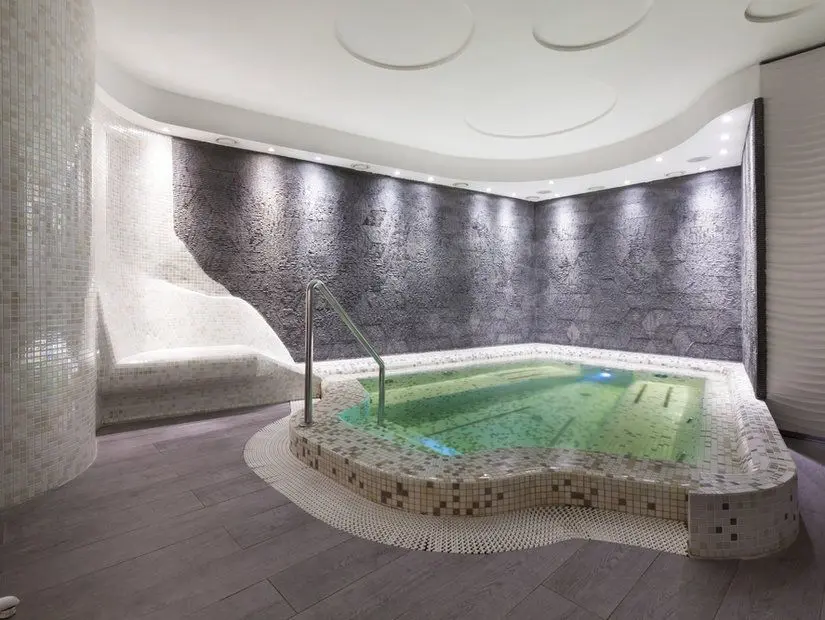
Yes, Istanbul has nearby thermal getaways (hello Yalova and Bursa), but Tuzla is the “we want a soak without leaving the city’s orbit” option.
Popular with locals and international visitors alike, Tuzla’s water is high in sodium, and it’s often associated with support for asthma and shortness of breath, plus metabolic benefits and relief for certain skin conditions.
Close to: Istanbul (Tuzla area), View on Google Maps
How to get there: Great for a quick day-trip style spa break from Istanbul.
Where to stay: Istanbul if you’re keeping this as a side quest; Tuzla if you want a calmer pace.
Pro tip: Combine this with an Istanbul trip when you’re overstimulated—hot water is the city’s best “reset button.”
19. Gönen Thermal Springs – Balıkesir
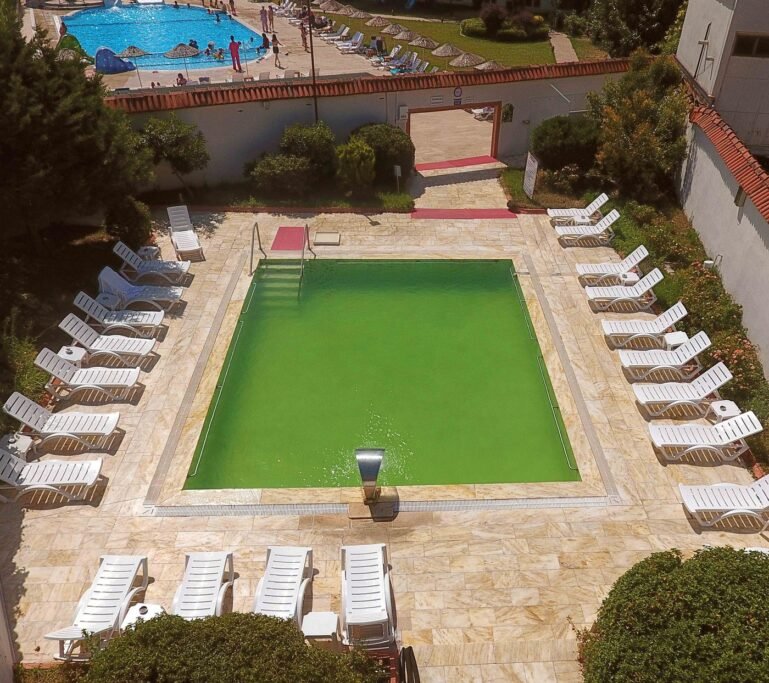
Gönen is the kind of place that calmly says, “We’ve been doing this for 3,000 years,” and then lets the water prove it.
Located in Balıkesir’s Gönen district and spanning around 600 square meters, the springs have a long history of use, and the municipality officially registered them in 2012. The water is noted for strong concentrations of sodium sulfate and sodium bicarbonate.
Because it’s so hot, it’s cooled before use. Drinking the water is linked to help with stomach issues, indigestion, intestinal problems, while bathing is associated with relief for rheumatism, orthopedic conditions, muscle spasms, urinary tract infections, and nerve compression.
Close to: Gönen (Balıkesir), View on Google Maps
How to get there: Best by car/coach within the Marmara/Aegean transition region.
Where to stay: Stay local to do repeated sessions properly.
20. Diyadin Thermal Springs – Ağrı
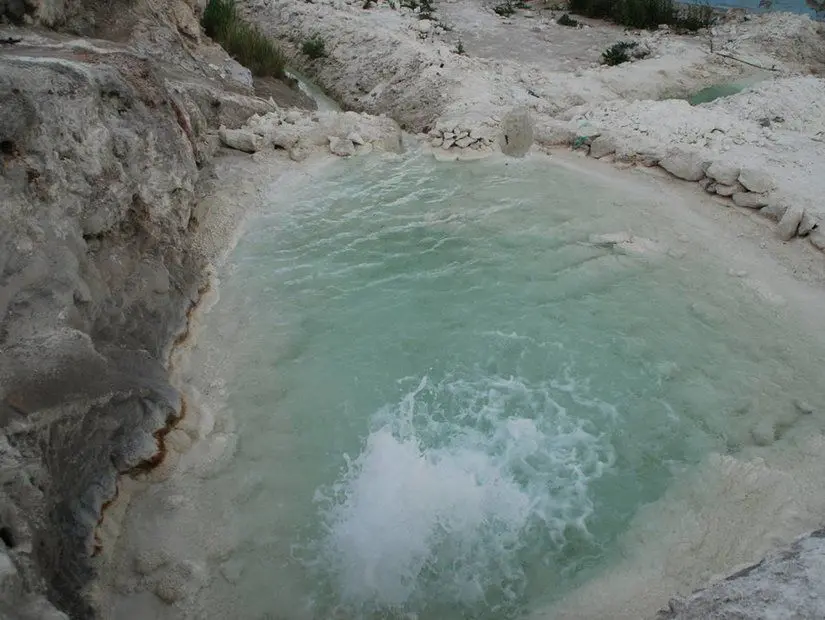
In Eastern Anatolia, where winters can be brutally cold, Diyadin becomes a warm-water refuge locals genuinely rely on—not just a tourist stop.
About 5 km from Diyadin district in Ağrı, these springs are rich in bicarbonate, chloride, sulfate, and calcium. The water is used in support of issues like bone/calcification problems, plus relief for skin problems, gynecological diseases, and metabolic disorders.
Close to: Diyadin (Ağrı) – 5 km, View on Google Maps
How to get there: Best as part of an Eastern Anatolia route; plan transport ahead.
Where to stay: Nearby district accommodations; treat this as a regional journey stop.
Pro tip: Bring warm layers even if you’re coming for hot water—stepping out into cold air is a shock to the system.
21. Hamamboğazı Thermal Springs – Uşak
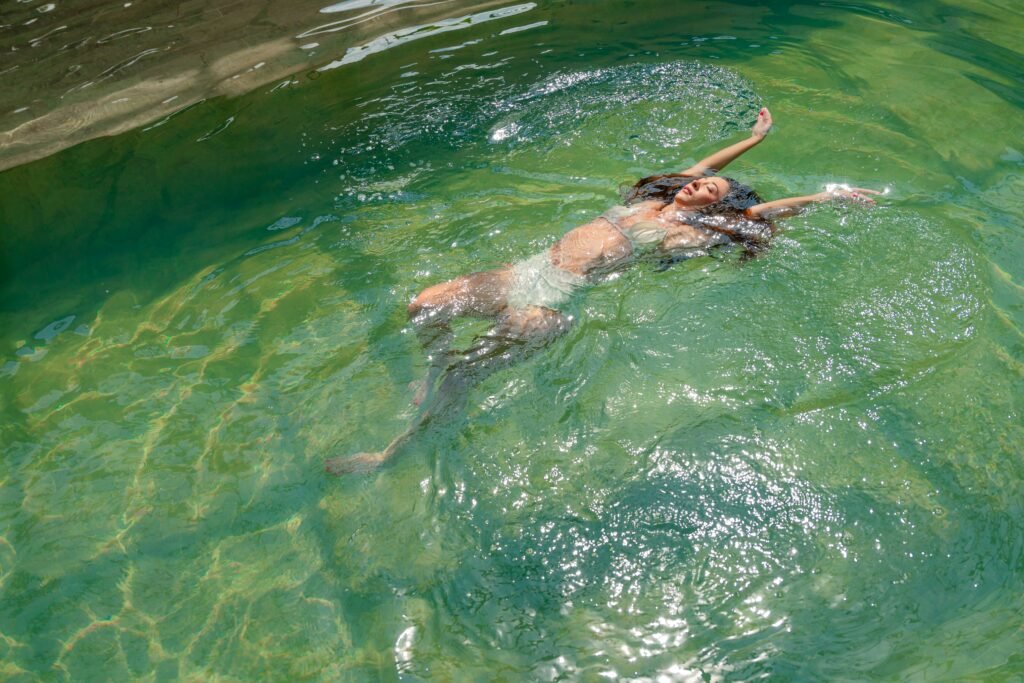
Hot springs surrounded by pine forests? Hamamboğazı makes “healing” feel like a nature retreat, not a clinical appointment.
In Uşak’s Banaz district, it’s also a trekking-friendly spot thanks to the forest setting. The springs are known for three different waters: Gazoz, Sarı Kız, and Kara Kız.
- Gazoz: high in sulfur and iron
- Sarı Kız: sulfurous and lukewarm
- Kara Kız: hotter
They’re often recommended in relation to stomach, liver, and intestinal problems, and are also associated with relief for rheumatism.
Close to: Banaz (Uşak), View on Google Maps
How to get there: Good by car; combine with an Aegean inland route.
Where to stay: Simple countryside stays nearby; Uşak city if you want more services.
Pro tip: Make time for a forest walk—this place works best when you let nature do half the job.
22. Çermik Thermal Springs – Diyarbakır
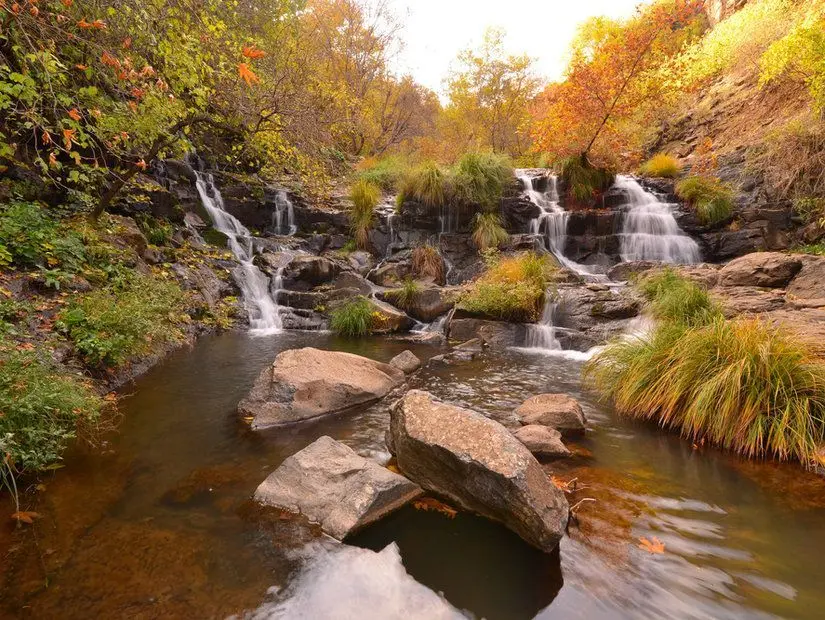
Çermik is considered a major local healing source, and its water stands out because it’s rich in iodide and bromide—not the most common combo in thermal talk.
The springs are also described as radioactive, and they’re associated with relief for conditions like rheumatoid arthritis, polio-related issues, skin disorders, and gynecological diseases.
Close to: Çermik district (Diyarbakır), View on Google Maps
How to get there: Best reached as part of a Southeast Anatolia itinerary.
Where to stay: Diyarbakır as a base, or local stays closer to Çermik.
23. Ilıca Thermal Springs – Çeşme
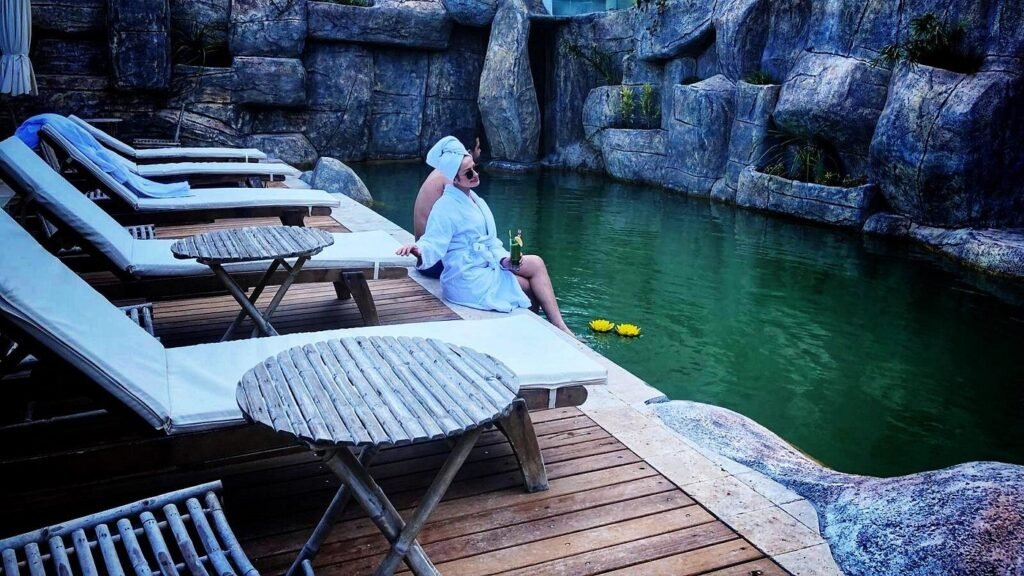
This is the ultimate cheat code: a thermal spring on the seashore. Ilıca lets you do “healing soak” and “Aegean swim” without choosing sides.
About 5 km from Çeşme town center, the water is rich in chloride, sodium, and fluoride, with temperatures ranging roughly from 42°C (minimum) up to 55°C (maximum). It’s often linked to benefits like boosting metabolism, supporting digestion, and easing rheumatic pain.
Close to: Çeşme center (5 km), View on Google Maps
How to get there: Easy coastal access—ideal as part of an Izmir/Çeşme summer route.
Where to stay: Ilıca beach area for the full sea + spa lifestyle; Çeşme for a broader base.
- What to Wear in a Turkish Bath (2026): Ultimate Hammam Dress Code & Massage Etiquette
- 2026 Turkey Travel Tips: Useful Things to Know From A Local
- 2026 Turkey Packing List: Essential Travel Items and Tips
- Where To Stay In Bodrum (2026): Best Neighborhood & Top Hotel Picks
- 22 Top Turkish Cosmetics Brands (2026 Edition)