
Travel writing based on first-hand experience
Explore the 40 places to visit in Fatih Istanbul. From iconic landmarks like Hagia Sophia and the Blue Mosque to hidden gems like the Zeyrek Mosque and the vibrant Balat neighborhood, discover the rich history and culture of Istanbul’s historic core.
Table of Contents
1- Sultanahmet
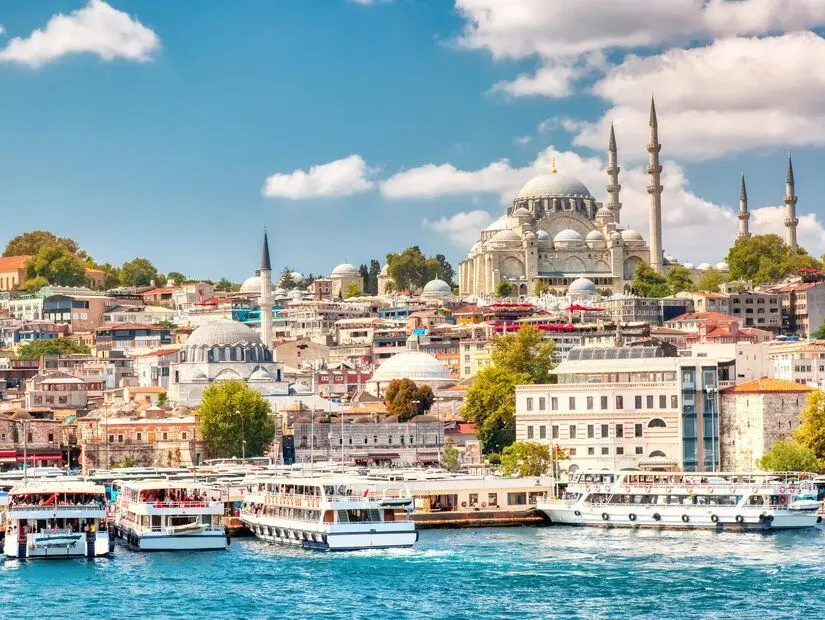
Sultanahmet is one of the largest historical districts of Istanbul, attracting the attention of local and foreign visitors. You can start exploring the Fatih district from Sultanahmet Square and the Sultanahmet Mosque and Hagia Sophia Mosque located here.
Read our ultimate Sultanahmet guide here.
2- Sultanahmet Mosque

The most famous structure of Sultanahmet Square, the Sultanahmet Mosque, is one of the most important mosques remaining from the Ottoman period. It is interesting with its interior decorated with blue Iznik tiles and six minarets.
3- Hagia Sophia Mosque
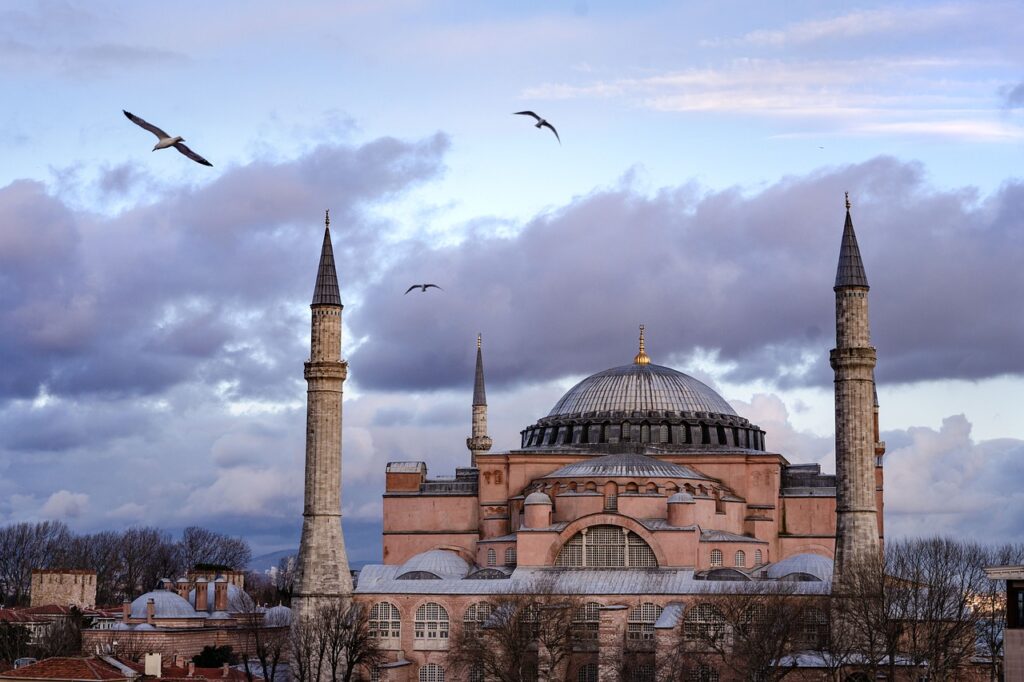
Located across from the Sultanahmet Mosque, the Hagia Sophia Mosque is a historical building built as a church during the Byzantine period. Hagia Sophia is one of the historical and cultural symbols of Istanbul. It was a church built by the Byzantine Emperor Justinianus I in the 6th century. It was converted into a mosque after the conquest of Istanbul by the Ottoman Empire in the 15th century. It was used as a museum by the Republic of Turkey from 1935 to 2020. It was reopened as a mosque in 2020.
4- Grand Bazaar
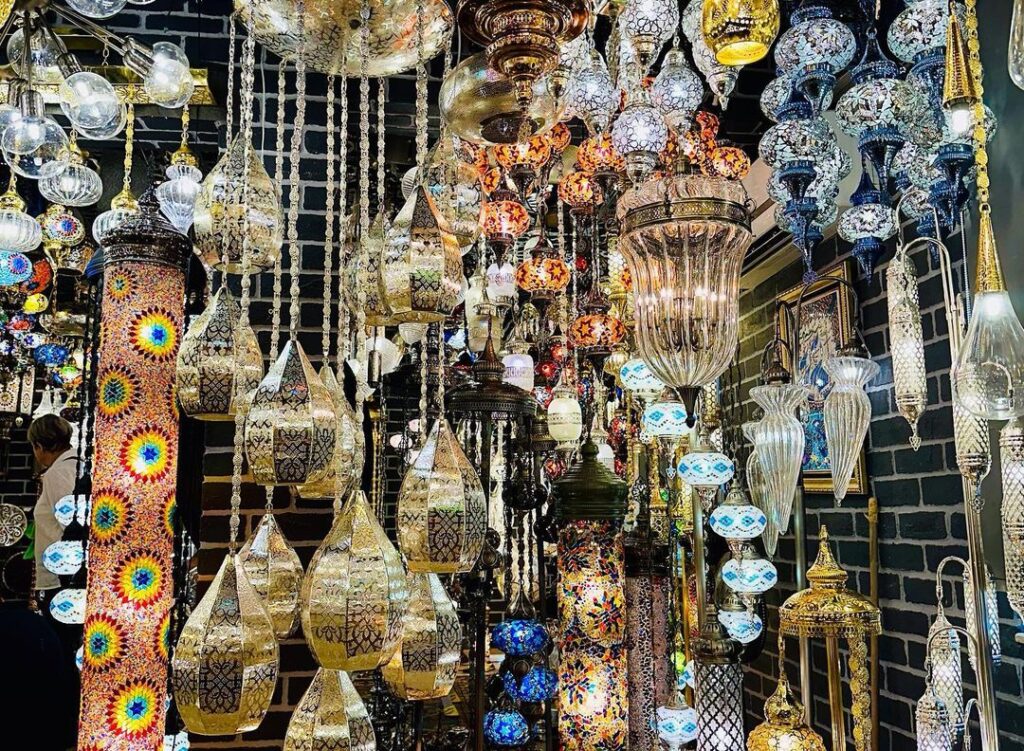
The Grand Bazaar in Istanbul, full of history and vibrant colors, grabs your attention the moment you step inside to see the treasures of the city. Built in the 15th century by the Ottoman Empire, this is one of the world’s oldest covered markets. As you wander its cobbled paths, surrounded by stone buildings and old shops, it’s like taking a trip back to the days of the Ottomans.
Walking around the bazaar, you can feel the rich cultural history and see echoes of the past. The Grand Bazaar is a true shopper’s heaven, filled with all kinds of goods. You can explore countless shops and discover a lot of items like jewelry, carpets, leather, textiles, antiques, silver, gold, and handcrafted pieces. The lively art of bargaining is alive here—you can negotiate with shopkeepers to get a better price. Be sure to show your bargaining skills and make it a fun experience!
Opening hours: Closed on religious holidays, Republic Day and Sundays. Open between 08:30-19:00 on other days.
5- Topkapi Palace Museum
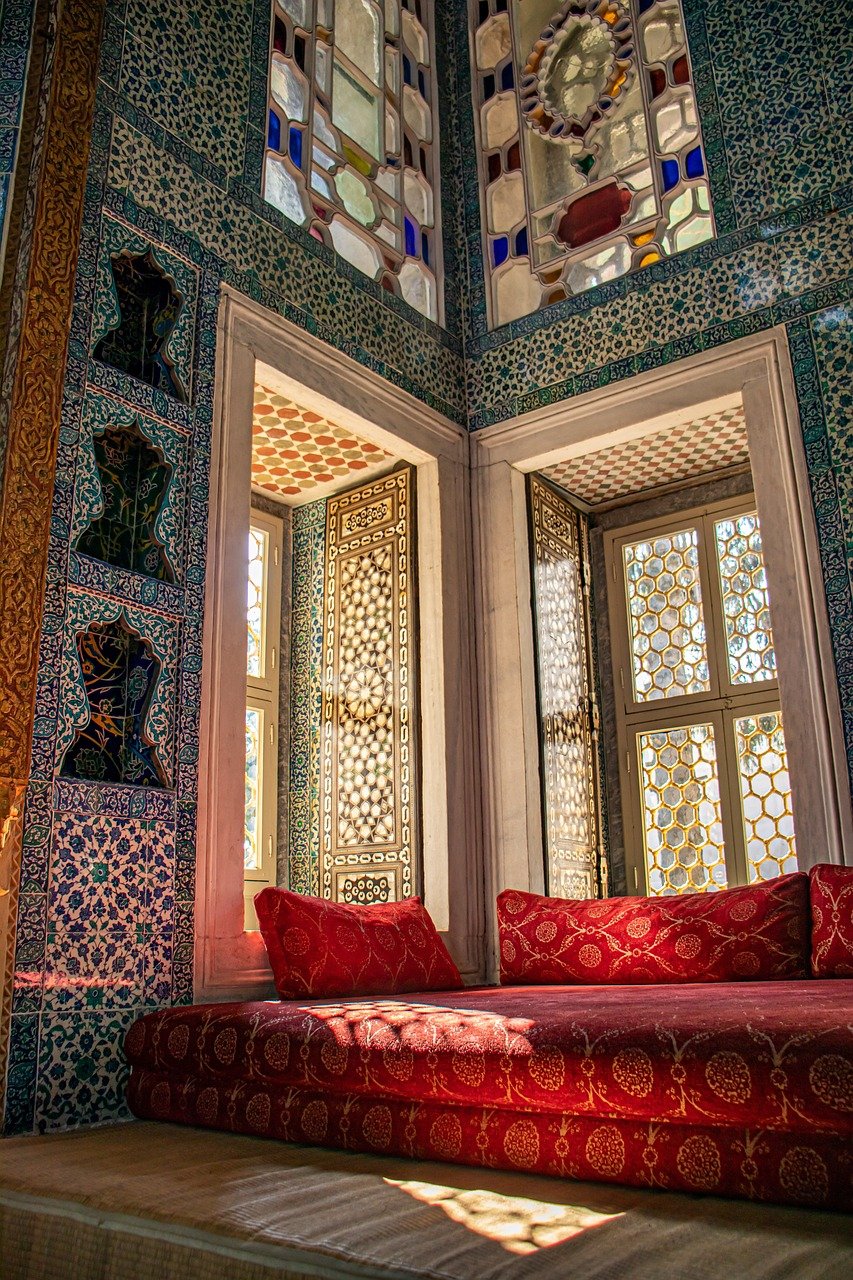
Topkapi Palace is one of the important palaces of the Ottoman Empire. It is located right next to Sultanahmet Square. You can see historical artifacts and collections from the Ottoman period in the museums inside the palace.
Topkapi Palace 2026 entrance fees:
- The Museum Pass is not valid in the Harem and Hagia Irene sections of Topkapi Palace.
- Topkapi Palace Combination Ticket I (Topkapi Palace + Hagia Irene)
- Local Visitor Ticket Price: 110 TL
- Foreign Visitor Ticket Price: 500 TL
- Discounted Ticket Price: 35 TL
- Topkapi Palace Combination Ticket II (Topkapi Palace + Hagia Irene + Harem)
- Local Visitor Ticket Price: 140 TL
- Foreign Visitor Ticket Price: 650 TL
- Discounted Ticket Price: 45 TL
- Topkapi Palace Harem Section 2023 entrance fee:
- Local Visitor Ticket Price: 60 TL
- Foreign Visitor Ticket Price: 225 TL
- Discounted Ticket Price: 20 TL
- Hagia Irene Church 2024 entrance fee:
- Local Visitor Ticket Price: 45 TL
- Foreign Visitor Ticket Price: 180 TL
- Discounted Ticket Price: 20 TL
Opening hours: Closed on Tuesdays. Open to visitors on other days between 09:00-18:00.
6- Turkish and Islamic Arts Museum
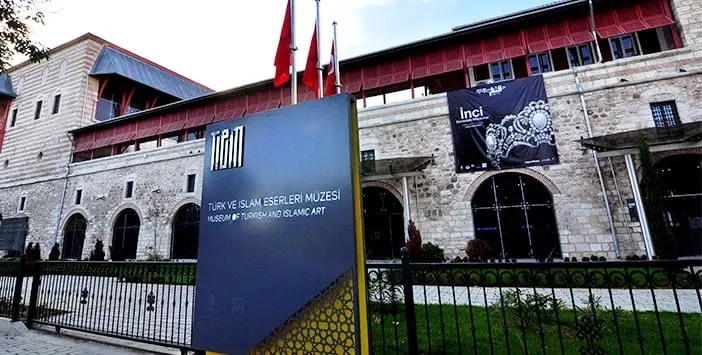
A museum where manuscripts, miniatures, carpets, ceramics, calligraphy samples, and historical artifacts belonging to different periods of Islamic art are exhibited. It has the Special Jury Prize of the Council of Europe Museum of the Year Competition in 1984 and the European Council UNESCO awards in 1985 for making children love cultural heritage.
Turkish and Islamic Arts Museum 2024 entrance fee:
- Museum Card is valid.
- Entrance fee is 200 TL.
Opening hours: Every day 09:00-20:00 / box office closing time 19:30
7- Obelisk, Serpent Column and Walled Column
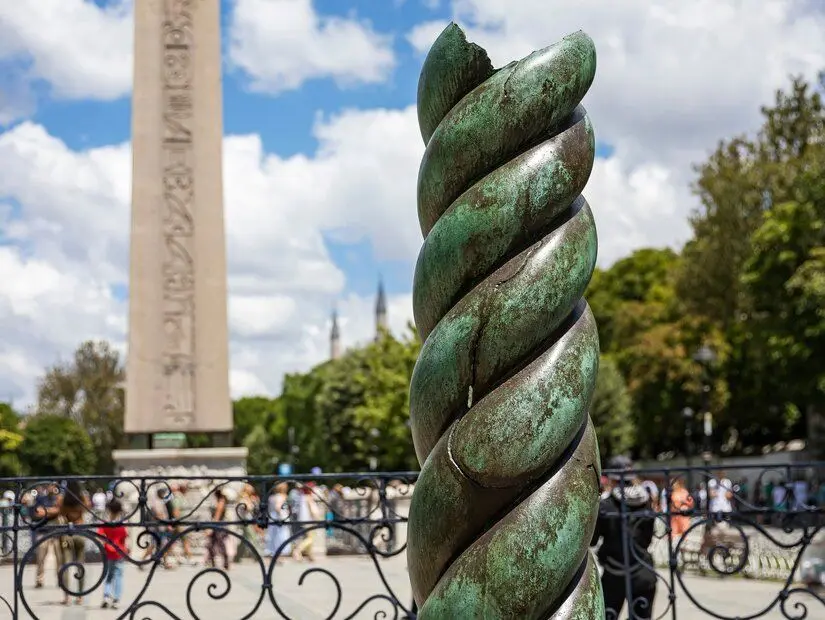
These stones that you will see in Sultanahmet Square were placed in different periods. These stones were taken as the starting point from which the distances to other cities of the Byzantine Empire were measured.
8- Arasta Bazaar
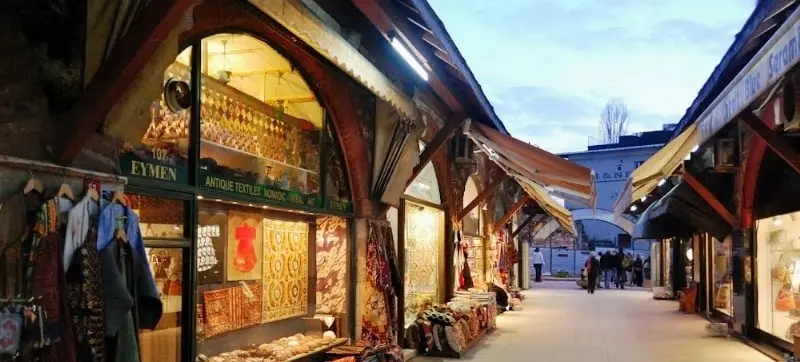
Arasta Bazaar, located near Sultanahmet Square, is a bazaar selling historical and traditional handicrafts. You can find many products here, such as local souvenirs, jewelry, carpets, and rugs.
Opening hours: Open every day between 09:00-19:00.
9- German Fountain
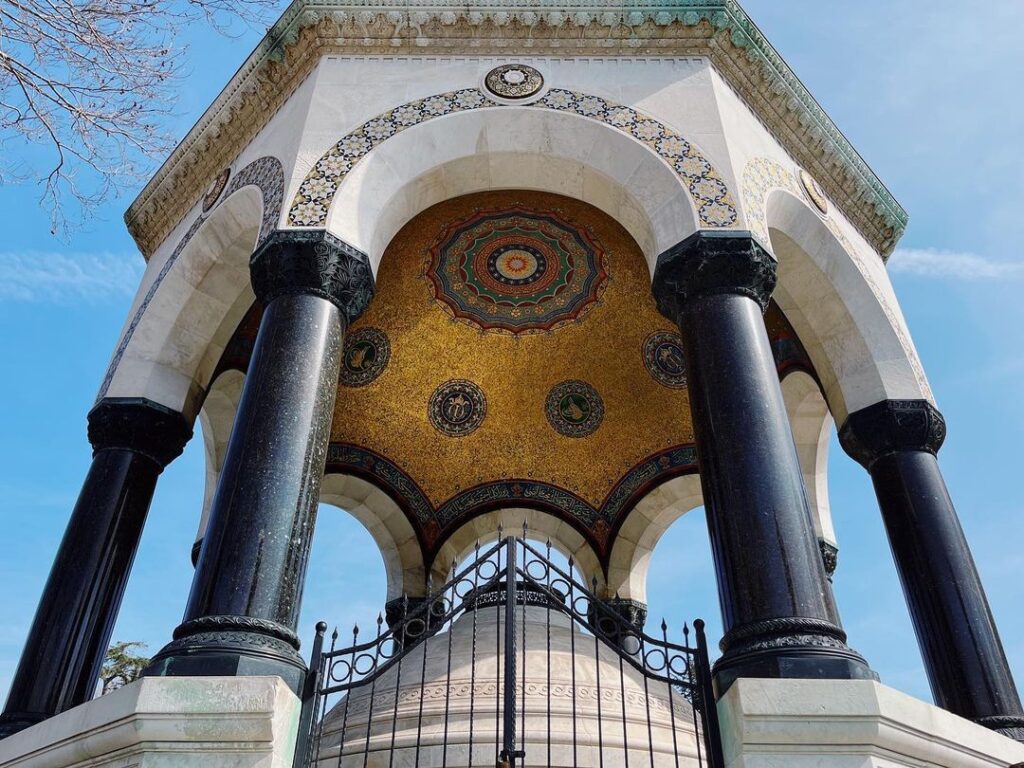
The German Fountain, adorned with beautiful decorations and sculptures, is located in Sultanahmet Square and was built to commemorate the visit of German Empress Wilhelm II to Istanbul.
10- Gulhane Park
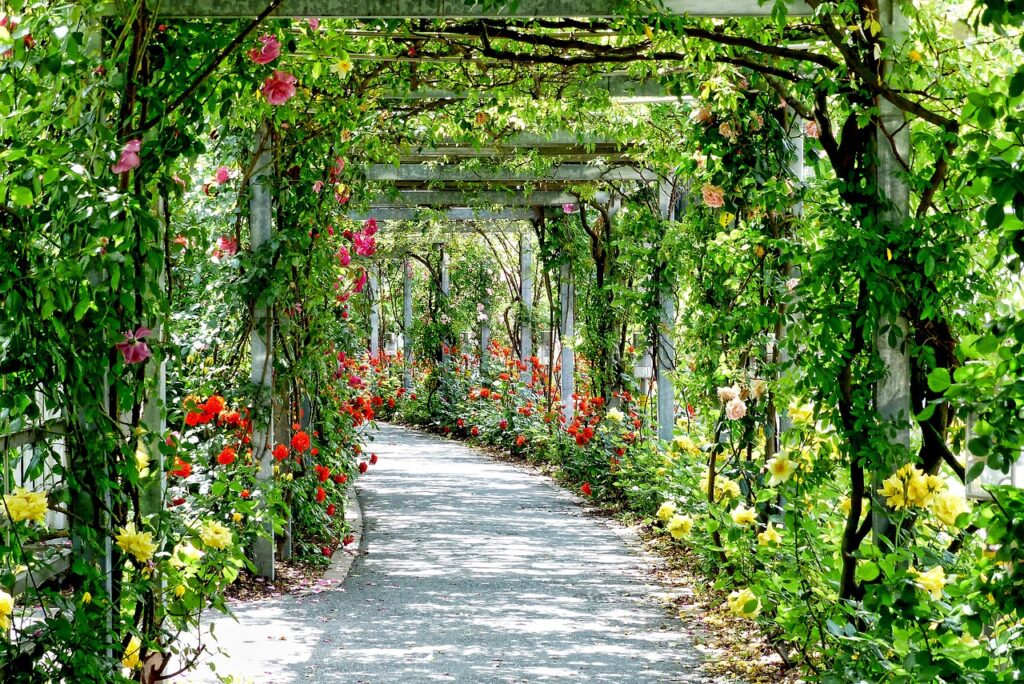
One of the oldest and largest parks in Istanbul, Gülhane Park offers a peaceful environment with its historical trees, flowers, ponds, and beautiful landscaping. You can take a walk in the park, have a picnic, or sit on the benches to relax.
You can also visit the Gülhane Cistern, which is thought to have been built between the 5th and 6th centuries, within the park, and witness its magical atmosphere.
11- Beyazit
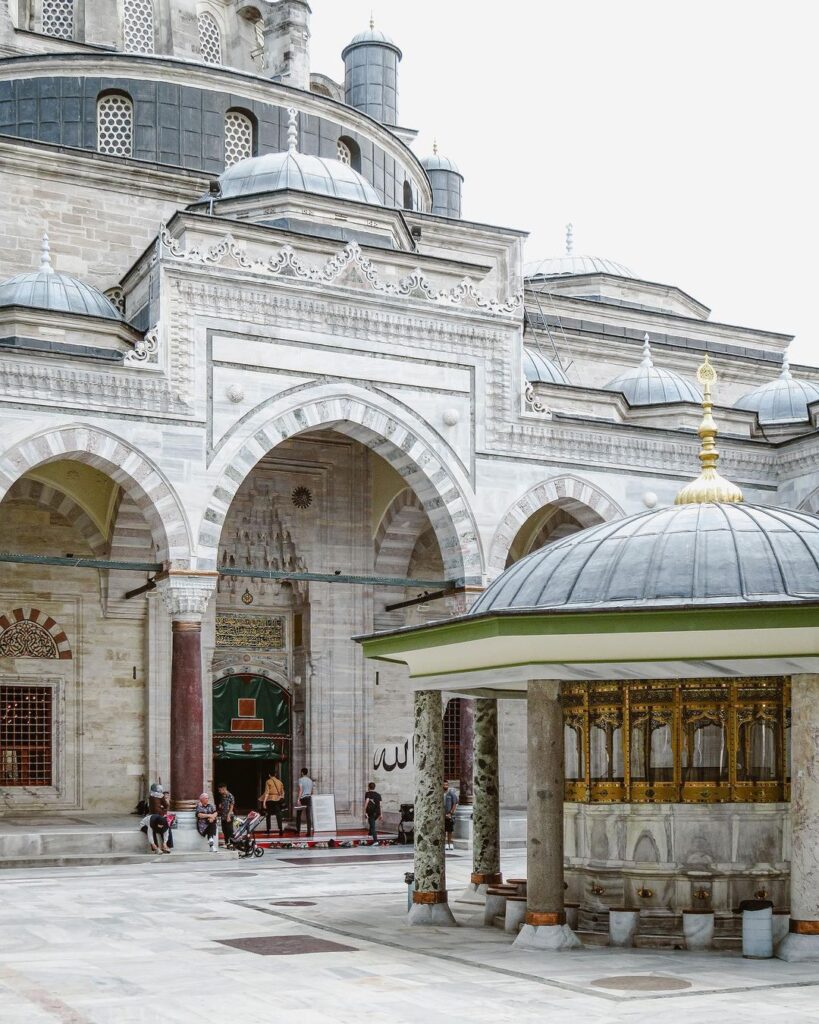
Beyazıt Square is located in the Historical Peninsula and is one of the oldest and largest squares in Istanbul. It has an important location because it is close to the palace and government buildings during the Ottoman period. This square is known for its historical and educational institutions. It is also famous for the historical inns and bazaars around Beyazıt Square.
12- Beyazıt State Library
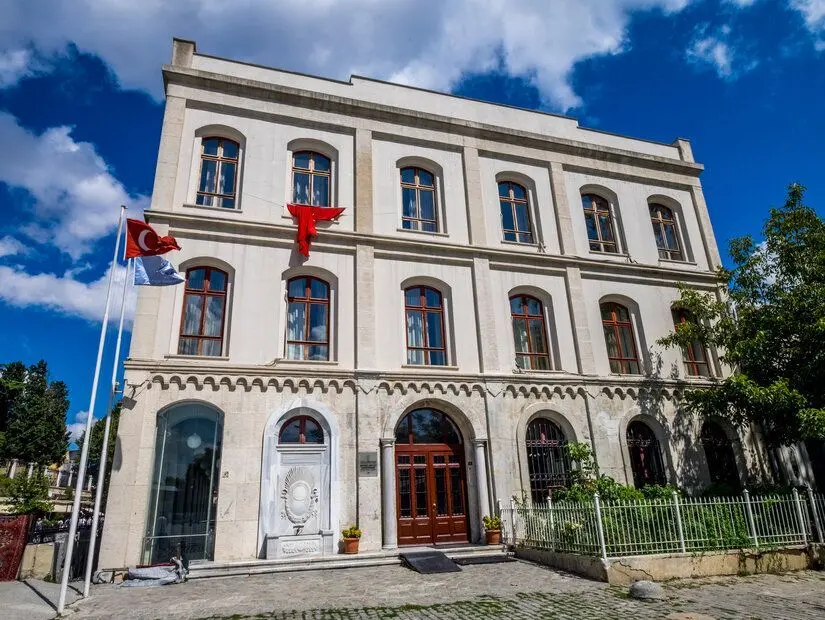
Built by Sultan Mahmud II, the Beyazıt State Library, located in the middle of Beyazıt Square and still an important library today, is known as one of the first libraries of the Ottoman period.
Opening hours: Open to visitors every day between 09:00-23:00.
13- Istanbul University
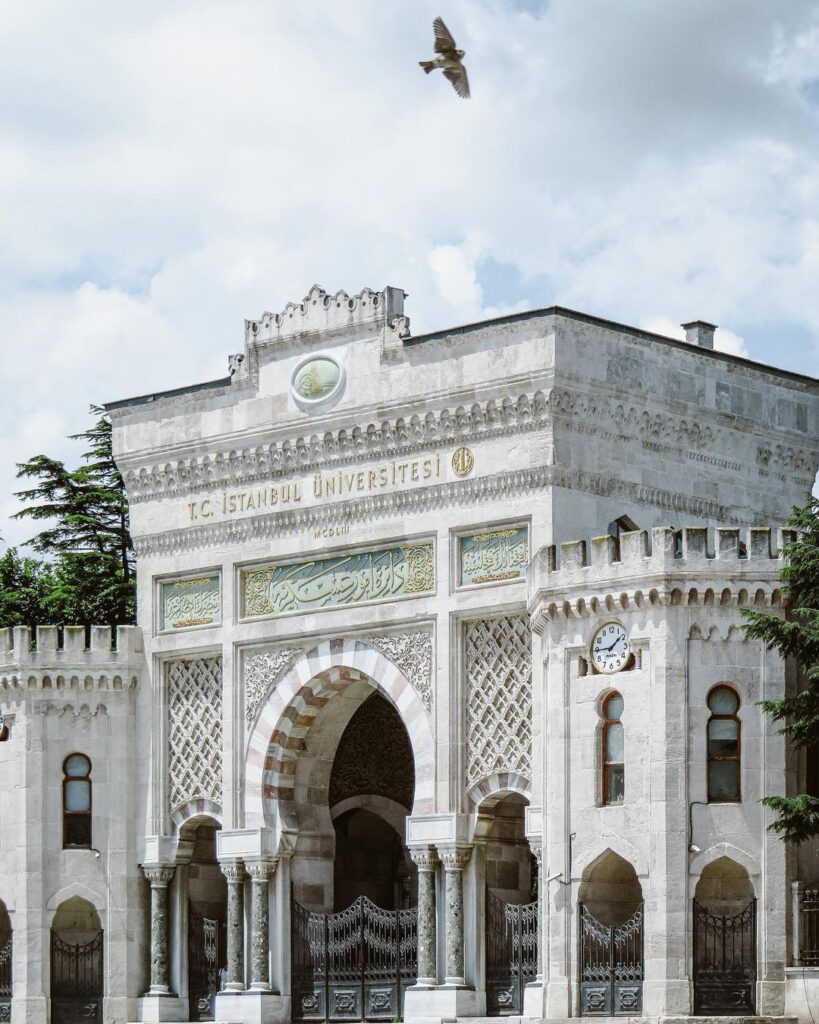
Istanbul University, Turkey’s oldest university, is also in a dominant position over the square with its main building located in Beyazıt Square.
14- Second-Hand Book Market
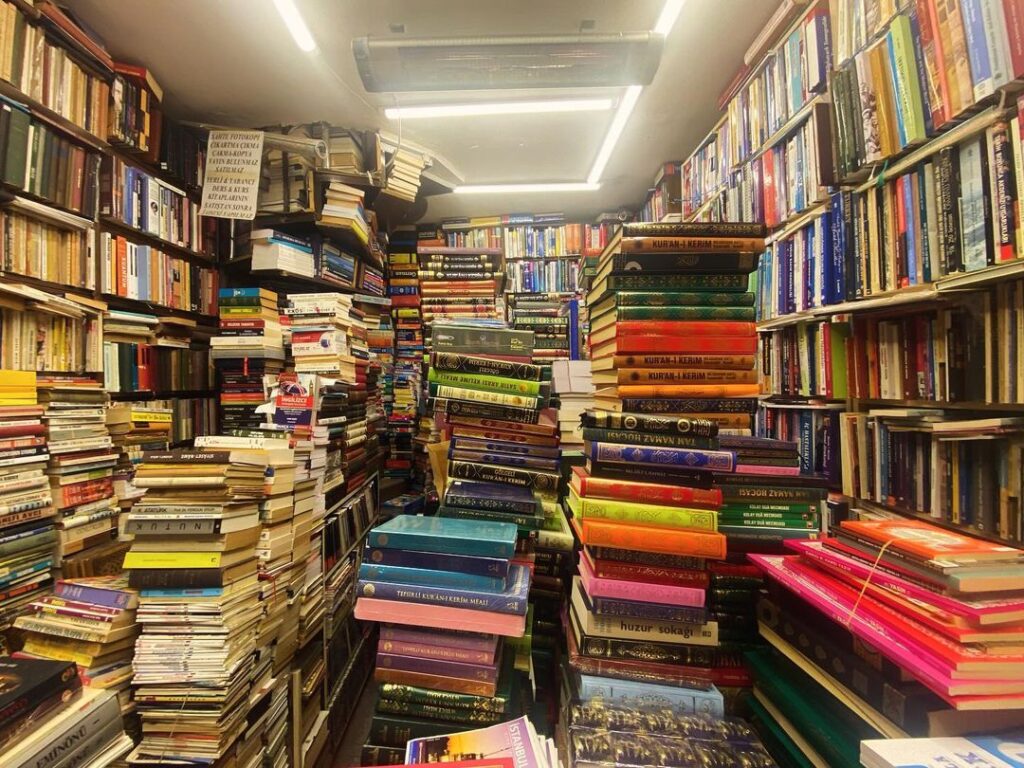
Many shops are selling second-hand and antique books in the Sahaflar Bazaar in Beyazıt Square. In these bookstores, you can find books on subjects such as literature, history, art, archaeology, religion, philosophy, and language, as well as rare and old books, manuscripts, and collectibles.
Opening hours: Open to visitors on Sundays between 09:30-17:30, other days between 07:30-19:00.
15- Beyazit Mosque
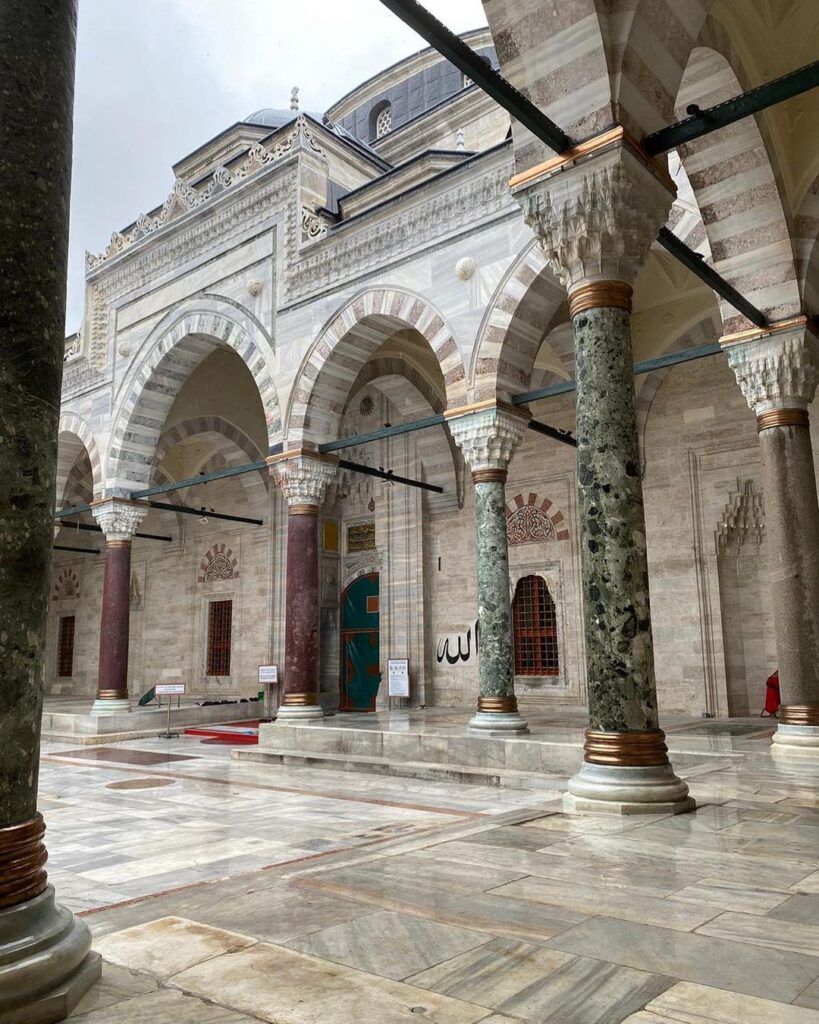
It is one of the most important buildings in Beyazıt Square. Its construction began in 1500 and it was opened for worship in 1505. Beyazıt Mosque was built during the reign of Sultan Bayezid II (Beyazıt), it is one of the first great mosques of the Ottoman Empire and is considered an example of Turkish architecture. The interior has beautiful Ottoman decorations and tile work.
16- Suleymaniye Mosque
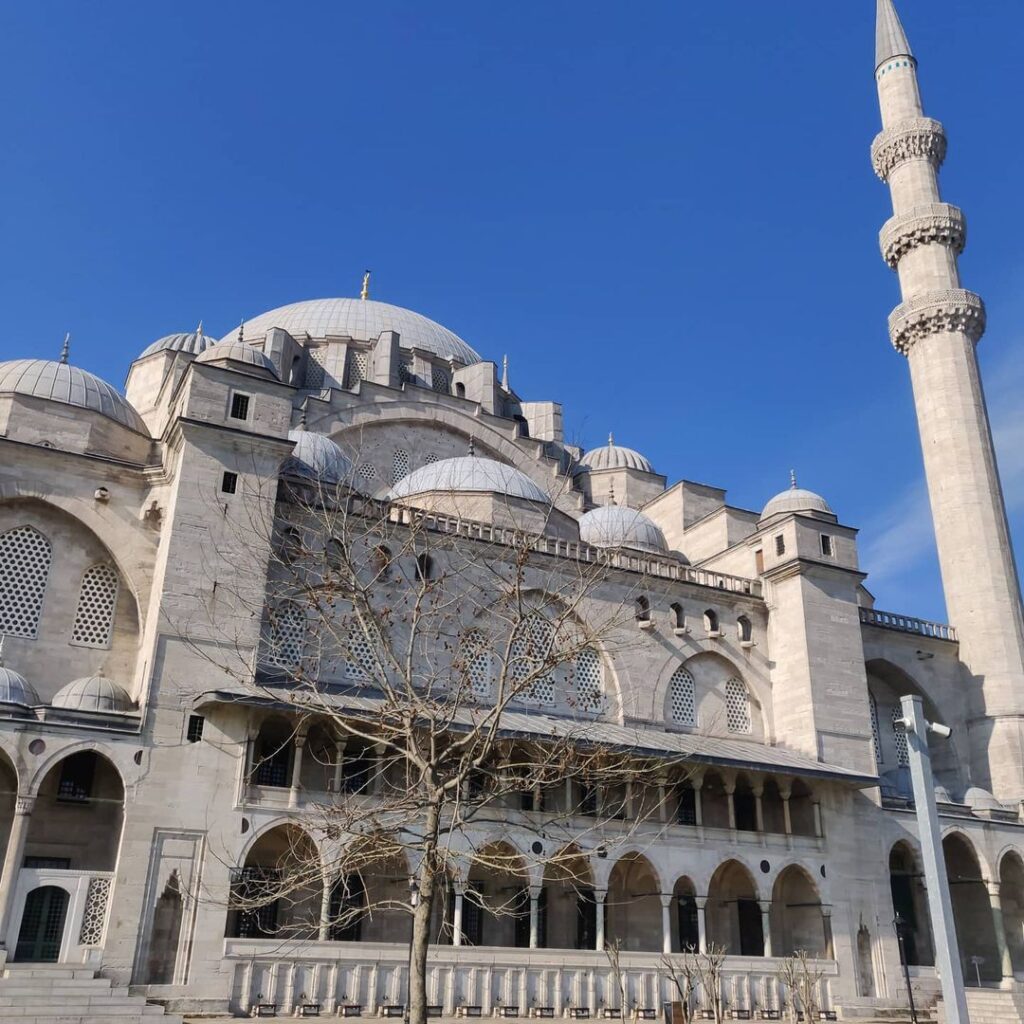
The stunning Suleymaniye Mosque in Istanbul is a historic gem that stands tall on the city’s skyline, captivating all who visit. Built by Suleiman the Magnificent between 1551 and 1557, it sits on the highest hill of the old city, offering views of the Marmara, Bosphorus, and Golden Horn. Designed by the famous architect Mimar Sinan, it showcases his artistic touch in both its interior and exterior decorations. The mosque’s vast courtyard, fountains, large prayer hall, soaring dome, and intricate patterned glass draw admiration. Recognized as part of the Suleymaniye Complex, it earned a spot on the UNESCO World Heritage List in 1985.
More than just a place of worship, this mosque is also a cultural hub. The Suleymaniye Complex houses the Süleymaniye Library, where rare manuscripts and historical treasures are kept, and the Süleymaniye Madrasa, still used as a center for religious education. It truly embodies Mimar Sinan’s architectural brilliance.
17- Yavuz Sultan Selim Mosque
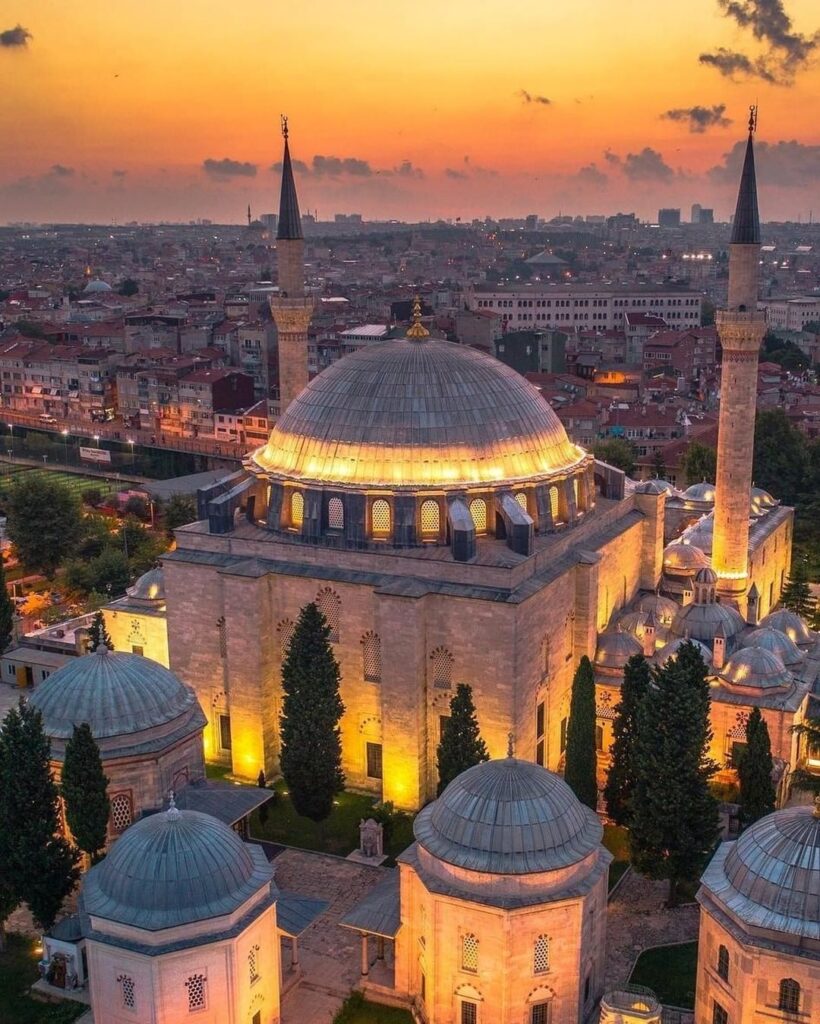
The magnificent Yavuz Sultan Selim Mosque in Istanbul, built by the famed architect Mimar Sinan in the 16th century, stands as a tribute from Suleiman the Magnificent to his father, Yavuz Sultan Selim. Sinan’s artistry shines in the mosque’s design, with intricate details both inside and out.
Perched on a high hill, the mosque’s grand dome and minarets rise proudly, marking the city’s skyline. It features a spacious courtyard and a large prayer hall, offering a serene space for worship. Visible from various parts of Istanbul, the mosque’s elevated location provides breathtaking views of the Bosphorus and the city below, making each visit a memorable experience.
18- Kariye Museum
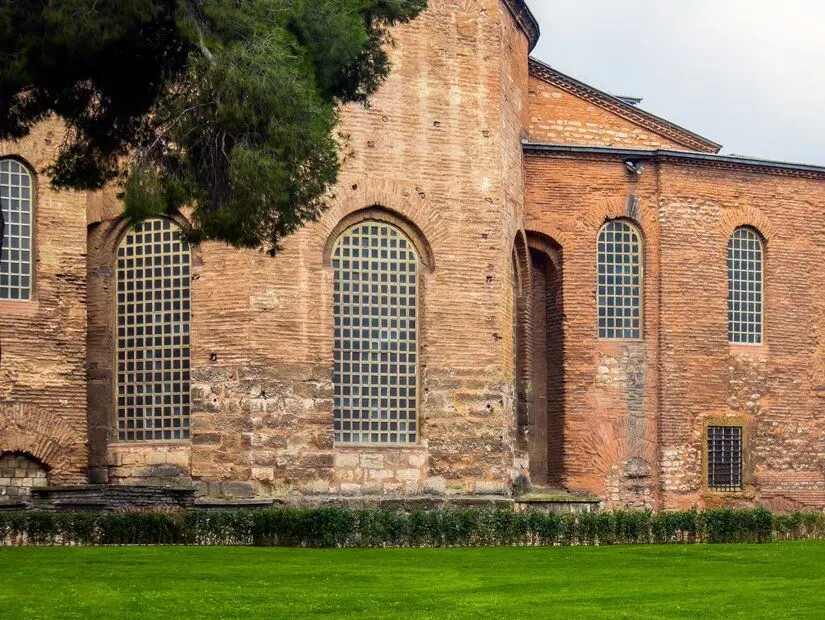
Istanbul’s art treasure, Kariye Museum, is a must-see for art lovers and history enthusiasts. It was built as a church in the 4th century as part of a monastery complex outside the walls of Istanbul. The structure, which has undergone many changes over time, is today part of a structure built as a church in the 11th century during the Byzantine period.
The Kariye Church was converted into a mosque after the conquest of Istanbul. In 1948, the Byzantine Institute of America sponsored the restoration of the Kariye Mosque, and in 1958 it began serving as a museum. When you visit the Kariye Museum, you can discover various mosaics from ancient Rome, relax in its peaceful garden and enjoy the view.
Kariye Museum 2024 entrance fee: Museum Card is valid. Entrance fee is 45 TL.
Opening hours: Open to visitors every day between 09:00-19:00.
19- Fatih Mosque and Complex – Tomb of Fatih Sultan Mehmed
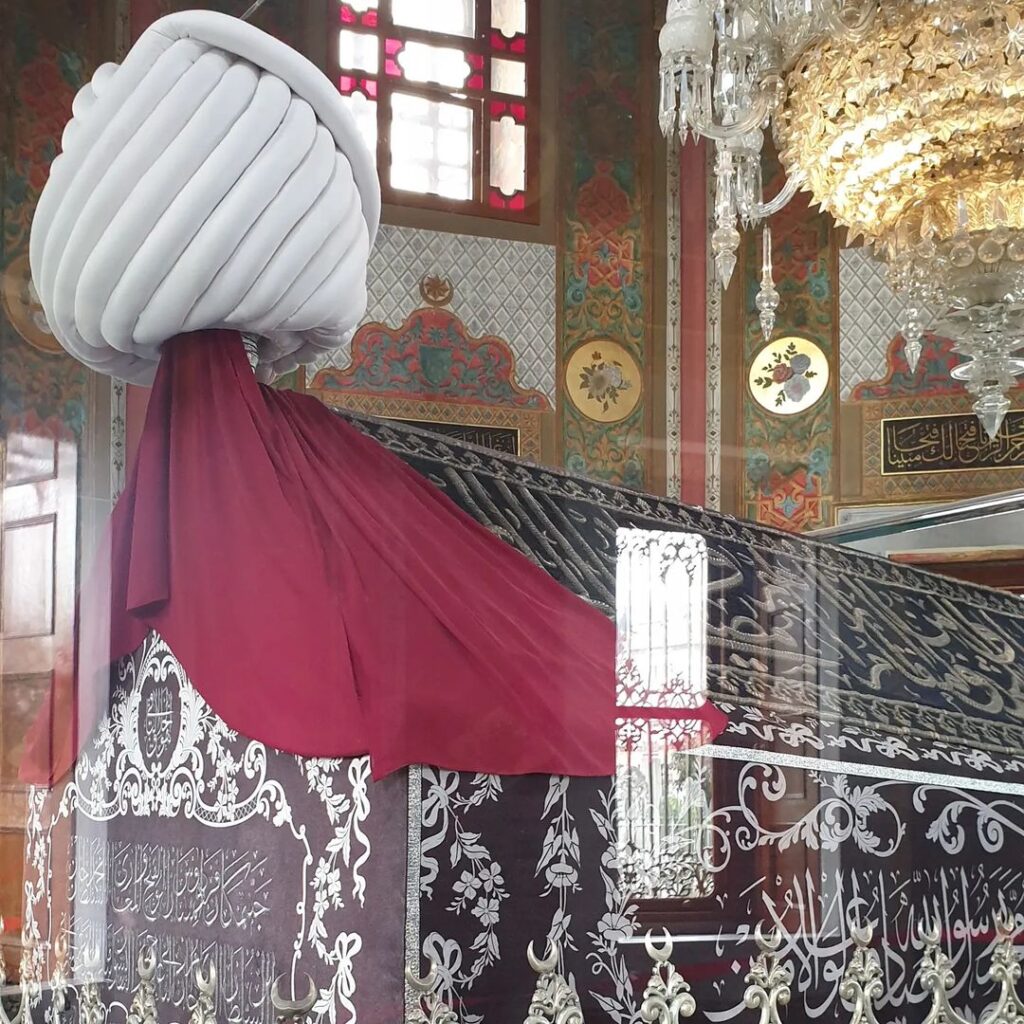
Completed in 1470, the Fatih Mosque was designed by the architect Atik Sinan. Over the years, the mosque has suffered earthquake damage and has been restored multiple times. Within the mosque is the Tomb of Fatih Sultan Mehmed, the resting place of the Ottoman Emperor Mehmed II. Today, the Fatih Mosque and its surrounding Complex serve as a significant religious center in Istanbul.The complex itself is more than just a place of worship; it includes a madrasah, soup kitchen, library, bath, and various social facilities. It continues to host active worship while also being a hub for cultural and religious events. During Ramadan, the mosque comes alive with special programs and iftar gatherings, adding a vibrant atmosphere to this historic landmark.
20- Yedikule Fortress Museum (Yedikule Dungeons)
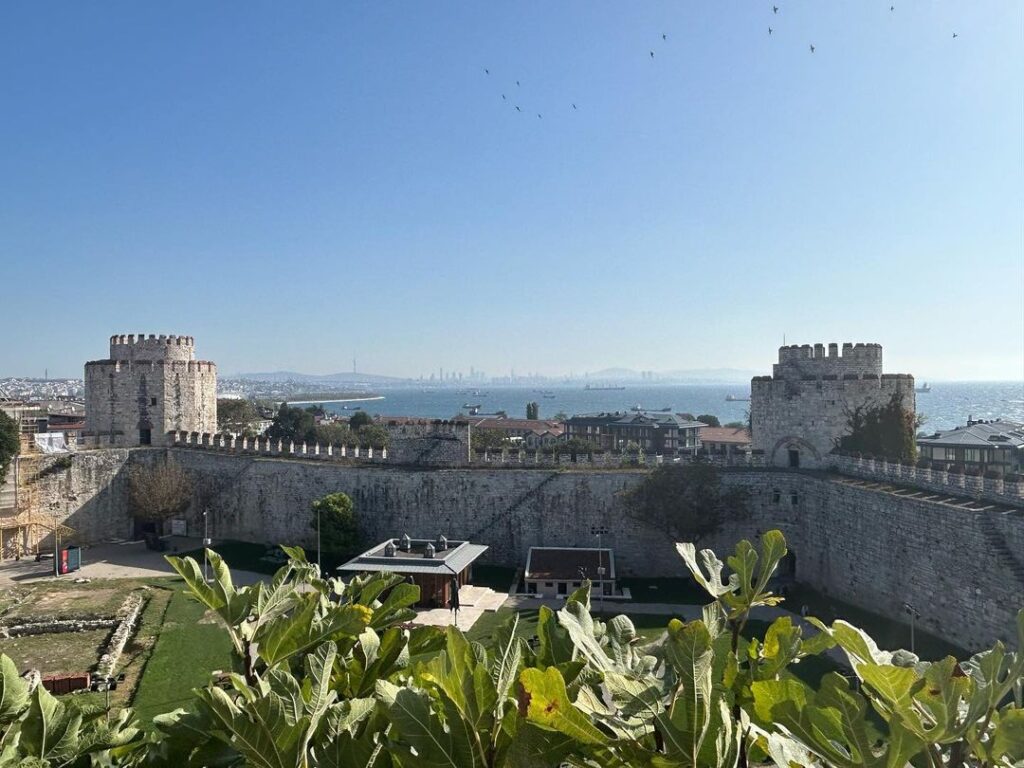
Yedikule Fortress Museum 2024 entrance fee:
- Currently, visits are free of charge with online reservations and a guide.
- There are both daytime tours and nighttime tours with flashlights.
- Visiting fee for visitors who come to day tours without booking online:
- Student 25 TL
- Local 50 TL
- 100 TL for foreigners
- Participation in night tours is only possible with online reservations.
Opening hours: You can follow the online sessions opened by the municipality on Saturdays and Sundays.
21- Molla Zeyrek Mosque (Pantocrator Monastery Church)
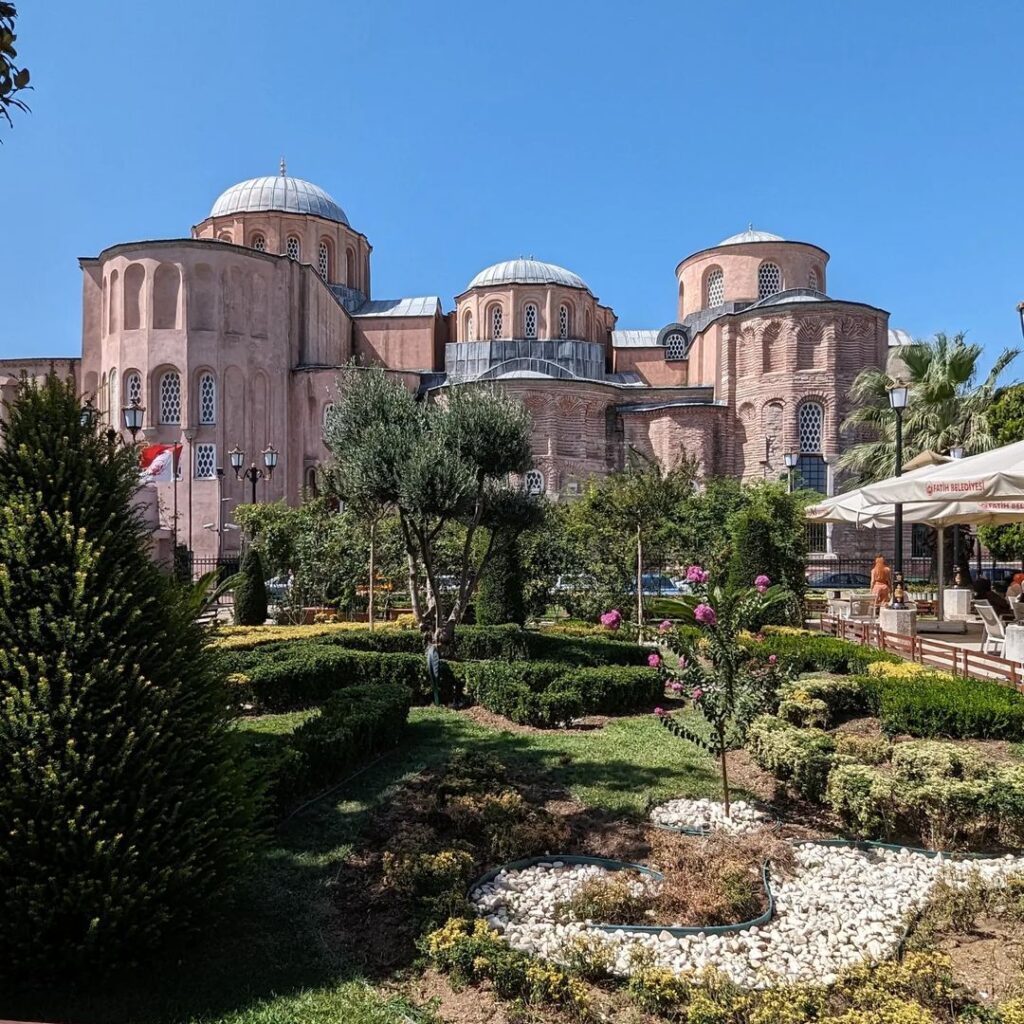
It is one of the Byzantine period structures that was converted from a monastery to a mosque after the conquest of Istanbul. It was built between 1118 and 1124 by the Byzantine Emperor John II and his family. It was built as the Pantokrator (i.e. Jesus Christ) Monastery, which included a church, library, and hospital structures with donations from Empress Irene Komnena.
The church, which was damaged by the Crusades until the conquest of Istanbul, was converted into a mosque and madrasah by Fatih Sultan Mehmet after the conquest of Istanbul. For this reason, it has architectural features that reflect both Byzantine and Ottoman traces.
22- Fatih Hirka-i Sharif Mosque
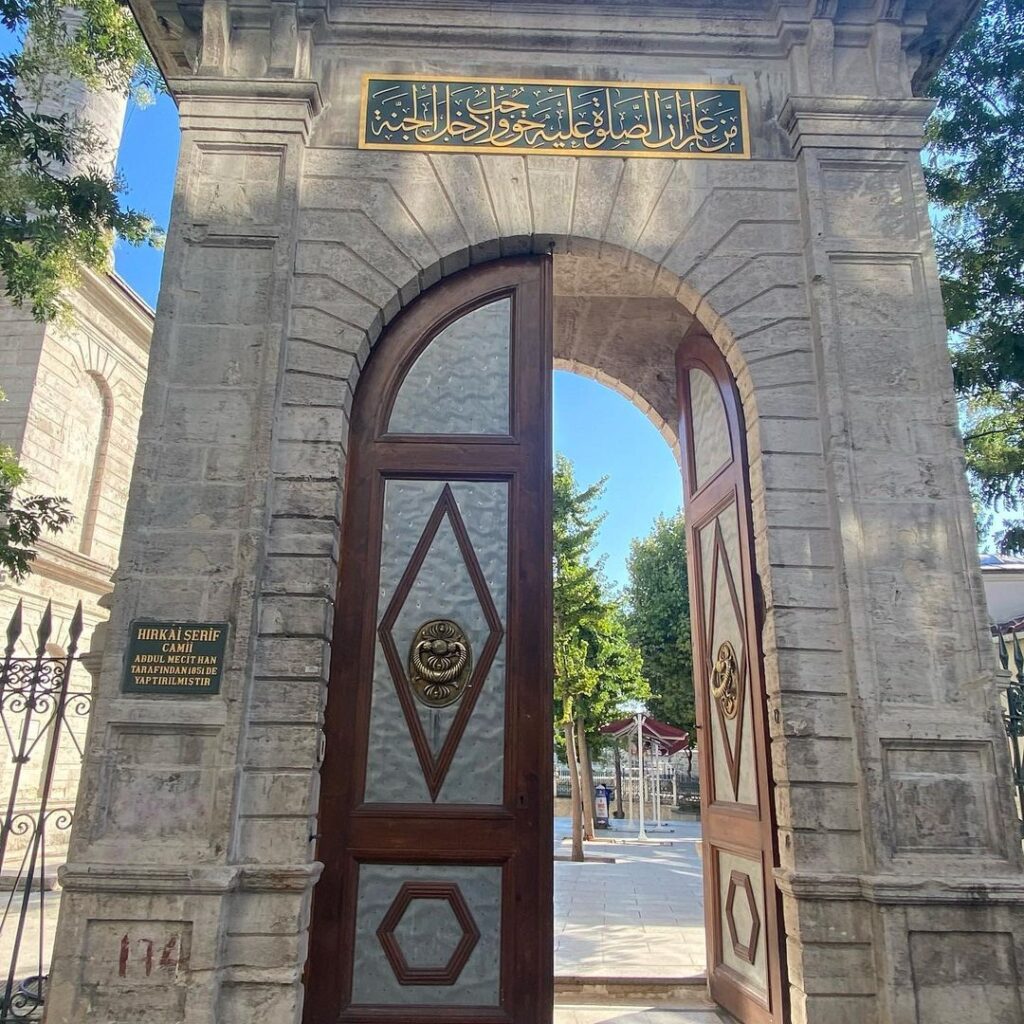
The Hırka-i Şerif Mosque is a beautiful example of Ottoman architecture. It was built in 1851. Inside the mosque is a piece of the sacred belongings of the Prophet Muhammad, called the Hırka-i Şerif. The Hırka-i Şerif Mosque was built by Sultan Abdulmecid to preserve and visit the cloak that the Prophet Muhammad gave to Veysel Karani.
Author’s Note: The section where the Hırka-i Şerif is located can only be visited during Ramadan.
23- Eminonu
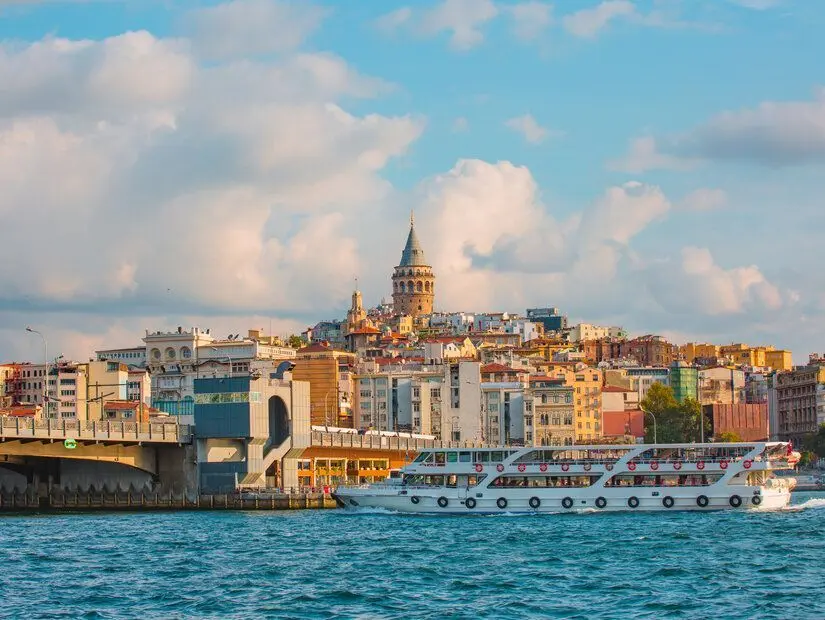
Eminönü is the place where Istanbul’s historical and cultural heritage is most concentrated. There are many historical buildings from the Roman, Byzantine, and Ottoman periods.
24- Eminonu Square
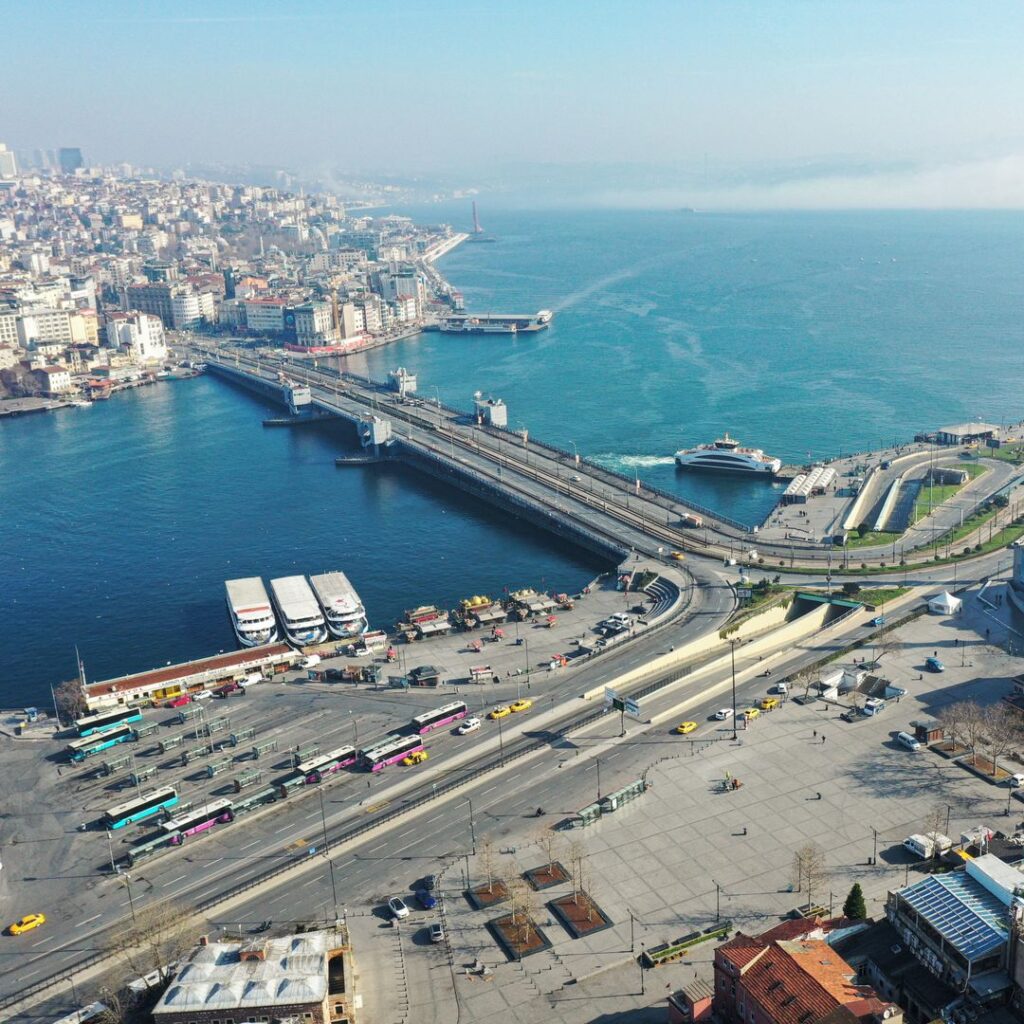
One of the liveliest squares in Istanbul and the heart of the region. Eminönü Square has formed a lively shopping and cultural center that connects the crowded streets. Stroll around the square and visit the historical buildings, buy snacks from street food vendors, and discover various souvenir shops.
25- Spice Bazaar
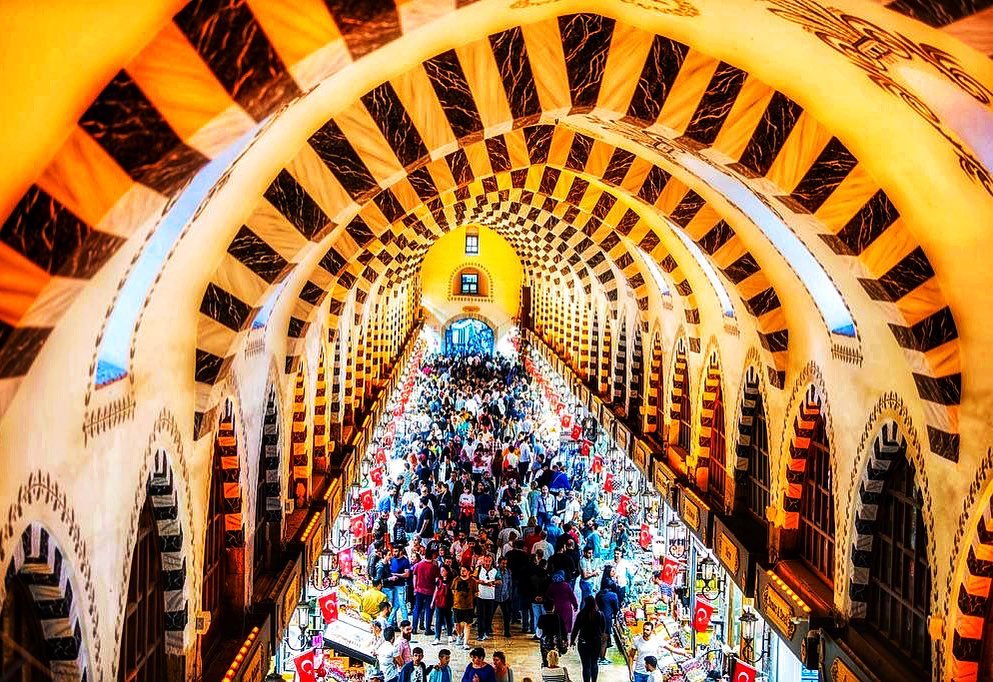
The most famous and colorful bazaar of Eminönü. Here you can find Turkish delight varieties, dried nuts, tea varieties, and many other local delicacies, spices, handicrafts. The Spice Bazaar was used for spice trade during the Ottoman period and still preserves its traditional bazaar atmosphere today. You can read our Spice Bazaar guide here.
26- New Mosque (Yeni Cami Mosque)
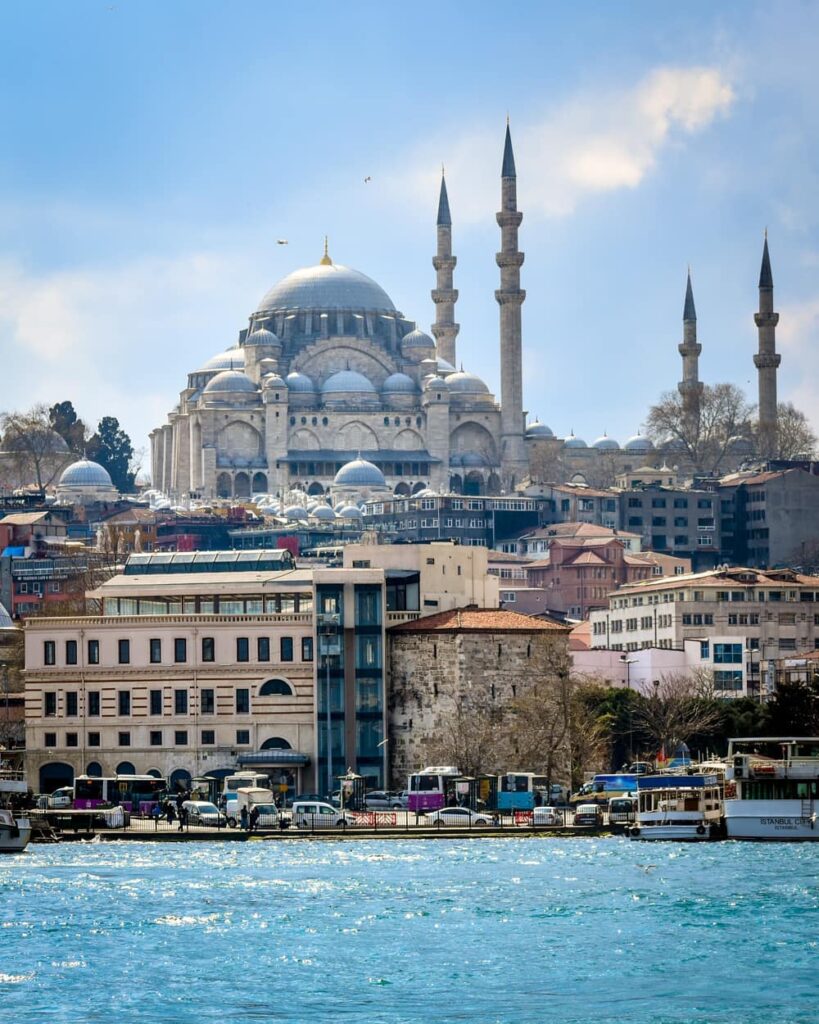
The New Mosque, the foundation of which was laid in 1597 by the order of Safiye Sultan, the wife of Sultan III. Murat and the mother of Sultan III. Mehmet is the last of the great mosques built by the Ottoman sultans. Its construction took 66 years to complete for various reasons. The striking mosque with a large courtyard, elegant domes, and impressive minarets is one of the most beautiful examples of Ottoman architecture. You can visit the mosque to discover the beauty of the interior and have a spiritual experience.
27- Eminonu Pier
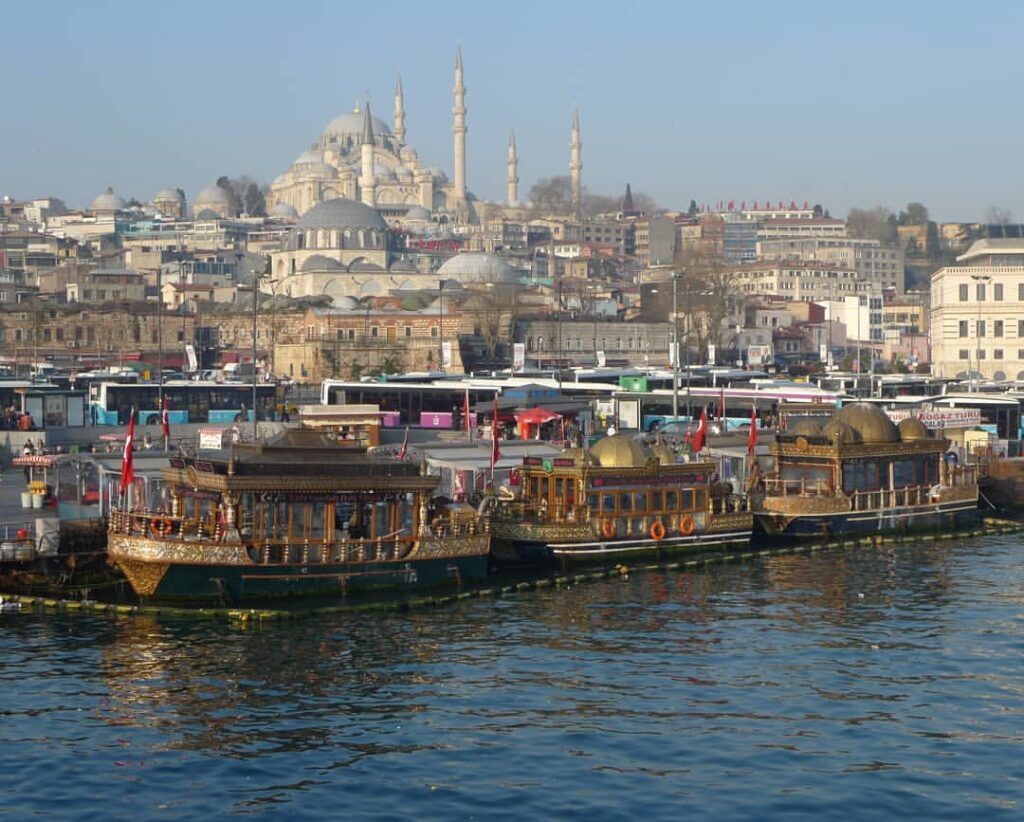
You can take a Bosphorus tour by taking ferries from Eminönü, which we can call the center of Istanbul’s maritime transportation, reach different Istanbul districts, and explore the islands.
28- Fener-Balat Districts
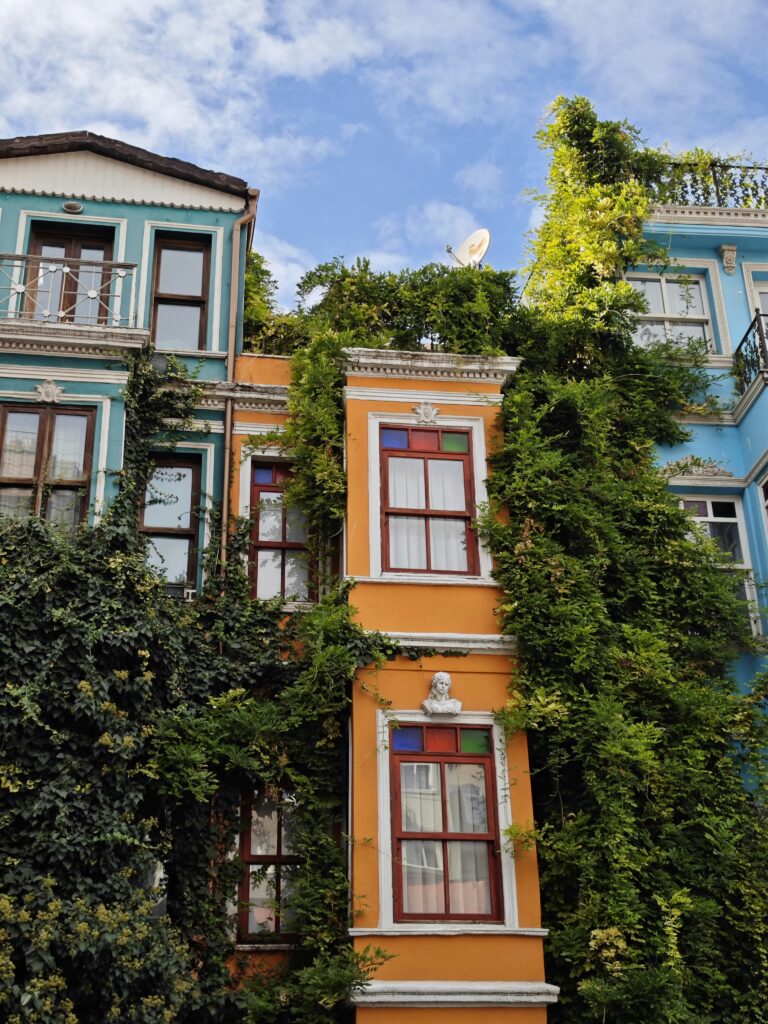
Fener and Balat districts are the historical districts of Istanbul. They stand out with their narrow streets, colorful houses, historical texture, and religious buildings. In the past, Greeks lived mostly in Fener and Jews lived in Balat.
With a pleasant cultural route of a few hours, you can discover colorful houses, historical buildings, and cute cafes in the Balat and Fener districts of Fatih. There are also various art galleries, antique shops, and boutique stores in this area. While walking around these streets, you can buy local handicrafts or find unique souvenirs.
29- Fener Greek Orthodox Patriarchate
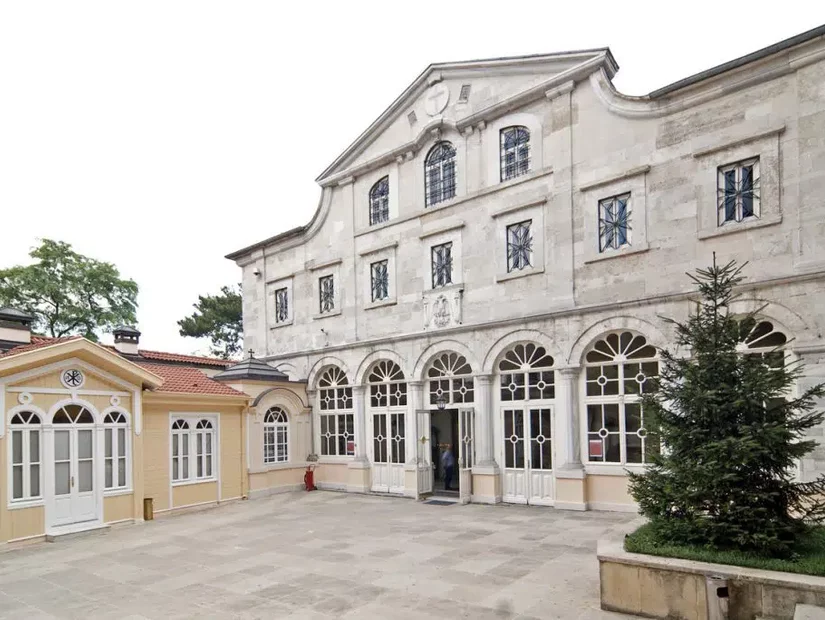
Fener is home to the Fener Greek Orthodox Patriarchate, the community center of Orthodox Christians in Istanbul. This patriarchate, which also has impressive architecture, stands out with its historical and religious importance.
Opening hours: Weekdays and Saturdays 08:30-16:00, Sundays 12:30-16:00 as there is a mass before noon.
30- Fener Greek Boys High School (Red School)
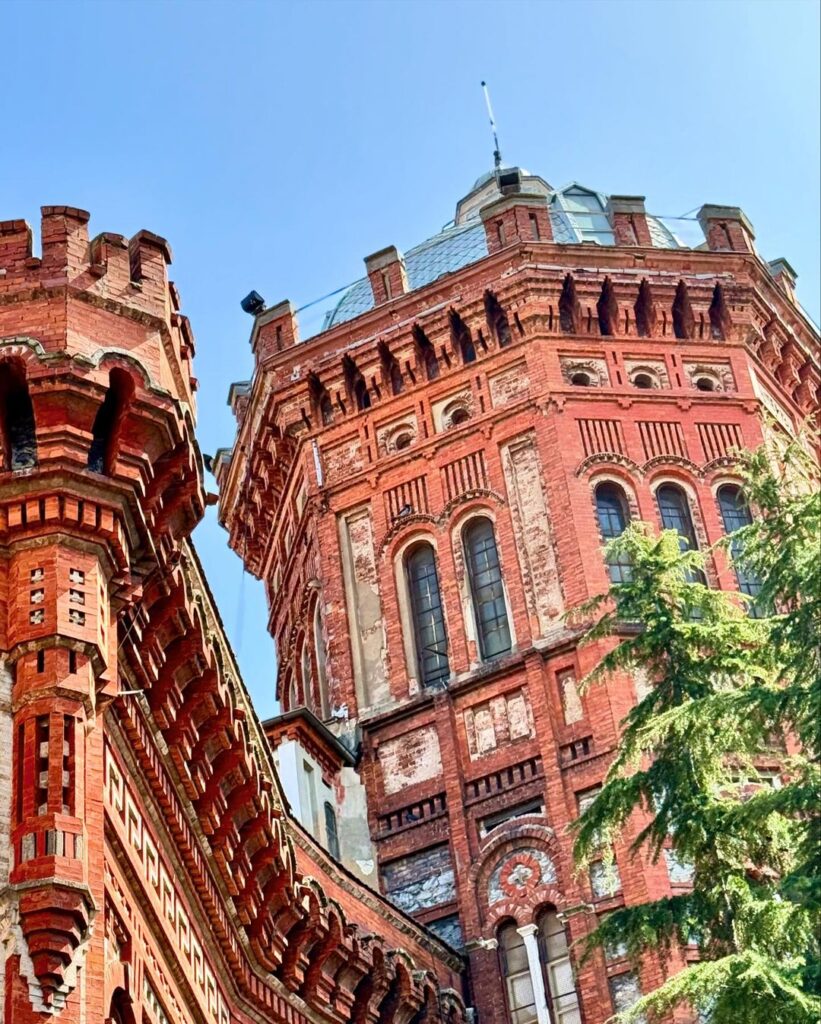
One of the symbolic structures of this region, Fener Greek Boys High School, was built during the Ottoman period. It is also known as the ‘Red School’ among the public because it is made of red bricks. The high school, which has been restored over the years, has magnificent architecture. You can walk outside the building or enjoy the historical atmosphere. In addition, some events and exhibitions may be held during certain periods of the year, which can make your visit even more special.
Opening hours: Fener Greek Boys High School is closed to outside visitors. Special permission is required to visit.
31- Kiremit Street
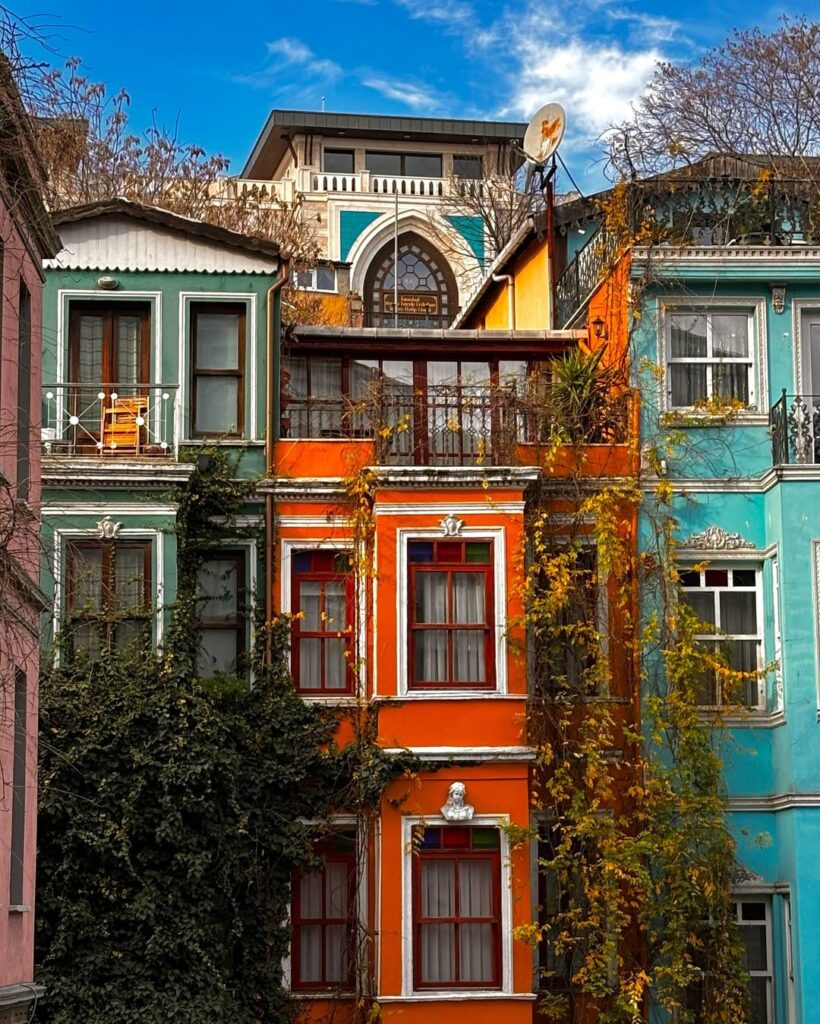
Kiremit Street, one of the most famous streets of Balat, is known for its colorful houses. Here you will be amazed by the beauty of the houses and walls in different colors.
32- Stevi Stefan Bulgarian Church (Iron Church)
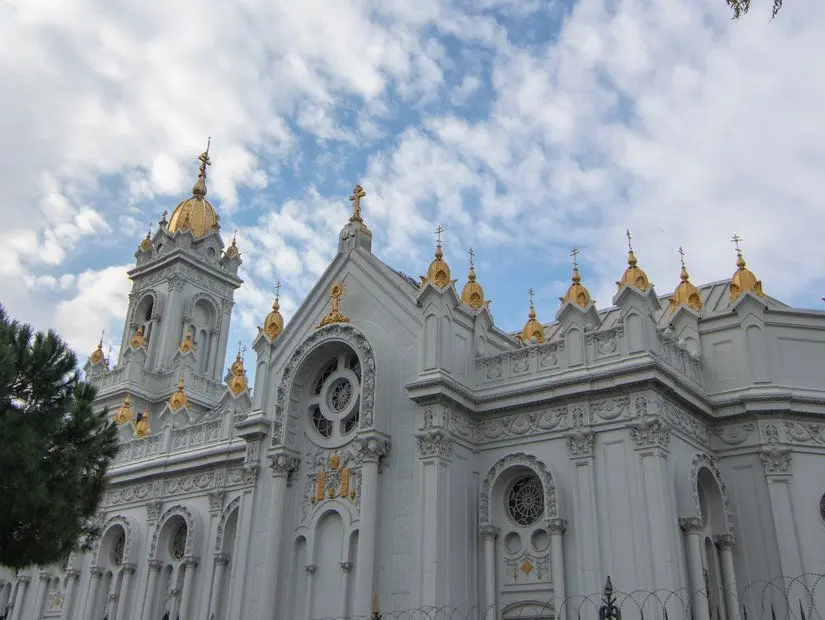
The only church in the world made entirely of iron that is still active, the Bulgarian Stevi Stefan Church, was built in the Golden Horn in the 19th century with special permission from Sultan Abdulaziz to the Bulgarians. It was cast in Vienna and assembled on the shores of the Golden Horn. With its magnificent structure decorating the shores of the Golden Horn, it is one of the structures to be visited on the Fener-Balat route.
Opening hours: Every day 08.00 – 17.00
33- Samatya
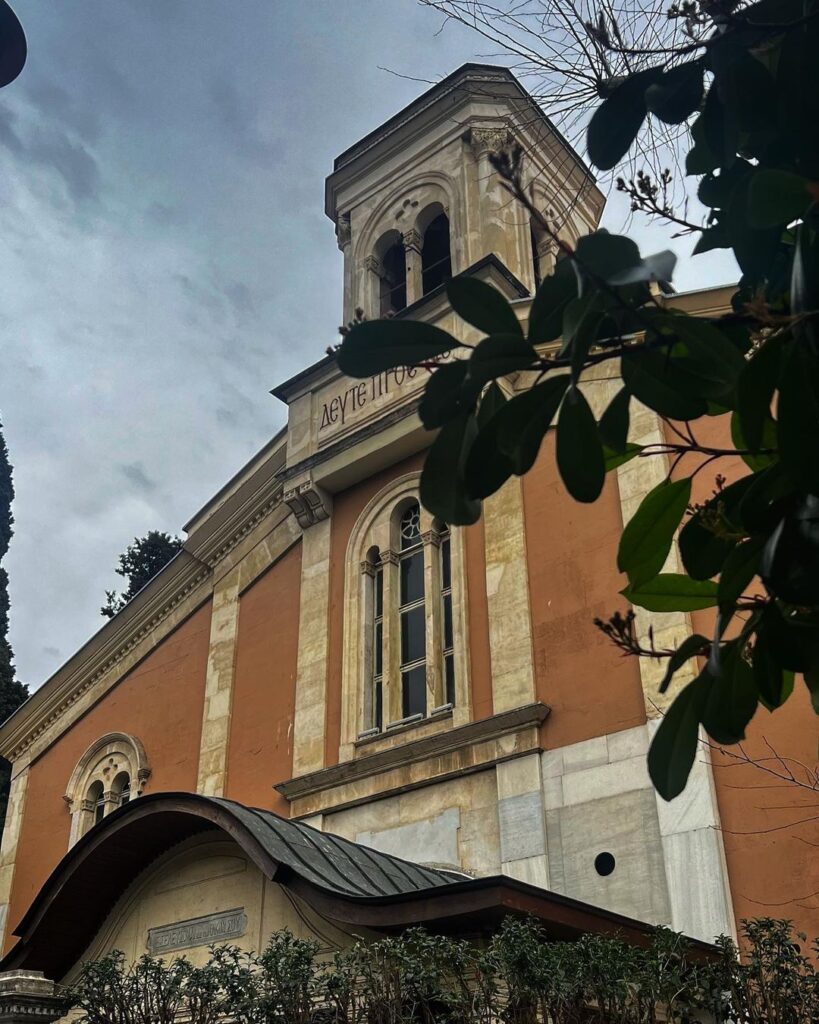
Samatya is one of the historical districts of Istanbul and has a deep-rooted history dating back to the Byzantine period. Although the official name of Samatya is Kocamustafapaşa, the region is known as Samatya.
Samatya streets reveal traces of history with its historical buildings, old houses, churches, mosques, and baths. The district has hosted Armenian and Levantine populations for many years.
34- Surp Kevork Armenian Church
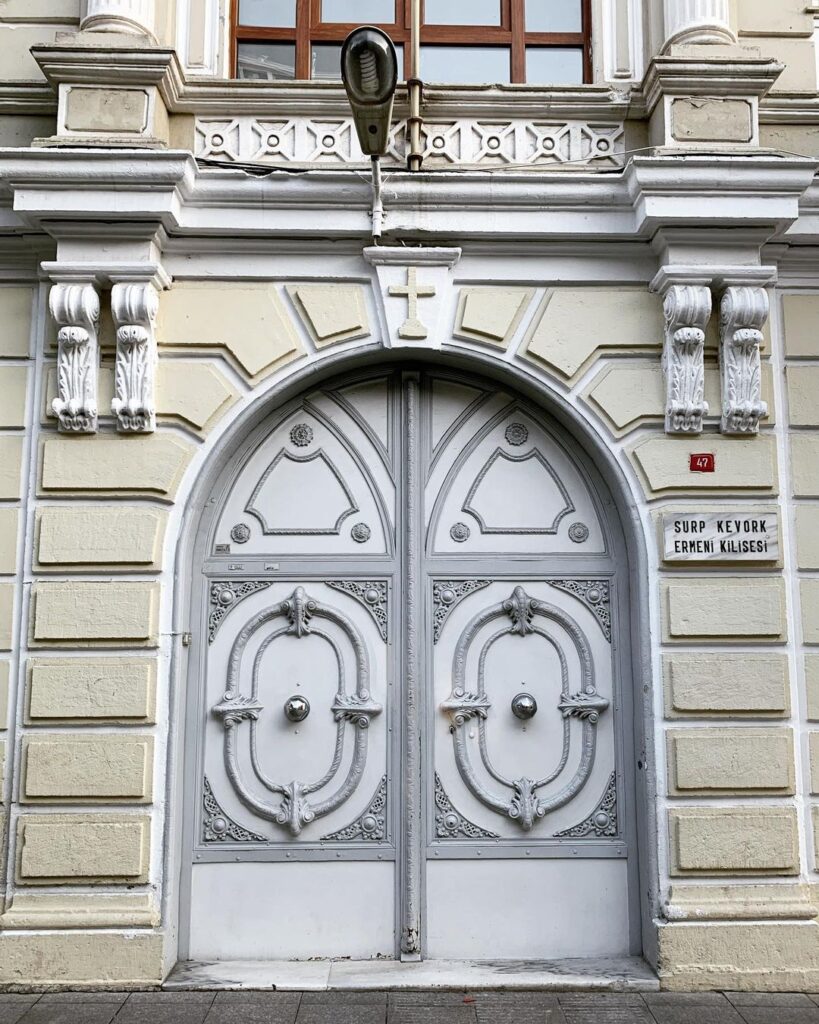
It was built between 1866-1887 on the site of an old Byzantine church and monastery from the 11th century. It is also known as the ‘Watery Monastery’ due to the holy spring and large cistern underneath. The church was affected by fires and wars over time and was restored many times. After the conquest of Istanbul, the Armenians living in Bursa were settled in Samatya by Fatih Sultan Mehmet, and the church was given to the Armenians.
Author’s Note: Also home to historical structures such as Aya Menas Church, Studios Monastery, and Narlıkapı, Samatya attracts the attention of local and foreign tourists with its seafood restaurants and taverns.
35- Kumkapi
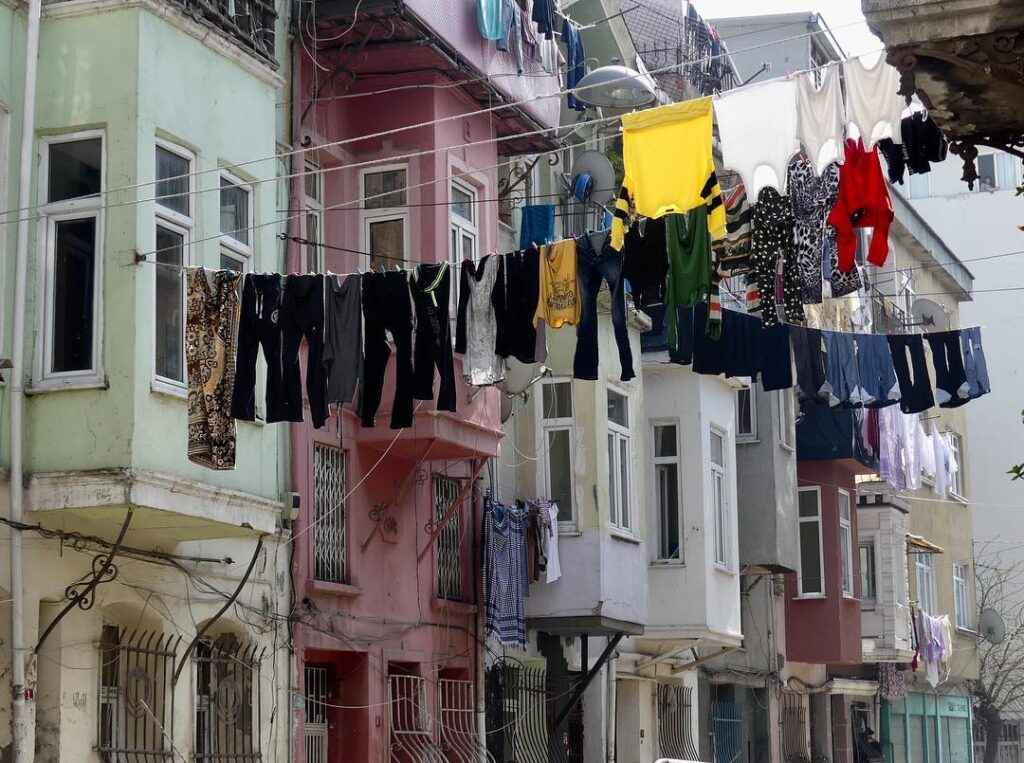
Kumkapı is one of the historical districts of the Historical Peninsula in the Fatih district of Istanbul, which is located on the coast. It was used as a port during the Byzantine period. Until recently, Armenians lived here in large numbers. After the conquest of Istanbul, the Armenian Patriarchate, which was established in Samatya, was transferred to Kumkapı in 1641, and today, the spiritual center of the Armenians of Turkey continues to be here.
36- Historical Kumkapi Fishermen’s Bazaar
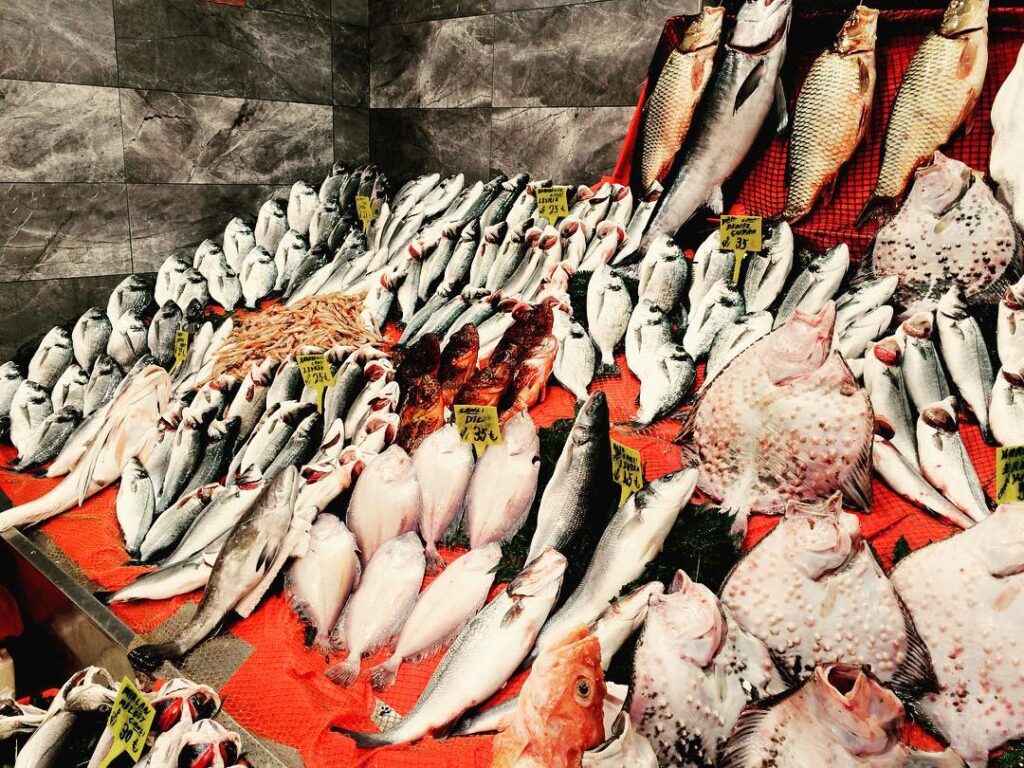
One of the most famous spots in Kumkapi, historical Fishermen’s Bazaar is famous for its fresh seafood. Here you can find fishing boats, a fish market, and restaurants. You can especially have a delicious dinner at fish restaurants.
37- Vefa
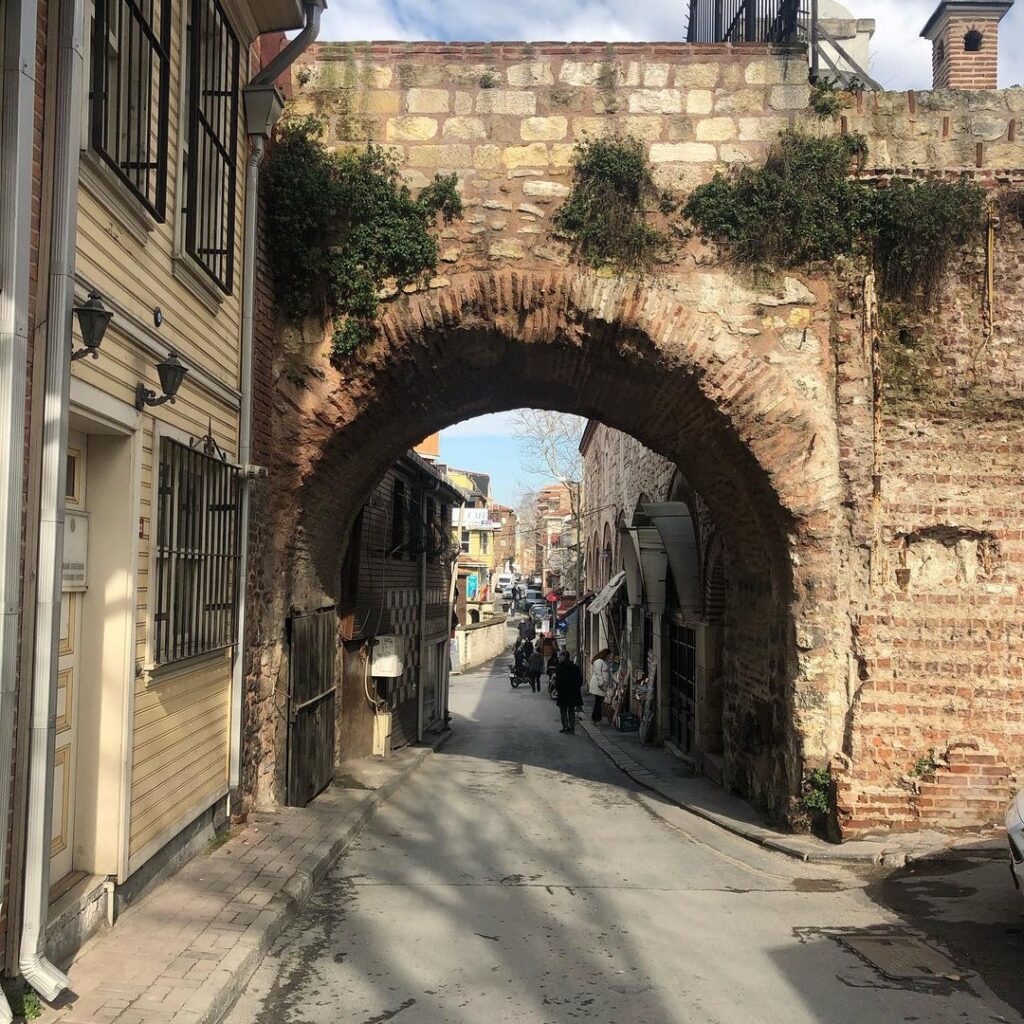
The Vefa district is one of the districts that contain the cultural richness of Fatih, whose history dates back to Byzantium. While it was a district where bureaucrats and merchants lived during the Byzantine and Ottoman periods, today it is on its way to becoming a district that has lost its popularity except for a few historical structures.
38- Historical Vefa Bozacı
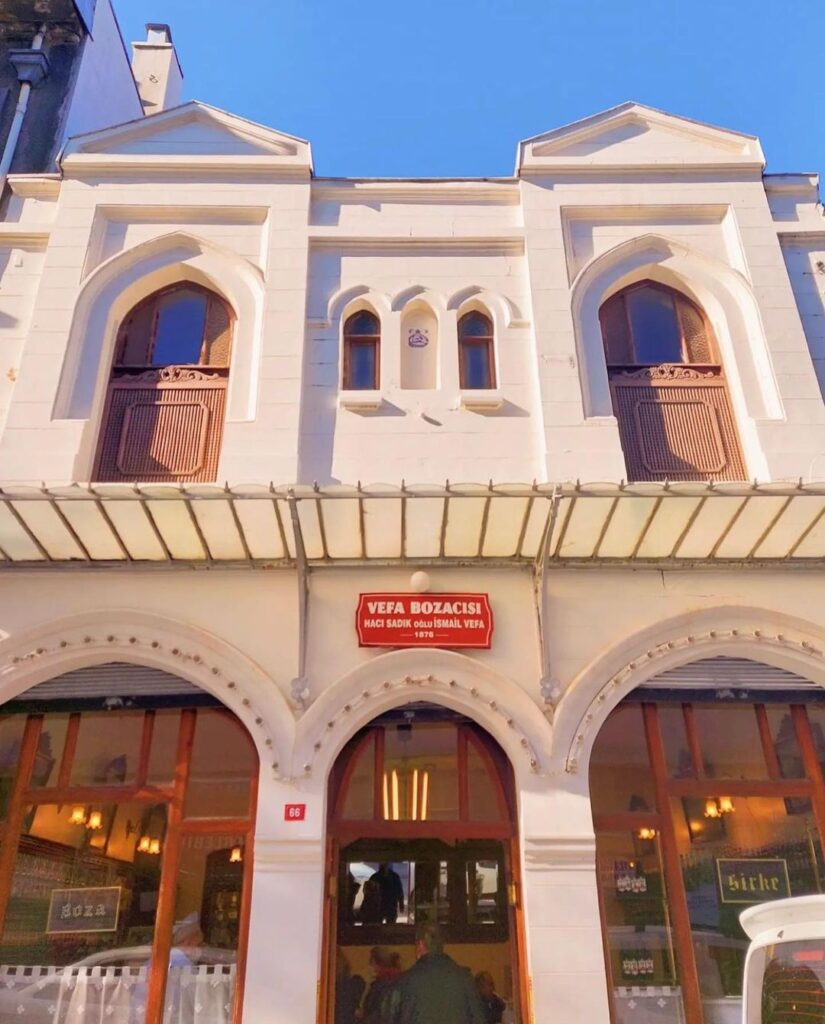
When it comes to boza, the first thing that comes to mind is the Vefa district, which has been home to the Historical Vefa Bozacisi since 1876. The Vefa district is identified with the famous Vefa Bozacisi. Here, you can enjoy boza, a traditional Turkish drink. Boza is a drink that is especially preferred in winter.
Opening hours: Open every day between 10:00-22:00.
39- Aqueduct of Valens
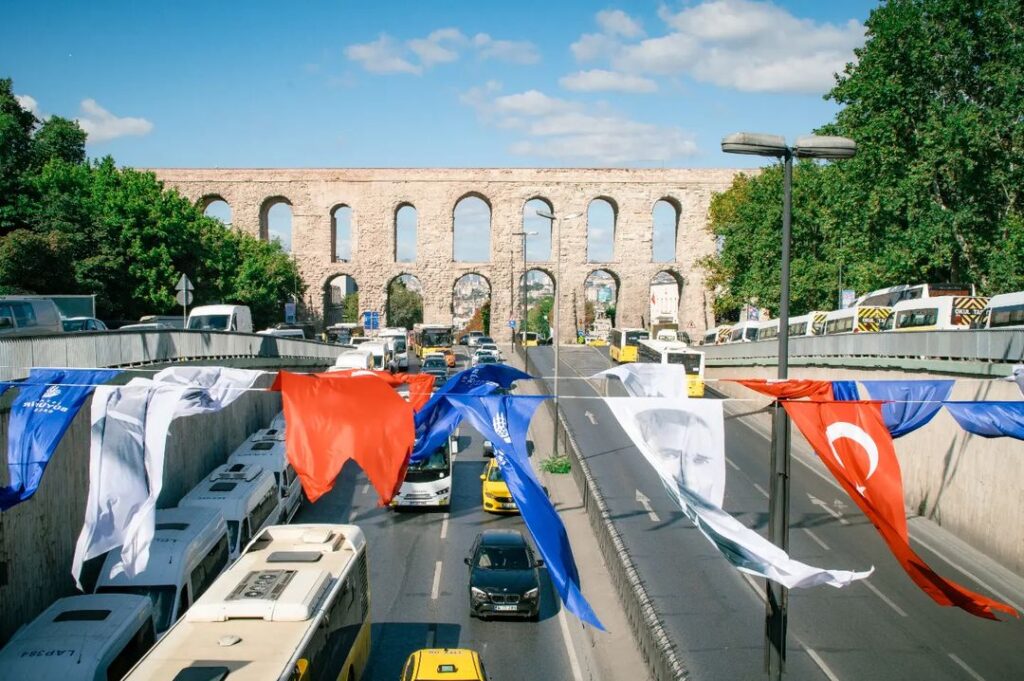
It was built by the Byzantine Emperor Valens in the late 4th century to meet the city’s water needs. Today, only a portion of it remains standing as a structure that adds beauty to the city’s visual appeal.
40- Column of Marcian (Markianos Sütunu)
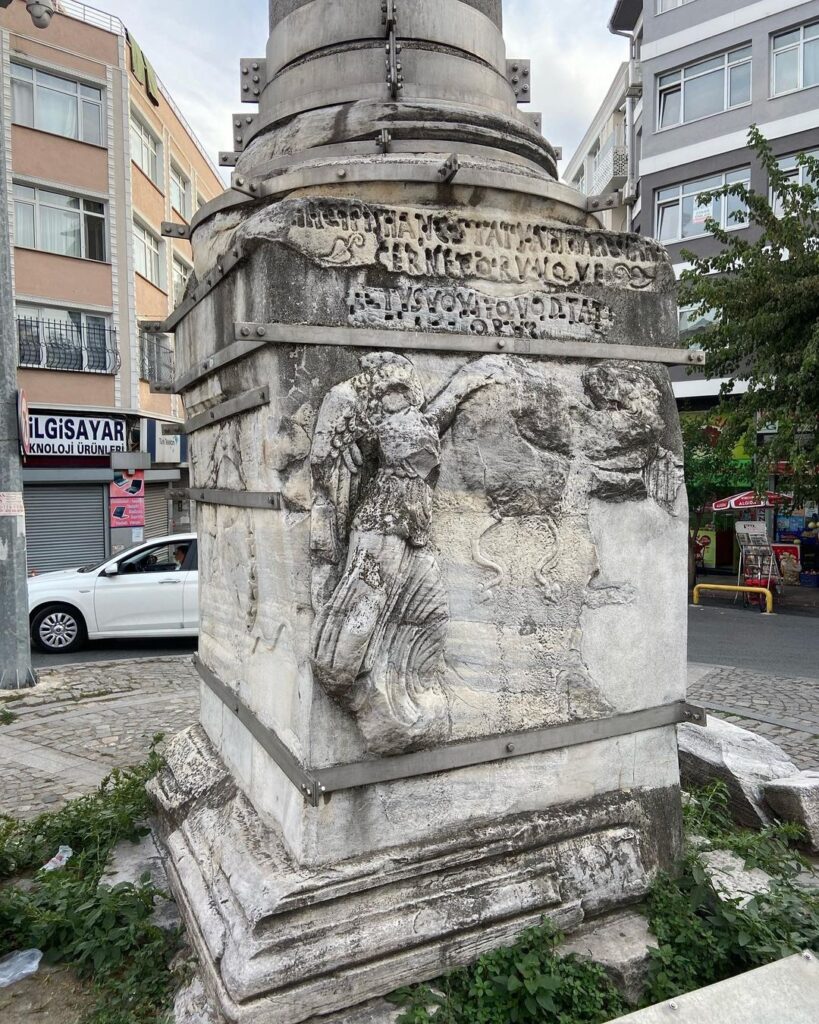
It was erected in 455 AD in memory of the Roman Emperor Markianos. Kıztaşı, one of the first Turkish neighborhoods after the conquest of Istanbul, takes its name from this column. The structure, which is one of the few monumental columns remaining from the Roman period, has managed to survive to the present day.
FAQs: Places to Visit in Fatih Istanbul
1) What are the absolute must-see places in Fatih?
Hagia Sophia, Blue Mosque, Topkapı Palace, Basilica Cistern, Grand Bazaar, Süleymaniye Mosque, and the Spice Bazaar (Mısır Çarşısı).
2) Is everything walkable from Sultanahmet?
Mostly yes. Hagia Sophia, Blue Mosque, Hippodrome, Basilica Cistern, and Topkapı are within a 5–10 minute walk of each other.
3) Which museum should I prioritize if I have only half a day?
Topkapı Palace (plus Harem) or the Istanbul Archaeology Museums next door for a quicker but artifact-rich option.
4) Where are the best viewpoints in Fatih?
Süleymaniye Mosque courtyard and surrounding streets; also catch the Golden Horn views near the Galata Bridge from the Eminönü side.
5) Is the Grand Bazaar open on Sundays?
No, the Grand Bazaar is typically closed on Sundays. The Spice Bazaar is usually open.
6) What’s the difference between the Grand Bazaar and the Spice Bazaar?
Grand Bazaar: jewelry, carpets, leather, souvenirs in a warren of covered lanes.
Spice Bazaar: spices, sweets, tea, nuts, and gourmet gifts—smaller but atmospheric.
7) Do I need a dress code for mosques in Fatih?
Yes. Shoulders and knees covered; women cover hair. Scarves are usually available at major mosques.
8) Are there lesser-known gems in Fatih?
Şerefiye (Theodosius) Cistern, Little Hagia Sophia, Rüstem Paşa Mosque, Zeyrek Mosque & hill, and the Balat–Fener streets.
9) Can I visit the Chora (Kariye) site?
Yes, but status and access to mosaics can vary due to ongoing works. Go for the neighborhood ambience even if interiors are limited.
10) How do I move between sights quickly?
Use T1 tram (Sultanahmet–Gülhane–Eminönü), then walk. Ferries from Eminönü are great for scenic breaks.
11) What’s good for kids in Fatih?
Basilica Cistern’s moody columns, Gulhane Park for a breather, and the Archaeology Museums’ sarcophagi and ancient animals.
12) Any tips for visiting Topkapı Palace efficiently?
Arrive early, go straight to the Harem and Treasury, then circle back to courtyards and views over the Bosphorus.
13) Where to eat near Sultanahmet without falling into tourist traps?
Detour a few blocks off the squares or head toward Sirkeci/Eminönü for classic lokantas and pide spots.
14) What time is best to photograph Blue Mosque and Hagia Sophia?
Golden hour and after sunset—monuments glow and crowds thin.
- What to Wear in a Turkish Bath (2026): Ultimate Hammam Dress Code & Massage Etiquette
- 2026 Turkey Travel Tips: Useful Things to Know From A Local
- 2026 Turkey Packing List: Essential Travel Items and Tips

- Where To Stay In Bodrum (2026): Best Neighborhood & Top Hotel Picks
- 22 Top Turkish Cosmetics Brands (2026 Edition)