
Travel writing based on first-hand experience
Discover the top 12 unique things to buy in Egypt, from papyrus art and alabaster statues to Egyptian cotton and spices. Get expert tips on where to shop and how to find authentic treasures.
| ➡️Before you zip the bag and head to the airport, run through a practical Egypt packing list — the items that make exploring temples comfortable, desert walks bearable, and long travel days surprisingly smooth. ➡️If you want the best shopping in Cairo, here is our guide to the best places to browse, buy, haggle, and probably get distracted for hours. ➡️ Before travelling, it helps to know the small practical details that rarely make it into guidebooks, which is why our Egypt travel tips cover local rhythm, transport, money, timing, and everyday situations that first-time visitors often underestimate. ➡️ Clothing in Egypt depends heavily on season, city, and context: our what to wear in Egypt guide explains what feels comfortable, respectful, and genuinely practical from Cairo streets to coastal resorts. ➡️ Cairo becomes far more interesting once you step slightly sideways from the obvious route, and these hidden gems in Cairo reveal quieter corners, overlooked districts, and places many visitors never reach. ➡️ If you are trying to connect Cairo, the coast, ancient sites, and slower stops into one coherent route, our 14 days Egypt itinerary help shape days without turning the trip into a rush. |
Table of Contents
Chicha
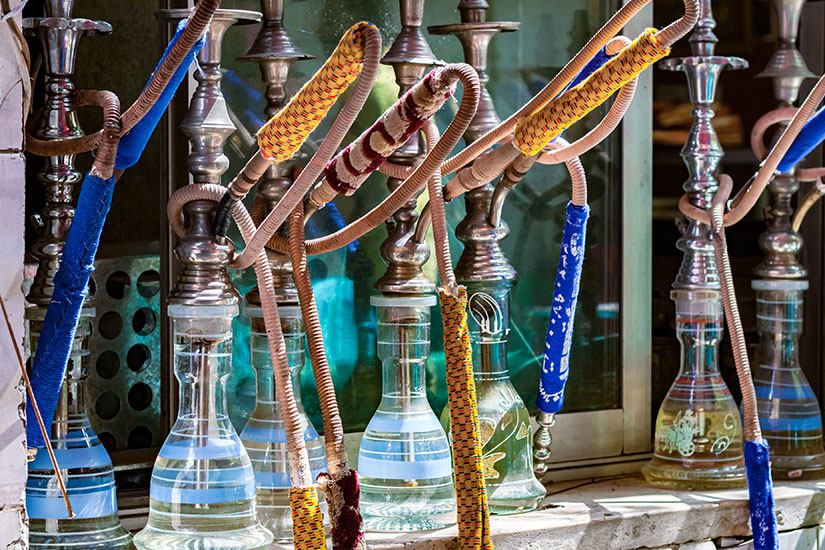
Chicha, also known as hookah or water pipe, is a popular item used for smoking flavored tobacco through water. This tradition is deeply rooted in Arab countries, making chichas commonly available in restaurants, tea rooms, and stores across Egypt. They vary in size and design, often featuring hand-painted Egyptian motifs, especially in craft stores. A great place to buy chichas at a fair price is the Khalili market in Cairo, which offers a diverse selection.
Egyptian craftsmanship
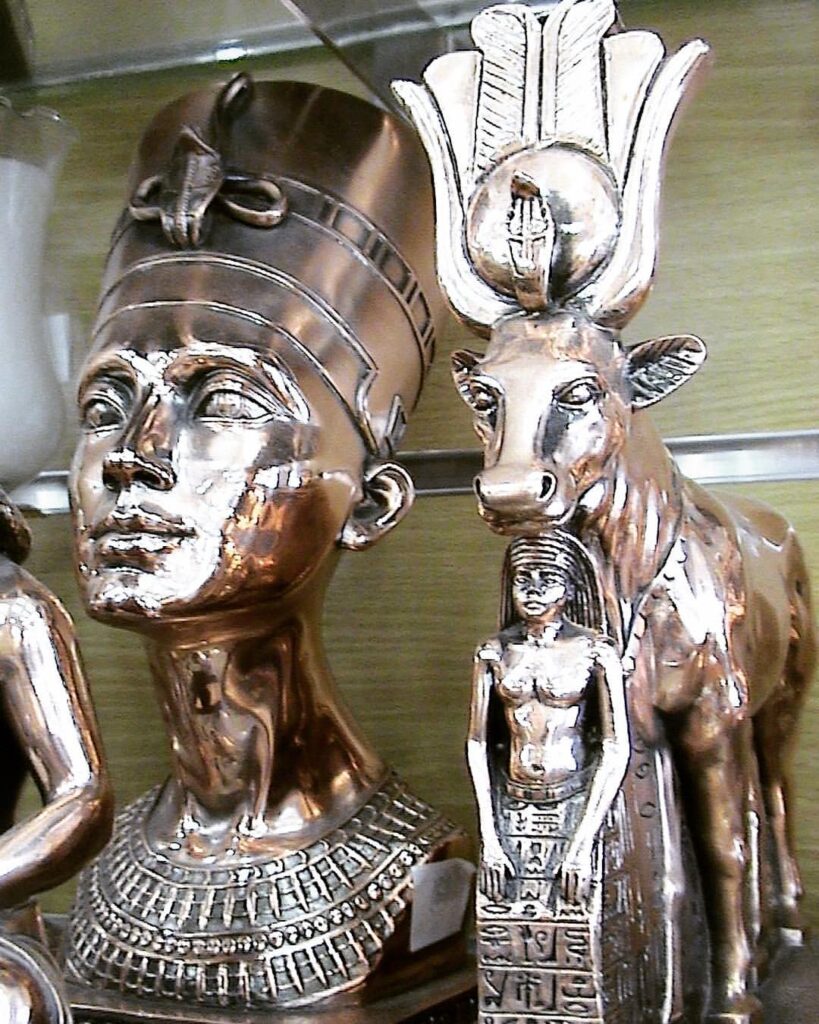
Egyptian craftsmanship, with a history dating back to ancient times, is renowned for its ceramics. Popular items include statues of pharaohs like Tutankhamun or Nefertiti, mini pyramids made of clay, and ceramic tiles depicting ancient Egyptian scenes. You’ll often find craft stalls right at the entrances of homes in towns along the Nile.
Papyrus
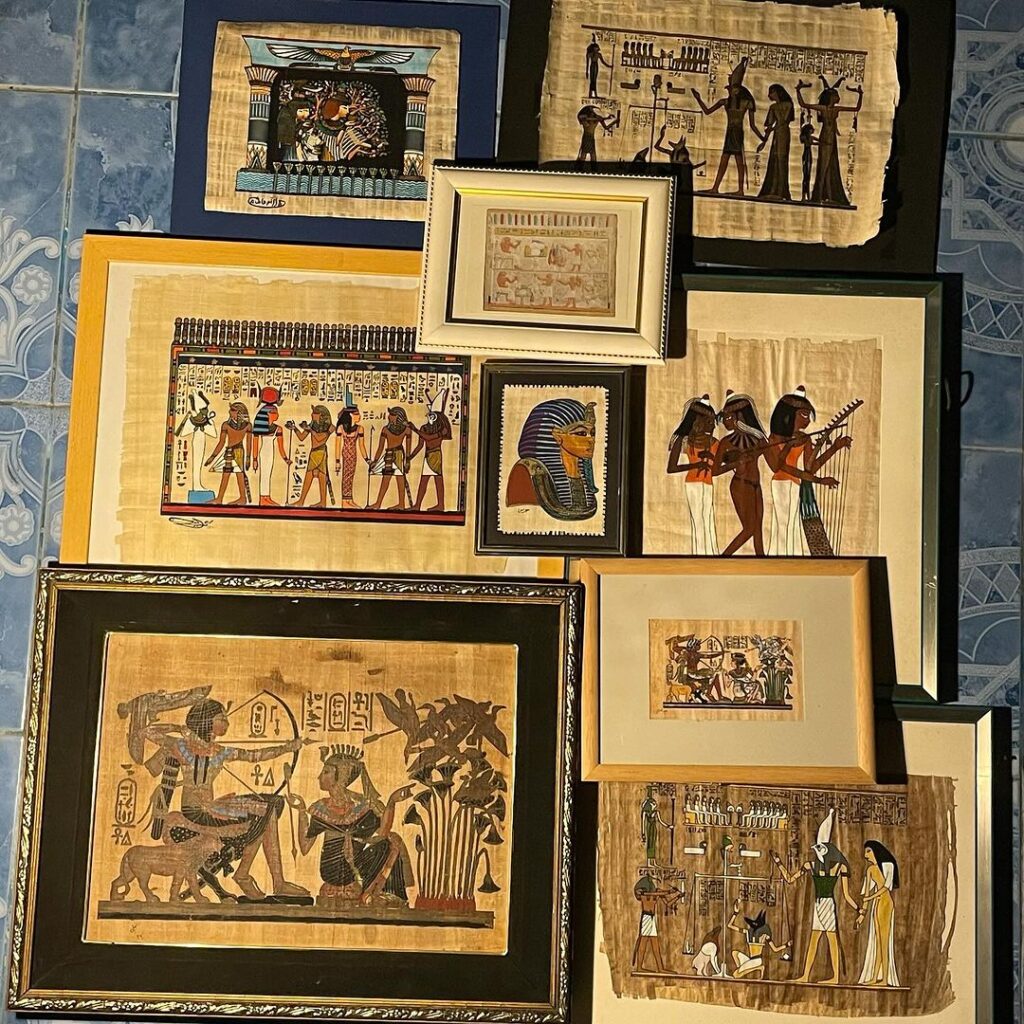
Papyrus, known for its role in recording ancient society’s significant deeds, is another iconic Egyptian product. It’s best to purchase these from reputable shops rather than street vendors to avoid fakes. A simple test to determine if a papyrus is genuine is to dampen your finger and see if the paper absorbs the water—if it doesn’t, it’s likely authentic. Framed it can be unique home decor reminding you of your visit to Egypt.
Djellabas
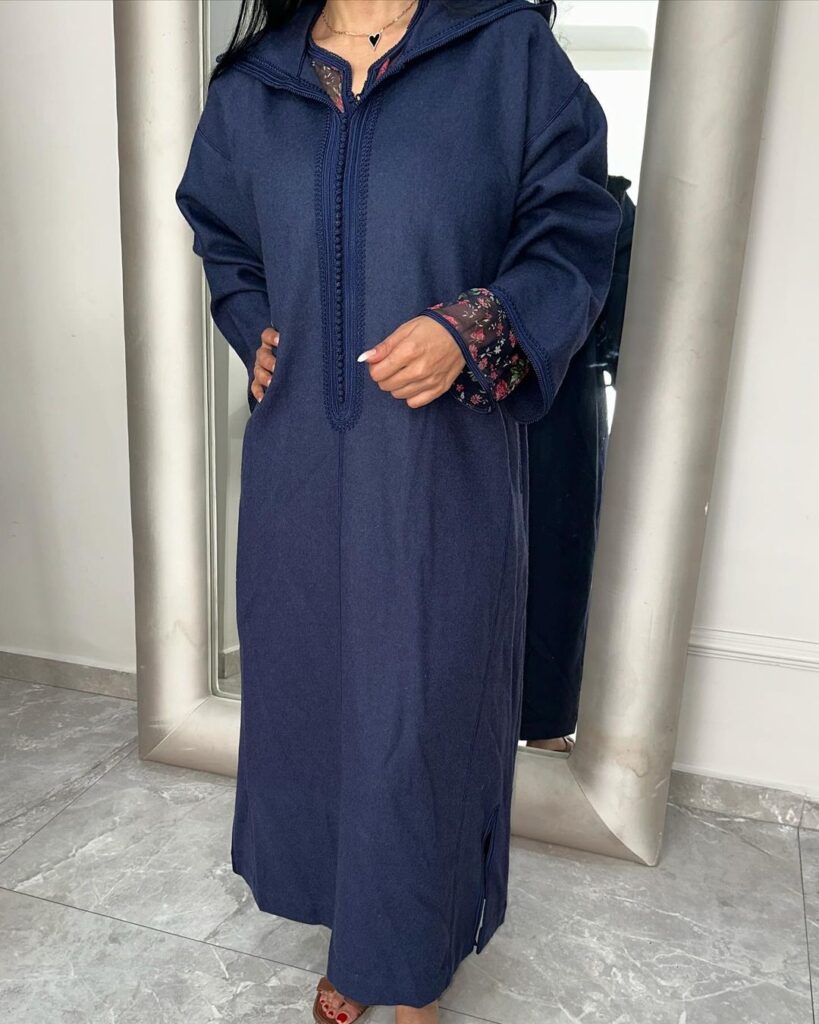
Djellabas are essential Egyptian outfits, long tunics that cover from head to toe. Men’s djellabas are typically white with red patterns around the neck, while women can pick from a variety of colors and embroideries. The price varies based on whether it’s made of wool or cotton and the design complexity.
Visiting Egypt often involves attending a djellaba party, making it a popular purchase among tourists. You can find them in textile stores near the Nile and Cairo’s more traditional markets.
Perfumes
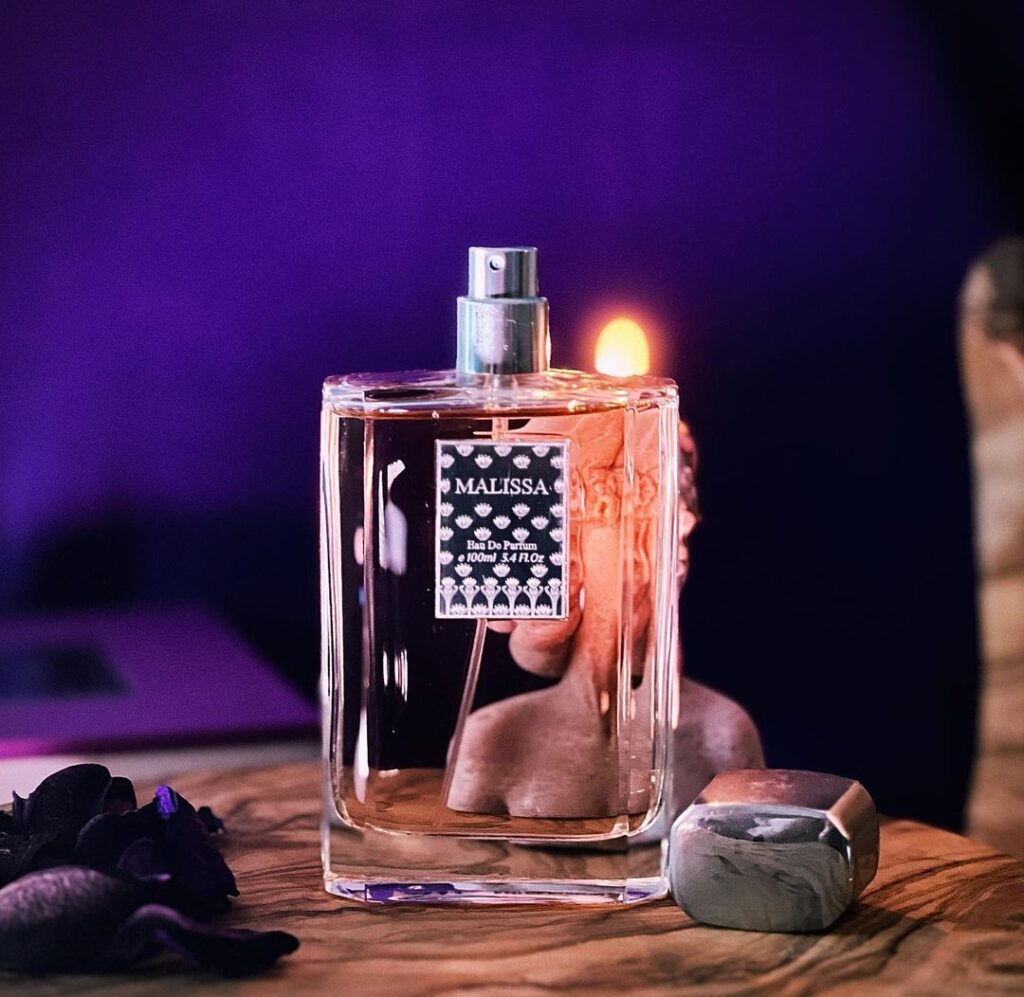
Perfumes are also highly sought after by visitors. Major Egyptian cities like Cairo and Alexandria have numerous perfume shops. On guided tours, it’s common to stop at specialized perfume houses. Purchasing from these places is recommended for authenticity, avoiding watered-down versions. Al Amir Parfums Palace, known for “Secrets of the Desert,” is a reputable store near Giza, certified by the government.
Jewelry
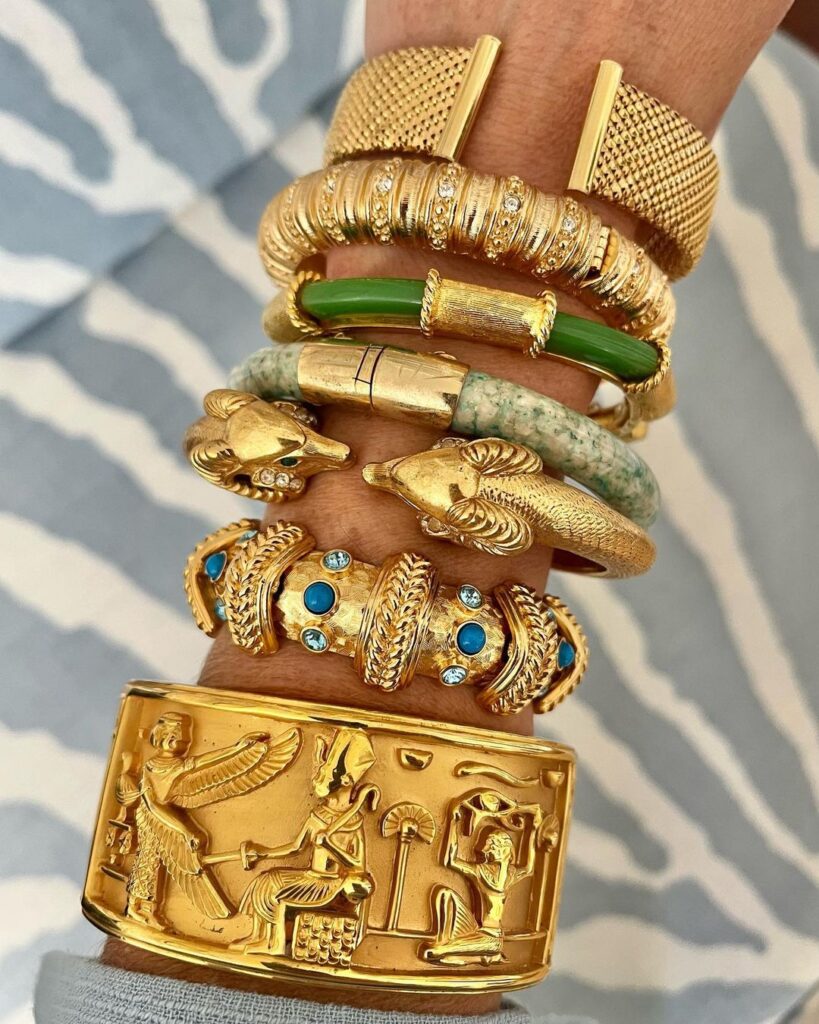
Jewelry has a significant history in Egypt, initially crafted for religious protection and now incorporating precious stones from quarries like Nubia into gold pieces. Jewelry’s use has evolved from personal adornment to being placed in tombs and used in ceremonies. It’s a favored item among tourists. For genuine gold jewelry, shopping at mosque markets, or in Cairo’s Maadi or Zamalek district jewelry stores is advisable. While Khan El Khalili offers many jewelry stalls, not all may sell high-quality items.
Alabaster Sculptures
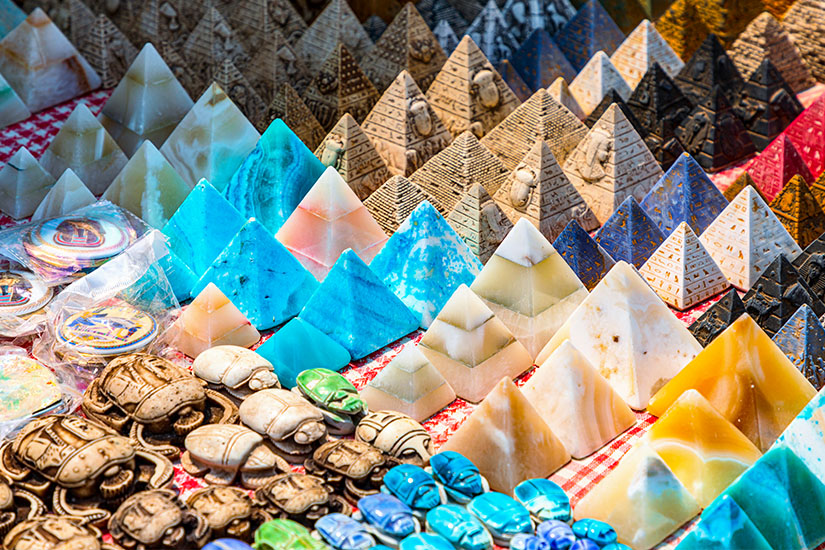
Visitors to Egypt often like to take home souvenirs that represent the country’s iconic landmarks or objects. Among the most popular are miniature pyramids, perfect for displaying on a desk as a memento of the trip. These replicas can be made from various materials, but alabaster holds a unique place in Egyptian history. This special kind of gypsum, resembling marble in appearance but less resistant to weather, was quarried along the lower Nile thousands of years ago and crafted into objects in major cities like Luxor.
Alabaster, though not suitable for outdoor use due to its sensitivity to weather, is perfect for indoor decorations. So, as long as you keep your alabaster pyramids or sphinxes inside, they will serve as a lasting reminder of your visit to Egypt.
Galabija
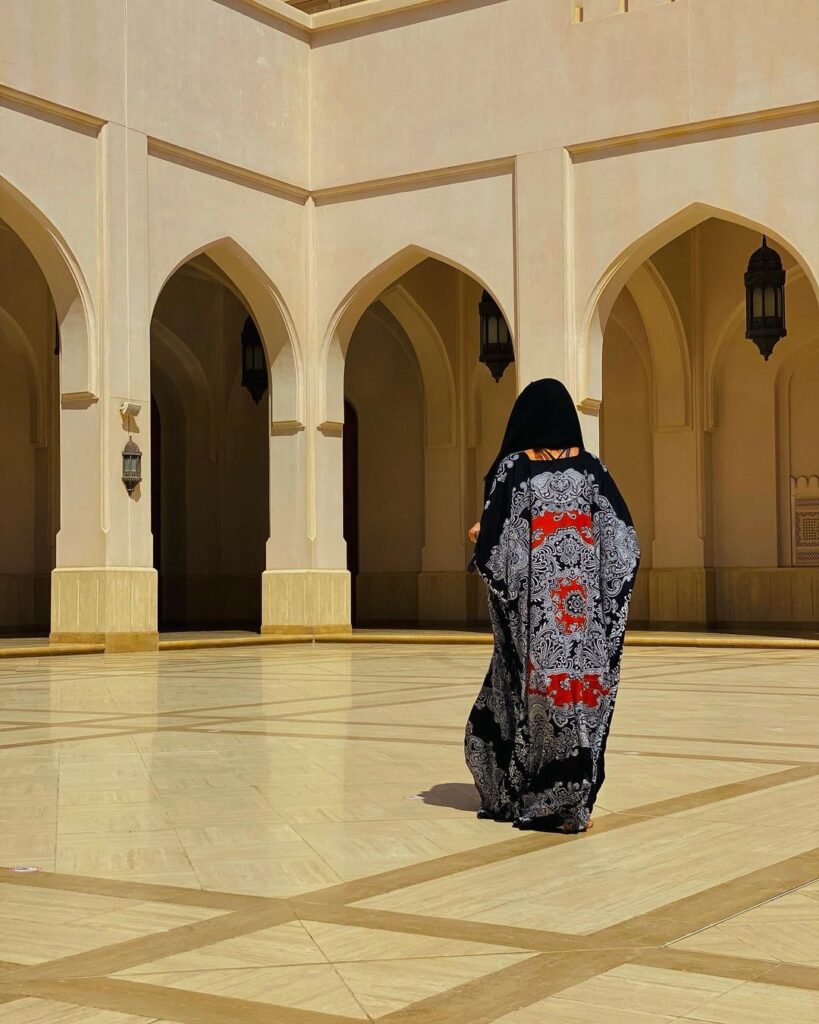
Egypt is famous for its very hot climate, with the sun shining intensely under a clear sky. Tourists often look for light clothing to stay cool but also need to protect their skin from sunburn. The Galabija, a traditional Egyptian outfit, is an excellent solution for both concerns and can be a practical choice even during summer back home after a vacation in Egypt.
A Galabija is a loosely fitted garment, resembling a shirt but with an airy skirt portion and broad sleeves. It’s similar to robes found in the Arabian region but offers a looser fit, making it even more suitable for wearing in the hot desert climate. Its design is believed to be influenced by the tunics worn in ancient Rome, adapted over time to meet the needs of those living in and visiting hot climates.
Spices
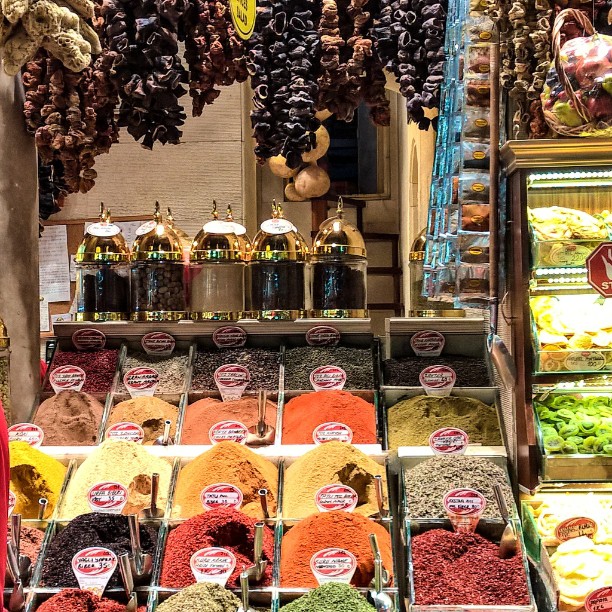
Exploring the vibrant bazaars of Egypt, one is enveloped by the rich aromas of various spices, rivaling even the finest perfumes and scented oils. Since ancient times, spice traders from across the Nile have gathered to sell their fragrant goods, offering blends that captivate with their intensity and freshness.
While purchasing spices directly from open containers in these traditional markets may seem appealing, there’s a chance these spices may have lost some of their potent aromas. On the other hand, supermarkets offer packaged spices that, while maybe less exotic in presentation, guarantee high quality and are often more affordable than those found abroad.
Tea
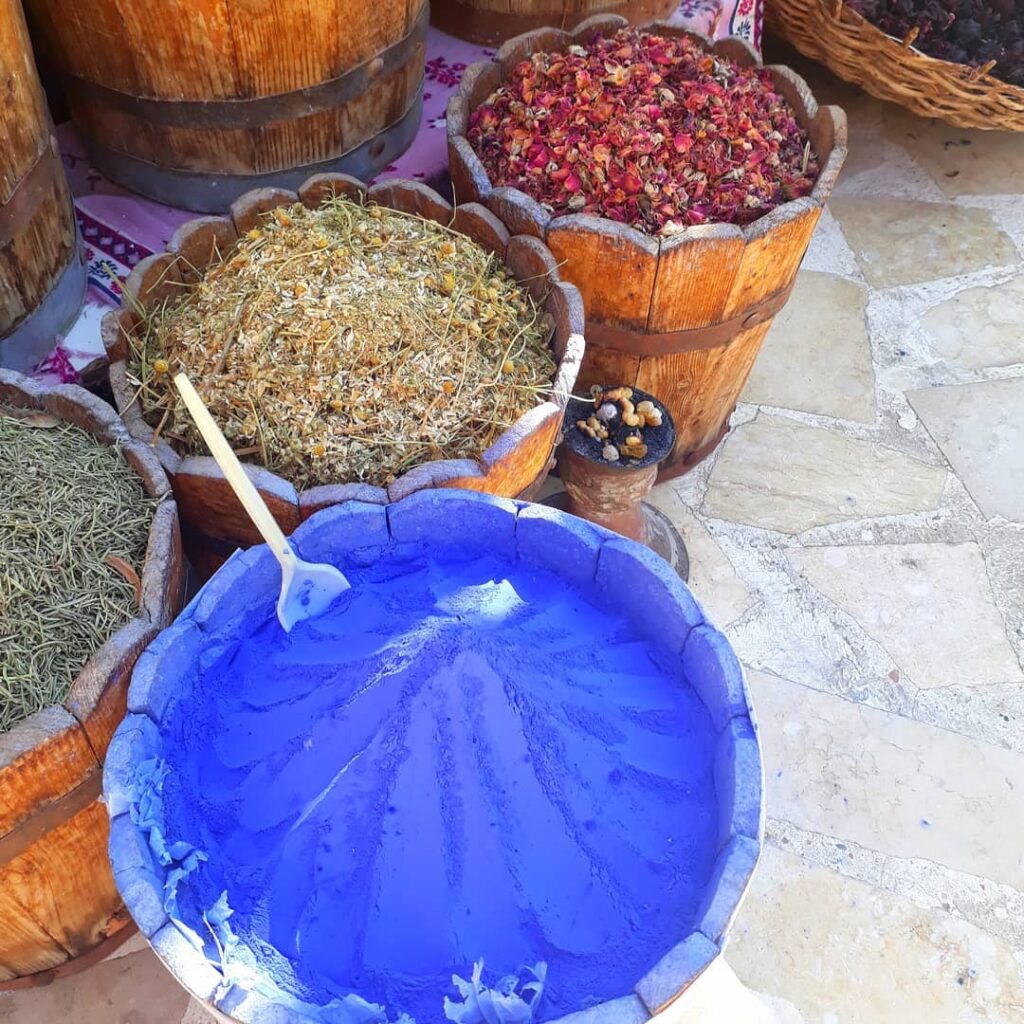
Tea holds a special place in Egyptian culture, being the most popular and significant beverage. It’s not just a drink but a key element of social interactions. For those visiting Egypt, experiencing and eventually bringing home Egyptian tea can serve as a delightful memento.
The most famous Egyptian tea is Karkadeh, a refreshing, fruity tea made from hibiscus flowers. These dried flowers are available in markets and can be used to brew tea or to create a sweet syrup by mixing with sugar and water, offering a taste of Egypt’s rich flavors and traditions.
Leather Slippers
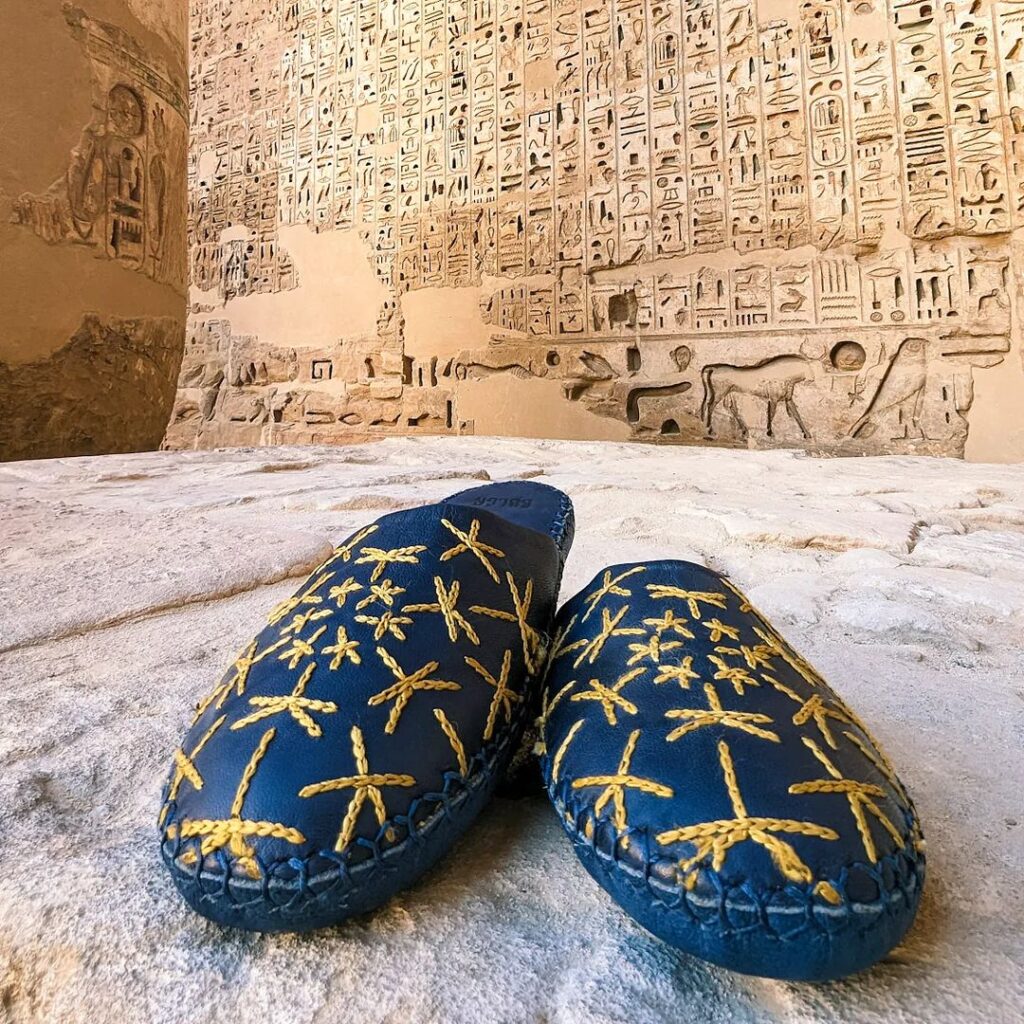
Leather slippers are a common yet incredibly useful and decorative souvenir from Egypt. It’s a staple in the wardrobe of many Egyptians, with at least one pair of these comfortable slippers. You can find them almost everywhere in Egypt.
Genuine and traditional Egyptian slippers are crafted from real leather and are often stitched by hand. You can tell hand-stitched slippers by the slight irregularities in the stitches, unlike machine-made ones that have nearly perfect uniform stitches. A very low price might indicate the slippers are mass-produced. Nowadays, as a nod to tourists, these leather slippers are frequently adorned with pharaonic symbols or hieroglyphs. However, this is more for decoration than authenticity, as ancient Egyptians typically went barefoot, braving the hot, coarse desert stones without footwear.
Nubian Hats
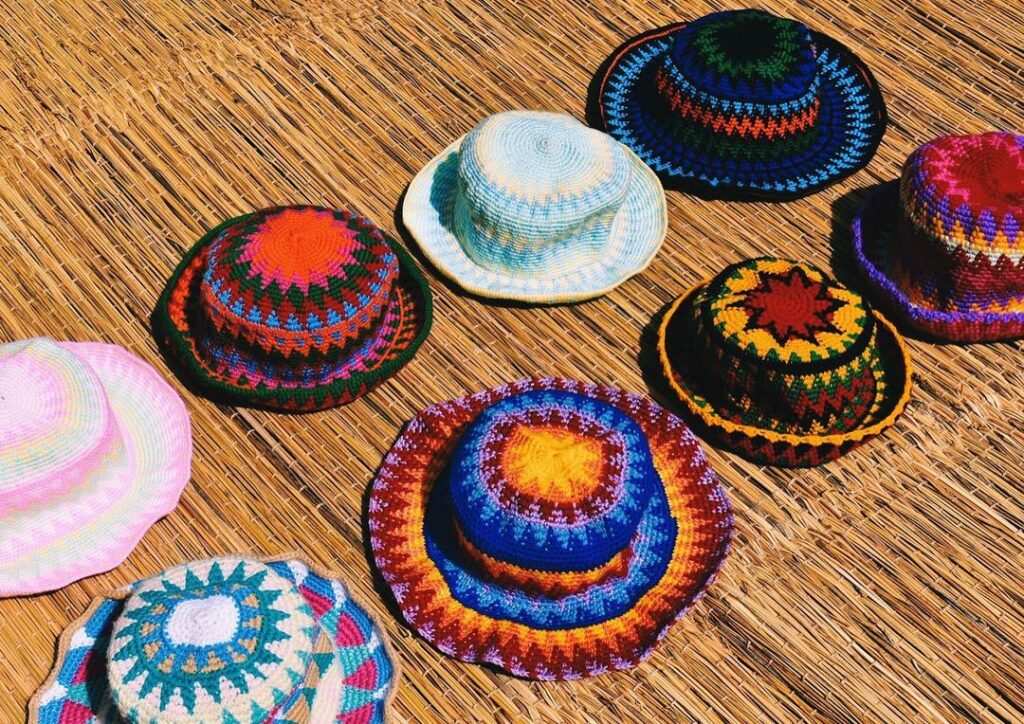
At markets, alongside the vibrant slippers, you’re likely to find stalls selling colorful Nubian hats. These hats are a hit in Egypt and a favorite souvenir among tourists. They come in various sizes, shapes, and most notably, in an array of patterns and colors. Wearing a Nubian hat adds a splash of color against the typically monochromatic attire and the desert’s endless ochre.
Nubia, the inspiration behind these hats, was an empire that rivalled Egypt for dominance along the lower Nile and even ruled over Egypt for a period. The region of Nubia is split today between Egypt (Lower Nubia) and Sudan (Upper Nubia), holding a rich history shared with its northern neighbor.
Laws & Rules – what is not allowed?
Egypt undoubtedly has some wonderful and sometimes very mystical souvenirs to offer. However, not everything that is offered in the markets of Cairo or Luxor is suitable as a souvenir when you leave the country. Certain goods especially animals or animal products are prohibited for export.
There are also certain value limits, such as with jewelry. So if you want to buy silver or gold in Egypt, you shouldn’t overdo it. Otherwise, you could face high tariffs or even a penalty for attempting to avoid these tariffs. Unfortunately, this also applies to exports to the European Union. Although we do not offer final legal advice on import and export with this article, we would like to briefly present the list of prohibited souvenirs to you here.
Animals and plants
It is not uncommon for plants and animals to be offered at bazaars. Of course, it might seem a bit impractical to pack a monkey or a cobra in your travel bag. But above all, it is not allowed. The same also applies to smaller animals such as snails and certain plants.
Cultural assets
Like most other countries, Egyptians want to protect their country’s cultural history. The export of antiques and other cultural goods is therefore prohibited. So if you buy something at the bazaar, you should make sure that it is just an imitation decorative item.
Imitation brand products
In Egypt, there are often deceptively realistic replicas of well-known brands of clothing or accessories on the market. The purchase is not illegal. Nevertheless, the goods may later be confiscated upon departure because they are goods that violate the trademark rights of the companies concerned.
Customs regulations and value restrictions
Anyone who exports tobacco for shisha or alcoholic goods from Egypt must observe upper limits. More than 250 grams of tobacco or one litre of spirits with an alcohol content of over 22% must be declared to customs without being asked.
But upper-value limits also apply to all other goods. All souvenirs together may not be worth more than 430 euros per person if you use the air or sea route to leave the country. Travelers under 15 years of age only have an exemption limit of up to 175 euros. These limits can be reached quite quickly, especially with jewelry.
FAQs: Best Things to Buy in Egypt
1) What are the absolute best buys in Egypt?
Egyptian cotton sheets and towels, cartouche jewelry, papyrus art, alabaster vases, perfume oils (attar), spices and hibiscus tea, dates and sesame sweets, brass lanterns, hand-blown glass, kilim rugs, leather goods, faience scarabs, mother-of-pearl boxes, and mashrabiya-style woodwork.
2) Where should I shop?
Big, buzzy bazaars (like Cairo’s historic souqs), neighborhood markets in Luxor and Aswan, museum shops for quality checked replicas, plus fixed-price craft boutiques if you don’t want to haggle.
3) How do I spot real Egyptian cotton?
It feels cool, smooth, and dense. Look for “100% Egyptian cotton,” long-staple wording, and reputable labels. Be wary of sky-high thread counts at suspiciously low prices.
4) Can I get my name in hieroglyphs on a cartouche?
Yes. Jewelers transliterate your name and engrave it on silver or gold. Turnaround can be same day—get a receipt and hallmark.
5) Is papyrus art authentic or banana leaf?
Real papyrus shows criss-crossed fibers and stays flexible. Fakes tear like paper. Buy from certified workshops or museum stores.
6) Are perfume oils alcohol-free?
Typically yes—pure essences or jojoba-based blends. Patch test, ask for ingredient notes, and choose small roll-ons for carry-on.
7) Alabaster looks fragile—how do I pack it?
Choose pieces that glow slightly when back-lit (nice translucence), wrap in soft clothes, and hand-carry if you can.
8) Which spices or teas are worth it?
Cumin, coriander, dukkah blends, black seed (nigella), and loose hibiscus (karkadé). Vacuum-sealed packs travel best.
9) What foodie gifts are easy to bring home?
Dates, halva, tahini, sesame bars, Turkish-style delights sold locally, and spice kits. Aim for sealed packaging.
10) Brass lanterns—anything to know?
They’re gorgeous but bulky. If wired, check plug type and voltage. Many buyers ship these—get sturdy boxing and insurance.
11) Hand-blown glass ornaments—safe to buy?
Yes, just feather-light and delicate. Pick thicker pieces, keep original padding, and nestle them in socks in your carry-on.
12) Nubian crafts from Aswan—what to look for?
Bold textiles, basketry, beadwork, and hand-painted decor. Prices are fair, quality is high—great for unique gifts.
13) Kilim rugs: how do I judge quality?
Tight weave, even edges, natural dyes, and a comfortable hand. Ask for origin and fiber content; reputable sellers will explain.
14) Leather goods—good value?
Usually. Check stitching, zips, and lining. Camel and cow leather bags and belts are popular and reasonably priced.
15) Scarabs and “antiquities”—is that legal?
Modern replicas are fine. Never buy actual antiquities or anything with dubious provenance. When in doubt, skip it.
16) Anything I should not buy or export?
Avoid coral, ivory, turtle shell, and items from protected species. Don’t attempt to export genuine artifacts.
17) Do I have to haggle?
In bazaars, yes—start low, smile, and walk away if needed. Prefer not to bargain? Use fixed-price shops.
18) Cash or card?
Both. Small stalls prefer cash (EGP); larger stores often take cards. Keep small bills for tips and taxis.
19) Can shops ship big items home?
Many do via major couriers. Get tracking, insurance, and a detailed receipt with your contact info.
20) Light, easy souvenirs for kids?
Papyrus bookmarks, mini scarabs, hieroglyph alphabet charts, spice sachets, tiny glass vials of perfume oil.
- Ultimate Egypt Packing List (2026): What to Bring for the Desert, Cities, and the Red Sea
- Is Egypt Safe For Solo Female Travellers in 2026
- 5 Days In Egypt Itinerary in 2026: Cairo, Luxor & Nile Cruise
- 2026 Ultimate 8 Days In Egypt Itinerary: Cairo, Luxor, Aswan & Abu Simbel (Day-by-Day Guide)
- How To Dress In Egypt | 2026 Tourist Guide