
Travel writing based on first-hand experience
Discover the best places to see in Bahrain, from ancient forts and vibrant souks to stunning islands and modern museums. A must-read guide for travelers planning a visit!
More Bahrain Guides Worth Opening Next
Plotting your island game plan and wondering what to pair with our Best Places to See in Bahrain guide? These reads fit neatly alongside it, whether you want a tighter Manama plan, practical tips, more family-friendly stops, or a wider Bahrain itinerary once the headline sights are sorted.
- Zoom in on the capital with these best things to do in Manama
- Turn the city into a proper short break with this 2 days in Manama itinerary
- Stretch the trip into a wider route with this Bahrain itinerary
- Add a few less-obvious stops with these unique things to do in Bahrain
- Traveling as a family? Bookmark these things to do in Bahrain with kids
- Keep the planning practical with these Bahrain travel tips
- Mix sightseeing with meals via these best restaurants in Manama
- Cool off after the forts and souks with these best beaches in Bahrain
Table of Contents
Visiting Bahrain: Travel Tips
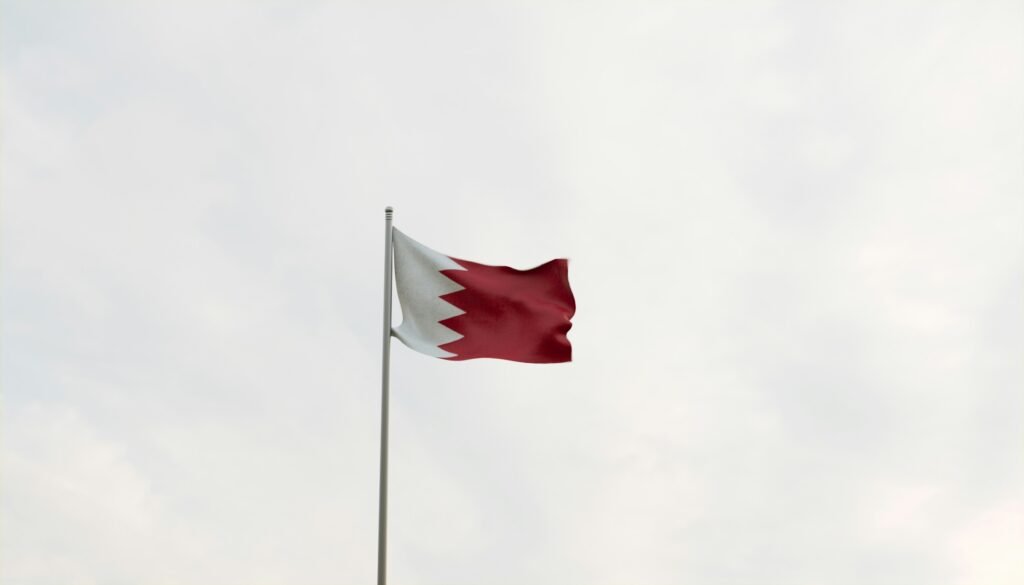
We touched down expecting only skyscrapers and race cars—and found pearling lanes, breezy cafés, and island day trips that feel like a mini-holiday. If it’s your first time, here’s the need-to-know so you spend more time exploring and less time Googling.
1) Entry & visas
- eVisa / Visa on arrival: Many nationalities can apply online (eVisa) or get visa on arrival. Check your passport rules before you fly; GCC residents often have easier entry.
- Passport validity: Aim for 6+ months remaining.
- Saudi causeway tip: If you’re driving over the King Fahd Causeway from Saudi Arabia, carry car registration/insurance and allow extra time on Thursdays and weekends.
Pro tip: During major events (Formula 1, spring festivals), immigration and the causeway get busy. Book flights and hotels early.
2) Best time to visit
- Comfortable weather: November–April (mornings and evenings are ideal).
- Hot season: May–September can be very hot and humid; plan indoor attractions midday and beaches/promenades early or late.
3) Getting around
- Ride-hailing: Careem and local taxis are the simplest; taxis should use a meter (ask politely).
- Driving: Roads are good; signage is in English and Arabic. Strict speed and DUI enforcement—don’t drink and drive.
- Public buses: Clean, air-conditioned, and inexpensive; you can pay by GO Card or cash (carry small bills).
- Walking: Great in compact areas (Manama souq, old Muharraq) but heat and wide roads limit long walks midday.
Pro tip: For a flexible day (Amwaj Islands + old Muharraq + Bahrain Fort), rent a car for 24 hours—parking is generally easy.
4) Money & payments
- Currency: Bahraini Dinar (BHD), pegged to the USD. ATMs are common; cards widely accepted.
- Tipping: Not mandatory, but 10% is appreciated in restaurants if service isn’t already added.
- Costs: Cafés and casual eats are reasonable; imported alcohol and fine dining are pricier.
5) Connectivity
- SIM: Airport kiosks offer tourist SIMs from Batelco/Zain/STC; sign-up is quick with passport.
- Wi-Fi: Reliable in hotels, malls, and many cafés.
6) Dress & etiquette
- Dress code: Smart-casual and modest is the safest default (shoulders/knees covered in mosques and conservative areas). Beachwear is fine at hotel pools and private beaches.
- Mosques & heritage sites: Remove shoes in prayer areas; women may need a headscarf inside mosques.
- Greetings: A friendly “Salam alaykum” goes a long way; use the right hand for giving/receiving.
- Public behavior: Keep displays of affection low-key.
Pro tip: On Fridays, some shops open later; plan museums and cafés for afternoons/evenings.
7) Alcohol & local laws
- Where you can drink: Alcohol is served in licensed hotel bars and some restaurants. Public drinking is illegal.
- Drugs: Zero tolerance.
- Photos: Ask before photographing people. Avoid sensitive sites (government, military).
- LGBTQ+ travelers: Exercise discretion; book international hotels and stick to licensed venues for nights out.
8) Health & safety
- General safety: Bahrain is considered safe; normal city awareness is enough.
- Heat: Hydrate, sunscreen, hats. Keep a water bottle on you.
- Tap water: Often desalinated; most visitors drink bottled water.
- Pharmacies & clinics: Easy to find, English is widely spoken.
9) Food & culture
- Don’t miss: Machboos (spiced rice with meat or seafood), muhammar (sweet rice), charcoal fish at seaside grills, fresh juices, and halwa (Bahraini dessert).
- Coffee culture: Try Arabic coffee with dates in traditional cafés—and explore Bab al-Bahrain market for spices and souvenirs.
- Reservations: For popular brunches and fine-dining (especially Fridays), book ahead.
Pro tip: If you loved Dubai’s mega-brunches, you’ll enjoy Bahrain’s Friday brunch scene—smaller, friendlier, and still generous.
10) Where to stay (quick map in your head)
- Manama / Seef: Shopping, dining, easy access to museums and the souq.
- Amwaj Islands: Waterfront cafés, relaxed vibe, good for families.
- Diplomatic Area: Business-friendly, quick rides to everywhere.
- Muharraq: Heritage houses and pearling trail; great for culture lovers.
11) Ramadan & prayer times
- Ramadan: Hotels and many restaurants serve non-fasting guests, but avoid eating/drinking in public during daylight. Evenings come alive with iftar buffets.
- Prayer times: Expect short pauses in small shops or during tours—build a little buffer into your schedule.
12) Packing list (short and smart)
- Light, breathable clothing; a scarf (for women) for mosque visits.
- Sunscreen, sunglasses, hat, and comfy walking shoes.
- Universal adapter (Type G plug, 230V).
- Refillable water bottle.
- Modest “evening casual” outfit for upscale hotel brunches and dinners.
13) Island & beach pointers
- Day escapes: Al Dar Islands for a simple beach day; Jarada sandbar by boat when tides permit (go with an operator).
- Modesty: Outside resort beaches, choose modest swim options or stick to private facilities.
14) Events & timing
- Formula 1 Bahrain Grand Prix: Hotel rates climb and availability drops—book months ahead.
- Art & culture: Check calendars for exhibitions at Bahrain National Museum, Cultural Hall, and seasonal festivals.
15) Souq & shopping
- Bargaining: Gentle bargaining is fine for souvenirs in the souq; big malls have fixed prices.
- What to buy: Pearls (from reputable sellers), dates, spices, Arabic coffee sets, and local crafts.
Pro tip: For pearls, ask for certification and buy from known retailers—Bahrain’s pearling heritage is real, but quality varies.
Best Places to See in Bahrain:
1. Al Fateh Grand Mosque
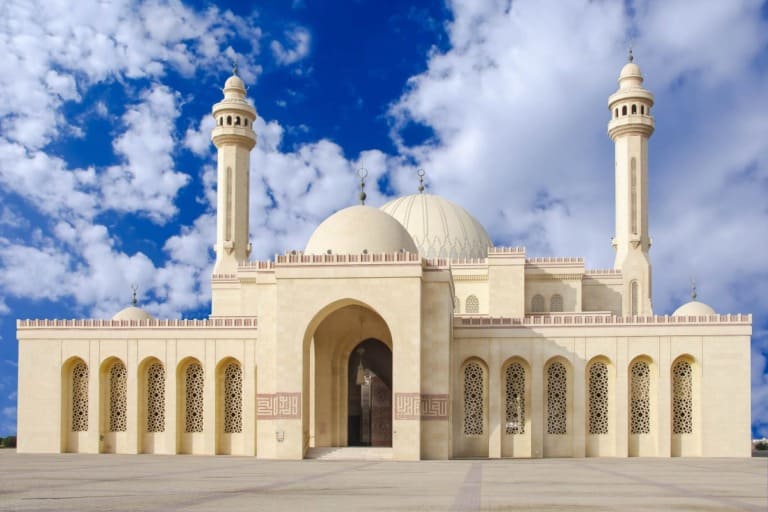
Al Fateh Grand Mosque is located in the northeastern part of Bahrain, in the bustling capital of Manama. This immense and awe-inspiring structure can accommodate over 7,000 worshippers, making it the largest mosque in the country. Built in 1987, the mosque is named after Bahrain’s founder, Ahmed Al Fateh, and also houses the National Library.
What makes the mosque particularly captivating is the incorporation of building materials from all around the world, transforming it into a masterpiece of global craftsmanship. Italian marble gleams throughout the structure, while the grand Indian doors and luxurious Irish carpets add to its splendor. Visitors can enhance their experience by requesting a guided tour, which provides an in-depth look into the mosque and its religious significance. Robes and veils are provided for the tour, along with a complimentary reading to deepen understanding.
Adjacent to the Al Fateh Grand Mosque is the Ahmed Al Fateh Islamic Center, set within a large square that’s perfect for a peaceful stroll or quiet reflection. From here, you can take in the beauty of the mosque while soaking in the Bahraini sun. Around the square, numerous restaurants offer a chance to enjoy local flavors amidst the lively atmosphere.
| Tip: For a stark contrast to the Islamic Center, take a quick detour to the vibrant 338 Block. This trendy neighborhood, just a short distance from the mosque’s Islamic Center, offers a completely different atmosphere with its countless chic bars, excellent restaurants, art galleries, and exhibitions. |
Information about the Al Fateh Grand Mosque:
- Location link
- Opening hours: Sunday to Thursday from 9 a.m. to 4 p.m.
- Price: Free entrance
- Important: For religious reasons, you must cover your shoulders and knees. Women can borrow an abaia at the entrance.
2. Tree of life
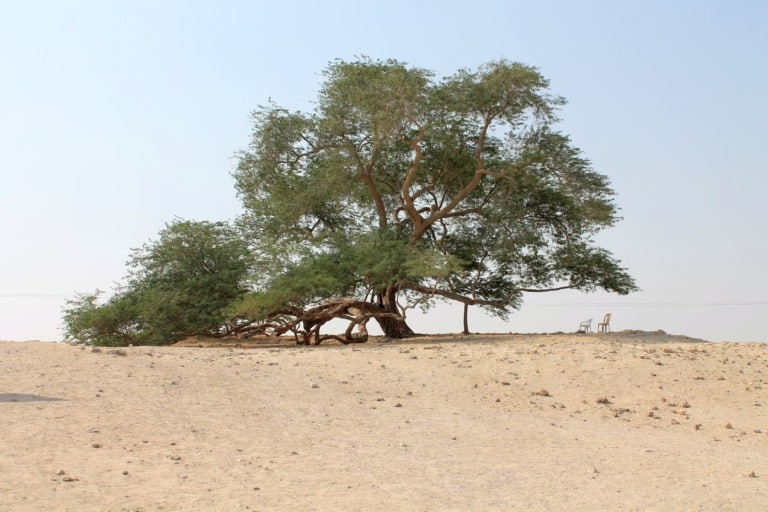
Now, let’s turn our attention to one of Bahrain’s most captivating natural wonders: the Tree of Life. This ancient and gnarled mesquite tree, estimated to be about 400 years old, thrives in the middle of the desert, seemingly without any visible water source—a true marvel of nature.
Known as Shajarat-al-Hayat in Arabic, the Tree of Life has become the subject of many fascinating legends due to its mysterious survival in such harsh conditions. When you visit, you’ll not only have the chance to witness this awe-inspiring tree but also explore the myths and stories that surround it. The nearby visitor center provides a deeper look into its history, adding to the intrigue of this remarkable site.
3. Bahrain International Circuit
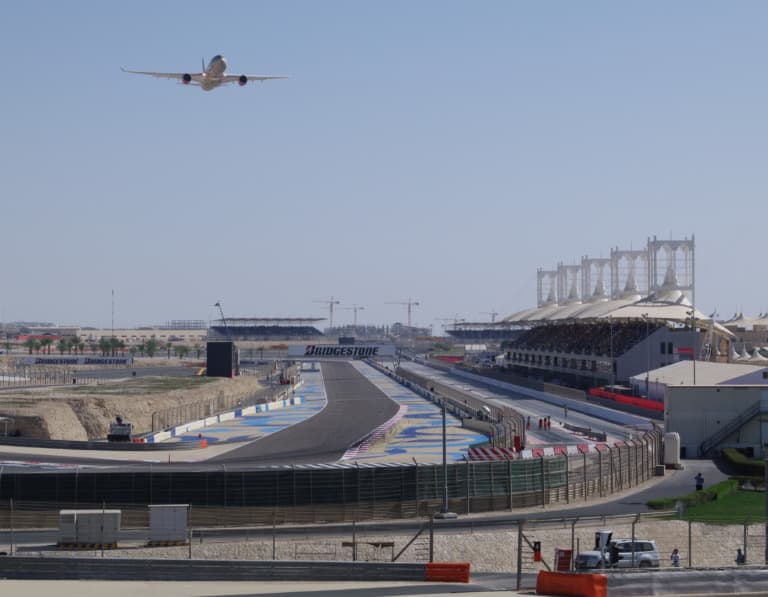
A must-see on your trip to Bahrain is the Bahrain International Circuit, one of the most famous circuits in motorsport. It was here that Michael Schumacher won the first Formula 1 race in Bahrain in 2004.
If you can watch a Formula 1 race live on the 5.4-kilometre-long track in Bahrain, take advantage of it!
| Tip: If you can’t make it to one of the famous Formula 1 races, I recommend sticking to one practice session. It is an incredible sight to watch fast cars whiz around the corner. Or do you want to step on the accelerator yourself? At a go-kart track next to the Bahrain International Circuit, you can even become a racer yourself every day between 7:00 p.m. and 1:00 a.m. |
Information about Bahrain International Circuit
- Location link
- Open to the General Public every day from 7:00 pm to 1:00 am
- Free entrance
- Events: In addition to Formula 1, drag racing, and drifting.
4. Qal’at al Bahrain
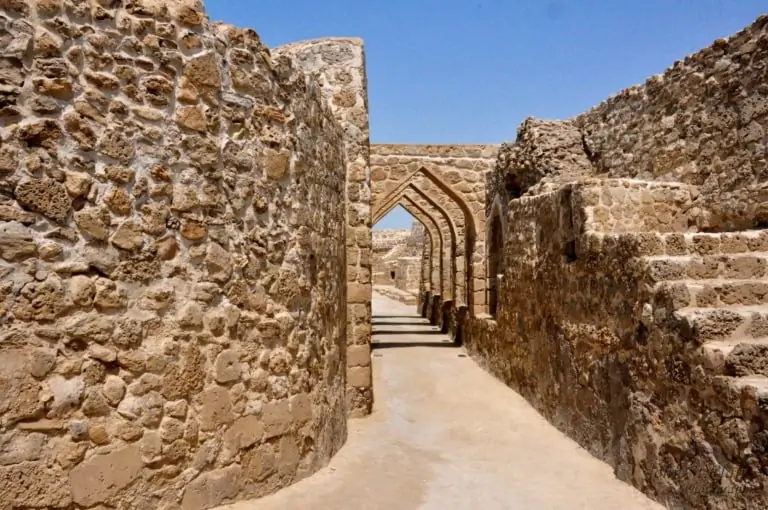
The Bahrain Fort, known as Qal’at al-Bahrain, sits on a mound of ancient ruins at the northern tip of the island. This historic site holds secrets dating back 2,300 years before Christ. Archaeological excavations began over 50 years ago, uncovering the fort’s rich history that spans seven distinct ancient civilizations. Even today, new and intriguing discoveries continue to emerge.
Covering more than 16,000 square meters, Qal’at al-Bahrain comprises multiple layers that showcase a variety of remains, from ancient residential buildings and religious monuments to military structures. The site’s significance as a major trading port is evident, reflecting its pivotal role in the region’s history. Bahrain’s past is deeply intertwined with the fort, making it a must-visit during your stay in the country.
Information about Qal’at al Bahrain
- Location link
- Opening hours: Fortaleza: every day from 8 a.m. to 6 p.m., Museum: from Tuesday to Sunday from 8 a.m. to 8 p.m.
- Price: Free entrance
5. Souq of Bab el-Bahrain
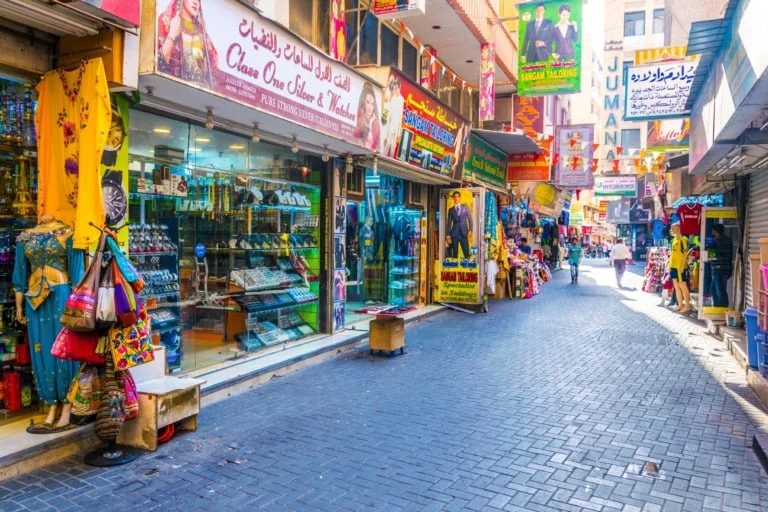
The Bab Al Bahrain building, located in the heart of Manama, holds a hidden gem behind its grand entrance: the souk, or souq.
From local foods, spices, and traditional clothing to furniture and even live animals, the Bab Al Bahrain souk offers an incredible range of items. This lively market is a striking contrast to the surrounding modern high-rises of Manama. You can savor local delicacies here, discover Arabic fabrics and garments, and absorb the vibrant atmosphere. Plus, haggling with vendors is part of the cultural experience.
For a modern twist on the traditional souk, head to the Moda Mall, located in the iconic Bahrain World Trade Center. This architectural marvel offers not only a breathtaking view of Bahrain but also an elegant shopping experience.
Information about Souq Bab Al Bahrain
- Location link
- Hours: Monday to Saturday from 8 a.m. to 10:00 p.m.
6. Bahrain National Museum
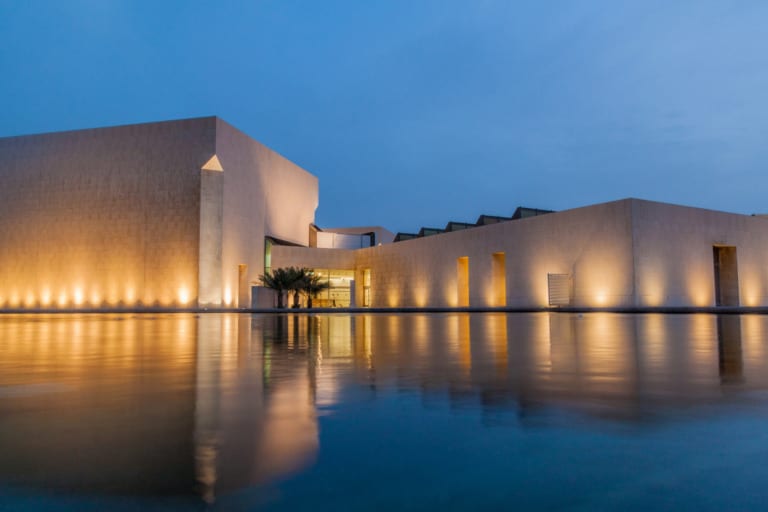
The Bahrain National Museum is one of the largest and oldest museums in the country, spanning 27,800 m² and offering a fascinating glimpse into nearly 6,000 years of history through its impressive archaeological finds.
The museum covers not only the archaeology of ancient civilizations and cultures but also provides insights into Bahrain’s natural history. One of the most exciting parts of the museum is the exploration of Bahrain’s pre-wealth era, showcasing its roots as a humble fishing village and the importance of pearl diving in its past. A particularly cool exhibit is the Durand Stone, where you can admire a remarkable basalt sculpture from the Babylonian era.
Information about the Bahrain National Museum
- Location link
- Opening hours: every day from 9 a.m. to 8 p.m.
- Entrance fee: approx. $ 2.
7. Dilmun Paradise Lost Water Park
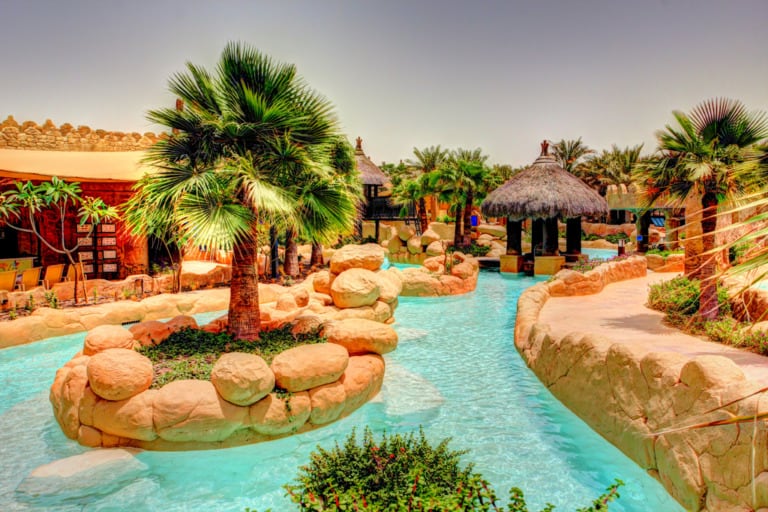
Sightseeing can be pretty exhausting, but the following item on the list is sure to relax you: a dip in the Dilmun Paradise Lost Water Park, the largest aquatic reserve in Bahrain.
Here you can let off steam, test yourself on the fast slides, or slide down the ring slides, while the children play in the climbing paradise or build castles in the sand. You can also relax by the pool, enjoy an ice-cold drink in the warm sunshine, and have a bite to eat from one of their restaurants.
| Tip: In Bahrain you can visit the coolest water parks even in winter, like the Lost Paradise of Dilmun, because the temperatures exceed 20°C all year long. Remember to bring sunscreen and drink plenty of water. |
Information about Dilmun Paradise Lost Water Park:
- Location link
- Opening hours: Sundays to Thursdays: 12 pm – 10 pm, Fridays & Saturdays: 11 am – 11 pm
- Admission: $20 for children under 1.20 m / otherwise, $50.
8. Pearling Path

Bahrain is home to the most beautiful pearls in the world. Interestingly, in Bahrain, the trade of cultured pearls is banned, meaning you can only buy natural pearls in the Kingdom. Have you ever dreamed of holding these mesmerizing pearls in your hands? Now you can, by exploring the 3.5-kilometre Pearling Path in Bahrain’s old city.
Visitors also have the unique opportunity to snorkel or scuba dive, diving deep to collect up to 60 oysters in a single session. And if you find a pearl, you get to keep it as a precious keepsake!
9. Beit Al Quran
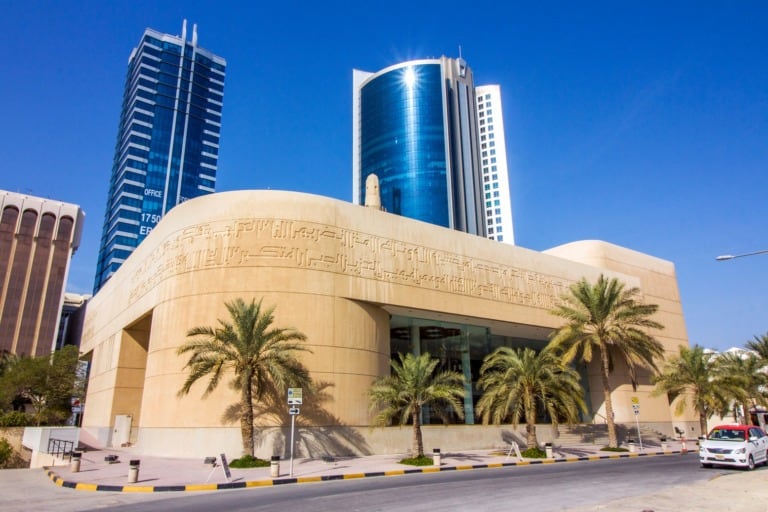
Located in Hoora, Manama, the Islamic Arts building, which houses the Islamic Museum, is the most renowned and undoubtedly the most significant of its kind in Bahrain. Beit Al Quran boasts an extensive and invaluable historical collection of Qur’ans and other vital manuscripts from various eras. Among its treasures is the oldest known Latin translation of the Qur’an, dating back to 955. Inside, there is also a mosque with a stunning glass dome, and the complex includes a library that holds an astounding 50,000 books and manuscripts. The museum is organized into ten distinct exhibits spread across two floors.
- Location link
- Opening hours: Saturday-Wednesday from 8:30 a.m. to 12:00 p.m. and from 4:00 p.m. to 6:00 p.m.
- Price: Free entrance
10. Underwater Theme Park- Dive
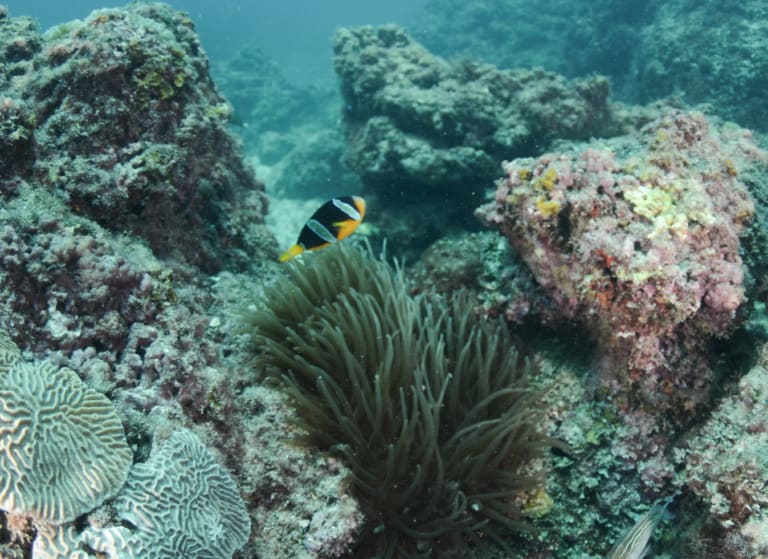
The 100,000 m² Dive Bahrain underwater theme park is the largest in the world and offers you places that will make every diver’s heart beat faster. A special attraction is the 70-meter-long Boeing 747, which was sunk here as an artificial reef and can be explored.
Note: To be able to dive in the theme park, you must have a diving license and register at one of the listed dive centers. They will organise everything else for you.
FAQs — Best Places to See in Bahrain
What are the top landmarks I should not miss?
Start with the Bahrain National Museum, Qal’at al-Bahrain (Bahrain Fort), Bab Al Bahrain & Manama Souq, Al Fateh Grand Mosque, and the Pearling Path in Muharraq. These give you history, culture, and architecture in one trip.
Is the Bahrain National Museum worth it?
Yes. It’s the best place to understand the island’s Dilmun past and pearling heritage. Allocate 1–2 hours; exhibits have English labels.
When is the best time to visit outdoor sites like Bahrain Fort?
From November to April. Go early morning or for sunset to avoid heat and get great photos.
Can non-Muslim visitors enter Al Fateh Grand Mosque?
Yes during visitor hours. Modest dress is required; women should cover hair inside. Free guided tours are often available.
What’s special about the Pearling Path in Muharraq?
It’s a UNESCO-listed route linking restored merchant houses, workshops, and historic sites from the pearling era. Walkable segments with cafés nearby; plan 1–2 hours.
Which souqs and modern areas are best for strolling?
For traditional shopping, go to Manama Souq by Bab Al Bahrain. For modern promenades and skyline views, try Bahrain Bay and parts of the Seef/Financial Harbour area.
Are there good beaches or island day trips?
Yes. Al Dar Islands (boat shuttle) makes a simple beach day. Amwaj Islands has cafés and watersports. With an operator and the right tide, you can visit the Jarada sandbar.
What family-friendly attractions do you recommend?
Lost Paradise of Dilmun Water Park (seasonal), Royal Camel Farm (short visit), waterfront parks, and museum + fort combos. Many malls have play zones and cinemas.
Is Bahrain Fort free?
The fort site is free to walk; the small on-site museum has a low entry fee. Check current hours before you go.
How long should I plan for the “big five” sights?
Museum (1–2h), Fort (1–1.5h), Al Fateh Mosque (45–60 min with tour), Muharraq Pearling Path (1–2h), Manama Souq (1–2h). You can do most in 1–2 days at an easy pace.
Can I visit Bahrain International Circuit (BIC) outside Formula 1?
Yes. The circuit offers tours and occasional driving experiences. Book ahead, especially on weekends.
What about forts beyond Manama?
Riffa Fort (with valley views) and Arad Fort near Muharraq are atmospheric, especially at sunset. Short visits (30–60 minutes each).
Is the Tree of Life worth the drive?
It’s a solitary 400-year-old tree in the desert. Go for the symbolism and photos; the stop is usually 20–30 minutes. Combine with oil-history viewpoints or BIC.
Any dress or etiquette tips for cultural sites?
Modest clothing (shoulders/knees covered), remove shoes inside prayer areas, ask before photographing people. In mosques, women should bring a headscarf.
How do I get around the main sights?
Ride-hailing apps are easiest. Renting a car for a day is good value if you want to combine Fort + Muharraq + BIC or islands on your schedule.
Are Fridays different?
Yes. Some shops open later after Friday prayers. Plan museum visits and souq time for afternoon/evening.
Are sights wheelchair/stroller friendly?
Museums and malls are accessible. Historic forts and old lanes can have uneven ground; allow extra time and check ramps where available.
What should I buy as a souvenir?
Dates, spices, Arabian coffee sets, local crafts, and—if your budget allows—pearls from reputable sellers (ask for certification).
- What to Buy at Khan el Khalili Bazaar (2026): 12 Best Egyptian Souvenirs and Shopping Tips
- What to Wear on a Desert Safari in Dubai in 2026: The Practical Packing Guide
- What to Wear in a Turkish Bath (2026): Ultimate Hammam Dress Code & Massage Etiquette
- 7 Best Family Hotels in Bahrain (2026): From big five-star resorts with mini waterparks to beachfront hotels
- 5 Best Wadis In Oman (2026)