
Travel writing based on first-hand experience
Explore the top places to visit in Muscat. From the majestic Sultan Qaboos Grand Mosque and the historic Mutrah Souq to the serene Qurum Beach and the vibrant Royal Opera House, discover the cultural and natural highlights that make Muscat a must-visit destination.
| Planning your Muscat itinerary? Muscat is one of those cities that sneaks up on you: sea, mountains, mosques, souqs, forts, and long golden afternoons that make you want to stay out far later than planned. These guides will help you turn a quick visit into a smarter, fuller trip. ➡️The best things to do in Muscat beyond the obvious highlights ➡️How to spend 1 day in Muscat without wasting a single hour ➡️A 2-day Muscat itinerary for a slower, richer city break ➡️Where to stay in Muscat: the best areas and hotels for every style ➡️Where to eat in Muscat after all that sightseeing ➡️More Oman travel guides to plan the rest of your route |
Table of Contents
Getting Around Muscat
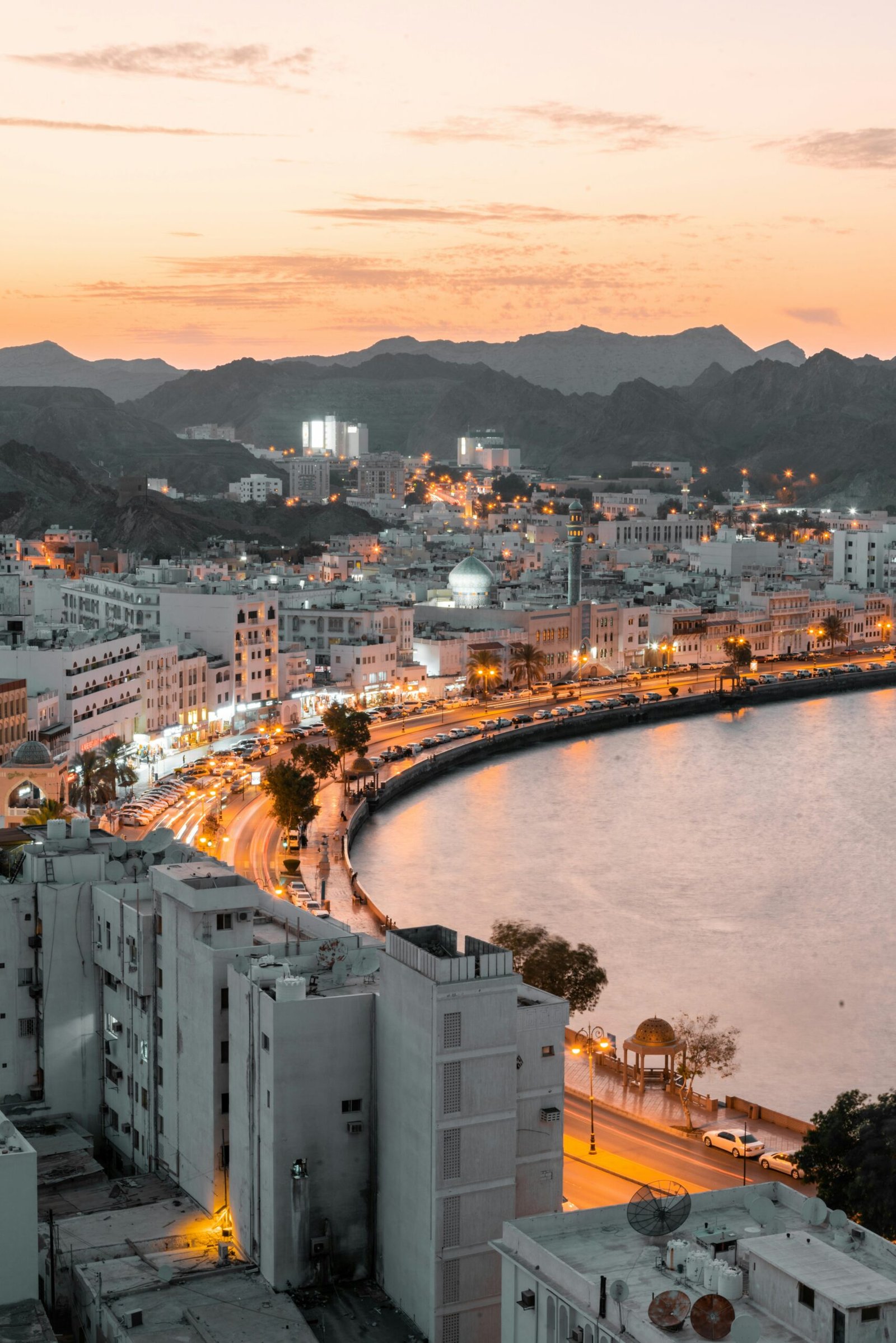
We landed, blinked into the desert sun, and realized the rumor is true: Muscat is a car city. Distances stretch, hills roll, and the Arabian Sea just… keeps going. You can bus it, you can taxi it—but the strongest move is four wheels and your own playlist.
How We Actually Moved
1) Rental Car = Freedom
We grabbed a compact automatic at the airport and never looked back. Wide roads, clear signage (in English/Arabic), and plentiful parking at malls and beaches.
- Close to: Airport counters right in-arrivals; pick up and go.
- Driving notes: Roundabouts, speed cameras, seatbelts always, no phone in hand.
- Parking: Free or cheap at malls, corniche, and most sights (watch for blue meters in busier zones).
Pro tip: Distances are deceptive—Muscat is a string of neighborhoods. Group Muttrah + Old Muscat one day; Qurum + Opera + beaches another.
2) Taxis & Ride-Hailing (for “no-keys” days)
White-and-orange street taxis work, but always agree the fare up front if there’s no meter. Easier: book via OTaxi (local ride-hailing; transparent pricing, air-con, no haggling).
- Airport runs: Plenty of taxis and OTaxi drivers outside arrivals.
- Late nights: Reliable around Qurum, Shatti, Opera, and big hotels.
Pro tip: Screenshot your pickup pin—some areas have multiple similar gates/entrances.
3) Buses (Mwasalat) for Budget Lines
Modern, air-conditioned red buses link the Airport ⇄ City spine and key hubs like Ruwi, Muttrah, Qurum, Al Khuwair, Seeb.
- How to ride: Pay on board (small change helps) or use the app/tap where available.
- When it shines: Daytime sightseeing along the corniche; airport transfers if you’re not in a rush.
Pro tip: Bus stops can be set back from the road—use satellite view to spot the shelter and avoid baking in the wrong place.
4) On Foot (short, shaded hops)
Sidewalks exist in pockets (Muttrah Corniche, Old Muscat, around the Opera). In summer, treat walking like a sunrise/evening sport. Hydrate, hat, repeat.
5) Boats & Day Trips
No city ferry for commuting, but plenty of boat trips to the Daymaniyat Islands (snorkeling) or coastal cruises from Marina Bandar Al Rowdha.
- How to book: Tour operators include pickup from hotels; driving yourself to the marina is simplest.
Practical Stuff We Wish We Knew
- Fuel: Cheap; fill up before coastal drives.
- Dress code for mosques: Shoulders/legs covered; women bring a scarf for hair (many sites rent abayas).
- Timing: Avoid midday zaps—plan indoor stops (museums, malls, cafés) 12–4 pm.
- Weekends: Omani weekend is Fri–Sat; traffic to beaches picks up then.
- Navigation: Google Maps is solid; watch for service roads parallel to highways—miss the exit and you’ll loop.
If you liked Dubai’s frictionless transport, you’ll love Muscat with a rental car. If you’re set on public transport, anchor yourself near a major Mwasalat corridor (Qurum/Al Khuwair/Muttrah) and layer taxis for the gaps.
Best Places to Visit in Muscat
1. Mutrah Corniche
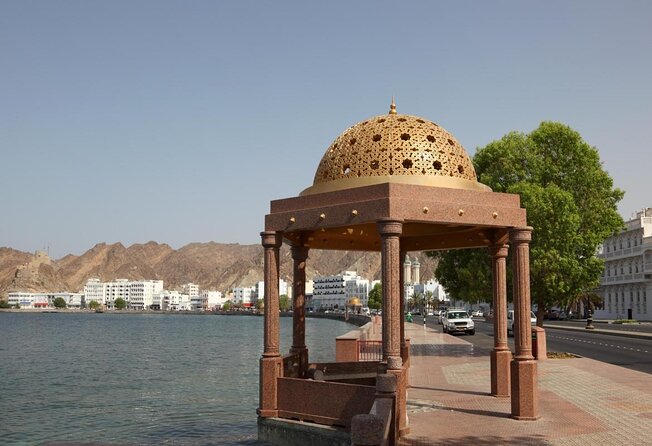
Mutrah Corniche is a cherished spot in Muscat, adored by both locals and tourists. This coastal pathway runs alongside the sea, providing breathtaking views. During sunset, the Corniche becomes even more enchanting as the sun’s rays create a shimmering effect on the water.
As you stroll along the Corniche, you’ll come across well-maintained gardens and sculpture parks, adding to the beauty of the surroundings. At the northern end of the Corniche, there’s a delightful local Souq where visitors can explore and enjoy themselves at their own pace.
2. Al Qurum Beach
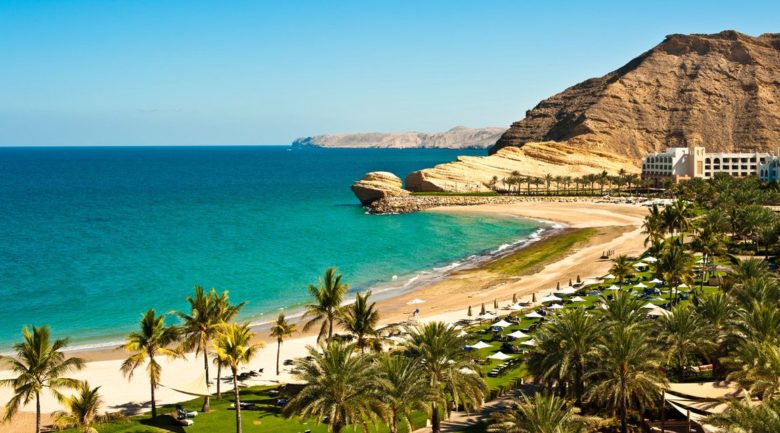
Al Qurum is one of the most famous suburbs, and one of the most naturally attractive places in Muscat. It is specifically known for its spectacular beach that is covered in golden sand and has magnificent views over the turquoise waters of the Gulf. Al Qurum Beach is one of the top natural attractions in Oman and one of the top destinations for which Muscat is famous.
3. Al Alam Palace
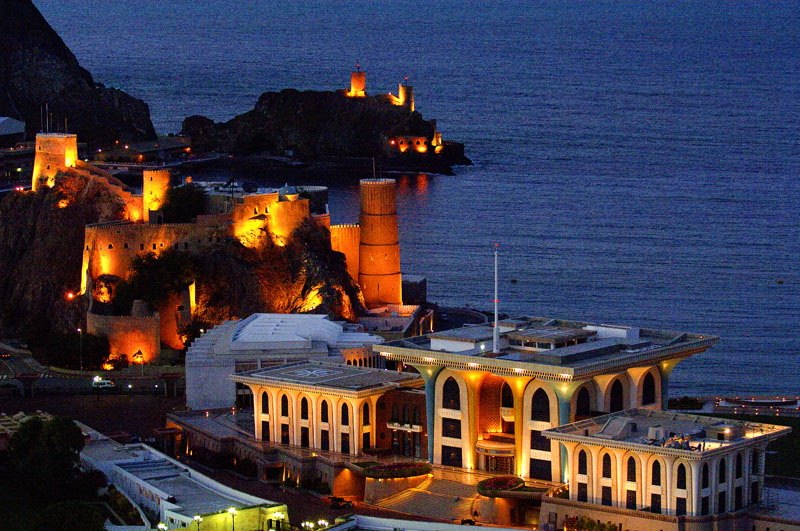
Al Alam Palace is one of the six royal residences of Sultan Qaboos Bin Said, the leader of Oman. It was built by Imam Sultan Bin Ahmad, who is the seventh grandfather of Sultan Qaboos, which means that the palace has a history of more than 200 years. The palace is surrounded by the two magnificent forts of Al Jalali and Al Mirani, located in the port of Muscat. Al Alam Palace has an elegant style with polished marble surfaces and wooden balconies, keeping traditional Omani architecture alive.
4. Sultan Qaboos Grand Mosque
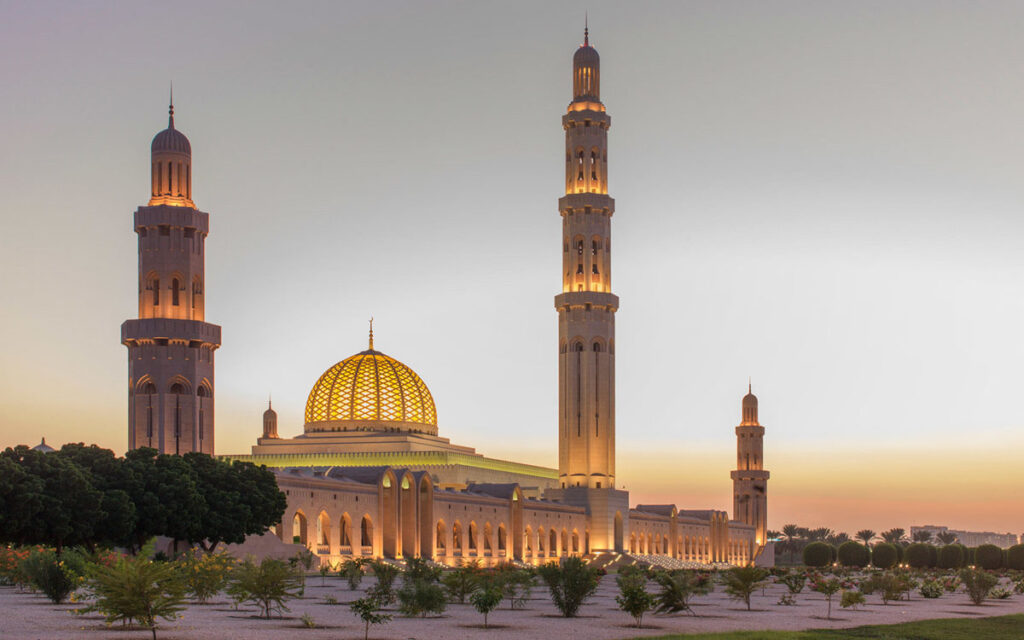
The Sultan Qaboos Grand Mosque is the most famous, and largest, of Sultan Qaboos in Oman. It is also one of the most spectacular monuments in Muscat and a must-see attraction. Between its arches, decorated walls, unique glass patterns, lamps, domes, chandeliers, and interior design, the mosque is an absolute architectural beauty.
5. Burj Al Sahwa
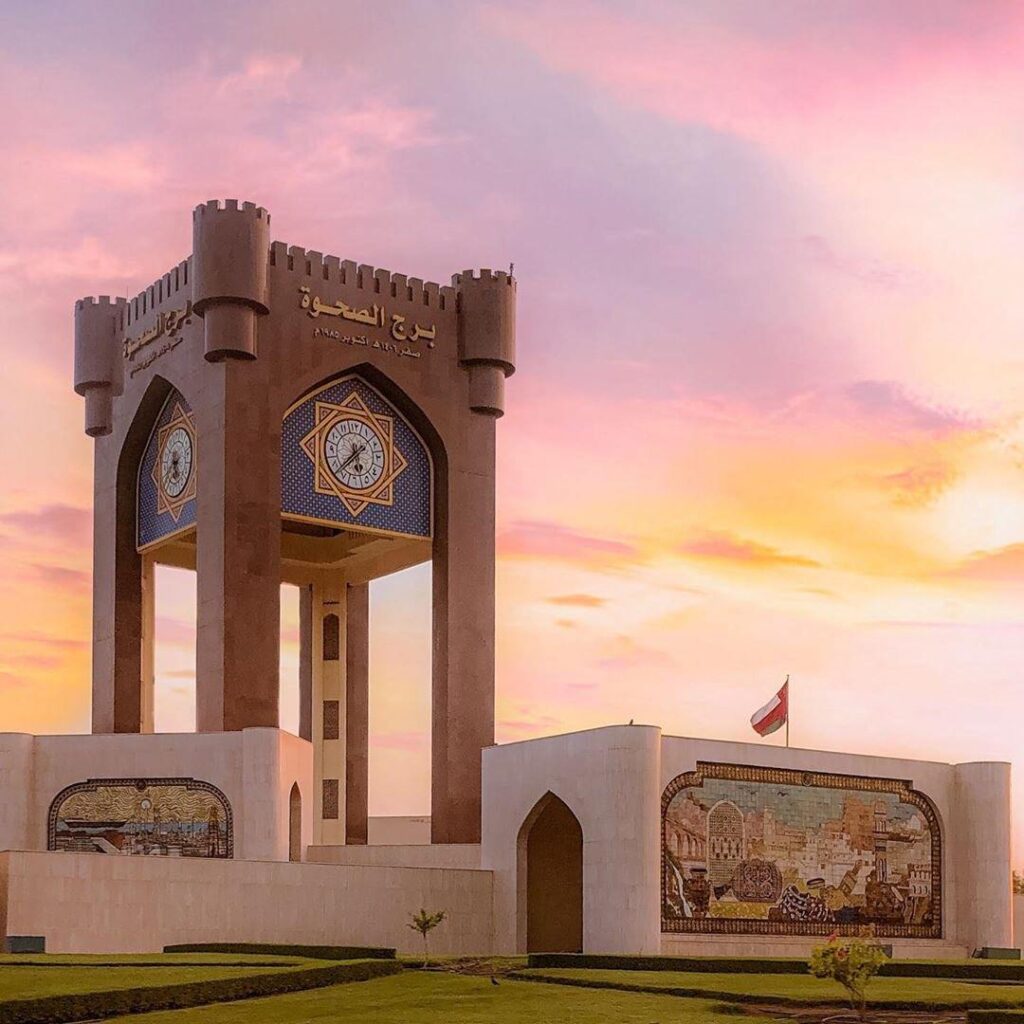
Burj Al Sahwa is a clock tower located in the center of Muscat. It is considered one of its main monuments because it marks the entrance to the city and has historical and cultural importance. It was built in 1985 as a representation of Oman’s Renaissance and the dedication of its people to modernize the country and become a powerful nation.
6. The Royal Opera House Muscat
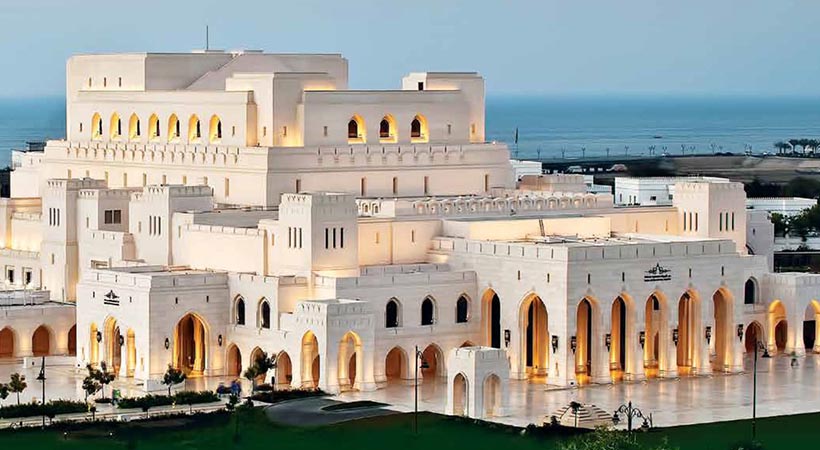
The Royal Opera House Muscat is a treasure trove of culture, offering a luxurious and enriching experience for all. Its stunning white marble exteriors and lavishly adorned theatres exude opulence and grandeur. Visitors can indulge in the delight of musical performances held regularly, with a special focus on traditional Omani music.
For those who want to explore further, the Opera House offers guided tours, providing deeper insights into its rich heritage. Additionally, with over 50 high-end stores, the Opera House has become a popular shopping destination in Muscat.
7. Wadi Bani Khalid
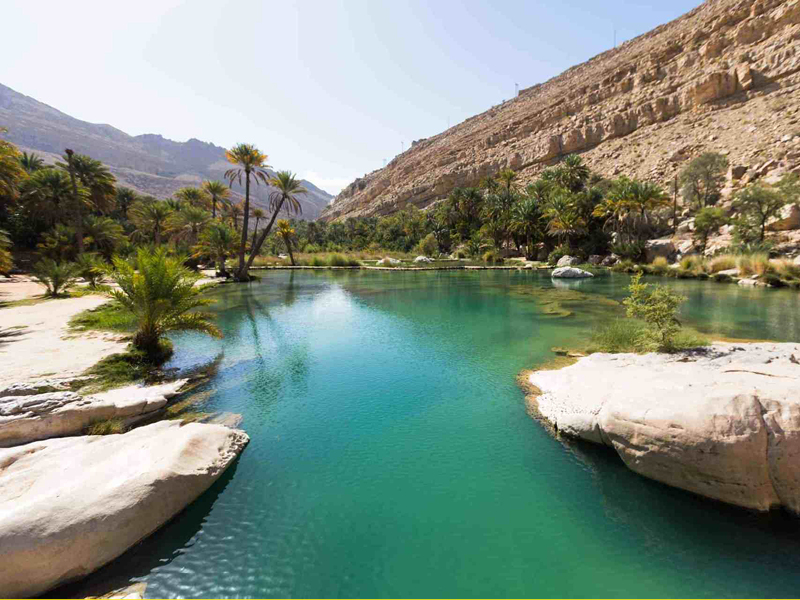
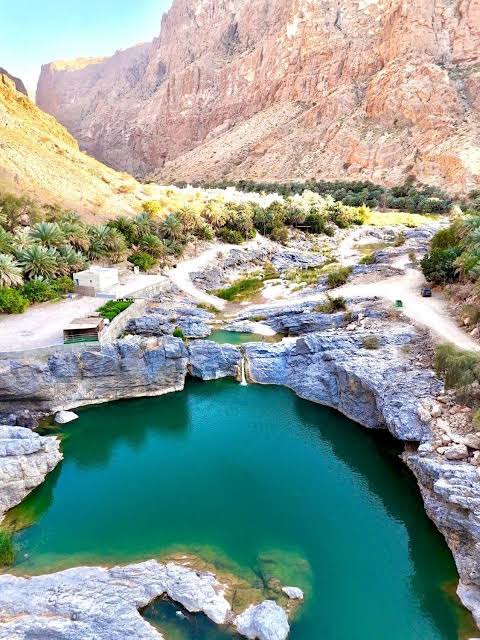
Wadi Bani Khalid, one of Oman’s most popular valleys, is famous for its peacefulness and stunning beauty. This desert oasis is surrounded by swaying palm trees, creating a serene atmosphere. The clear green lakes here stay full all year round, adding to the charm of the place.
Besides the main pool, there are also smaller seasonal pools that you can swim in. The ravines around the oasis offer occasional caves to explore, making it an exciting destination for adventurers and explorers alike.
8. Yitti Beach
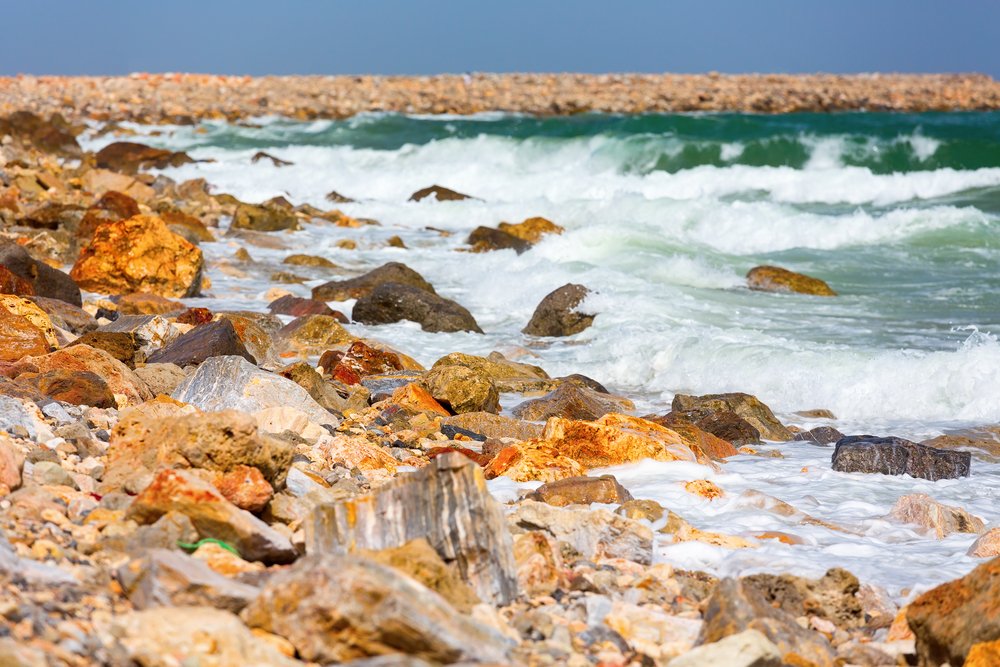
Yitti is a hidden gem on the Omani Coast, located just a short drive away from Muscat. This lesser-known beach is surrounded by cliffs and coves. The clear blue waters along the coast are perfect for swimming and fishing, while the sparkling clean sands welcome sunbathers all year round. Additionally, Yitti is a popular camping spot, where many campers pitch tents overnight by the shores.
9. Qurum Natural Park
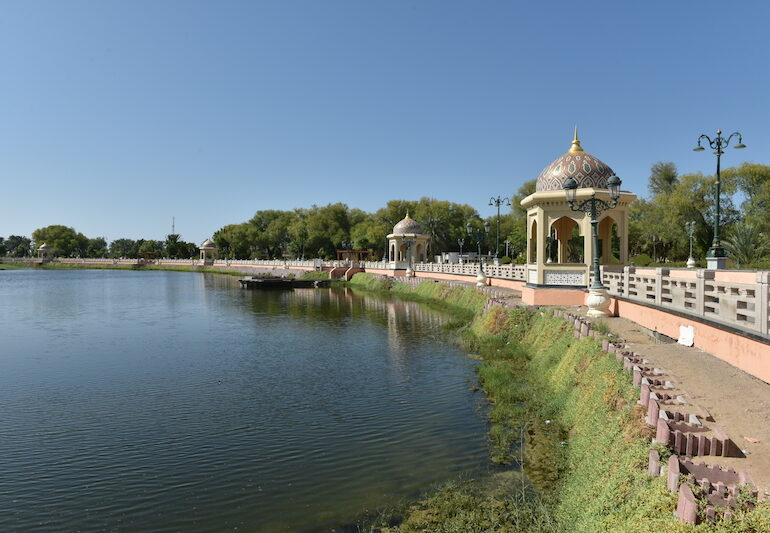
Qurum Natural Park is a delightful destination in Muscat, perfect for a relaxing day picnic. The park is a haven of lush and colorful gardens, as you explore, you’ll come across artificial waterfalls and pools that add to its beauty, with a lovely lake at its heart. Boating in the lake is a popular activity. For families with young children, there’s a small amusement park with fun interactive rides.
During certain seasons, the mangroves in the park become a haven for various bird species, making it a paradise for birdwatchers and photographers.
10. Muscat Gate Museum
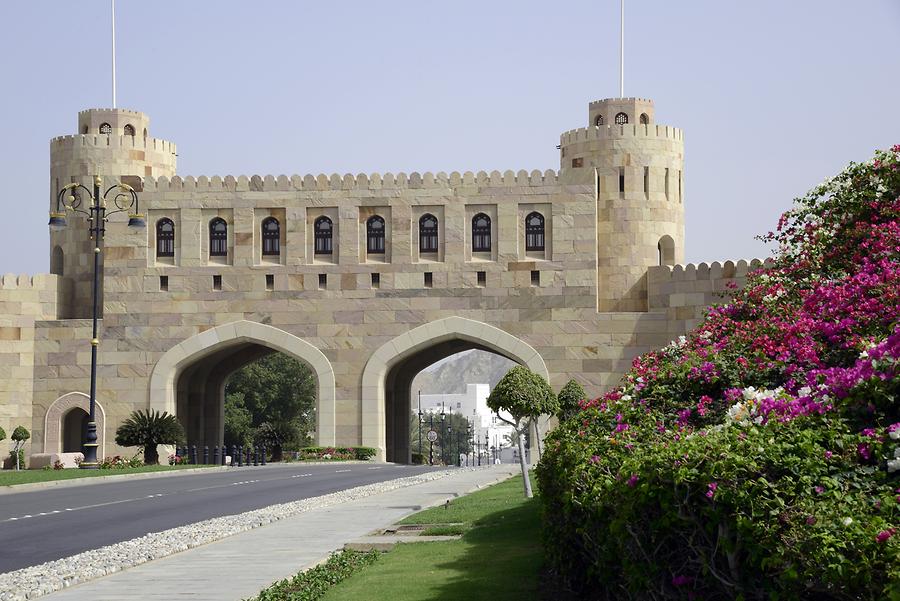
The Muscat Gate Museum is a significant attraction, located between the Old Town walls and the Mutrah Corniche. It serves as a tribute to the country’s glorious history. While the museum boasts numerous fantastic exhibits, it is most renowned for the breathtaking panoramic views it offers of the Corniche. Inside, visitors can explore various galleries and exhibits that shed light on Muscat’s oldest landmarks, including souqs, houses, harbors, and other historical sites.
11. Bimmah Sinkhole
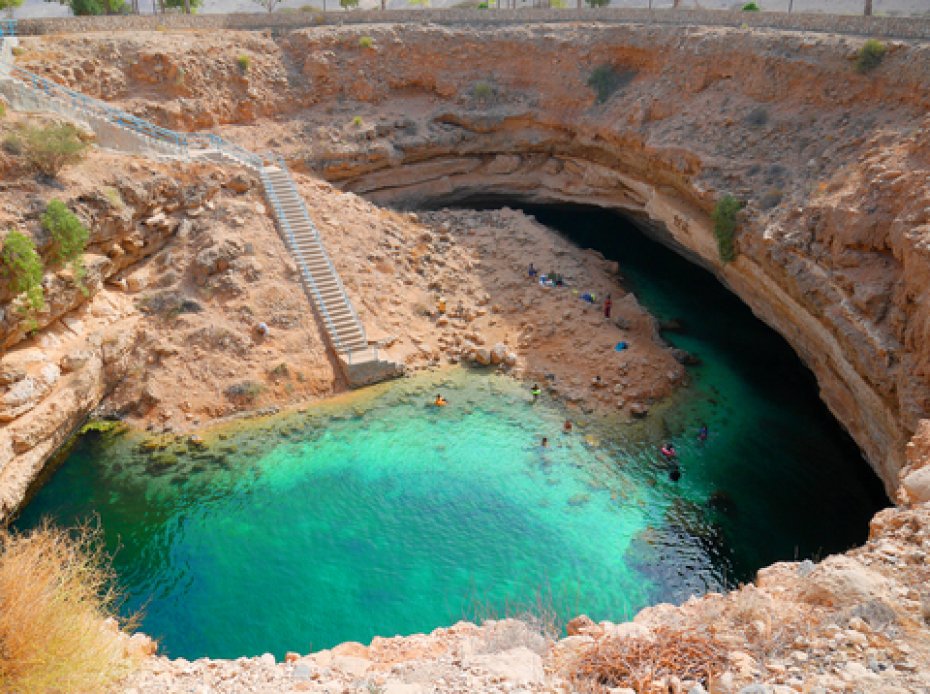
The Bimmah Sinkhole is a stunning natural wonder in Muscat, known for its dazzling turquoise water. While it was formed over time through rock erosion, local legends claim that it replaced a cavern created by a meteorite impact, which is why it’s called Haweat Najm or The Falling Star by the Omani locals.
Visitors can access the pool through a large concrete staircase leading from the rock precipice. Many people come here just to admire its beauty, but the sinkhole is also perfect for a refreshing swim. If you’re feeling adventurous, you can even try cliff diving from the surrounding clifftops.
12. Al Fahal Island
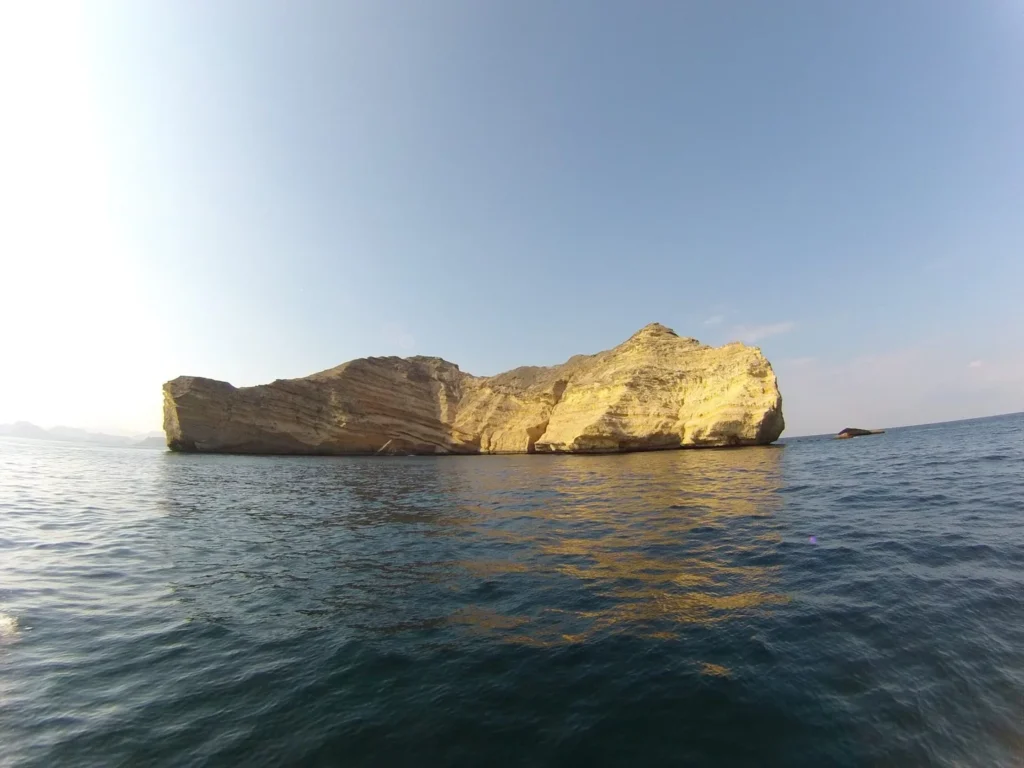
Al Fahal Island is a charming natural retreat in the Arabian Sea, well-liked for day trips from Muscat. Over the years, the sea’s erosion shaped this little island, with limestone from the sea floor drying up to create the massive rock that Al Fahal is today.
The waters surrounding the island boast vibrant coral reefs and a diverse array of fish, making it a paradise for snorkelers and underwater enthusiasts. While there might not be many things to explore on the island itself, visitors can have a fantastic day swimming and snorkeling in its crystal-clear blue waters.
13. Al Jalali Fort
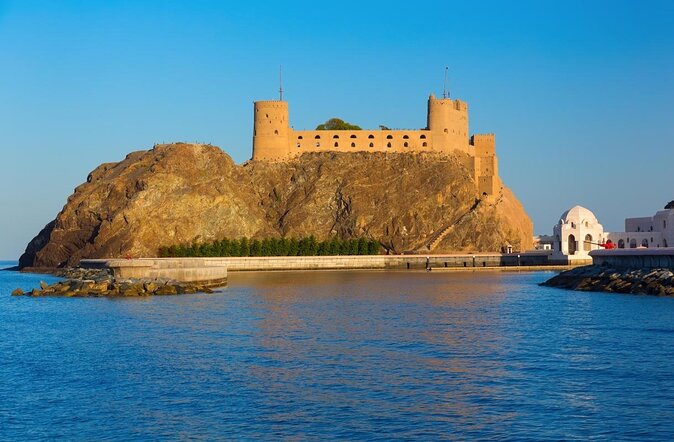
The Al Jalali Fort, constructed during the Portuguese occupation in the 1580s, stands guard at the eastern entrance of the harbor. To reach the fort, visitors must climb a steep flight of steps, making it an ideal spot for a peaceful self-guided hike.
Once used as a prison, the Al Jalali Fort has now been transformed into the Museum of Omani Heritage. However, it is open only to dignitaries visiting the country. The museum showcases various exhibits, including cannons, muskets, maps, and other historical artifacts. On military occasions, bagpipers perform at the fort’s battlements, adding a unique touch to the experience. Though it may not be accessible to all, the Al Jalali Fort remains an intriguing piece of Oman’s history and culture.
14. Bait Al Zubair
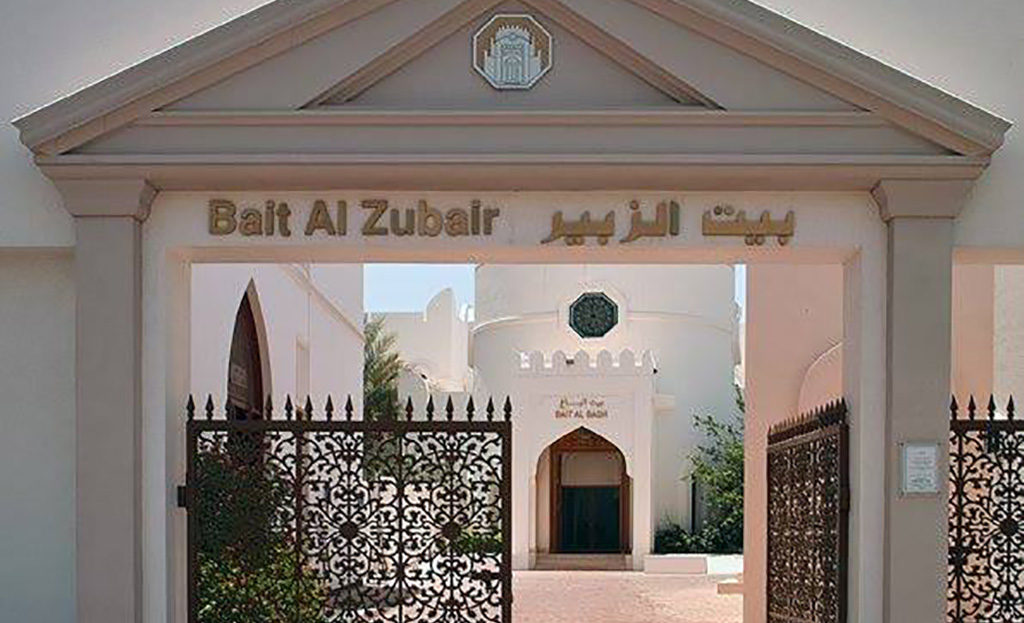
The Bait Al Zubair Museum had humble beginnings, originally meant to house the private belongings of Sultani Chief Bait AL Zubair Ali. Over time, it has evolved into one of Oman’s most popular museums. Initially situated in Al Zubair’s private residence, the museum has now expanded and consists of three separate sections – the main Museum, an art gallery, and a model Omani-style village complete with houses, a falaj, and a Souq.
The main focus of the museum is on traditional Omani crafts, featuring various items ranging from ancient furniture to traditional daggers. Additionally, the museum also displays a collection of photographs showcasing the Old City.
15. Muscat Festival

The Muscat Festival is one of the most famous festivals in Oman, attracting people from all over the world to witness a unique and cultural celebration every year. It takes place during the first months of January and February and includes various events and activities for visitors who want to learn about the culture, heritage, and traditions of Oman. With folk dances, performances, special costumes, and Omani products, this festival is an outstanding cultural experience.
- What to Buy at Khan el Khalili Bazaar (2026): 12 Best Egyptian Souvenirs and Shopping Tips
- What to Wear on a Desert Safari in Dubai in 2026: The Practical Packing Guide
- What to Wear in a Turkish Bath (2026): Ultimate Hammam Dress Code & Massage Etiquette
- 7 Best Family Hotels in Bahrain (2026): From big five-star resorts with mini waterparks to beachfront hotels
- 5 Best Wadis In Oman (2026)